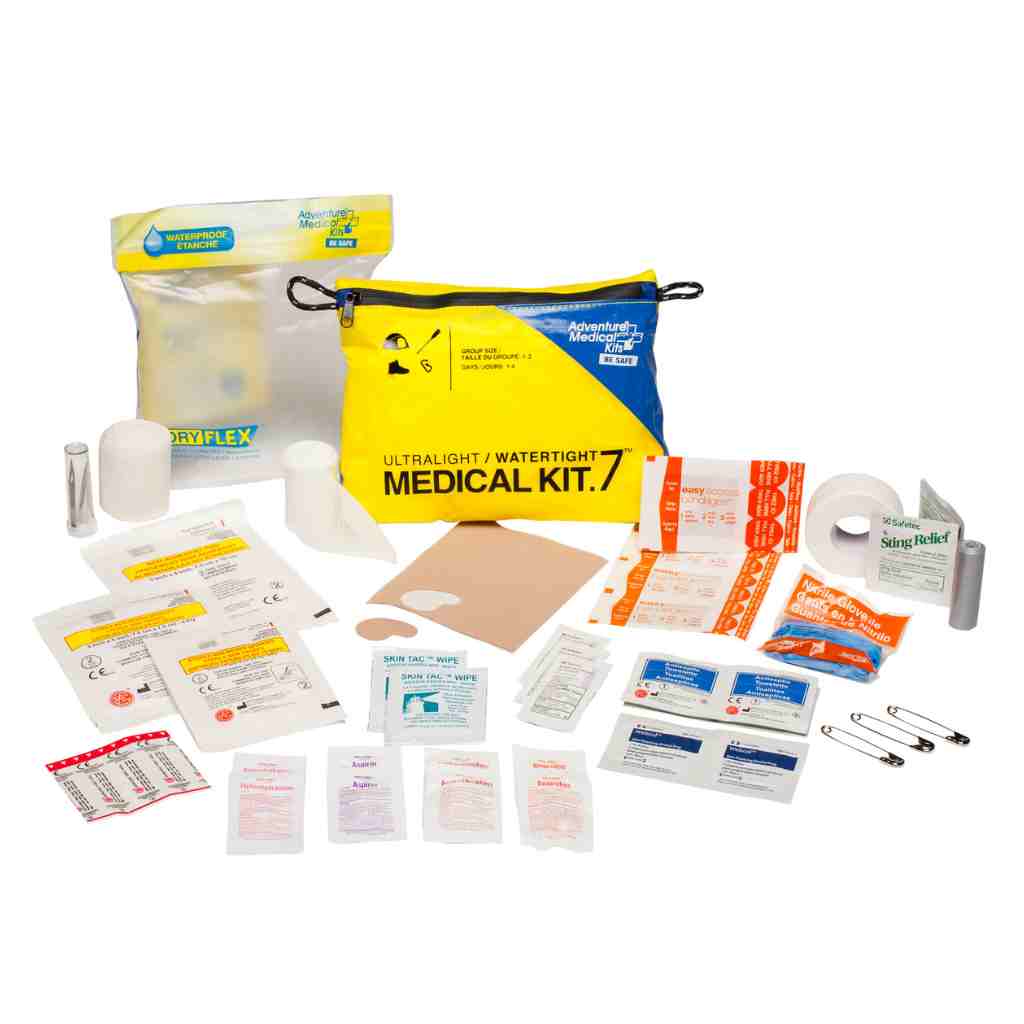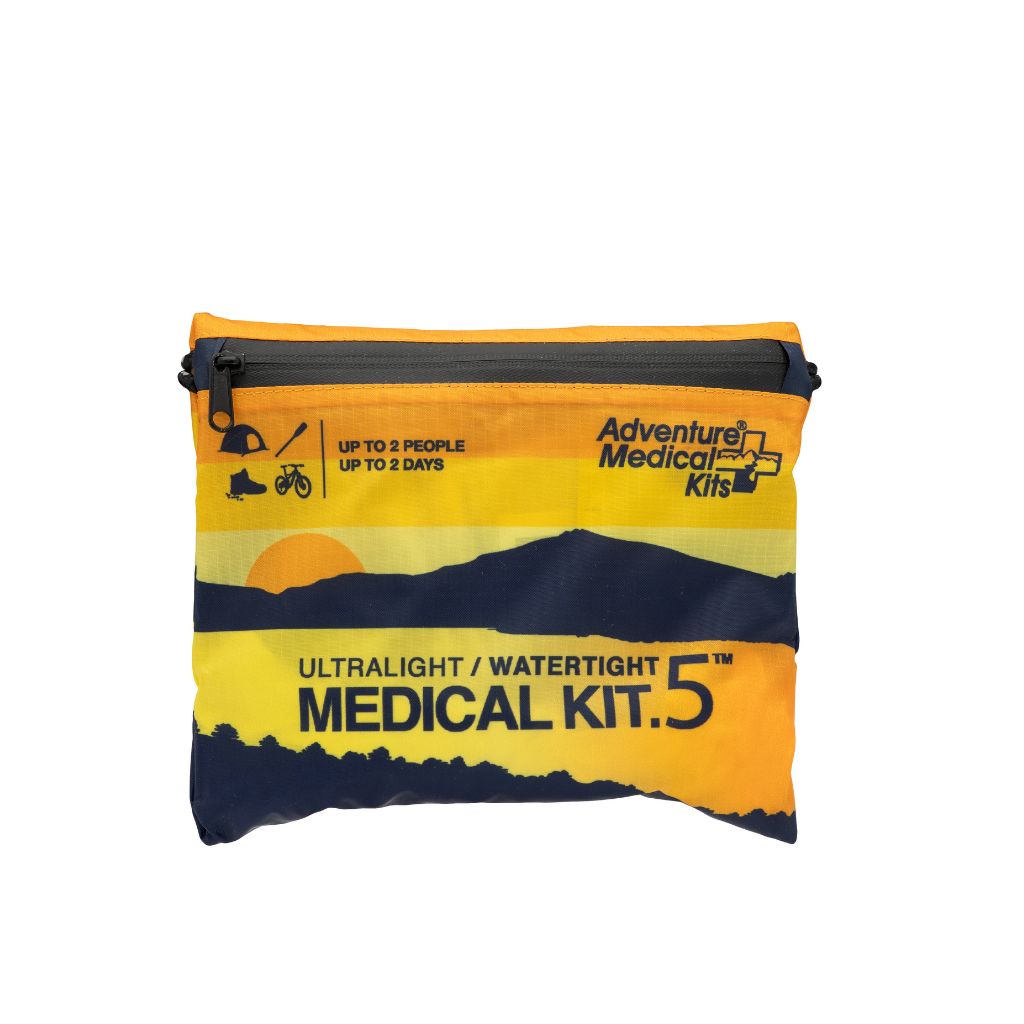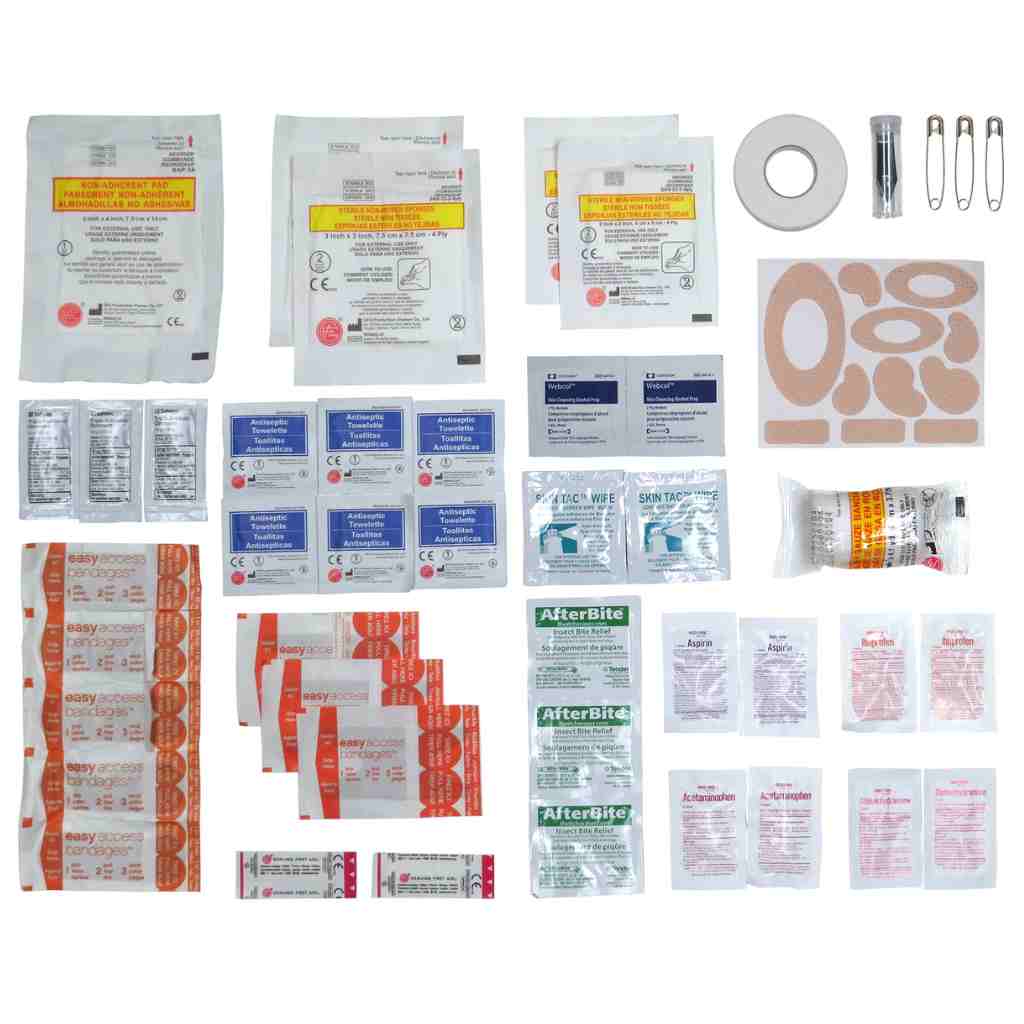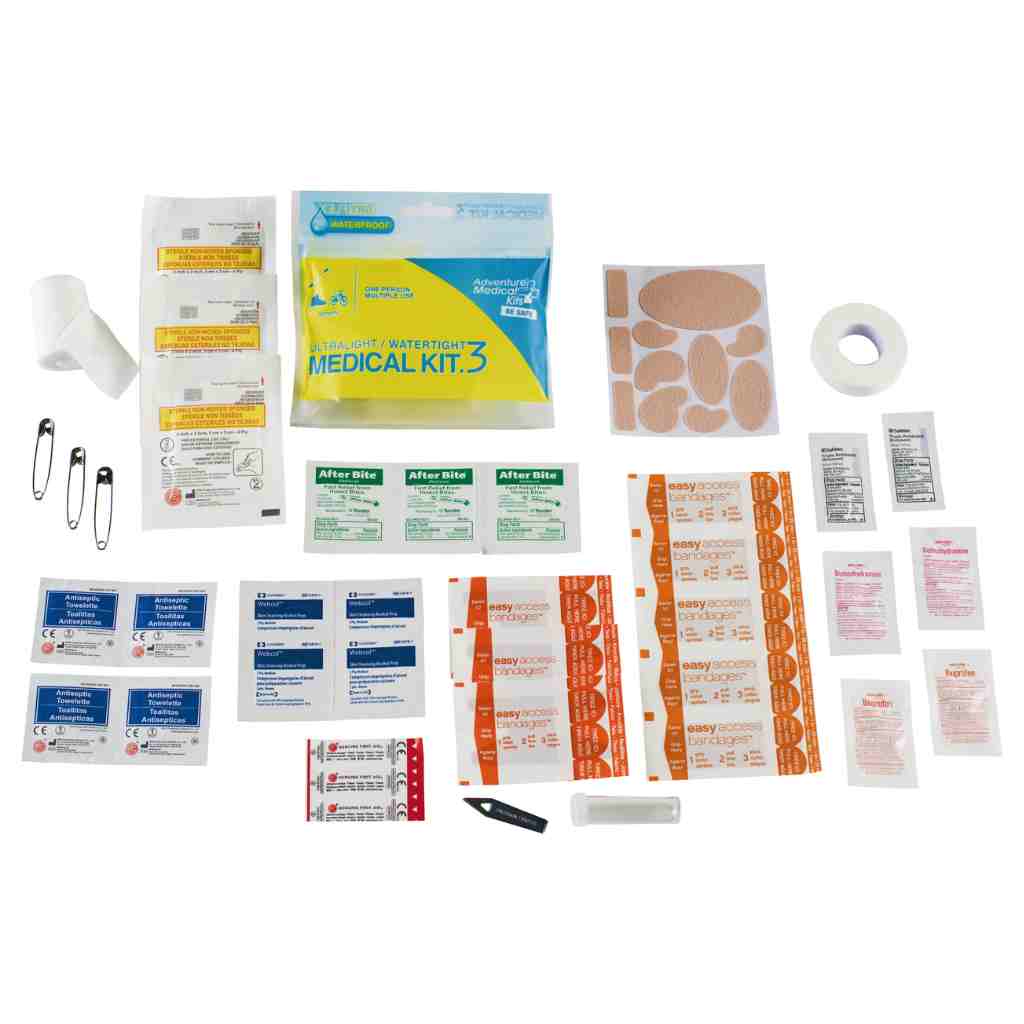


A lot of hikers are in the same spot right now. There's a daypack by the door, a route pulled up on a phone, and a nagging question about whether the small pouch with a few adhesive bandages counts as a real first aid kit.
It usually doesn't.
A scrape on wet rock, a knife nick at lunch, a blister that opens halfway through the climb, or a twisted ankle several miles from the trailhead can turn a simple outing into a long problem. The best hiking first aid kit isn't a single universal pouch. It's a matched system built around how long the trip lasts, how many people are going, and how far help is from the trail.
Table of Contents
Why Your Daypack Needs More Than a Few Band-Aids
The trail injury that changes a day usually starts small. A boot slips on loose rock. A shin gets raked by deadfall. Someone keeps hiking because the cut “isn't that bad,” but dirt stays in the wound, bleeding restarts every time the leg moves, and the walk out gets slower with every mile.
That's where weak kits fail. A handful of adhesive bandages helps with nuisance cuts, but it doesn't handle cleaning, closing, padding, wrapping, or protecting a wound that keeps getting stressed. It also doesn't help much when cold, heat, or fading daylight starts stacking pressure on a simple problem.
Practical rule: If an injury would force the group to slow down, stop, or turn around, the kit needs to do more than cover skin.
A useful trail kit has to support decisions. Can the wound be cleaned well enough to continue? Can a hotspot be managed before it becomes a full blister? Can a sprain be wrapped firmly enough to move safely? Can one hiker find the right item fast if another person is hurt?
That last point matters more than most buyers think. The best hiking first aid kit isn't just about contents. It's also about speed under stress. If supplies are loose, wet, unlabeled, or buried under snacks and spare socks, the kit won't work when it's needed.
Three factors decide what belongs in the pack. Trip duration changes how self-reliant the group needs to be. Group size changes how much supply depth is required. Remoteness changes how serious a “minor” injury becomes when outside help is hours away.
How to Choose a Kit Sized for Your Adventure
A lot of buyer guides chase a “best overall” answer. That's not how real trip planning works. Independent hiking guidance stresses that a kit should be scaled to trip type, expected hazards, and time to help, not broad marketing claims, as noted by the Washington Trails Association guidance on building a first aid kit.

Start with duration and time to help
For a short local day hike with easy retreat, most hikers can stay light. Industry benchmarks put a solid day-hiking first aid kit at between four and eight ounces, while a full backpacking first aid kit with trauma supplies generally weighs 12 ounces according to industry standards cited by the Montana Knife Company and other outdoor experts.
Those numbers matter because they force discipline. A day-hike kit should handle common problems cleanly without turning into a brick at the bottom of the pack. A backpacking kit needs more depth because the group may have to stabilize, monitor, and keep moving for a longer period before reaching help.
For hikers planning overnights, the multi-day backpacking medical kit guide is a useful way to think through what changes when the trip gets longer.
Match the kit to the group
Solo hikers can pack tighter, but they can't borrow forgotten supplies. Pairs and families need more duplicates of high-use items like dressings, blister care, and gloves. Group leaders need a kit that stays understandable even when someone else opens it.
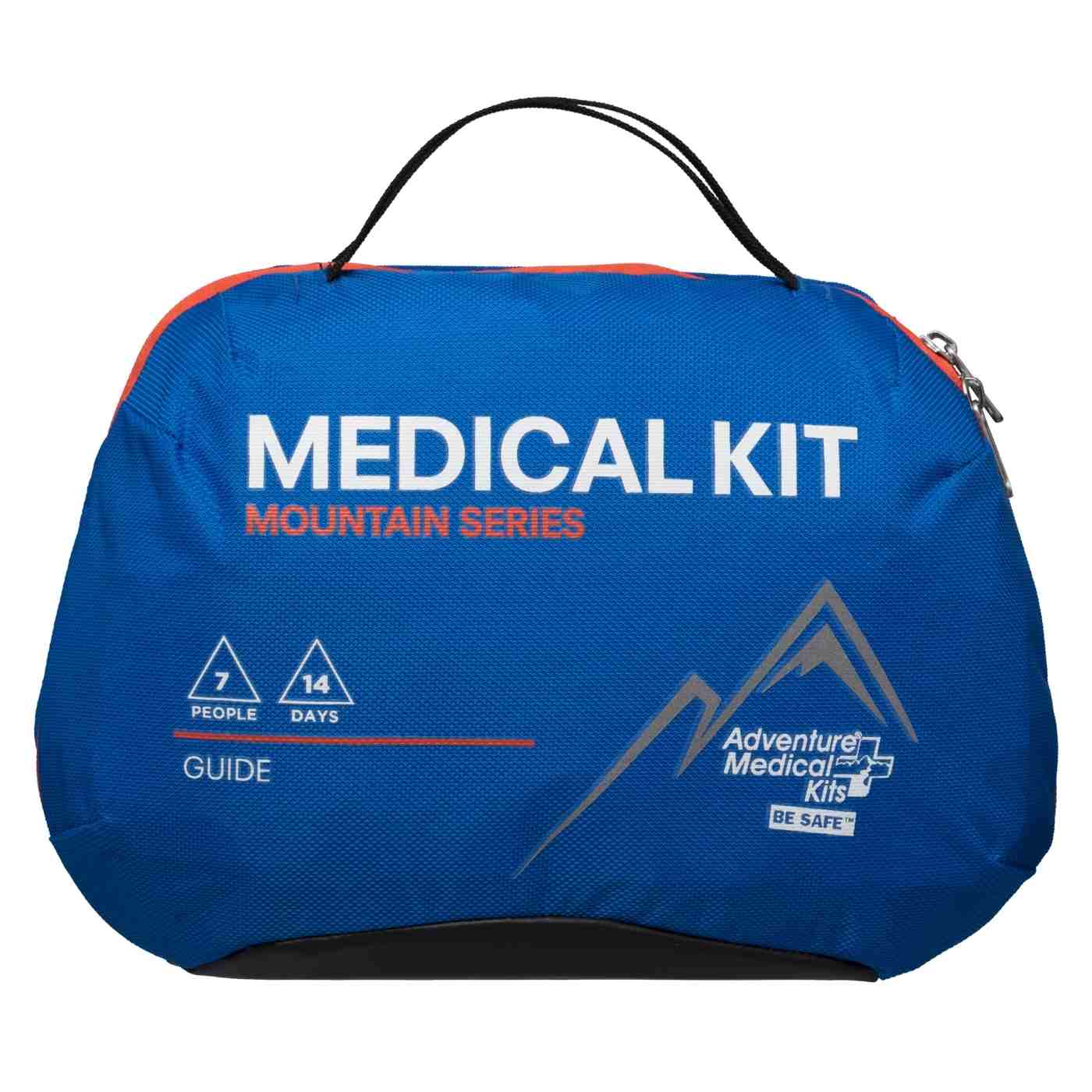
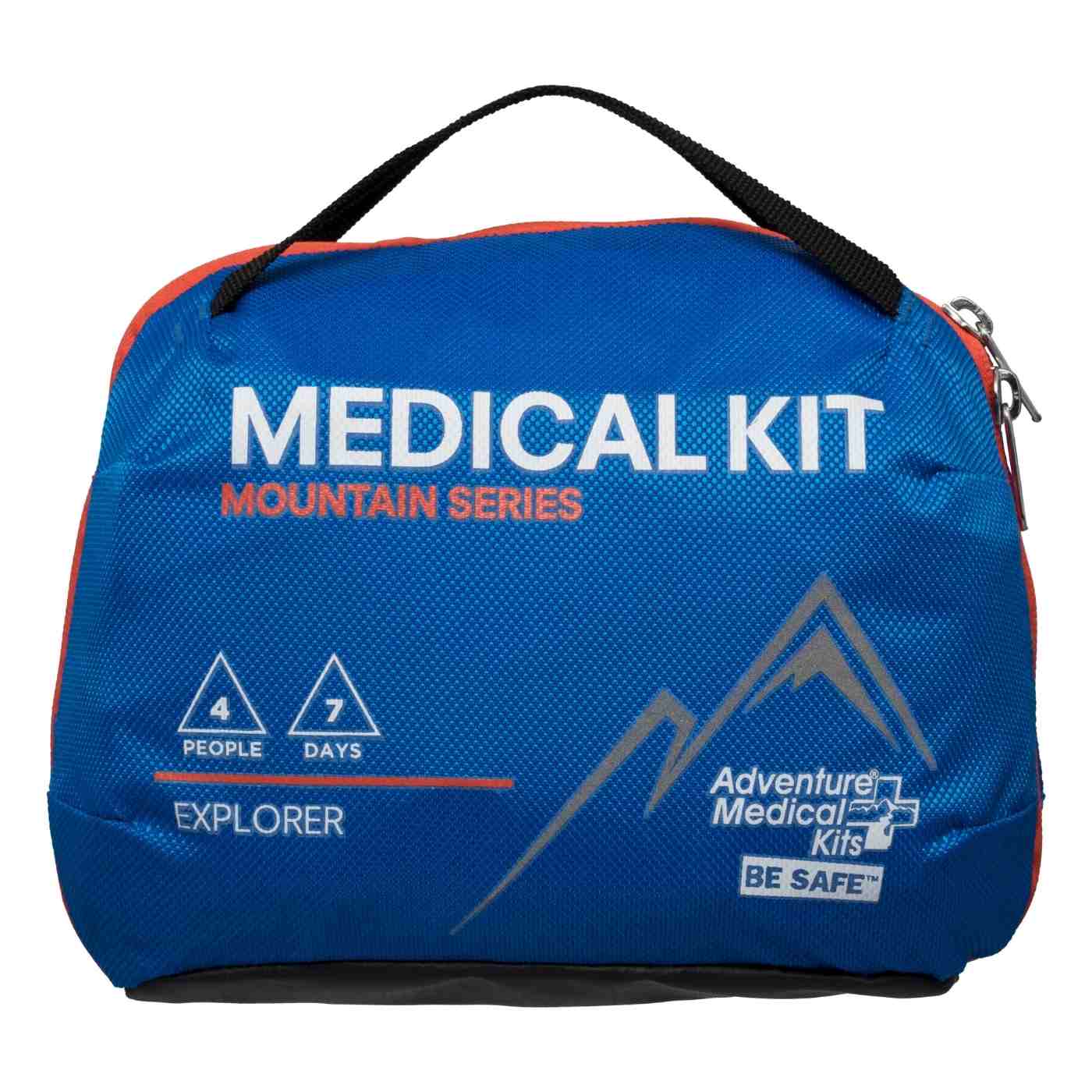
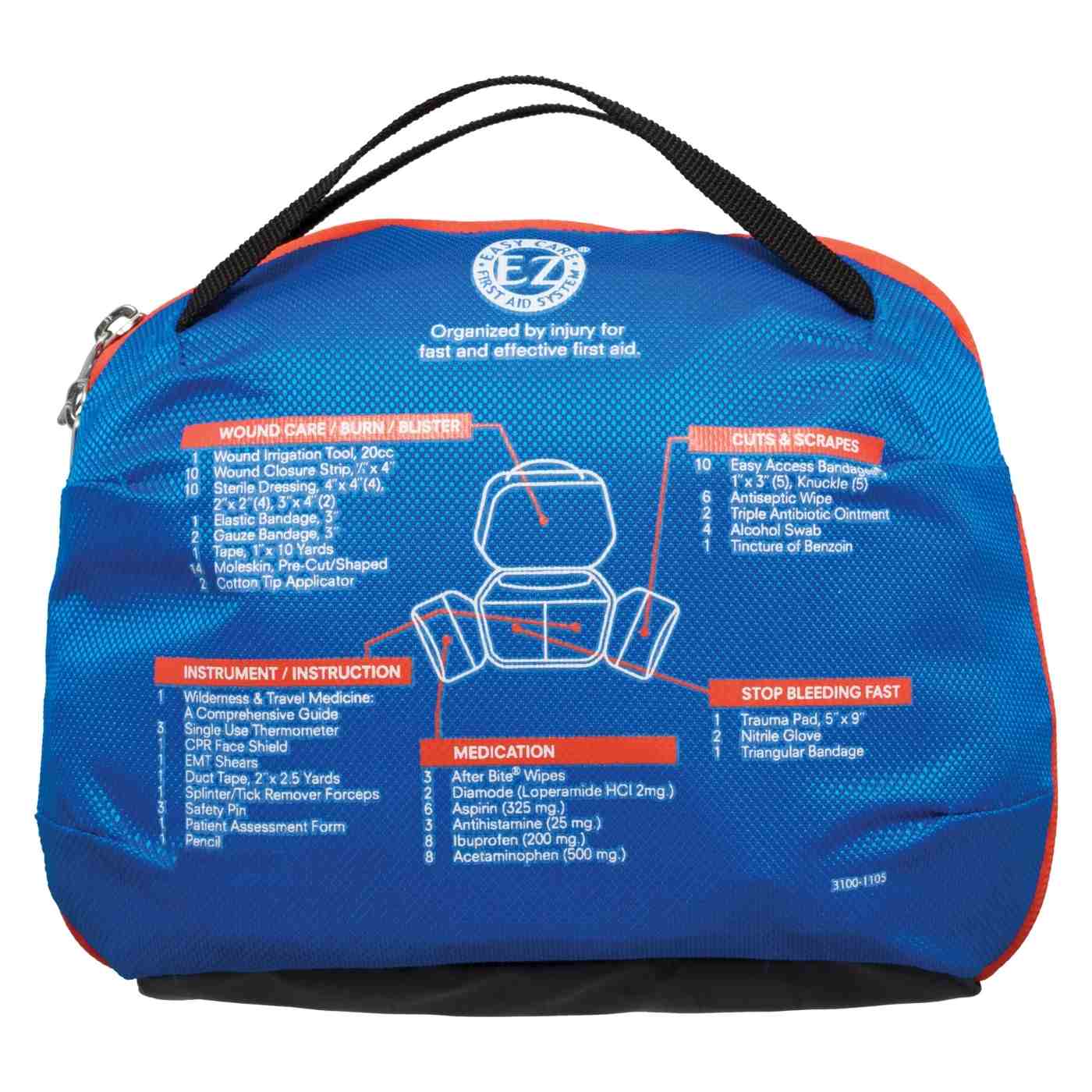
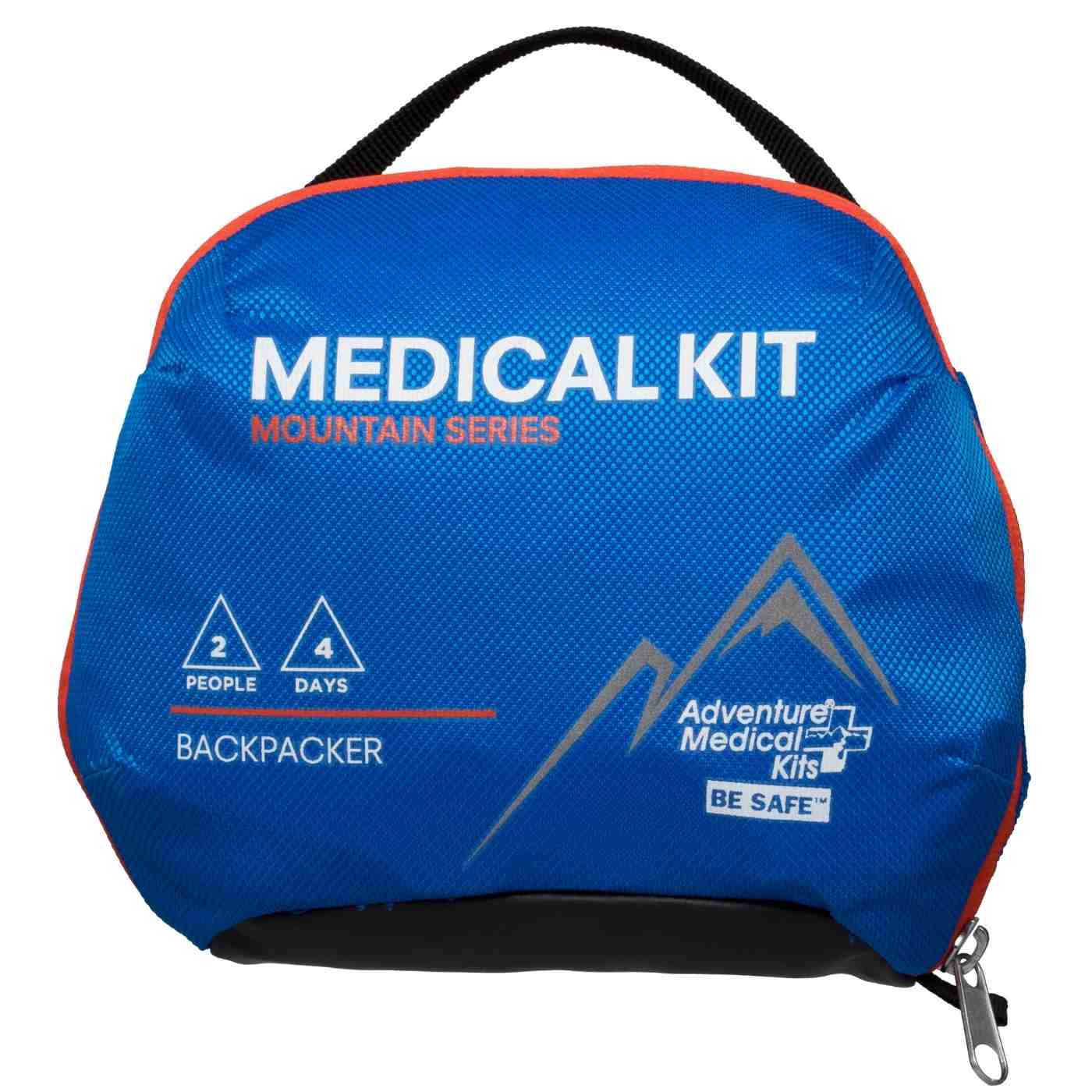
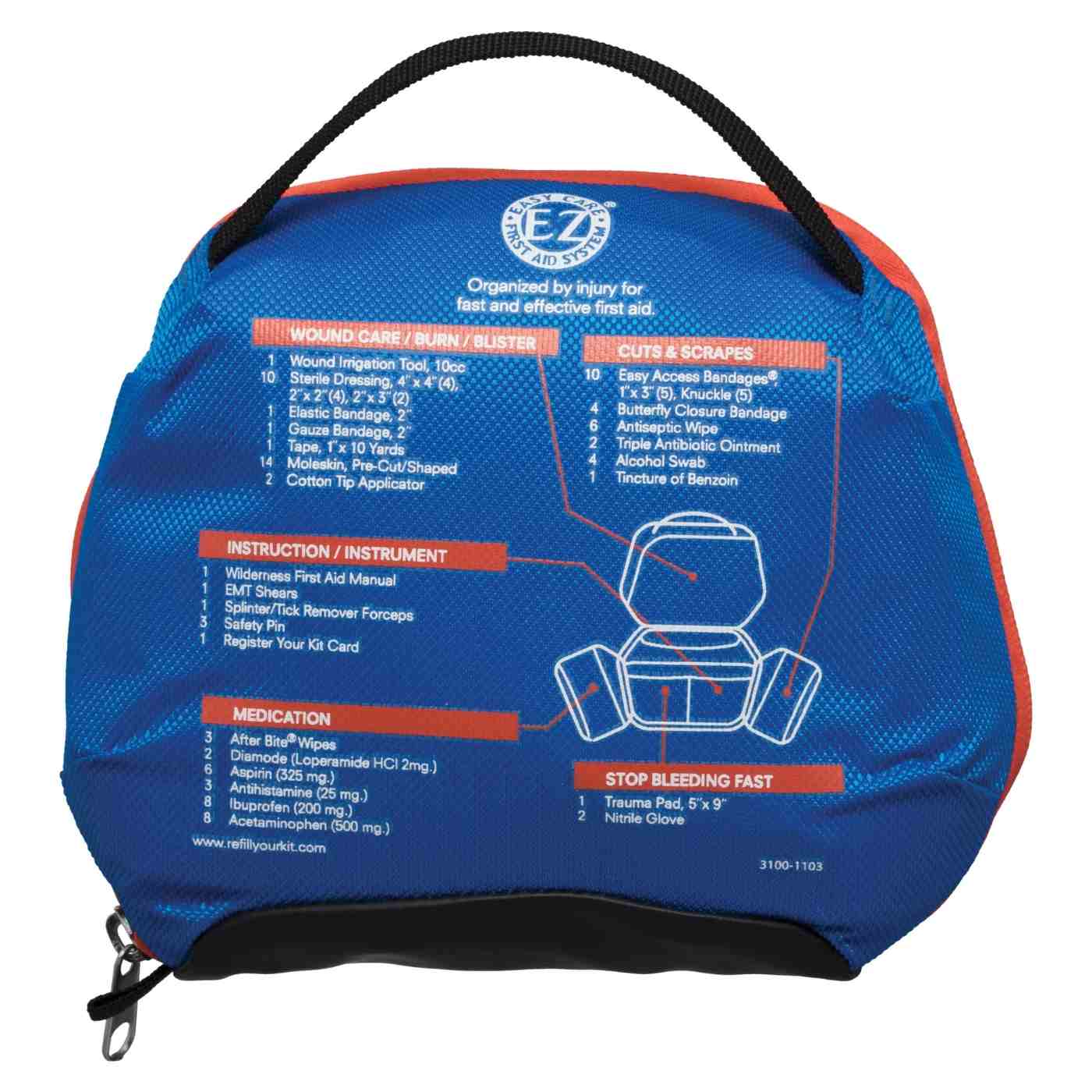
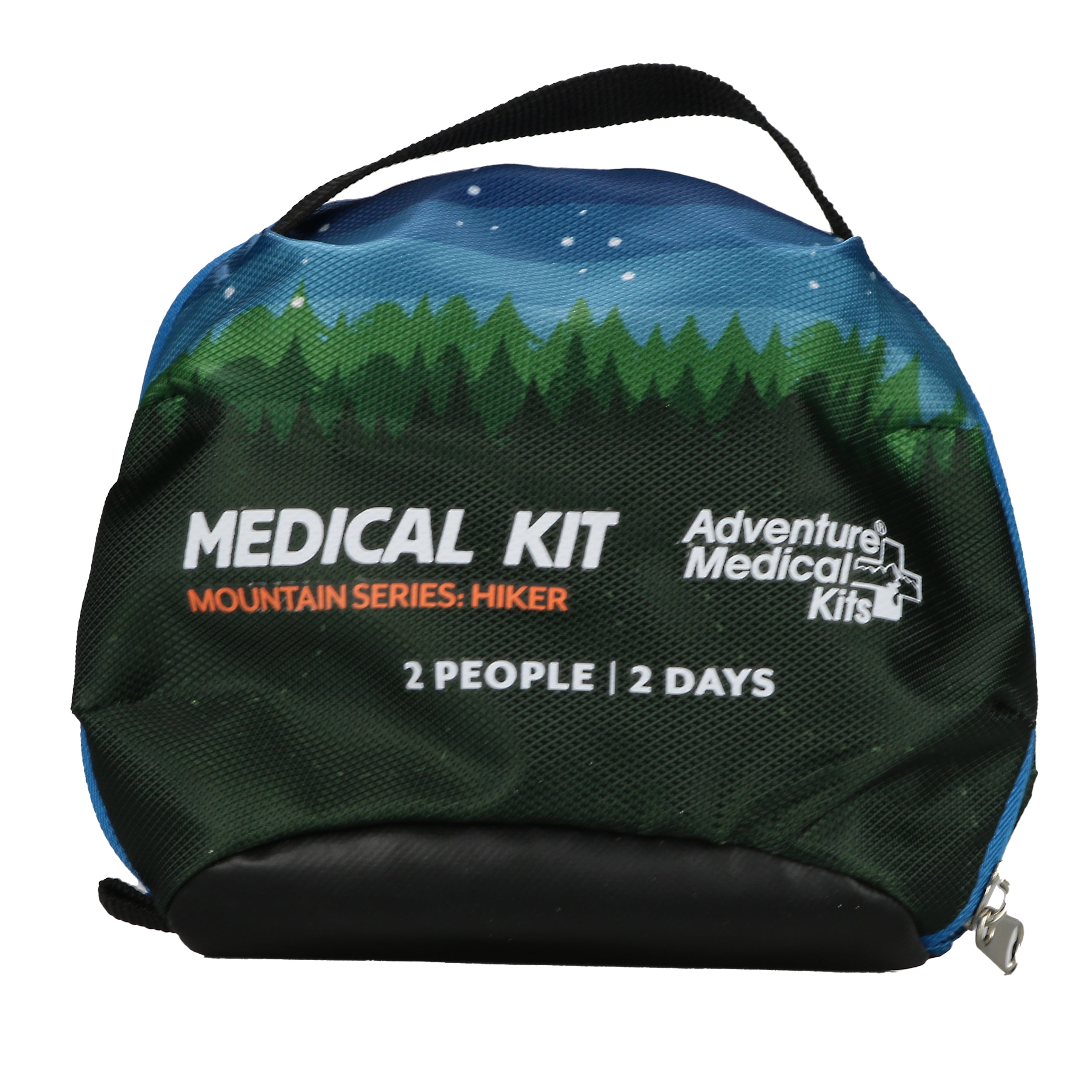
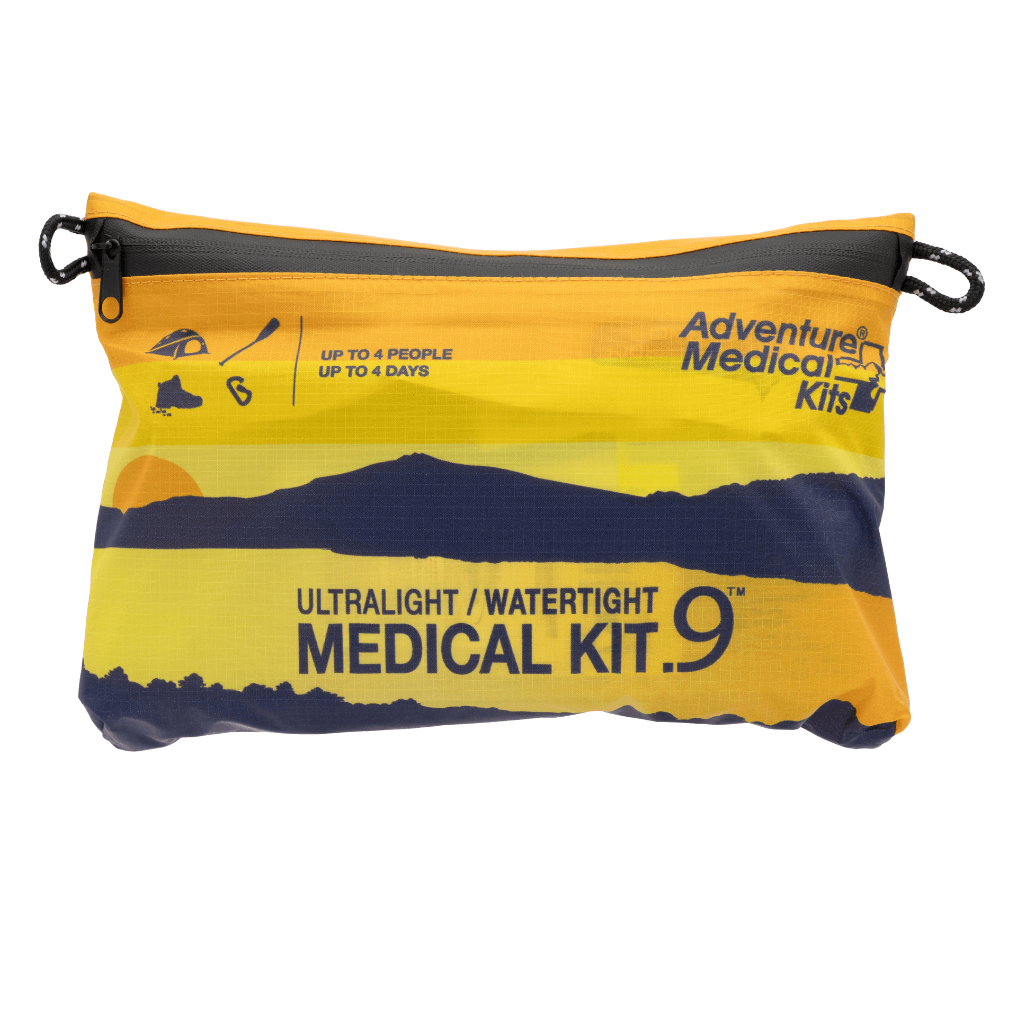
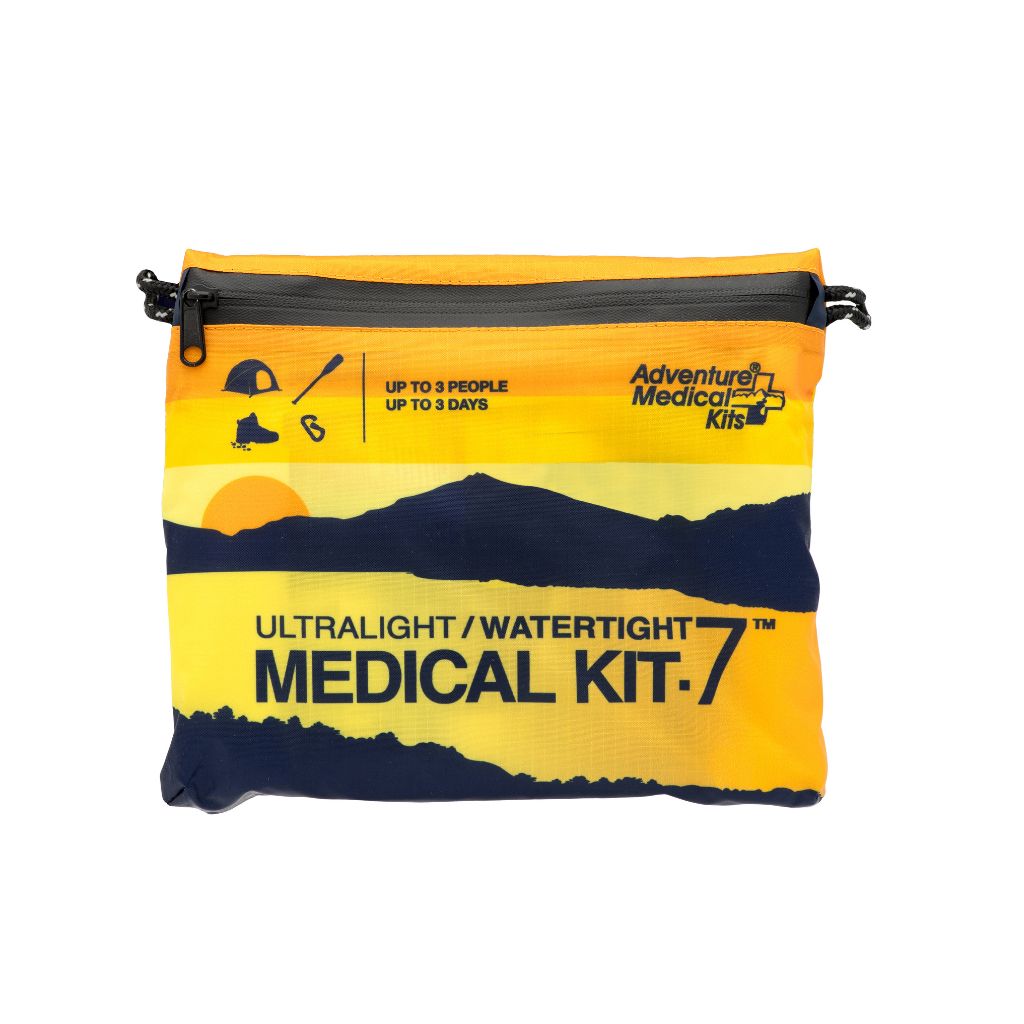
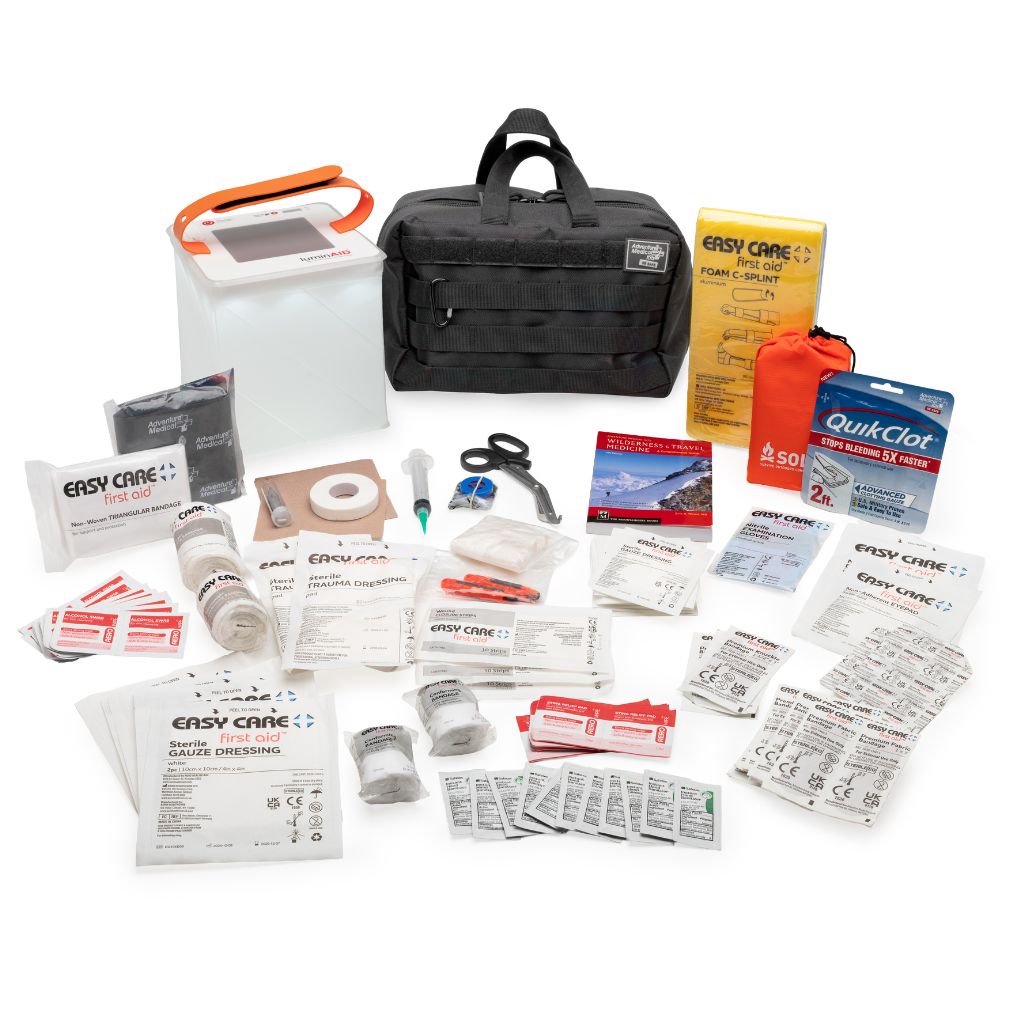
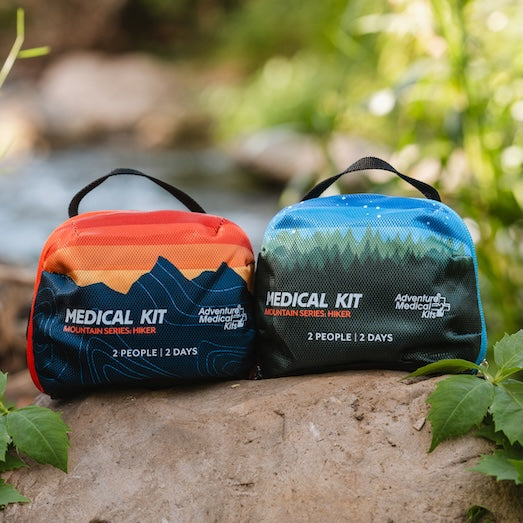
Preconfigured hiking kits can make sense. The Mountain Series Medical Kit - Hiker is described as a compact hiking first aid kit for overnight adventures, with carefully selected supplies to treat common on-the-trail injuries and illnesses and preparation for two people during a weekend on the trail.
A kit for two doesn't mean “double everything.” It means carrying enough of the items most likely to get used more than once.
Adjust for terrain and consequences
Terrain changes the risk profile fast. Desert routes raise concern about dehydration and heat stress. Alpine routes push exposure higher. Dense forest and brush raise the odds of cuts, punctures, and skin irritation. Remote canyons and off-trail travel increase the penalty for every mistake because evacuation takes longer.
Use this simple filter before choosing a kit:
- Short and close to help: Prioritize light weight, blister care, wound cleaning, and pain relief.
- Longer or overnight: Add more dressings, wrap capability, and stronger support for strains, sprains, and repeated wound care.
- Remote or high consequence: Carry a more serious package that can bridge time until evacuation.
The Anatomy of a Trail-Ready First Aid Kit
A hiker slips on wet rock, opens a shin, and still has six miles to walk out. In that moment, a useful kit is not the one with the most pieces. It is the one that lets you clean the wound, control bleeding, protect the skin, and keep moving safely. Trail kits work best when they are built around likely problems and the time you may need to manage them before help is available.
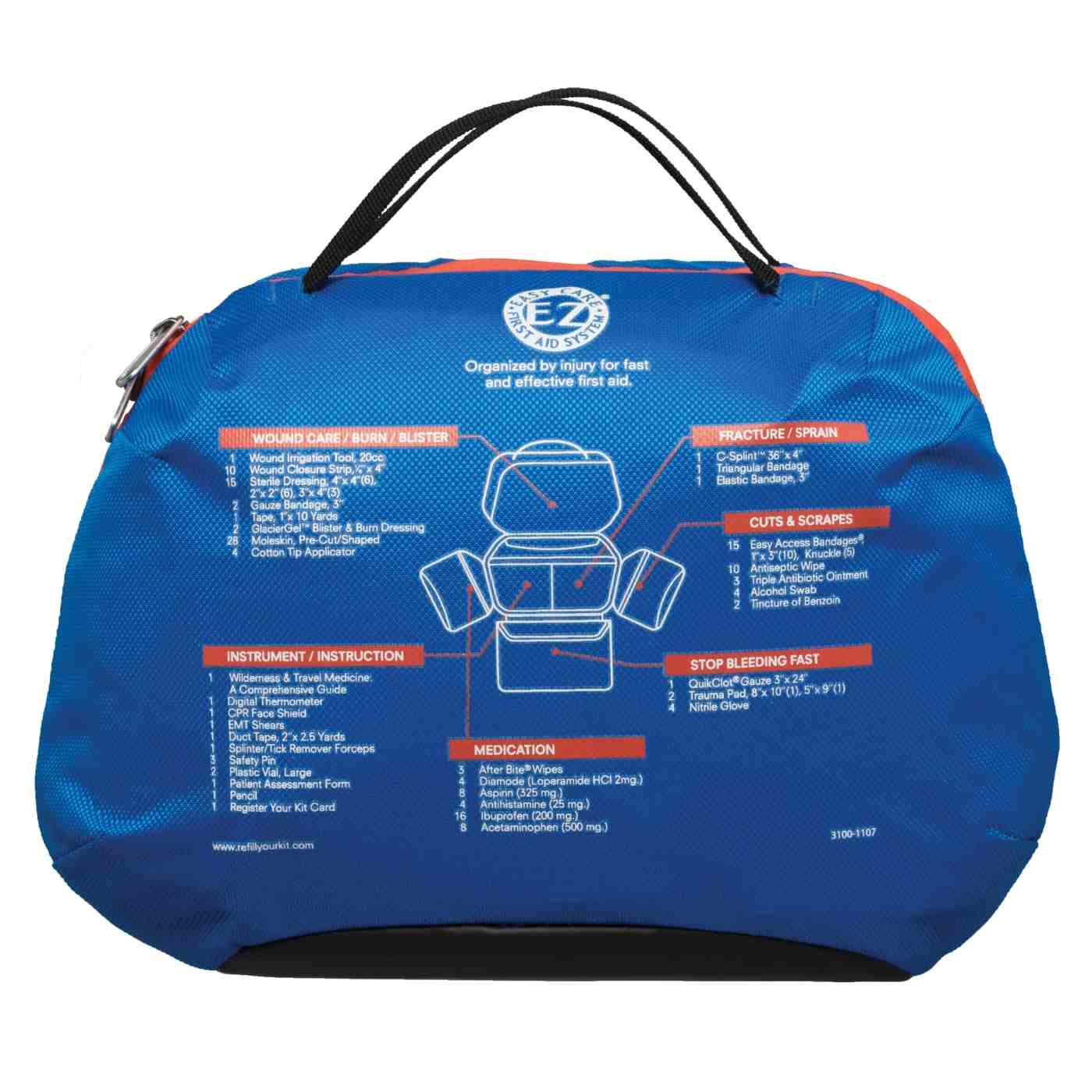
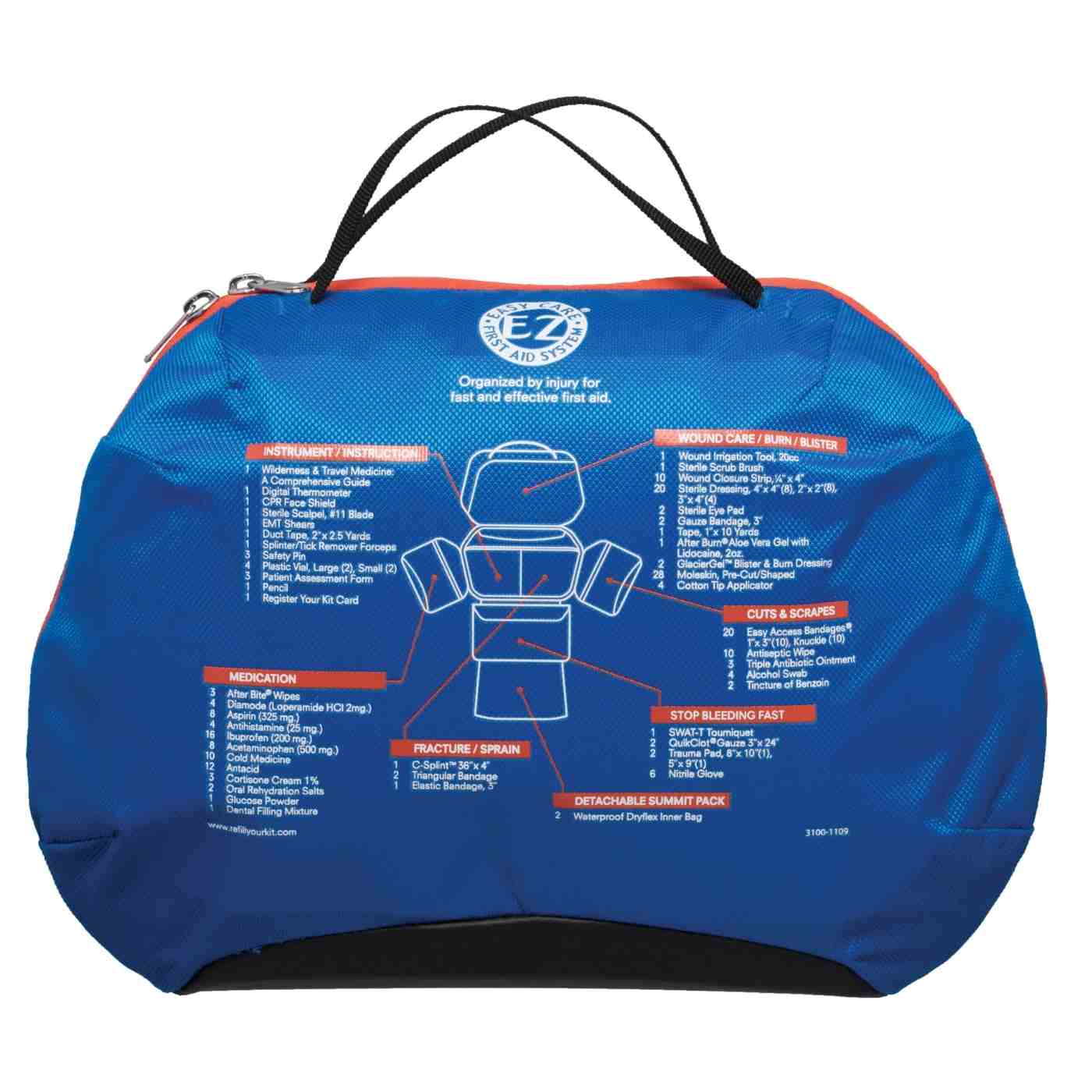
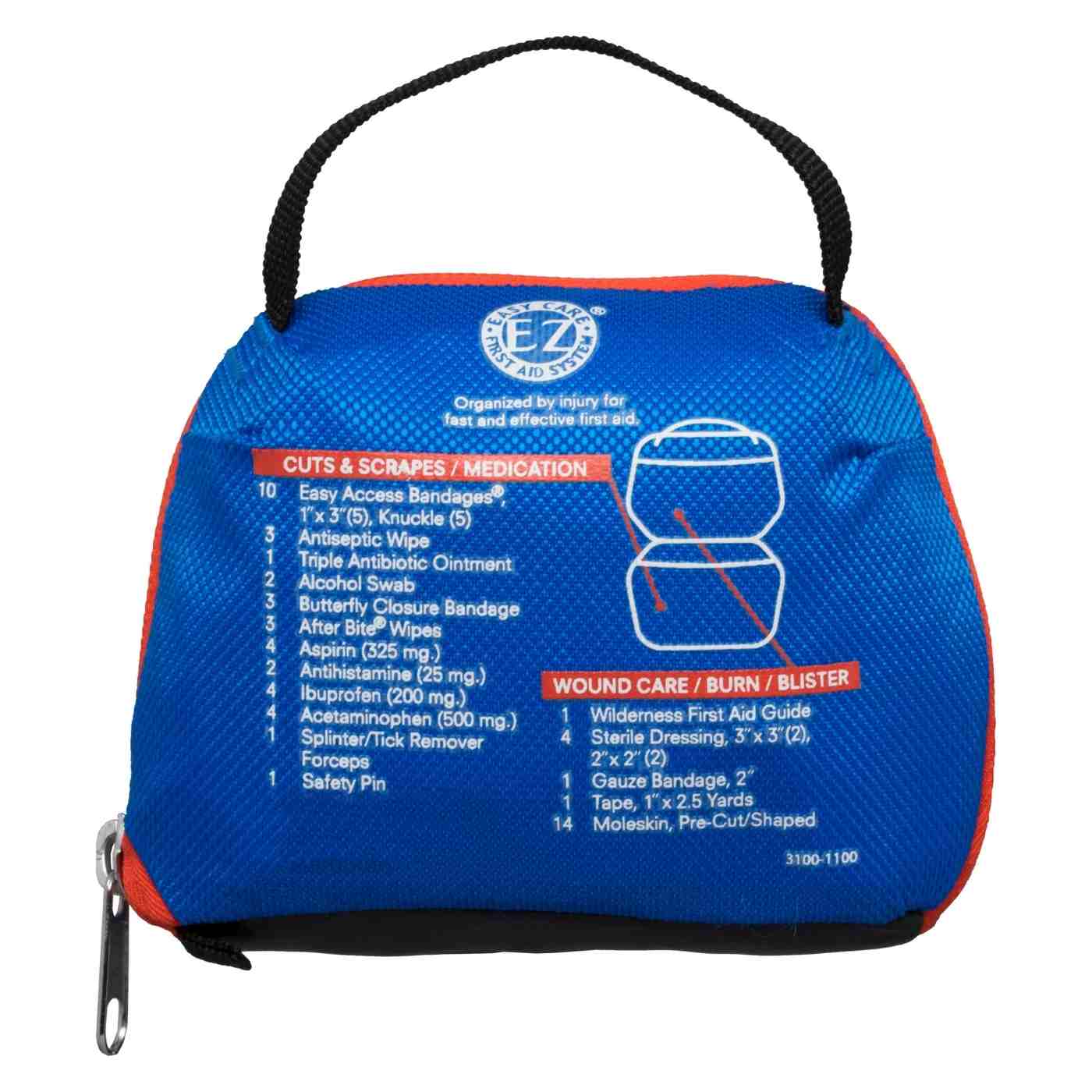
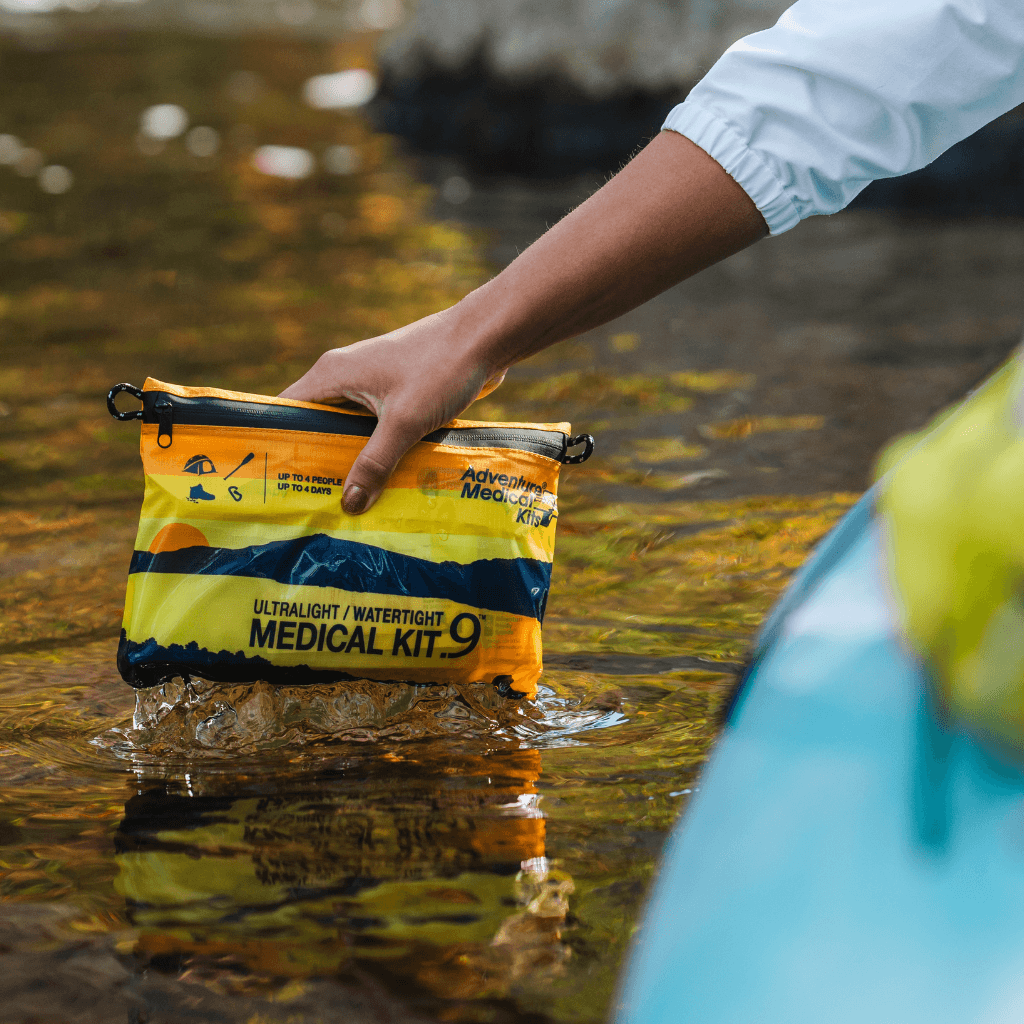
Pack the kit in moisture-resistant storage and organize it by treatment category. Clear organization matters because injuries on trail rarely happen in calm conditions. Cold hands, fading light, rain, and stress all make small items harder to find. For longer trips, larger groups, or more remote routes, that same structure matters even more because supplies may be used more than once by more than one person.
What matters most in a core kit
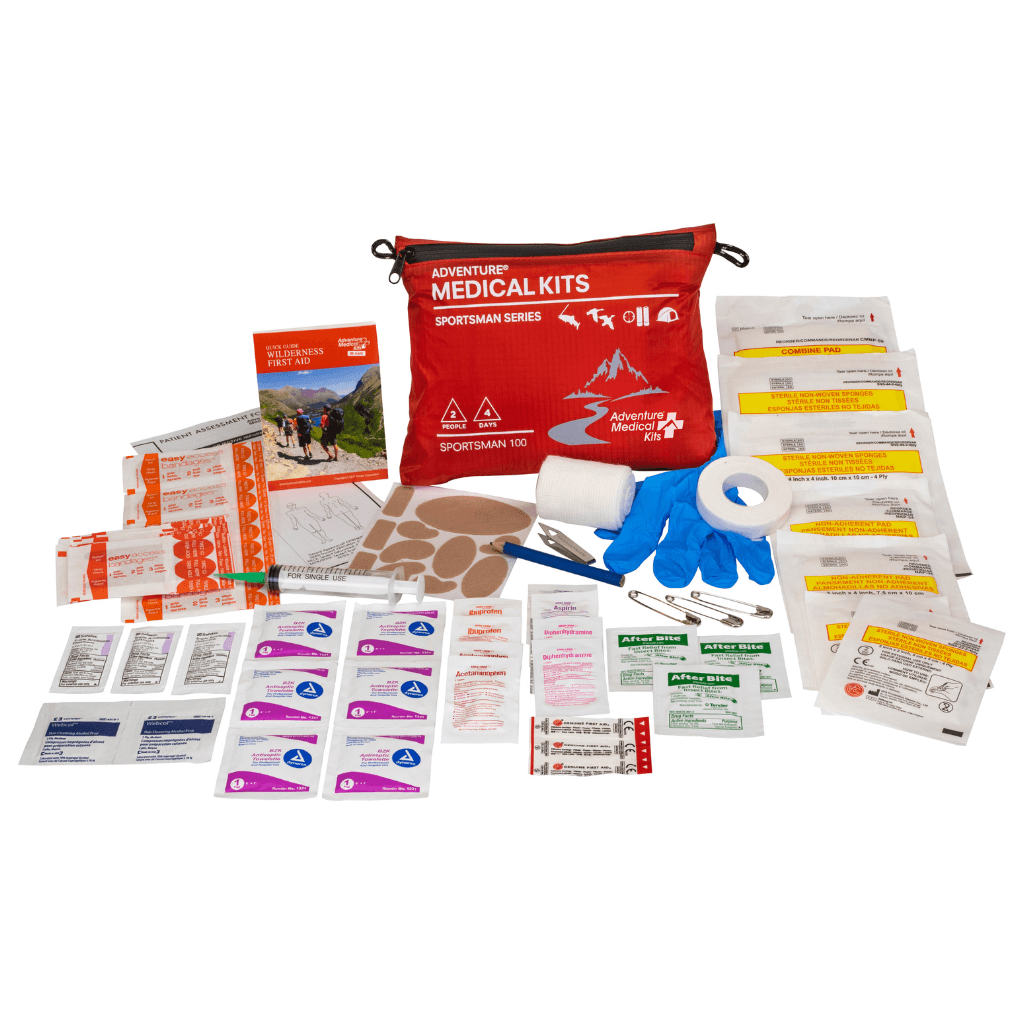
Start with wound care. Trail checklists from the Red Cross and REI prioritize irrigation and closure tools over carrying a large stack of adhesive bandages. Their hiking first aid guidance includes an irrigation syringe, gauze, closure strips or butterfly bandages, antiseptic wipes, and nitrile gloves in the Red Cross hiking first aid kit checklist.
That priority holds up in real use. A small dirty cut can turn into a trip-changing problem if you cannot flush it well and cover it securely. Gauze handles more than one job. It absorbs blood, adds padding, and gives you material for pressure or repeat dressing changes. Gloves protect both the injured hiker and the person providing care.
Next is foot care. Blisters are routine, but they still stop people cold. A good blister setup should let you treat a hotspot early, cushion pressure points, and protect torn skin well enough to finish the day or start the next morning without making the problem worse.
Then comes medication and symptom control. Pain relievers, allergy medication, and personal prescriptions should live inside the kit, not scattered through pack pockets. On short hikes, that may be enough. On longer or more isolated outings, add items that help you manage symptoms for more than a single incident, including oral rehydration support and enough doses for delayed exit.
The last category is support and immobilization. An elastic wrap earns its space often. It helps with sprains, compression, and securing dressings. A simple splinting component matters more as remoteness increases, because a lower-leg or wrist injury is a very different problem when self-evacuation takes hours.
Small missing items create outsized problems on trail. A pair of tweezers, a few safety pins, tape that sticks, and a marker for timing medication or noting an incident are the kinds of details people forget, which is why a guide to the little things that belong in a first aid kit is worth checking while you build or upgrade your setup.
Hiking first aid kit checklist
| Item | Day Hike (Essential) | Backpacking (Recommended) |
|---|---|---|
| Adhesive bandages | Yes | Yes |
| Gauze | Yes | Yes |
| Antiseptic wipes | Yes | Yes |
| Nitrile gloves | Yes | Yes |
| Irrigation syringe | Yes | Yes |
| Closure strips or butterfly bandages | Yes | Yes |
| Blister treatment | Yes | Yes |
| Pain reliever | Yes | Yes |
| Allergy medication | Yes | Yes |
| Personal prescription medication | Yes | Yes |
| Elastic wrap for sprains | Optional | Yes |
| Splinting component | Optional | Yes |
| Oral rehydration support | Optional | Yes |
| CPR barrier | Optional | Yes |
| Extra wound supplies for repeat care | Limited | Yes |
Pack for repeat use, not just first use. The right trail kit handles the first problem, then still has enough left for the second day, the second person, or the longer walk out.
Pre-Made Kits vs DIY Building Your System

There are two common mistakes here. One is buying a generic pre-made kit and never checking what's inside. The other is building a DIY kit from scratch and ending up with a zip bag full of duplicate adhesive bandages but no good way to clean or secure a meaningful wound.
The most practical answer for many hikers is a hybrid system. Start with a professionally assembled foundation, then add personal medication, allergy needs, and route-specific extras.
What a pre-made kit does well
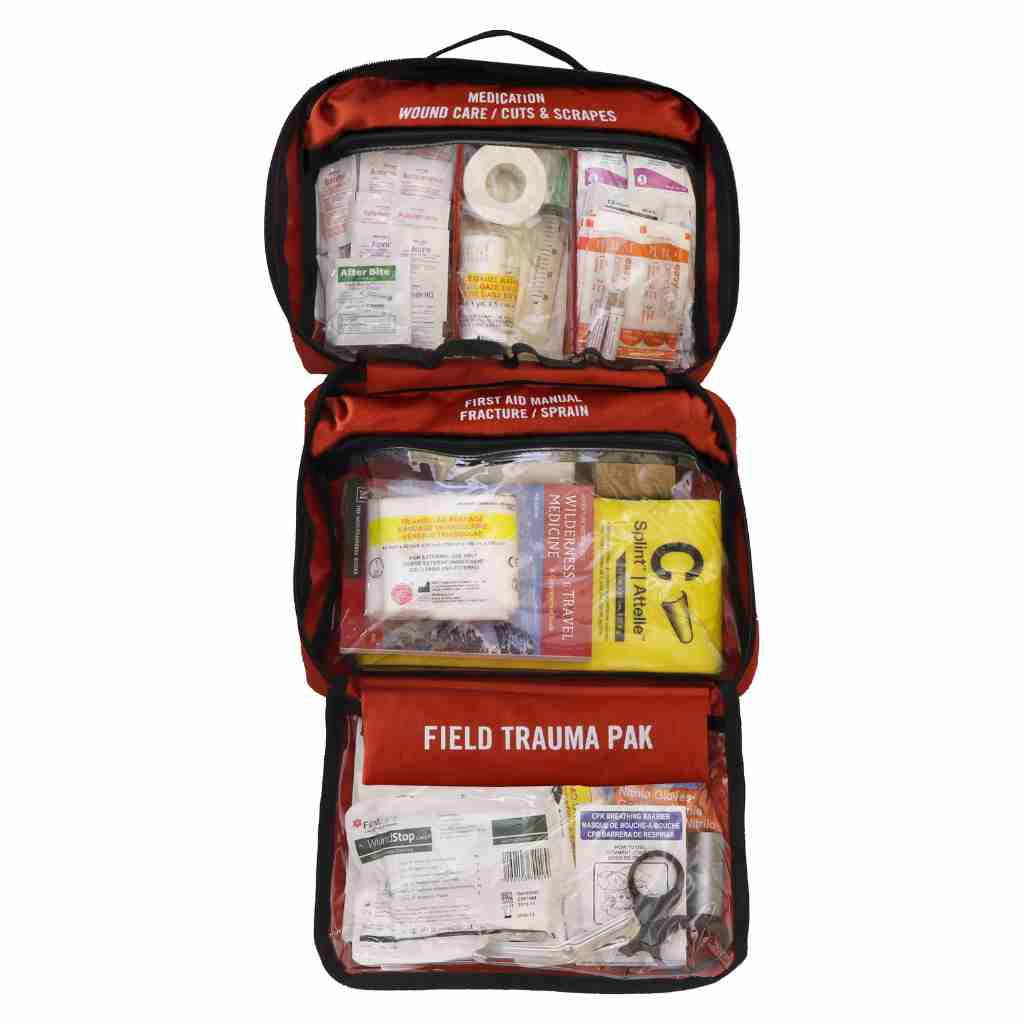
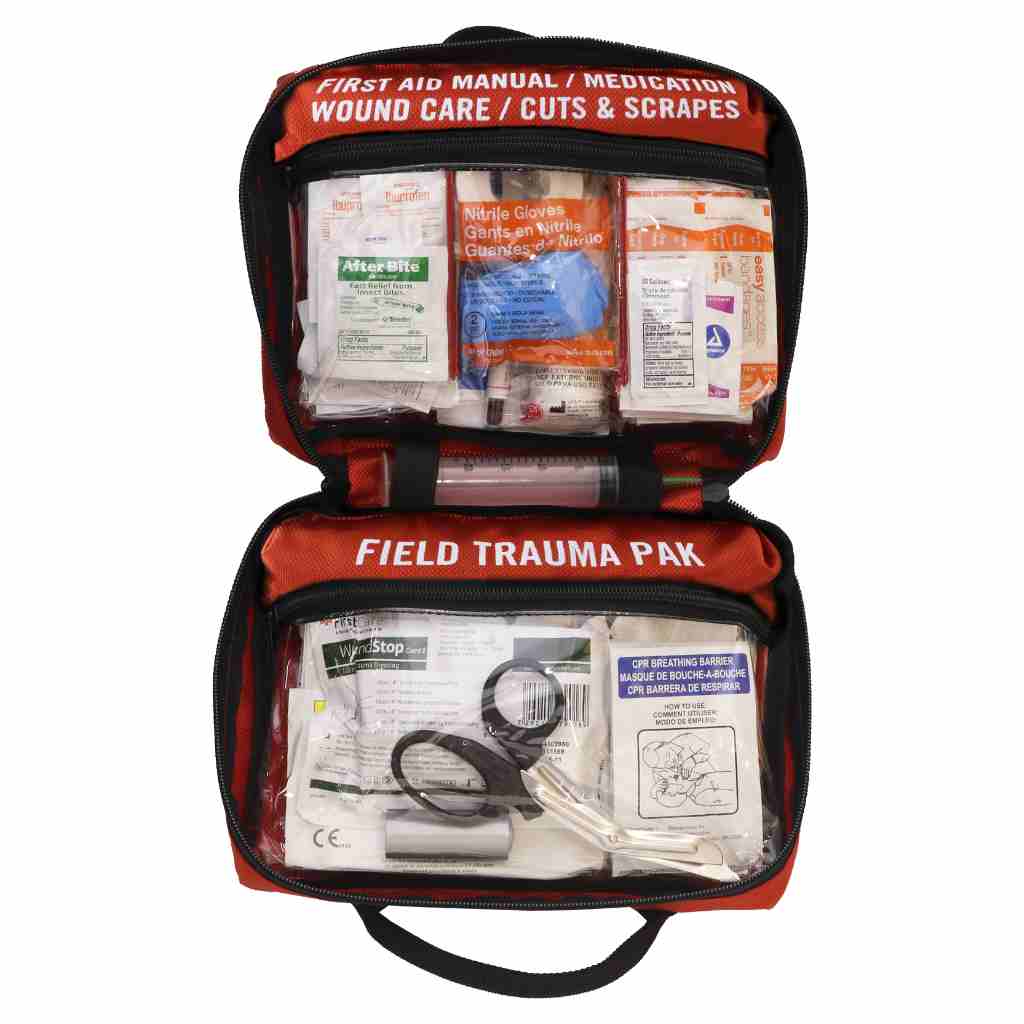
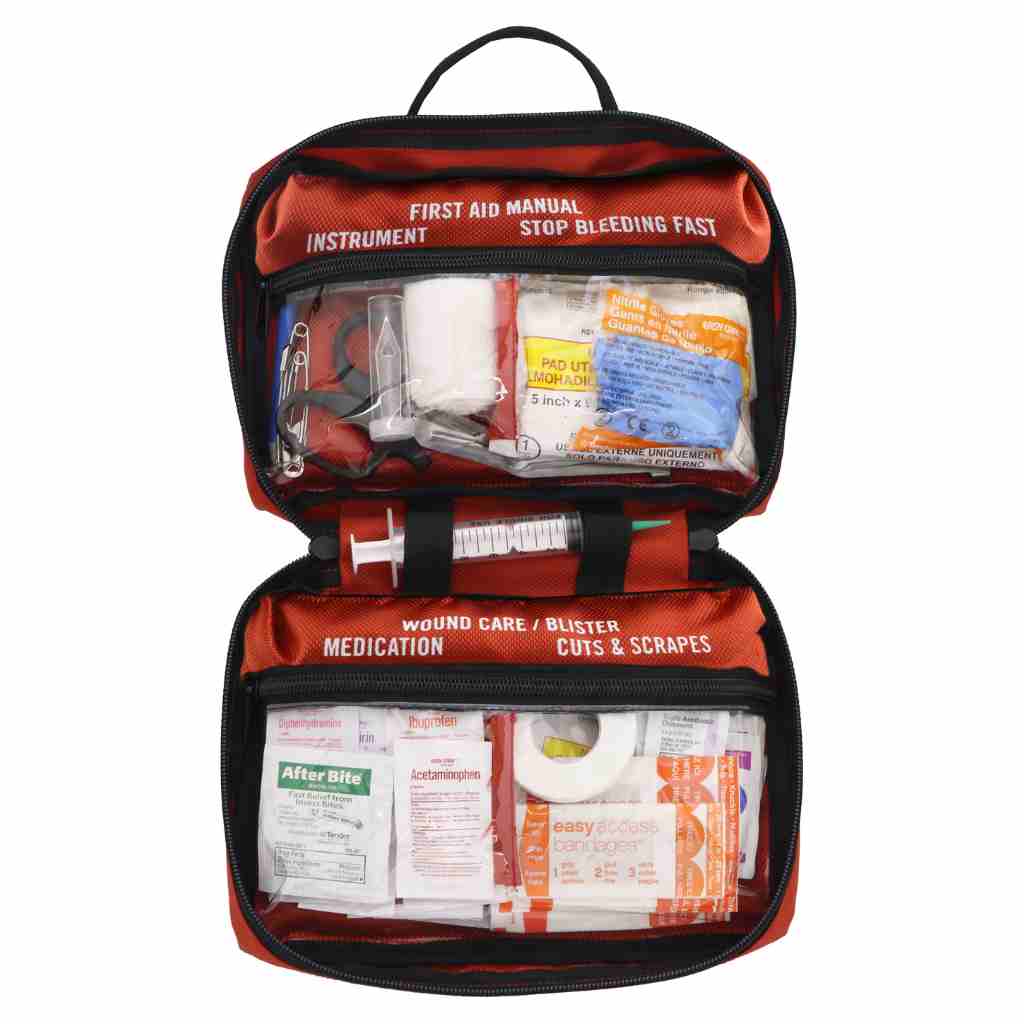
A strong pre-made kit saves time and reduces blind spots. It also solves organization. That matters because sorted and labeled compartments are easier to use when someone is cold, scared, or rushing.
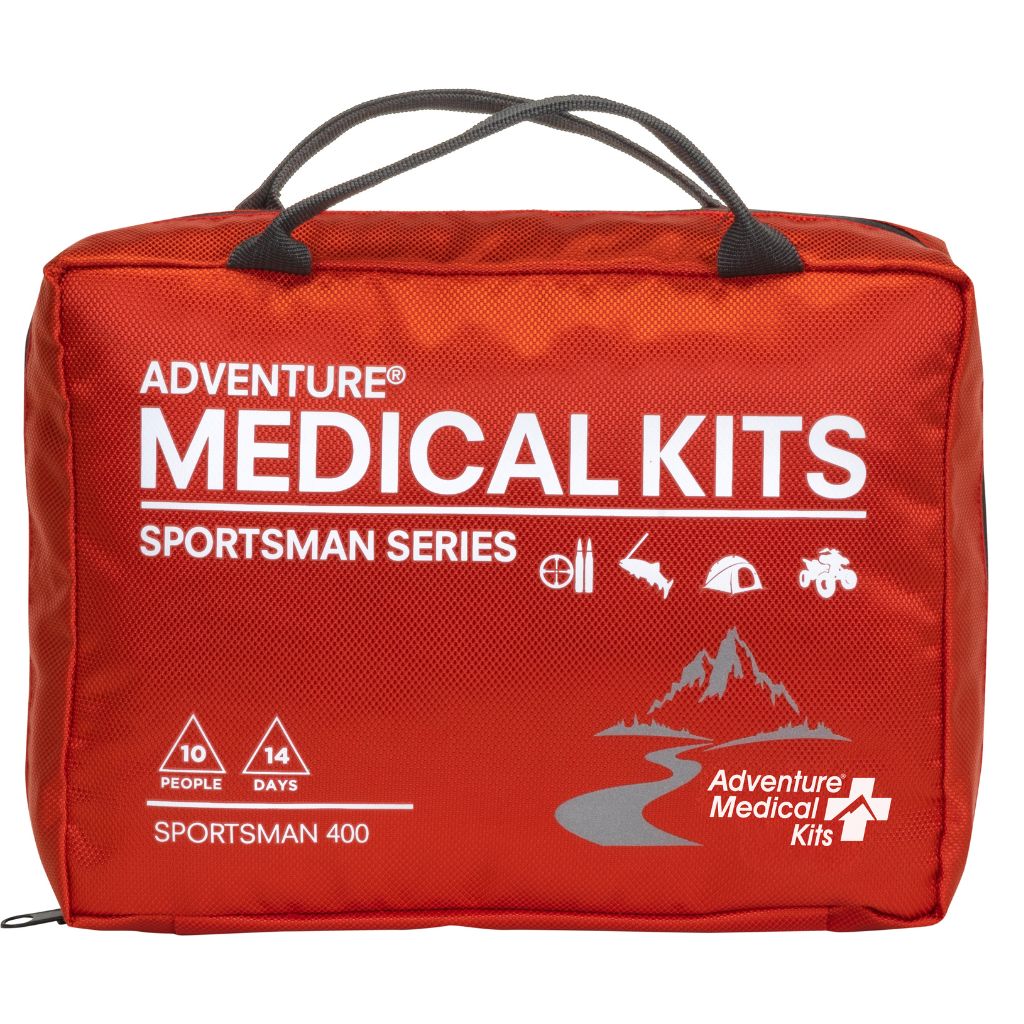
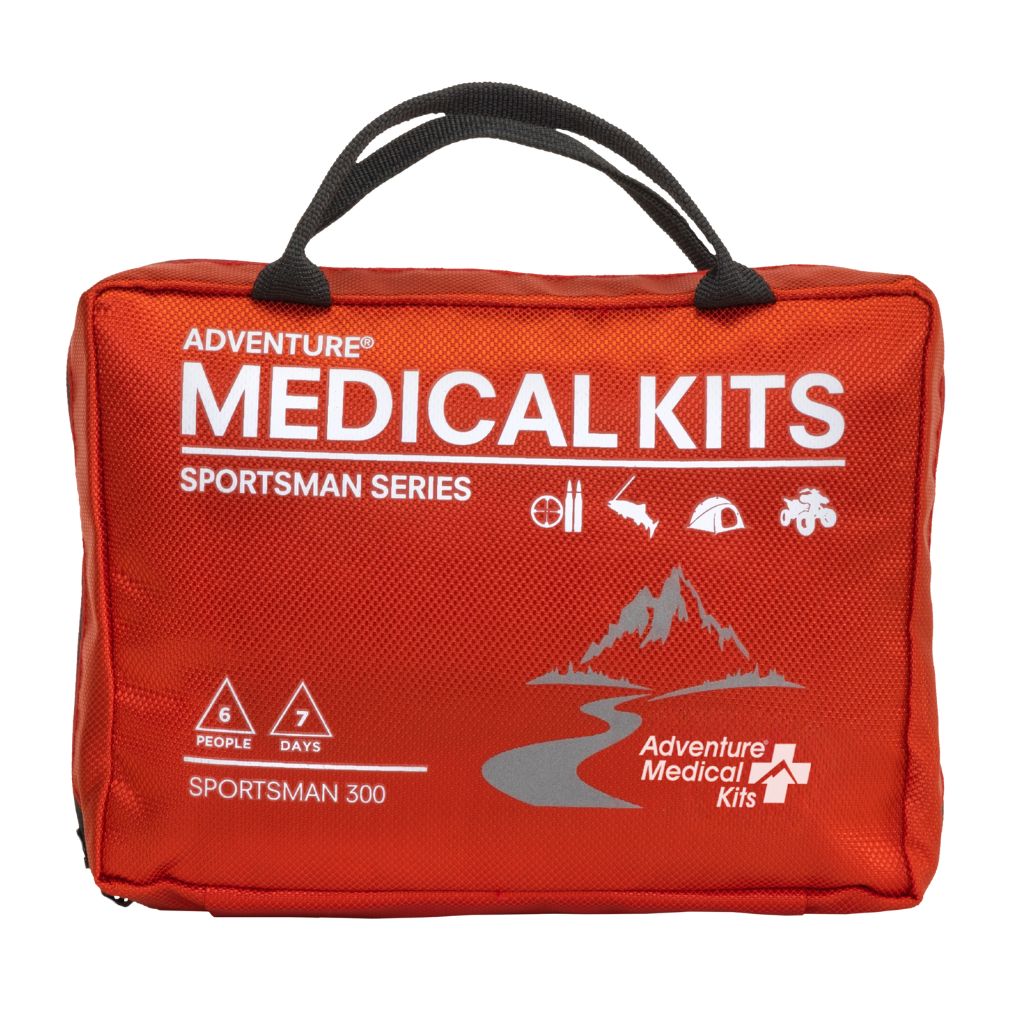
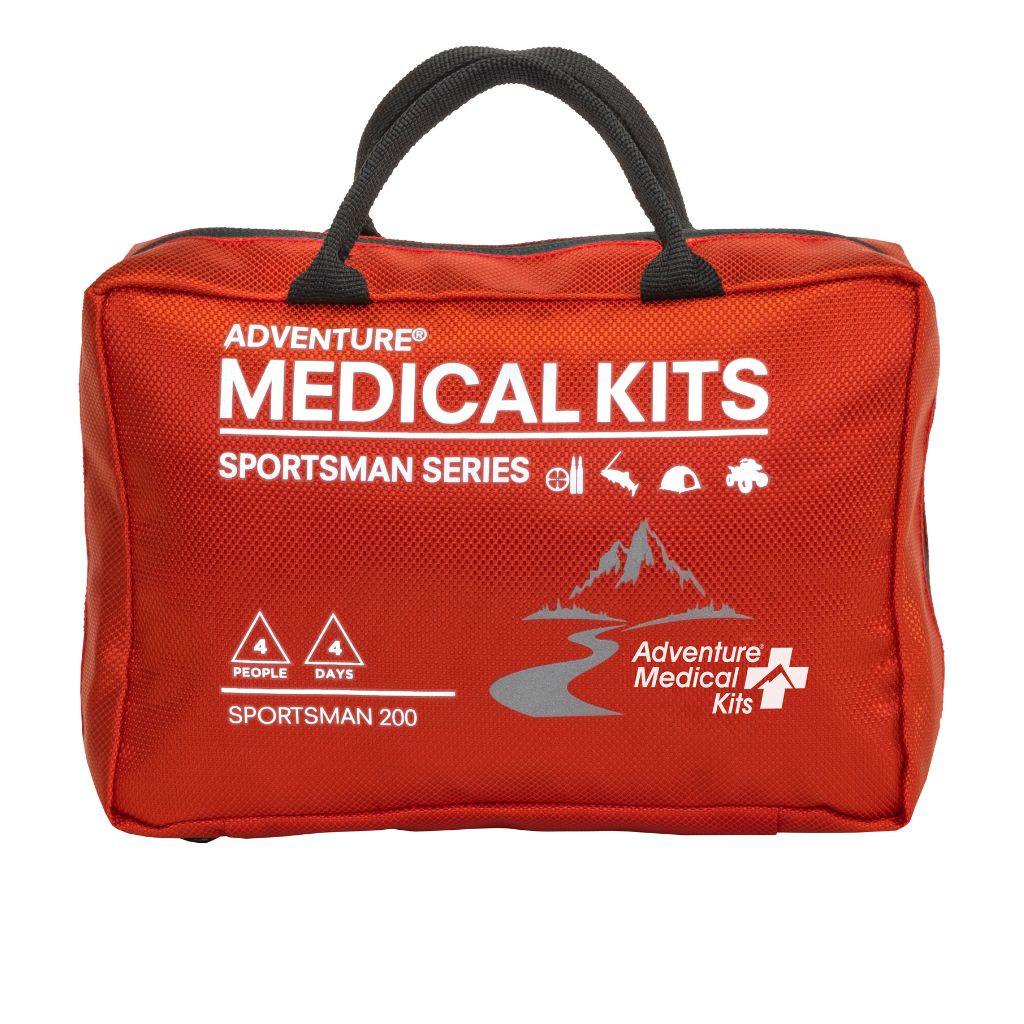
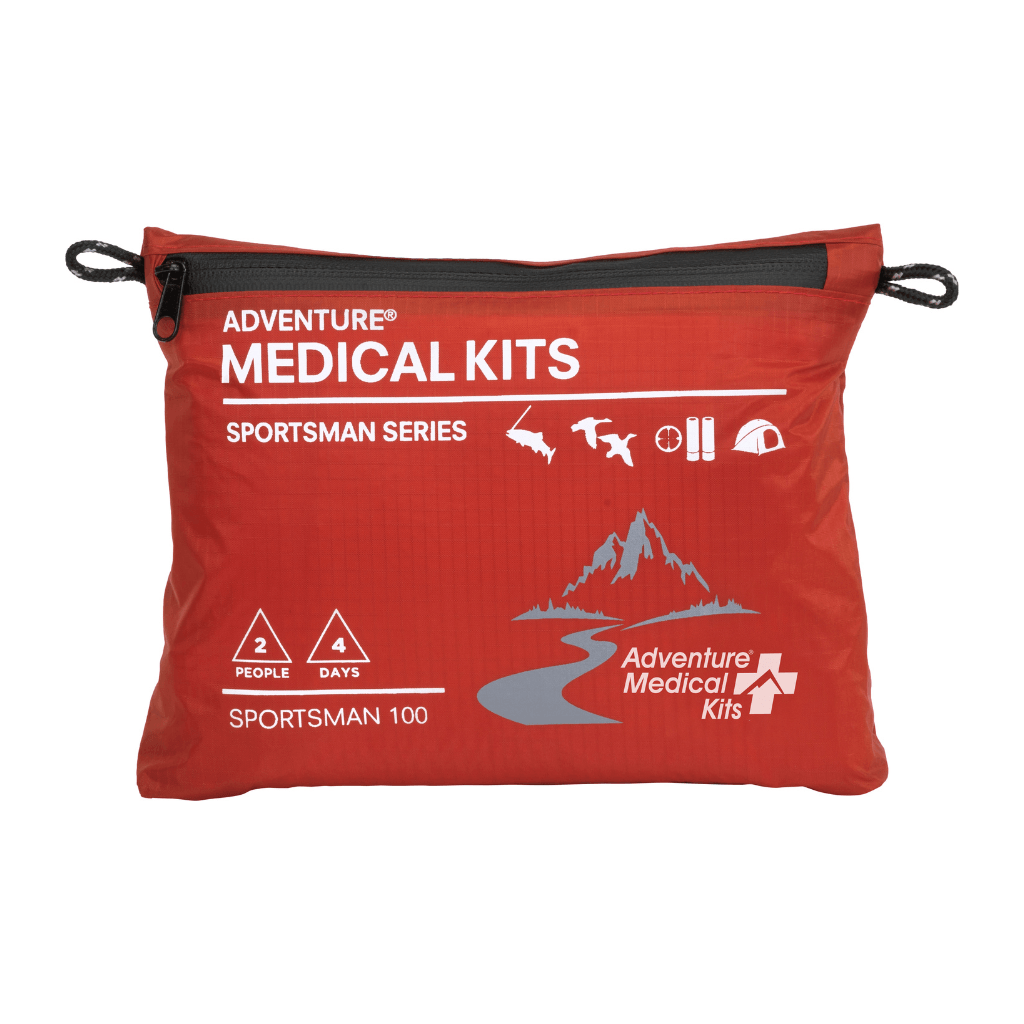
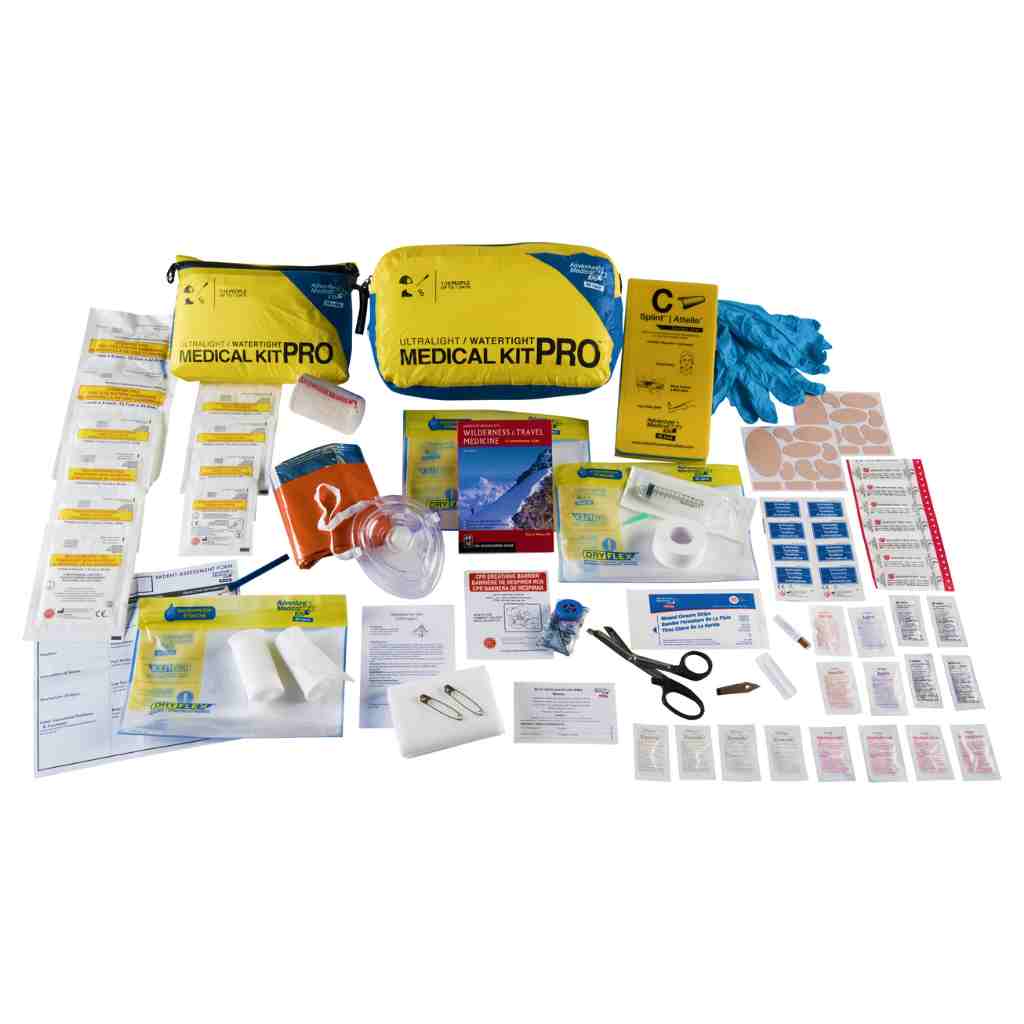
Adventure Medical Kits has a long history in this category. The company was founded in 1986 by an emergency room doctor and pioneered the first mobile outdoor medical kits designed specifically for hikers, campers, and hunters, shifting the category away from hardcase kits meant to stay at home.
Pre-made systems also tend to pack more cleanly. Instead of scattering supplies across several bags, the hiker gets one package that can be dropped into a daypack and checked before each trip.
Where DIY still matters
DIY still has a place because no pre-made kit knows the hiker's medical history. It won't know who needs an inhaler, who carries a prescribed epinephrine auto-injector, who is prone to severe blisters, or who needs extra allergy medication on spring trails.
That's why a pre-made kit should be treated as the base layer, not the finished answer. Add personal prescriptions, environment-specific items, and enough of the supplies most likely to get used on that trip.
This video is a useful way to think about kit selection and what belongs in it.
A good field system usually follows this pattern:
- Base kit: Organized wound care, blister treatment, medications, and protective gear.
- Personal layer: Prescription drugs, allergy medication, and individual medical needs.
- Trip layer: Extra supplies for weather, distance, terrain, and delayed rescue.
Advanced Preparedness for Remote Adventures

When basic supplies stop being enough
A partner slips on wet talus, lands hard, and cannot put weight on one leg. You are hours from the trailhead, cell service is gone, and dark comes before rescue is likely. In that setting, a small pouch stocked for blisters and scraped knuckles runs out of usefulness fast.
Remote trips change what a first aid kit needs to do. The farther you are from definitive care, the more your kit has to cover bleeding control, sprain support, wound cleaning, warmth, and time. That is why the right kit is not a single "best" option. It depends on trip duration, group size, and how hard it will be to get an injured person out.
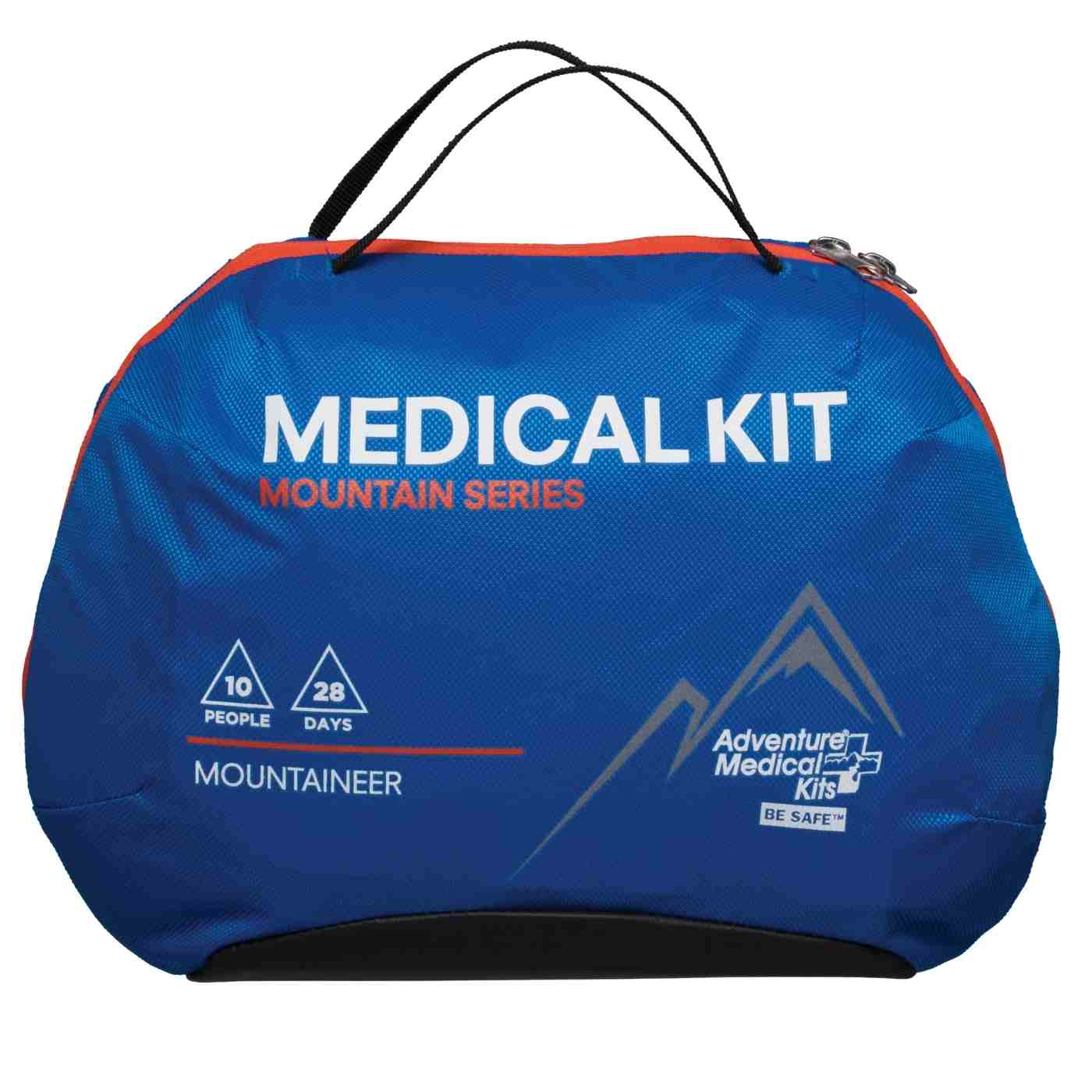
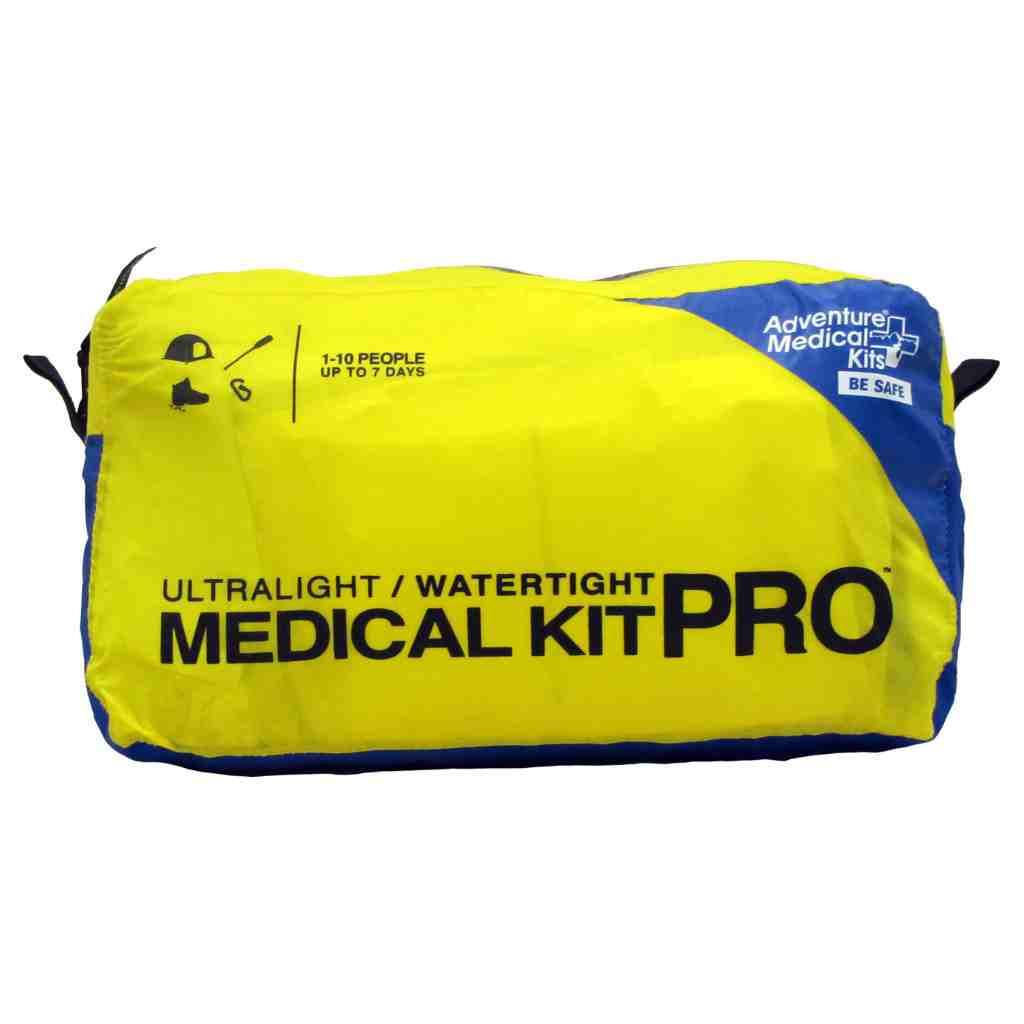
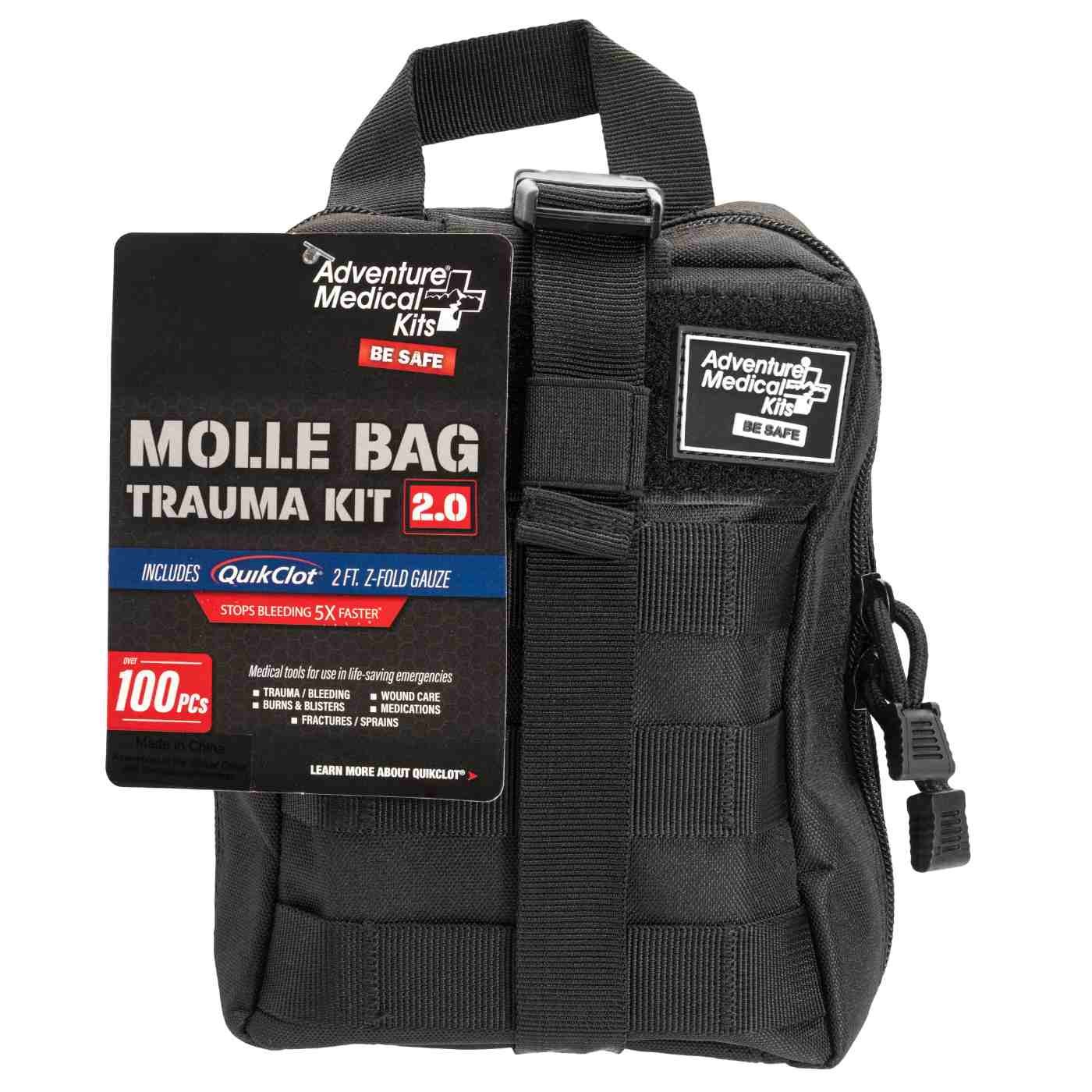
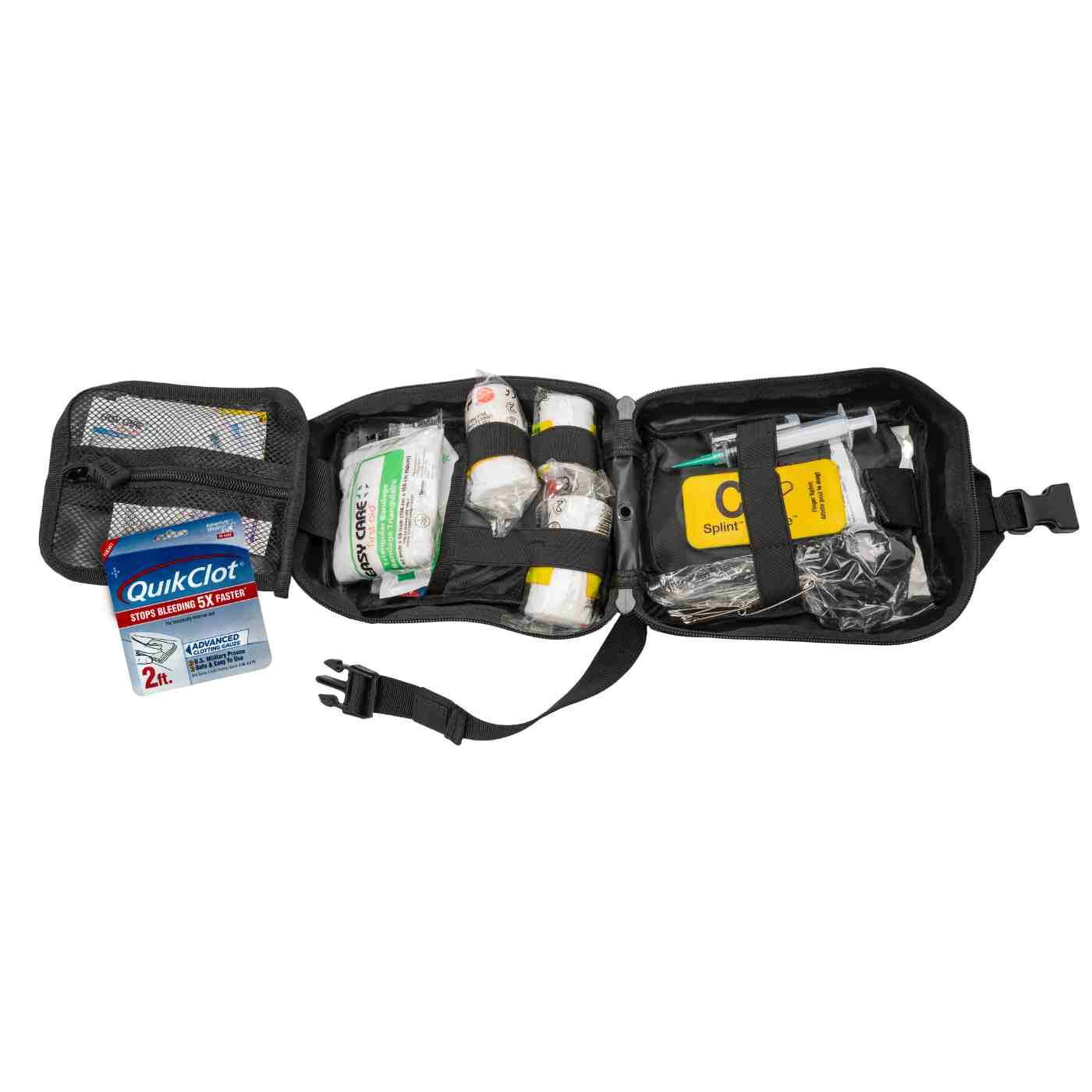
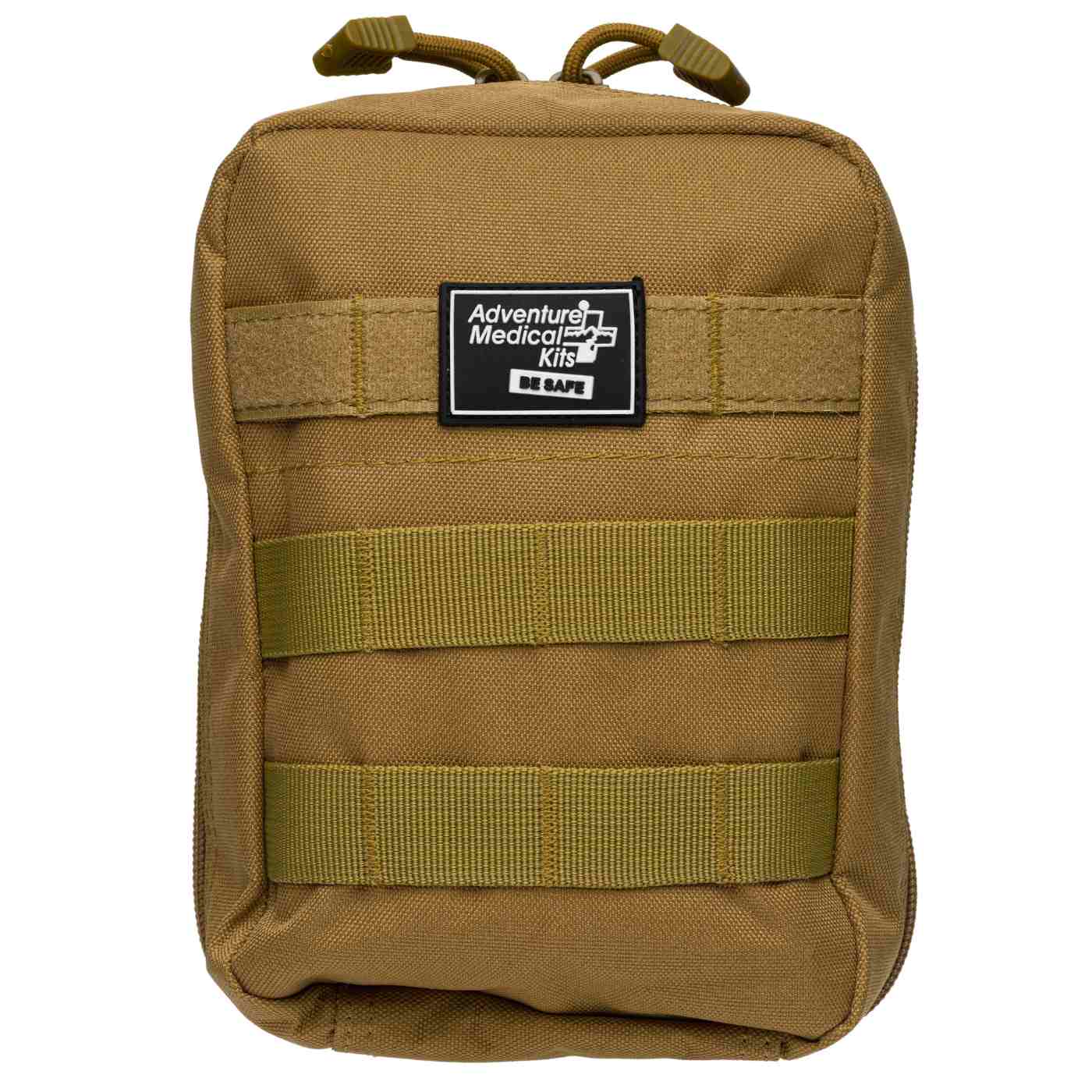
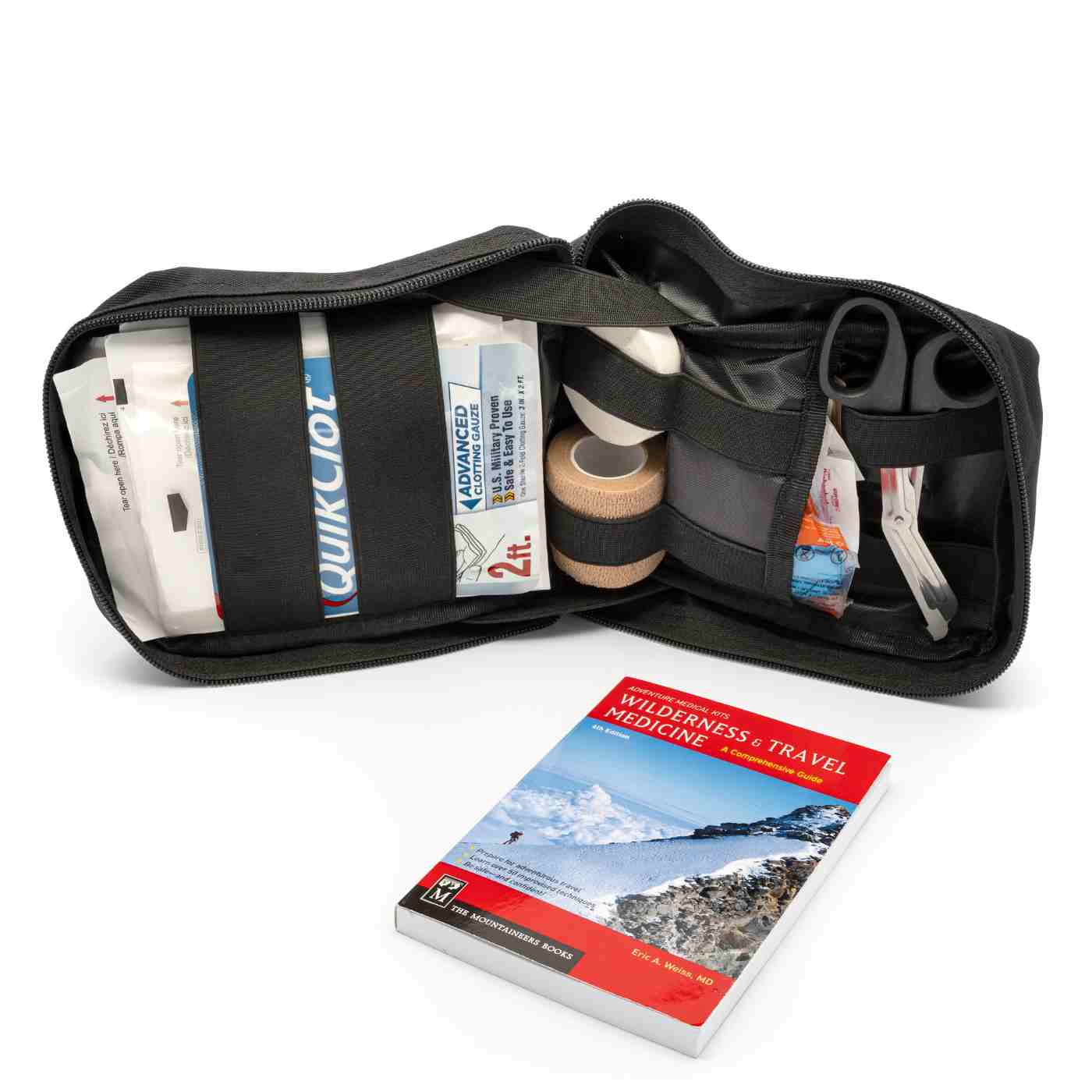
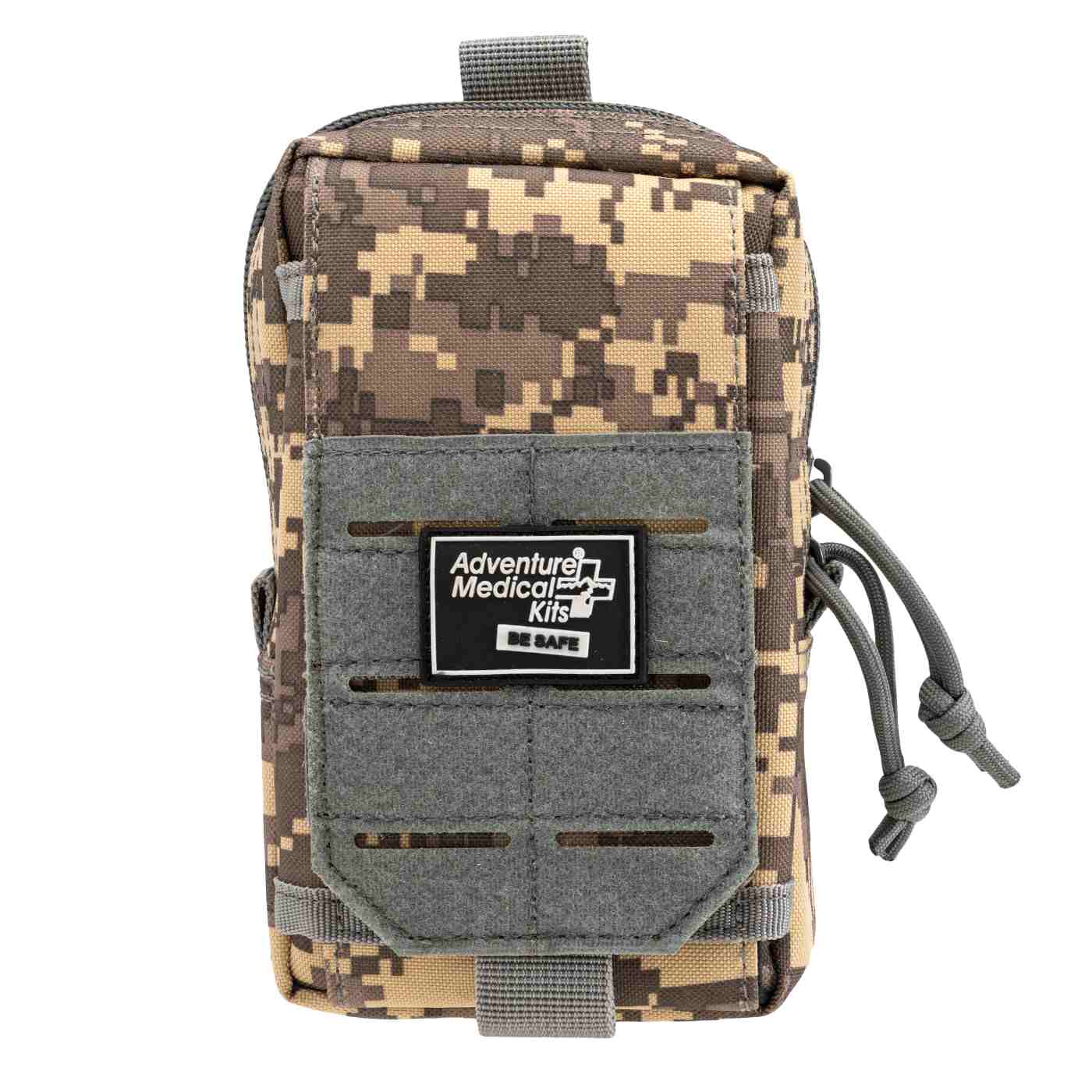
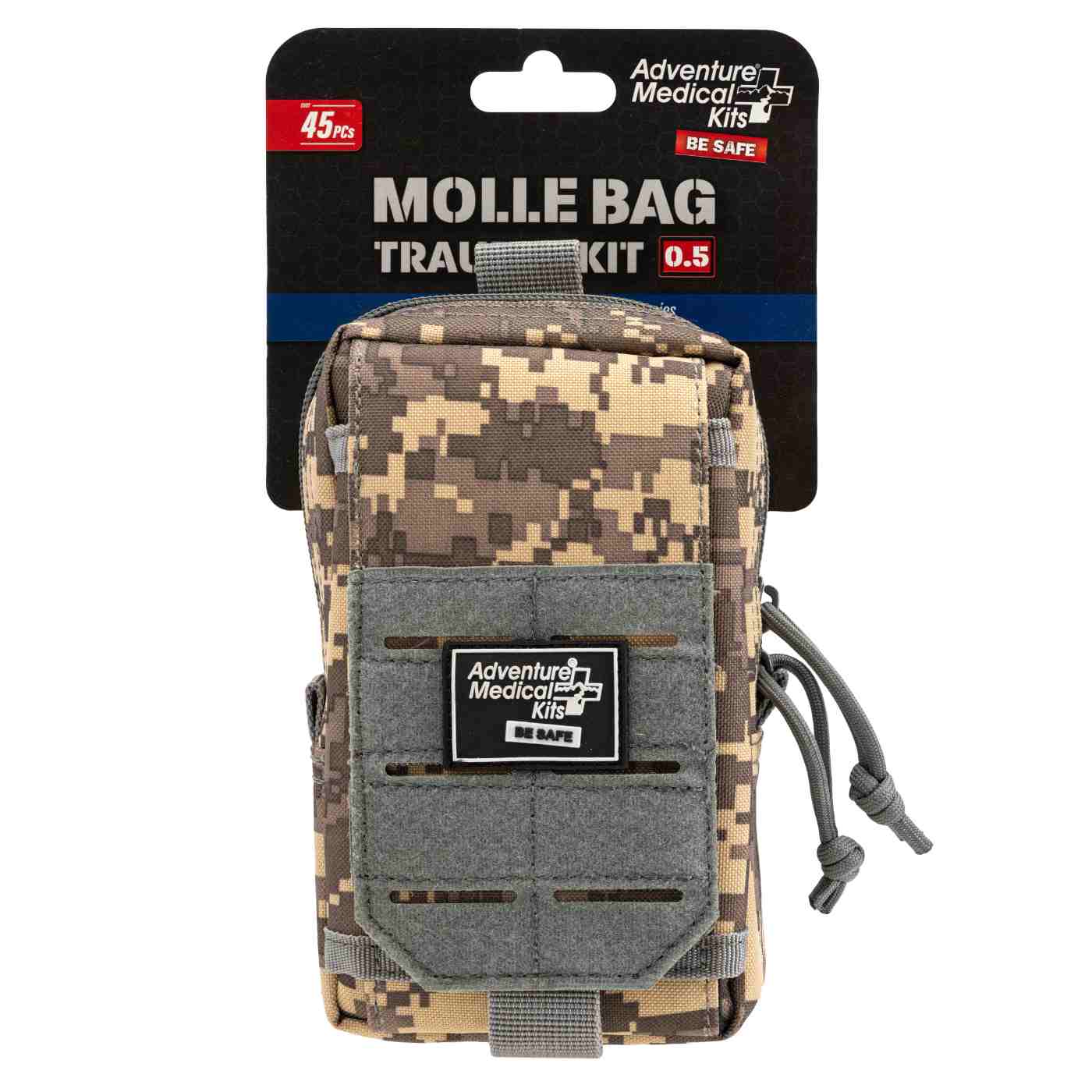
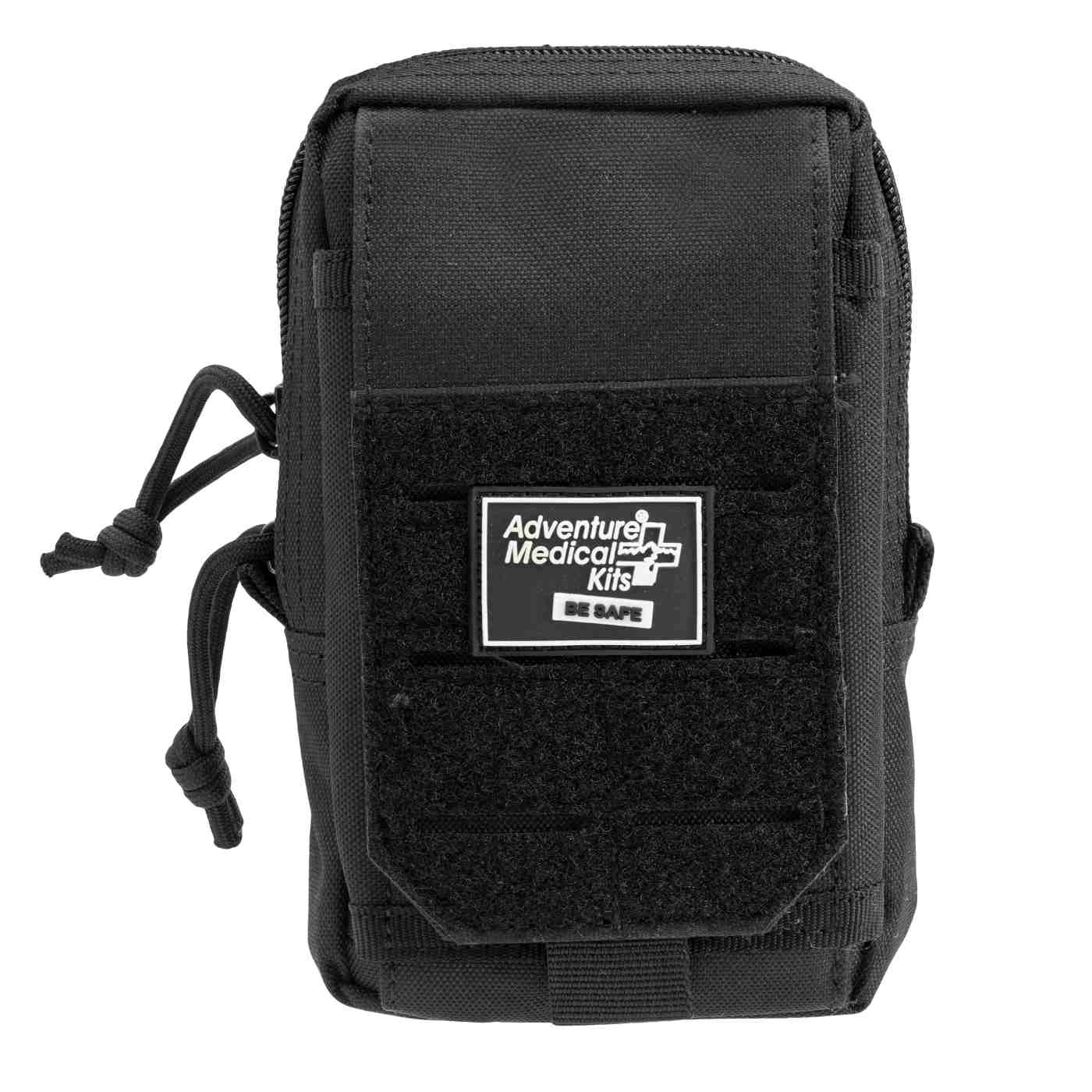
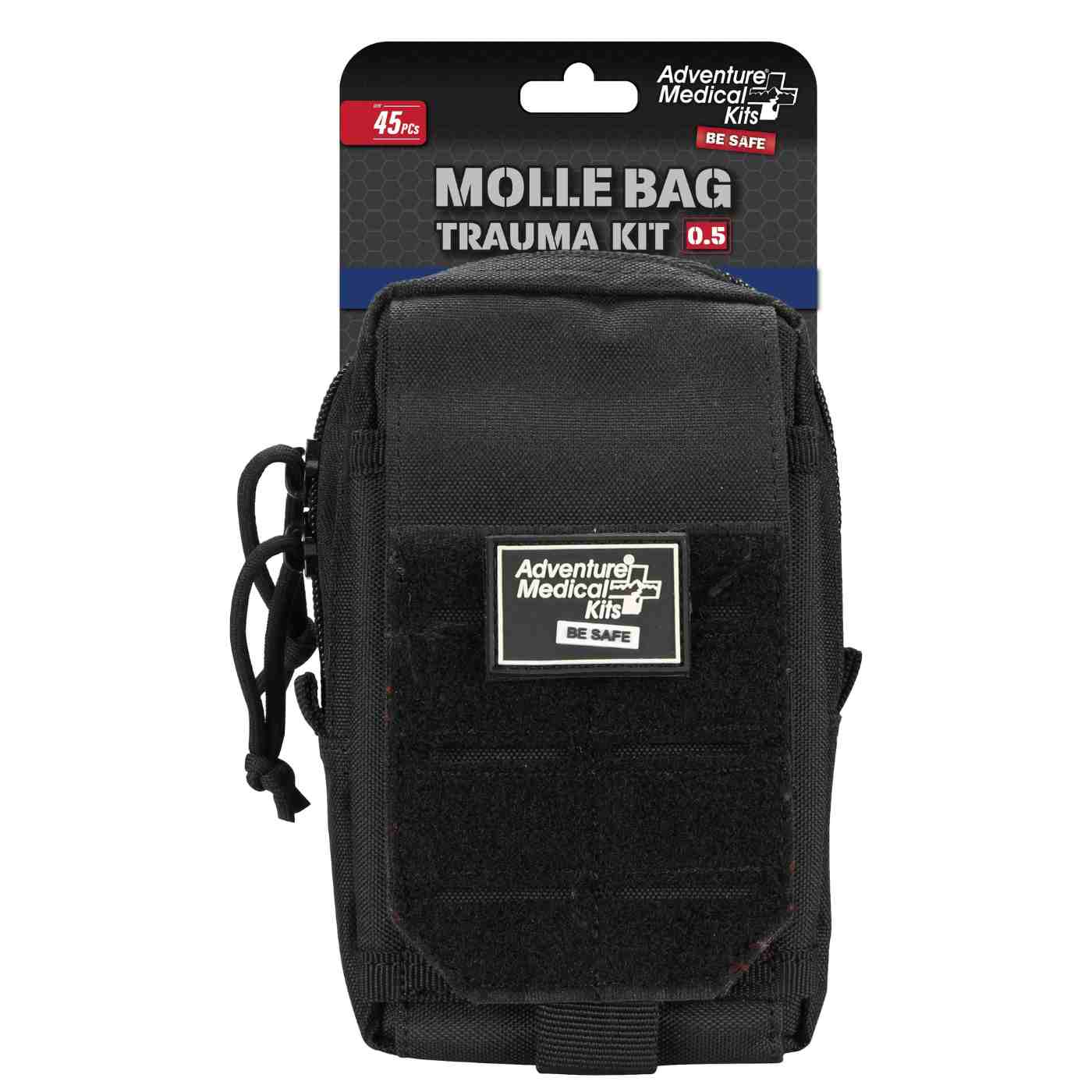
For a solo day hike on a busy trail, extra trauma gear often adds bulk without solving the most likely problems. For a multi-day route in rough country, I want more than adhesive bandages and pain relievers. I want enough gauze to manage a larger wound, compression wraps that can handle an ankle injury, a triangular bandage for sling or splint work, and backup layers for an unexpected stop. Guides, hunters, and backcountry teams often step up to trauma-oriented kits from Adventure Medical Kits for that reason, especially when delayed evacuation is part of the risk calculation.
Distance from help raises the bar. Your kit has to stabilize the problem, not just clean it up.
Trip research belongs in the same planning step as medical packing. A route with exposure, loose rock, river crossings, or long stretches between exits changes what "prepared" means. Hikers heading into the Alps can use the Outdoor Slovenia hiking resource to judge terrain seriousness and adjust emergency planning before they leave home.
Safety gear that supports the medical kit
A field kit works better when the rest of your safety system supports treatment. Many trail problems get worse because the group cannot stay warm, cannot see, or cannot prevent the next injury.
A few pairings matter in real use:
- Bear country: Carrying Counter Assault bear spray addresses a threat that first aid supplies cannot meaningfully fix after contact.
- Unexpected overnight exposure: A compact emergency shelter such as gear from Survive Outdoors Longer helps an injured hiker hold heat while the group waits, treats, or reroutes.
- Insect-heavy environments: Using Natrapel insect repellent cuts down bites, scratching, and the skin irritation that can wear down a group over several days.
- Camp and emergency lighting: Portable lighting from LuminAID makes wound care, splinting, and medication checks far easier after dark.
Remote preparedness is a system. Medical supplies are one part of it. The rest is choosing the loadout that fits the route, the number of people depending on it, and how long you may need to manage a problem on your own.
Using and Maintaining Your Lifesaving Gear

A hiker slips on wet rock, opens the pack, and the first aid kit is buried under lunch, a puffy, and a fuel canister. That delay is how small injuries become bigger problems. On trail, a kit only helps if it is dry, organized, and reachable in seconds.
Pack for speed, not neatness
Store the kit where either hand can get to it fast. In practical terms, that usually means a top pocket, an outer pocket, or the top third of the main compartment. If the trip is longer, the group is larger, or the route is more remote, access matters even more because treatment may start before you have time or space to unpack everything.
Organization should follow use, not packing aesthetics. Keep blister care together. Keep wound care together. Keep medications in one clearly marked area. Put gloves where they can be grabbed first. Well-stocked kits fail because the person helping had to dig through a jumble of loose packets while the patient was cold and bleeding.
Moisture protection matters just as much. Use sealed inner bags, replace torn packaging, and assume rain, creek crossings, and spilled water will happen.
Inspect, restock, and protect
A trail kit needs regular checks, but the process is simple.
- Before each trip: confirm the key items are present, dry, and sealed
- After each use: replace what was used immediately
- At seasonal gear checks: inspect packaging, remove crushed items, and swap anything expired or contaminated
A printed contents list saves time. It also lets another hiker find what they need if the person who packed the kit is the one getting treated.
Wet packaging turns sterile supplies into trash.
Skills matter as much as supplies
A first aid kit does not teach assessment, wound cleaning, splinting, or evacuation judgment. Those decisions matter more as trips get longer and farther from help. A day hike near a trailhead allows a different margin for error than a multi-day route where the group may need to manage the problem for hours.
Formal training closes that gap. Wilderness First Aid is a solid baseline for regular hikers. Wilderness First Responder training makes more sense for trip leaders, guides, and anyone responsible for larger groups or remote itineraries.
Good outcomes come from matching supplies, skill, and trip demands. Choose the kit for the route, maintain it before it fails, and know how to use what you carry.
Your Partner for Safer Adventures
A hiker slips on wet rock three miles from the trailhead, opens the first aid kit, and finds a few loose bandages, half a roll of tape, and nothing packed for the conditions. That is usually how people learn the difference between carrying a kit and carrying one that fits the trip.
The right hiking first aid kit depends on three factors: how long you will be out, how many people are in the group, and how hard it will be to get help. A short solo hike near a busy trail calls for a smaller setup than a two-night trip with kids, dogs, or a larger group. Once the route gets more remote, the margin for error gets smaller, so the kit needs more depth and better organization.
Good kits share a few traits. Supplies stay dry. Items are easy to find under stress. Wound care, blister care, medications, and basic support tools match the injuries hikers deal with on trail. Fancy add-ons matter less than being able to treat a hot spot early, clean and dress a cut well, manage a sprain, and stabilize a problem long enough to hike out or wait for help.
That is why generic "best overall" picks often miss the mark. A day hiker, a weekend backpacker, and a group leader in remote terrain should not be carrying the same system.
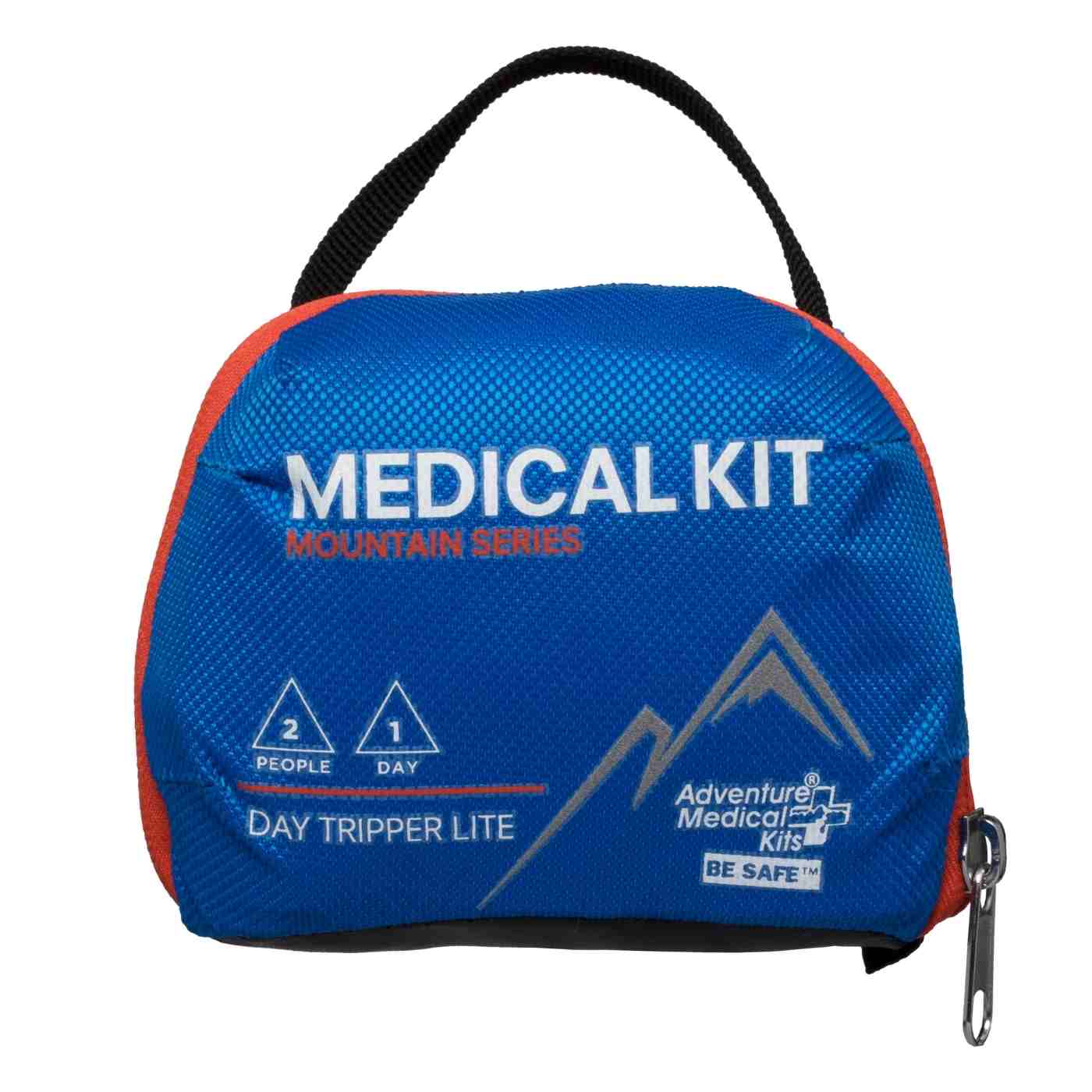
For hikers comparing ready-made options, the Mountain Series medical kits are a practical starting point for general hiking and backpacking. As noted earlier, trips with higher consequences may call for a more trauma-oriented setup, but only if the group has the training to use it well.
Cost matters too. First aid kits and supplies are FSA/HSA eligible on the site, which can make it easier to buy the right size kit now instead of stretching a too-small one across every trip.
For hikers building a safer trail setup, Adventure Medical Kits offers organized, activity-specific options for day hikes, backpacking, and remote travel. Start with a kit sized for the route, then add personal medications and trip-specific items so the system matches the people and place, not a generic packing list.