

A lot of people start searching for Wilderness First Aid training near me after a small scare. A partner rolls an ankle on a rocky descent. A child slips near camp and hits a wrist hard enough to stop everyone cold. Someone gets chilled, quiet, and clumsy faster than expected. The problem usually isn't drama. It's uncertainty.
That uncertainty is what changes a simple outing into a long day. A trained person doesn't just ask, “What if something goes wrong?” A trained person starts asking better questions. What happened? Is the scene safe? Is this person stable enough to walk out? What needs to happen right now, and what can wait?
That's the difference good wilderness first aid training makes. It doesn't turn a hiker into an emergency physician. It gives people a repeatable way to think under pressure, make cleaner decisions, and avoid the mistakes that turn manageable problems into evacuations. For anyone who spends time beyond quick access to a road, that matters as much as boots, layers, and route planning.
Before signing up for a class, it also helps to tighten up the habits that prevent incidents in the first place, including building a realistic hiking trip plan. Good preparation lowers the odds that training gets tested. It doesn't replace the need for training.
Table of Contents
Why "What If" Is the Wrong Question on the Trail
A twisted ankle a few miles from the trailhead usually looks minor at first. The injured person can still talk. The group still has water. Nobody sees blood, so everyone relaxes for a minute. Then the ankle swells, daylight starts slipping, and the group realizes no one knows whether they're dealing with a painful walk-out or a patient who shouldn't bear weight at all.
That's where the phrase “what if” stops being useful. On the trail, “what if” can spiral into fear, second-guessing, and random decisions. Good wilderness medicine training replaces that with a process. It teaches people to assess before treating, slow the scene down, and make decisions in the right order.
Practical rule: Panic asks broad questions. Training asks the next right one.
That shift matters because most backcountry problems don't begin as dramatic rescues. They begin as common incidents handled badly. A fall gets minimized. Early hypothermia gets mistaken for fatigue. A simple wound gets ignored until infection risk becomes part of the story. The issue isn't always lack of courage. It's lack of a framework.
Confidence comes from sequence, not bravado
The wilderness first aid assessment protocol follows a six-step sequence: size up the scene, identify life threats, conduct a focused head-to-toe exam with vital signs and patient history, formulate a problem list and care plan with an evacuation decision, treat the patient with medical and emotional support, and monitor status. That framework is defined in REI Expert Advice and aligns with standardized remote injury response thresholds noted in the verified data.
Before treatment even starts, responders are expected to complete a five-part safety split. They determine area safety, identify the mechanism of injury, form a general impression, count patients, and protect themselves through Body Substance Isolation. That order matters because it prevents rushed care and missed hazards.
Searching is the right first step
Anyone looking up Wilderness First Aid training near me is already doing the responsible thing. The right class won't remove risk from the outdoors. It will make the response to risk more deliberate, more organized, and far more useful to the injured person and the rest of the group.
Where to Begin Your Search for Local Courses
The fastest way to waste time is to search too narrowly. A lot of solid courses don't advertise with perfect local SEO, so the best class in the region might not appear when someone types a city name and stops there. The smarter approach is to search by provider type, then check where those providers teach in the area.

Start with providers that set the baseline
National organizations are often the cleanest starting point because they publish course calendars, certification details, and prerequisites more clearly than small operators do. For entry-level courses, people usually begin with programs associated with NOLS, SOLO, local wilderness medicine schools, and American Red Cross standards for remote care benchmarks.
The point isn't to assume the largest provider is automatically the right one. The point is to learn the language of course descriptions. Once someone understands how a reputable provider describes hands-on labs, assessment systems, and certification validity, weak local offerings become easier to spot.
A practical search list looks like this:
- National providers: Search local dates from NOLS, SOLO, and other established wilderness medicine schools.
- University outdoor programs: Colleges often host open-enrollment courses through recreation departments and outing clubs.
- Guide services and climbing schools: Some host certification weekends because their staff need the training anyway.
- Scout councils and youth program networks: These can be especially useful for families and volunteer leaders because some programs meet policy requirements for high-adventure participation.
- Independent instructors with field backgrounds: These can be excellent, but they need closer vetting.
Local searching works better with the right terms
A generic search is usually too broad. Better search phrases include the activity and certification level someone needs. “Wilderness first aid training near me” is a good start. Better variations include “WFA course [city],” “wilderness medicine [region],” “hybrid wilderness first aid [state],” and “BSA wilderness first aid [area]” if the goal involves youth programs.
A local course is only convenient if its instruction holds up in the field.
The Boy Scouts of America recognize Wilderness First Aid certification as a required credential for National High Adventure Bases, and specific courses such as 16-hour SOLO Southeast and 20-hour NOLS WFAC are identified in verified data as meeting those thresholds through council training materials. That makes council listings worth checking even for people outside scouting, because they often point to providers already vetted for backcountry use.
What to notice on the course page
Before registering, look for signs that the provider explains the format plainly. A serious listing usually tells people whether the class is mostly classroom-based, how much time is spent outside, whether scenarios happen in rough weather, and who teaches the course. If the page is vague about practical skills, scenario work, or instructor background, that's a signal to ask harder questions.
Decoding Certifications WFA vs WFR and Beyond
A student who signs up for the wrong course usually figures it out late. It happens halfway through a rough-weather scenario, when one person realizes they only need enough training for family camping weekends, and another realizes they are trying to lead remote trips with a credential that stops short of the judgment their role demands.
That is the primary sorting question. Match the course to the terrain, the time from help, and the number of people depending on you.

What WFA is built for
Wilderness First Aid, or WFA, is the starting point for a lot of outdoor people, and for good reason. It is usually a two-day course that teaches patient assessment, common backcountry problems, immediate care, and how to make decent decisions when evacuation is delayed. That scope fits weekend hikers, scout leaders, paddlers on short trips, hunters, and parents taking kids beyond easy road access.
WFA works best for people who are responsible, but not acting as the primary medical lead on long or technical trips.
That distinction matters in the field. A WFA graduate should be able to slow a scene down, assess the patient, manage the obvious problems, and decide whether the group can self-evacuate, needs outside help, or needs to stay put and reassess. That is a useful skill set. It is also a limited one.
The basic emergency skills also pair well with learning or refreshing hands-only CPR for hikers, because an actual incident rarely stays inside one neat certification category.
When WFR makes more sense
Wilderness First Responder, or WFR, is a better fit for people who lead others in remote places. Guides, outdoor educators, camp staff, expedition leaders, and many search and rescue volunteers should start here or plan to get here soon.
The difference is not just more hours. WFR asks for more judgment. Students spend more time on repeated assessments, longer patient care, team leadership, evacuation planning, and the hard middle ground where the patient is not crashing but also is not simple. Those are the cases that eat time and expose weak training.
Beyond WFR sits WEMT, which combines wilderness medicine with the broader scope of emergency medical training. That path makes sense for people building a professional medical role, not for someone looking for a basic backcountry credential.
| Certification | Typical Duration | Ideal For | Key Skills Covered |
|---|---|---|---|
| WFA | Two-day introductory course in many programs | Day hikers, weekend backpackers, volunteer trip leaders, families in the outdoors | Patient assessment, basic field care, decision-making, improvised response, evacuation planning |
| WFR | Multi-day immersive course with much greater depth | Guides, outdoor staff, SAR members, expedition leaders | Extended care, repeated assessments, leadership, evacuation judgment, more advanced stabilization |
| WEMT | Professional training pathway | Medical professionals and those building wilderness care into EMS roles | Wilderness medicine integrated with formal emergency medical training |
Choose based on consequence, not ego. If help is usually close and the trip is short, WFA is often enough. If your decisions affect a group in remote terrain, WFR is usually the safer call.
The video below gives a useful visual sense of training expectations and scope.
How to judge hybrid training
Hybrid courses are common now. Some are well designed. Some cut in-person practice too far and leave students with a certificate that looks better than their actual skill.
The trade-off is simple. Online lessons can cover terminology, anatomy, and some decision frameworks efficiently. Hands-on time is still required for patient assessment, splinting, litter work, communication, and the awkward reality of treating someone on wet ground, in gloves, while other people are tired and talking at once.
The Heart of America Council hybrid WFA page shows how providers are presenting blended formats. Use that kind of listing to check what is taught online and what is reserved for in-person scenarios.
Hybrid can work. Thin practical time cannot.
A good hybrid course is clear about contact hours, field scenarios, and evaluation standards. If the in-person block looks like a quick skills sign-off instead of a full practice lab, keep looking.
How to Evaluate Course Quality and Instructors
A course title alone doesn't tell much. Two classes can both say “Wilderness First Aid” and produce very different students. One turns out graduates who can run a calm patient assessment. The other turns out graduates who remember a few terms and freeze when the scenario gets noisy.
What a serious curriculum includes
Verified data describes WFA training near major urban markets as following a step-by-step methodology centered on the Patient Assessment System, with a 16-hour minimum curriculum aimed at remote triage competency. It also notes a three-phase structure: scene safety and mechanism of injury analysis, primary and secondary patient assessments, and definitive care planning using improvised tools. The same verified source reports that success rates for graduates demonstrating correct PAS execution in controlled simulations exceed 85%, while 30% of novices fail to adequately assess environmental stressors such as hypothermia or terrain-induced shock in those settings, according to the Mountain Guides wilderness first aid information.
That failure pattern is believable to anyone who's watched new students fixate on the obvious injury and miss the bigger picture. They stare at the ankle and ignore the cold rain, the exhausted patient, the fading light, or the terrain that will complicate evacuation.
Modern curricula try to fix that by adding realistic stress. Verified data says stress-injection drills increase long-term retention of life-saving judgment skills by 40% compared to traditional lecture-based methods at the same Mountain Guides source. That's why a serious course doesn't just explain assessment. It forces students to perform it while cold, distracted, rushed, or managing multiple variables.
Good training makes students practice judgment, not just recite steps.
Questions worth asking before paying
When comparing providers, these questions separate a credible course from a soft one:
- Who teaches it: Ask whether instructors have field medical and outdoor leadership backgrounds, not just classroom teaching experience.
- How much is hands-on: The course should include scenario work, patient assessments, and outdoor problem-solving, not just slides and lecture.
- How are students evaluated: Written tests matter less than whether students must perform assessments and make care decisions.
- What does the curriculum emphasize: Look for patient assessment, environmental problems, stabilization, and evacuation judgment.
- What is the format: If digital modules are included, ask exactly what skills are reserved for in-person labs.
One more point matters. Verified data states that major providers such as NOLS and SOLO require 16 to 20 hours of hands-on training in these entry-level courses, with Body Substance Isolation included as a foundational standard. If a provider markets convenience but seems thin on practical hours, caution is warranted.
How to Prepare for Your Training Weekend
A course weekend gets very real the first time an instructor sends you into the rain, drops a mock injury in front of you, and expects a clear patient assessment while everyone around you talks at once. Students who come prepared learn faster because they are not distracted by cold hands, wet socks, low blood sugar, or gear they have never handled before.

What to bring
As noted earlier, entry-level wilderness first aid courses usually run across a full weekend with long practical blocks, repeated assessments, and infection-control habits built into the routine. Pack for field work, not for a classroom lecture.
A solid packing list includes:
- Layered clothing: Wear clothes that handle sun, wind, rain, and time on the ground. Many providers teach outside for at least part of the course.
- Closed-toe footwear: You will kneel, lift, move, and walk on uneven surfaces.
- Food and water: A hungry student misses details. Bring enough for two full training days, not just a bottle and one snack bar.
- Notebook and pen: Scenarios move fast. Writing down assessment order, evacuation triggers, and instructor corrections helps later.
- Personal medications: Bring what you need and keep it accessible. Training is not the time to realize your inhaler or daily meds are back in the car.
- Simple PPE if the provider requests it: Gloves are commonly used early and often, because clean patient contact is part of good habits.
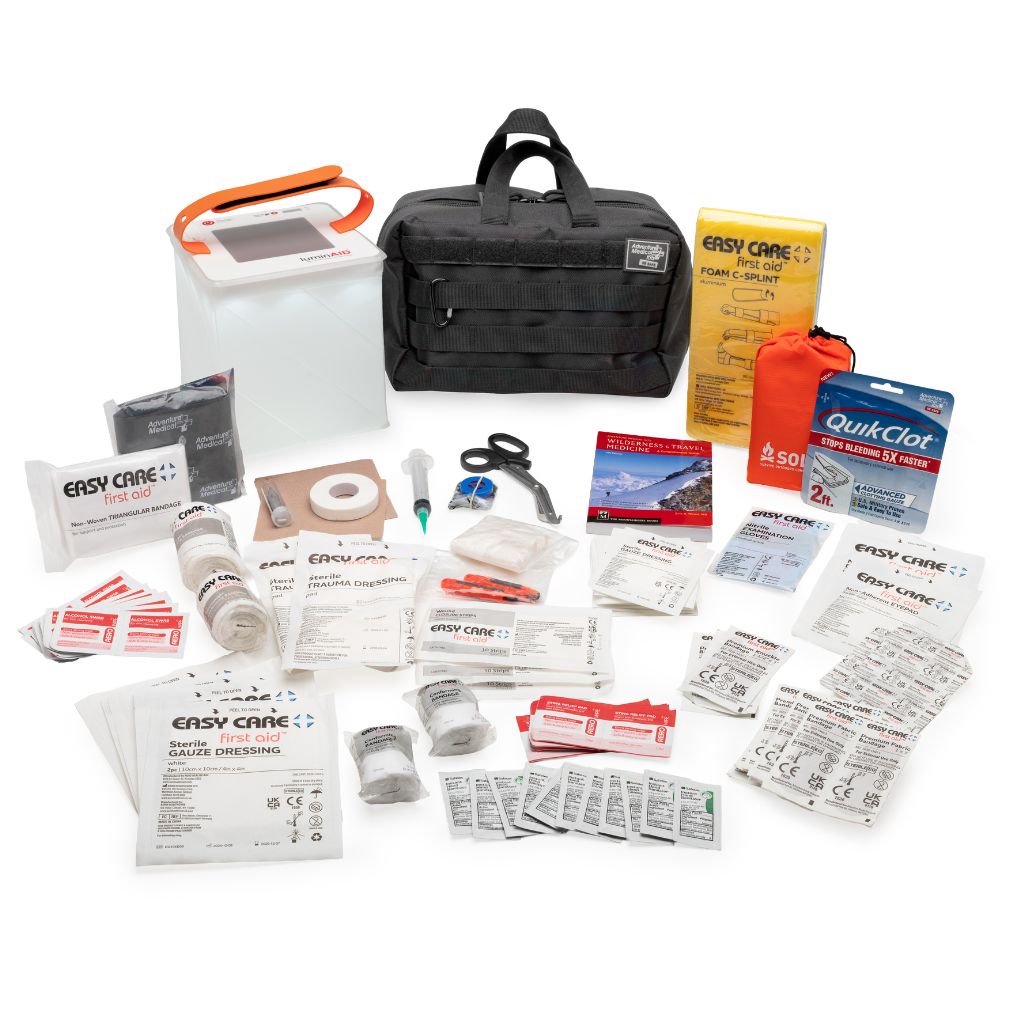
- A working light: A compact lantern or inflatable light such as those from LuminAID is useful for camp-based courses, evening movement, or low-light scenarios.
- Weather backup items: A compact SOL emergency blanket is worth carrying anyway, and it also reminds students how often backcountry care depends on improvisation.
If your trips include family outings, it also helps to keep home practice simple and approachable. The Backyard Adventure Raccoon First Aid Kit gives kids a familiar way to learn basic response habits around cuts, scrapes, and small outdoor mishaps.
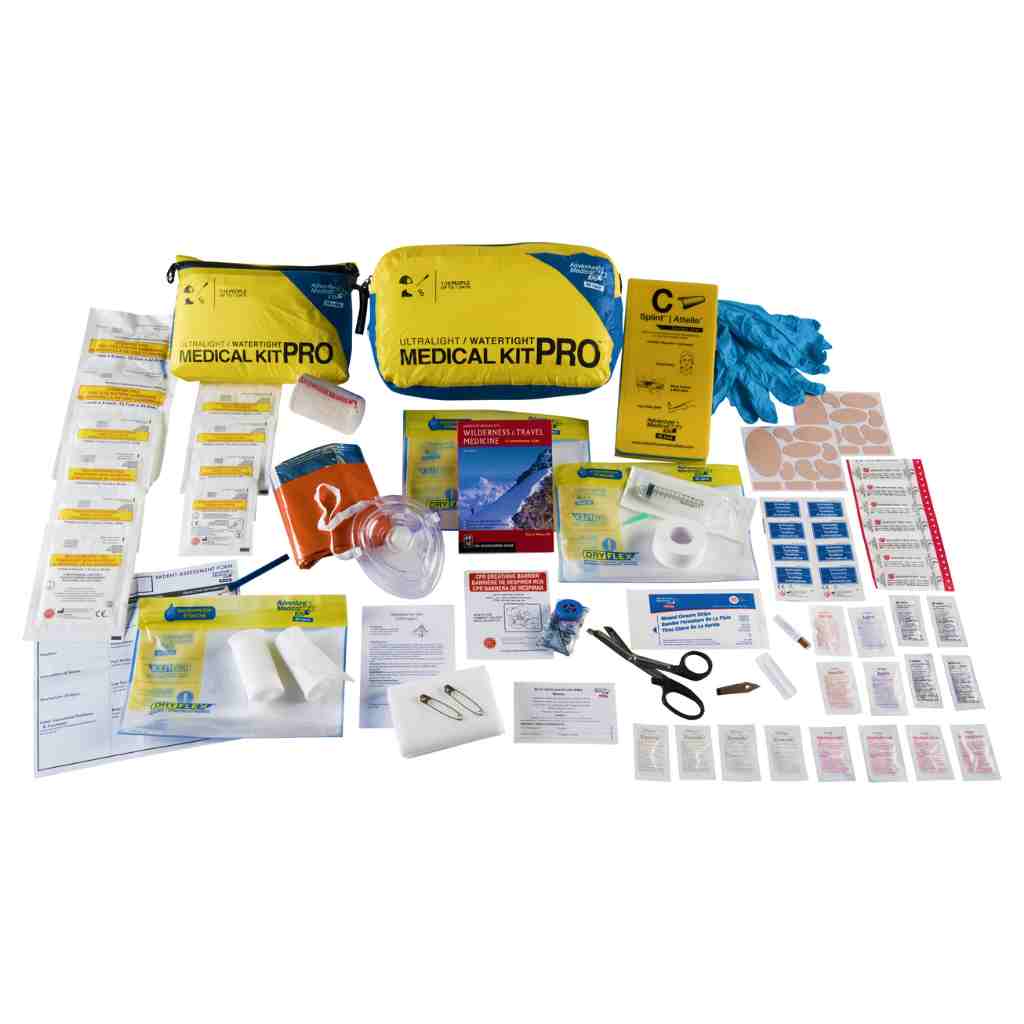
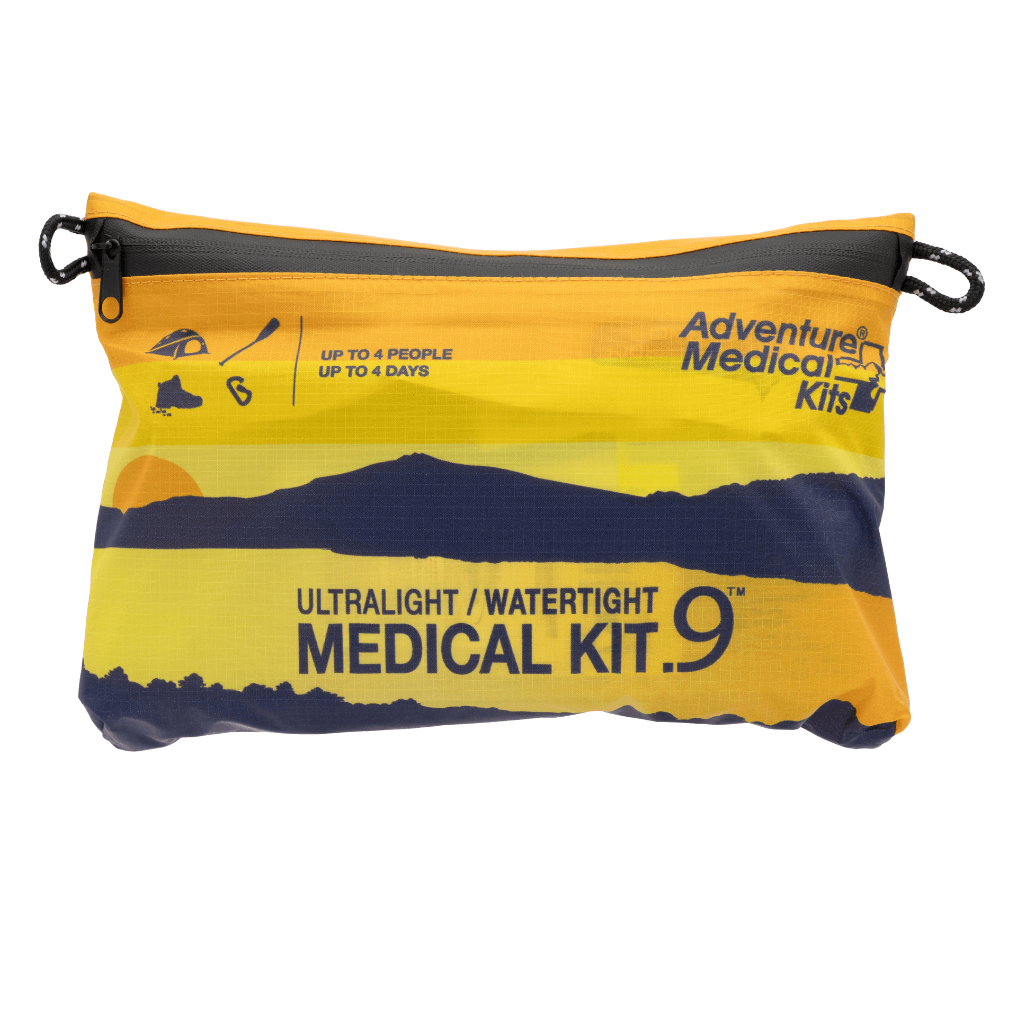
Students planning overnight or multi-day travel should also compare their class packing choices against their real trip kit. This guide to choosing a medical kit for a multi-day backpacking trip is a useful way to check whether your field setup matches the kind of travel you do.
How to show up ready to learn
Show up ready to participate physically and think under a little pressure.
That means sleeping the night before, eating breakfast, and arriving early enough to settle in without rushing. It also means accepting that some scenarios will feel awkward. You may need to touch strangers, speak loudly, kneel in mud, or play the confused patient while another student works through an assessment. That discomfort is part of the training. In the field, clear communication and calm hands matter more than looking polished.
A few habits make a noticeable difference:
- Arrive rested: Fatigue leads to missed steps and weak decision-making.
- Expect contact and movement: Good courses require students to practice, not just watch.
- Use your own field gear if allowed: Working with your own pack, layers, or first aid kit makes the training easier to apply on real trips.
- Ask practical questions: Ask how the skill changes if you are solo, far from trailhead access, with kids, or leading a group.
- Stay teachable: Previous first aid exposure helps only if you are willing to adapt it to wilderness constraints.
The weekend is not a performance. It is a chance to find the gaps before the stakes are real.
After the Course Staying Sharp and Prepared
Certification is a starting line. A person can pass a course, drive home, and still lose useful skill if the material never gets touched again. Assessment language fades. Splinting gets fuzzy. Evacuation decisions start to feel abstract unless they're tied back to real trips and real gear.

Skills fade if they stay theoretical
The simplest way to stay sharp is to rehearse. Run patient assessments with a hiking partner. Talk through common scenarios before trips. Open the kit and identify where the gloves, bandages, medications, and trauma items sit. People perform better with equipment they've touched before.
Certification timing matters too. Verified data notes that WFA credentials are valid for two years in the cited course information. Put the recertification date somewhere visible, not buried in an inbox.
For backcountry travel, practice should always connect to trip planning. Route, weather, communication, group size, and medical kit selection all affect what “prepared” really means on the ground.
Gear should match the kind of trips being taken
Training without usable gear leaves a gap. The reverse is also true. A packed kit doesn't help much if nobody in the group can assess the patient and use the contents in the right order.
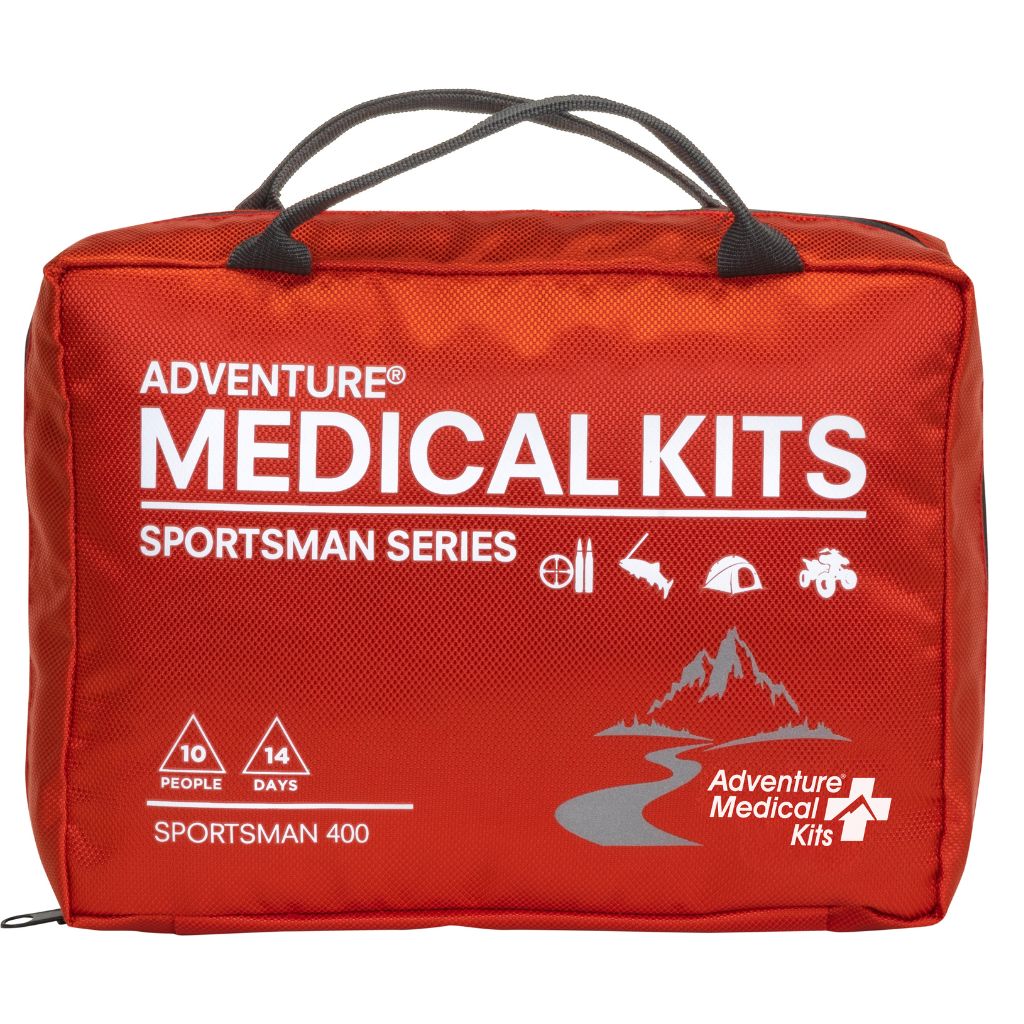
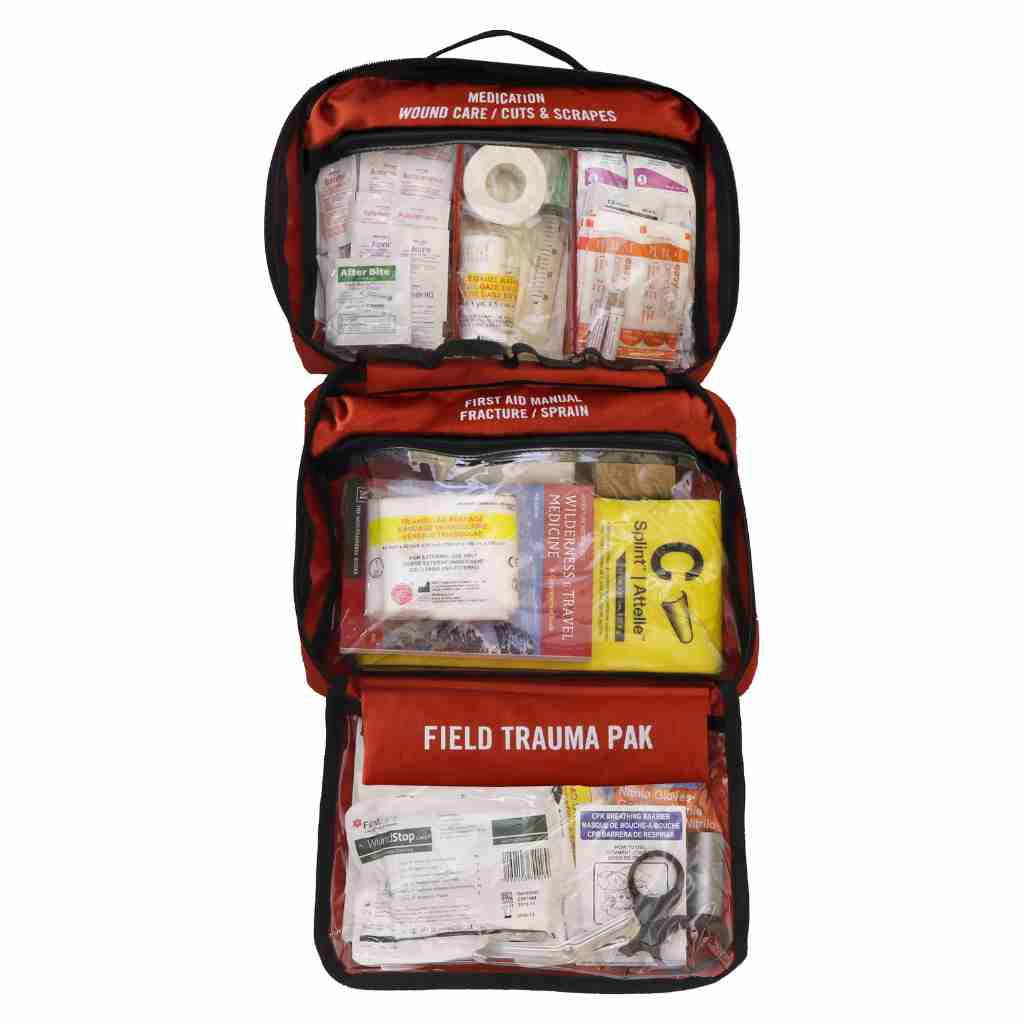
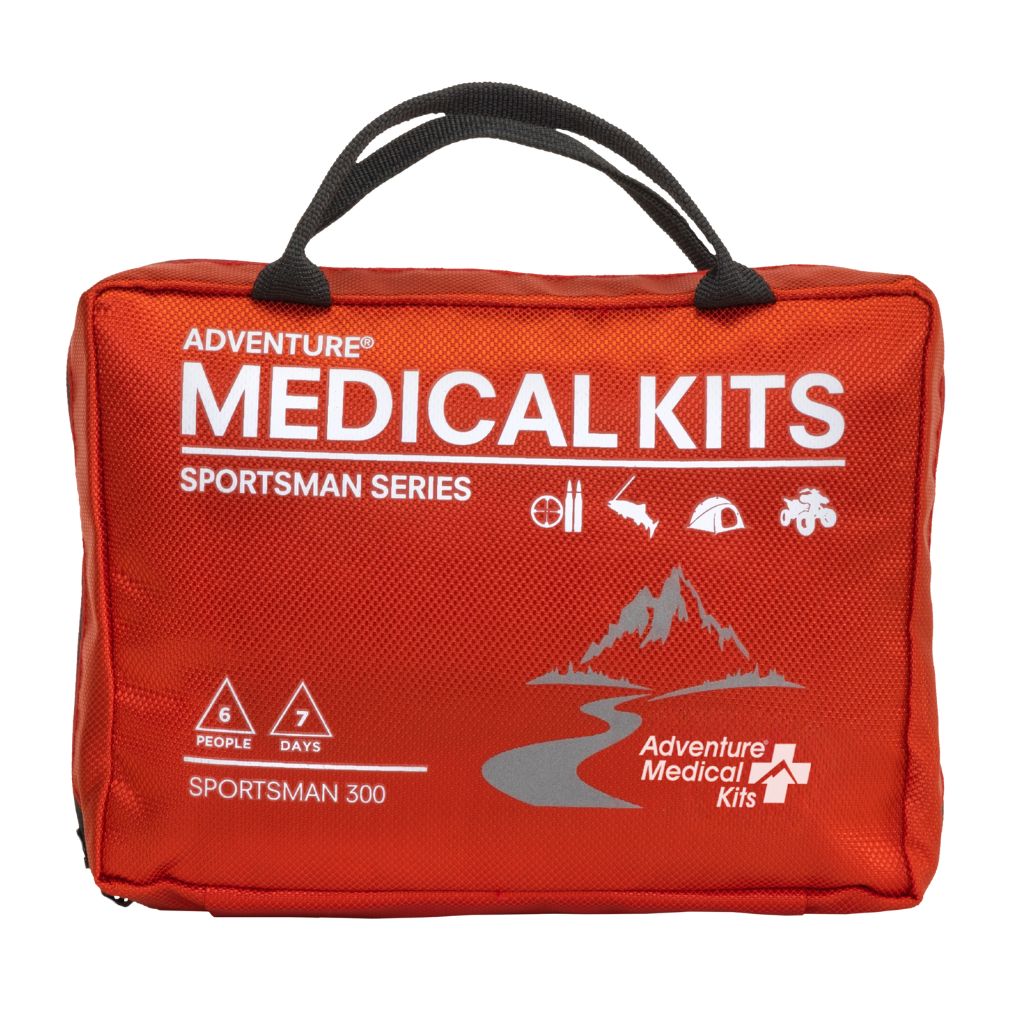
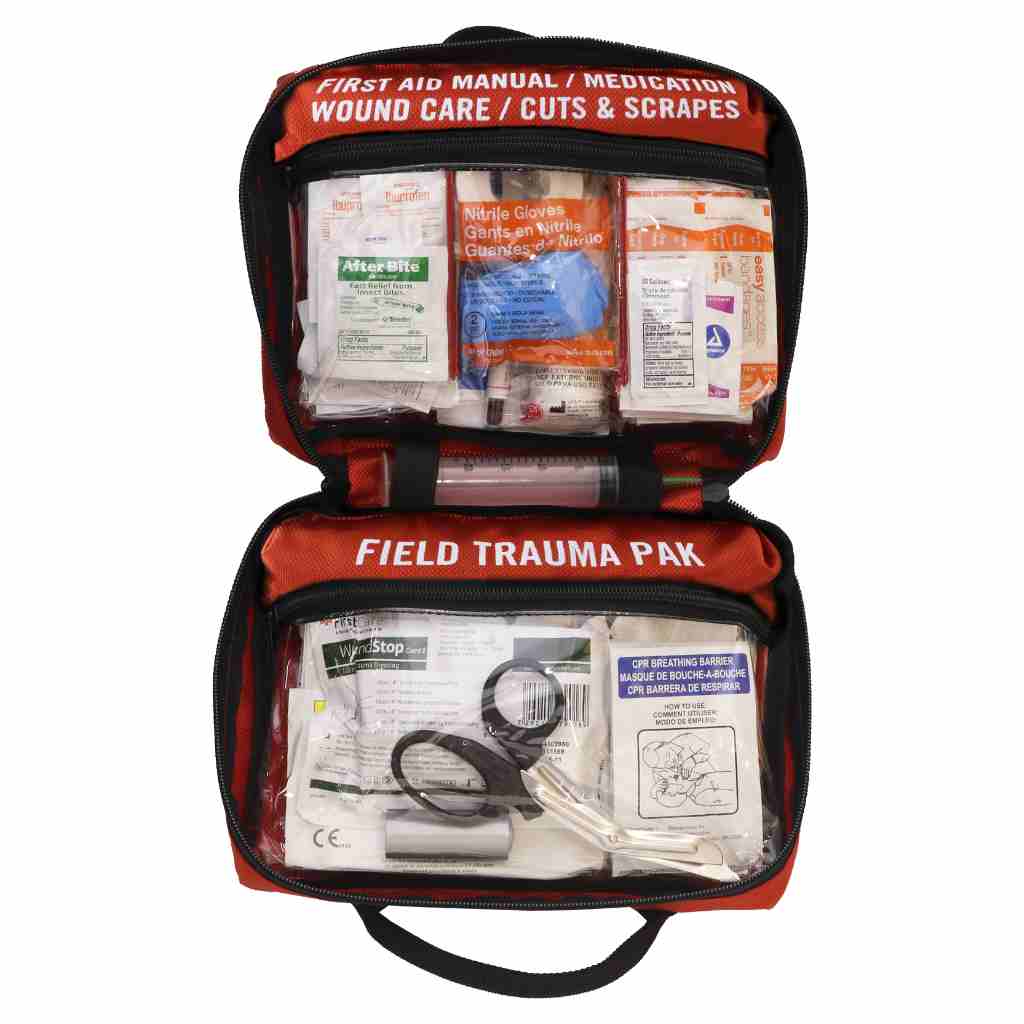
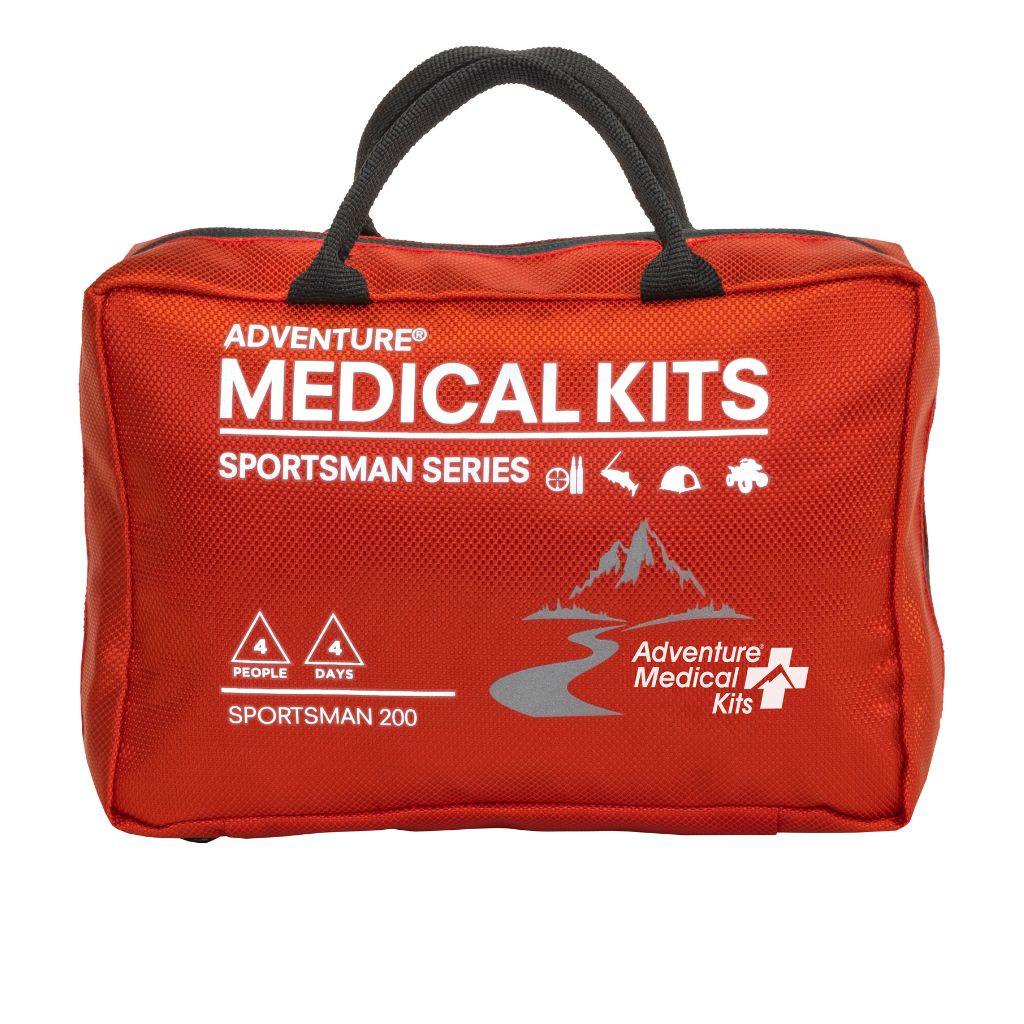
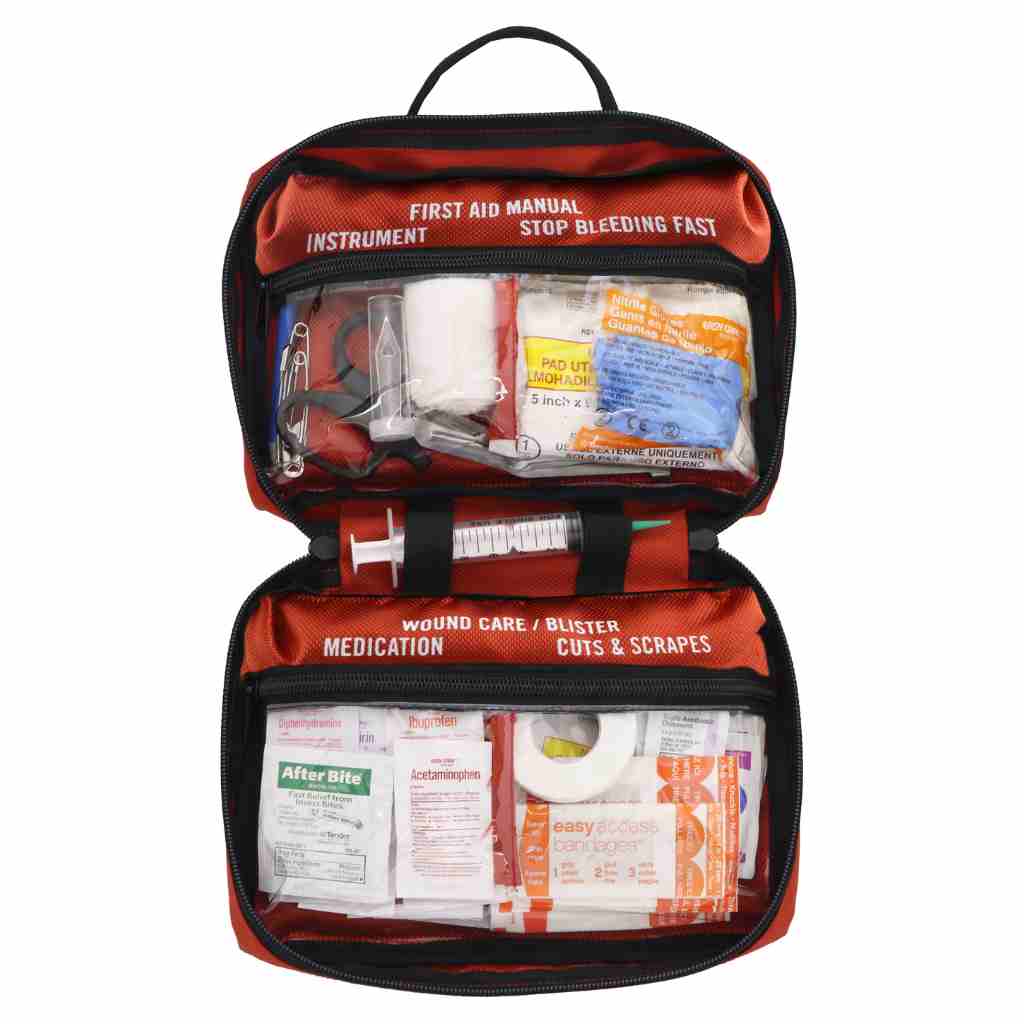
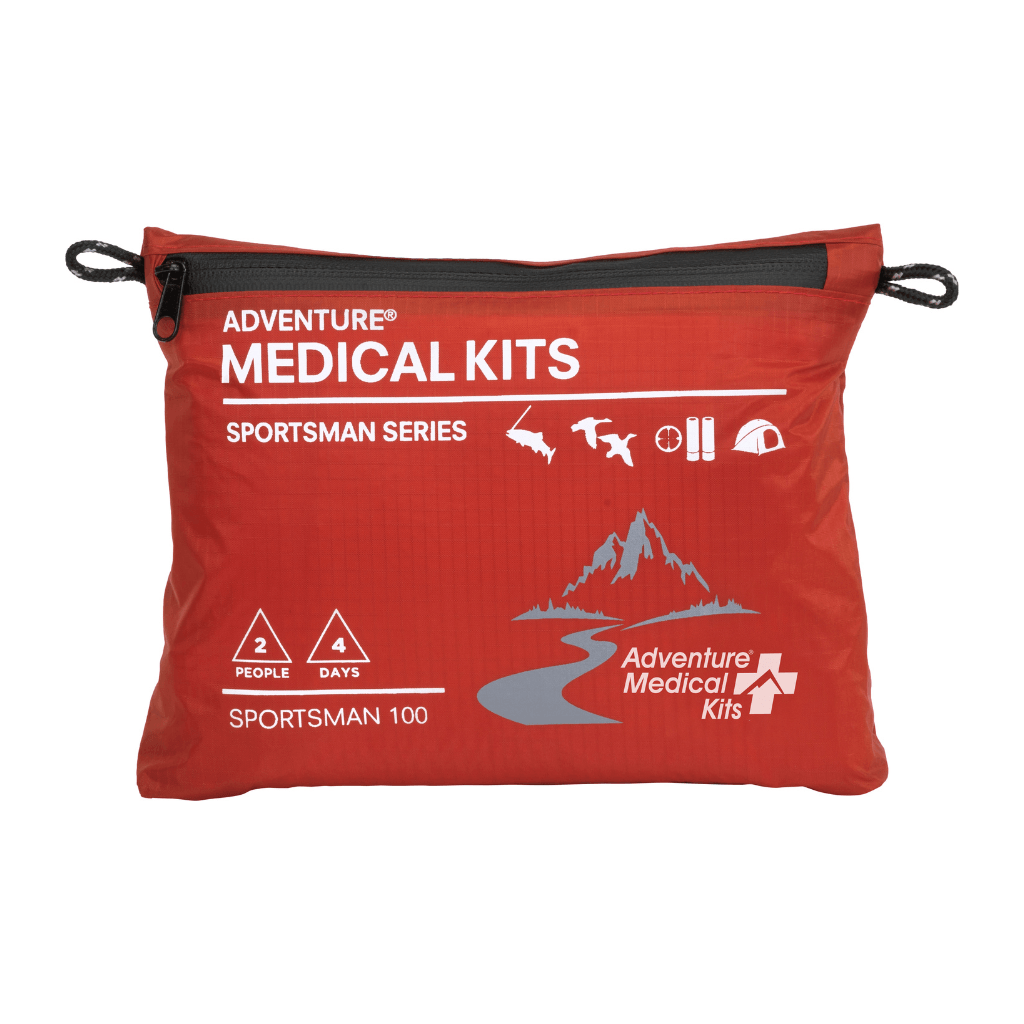
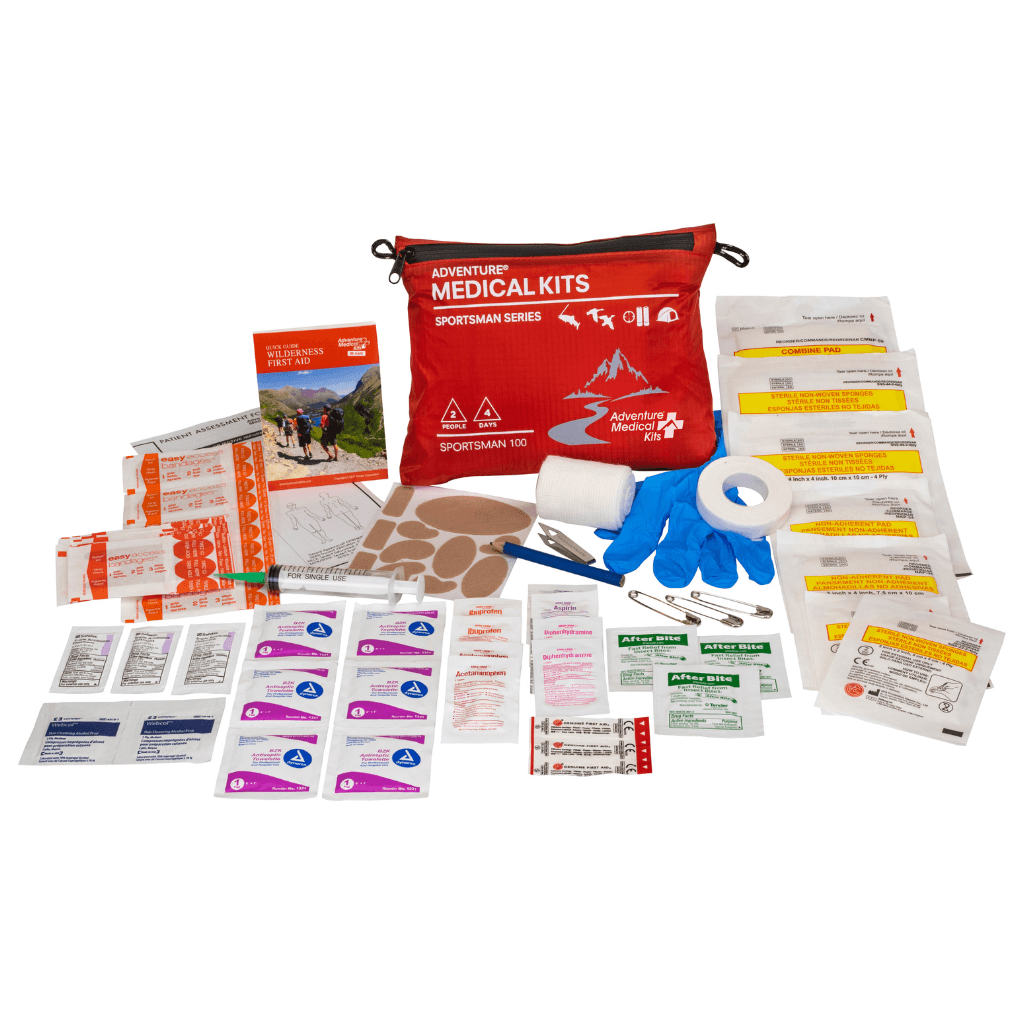
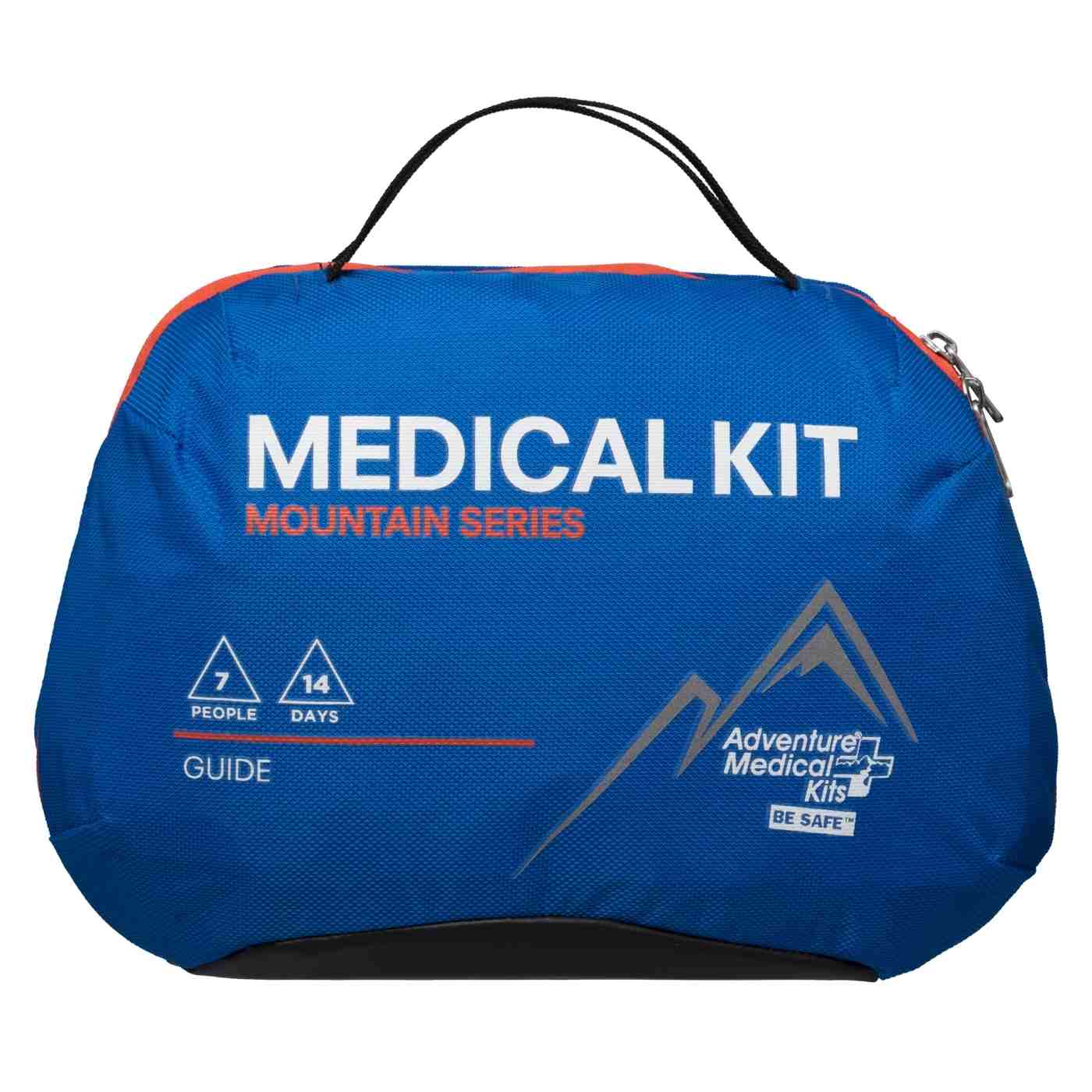
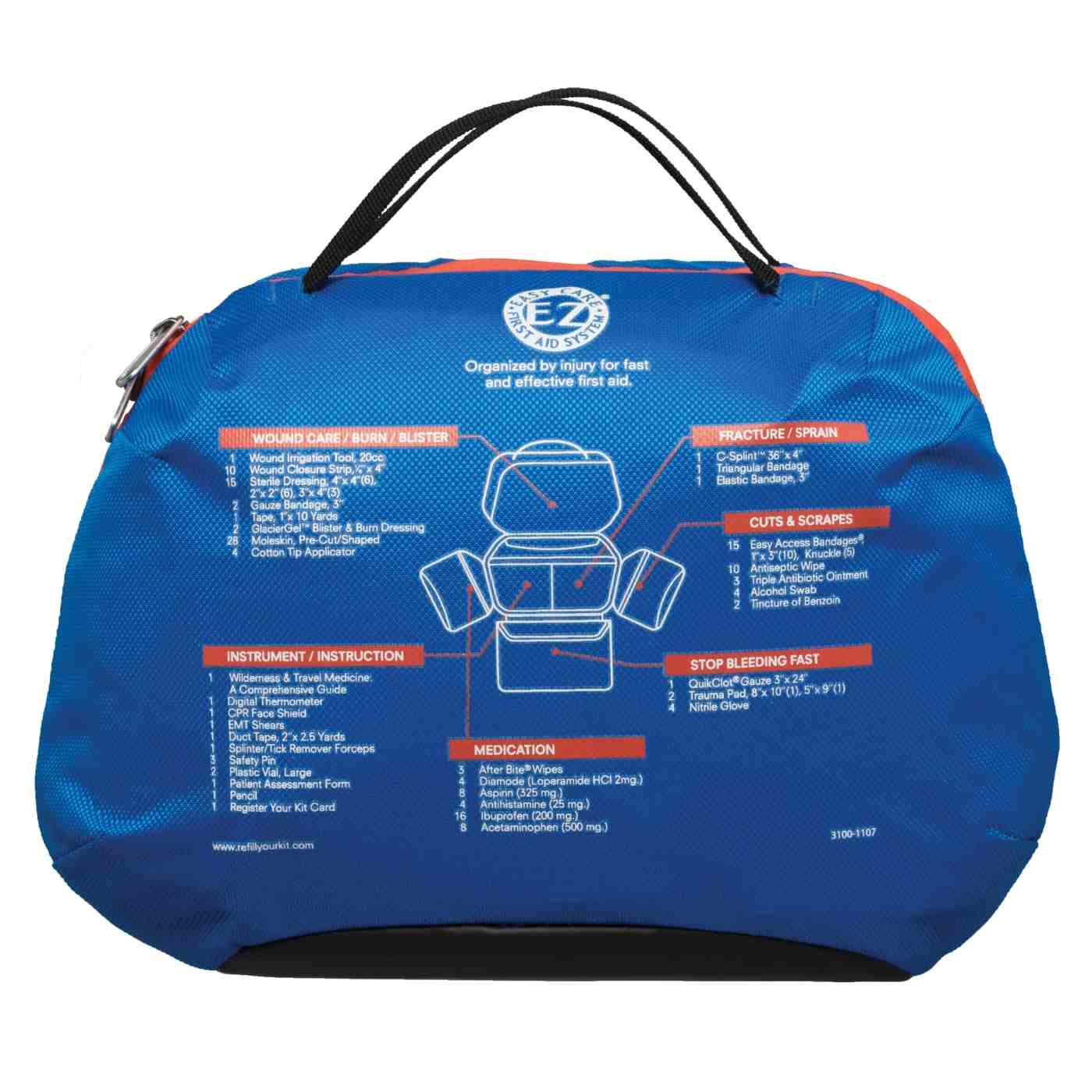
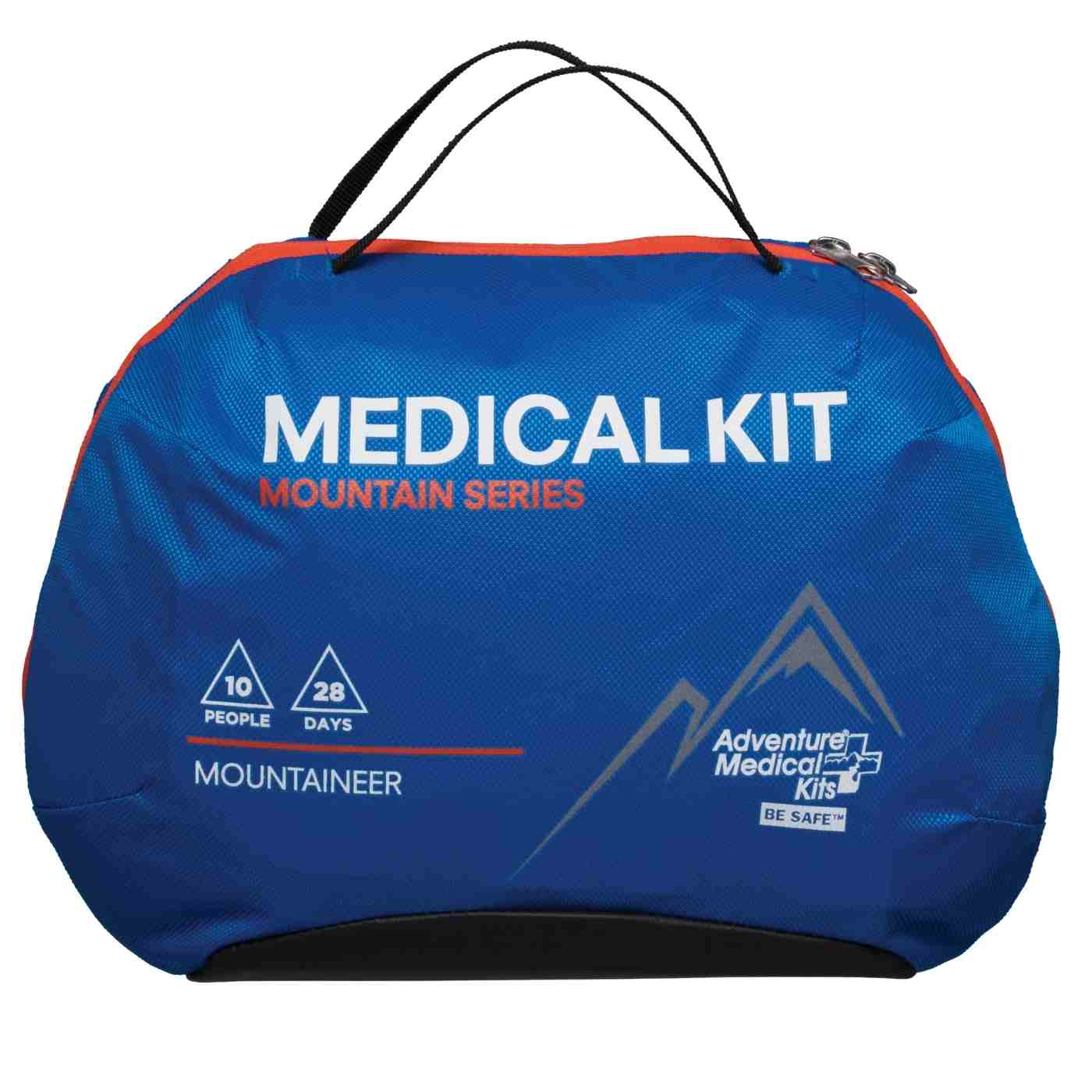
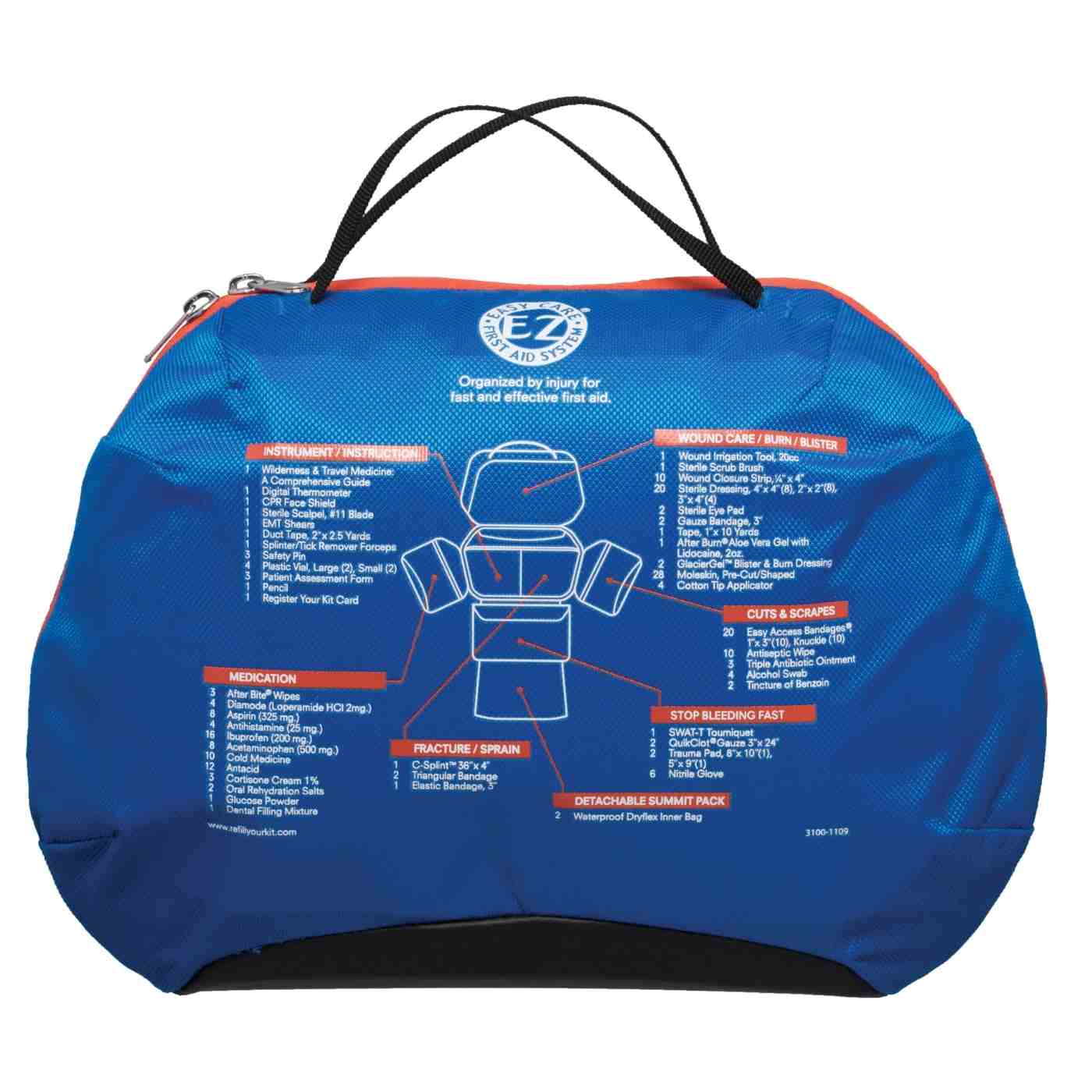
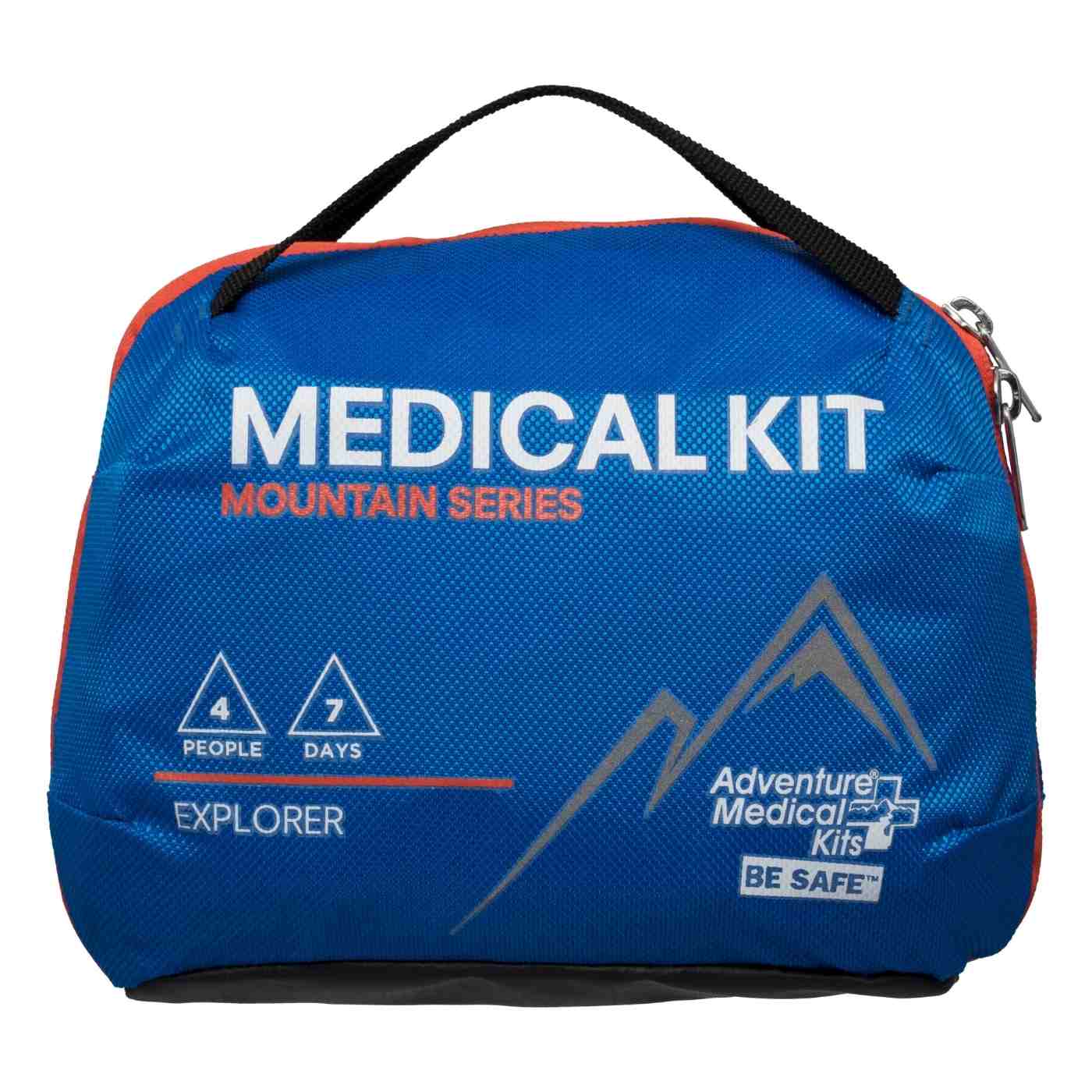
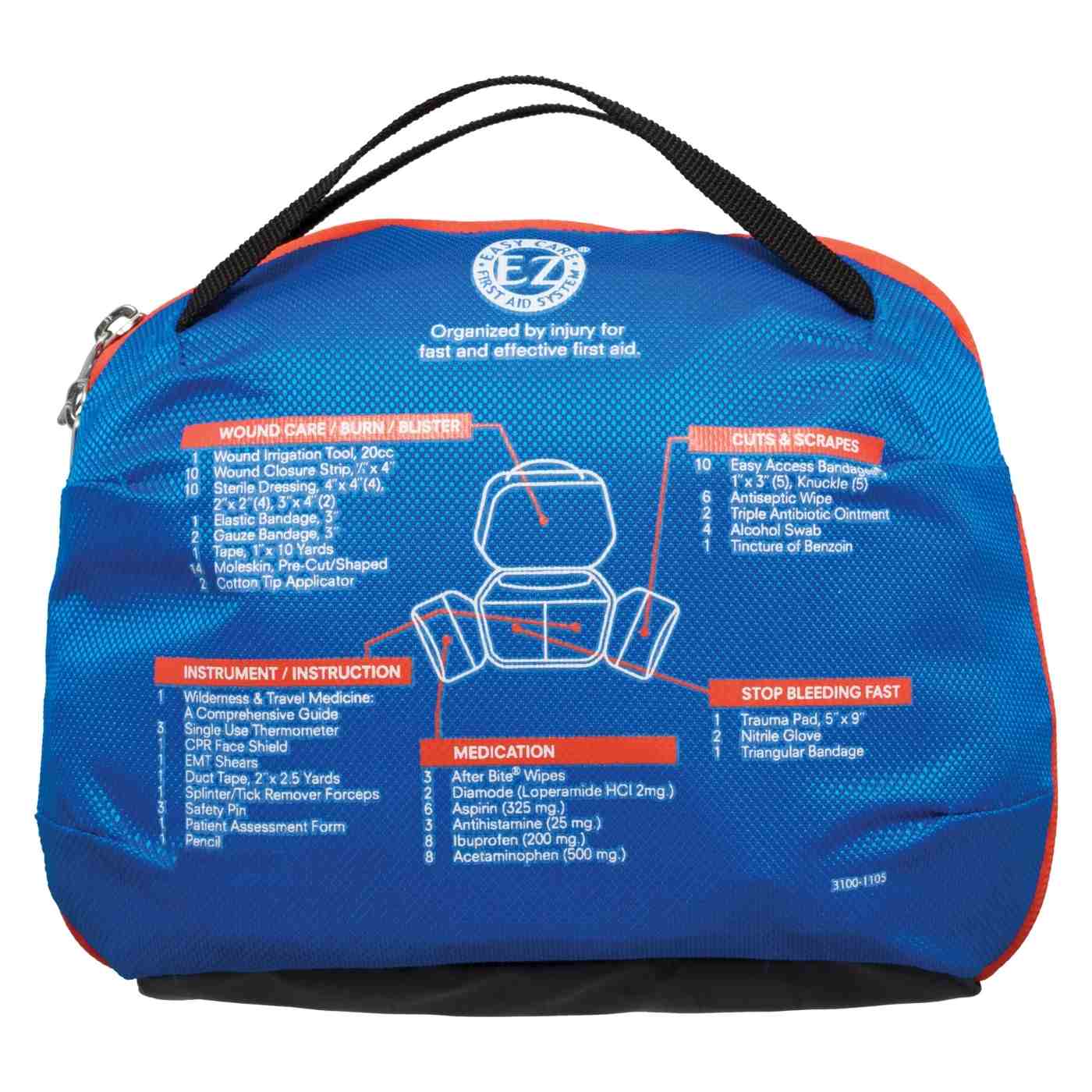
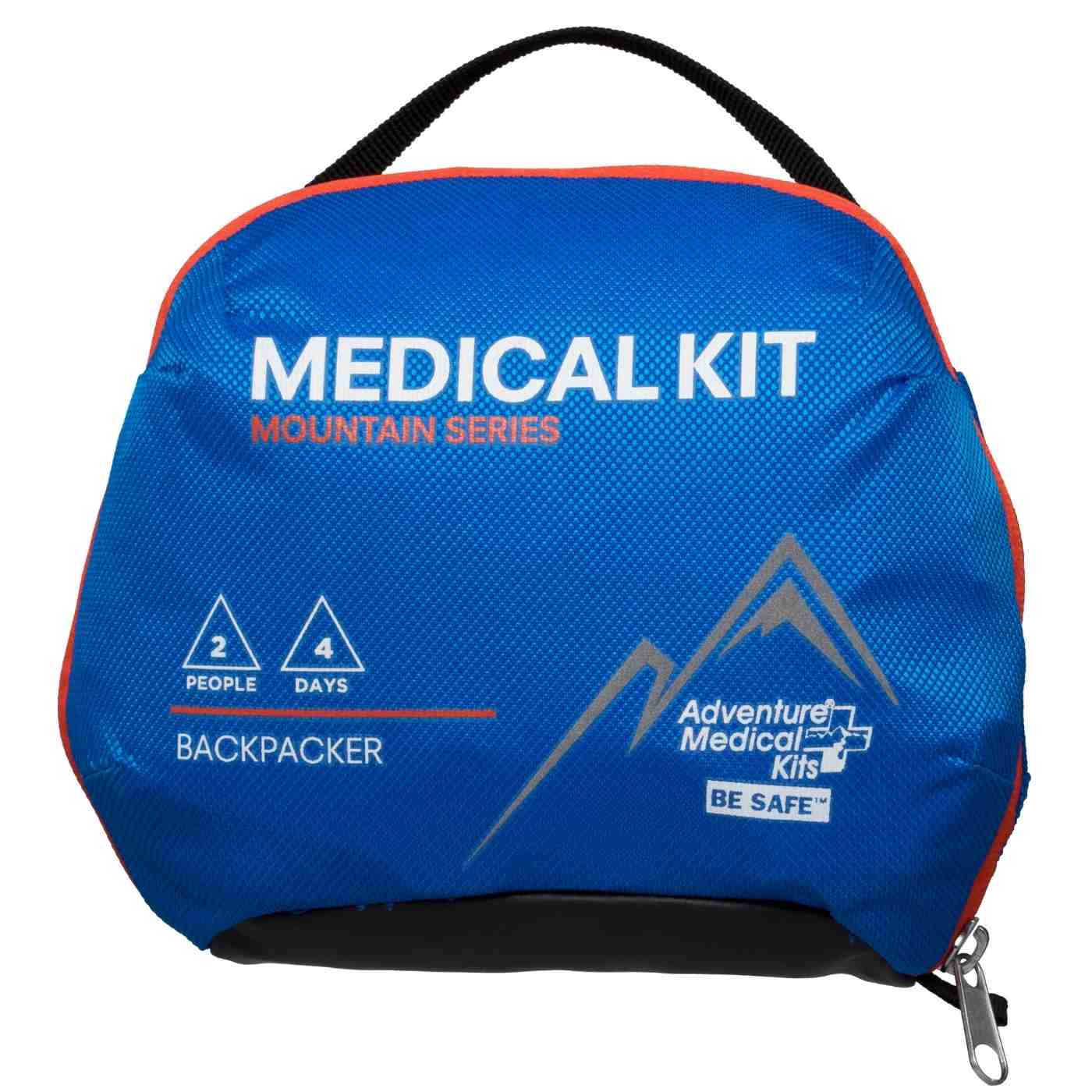
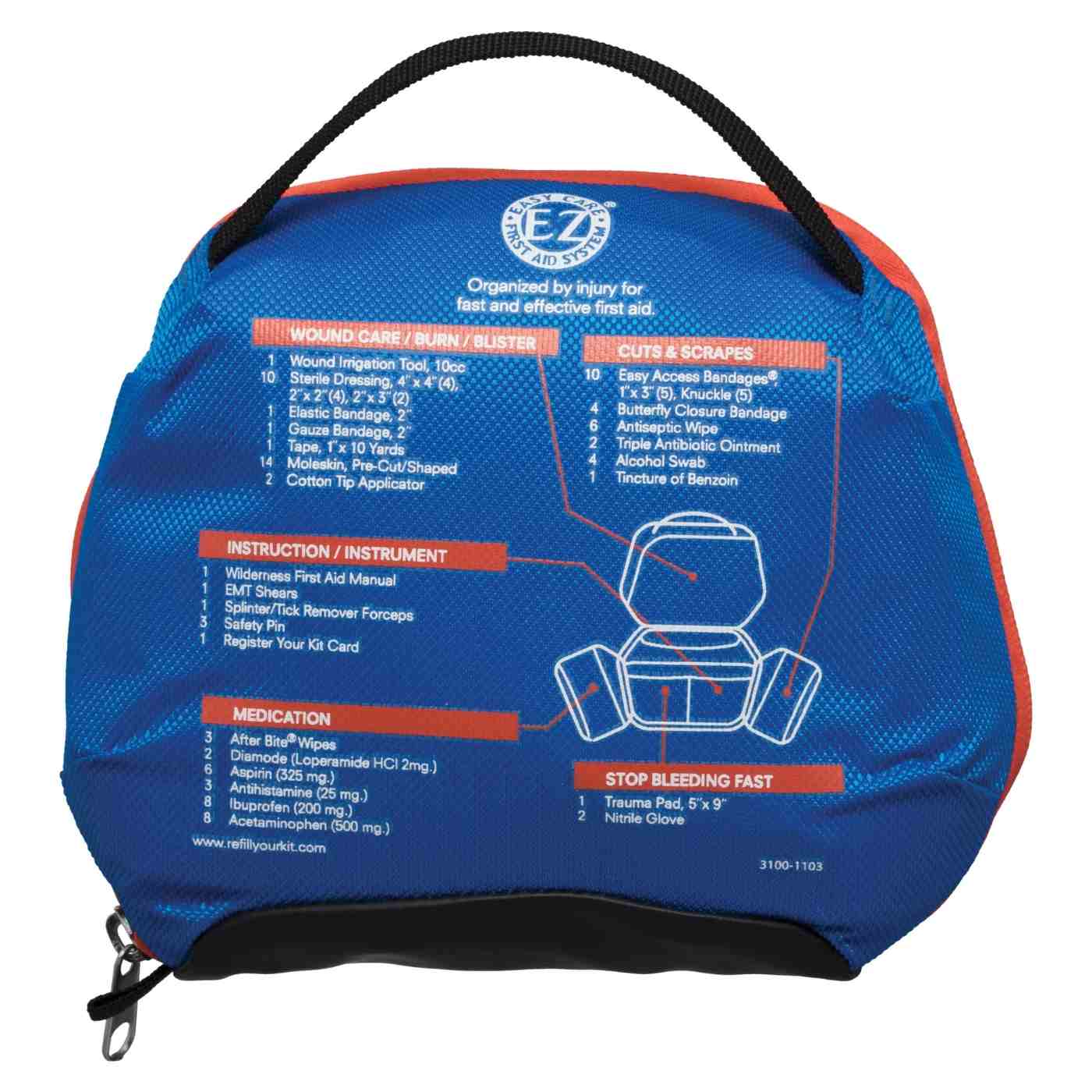
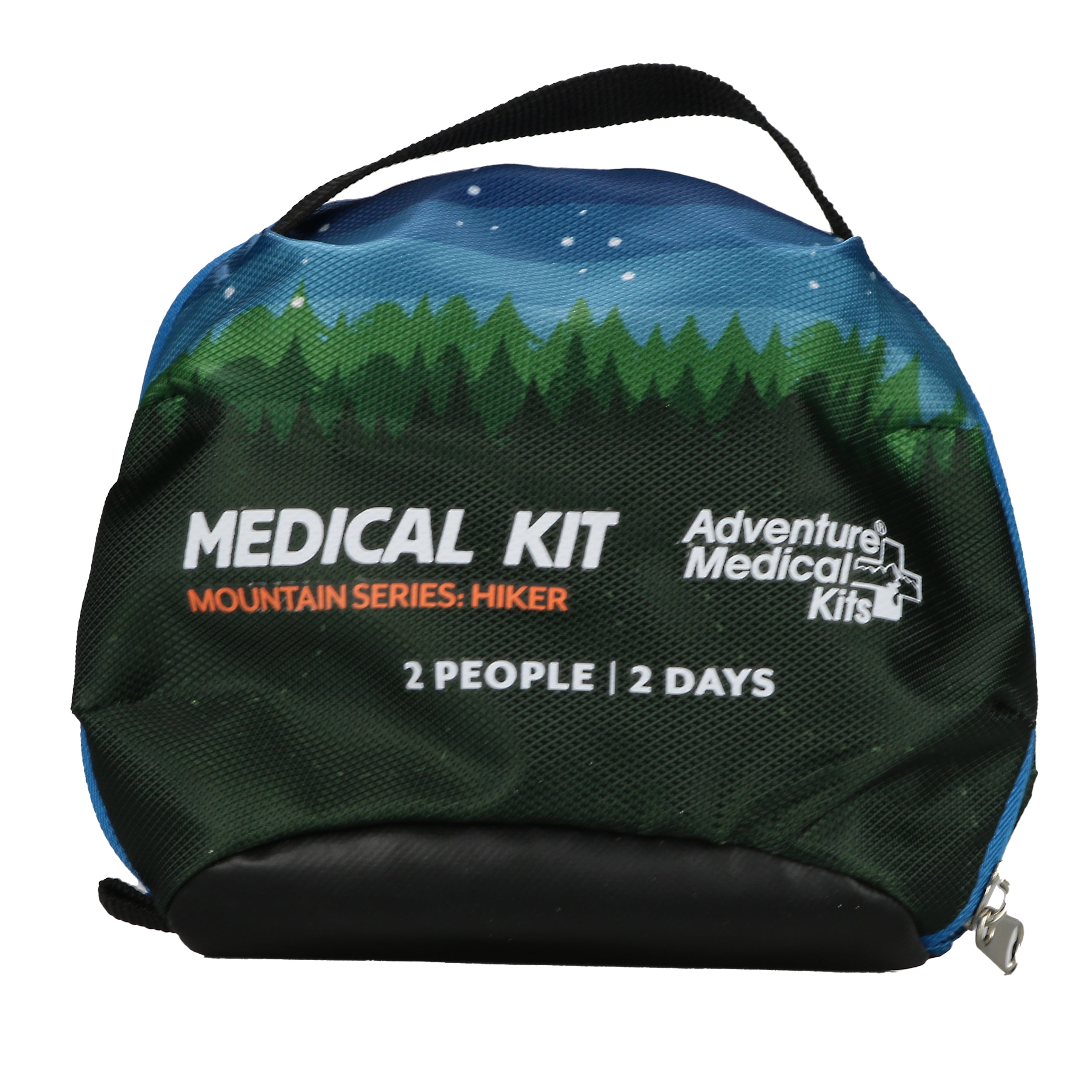
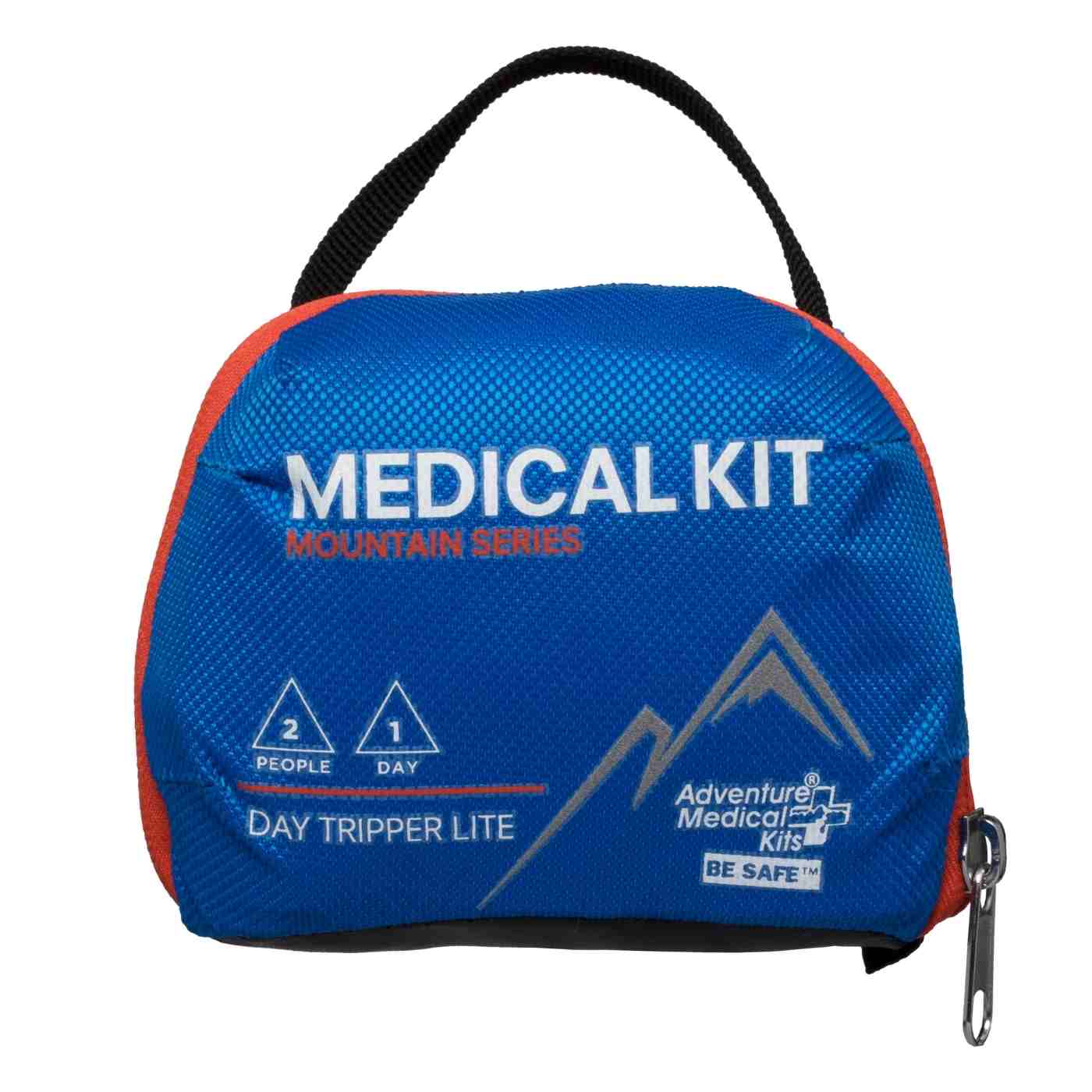
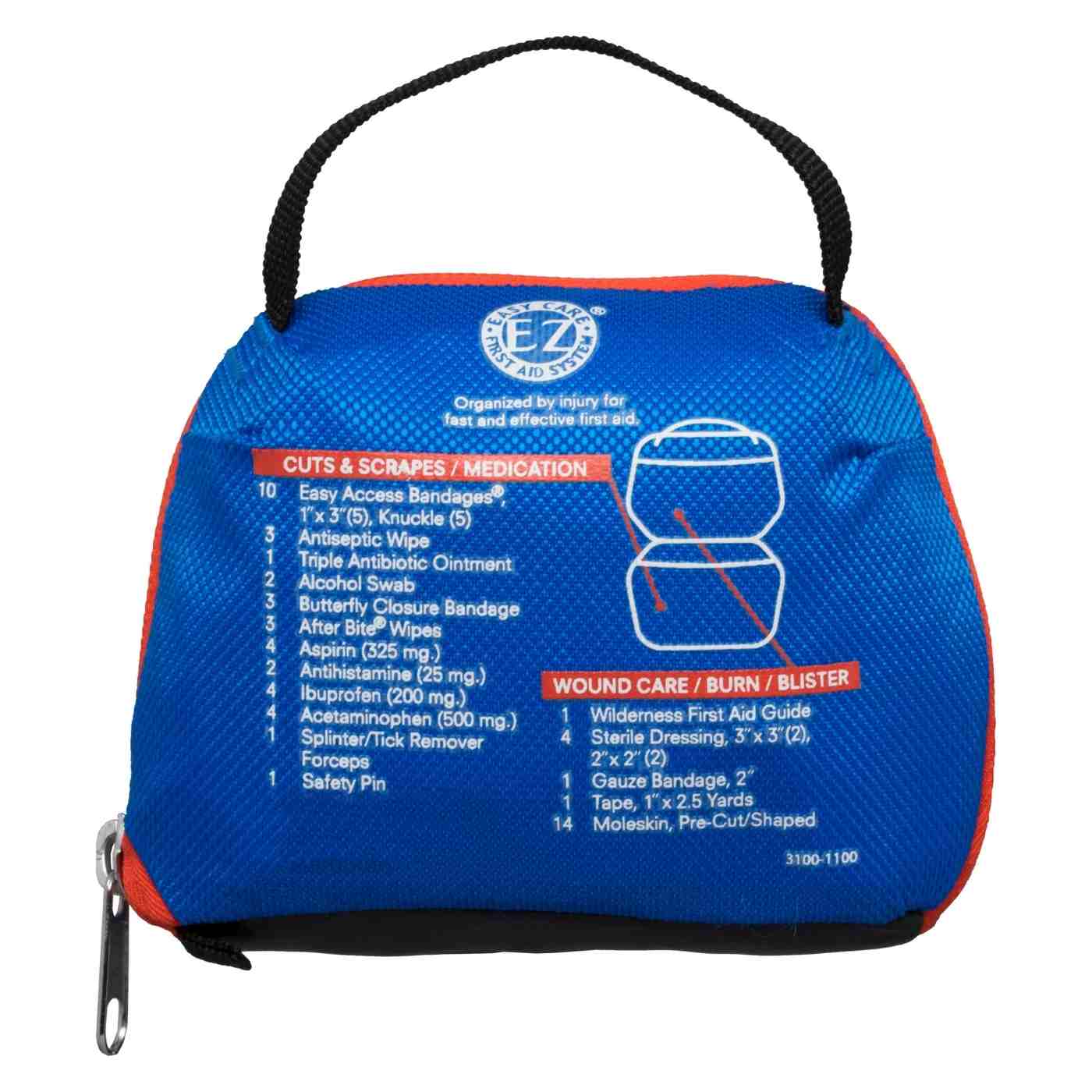
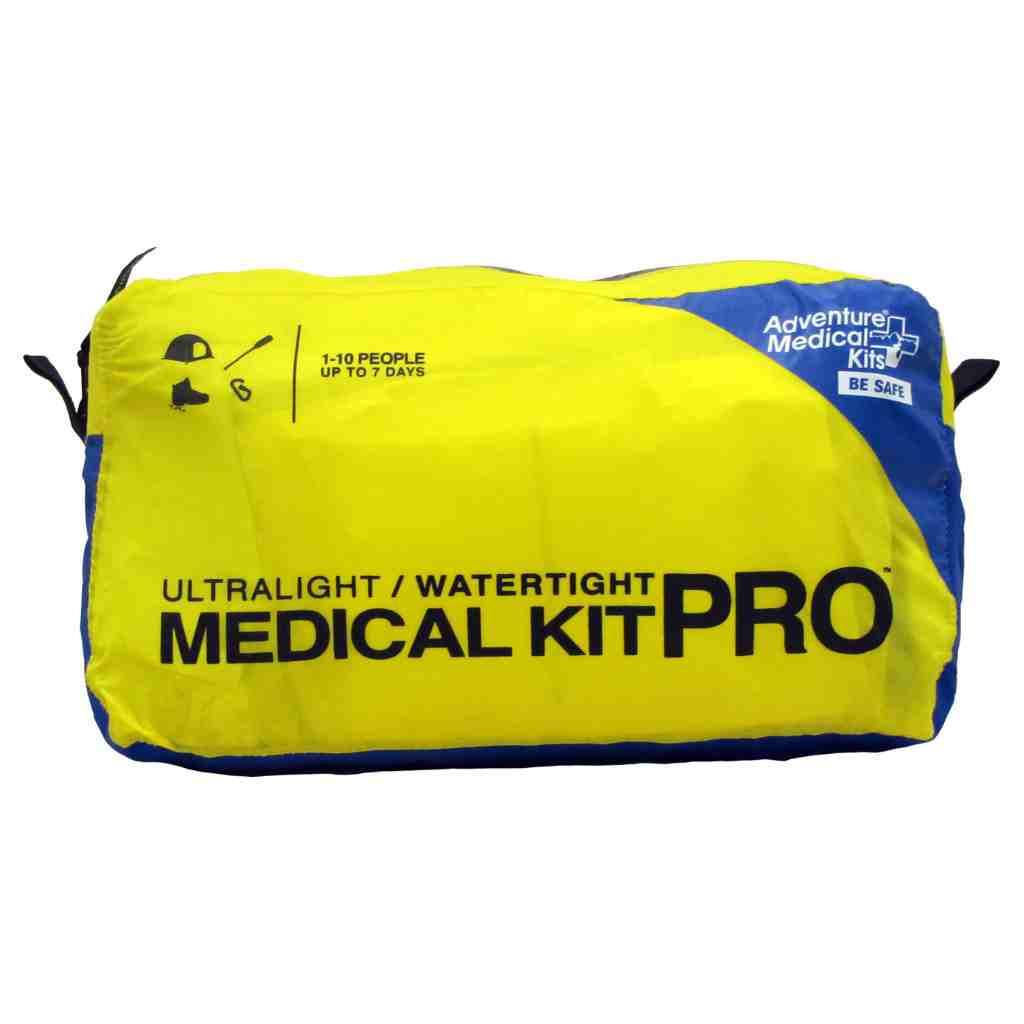
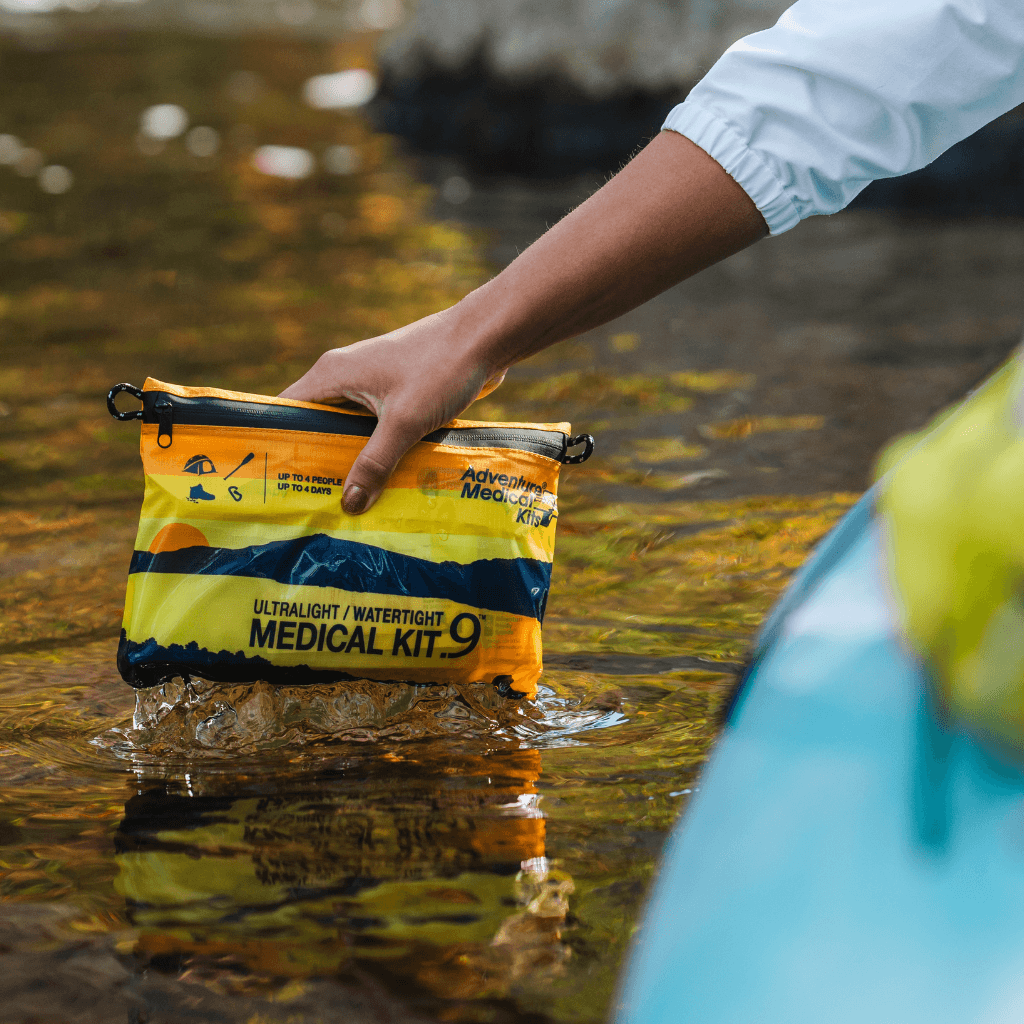
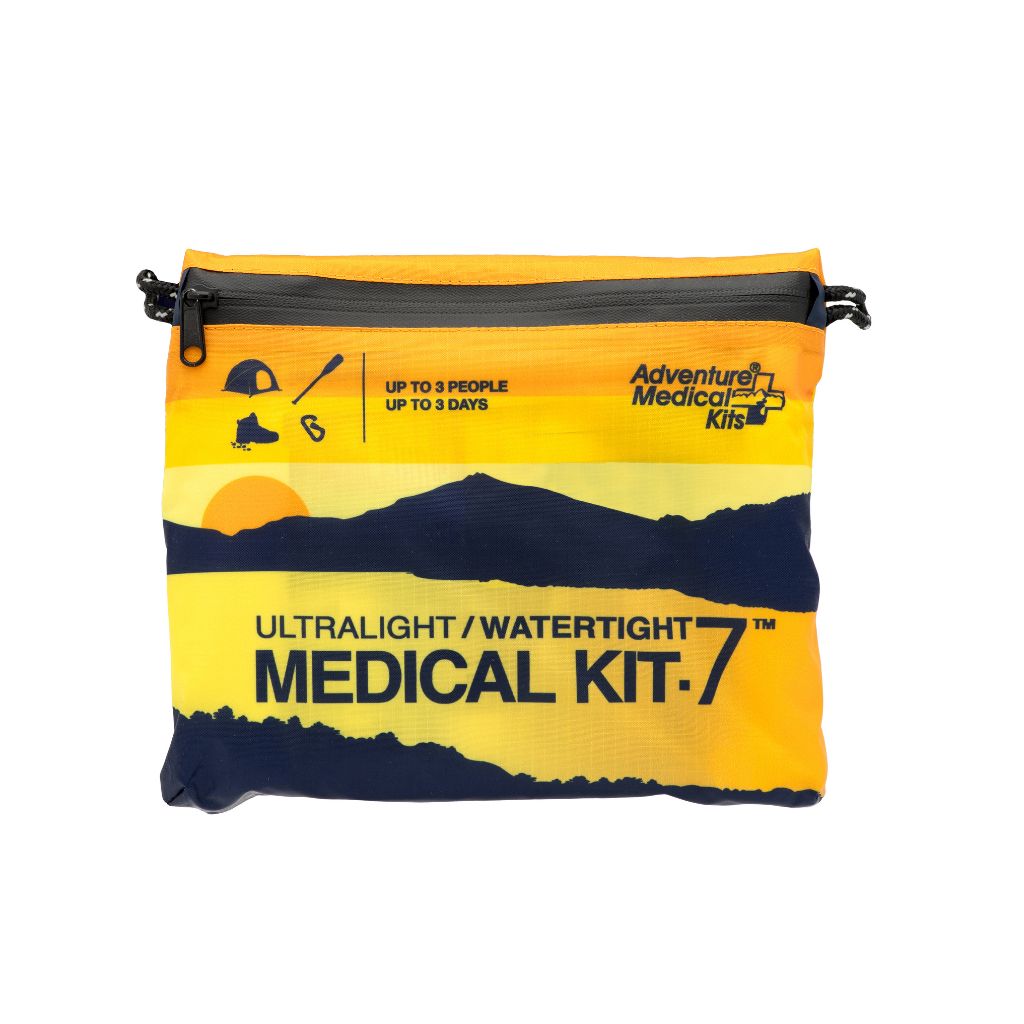
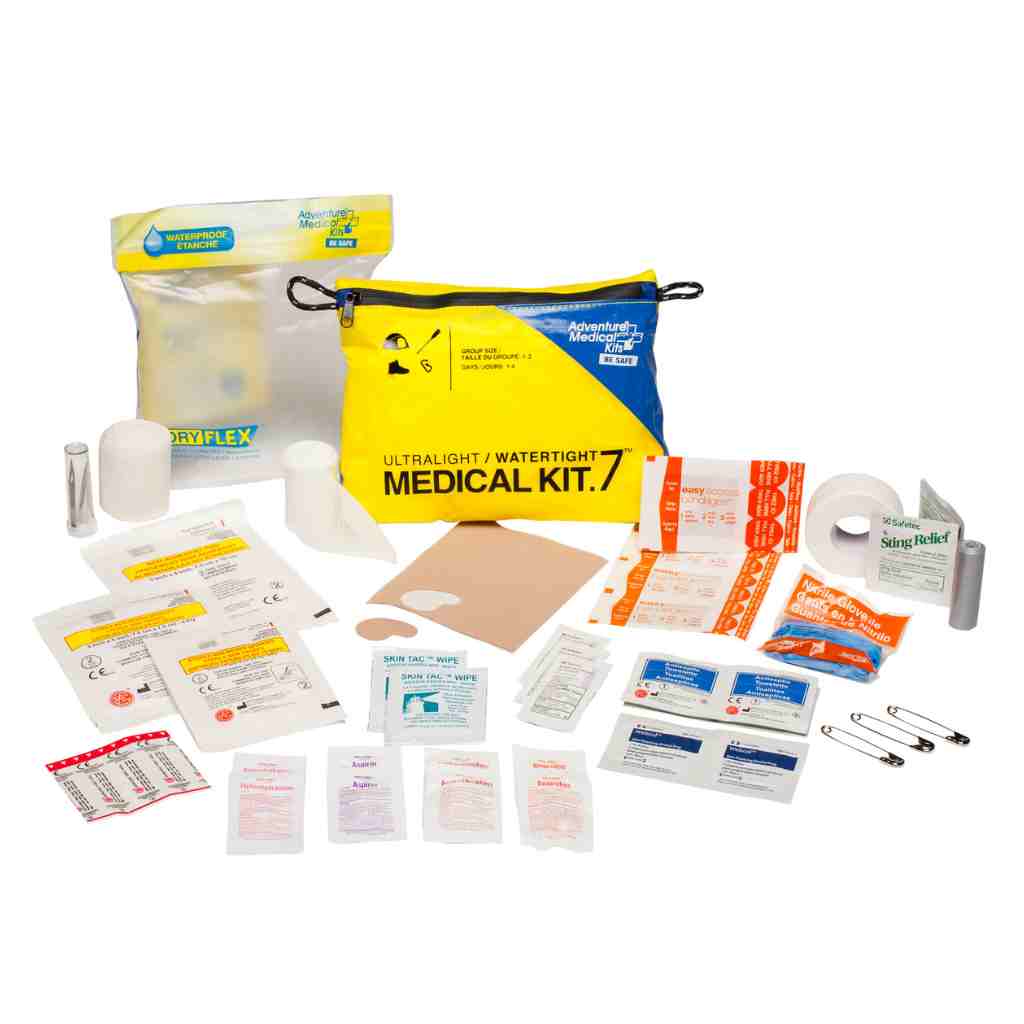
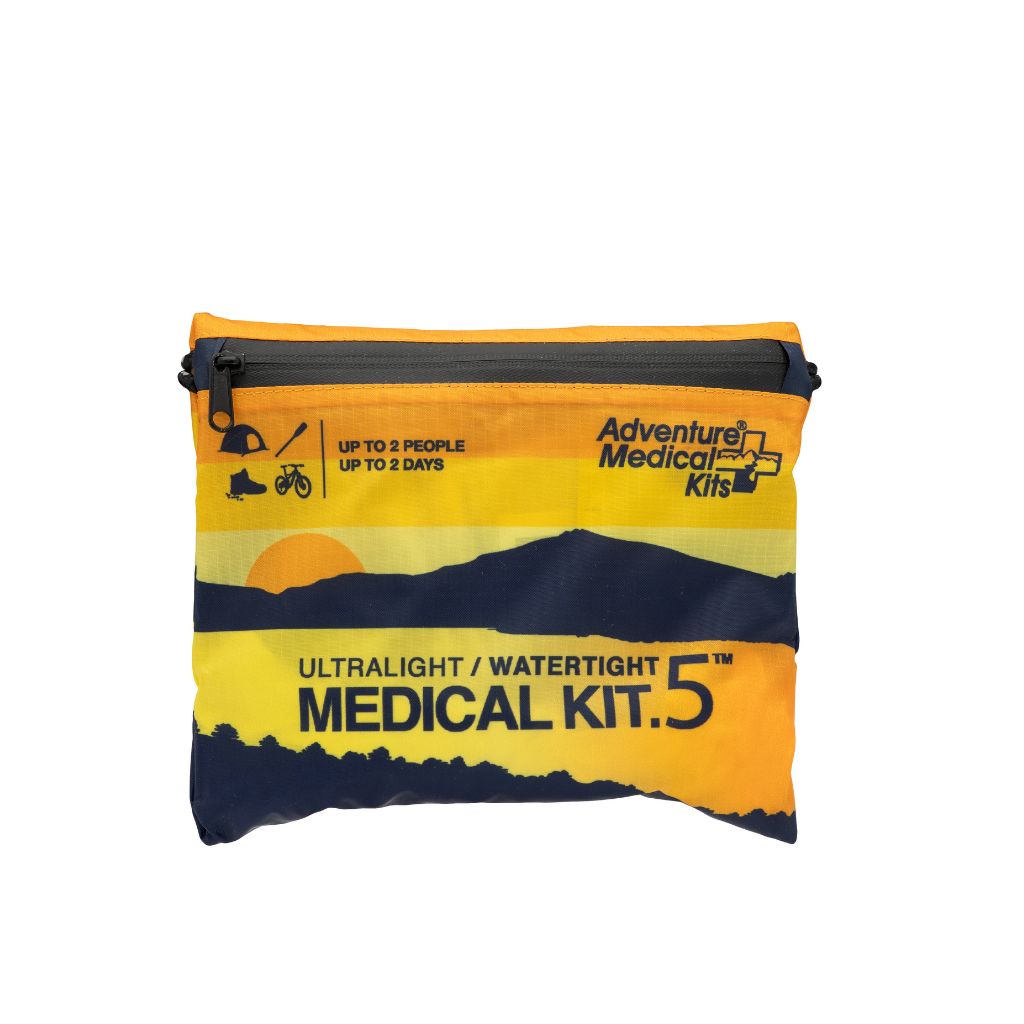
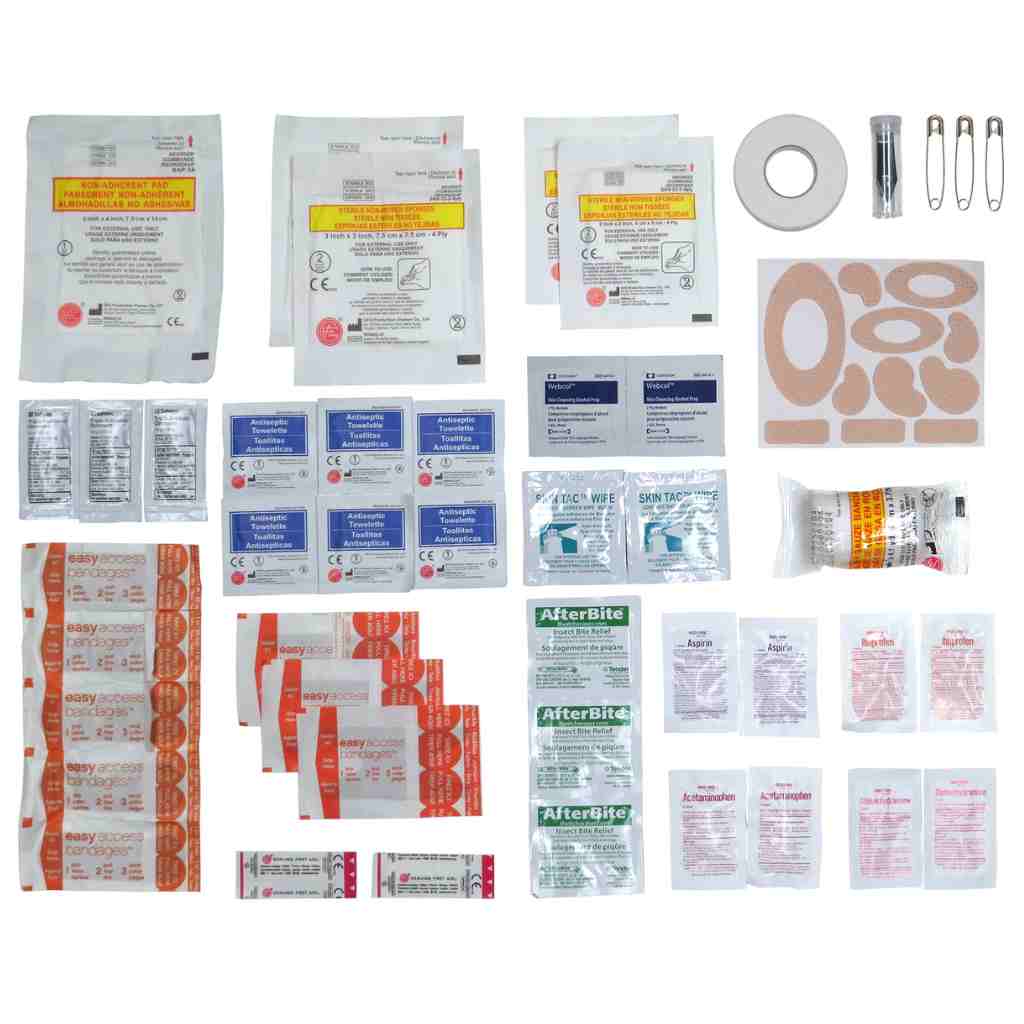
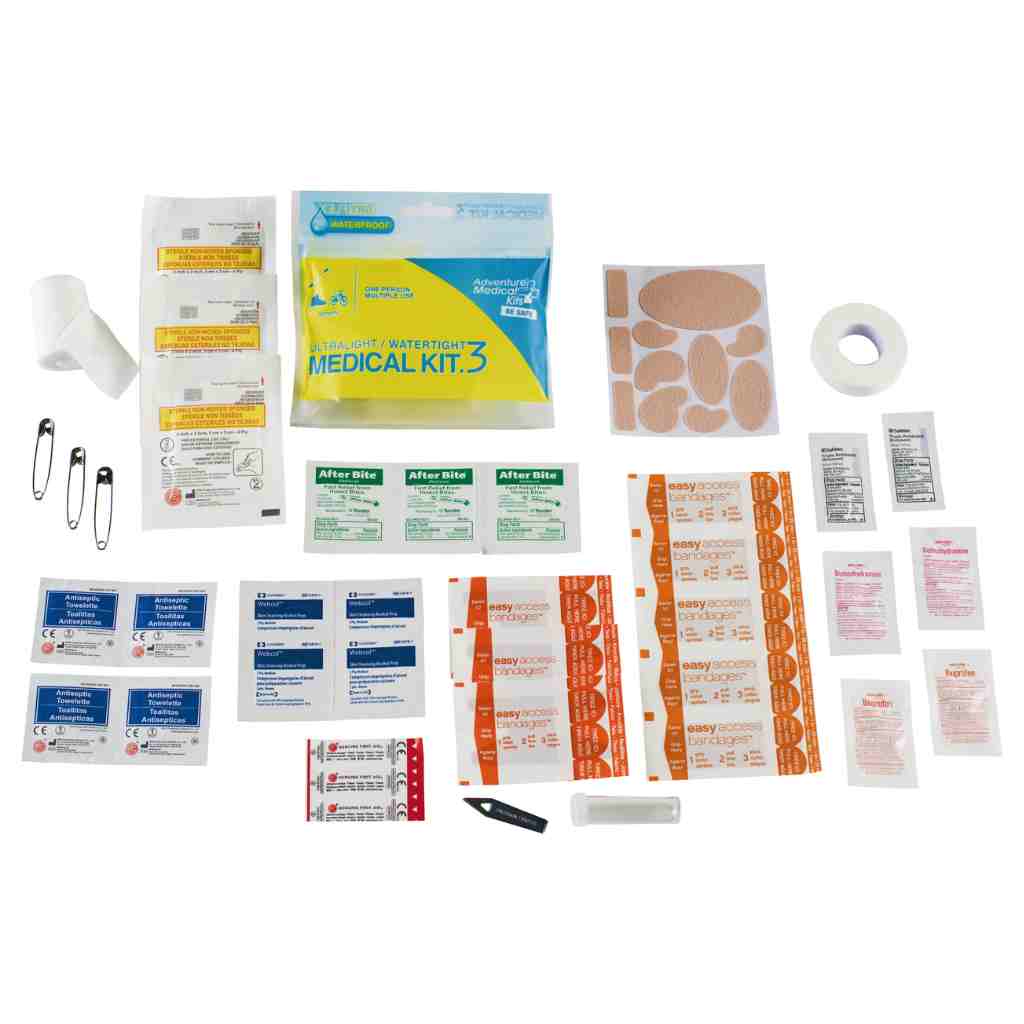
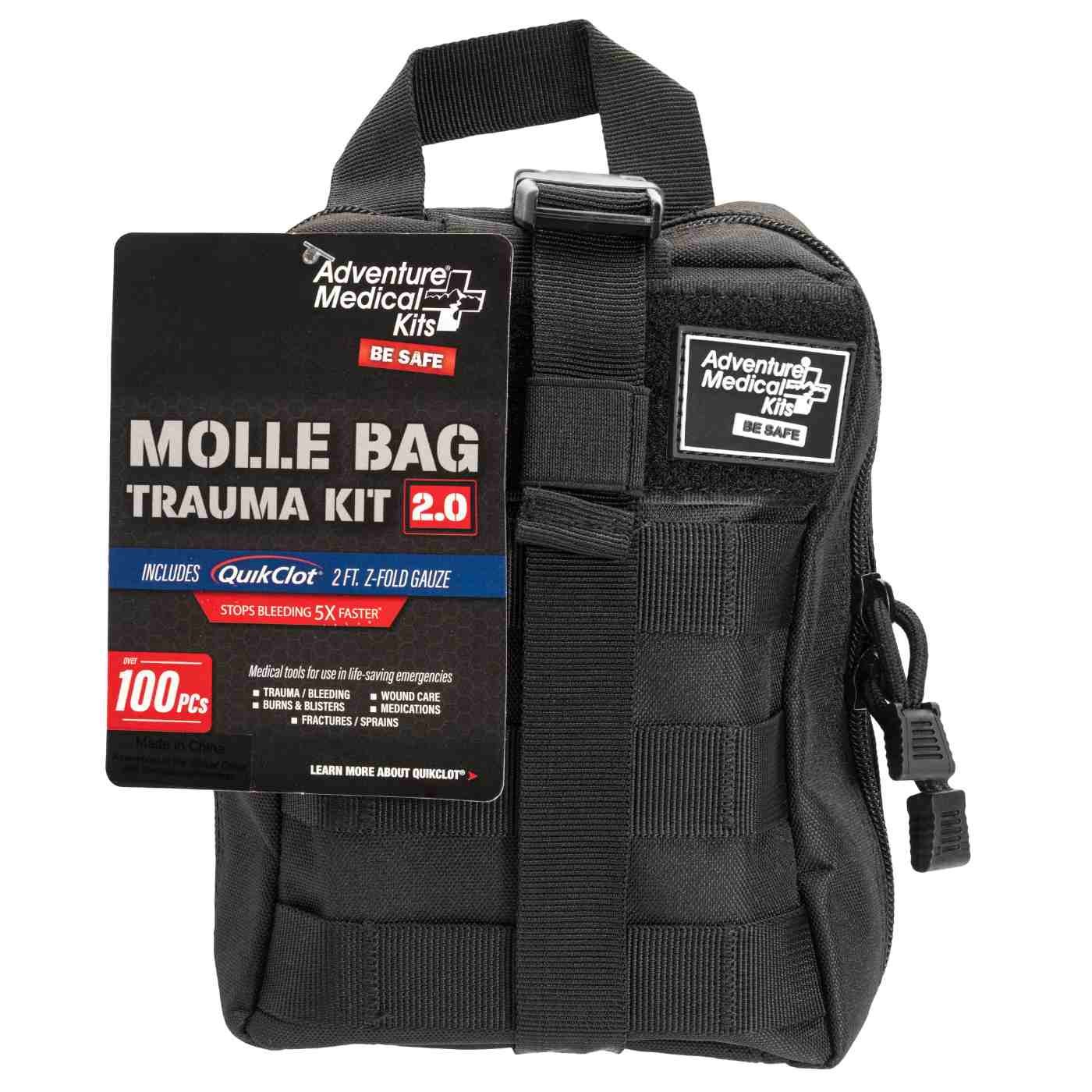
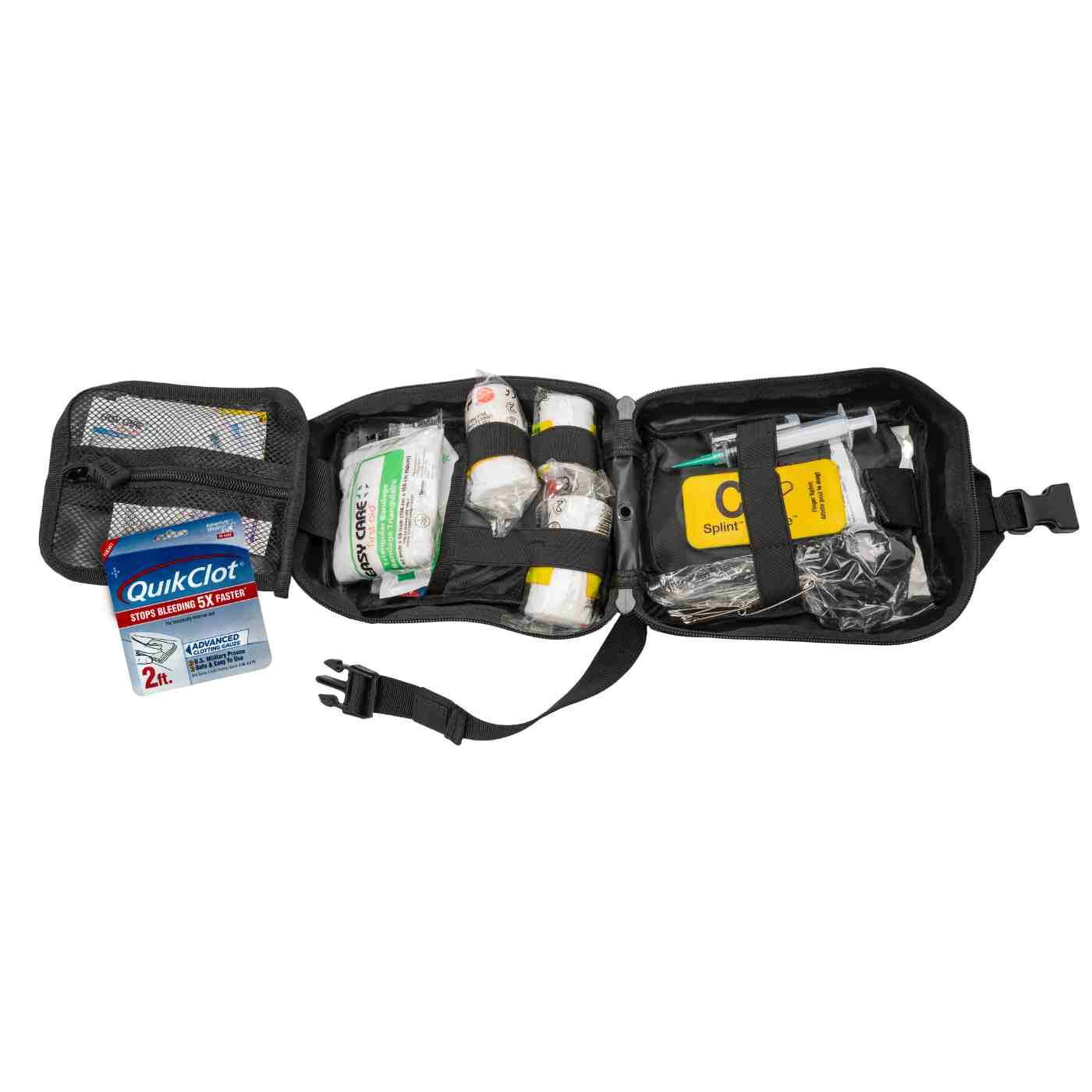
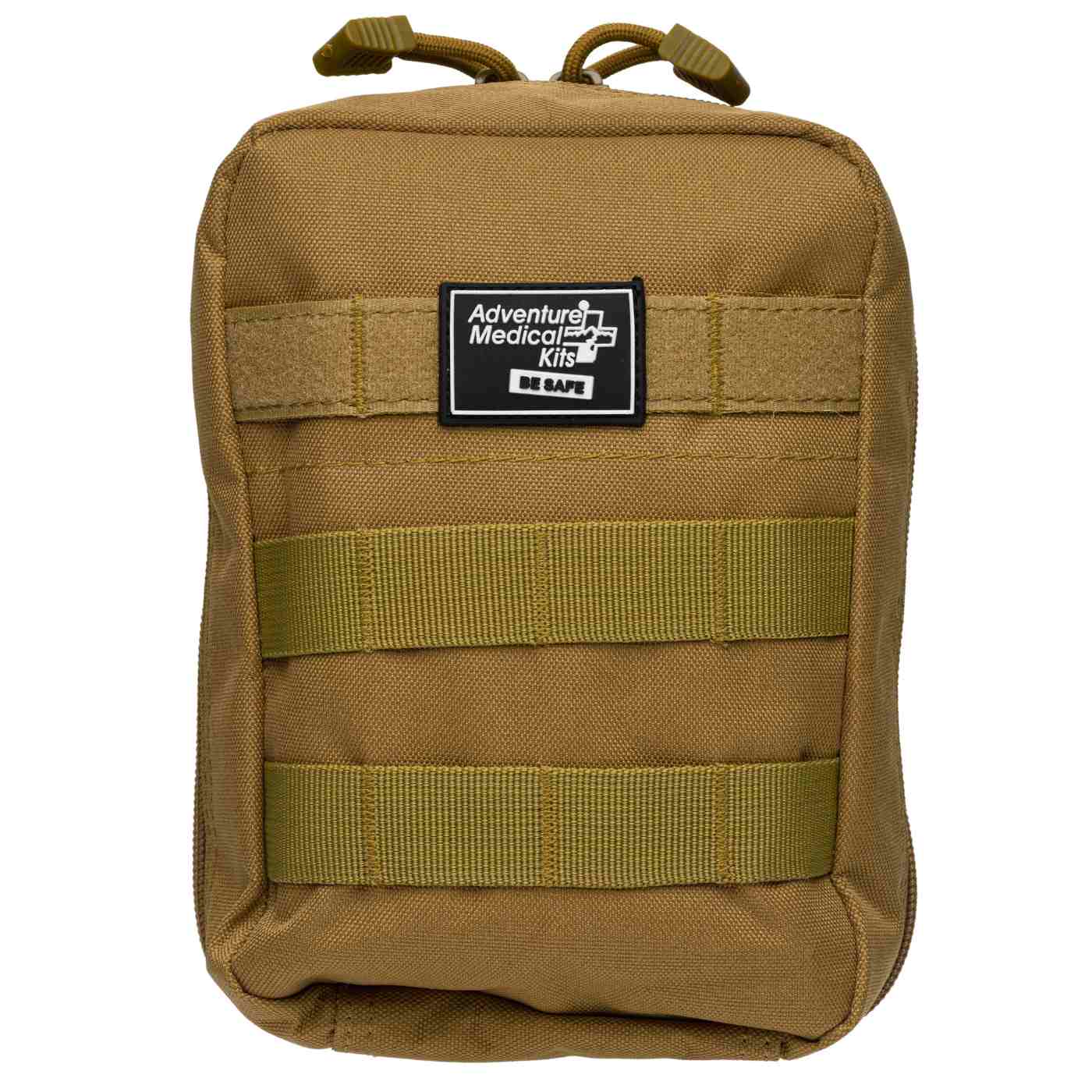
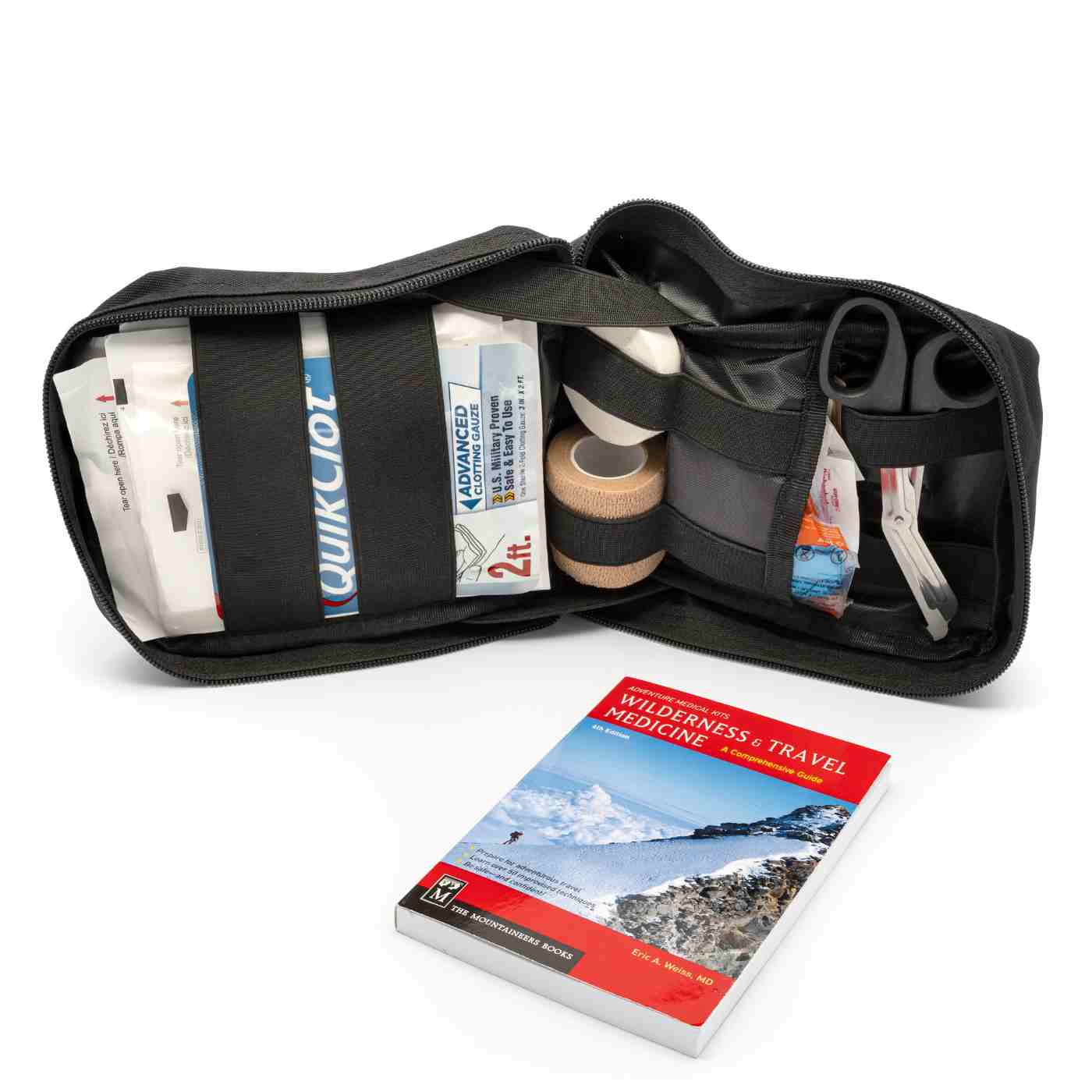
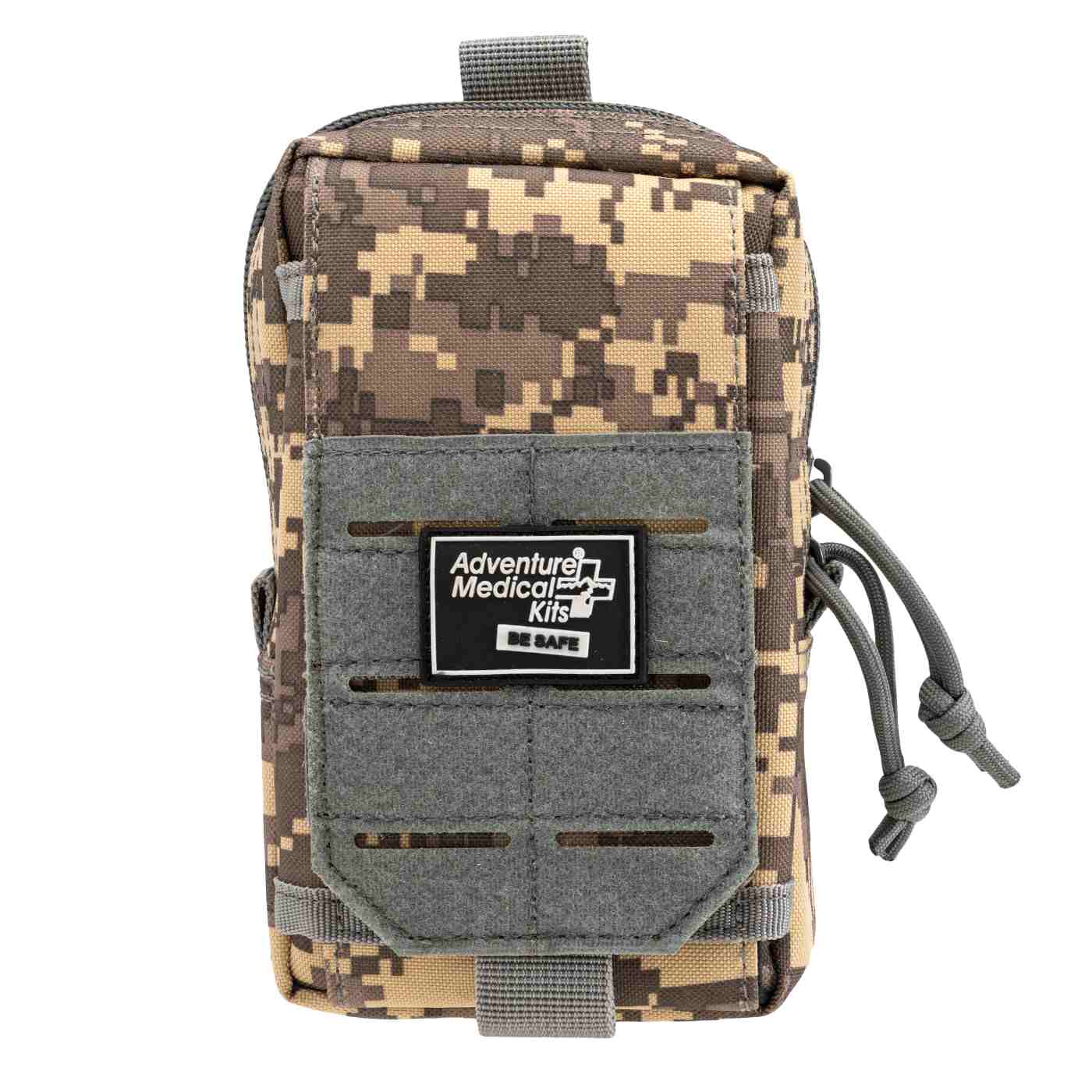
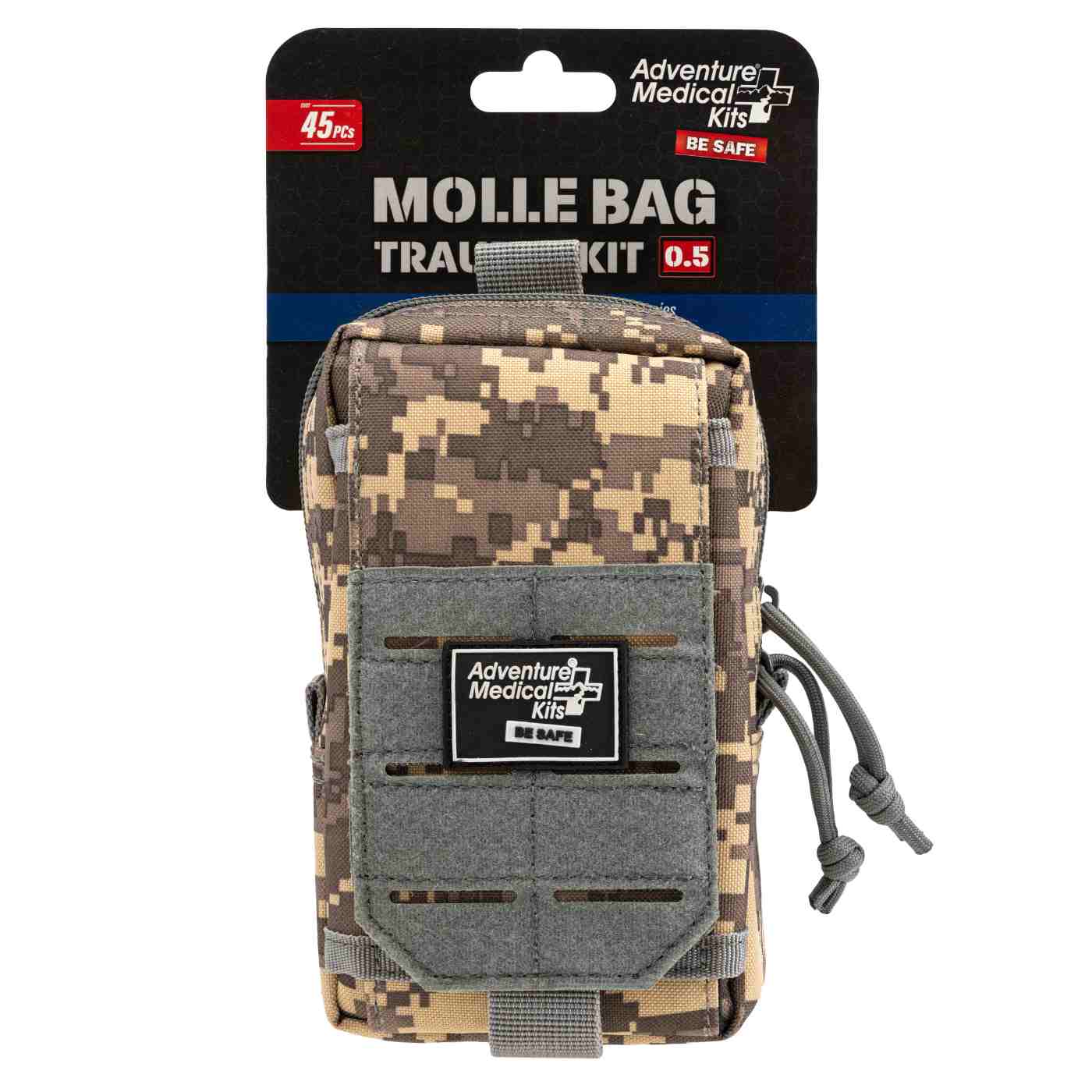
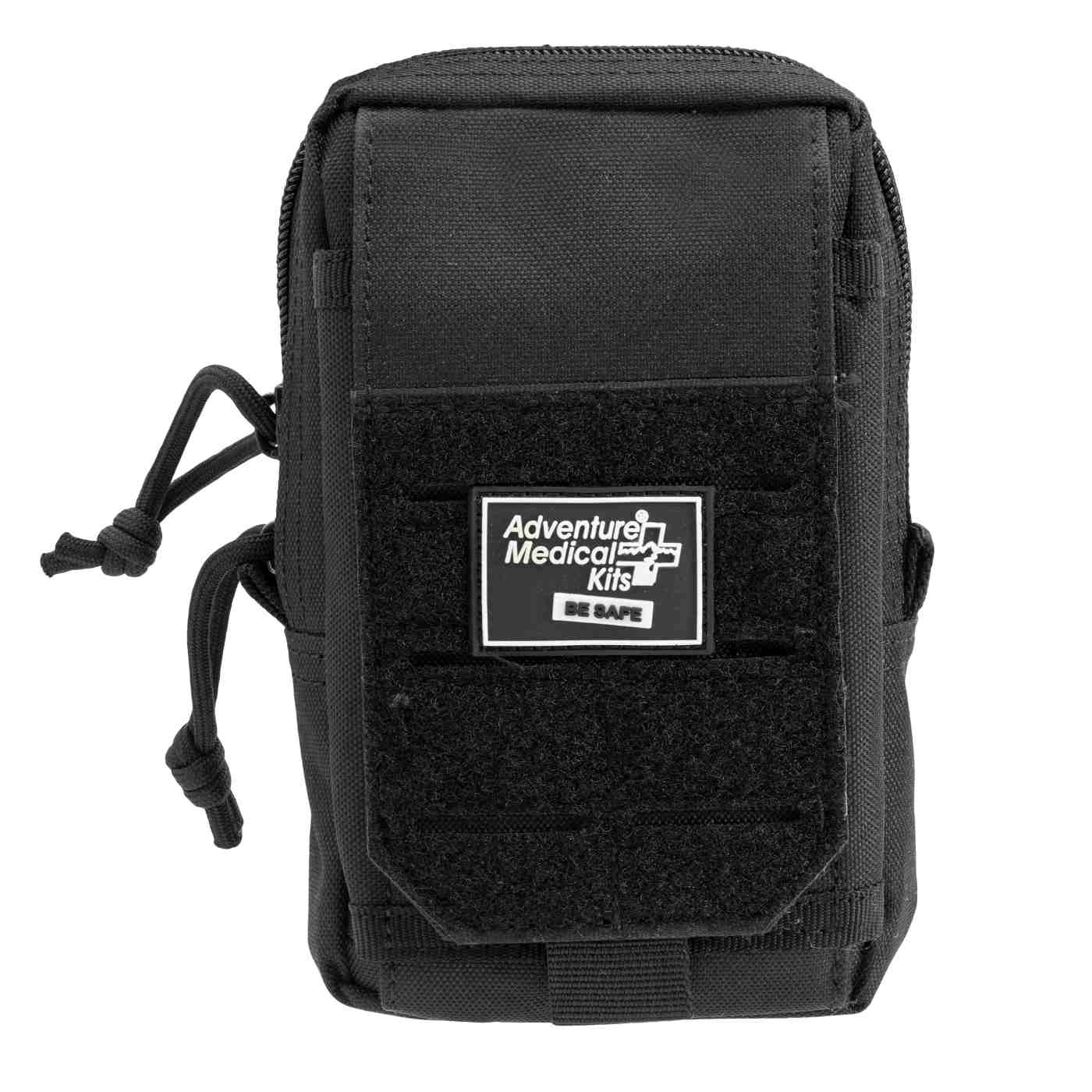
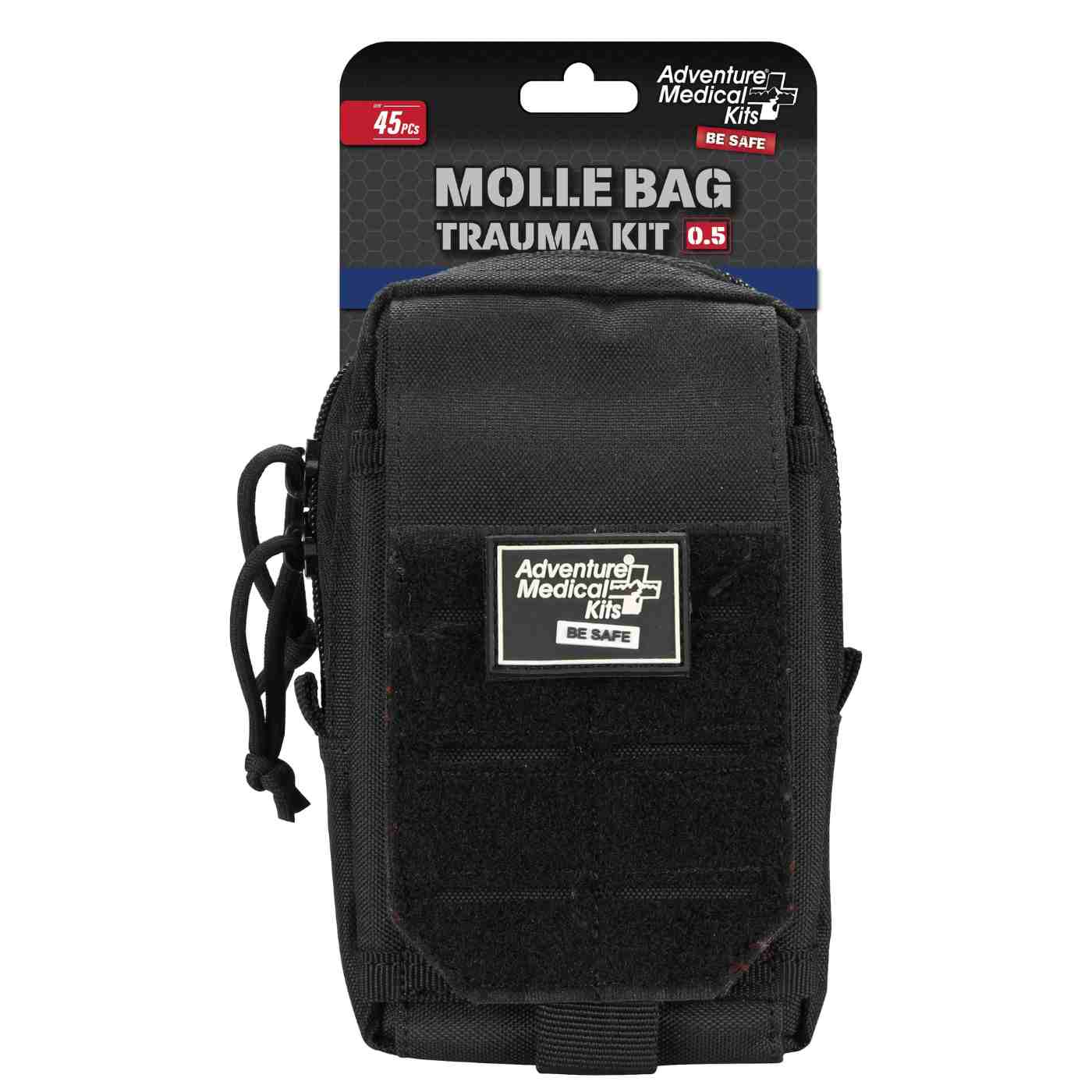
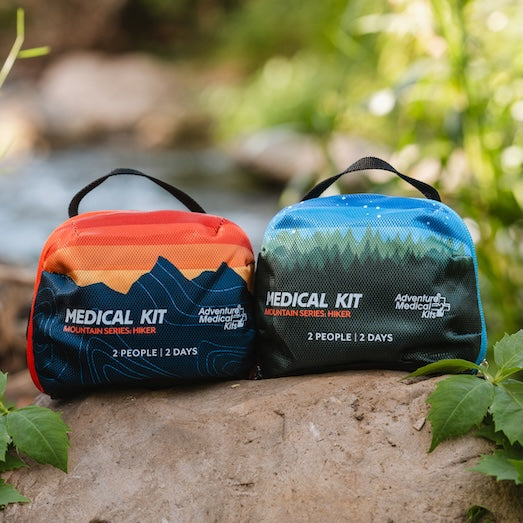
For people building that second half of preparedness, the Mountain Series and MOLLE series from Adventure Medical Kits are relevant places to look because they focus on outdoor use cases and organized access. The MOLLE trauma kit collection is especially worth a look for users building more capable field setups around trauma response. Product organization, labeled compartments, and included medical instructions matter when stress narrows attention and time matters.
Other trip-specific items can round out the system. In bug-heavy areas, Natrapel insect repellent or Ben's 30% tick and insect repellent can help prevent the kind of bites and exposures that create avoidable medical problems. In bear country, Counter Assault bear spray belongs in the broader safety conversation, even though it serves a very different purpose from a medical kit.
A smart setup is never just “more stuff.” It's skills, repetition, and equipment chosen for the actual environment and the actual trip.
Preparedness gets more practical after training, not less. Anyone looking for Wilderness First Aid training near me should choose the course carefully, practice what they learn, and build a field kit that matches the places they travel. For hikers, guides, families, and backcountry travelers who want to pair training with organized outdoor medical gear, Adventure Medical Kits is a useful next stop.