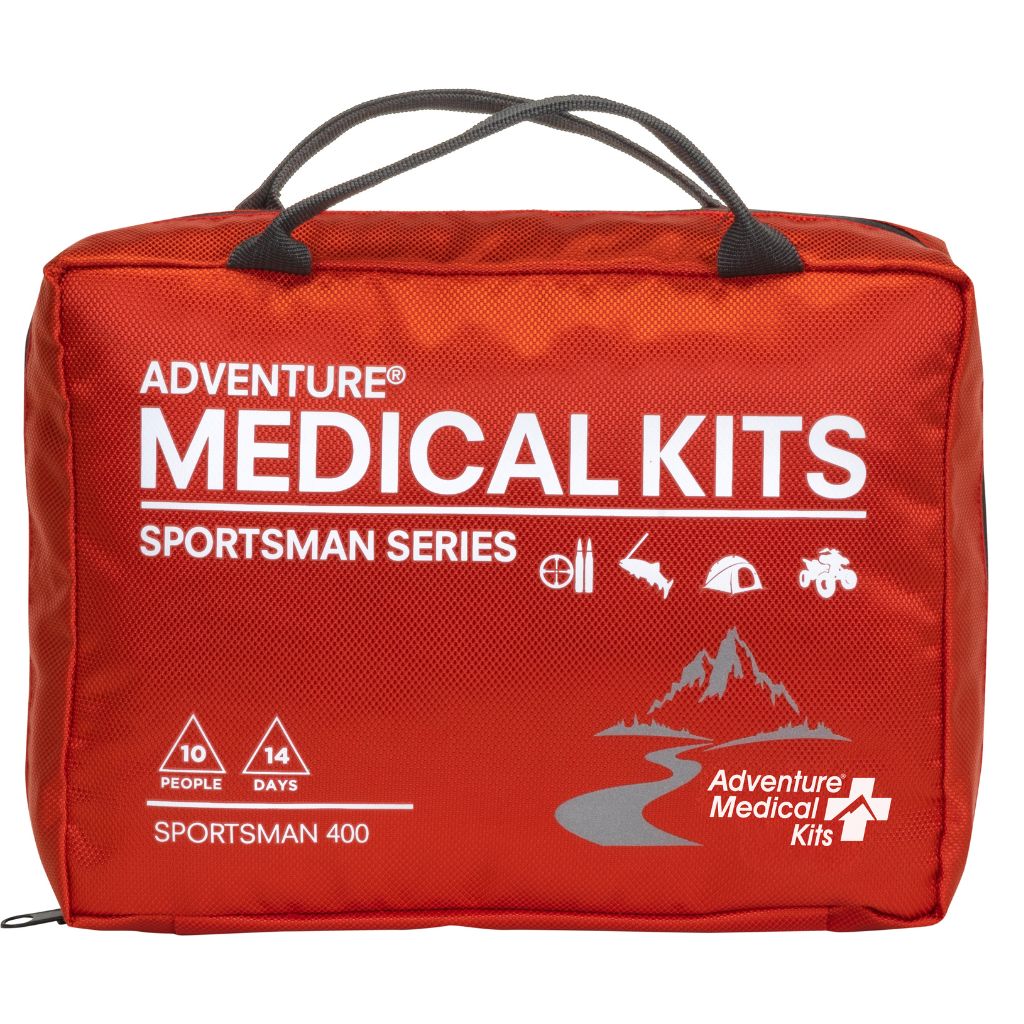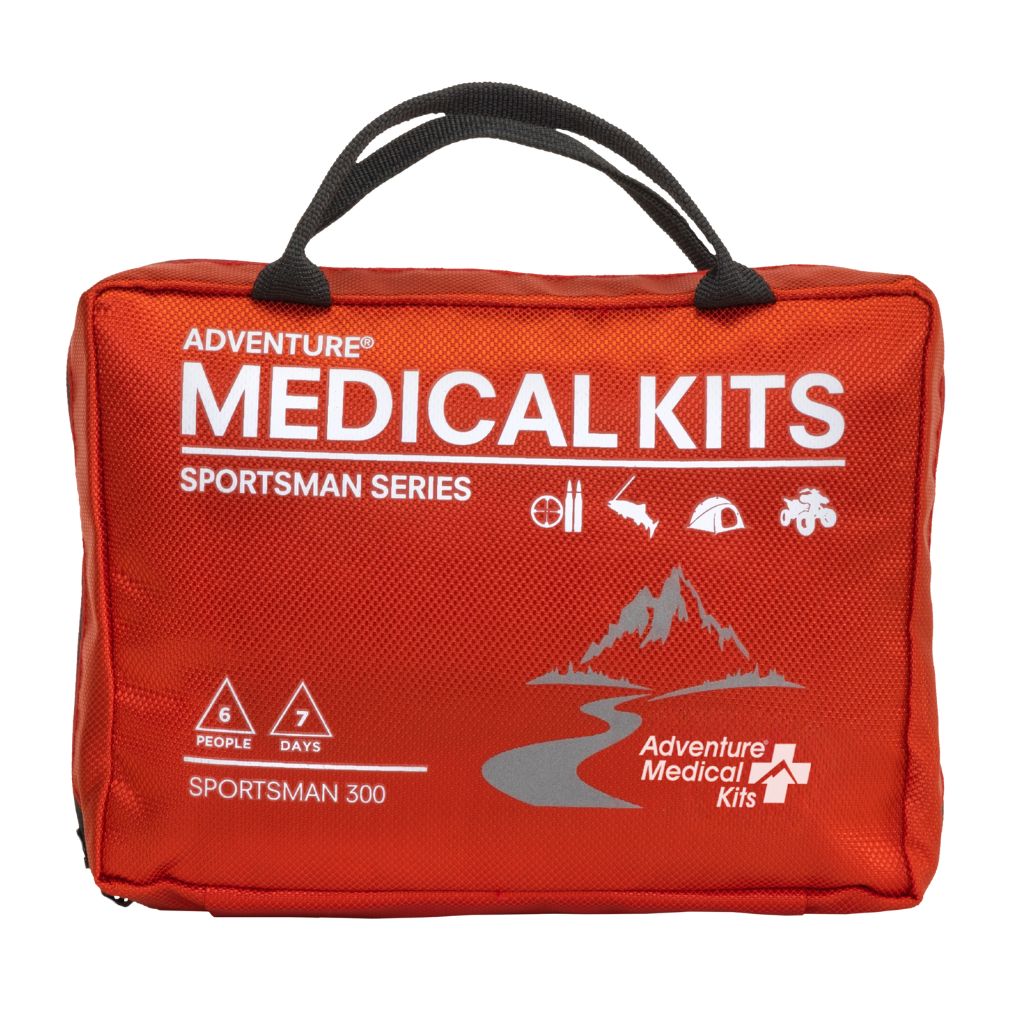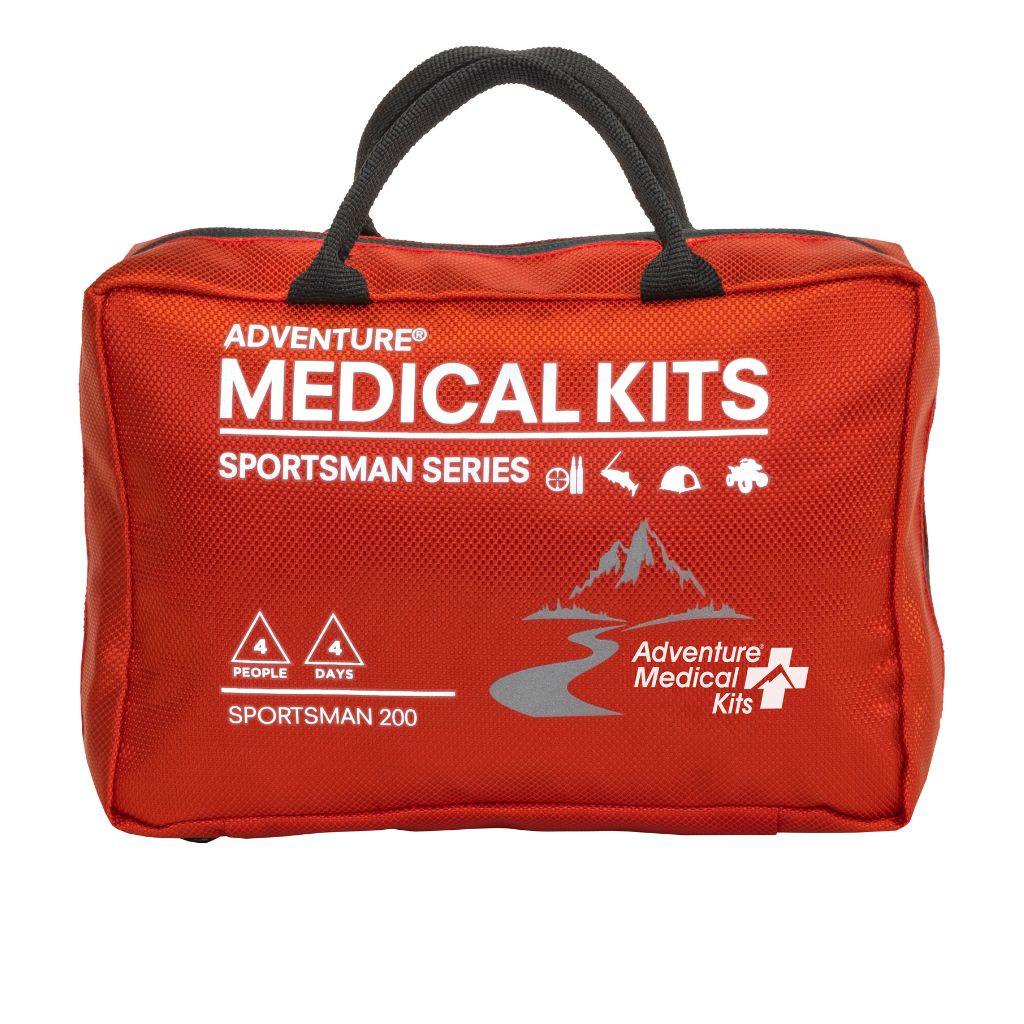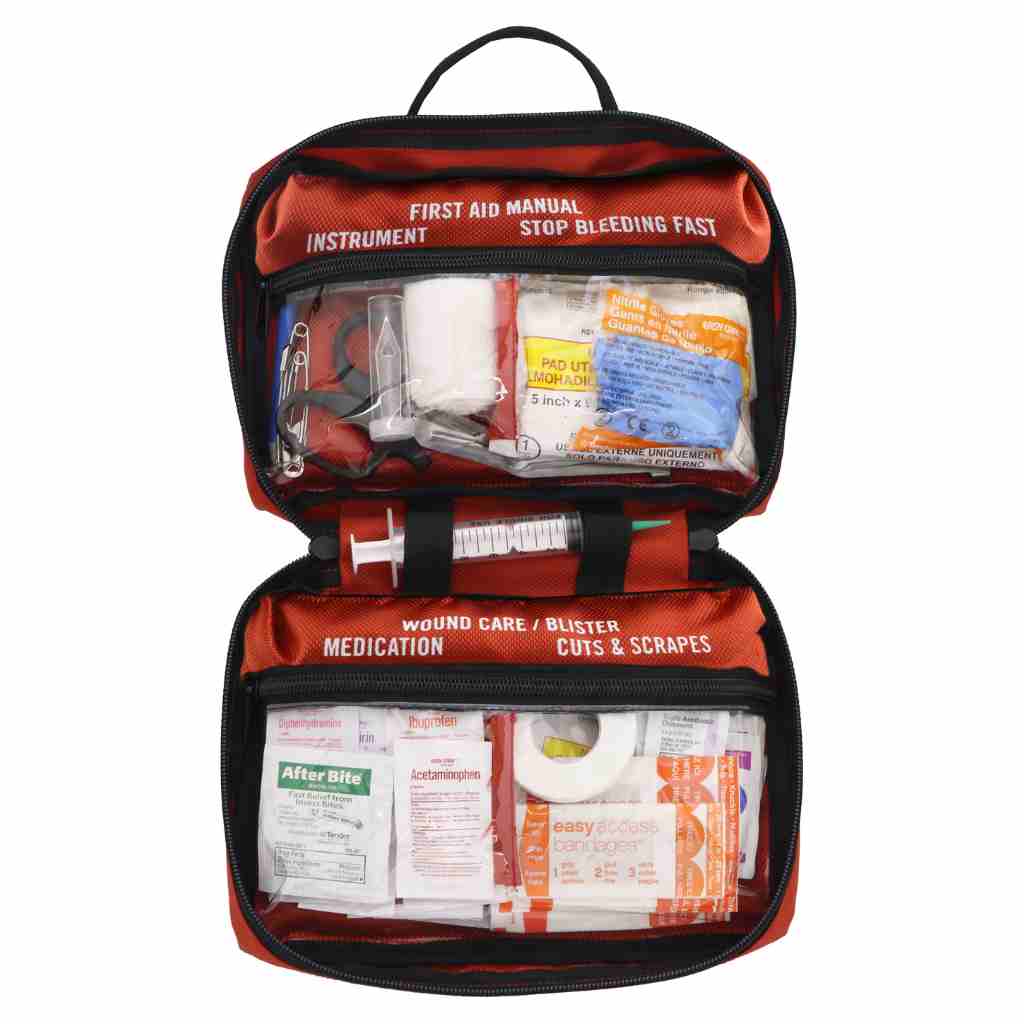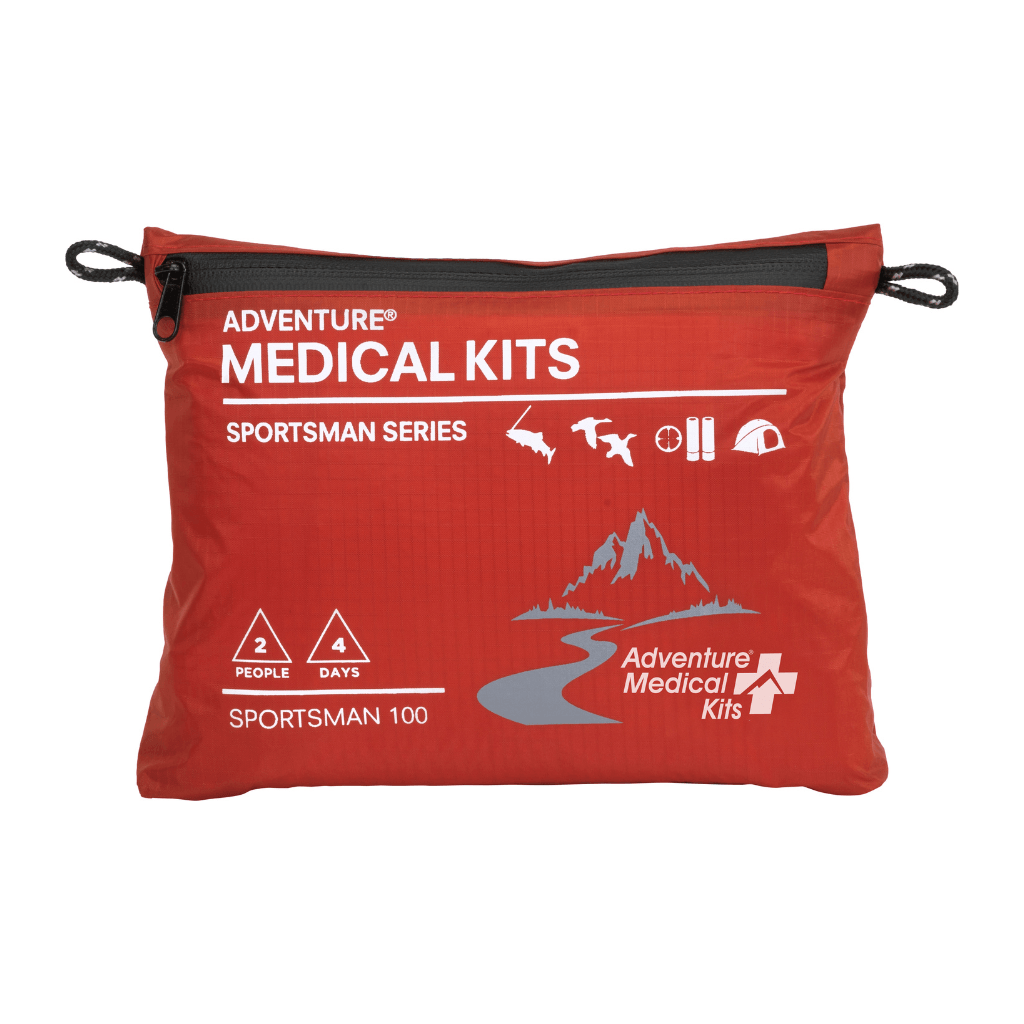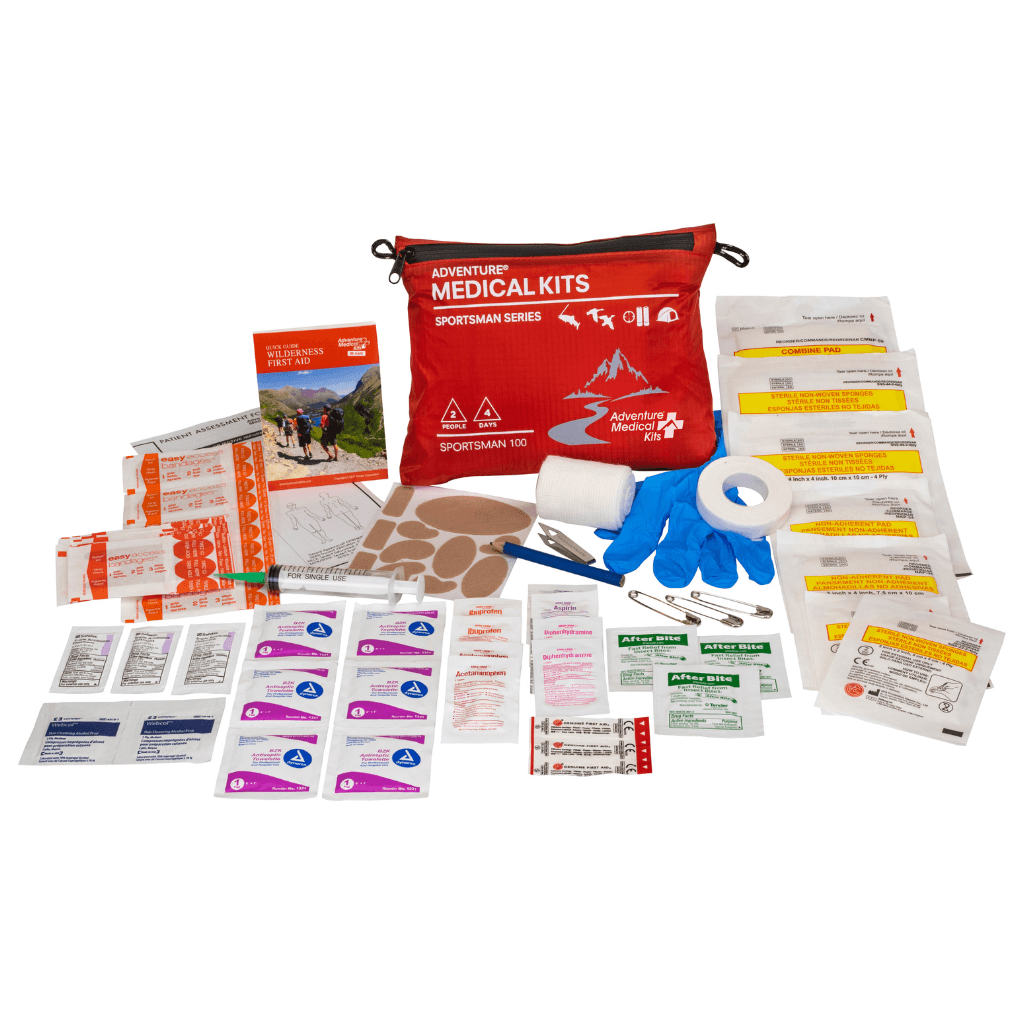


A lot of campers are making the same decision right now. They've got the sleeping bag, stove, water filter, and headlamp sorted out, and the first aid question gets reduced to one quick purchase. Grab a pouch, toss it in the pack, and hope it's enough.
That works until a trip stops being simple. A heel blister changes someone's gait and turns a short hike into a slow retreat. A fish hook, a kitchen burn, a bad allergic reaction, or a deep cut at dusk forces a harder question. Was the kit packed for real outdoor problems, or was it just packed to feel prepared?
The best camping medical kit isn't the one with the most stuff. It's the one that matches the trip, stays organized under stress, and carries supplies that solve the likely problems for that group, terrain, and distance from help. That's also why many outdoor professionals trust trail-focused kits instead of generic hard cases built for a garage shelf.
Table of Contents
Your Adventure Depends on What You Pack
You are two miles from camp when someone slips on wet rock. It is not a major trauma, but it is deep enough to bleed, dirty enough to worry about infection, and awkward enough to treat with cold fingers in fading light. Trips usually go sideways this way. Small problems, bad timing, and gear that looked fine in the garage.
A basic box of bandages covers minor cuts. It does very little for hot spots that turn into blisters, swelling after a rolled ankle, a sudden antihistamine need, or wound cleaning after a dirty laceration. Camp medicine is about function under field conditions. Supplies have to be organized, protected from weather, and relevant to the risks you face.

Field reality: The right kit is a safety system built around the trip's real risks.
Start with three categories. Trauma risks include cuts, burns, sprains, and bleeding. Environmental risks cover blisters, sun, insects, cold, heat, and water-related issues. Medical needs include allergies, stomach problems, prescription meds, and the wound-care items your group already knows it may need.
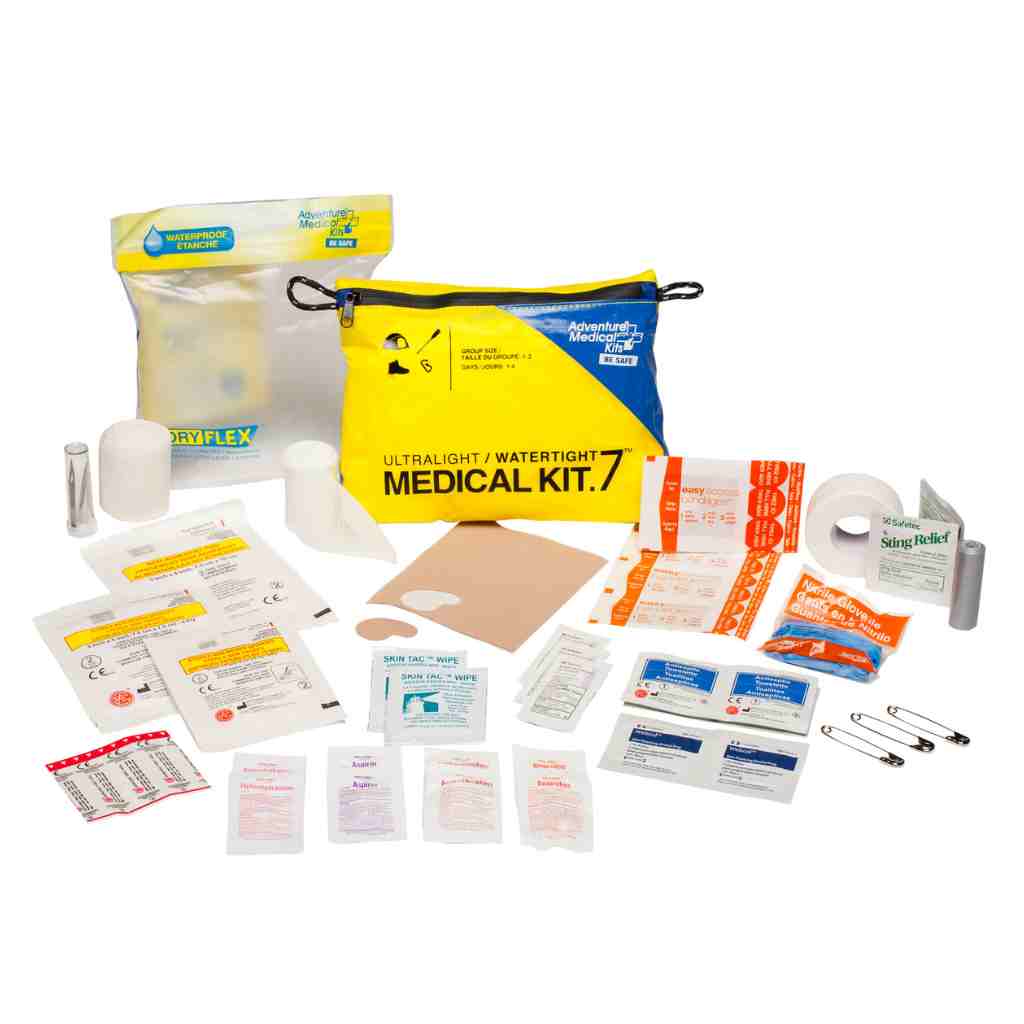
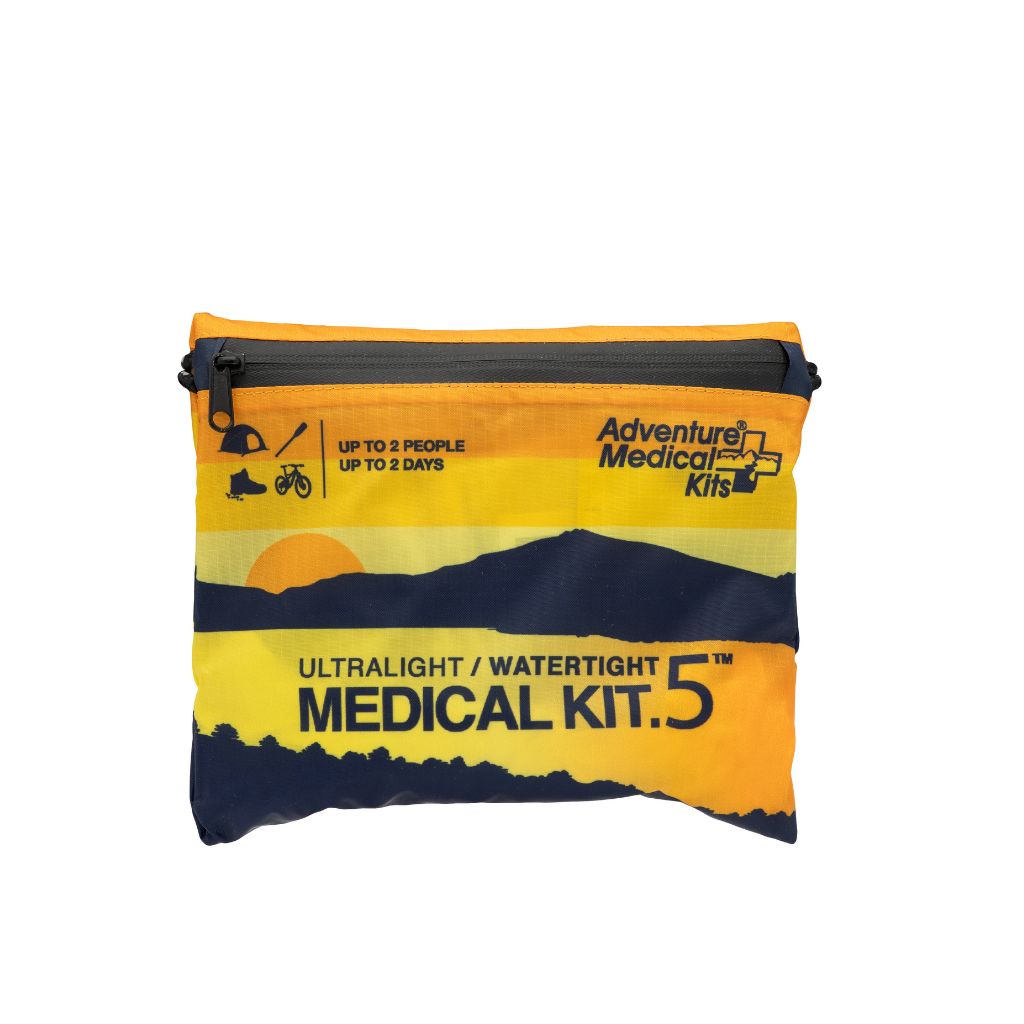
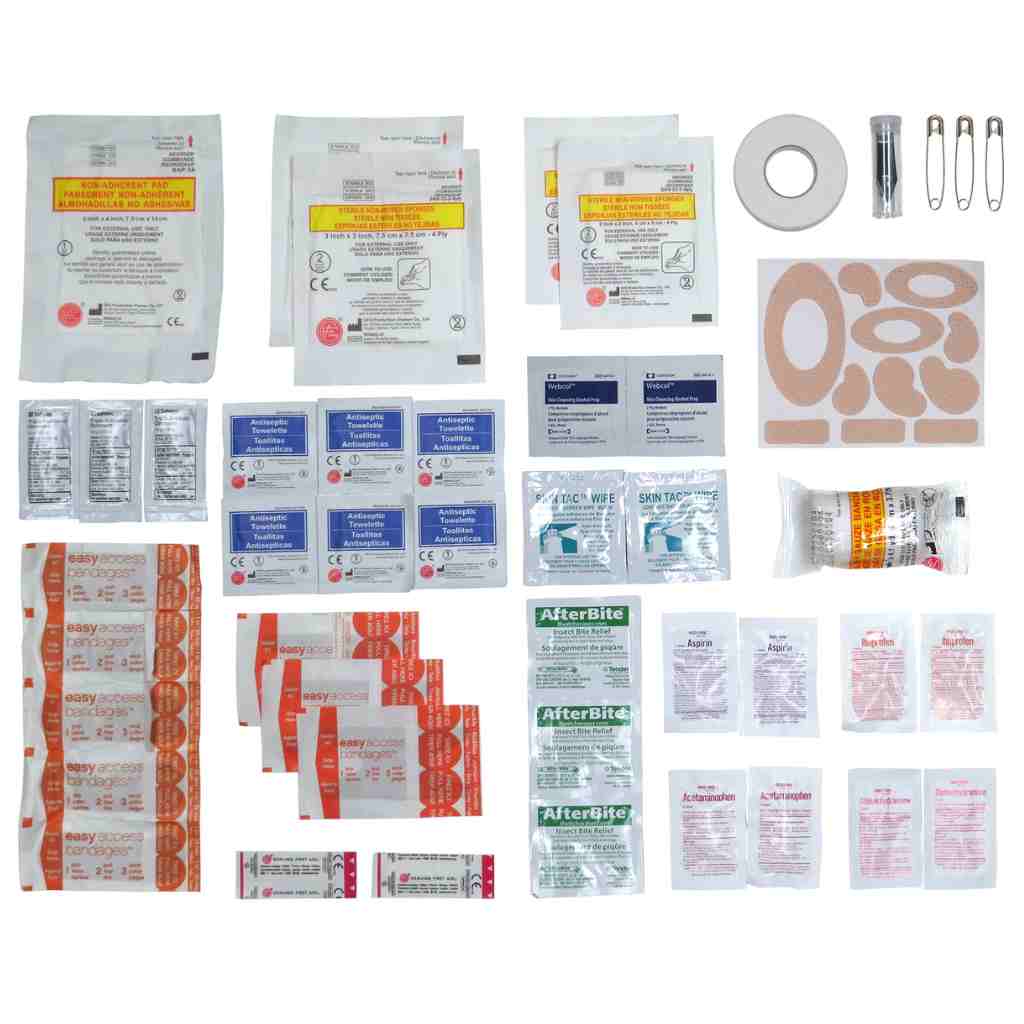
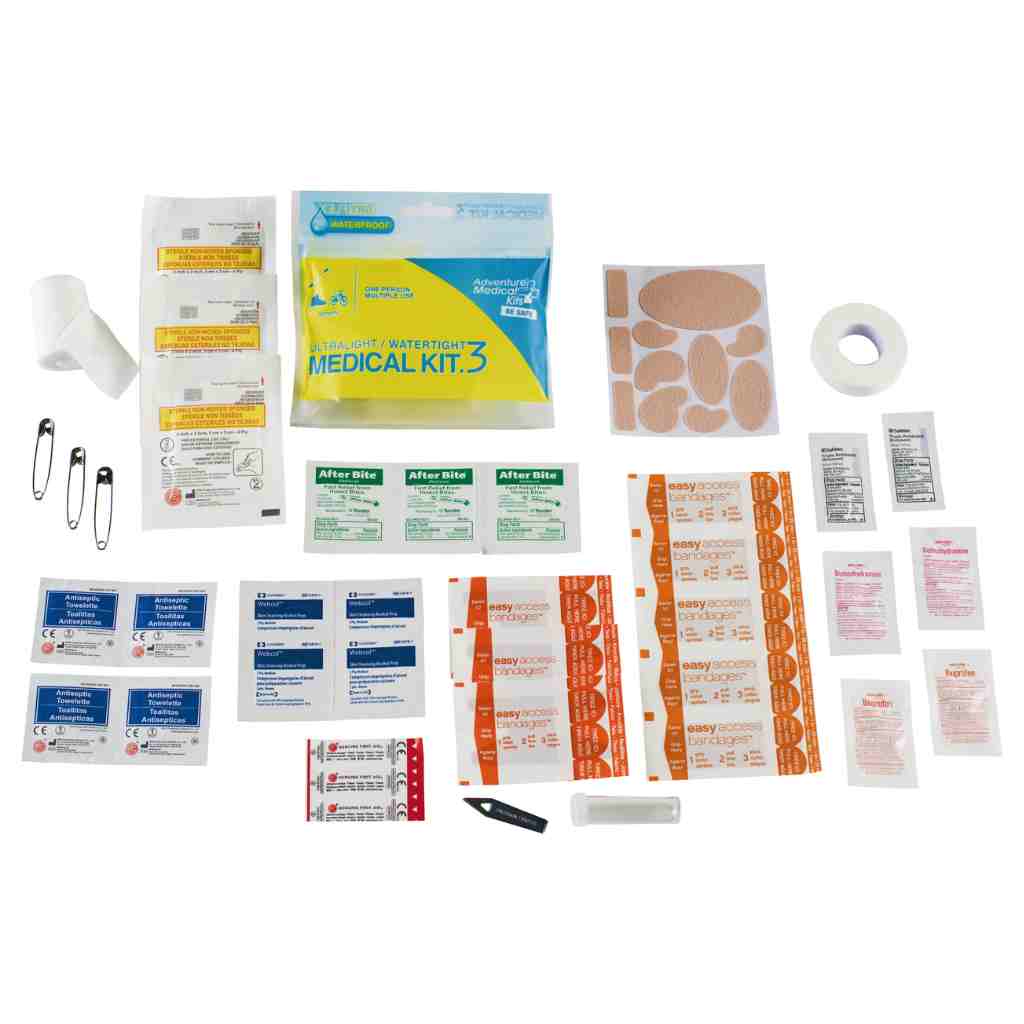
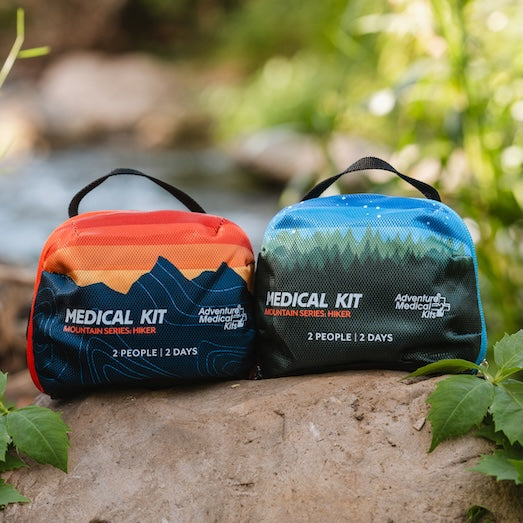
Experienced campers pack to those categories first, then choose the container and supply layout. That approach usually points toward trail-built systems from outdoor-specific brands such as Adventure Medical Kits. Their kits are designed for real field use, not just shelf appeal. The right choice depends less on finding one “best” kit and more on matching the kit to the consequences, distance, group size, and remoteness of the trip.
What Defines the Best Camping Medical Kits
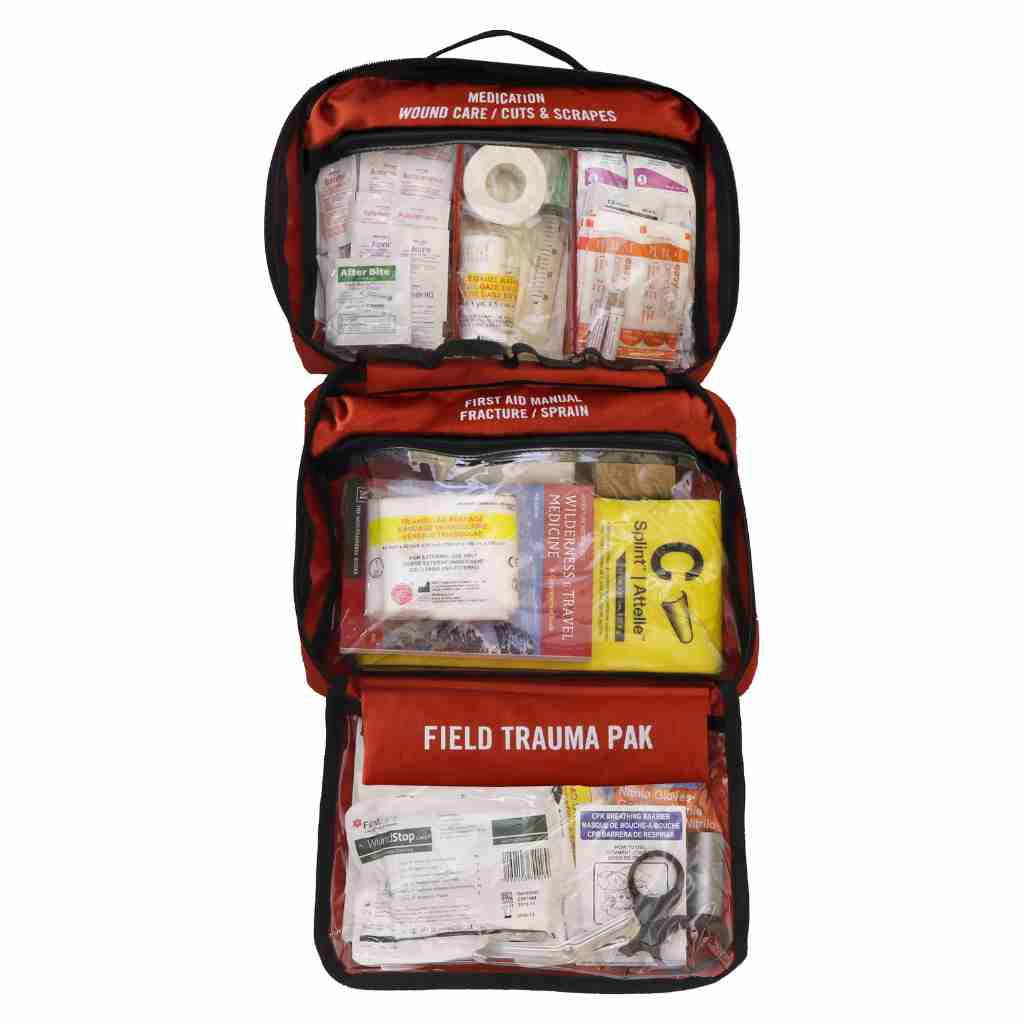
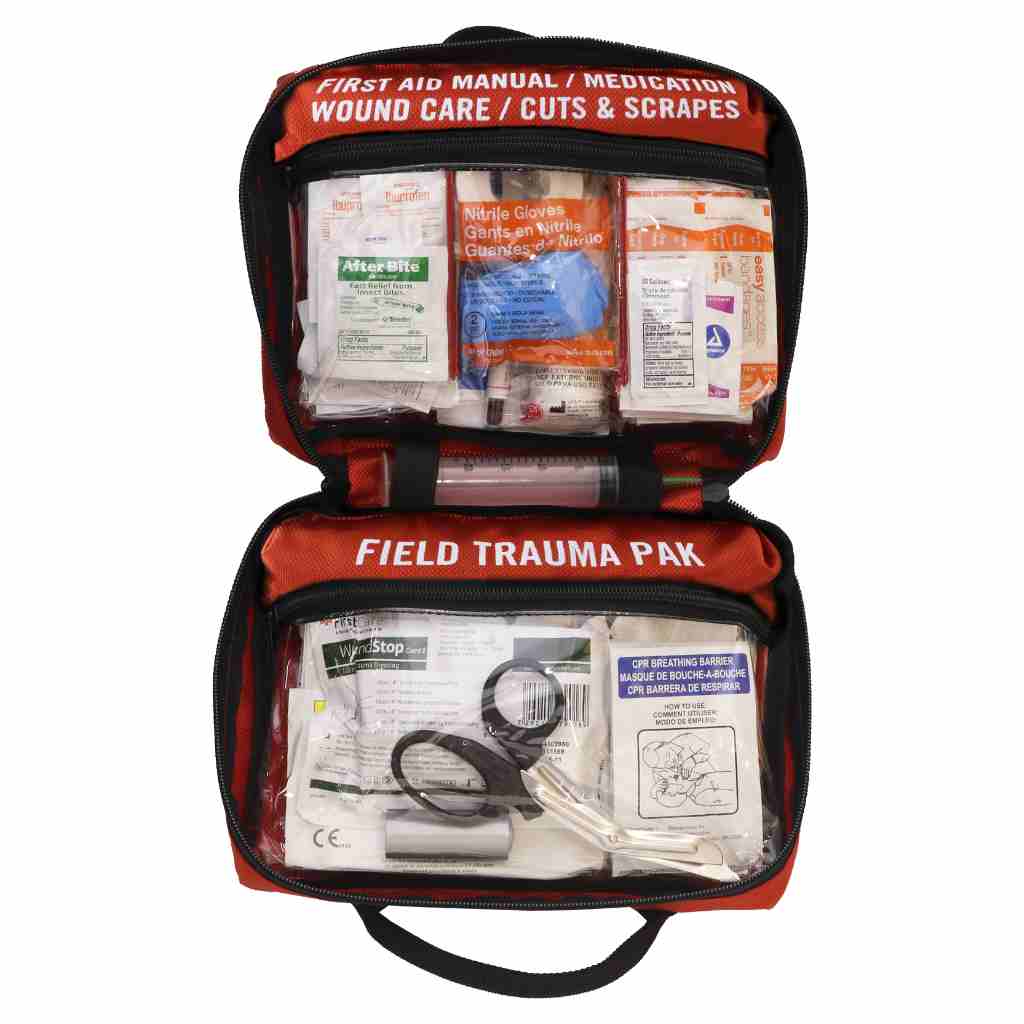
A camping medical kit should work when hands are cold, light is fading, and someone in the group is stressed. That rules out a lot of bloated kits filled with loose items, duplicate filler, or flimsy packaging.
A quick comparison of kit priorities
| Priority | What good looks like | What usually fails in cheap kits |
|---|---|---|
| Organization | Labeled sections for wounds, meds, and tools | One big pocket with mixed contents |
| Supply quality | Useful, trip-relevant items | Bulk bandages and little else |
| Portability | Compact enough to carry every trip | Too bulky, so it gets left behind |
| Weather resistance | Water-resistant case or waterproof inner packaging | Paper boxes or weak zippers |
| Instructions | Clear medical guidance included | No guide when memory fails |
The features that matter in the field
REI's evaluation of camping first aid kits says the useful benchmark is a water-resistant, organized kit with clear categories for wound care, medications, and tools, including items such as adhesive bandages, gauze, moleskin, triangular bandages, ibuprofen, acetaminophen, antihistamine, antibiotic ointments, antidiarrheal, rehydration salts, tweezers, blunt scissors, a razor blade, and an irrigation syringe in REI's first aid kit guidance. That list matters because it reflects how outdoor injuries unfold. Campers don't need random volume. They need a layout that helps them find the right item quickly.
A second filter is whether the kit supports actual treatment, not just temporary cover. For wound management, many experienced users add items for flushing and dressing injuries properly when building a more complete system for prolonged trips or vehicle-based camps.

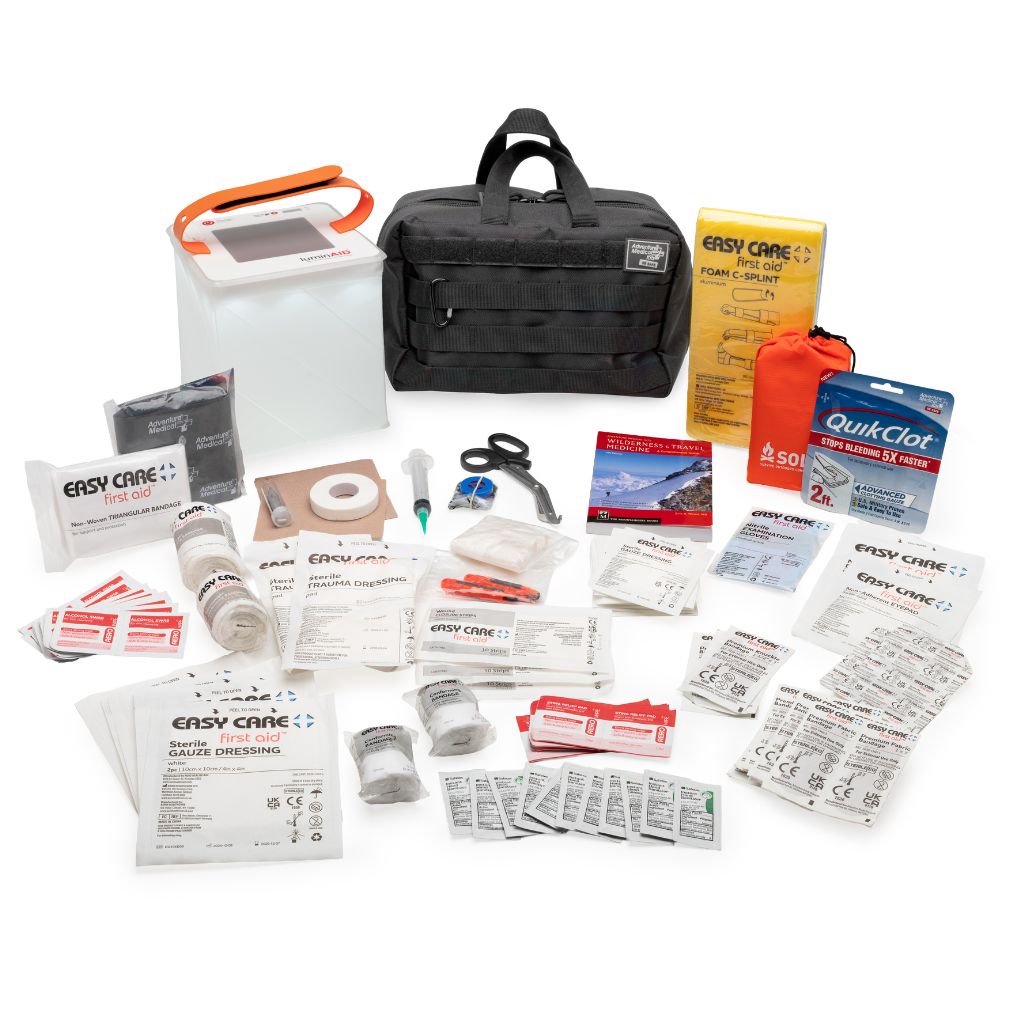
A good kit also needs to be realistic about where it will live. A backpacking kit should be light and packable. A car-camping or road-trip kit can afford to be broader. For home, vehicle, or basecamp use, the Easy Care® Comprehensive First Aid Kit is organized by injury with the Easy Care pocket system and includes a CPR breathing barrier, emergency blanket, burn treatment, common medications, and a detailed Red Cross First Aid Guide.
Two final signs of a strong kit are often overlooked:
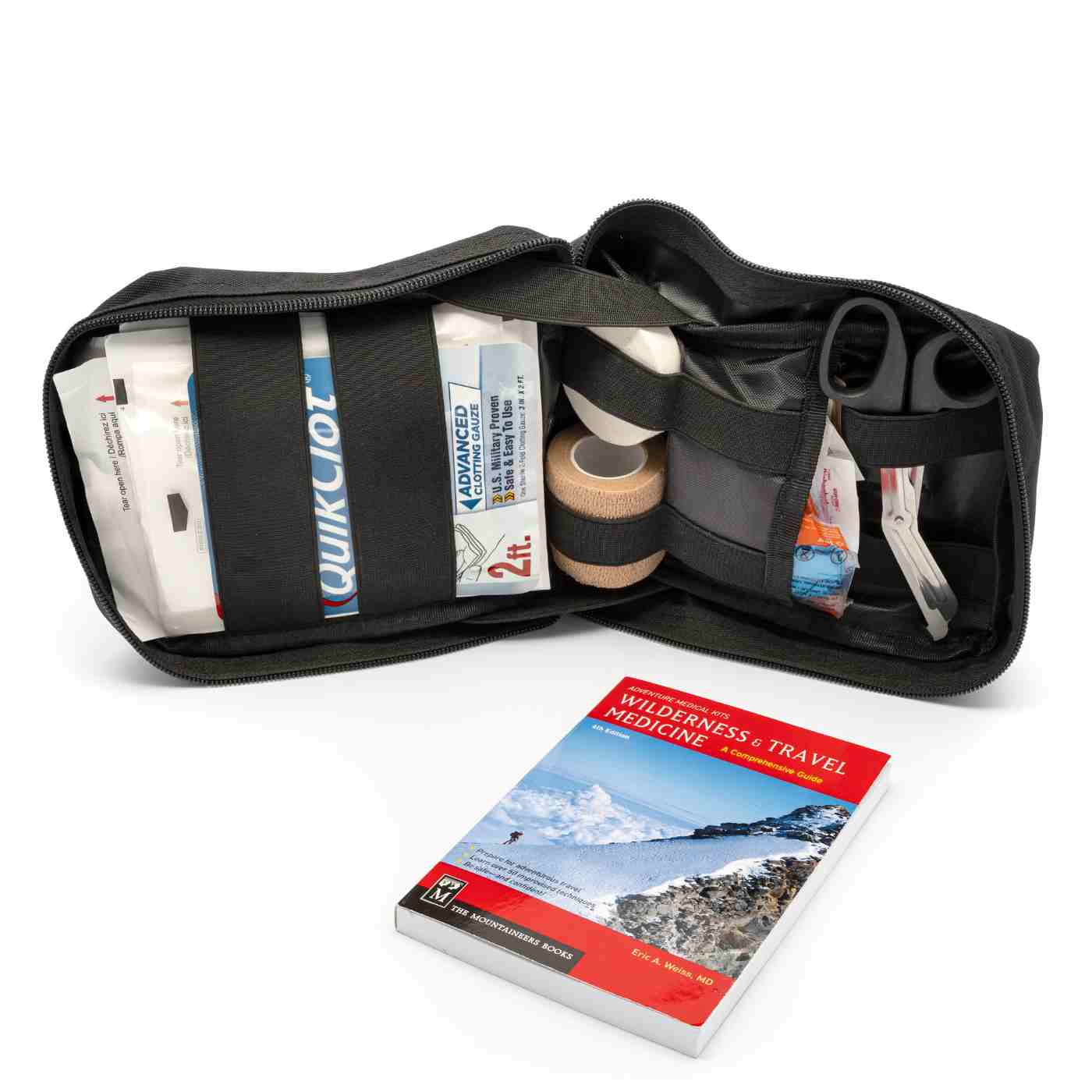
- Instructions included: A handbook matters when someone remembers the concept but not the sequence.
- Financial practicality: FSA/HSA eligibility can make replacing or upgrading supplies easier for households that plan ahead.
A medical kit that's too messy to use or too bulky to bring isn't solving much.
How to Assess Your Adventure's Medical Needs
The best camping medical kit changes with the trip. A family at a drive-up site needs something different from a backpacker moving all day between water sources, and both need something different from an angler handling hooks and knives.
Start with the risk categories
The most useful framework is simple. The American Alpine Institute says an effective wilderness kit should be built from a possible problem list divided into Trauma, Environmental, and Medical categories, and notes that 72% of top-selling kits lack specific environmental or trauma items for remote trips in its guide to building a wilderness first aid kit.
That three-part model keeps planning grounded.
- Trauma: Falls, lacerations, sprains, punctures, burns, and bleeding injuries.
- Environmental: Blisters, sun exposure, insect bites, heat stress, cold exposure, and weather-related problems.
- Medical: Allergic reactions, upset stomach, headache, fever, prescription needs, and pre-existing conditions.
Ask the questions guides ask
Before choosing a kit, campers should answer a short set of trip questions.
-
How far is help?
If the answer is a short drive, the kit can stay more compact. If evacuation takes hours, the kit needs more depth. -
How many people are going?
More people means more common injuries, more medication needs, and more duplicate basics such as gloves. -
What's the activity?
Backpacking produces blisters and overuse problems. Fishing and hunting create more cutting and puncture risk. Family camping often means mixed ages and mixed needs. -
What's the environment?
Bug-heavy forests, high sun exposure, shoulder-season cold, and remote desert travel all push the kit in different directions.
A quick read through choosing a medical kit for a multi-day backpacking trip helps translate those questions into a more concrete packing decision.
The strongest kits aren't chosen by category label alone. They're chosen by distance, group size, activity, and consequence if something goes wrong.
One more point matters here. Clothing and prevention are part of the medical plan. The Appalachian Trail Conservancy recommends lightweight, moisture-wicking base layers made from synthetic fabrics such as polypropylene or natural fibers such as wool, rather than standard cotton, for better protection from ticks and sun in its advice on gear and first aid kits.
Matching the Kit to the Camper
Once the risks are clear, choosing a kit gets easier. The mistake is buying by marketing category alone. The better move is matching the kit to what the trip is likely to demand.
Adventure Medical Kit Recommendations by Activity
| Activity Type | Trip Duration | Key Risks | Recommended AMK Kit | AMK Collection |
|---|---|---|---|---|
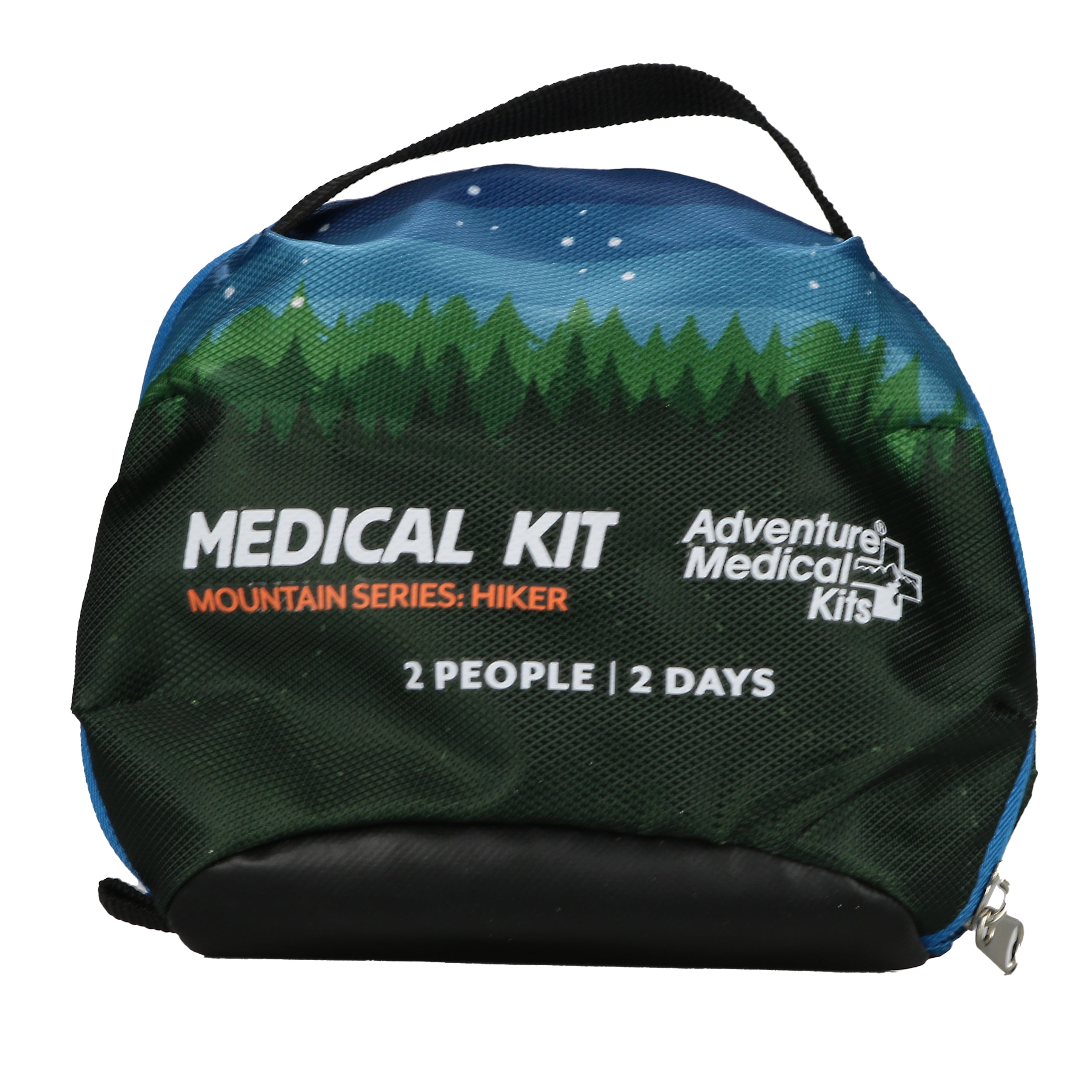
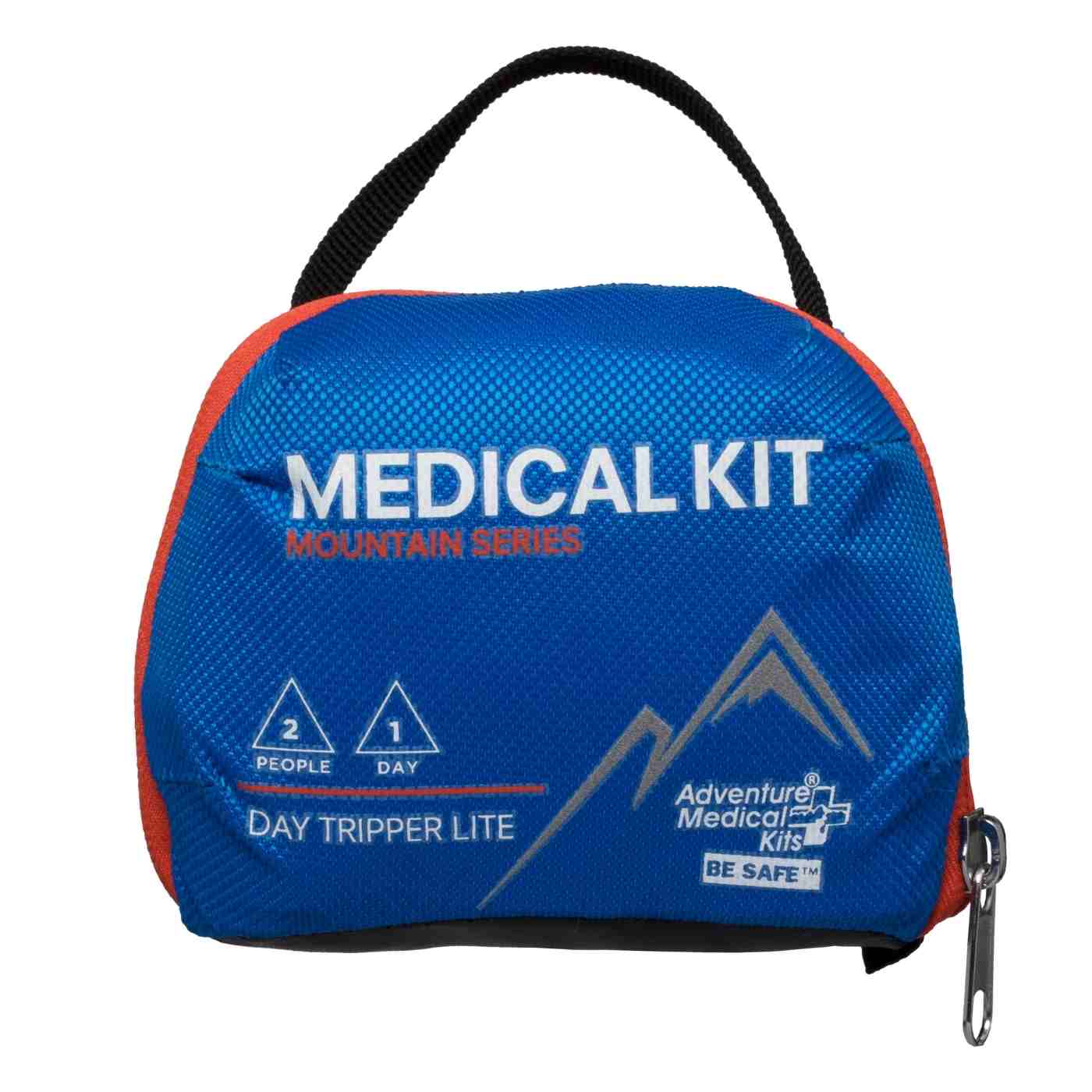
| Day hiking | Short outing | Blisters, scrapes, minor cuts, stings | Mountain Series day-hike oriented option | Mountain Series |
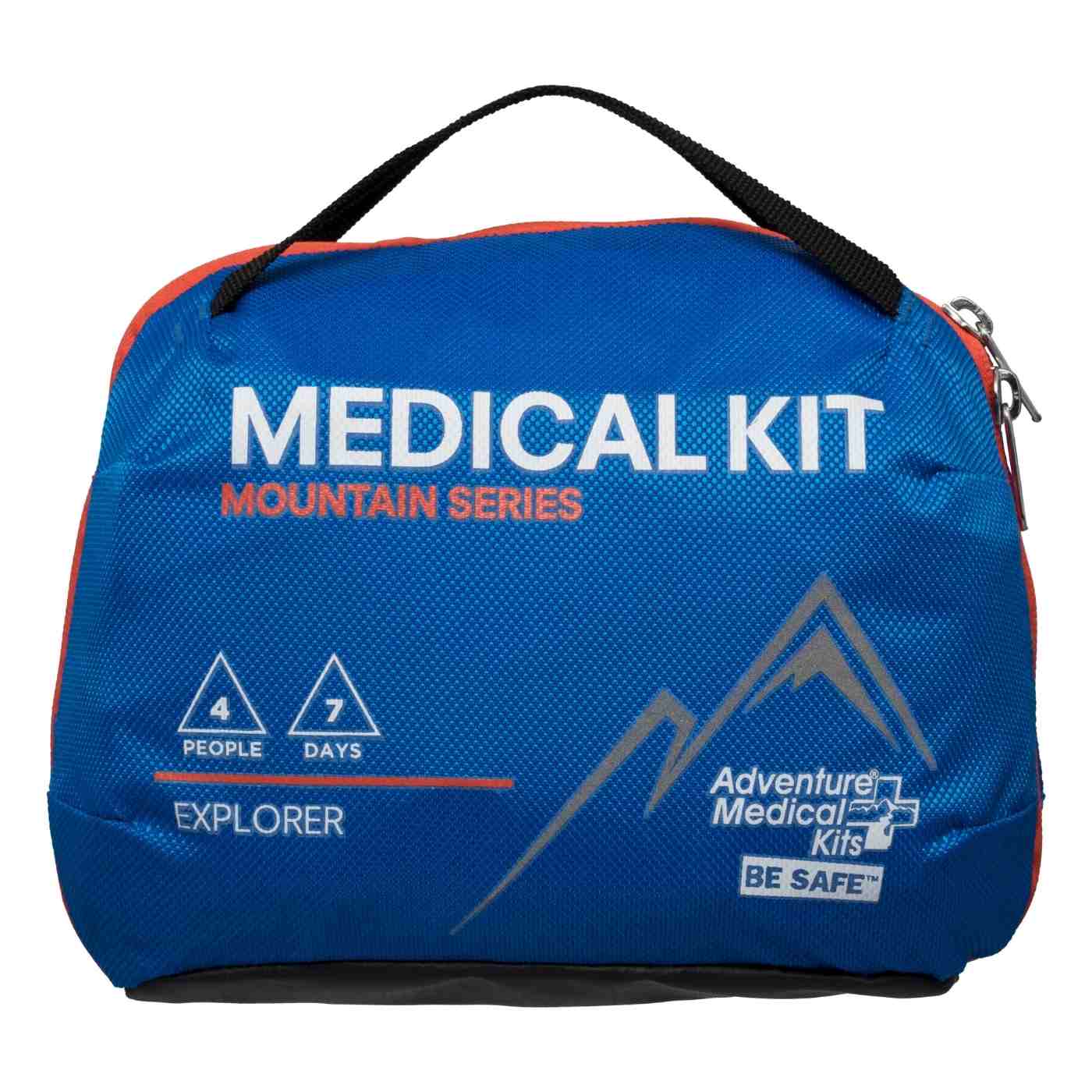
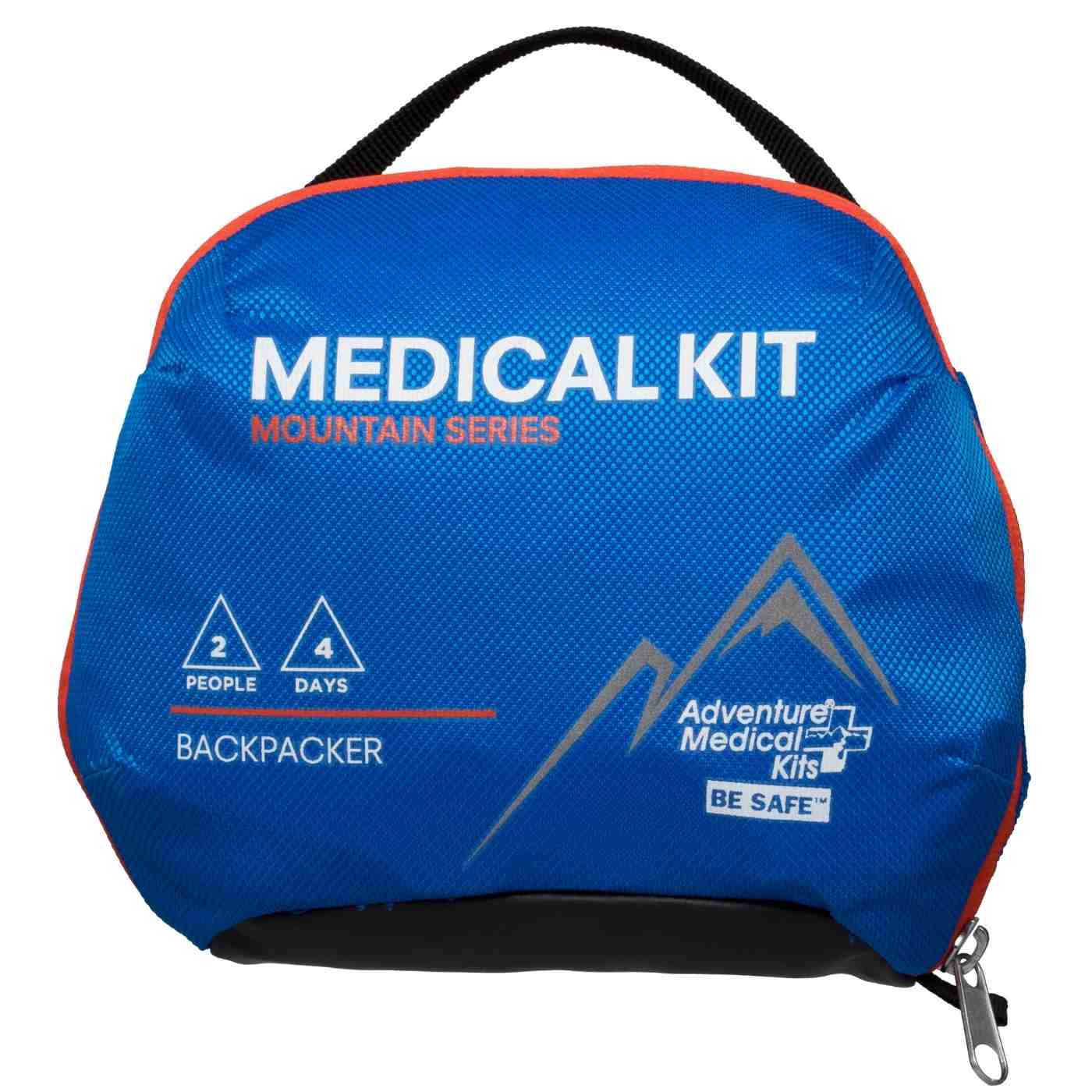
| Multi-day backpacking | Overnight to extended backcountry travel | Blisters, wound care, meds, remote treatment needs | Mountain Series Backpacker | Mountain Series |
| Family camping | Day outing or campground weekend | Mixed ages, burns, scrapes, common meds | Adventure First Aid Family Kit | Family-focused first aid |
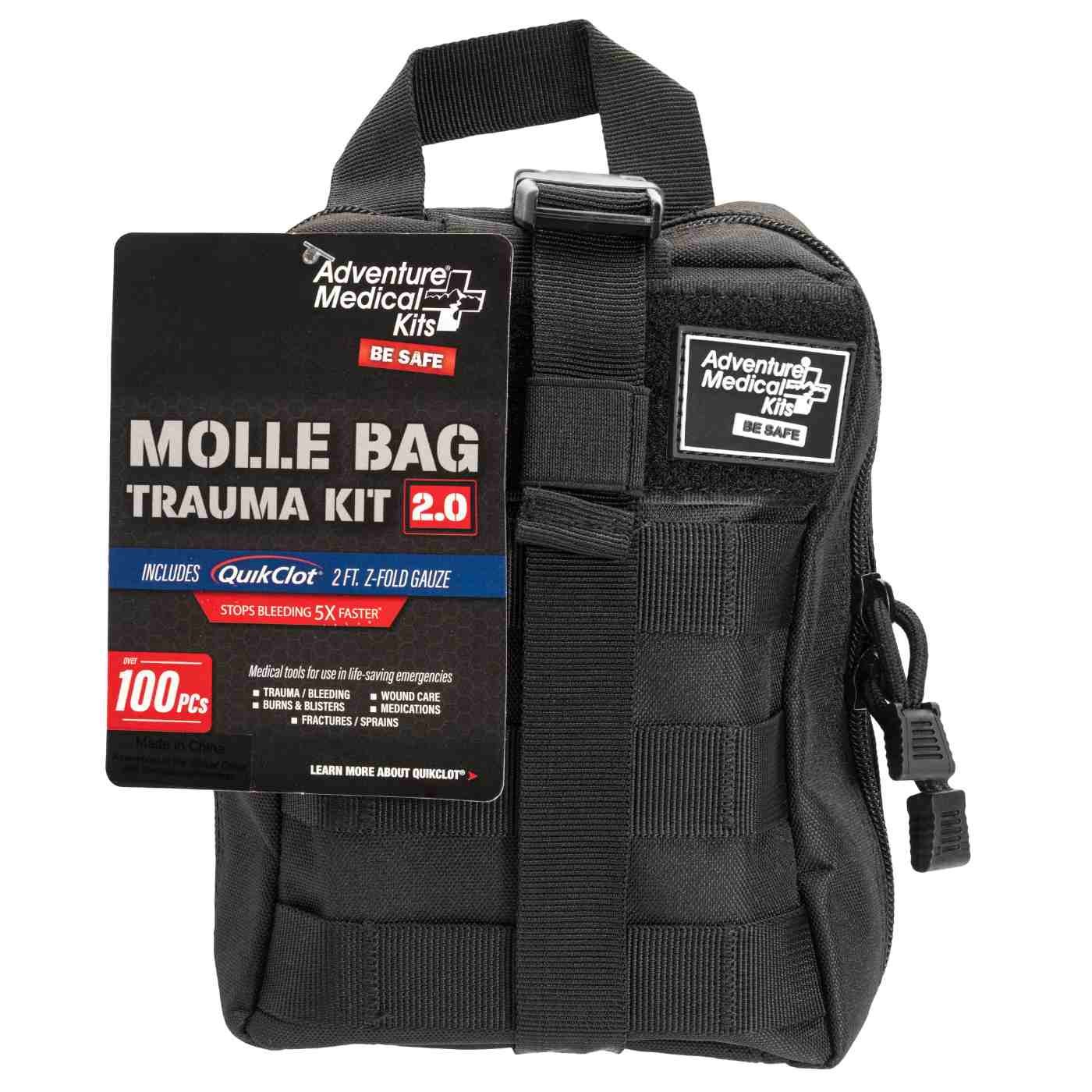
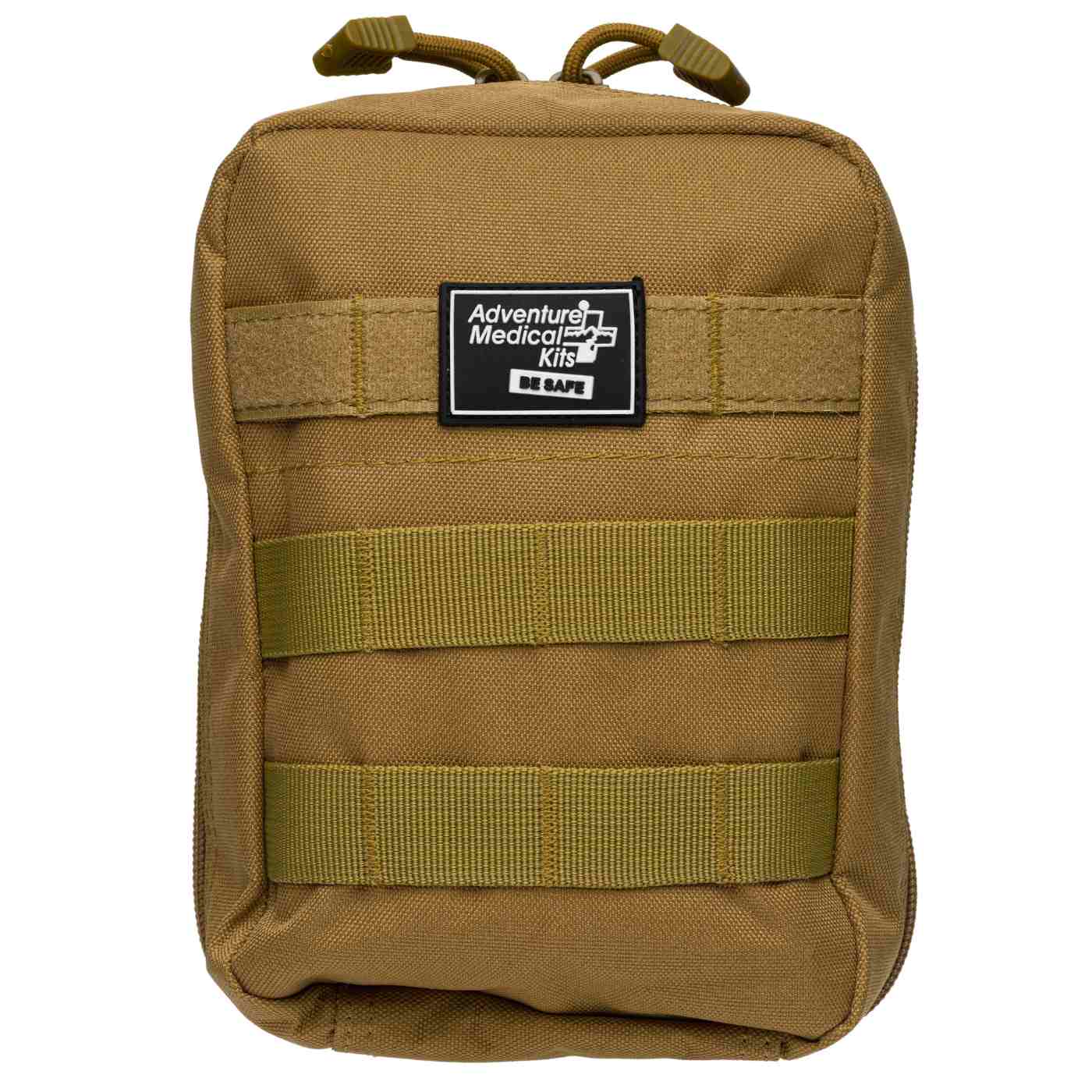
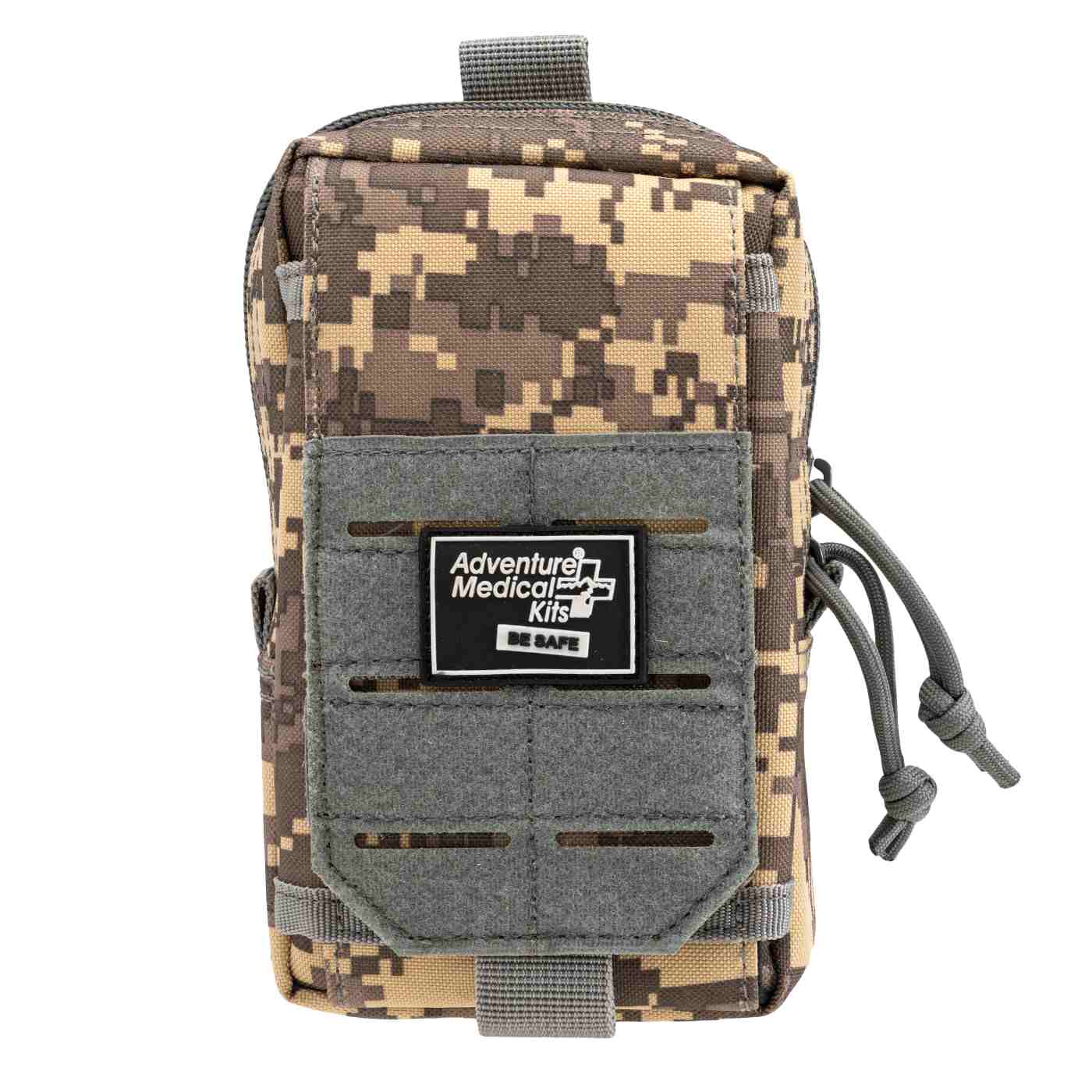
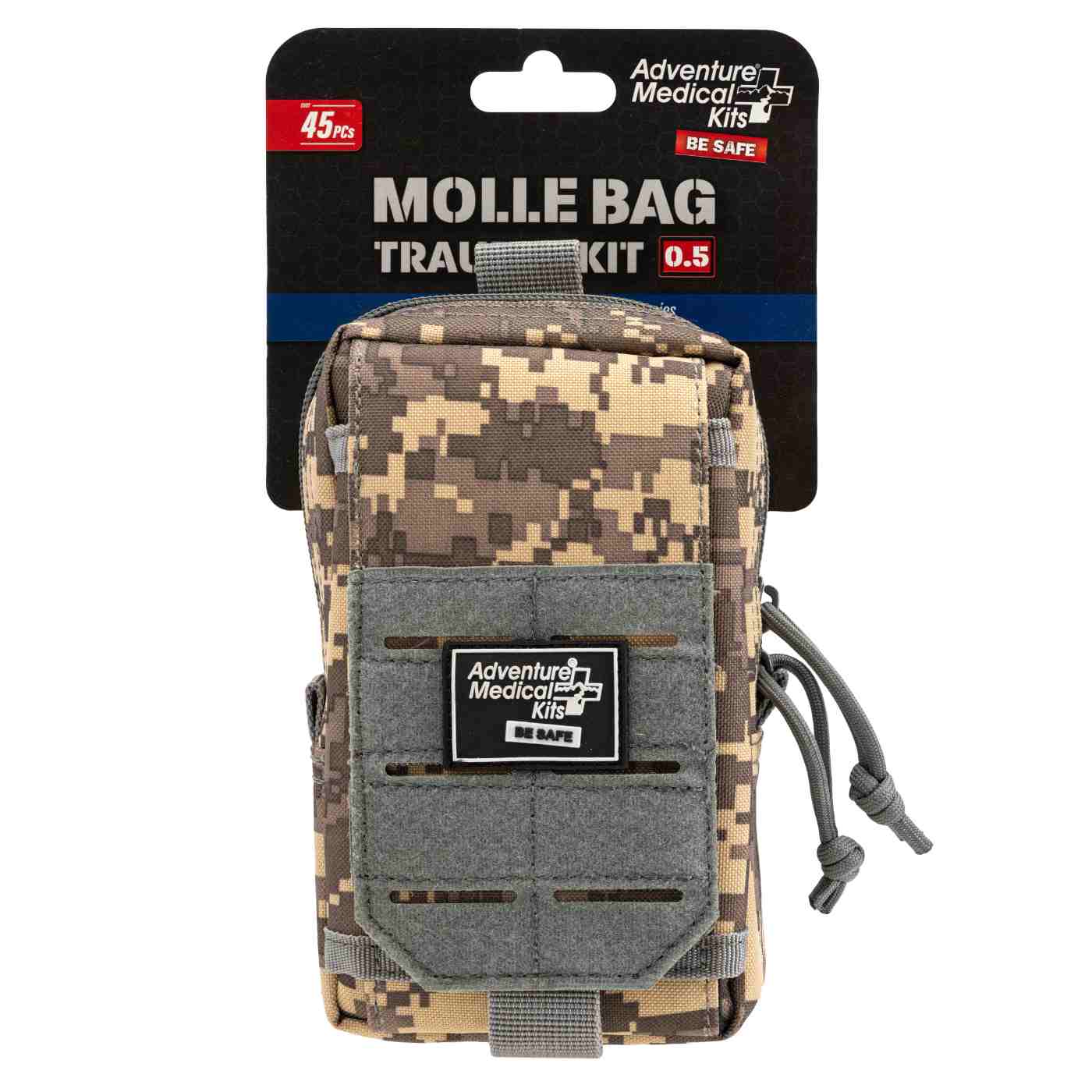
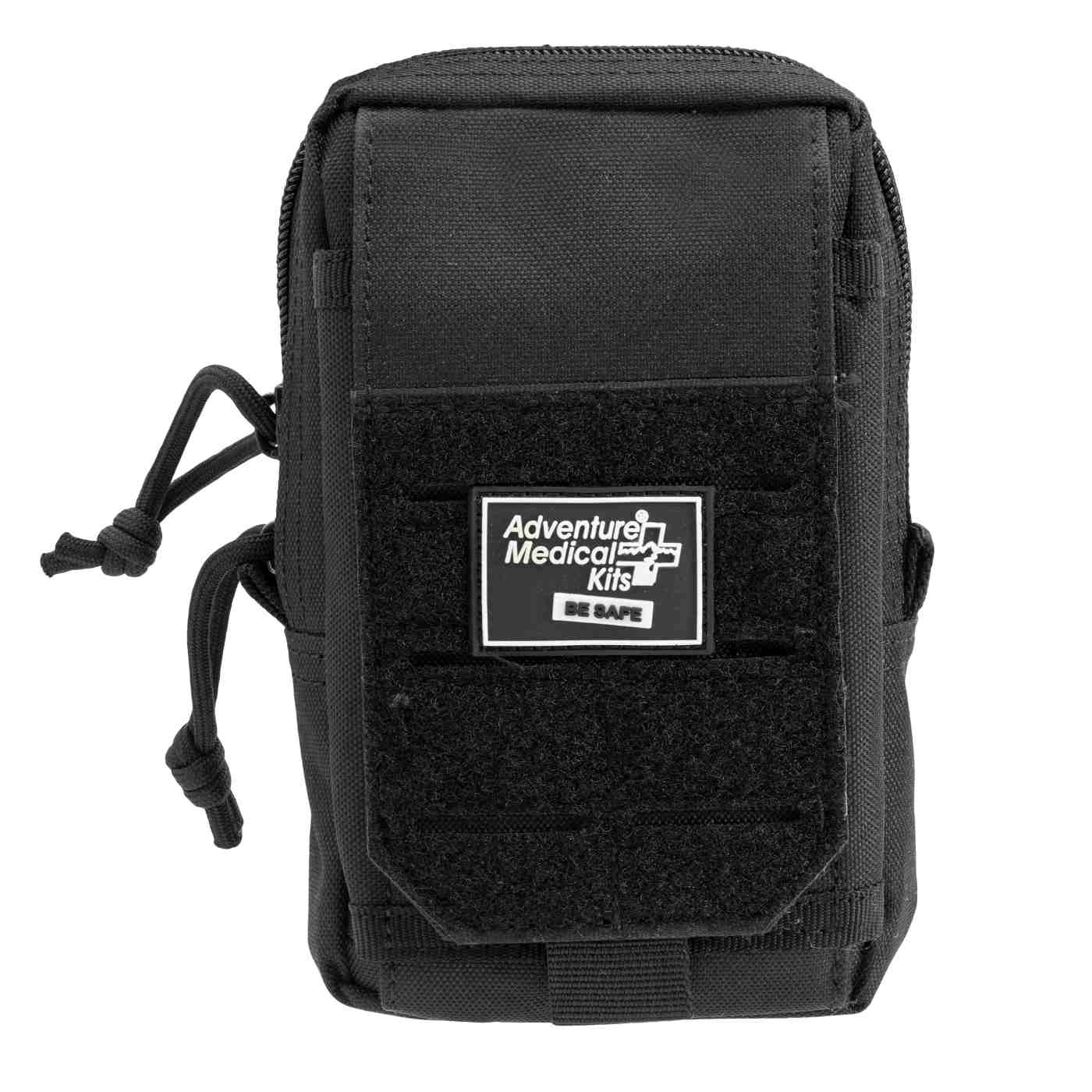
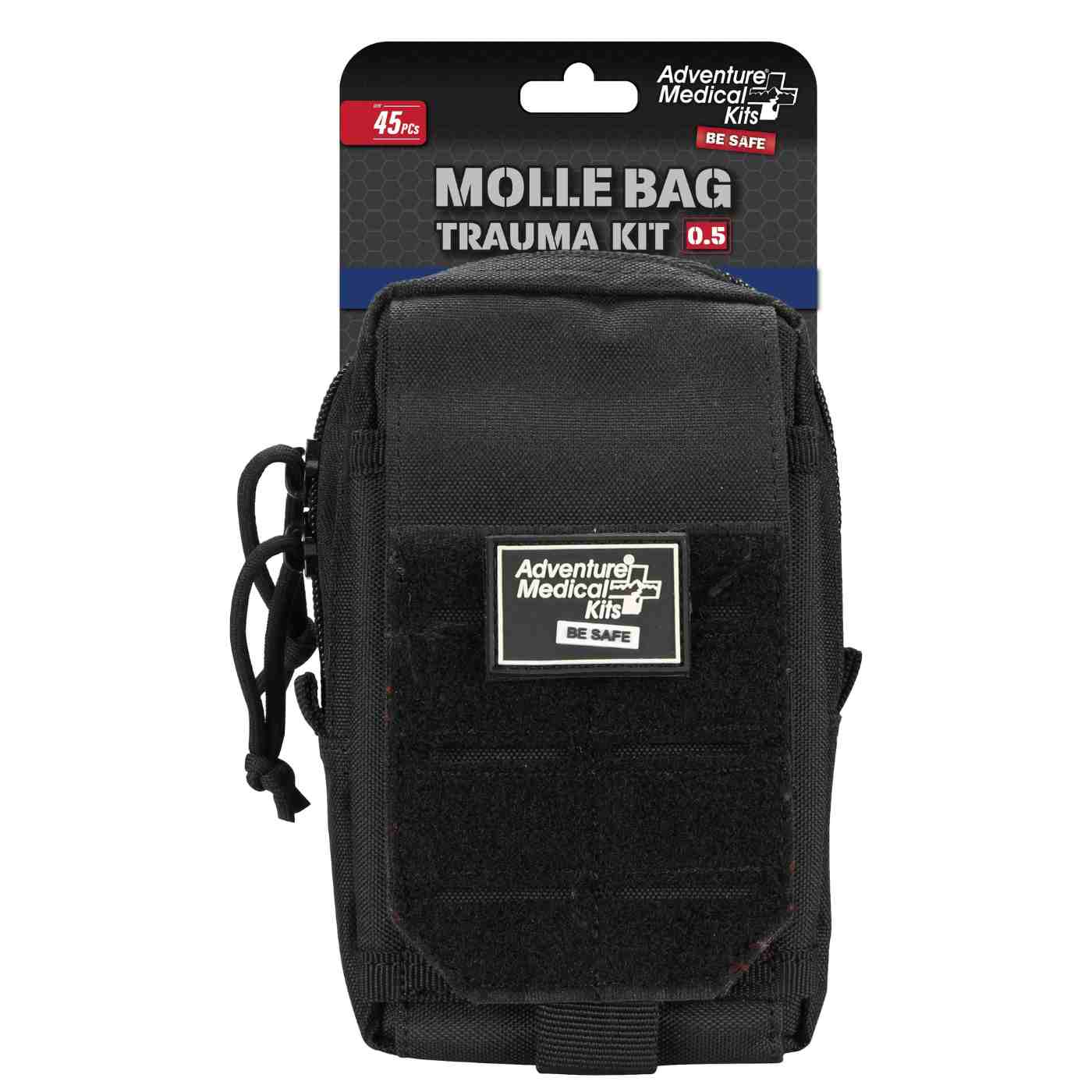
| Hunting and angling | Variable, often remote | Deep cuts, punctures, bleeding, trauma | MOLLE trauma-oriented option | MOLLE series |
Which setup fits which camper
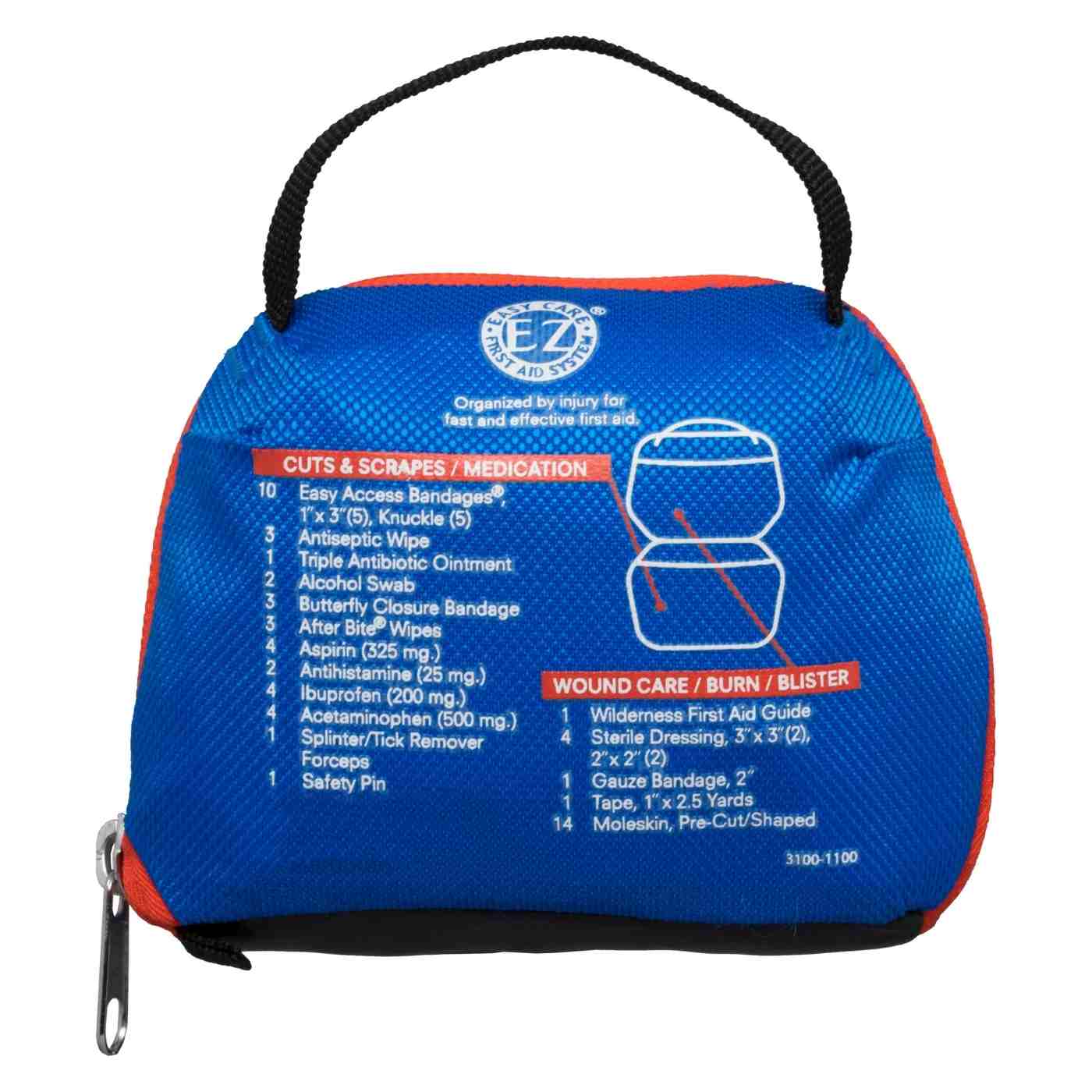
Day hikers need restraint. The kit should stay light enough that it always gets packed, but it can't be so stripped down that it only covers paper cuts. Blister care, bandages, cleansing supplies, medications for common issues, and basic tools are the core.
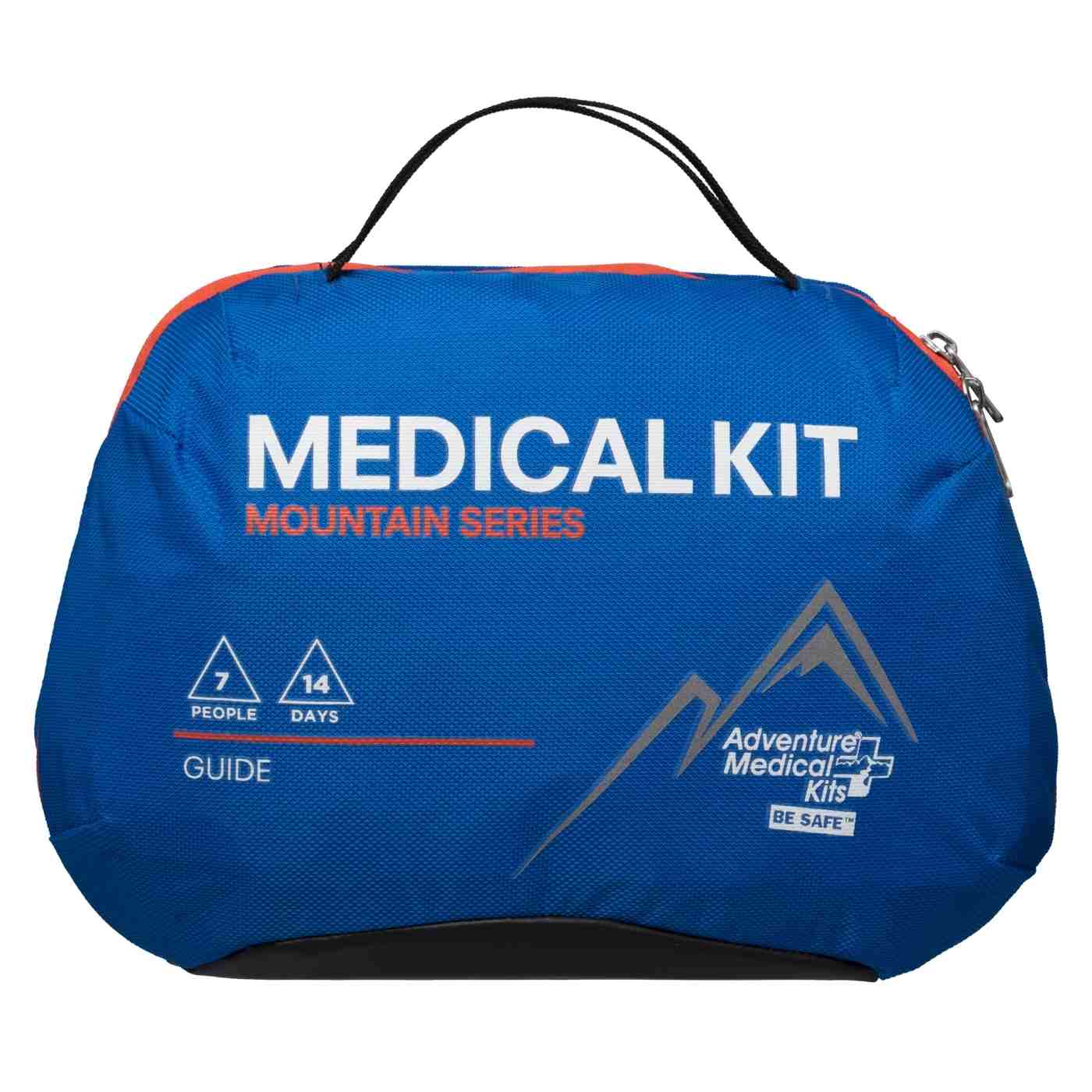
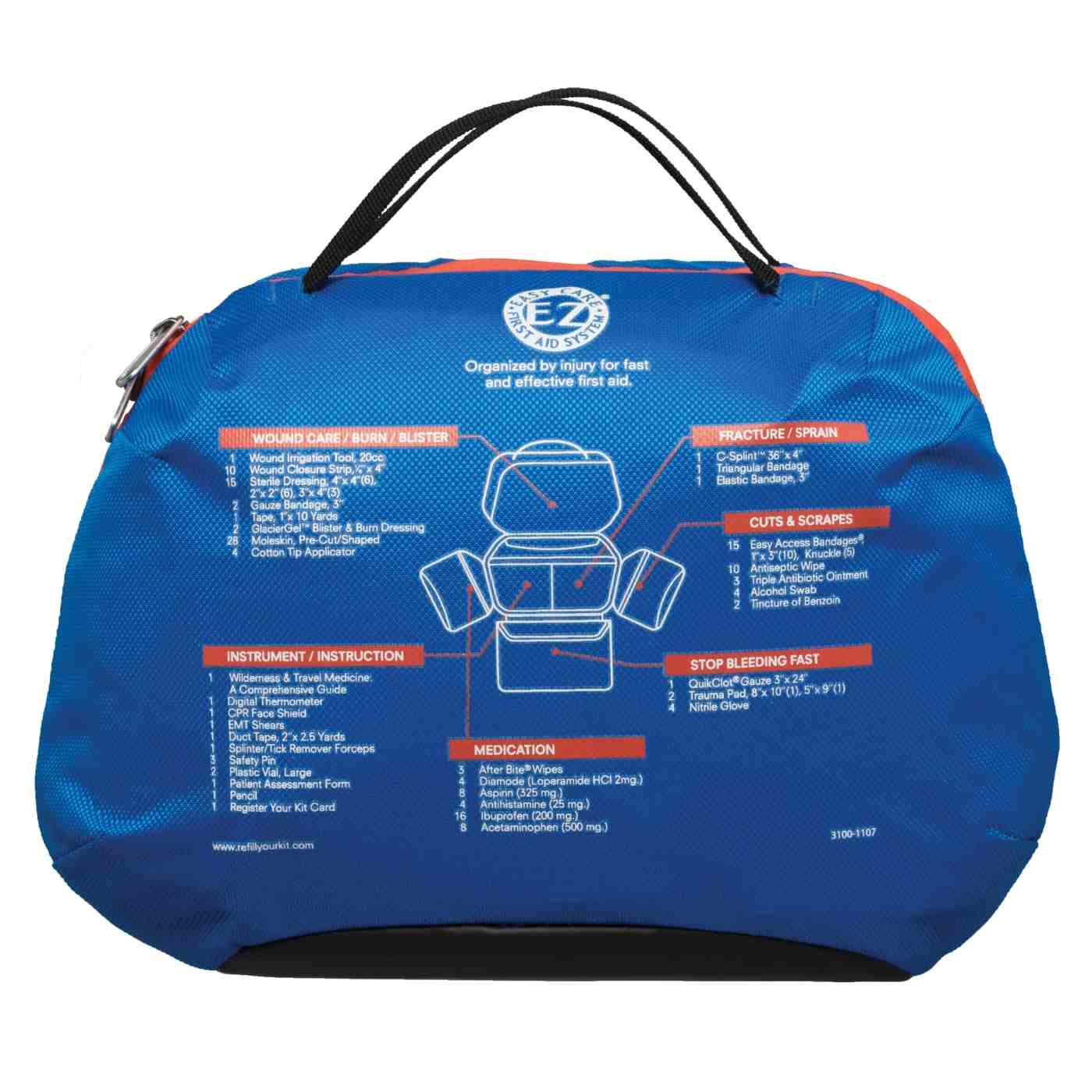
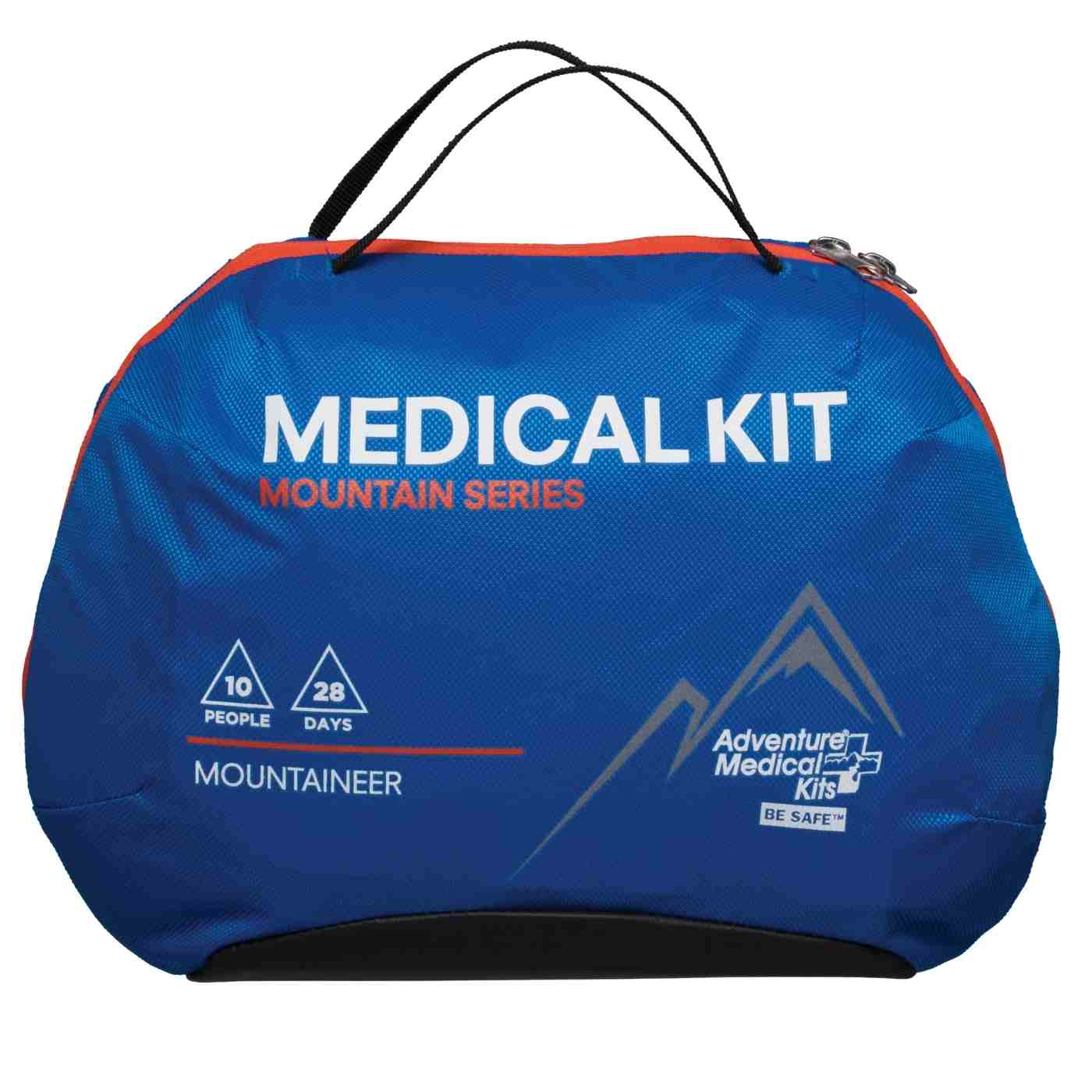
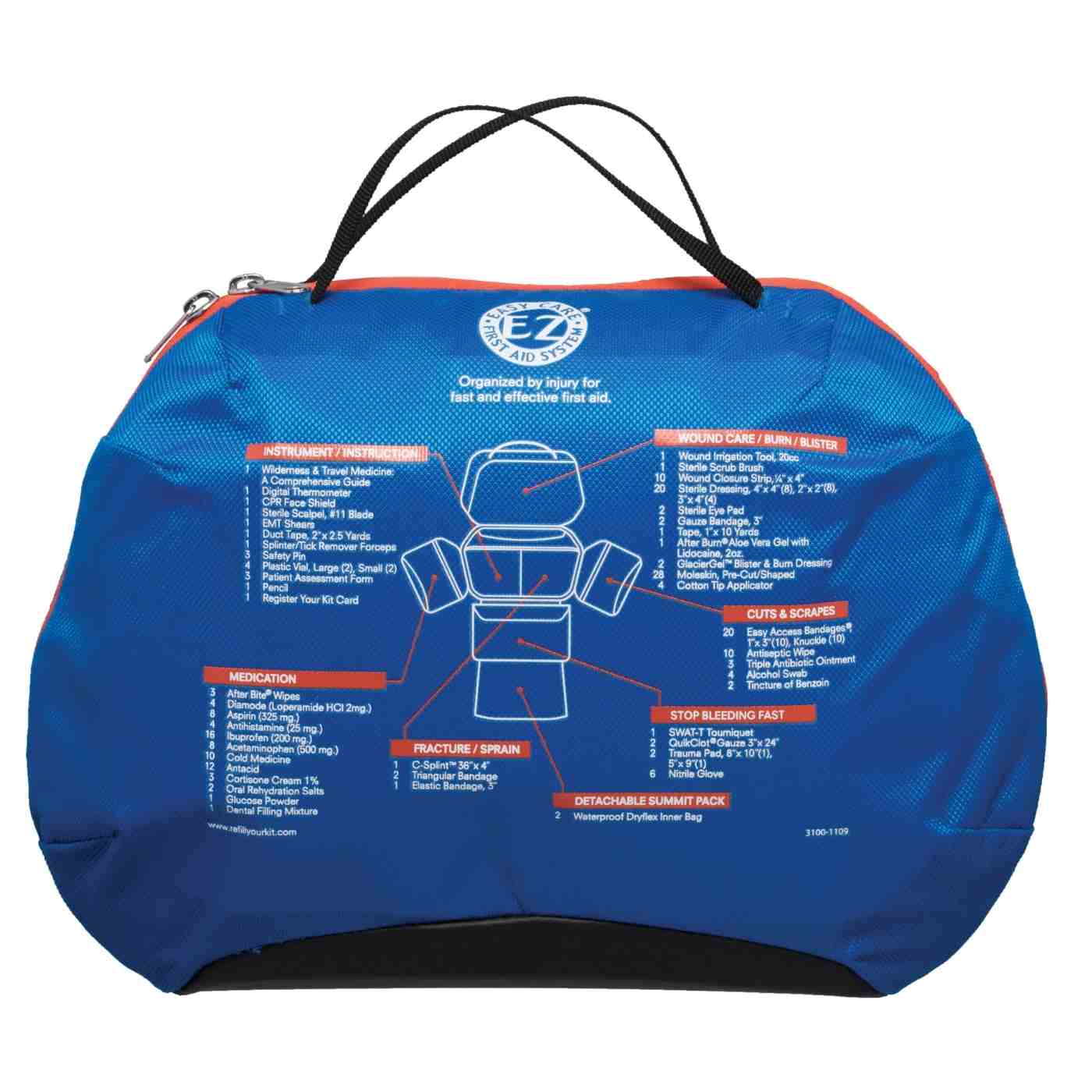
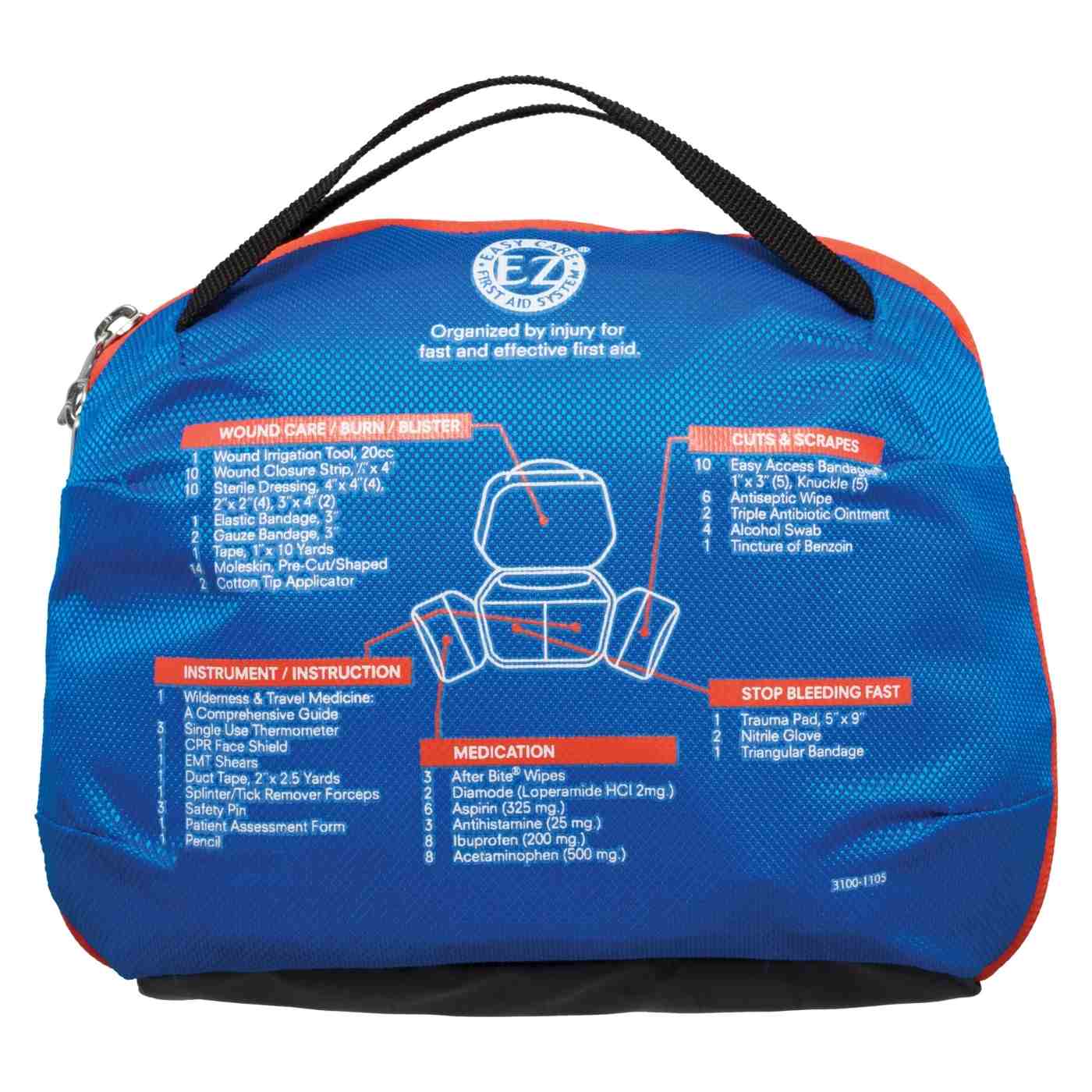
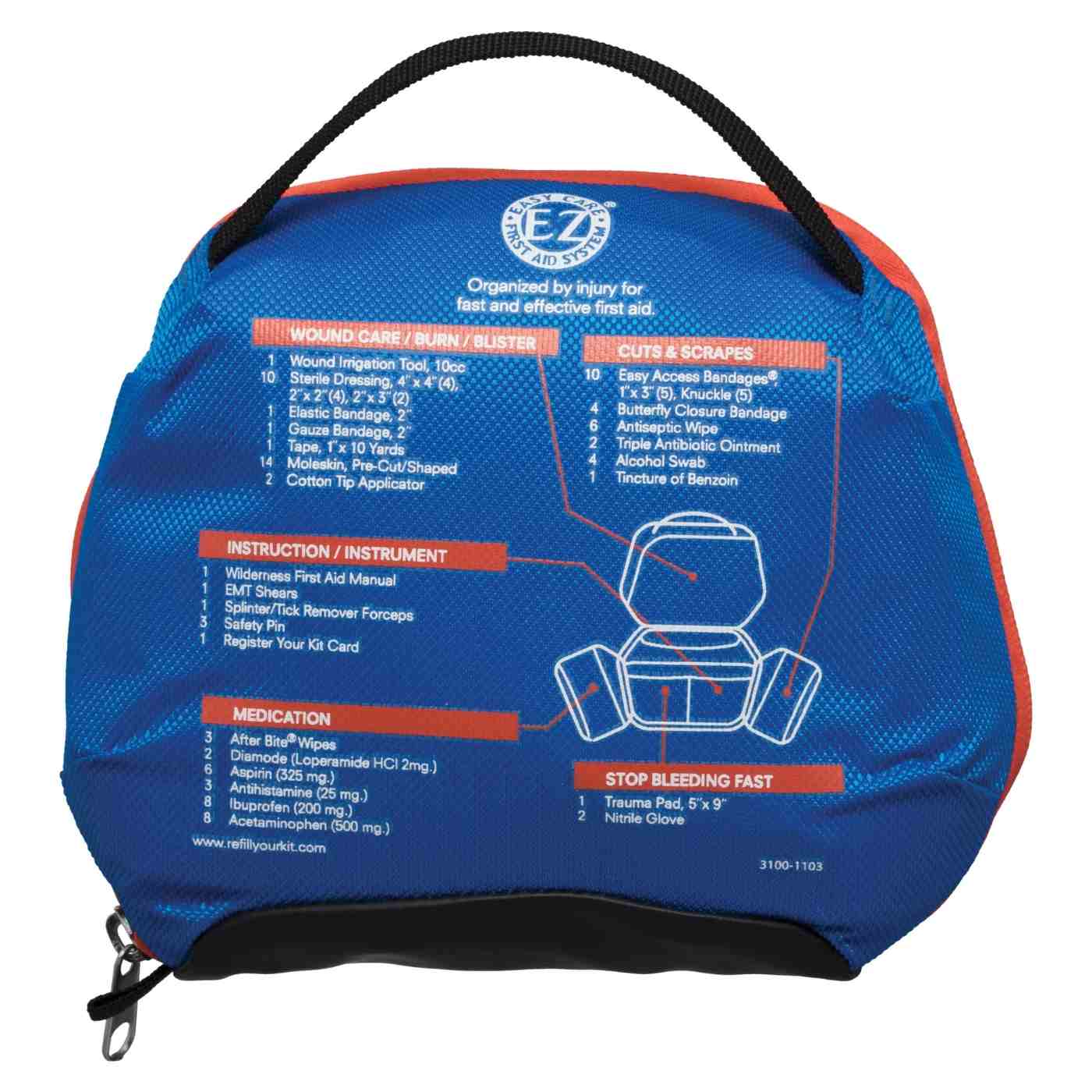
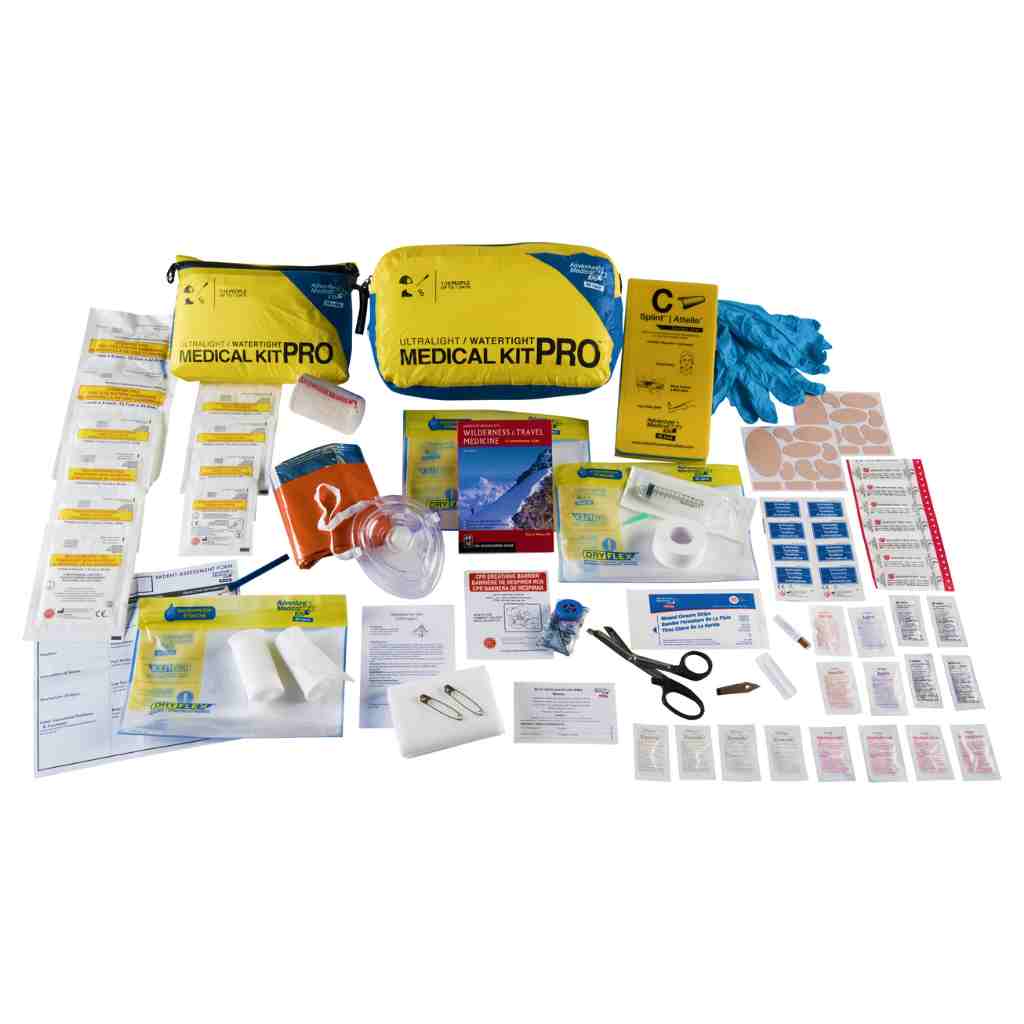
Multi-day backpackers need more structure. The flagship Mountain Series medical kits make the most sense here because the format is built around trail carry rather than glove-box storage. Organization and durability are paramount for this application. On longer routes, it also makes sense to pair the medical kit with a shelter backup such as a Survive Outdoors Longer emergency bivvy.
For family campers, the right pick usually isn't the smallest kit on the wall. Kids bring a wider range of minor incidents, and adults often need medications, wraps, and wound care at the same time. The Adventure First Aid Family First Aid Kit provides essential first aid supplies organized by injury plus a booklet on Caring for Children in the Outdoors, and it's described as suitable for a family of 1-4 people on a day outing.
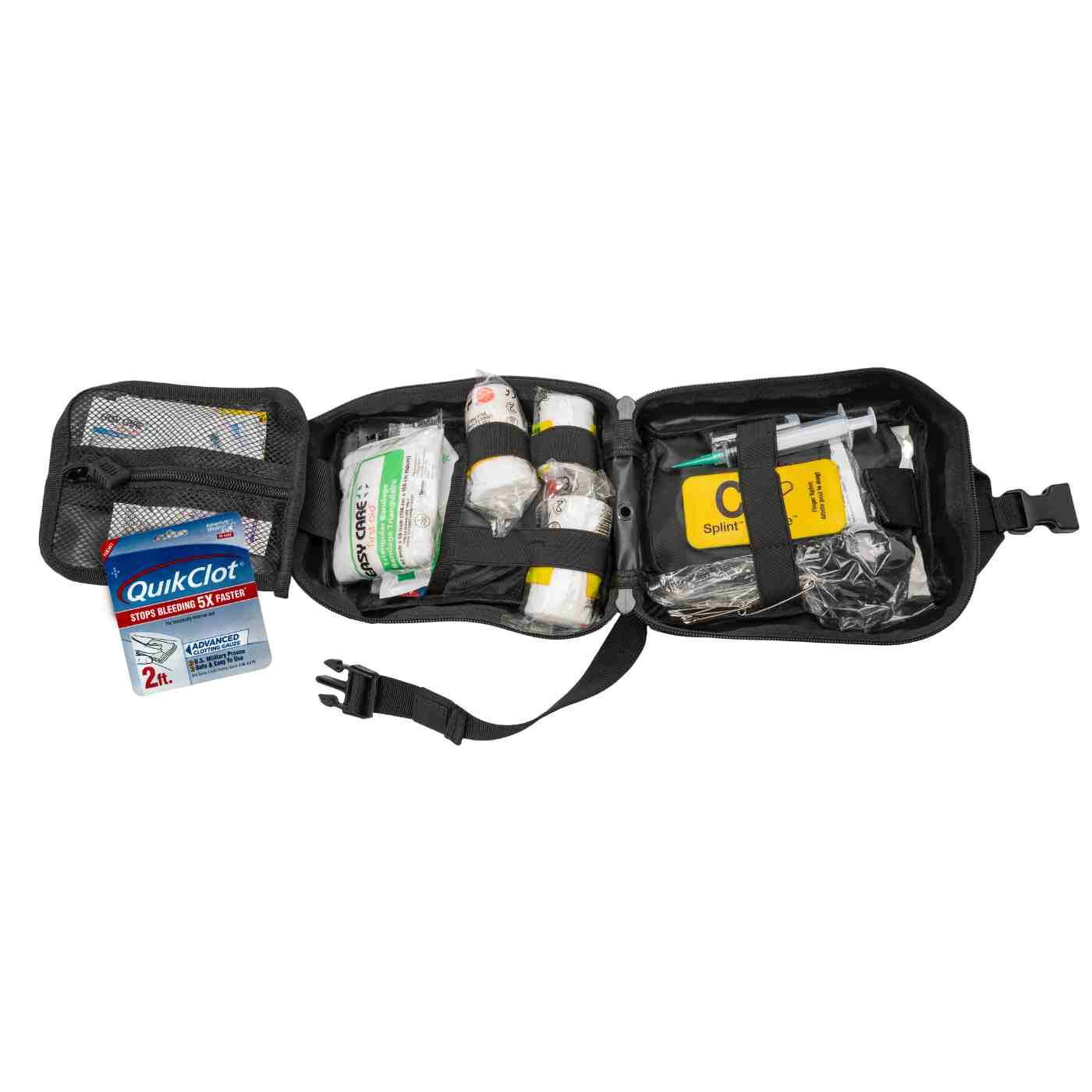
For hunters and anglers, trauma capacity climbs in priority. Hooks, knives, broadheads, slippery banks, and remote locations change what “enough” means. The MOLLE trauma kit series fits this profile better than a general-purpose blister kit because access and severe-bleeding response matter more.
A useful minimum standard for remote injury risk comes from experienced wilderness discussion: a compact trauma setup should include a tourniquet, hemostatic glue such as super glue, and clear antiseptic, and that combination was described as addressing 90% of wilderness emergencies in one expert-testing discussion on Reddit's CampingGear forum. Even for readers who treat that claim cautiously, the practical point holds. Trauma tools deserve a dedicated place in remote kits.
A few partner items round out the non-medical side of the decision:
- Bug pressure: Ben's 30 insect repellent or Natrapel insect protection for mosquito and tick country.
- Wildlife risk: Counter Assault bear spray where local guidance supports carrying it.
- Emergency shelter support: Survive Outdoors Longer gear for exposure backup.
Why Outdoor Pros Choose Adventure Medical Kits
Outdoor instructors, guides, and hunters usually judge a medical kit the same way they judge a stove or shelter. It has to work in the field, under stress, and with cold hands. A kit that looks organized online but slows treatment on the ground does not stay in use for long.

Built for field use
Adventure Medical Kits earns that trust because the design choices line up with real outdoor problems. The company was founded by an emergency room doctor, and that medical background shows up in the way many kits are organized for fast access, packability, and practical treatment in rough conditions. Soft-sided formats, labeled compartments, and included instructions matter because backcountry first aid rarely happens on a clean flat surface.
That matters most once the decision framework from earlier is applied. If the trip points toward routine trail care, environmental exposure, and common campsite injuries, the kit needs fast access to the items used most often. If the trip pushes harder into trauma risk, the kit needs a layout that supports immediate bleeding response instead of burying those tools under blister care and bandages.
Why the Mountain Series and MOLLE series stand out
The two lines solve different problems, which is one reason outdoor pros keep coming back to the brand.
The Mountain Series fits hikers, backpackers, and general campers who need broad first-aid coverage in a carry-friendly package. These kits work well when the main concerns are cuts, blisters, sprains, minor burns, stomach issues, and the usual problems that show up over a full day or multi-day trip. The handbook included in many versions is also useful. In the field, people often remember what item they need but benefit from a quick reminder on treatment order.
The MOLLE series serves a different job. It makes more sense for hunters, anglers, overlanders, and anyone planning around higher trauma risk or faster kit access. Mounting options, quick-grab design, and an emphasis on severe-injury response are practical advantages when the setting includes blades, hooks, tools, vehicles, or longer delays to outside help.
A few details make the difference over time:
- Use-case driven packing: Supplies are selected around the injuries and problems common to the activity.
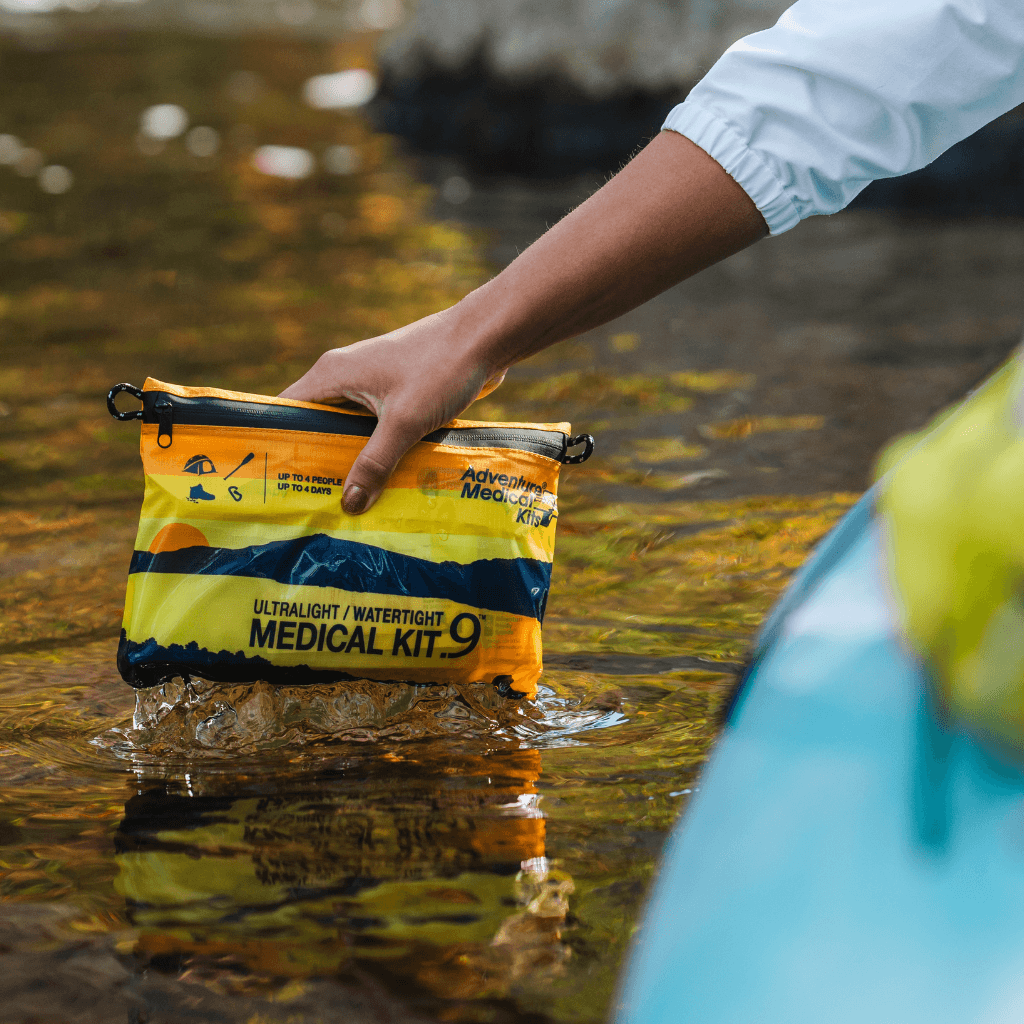
- Weather-aware organization: Many kits use resealable waterproof inner bags that help keep contents usable after rain, spray, or repeated pack access.
- Faster treatment flow: Labeled modules and logical grouping cut down on searching when attention needs to stay on the patient.
- Simple reimbursement advantage: First aid kits and supplies are FSA/HSA eligible on the company site.
The practical reason professionals choose Adventure Medical Kits is straightforward. The product lines make it easier to match trauma risk, environmental exposure, and general medical needs to the trip, then carry that plan in a format that still makes sense when something goes wrong.
How to Customize and Augment Your Kit
Even a strong prebuilt kit is still a base layer. The best camping medical kit becomes useful when it's adjusted to the trip, the people, and the region.
What every base kit still needs
The American Red Cross says a properly stocked camping first aid kit should include at least 26 essential items, including adhesive bandages, antibacterial ointment, antiseptic wipes, burn gel, CPR masks, disposable gloves, duct tape, elastic wrap bandages, a first aid manual, gauze pads, and medications such as antihistamines and pain relievers in its camping first aid kit checklist. That's a good baseline because it covers both routine care and a few higher-consequence problems.

For anyone building or supplementing a kit, this is the practical checklist:
- Personal medications: Daily prescriptions always come first. If someone carries epinephrine, that belongs in the kit plan, not as an afterthought.
- Blister and foot care: Fabric adhesive bandages, KT Tape, and BZK-based antiseptic wipes are standard recommendations in Blackbird Guides' wilderness first aid kit contents.
- Wound cleaning tools: An irrigation syringe matters. A syringe with an 18-gauge catheter can help wash debris from wounds more effectively in the field.
- Closure supplies: Steri-strips and butterfly bandages are worth adding for wounds that may need support after cleaning.
- Waste control: A medical waste bag and a sharps container belong in more serious kits, especially when puncture items or contaminated materials are possible.
A useful reminder list for small but easy-to-forget additions appears in don't forget the little things in your first aid kit.
Smart add-ons for trip-specific protection
The right add-ons depend on location more than activity labels.
For bug-heavy camps, itch and bite relief earns a spot. After Bite insect bite treatment is a sensible addition for mosquito and fly country. For camps with poor lighting or a likely nighttime response, a rechargeable light source such as a LuminAID solar lantern makes treatment easier and safer.
Hydration support also belongs in the medical conversation. Some wilderness-trained campers specifically recommend electrolyte powder for dehydration support because diarrhea, heat, and long days can drain a person fast.
Customization works best when every added item answers one question: what problem on this trip does this solve?
Campers should also inspect expiration dates and packaging before every trip. Sterile products, medications, adhesives, and temperature-sensitive items don't age gracefully in a hot vehicle or damp gear bin.
Frequently Asked Questions About Camping Medical Kits
What campers ask most often
Is a prebuilt kit enough for camping?
Usually not by itself. A prebuilt kit is the starting point. Most trips need additions for prescriptions, allergies, blister care, and region-specific issues such as insects or sun exposure.
What's the biggest mistake people make?
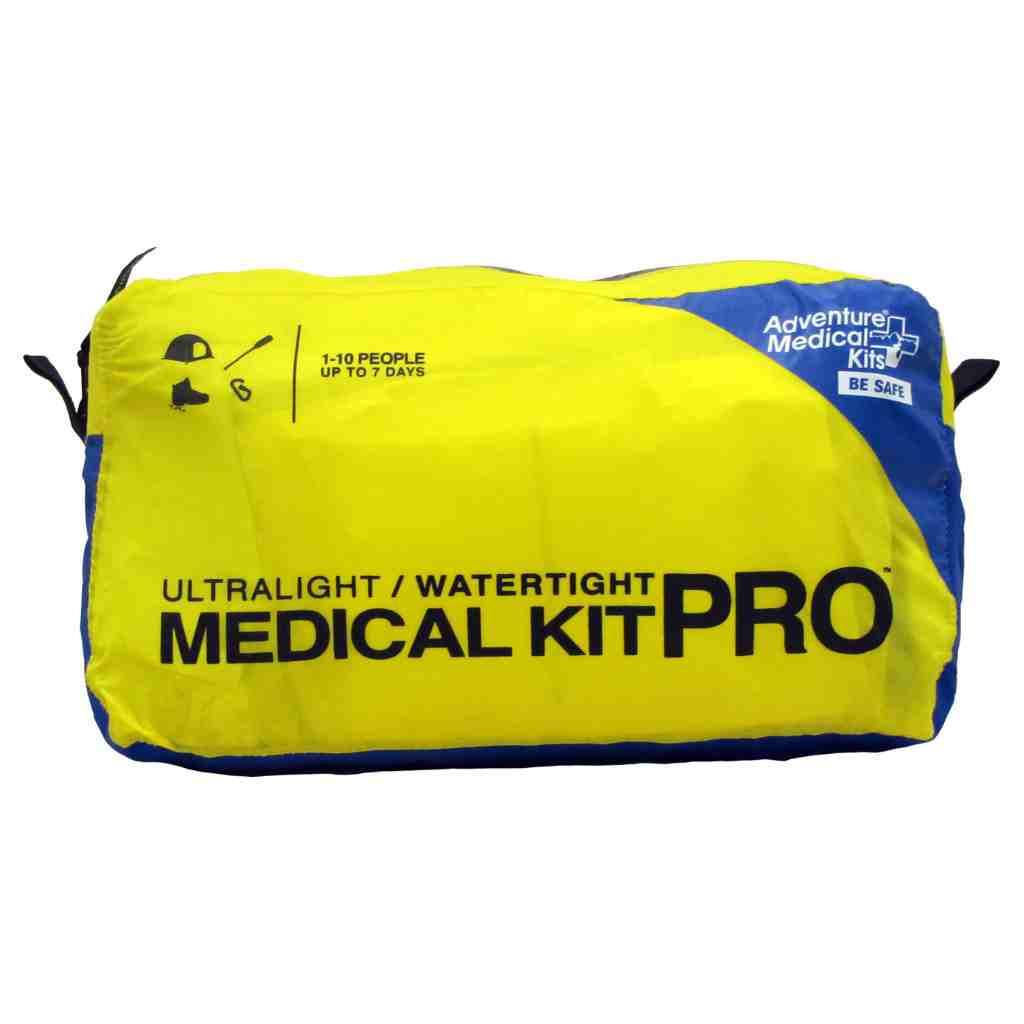
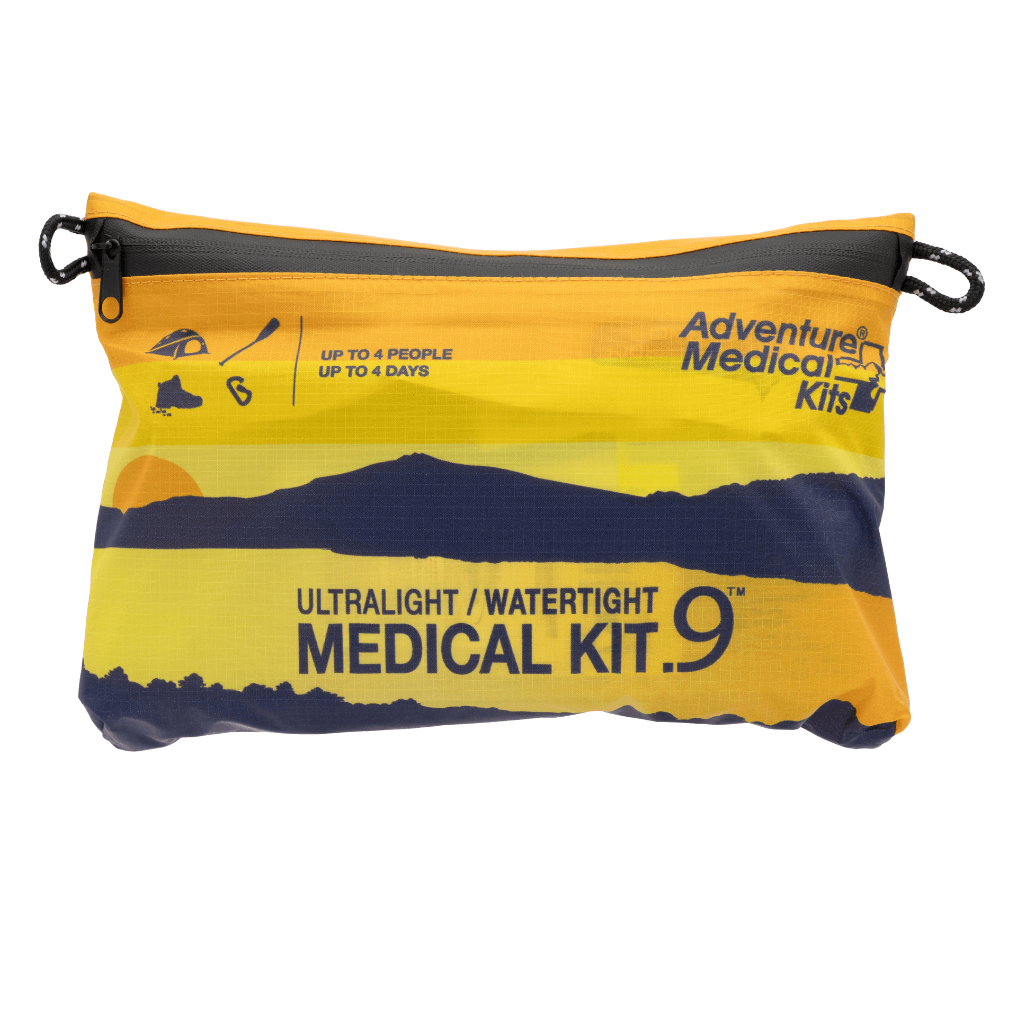
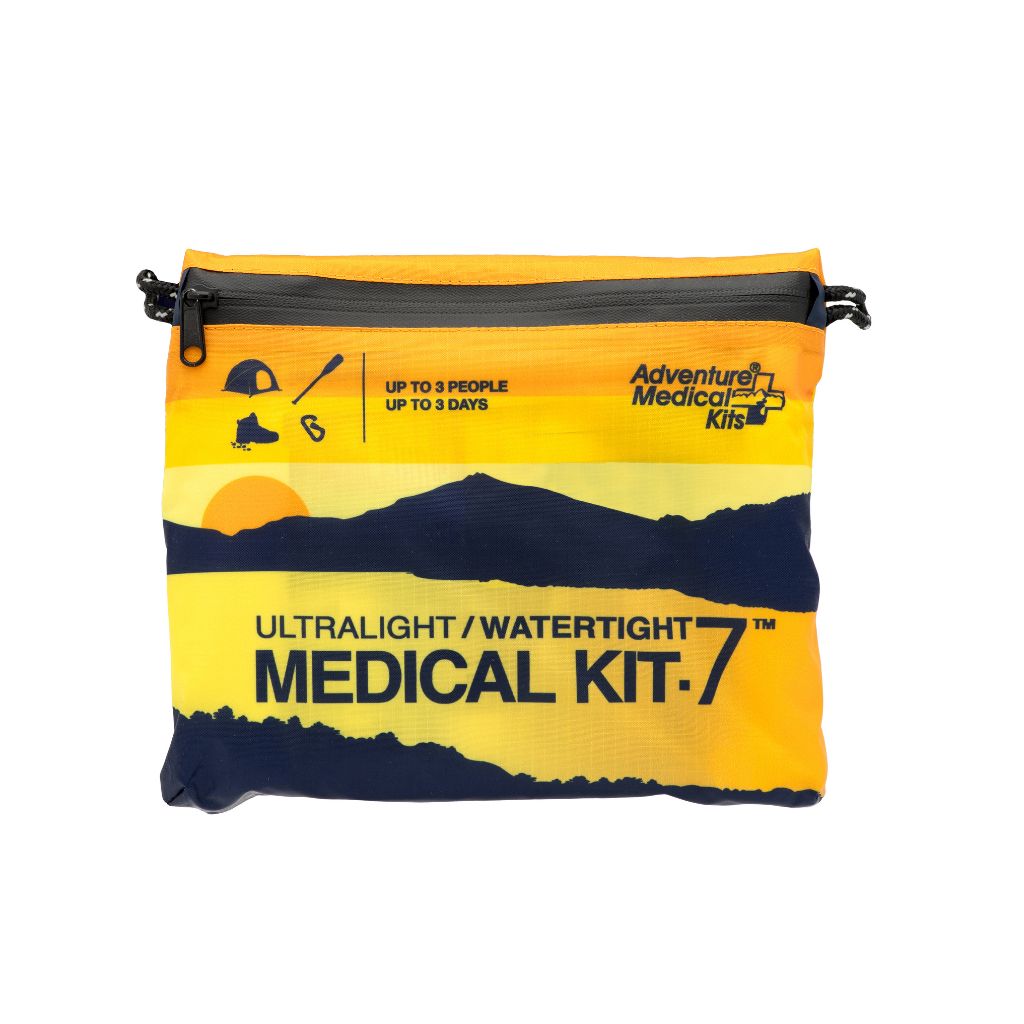
They buy by size instead of by risk. A tiny ultralight pouch may be fine for a short walk near a trailhead. It's a poor choice for a group trip hours from help.
Should a camping kit include trauma gear?
If the trip is remote or involves knives, hooks, hunting tools, or technical terrain, yes. Trauma tools need to be accessible and familiar to the user.
What matters more, item count or organization?
Organization. A long list of supplies doesn't help much if the user can't find gloves, gauze, or medications quickly. Categories and labeling matter under pressure.
What should families add to a standard kit?
Children's needs often change the packing list. Families should think about medications they already use at home, comfort items for minor injuries, and enough duplicates of basics to avoid running short.
Do campers really need a first aid manual if they know the basics?
Yes. Stress erodes recall. A manual helps with sequence, wound care steps, and decision-making when the group is tired or the conditions are poor.
How often should a kit be checked?
Before each trip. Medications expire, adhesive products degrade, and one missing pair of gloves can stay missing for months if no one checks.
Is the best camping medical kit always the biggest one?
No. The best one is the kit that matches the trip and gets carried. A larger vehicle or basecamp kit can complement a smaller trail kit, but neither should be chosen blindly.
A well-chosen kit does more than treat cuts and blisters. It supports better decisions when conditions get messy. Campers who want a trail-focused option can explore Adventure Medical Kits for activity-specific kits built for hiking, backpacking, family camping, and trauma preparedness.