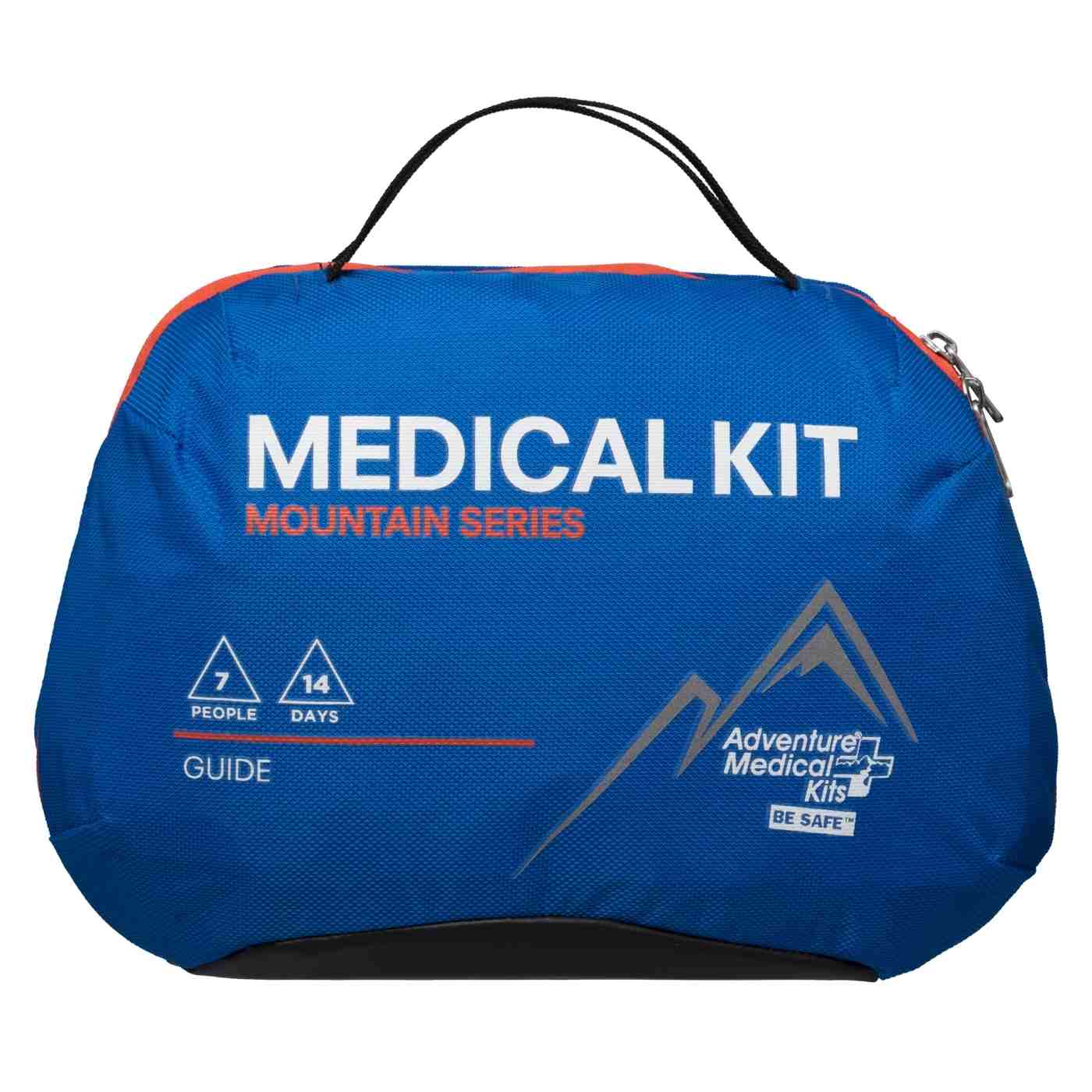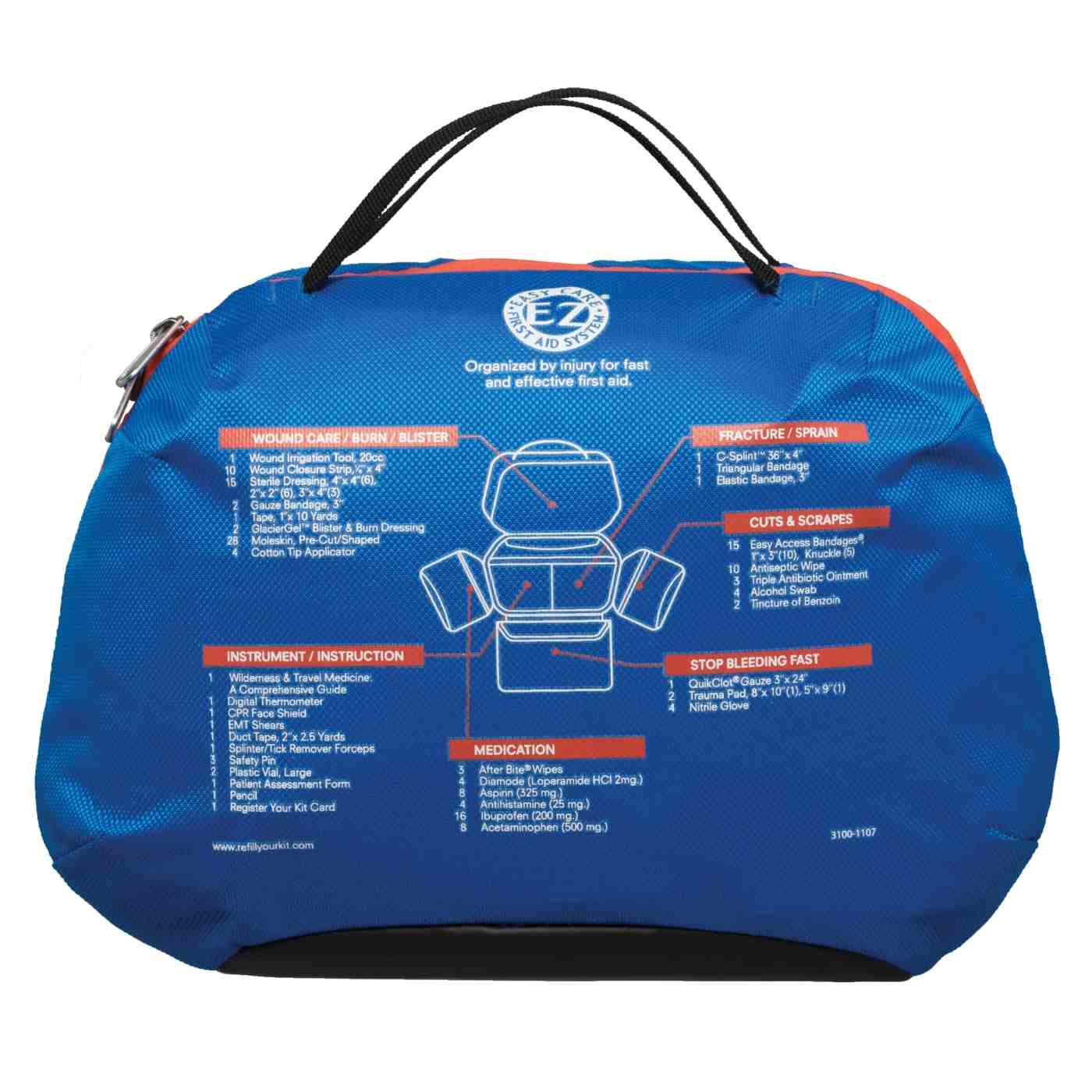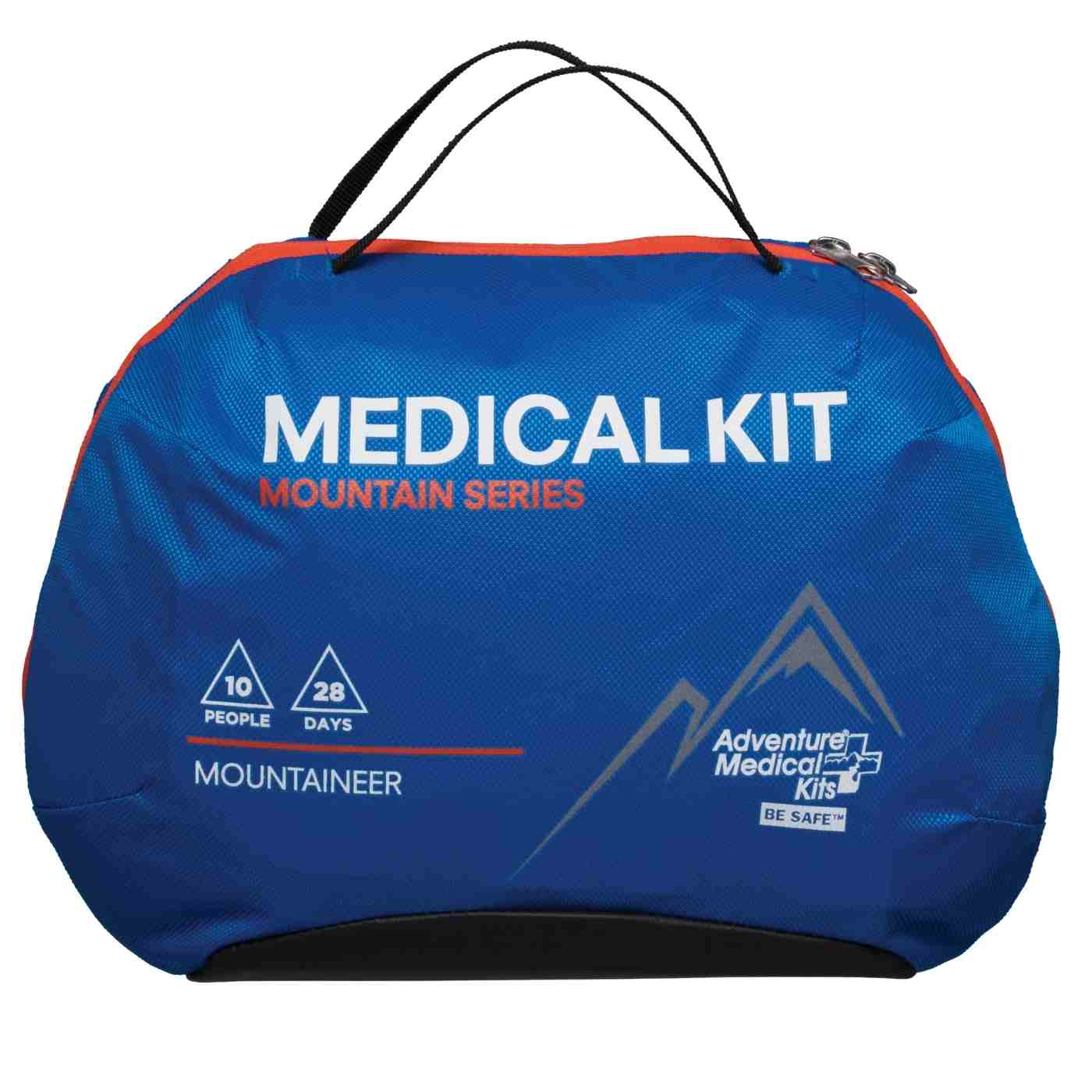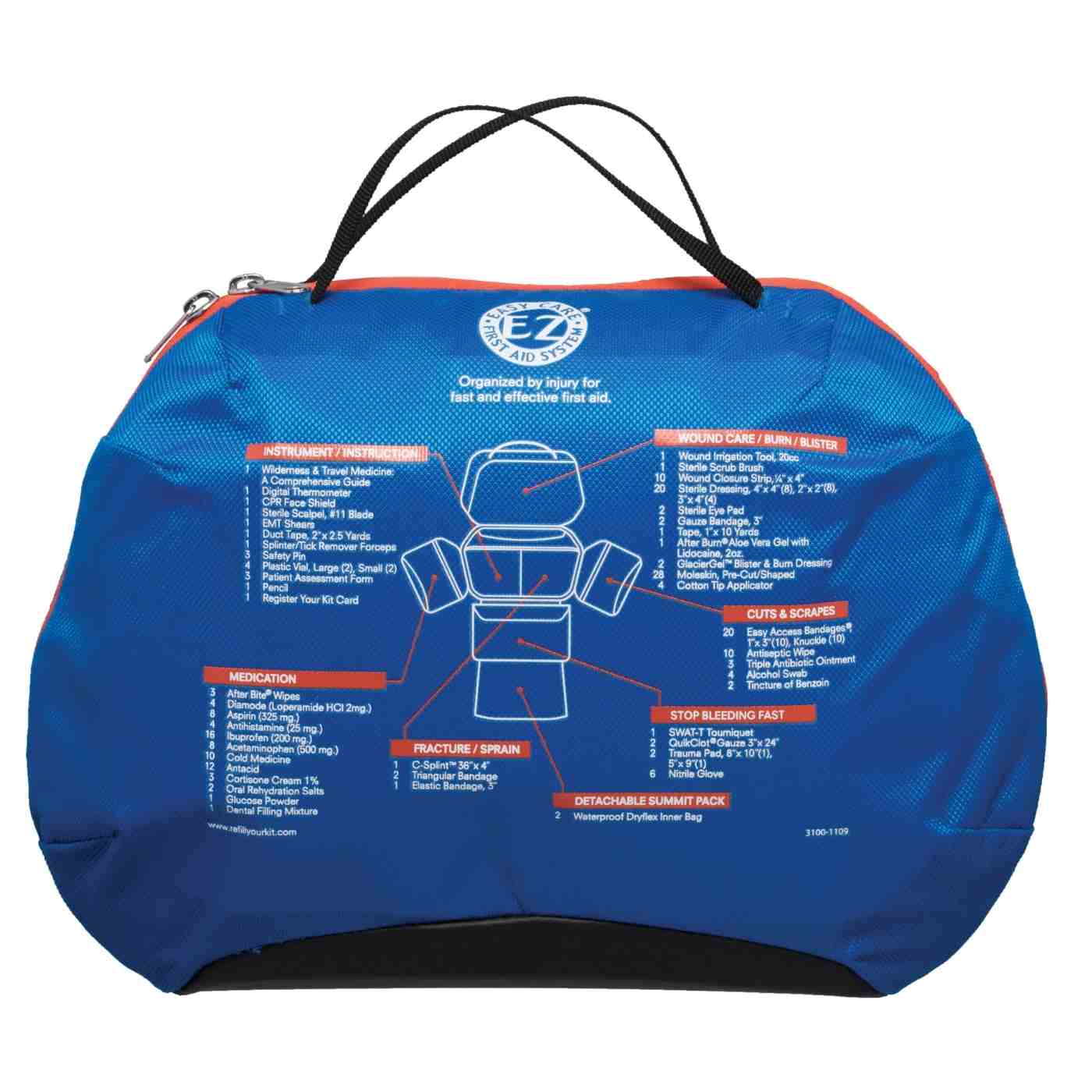


The pack is already on the floor. The food is sorted, the shell is stuffed into the outer pocket, and the last argument is happening over ounces. That's usually when the first aid kit gets trimmed too hard. A few bandages go in, a couple of pills get tossed into a zip bag, and the rest stays home.
That works right up until a small problem starts eating time, warmth, and good judgment. A hot spot turns into a limp. A dirty cut keeps reopening. An allergic reaction that seemed minor in the parking lot feels different when the nearest road is far behind. An ultralight first aid kit for backpacking should solve the problems that happen on trail, not just look light on a gear spreadsheet.
Table of Contents
Beyond Band-Aids: Why Your Kit Matters
Loose talus, wet roots, a missed step. One sharp cut on a shin can turn an easy mile into a slow, messy exit if all you have is a couple of Band-Aids and a single alcohol wipe. Most backcountry medical problems look like that. They are common, manageable, and serious enough to ruin a trip when the kit is too thin.
Ultralight first aid works best when it is built around function, not grams in isolation. A stripped-down pouch that cannot clean a wound, protect hot spots, control minor bleeding, or support a painful ankle is dead weight no matter how light it is. A good kit earns its place by solving the problems you are most likely to face before outside help arrives.
That usually means treating the first aid kit as one part of a larger safety system. Clothing that keeps someone warm after an injury, reliable communication, and route choices that leave you good bailout options often matter more than adding one more tablet or dressing. Preparing for a backpacking trip with the right training, gear, and first aid supplies starts with that broader view.
The trade-off is straightforward. Convenience favors a tiny pre-made kit or a random handful of supplies tossed in a zip bag. Reliability comes from choosing items you know how to use, packing enough for the group and the setting, and accepting a few extra ounces when the consequences justify them.
That is why a modular approach makes sense for backpacking. Keep a small core kit for the injuries that show up on almost every trip, then add pieces for the trip you are doing, the conditions you expect, and the people you are responsible for. The goal is not to carry the smallest kit on the trail. The goal is to carry the lightest kit that still lets you manage likely problems well.
Assess Your Risk Before You Pack
A generic checklist is a starting point, not a finished answer. The right kit for a fast local loop won't match the right kit for an exposed high route, a wet canyon trip, or a buggy shoulder-season weekend in the Southeast. The smart move is to pack by risk.

Start with the trip
Distance by itself doesn't tell much. Remoteness, pace, terrain, and bailout options matter more than many hikers admit. A short route with steep rock, cold rain, and no easy exit can justify a more capable kit than a longer trip on well-traveled trail.
A solid pre-trip check looks like this:
- Trip profile: How long will the group be out, how far is help, and how quickly can someone self-evacuate?
- Route character: Is the trail smooth and established, or loose, brushy, off-trail, and hard on skin and ankles?
- Activity type: Hiking, scrambling, paddling, and alpine travel each create different injury patterns.
That activity-specific approach matters. Andrew Skurka's backpacking first aid guidance states that an ultralight backpacking first aid kit must be curated to manage minor cuts, burns, scrapes, overuse aches, minor allergic reactions, diarrhea, and acute mountain sickness because those are the most common illnesses on solo and guided backpacking trips.
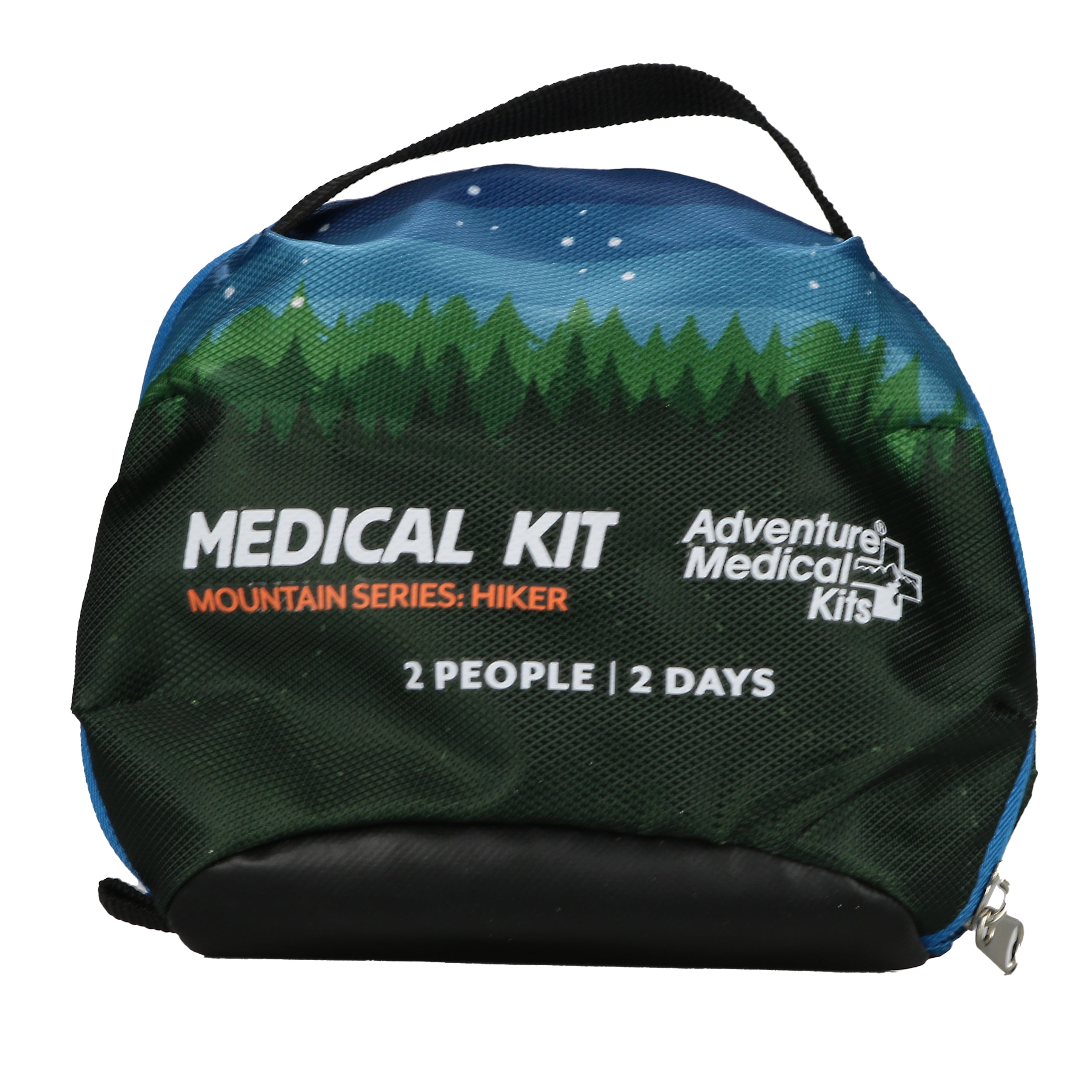
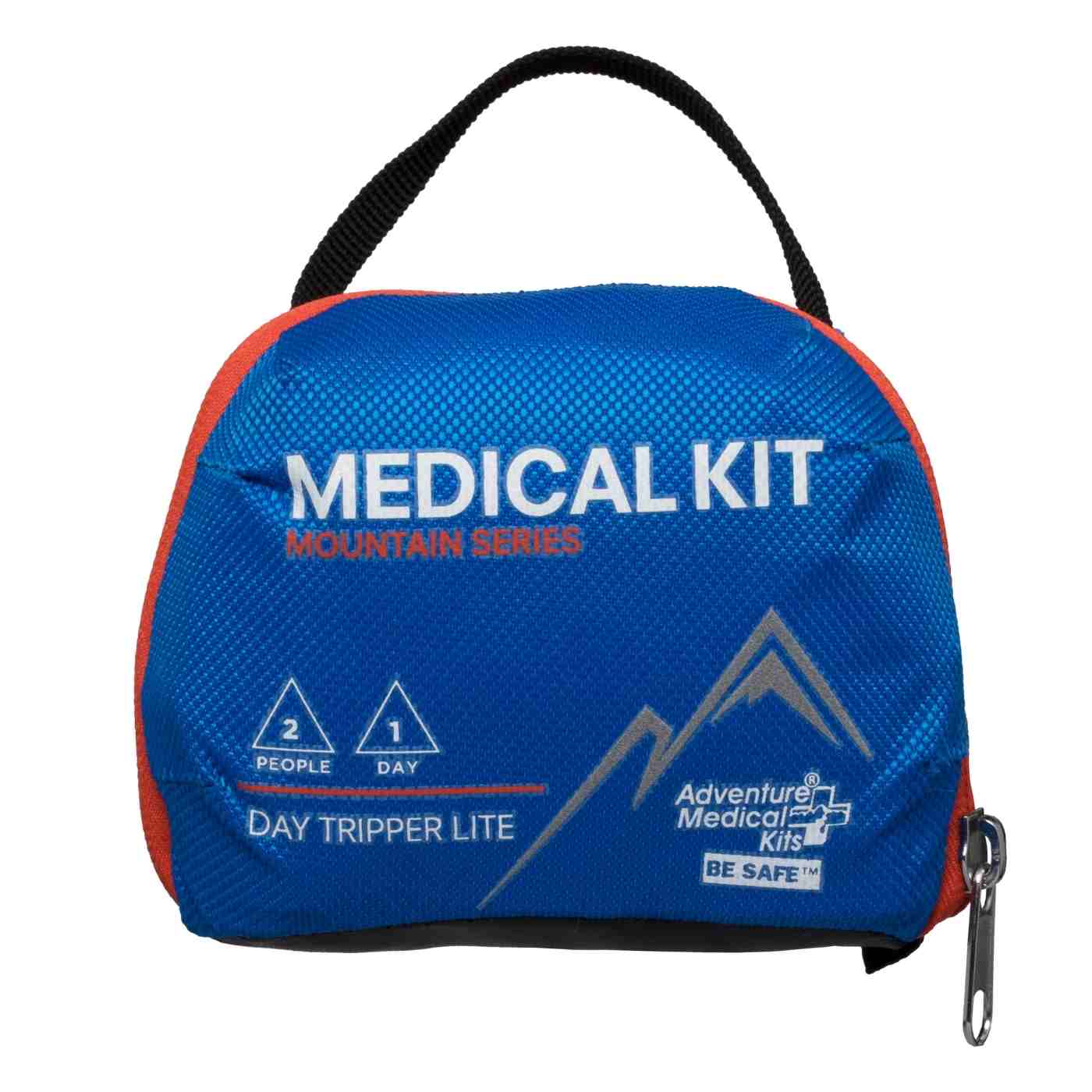
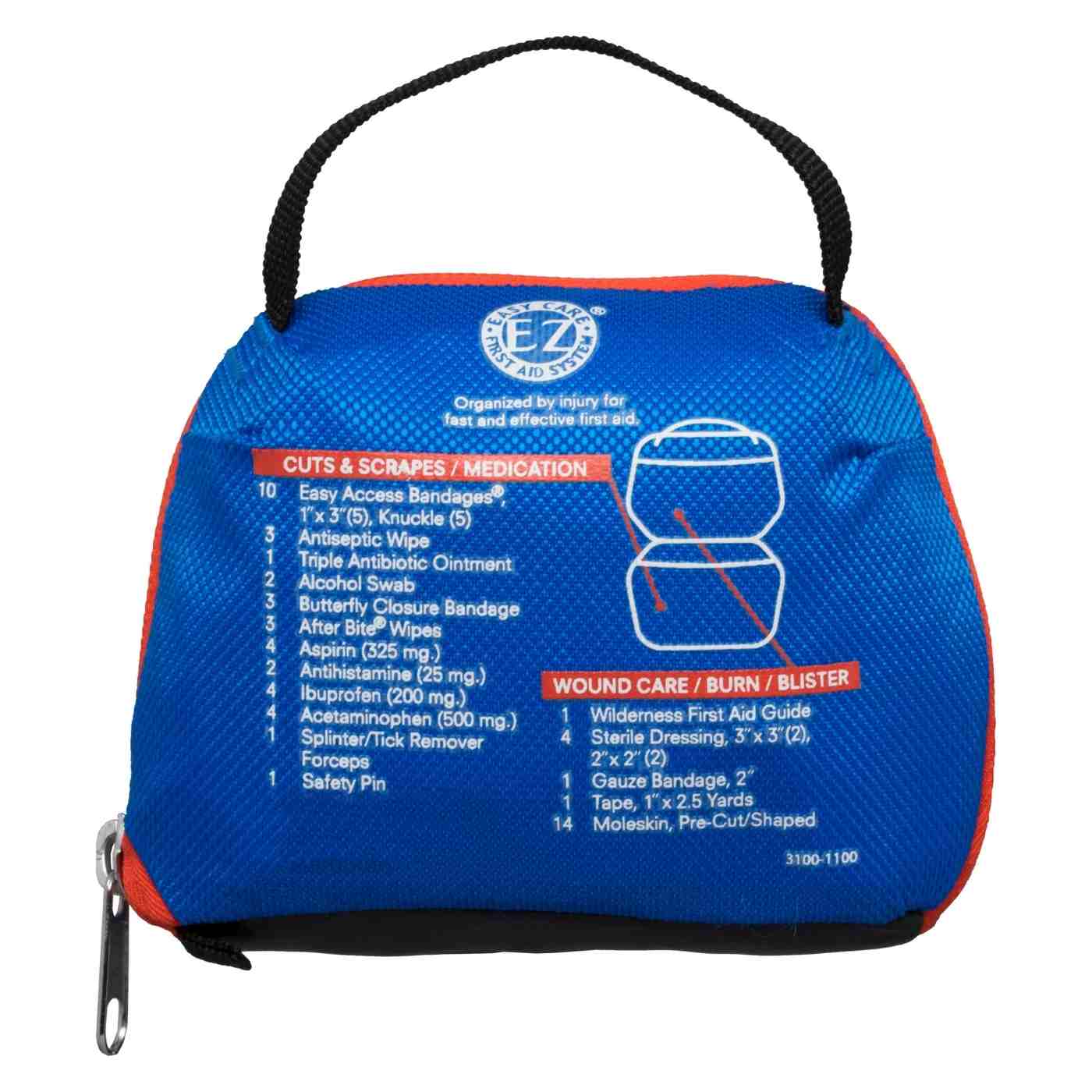
For day hikes, a small ready-made foundation can make sense. The Mountain Series Medical Kit - Day Tripper Lite is described as an ultralight and compact day hike kit in a water-resistant bag for the most common on-trail injuries. That's useful as a baseline, especially for hikers working through backpacking trip preparation, gear, and first aid planning.
Then look at the environment and the people
Environment changes the contents fast. A humid, insect-heavy trip may call for stronger bite and sting planning, including repellents such as Natrapel insect protection or Ben's 30 insect repellent. High-altitude routes raise different concerns. Wet trips make waterproof packaging more important, not optional.
Then come personal and group factors. That's where most “ultralight” kits fail. The hiker with a blister history needs more foot care than the hiker who never gets one. The person with known allergic reactions shouldn't pack a generic med mix and hope for the best. The group with one novice and one experienced leader may divide supplies differently than a team of guides.
A risk-based kit starts with likely problems, then adds only the pieces needed for this route, this season, and these people.
The result is usually lighter than overpacking and safer than copying a stranger's list.
The Core Essentials What Every Ultralight Kit Needs
A good ultralight kit covers the problems you are most likely to manage in the field, and it does it without turning your ditty bag into a junk drawer. The goal is not to pack for every medical scenario. The goal is to carry enough to handle the common problems well, then add trip-specific pieces based on the risk you already assessed.
Early kit design should stay grounded in what backcountry care usually looks like. The Red Cross hiking first aid checklist focuses on the routine injuries hikers see most often, including cuts, scrapes, blisters, and minor pain. That is the right starting point for an ultralight setup.

Build around common trail injuries
Four categories earn their space in almost every backpacking kit.
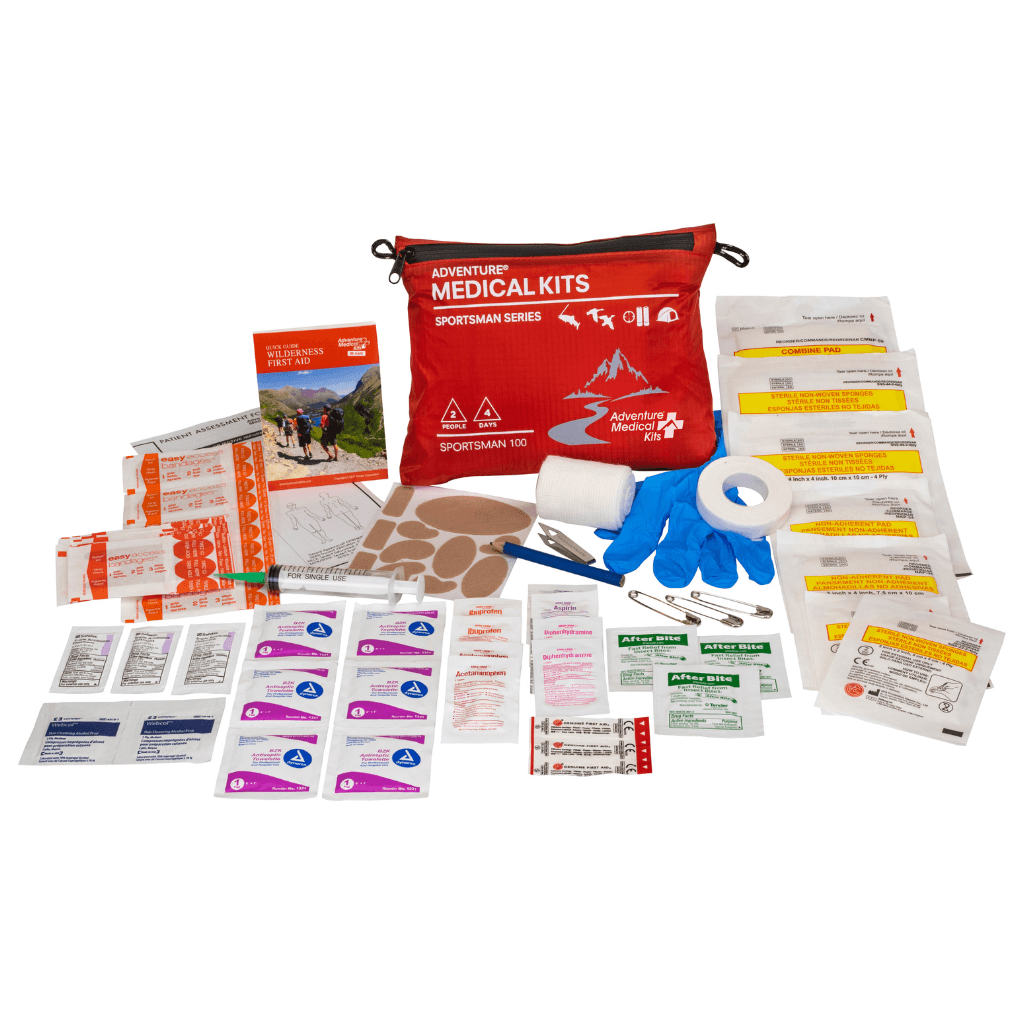
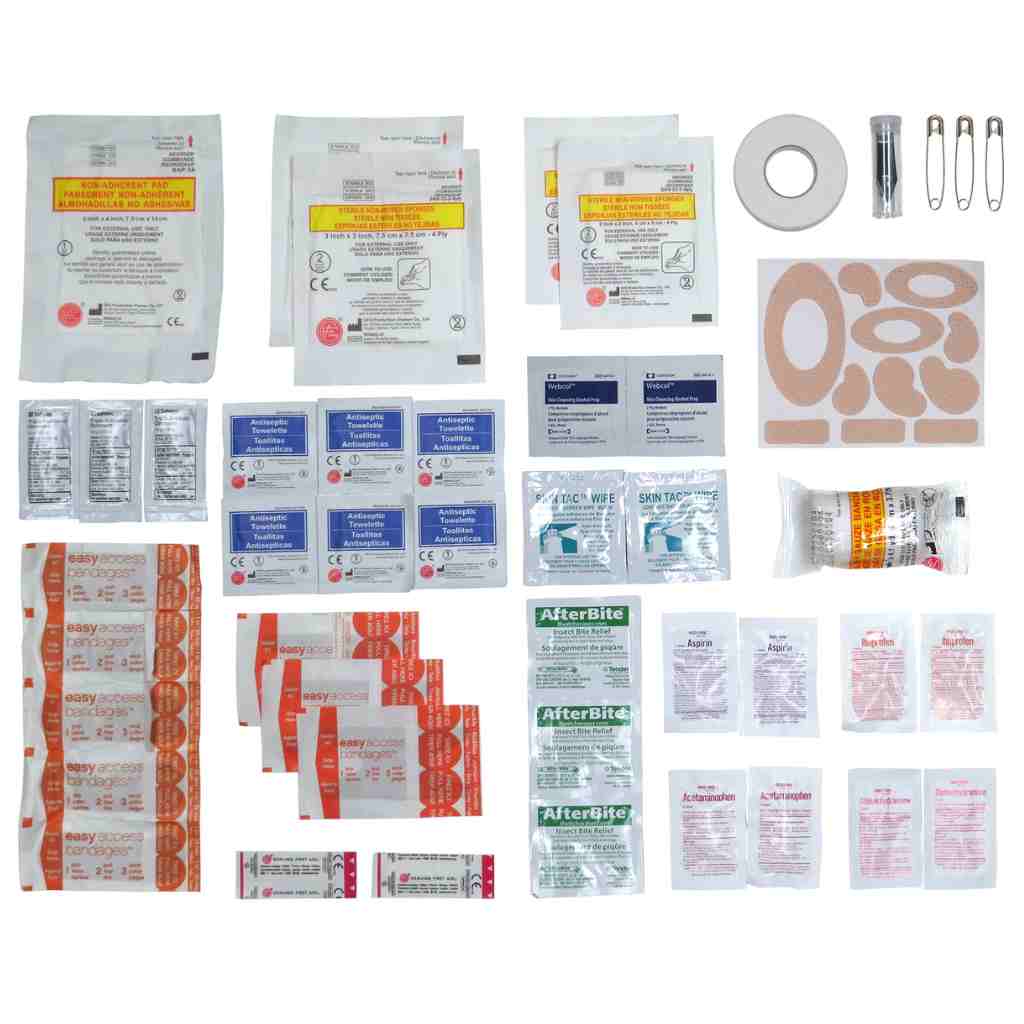
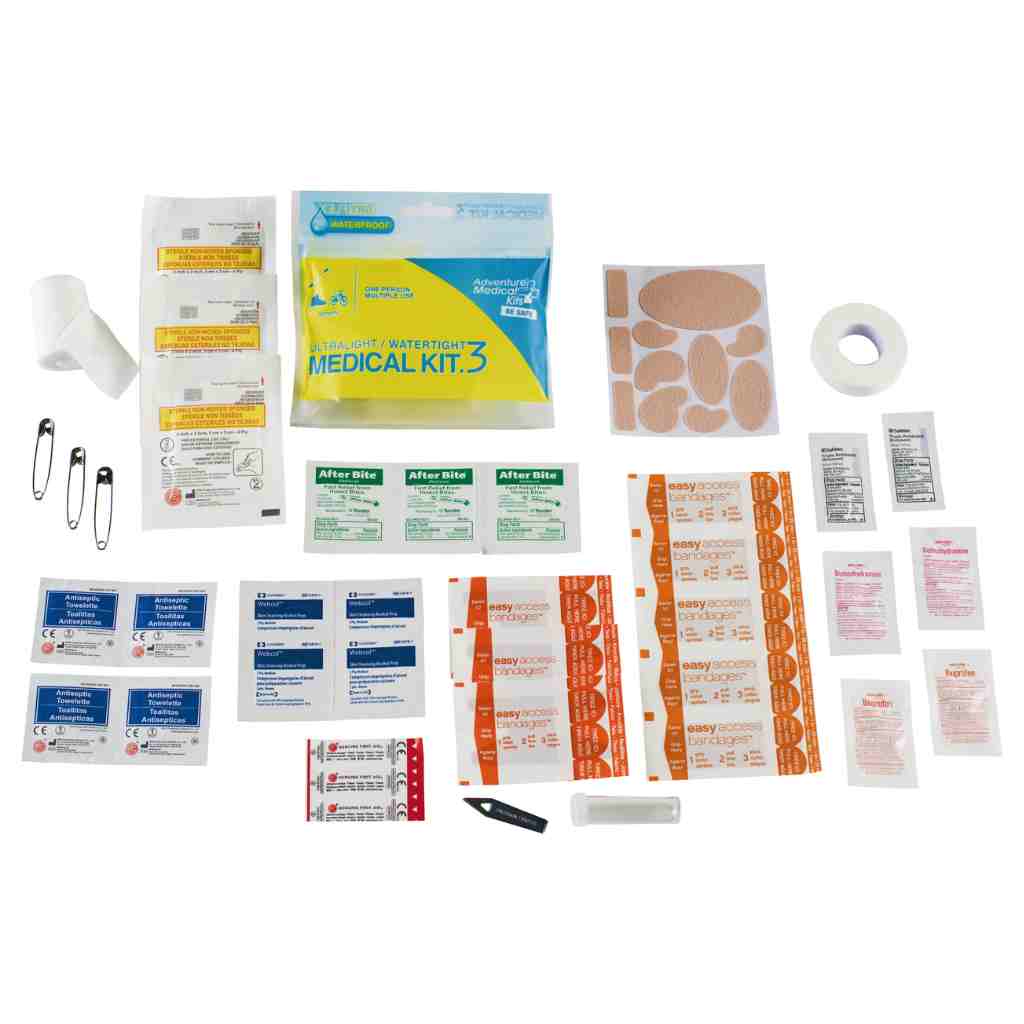
- Wound care: Adhesive bandages, sterile gauze, tape, wound-closure strips, and a small amount of antibiotic ointment cover the cuts and scrapes that come with camp chores, rocky trails, and sharp gear.
- Foot care: Blister treatment matters more than many hikers expect. Tape, moleskin, or a hydrocolloid dressing can save a trip faster than another handful of bandages.
- Medications: Ibuprofen helps with pain and inflammation. An antihistamine is useful for allergic reactions and insect issues. Sting relief is reasonable on trips where bugs are part of the day, including After Bite products.
- Small tools: Tweezers, a few safety pins, and a compact way to cut tape or trim moleskin solve a lot of low-level problems before they become bigger ones.
REI's first aid checklist also highlights pieces that pull their weight in a small kit, including a roll of medical tape, nonstick sterile pads, butterfly wound-closure strips, and ibuprofen. Those are high-use items. They deserve priority over bulky extras that rarely leave the pouch.
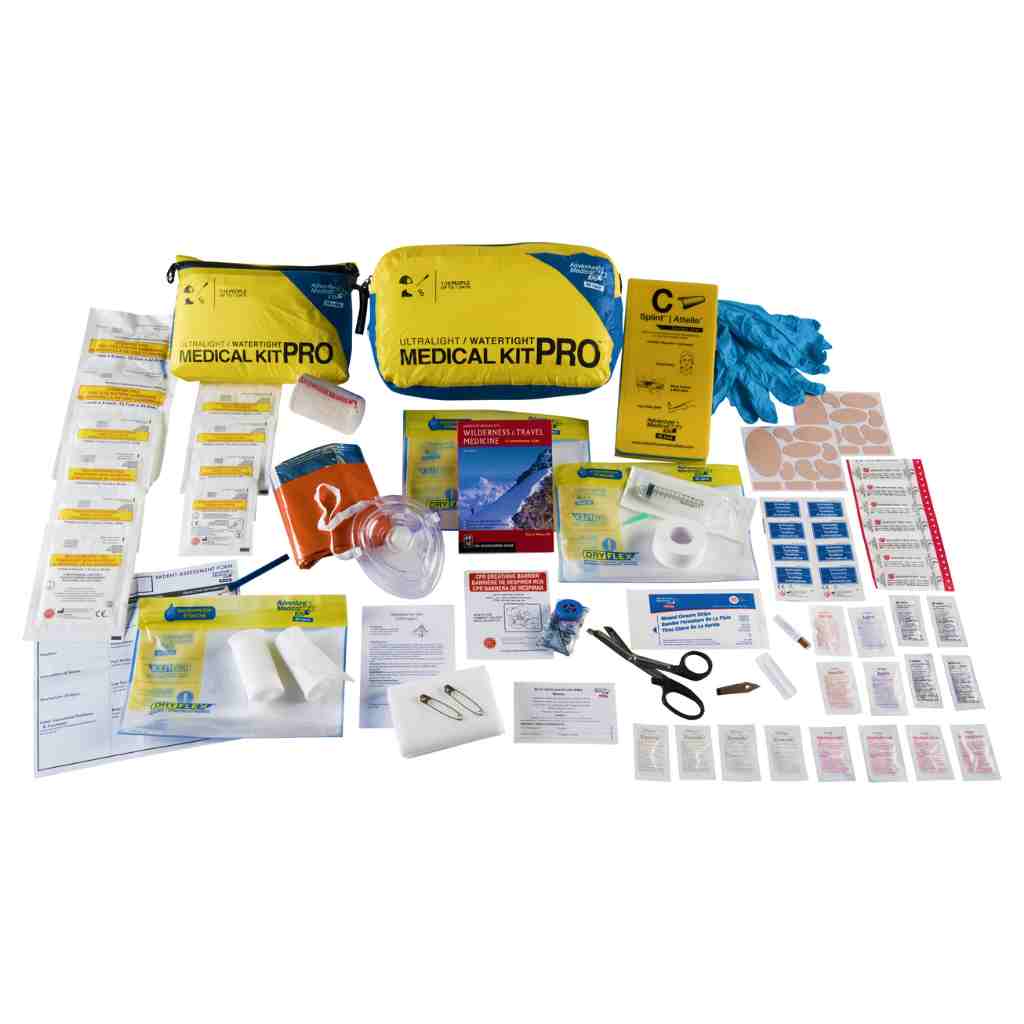
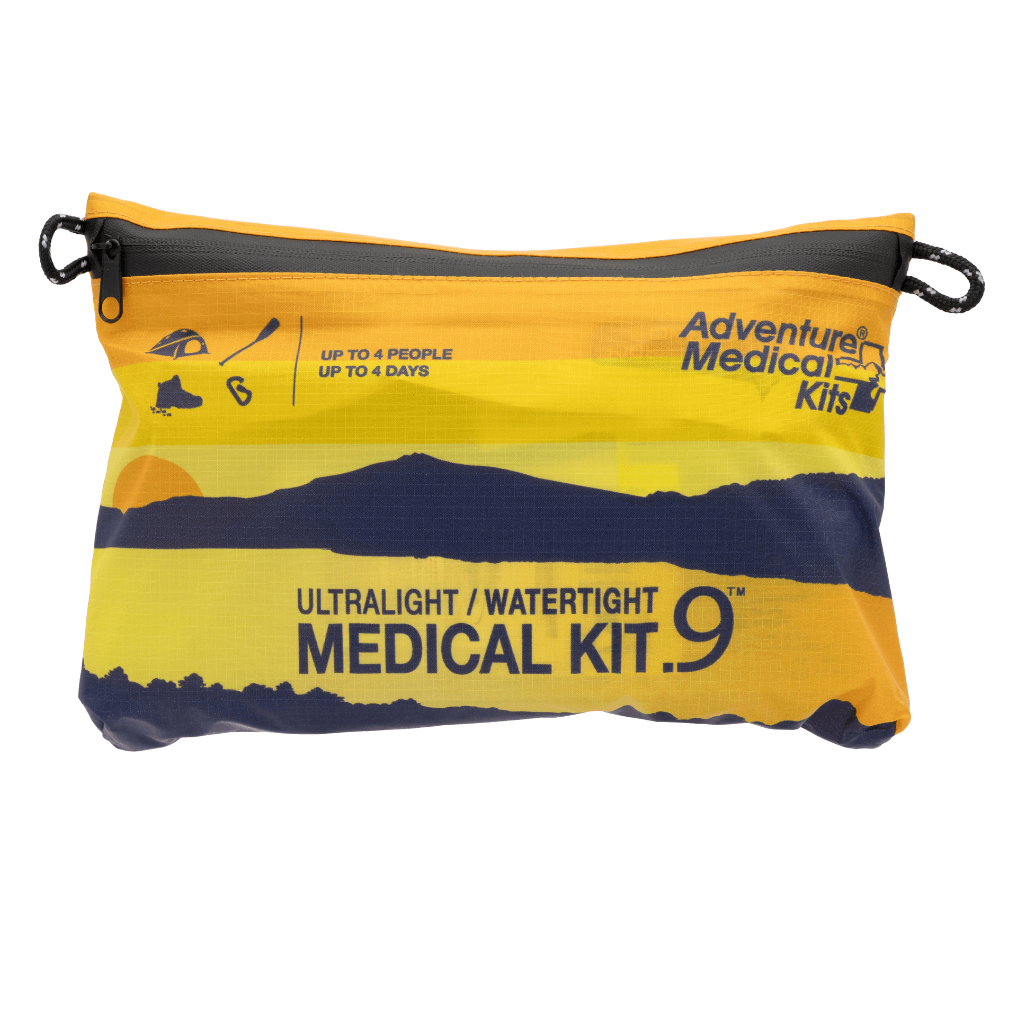
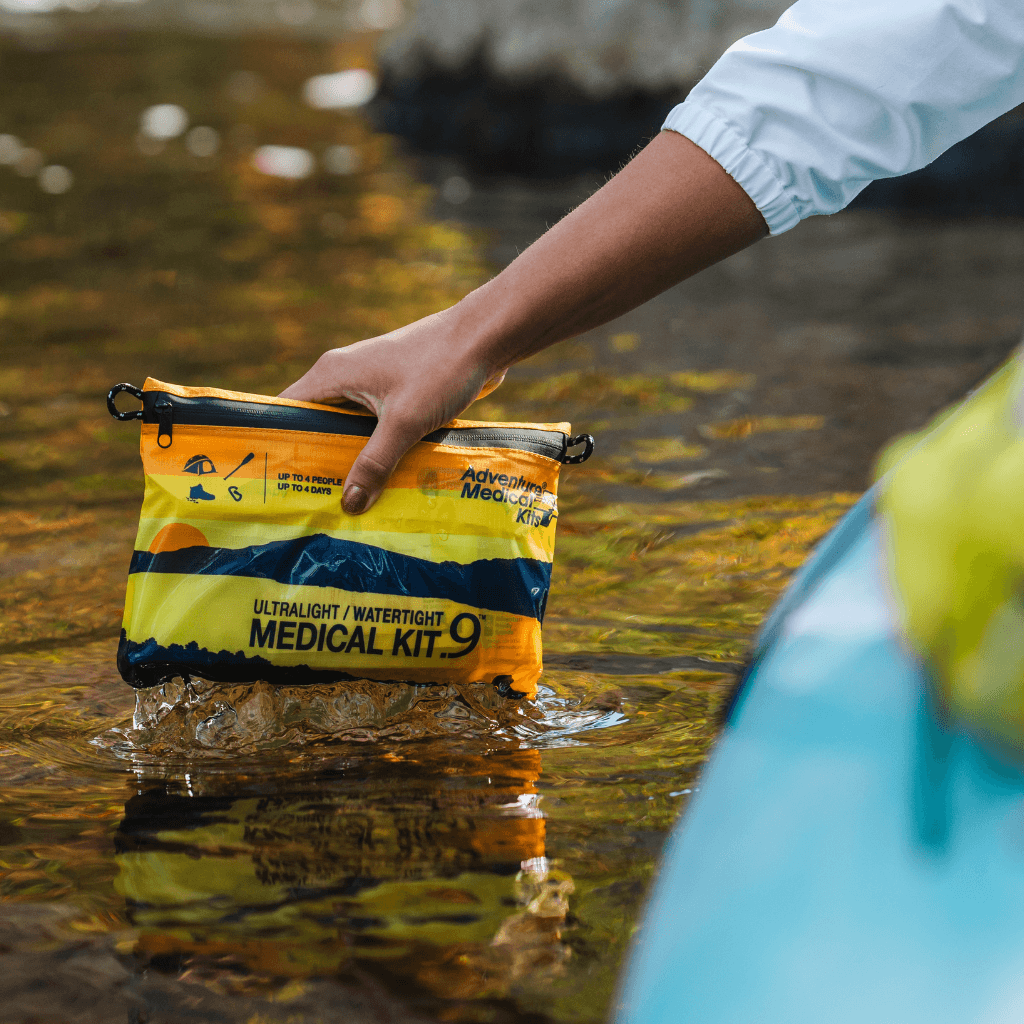
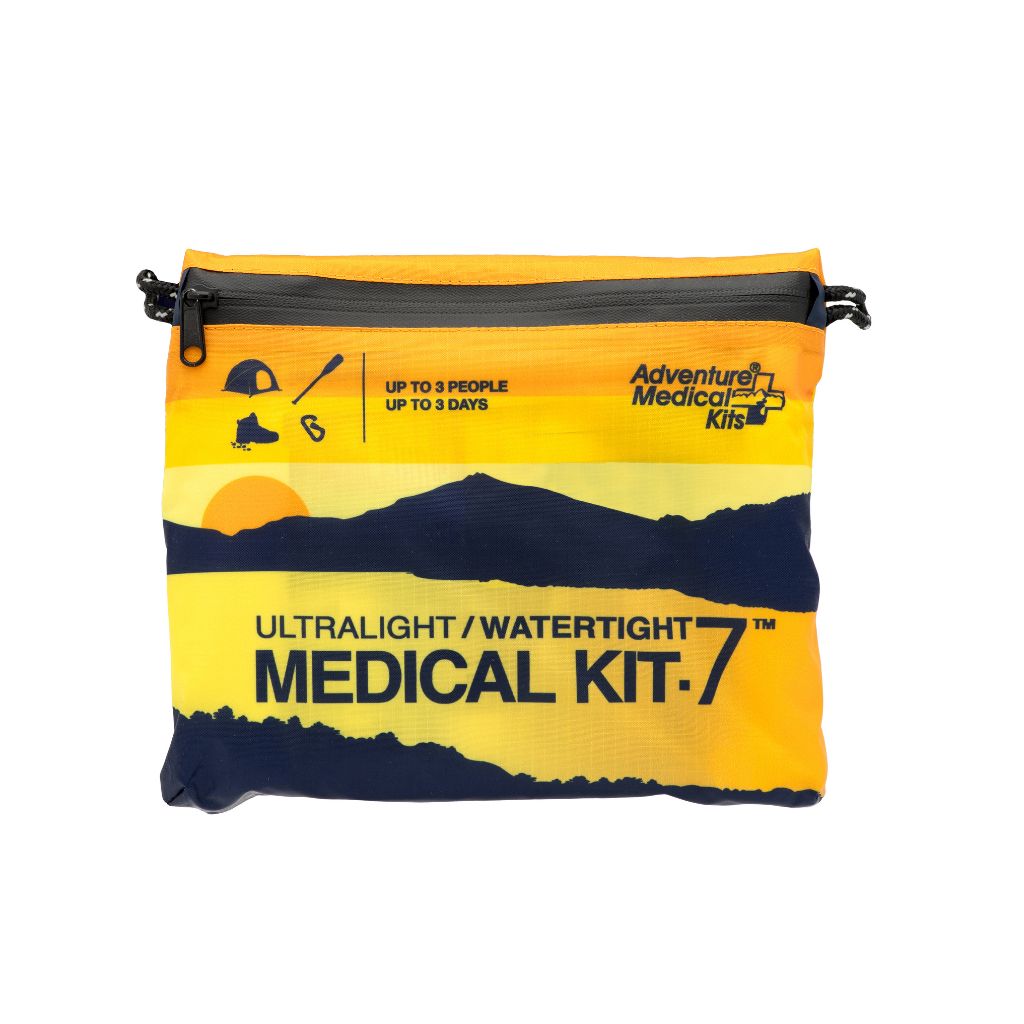
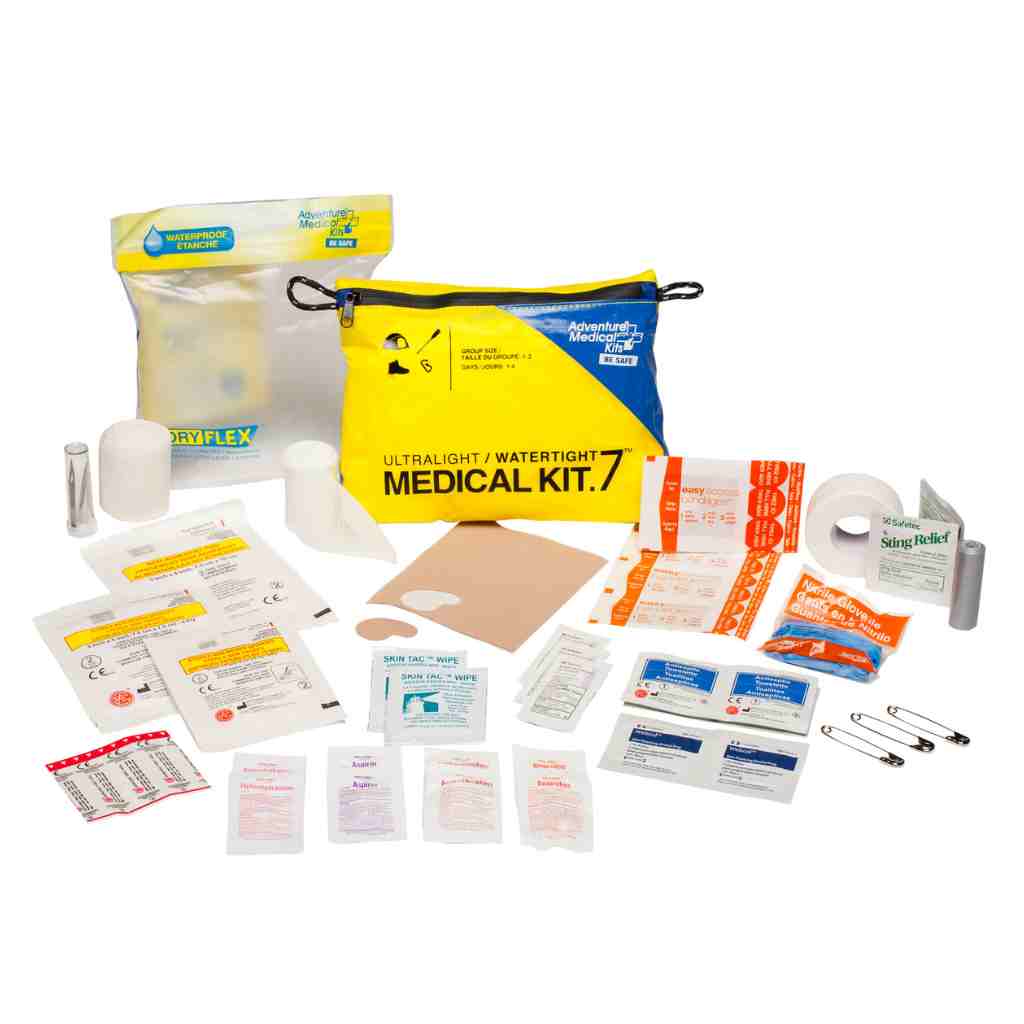
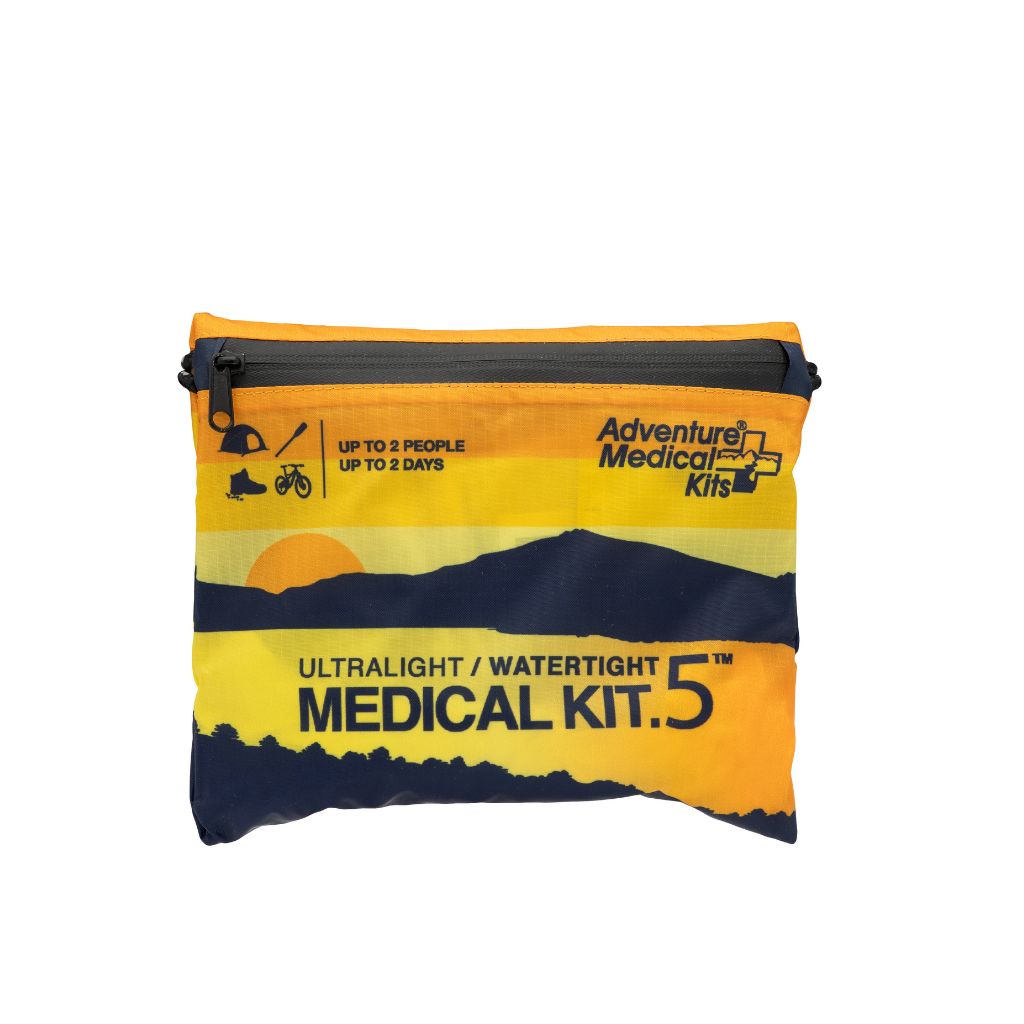
This video highlights the Adventure Medical Kits Ultralight Watertight series and how it fits into a lightweight backcountry setup:
Keep the kit small without making it flimsy
The easiest weight savings usually come from packaging. Bag a few doses of medication in clearly labeled mini bags. Flatten ointment packets. Wrap tape around a card, trekking pole section, or lighter. Keep the system dry, visible, and fast to use with cold hands.
A stripped-down kit still needs enough structure to work under stress. Gloves are easy to dismiss until someone else is bleeding. Irrigation matters more than many hikers realize when dirt is ground into a knee or palm. The smartest ultralight kits cut duplication first, then excess packaging, and only then reduce function.
Prevention belongs in the same conversation. Clean water often matters as much as bandaging because vomiting, diarrhea, and dehydration can end a trip just as fast as a bad blister, so carrying reliable outdoor water filtration makes sense alongside a compact medical kit.
The smallest items are often the ones people miss. Backup blister care, a few extra meds, and enough tape for repeated use can matter more than a fancy pouch, which is why this closer look at the little things people forget in a first aid kit is worth a read.
Build vs Buy Choosing Your Perfect Kit
A first aid kit fails in two common ways. It is missing something you need, or it is packed with extras that add weight without adding much capability. The best choice comes down to how well you can match the kit to the trip.

What DIY does well
Building your own kit gives you precise control over weight, contents, and packaging. That matters on trips where the risks are obvious and specific, such as repeated blister problems, a known allergy, desert travel, or a route with a long delay to help.
It also forces you to know your gear. Under stress, that familiarity counts. You should know which packet holds meds, what tape you packed, and whether your bandage setup can handle more than a scraped knuckle.
The downside is predictable. DIY kits often reflect what the builder already owns, not what the trip is likely to demand. This shows up often with newer backpackers. They trim aggressively, then realize too late they cut the items that make a small kit functional, such as enough wrap for support, enough dressing material for a larger wound, or enough medication for a trip that runs long.
What pre-made kits do better
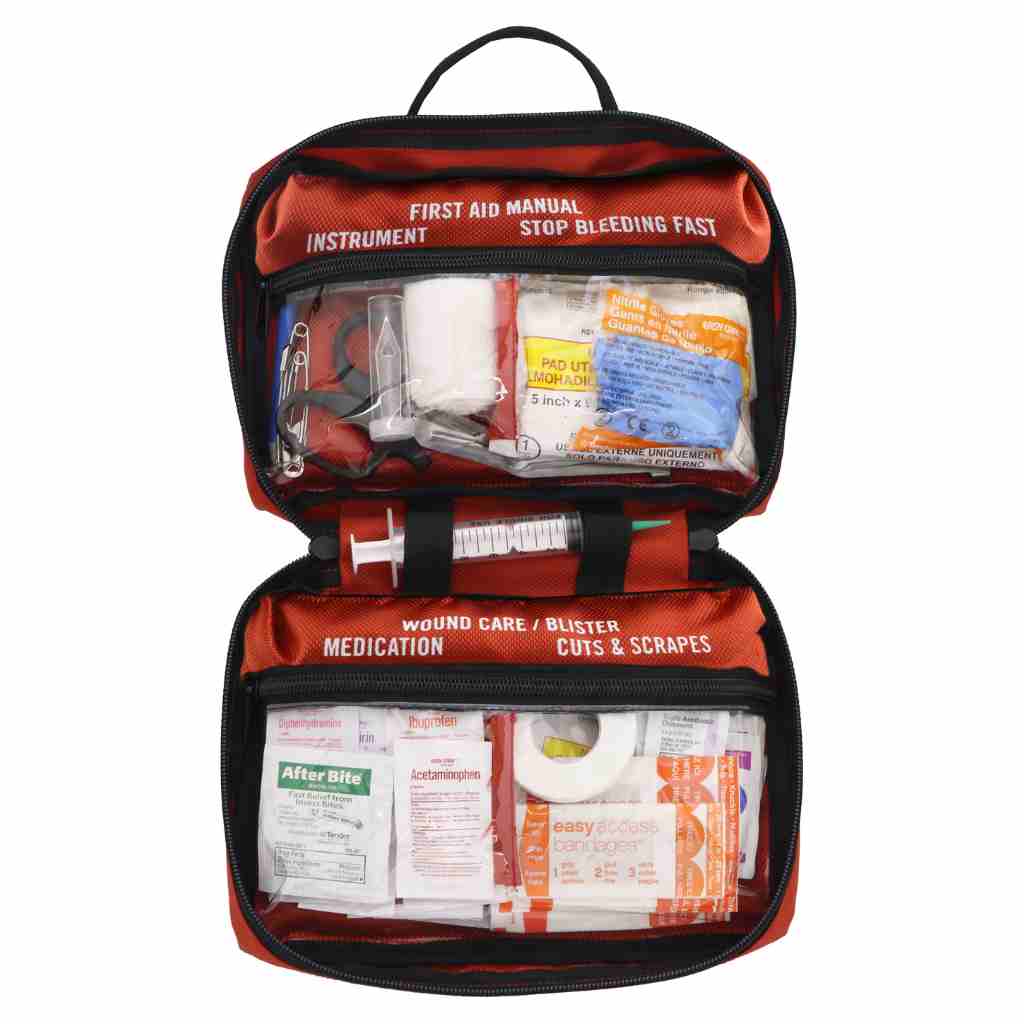
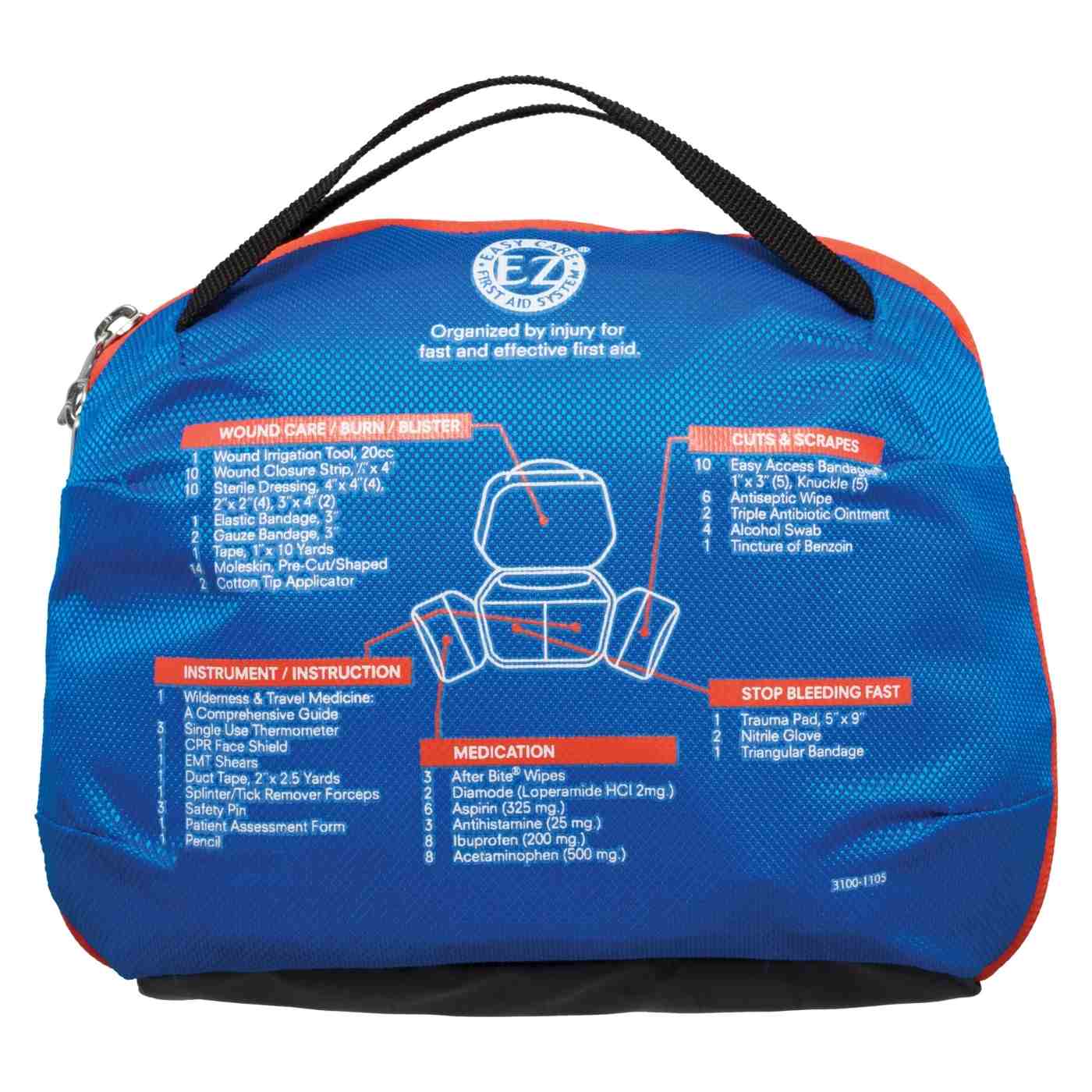
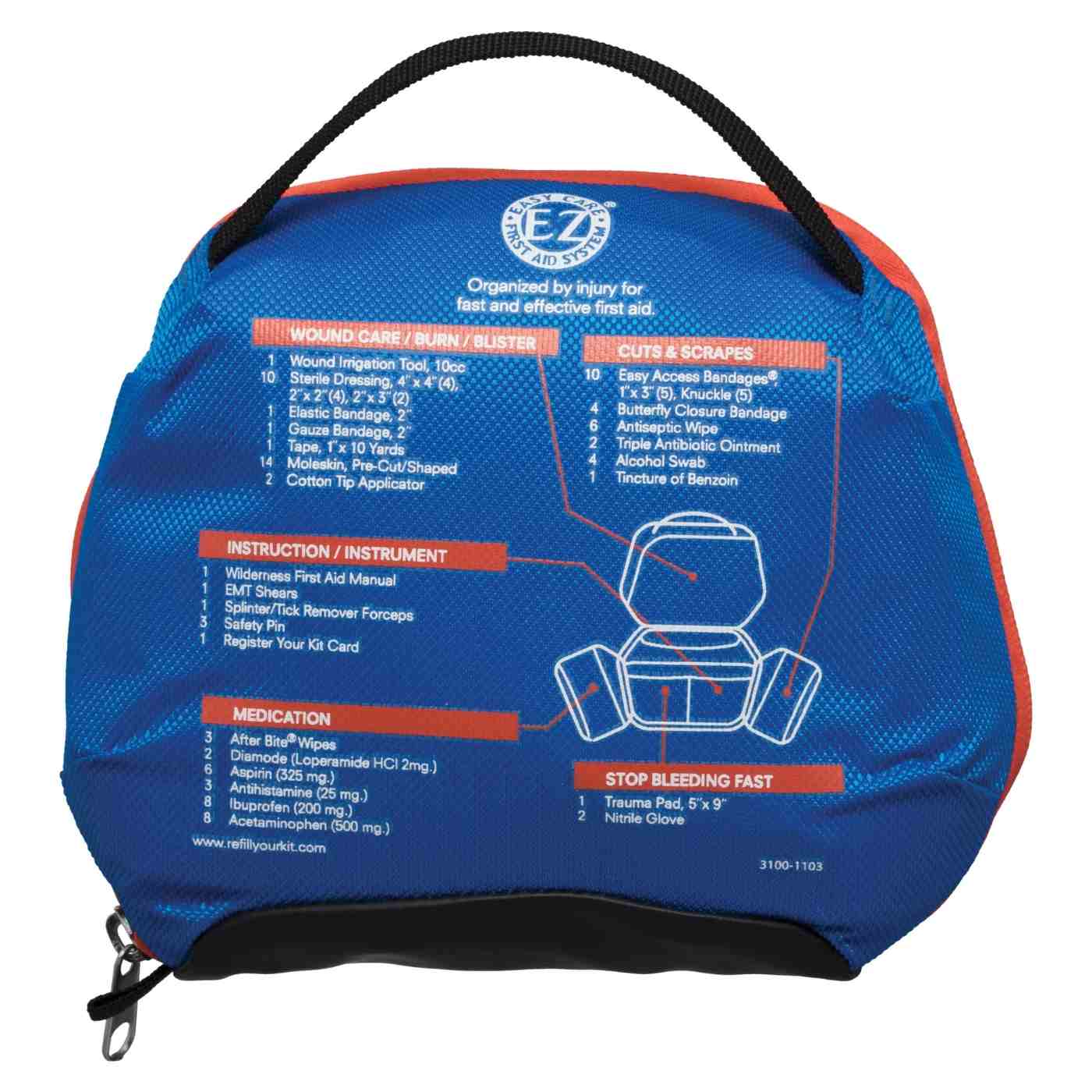
Pre-made kits usually start with better organization. Contents are labeled, packed to stay dry, and arranged in a way that makes sense when your hands are cold or the light is bad. That structure is hard to build well from random household supplies.
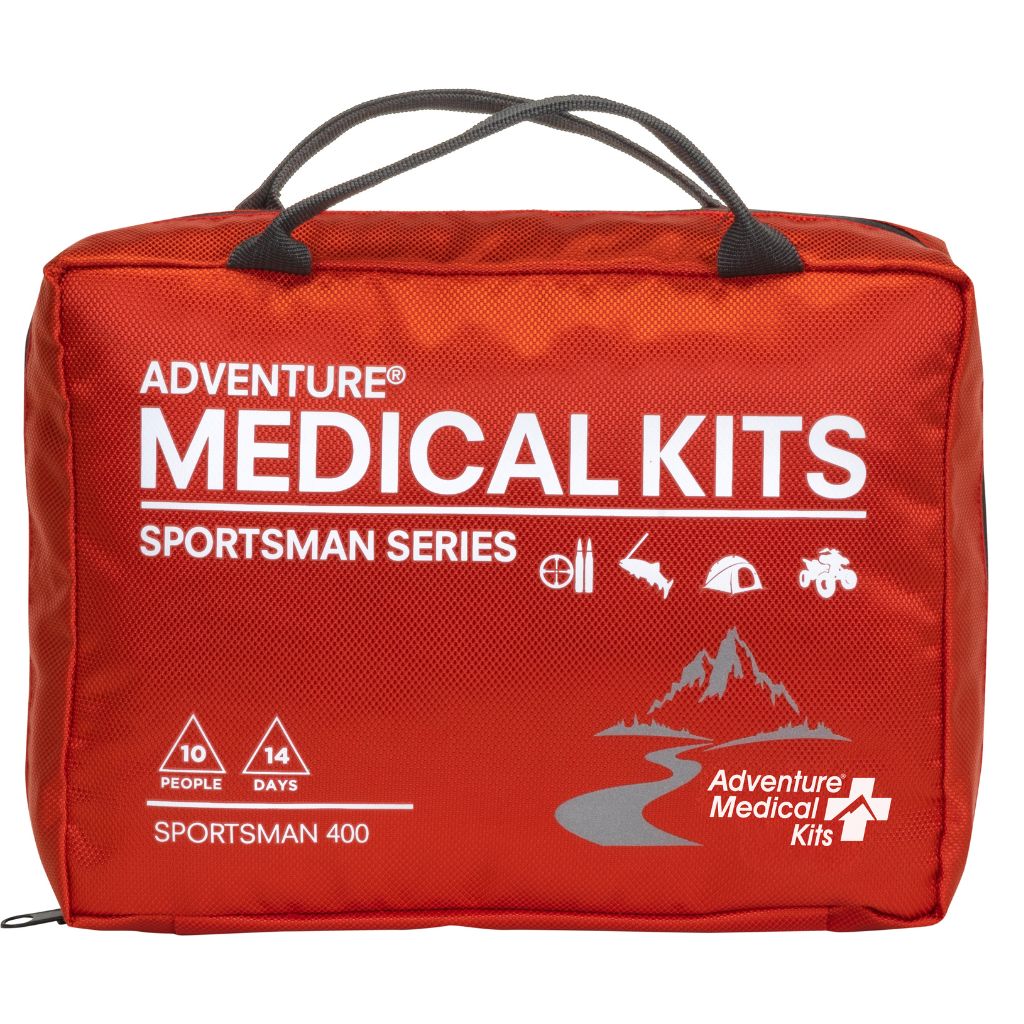
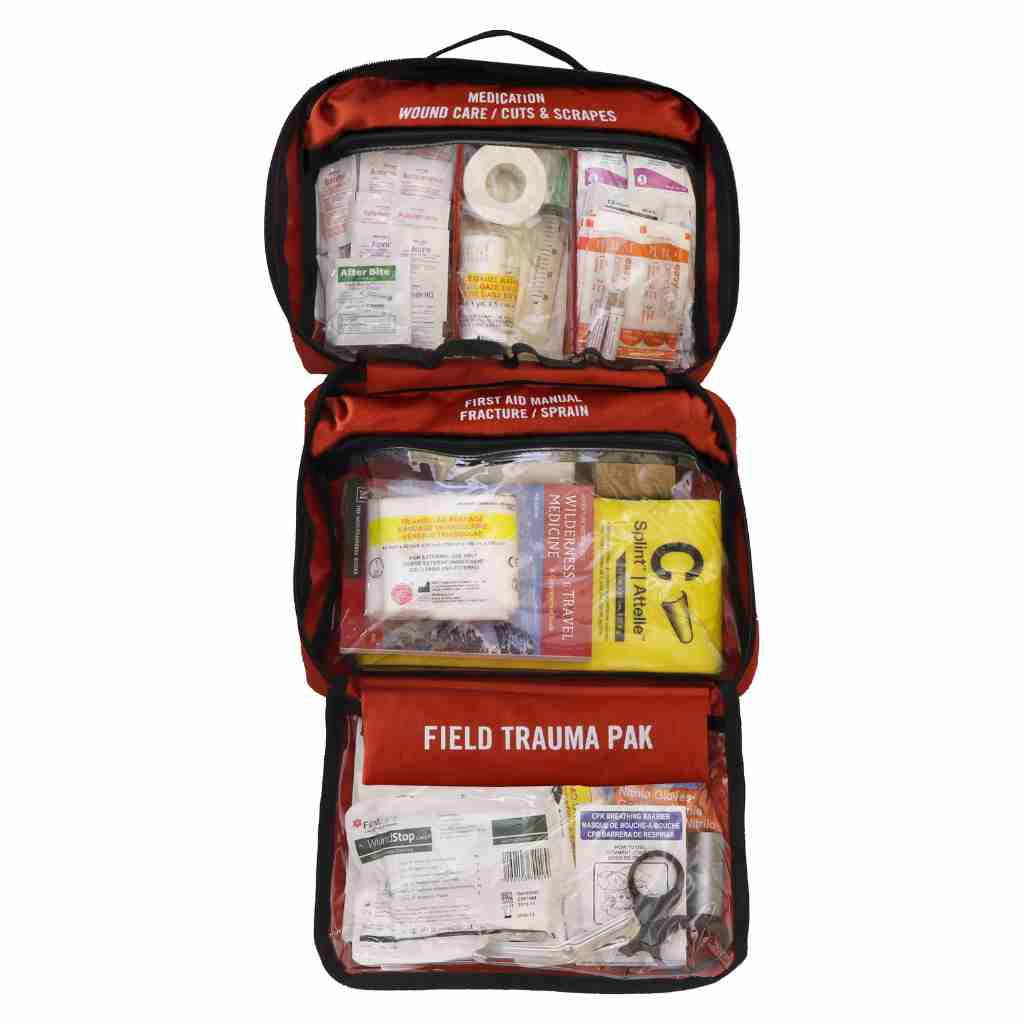
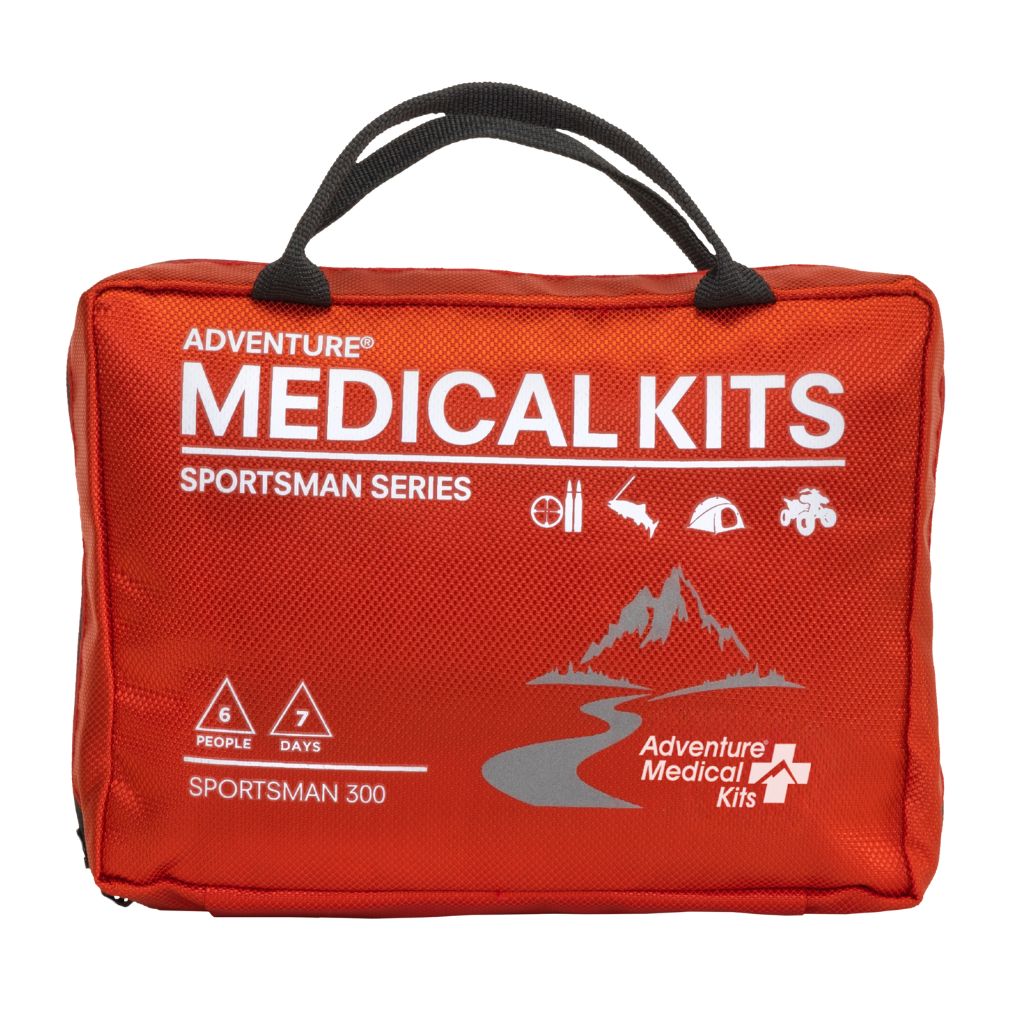
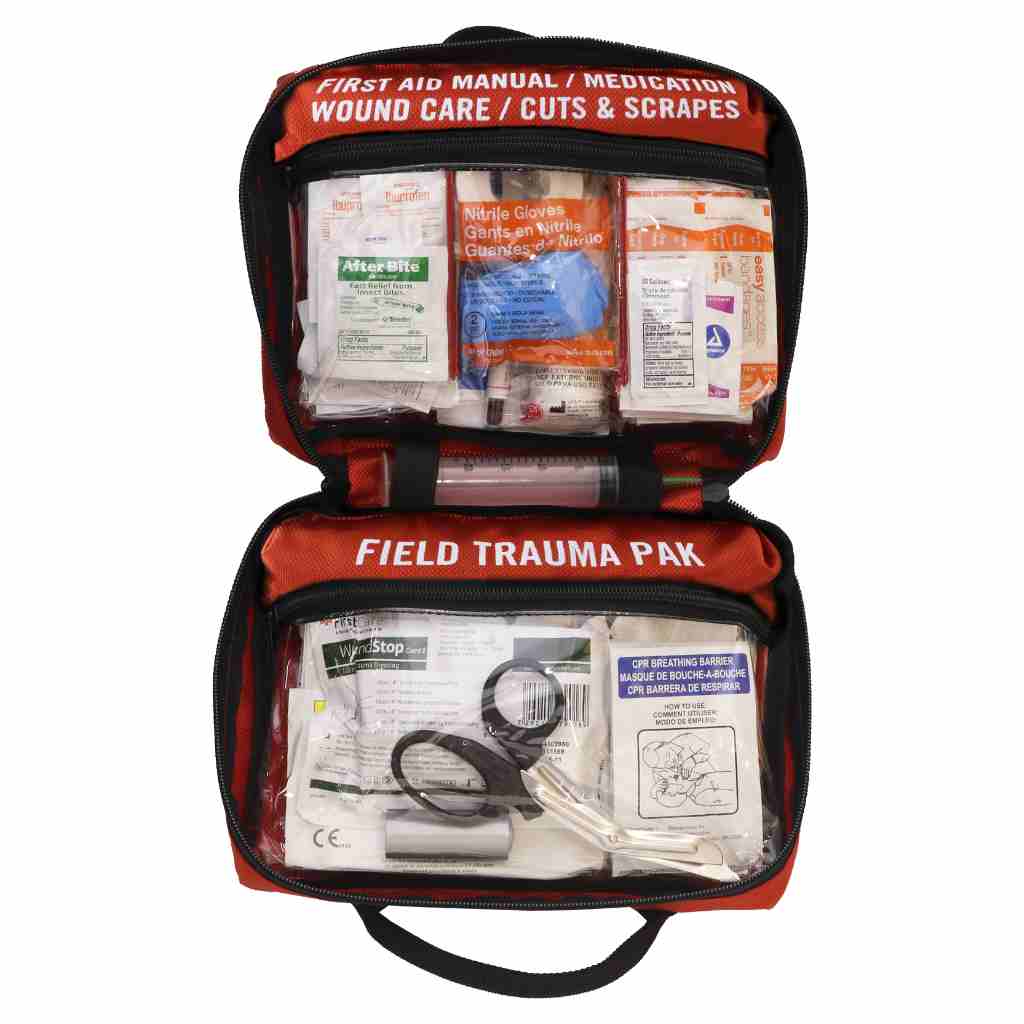
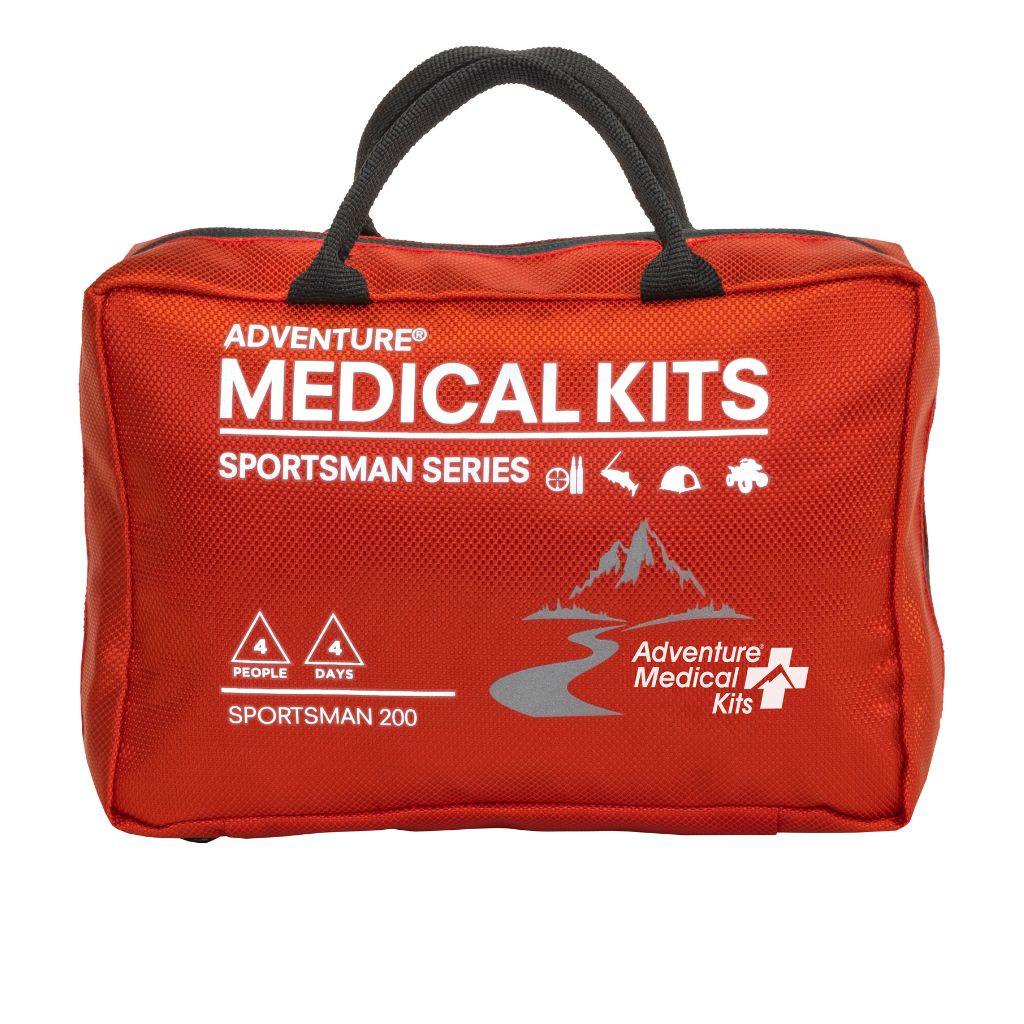
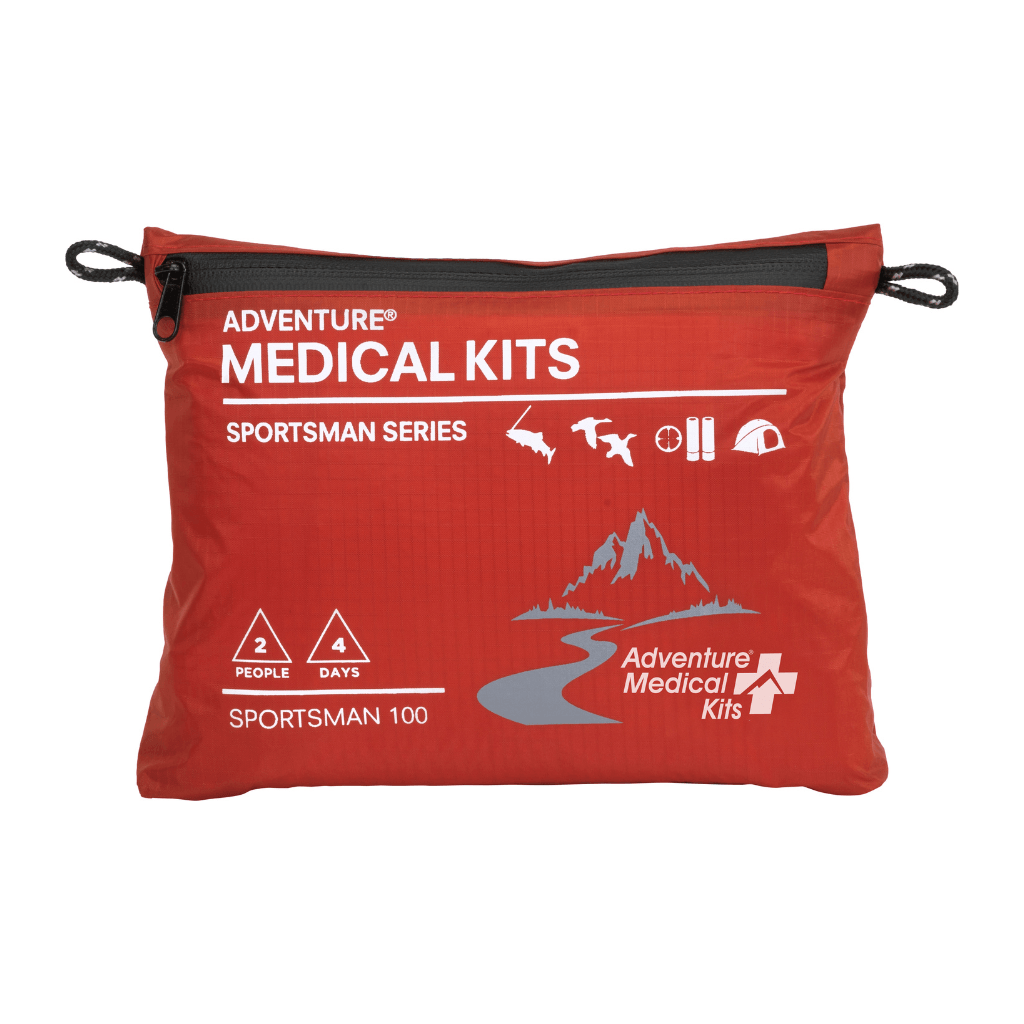
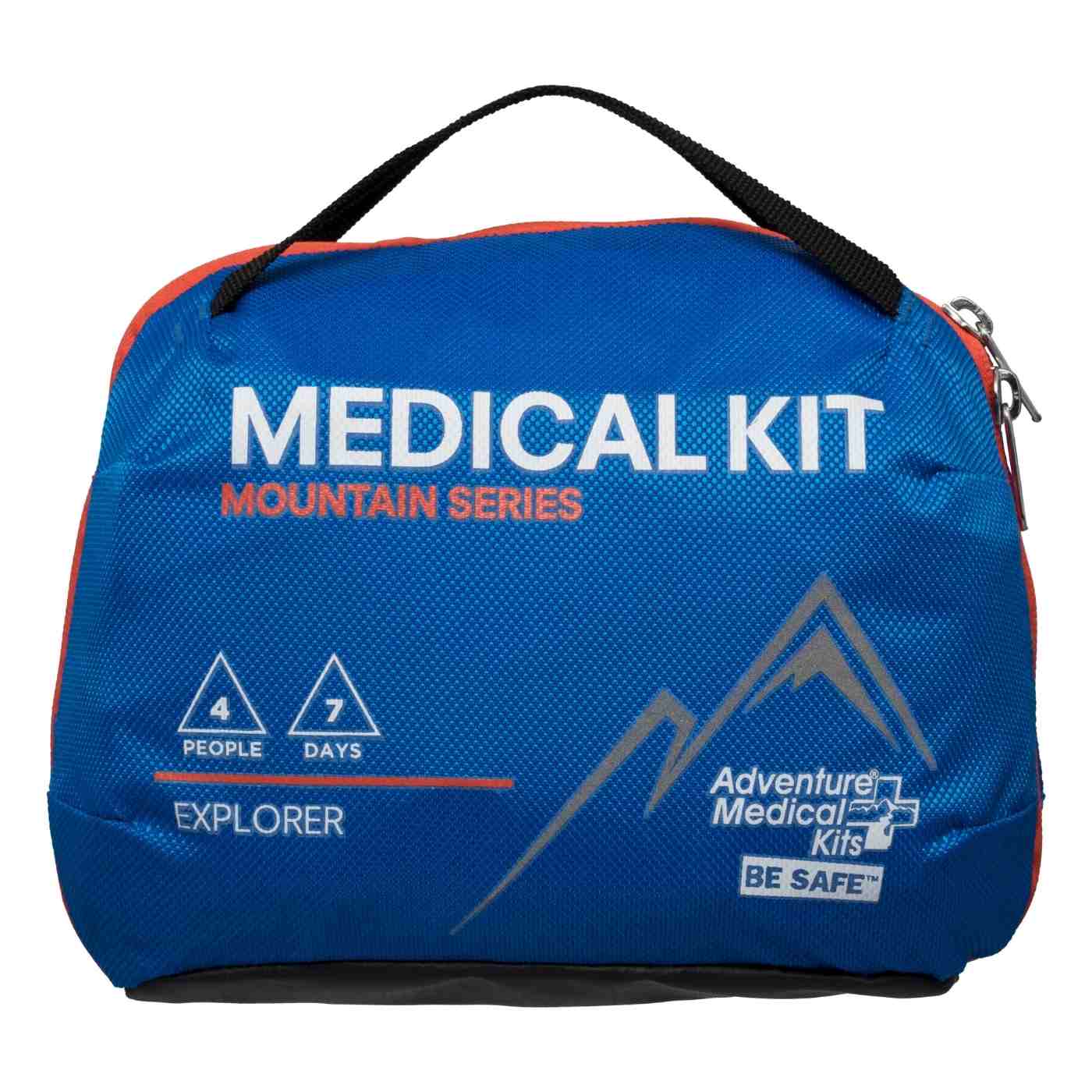
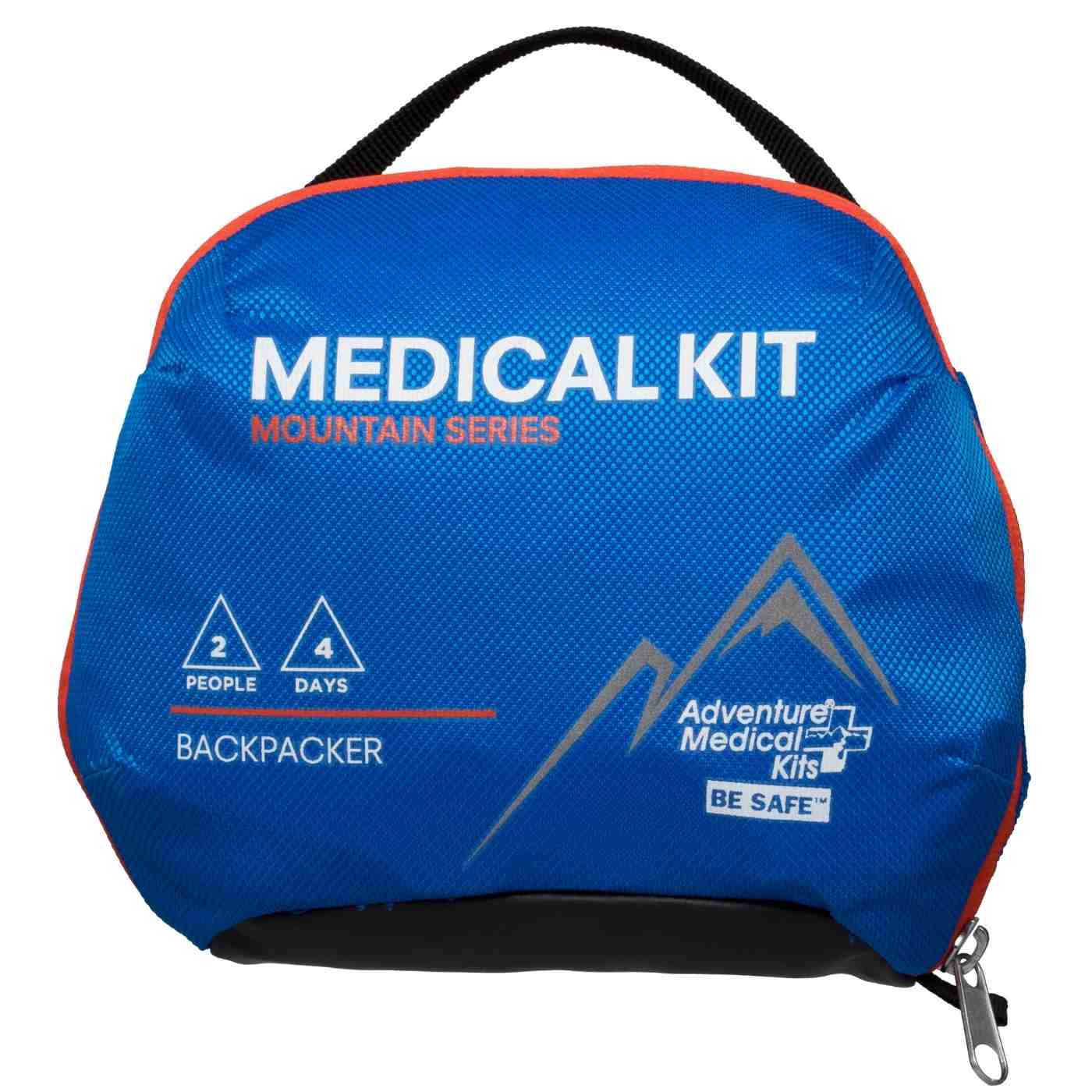
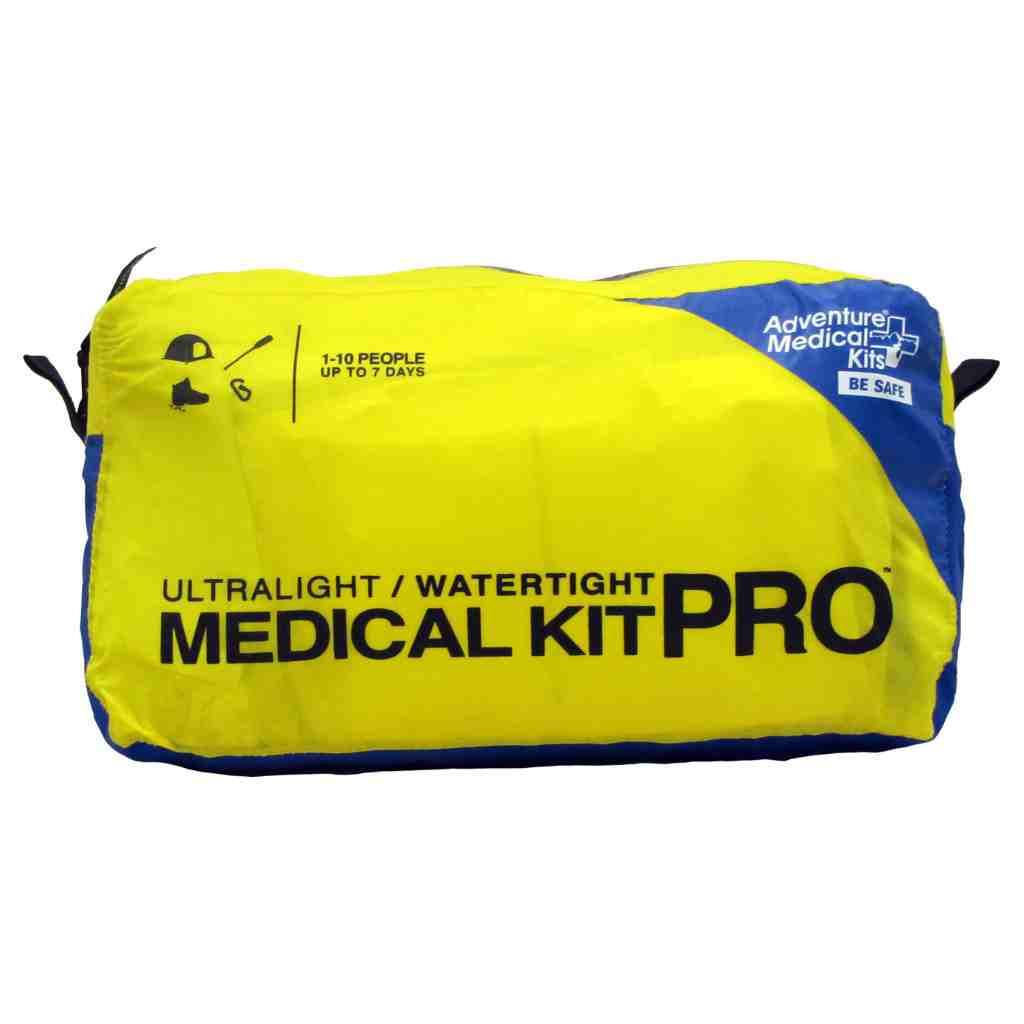
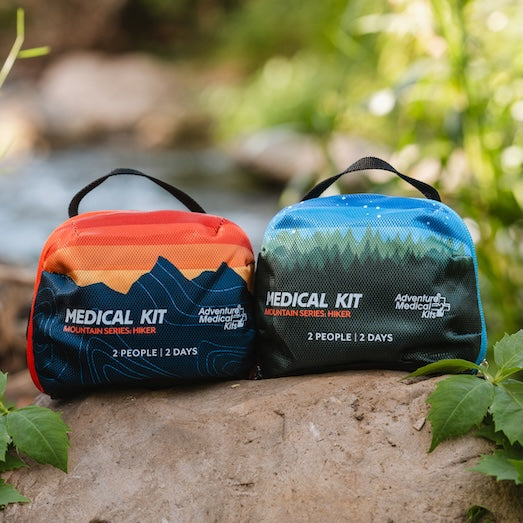
A compact commercial kit also gives you a reliable baseline. The Ultralight Watertight medical kits for backpacking are a good example of that approach. They provide a clean starting point, then you can strip out dead weight and add what your trip or medical history calls for.
The trade-off is that pre-made kits are built for a general user. Your trip is not general. A stock kit may include items you never use and omit things you rely on every time, such as a preferred blister treatment, prescription medication, or extra irrigation capacity.
Buy a kit for structure. Modify it for reality.
Why the hybrid method works
For many backpackers, the most practical answer is to start with a pre-made kit and then personalize it. That keeps the packaging and organization that save time in the field, while cutting the one-size-fits-all parts that add bulk.
This is the risk-based approach in action. Use a commercial kit if you want a solid foundation. Build from scratch if you already know exactly what belongs in your pouch and why. In both cases, judge the final kit by function, not by whether it came from a store or your gear room.
A light kit earns its place when every item has a job, and the whole system matches the trip you are taking.
Advanced Customization and Modular Packing
A good modular kit solves a field problem. At 11,000 feet, in wind, with numb hands, digging through one overstuffed pouch slows everything down. Split the kit by role, and the item you need is where you expect it to be.
The goal is not to carry more. It is to carry the right items in a form you can use fast. Keep one core kit on every trip, then add small modules only when the route, group, or consequences justify them.
Pack by function, then by risk
A modular setup works well because it mirrors how backcountry problems show up. Blisters, minor cuts, and routine meds come up often. Severe bleeding or a dental problem comes up rarely, but the consequences are more serious, so those items belong in a separate pouch you add on purpose.
| Module | What goes in it | When it makes sense |
|---|---|---|
| Core trail kit | Wound care, blister care, meds, small tools | Every backpacking trip |
| Medication module | Personal prescriptions, allergy-specific meds, trip-specific additions | Known medical needs |
| Trauma module | Supplies for severe bleeding or higher-consequence injury | Remote travel, guides, hunting, technical terrain |
| Comfort and recovery module | Extra foot care, anti-itch, diarrhea support | Long mileage, wet trips, bug-heavy trips |
Color-coding helps. So does labeling each pouch with plain language such as "bleeding," "meds," or "feet." I prefer small zip pouches or mini dry bags over one large organizer because they are easier to hand off to a partner and easier to repack after use.
Add modules only when the trip earns them
Trip style takes precedence over generic packing lists.
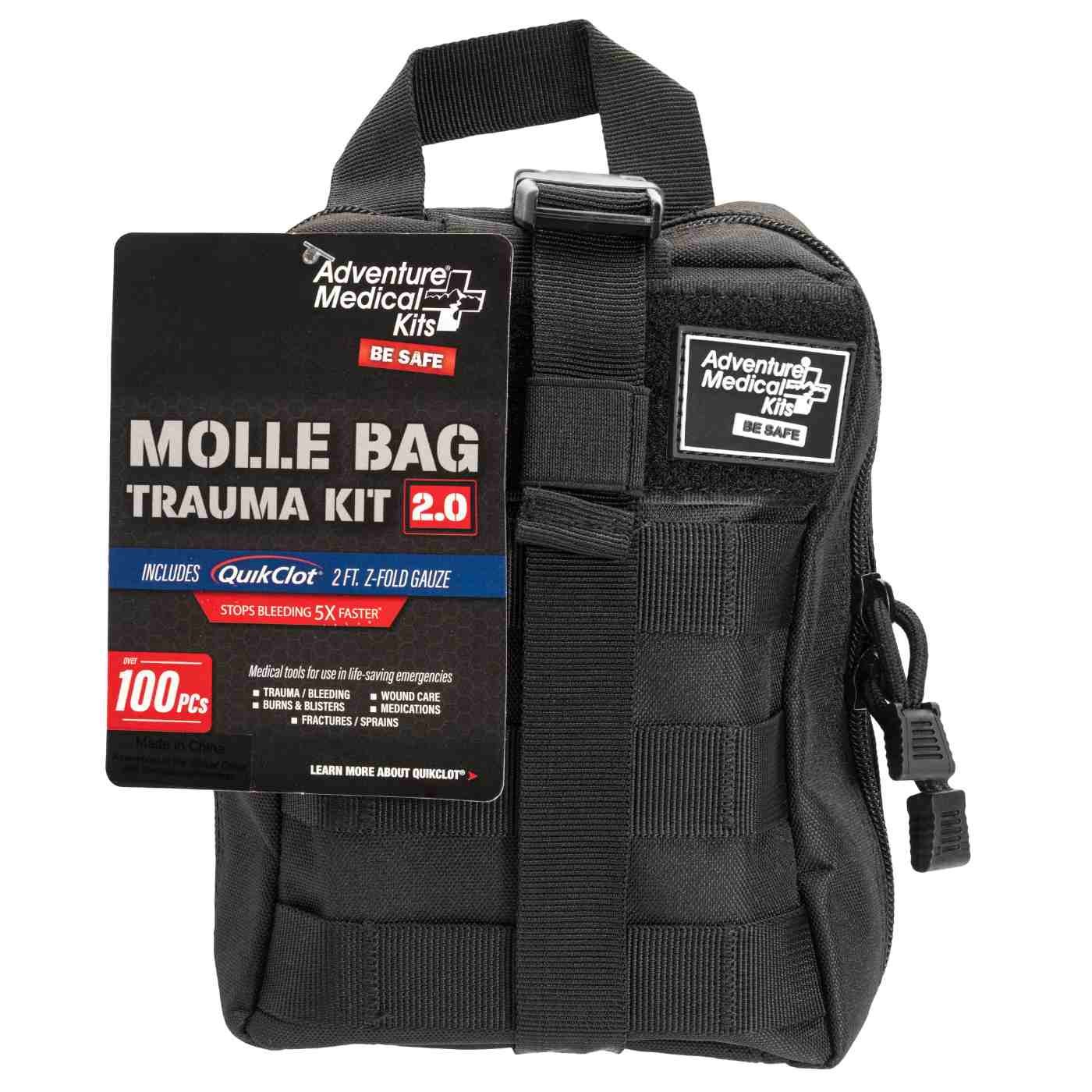
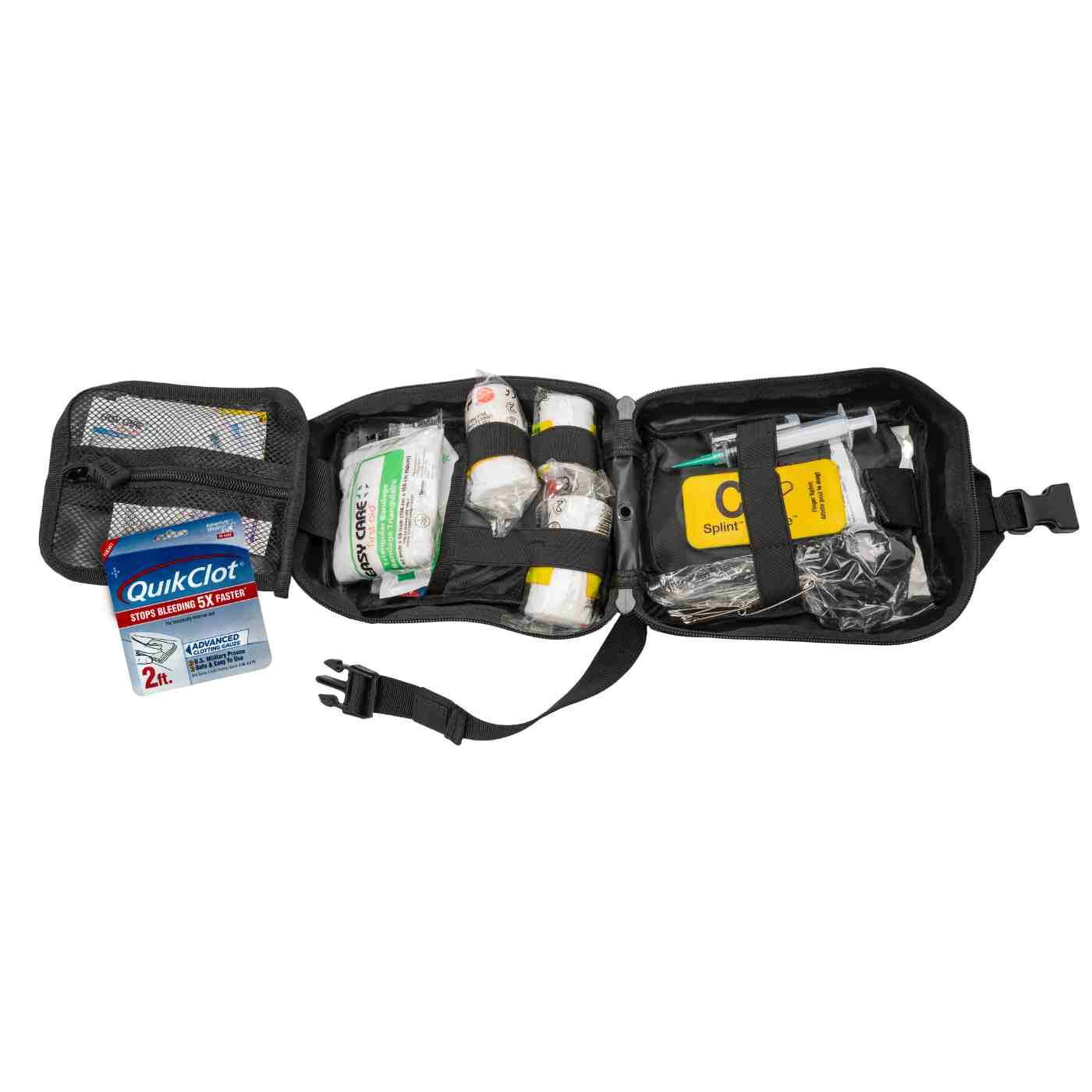
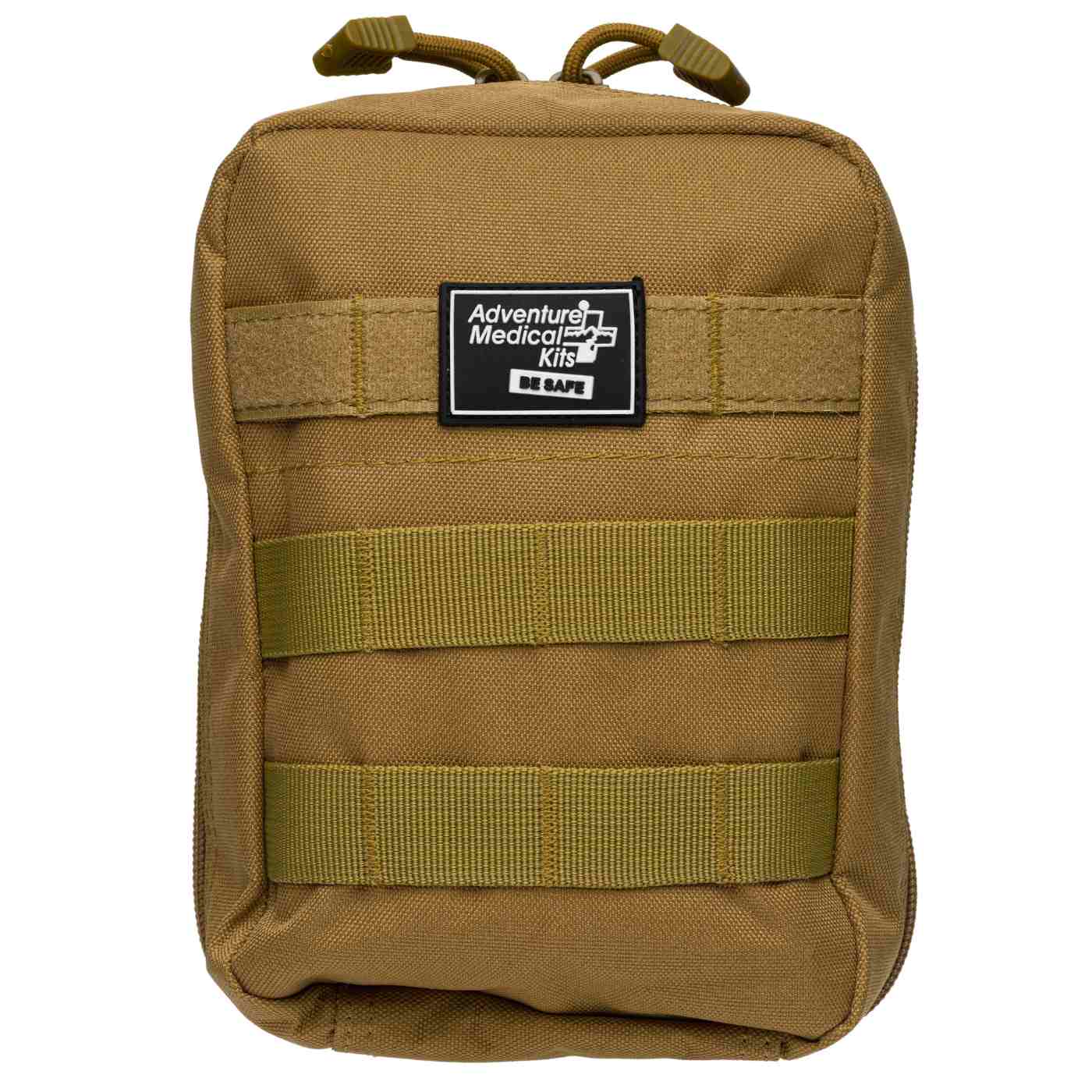
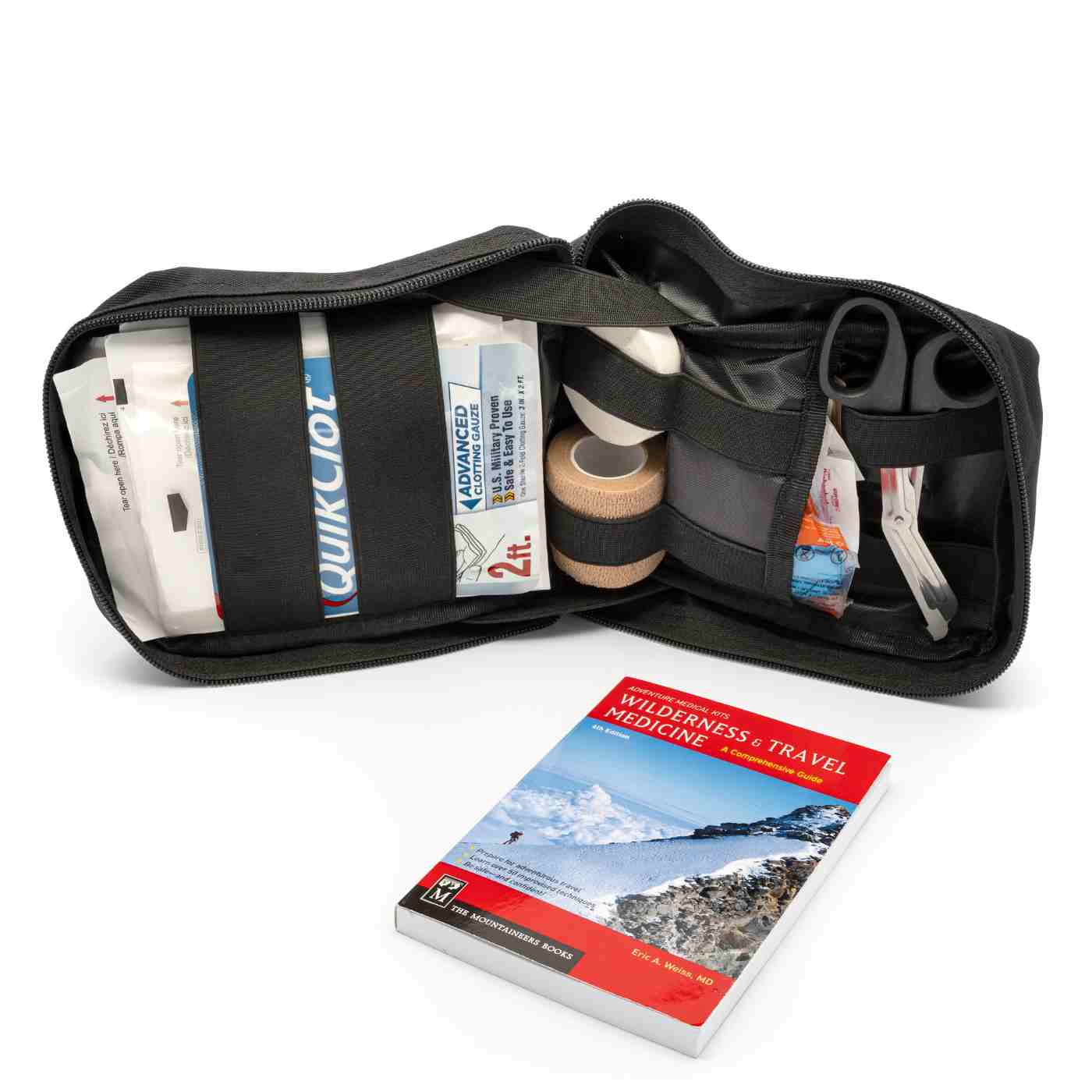
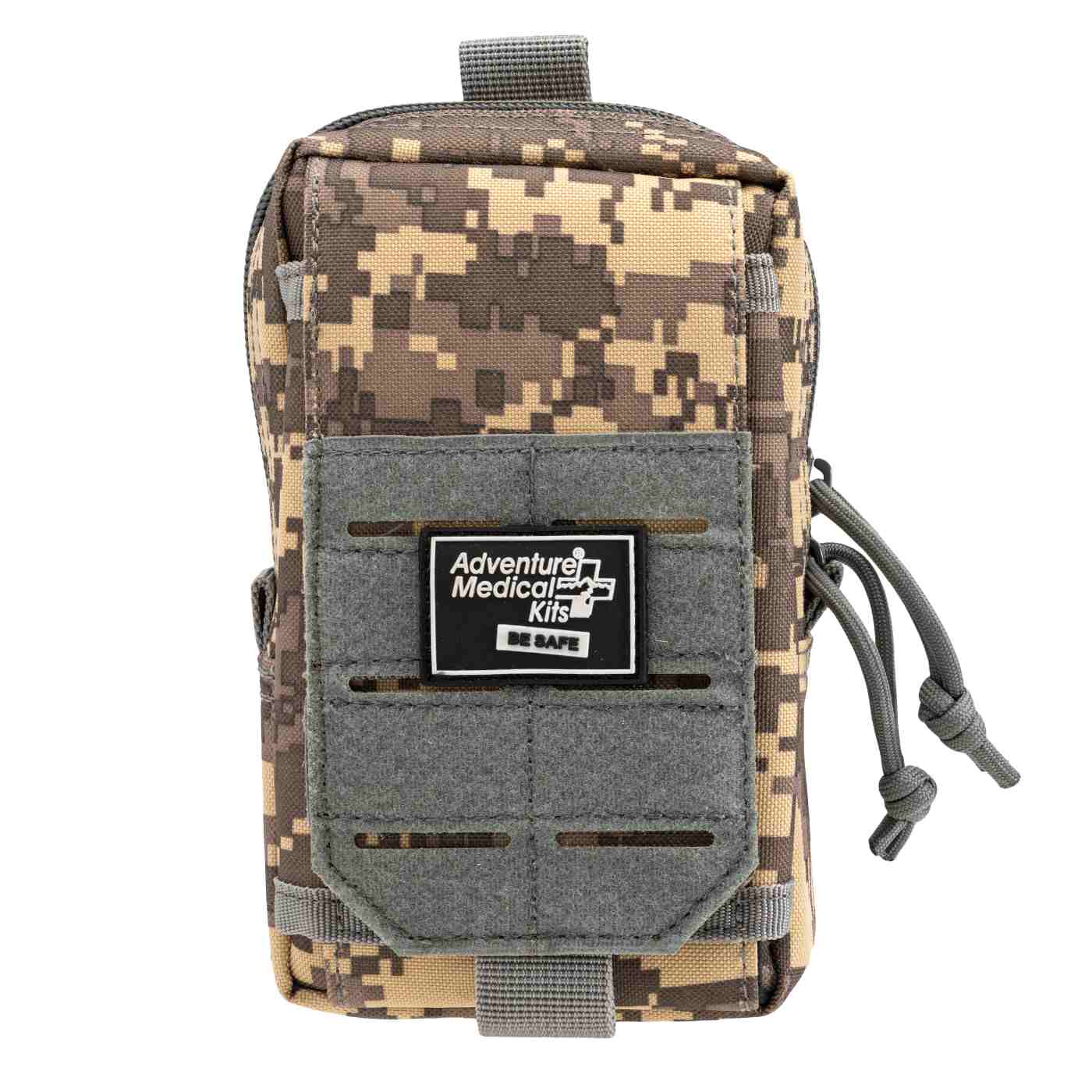
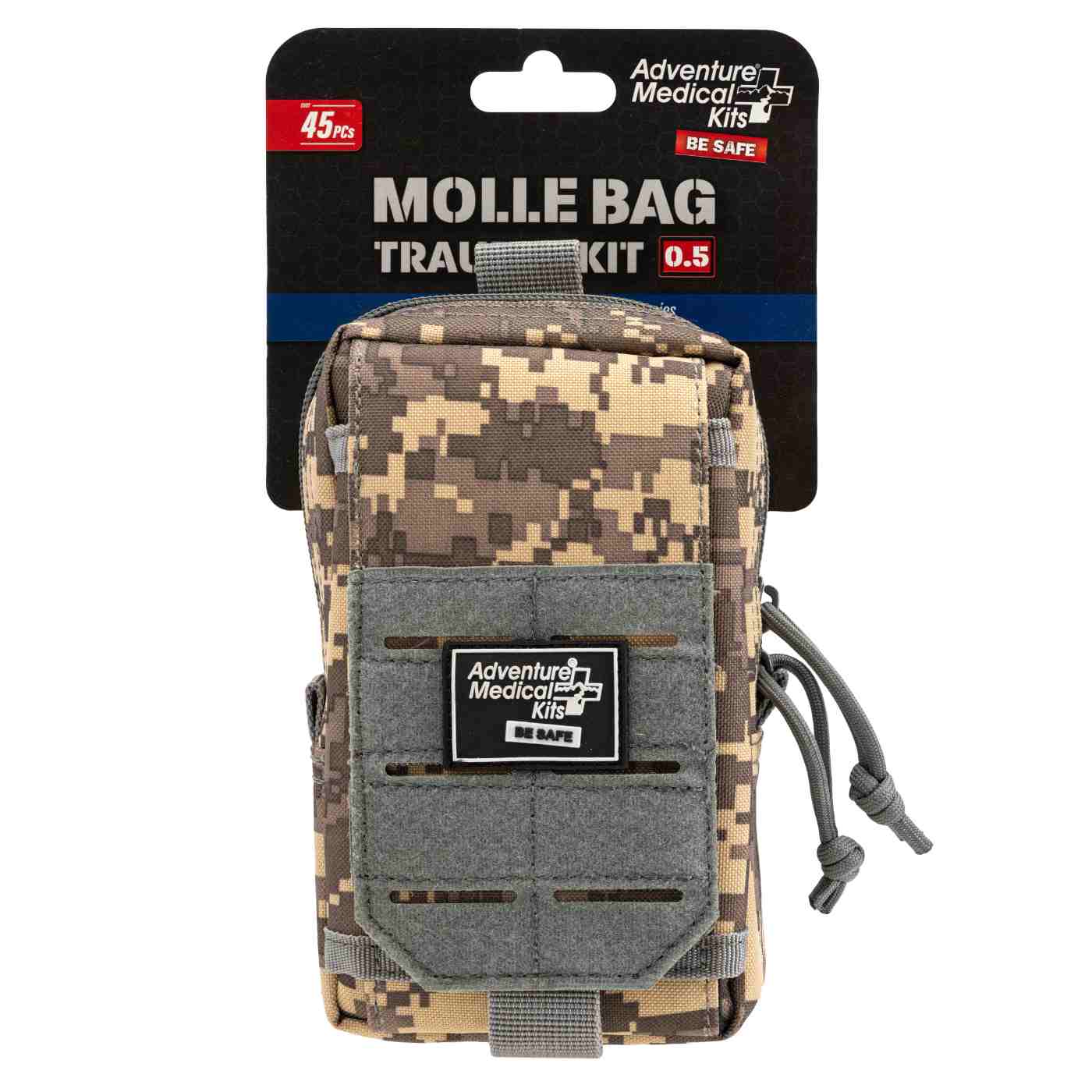
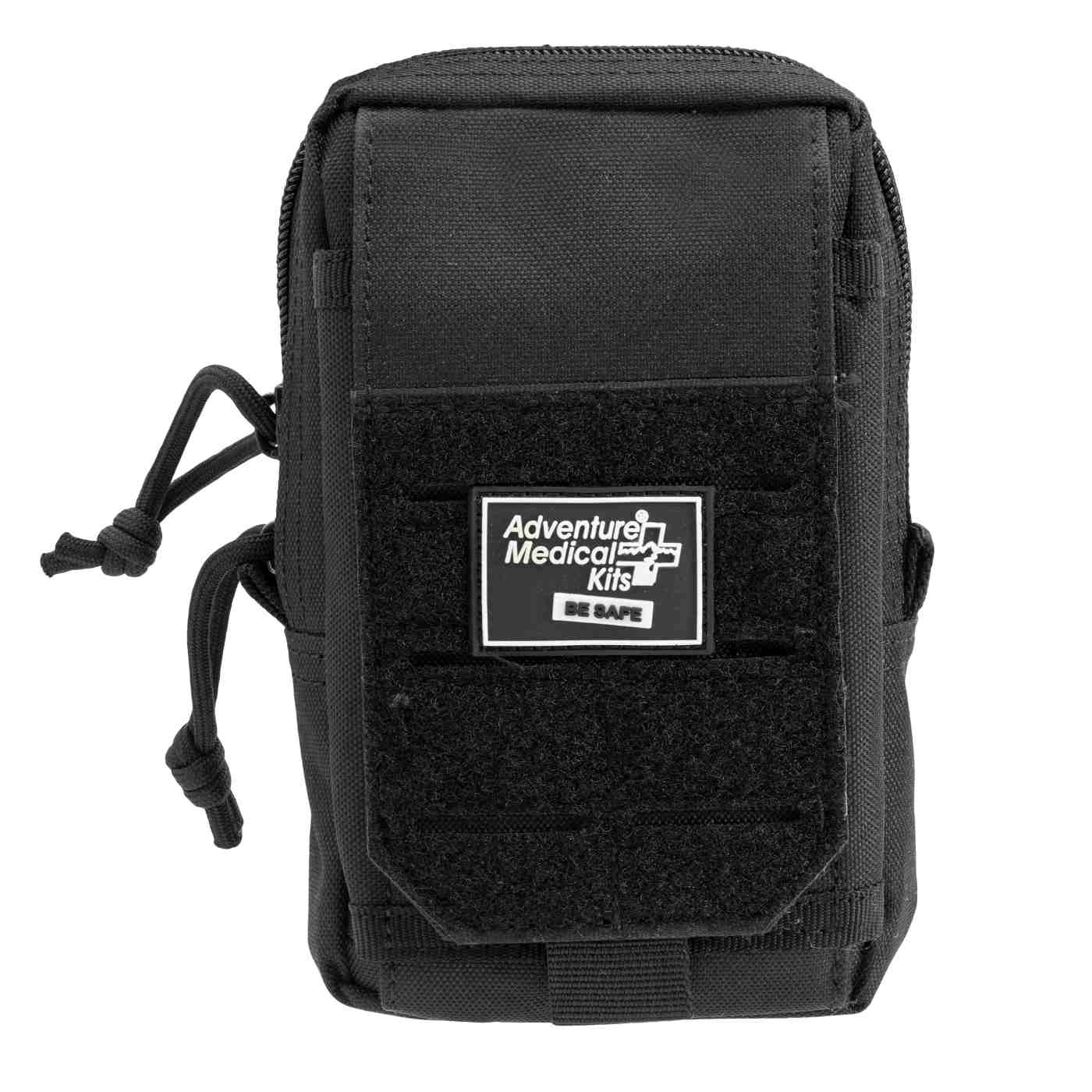
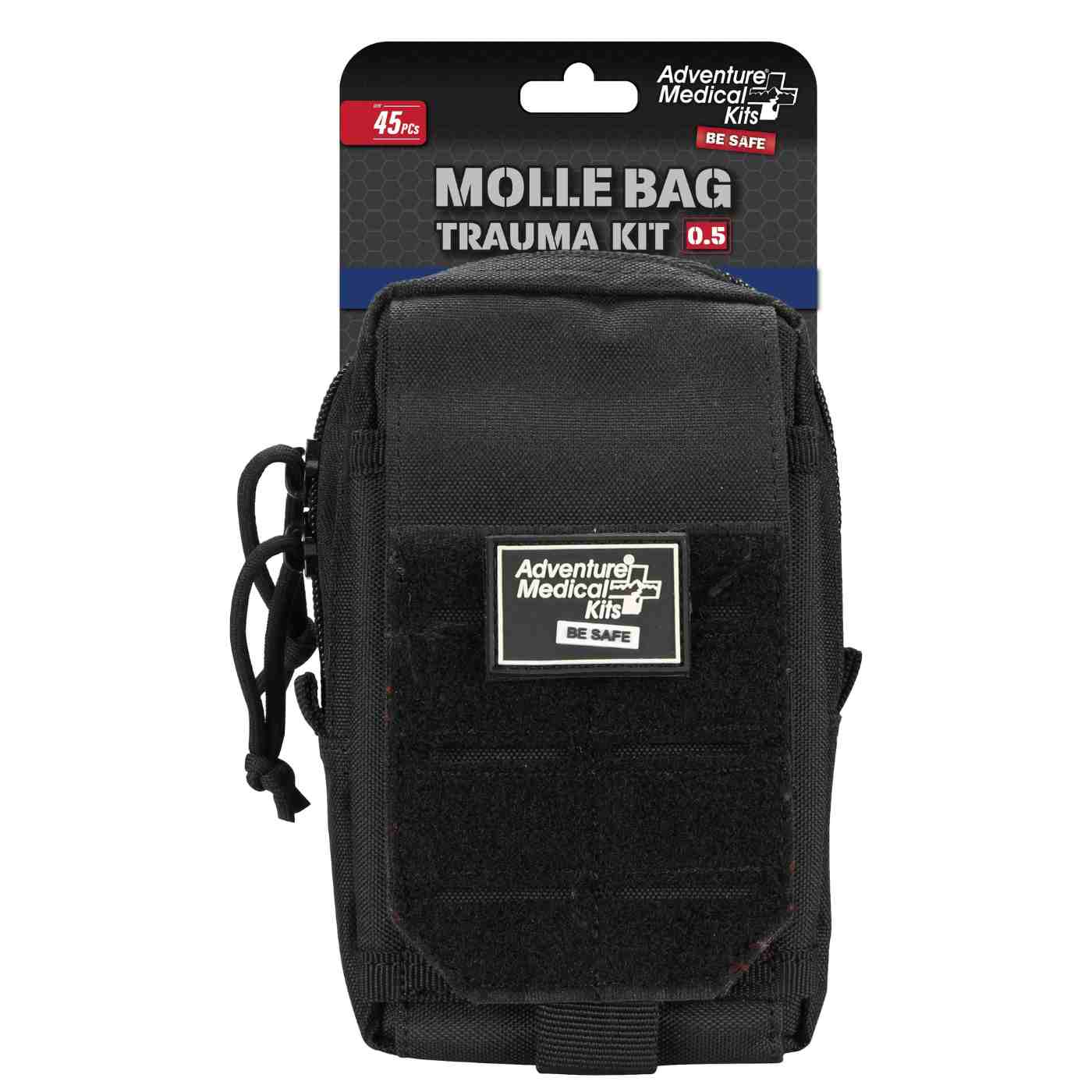
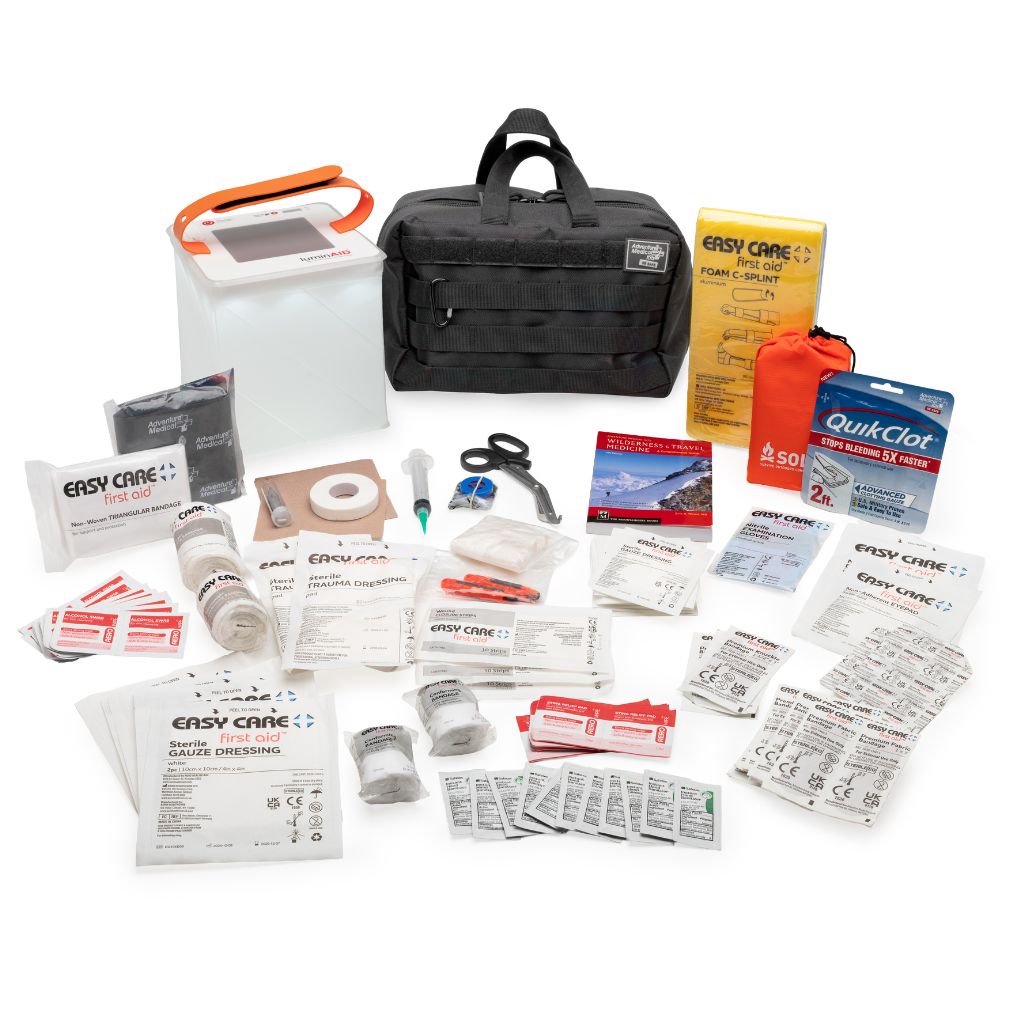
A separate trauma pouch can make sense for remote travel with tools, hunting gear, paddling, or technical terrain. In that category, the MOLLE trauma kit series is built around trauma organization rather than general hiking use.
Other modules are narrower and more situational. A dry summer trail with frequent bail-out points does not need the same setup as an off-trail canyon route, a week of packrafting, or a guided trip where one person may treat several people. Dental repair items, extra irrigation supplies, insect-sting care, or more aggressive blister management are rarely universal items. They are problem-specific tools.
Group travel changes the equation too. Instead of four people each carrying a bloated kit, spread modules across the group with clear assignments. One person carries the core treatment kit. Another carries the trauma pouch. A third carries the medication and allergy backup. That cuts duplication without leaving gaps.
The first aid kit is only one part of the safety system
Medical supplies help after something goes wrong. Many backcountry problems are better handled by prevention, shelter, communication, and warmth.
That broader system can include items outside medicine but closely tied to outcomes:
- Shelter and warmth: A compact Survive Outdoors Longer emergency shelter may do more for an injured hiker than another dressing.
- Light and signaling: A dependable LuminAID light makes treatment easier at night and improves camp visibility.
- Wildlife protection: In bear country, Counter Assault bear spray addresses a hazard that first aid supplies cannot fix.
That is the risk-based mindset in practice. Pack for the problems you are likely to face, add modules for the consequences you cannot ignore, and keep the whole system organized enough to use under stress.
Maintain Your Kit and Your Skills
A first aid kit can be perfectly packed in April and half-useless by August. Heat breaks down medication. Tape loses bite. A zip bag that held through one storm starts leaking on the next trip. If you carry a small kit, every item has to work when you reach for it.

Keep the kit current
Maintenance is part of the ultralight approach. The goal is not just a lighter pouch. It is a kit that still works after months of being stuffed into side pockets, bear canisters, and damp pack lids.
Use a simple schedule:
- After every trip: Replace anything used or contaminated, especially dressings, blister supplies, wipes, and medications.
- Twice a year: Check expiration dates on meds, ointments, and anything adhesive.
- Before wet or cold trips: Inspect the pouch and inner bags for holes, failed seals, and water damage.
- Any time you repackage items: Refresh labels so dosage, contents, and instructions are still clear under stress.
Pay attention to the small support items too. Gloves, a wound irrigation tool, and written medication labels do not take much space, but they solve real problems in the field. Ultralight kits often fail because the owner trimmed away the low-weight items that make treatment cleaner, safer, and easier.
Skills matter as much as supplies
A light kit works well in practiced hands. The same kit is frustrating if the user has never cleaned a dirty wound, taped a hot spot, or decided whether a patient can walk out safely.
Backpackers do not need advanced medical training for every weekend trip. They do need a working set of field skills: wound cleaning, blister care, ankle support, basic medication use, and early recognition of problems that are getting worse instead of better. That judgment is what turns a modular kit into a useful system rather than a bag of tiny packets.
The most valuable item in the kit is the user who knows what to do next.
Formal training shortens the gap between owning supplies and using them well. Wilderness First Aid and Wilderness First Responder courses teach assessment, treatment priorities, and evacuation decisions in the conditions where backpackers make mistakes: cold, fatigue, rain, darkness, and time pressure.
Restocking deserves the same mindset as packing. Replace what you used, reconsider what you did not, and adjust the kit to the trips ahead. If a prebuilt pouch from Adventure Medical Kits gives you a solid base, maintain it like any custom kit. Remove dead weight, replace weak points, and keep the contents matched to your risks instead of treating the factory checklist as final.