

A lot of campers are closer to a preventable problem than they think. The trip looks simple. One night at a developed campground, a short trail after lunch, maybe a creek crossing, maybe a few mosquitoes at dusk. Then somebody turns an ankle on wet roots, a child gets a fast-rising reaction to a sting, or a hot spot on the heel turns into a blister that changes the whole walk out.
That's where a generic pouch of random bandages starts to show its limits. A real emergency kit for camping isn't just a list of supplies. It's a system built around the trip, the people going, the weather, the distance from help, and the problems most likely to happen before anything dramatic does.
Table of Contents
- Why a Generic First Aid Kit Is Not Enough
- The Foundation Your Essential First Aid Items
- Customizing Your Kit for Any Adventure
- Assembling and Organizing Your Kit for Fast Access
- Using and Maintaining Your Emergency Kit
- DIY vs Prebuilt Kits When to Upgrade
Why a Generic First Aid Kit Is Not Enough
Rain starts before dinner. One person comes into camp with a hot spot turning into a blister, another has a knife nick that needs cleaning, and a third is wheezing after a sting. A bargain first aid pouch may cover one of those problems. It rarely covers all three well, and in the backcountry, that gap matters.
Generic kits are built for shelf appeal. Field kits need to match the actual risks of the trip. A car campground close to urgent care creates one set of medical problems and response options. A remote river trip, a wet alpine weekend, or a shoulder-season desert route creates another. Distance from help, weather, group size, pace, and the medical history of the people coming along should drive what goes in the bag.
The common failure is mismatch. Campers often carry supplies they do not know how to use and leave out the items that solve the problems they are most likely to face. I see that pattern all the time with foot care, allergy management, wound cleaning, and support wraps for strains or sprains. The result is not usually a dramatic rescue. It is a minor problem that gets worse because the kit was packed for a generic camper instead of this trip.
Training matters just as much as contents. A CPR mask, elastic wrap, irrigation syringe, or blister treatment is only useful if someone in the group can use it quickly and correctly under stress. Current wilderness medicine safety trend coverage reflects that same shift toward skills-based preparedness, not just bigger packing lists.
A good camping kit starts with a personal risk assessment. Ask a few direct questions before every trip. What injuries or illnesses are most likely here? How long would it take to reach higher care? Does anyone have asthma, severe allergies, diabetes, or prescription medications that change the plan? What conditions, heat, cold, water exposure, bugs, terrain, or altitude, will shape the problems you are most likely to manage on your own?
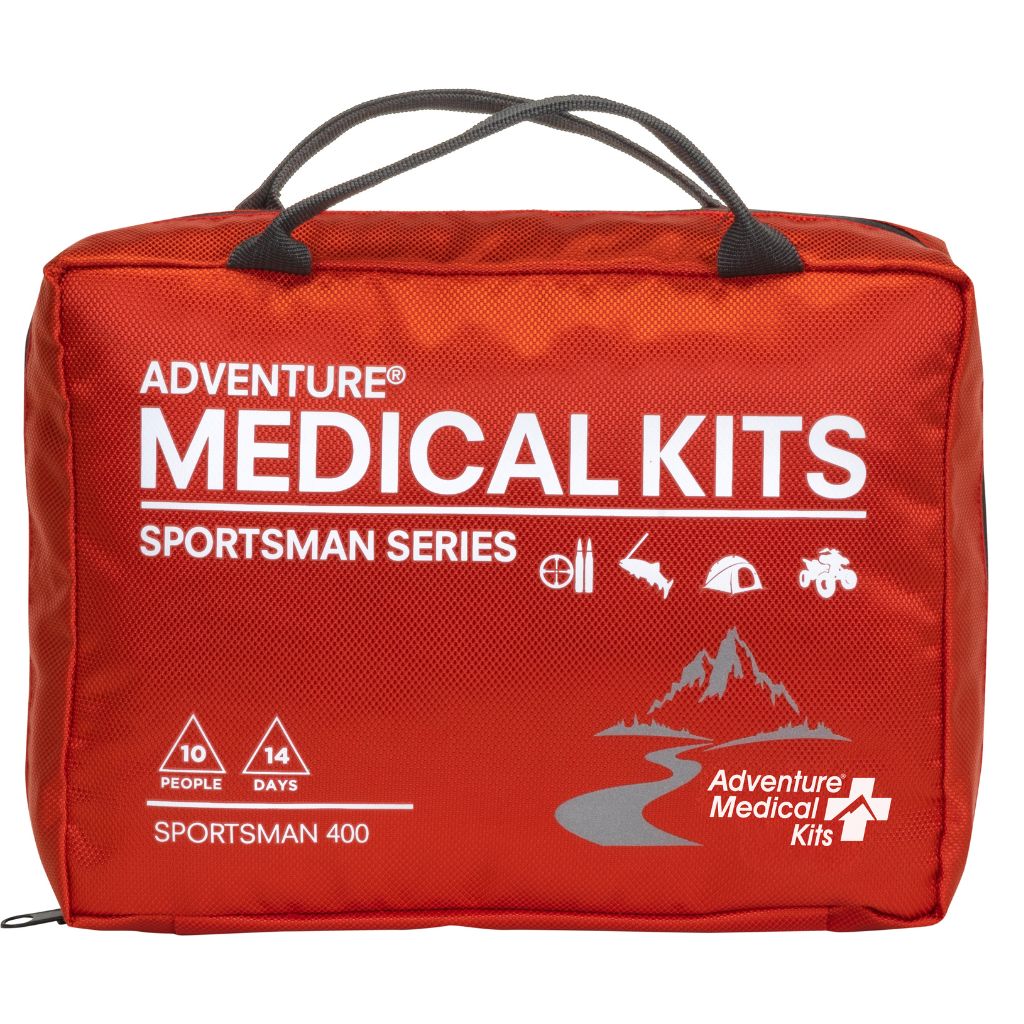
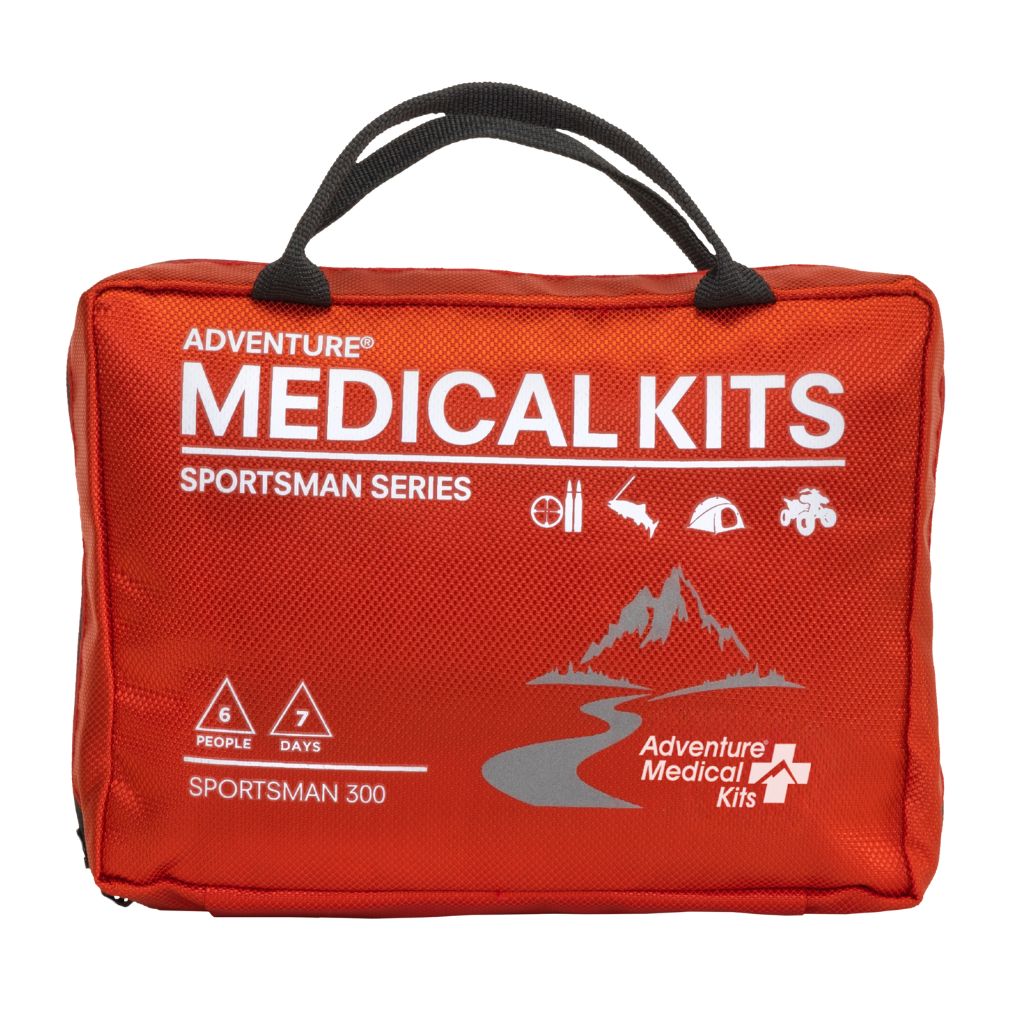
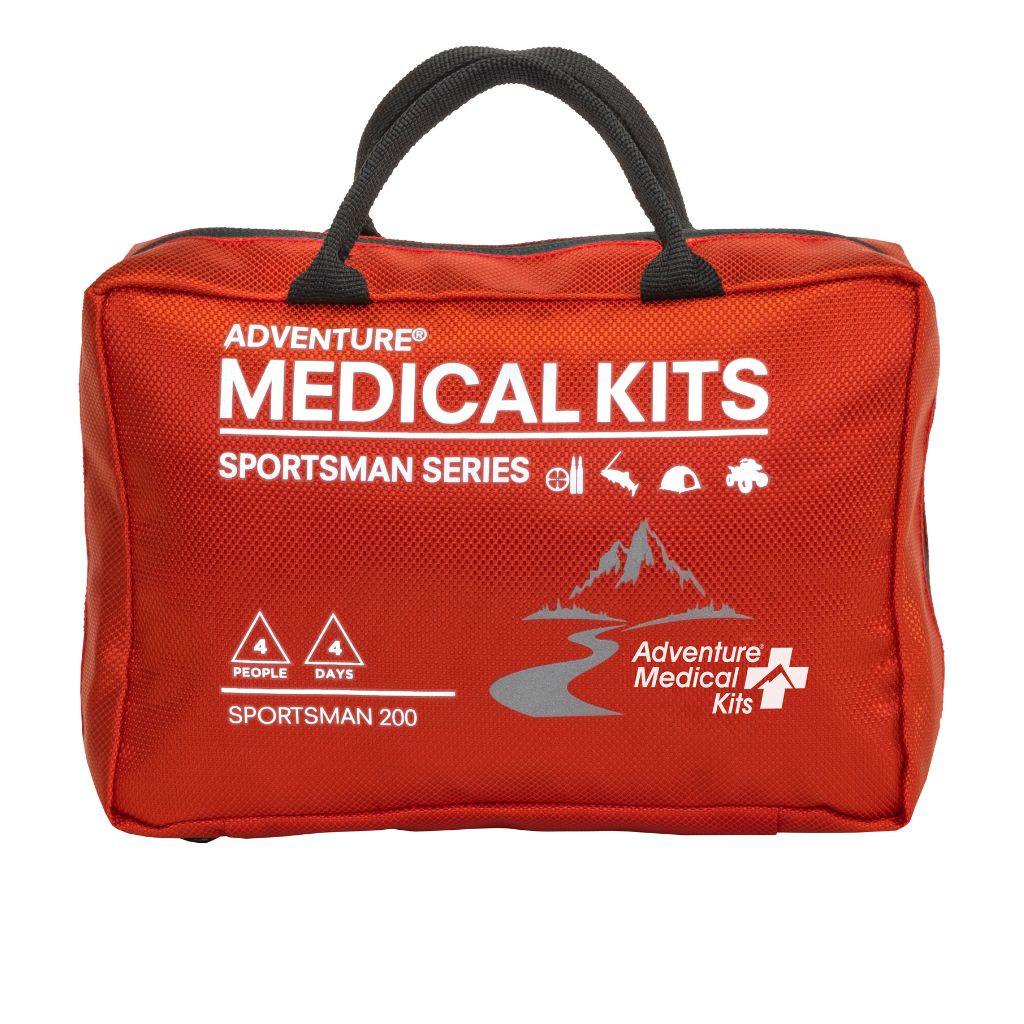
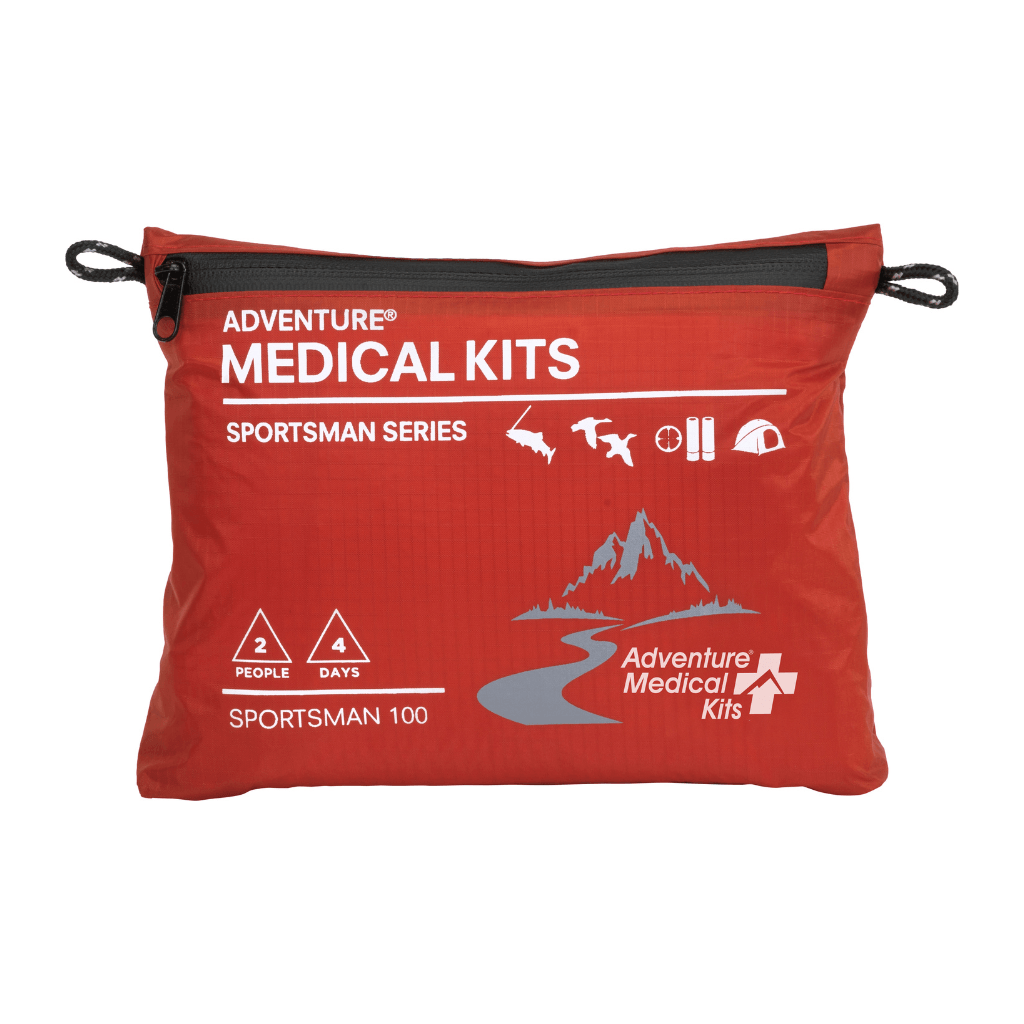
That approach is why outdoor-specific kits developed in the first place. Adventure Medical Kits was founded by an emergency room doctor who saw that many medical kits were built for home storage instead of movement through the field. That distinction still holds. The right kit is the one built for your route, your group, and your ability to use it, then checked and updated before every trip.
The Foundation Your Essential First Aid Items
A camping kit should start with the problems that happen most often, not the ones that look dramatic in a catalog. Outdoor medical guides consistently point to blisters, insect bites, and minor wound infections as common preventable complications for hikers and campers (outdoor first aid kit guide).

Wound and blister care
Minor cuts are common. Poorly managed minor cuts become bigger problems because dirt, moisture, and delayed cleaning change the wound environment fast.
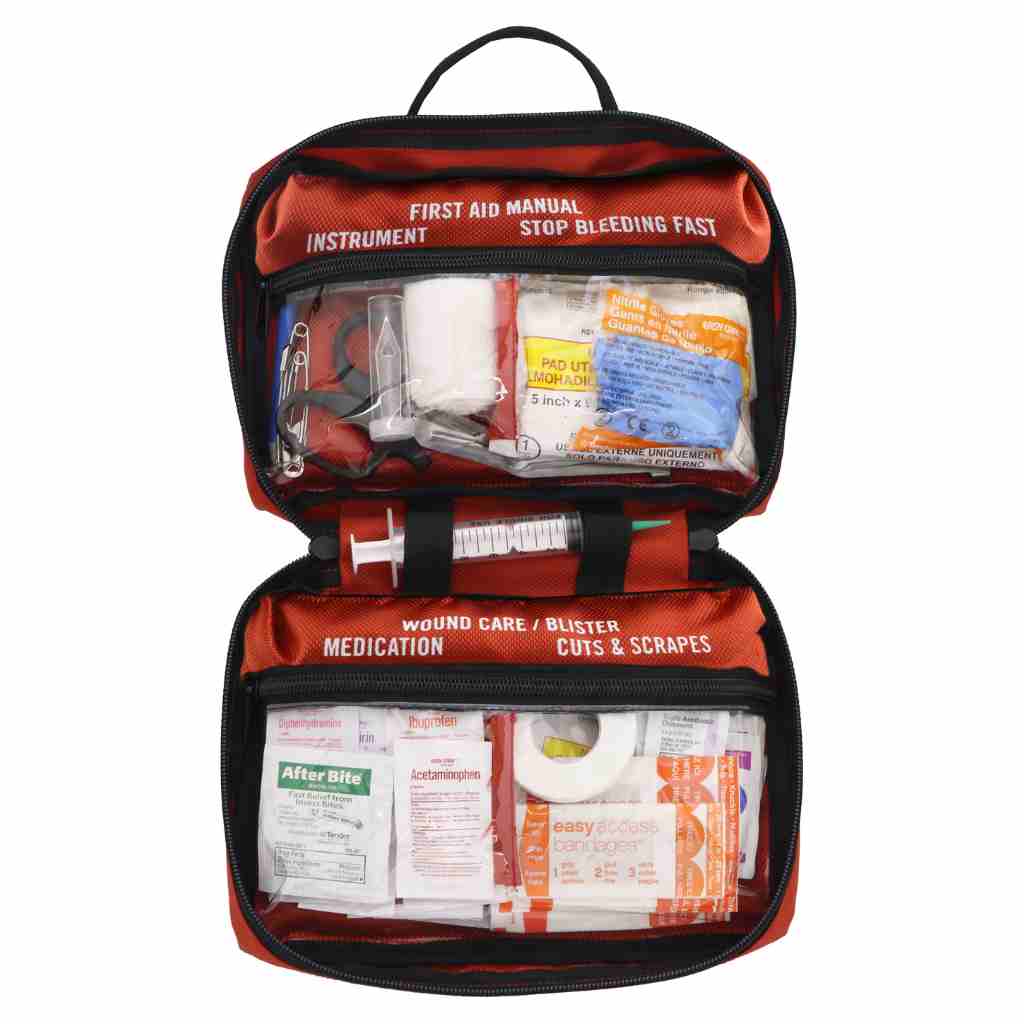
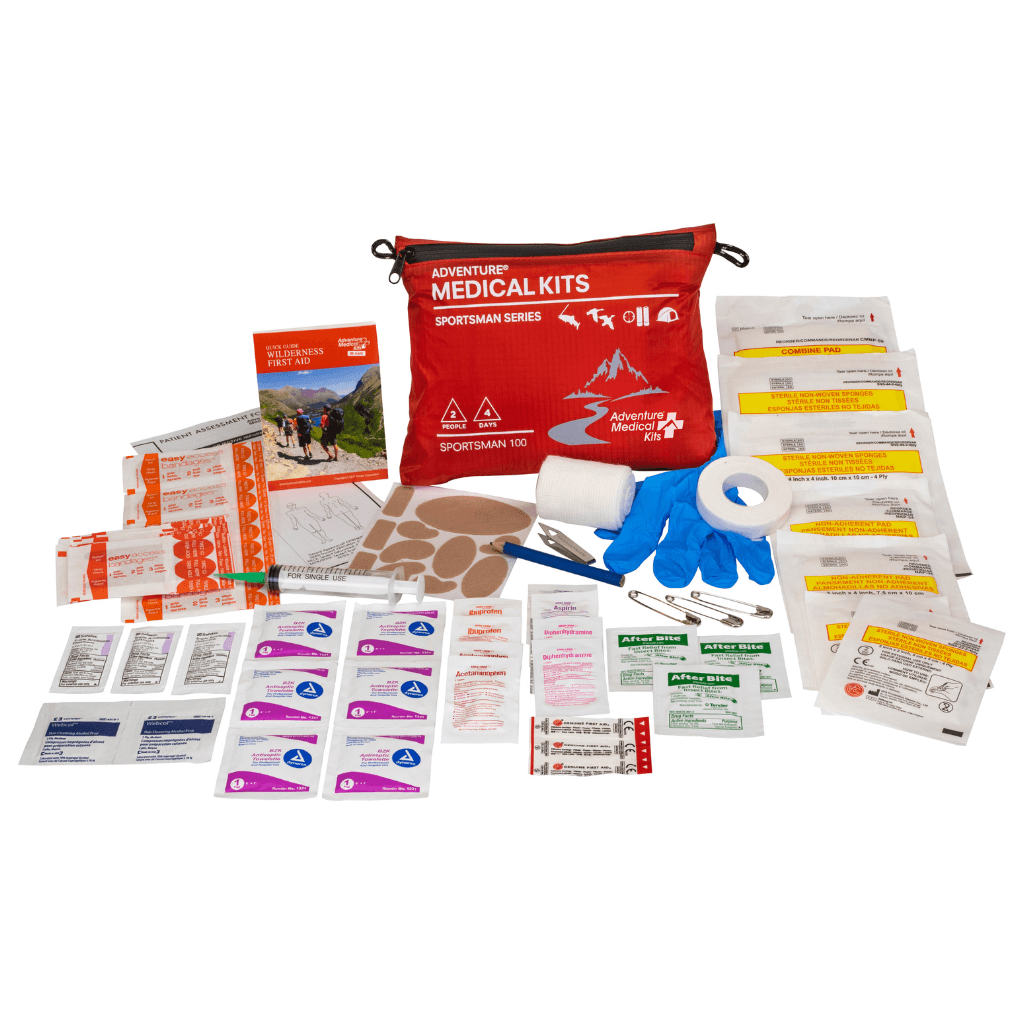
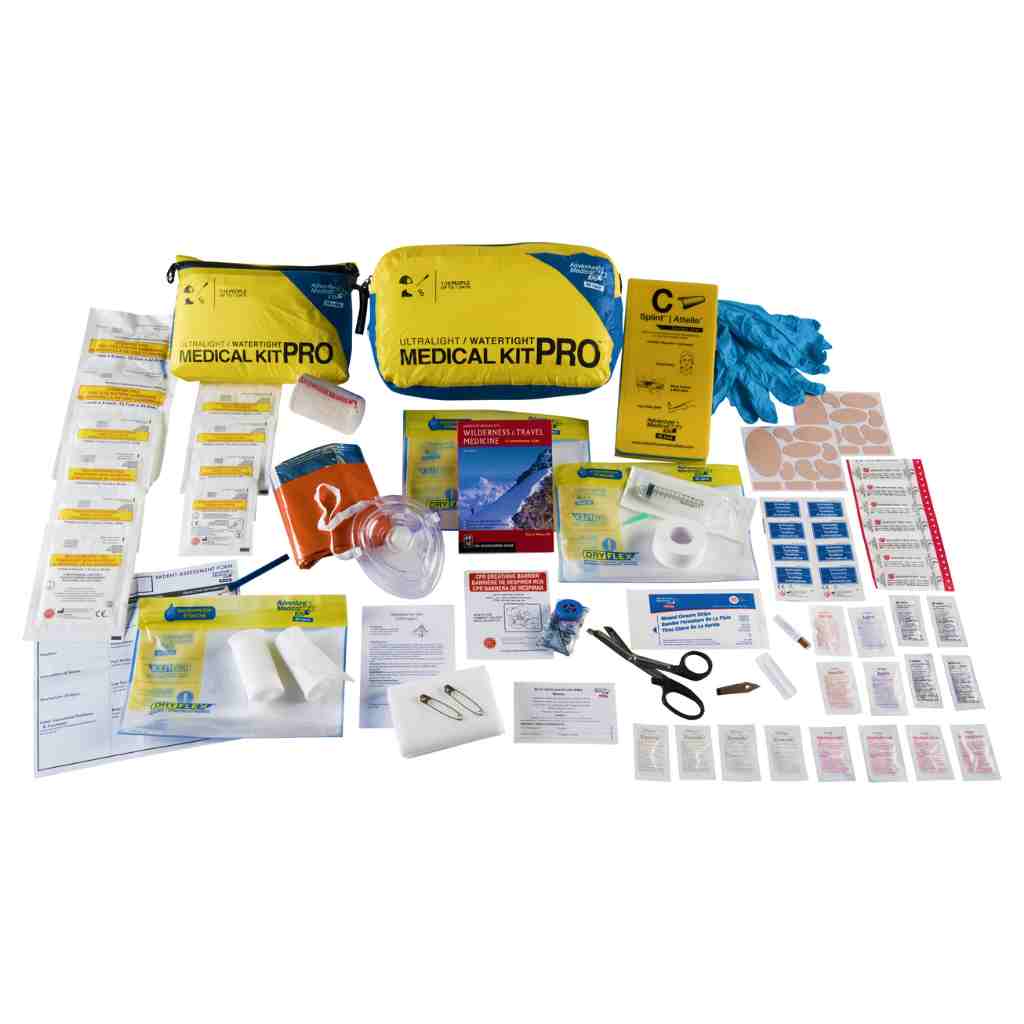
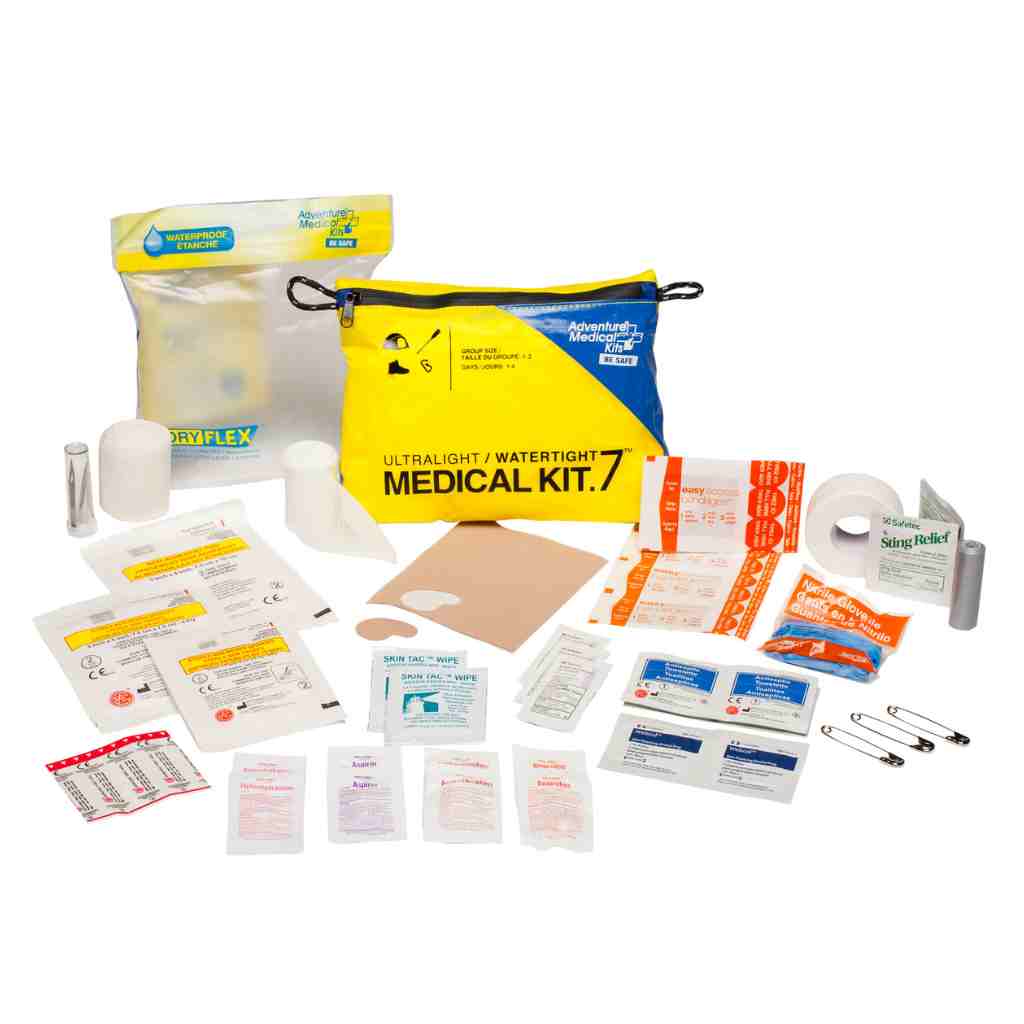
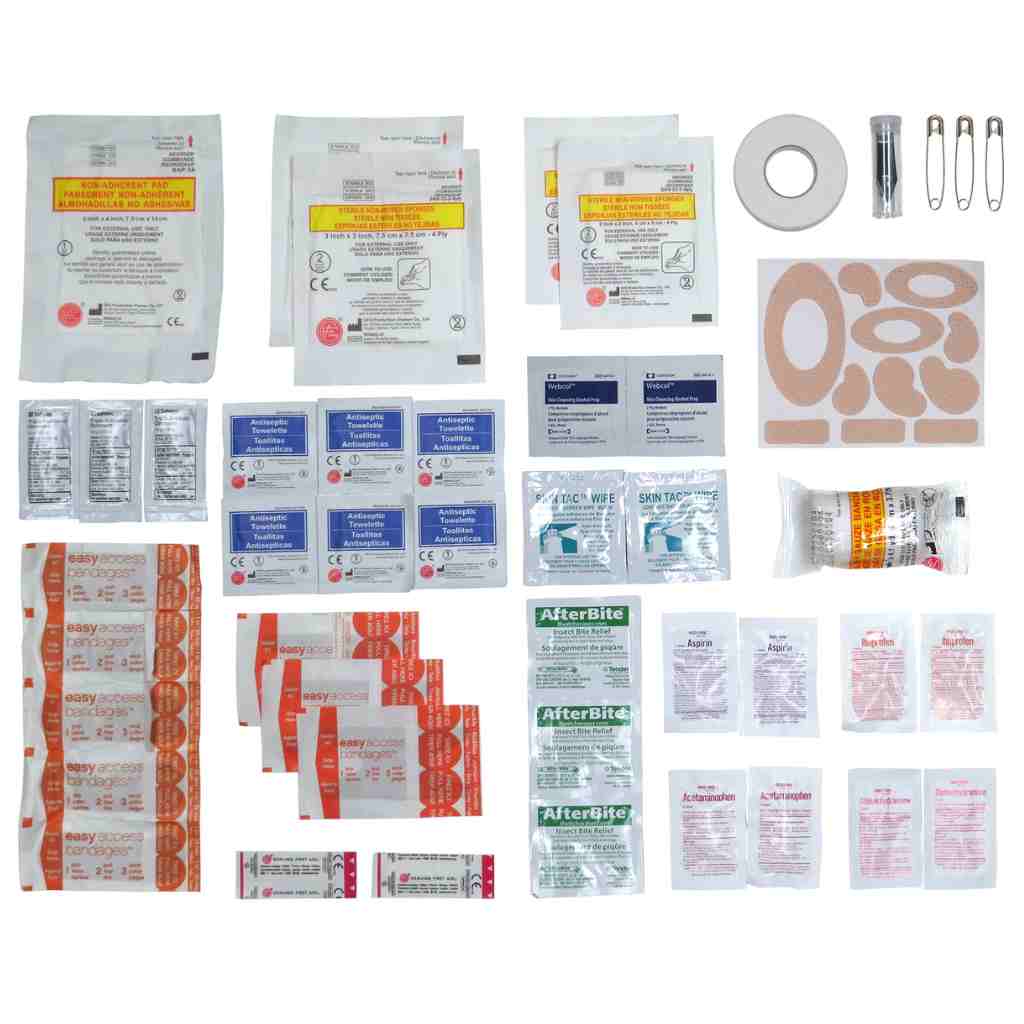
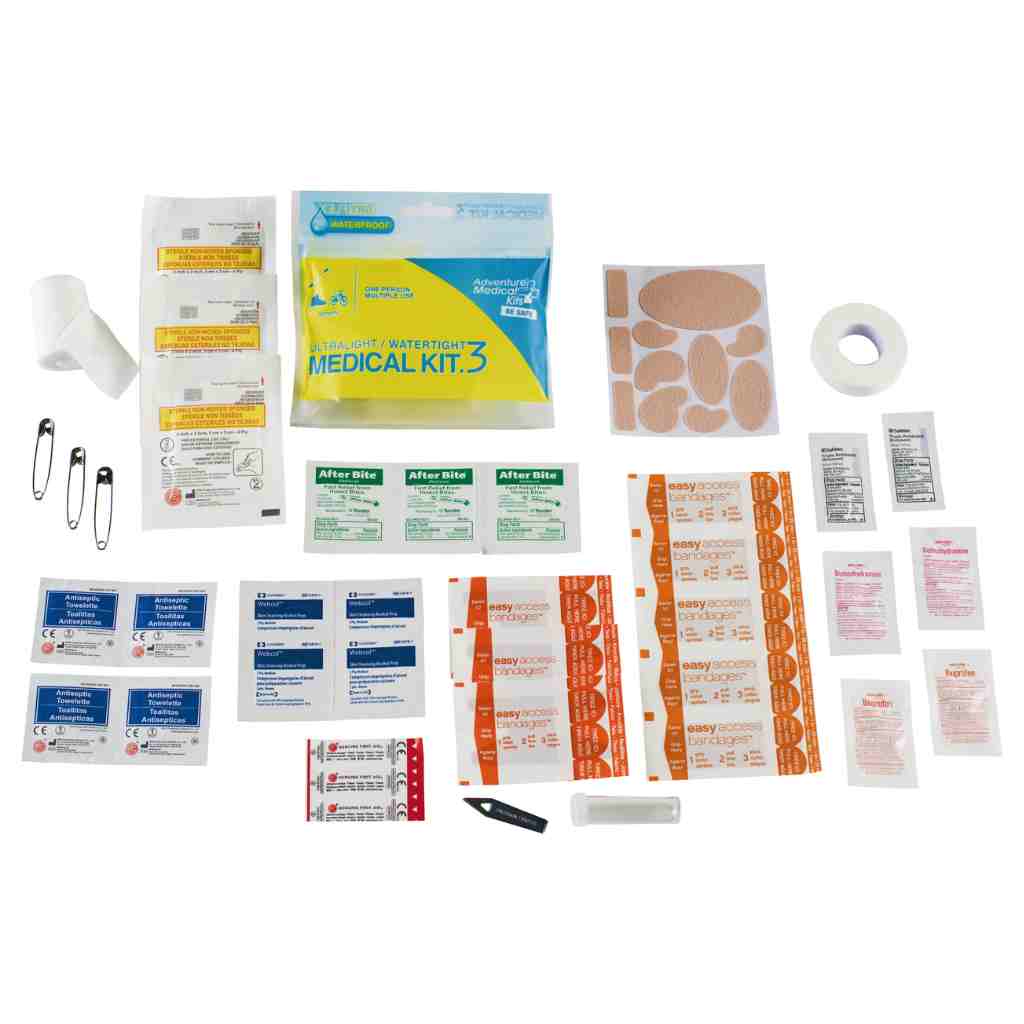
A solid base layer for wound care should include adhesive bandages, antiseptic wipes, sterile gauze pads, and medical tape. Fabric bandages matter outdoors because they adhere better on sweaty or damp skin, and REI's checklist calls out a 10-yard roll of 1-inch medical adhesive tape as an essential item for securing dressings and stabilizing sprains (REI first aid checklist).
Blister care deserves its own space in the kit, not a leftover pocket. Untreated blisters can push campers off trail or make normal movement so painful that every next decision gets worse. Moleskin, blister dressings, and simple skin-prep items belong in the core loadout, not the optional extras.
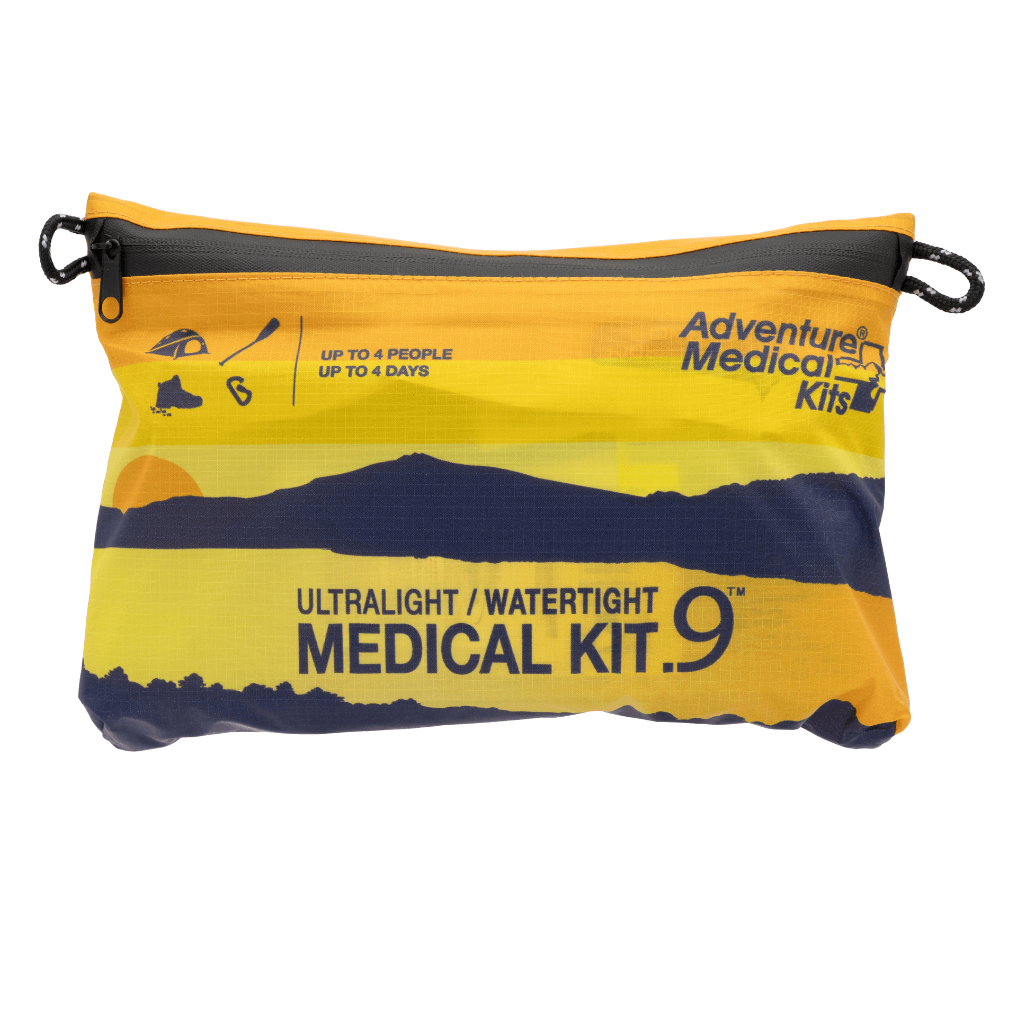
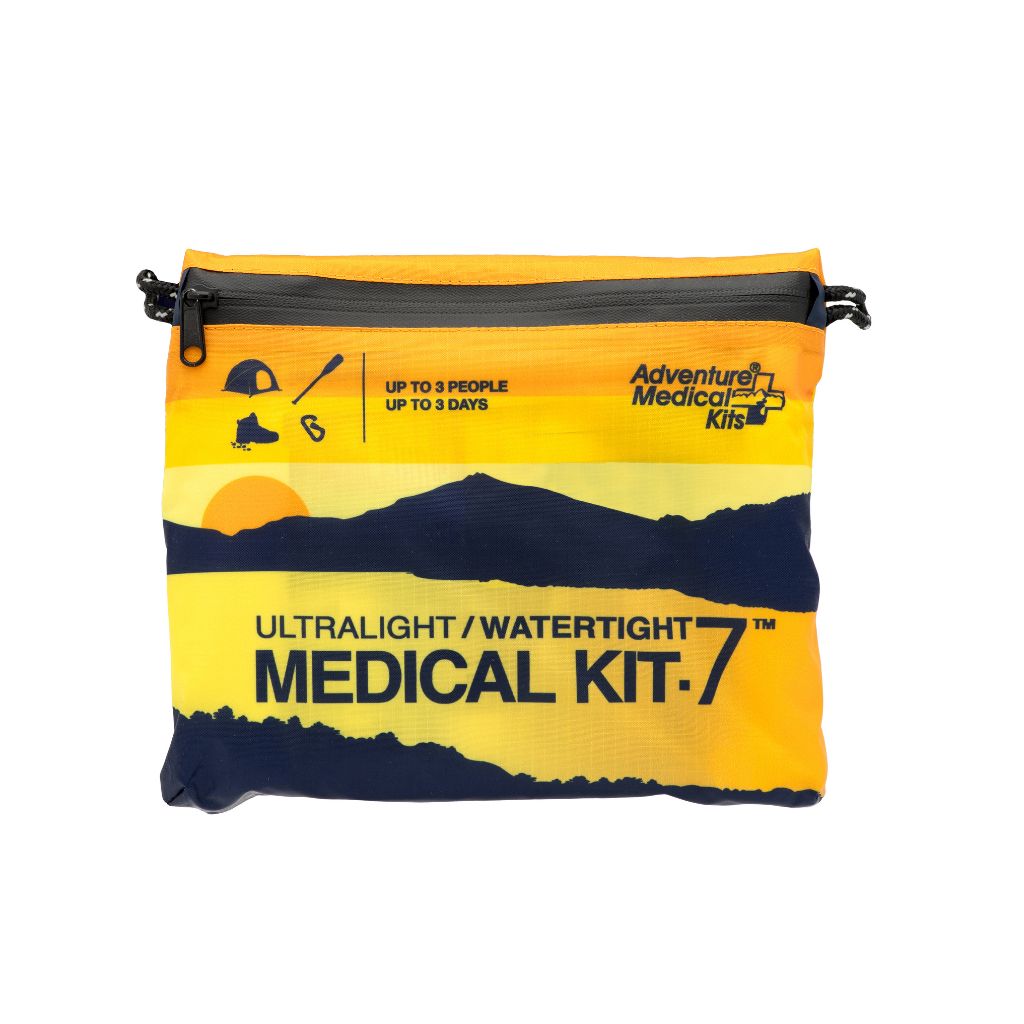
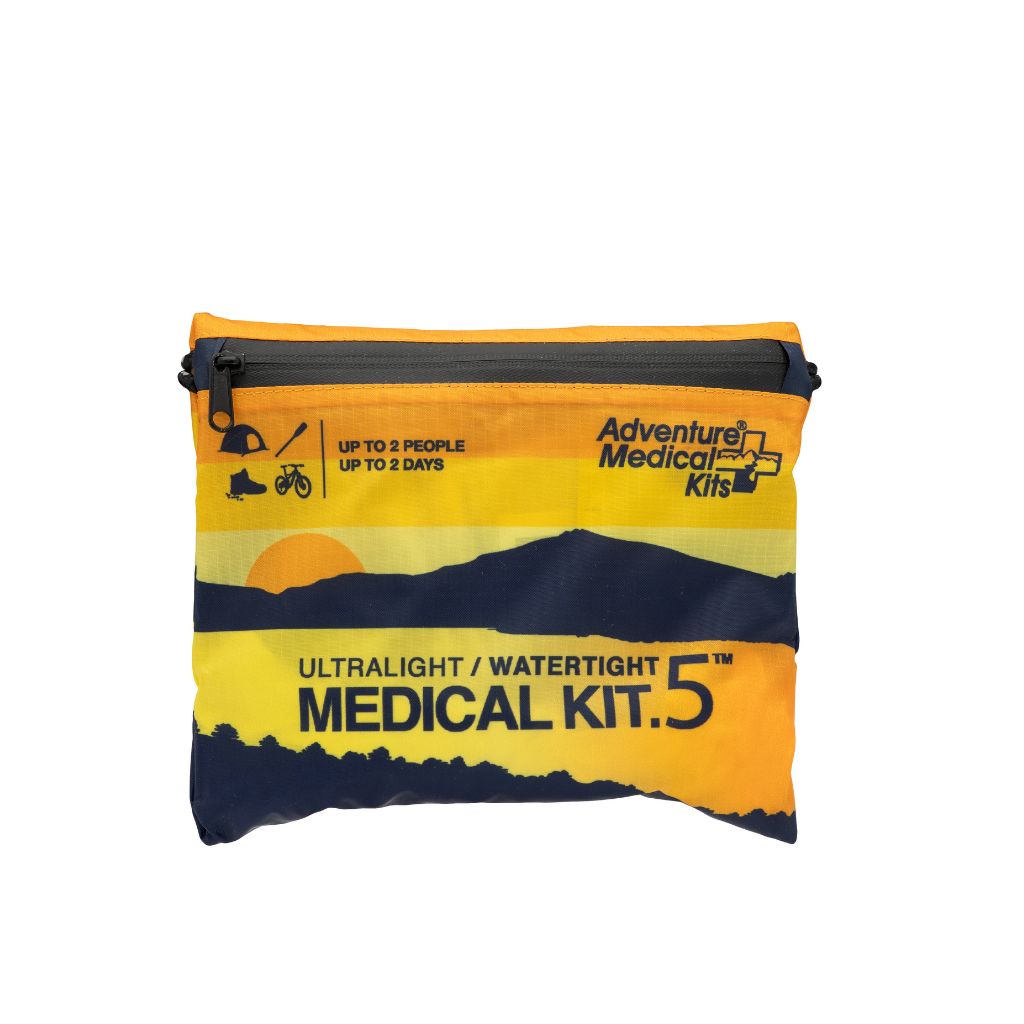
For casual hikes, short day trips, or a glove compartment backup, the Mini Medical Kit is a compact option that includes basics for cuts, scrapes, and blisters, including moleskin, alcohol swabs, butterfly closures, triple antibiotic ointments, and fabric adhesive bandages. Its carabiner clip makes it easy to attach to a pack, ensuring it remains within reach.
Medications that solve common camp problems
Medication choices should follow likely camp problems, not household habit.
The American Red Cross camping checklist includes antihistamines for children and adults, pain relievers, and anti-diarrheal medication, which confirms that allergic reactions, pain control, and gastrointestinal problems are realistic outdoor concerns rather than edge cases (Red Cross camping checklist reference in verified data). For an emergency kit for camping, that means the medication sleeve should be simple, labeled, and matched to the group.
A practical medication category often includes:
- Pain relief: Useful for headaches, strain pain, and the general aches that can cloud judgment and slow camp tasks.
- Antihistamines: Important for sting and bite reactions, especially when nobody knows yet how sensitive they'll be in that environment.
- Anti-diarrheal support: Worth carrying because gastrointestinal problems can become a trip-management issue quickly when hydration and distance from toilets or evacuation are factors.
Bug management belongs in prevention and treatment both. Reliable insect repellent from Ben's or Natrapel can reduce exposure in the first place, and After Bite is a reasonable addition for symptom relief after stings and bites.
The best medical item is often the one that prevents the injury from happening at all.
Tools that make treatment possible
Supplies without tools can leave a camper improvising at the exact wrong time.
Tweezers help with splinters, tick checks, and debris. Safety pins still earn their place because they secure wraps and dressings when tape alone won't hold. Gloves and a CPR mask belong in the essential layer because they support safe care delivery. The Red Cross checklist includes CPR masks among core camping items, and broader emergency guidance also treats them as standard rescue equipment.
A few tools are less common in generic kits but matter once a trip gets more remote. Outdoor medical guidance recommends items like butterfly bandages, wound-closure strips, and irrigation tools for deeper cuts or dirty abrasions when professional care isn't close. Those aren't for casual use by untrained campers, but they belong in a more advanced setup when the route justifies them.
Customizing Your Kit for Any Adventure
Rain starts at dusk, a child slips near camp, and the nearest road is hours away. The kit that looked fine on the picnic table can feel thin very quickly if it was packed from a generic checklist instead of the actual risks of the trip.
The right question is not, “What goes in a camping first aid kit?” The right question is, “What is most likely to happen on this trip, to these people, in this terrain, and how long will we manage it on our own?” That risk assessment should drive every add-on, every duplicate item, and every personal medication.
Three factors set the baseline. First, how many people will use the kit. Second, how long the group will be out. Third, how hard it will be to get help. Bleeding control still belongs in every version of the kit, but quantity, redundancy, and packaging should change with the plan.
The three variables that matter most
A short day hike near a trailhead supports a smaller kit because evacuation is simpler and exposure time is limited. A multi-night backpacking trip needs more wound-care supplies, more foot-care supplies, and better protection from weather and moisture. Family camping usually means higher consumption of the basics. Kids go through bandages fast, and a shared kit gets picked over for small problems long before a real one shows up.
Personal medical needs come next. Prescription rescue medications, allergy treatment, glucose support, and child-specific dosing information should be packed on purpose, not tossed in at the last minute. If one person's condition could change the group's plan, every adult in camp should know where that item is and how to use it.
Training matters just as much as gear. Carrying wound-closure strips, irrigation tools, or a tourniquet without knowing when and how to use them can create new problems. Pair your kit plan with the rest of the 10 essentials every hiker should carry, then build only to the level your group can use under stress.
Kit Customization by Trip Type
| Item Category | Day Hike Essentials | Backpacking Additions | Family Camping Additions |
|---|---|---|---|
| Wound care | Bandages, antiseptic wipes, gauze, tape | Extra gauze, more tape, closure strips, irrigation support | Larger volume of bandages, more wipes, duplicate basics |
| Blister care | Moleskin or blister dressing | Expanded blister kit with backup supplies | Child-friendly foot care and extra blister prevention |
| Medications | Pain reliever, antihistamine, anti-diarrheal | More complete medication pouch with clear labels | Adult and child medications separated and labeled |
| Bleeding control | Always included | Always included, with more reliable access | Always included and easy for adults to reach |
| Environmental support | Emergency blanket, gloves | More thermal support and shelter backup | Extra warmth layers and comfort items for children |
| Tools | Tweezers, tape, safety pins | Better organization, waterproof containers, repair overlap | Duplicate tweezers, easy-access flashlight, medication card |
When specialized gear makes sense
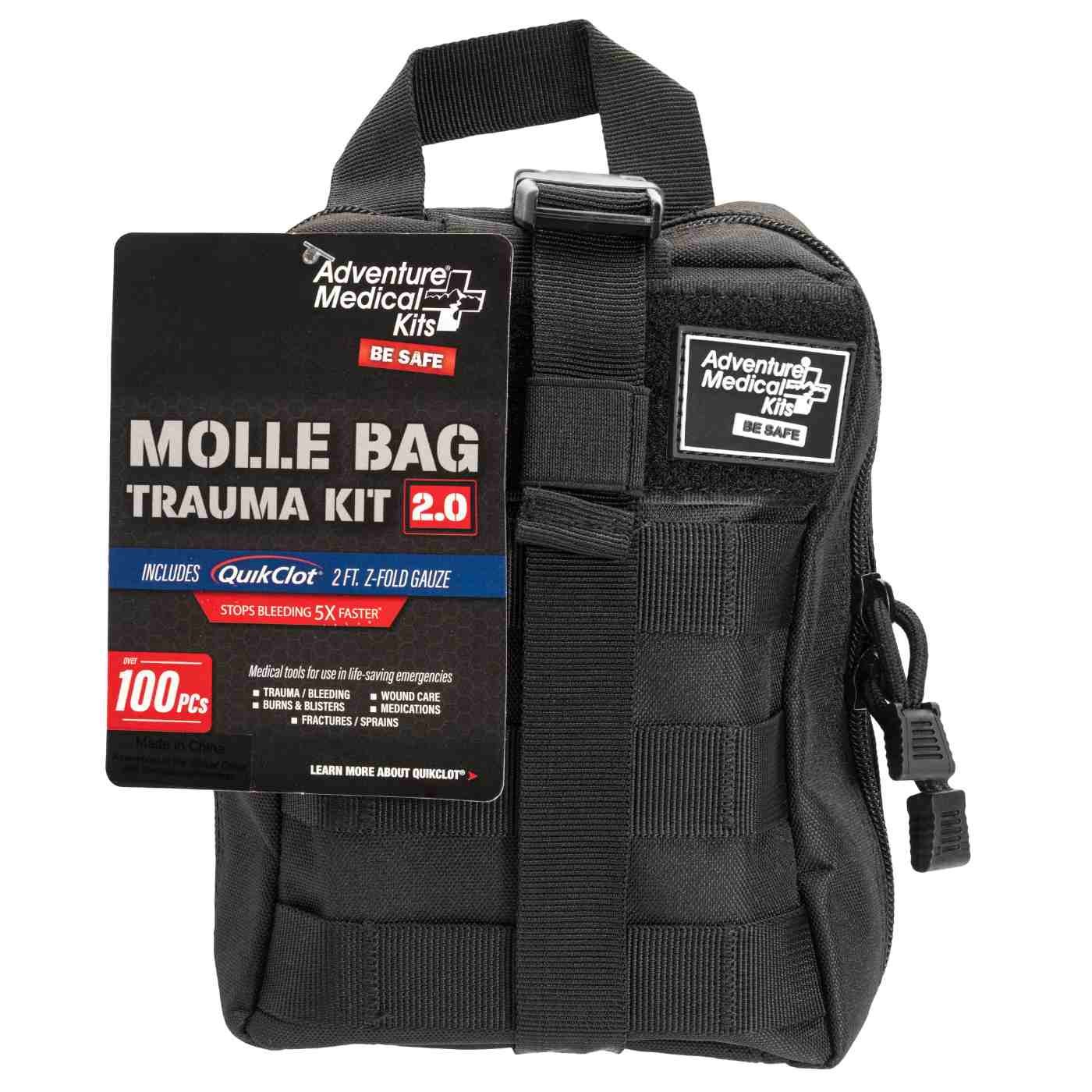
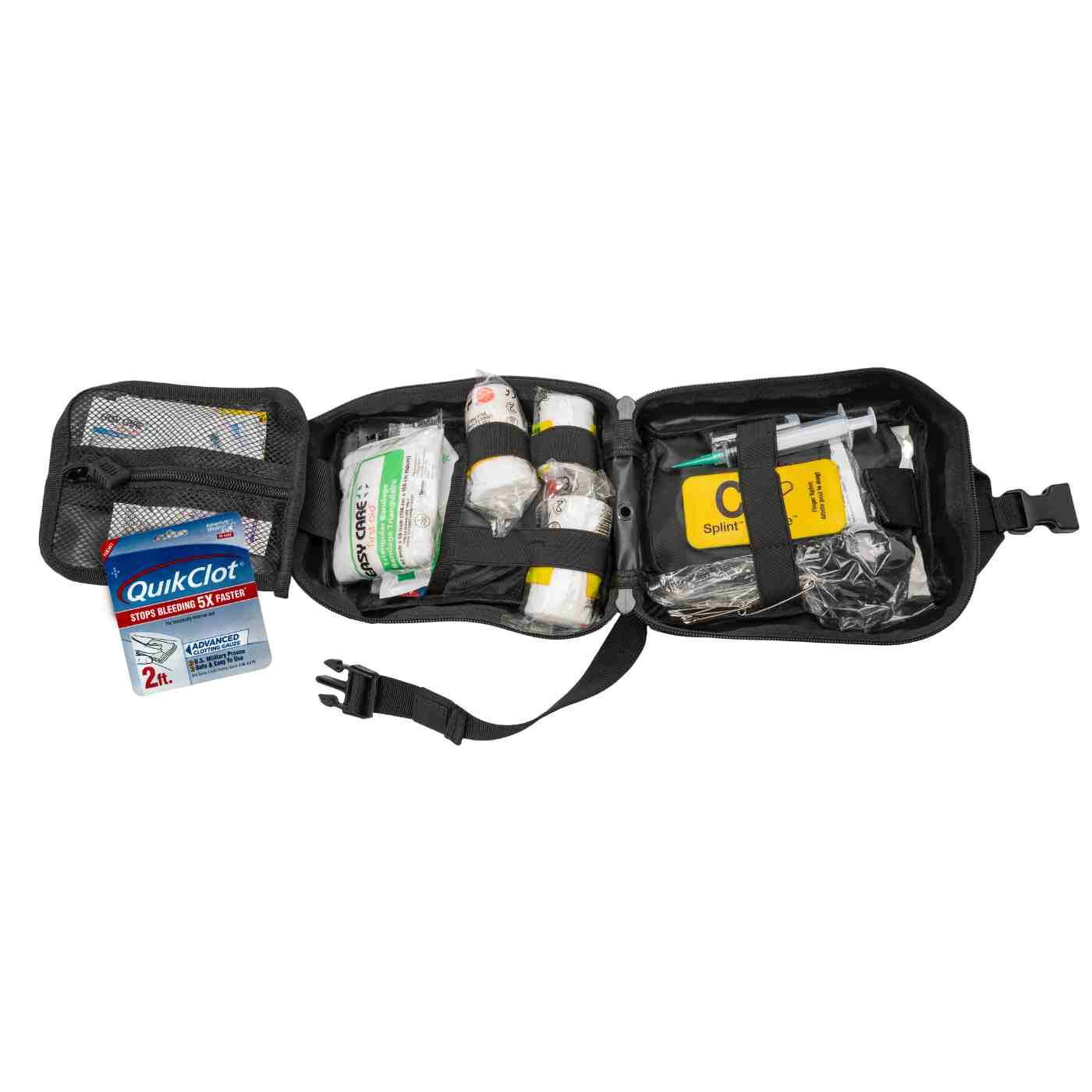
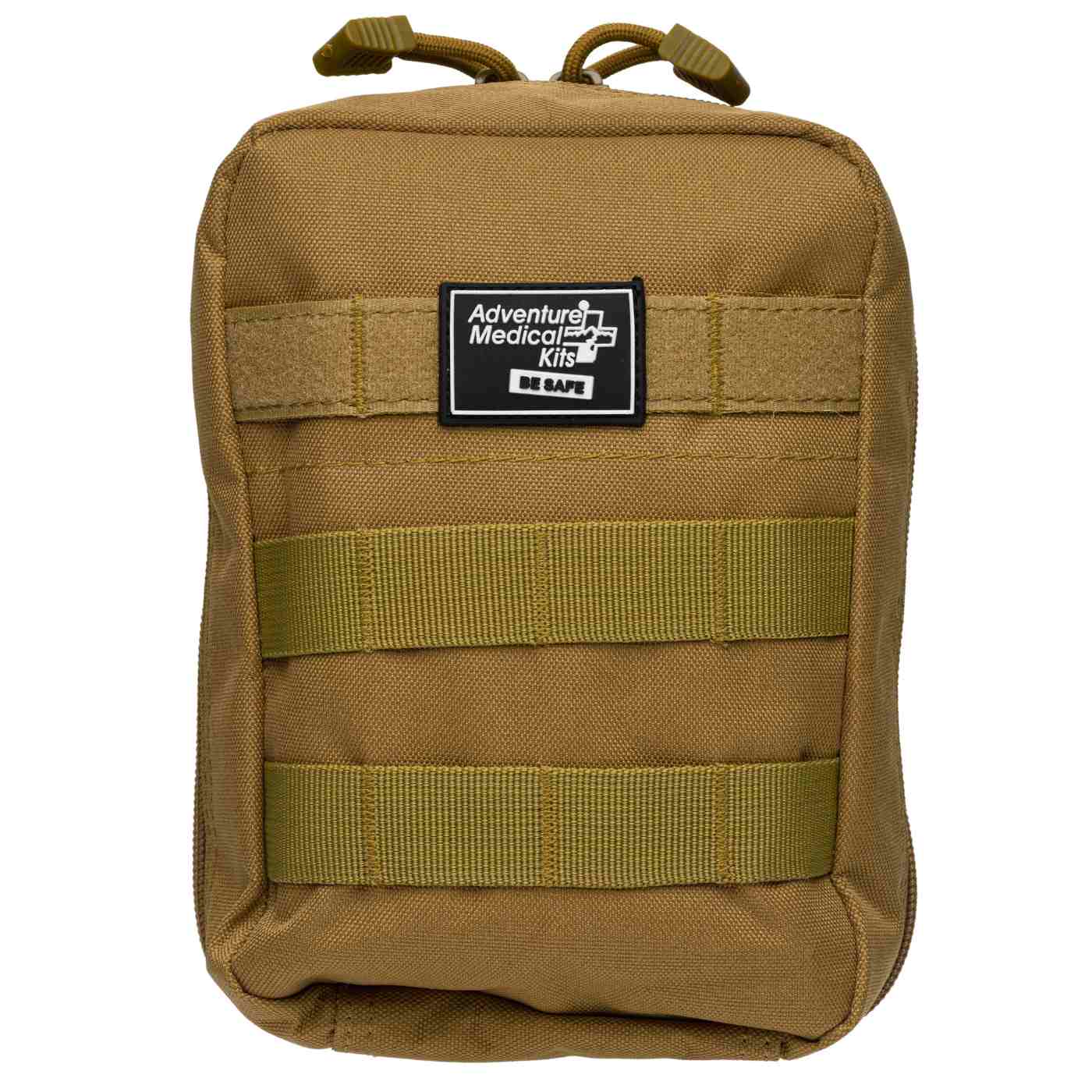
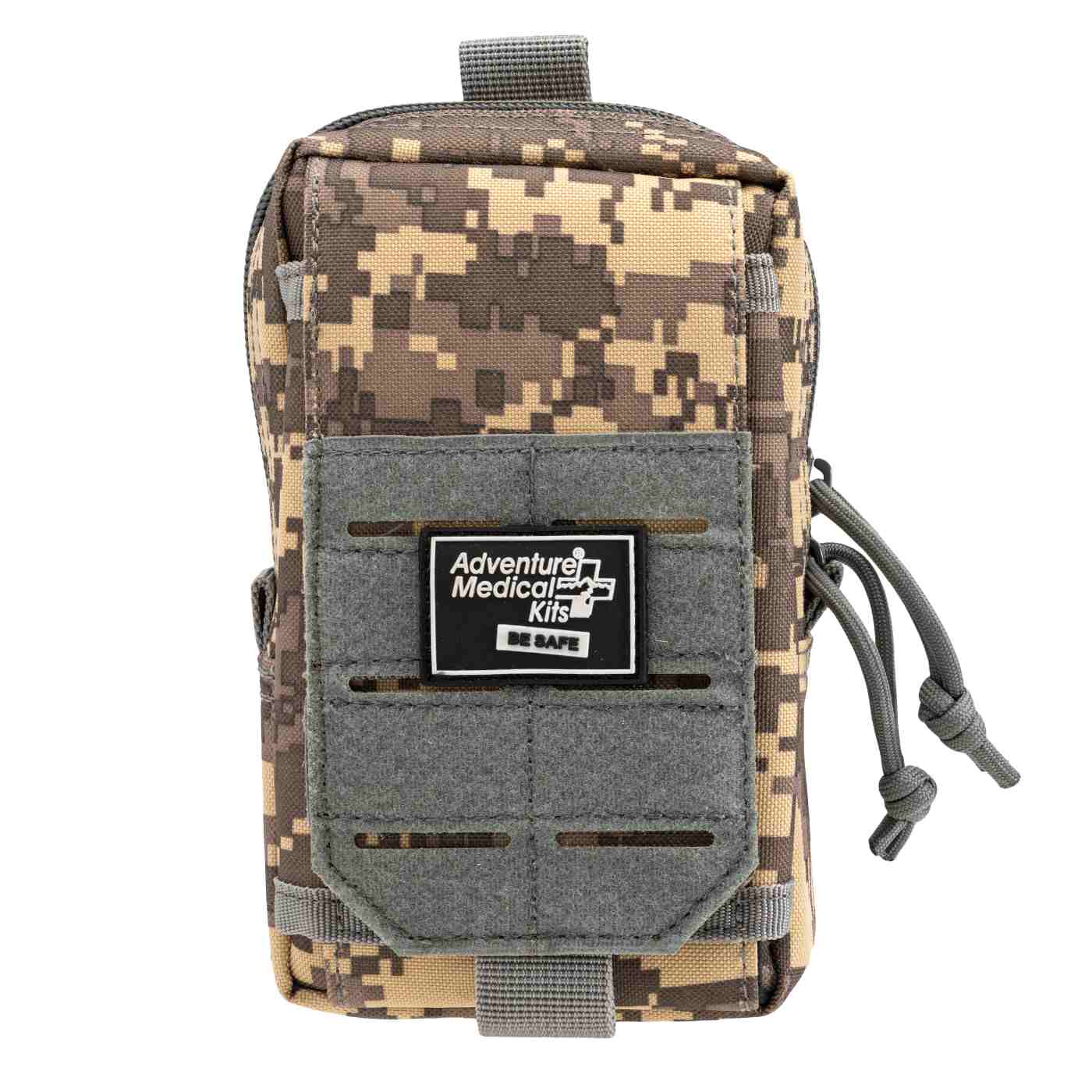
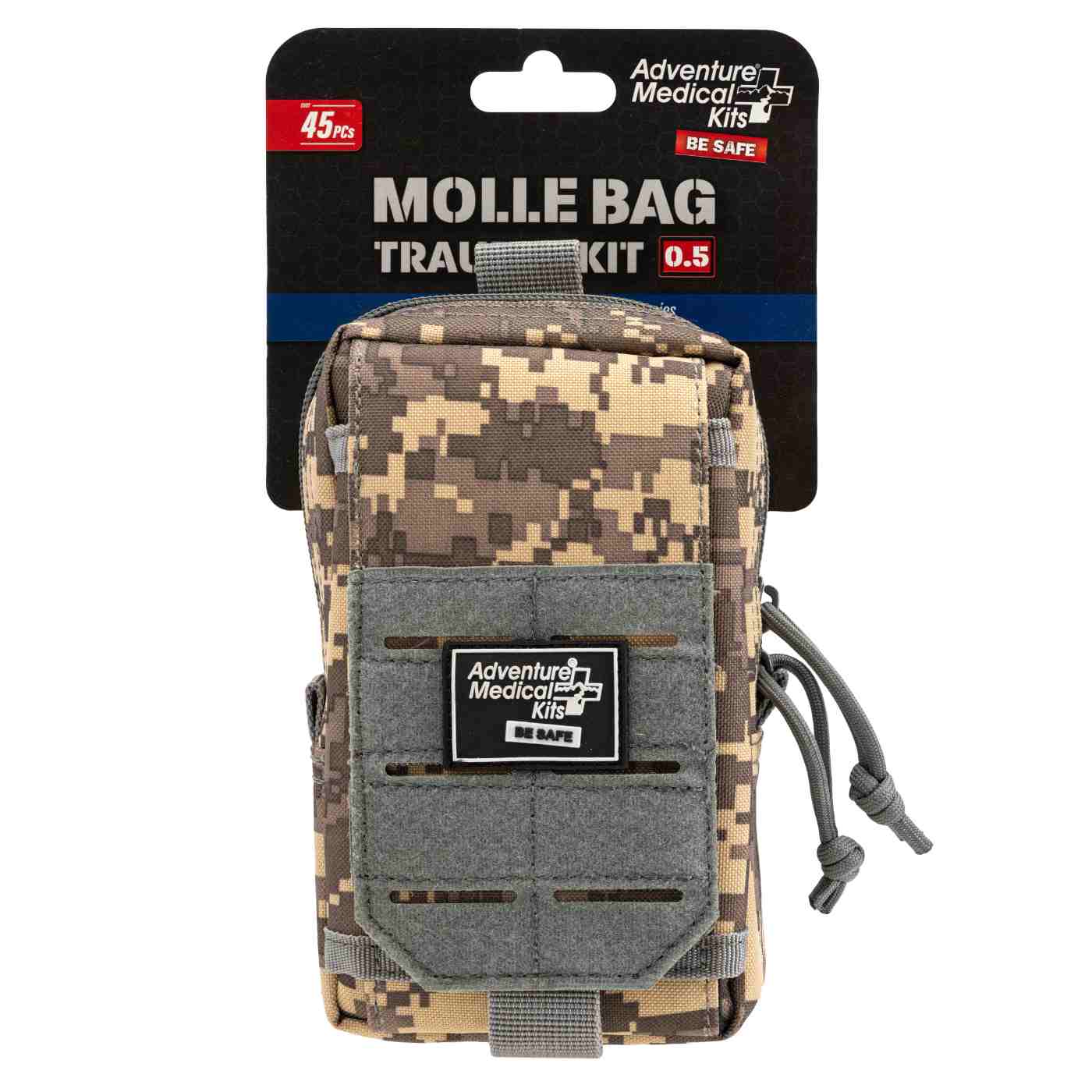
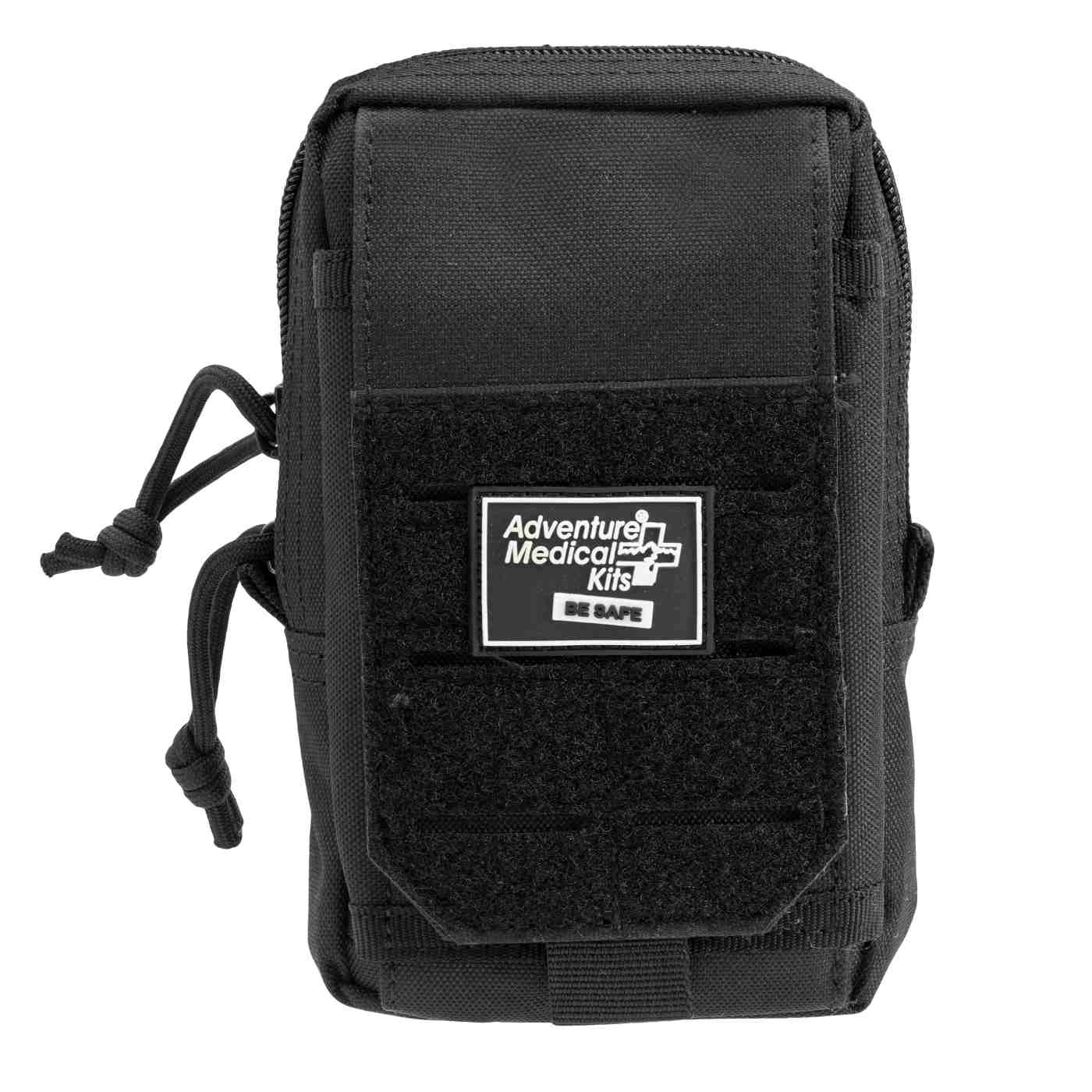
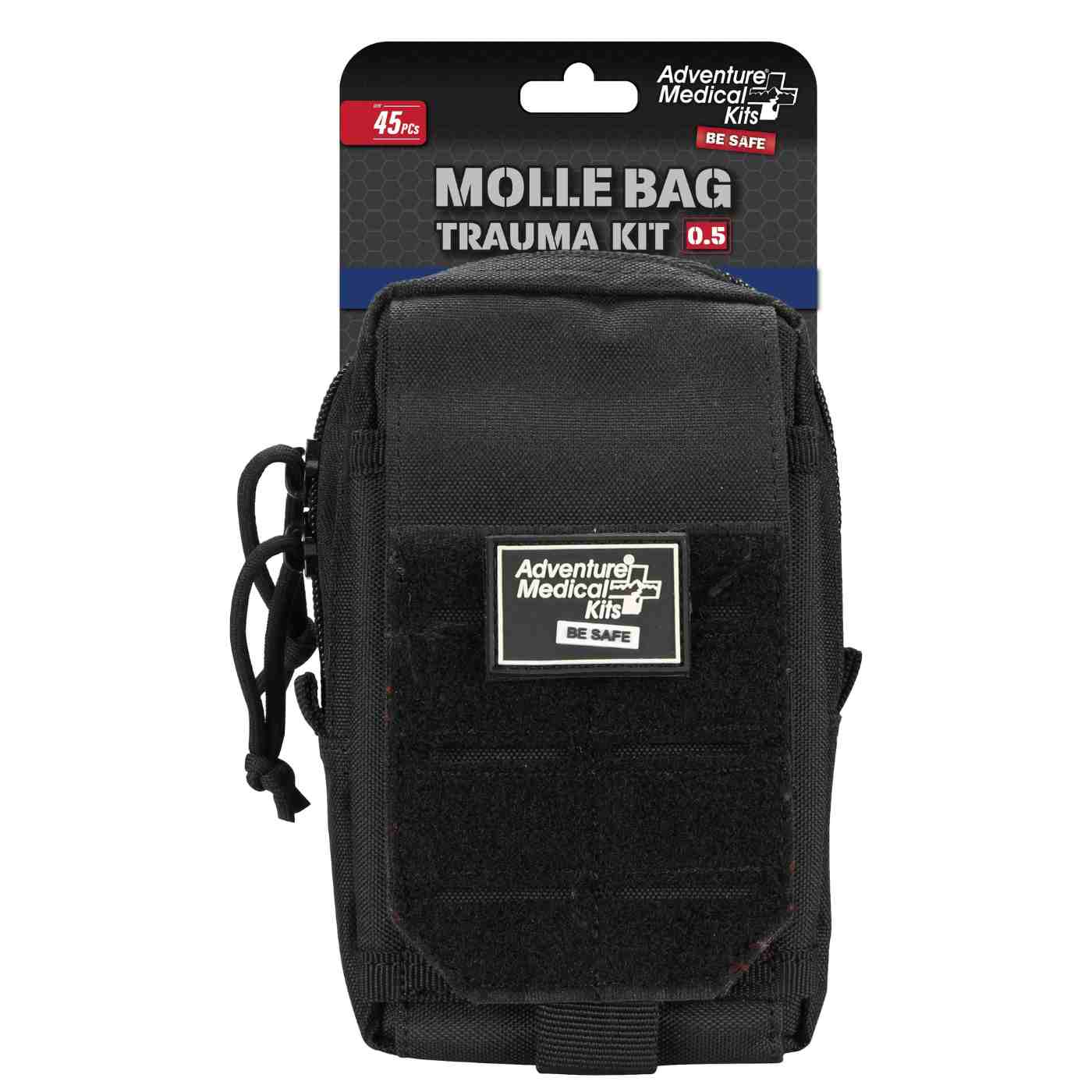
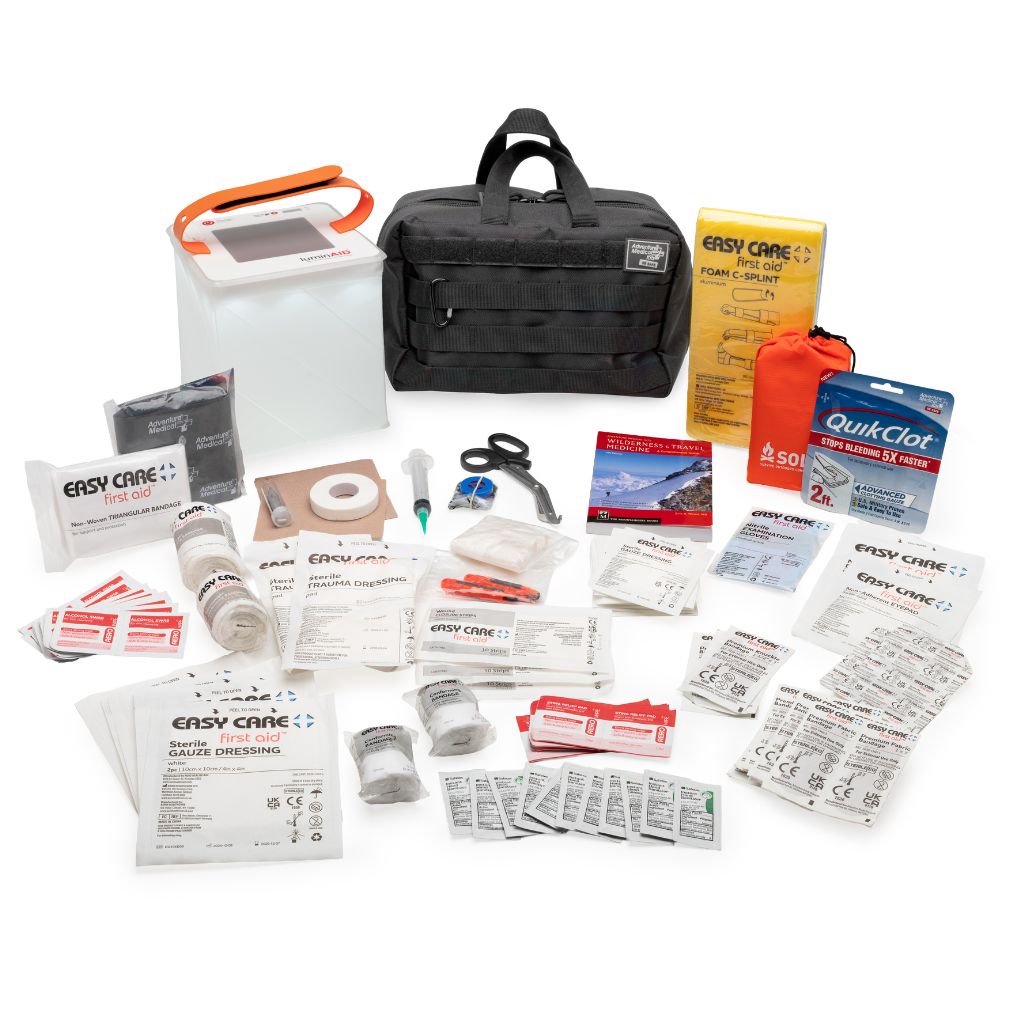
Some trips justify stepping up from a basic camping pouch to a more deliberate trauma setup. Remote hunting camps, off-road travel, chainsaw or axe use, and terrain with a real fall hazard all raise the chance of severe bleeding and delayed evacuation. In those settings, a dedicated option like the MOLLE trauma kit series fits the job better than a general-use kit stuffed with loose supplies.
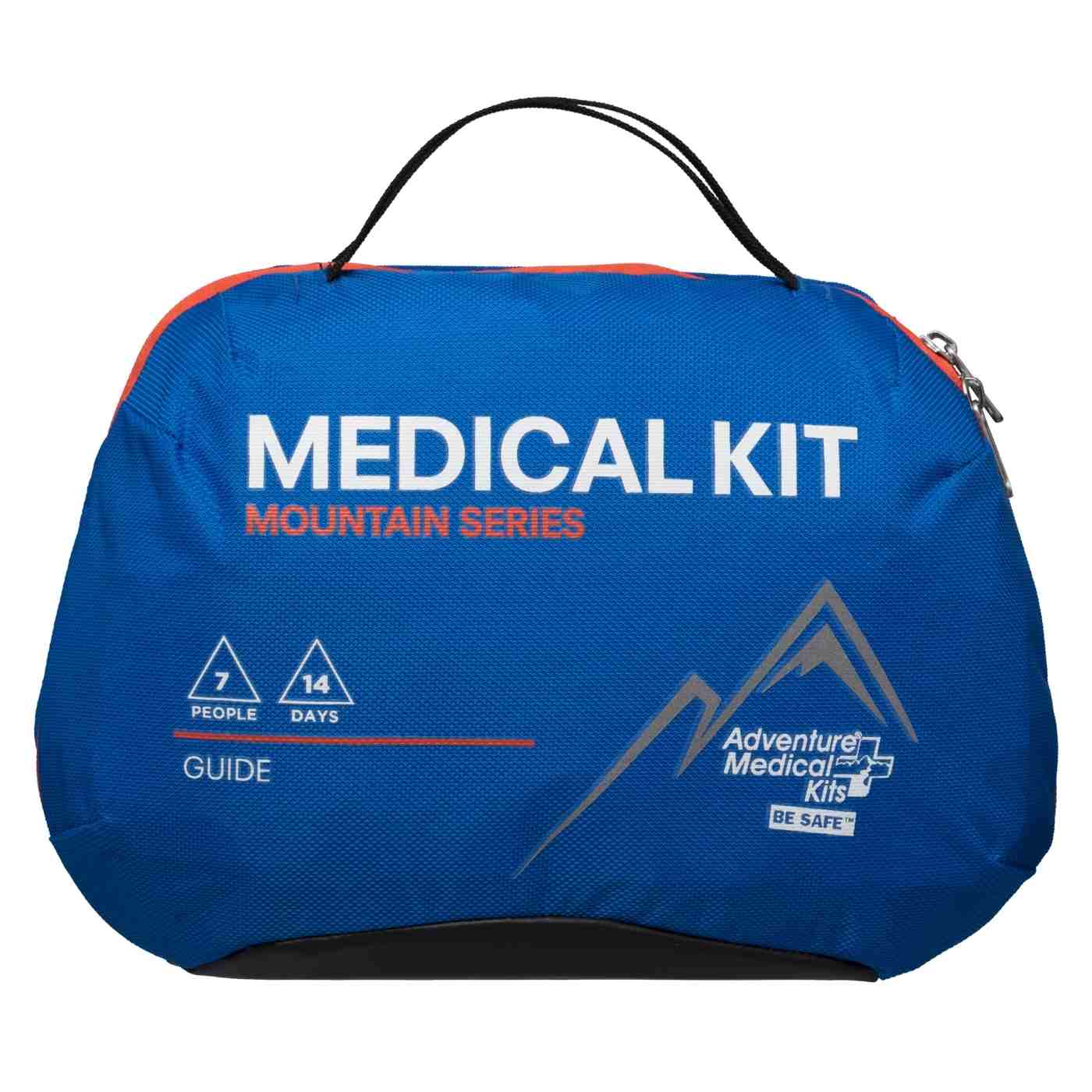
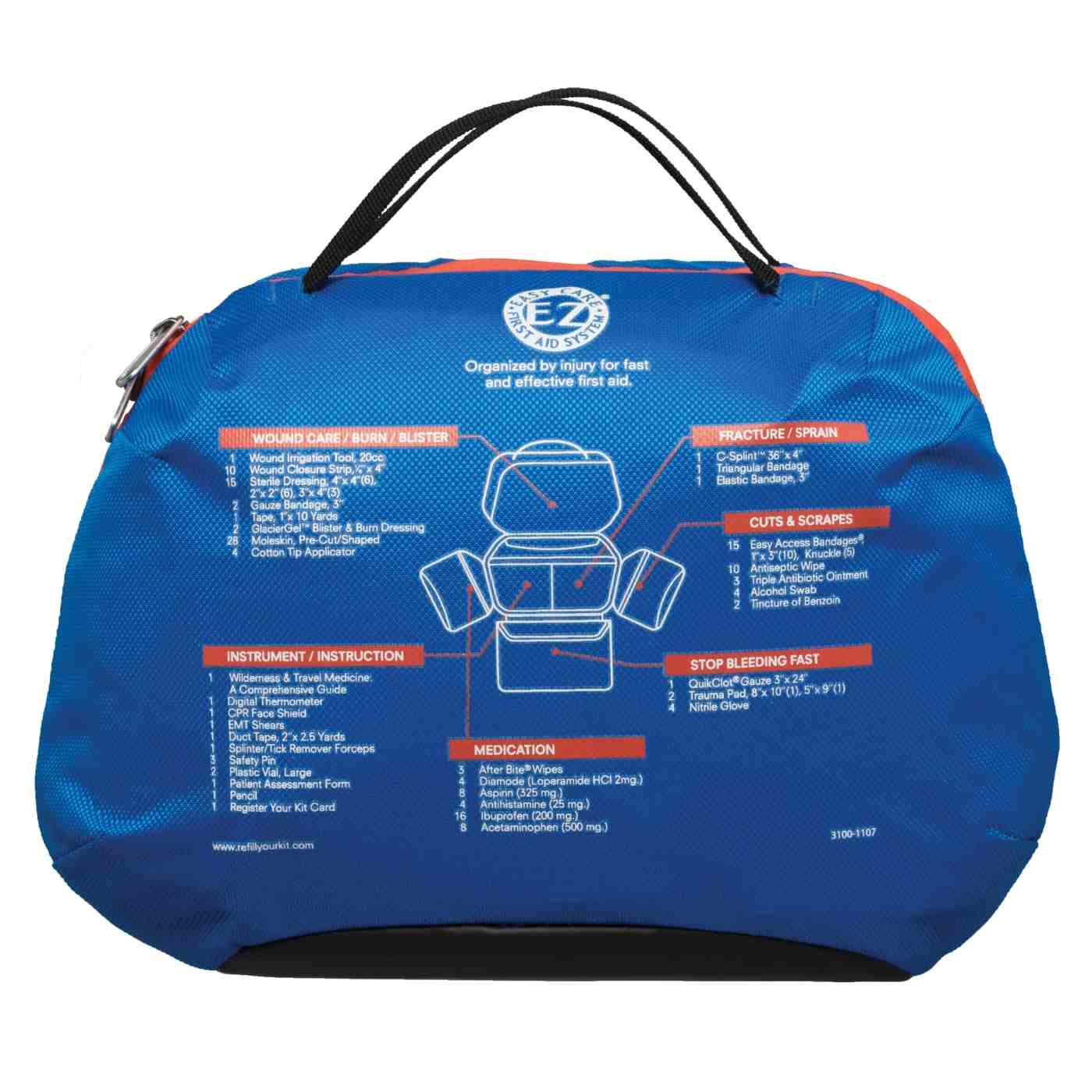
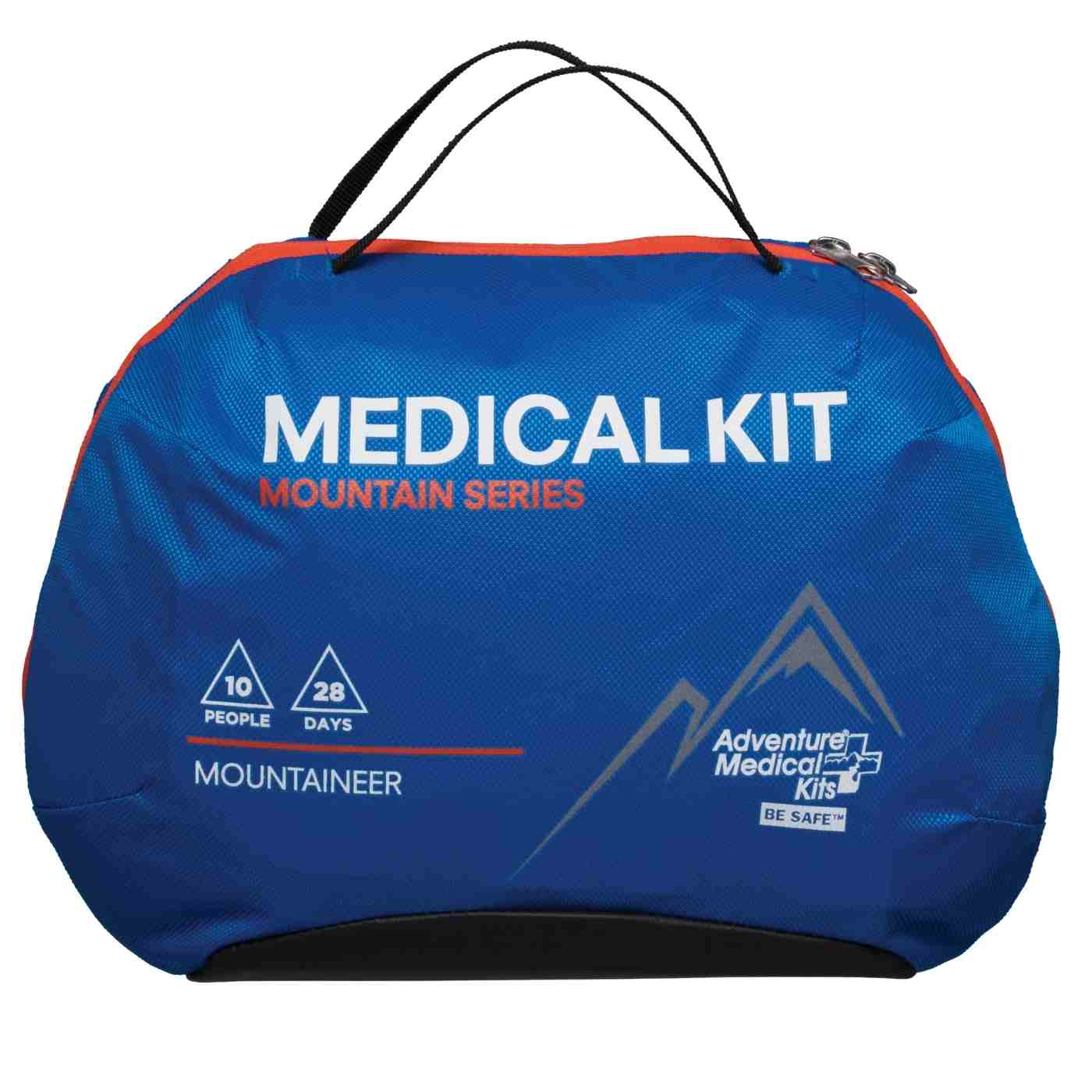
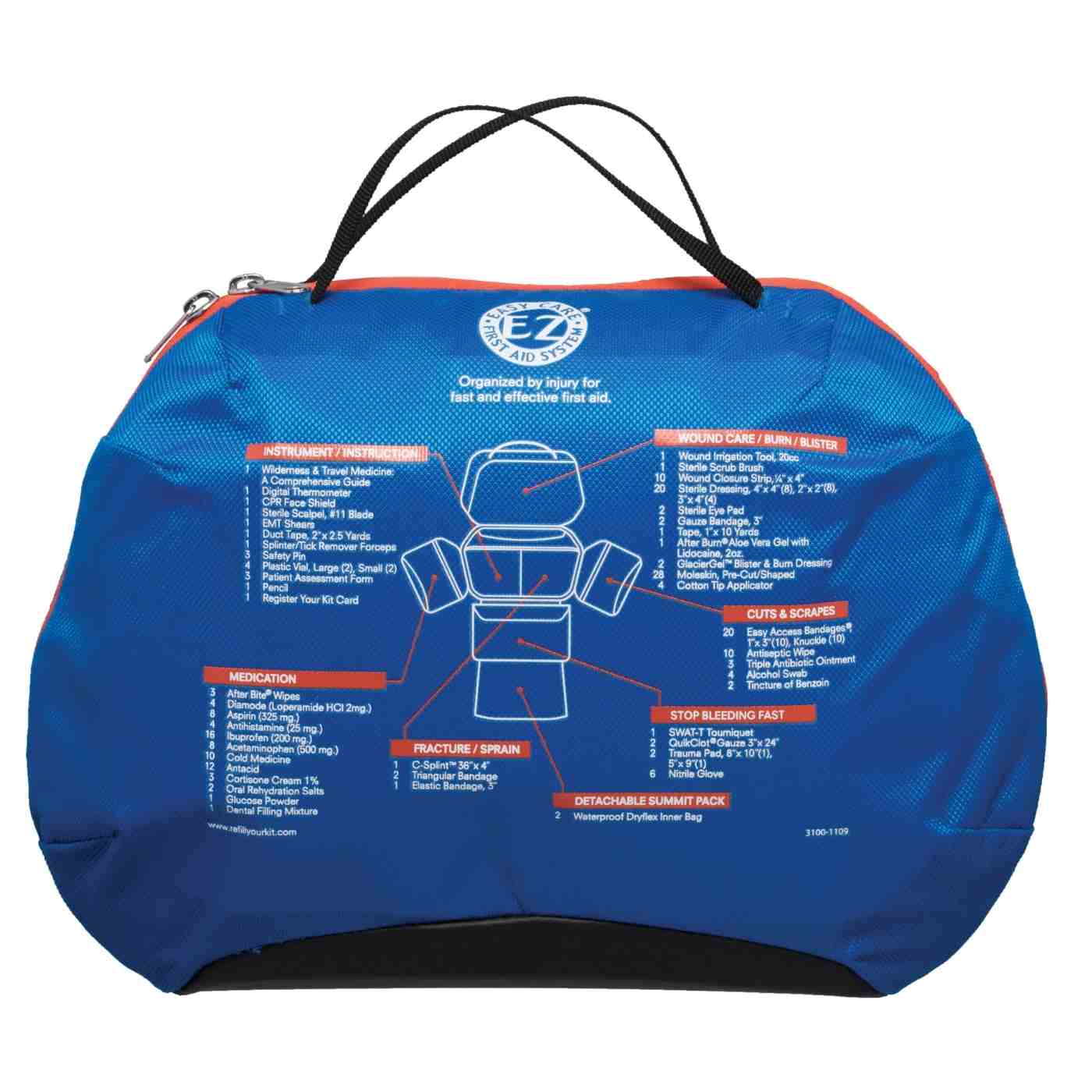
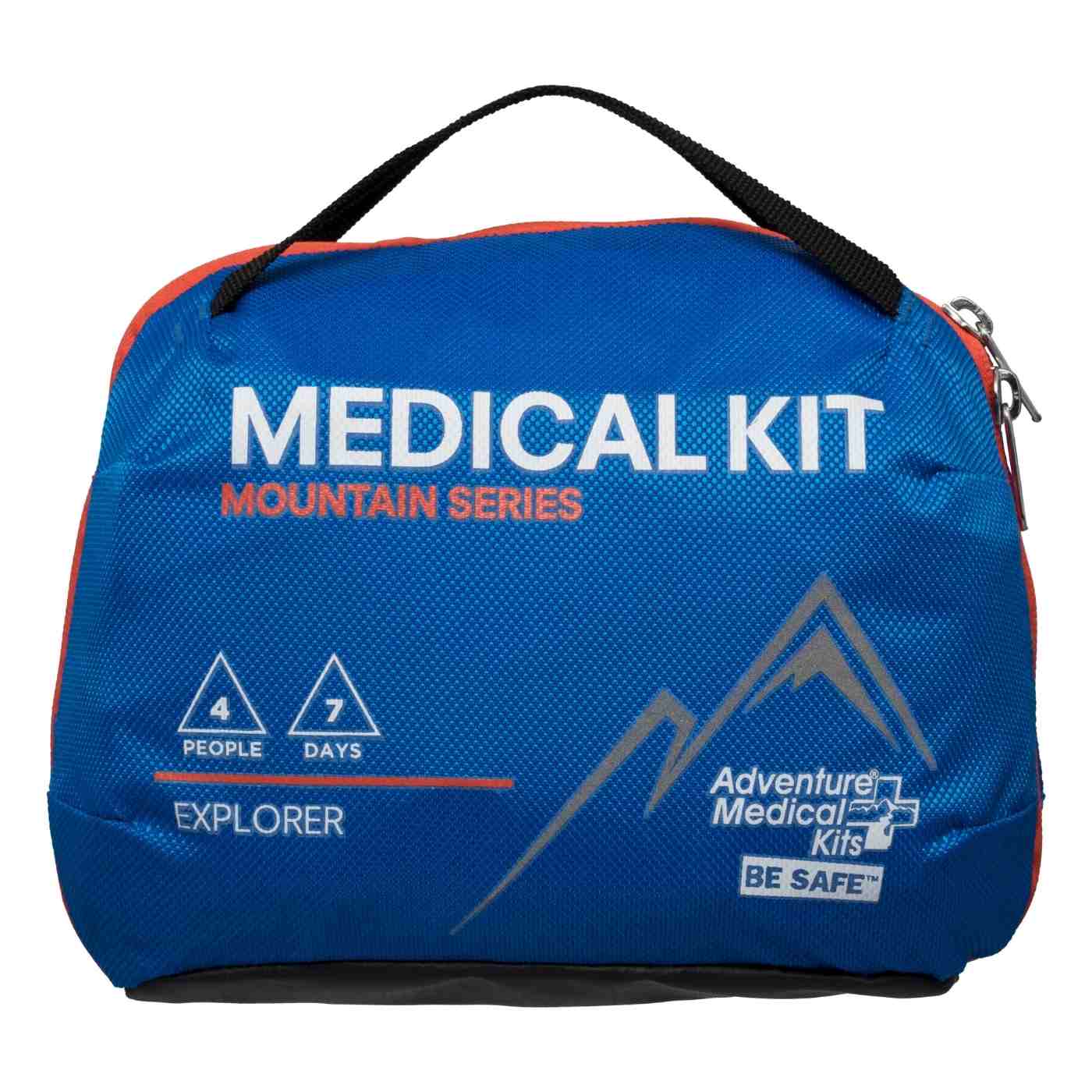
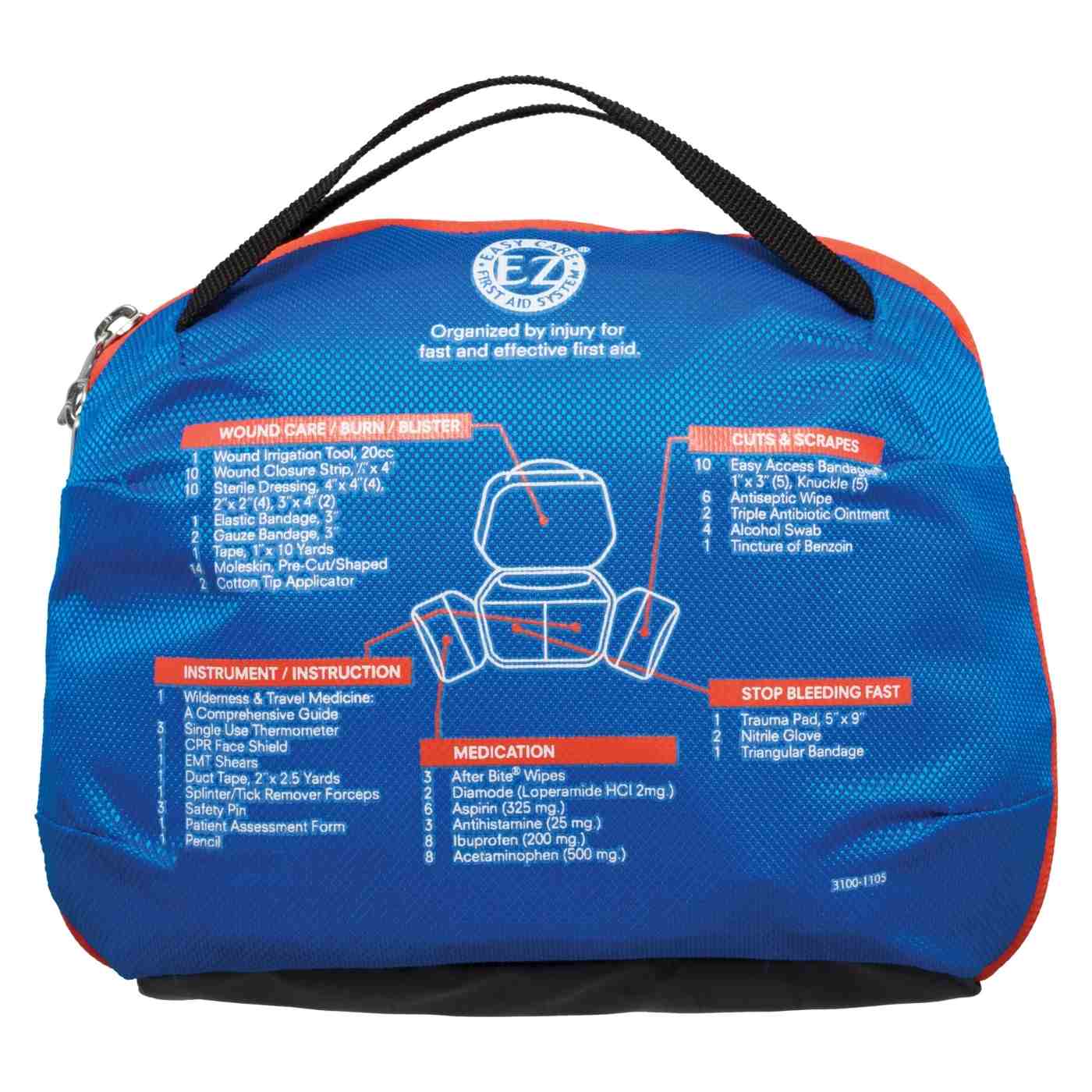
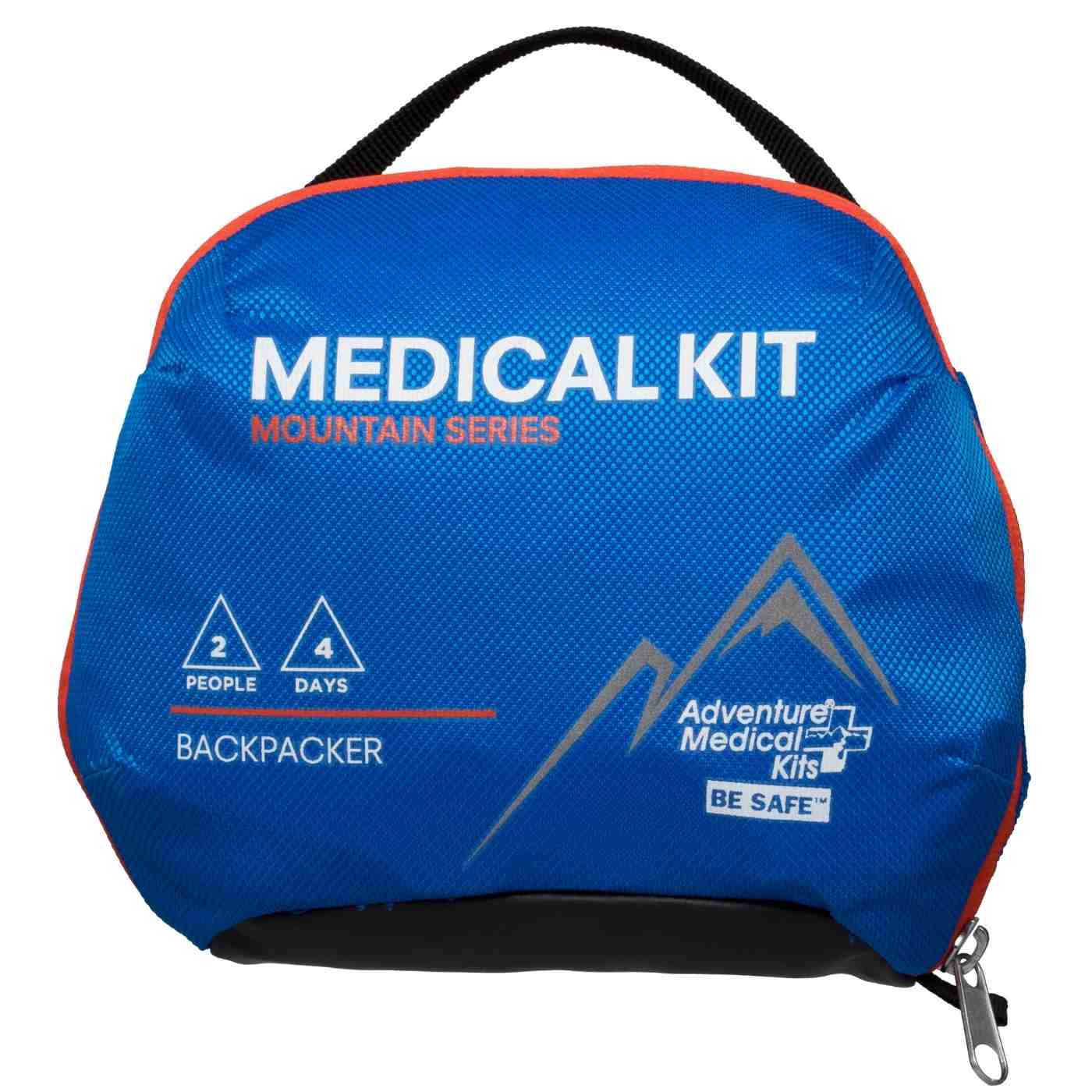
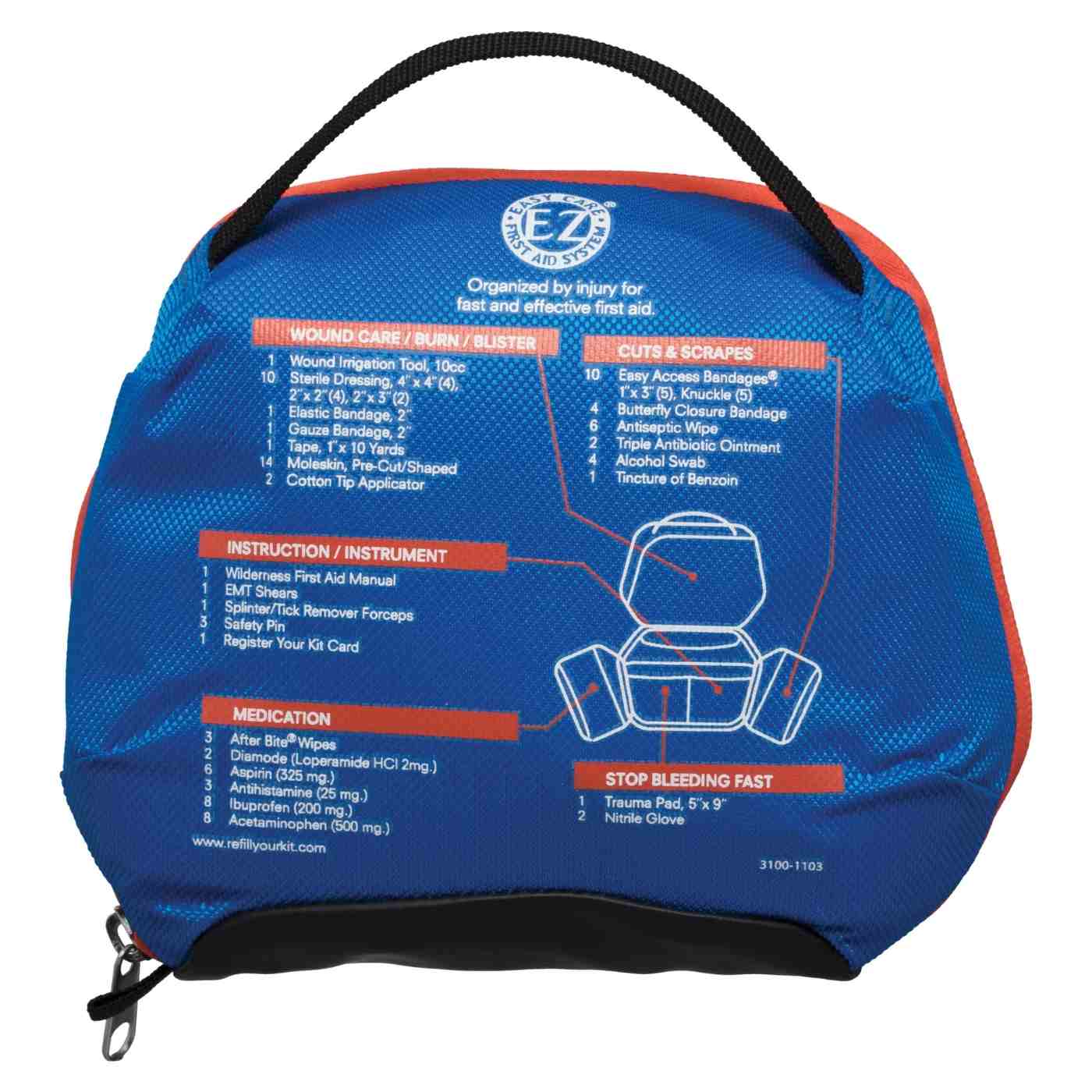
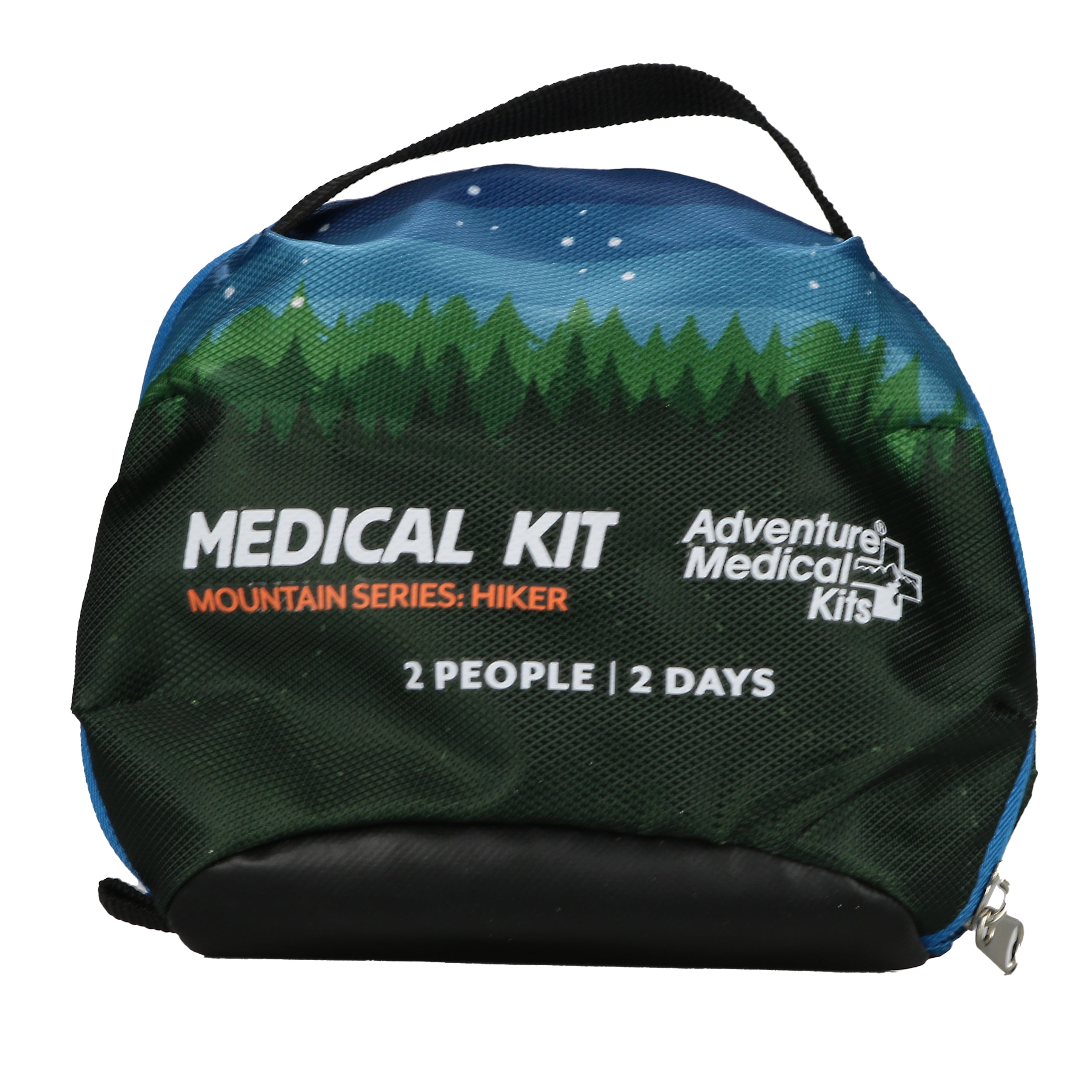
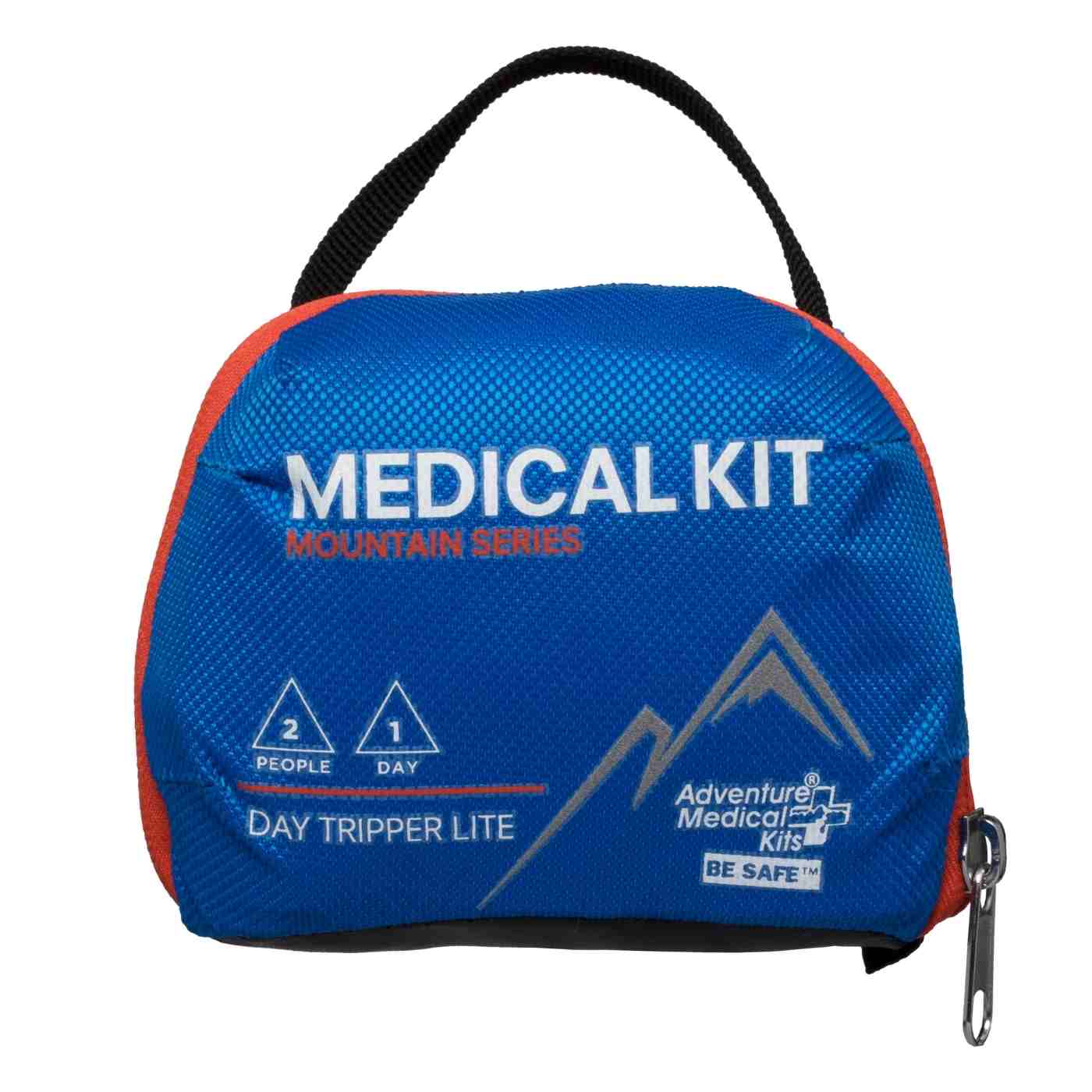
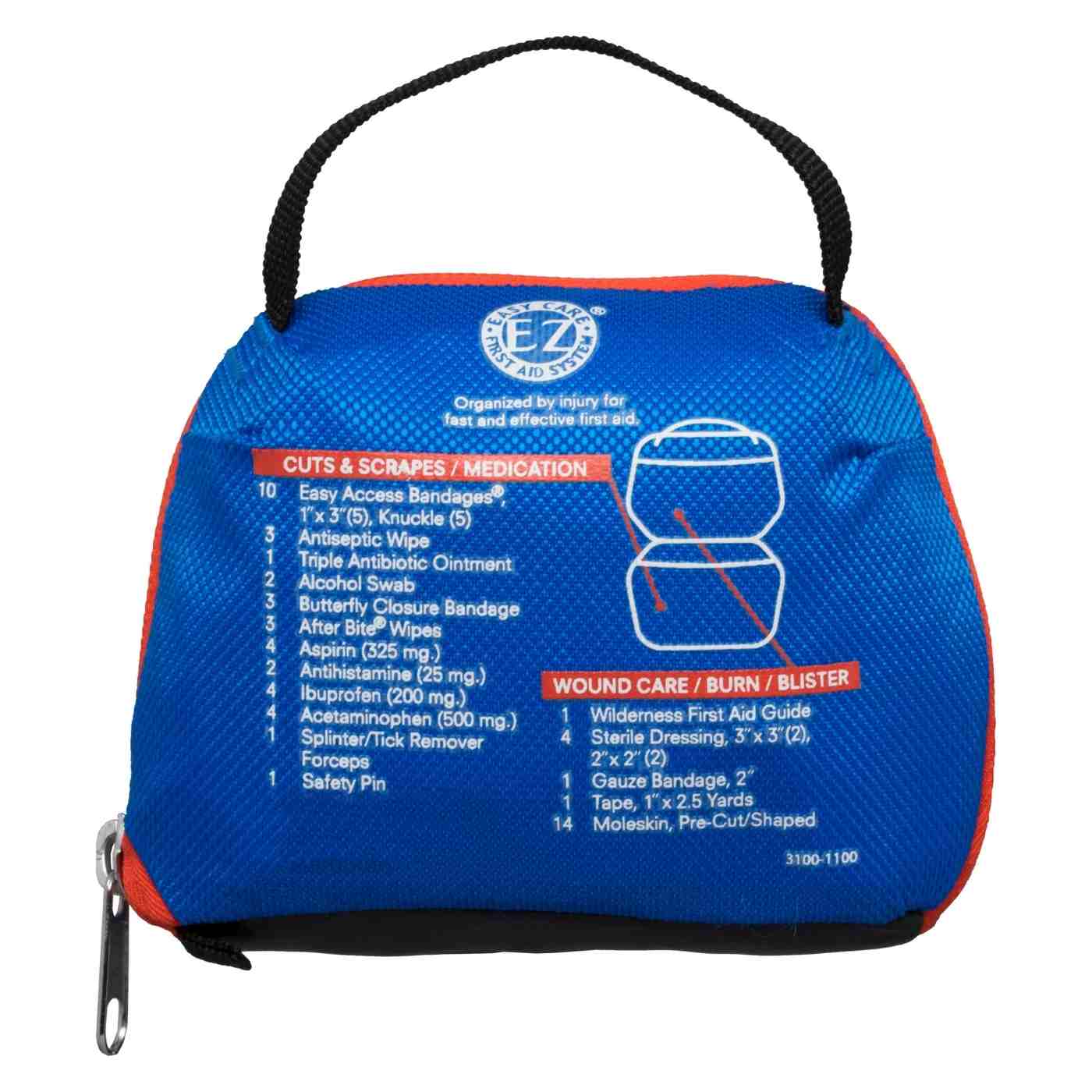
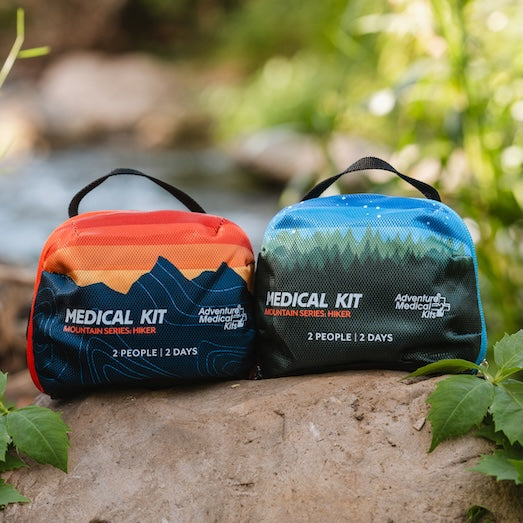
For broader backcountry travel, the Mountain Series medical kits offer a cleaner starting point than mixing random household leftovers. The advantage is not brand alone. It is organization, field-oriented supply choices, and a layout that makes sense when someone is cold, wet, scared, or trying to help in the dark.
Do not stop at packing. Check expiration dates before each season, replace used items after every trip, and protect medications from heat, moisture, and crushing. A customized kit only works if the contents are current and the group knows how to use them.
Other gear can support the medical plan without replacing it:
- Lighting: A dependable camp and emergency light from LuminAID helps with treatment after dark.
- Wildlife deterrence: In bear country, Counter Assault bear spray belongs in the safety plan.
- Emergency shelter: A compact bivy from Survive Outdoors Longer can support thermal management when plans change.
Assembling and Organizing Your Kit for Fast Access
Fast access beats perfect packing. In a real incident, nobody wants to dump a bag onto wet ground just to find tape.

Build by problem type, not by package size
A strong wilderness kit follows a possible problem list. Alpine Institute guidance divides that into Basic Life Support and Trauma, Environmental, and Medical problems, then recommends carrying more of what's likely and less of what's not (wilderness first aid kit methodology).
That structure works because it mirrors how people think under stress. The user doesn't search for “small packets.” The user searches for “bleeding,” “cold,” “blister,” or “allergy.” Label the kit that way.
A field-ready organization might look like this:
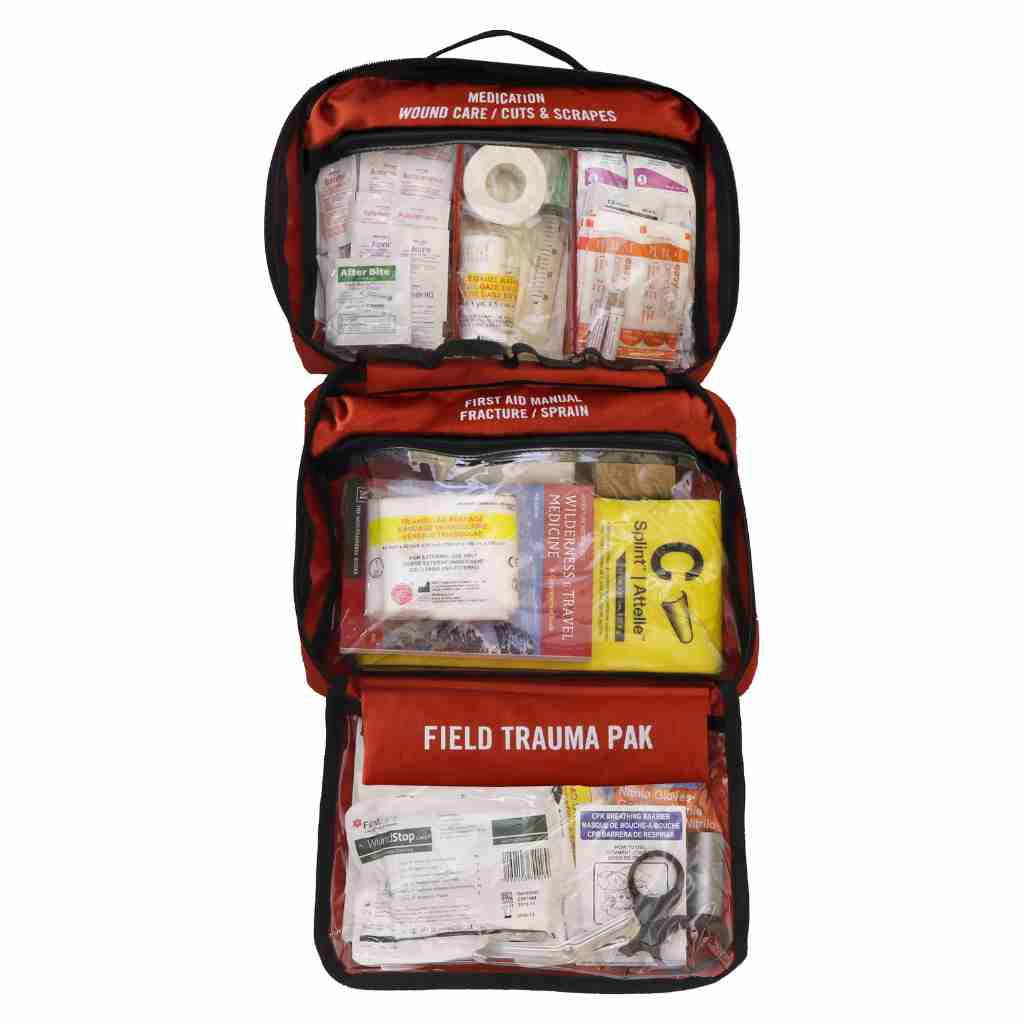
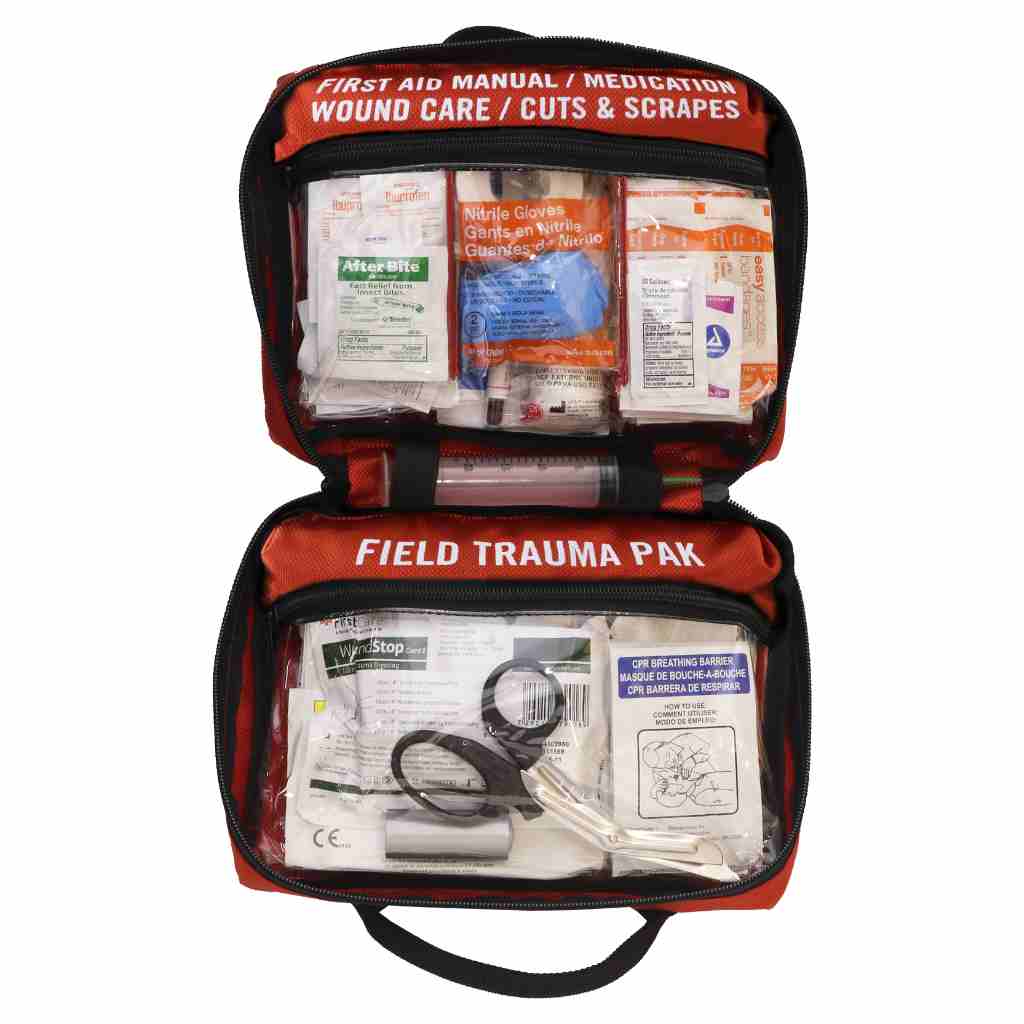
- Trauma compartment: Bleeding control items only. Keep this protected from casual daily use.
- Minor wound compartment: Bandages, antiseptic, gauze, ointment, tape.
- Foot care compartment: Blister items, skin prep, tape.
- Medication compartment: Clearly labeled oral medications and personal prescriptions.
- Environmental compartment: Emergency blanket, gloves, cold-related or heat-related support items.
Minor-use items should never quietly drain the supplies meant for serious problems.
Packaging choices that hold up in the field
Plastic bags aren't a good primary organization system. Expert kit-building guidance specifically warns against treating them as compartment substitutes. Different colored, clearly labeled compartments work better because they preserve structure and stop people from stripping the main trauma loadout for convenience.
Repackaging also matters. Ointments and liquids are easier to manage when they're transferred into durable containers that won't split or leak inside the bag. Medication logging matters too, especially on longer trips. A weatherproof medication log helps track what was taken, when it was taken, and by whom.
Set up access before the trip
Placement matters as much as content. The emergency kit for camping should ride somewhere reachable without unloading the whole vehicle or opening the entire pack. In camp, it should live in the same place every time.
A few setup habits prevent confusion later:
- Label clearly: Write directly on internal pouches or use purpose-based labels.
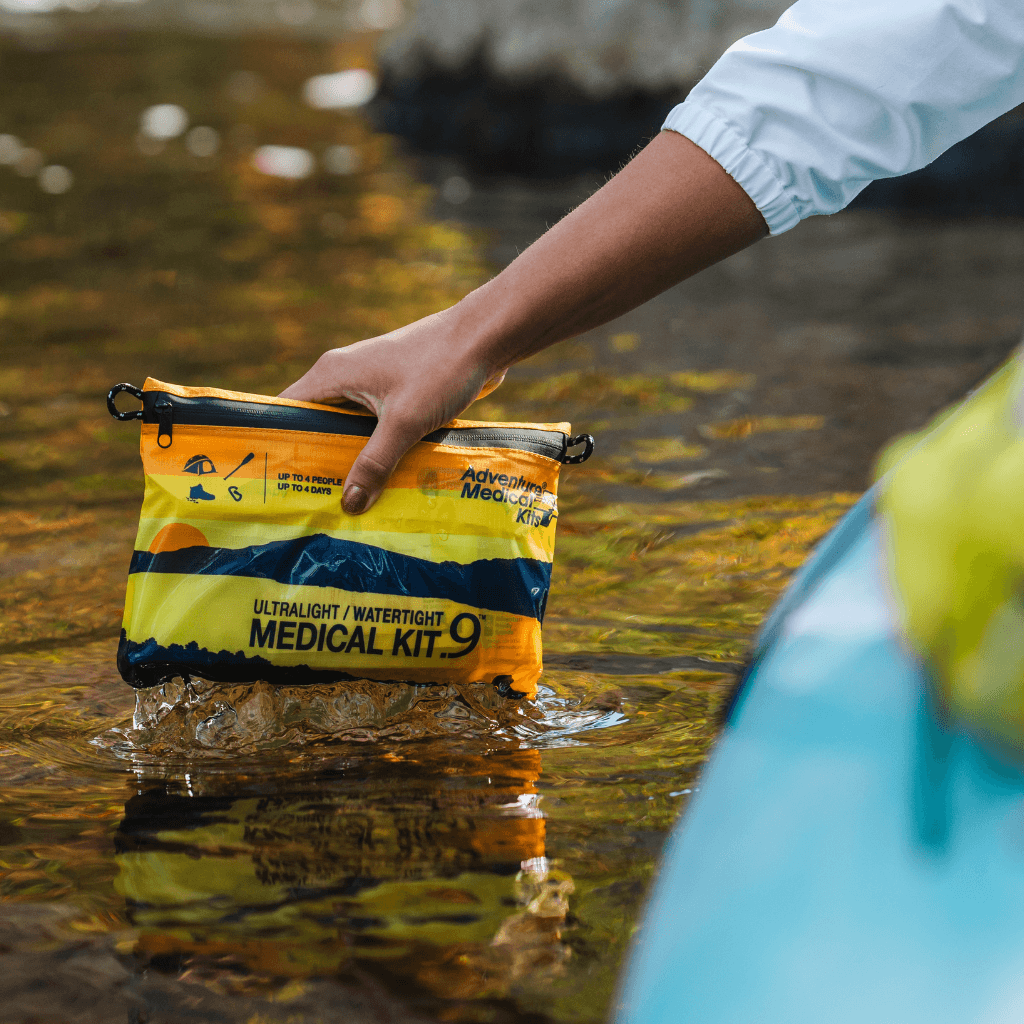
- Protect from water: Use a durable outer bag and resealable waterproof barriers where appropriate.
- Separate personal use from group use: Keep routine items accessible, but protect trauma supplies from being borrowed for convenience.
- Add instructions: Working with a quick reference card is faster than relying on memory alone.
Using and Maintaining Your Emergency Kit
Rain sets in, the temperature drops, and someone slices a hand while splitting kindling. That is when a camping first aid kit gets tested. The people who do well are rarely the ones carrying the most gear. They are the ones who packed for the actual risks on that trip, know where everything lives, and have practiced the basics before they need them.
Training decides whether your kit is useful or dead weight.
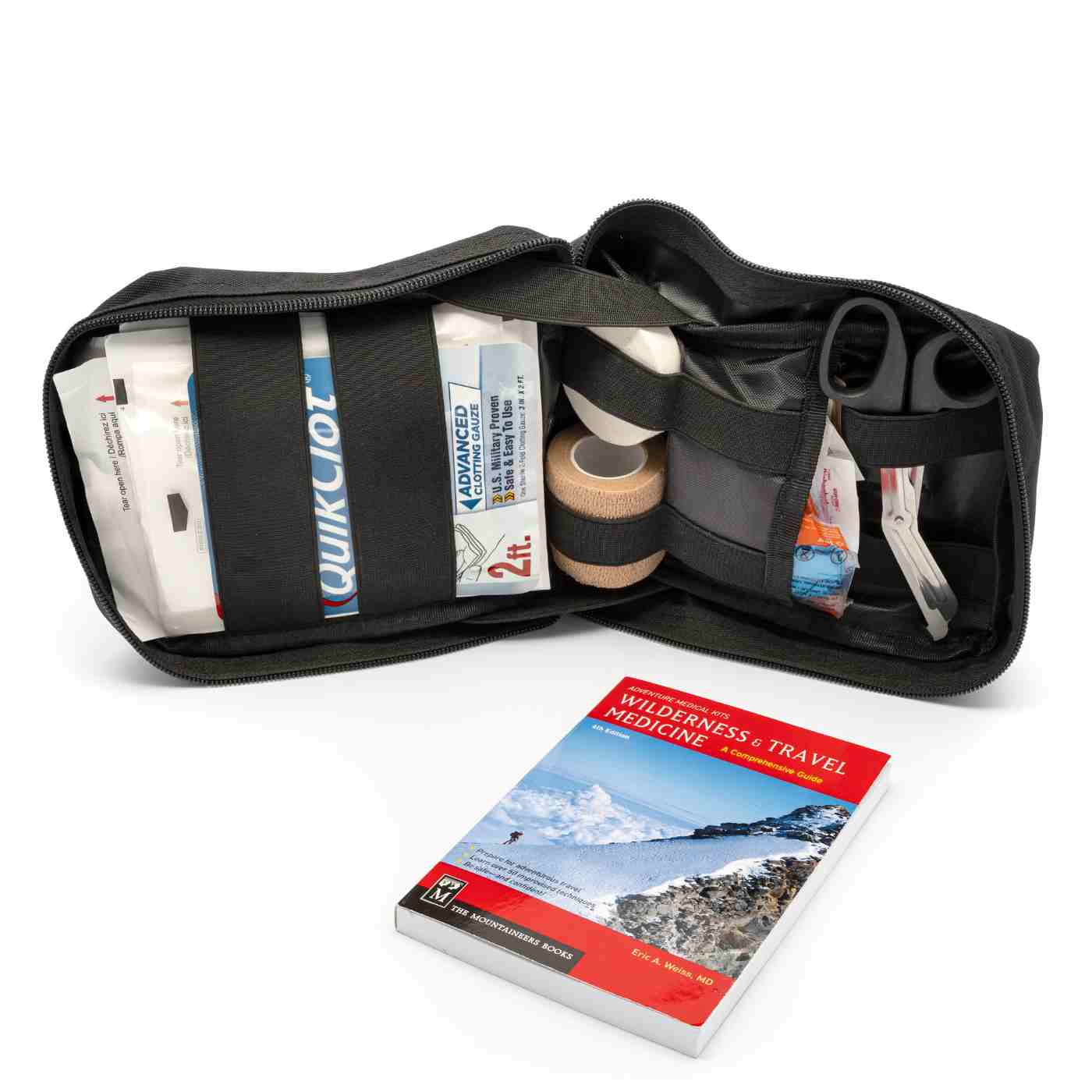
A handbook in the pouch helps with reminders, but stress changes how people think and move. Cold hands, low light, and a worried group make simple tasks slower. A short wilderness first aid course from NOLS, the Red Cross, or a similar provider gives you a decision-making framework, not just a checklist. For longer trips, this guide on choosing a medical kit for a multi-day backpacking trip is a good companion to that training because trip length changes what you need to know how to use.

The right question is not, "Do I have a first aid kit?" It is, "Can I use this kit for the injuries and illnesses I am most likely to face on this trip?"
That is where personal risk assessment matters again. A roadside family campground, a desert overnighter, and a four-day shoulder-season backpacking trip do not place the same demands on a kit or on the person using it. If someone in the group has asthma, severe allergies, diabetes, a bleeding disorder, or a history of heat illness, maintenance includes checking those personal items with the same discipline as bandages and gloves. Expired prescription medication or a missing rescue inhaler creates a bigger problem than being short one roll of tape.
Some items get packed with good intentions and poor follow-through. Emergency blankets, CPR barriers, irrigation supplies, elastic wraps, and blister care all help, but only if the user has practiced with them. I have seen plenty of campers carry gear they had never opened. In the field, unfamiliar packaging wastes time, and time matters.
Maintenance is part of readiness
A neglected kit usually fails in ordinary ways. Adhesive stops sticking. Ointment packets dry out or leak. Gloves turn brittle after months in a hot vehicle. Medications expire unnoticed.
None of this is complicated, but it has to be done on schedule. Good maintenance is less about perfection and more about consistency. The goal is to keep the kit ready for the conditions you camp in.
A simple maintenance routine
Use a repeatable system:
- After every trip: Replace used items, dry anything damp, and reset the kit to its standard layout.
- Once every few months: Check expiration dates, inspect packaging, and test whether tape, closures, and seals still work.
- Before each trip: Confirm personal medications, kid-specific items, and environment-specific additions are packed for that route and season.
- During storage: Keep the kit out of prolonged heat, freezing conditions, and moisture when possible.
- After training sessions: Restock immediately. Practice burns supplies faster than people expect.
- Before group travel: Make sure at least two people know where the kit is and how the contents are organized.
Maintenance also includes removing what no longer fits your trips. If your old loadout was built for car camping, revisit it before a remote river trip or an early spring backpack. Risk changes. The kit should change with it.
DIY vs Prebuilt Kits When to Upgrade
A DIY kit is a good choice for campers who can build around a real risk profile instead of copying a checklist. If you know the trip, the terrain, the weather range, and the medical needs in your group, you can pack with purpose. That matters for families with kids, groups managing allergies, trips with higher blister and sprain risk, or routes where evacuation will be slow.
The trade-off is simple. A homemade kit only works if the person building it can choose quality supplies, organize them for fast use, and keep the kit current. I have seen plenty of DIY kits stuffed with random drugstore leftovers, bulky duplicates, and items no one in the group knew how to use. In camp, that kind of kit looks full. In an actual incident, it slows people down.
When DIY works
Build your own kit if you can answer a few practical questions. What injuries are most likely on this trip? What does your group know how to use? What has to be available in the first minute, and what can stay deeper in the pouch? That process usually leads to a better kit than a generic starter pack because it reflects the route and the people, not an average user.
DIY also makes sense for experienced campers who already have training and want to customize hard around personal needs. Asthma meds, epinephrine, child dosing tools, blister care, irrigation supplies, or extra wound dressings may matter more than carrying a long list of low-use items. The point is not to carry more. The point is to carry what fits your risks, then maintain it well enough that every item is ready when you need it.
When a prebuilt kit is the better upgrade
Prebuilt kits earn their place when consistency matters more than tinkering. That includes multi-day trips, family camping, guide work, vehicle-based overlanding, and any trip where more than one person may need to find supplies fast. A well-designed prebuilt kit gives you a tested layout, labeled compartments, and a cleaner starting point for customization.
That does not mean leaving it untouched. Good prebuilt kits still need a personal risk assessment. Add medications, remove low-value filler, and adjust for climate, remoteness, and group size. For campers comparing options for longer trips, this guide to choosing a medical kit for a multi-day backpacking trip helps match kit size and contents to trip length and terrain.
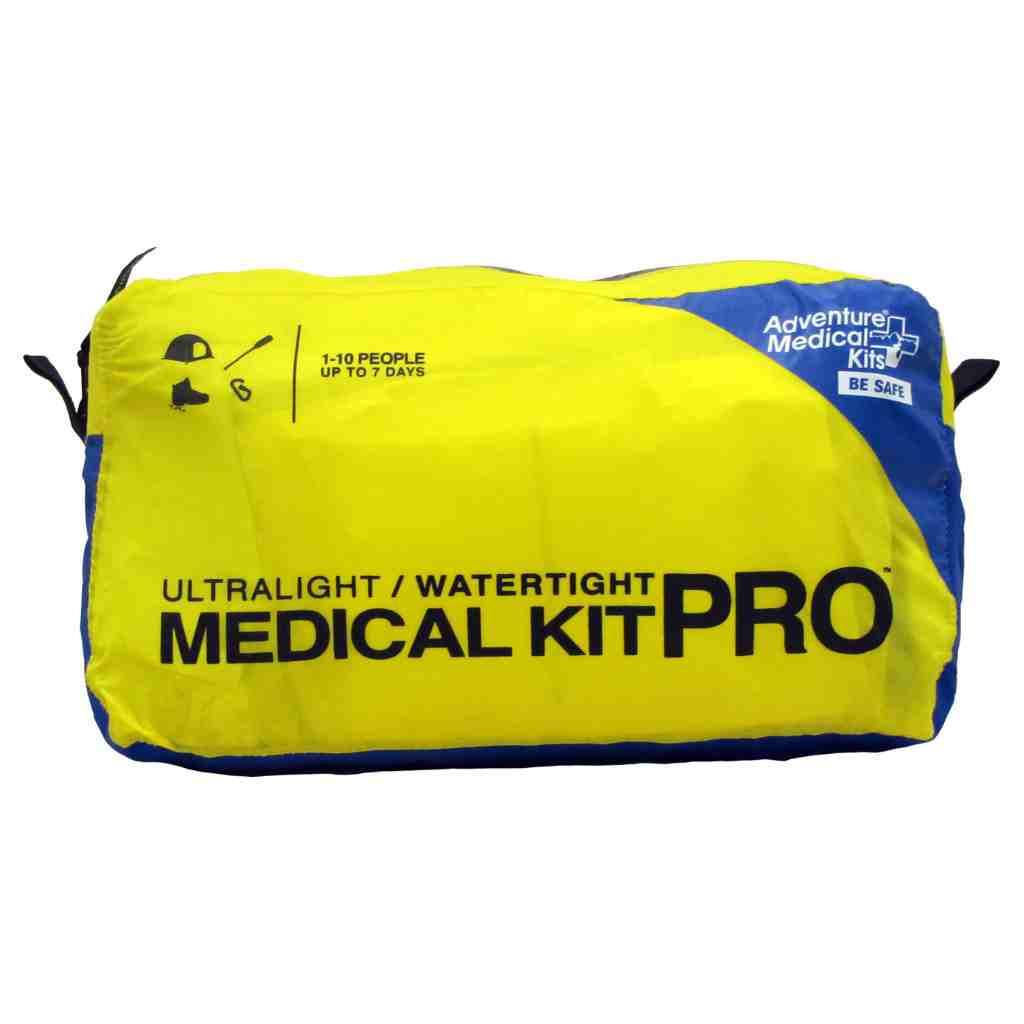
Adventure Medical Kits offers activity-specific options such as the Mountain Series and MOLLE series. Their practical advantage is straightforward. They are organized for field use, built for travel, and easy to modify once you know your likely problems and your group's skill level. For eligible buyers, first aid kits and supplies can also be purchased with FSA/HSA funds through the brand site.

The right time to upgrade is usually when your current kit stops matching the trips you take. A basic pouch may be fine for short outings. It falls short once you start carrying for a group, spending multiple nights out, traveling farther from help, or managing recurring medical issues. Upgrade before that trip, not after the one that exposed the gap.
Training should drive that decision too. If no one in the group knows how to use half the tools in a highly customized kit, simplify it or get trained. A smaller kit used correctly is safer than a larger one packed with gear people cannot apply under stress.