

A lot of travelers are one small problem away from a bad trip. A blister turns into a limp on day one. A scraped shin gets dirty in a humid climate. A child spikes a fever in a hotel room where the front desk has no useful supplies. The issue usually isn't that the injury is dramatic. The issue is that the response is slow, improvised, and incomplete.
That's why the best first aid kit for travel isn't the biggest pouch on a shelf. It's the kit that matches the trip, carries the right supplies, and lets someone find them fast under stress. Travelers who are already preparing for emergencies at home should think the same way on the road. Risk changes with terrain, distance from care, weather, water quality, and who's in the group.
Table of Contents
- Why Every Traveler Needs the Right First Aid Kit
-
Built for the Unpredictable Why Organized Activity Specific Kits Matter
Why Every Traveler Needs the Right First Aid Kit
A city weekend and a backcountry traverse don't fail in the same way. In a city, the usual problem is inconvenience. In the backcountry, delay becomes the problem. On international trips, small gastrointestinal issues, insect exposure, and sun can wear people down fast if the kit is missing the basics.
The right kit closes that gap. It gives travelers enough capability to handle the common problems early, before they become trip-ending problems. That might mean covering a hot spot before it becomes a blister, irrigating a dirty cut before infection risk climbs, or having the right over-the-counter medication when the nearest pharmacy is closed or hard to reach.
Practical rule: A travel kit should be built for the first hours of a problem, not the ideal moment when professional care is easy to reach.
A common mistake is buying for reassurance instead of use. They pick a kit because it looks well-equipped, then realize it's bulky, badly organized, or missing the supplies that matter for the trip they are taking. The better approach is simple. Start with the likely injuries and illnesses. Then choose a kit type that fits the destination, activity, and group.
That's where a professionally curated outdoor kit earns its keep. Good kits are designed around common patterns of injury and illness, not random filler. For travel, that difference matters more than branding or packaging.
The Foundation of Preparedness Core First Aid Supplies
A traveler slips on wet stone at a ferry dock, opens a knuckle, and still has three hours before reaching a clinic. In that moment, the kit matters less for how many items it holds and more for whether it can clean the wound, protect it, and keep the trip on track. The American Red Cross travel first aid kit essentials focus on that real use case: bandages in assorted sizes, blister treatment, cold packs, gloves, masks, topical corticosteroids, saline, tweezers, and a first aid guide for situations where care is delayed.

What belongs in every travel kit
The core job of a travel kit is simple. It should handle the problems you are most likely to face in the first hours, with supplies you can effectively use under stress.
Five supply categories cover that baseline well:
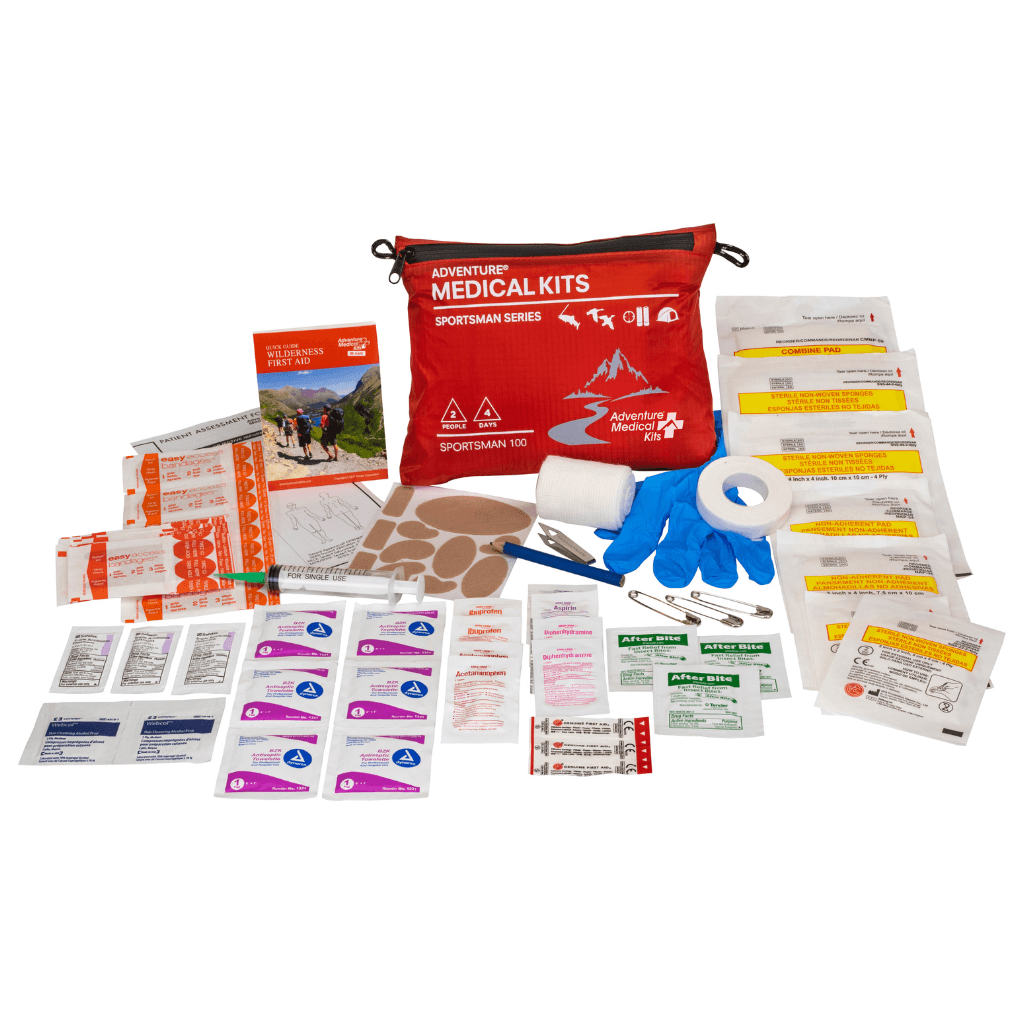
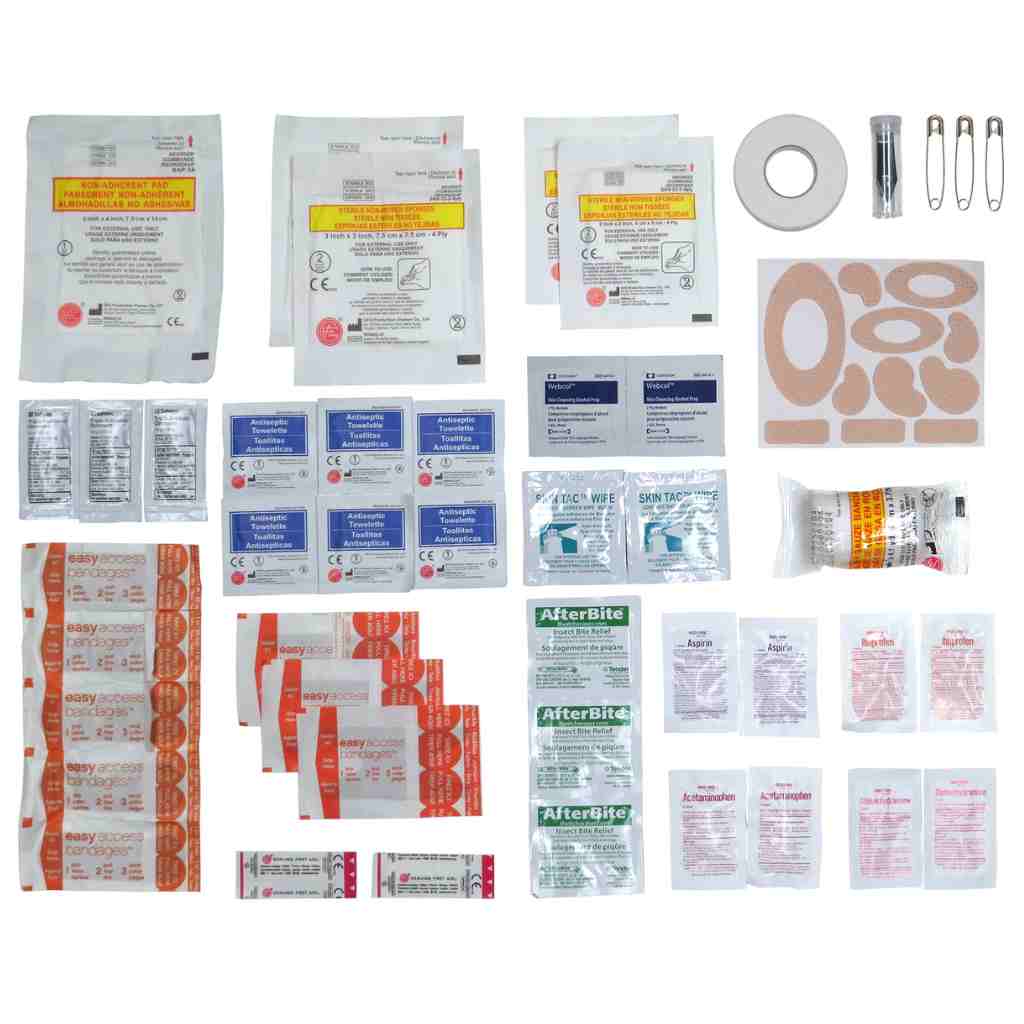
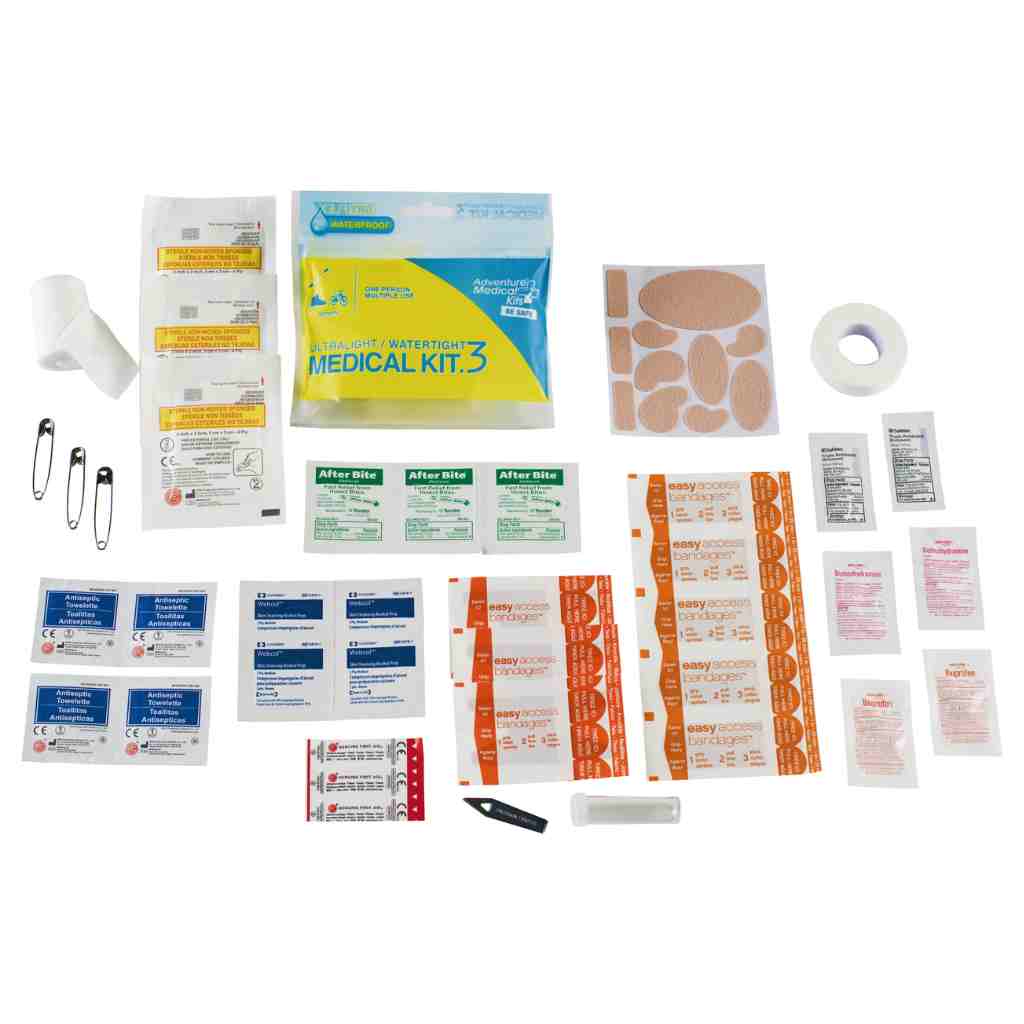
- Wound cleaning and protection: Adhesive bandages, gauze, tape, antiseptic wipes, and saline help manage the cuts and scrapes that happen in airports, on trails, in rental cars, and around water.
- Blister treatment: Hydrocolloid blister dressings or moleskin prevent a minor friction spot from turning into a mobility problem on foot-heavy trips.
- Hand hygiene: The CDC Yellow Book guidance on travel health kits advises carrying hand sanitizer with at least 60% alcohol for travel settings where soap and water may not be available.
- Basic medications: Pain relievers, allergy medication, fever reducers, and diarrhea treatment solve common travel problems that do not need advanced care but do need quick action.
- Small tools and instructions: Tweezers, gloves, and a clear guide reduce mistakes and hesitation.
The right baseline also changes with the trip. Boat travel, rough water crossings, and snorkeling excursions call for motion sickness planning before departure. A short read on choosing the best sea sickness med can save more trouble than an extra handful of bandages.
What travelers often forget
Short-use items disappear first. Gloves get contaminated and tossed. Wipes dry out. A few adhesive bandages vanish on day one. That is why refill discipline matters more than many travelers expect.
The small items are usually the ones that keep a kit functional, which is why practical guidance on restocking the little things in your first aid kit is worth following before any long trip.
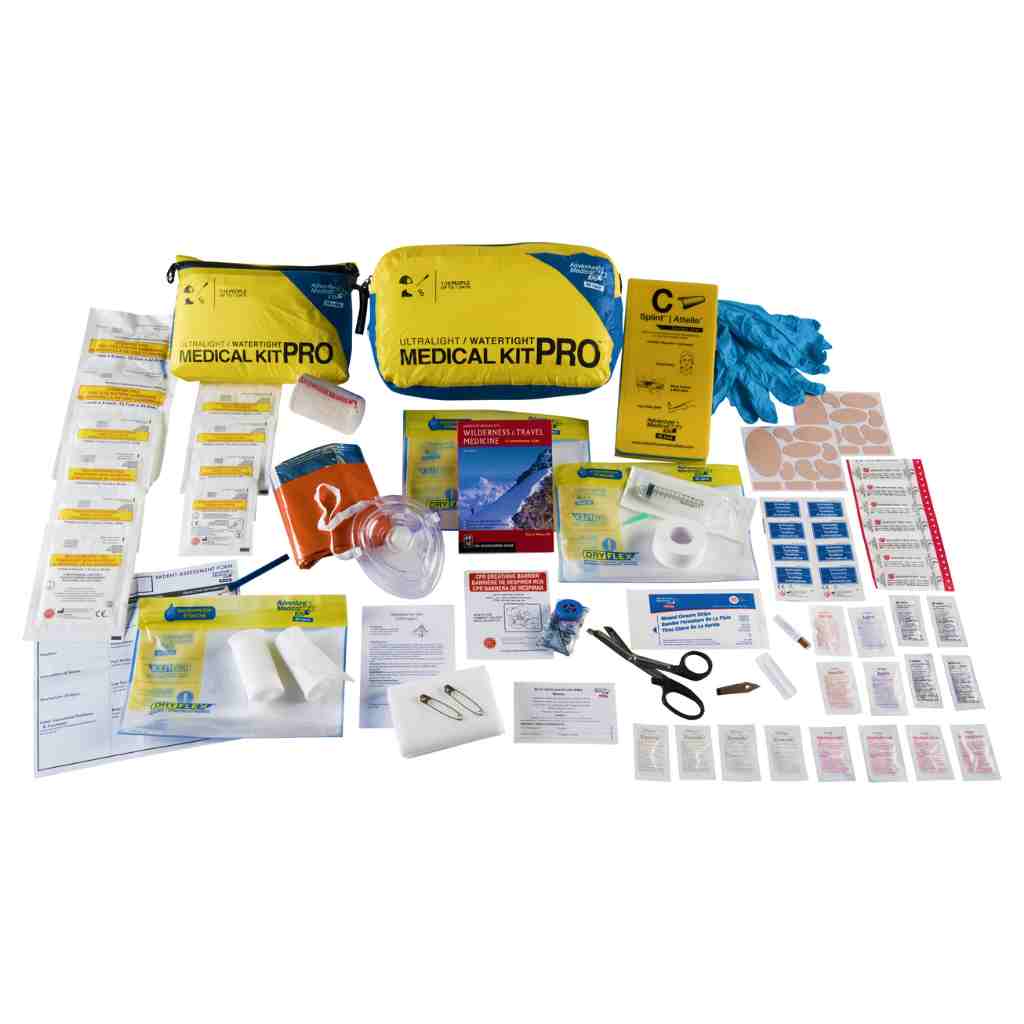
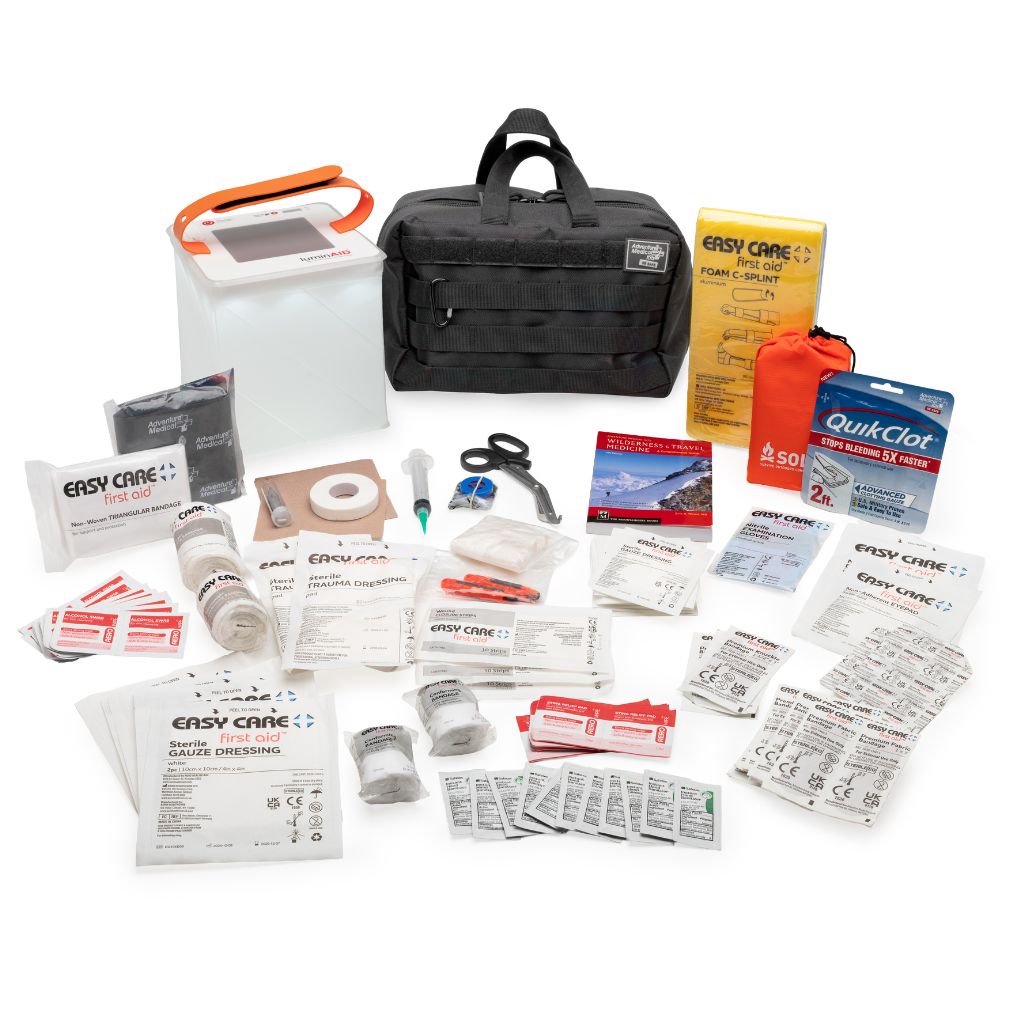
For road travel or as a vehicle-based kit, the Easy Care® Comprehensive First Aid Kit serves a different purpose than a small trail pouch. It includes a CPR breathing barrier, emergency blanket, burn treatment, common medications, a detailed Red Cross First Aid Guide, and the Easy Care pocket system.
A good travel kit should let you deliver clean, organized first aid with the supplies on hand, not improvise with hotel tissues, snack napkins, or duct tape.
Assess Your Adventure Choosing the Right Kit Size and Type
The cleanest way to choose the best first aid kit for travel is to stop thinking in product categories first and start with risk categories. An effective wilderness first aid kit should be built from a possible problem list divided into Basic Life Support/Trauma, Environmental, and Medical problems, as described by the Alpine Institute guidance on building a wilderness first aid kit.
A quick visual helps narrow the field before the fine tuning starts.

Build a possible problem list first
For travel planning, the three categories work well because they force practical thinking.
| Category | What to think about | What the kit needs to support |
|---|---|---|
| Basic Life Support and Trauma | Falls, cuts, sprains, bleeding, unstable ground, roadside travel | Dressings, wraps, gloves, wound care, bleeding control supplies appropriate to the trip |
| Environmental | Sun, insects, cold, wet conditions, contaminated water, heat | Sunscreen, repellent, hydration support, emergency warmth, water treatment |
| Medical | Diarrhea, fever, headaches, allergies, motion sickness, chronic medication needs | Over-the-counter medications, personal prescriptions, symptom-specific add-ons |
This approach changes buying decisions. A traveler with long walking days in developed areas may need excellent blister care and medications more than bulk trauma gear. A remote team in alpine terrain may need a larger kit with more dressings, wraps, and environmental protection.
Later in the decision process, travelers comparing international options can look at the Travel Series Medical Kit World Travel as one example of a kit designed around the problems that show up away from home.
Match the kit to the trip profile
Urban explorer.
These trips usually have easier access to pharmacies and urgent care. The kit can stay compact, but it still needs reliable wound care, blister treatment, hand hygiene, and a few medications for headache, fever, allergy, or stomach issues.
Weekend hiker or campground traveler.
This profile needs more than a city pouch. Sprains, blisters, minor burns, and small cuts are common. Organization matters because care often happens outside, in low light, or during weather.
Remote backpacker or hunter.
Distance changes everything. This traveler should think harder about bleeding control, wraps, environmental protection, and what happens if help is delayed. Redundancy in basics matters because a single dressing or pair of gloves isn't enough for a longer trip.
International traveler.
This profile needs attention to water, diarrhea management, insect protection, and travel-size hygiene items. It also needs careful medication packing and clear labels.
Family group.
Groups multiply needs. Children, older adults, and varying activity levels mean more bandages, broader medication planning, and faster access to basics without dumping out the entire kit.
Built for the Unpredictable Why Organized Activity Specific Kits Matter
Most homemade kits fail at the exact moment they're supposed to help. Supplies are there somewhere, but they're mixed together, half used, and hard to identify quickly. That wastes time and increases the chance that someone skips the right step.

Why DIY kits break down
A zip bag full of random supplies looks efficient at home. In the field, it usually means rummaging. Gloves snag on tape. Small medications slide under gauze. The one item needed right away ends up at the bottom.
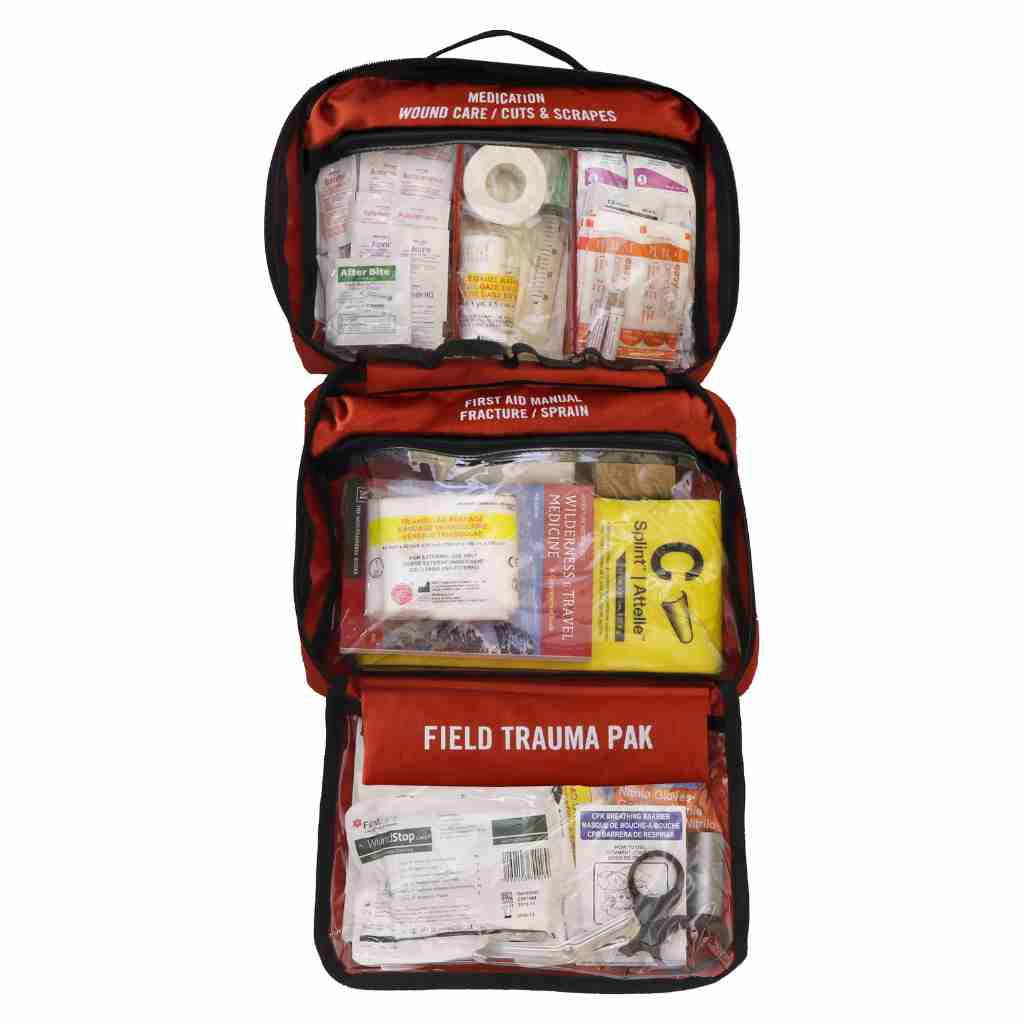
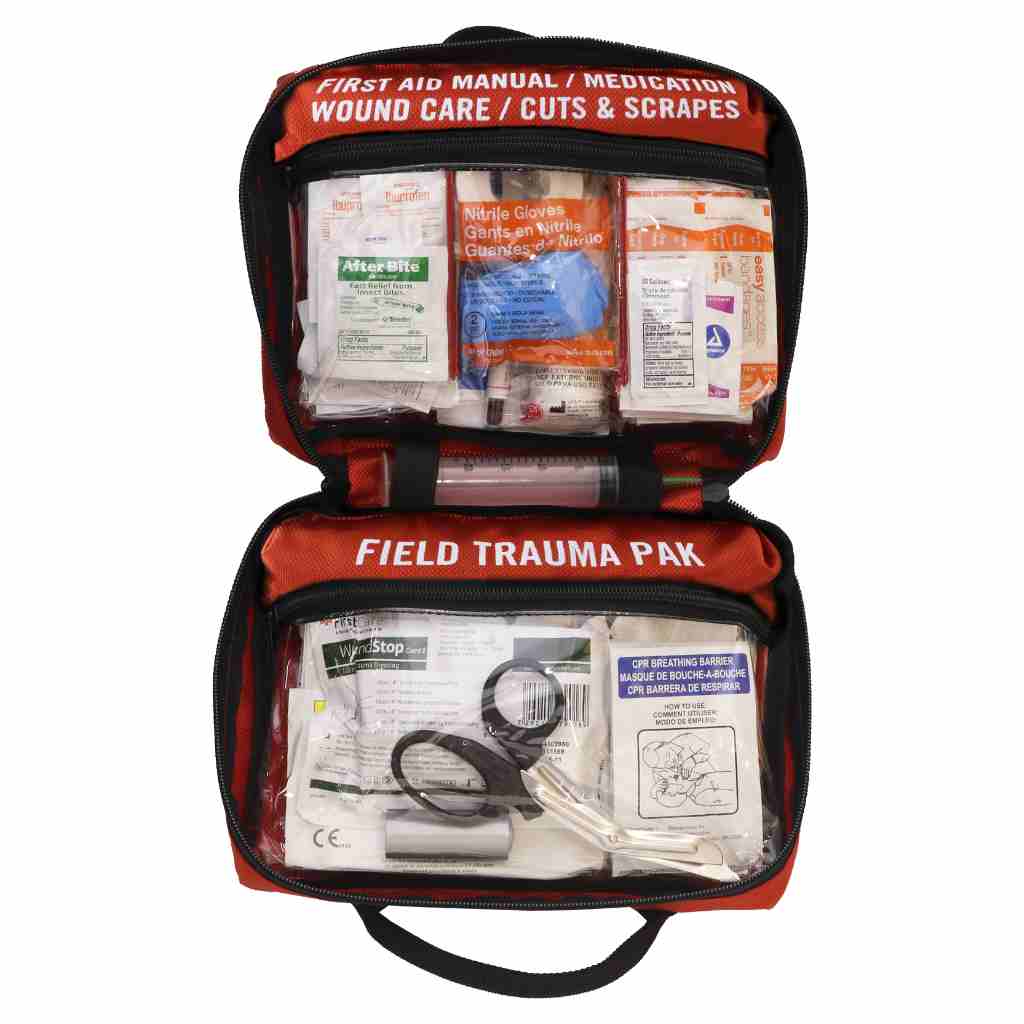
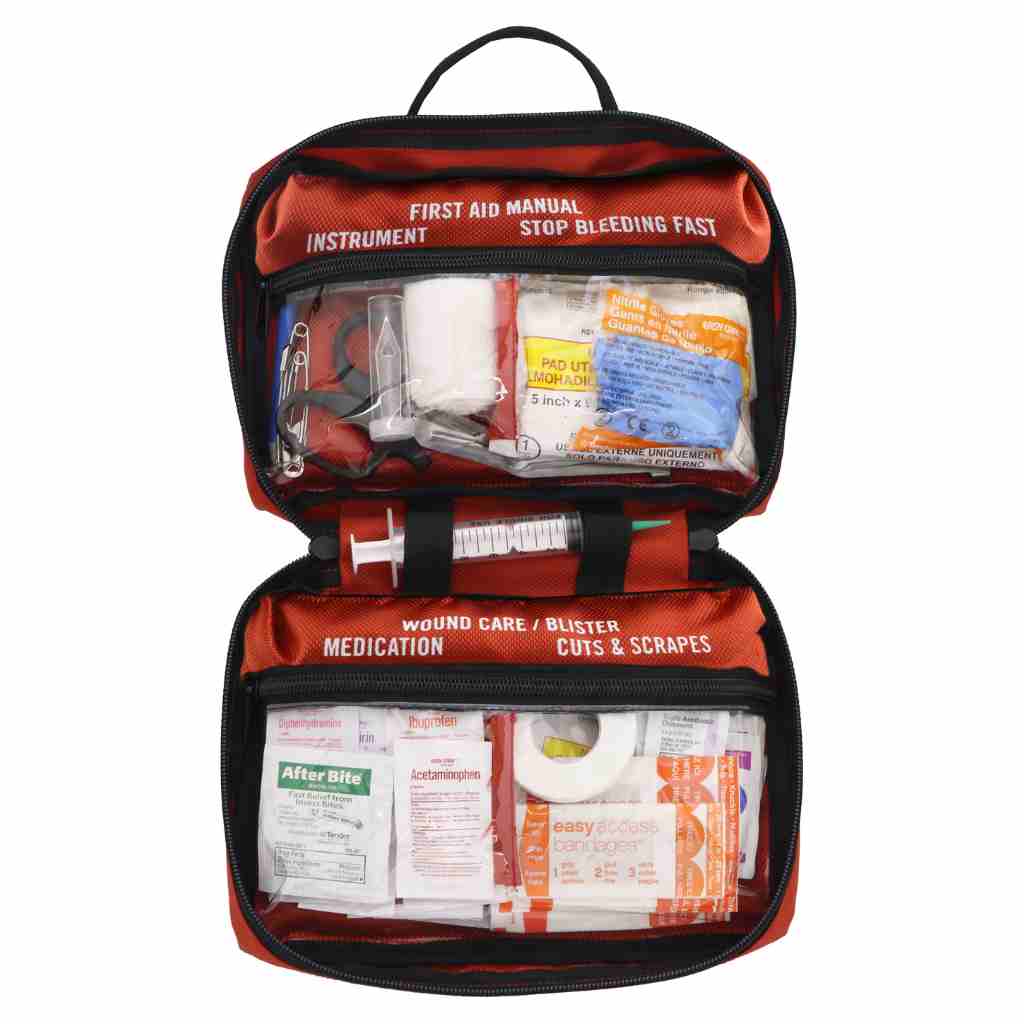
That's why kit design matters as much as item count. Wirecutter's testing found that organized first aid kits should have clearly labeled pockets so users can find items without emptying the contents, and it noted top-performing wilderness kits for organization and compactness, including the New York Times Wirecutter review of outdoor first aid kits.
What better organization changes
An organized, activity-specific kit does four things better than a loose DIY pouch:
- Finds the right item faster: Labeled compartments cut down decision time.
- Improves supply choices: Professionally curated kits tend to match likely injuries instead of stuffing in low-value extras.
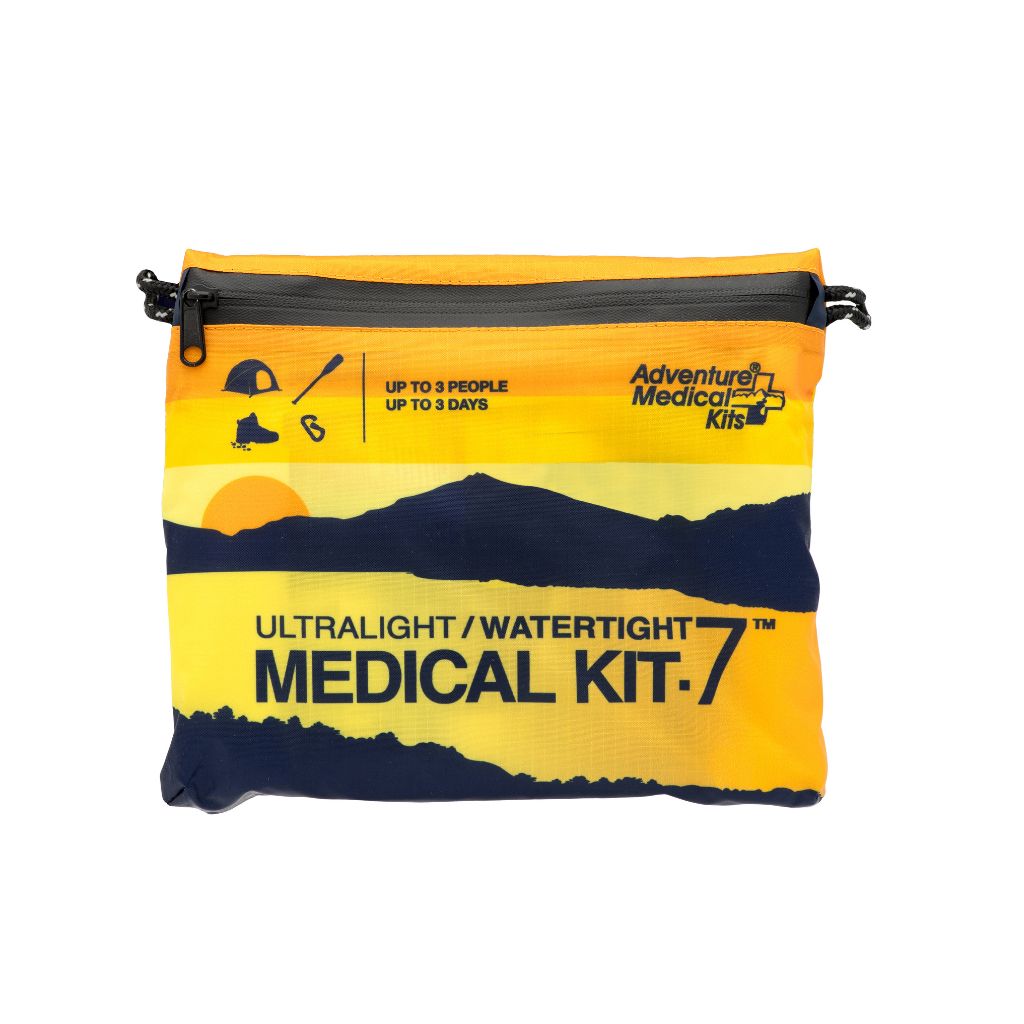
- Travels better: Lightweight, packable designs are more likely to go on the trip instead of staying in a closet or trunk.
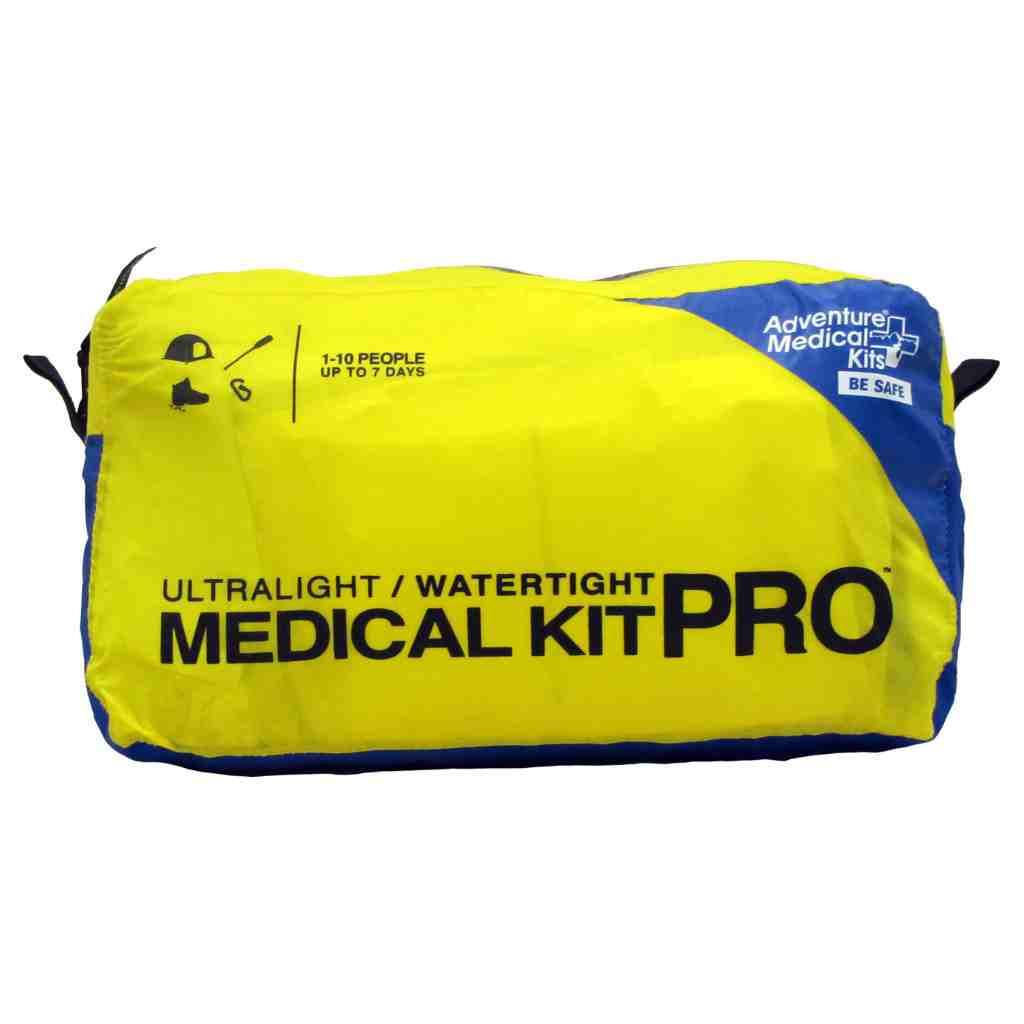
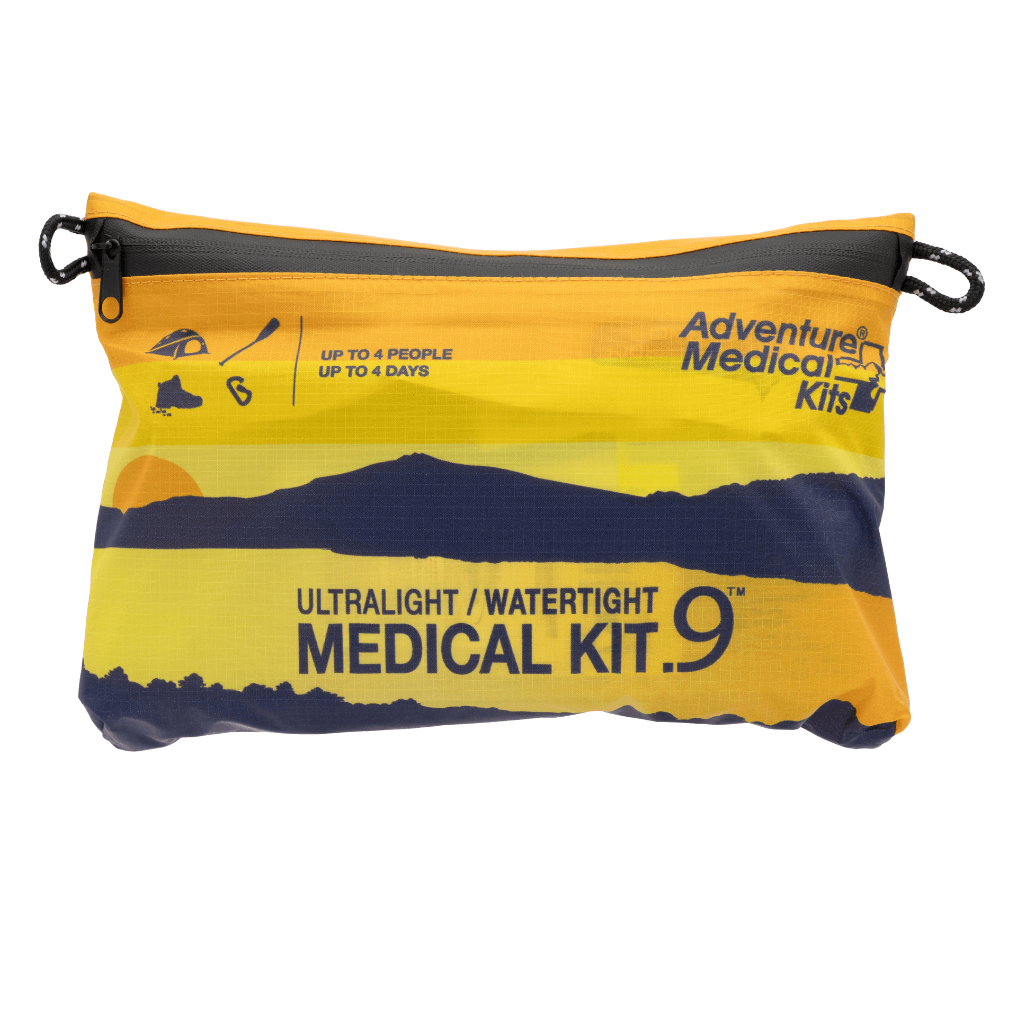
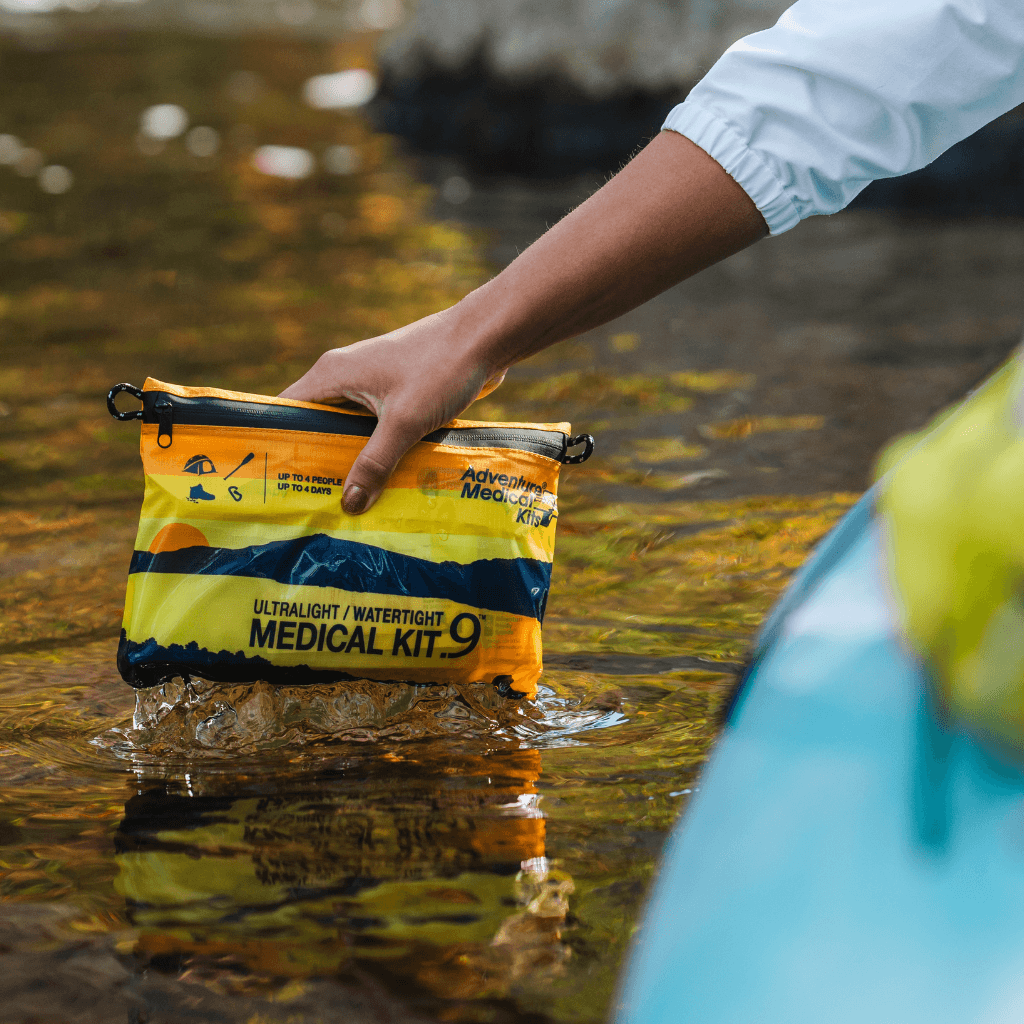
- Holds up under weather: Durable outer materials and resealable waterproof packaging protect supplies when conditions turn wet or dirty.
In travel medicine and field care, access speed is part of treatment.
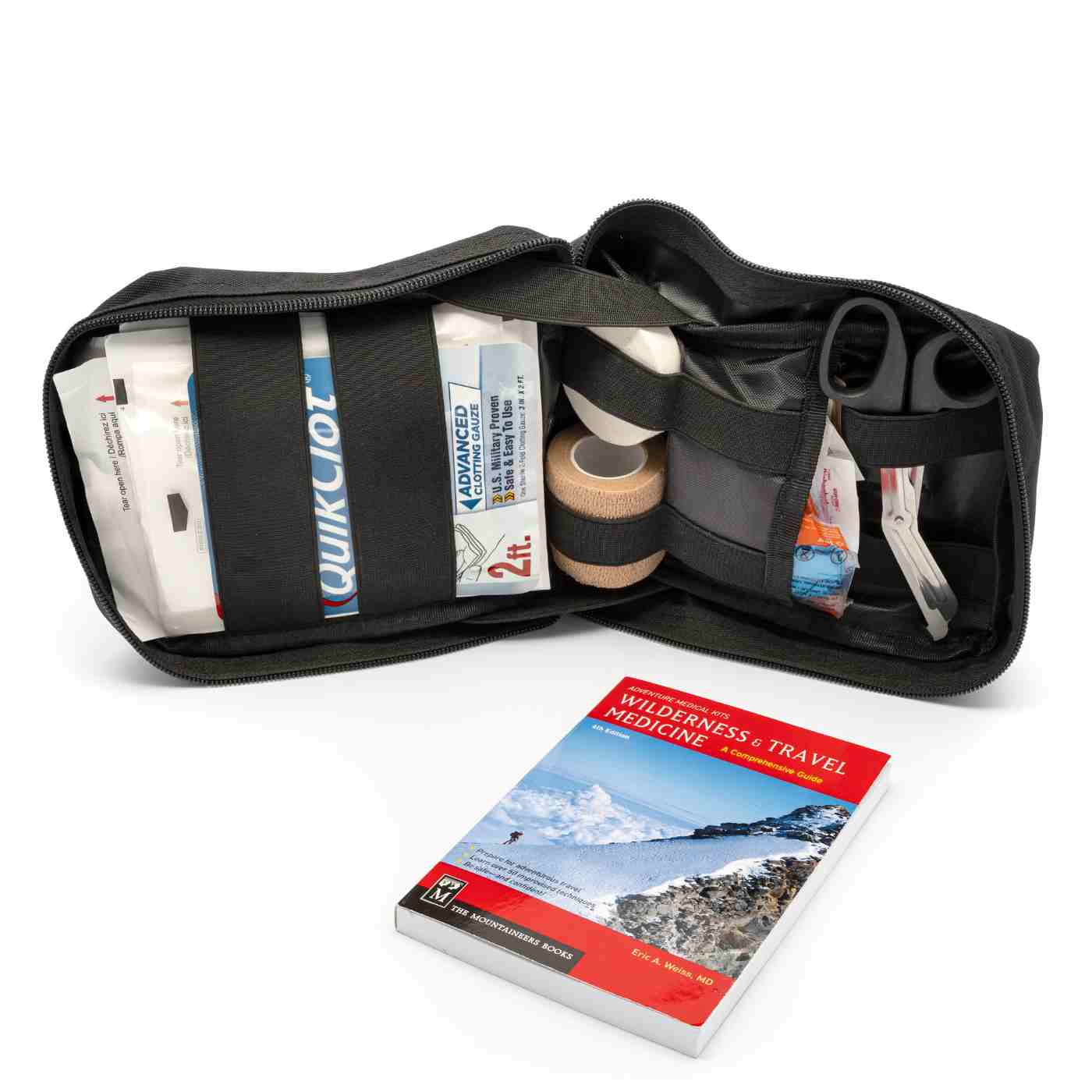
Instruction matters too. A handbook or quick-reference guide won't replace training, but it can keep someone on the correct sequence for basic care when stress narrows attention. That's one reason activity-specific outdoor kits tend to outperform improvised kits assembled from household leftovers.
Matching Your Needs to an Adventure Medical Kit
A bad kit match usually shows up at the wrong time. A traveler rolls an ankle two hours from the trailhead, a child spikes a fever in a roadside motel, or a driver slices a hand while fixing gear at camp. The right kit is the one that fits that risk profile and can be used fast under stress.

For hikers backpackers and remote travel
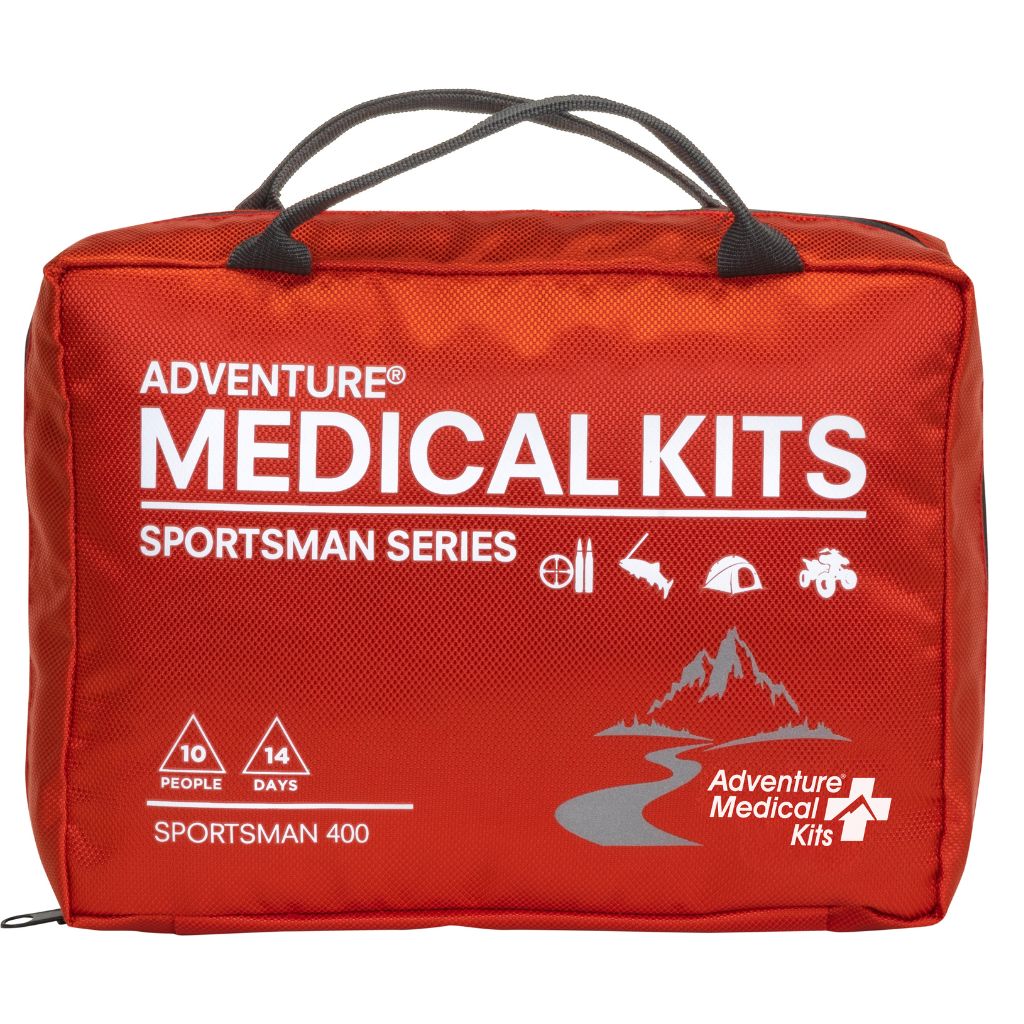
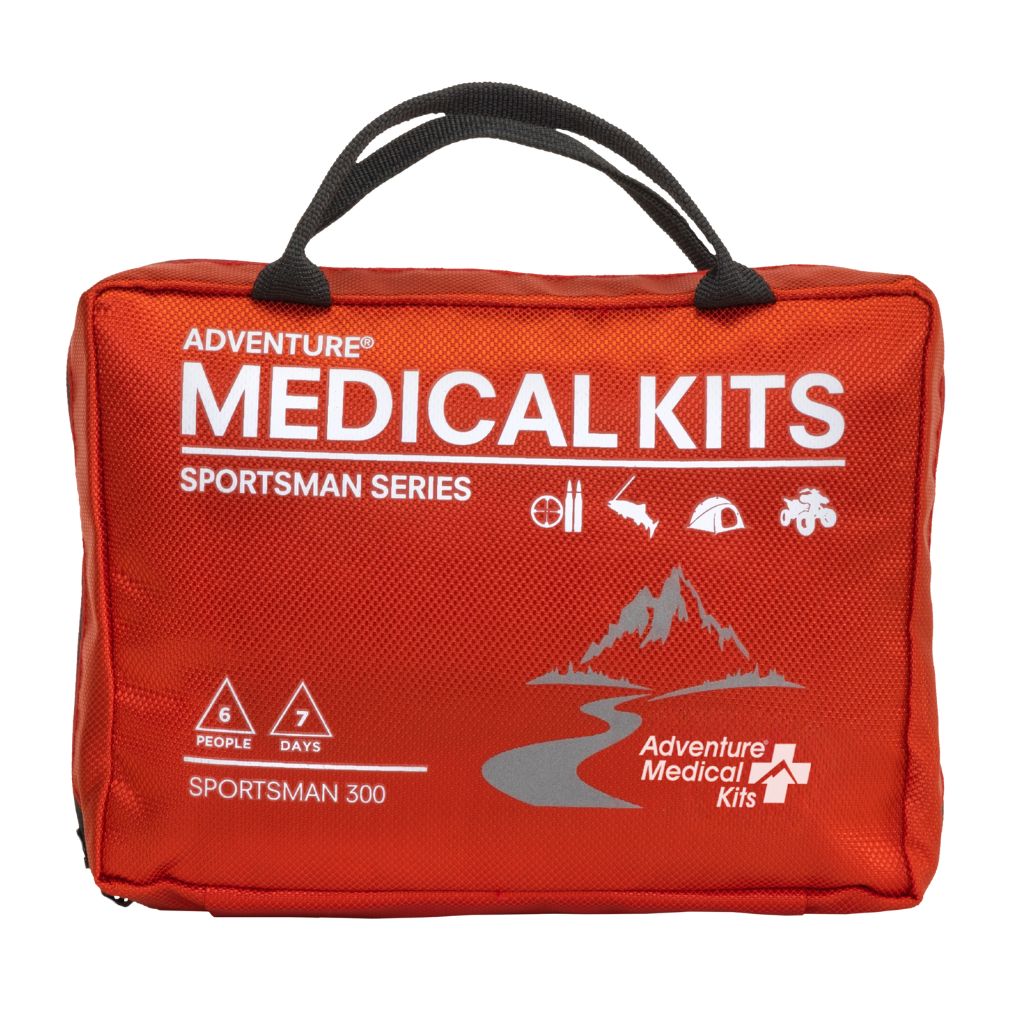
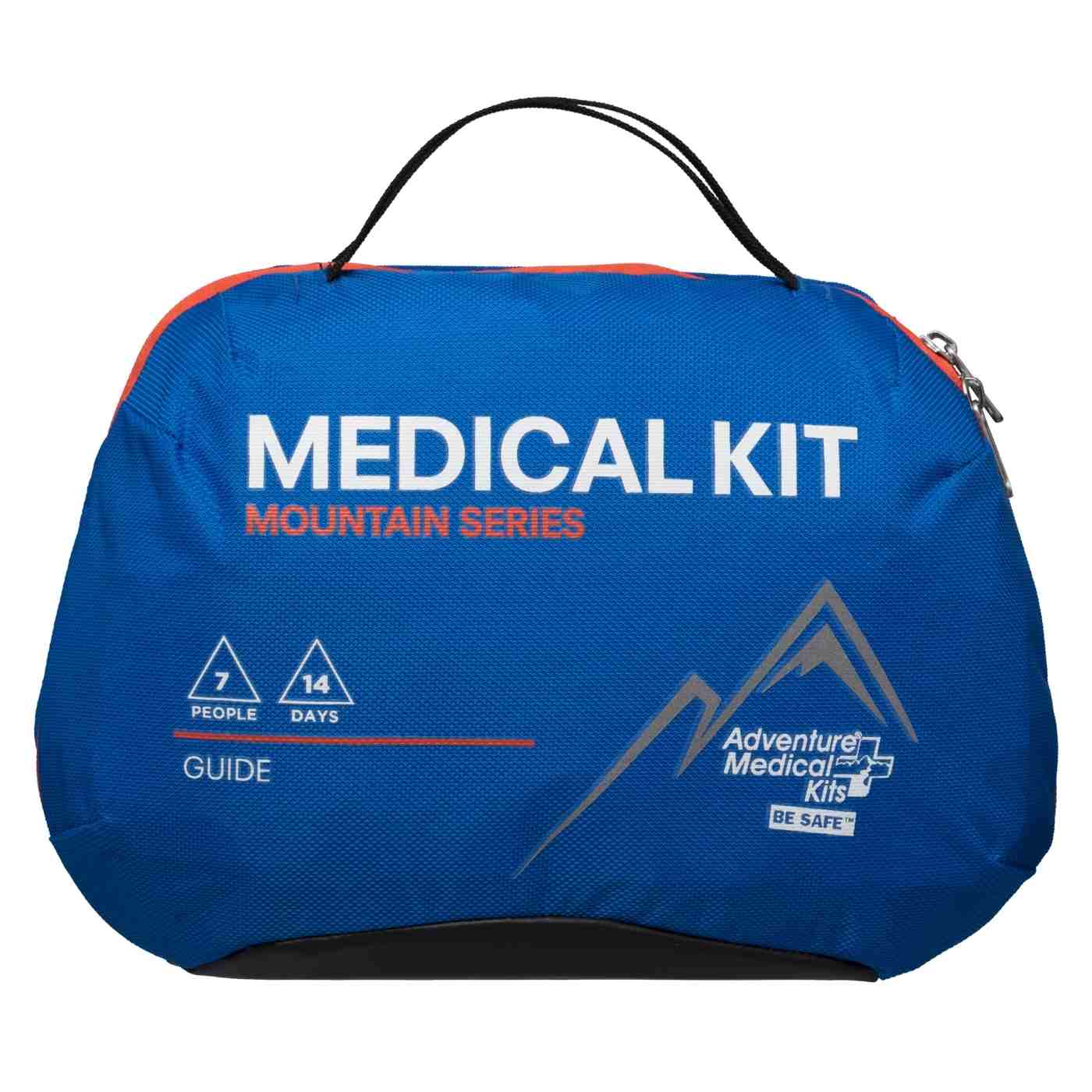
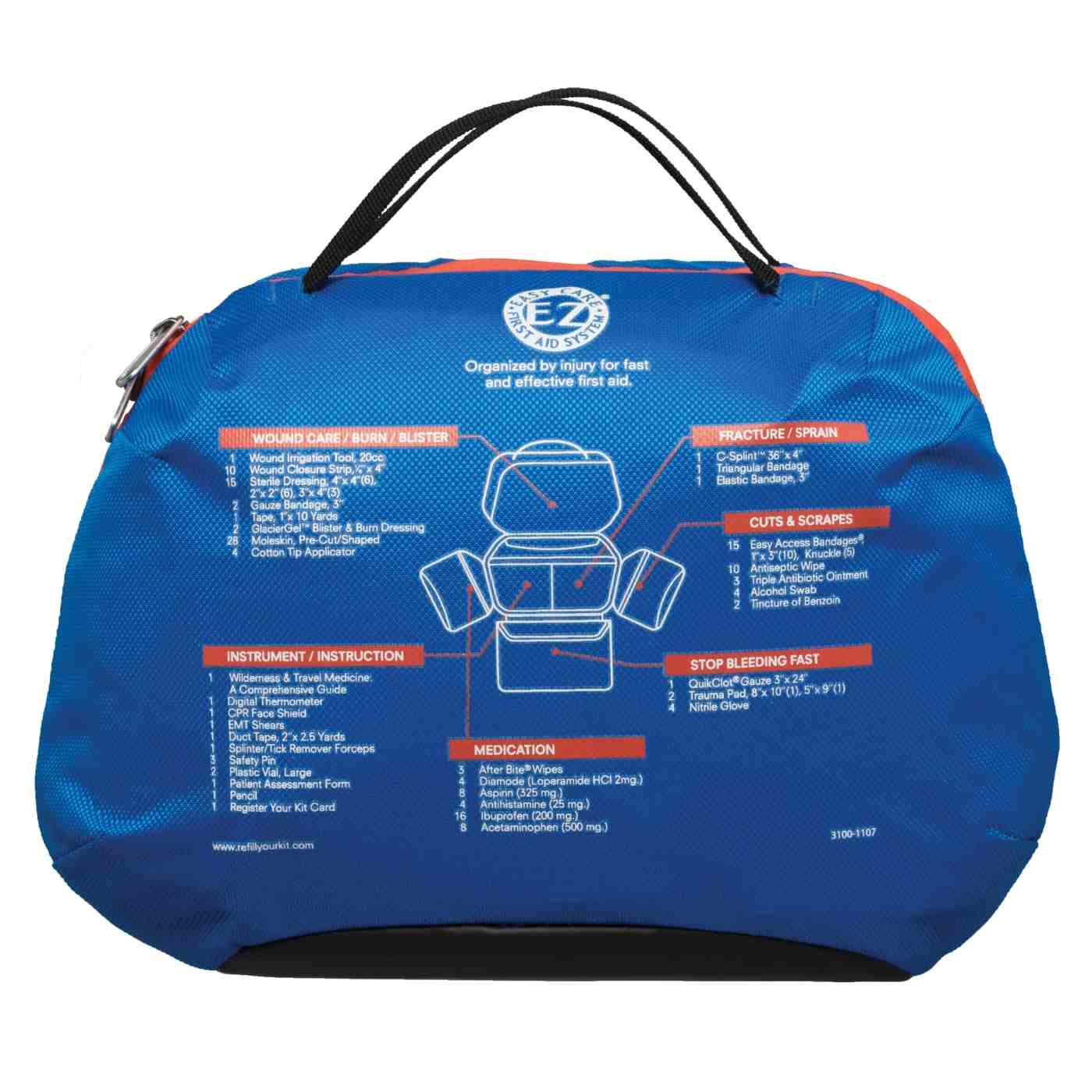
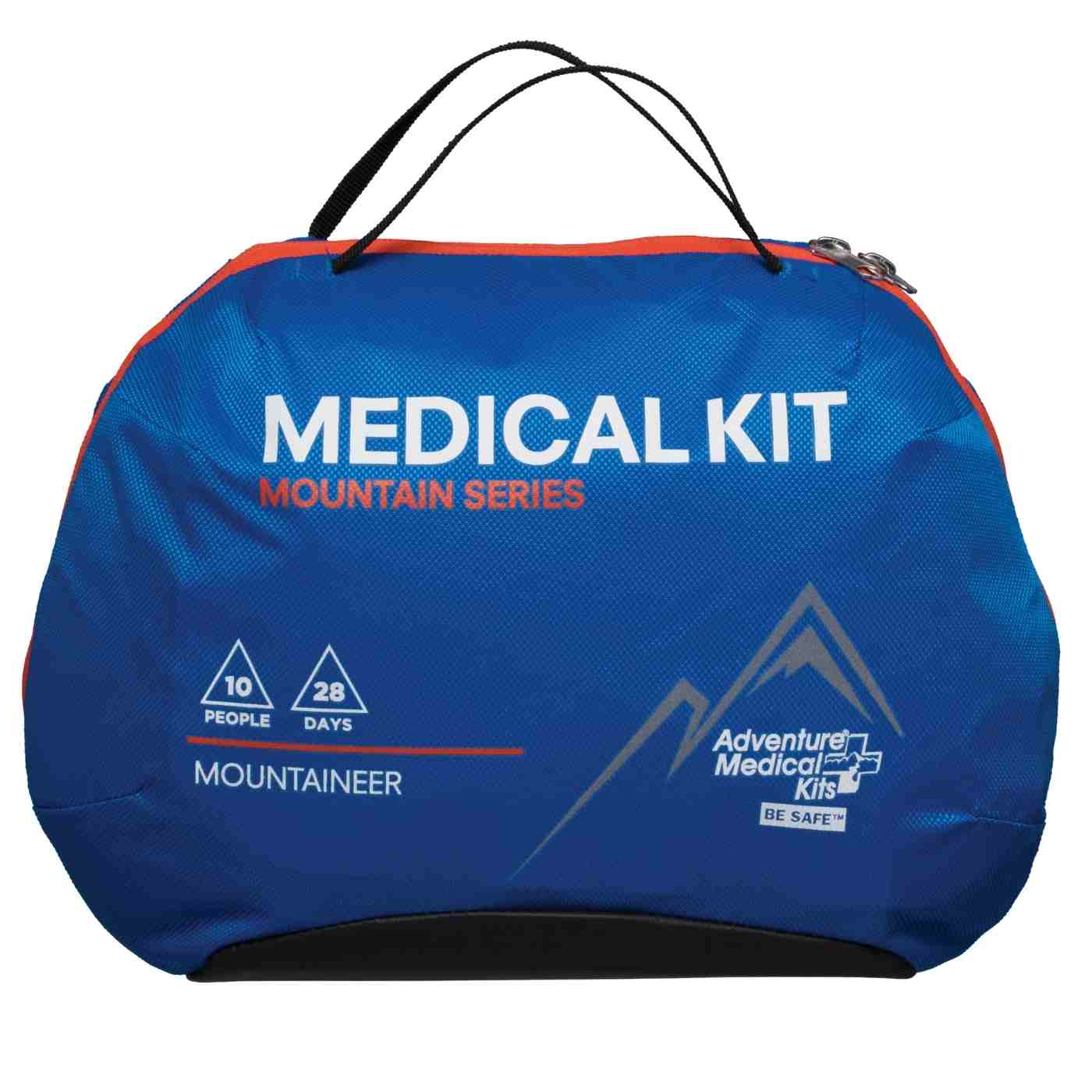
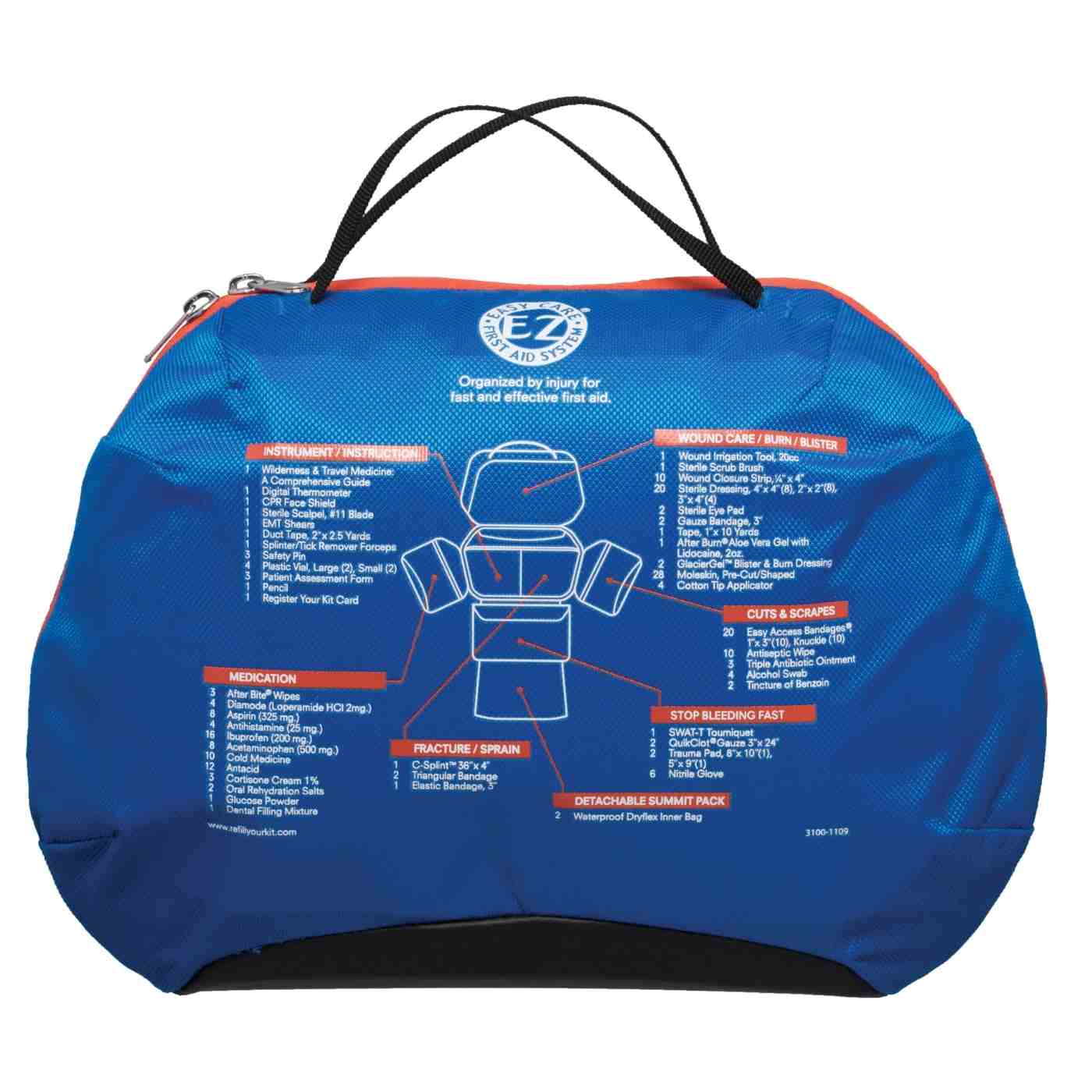
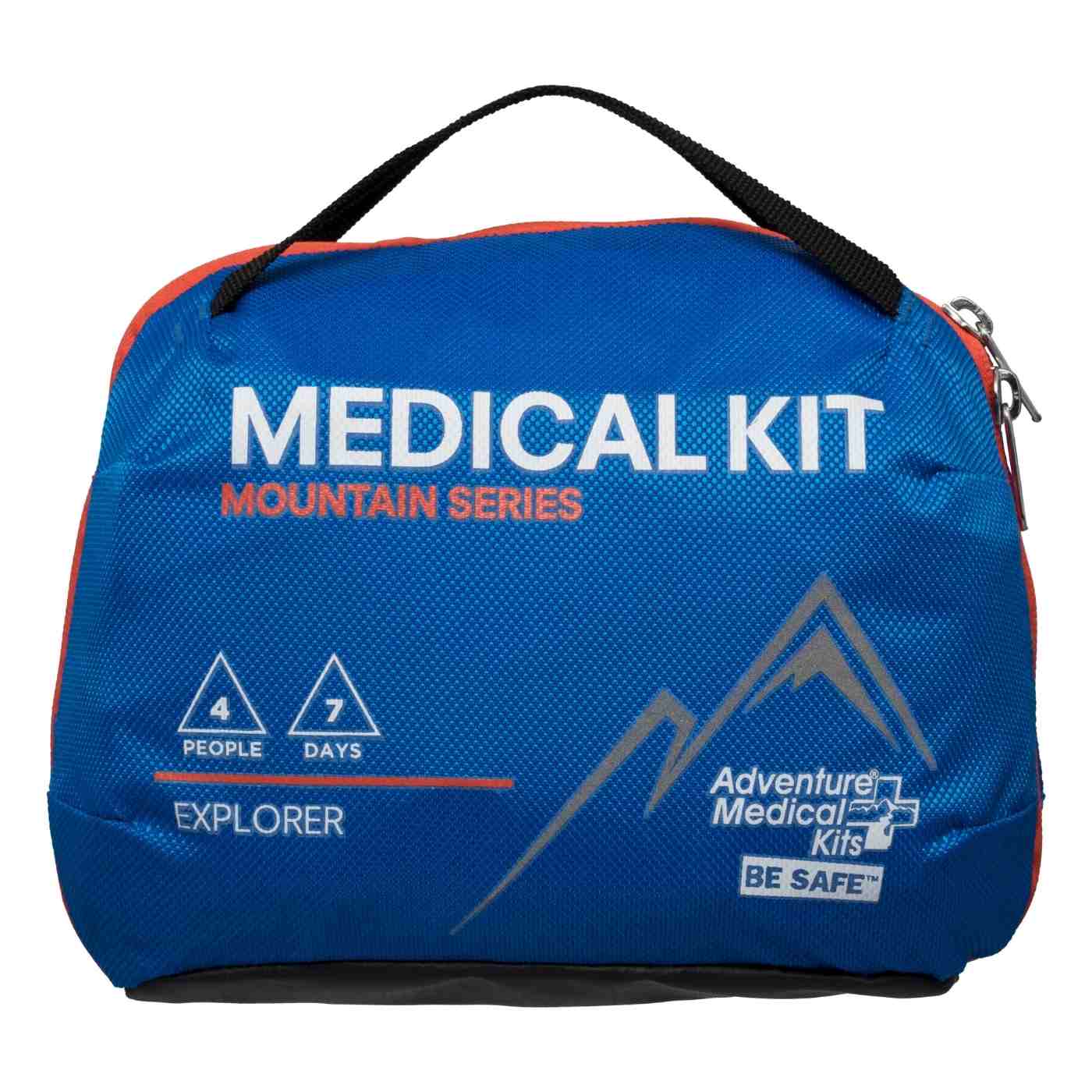
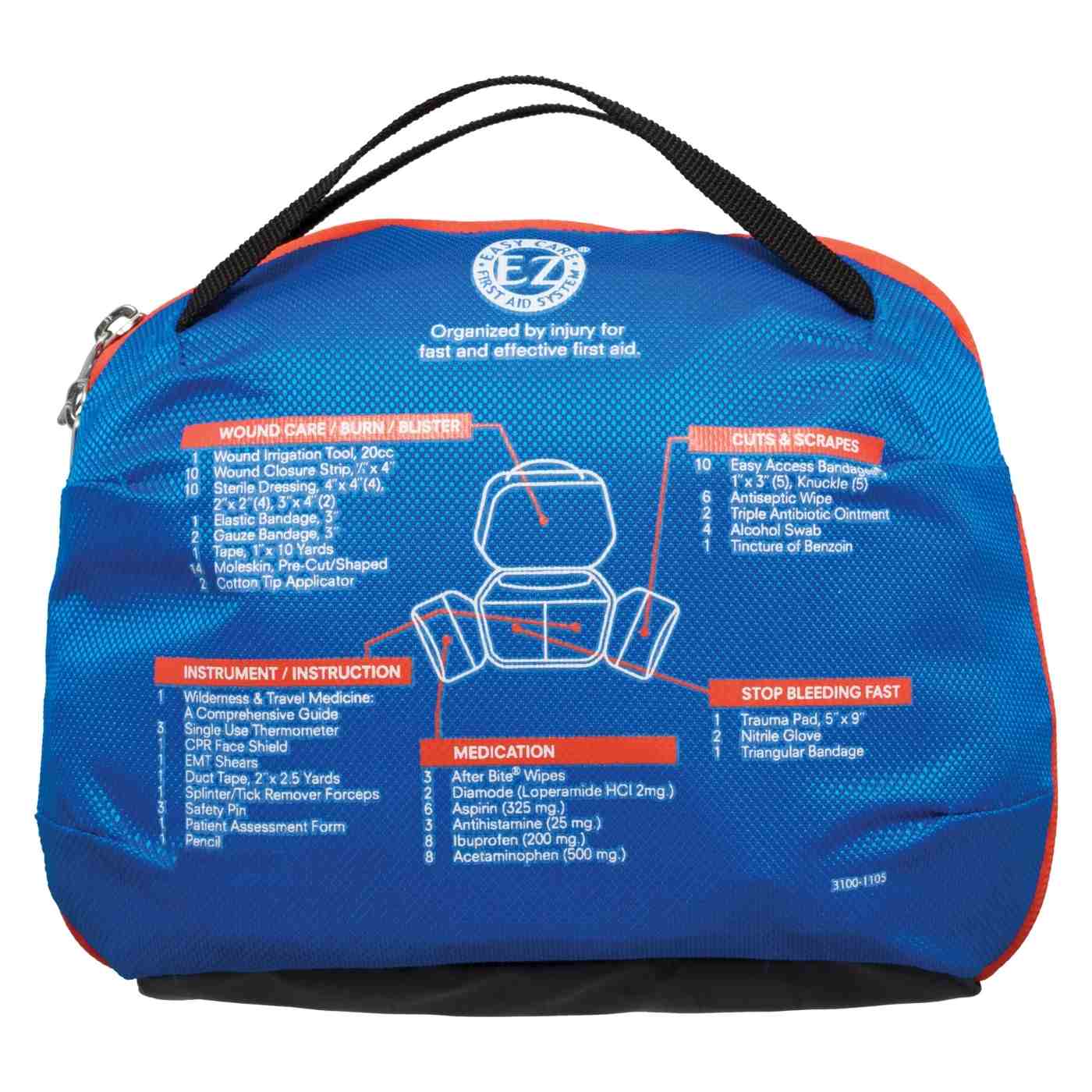
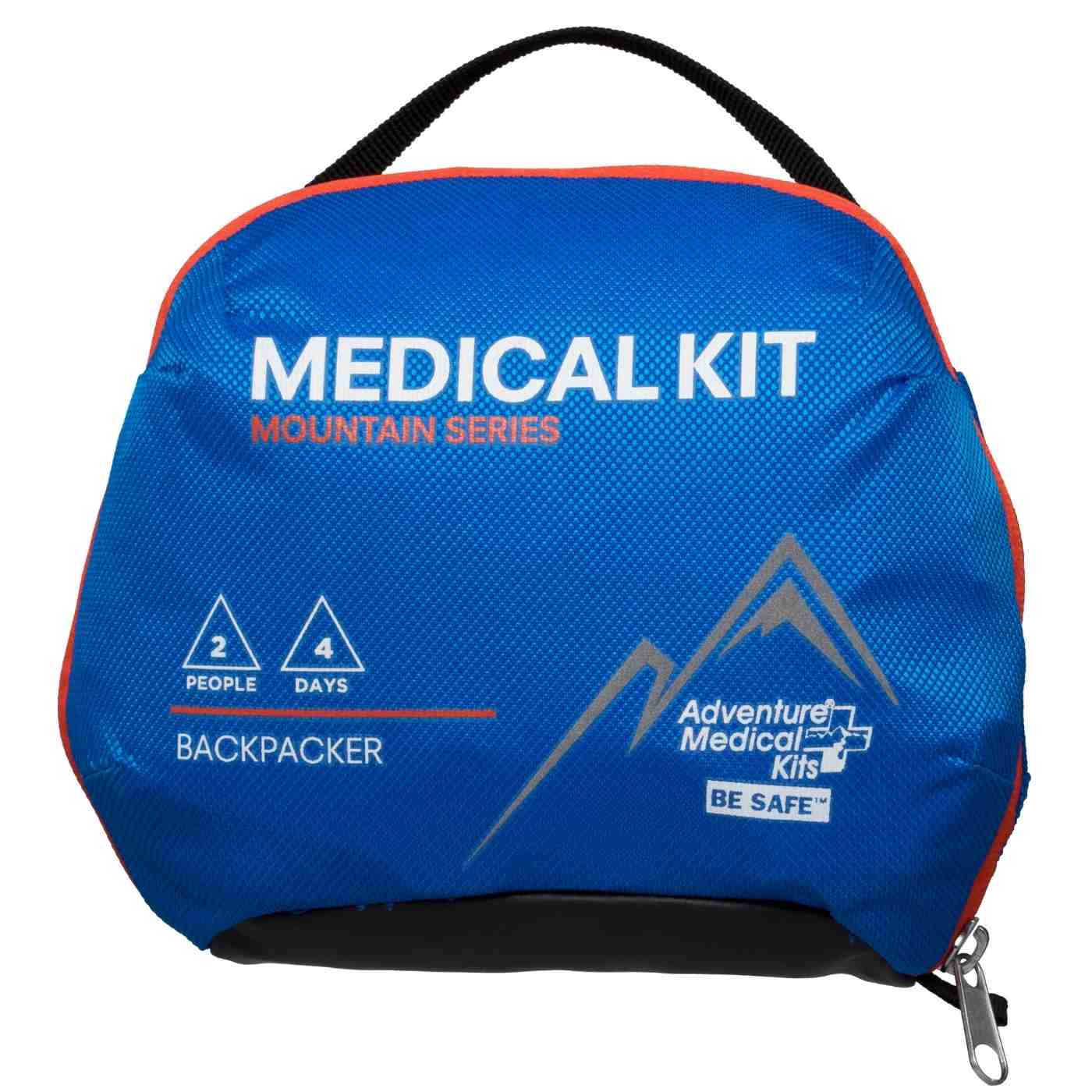
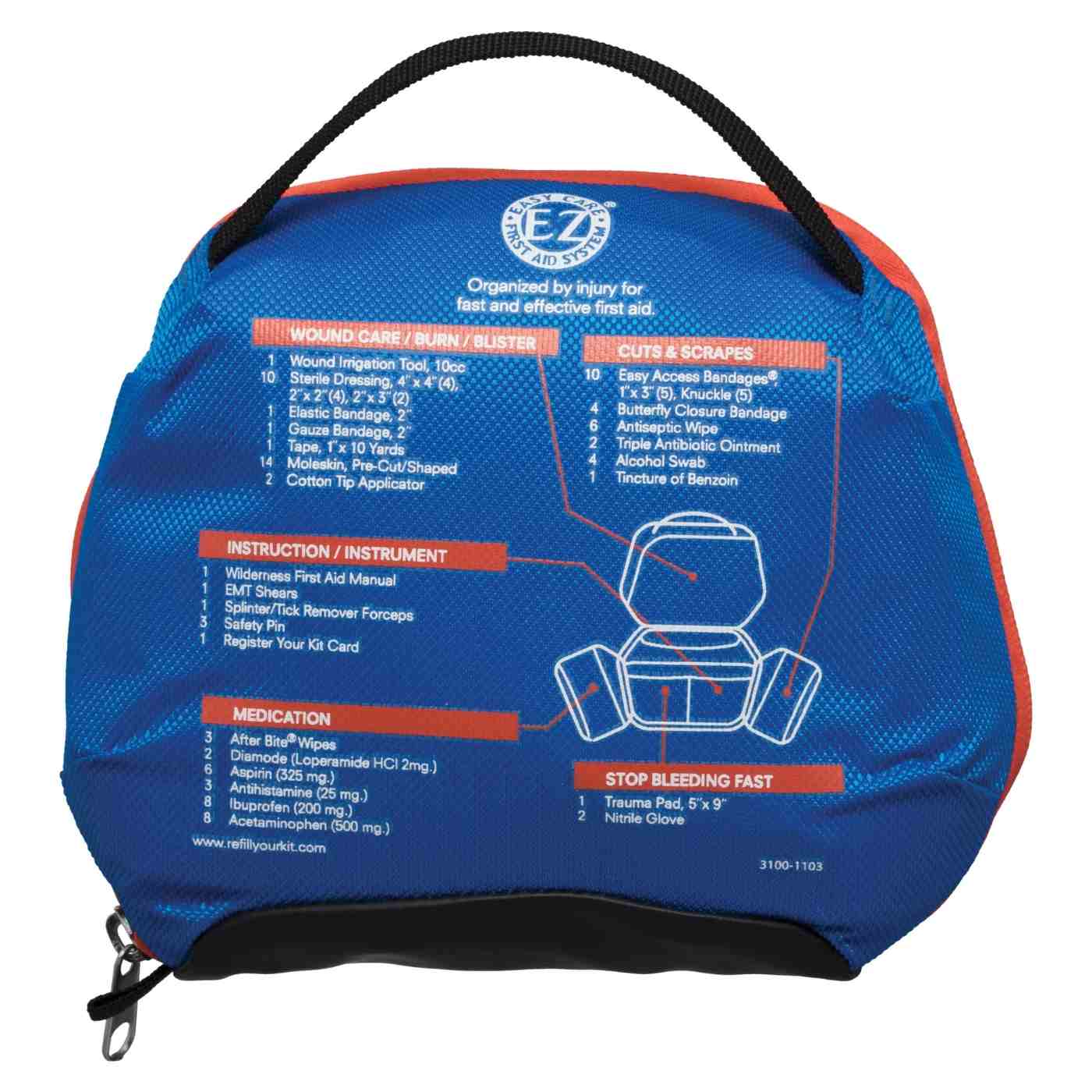
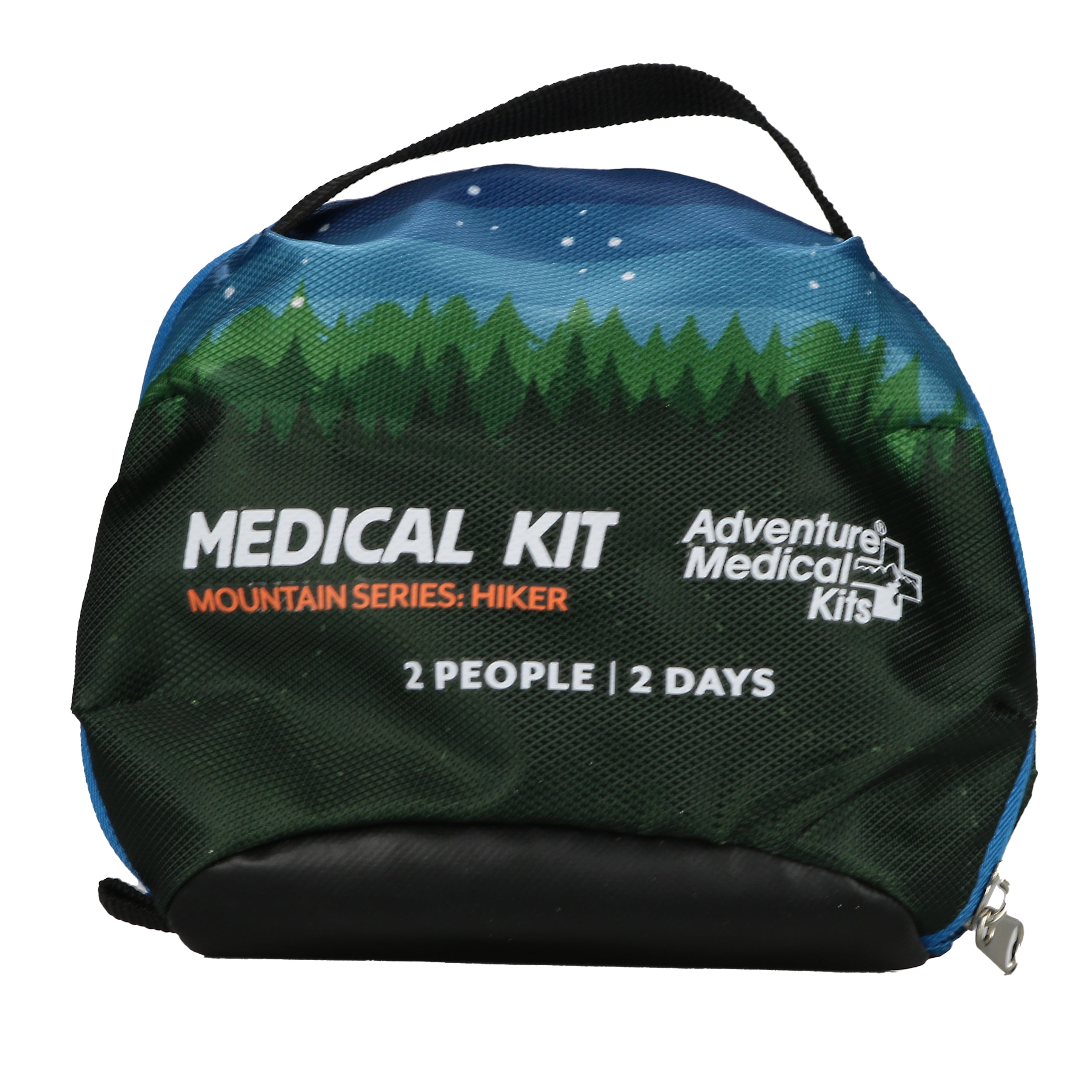
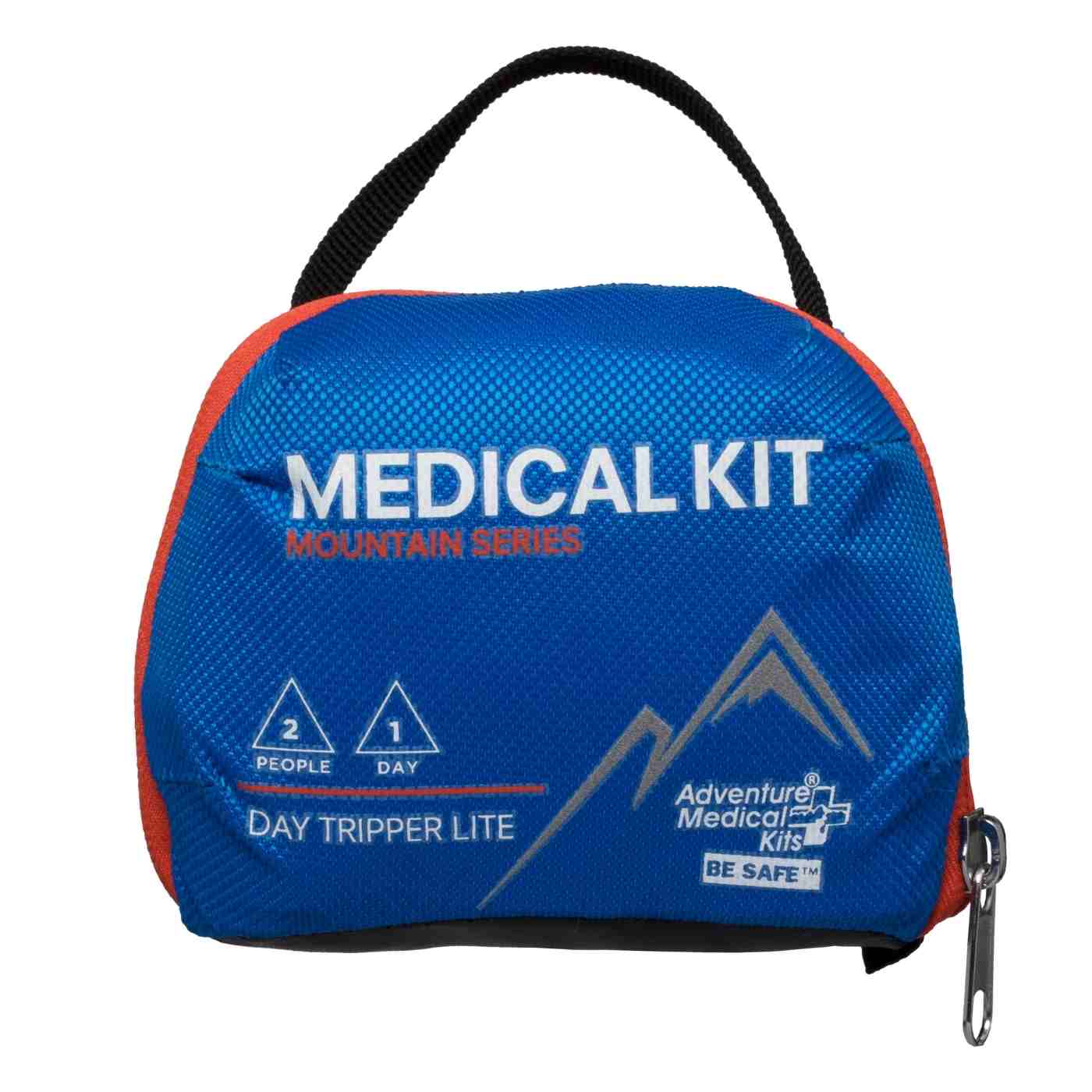
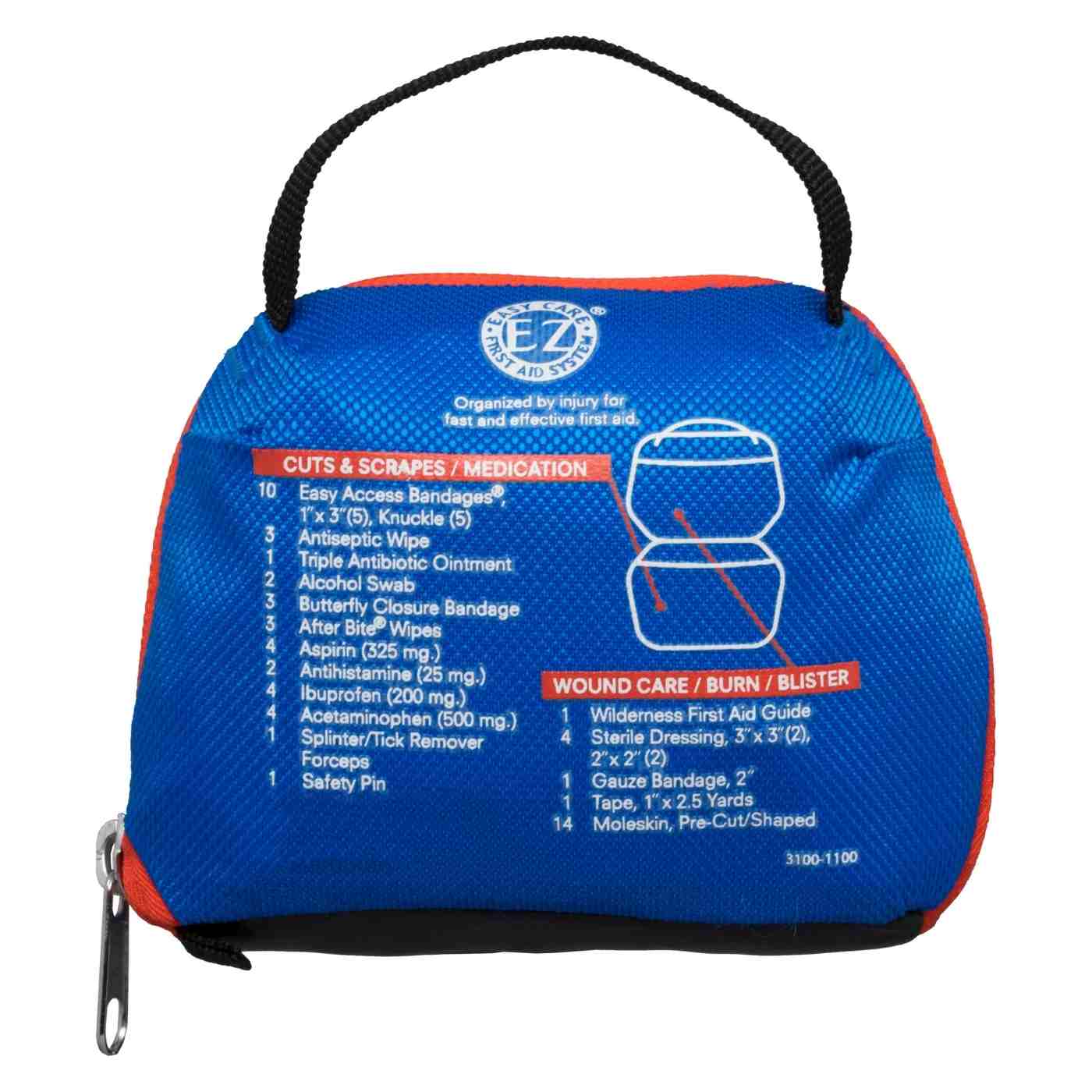
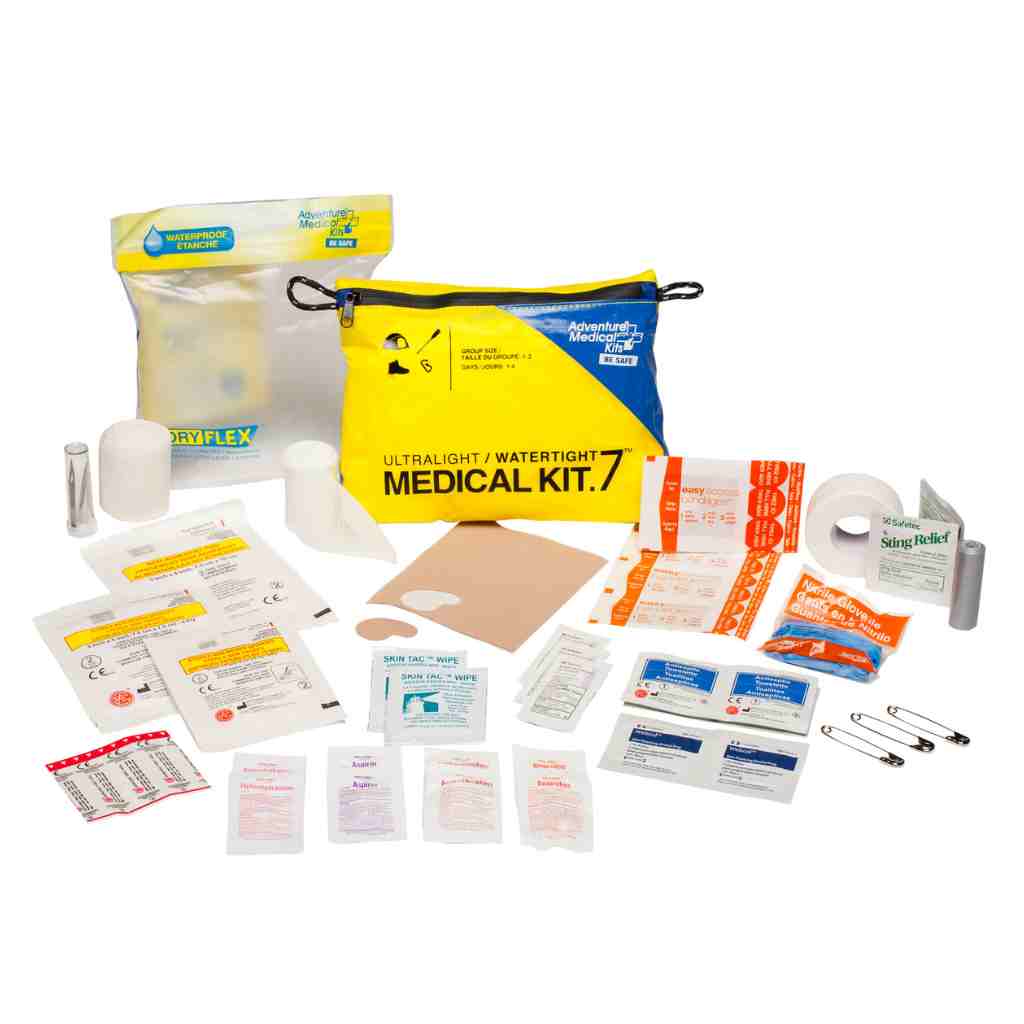
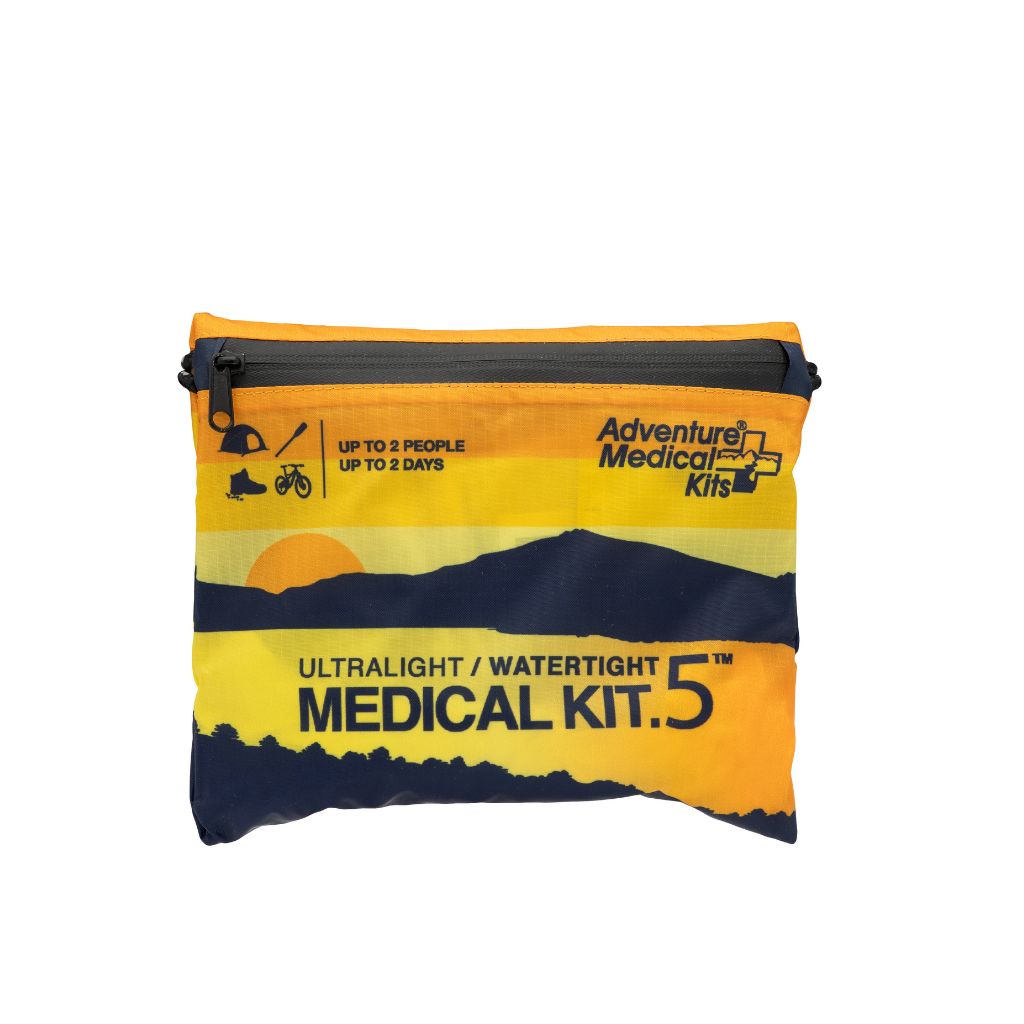
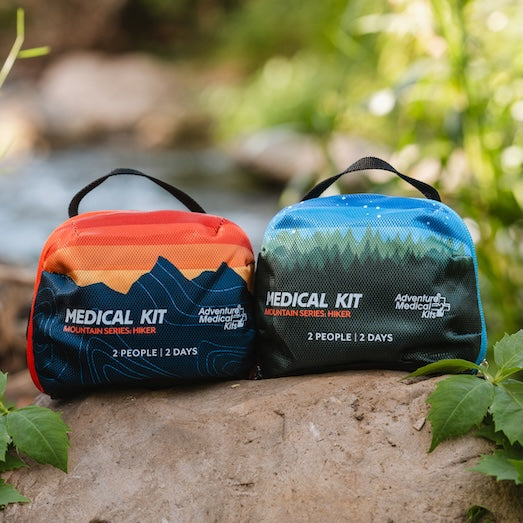
The Mountain Series fits trips where help is delayed and small problems can turn serious if they are not managed early. For hiking, backpacking, and remote travel, priority goes to wound care, blister treatment, elastic wraps, irrigation tools, and clear instructions that keep a tired group on task. Weight still matters. If a kit is too bulky, it gets left in the car, which makes it useless.
For international or remote travel, build around the hazards of the destination, not just injury treatment. Public health guidance still points travelers toward basics such as hand hygiene supplies, sun protection, insect repellent, and personal medications. That is the practical framework. Start with likely medical problems, then choose a kit addressing the field injuries you can reasonably expect to manage yourself.
For trauma focused setups and family travel
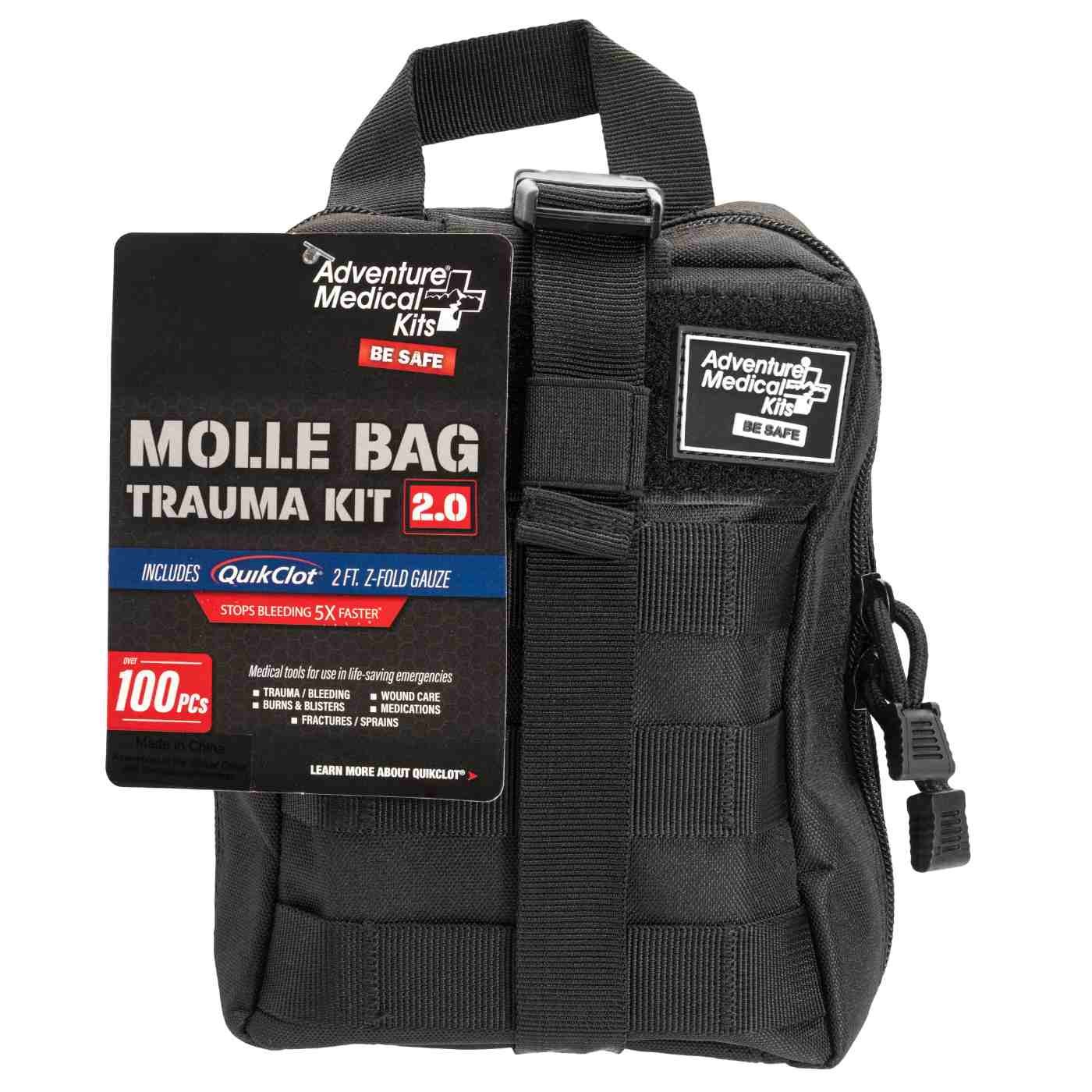
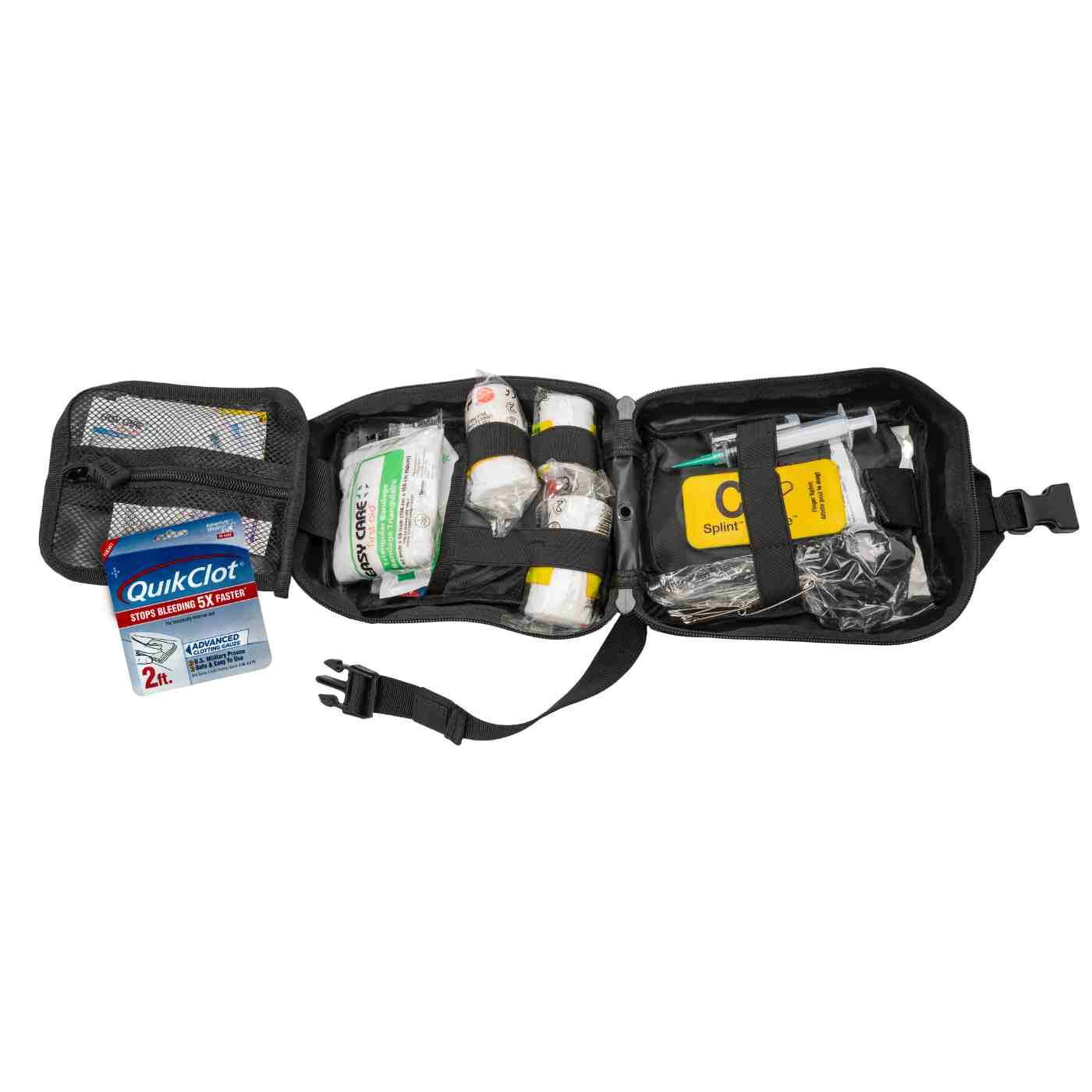
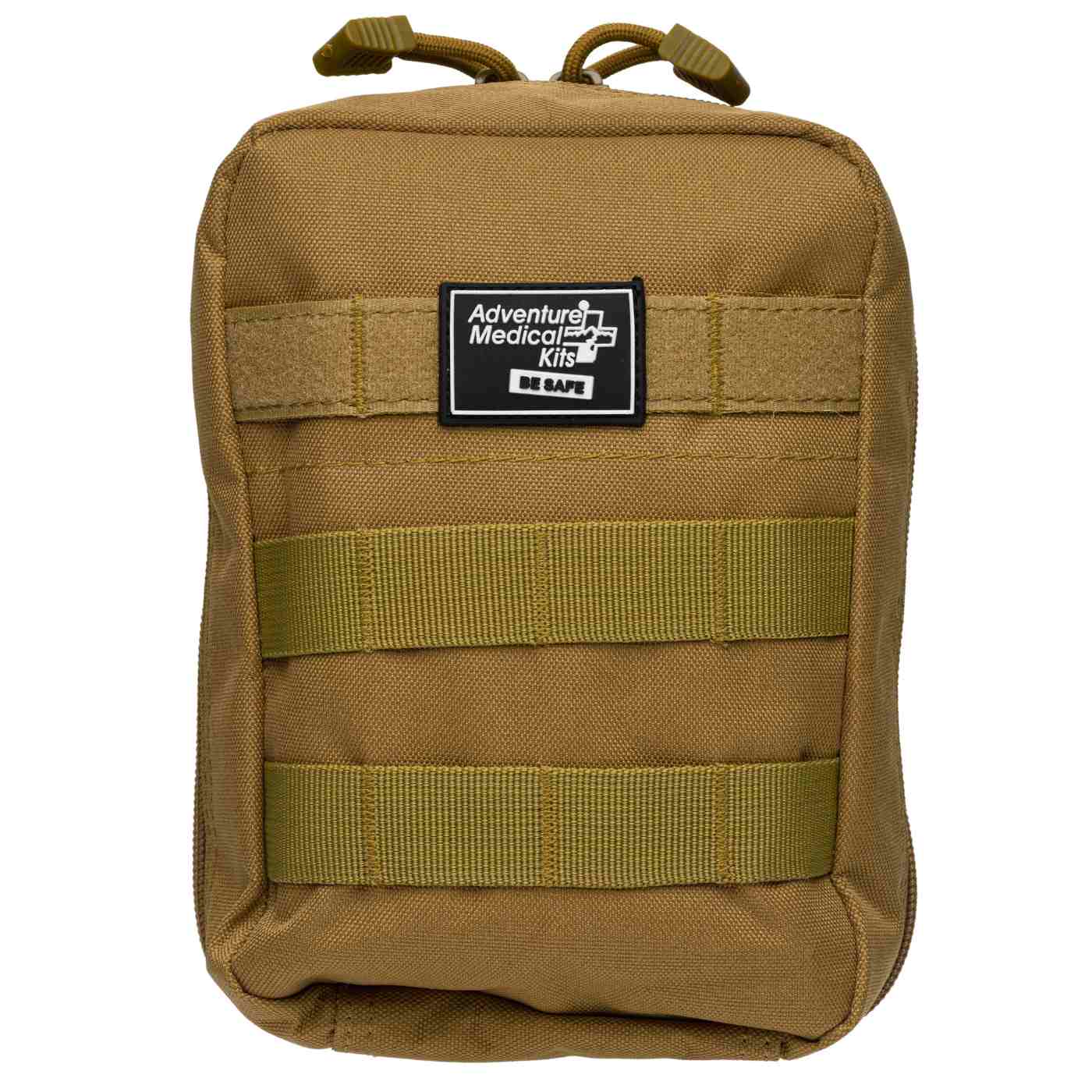
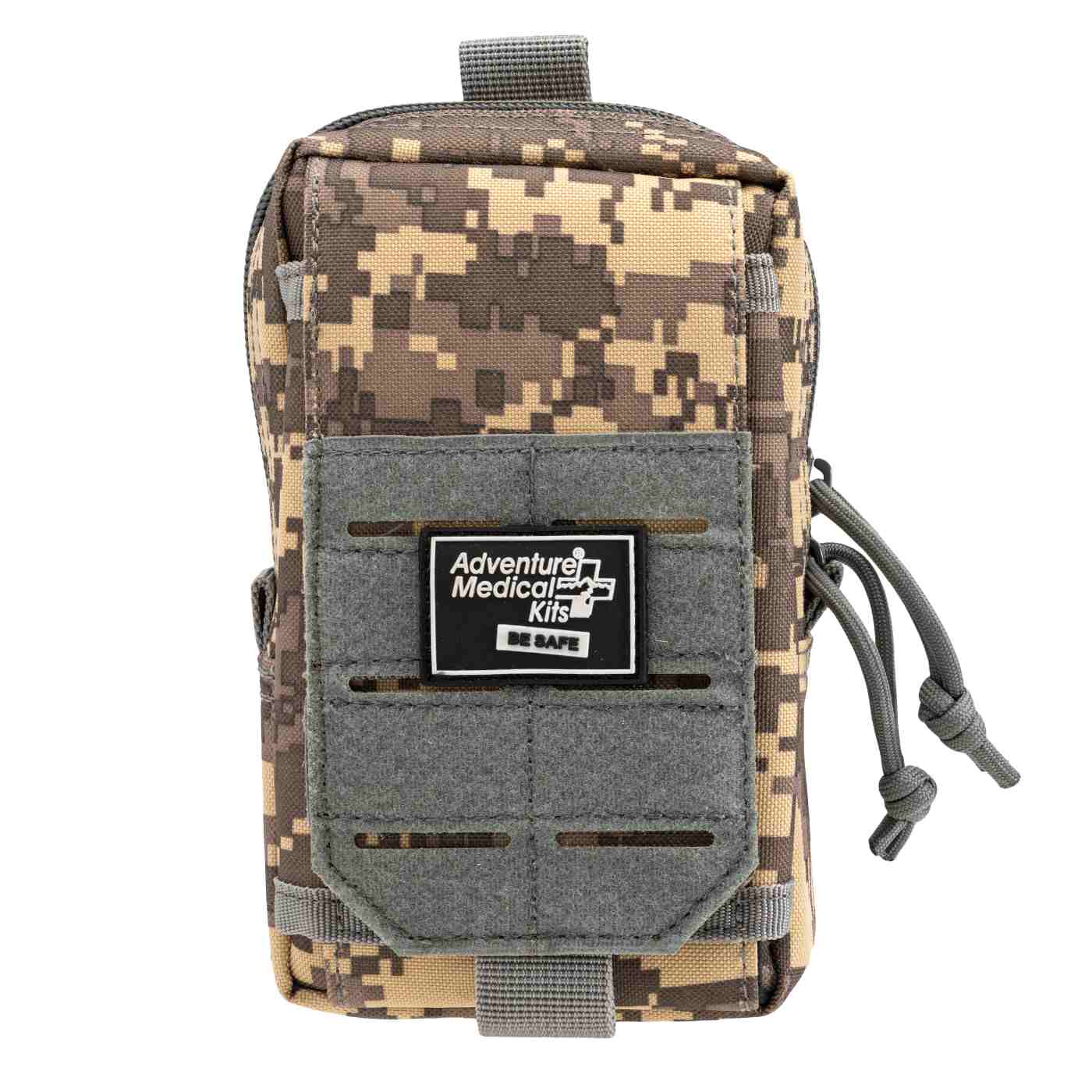
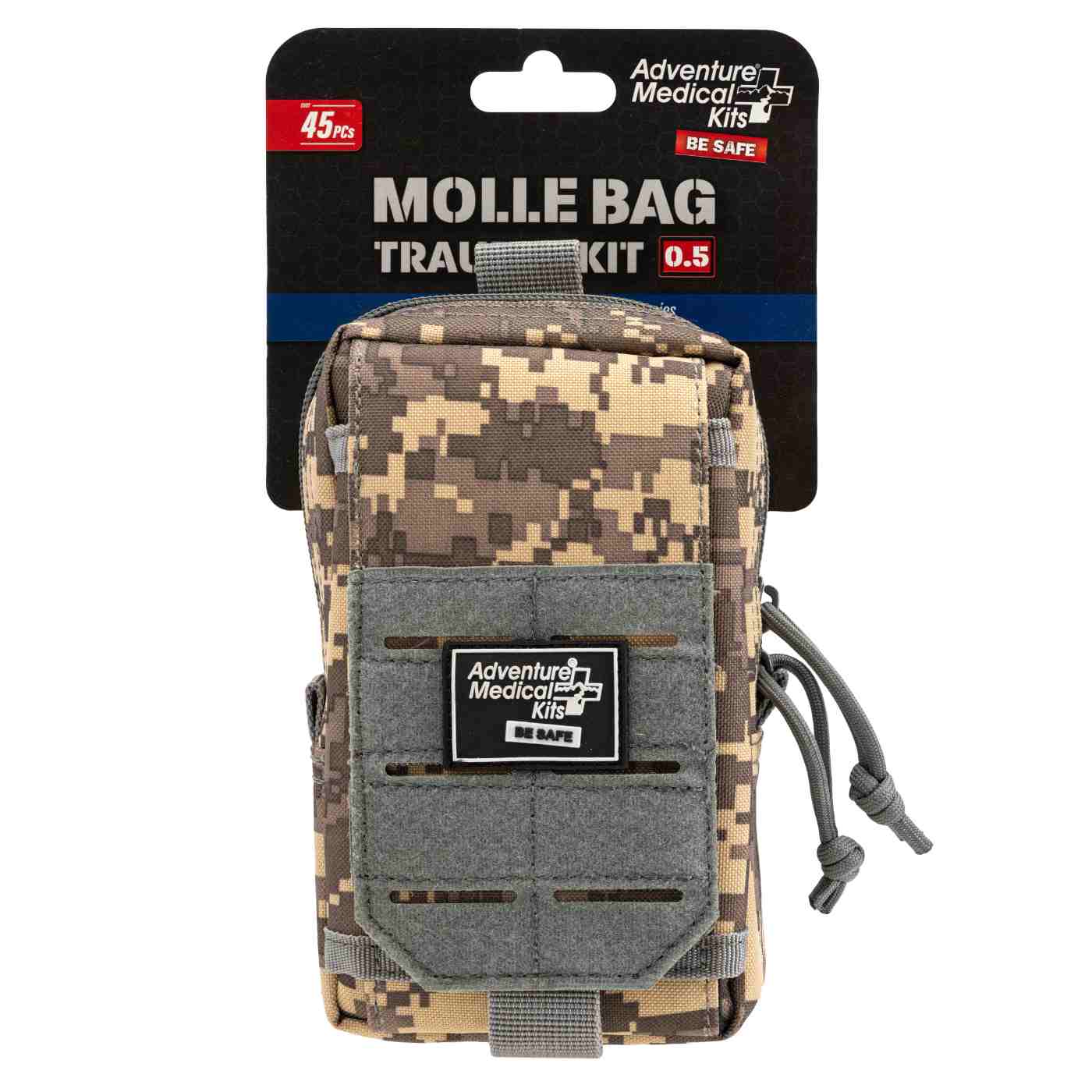
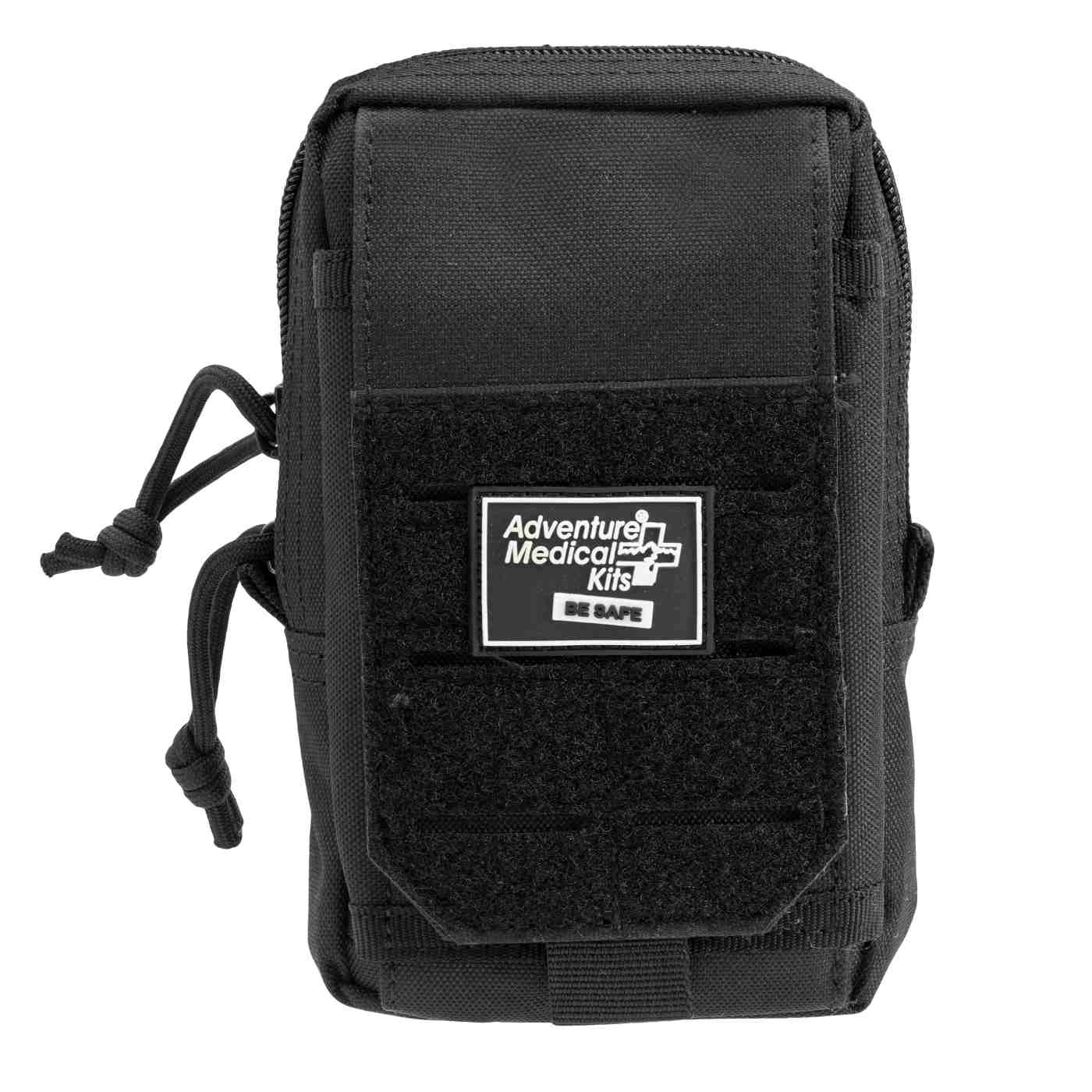
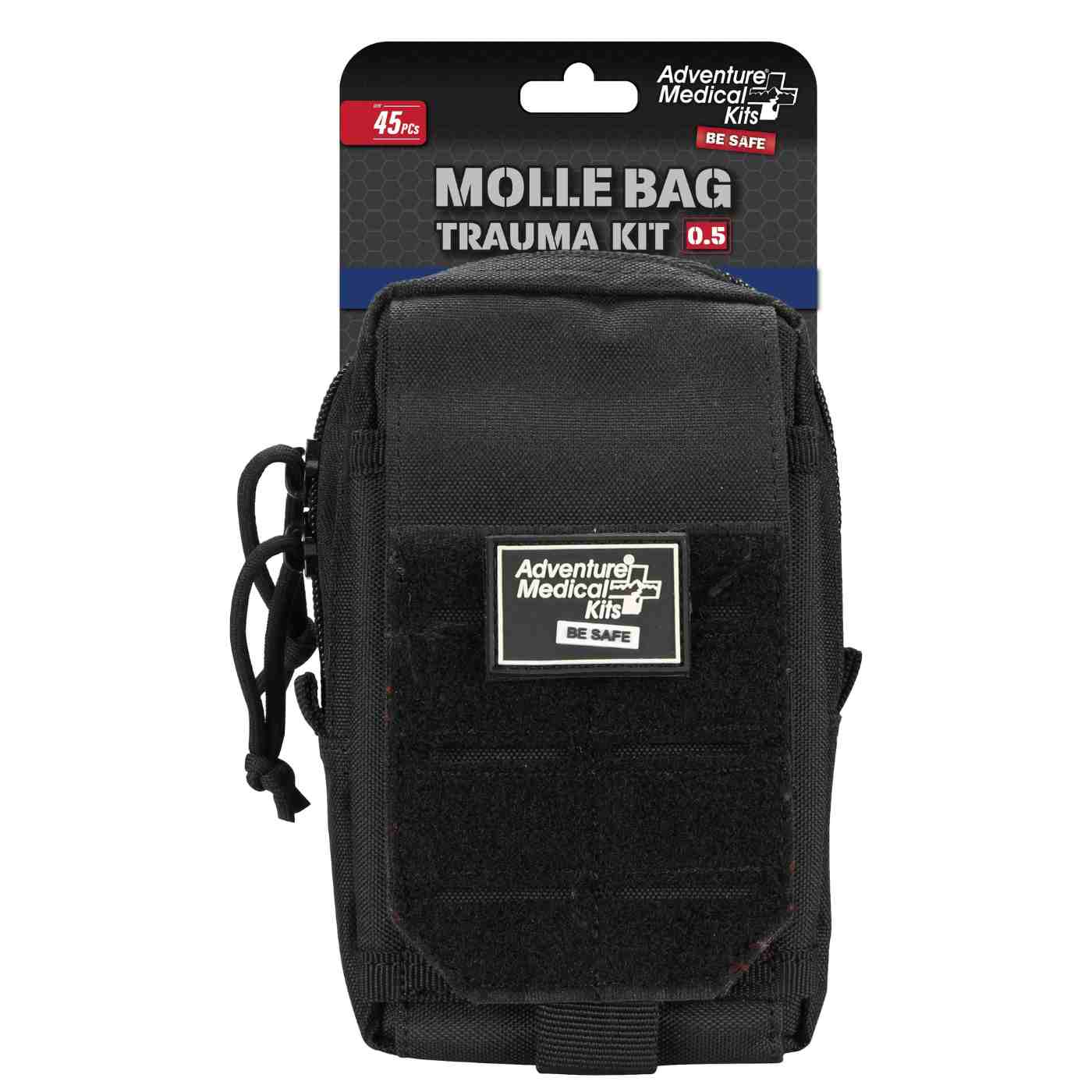
The MOLLE series serves a narrower but legitimate role. It suits vehicle travel, overlanding, field work, and trips where faster access to bleeding control supplies matters more than saving every ounce. The trade-off is size and specialization. A trauma-forward kit is less useful for routine travel problems if it crowds out everyday care items.
Family travel calls for a different balance. Kids create volume problems more than complexity problems. You use more adhesive bandages, more fever and stomach care, more wipes and gloves, and more duplicate basics because one scraped knee is rarely the only issue that day. In those cases, choose a kit with enough capacity for repeat use and a layout that lets one adult find what is needed with one hand while managing a child with the other.
A simple way to choose is to sort the trip into three questions:
- How far are you from medical care? More distance means more self-care supplies and better instructions.
- What is most likely to happen? Blisters, cuts, stomach illness, burns, and minor sprains drive most travel kit choices.
- Who is the kit for? Solo travelers can go lighter. Families and group leaders need more duplicates and a wider range of common-use items.
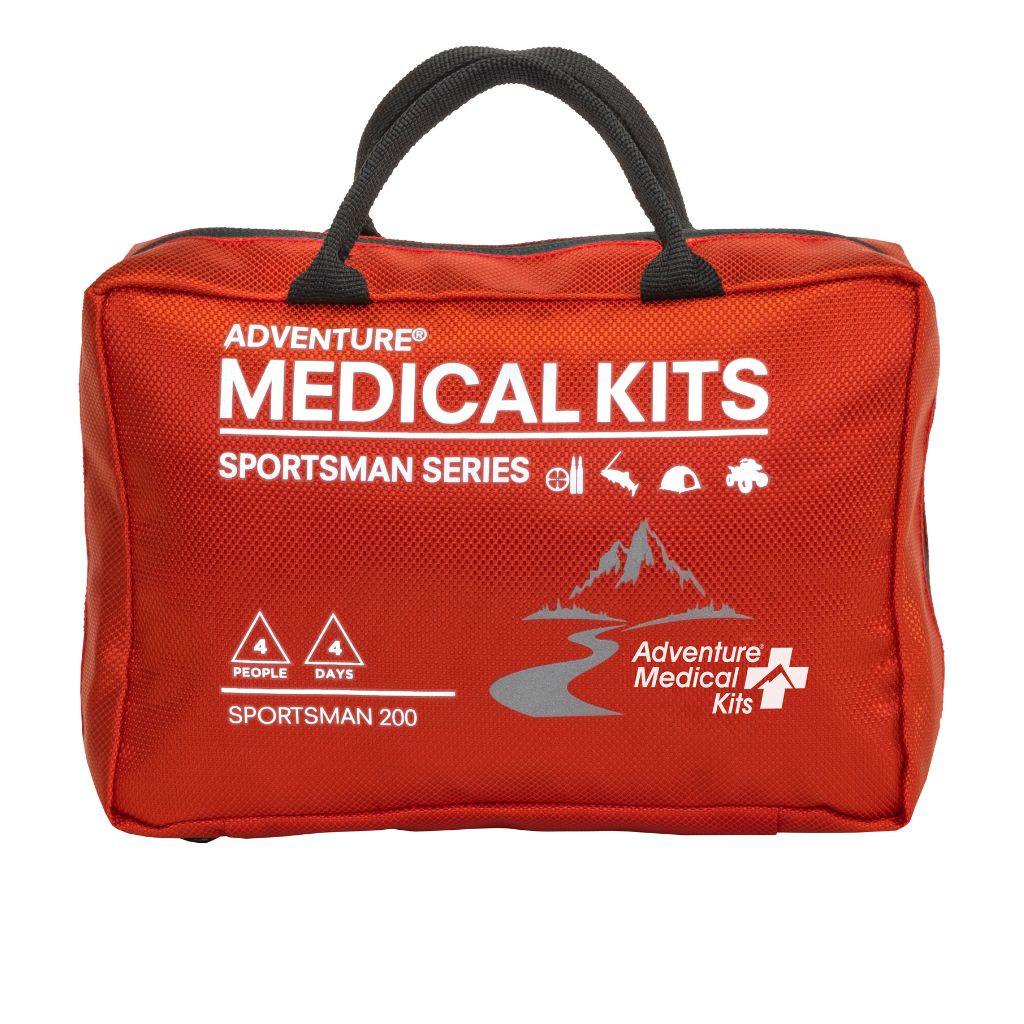
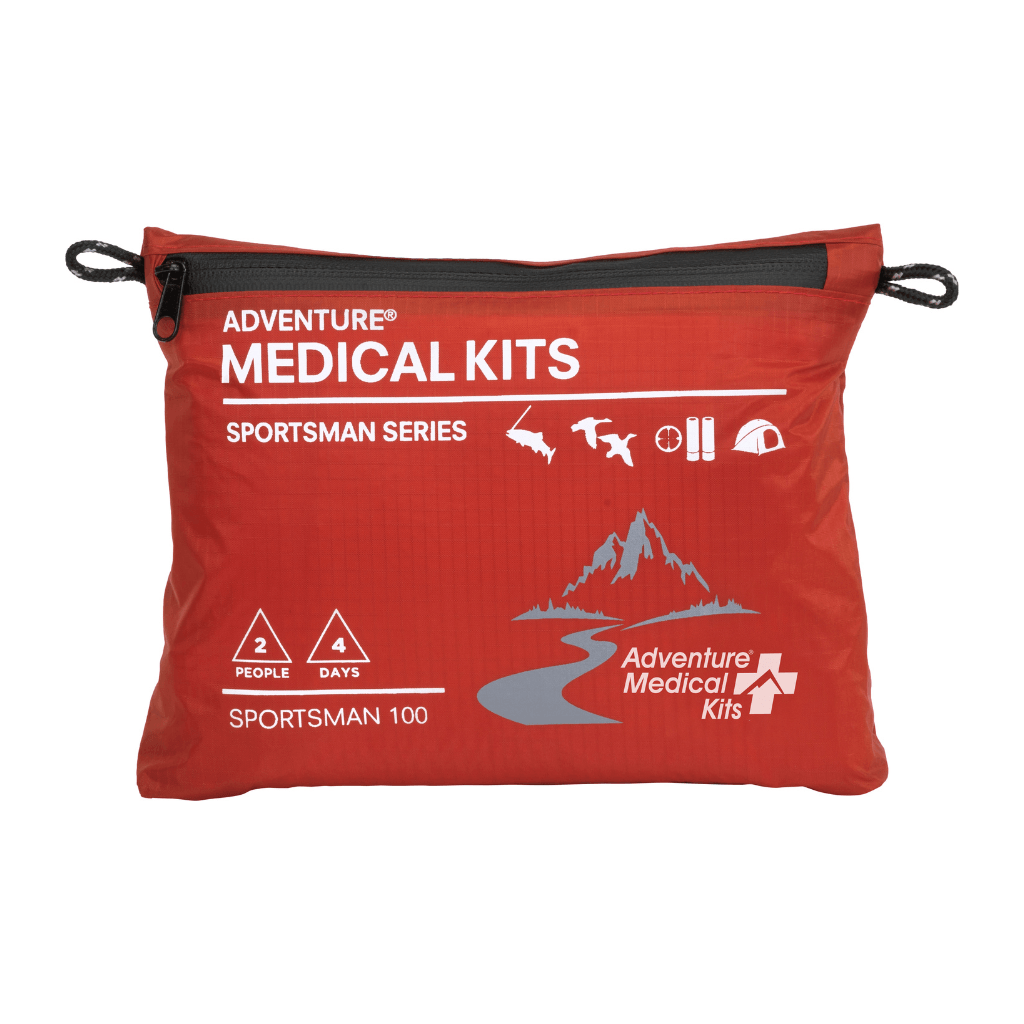
Adventure Medical Kits is useful here because the product lines are organized by activity and use case rather than by item count alone. That makes selection easier for travelers who are trying to match kit design to actual trip risk. If your trip also involves technical gear or screening concerns, this guide to getting climbing gear through TSA for adventure travel helps with the packing side.
Navigating Travel Rules Packing and Legal Considerations
Travelers often do the medical part right and the packing part wrong. The result is a kit that gets delayed in screening, buried in checked luggage, or stripped of the very items that mattered.
One overlooked issue is specialized gear. A travel safety discussion on YouTube notes that 90% of travel first aid guides omit wilderness-specific items like tourniquets, even as the same source references a 45% increase in backcountry travel-related medical emergencies in 2024; the same discussion raises the practical question of how to transport those items legally and efficiently, in this travel and wilderness medical gear video.
Pack for screening and border questions
A workable rule is to separate the kit into three layers.
- Immediate access items: Gloves, bandages, medications needed during travel, and simple wound care belong where they can be reached quickly.
- Question-prone items: Anything that may need explanation should be grouped neatly and labeled.
- Destination resupply items: Bulky refills can go deeper in luggage if the trip allows.
Prescription medications should stay in original containers when possible. For international trips, carrying a copy of the prescription and a clinician note for anything unusual is a practical safeguard. It won't solve every border issue, but it reduces avoidable confusion.
Travelers carrying technical outdoor gear should review getting climbing gear through TSA for adventure travel before departure. The same planning mindset applies to medical tools.
Separate what might need explanation
Sharp tools, liquids, and trauma gear deserve extra thought. The safest approach is to check current airline and destination-country rules before packing, then build the kit around those limits. Travelers shouldn't assume that what passes through one airport will be accepted everywhere else.
Pack the kit so another person can understand it at a glance. That helps at security, in camp, and during an actual emergency.
A clean, labeled, easy-to-inspect setup reduces hassle. It also makes the kit easier to use after arrival, which is the point.
Complete Your Safety System Essential Companion Gear
A first aid kit is the center of the system, not the whole system. Prevention gear often solves the problem before treatment starts.
Add prevention and survival support
Travelers building out a practical safety setup should consider a few companion items:
- Insect defense: CDC guidance for DEET thresholds matters most for travelers who bring repellent. Products from Ben's 30 or Natrapel fit naturally into warm-weather, buggy, or tropical travel kits.
- Bite and sting relief: After Bite is a logical add-on for camps, lakes, and humid destinations where skin irritation is common.
- Emergency warmth and shelter support: A compact emergency blanket from Survive Outdoors Longer belongs in travel systems where weather, vehicle trouble, or delayed return could create exposure risk.
- Light for nighttime problems: A rechargeable emergency light from LuminAID helps with wound care, campsite movement, and roadside stops after dark.
- Wildlife protection in appropriate terrain: Travelers in bear country may add Counter Assault bear spray where local rules and trip type make it relevant.
The strongest setup pairs prevention gear with a well-organized first aid kit that's easy to carry and easy to use. That's the combination that handles ordinary travel problems well and gives people a better margin when the trip stops being ordinary.
A well-built travel medical setup starts with the right kit for the trip, not the biggest kit on the shelf. Travelers comparing organized, activity-specific options can browse Adventure Medical Kits to match a kit to hiking, road travel, international trips, or trauma-focused field use, with the added practical benefit that first aid kits and supplies are FSA/HSA eligible.