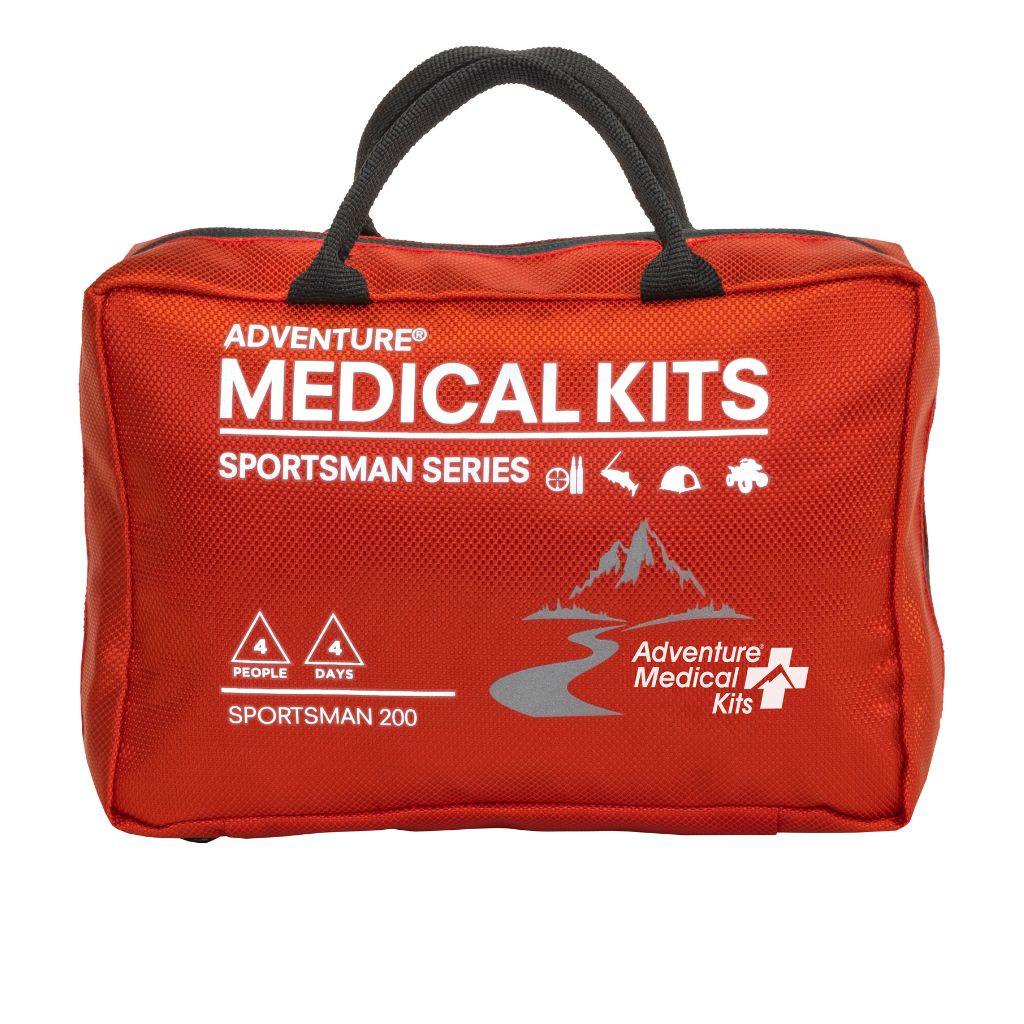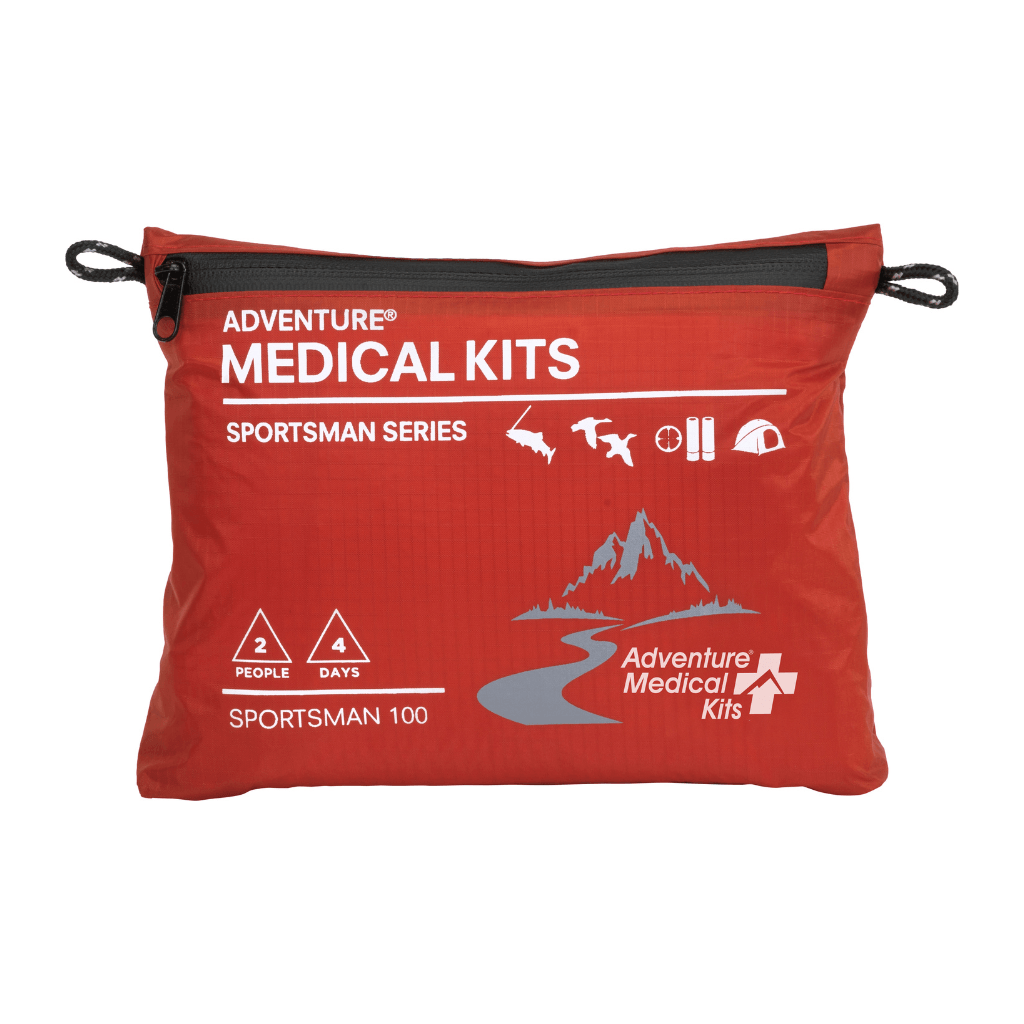


A lot of people realize they need a medical kit at the same moment they realize the one they packed won't help much. It happens at the trail junction after a rolled ankle, in a parking lot after a deep knuckle cut, or at camp when a hot spot has turned into a blister that changes the whole walk out. The difference usually isn't whether a kit exists. It's whether the kit matches the problem.
A random pouch of loose bandages, expired pills, and a broken pair of tweezers isn't a system. A useful kit is built around likely injuries, the environment, the length of the outing, and the skill of the person opening it. That's why there are so many types of medical kits, and why choosing one by size alone usually leads to bad trade-offs.
The good news is that kit selection gets simpler once the decision is framed the right way. Instead of asking, “What's the biggest kit that fits in the pack?” the better question is, “What problems need to be handled before help is available?”
Table of Contents
Why Your Choice of Medical Kit Matters
A twisted ankle doesn't always become an emergency. It becomes one when the group can't control pain, support the joint, or keep moving safely. The same injury on the same trail can be a manageable retreat for one team and a long, cold extraction for another.
That difference often comes down to design. Good kits are organized so someone can reach the right tool fast, even under stress. Poor kits force people to dump everything onto the ground and improvise while daylight fades.
A kit should match the consequence of delay
On a short local trail, a minor cut is usually inconvenient. A few miles from the road in sleet, a minor cut matters more because wet hands, cold skin, and reduced dexterity make simple care harder. Types of medical kits exist for that reason. The setting changes the treatment problem.
Practical rule: Choose a kit based on what must be handled before professional care is available, not on what looks complete when spread across a table.
A solid medical kit does three jobs at once. It helps with common injuries, buys time for bigger problems, and reduces decision-making when people are tired or rattled. That last part gets overlooked. Clear layout and readable instructions matter because few people perform well when someone is hurt.
What works and what usually fails
What works is a kit with a clear purpose. Home kits can be broad. Day kits should stay light enough that they leave the house. Wilderness kits need to assume delayed help, dirty hands, weather, and repeated use over several days.
What fails is the “junk drawer” model. Loose adhesive strips, one mystery ointment packet, cotton balls, and medications with rubbed-off labels don't form a plan. They create false confidence.
A medical kit should reduce friction. If it adds confusion, it isn't ready.
The Building Blocks of Any Medical Kit
Kits are often compared by brand, size, or price first. That's backwards. The first comparison should be functional. Every useful medical kit, from a glove box pouch to a remote expedition setup, needs to cover the same core jobs.
Persistence Market Research notes that common type medical kits command approximately 68% of total first aid kit market revenue in 2026, while the global first aid kit market is valued at US$226.9 million in 2026. That dominance makes sense because broad, versatile coverage for everyday injuries is generally needed, not a highly specialized loadout.
A kit should solve functions not just hold items

A practical kit usually breaks down into five categories:
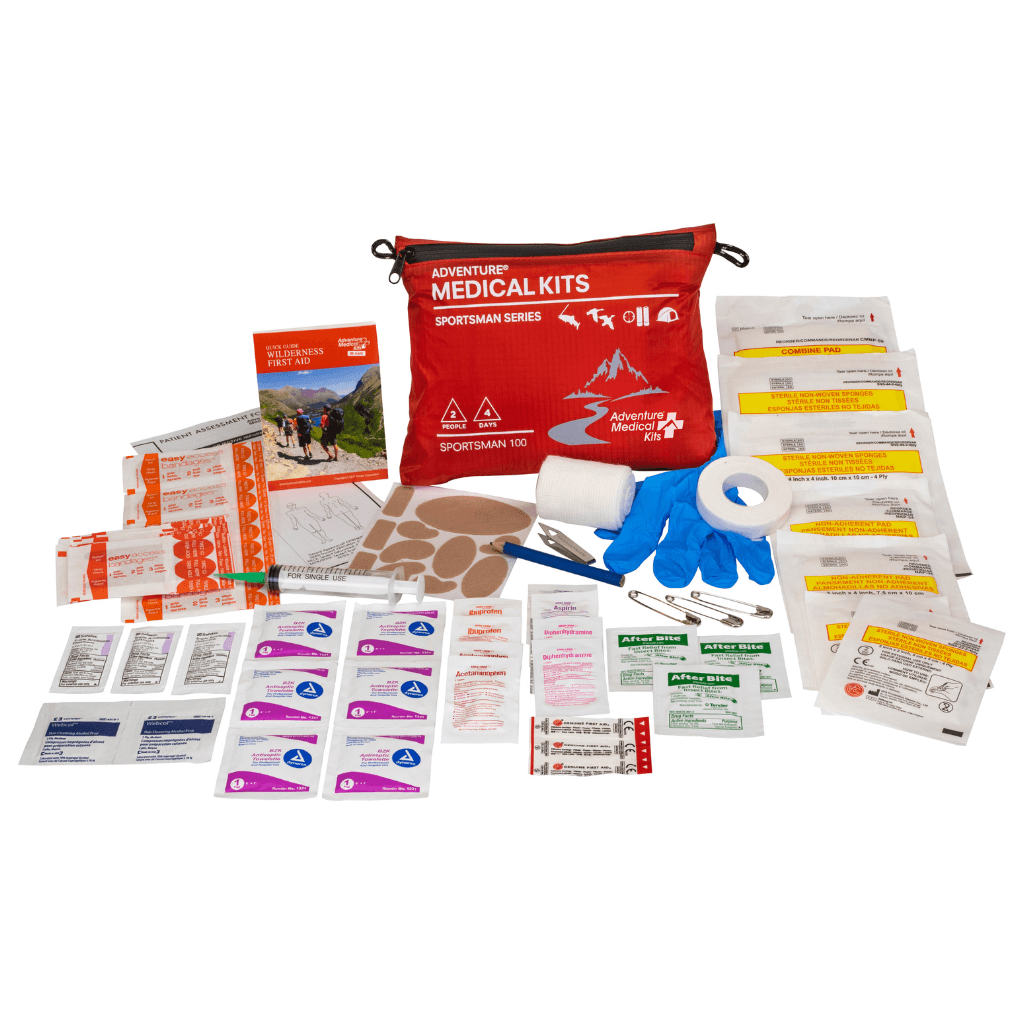
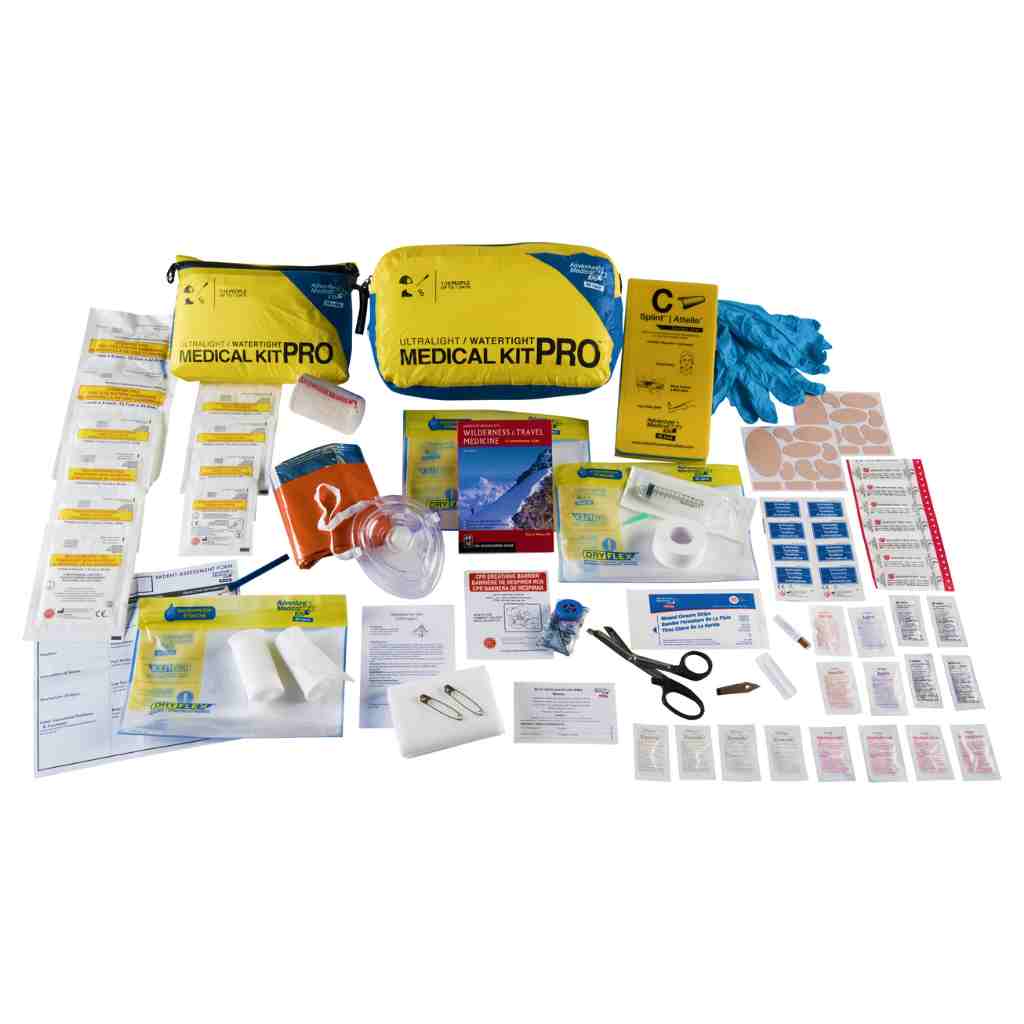
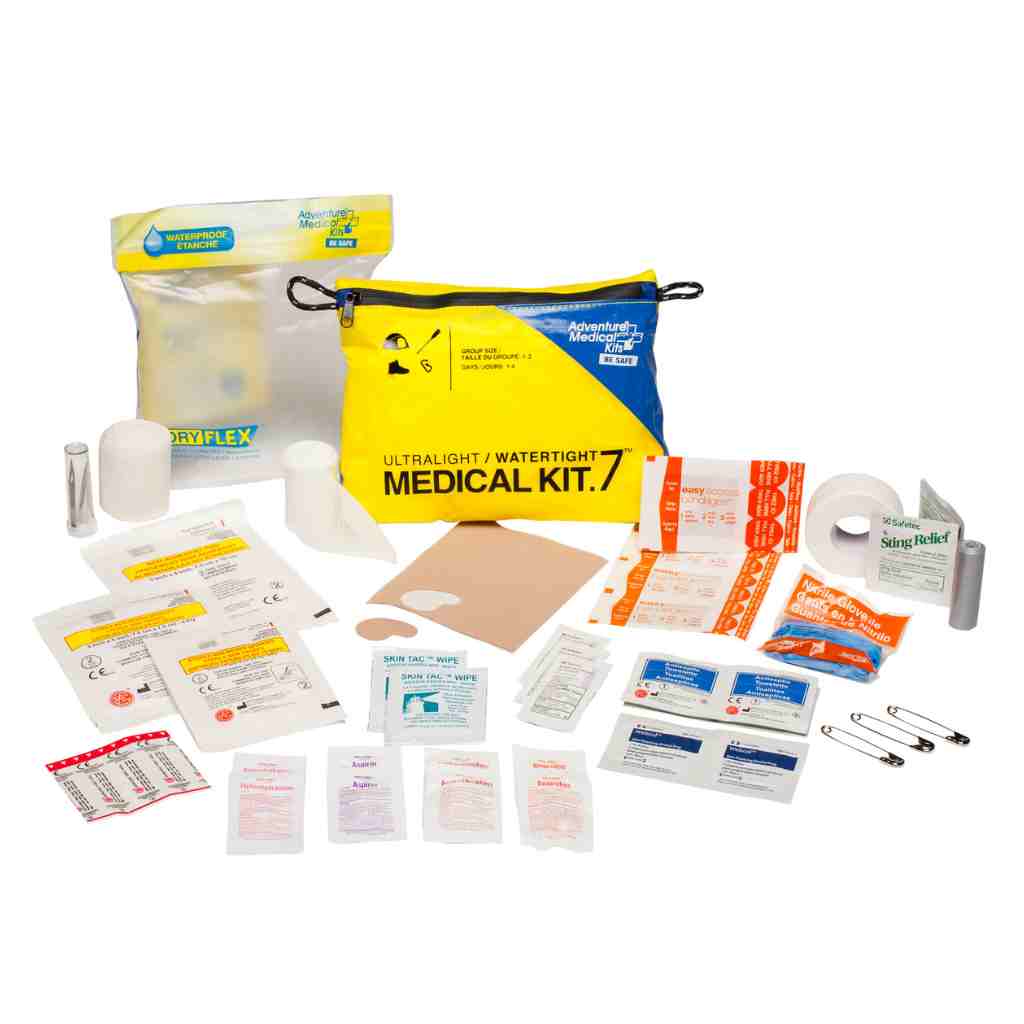
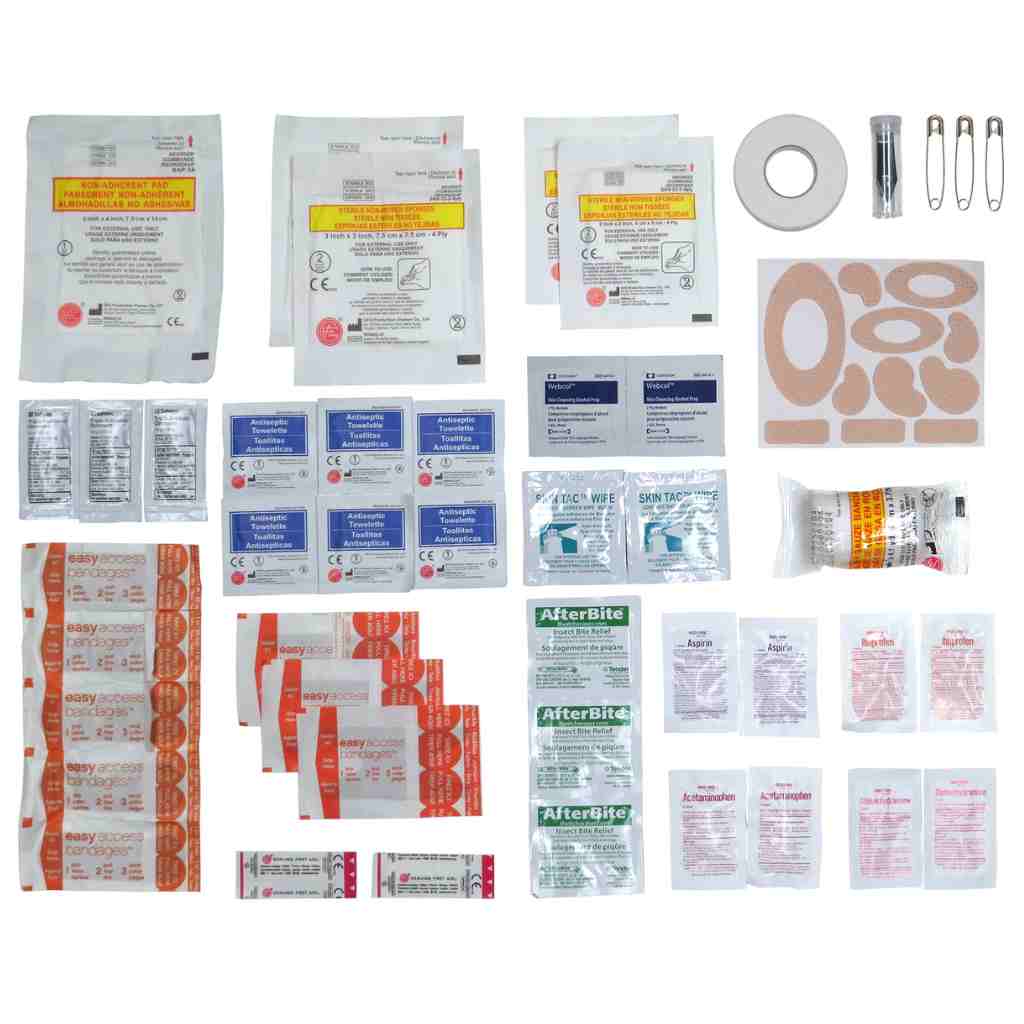
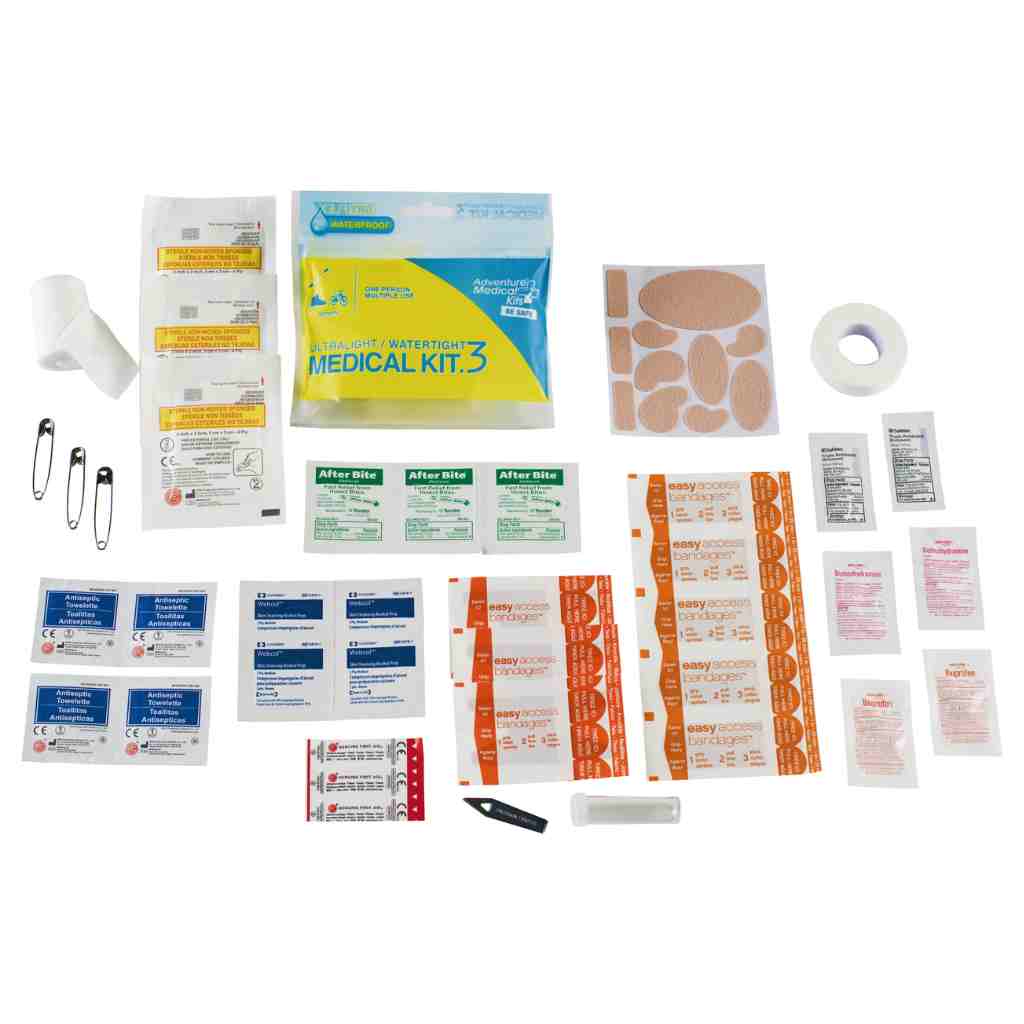
- Wound care includes dressings, gauze, tape, cleansing materials, and closure supplies. These handle the problems that show up most often, from scraped knees to a split knuckle on sharp rock.
- Medications cover pain, inflammation, allergy response, stomach issues, and any personal prescriptions the user needs access to without delay.
- Tools make supplies usable. Tweezers remove debris. Shears cut tape, clothing, or padding. A syringe can irrigate a dirty wound more effectively than a splash from a bottle.
- Personal protection includes gloves, masks, and barriers that protect both the patient and the helper.
- Emergency information matters more than people think. Medication lists, allergy notes, and instructions can prevent avoidable mistakes.
Sterility also deserves attention. For anyone sorting or rebuilding supplies, this guide to medical device sterilization methods is useful background because it explains why cleaning and sterility aren't the same thing.
Organization matters as much as contents
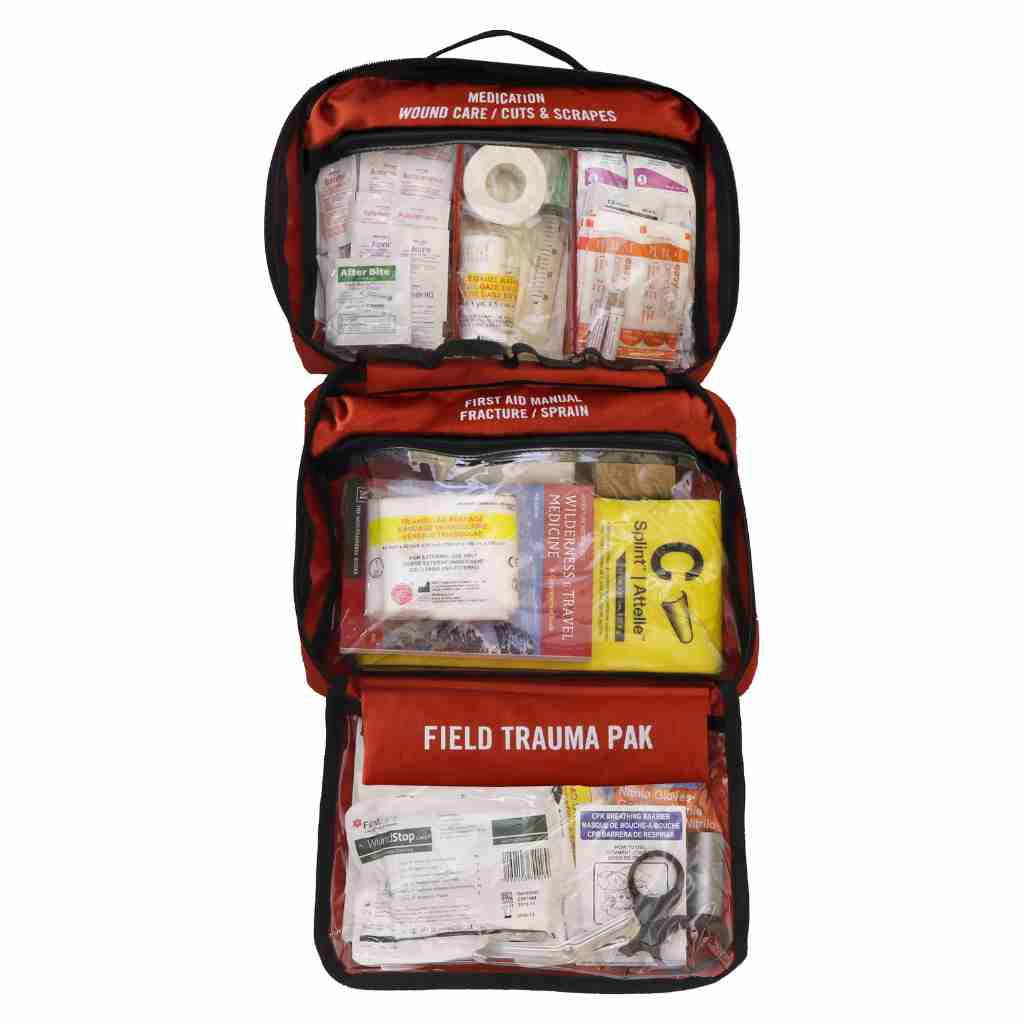
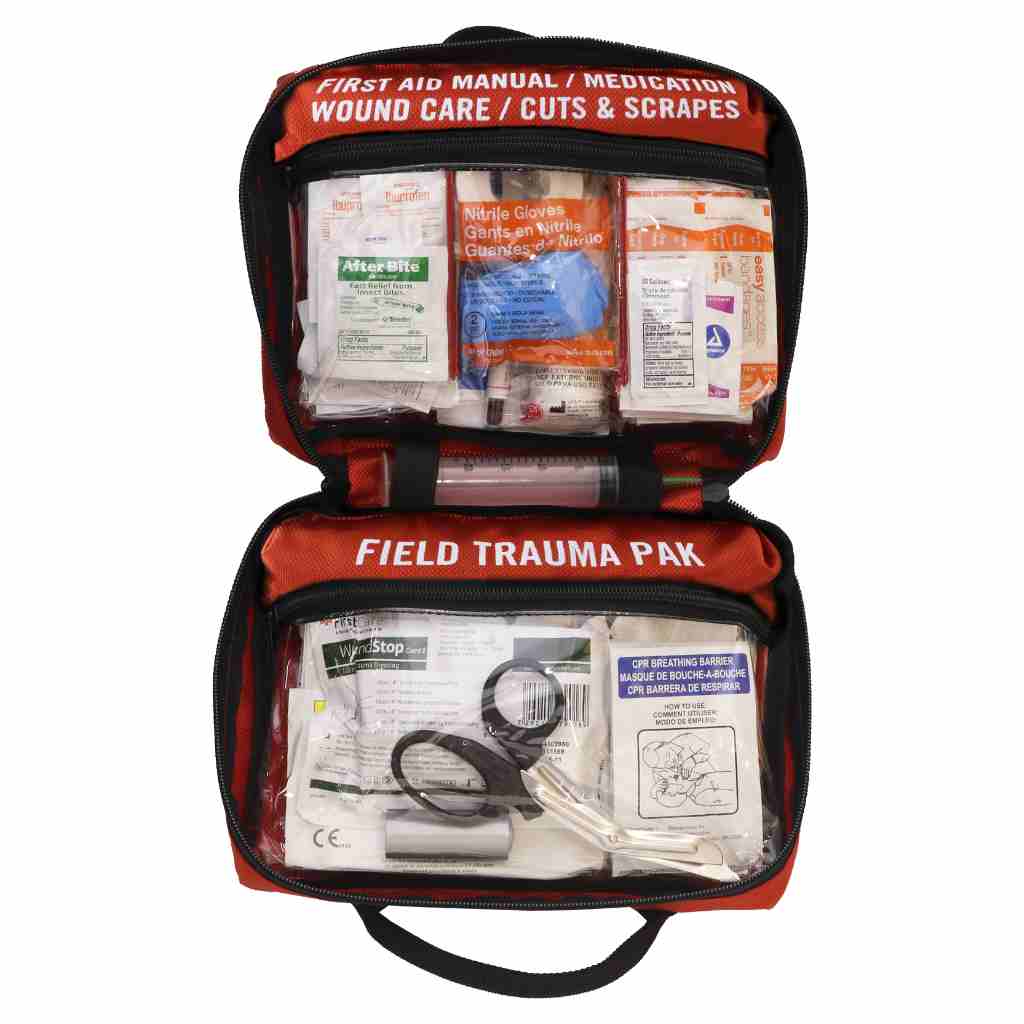
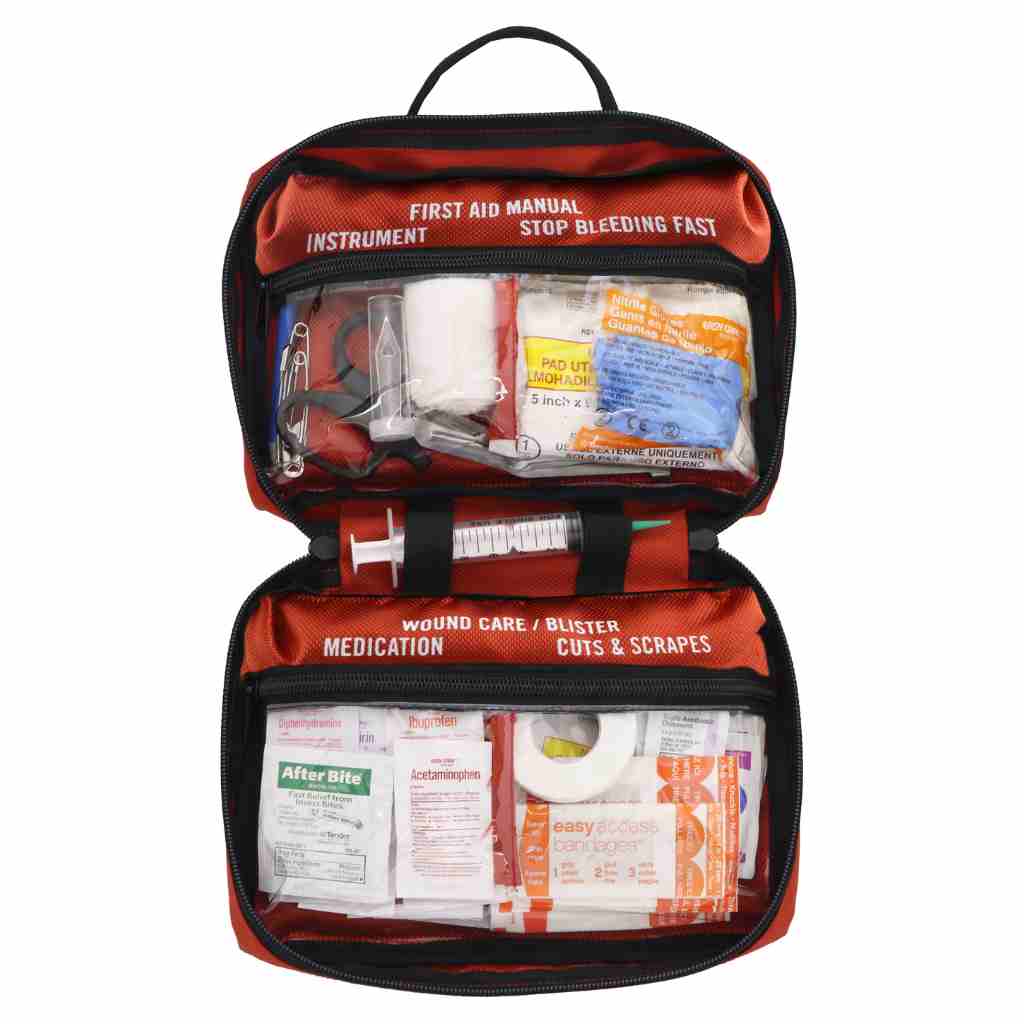
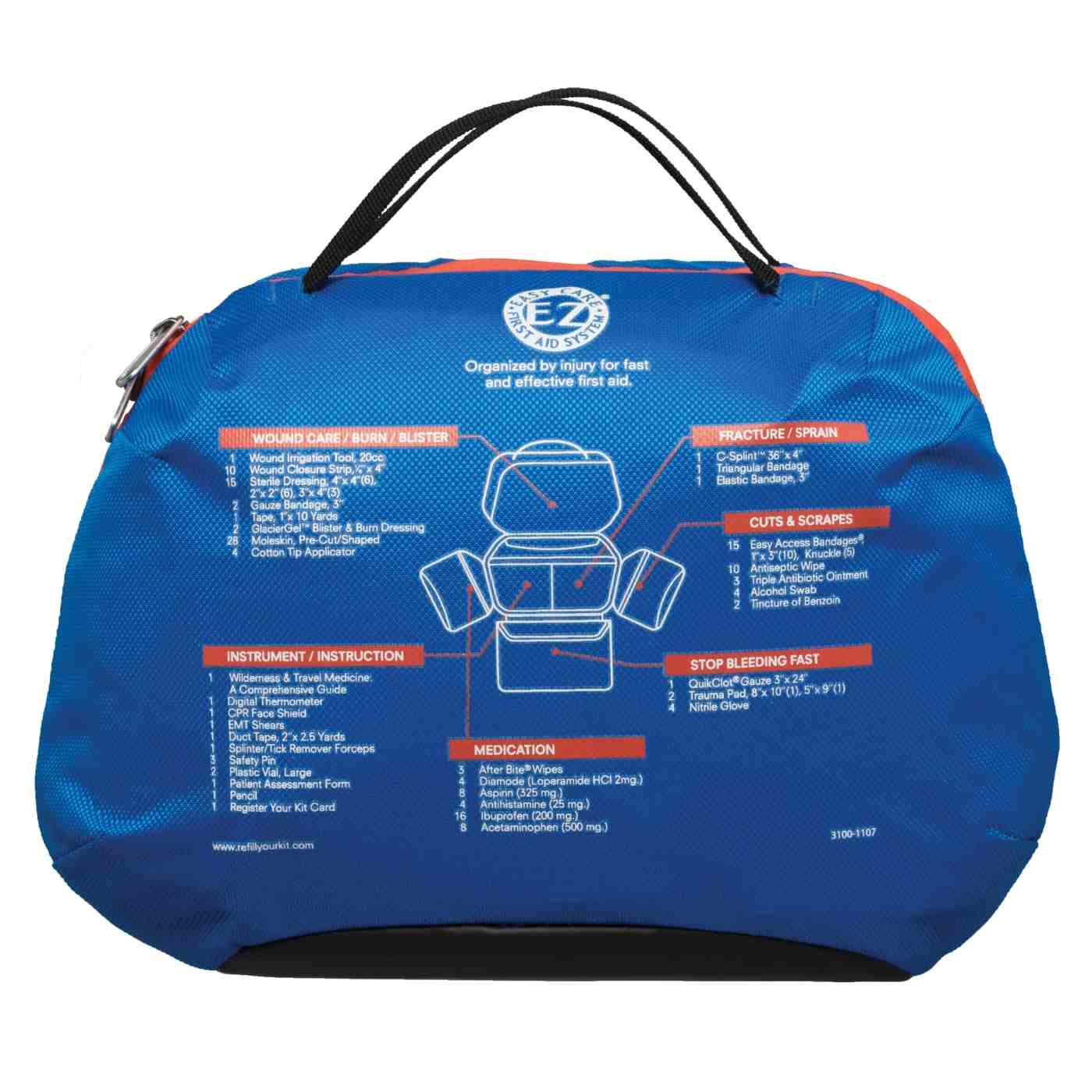
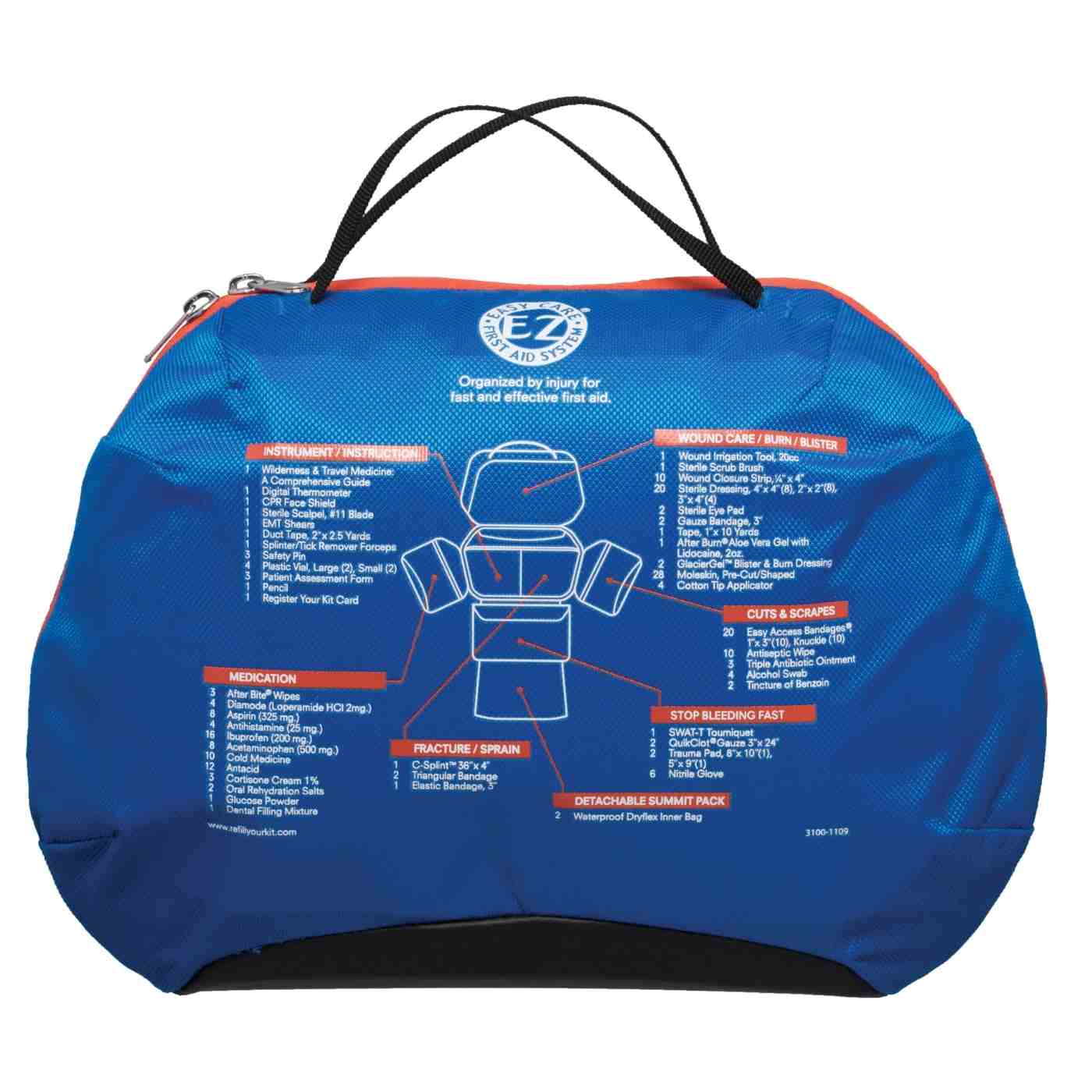
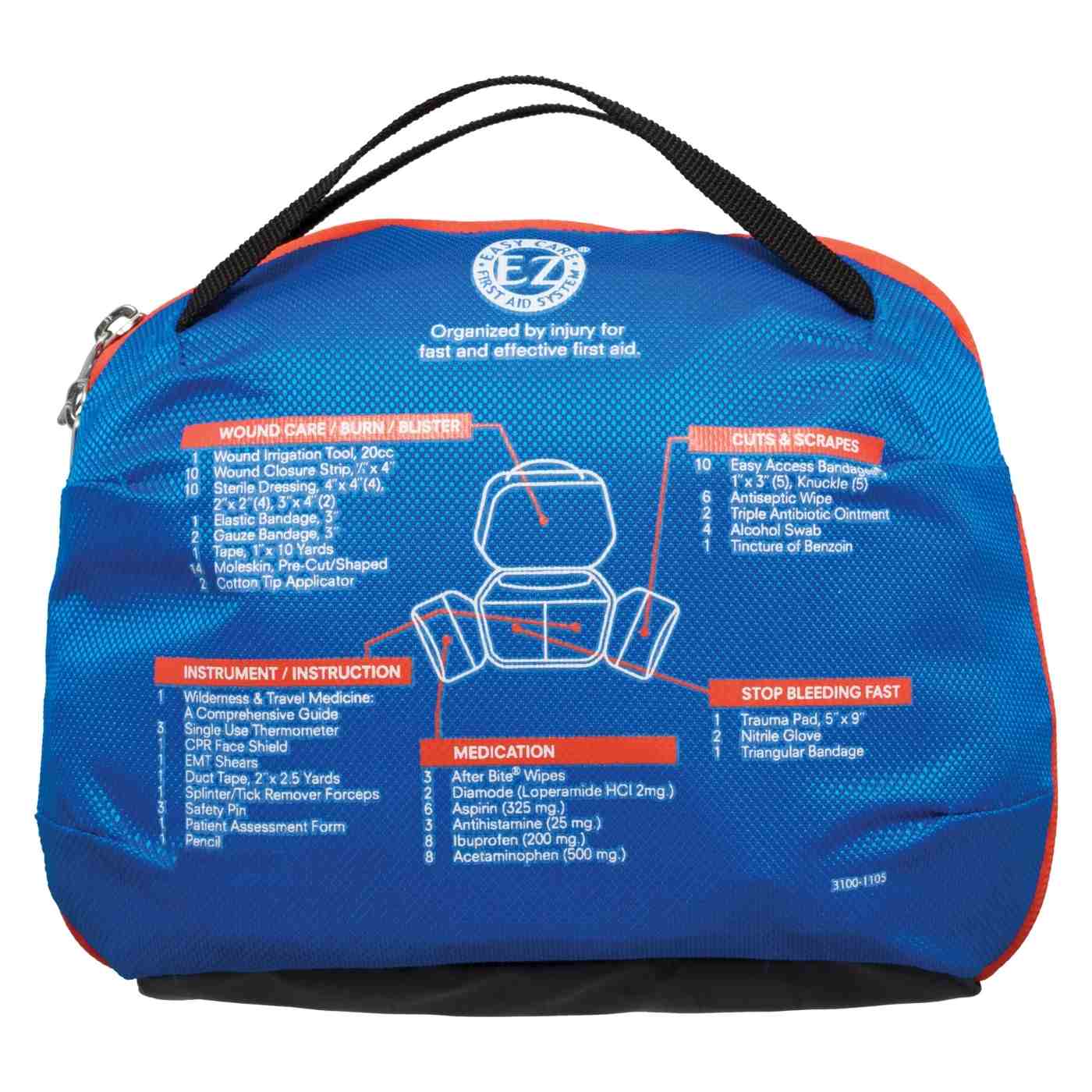
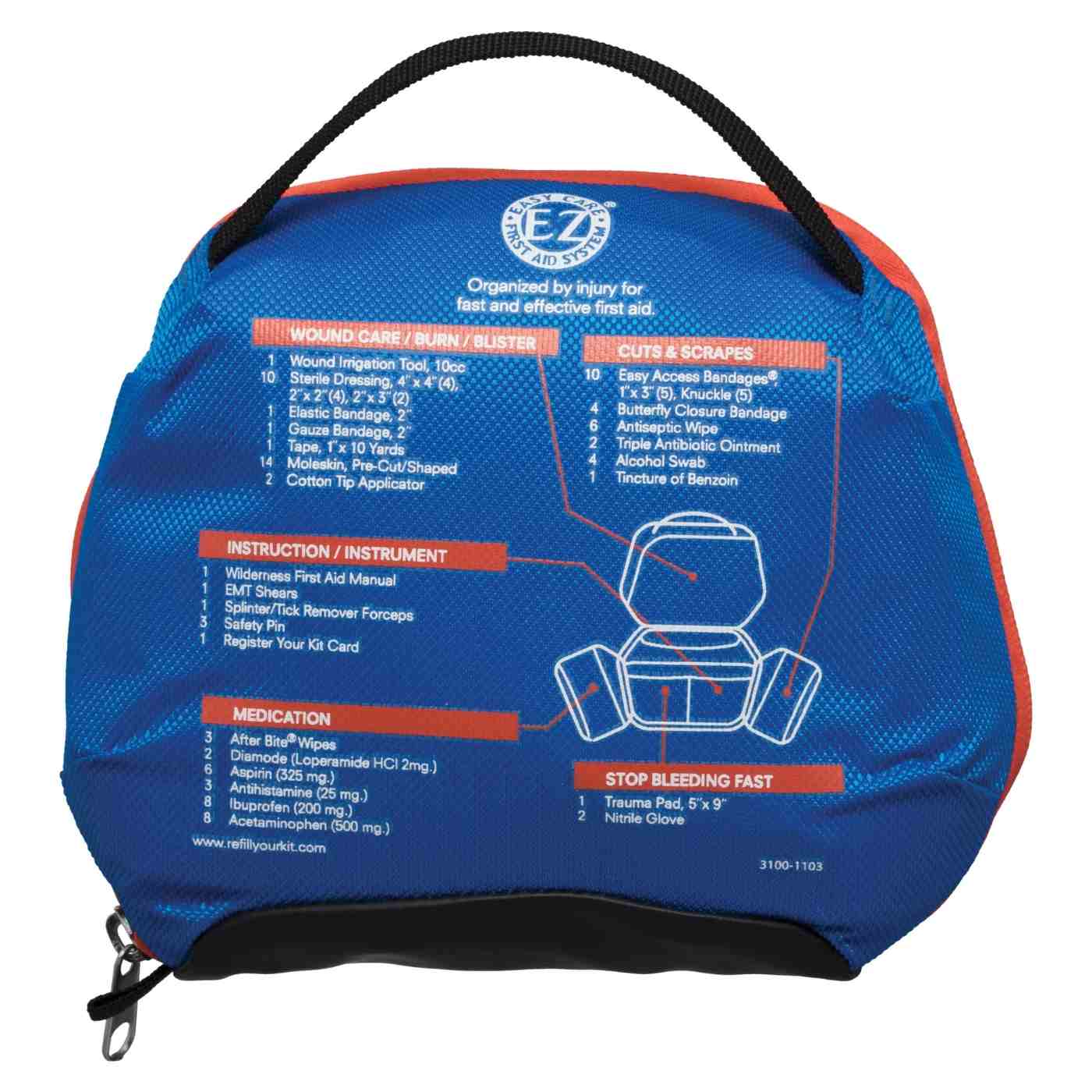
People often overvalue quantity and undervalue layout. In the field, speed comes from knowing where things live. Injury-based organization is easier to use than one big compartment full of packets.
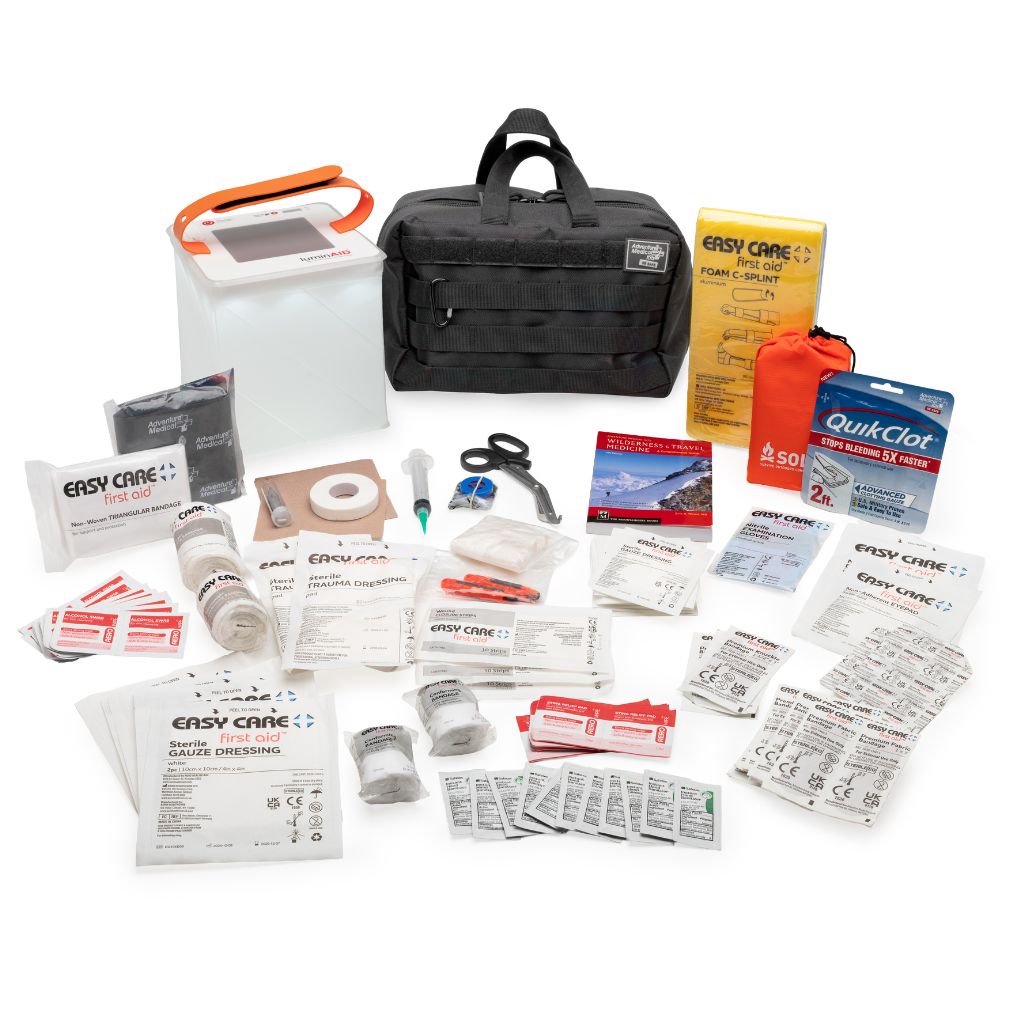
One example is the Easy Care® Comprehensive First Aid Kit, which is described as a well-equipped emergency kit for home or car, organized by injury with the Easy Care pocket system. Its listed contents include a CPR breathing barrier, emergency blanket, burn treatment, common medications, and a detailed Red Cross First Aid Guide.
A quick quality check for any kit is simple:
| Functional need | What to look for |
|---|---|
| Bleeding and wound care | Dressings in more than one size, tape that won't fail fast, and a way to clean debris |
| Blister and burn care | Dedicated blister supplies and basic burn treatment |
| Medications | Clearly labeled packets and room for personal meds |
| Tools | Tweezers, cutting tool, and a way to secure dressings |
| Information | Guide, allergy notes, and emergency contacts |
Everyday Kits for Home Car and Day Trips
The most common mistake in preparedness is expecting one kit to cover everything. Home, car, and day trip use create different demands, even when the injuries overlap.
Home kits can be broader
At home, weight doesn't matter. Breadth does. A home kit can hold more dressings, more medication categories, and extras that don't make sense to carry on a trail, such as larger cold packs or more backup supplies for power outages and storms.
The home kit should also be where personal medical information is easiest to find. If a family member has medication allergies or specific prescription needs, that's where those notes should live.
Keep the home kit where people can reach it in the dark and under stress. Deep bathroom cabinets aren't ideal.
Car kits need durability and reach
A car kit sits between home and wilderness use. It can be larger than a day kit, but it has to survive heat, cold, vibration, and neglect. It also needs to cover problems that happen around vehicles and roadsides, such as cuts, minor burns, and the first steps after a slip or fall on rough ground.
A smart car kit also lives where it can be reached without unloading the entire trunk. For many drivers, that means one compact medical kit near the cabin and bulkier emergency supplies elsewhere.
Day trip kits should stay small enough to carry
The right day kit is the one that's always on the person, not left in the car because it felt bulky. For casual hikes, bike rides, fishing mornings, and park days, the contents should focus on wound care, blister prevention, a few medications, and basic tools.
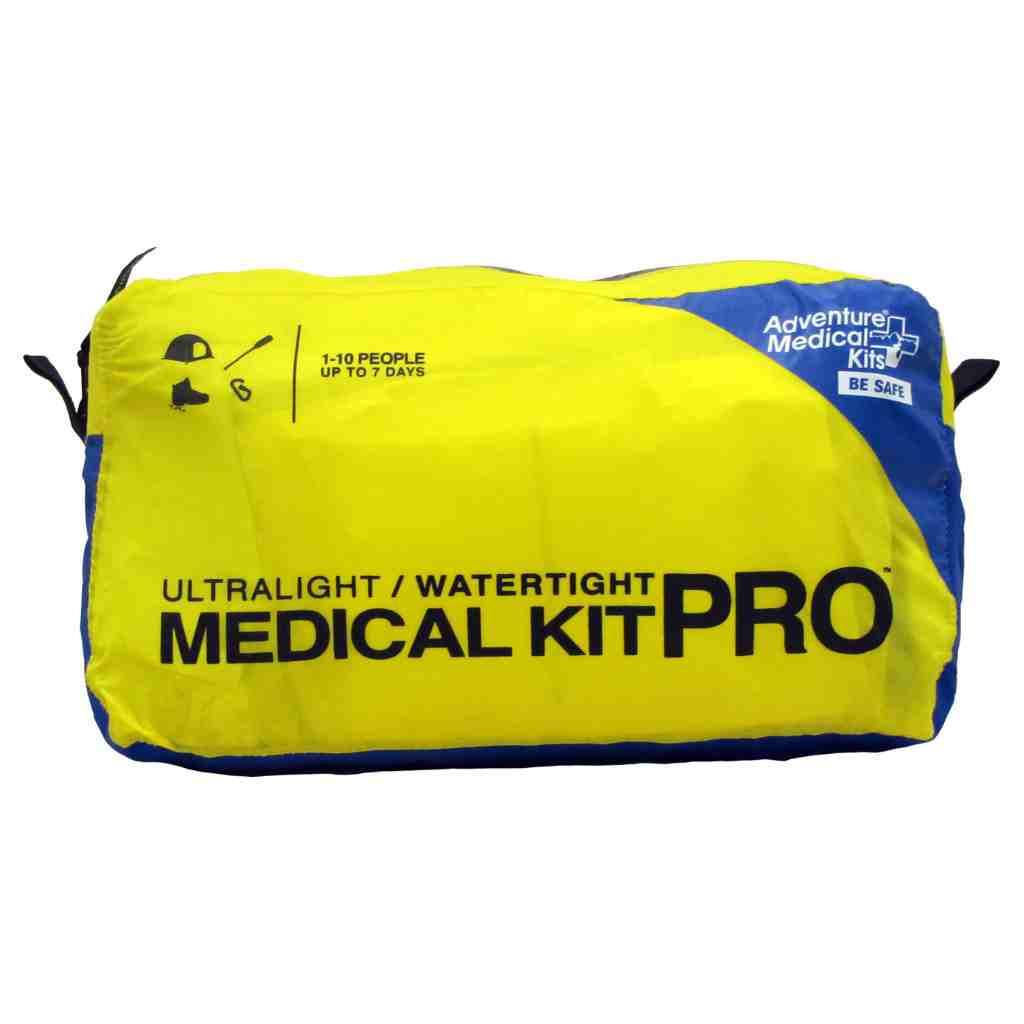
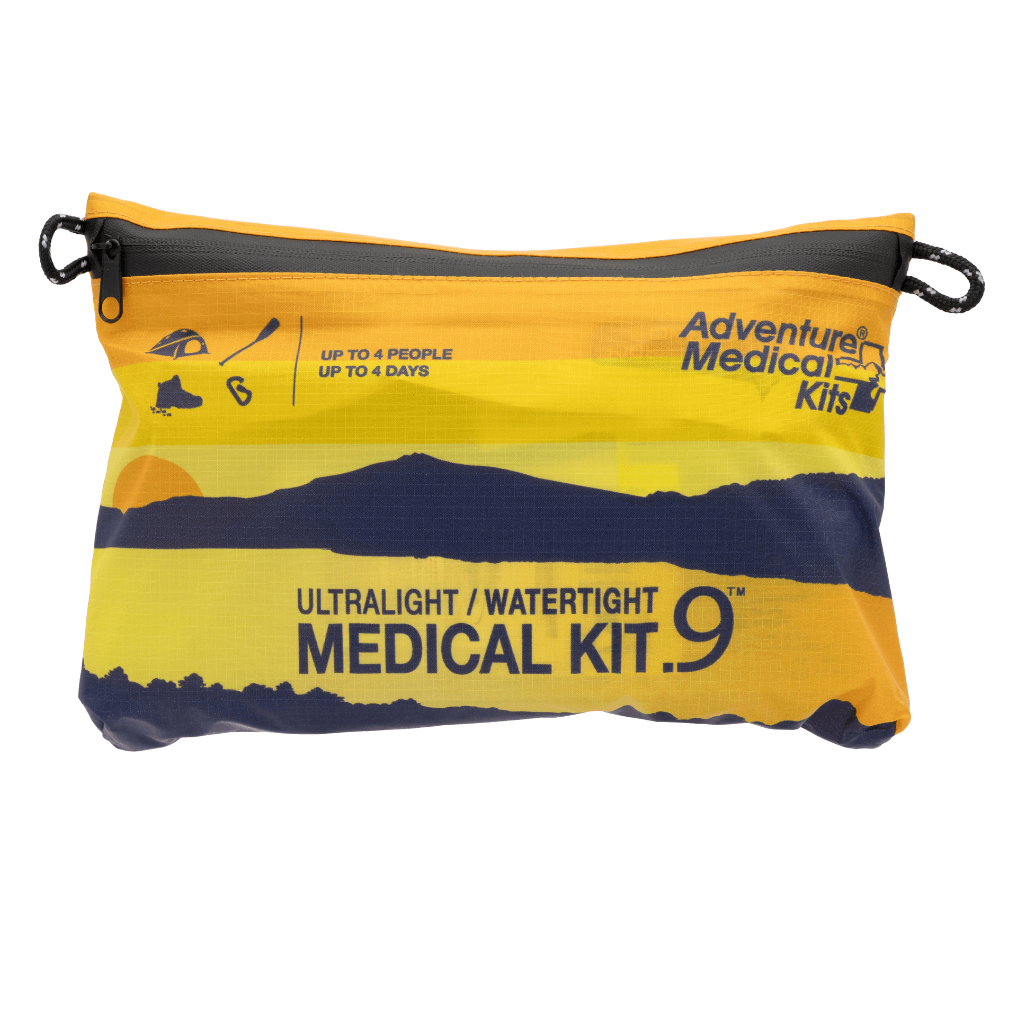
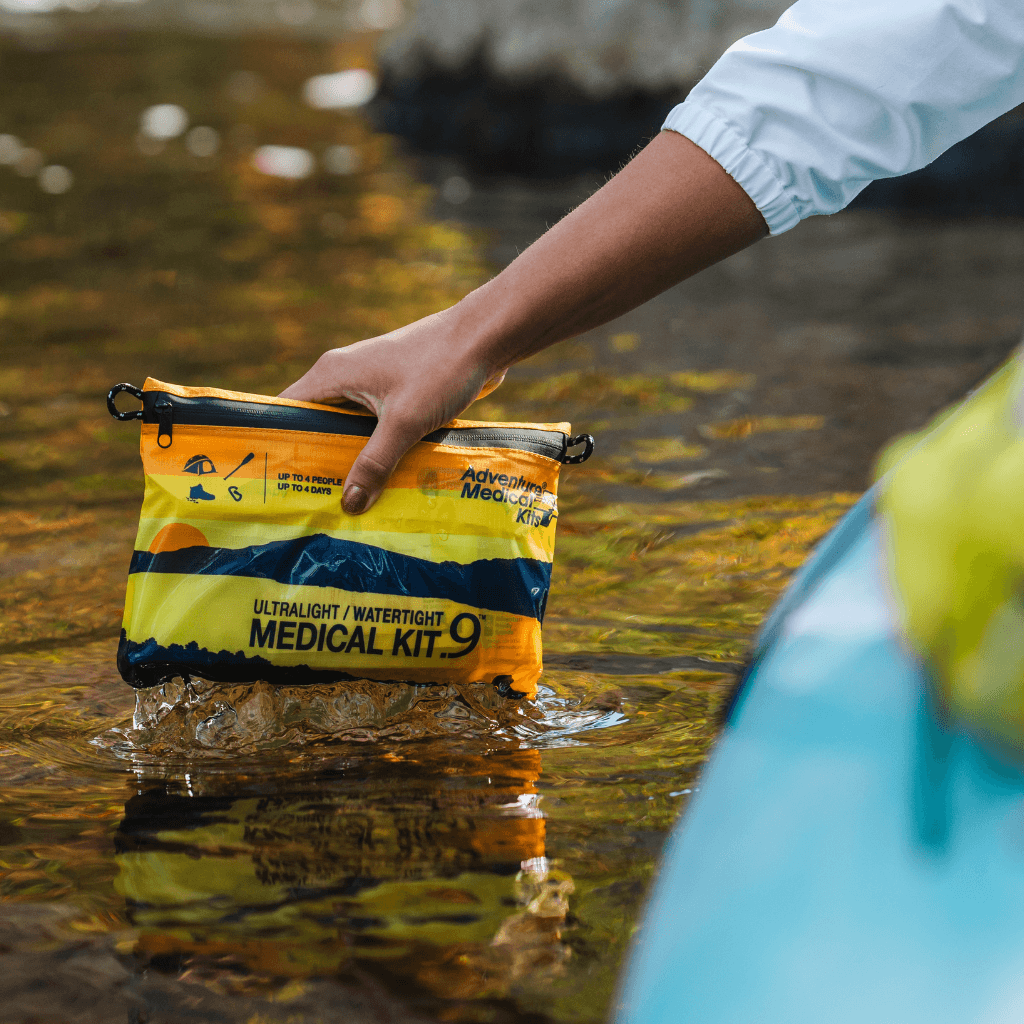
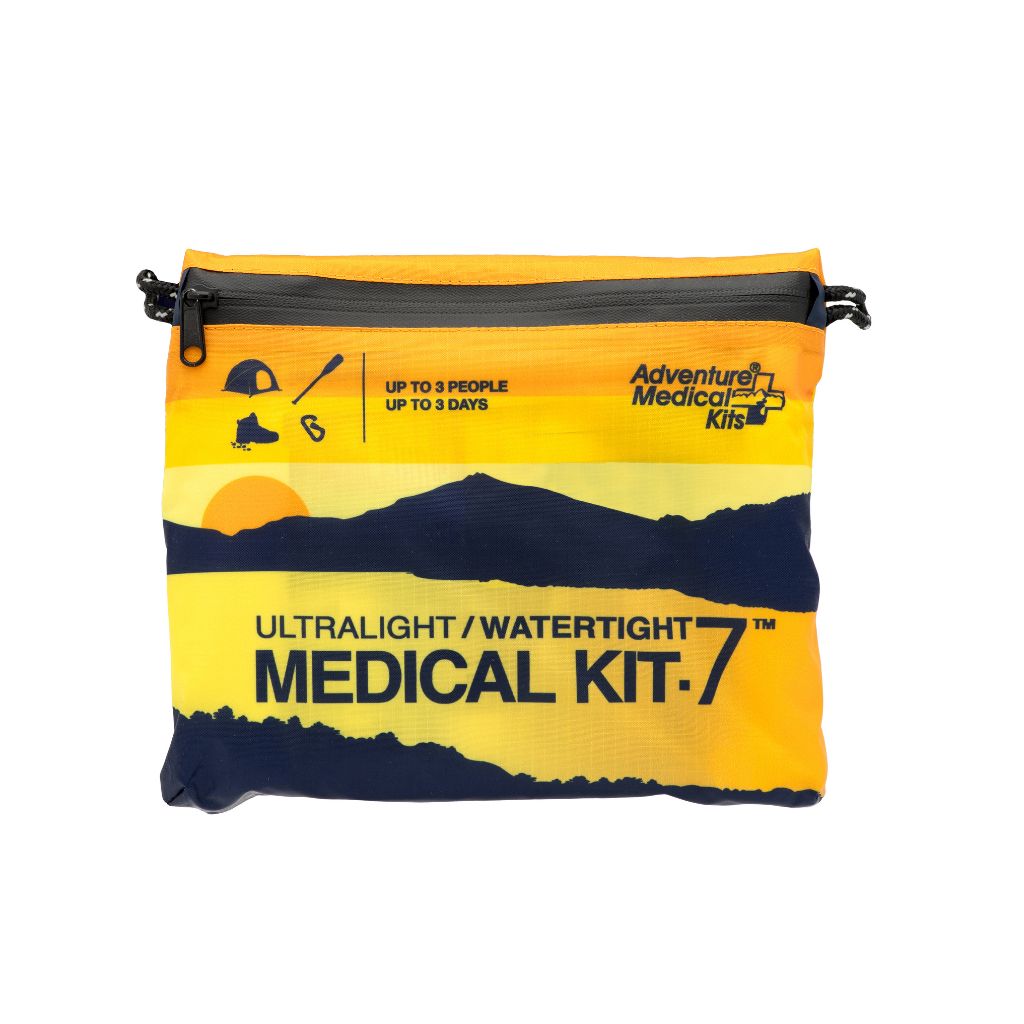
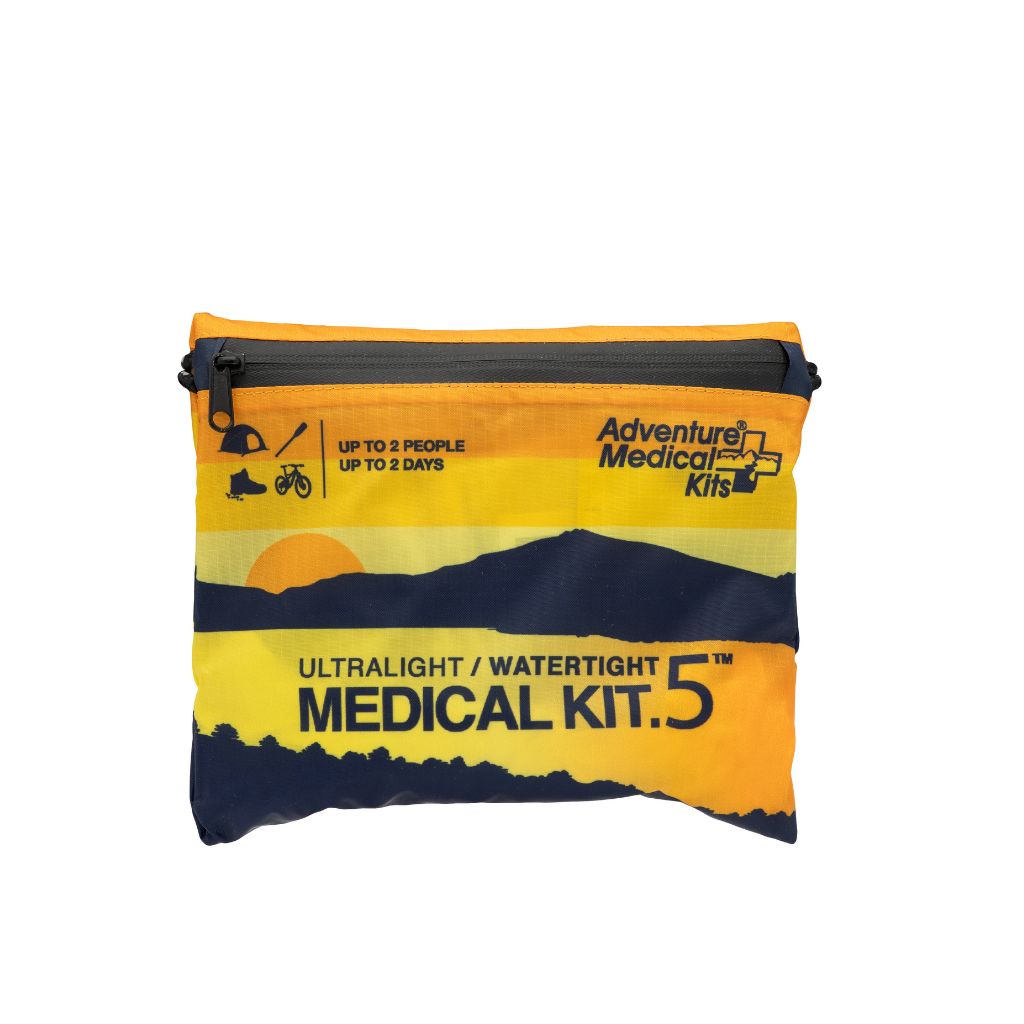
Small, weather-resistant kits do well here because they remove the excuse to leave supplies behind. An ultralight pouch clipped to a pack or tucked into a side pocket solves more real problems than a large kit sitting at home.
A simple comparison helps:
| Use case | What matters most | Common mistake |
|---|---|---|
| Home | Breadth and refill capacity | Hiding the kit in a hard-to-reach cabinet |
| Car | Durability and quick access | Packing it under gear |
| Day trip | Low weight and compact carry | Bringing too much, then leaving it behind |
Wilderness and Adventure Medical Kits
Once the trail gets longer and the exit gets slower, medical kits stop being convenience items and start becoming operational gear. A wilderness kit has to support decisions over time. It has to manage the first injury, the second blister, the rain-soaked lunch stop, and the possibility that the group won't see a road until tomorrow.

Scale the kit to the trip
Trip length, group size, and remoteness should drive the choice. A weekend walk for two on a busy trail needs something different than a week-long route with river crossings and no quick bailout. More people create more routine problems. More days create more opportunities for friction injuries, cuts, digestive issues, and weather exposure.
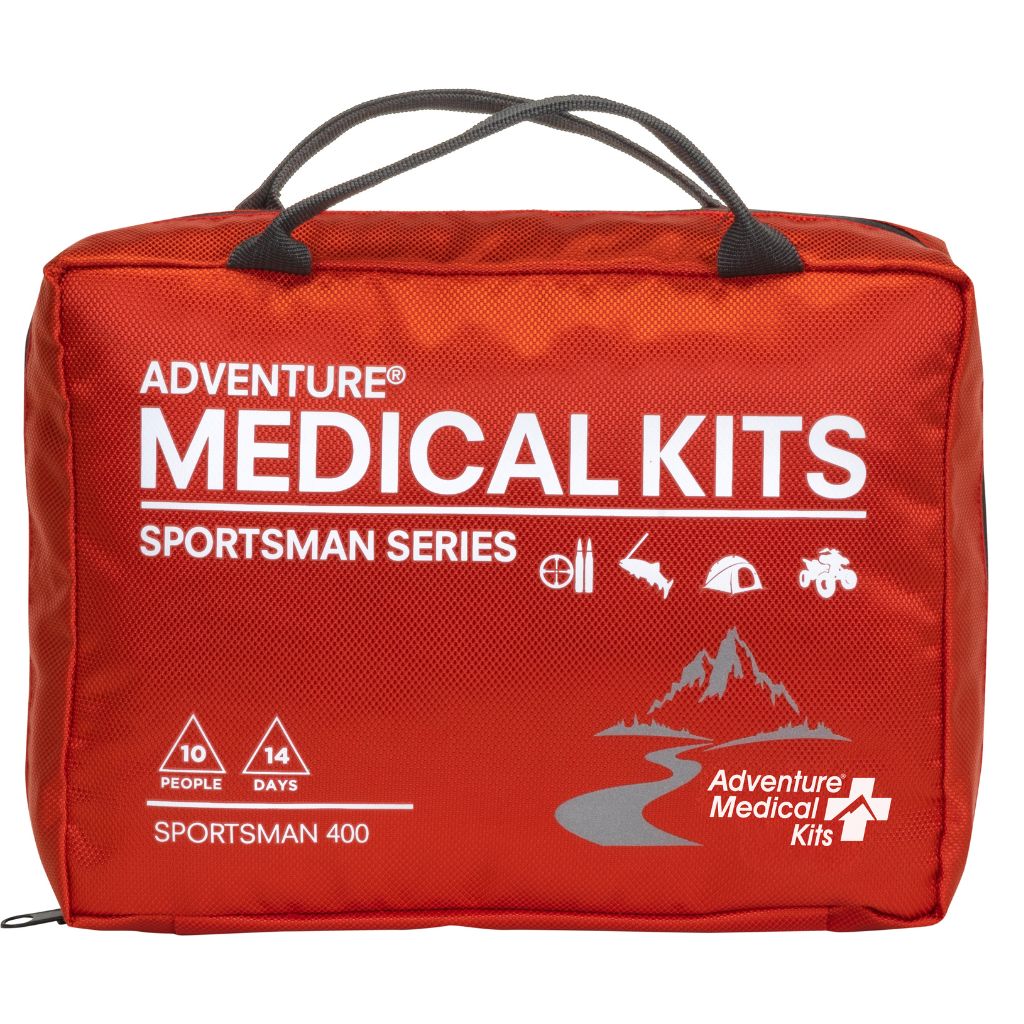
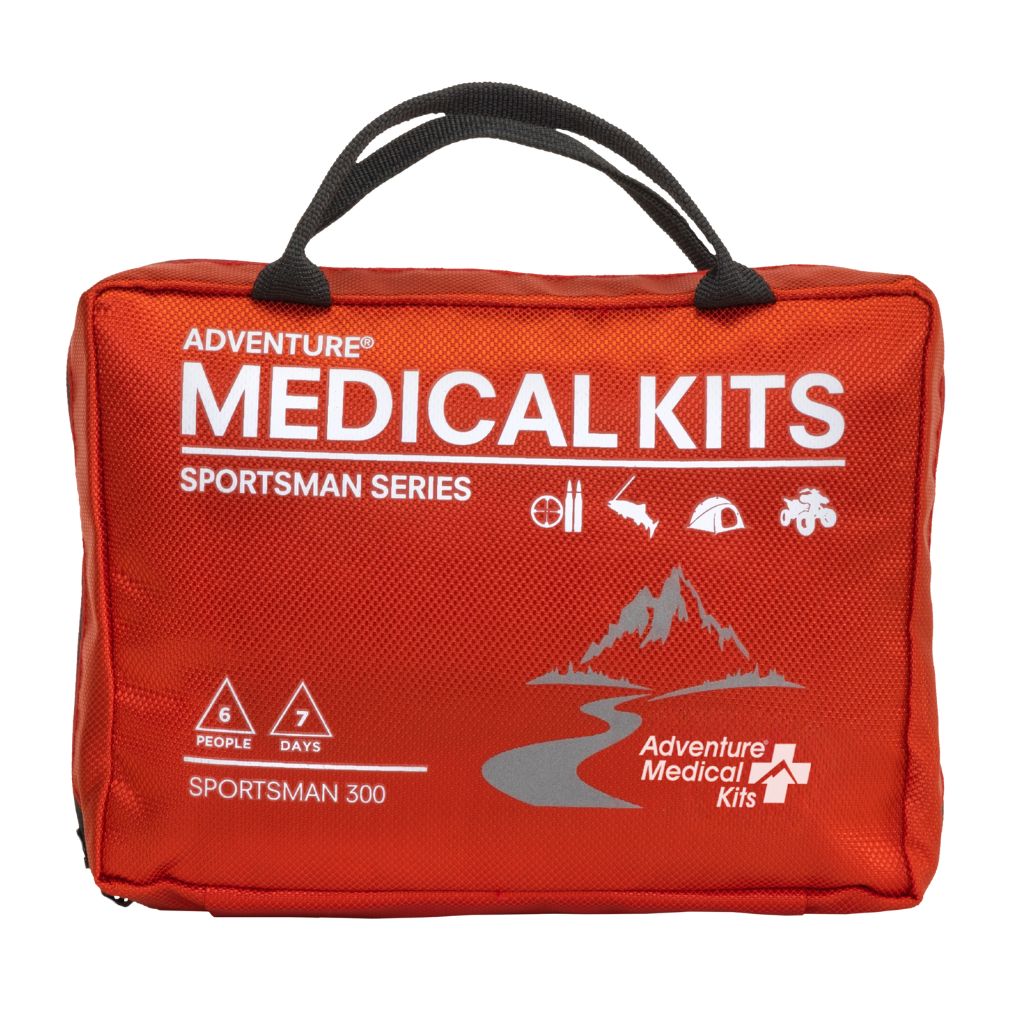
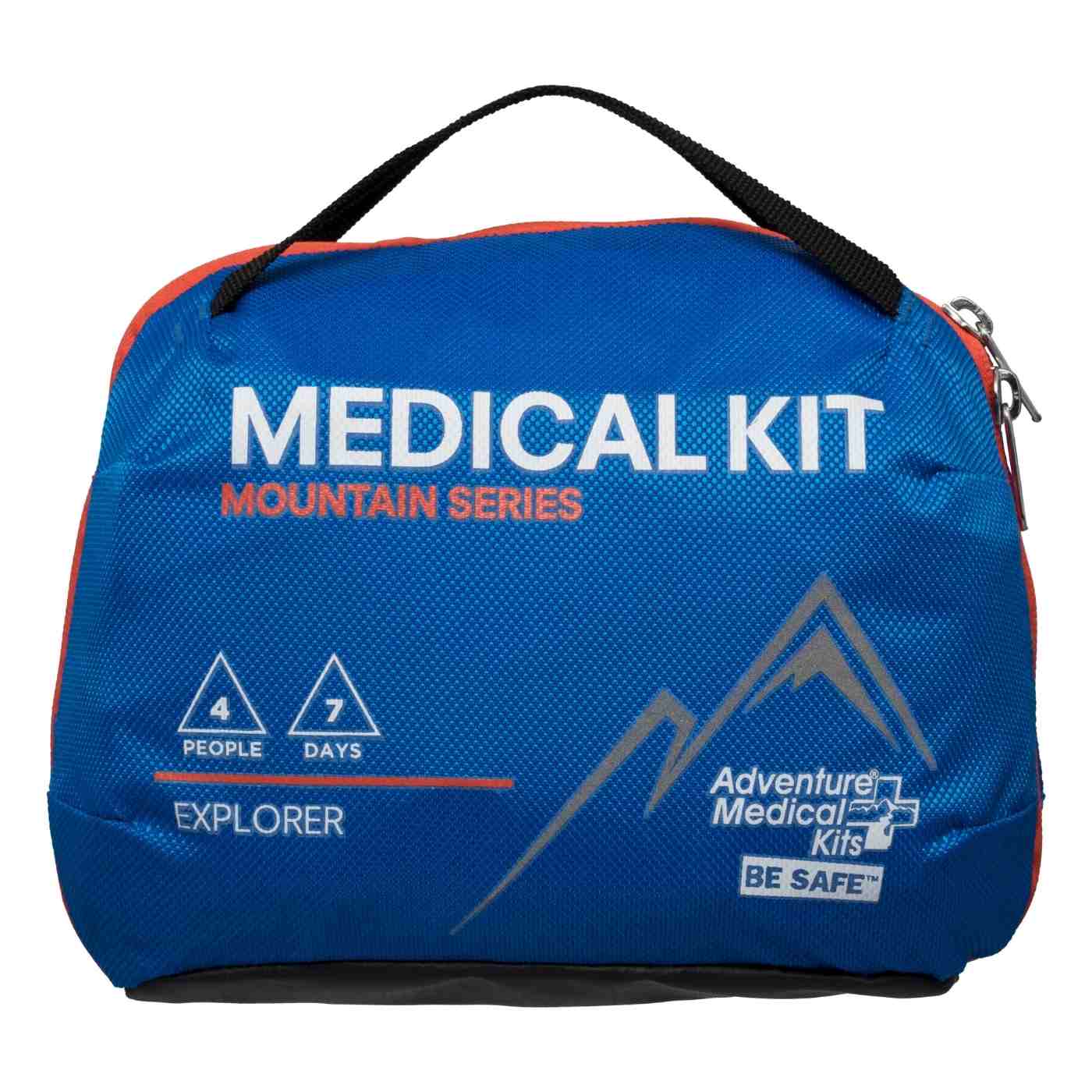
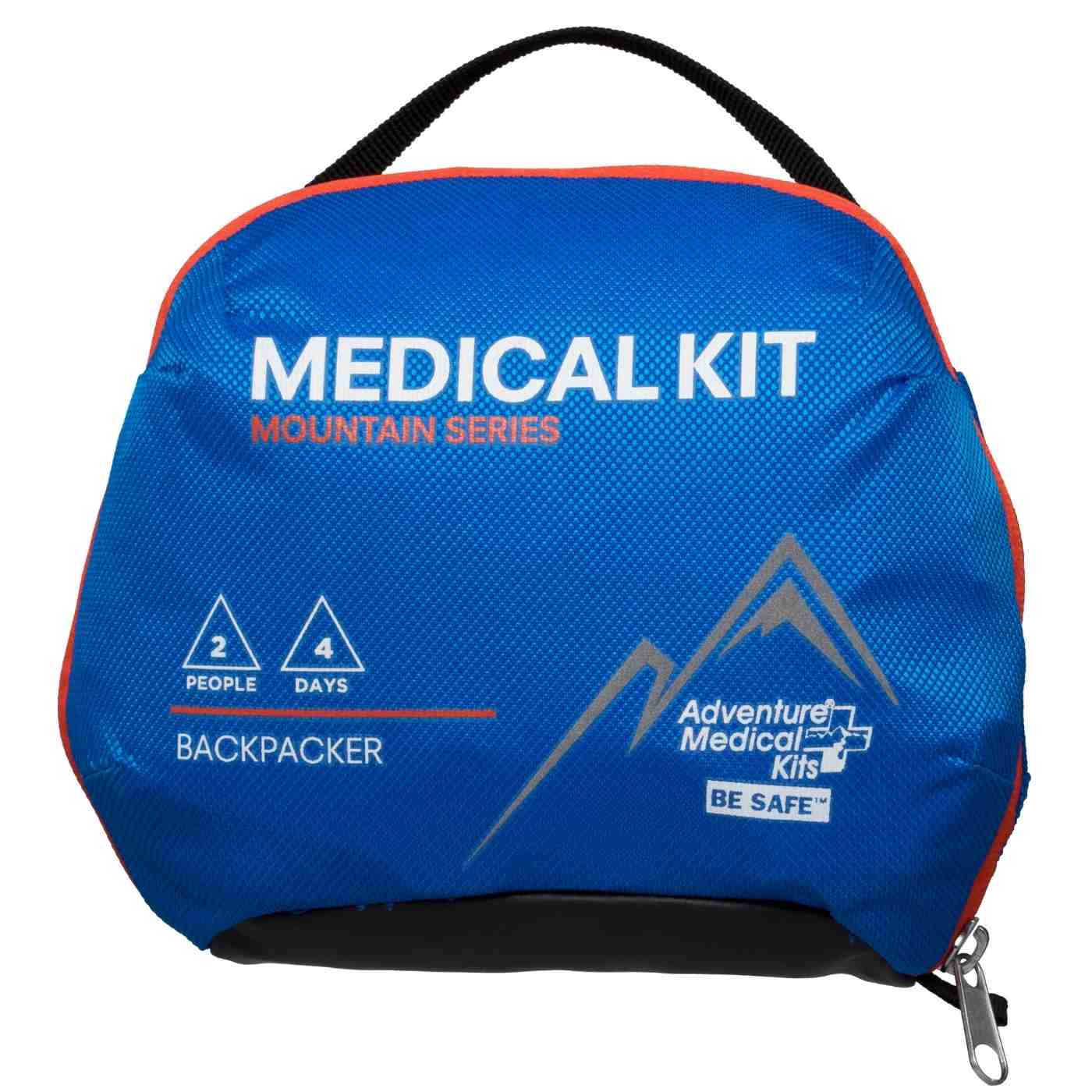
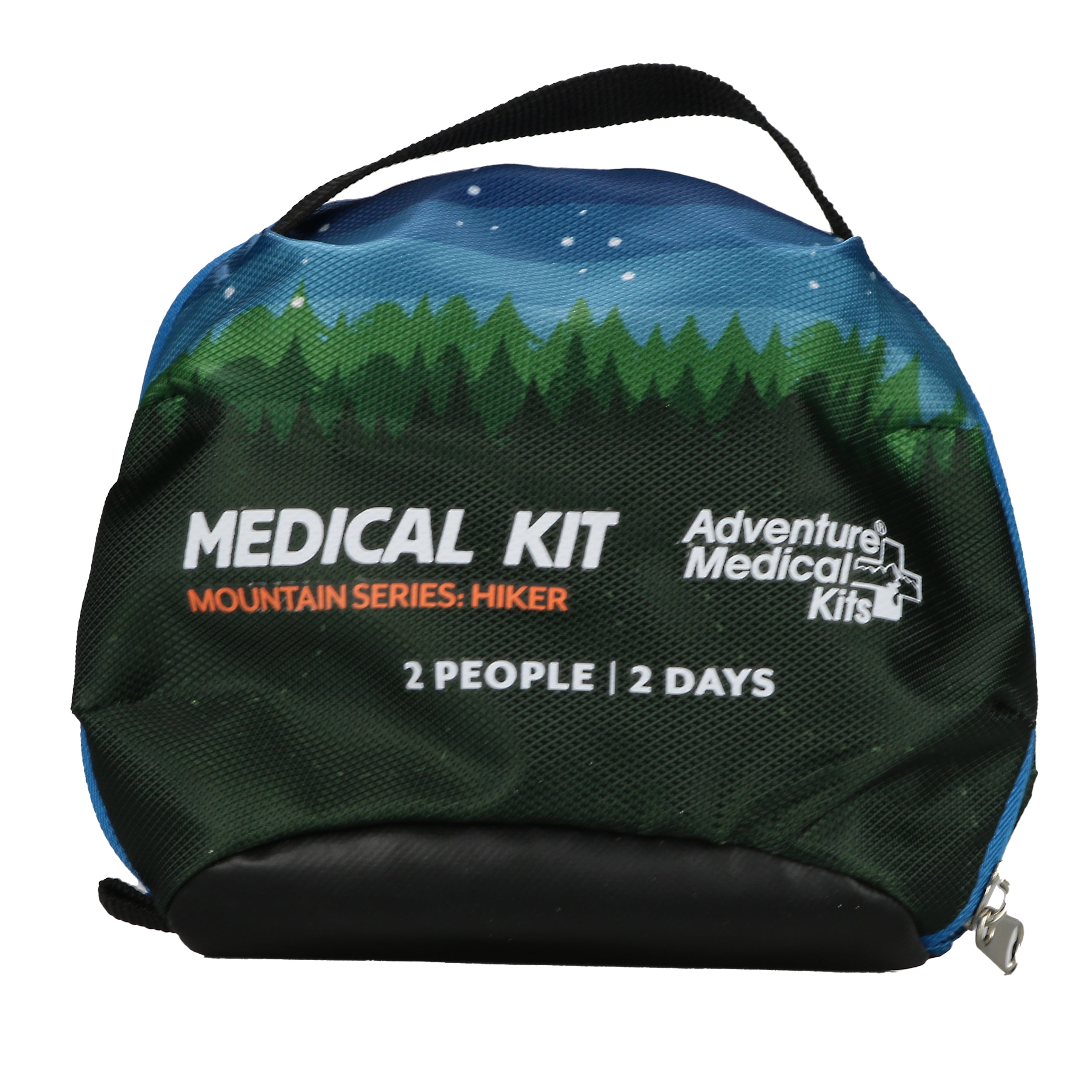
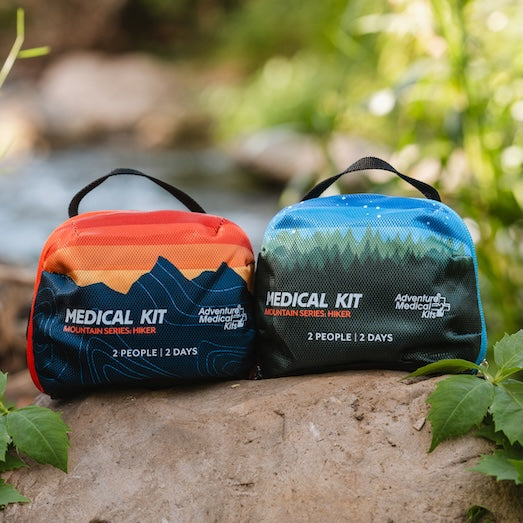
That's why activity-specific kits make sense. The Mountain Series Hiker is designed for 1 to 2 people on weekend trips. That kind of scaling is exactly what hikers need. It covers a realistic user group and trip length without turning the kit into dead weight.
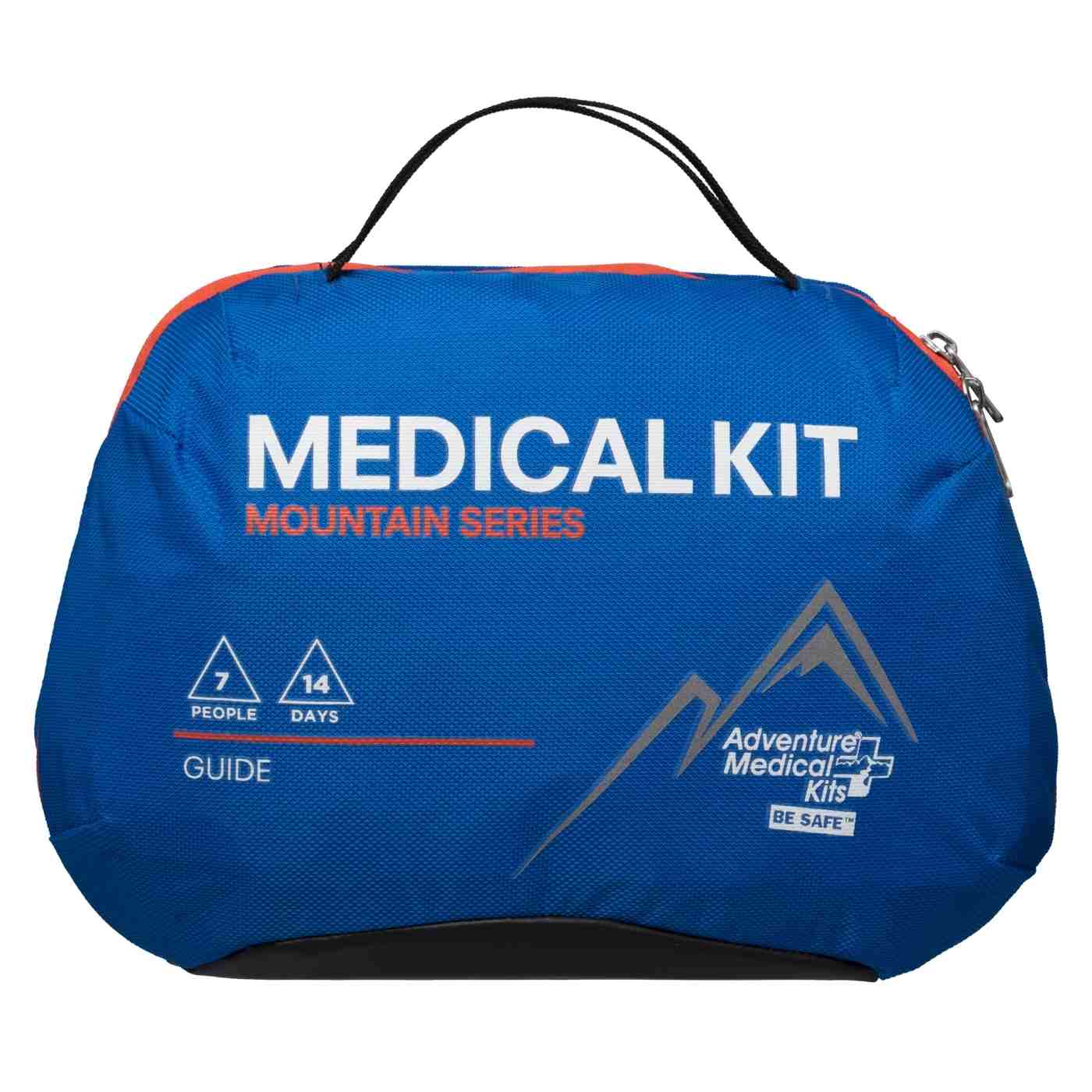
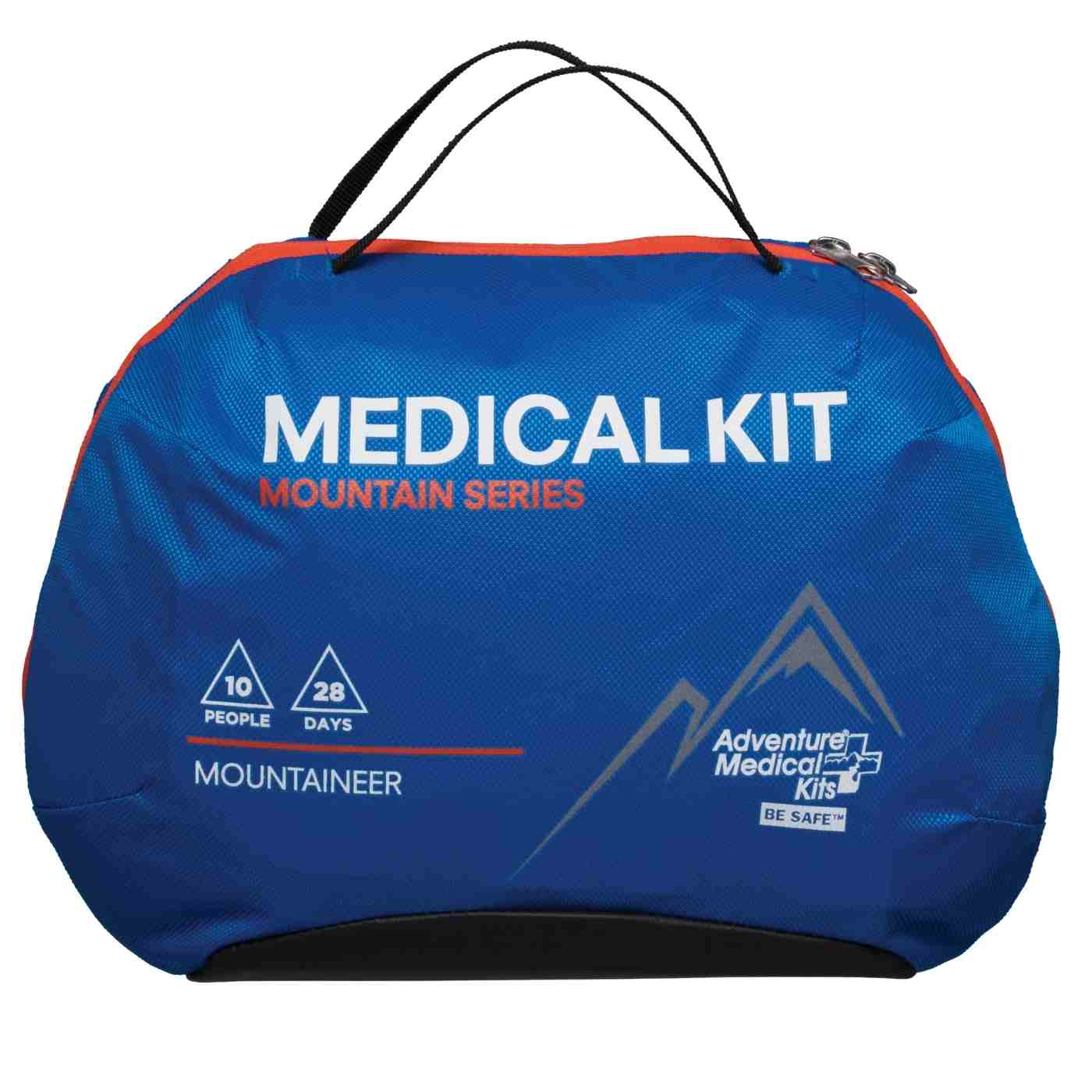
For readers comparing options, the Mountain Series collection shows how these kits are organized by outing style rather than by vague “small, medium, large” labels.
What earns space in a backcountry kit
In wilderness travel, every item should answer a likely problem. Supplies that repeatedly justify their weight include:
- Blister care because foot problems change pace and route decisions fast.
- Elastic support and bandaging for strains, sprains, and improvised stabilization.
- Reliable wound cleaning tools because dirt left in a cut can turn a manageable injury into a bigger issue later.
- Medications with a clear purpose rather than a random assortment of tablets.
- Readable instruction material because the best treatment plan is the one the group can execute.
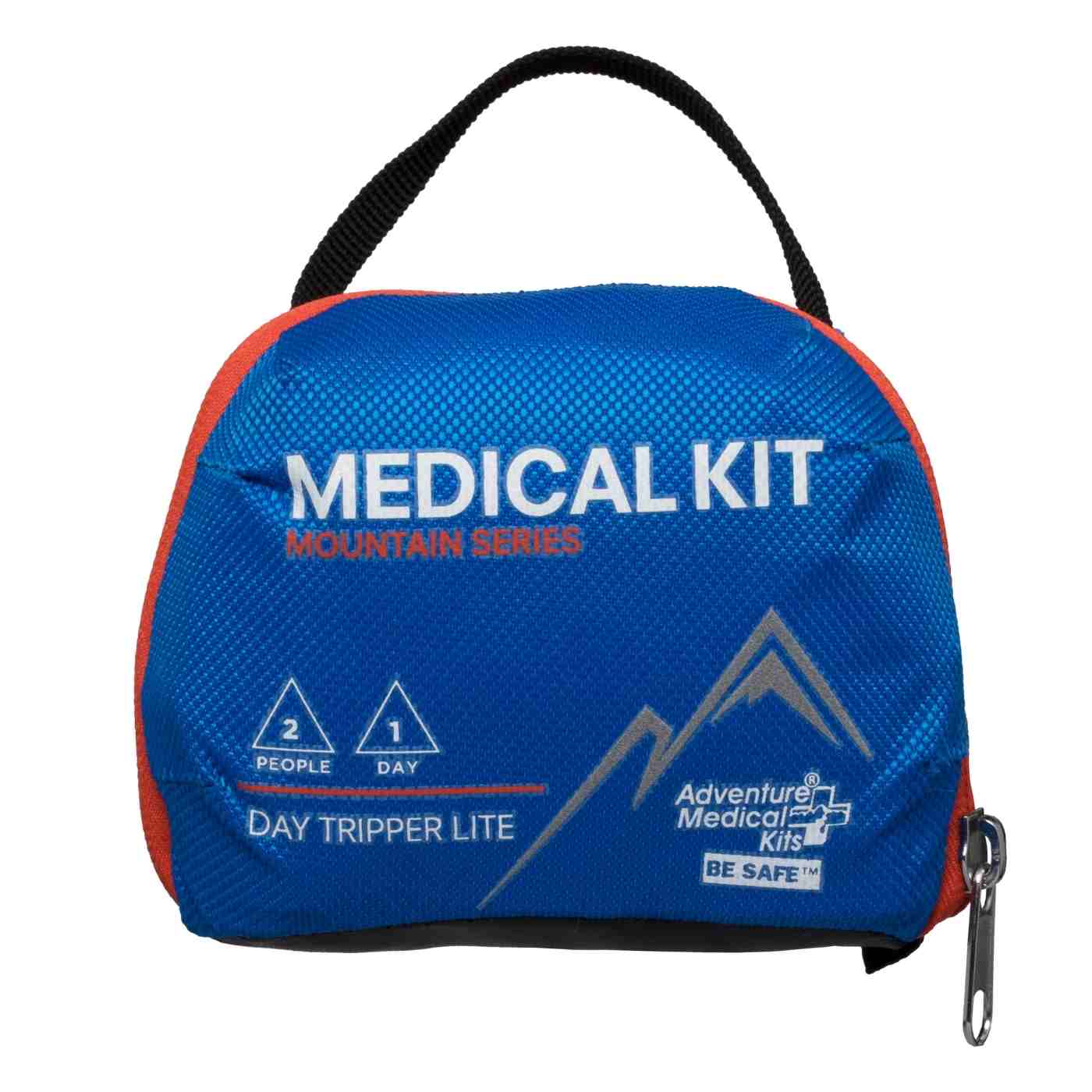
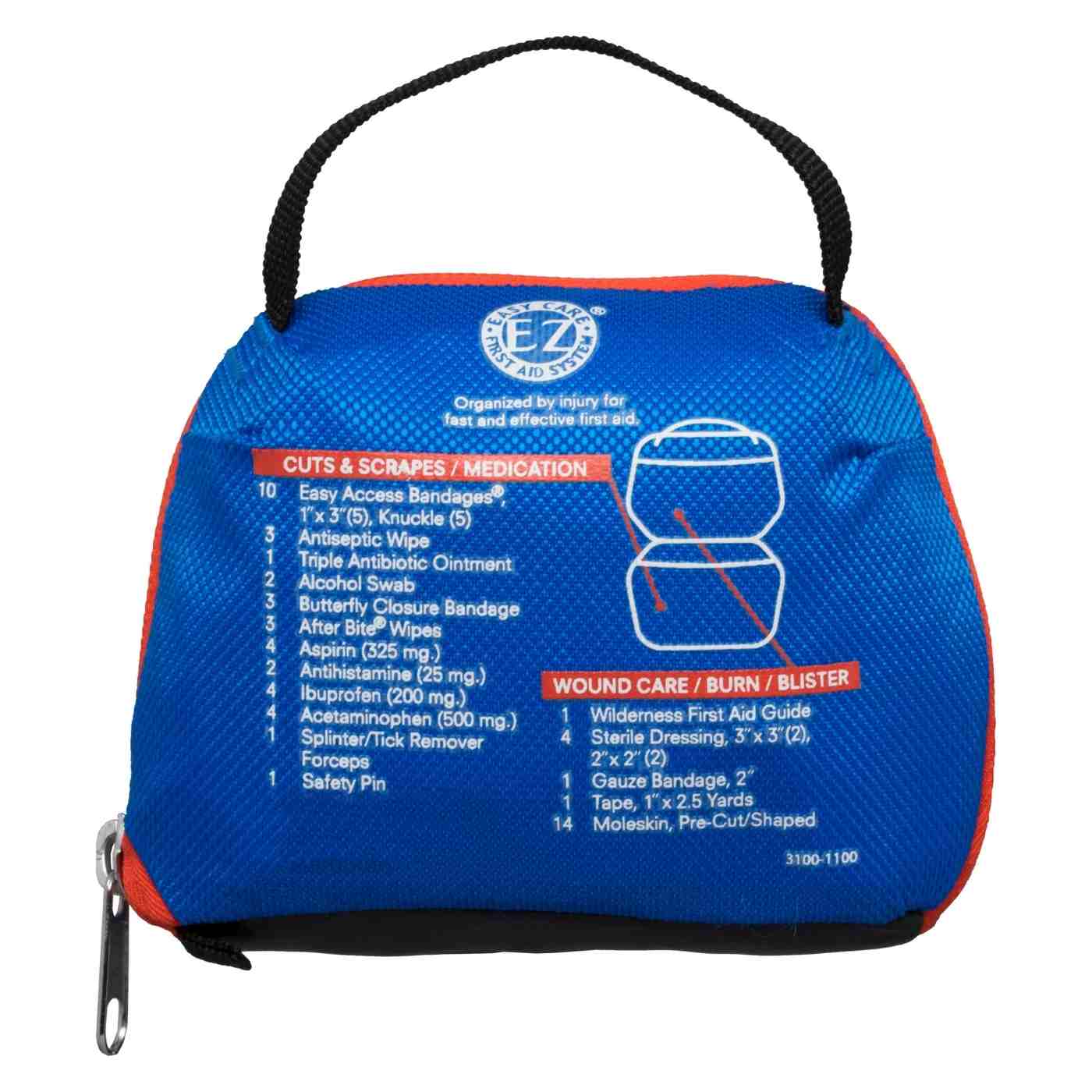
Hospital-quality blister supplies deserve more attention than many hikers give them. The Mountain Series Day Tripper Lite product page notes targeted blister prevention and protection, and that focus is practical. Blisters are easy to dismiss until they change gait, slow the group, and raise the chance of a fall.
Backcountry kits work best when they treat the injuries that actually stop trips: foot damage, small wound complications, strains, and exposure-related problems.
Trauma Kits and Advanced Care
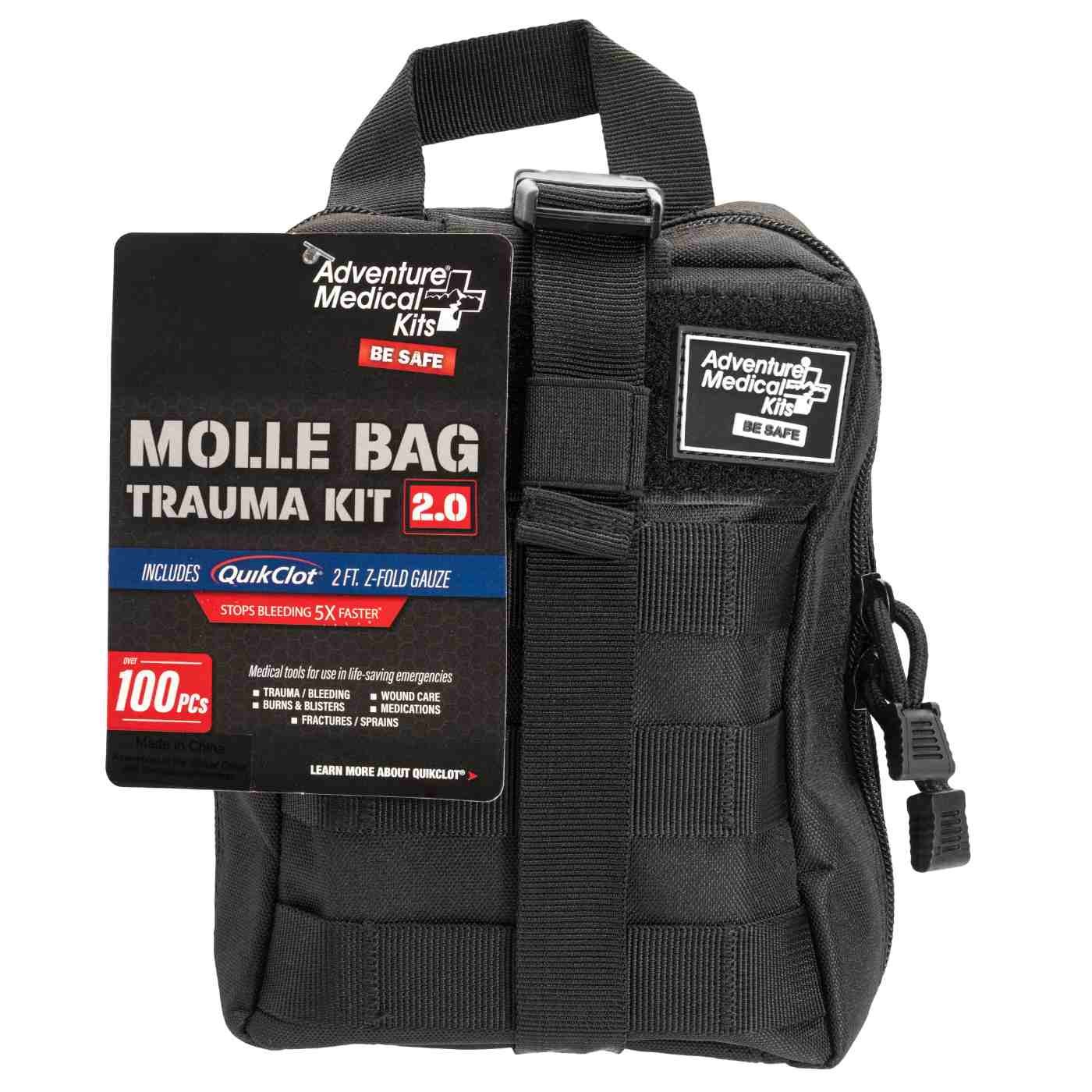
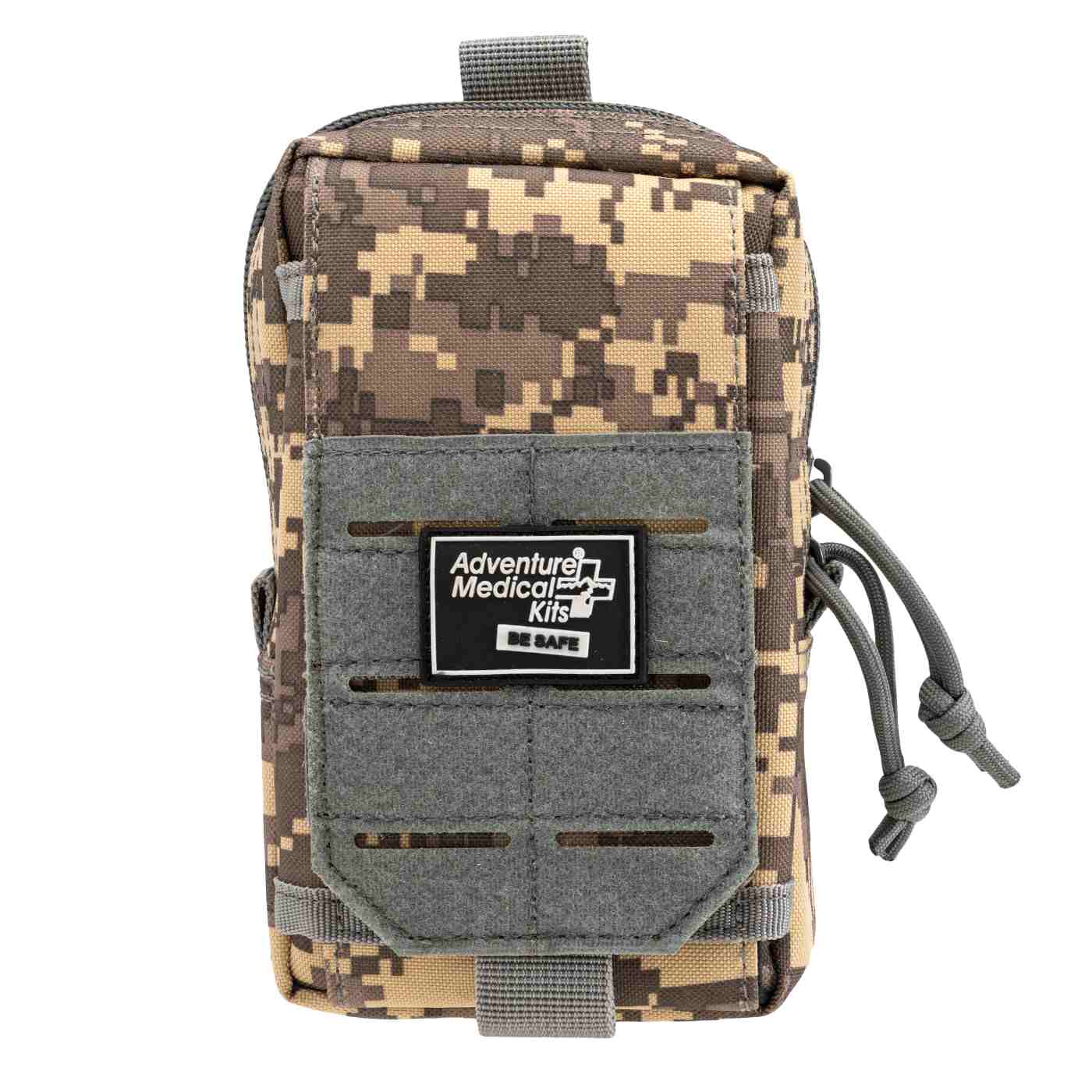
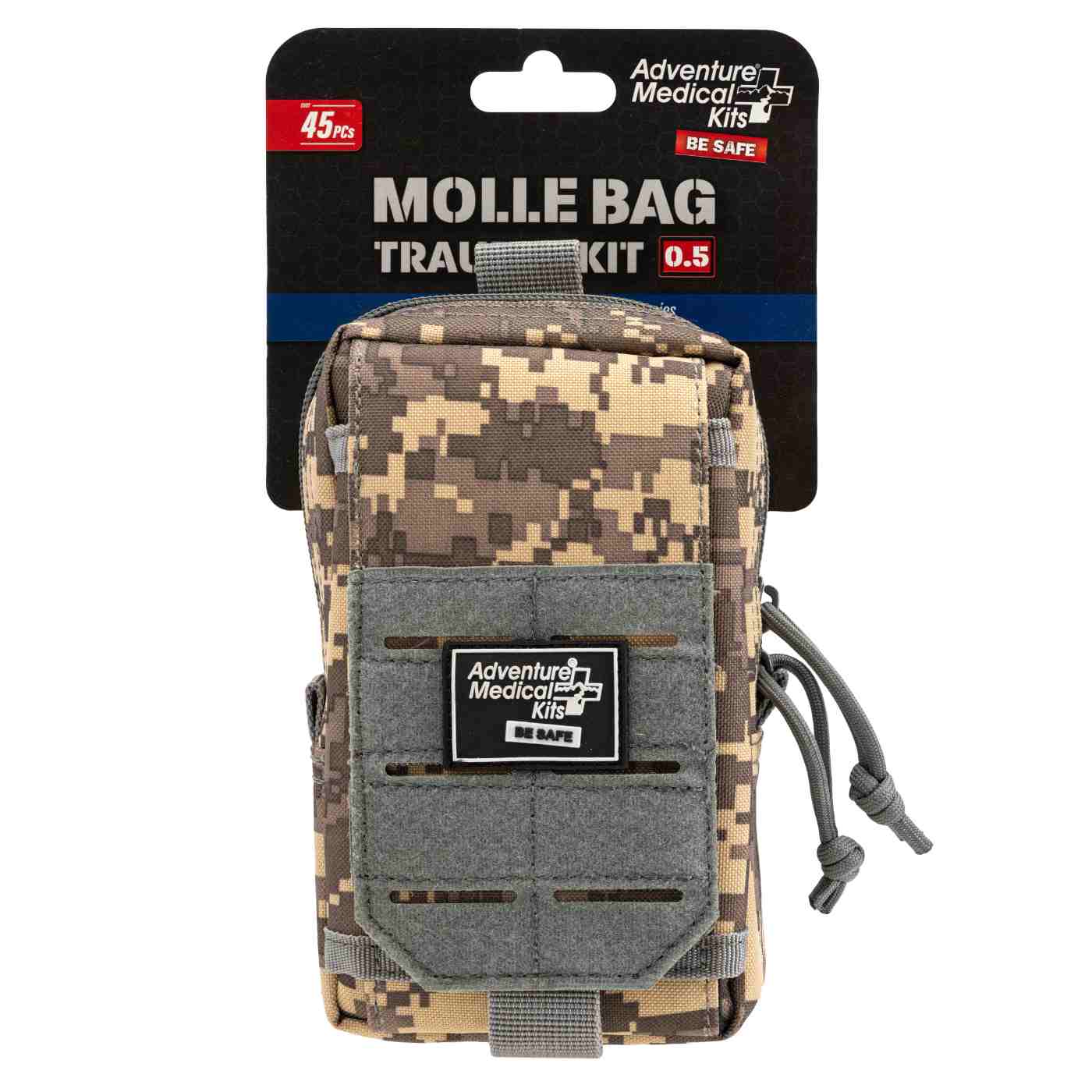
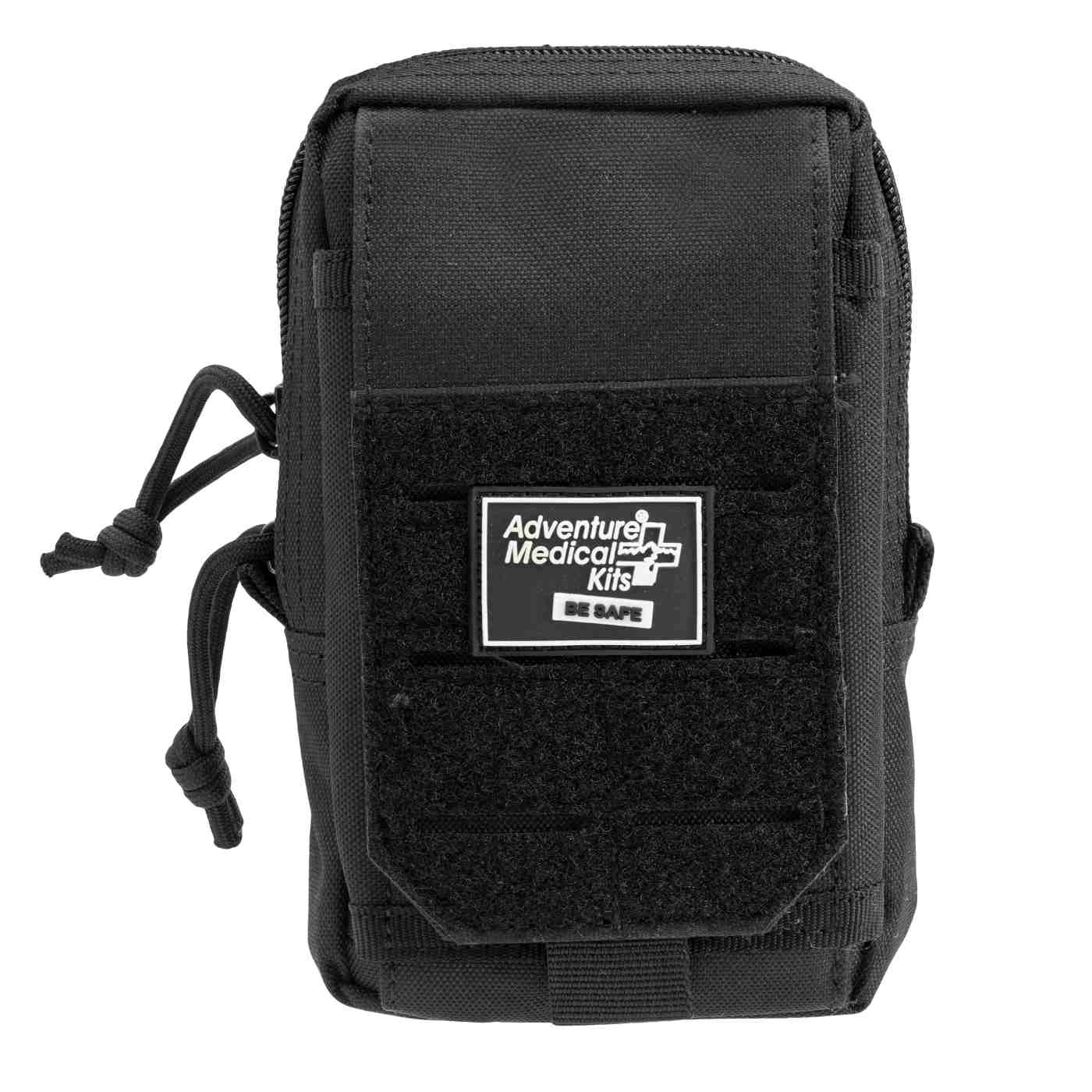
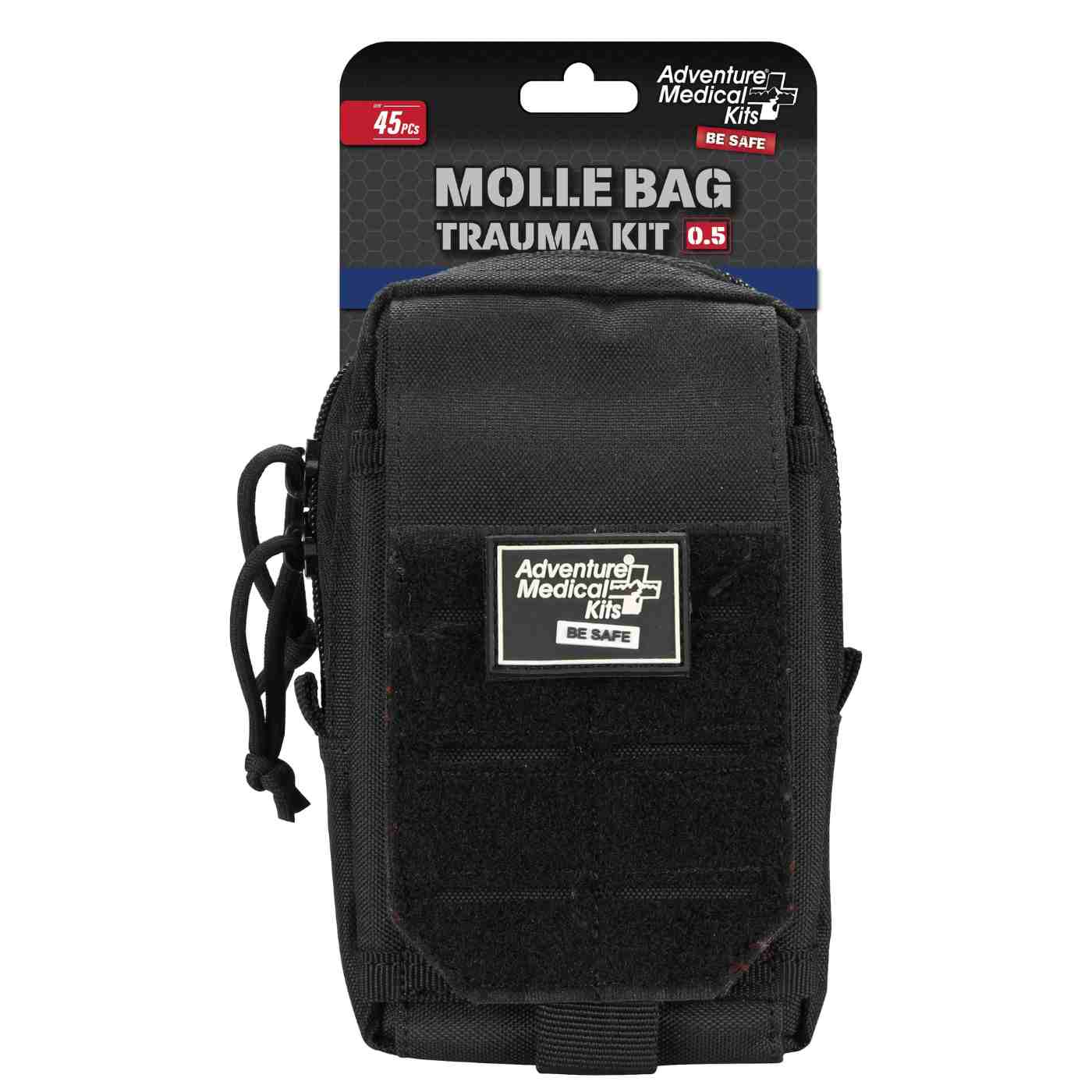
A standard first aid kit and a trauma kit aren't interchangeable. One is built for common injuries and early problem management. The other is built for severe bleeding, penetrating injury concerns, and situations where immediate intervention may determine whether a patient survives long enough to reach higher care.

First aid and trauma care are not the same
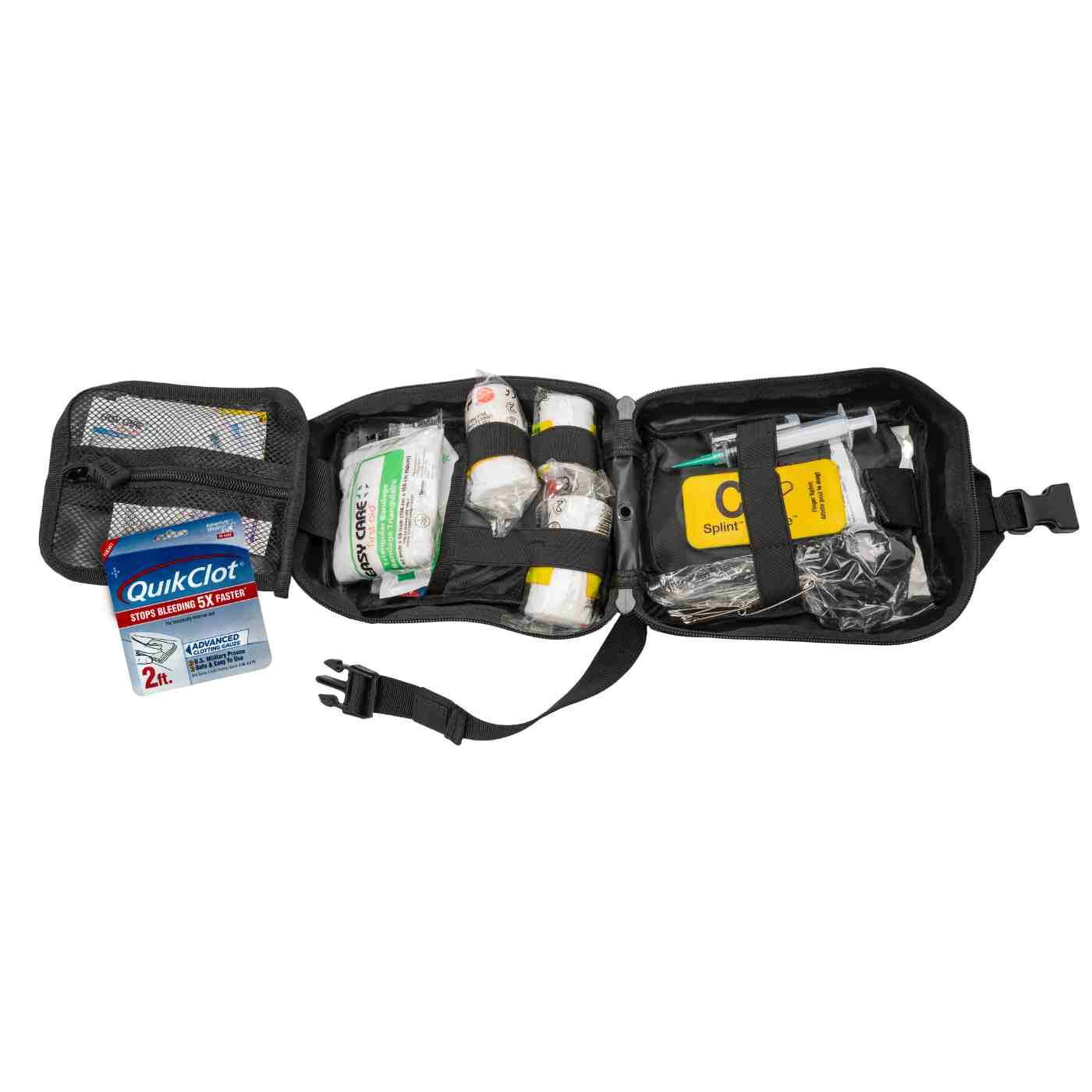
The mistake some buyers make is assuming a trauma kit is a more serious-looking first aid kit. It isn't. Trauma tools are specialized. Tourniquets, hemostatic dressings, pressure bandages, and chest seals exist for a narrower but more dangerous set of problems.
Those tools also demand training. Without practice, people tend to either hesitate when speed matters or misuse equipment in ways that don't solve the actual problem. A trauma kit makes sense for guides, first responders, range users, overlanders, and prepared civilians who've put time into learning those skills.
The category is also relevant for vehicle-based travel. After a collision or remote road incident, severe bleeding control may matter before roadside assistance does. For travelers rebuilding rigs after accidents, resources on RV exterior restoration can help with vehicle recovery planning, but the medical side still requires its own dedicated setup.
What belongs in a trauma-focused setup
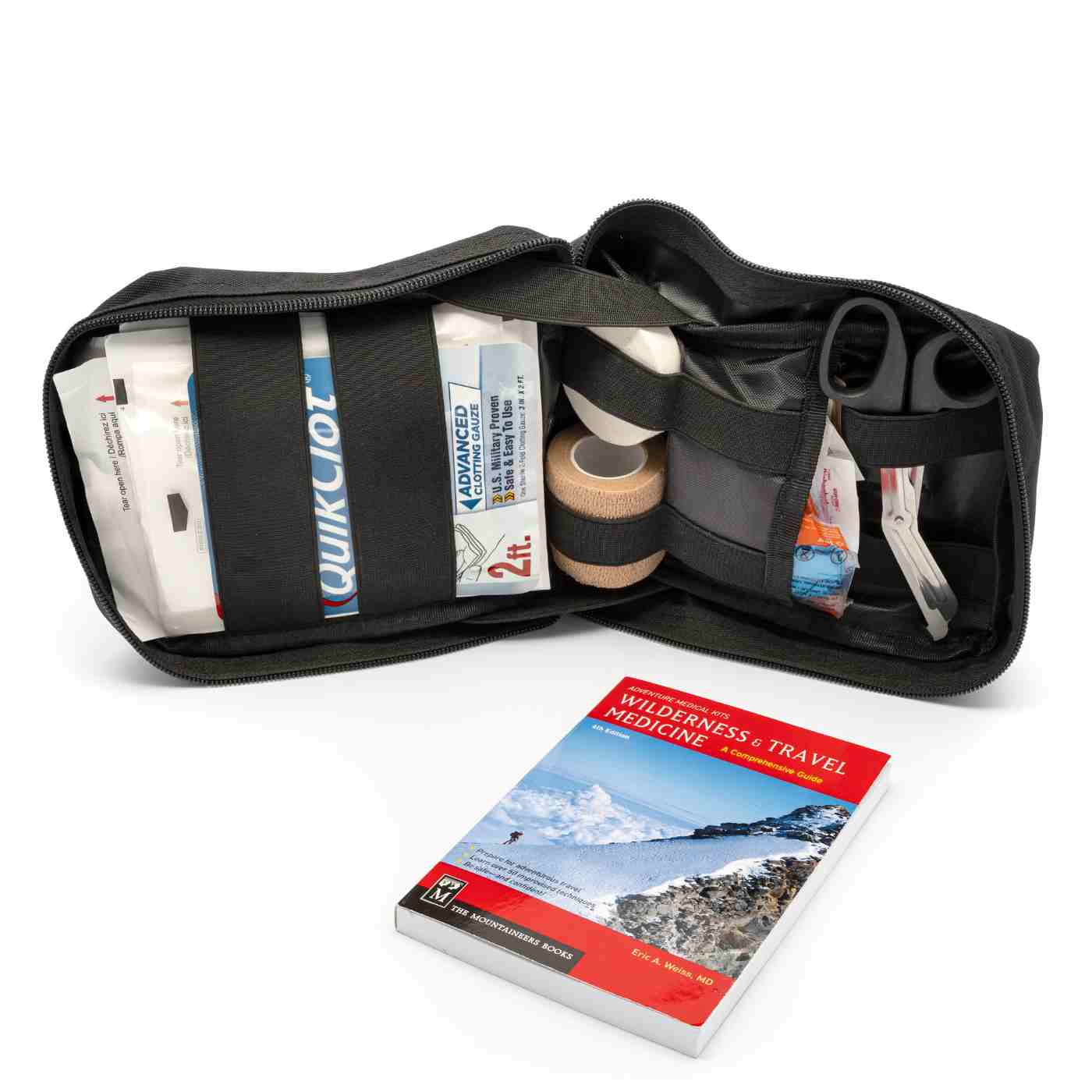
Field tools should allow fast access and decisive action. OutdoorGearLab's review of the Mountain Series Explorer notes trauma shears, metal tweezers, an irrigation syringe, and safety pins among its instruments. Those are practical because they solve real field tasks. Shears expose an injury. Tweezers remove debris. Irrigation helps clean contamination. Safety pins secure wraps and improvised supports.
Readers looking specifically for this category can compare options in the trauma paks and kits collection.
A useful visual walkthrough helps clarify how trauma equipment differs from a standard first aid loadout.
Severe bleeding control gear belongs with people who've trained to use it and who have a realistic reason to carry it.
How to Choose and Customize Your Perfect Kit
Buying a kit by label alone leaves gaps. “Hiking kit” might be enough for a short forest loop in mild weather. It may be a poor match for high altitude, desert heat, shoulder-season snow, or swampy insect-heavy travel. Environmental stress changes what gets used first.
A 2025 NOLS report cited in Medical Gear Outfitters says 68% of backcountry injuries involve environmental factors like heat exposure or hypothermia, yet only 22% of commercial kits include tailored supplies for these scenarios. That gap is why a decision framework matters more than a product category label.
A field-ready checklist

Five questions usually sort the options fast:
-
How many people depend on the kit
One person can move lighter. A parent, trip leader, or hunt partner responsible for others needs more depth and more repeat-use items. -
How long will help be delayed
Duration matters, but remoteness matters more. An overnight near a road can need less than a long day in a canyon with no simple exit. -
What injuries are most likely
Trail runners may prioritize blister care and wound cleaning. Paddlers may care more about waterproofing, cold exposure backup, and hand injuries. -
What's the user's skill level
Carry supplies that match training. Complex tools without practice create clutter, not capability. -
What does the environment do to the body
Sun, altitude, humidity, insects, and cold all change priorities.
For trips where the stakes rise with each mile, this guide on choosing a medical kit for a multi-day backpacking trip is a useful companion to the checklist above.
Customize for terrain and climate
Activity labels are a starting point. Climate finishes the job.
- Hot dry country calls for sun and hydration thinking. Electrolyte support, burn relief, and strict blister prevention often matter early.
- Cold alpine terrain raises the value of insulation backup and emergency shelter. A compact Survive Outdoors Longer emergency shelter option can complement a medical kit when exposure risk is part of the trip.
- Bug-heavy wetlands or humid forest often justify adding insect defense. Ben's insect repellent products and Natrapel repellent options fit naturally into that customization layer.
- Bear country changes the broader safety picture. Counter Assault bear spray isn't a medical item, but it belongs in the same risk-planning conversation.
- Power outages, storms, and roadside delays can make light part of the medical response. A compact LuminAID lighting option can make night treatment much easier.
Customize the kit for the place first, then for the activity. A generic hiking list won't solve every environmental problem.
Frequently Asked Questions About Medical Kits
What kind of medical kit works for a dog on the trail
A dog kit should reflect the injuries dogs get outdoors, such as paw damage, small cuts, and common trail irritants. A purpose-built canine kit makes more sense than trying to split a human kit in half and hoping it covers both users. The main advantage is organization. Dog-specific supplies stay separate, and the handler doesn't burn through human dressings for animal care.
How often should a kit be checked
A simple routine works better than an elaborate one that never happens. Check the kit before any significant trip, after every use, and during seasonal gear swaps. Look for depleted dressings, damaged packaging, dead batteries in companion gear, and any medications or wipes that shouldn't stay in service.
Pay special attention to anything intended for wound care. If packaging is compromised or labeling is unclear, replace it.
Can FSA or HSA funds be used
Yes. First aid kits and supplies are FSA/HSA eligible when purchased on the site. For households building out preparedness in stages, that can make a real difference.
Pre-made kit or DIY kit
DIY kits can work well for experienced users who know exactly what they need, how they pack, and how they'll organize supplies by use. The weak point is usually layout. Homemade kits often start strong, then drift into a pile of mixed packets after a few trips.
Pre-made kits are useful because someone has already done the curation and organization work. That matters most for people who want activity-specific coverage, labeled compartments, and included medical instructions rather than a zip bag full of loose items.
A well-chosen kit makes small problems stay small and gives a group more options when the day turns. For home readiness, roadside use, and backcountry travel, Adventure Medical Kits offers organized options built around real outdoor use cases, with labeled compartments, activity-specific supplies, and included instructions that help people act faster when it counts.