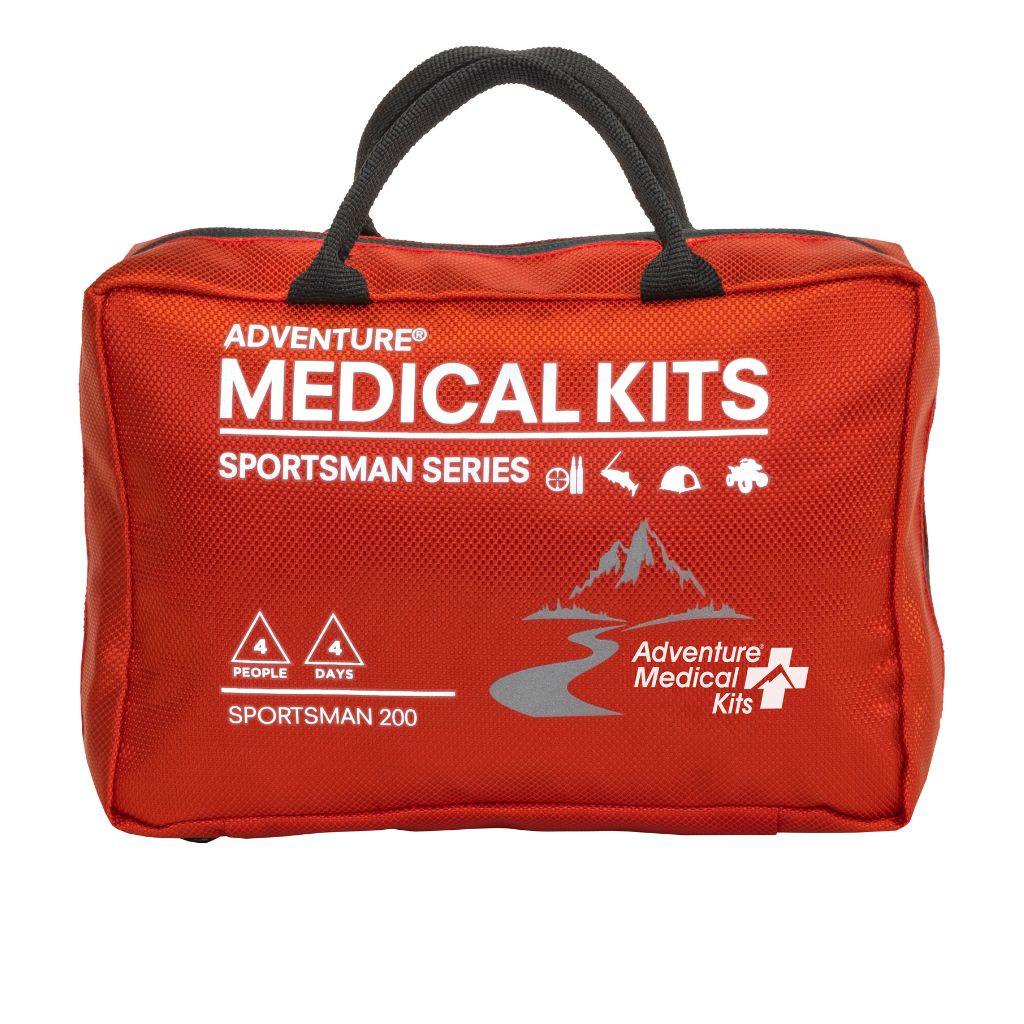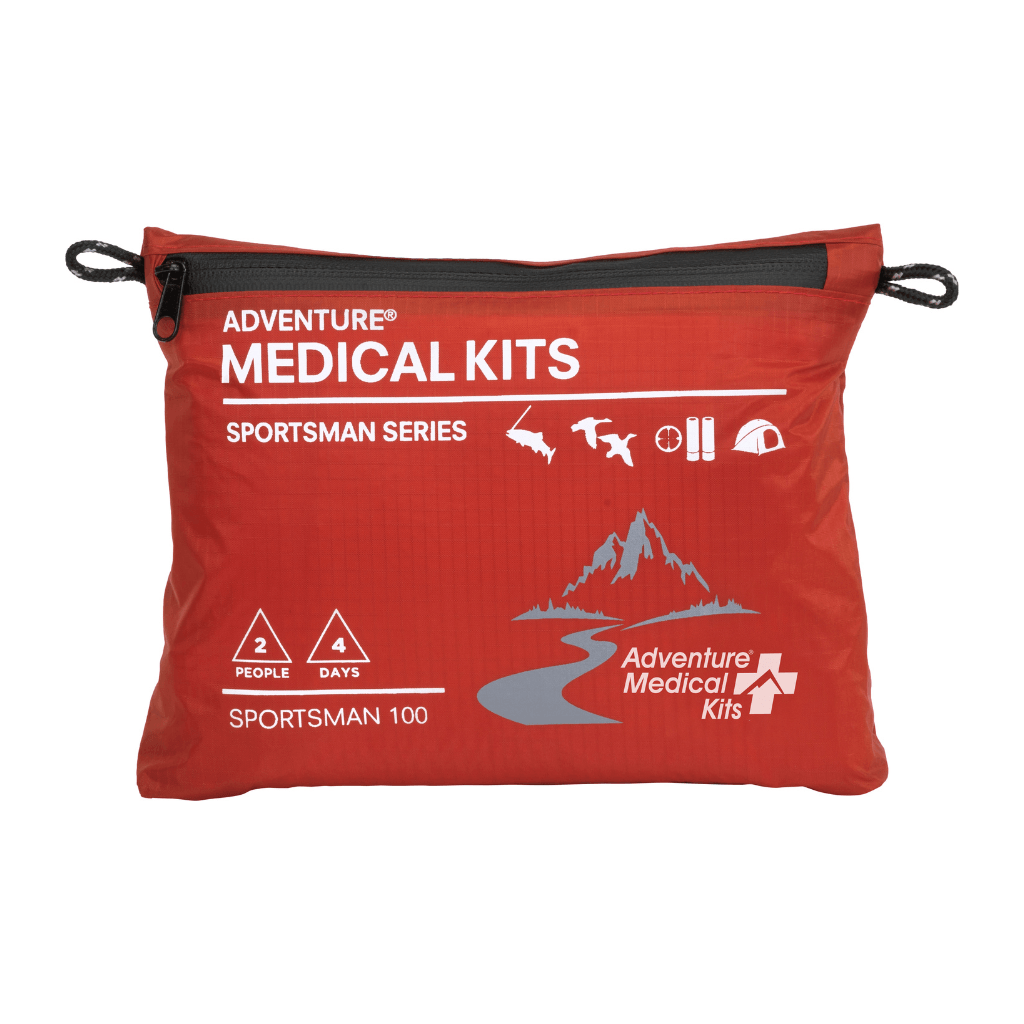


A lot of people reading this are probably doing the same thing right now. A trip is on the calendar, the pack is half loaded, and the first aid kit is still an afterthought. It's usually a zip pouch with a few old bandages, maybe a packet of ointment, and whatever was left over from the last trip.
That works until a hot spot turns into a blister, a knife slips at camp, or someone takes a bad fall far enough from the trailhead that “we'll deal with it later” stops being a reasonable plan. A first aid kit list of supplies only matters if the supplies match the place, the weather, the terrain, and how long help might take.
Basic wound care still forms the core of almost every kit. The tape, bandage, gauze, and cotton category reached USD 918.74 million globally, and first aid kit sales volume surged to 421 million units in 2020, which underscores how central those basics remain in real-world preparedness (first aid market data). But a smart kit goes beyond “bandages plus hope.”
Anyone planning a short local outing can also benefit from this HYDAWAY day hike guide, especially for the overlap between water, layers, food, and the medical supplies that get used on routine hikes.
Table of Contents
- Why Your Adventure Depends on the Right First Aid Kit
- The Foundation A Core First Aid Kit List of Supplies
- Beyond Band-Aids Essential Trauma and Survival Gear
- The Professional's Choice Why Supply Quality Matters
- Customizing Your Kit for Any Adventure
- How to Pack and Organize Your Kit for Quick Access
- Kit Maintenance and Essential First Aid Skills
- Frequently Asked Questions About First Aid Kits
Why Your Adventure Depends on the Right First Aid Kit
A scraped knee near the car is annoying. The same injury two hours into a wet trail day can become a filthy, painful problem fast if the kit only contains bargain adhesive strips and a dried-out wipe packet. The difference isn't drama. It's gear selection.
That's why a real first aid kit list of supplies starts with context. A home drawer kit, a glovebox kit, a hunting pack kit, and a backcountry trauma kit shouldn't look the same. They share a base layer of wound care, but the right kit has to account for distance, temperature, moisture, sharp tools, unstable footing, and the simple fact that people make worse decisions when they're cold, tired, and moving late.
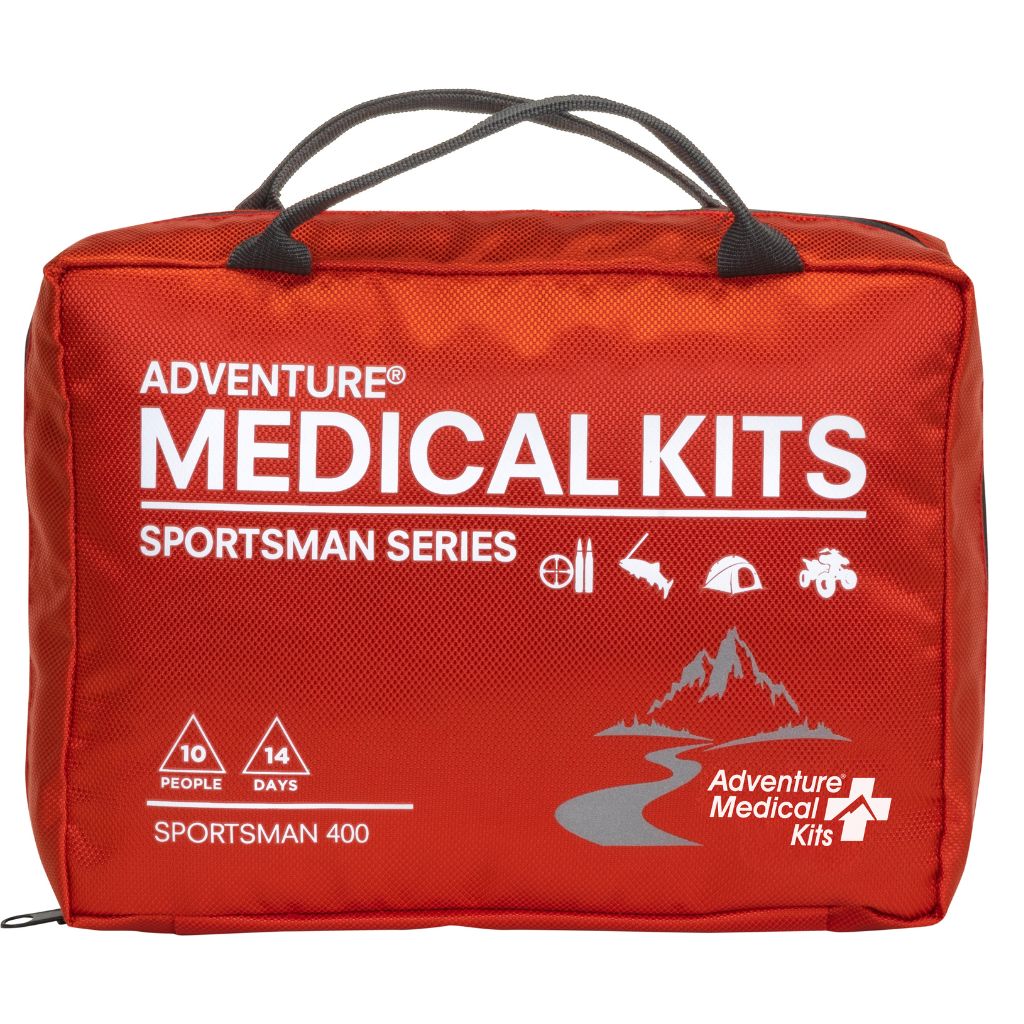
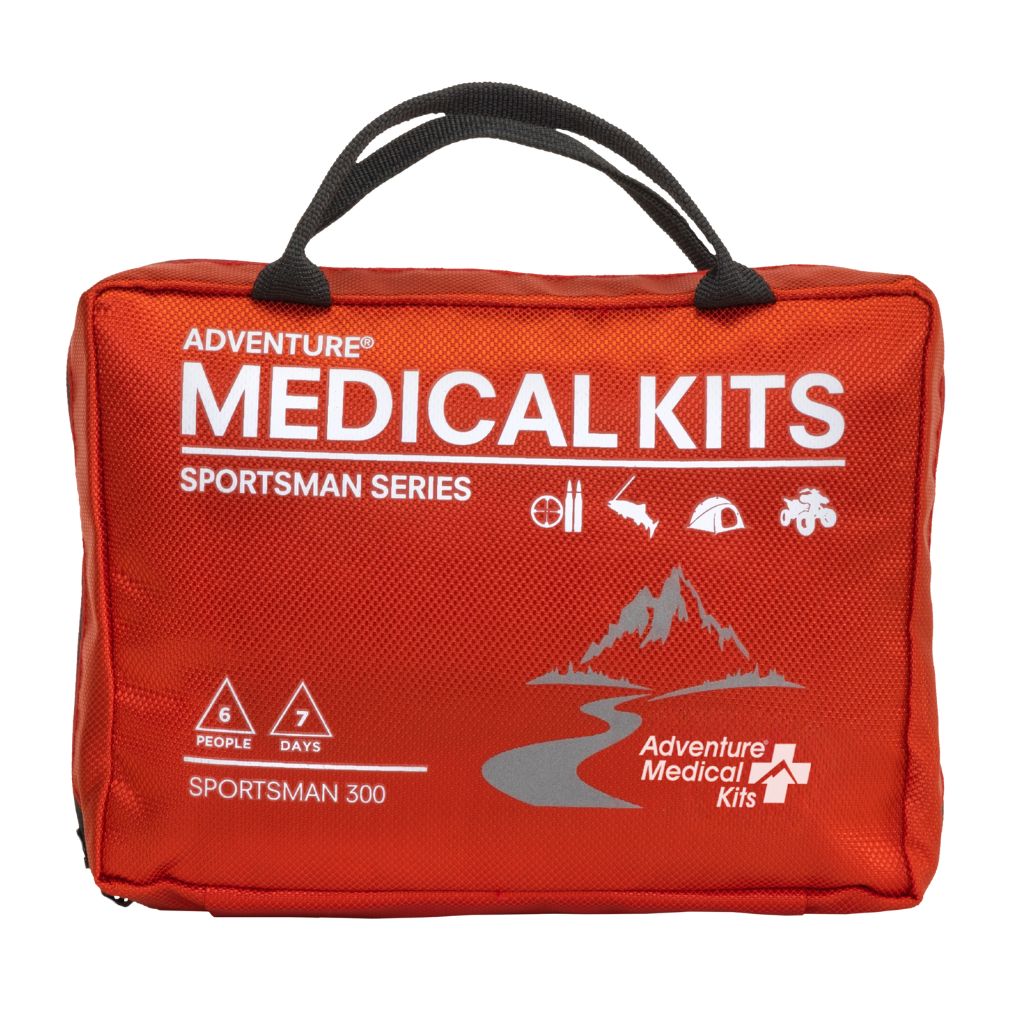
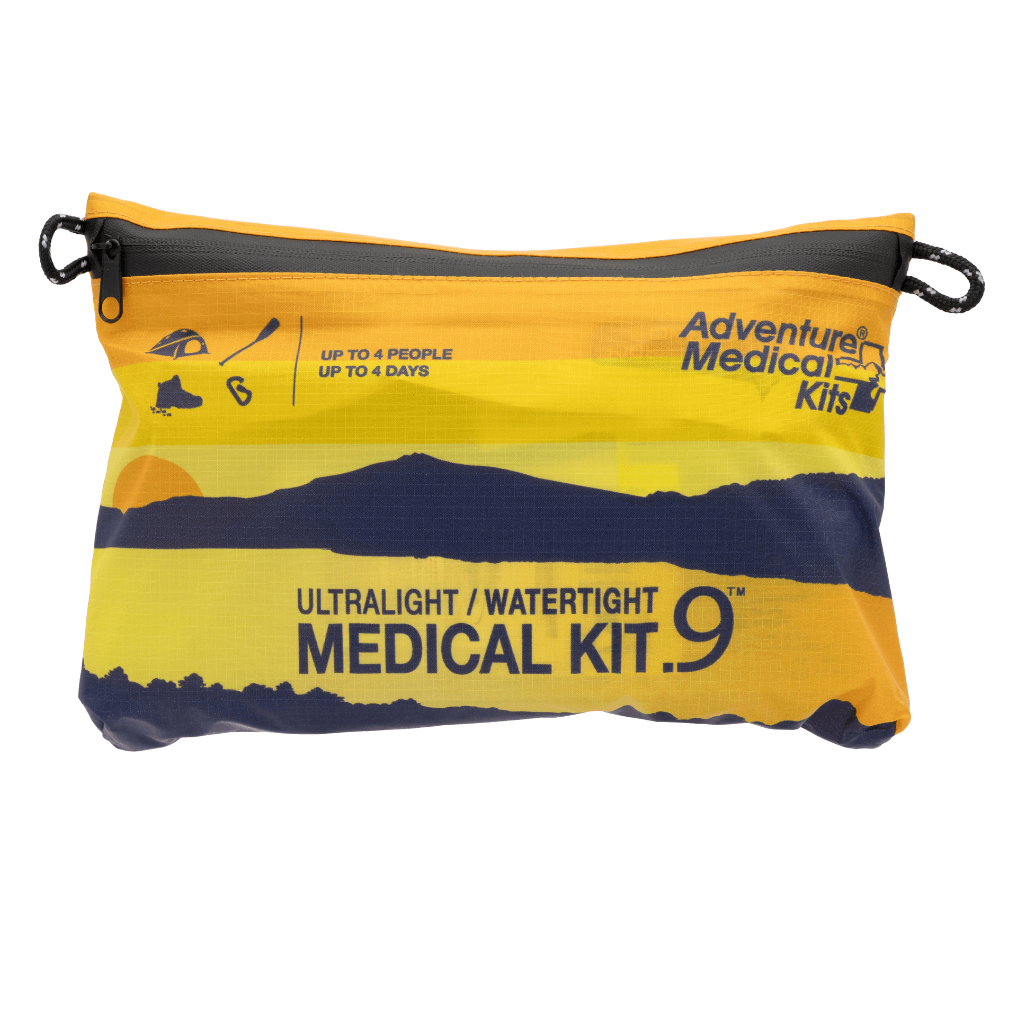
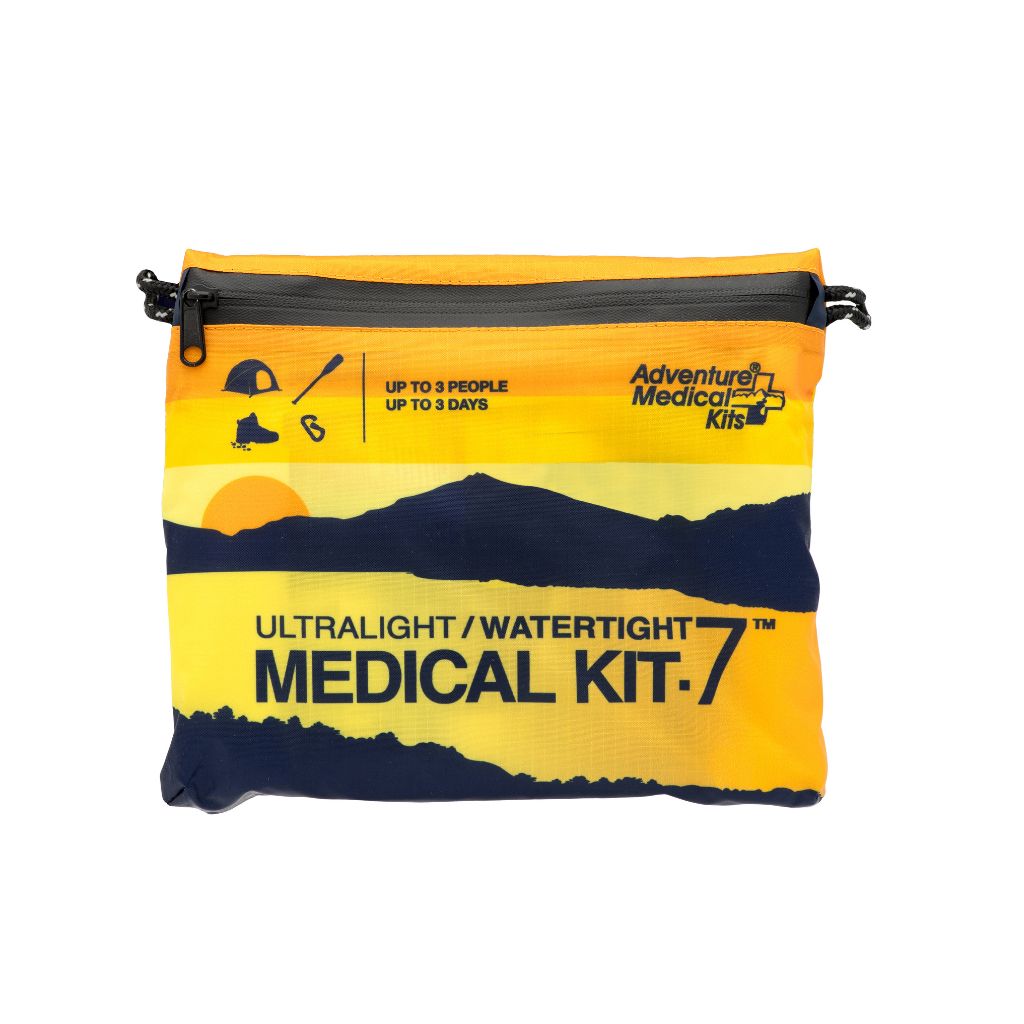
Adventure Medical Kits grew out of a practical problem an emergency room doctor saw clearly in 1986. Most medical kits available to consumers were hard cases built to sit at home. Hikers, paddlers, hunters, and travelers needed something portable, organized, and suited to the activity instead of a static box meant for a closet shelf.
Practical rule: A first aid kit isn't backup gear. On many trips, it's frontline gear.
That distinction matters because most outdoor problems don't begin as major trauma. They begin as a blister that changes someone's gait, a burn that makes camp tasks harder, a headache that turns into poor hydration choices, or a cut that keeps reopening because the wrong bandage won't hold.
A dependable kit does three things well:
- Handles common injuries fast: Cuts, blisters, minor burns, stings, and sprains need simple supplies that can be reached immediately.
- Buys time in bigger emergencies: Severe bleeding, fracture management, and heat loss demand tools that go beyond household basics.
- Supports self-rescue: If the group has to keep moving, exit the area, or stay put safely, the medical kit becomes part of the larger survival system.
That's the standard worth packing for.
The Foundation A Core First Aid Kit List of Supplies
The base layer of any first aid kit list of supplies is still simple. Clean the wound, stop the bleeding, protect the tissue, reduce pain, and use tools that won't slow treatment down. That pattern holds whether the kit lives in a kitchen, a truck, or a daypack.
A cross-sectional survey of family kits found disinfection supplies in 91.9% of kits, common medicines in 86.5%, and dressing supplies in 76.6%, while the American Red Cross recommends antiseptic wipes, adhesive bandages, absorbent dressings, and sterile gauze as core components (family first aid kit survey and Red Cross-aligned essentials).
Wound care and bleeding control
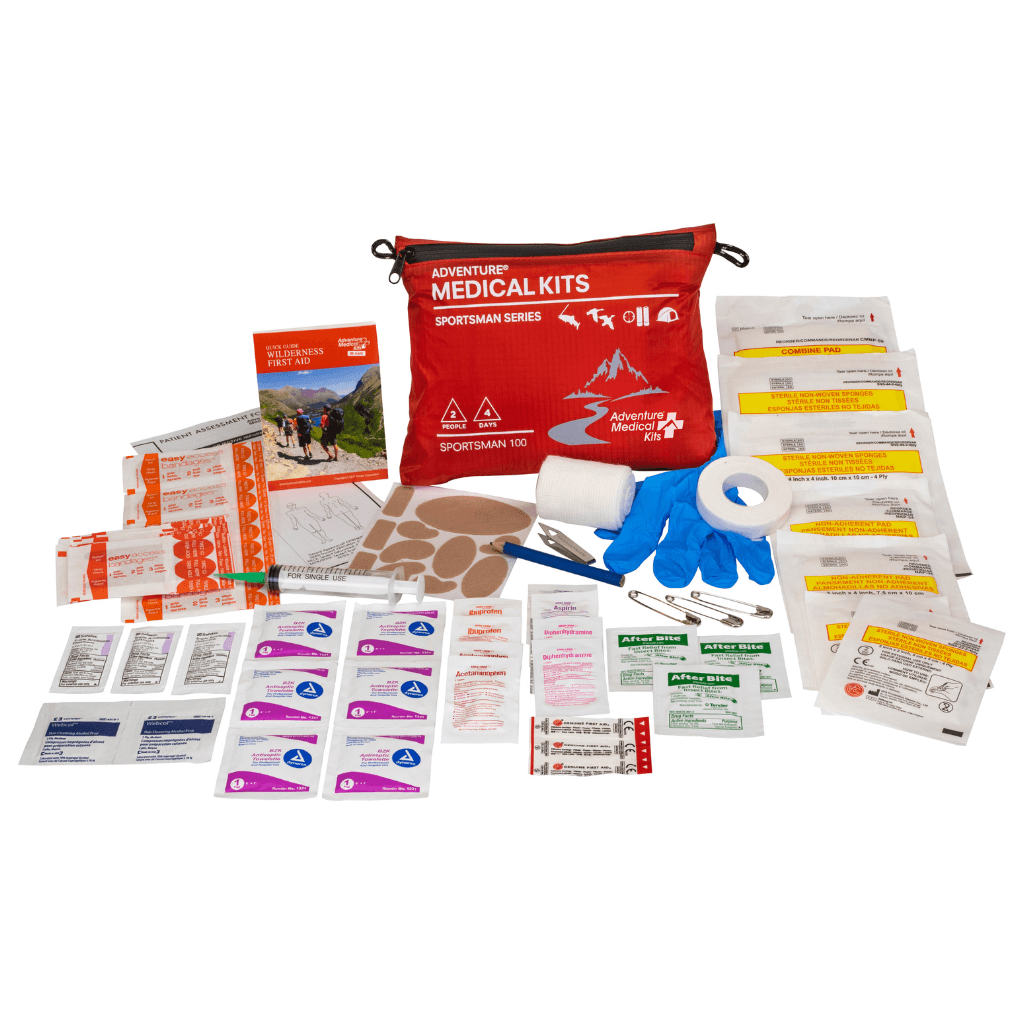
These are the essential items.
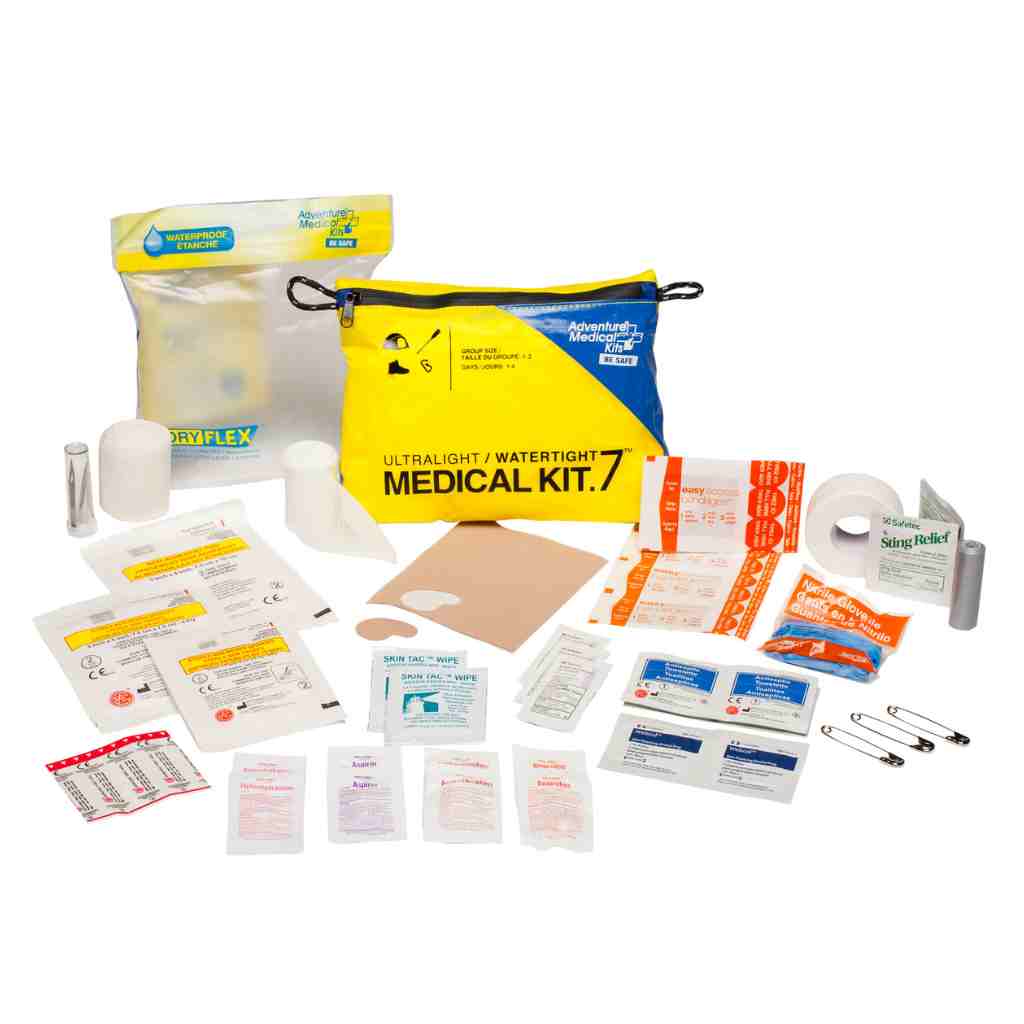
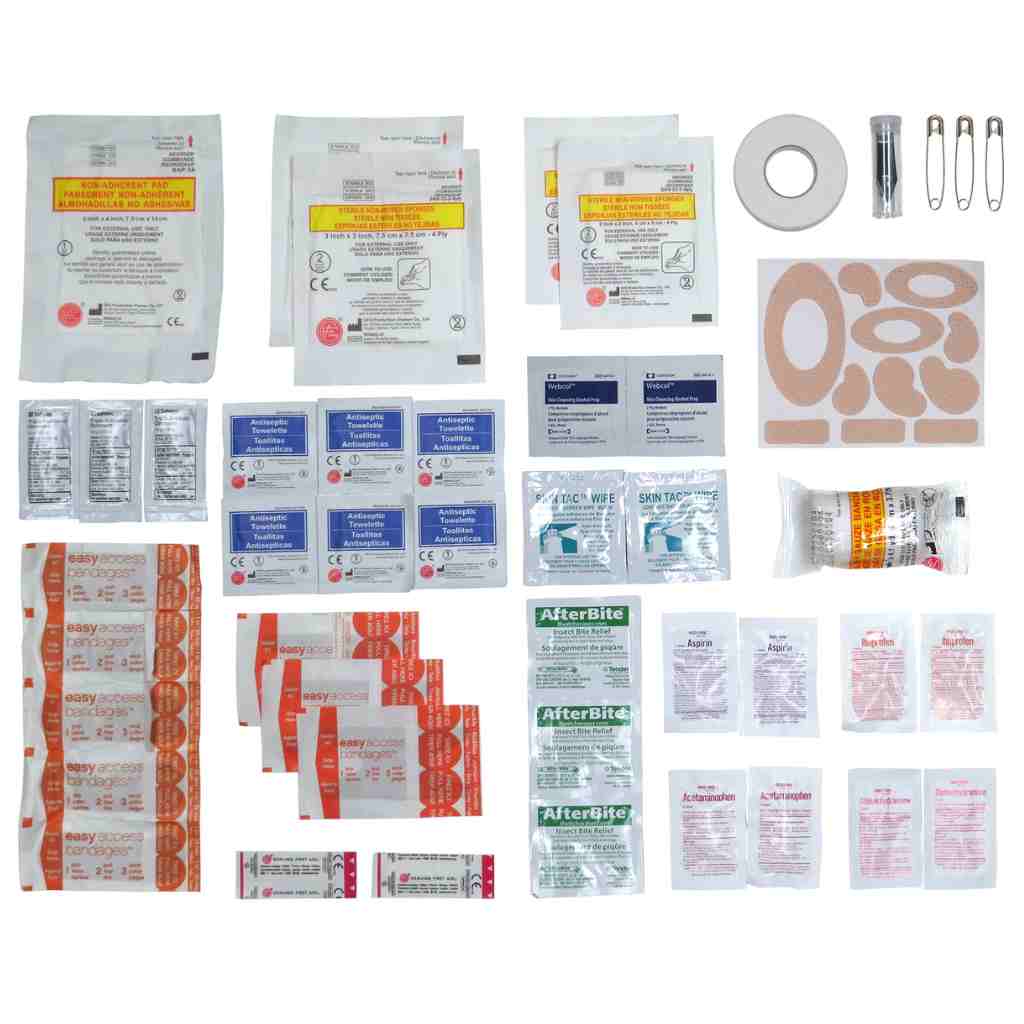
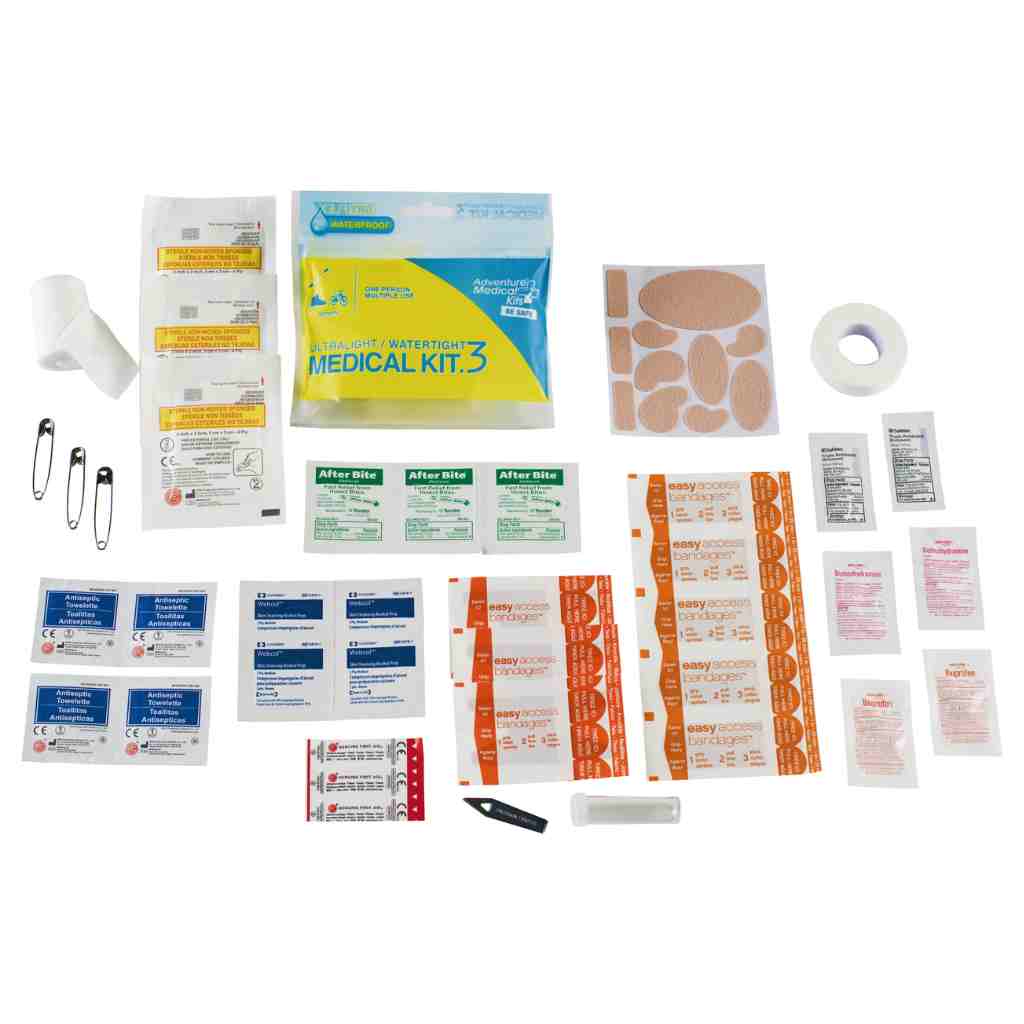
- Adhesive bandages: Pack a range of sizes. The Red Cross specifically recommends 25 adhesive bandages as core contents in a family kit, which makes sense because small cuts and abrasions are commonly the first injuries to be treated.
- Sterile gauze pads: These cover larger scrapes, absorb blood, and work as the interface layer under wrap or tape. The Red Cross recommendation includes 5 sterile gauze pads.
- Absorbent compress dressings: Use these when a standard bandage isn't enough. The Red Cross recommendation includes 2 absorbent compress dressings.
- Medical tape: Tape secures gauze, reinforces dressings, and fixes edge lift when bandages start to peel.
- Antiseptic wipes: The Red Cross recommendation includes 5 antiseptic wipe packets. They matter because wound cleaning is often the step people rush, then regret later.
- Roller bandage or elastic wrap: Useful for holding dressings in place and for basic support after a mild strain.
- Gloves: Barrier protection should always be within reach, not buried under the rest of the kit.
A useful reference for overlooked basics is this piece on small but important first aid kit items. The little items are usually what save time when hands are cold and the light is fading.
Clean first. Then dress. Then secure. Most people try to skip straight to the bandage.
Medications and topicals
Medications don't need to turn a field kit into a pharmacy. They need to solve common, trip-ending problems.
- Pain reliever: Useful for headaches, sore joints, and minor aches that interfere with travel.
- Antihistamine: Helpful for mild allergic reactions, itchy bites, and swelling from stings.
- Aspirin: Modern Red Cross minimum contents for Class A kits include aspirin for cardiac events, so it belongs in serious all-around preparedness kits when appropriate for the user and trip.
- Burn treatment: Minor stove and campfire burns happen fast. Burn treatment is also part of ANSI Class A workplace baseline contents.
- Topical bite and sting relief: In warm weather or buggy country, a product like After Bite itch relief earns its place because it addresses one of the most common comfort problems on the trail.
- Insect repellent: Prevention beats treatment. In buggy terrain, Ben's insect repellent or Natrapel insect repellent options fit naturally alongside the medical supplies because bites and ticks change how people move and camp.
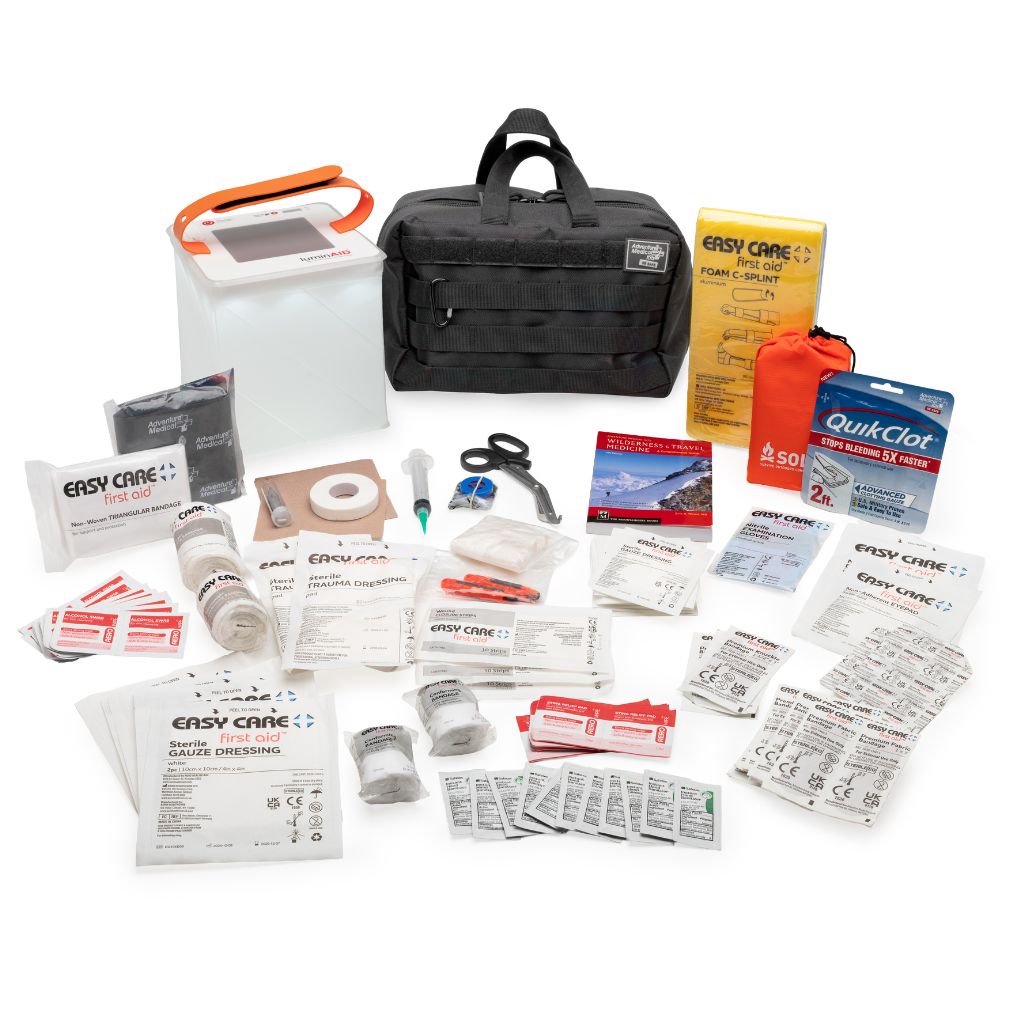
For a home or vehicle setup, the Easy Care® Comprehensive First Aid Kit is a factual example of a broad emergency kit. It's organized by injury with the Easy Care pocket system and includes a CPR breathing barrier, emergency blanket, burn treatment, common medications, and a detailed Red Cross First Aid Guide. Its listed dimensions are 9.5” x 7” x 3”.
Tools and instruments
A kit without good tools feels larger than it is, because treatment takes longer.
- Trauma shears or small scissors: Needed for cutting tape, clothing, moleskin, or wrap.
- Tweezers: Essential for splinters, ticks, and debris removal.
- CPR breathing barrier: Useful in broad emergency kits, especially in car or home contexts.
- Plastic bags: These help isolate waste, wet items, or contaminated materials.
- Hand sanitizer: ANSI guidance referenced in workplace recommendations includes sanitizer with at least 61% ethyl alcohol as a recommended addition for broader response readiness.
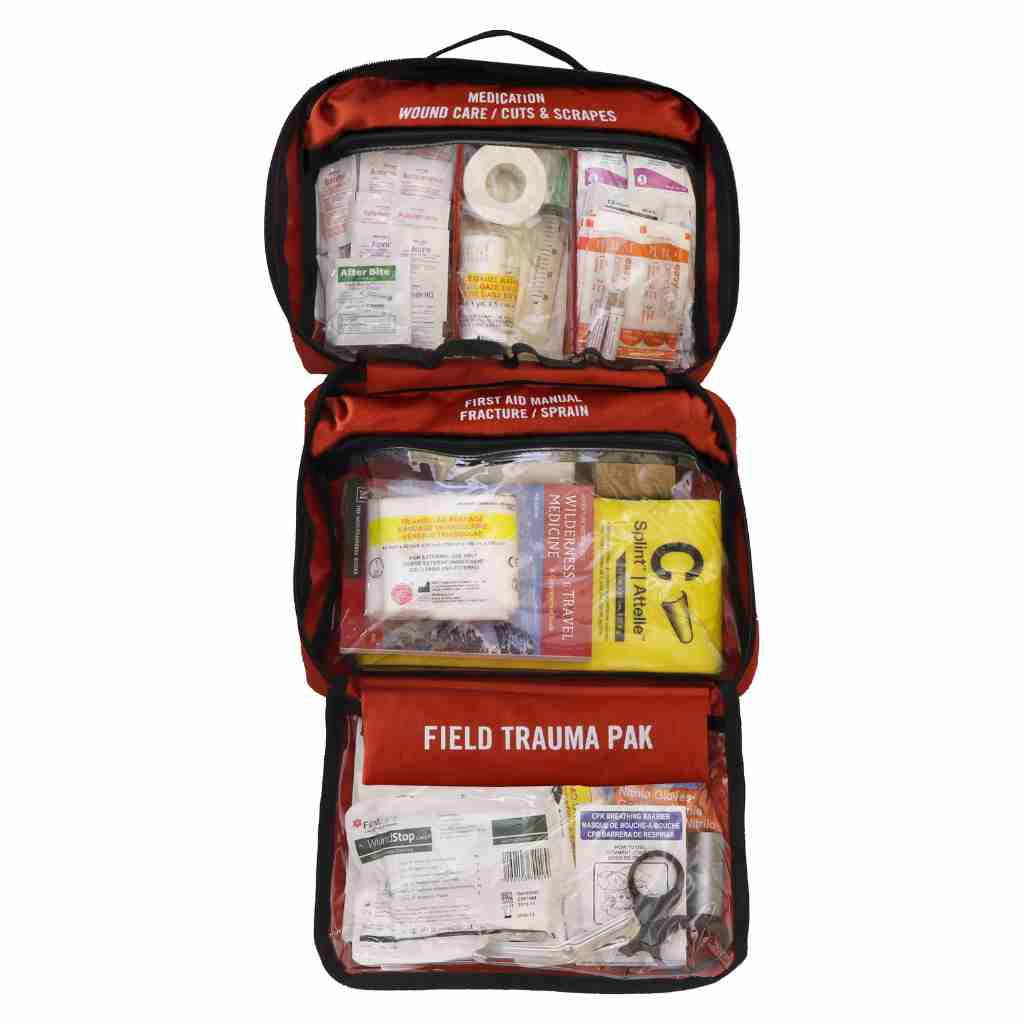
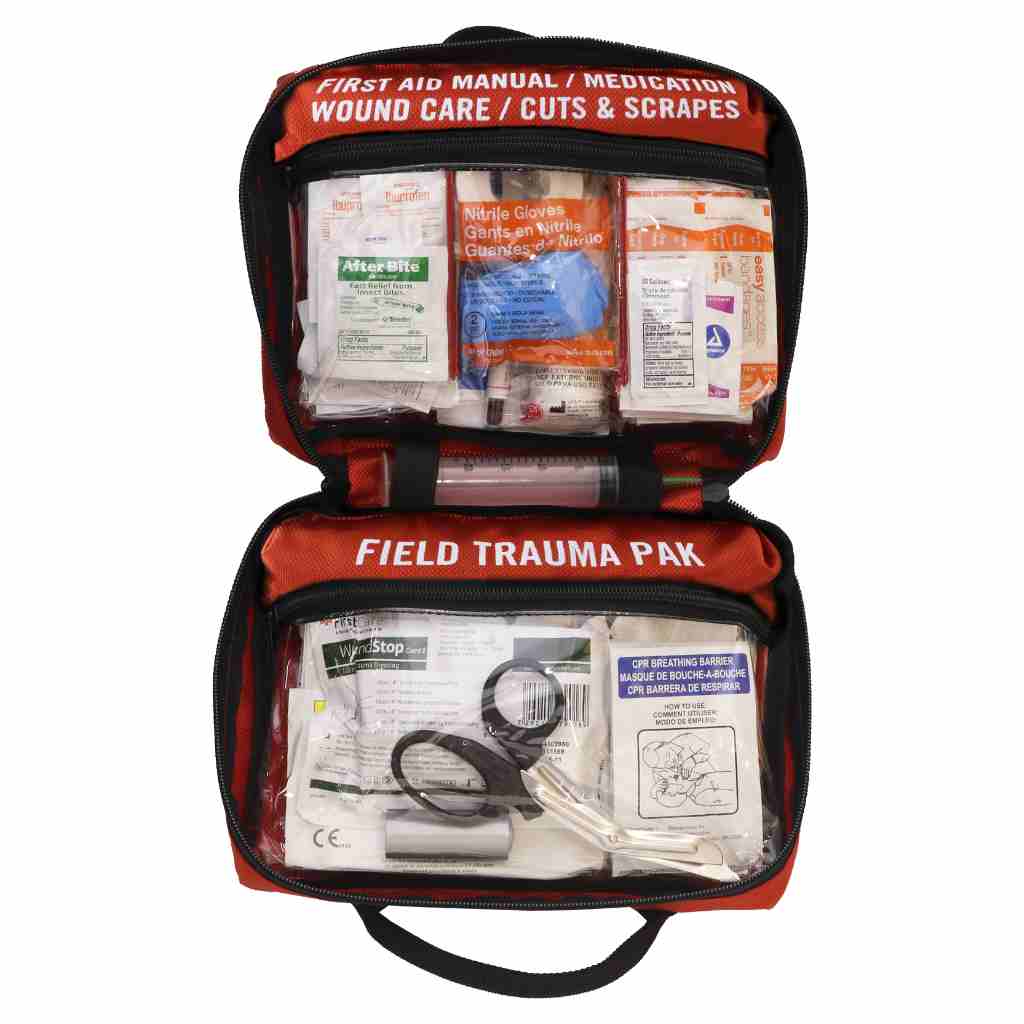
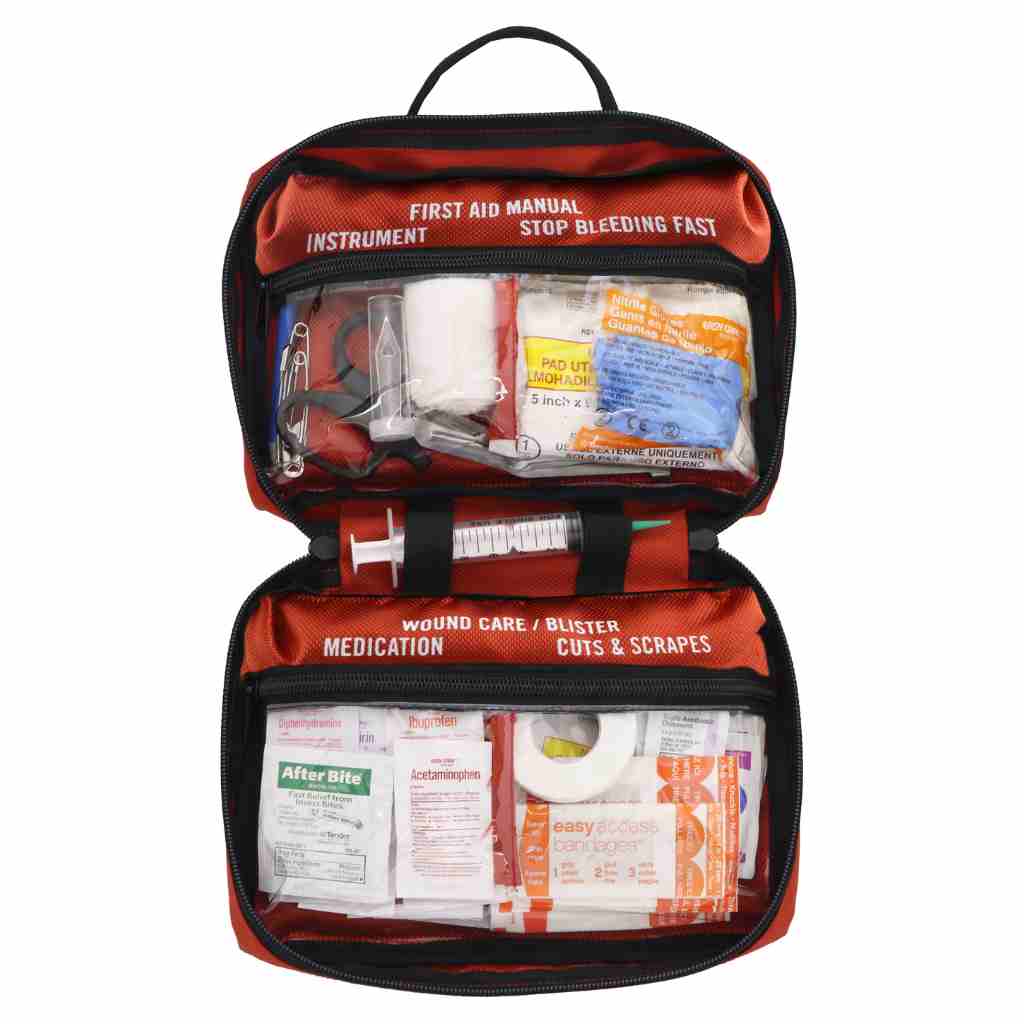
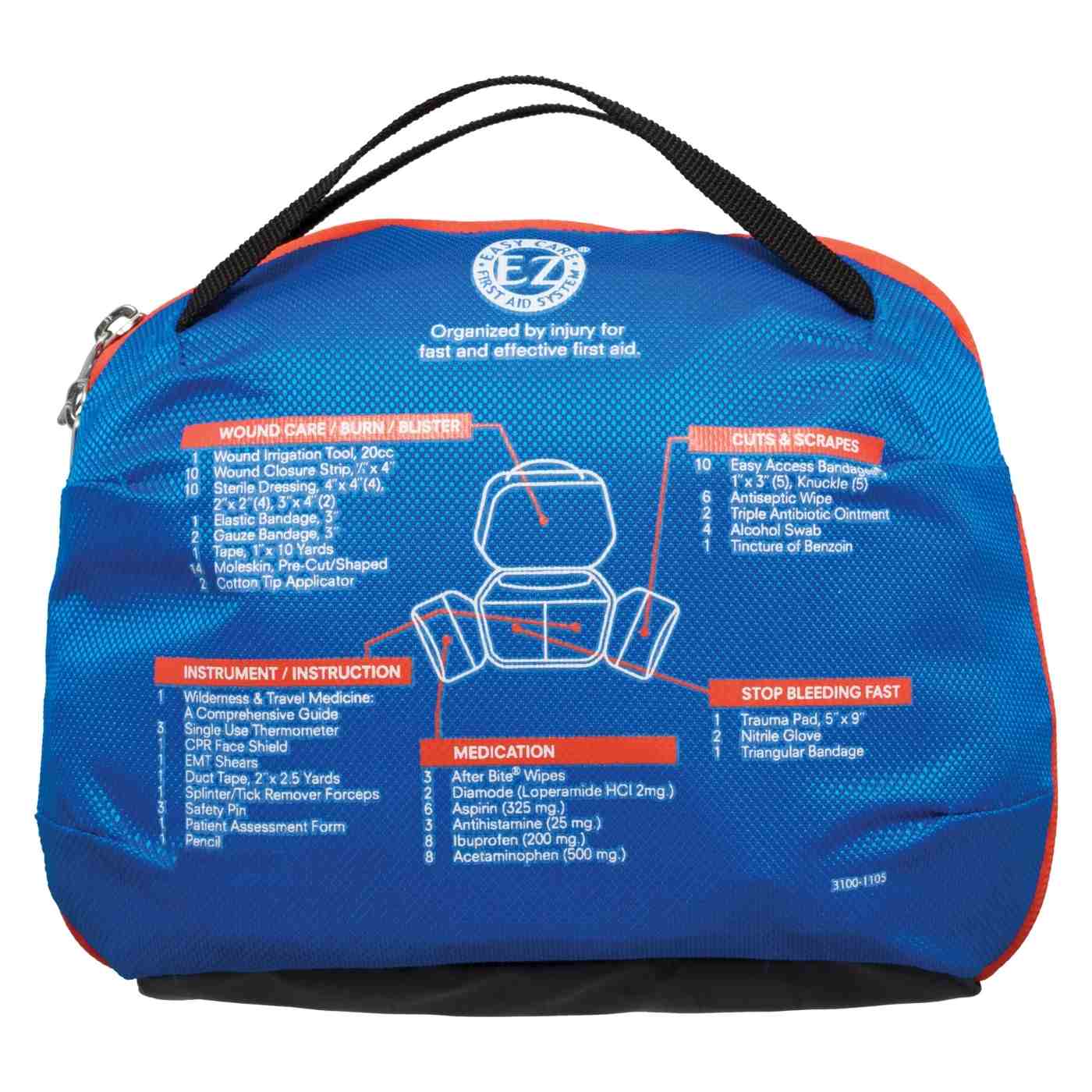
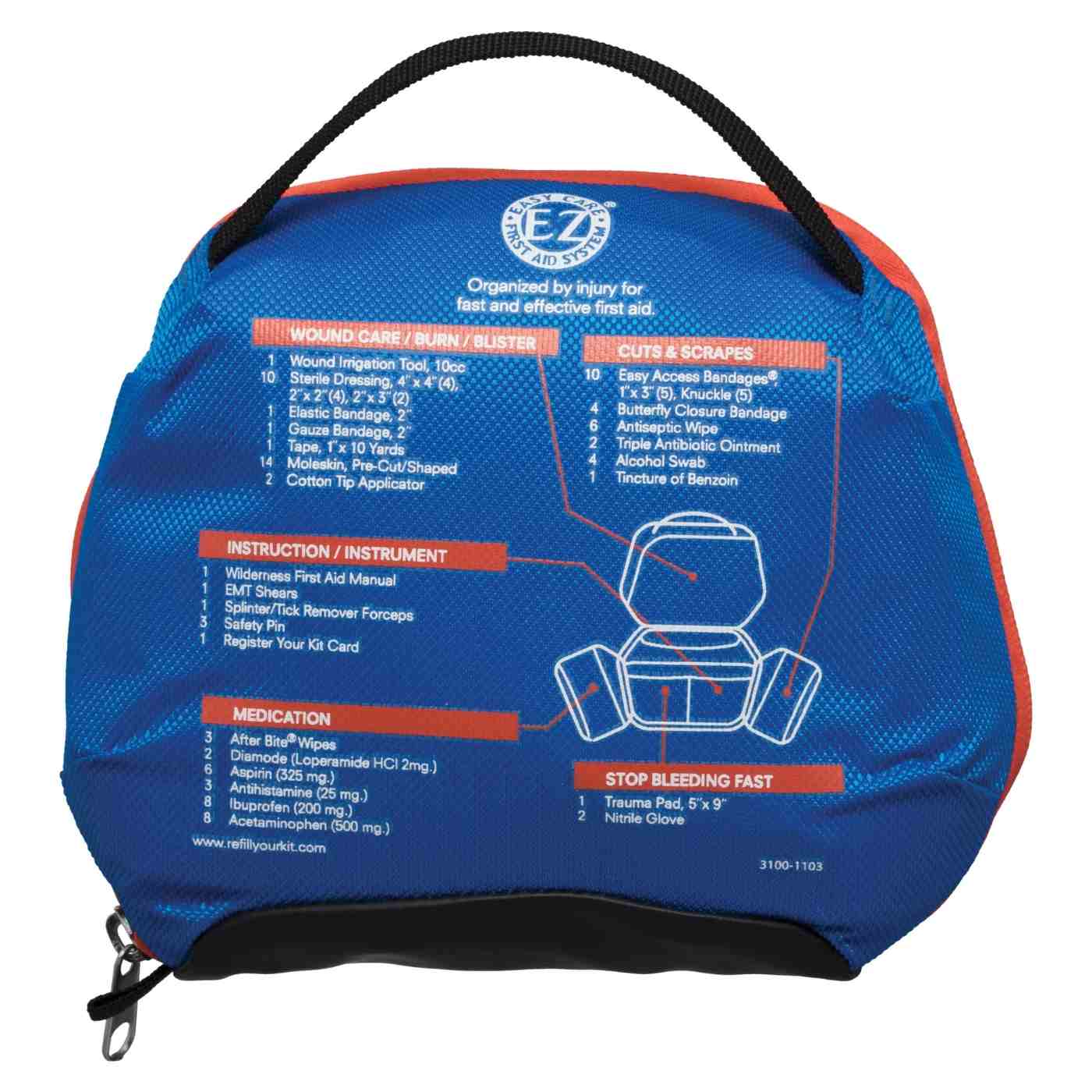
The strongest core kits are built around fast access. Labeled compartments, visible supply lists, and waterproof internal bags matter because treatment usually starts under stress, not in calm indoor light.
Beyond Band-Aids Essential Trauma and Survival Gear
A basic cut-and-scrape kit is enough until the day it isn't. Remote travel changes the equation because the problem may not be the injury alone. The core problem is injury plus distance, or injury plus cold rain, or injury plus a long wait before help can reach the group.
What changes when help is delayed
Outdoor professionals treat survival items as medical gear because delayed care turns exposure into part of the emergency. Items like emergency heat-reflecting blankets and paramedic shears are treated as core gear, not extras. Severe hiker injuries also frequently involve thermal stress. 62% of severe hiker injuries involve hypothermia or heat exhaustion, which is why thermal regulation supplies should take up a meaningful share of a mobile outdoor kit (outdoor emergency supply priorities).

That means a modern outdoor first aid kit list of supplies should include more than dressings and pills. It should include equipment that supports self-rescue, stabilizes a serious injury, and reduces the odds of a manageable problem becoming a life-threatening one.
Trauma tools worth carrying
For rougher terrain, remote driving, hunting, or multi-day travel, these items move from optional to sensible:
- Tourniquet: The American Red Cross 2024 First Aid Guidelines require a manufactured, windless tourniquet in modern Class A kits for severe bleeding control.
- Larger sterile pads and trauma dressings: These cover wounds that standard gauze won't manage well.
- Splinting material: A compact, moldable splint helps immobilize fractures and bad sprains.
- Emergency blanket or bivvy: Thermal protection can matter as much as wound care after a fall, weather shift, or forced stop. SOL emergency gear fits that role well.
- Shears: Cutting clothing cleanly is often the only way to assess an injury without making it worse.
- Scene safety items: In bear country, deterrence is part of prevention, and Counter Assault bear spray belongs in the wider safety kit even though it isn't a medical supply.
A trauma kit should answer one hard question clearly. Can this group control bleeding, protect airway and breathing, limit heat loss, and move or wait safely?
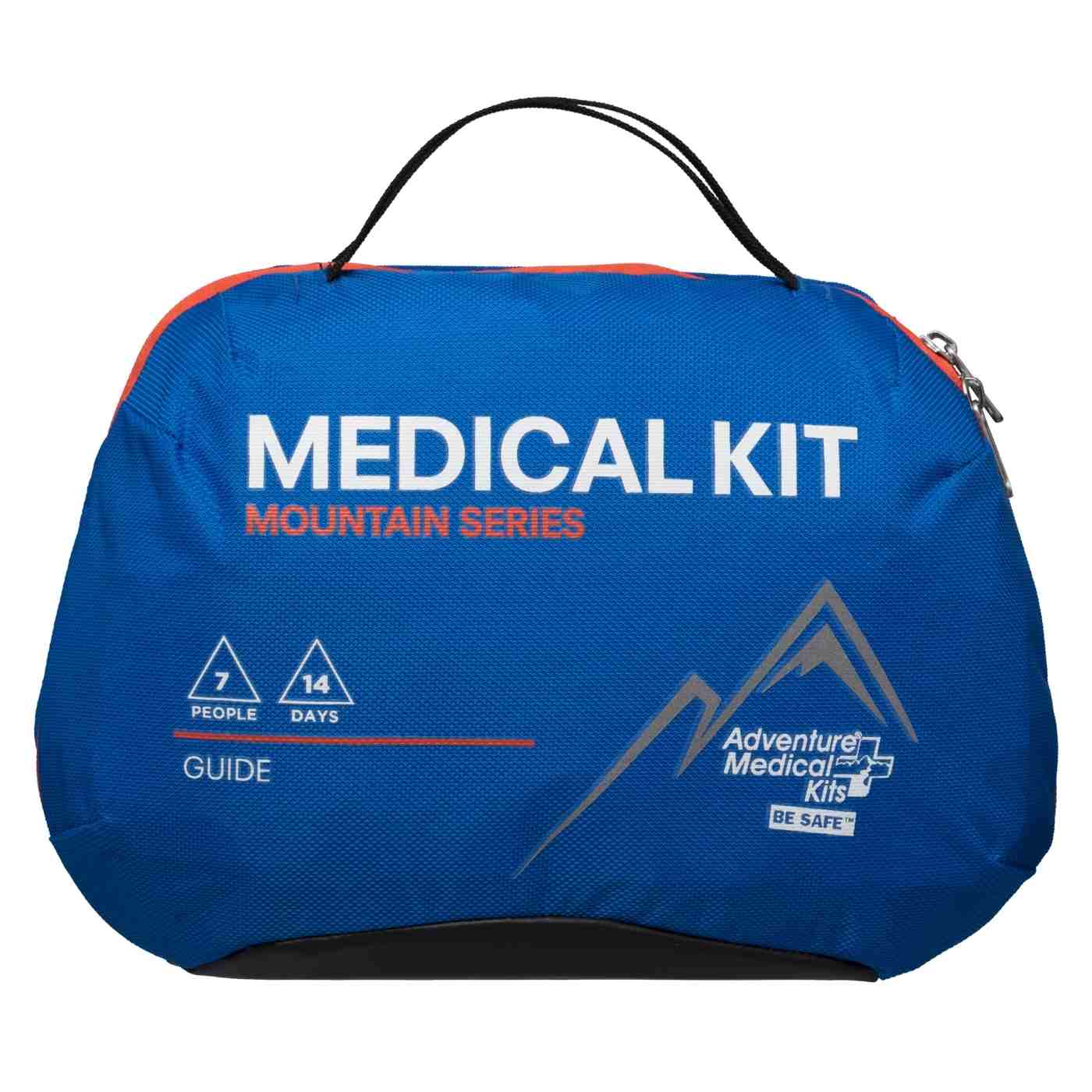
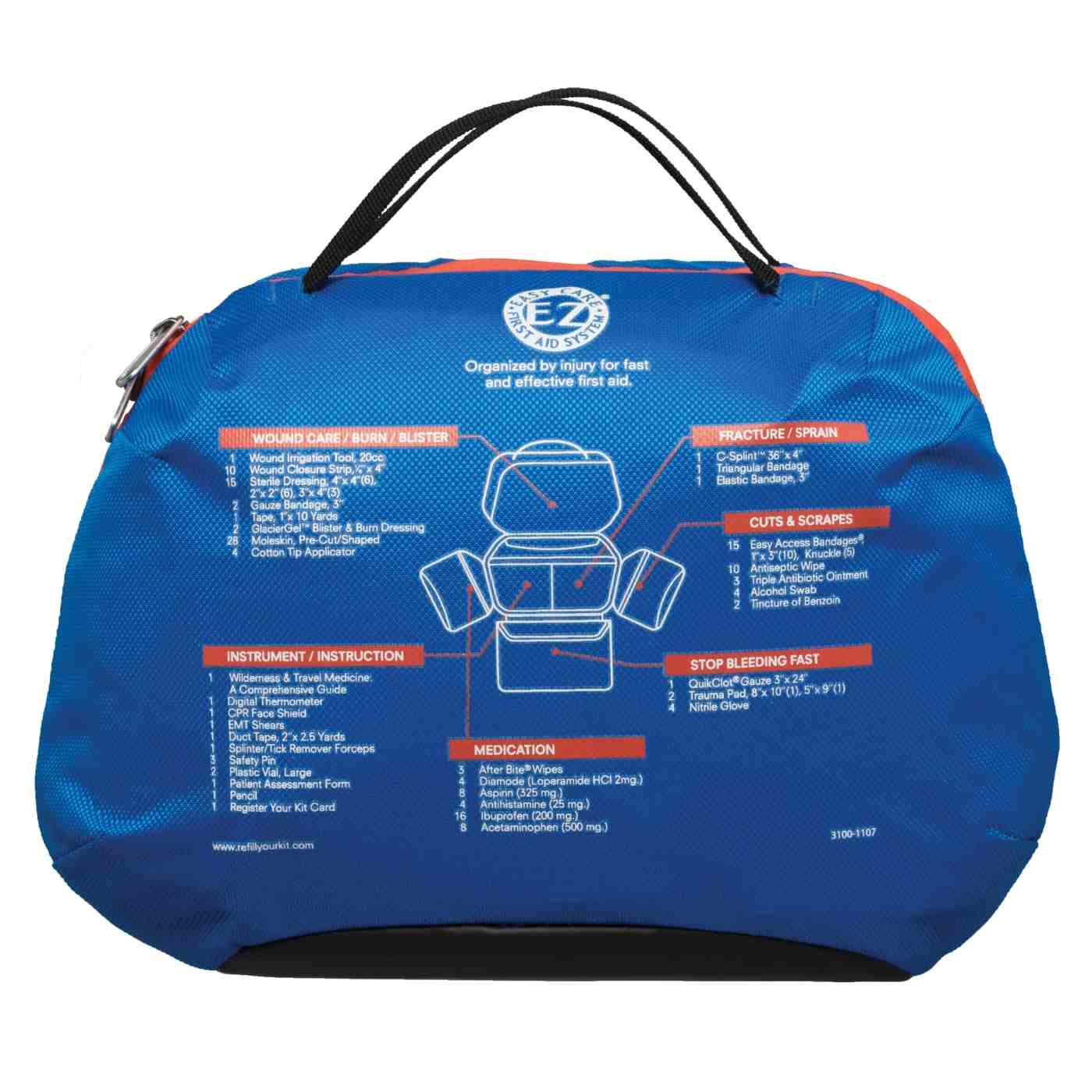
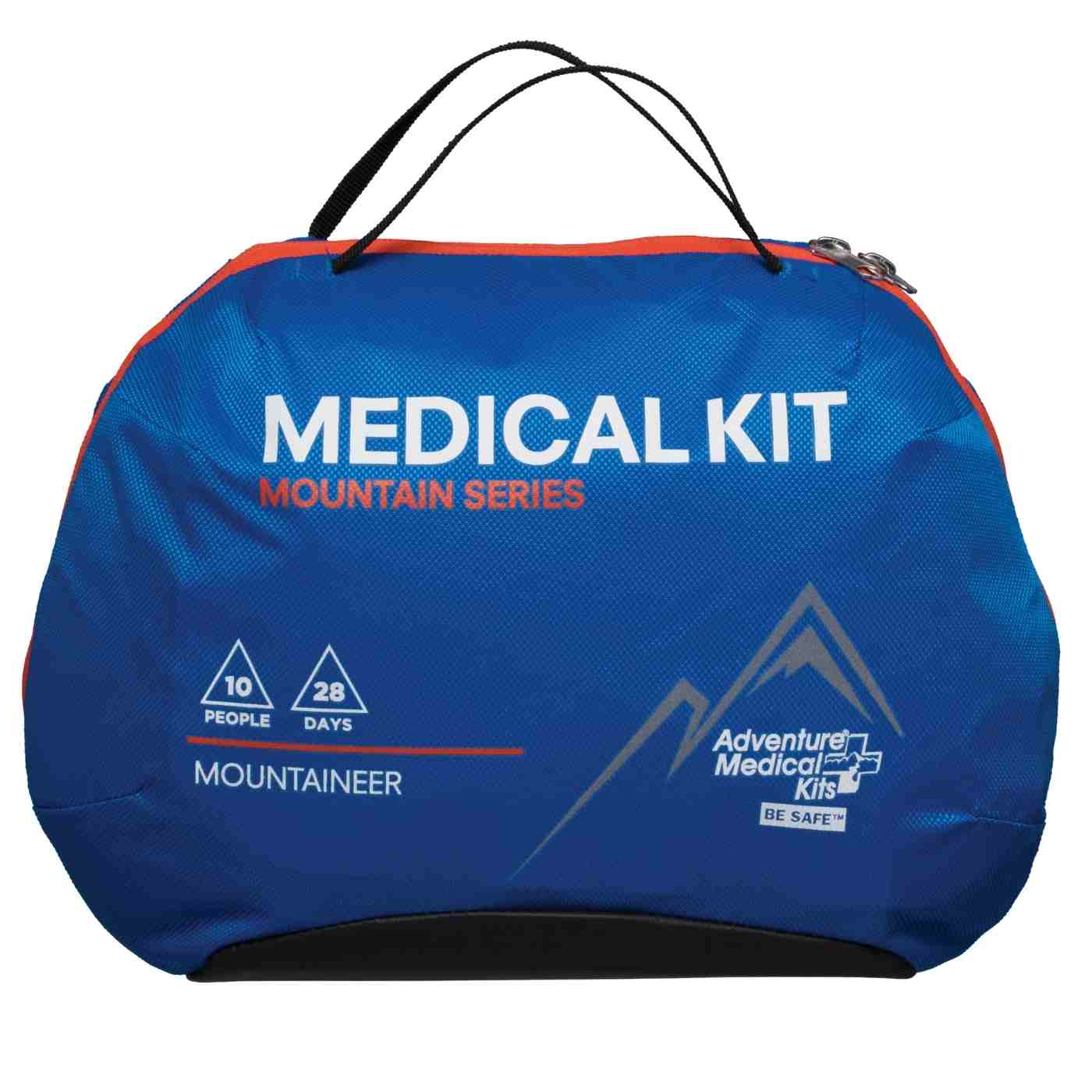
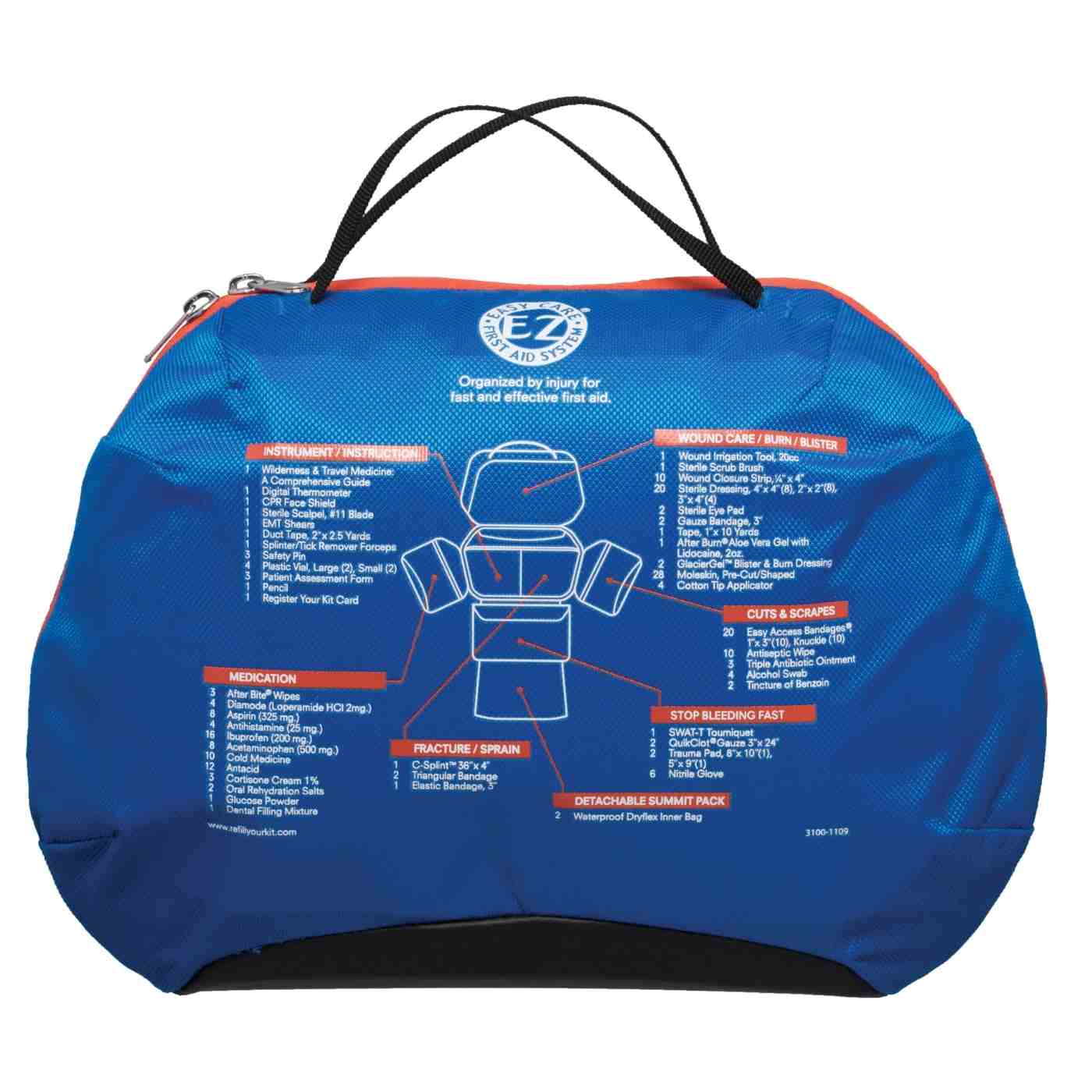
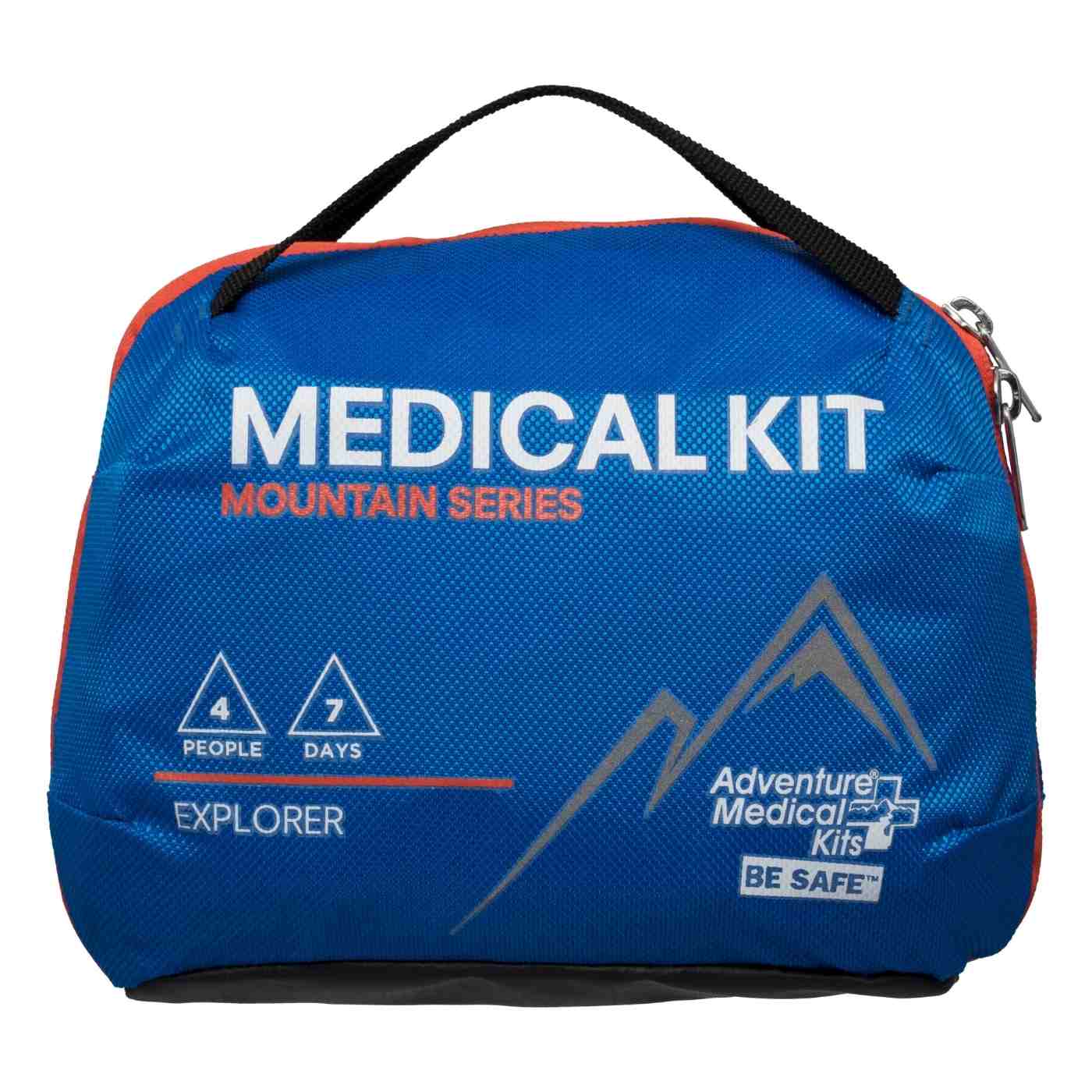
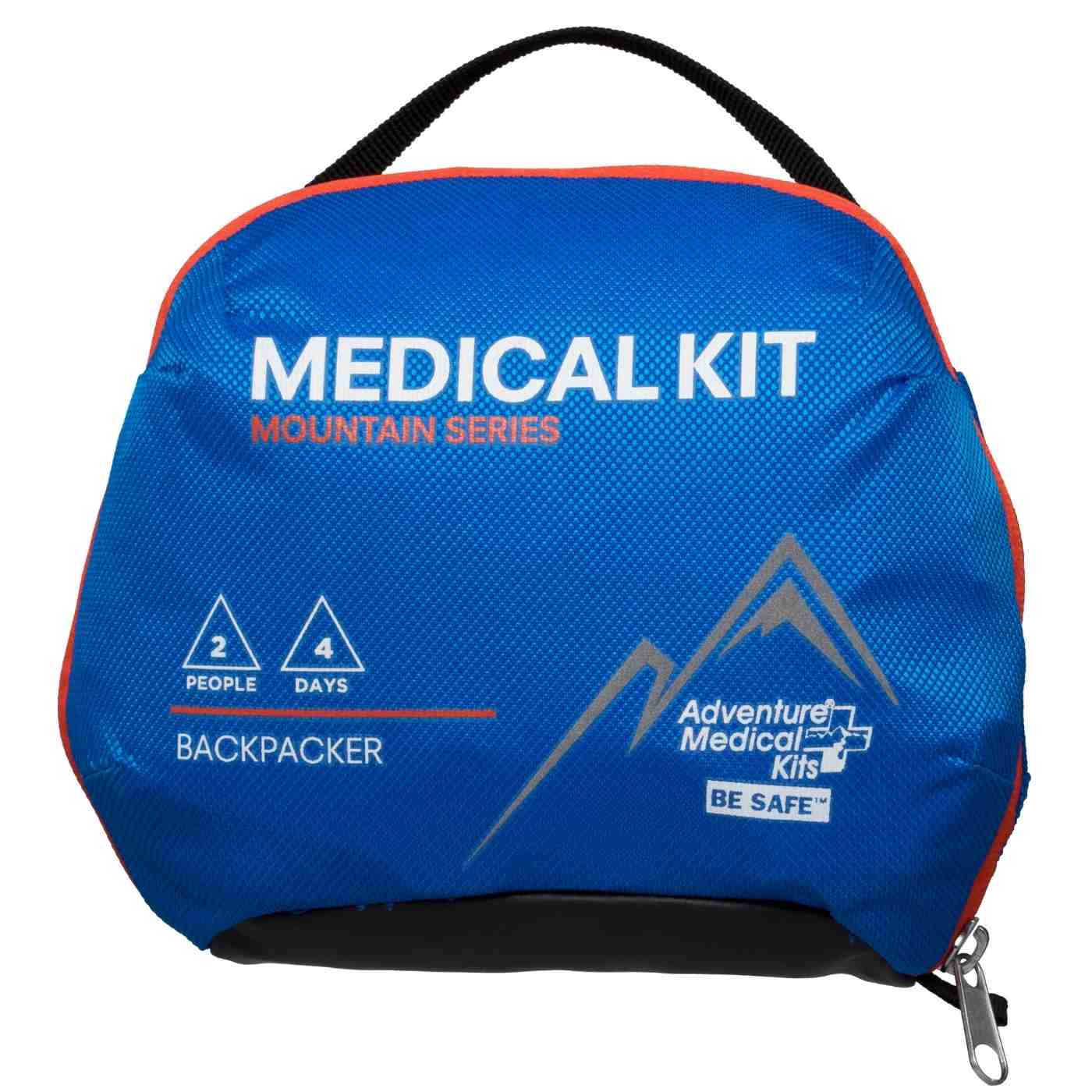
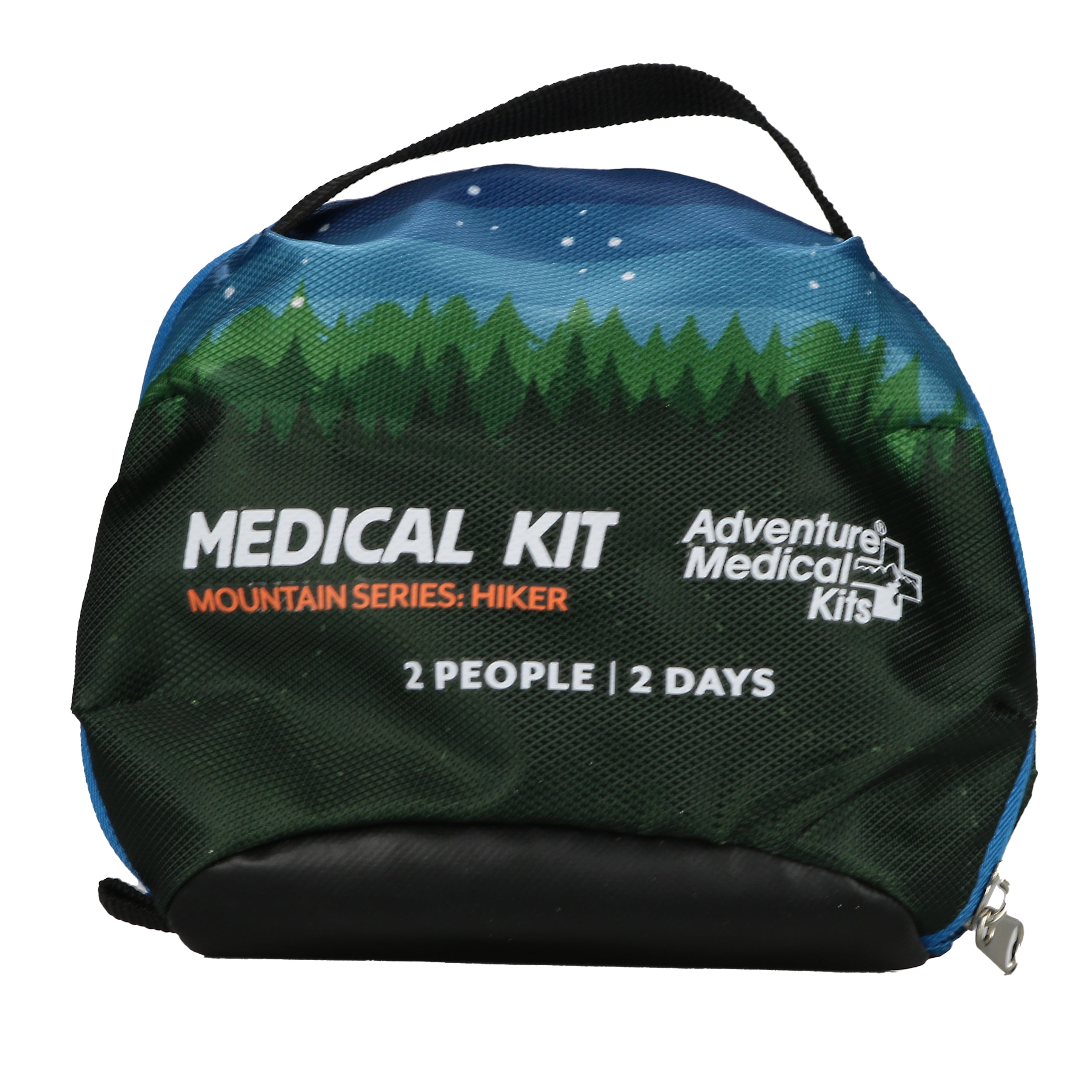
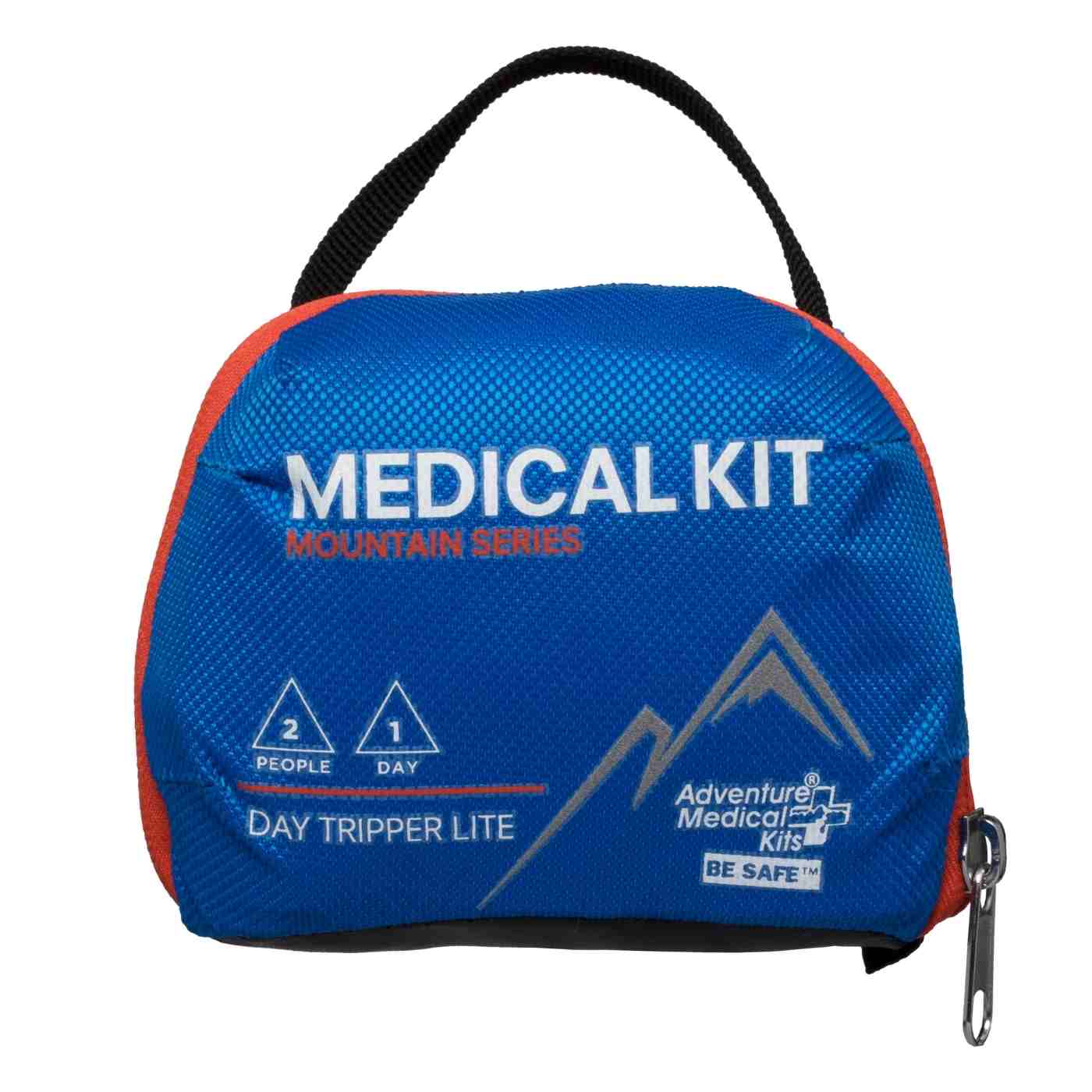
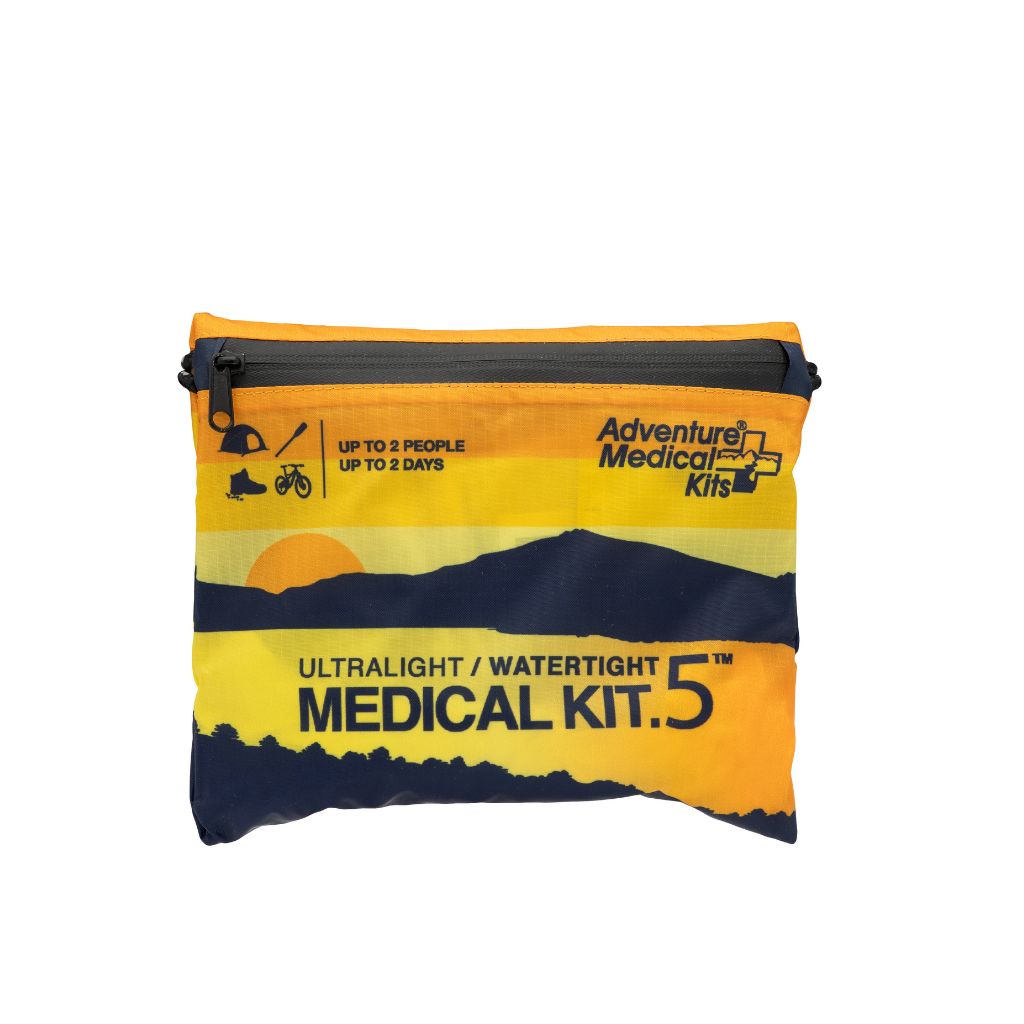
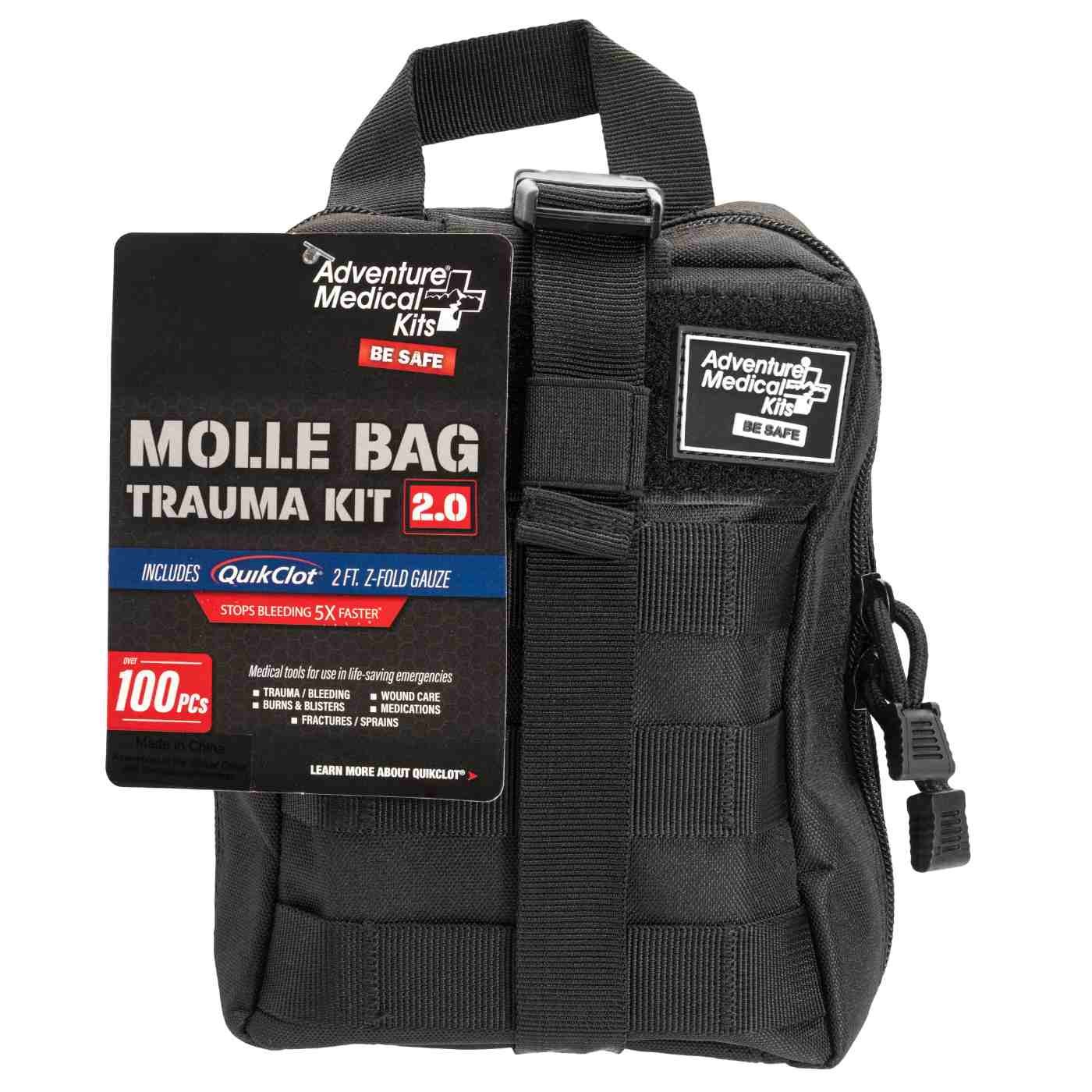
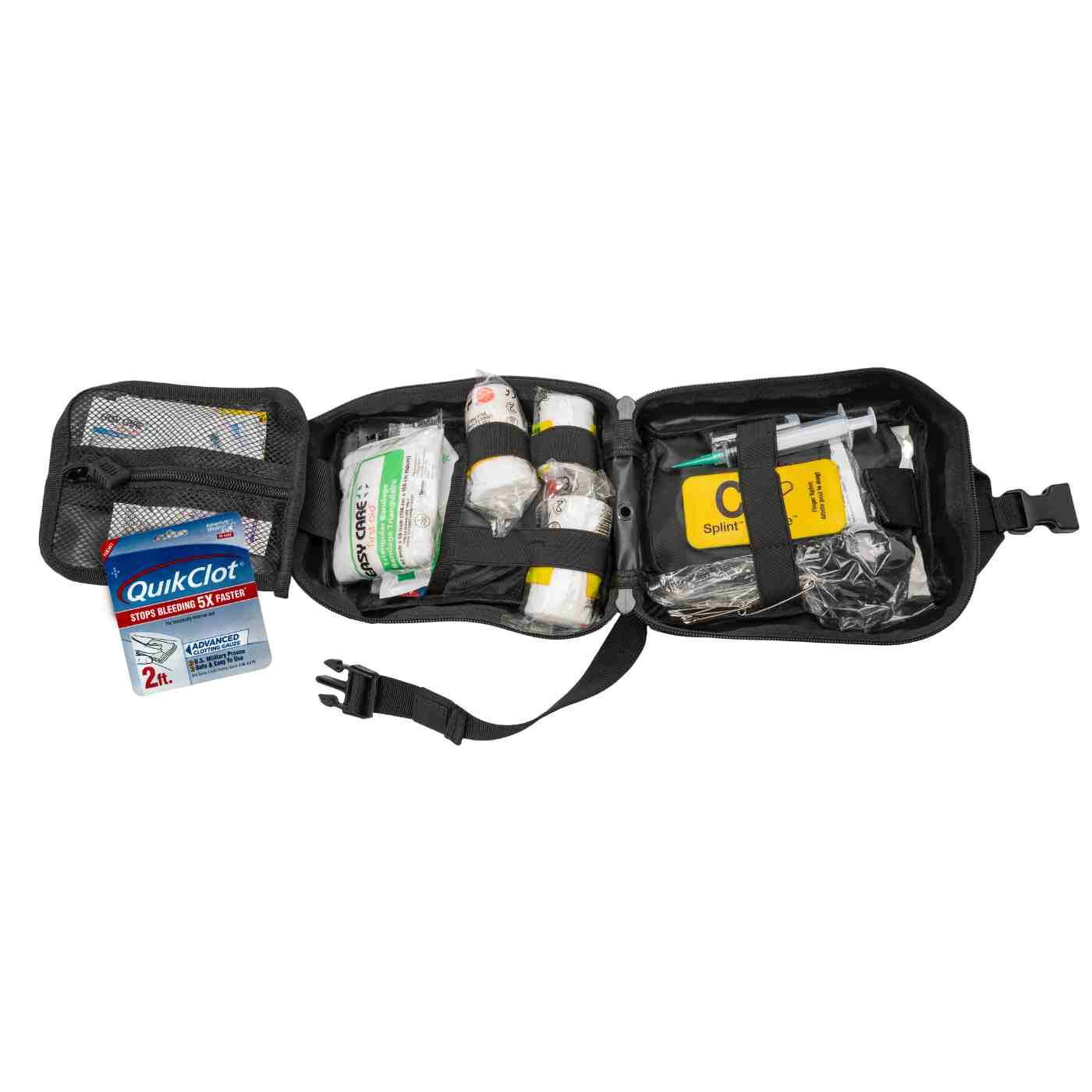
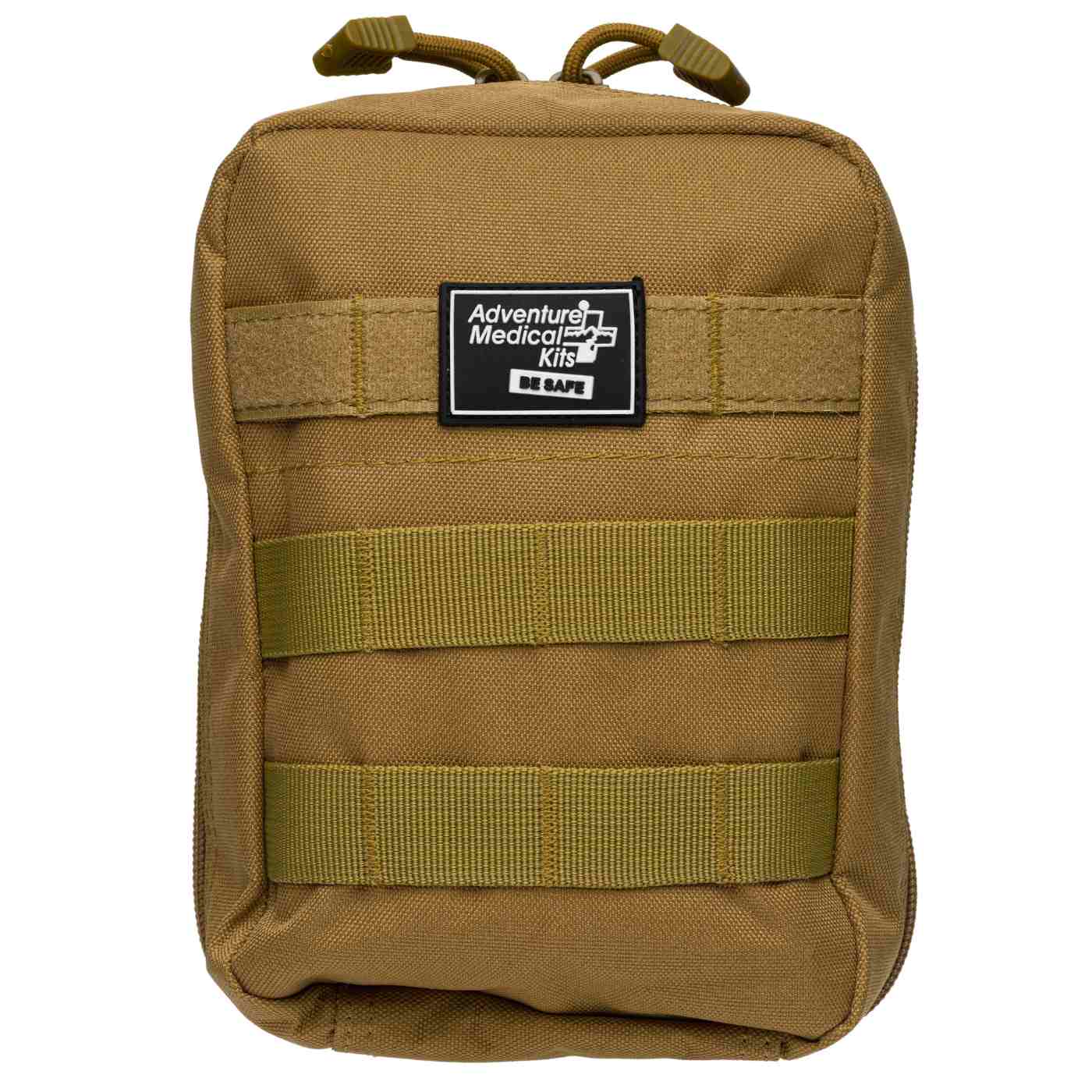
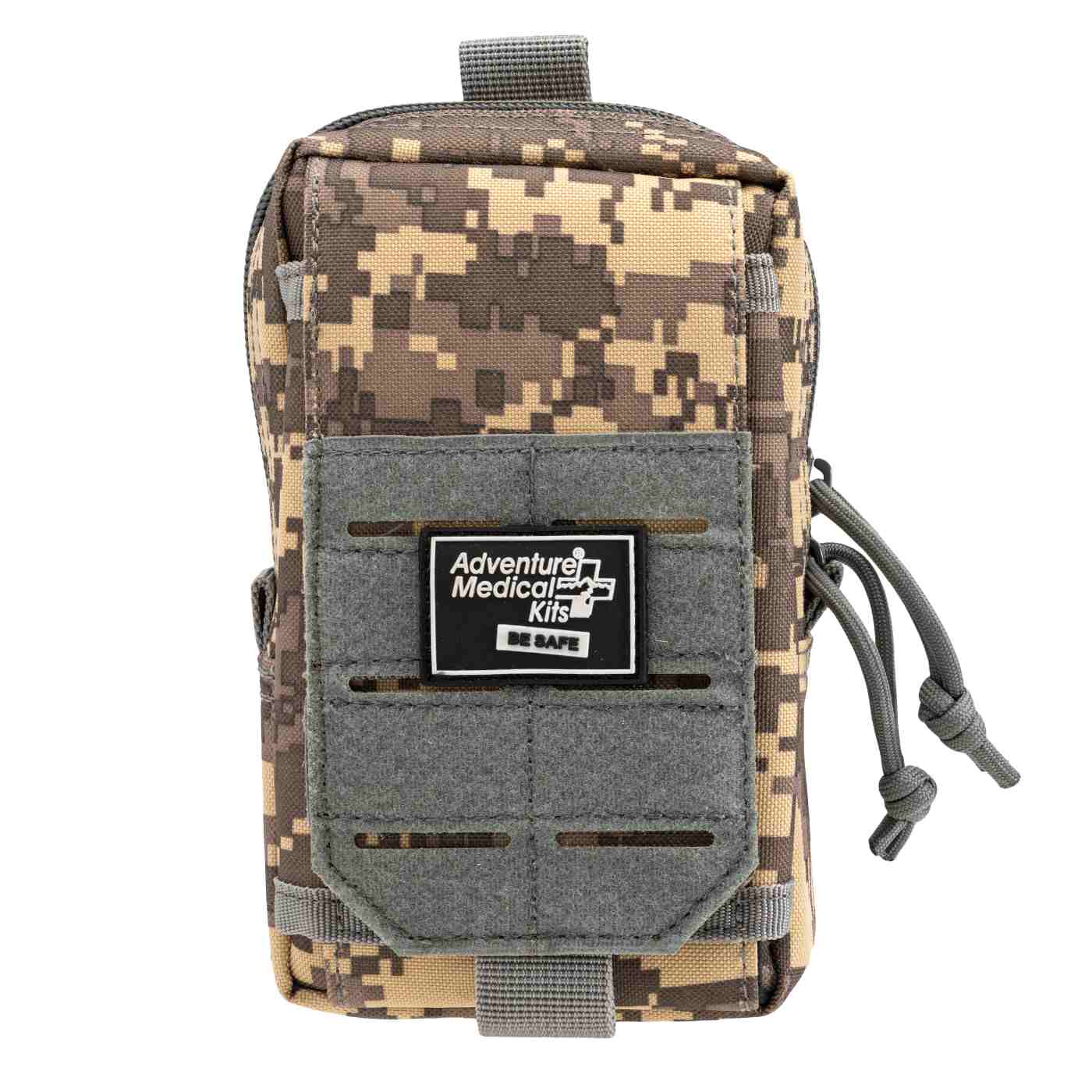
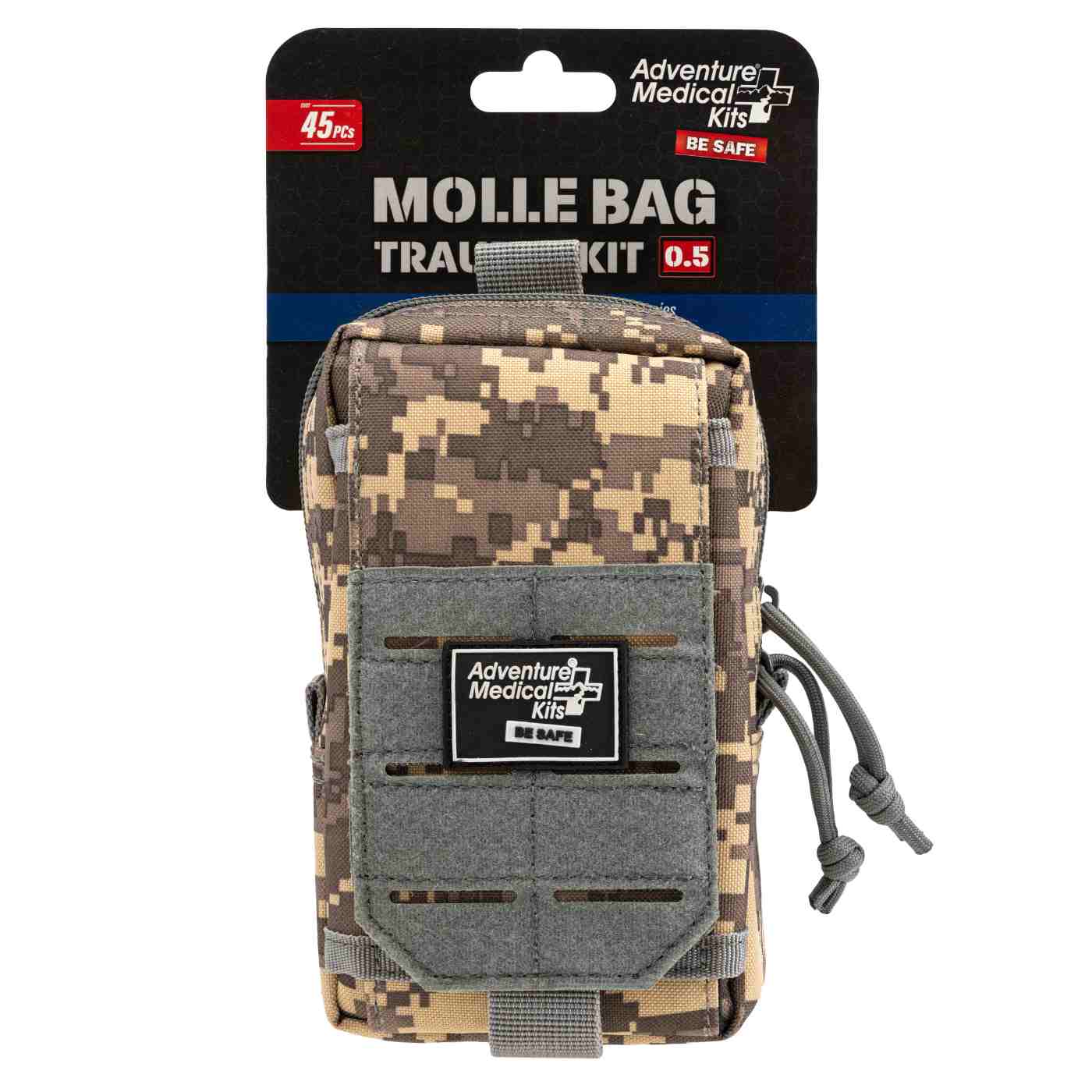
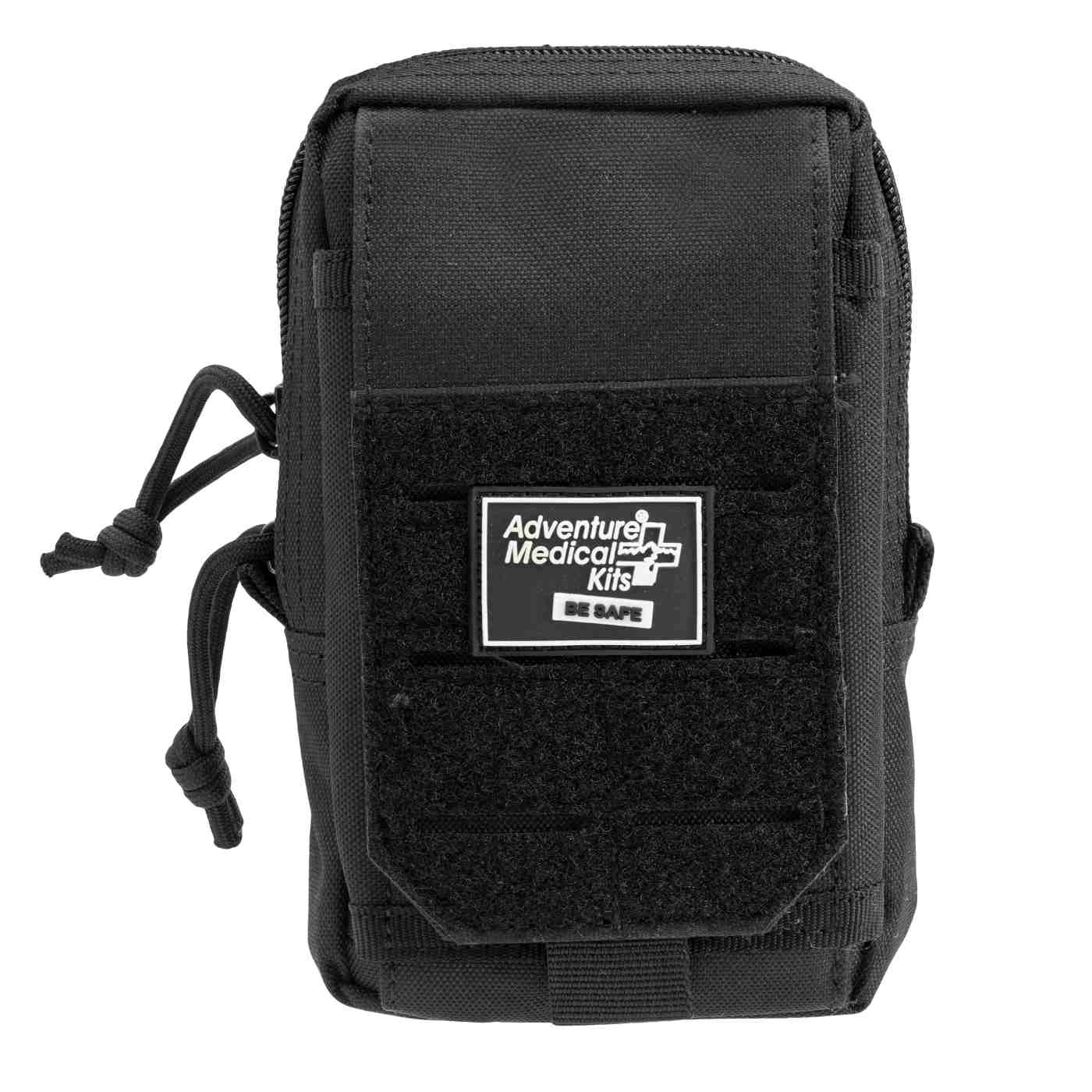
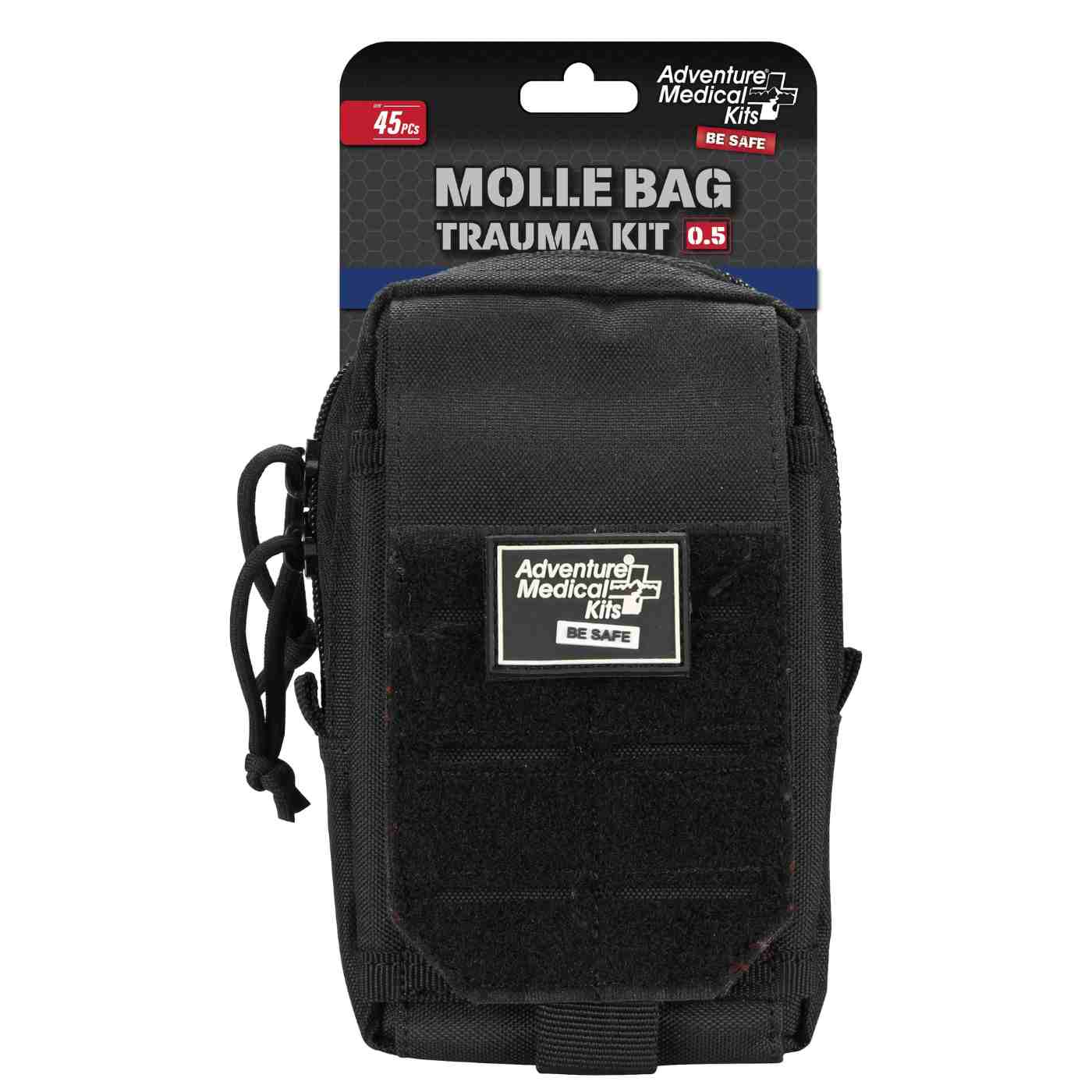
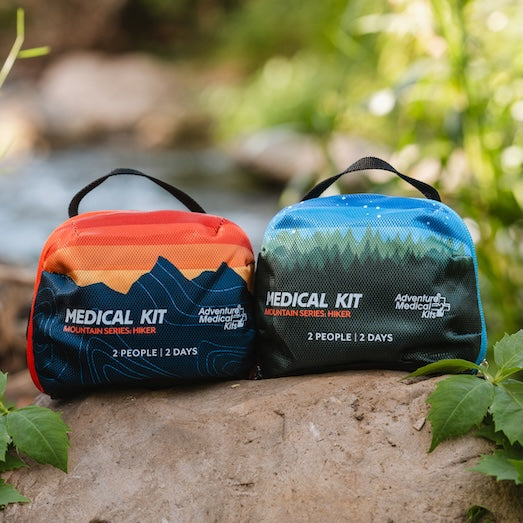
That's why the Mountain Series medical kits and MOLLE trauma kit series matter as organizing ideas. One scales for activity and duration. The other centers fast access to trauma-focused gear in more demanding situations.
The Professional's Choice Why Supply Quality Matters
A cheap kit can be full and still be poorly built. That's one of the most common failures in field care. The supply technically exists, but it doesn't work well enough in sweat, rain, dirt, heat, or cold to solve the problem.
Materials that work outdoors
A major gap in generic guidance is the lack of distinction between home use and outdoor use. Outdoor kits need nitrile gloves instead of latex, fabric bandages instead of plastic, and BZK-based antiseptic wipes instead of alcohol-based wipes, because latex degrades in heat, plastic bandages fail on sweaty skin, and alcohol can be overly painful on trail wounds (outdoor-specific first aid kit considerations).
That isn't gear snobbery. It's performance.
- Fabric bandages: They flex with fingers, knuckles, heels, and sweaty skin better than slick plastic strips.
- Nitrile gloves: Better choice for variable temperatures and for users avoiding latex sensitivity issues.
- BZK wipes: Better suited to field wound cleaning when pain control and tissue tolerance matter.
What fails in the field
The most common low-quality failures are predictable.
A plastic bandage goes on a damp finger, then peels off inside the first hour. Latex gloves sit in a hot vehicle or freeze-thaw in a pack and become less dependable. Alcohol wipes sting enough that people rush wound cleaning or skip it. None of those failures look serious in the driveway. All of them matter when the person still has miles left to hike.
Field note: A supply that works in a bathroom cabinet may not work on a windy ridgeline.
Purpose-built outdoor kits separate themselves from generic assortments; organized pockets help, but the material choice is what keeps treatment in place after the first ten minutes.
Customizing Your Kit for Any Adventure
A good first aid kit list of supplies scales by consequence, not just by trip length. A short walk close to a road may only need enough to handle blisters, small cuts, a mild headache, and a sting. A multi-day route needs the same basics plus enough depth to manage repeat care, more serious bleeding, immobilization, and weather problems.
The ANSI/ISEA Class A workplace baseline is a useful starting point because it gives concrete minimums. It mandates at least 16 adhesive bandages, 16 sterile pads, 6 burn treatment applications, and 1 triangular bandage, and that baseline can then be scaled upward with splints, tourniquets, and larger gauze pads for more remote settings (minimum Class A kit contents and scale-up logic).

How the kit should scale
The easiest way to think about customization is this:
- Day hike: Pack for the injuries most likely to happen before the group returns to the car.
- Overnight camp: Add depth in medications, blister care, wrap material, and thermal protection.
- Backpacking: Plan for repeat treatment, slower evacuation, and the possibility of one person caring for another over several hours.
For trip-specific planning, this guide on choosing a medical kit for a multi-day backpacking trip is a useful complement to a written checklist.
Activity-Specific First Aid Supply Checklist
| Supply Item | Day Hike | Overnight Camp | Backpacking |
|---|---|---|---|
| Adhesive bandages | Small assortment for hot spots and cuts | Larger assortment | Larger assortment plus extras for repeat use |
| Sterile gauze pads | A few | More than a day kit | Enough for multiple dressing changes |
| Antiseptic wipes | Core item | Core item | Core item, with extra packets |
| Medical tape | Small roll | Full roll | Full roll, protected from moisture |
| Blister treatment | Essential | Essential | Essential, with backup supplies |
| Pain reliever | Basic supply | Basic supply | Basic supply plus enough for trip duration |
| Antihistamine | Useful | Useful | Recommended |
| Burn treatment | Useful | Recommended | Recommended |
| Elastic wrap or roller bandage | Useful | Recommended | Recommended |
| Triangular bandage | Optional on short front-country outings | Recommended | Strongly recommended |
| Splint | Usually not necessary close to trailhead | Helpful | Recommended |
| Tourniquet | Context dependent | Context dependent | Strongly considered for remote travel |
| Emergency blanket | Recommended | Recommended | Essential |
| Water treatment support | Usually separate from the kit | Helpful | Essential in remote travel |
| Gloves | At least one pair | Multiple pairs | Multiple pairs |
This is also where activity-specific kits make sense. A hunter, paddler, family camper, and alpine hiker don't face the same injury pattern, so their supply mix shouldn't be identical either.
How to Pack and Organize Your Kit for Quick Access
The best stocked kit in camp is worthless if the one person who knows where the gloves are packed them under dinner gear and a puffy jacket. Access is part of treatment.

Pack by problem not by product
First aid kits are often sorted inefficiently. This involves grouping all the gauze together, all the pills together, all the tape together. That's tidy on a table, but slower during an injury.
A better method is to group supplies by likely use:
- Bleeding and wound cleaning pouch: Gauze, dressings, wipes, tape, gloves.
- Blister and foot care pouch: Hot spot treatment, tape, bandages, small scissors.
- Medication pouch: Pain reliever, antihistamine, aspirin if appropriate, bite relief.
- Trauma and exposure pouch: Tourniquet, larger dressing, emergency blanket, shears.
Keep the first two minutes of care in the first pocket you open.
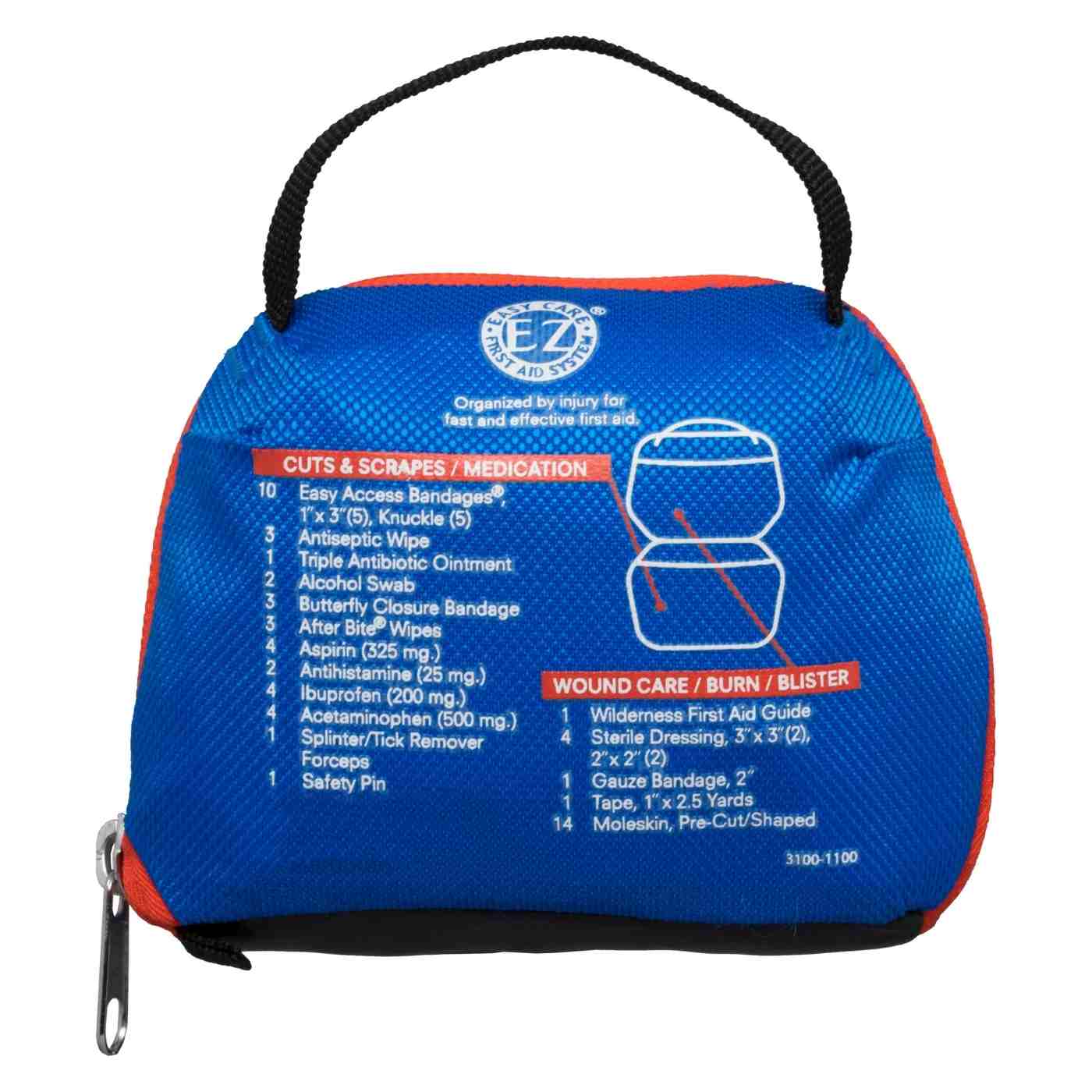
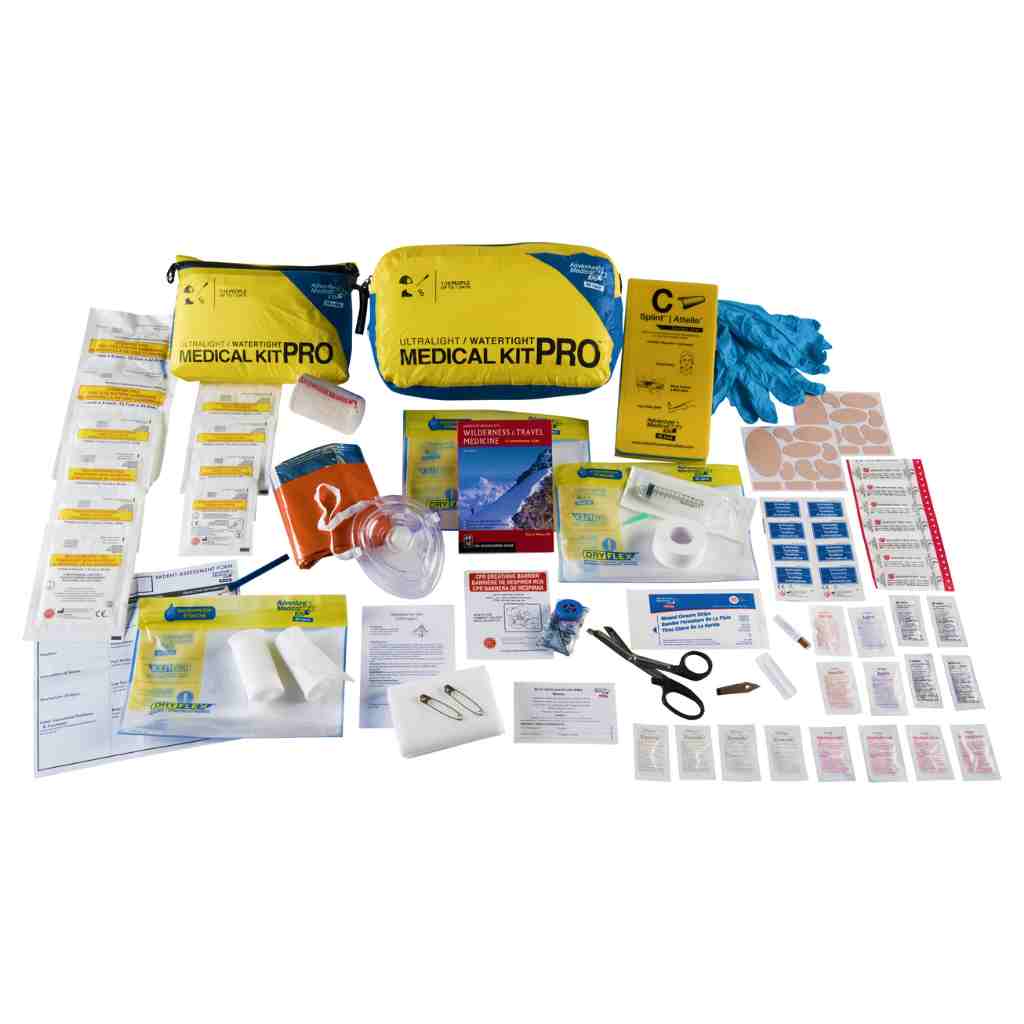
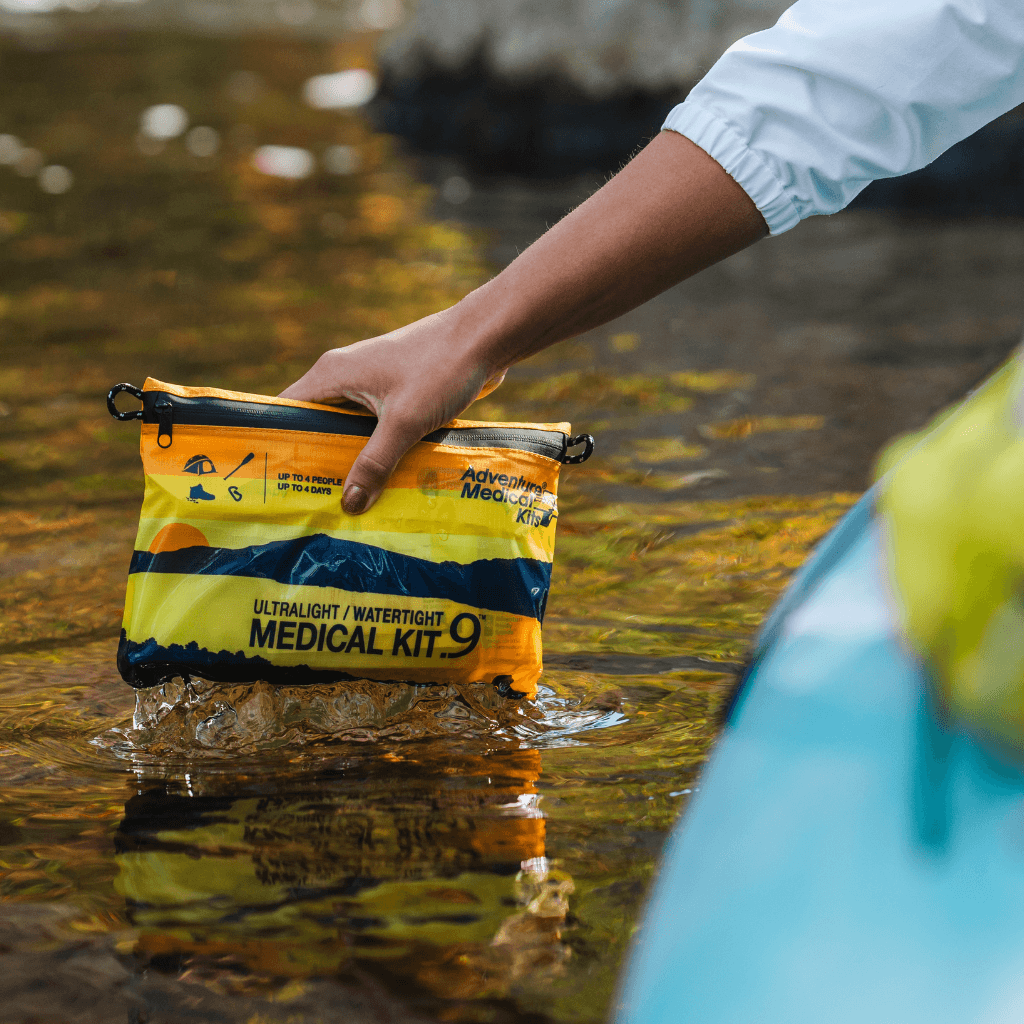
Labeled compartments matter for this reason. Many outdoor kits use organized internal pockets and clearly marked categories so the user doesn't have to dump contents onto the ground. Waterproof resealable bags matter too, because damp gauze and soaked tape aren't useful.
Where the kit should ride
The kit belongs somewhere reachable while wearing the pack. That usually means high in the main compartment, near the top, or in an outer pocket if the weather protection is solid. It doesn't belong at the very bottom under sleep clothes.
A few practical placement rules help:
- Put high-use items near the top: Bandages, blister supplies, and wipes should come first.
- Separate life-saving items visibly: Tourniquet and trauma dressing shouldn't hide under routine supplies.
- Add light for nighttime use: A compact inflatable lantern like those from LuminAID can make wound care and gear sorting much easier after dark.
- Match the kit to the load plan: Anyone refining overall packing systems may also find Explore Effortlessly's ultimate packing guide useful for keeping emergency gear accessible instead of buried.
Good organization cuts panic. It also cuts treatment time.
Kit Maintenance and Essential First Aid Skills
Most kits don't fail because someone forgot to buy one. They fail because no one checked them after the last trip. The glove pouch is empty, the blister dressings are gone, the tape has fused to itself, and the medication packets are long past the point where anyone should rely on them.
What to check before every trip
A fast maintenance routine is enough if it's done consistently.
- Replace used supplies: Don't mentally note it for later. Refill the kit when unpacking.
- Inspect packaging: Crushed packets, wet dressings, torn glove wrappers, and loose pills shouldn't stay in service.
- Check dates: Medications, ointments, and sealed sterile items deserve regular review.
- Review fit for the trip: The car kit, trail kit, and camp kit should change with season and objective.
- Inspect protective storage: Waterproof internal bags, zippers, and labels need to be intact.
A kit stored in a vehicle also deserves extra attention because heat and cold are hard on adhesives, gloves, and packaging.
Skills matter as much as supplies
A neatly packed kit doesn't create competence by itself. Someone in the group needs to know how to clean a wound thoroughly, recognize serious bleeding, wrap an ankle, improvise support, monitor for heat illness, and respond if a person stops breathing.
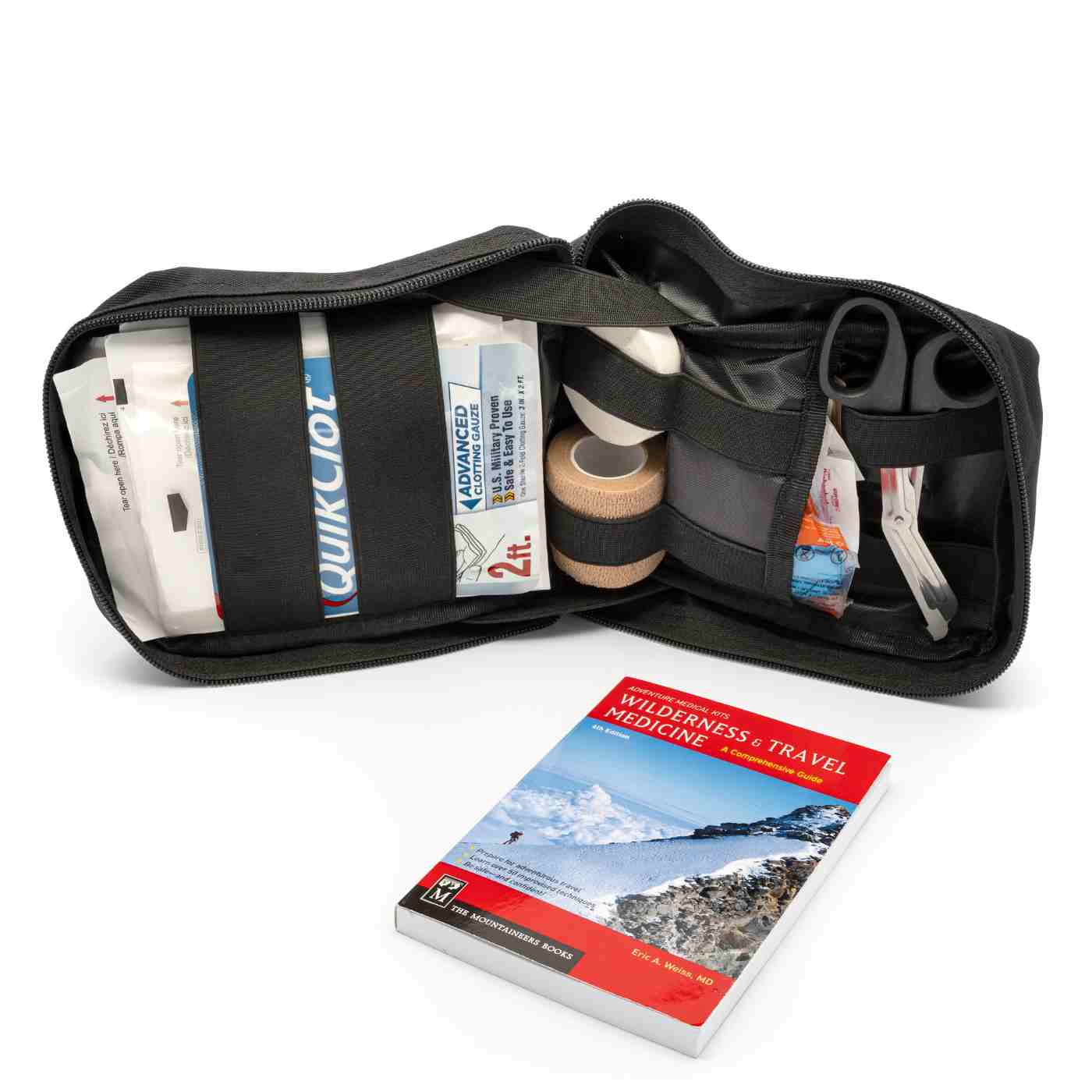
That's why instruction matters. Most well-designed outdoor kits include a medical handbook or quick reference material for common injuries and illnesses. That kind of guide isn't a substitute for training, but it helps a stressed user stay systematic. For CPR review, this article on Hands-Only CPR guidance for hiking emergencies is worth keeping in the preparedness rotation.
Adventure Medical Kits also notes its partnership with the National Outdoor Leadership School, which fits the larger truth here. Preparedness is a system. The supplies matter, the organization matters, and the user's judgment matters just as much.
The calmest person in an emergency is usually the one who already decided where everything lives and practiced the basics before the trip.
Frequently Asked Questions About First Aid Kits
Is it better to build a kit or buy one
Both approaches can work.
A self-built kit gives full control over every item, which is useful for experienced users with very specific needs. The downside is inconsistency. People often forget gloves, skimp on gauze, carry weak tools, or pack the wrong kind of bandage for outdoor conditions.
A prebuilt kit makes sense when the contents are activity-specific, organized, and clearly labeled. That's especially useful for families, new hikers, glovebox storage, and anyone who wants a reliable baseline before customizing.
What should never be missing from a basic kit
At minimum, a basic kit should cover wound cleaning, wound dressing, pain relief, hand protection, and simple tools.
That usually means:
- Antiseptic wipes
- Adhesive bandages
- Sterile gauze
- Medical tape
- Gloves
- Tweezers or small scissors
- Pain reliever
- Antihistamine
If the kit travels outdoors, blister care and an emergency blanket belong high on the list too.
Are first aid kits FSA or HSA eligible
Yes. First aid kits and supplies are FSA/HSA eligible on the Adventure Medical Kits site. That matters for families building a home emergency setup and for outdoor users replacing kits seasonally.
How should a first aid kit change for kids
The structure stays mostly the same, but the use pattern changes. Kids need more frequent treatment for minor cuts, scrapes, and stings, and they often respond better when the kit feels familiar and easy to understand.
For family trail use, it also helps to include:
- Child-appropriate medications the family already uses
- Extra adhesive bandages
- Tick and splinter tools
- Cold packs
- Simple comfort items
The same principle applies to pets and working dogs. A dog-specific kit should reflect paw injuries, lacerations, and the need for bleeding control equipment. The Adventure Dog Medical Kit - Workin' Dog is an example of a dog-focused kit built around bleeding control, wound and burn care, medications, and instruments suited for active dogs.
What other non-medical items belong with the kit
For outdoor travel, a few adjacent items help the medical kit do its job better.
- A dependable light source: Useful for treatment after dark.
- Emergency shelter or thermal gear: Important when injury delays movement.
- Insect protection: In buggy terrain, prevention matters.
- Sun and weather protection: Keeps minor problems from stacking up.
- Trip information: Route plan, contacts, and any medical notes that matter to the group.
A first aid kit doesn't have to carry all of that inside one pouch, but it should sit inside a broader emergency system that does.
A reliable kit should match the trip, the terrain, and the time it may take to get help. For hikers, campers, hunters, travelers, and families building a home or vehicle setup, Adventure Medical Kits offers activity-specific options designed to stay portable, organized, and usable when conditions are less than ideal.