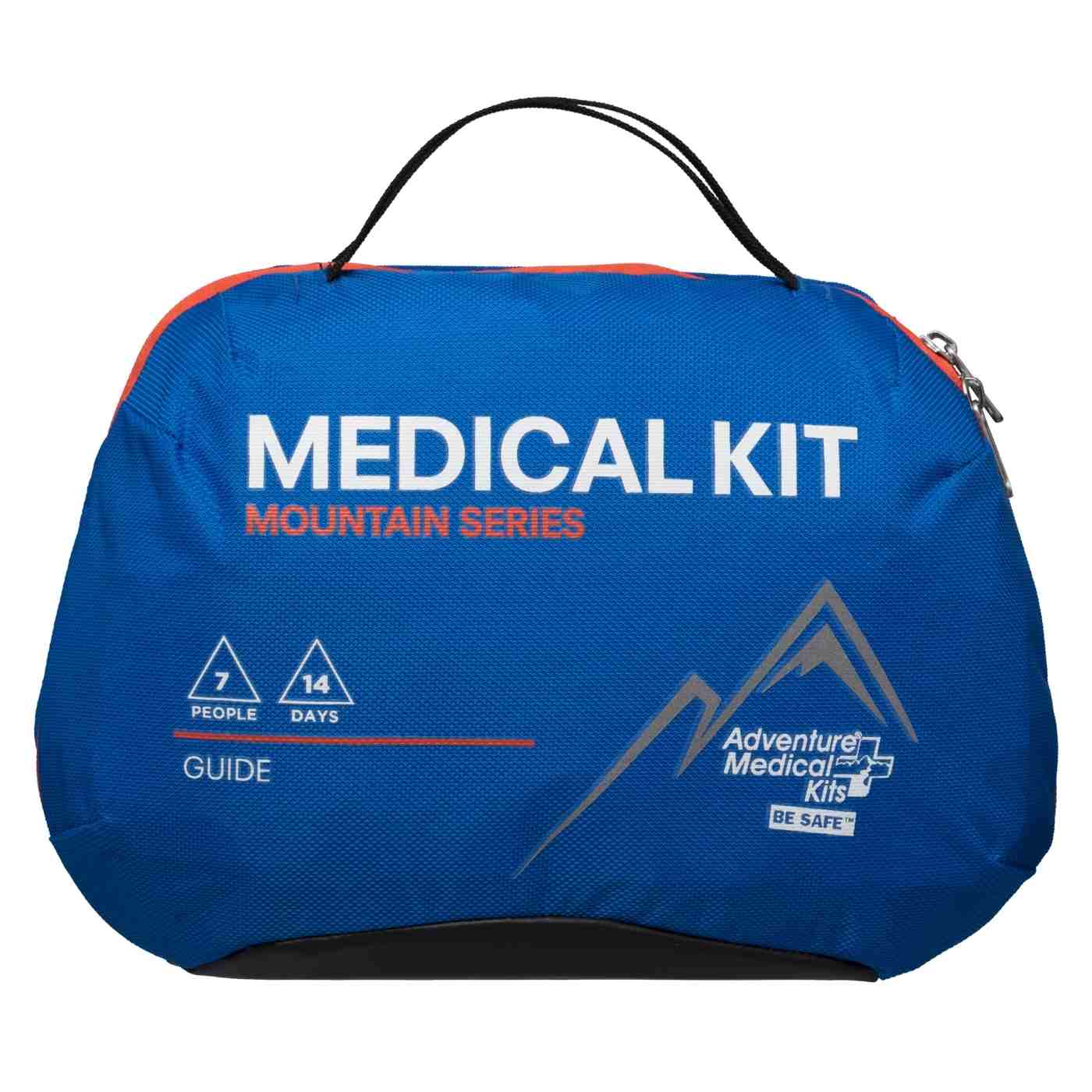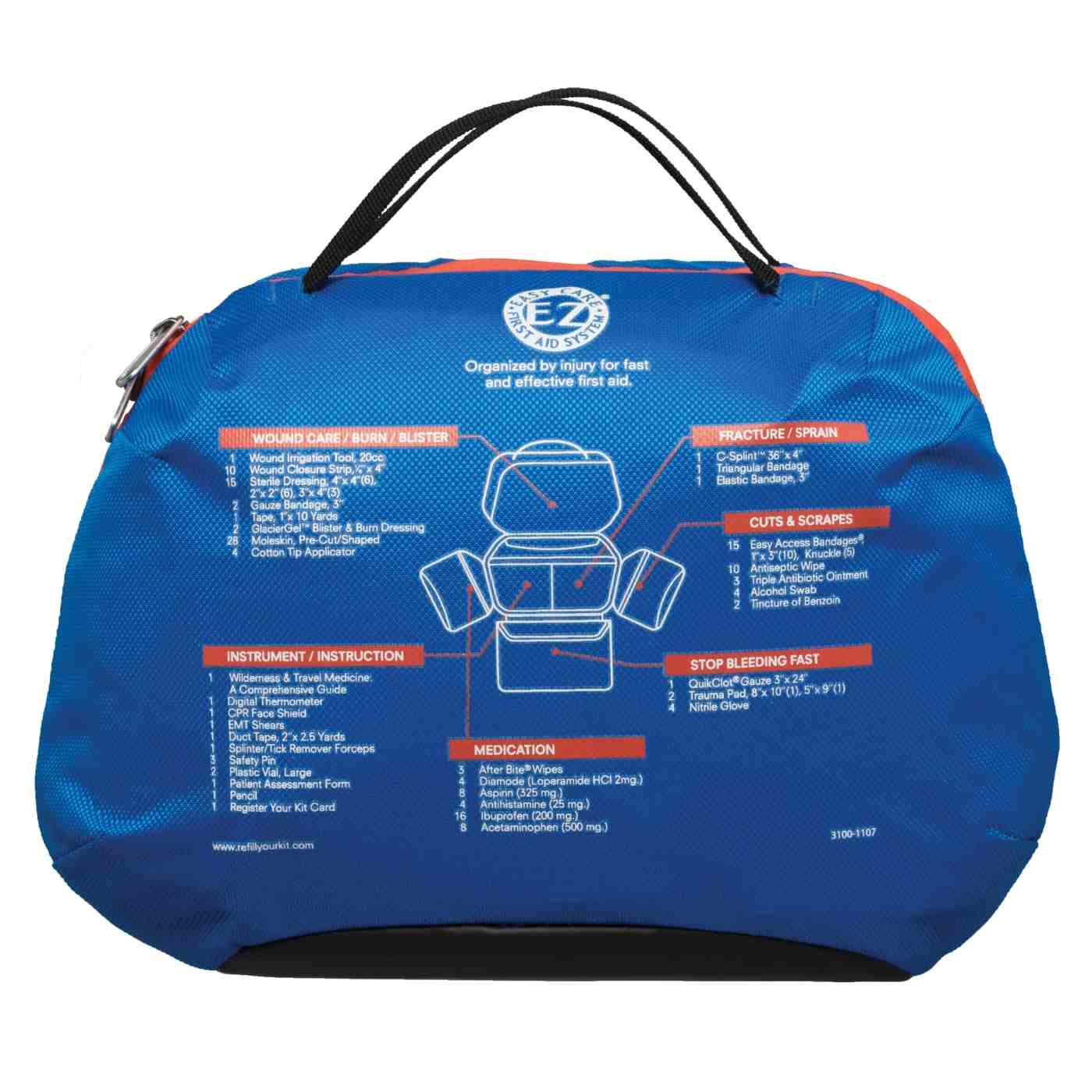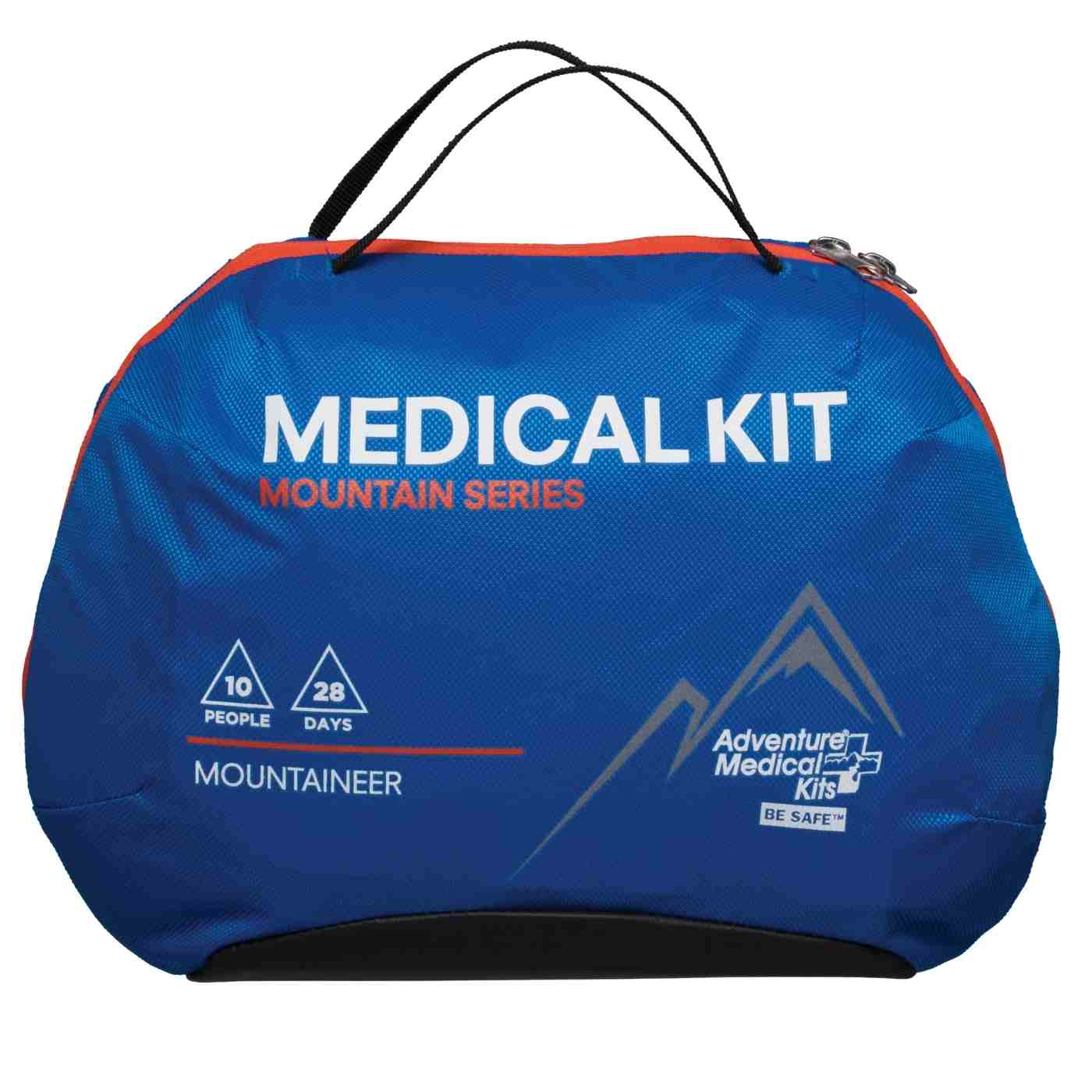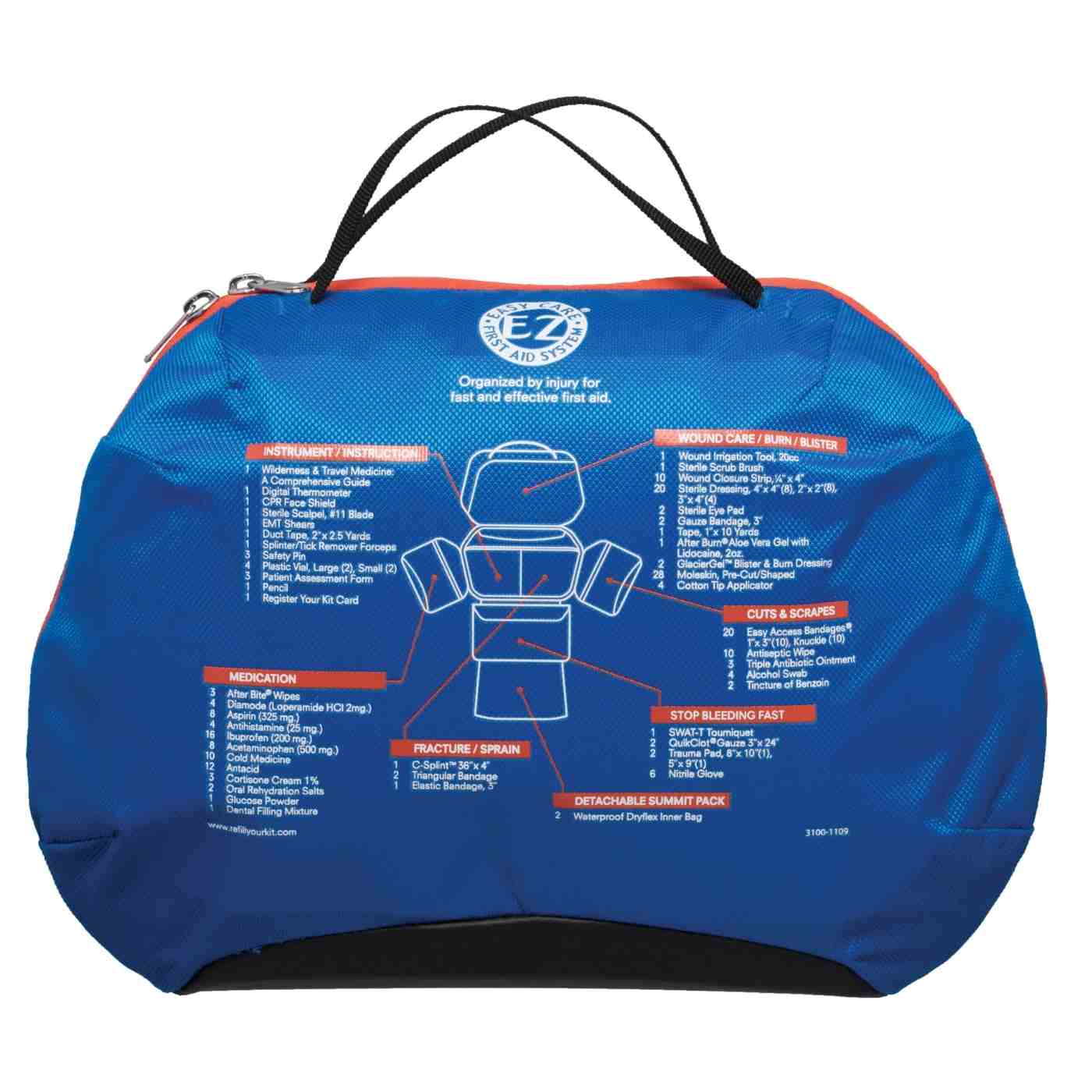


You're standing at the trailhead with a loaded pack, a phone with 18 percent battery, and the familiar question of whether that extra layer is overkill. That's the moment where a day hike either feels easy or turns into a scramble. The right answer to what to take on a day hike isn't a pile of random gear, it's a tight system built around safety, weather, navigation, hydration, and a first-aid plan that matches the trail.
The old hiking framework still works because it keeps people honest. REI's day-hiking guidance names the core checklist items, including a hiking pack, weather-appropriate clothing, hiking footwear, food, water, navigation tools, a first-aid kit, and a knife or multi-tool, with the rest of the Ten Essentials added as appropriate for the hike REI's day hiking checklist. That “as appropriate for your hike” part matters. A shaded neighborhood loop and a hot, exposed ridge are not the same outing, and your pack shouldn't pretend they are.
What follows groups those essentials into five practical categories, with the first-aid pieces given real weight because that's where a lot of day hikers underpack. For planning context, outdoor guidance commonly treats water as a core item, not a comfort item, and one useful benchmark is about 1 liter for every 5 miles Appalachian Trail Conservancy day hike checklist. That's the kind of specific rule that keeps a “short hike” from becoming a long problem.
Table of Contents
- 1. Mountain Series Medical Kit - Hiker
- 2. Mountain Series Medical Kit - Day Tripper Lite
- 3. Adventure Medical Foot Balm
- 4. Mini Medical Kit
- 5. Sportsman Series Medical Kit - 200
- Day-Hike First Aid Kit Comparison
- Hike Smart, Hike Safe, and Have Fun
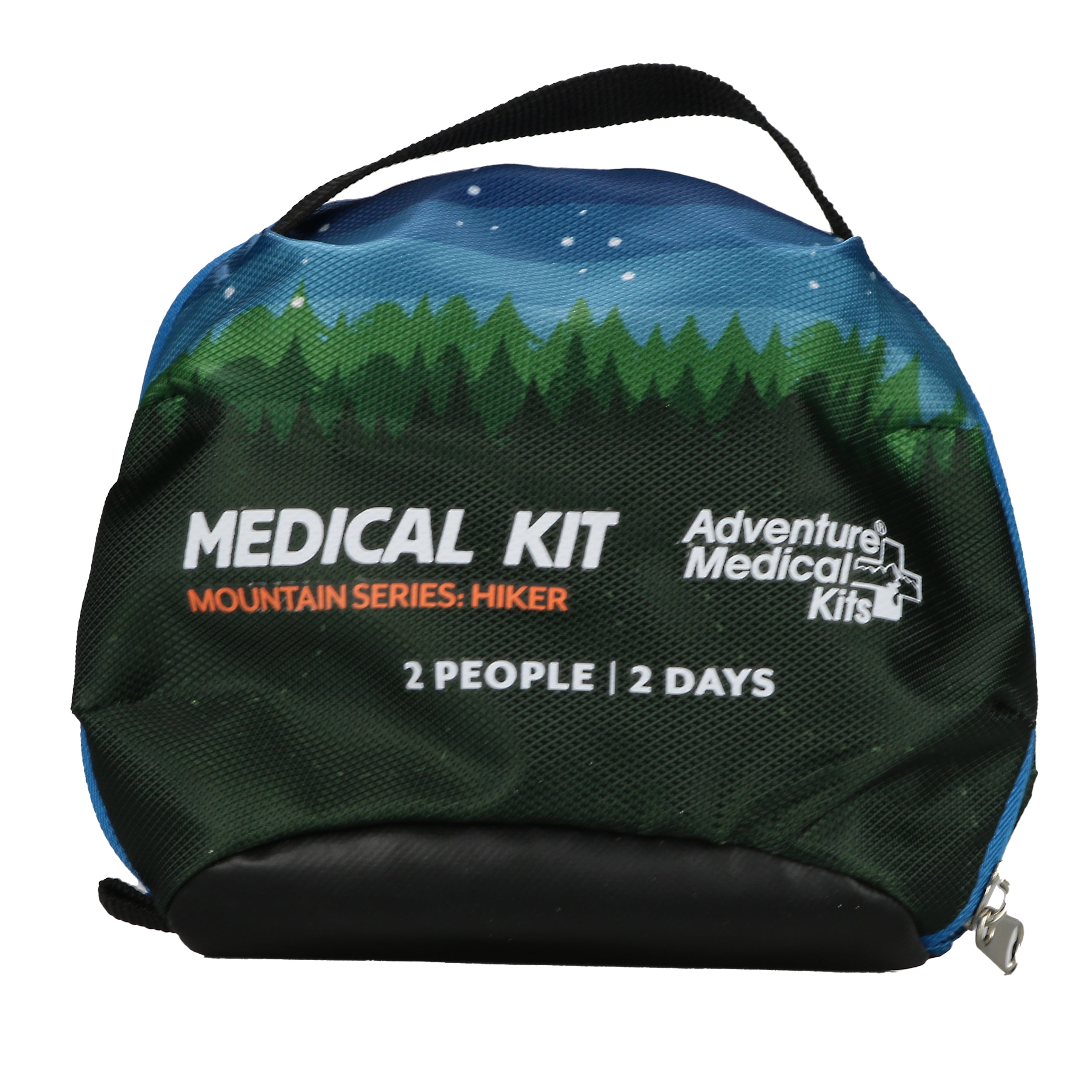
1. Mountain Series Medical Kit - Hiker

The first thing to get right on a day hike is the response plan, not the snack bag. A small cut, a blister, a twisted ankle, or a sudden stomach issue does not feel dramatic until you are still several miles from the car. That is why a well-organized kit belongs near the top of any what to take on a day hike list, especially when the outing is long enough for a simple inconvenience to become a retreat.
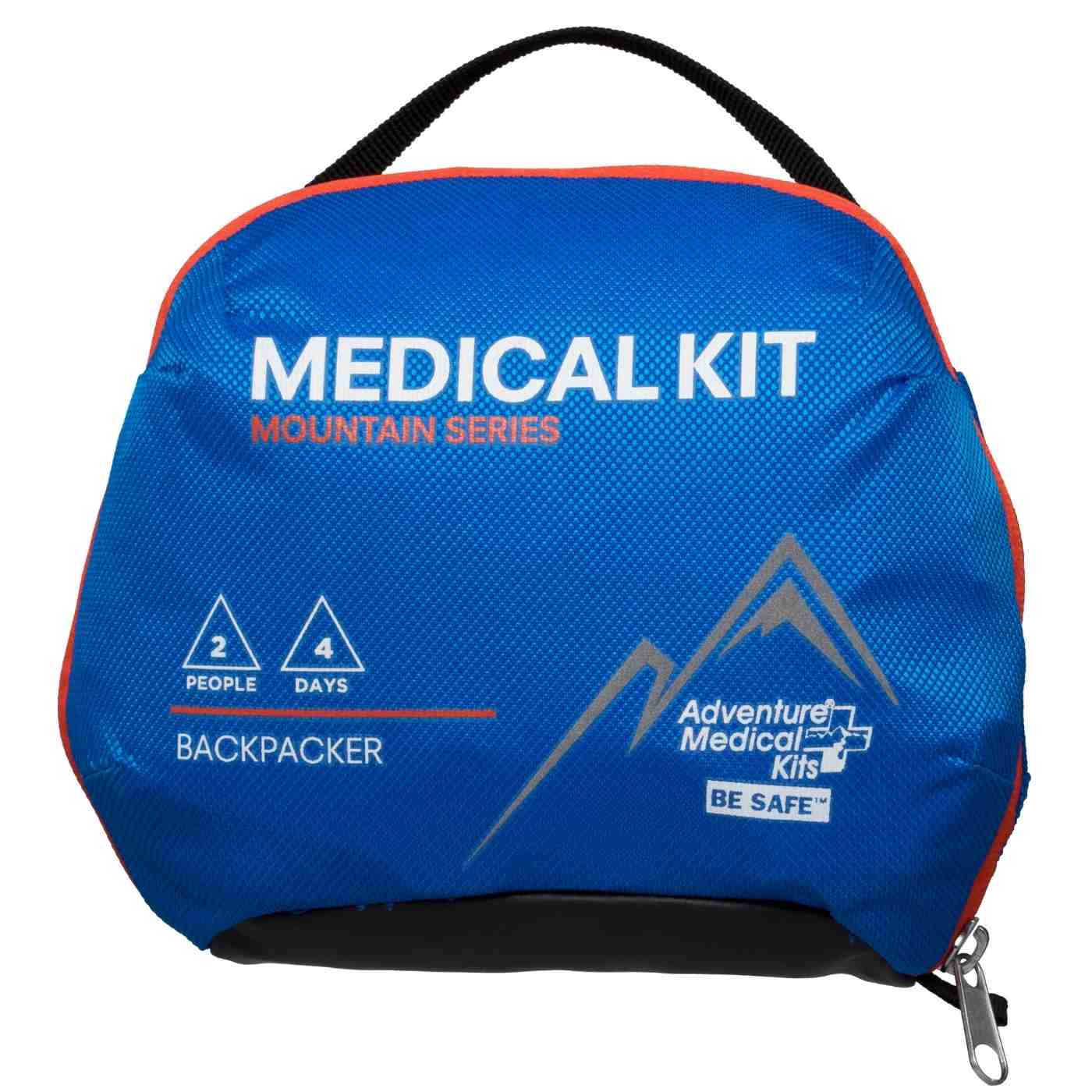
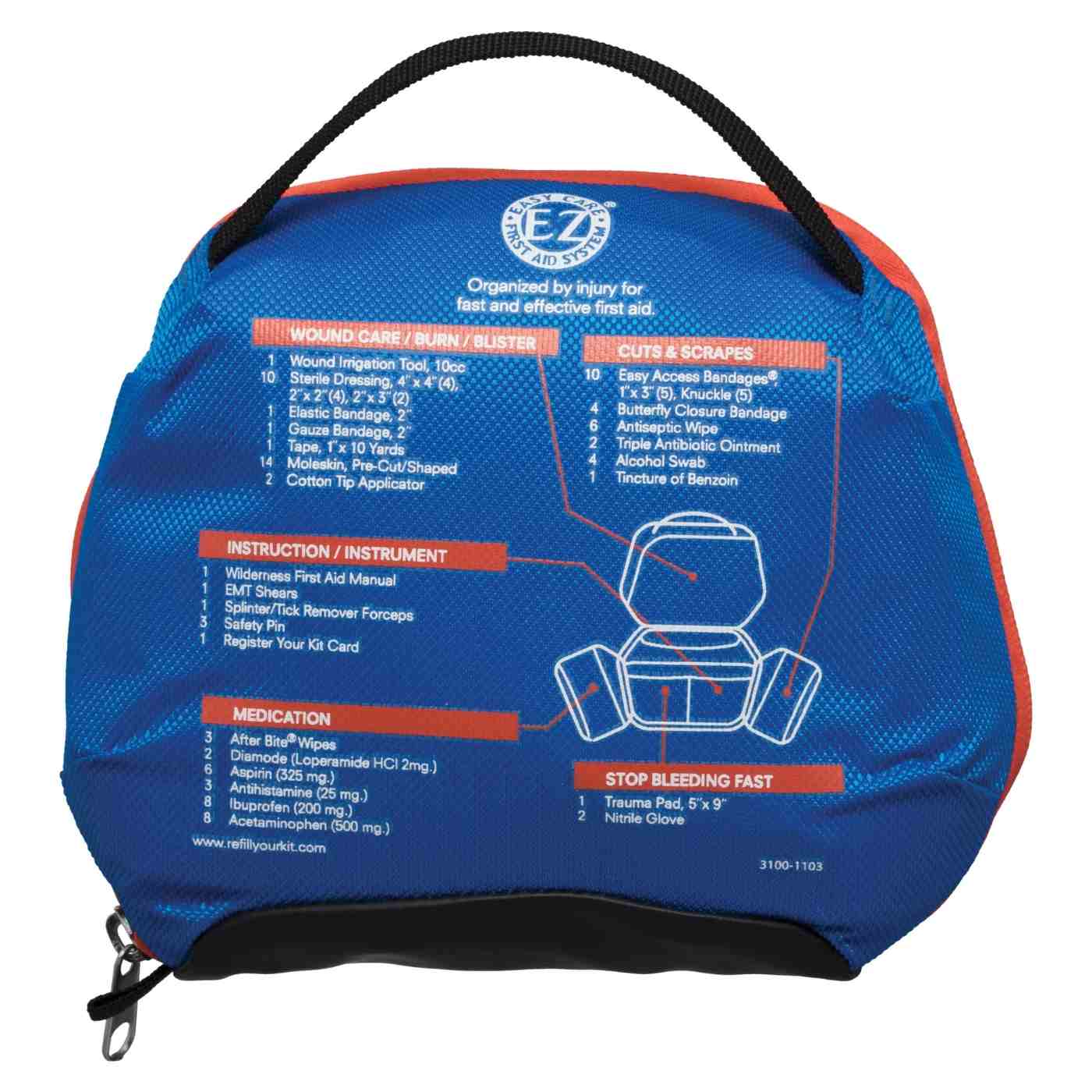
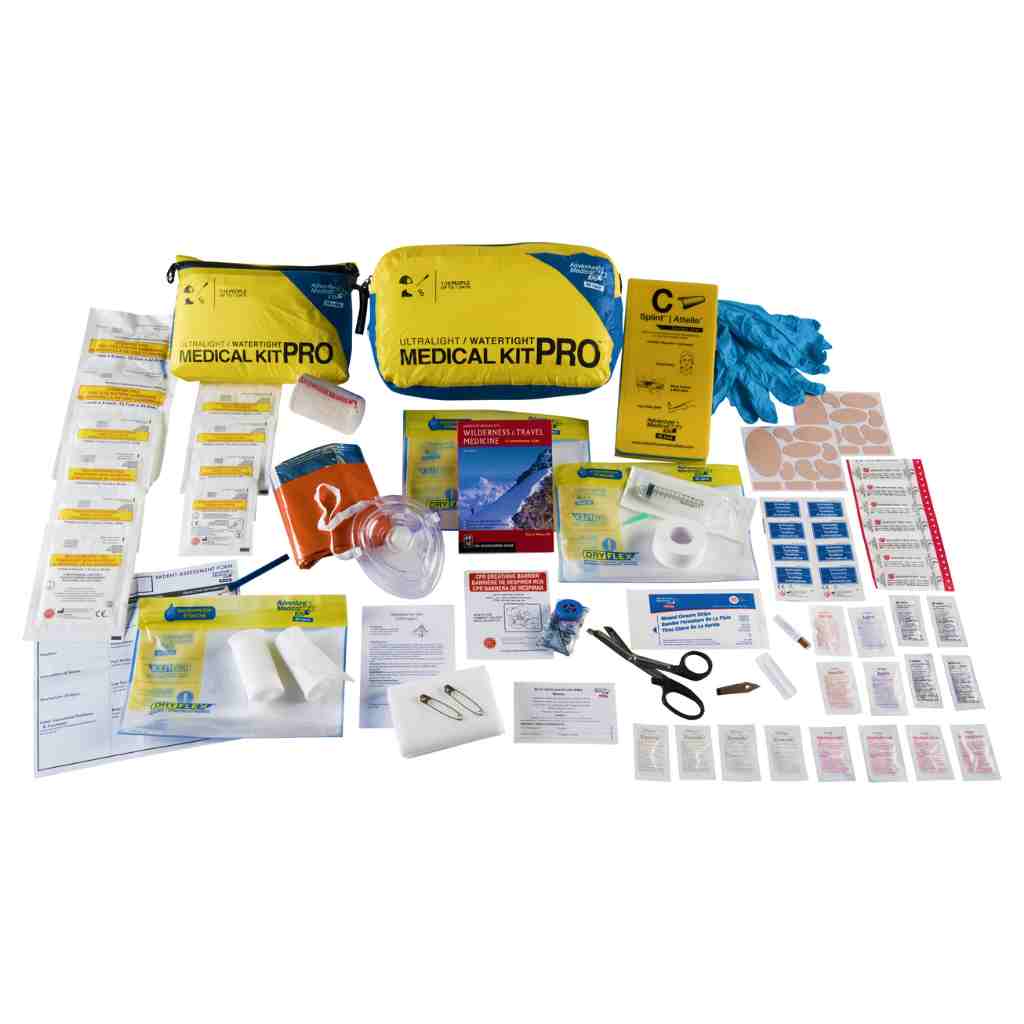
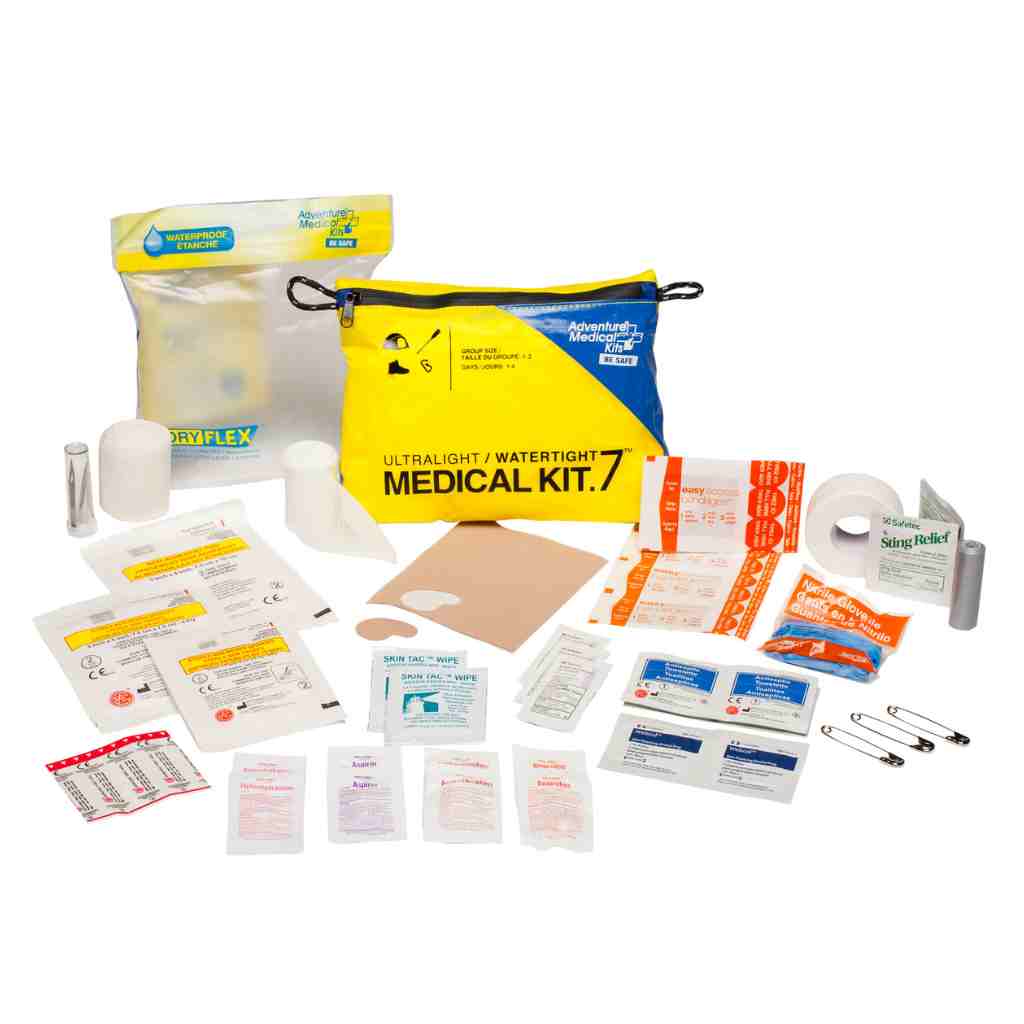
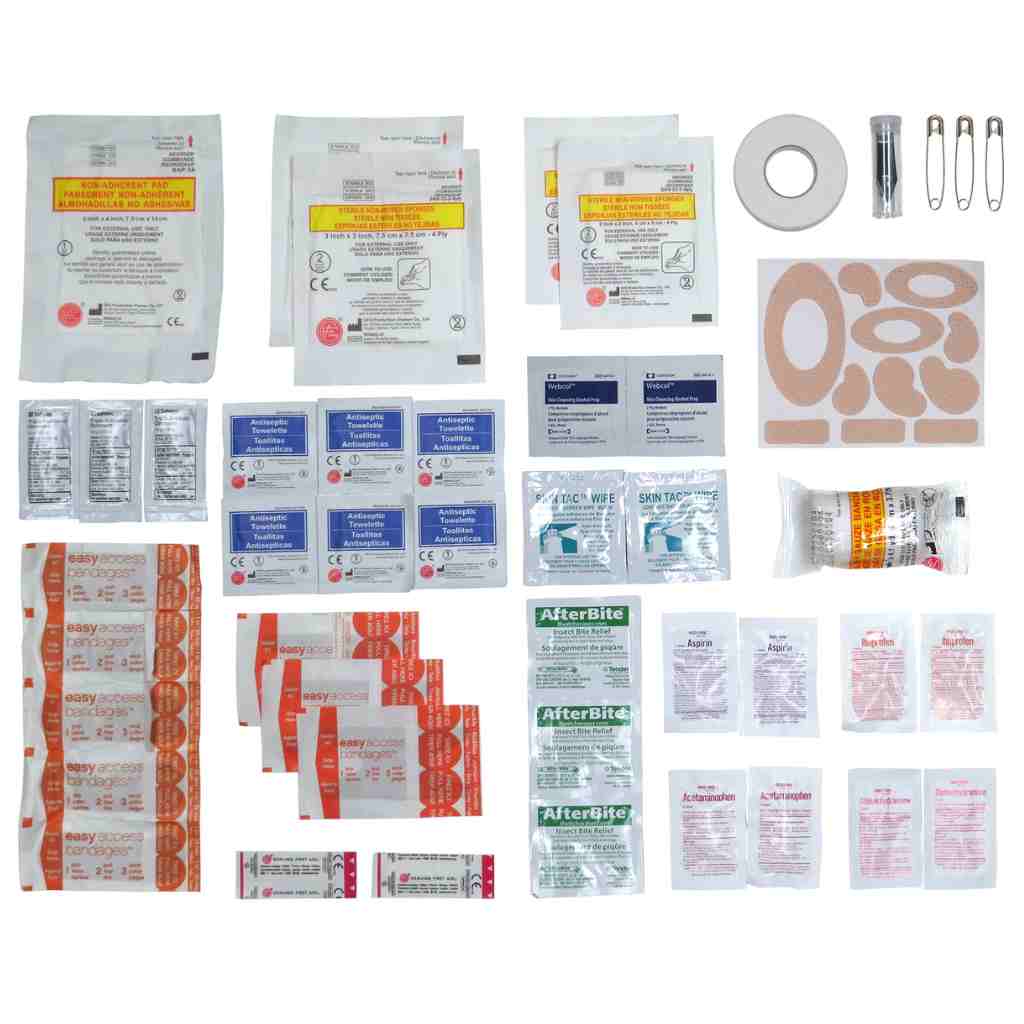
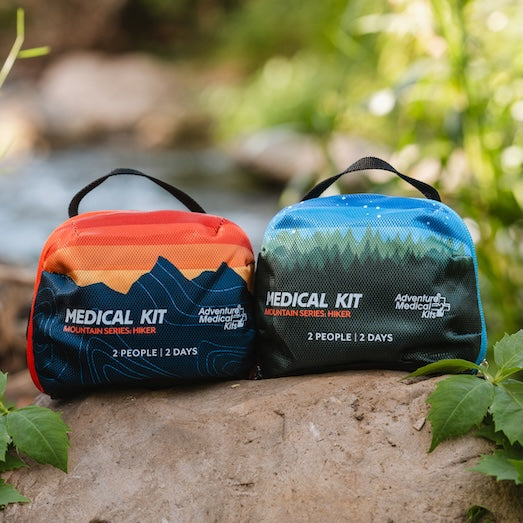
Mountain Series Medical Kit - Hiker is built for that kind of trail reality. It is positioned as a compact hiking first-aid kit for a weekend on the trail, with supplies chosen for common on-the-trail injuries and illnesses, and it is offered in limited edition designs for hikers who want their gear to be easy to spot in the pack. The practical upside is simple. When the wind picks up or someone says they are slowing down, the kit is already organized and ready.
Why this kit fits a day hike system
A day hiker does not need a giant medical chest. A day hiker needs a kit that opens fast, stays contained, and covers the problems that happen. That makes the Hiker more useful than bulky general-purpose boxes that get shoved to the bottom of a closet and never leave home.
Adventure Medical Kits also publishes a behind-the-scenes look at what experienced users pack in the Mountain Series Recharged lineup, which is useful for seeing how a trail-first medical system is meant to be carried in real life what experts pack the Mountain Series Recharged. The larger point is straightforward, organized medical gear works because it removes friction. If the kit is hard to open, hard to find, or too bulky to carry, it gets left behind.
Practical rule: If the trail is hot, rocky, or far from a trailhead, the first-aid kit stops being optional baggage and becomes part of the hike plan.
The Hiker makes sense for hikers who want one kit that covers two people without turning the pack into a brick. It also fits the broader Ten Essentials approach better than a loose scatter of bandages and pills. Day hikers often think of first aid as a small backup. In practice, it is one of the few items that can make a bad situation manageable without ending the day early.
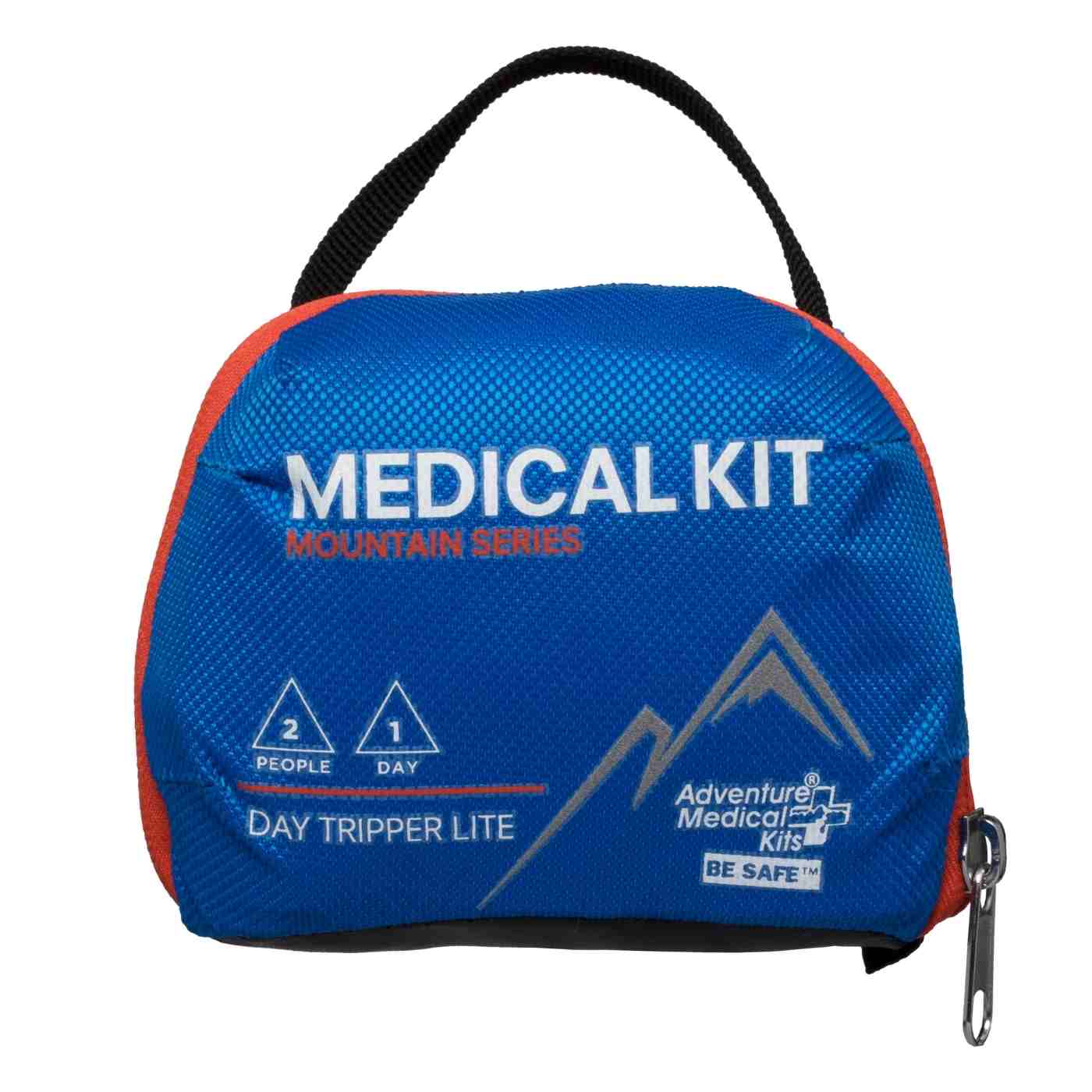
2. Mountain Series Medical Kit - Day Tripper Lite
A lighter kit often wins on short trips, but only if it's there when someone needs it. That's the trade-off in choosing what to take on a day hike. The smallest packable option is no help if it's so minimal that the most common trail injuries outgrow it the moment they happen.
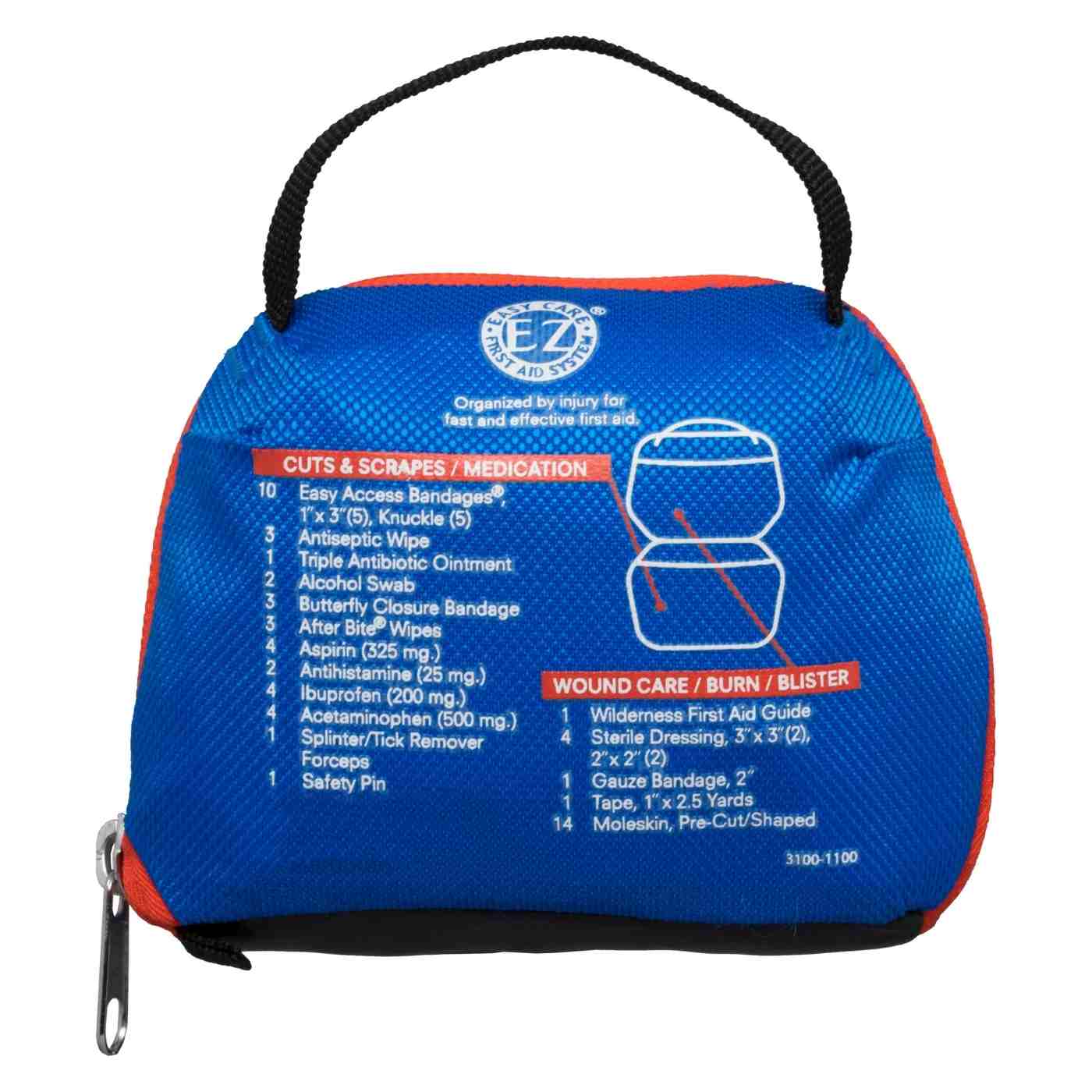
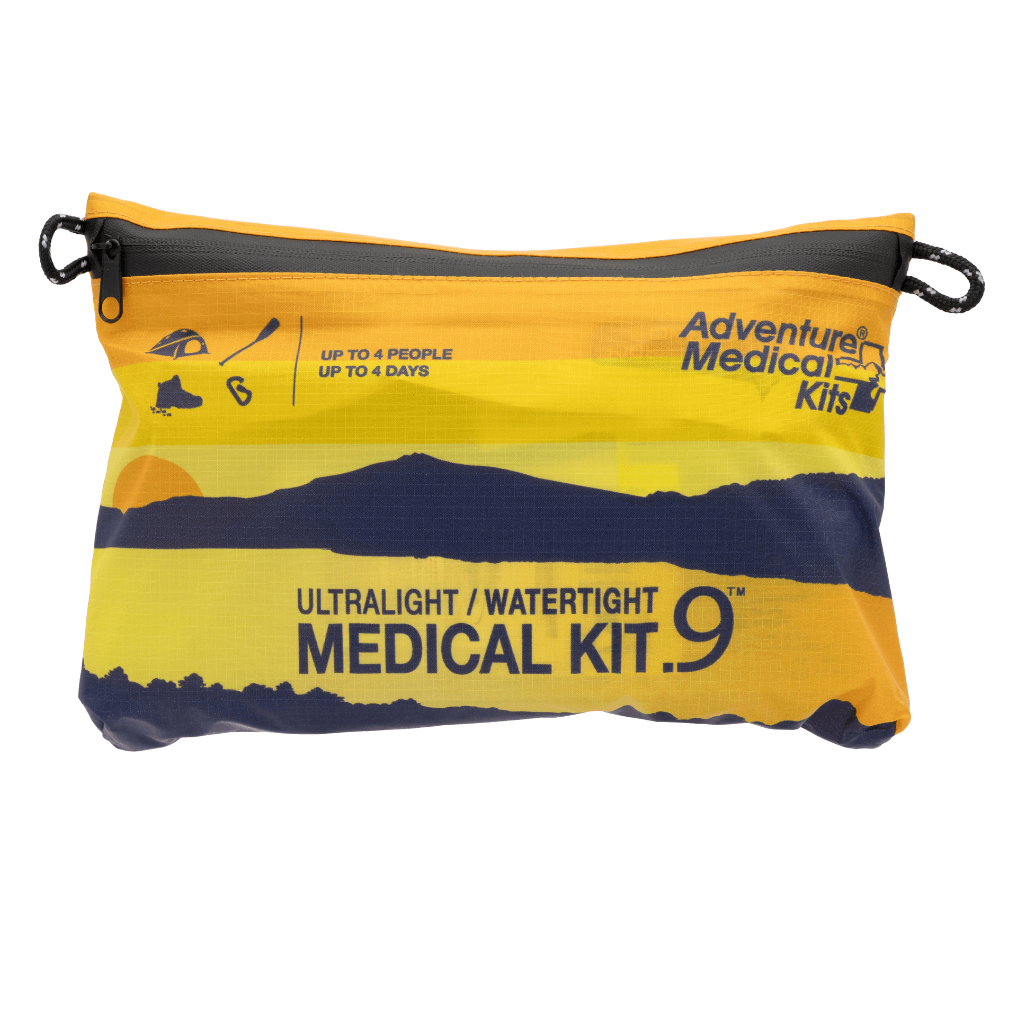
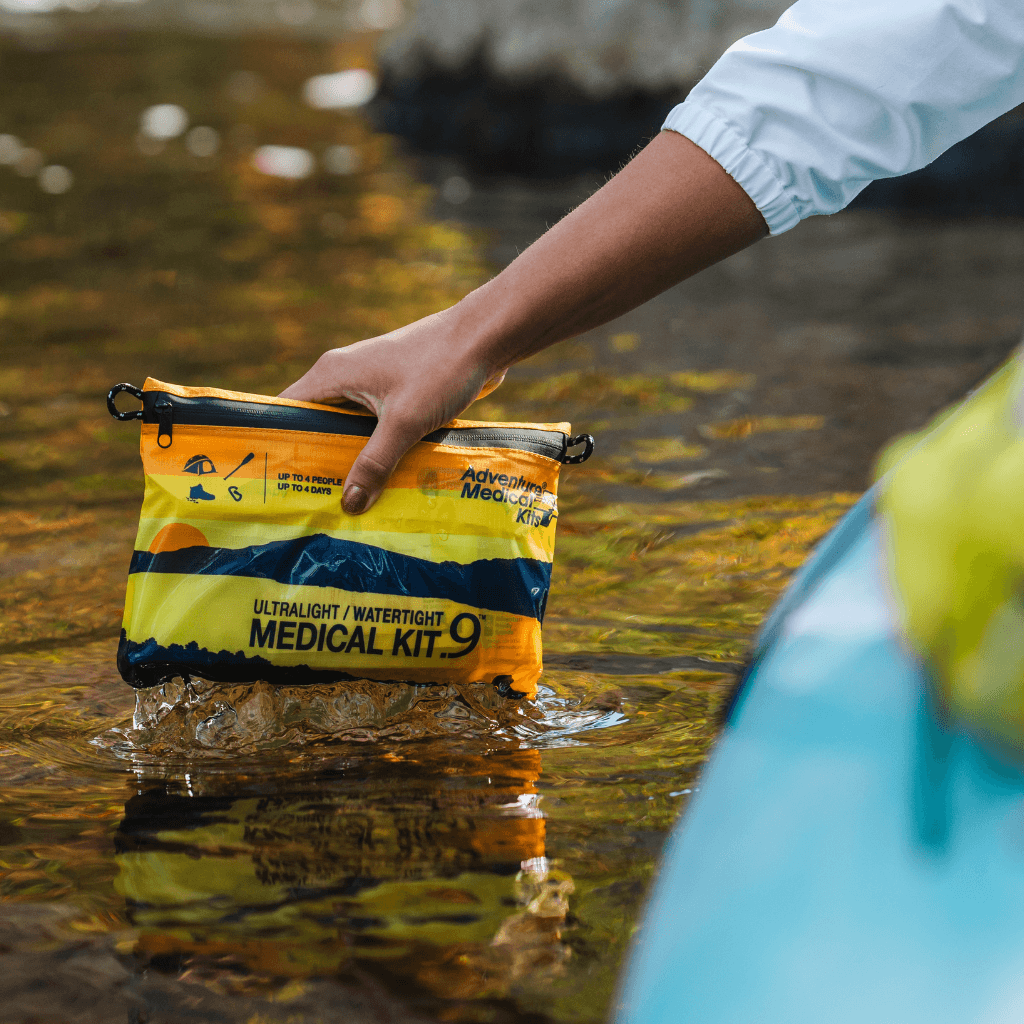
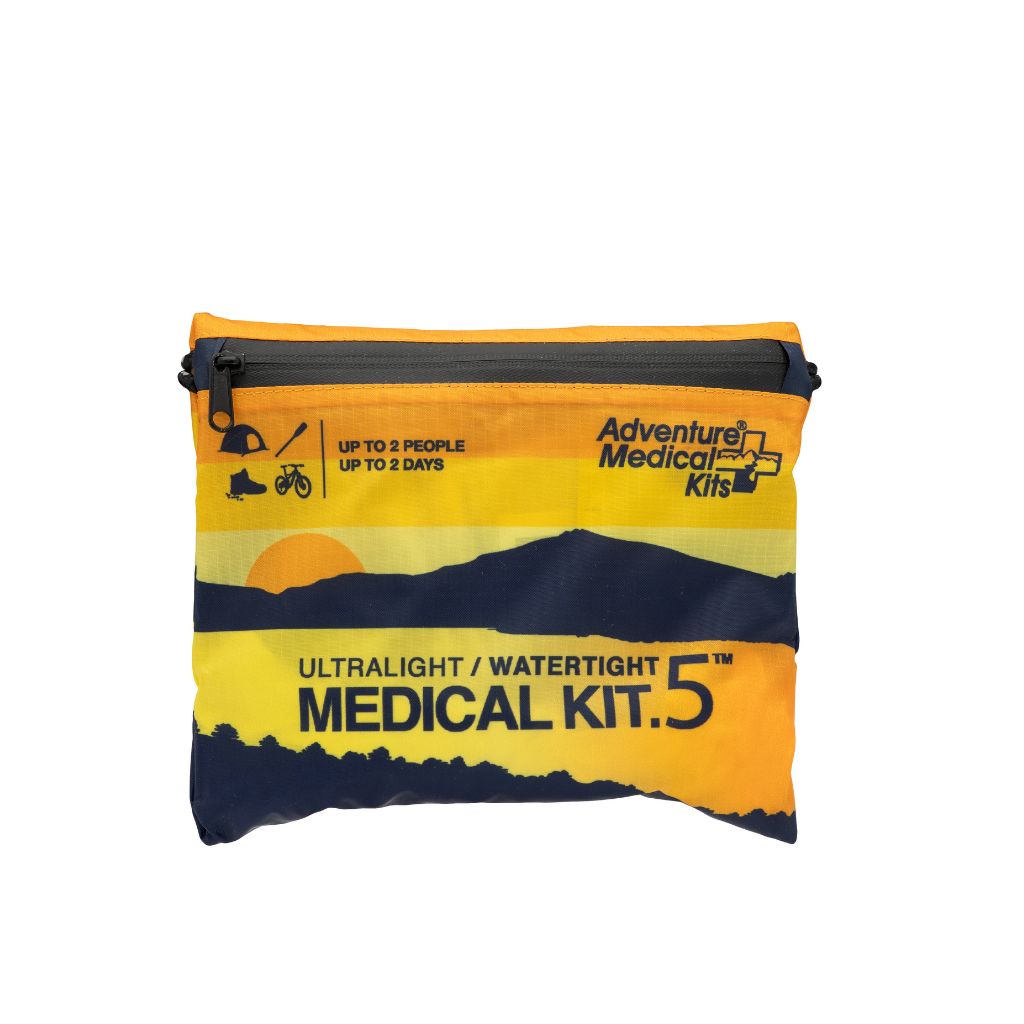
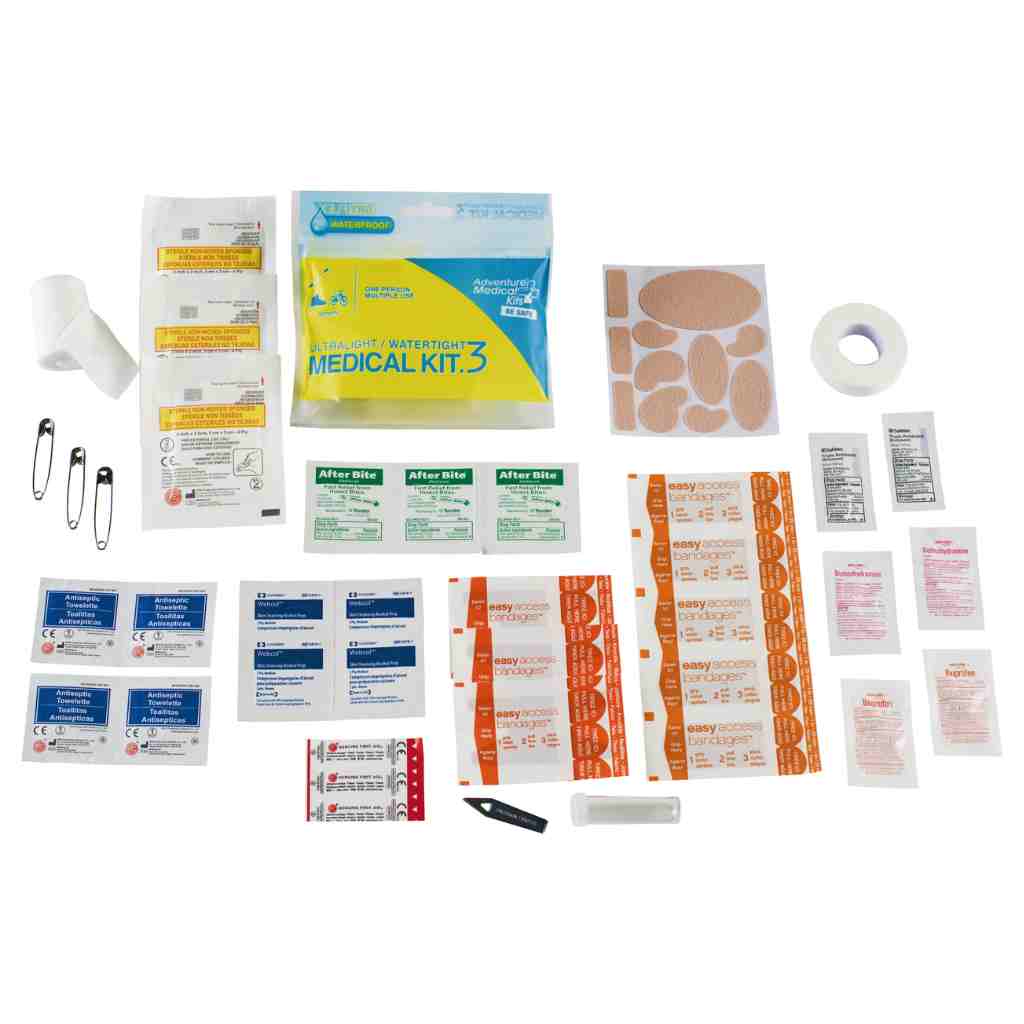
The Mountain Series Medical Kit - Day Tripper Lite is the clean answer for hikers who want a compact, water-resistant first-aid kit without dragging along extra weight. It's described as an ultralight, compact day-hike kit designed for the most common trail injuries. That makes it the better fit for solo hikes, short out-and-backs, and those days when the pack is already carrying enough water, layers, and food.
Where ultralight helps, and where it doesn't
Ultralight first aid should never mean underprepared. It should mean smarter packing. If the route is well-traveled and close to a trailhead, a compact kit can make more sense than a larger setup, especially when the goal is to keep essentials accessible rather than buried under unused extras.
That logic matches the broader hiking market, too. Day hiking is the largest application segment in the global hiking accessories market, with 42% market share in 2024, while backpacks and bags were the largest product category at 28% Emergen Research hiking accessories market. That's a strong signal that hikers want lightweight carry systems and short-trip essentials, not expedition baggage. The Day Tripper Lite fits that mindset well because it supports a compact carry without pretending the trail can't still surprise someone.
A good day-hike kit should also stay easy to reach. A knee scrape or blister rarely becomes urgent at a convenient moment. The best system is the one that comes out quickly, gets used quickly, and goes back into the pack without a mess. That's where a simple, water-resistant layout beats a bigger bag stuffed with items nobody can find in a hurry.
For hikers who like to keep a pack lean, this is the kind of kit that matches the rest of the loadout. It pairs well with a basic navigation setup, enough water for the route, and clothing that keeps the body from overheating or cooling too fast. It doesn't try to do everything. It just covers the problems that show up most often.
3. Adventure Medical Foot Balm
Blisters don't care how fit someone is, they care how much friction builds up over miles. That makes foot care one of the most overlooked parts of what to take on a day hike. A day hiker can have the right boots, the right socks, and still end up with hot spots if feet are wet, swollen, or rubbing in the wrong place.
Adventure Medical Foot Balm is built for prevention and recovery, which is exactly how foot care should work on trail. The balm is meant to reduce friction, protect against blistering and chafing, and soothe dry or irritated skin with a moisturizing blend that includes oatmeal, coconut oil, and Vitamin E. The mess-free stick format matters more than people expect. Hands stay cleaner, the balm is easier to use in camp or at a trail break, and it won't turn into another loose item floating around the pack.
Why foot care belongs in the main kit
The mistake hikers make is treating foot care like a post-hike luxury. By the time a blister is obvious, the damage already started. The better move is to manage pressure points before they become a reason to limp back to the car.
That's why blister prevention deserves its own lane, not just a few bandages at the bottom of a pouch. Adventure Medical Kits explains blister prevention and treatment in its hiking-focused guidance on preventing and treating blisters while hiking how to prevent and treat blisters while hiking. The takeaway is simple. A good day-hike system includes both the supplies for treating the problem and the products that help avoid it in the first place.
Dry feet and reduced friction solve more trail problems than most hikers want to admit.
For desert heat, humid trails, or long descents, a balm like this is one of the smarter comfort items to carry. It doesn't replace good socks or proper footwear. It makes those choices work better. And because it packs small, it doesn't create the usual excuse that foot care takes up too much space.
The broader hydration and comfort picture matters here too. The Appalachian Trail Conservancy says a day hiker should start with about 2 to 3 liters of water and add purification options if the route runs longer than expected Appalachian Trail Conservancy day hike checklist. If feet are swelling, skin is rubbing, and the day is getting longer, comfort gear stops being extra. It becomes part of safe decision-making.
4. Mini Medical Kit
A short trail can still turn into a messy day if the right supplies are buried under snacks, layers, and water. Small cuts, scraped knuckles, and early blisters are easy to shrug off until they start changing how you walk or hold a pole. A compact kit keeps first aid close enough to use before a minor problem becomes the reason the hike slows down.
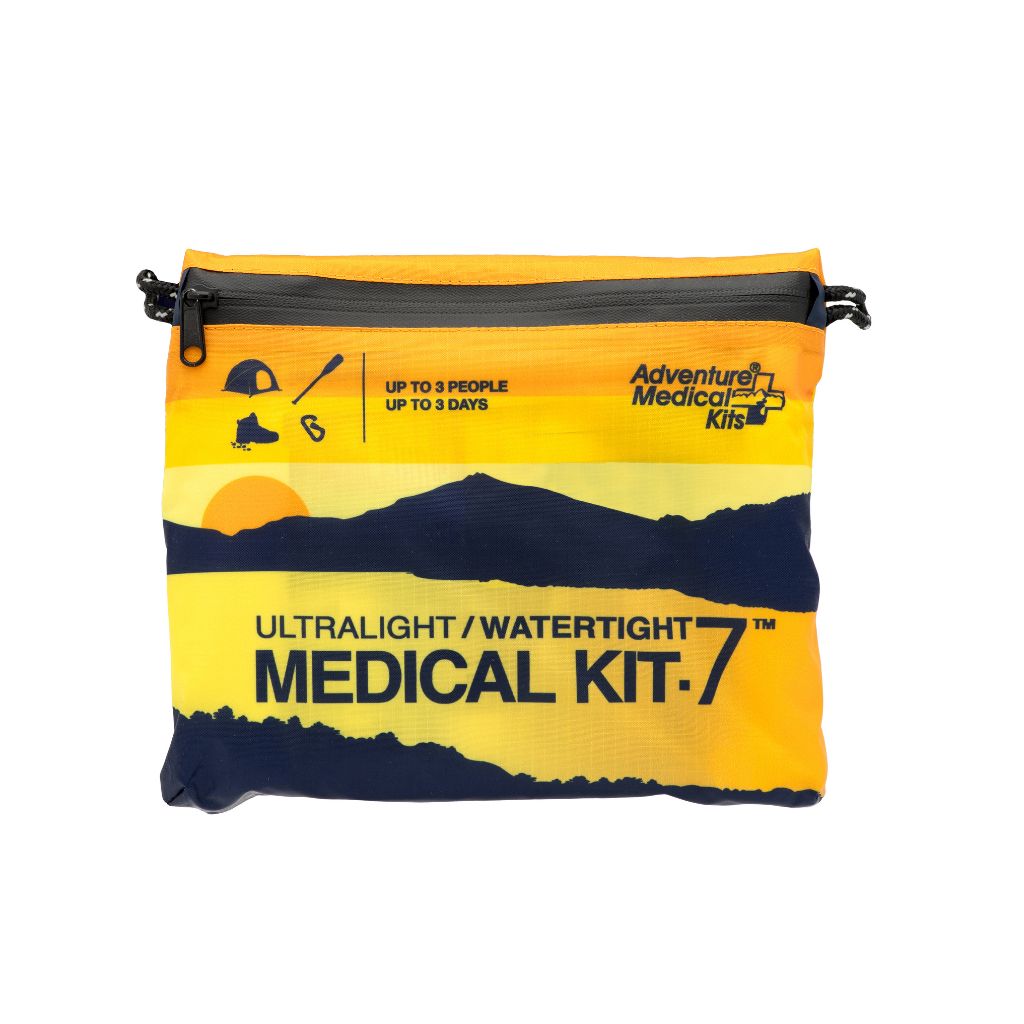
The Mini Medical Kit fits that job well. It uses limited edition designs, clips to a pack with a carabiner, and carries the basics hikers reach for most often. The low profile is part of the point. It stays out of the way on casual hikes, bike rides, and quick day trips, while still giving you a real response to the small injuries that show up on short outings.
Small kits work best when they stay easy to grab
A tiny kit only helps if you can find it fast. Carabiner carry solves a common problem, because the kit does not disappear into the bottom of a pack or get left behind in a glove box. It also keeps first aid visible, which is a good habit for hikers who want to treat gear as part of the day's plan, not as an afterthought.
The contents match the mistakes that show up on relaxed outings, including hot spots, brush scrapes, and the cut you notice only after you have already kept moving. Adventure Medical Kits also reminds hikers not to overlook the small items in a first aid kit, and that point holds up on trail don't forget the little things in your first aid kit. A few small supplies often decide whether a hike stays comfortable or turns into a nuisance.
The Mini Medical Kit also works as a backup layer. It can clip to a child's day pack, ride on a day bag, or stay in a vehicle for last-minute trail stops. That flexibility matters because some hikes start with a clear plan and others start with a quick decision after work. If you hike with pets, the same habit of packing for small problems applies there too, and actionable advice for pet parents belongs in the planning before you hit the trail.
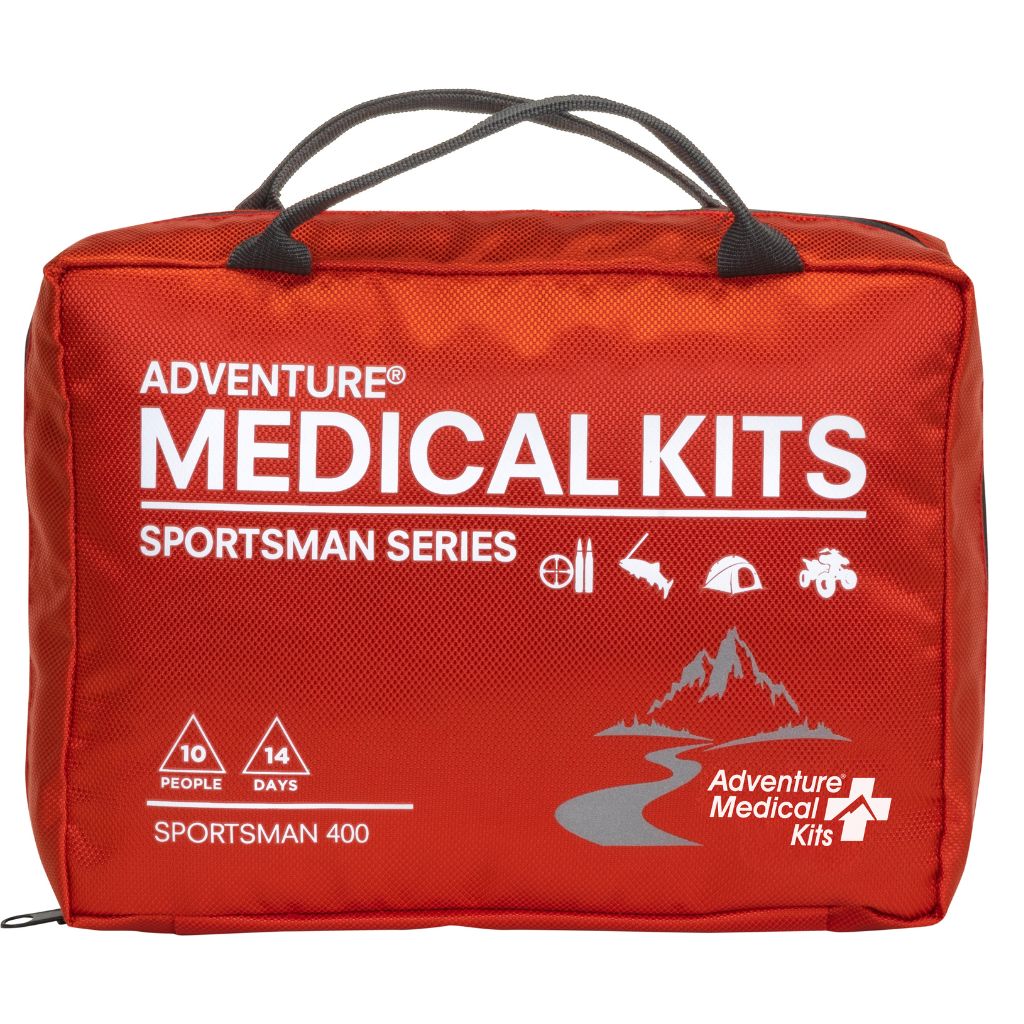
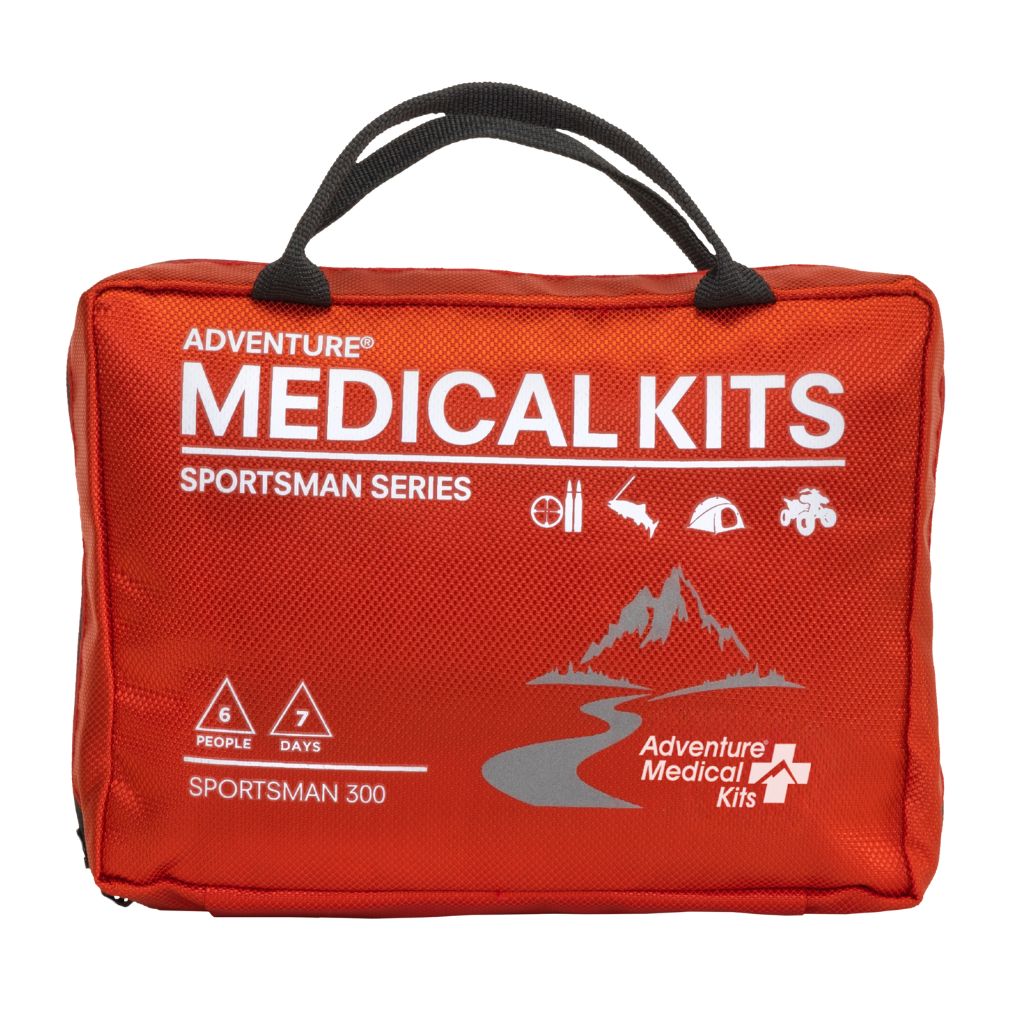
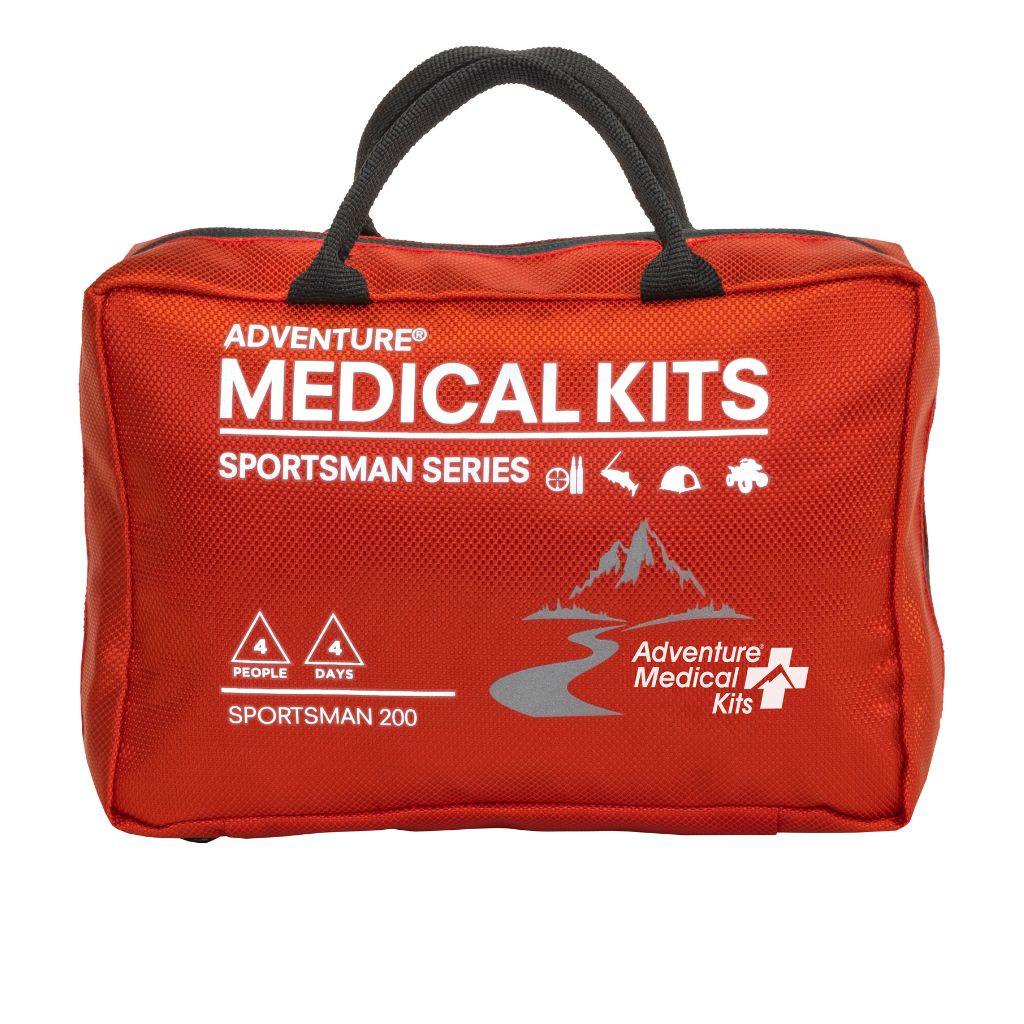
5. Sportsman Series Medical Kit - 200
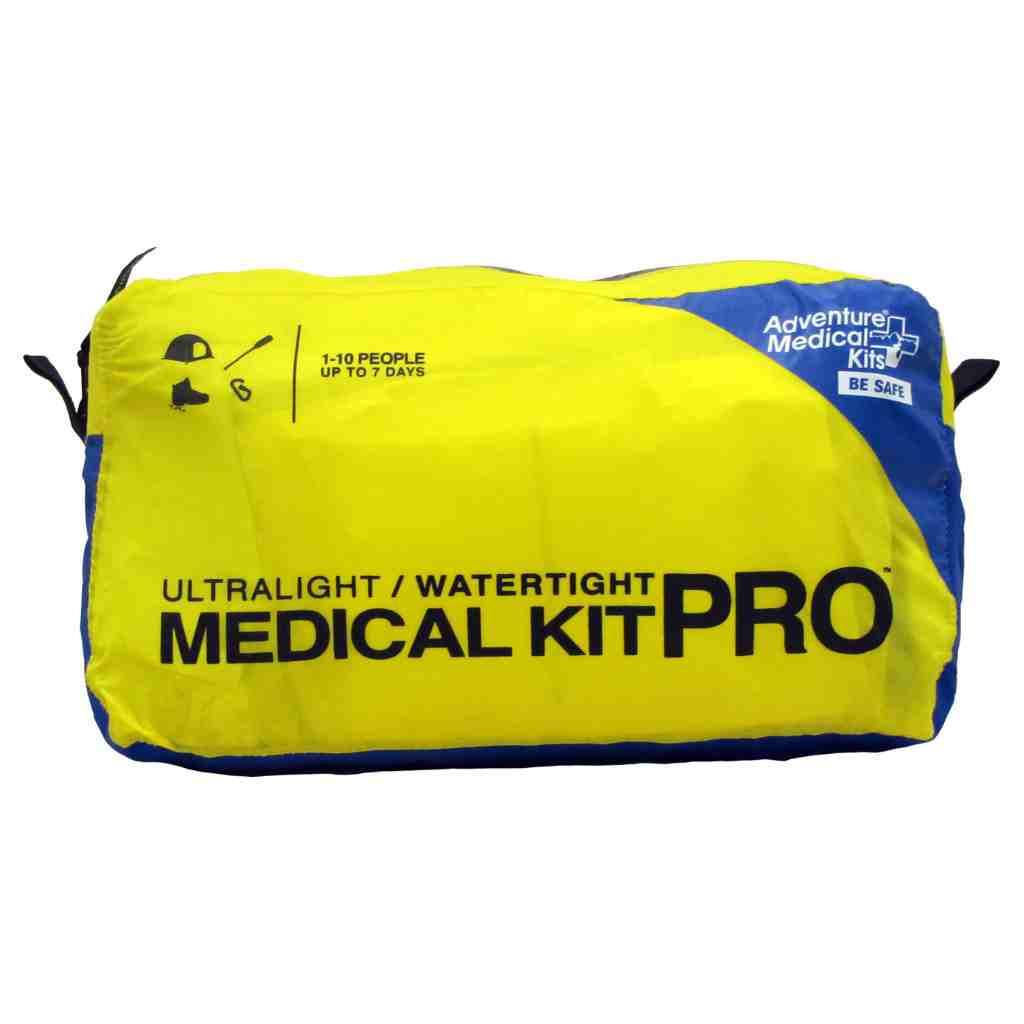
The biggest mistake hikers make with first aid is underestimating group size and trip length. One person on a wooded loop needs different coverage than four people on a four-day outing, even if the mileage looks similar on paper. That's why what to take on a day hike should always be adjusted for how many people are on the trail and how exposed the route is.
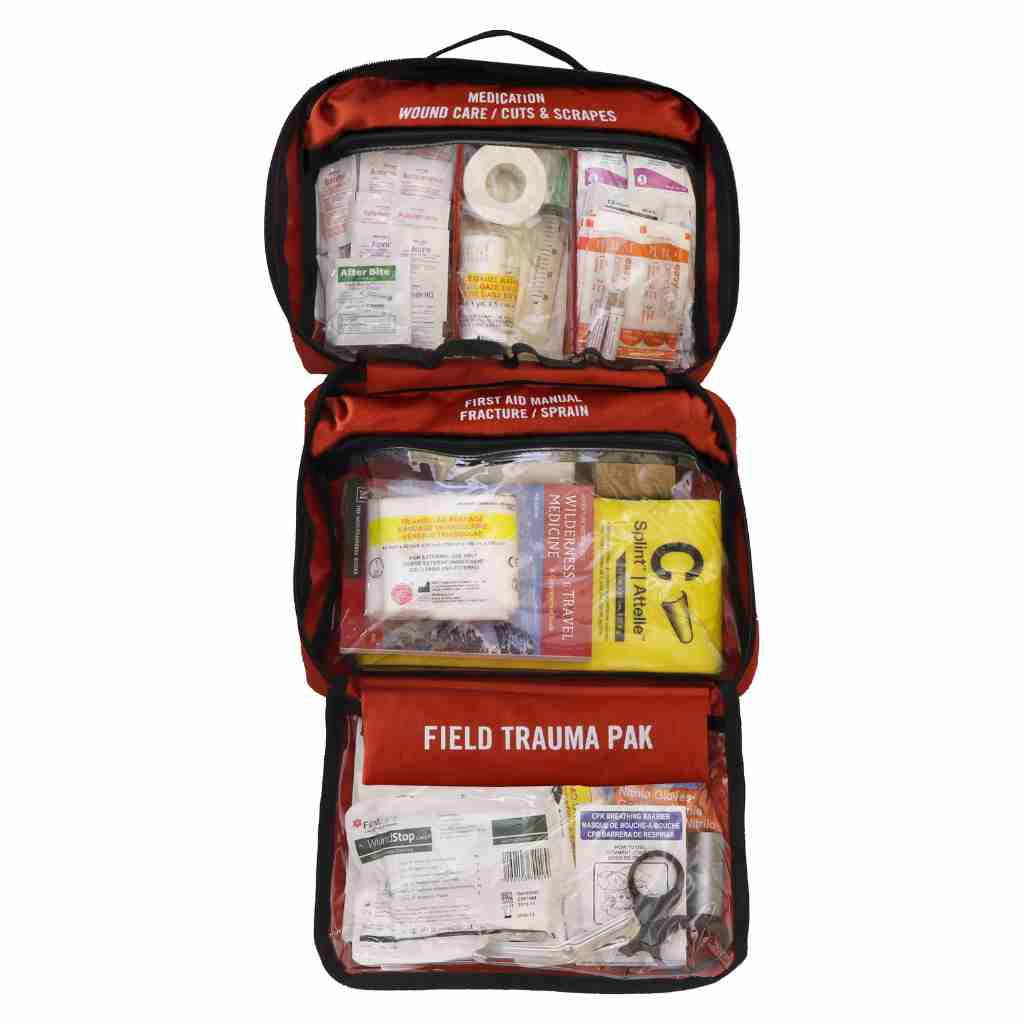
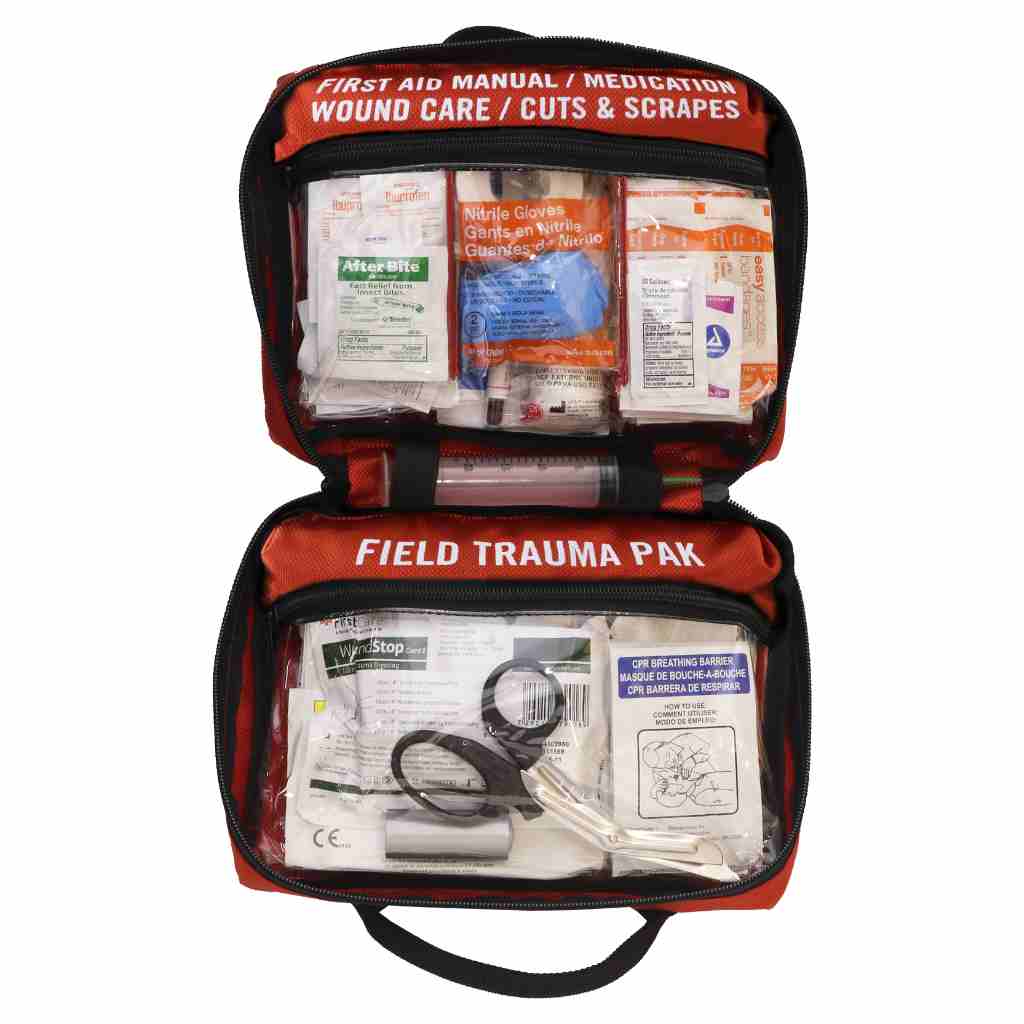
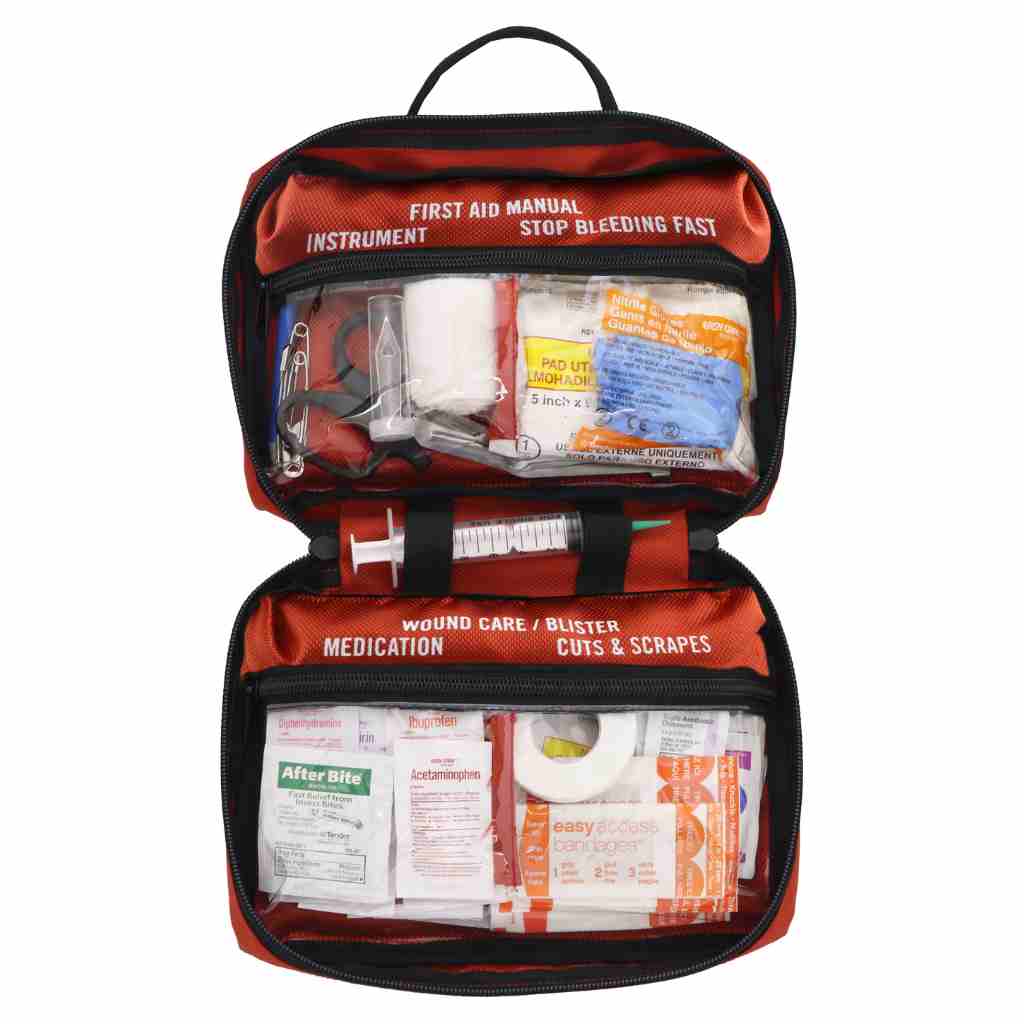
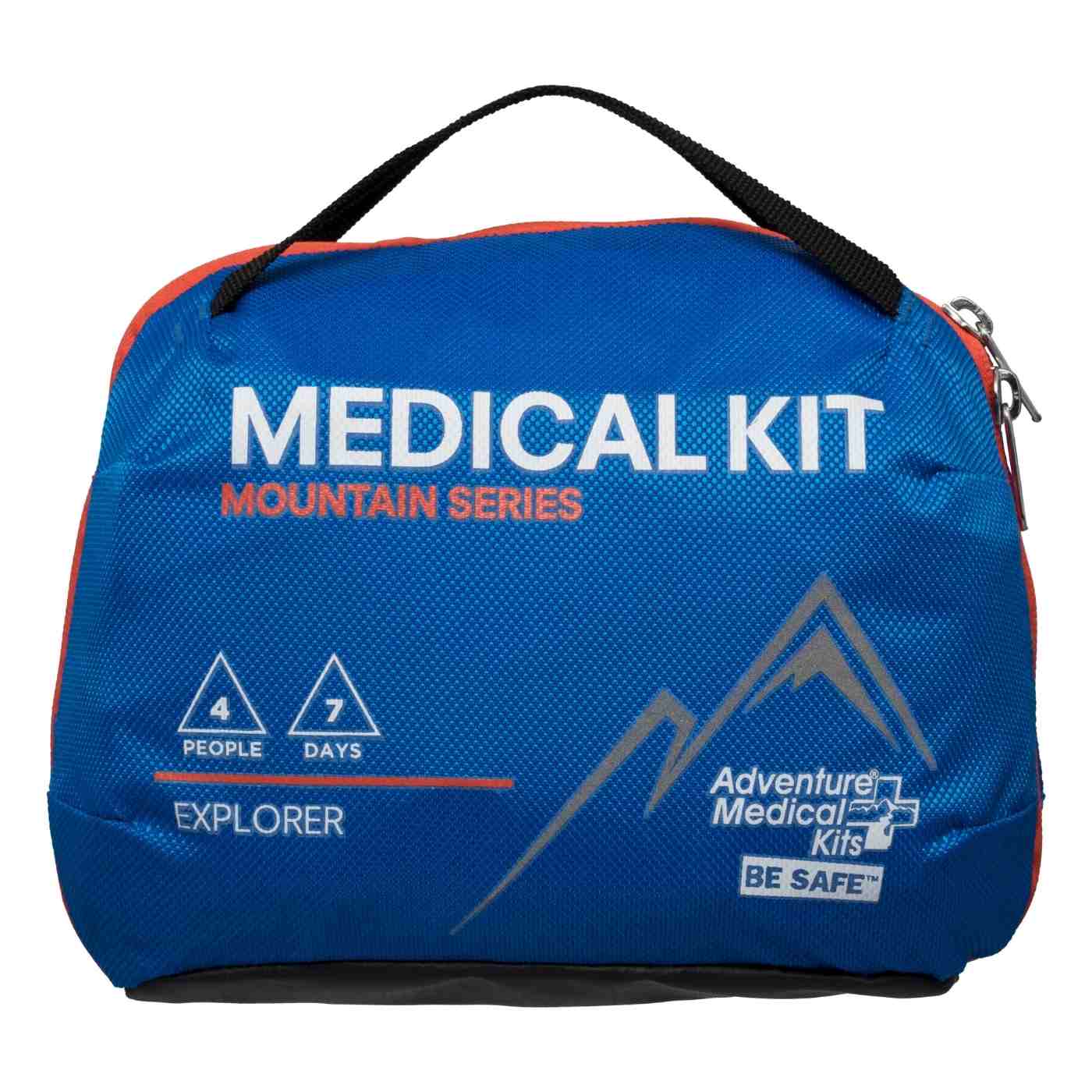
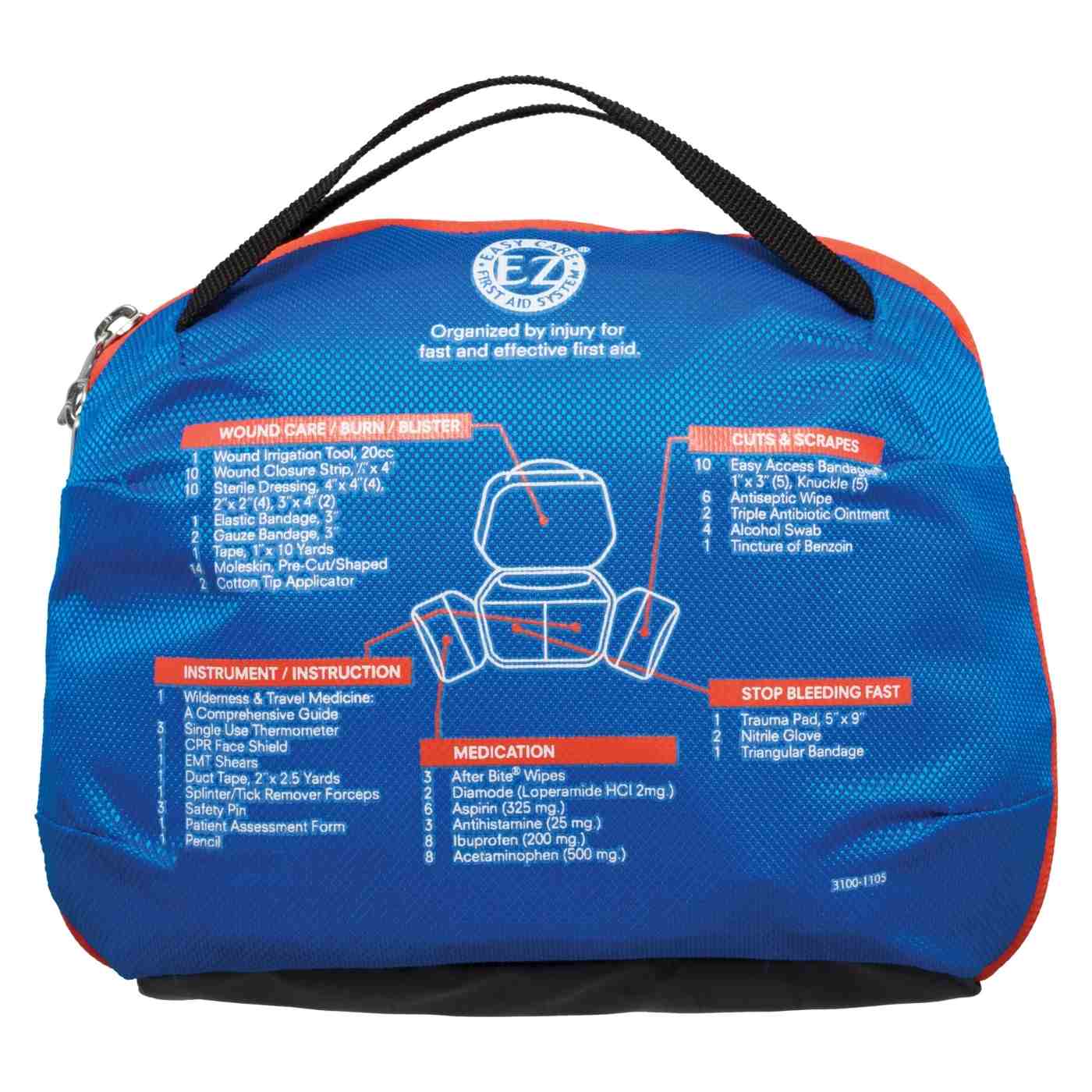
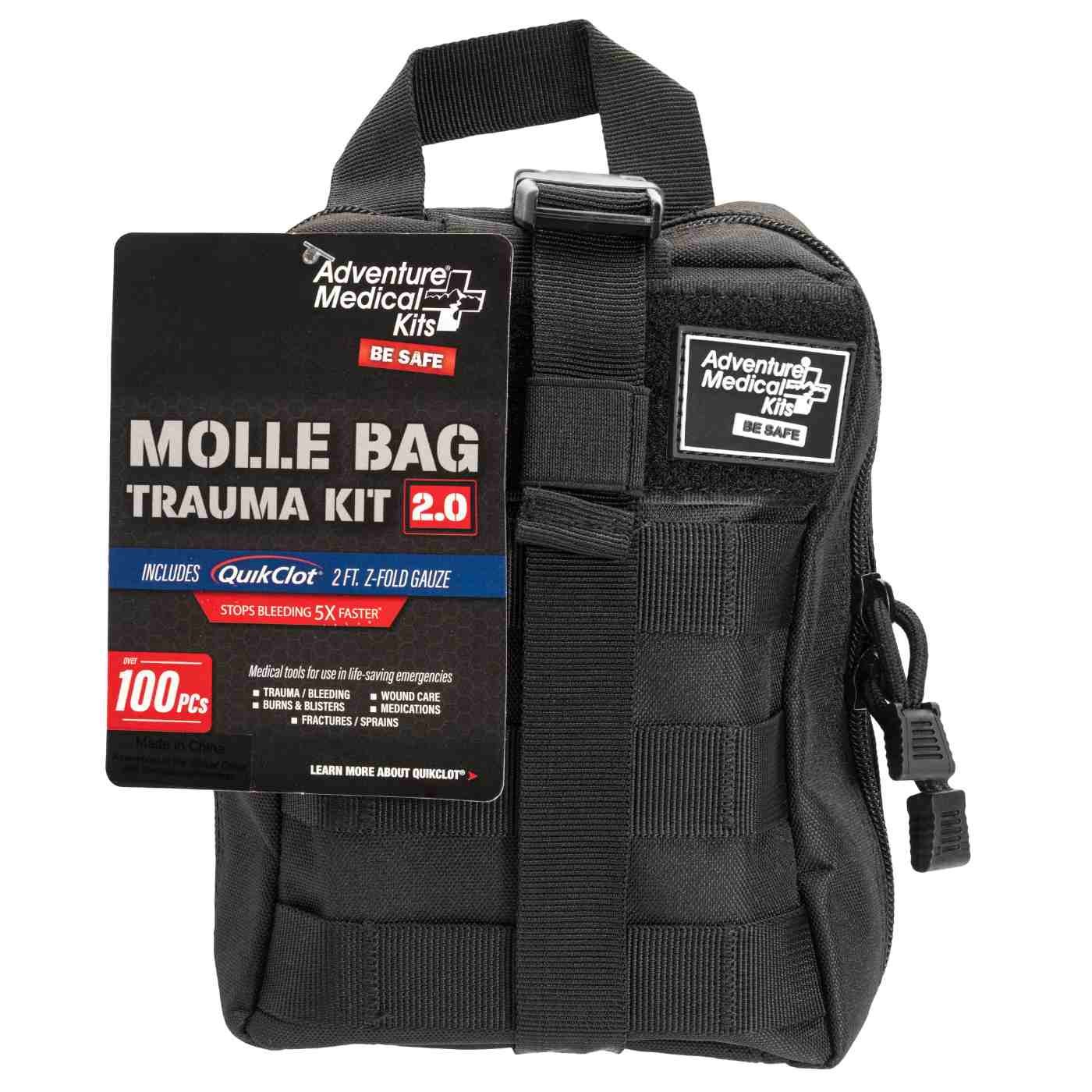
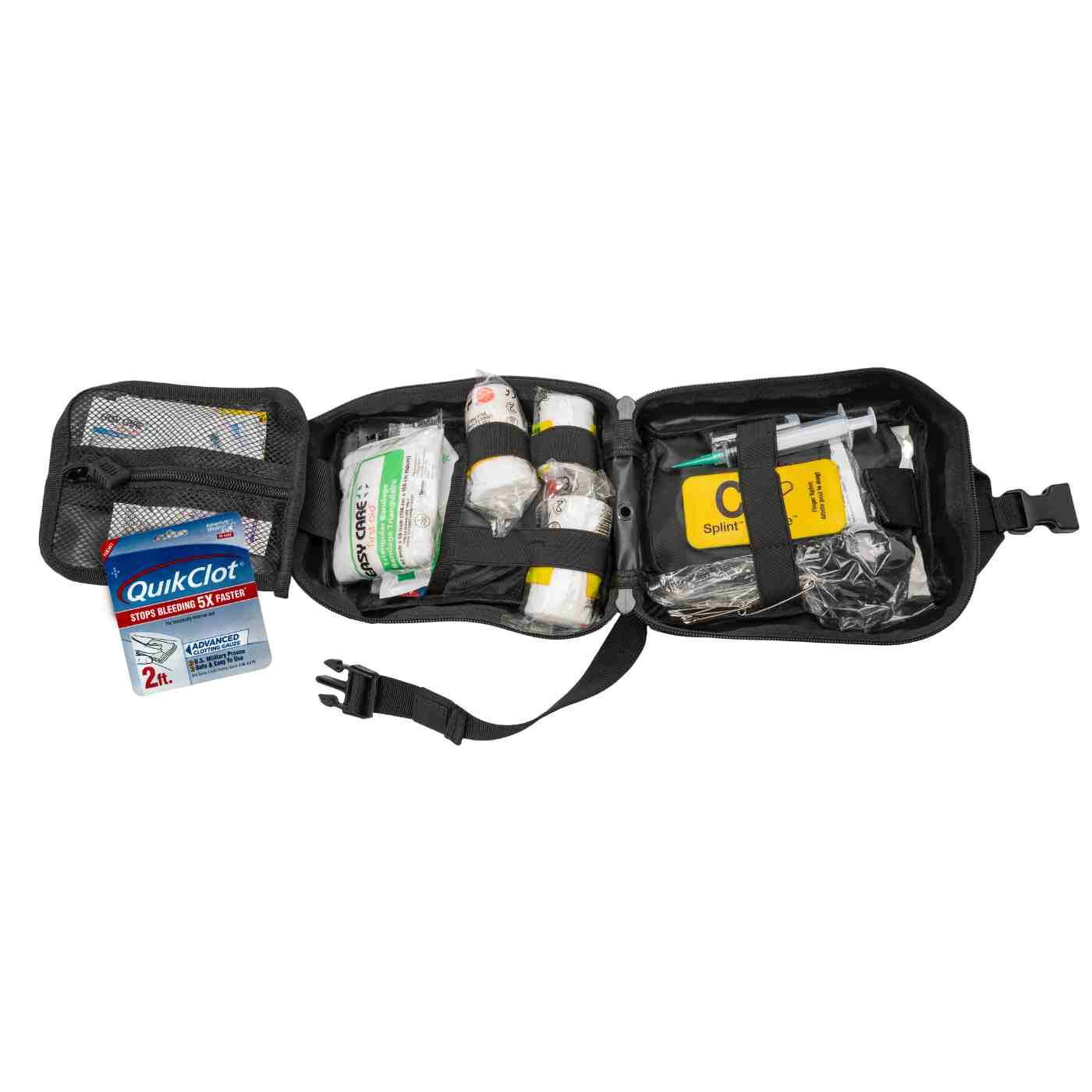
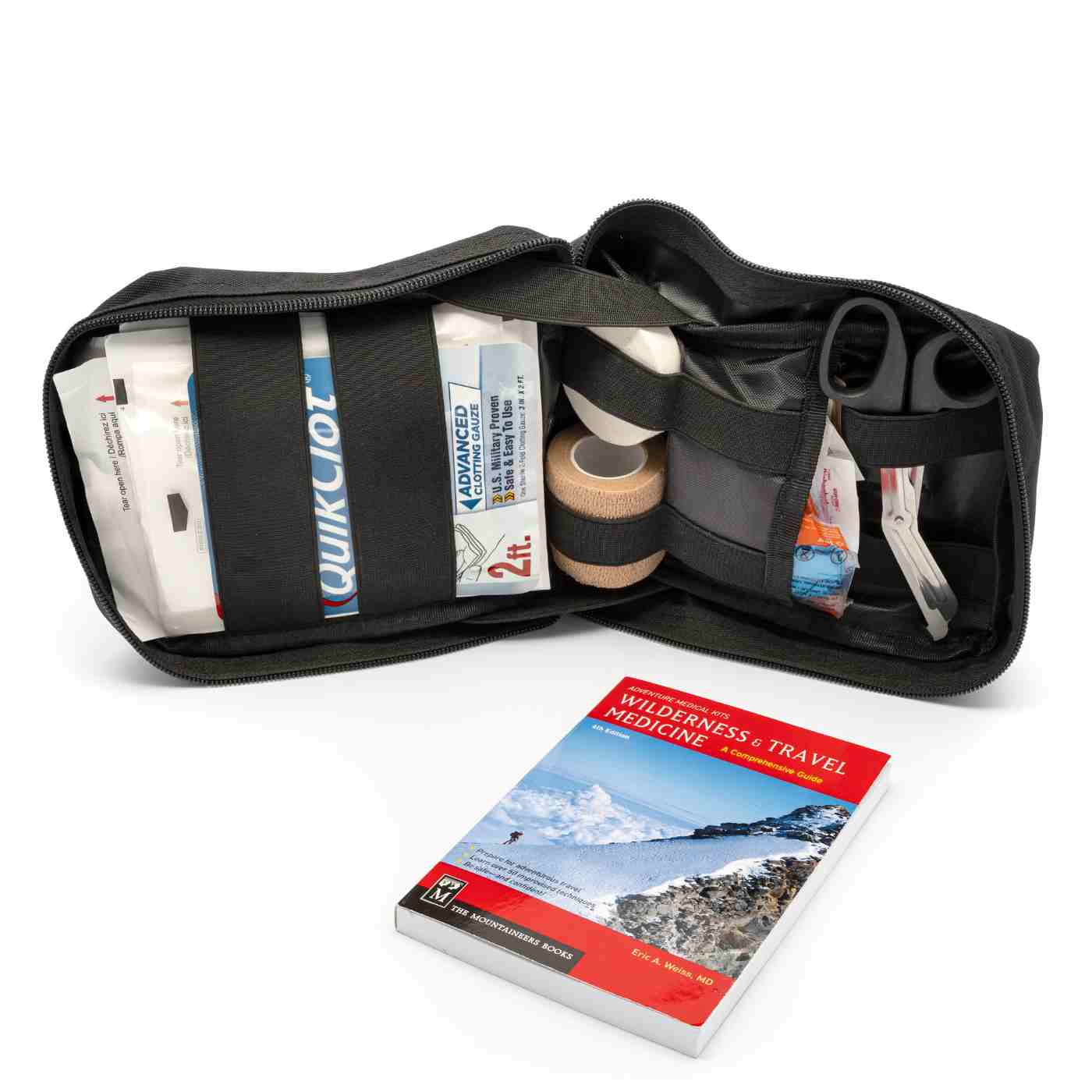
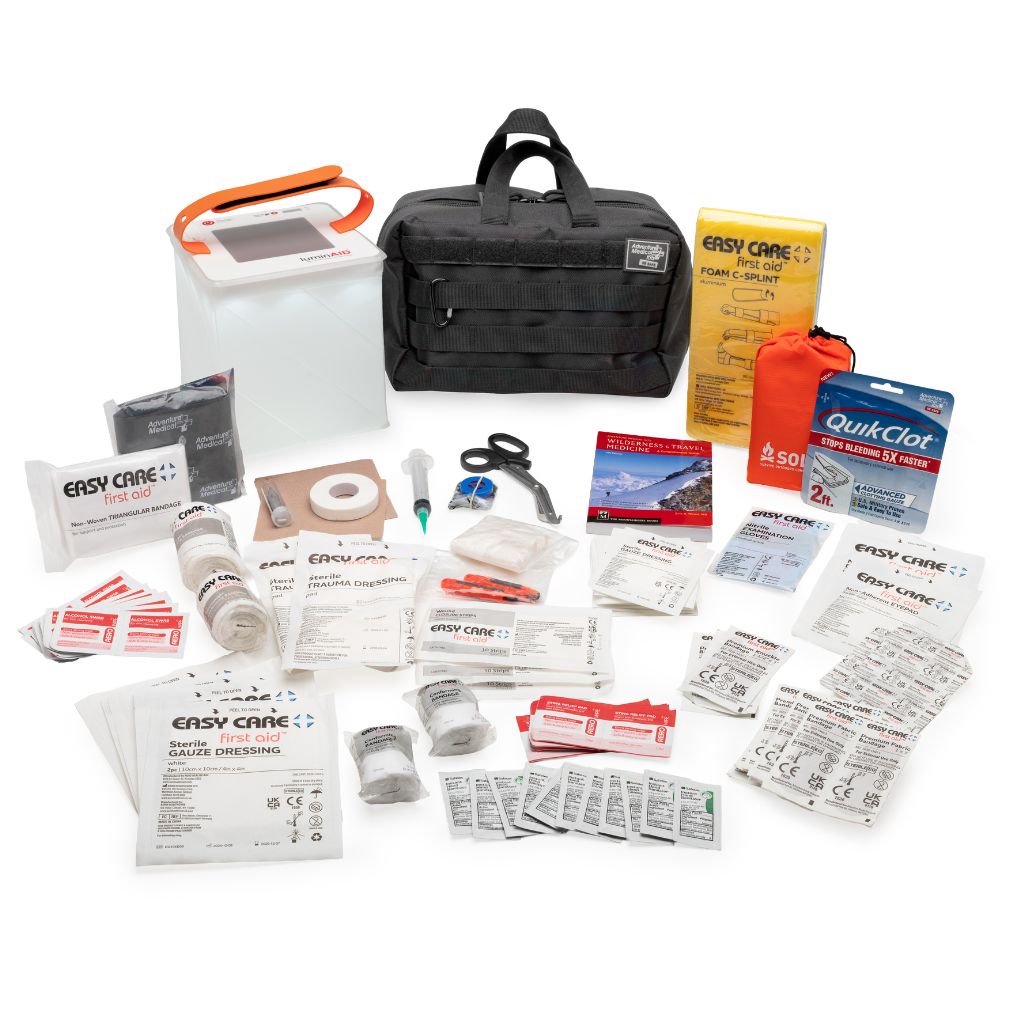
The Sportsman Series Medical Kit - 200 is a stronger pick when the hiking group gets larger or the route gets more serious. It's described as designed for up to four people on four-day trips, with supplies such as moleskin, medications, EMT shears, and trauma pads. The external kit map and injury-based organization are key strengths, because an emergency on trail rewards the kit that can be opened and understood without digging.
When a larger kit makes more sense
A big, well-organized kit is not the right answer for every solo day hike. It is the right answer when the outing starts to look like a shared responsibility, when there's more than one person to monitor, or when the route is remote enough that a minor problem can take time to resolve.
That's especially true because hiking participation is broad. One industry summary estimates 57.8 million hikers in the U.S., and the National Trails System is described as spanning roughly 193,000 hiking miles plus about 200,000 miles of trails on federal lands hiker scale and trail network summary. Wide participation and huge trail networks create a simple reality. The gear list has to work for people who are not specialists, not just for the tiny share of hikers who carry expedition-level medical setups.
Organizing supplies by injury saves time when someone is stressed, tired, or cold.
The Sportsman 200 fits that reality better than a loose collection of extras. It gives structure to the stuff that matters when seconds feel longer than they are. For a guided outing, a family hike, or a trip where multiple people depend on one shared pack, that structure is worth more than shaving off a little volume.
It also pairs well with the practical hydration baseline many hikers already know. Washington Trails Association recommends at least two reusable water bottles, usually about 32 ounces each, for roughly 64 ounces total, or about 1.9 liters, before refilling WTA day hike packing list. For a group or longer day, the same logic applies to first aid. Bring enough to cover more than one person, because problems tend to travel in groups too.
Day-Hike First Aid Kit Comparison
| Product | Ease of use (implementation complexity) | Contents / Resource requirements | Expected outcomes | Ideal use cases | Key advantages |
|---|---|---|---|---|---|
| Mountain Series Medical Kit - Hiker | Compact, ready-to-use; minimal setup | Multi-variant kit with supplies for common overnight trail injuries; compact pack | Treat common on-trail injuries and minor illnesses for overnight trips | Weekend/overnight hiking for one or two people | Comprehensive overnight kit; compact; limited-edition designs |
| Mountain Series Medical Kit - Day Tripper Lite | Ultralight and very simple to use; immediate access | Basic first-aid items in a water-resistant bag; single variant | Address most common day-hike injuries | Solo or paired day hikes; ultralight/backpacking | Extremely lightweight and compact; water-resistant |
| Adventure Medical Foot Balm | Ready-to-apply stick; no setup | Single balm stick (oatmeal, coconut oil, Vitamin E); packable | Prevent and soothe blisters, chafing, and dry skin | Long days on feet: hiking, trail running, multi-day use for prevention | Mess-free application; targeted blister prevention and skin care |
| Mini Medical Kit | Very low complexity; attachable with carabiner for quick access | Essentials only: bandages, alcohol swabs, antibiotic ointments, moleskin; two variants | Treat minor cuts, scrapes, and blisters | Casual hikes, biking, day trips, on-gear carry | Ultra-portable, stylish designs, quick accessibility |
| Sportsman Series Medical Kit - 200 | More complex; organized layout and kit map (some first-aid knowledge helpful) | Larger kit for up to 4 people/4 days; moleskin, medications, EMT shears, trauma pads | Manage more severe injuries and sustained multi-day group needs | Hunting, extended trips, group wilderness use | High capacity; organized by injury; includes trauma and multi-day supplies |
Hike Smart, Hike Safe, and Have Fun
Packing for a day hike isn't about preparing for the worst-case scenario, it's about giving yourself the freedom to enjoy the best-case scenario without worry. When the pack is built around five essential categories, the trail feels easier to read. Water is covered. Navigation is covered. Clothing handles the weather. Food keeps energy steady. First aid is ready if something small starts to get bigger.
That system matters because hikes rarely fail all at once. They usually unravel in pieces, a hot spot first, then a blister, then a missed turn, then a thirsty mile that felt short on the map. REI's checklist is useful because it keeps hikers anchored to the basics, including pack, clothing, footwear, food, water, navigation, first aid, and a knife or multi-tool REI's day hiking checklist. The best day hikers don't carry more just because they can. They carry the right things because those items solve the problems that show up.
Hydration deserves a final reminder because it scales faster than many people expect. The Appalachian Trail Conservancy's day-hike guidance, the New Zealand Department of Conservation's advice to pack more water than you think you'll need, and WTA's recommendation to start with at least two reusable bottles all point in the same direction, carry enough water to match the route and conditions Appalachian Trail Conservancy day hike checklist, New Zealand Department of Conservation day hikes gear list, WTA day hike packing list. That same logic should shape first aid. A better kit is not about fear, it's about keeping a minor problem from becoming the thing that ends the day.
Adventure Medical Kits is built around that idea. The company was founded by an emergency room doctor who saw the need for outdoor medical kits that were made to travel, not sit at home. Its activity-specific, organized kits are designed for quick access on trail, and first aid supplies are FSA/HSA eligible, which makes it easier to invest in real trail readiness. If your next outing needs a smarter medical setup, start with Adventure Medical Kits and build a day-hike system that matches the miles ahead.