

A first-time camper often learns the hard way that the woods don't care how confident the packing list looked at home. The tent goes up crooked, the stove sputters, a boot leaks, and suddenly the trip is no longer about views and campfire stories, it's about staying warm, dry, fed, and oriented enough to get back to the truck or trailhead.
How to survive camping is really a shorthand for three things working together, planning, skill, and gear discipline. When those pieces are in place, most problems stay small. When they're missing, a wet layer, a missed meal, or a bad site choice can turn a normal weekend into a long, miserable lesson.
Table of Contents
- What Camping Survival Actually Means
- Pre-Trip Planning and Packing Essentials
- Shelter, Fire, and Water in the Field
- Wilderness First Aid and Injury Management
- Weather, Wildlife, and Sanitation Decisions
- Signaling, Navigation, and When to Evacuate
- Survival Checklist and the Pre-Trip Mindset
What Camping Survival Actually Means
A novice camper usually discovers the difference between “camping” and surviving camping sometime after sunset. The site looks fine in daylight, then the temperature drops, the ground feels colder than expected, and the missing headlamp or forgotten dry layer becomes the most important item in the pack.
Survival is a system, not a stunt
The practical version of survival is layered. It starts before departure with route sharing, weather checks, and gear testing, then continues in the field with shelter, fire, water, and a sane first-aid response when something goes wrong. That is a much better model than waiting for a dramatic rescue moment that may never come.
Practical rule: the best camping decisions are the boring ones made early, while there is still daylight and energy to fix mistakes.
This guide fits backpackers, family campers, hunters, anglers, boaters, and anyone who has moved from car-camp comfort into places where the margin for error gets thinner. It also fits people who think they are “just camping,” because that is exactly when untested gear and poor habits do the most damage.
A useful planning resource for choosing ground and understanding campsite setup is Dollar Land Store's camping land tips, especially for anyone evaluating where a trip might work before the first stake goes into the dirt.

The takeaway is simple. Survival camping is less about toughness than repetition. Campers who test gear, respect weather, and tell someone where they're going usually spend their weekend relaxing. Campers who improvise usually spend it fixing preventable problems.
Pre-Trip Planning and Packing Essentials
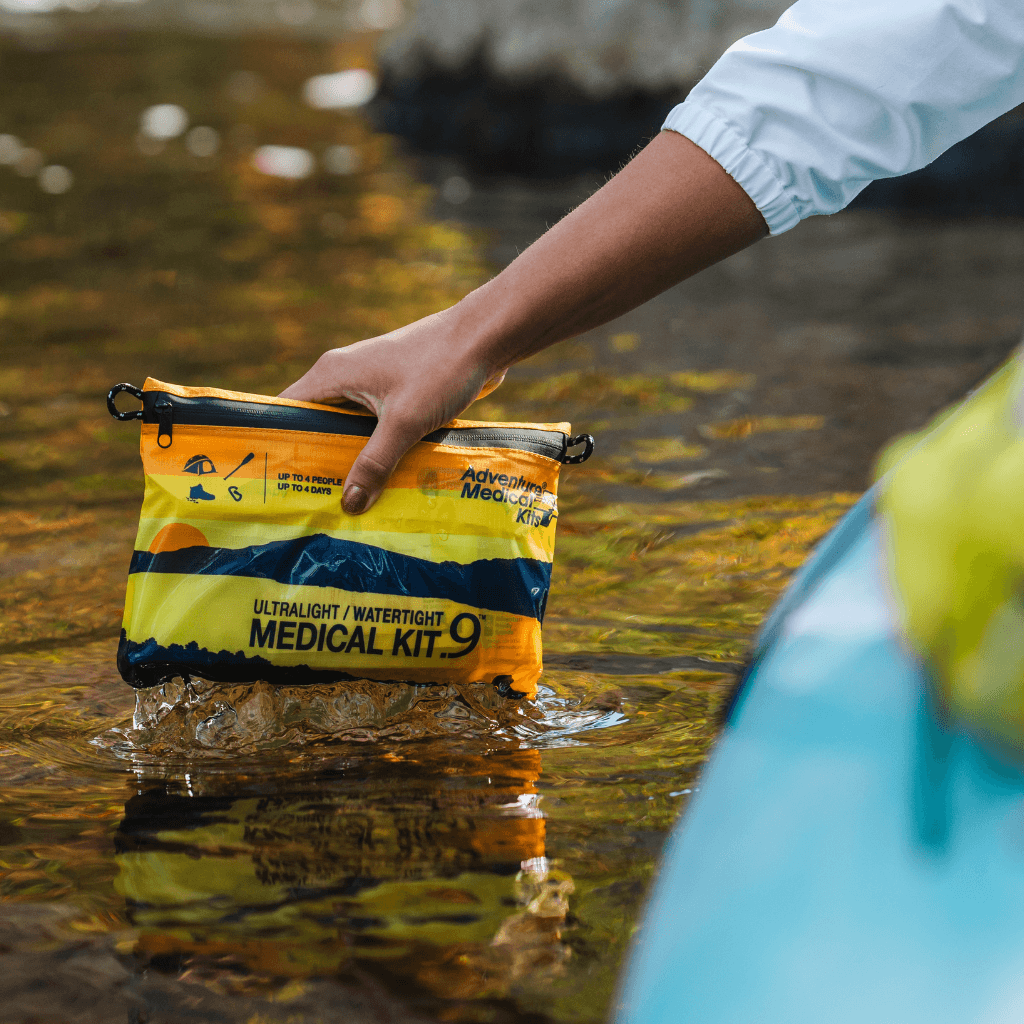
Packing starts days before the drive, not at the tailgate. First, check the forecast, share the route and return plan, then pull out the tent, stove, lights, and medical items that have been sitting untouched since last season. The University of Rochester Medical Center recommends packing over-the-counter medicines and first-aid items in a waterproof container, checking and testing tents, stoves, and other equipment if several months have passed since the last trip, and arriving with enough daylight to set up camp (University of Rochester Medical Center).
Pack in layers, not in panic
A clean way to think about the loadout is three layers. The first is the Ten Essentials, the second is activity-specific items, and the third is comfort gear that lowers friction once camp is established. The essentials keep small problems from turning into emergencies, the activity-specific gear handles the trip you planned, and the comfort items help keep morale steady enough to avoid sloppy choices.
Small habits do most of the work.
- Test the stove: A stove that has not been lit since spring should be fired up at home, not after dark in wind.
- Replace dead batteries: A flashlight with weak batteries is just dead weight.
- Pack a rain layer anyway: Sunny forecasts do not cancel dew, wind, or a surprise shower.
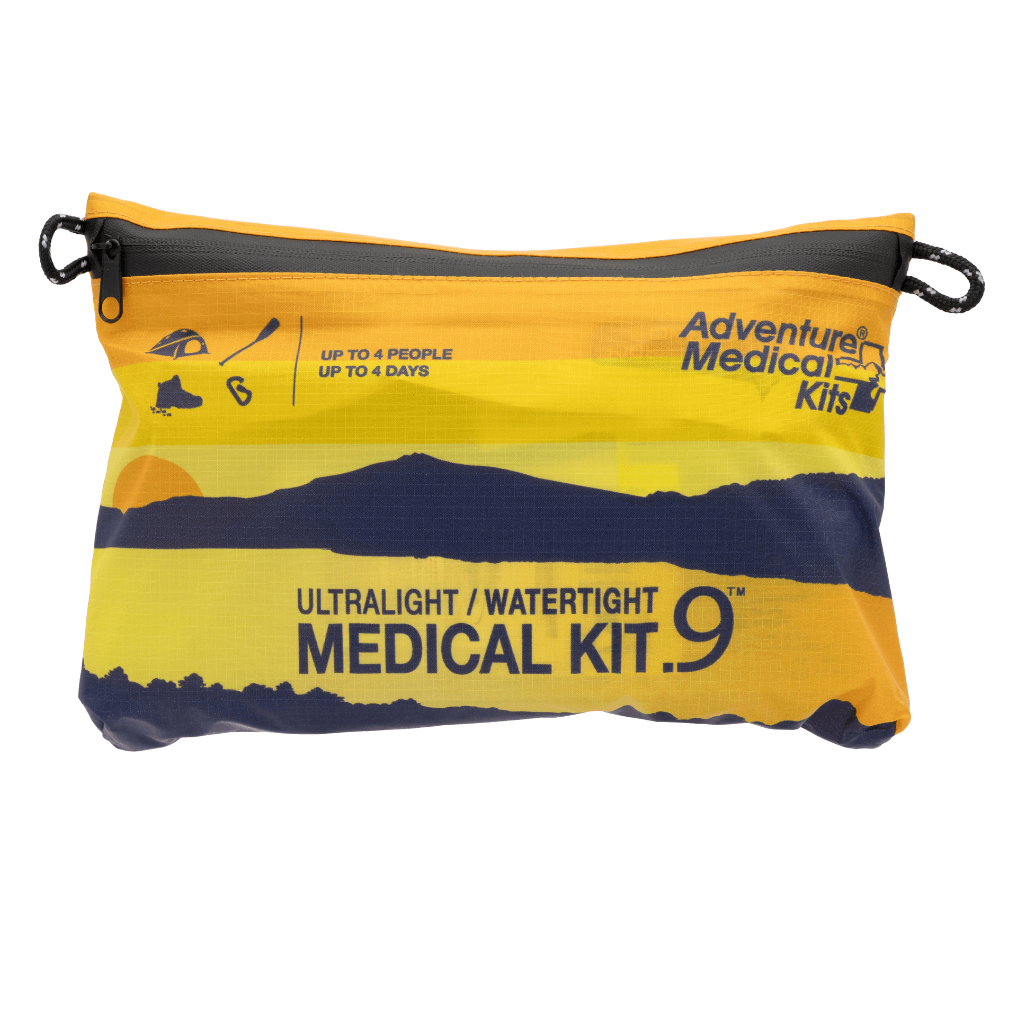
- Keep medications sealed: Waterproof storage protects both the meds and the first-aid items around them.
For a baseline gear reference, the Ten Essentials guide for hikers is a sensible checklist to compare against real pack contents. That mindset works for campers too, because the list is really about redundancy, not badge collecting.
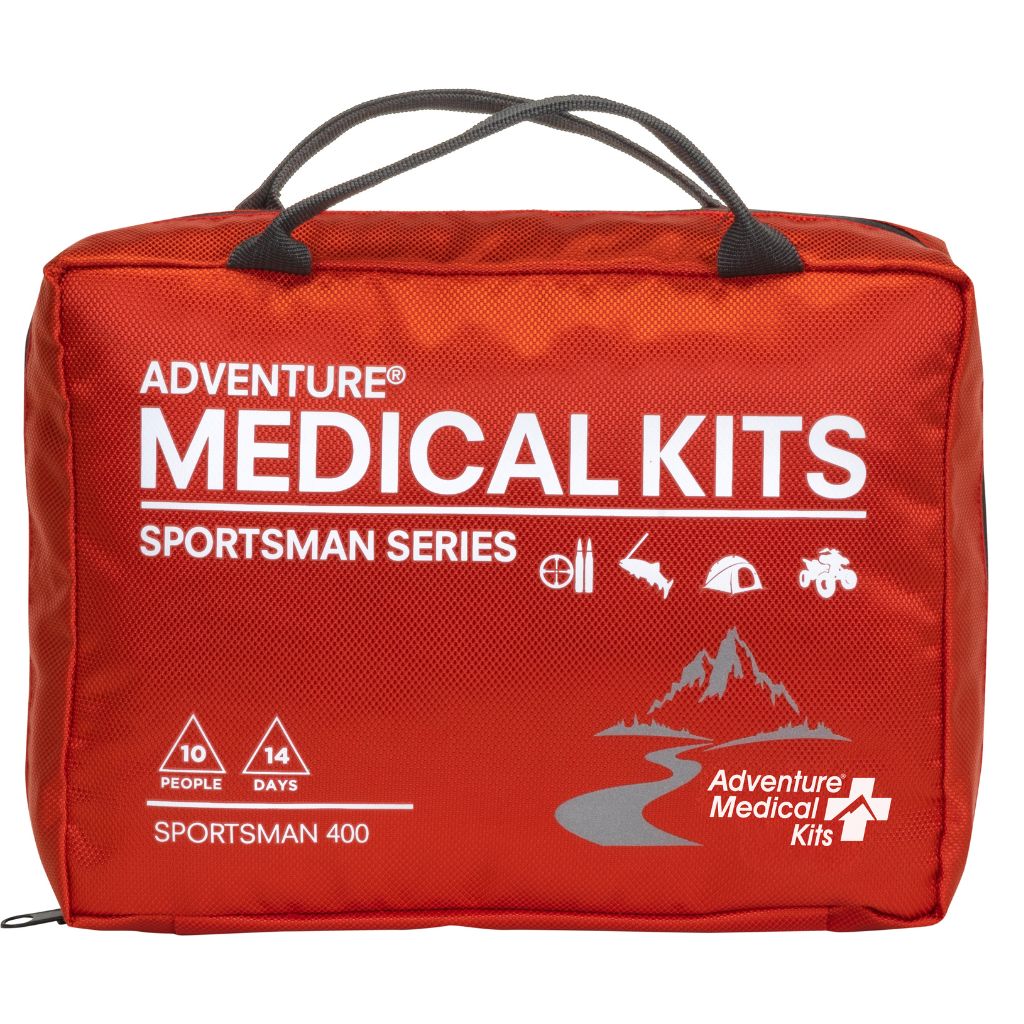
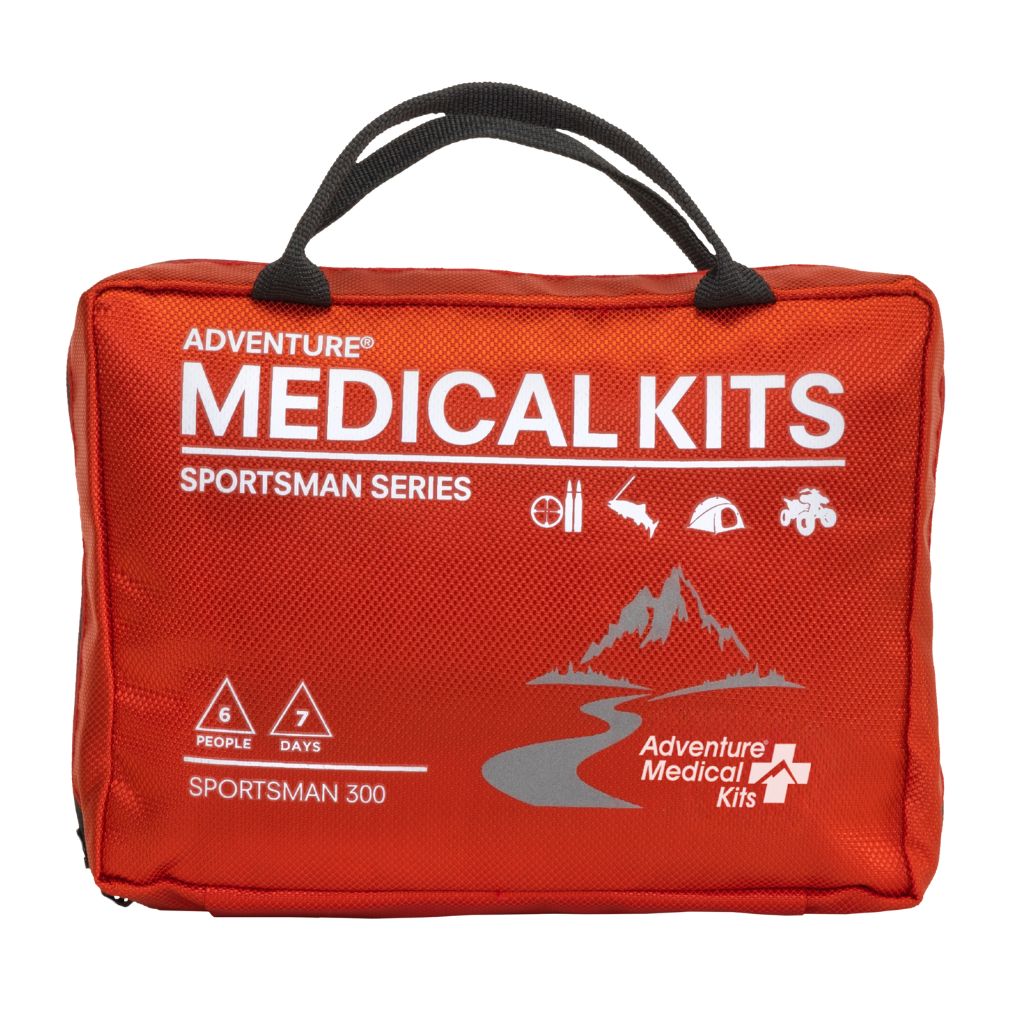
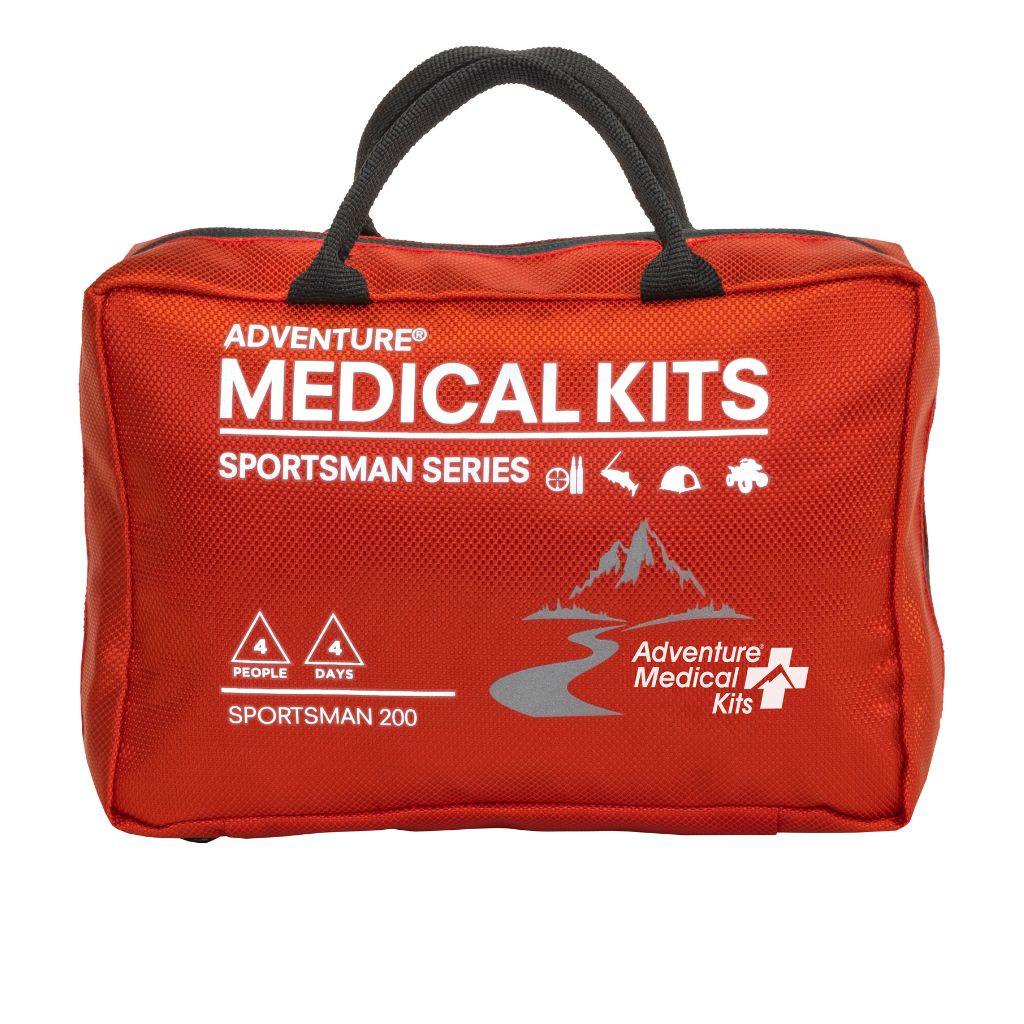
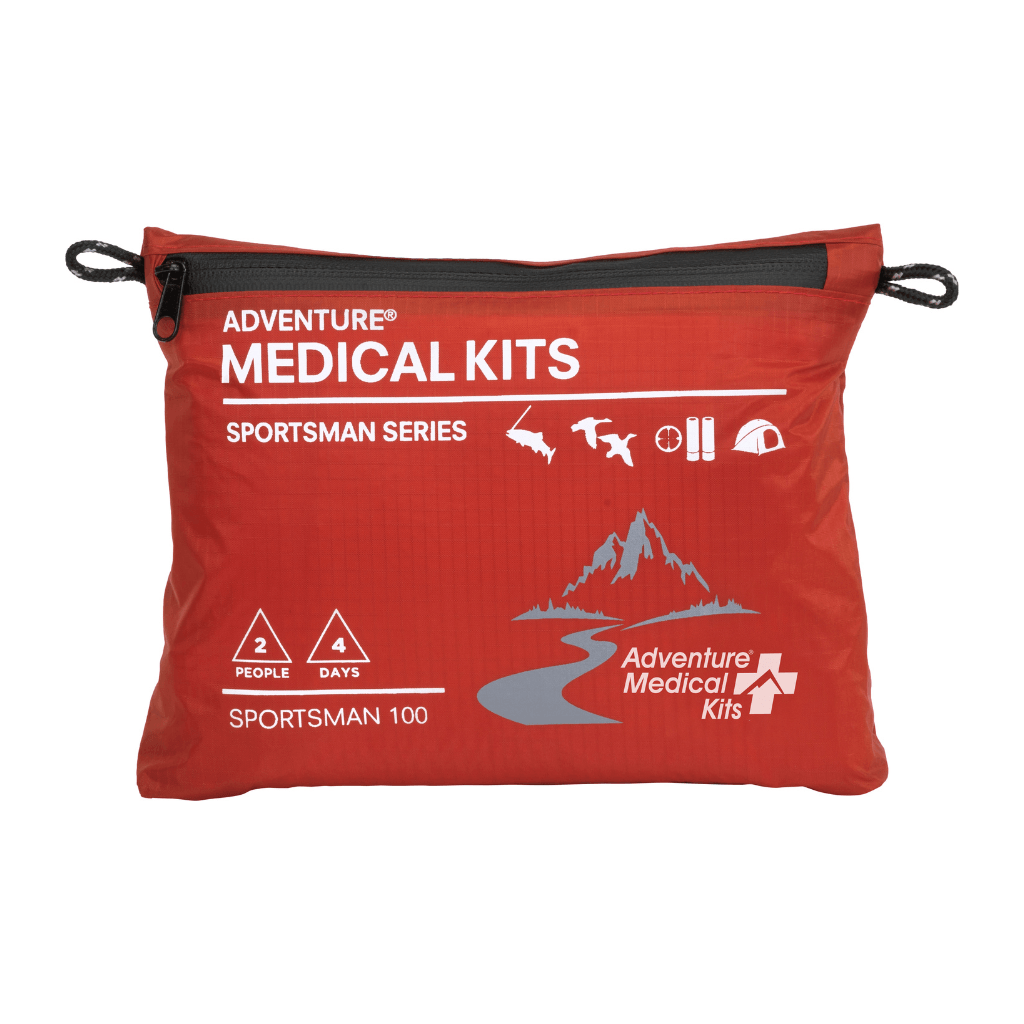
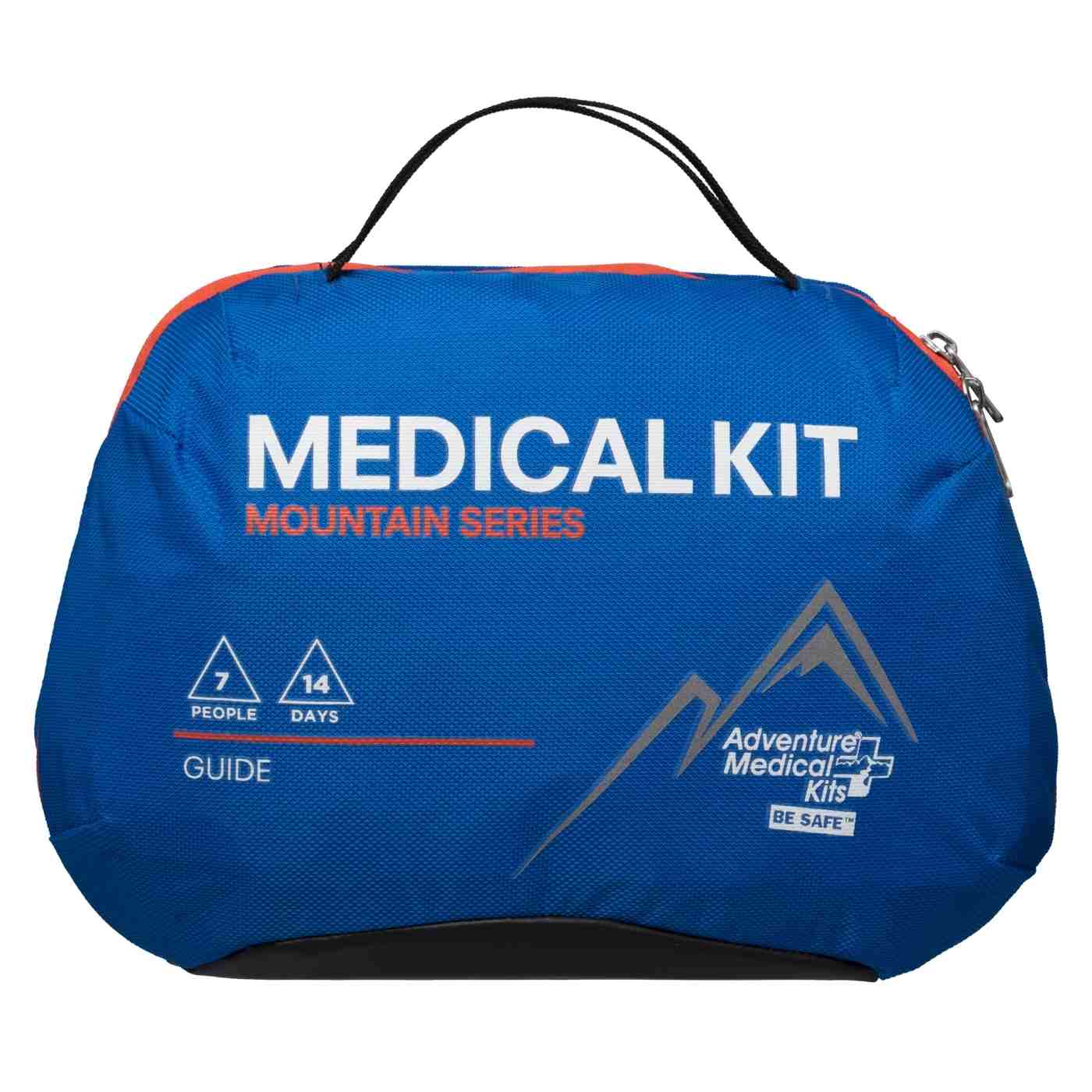
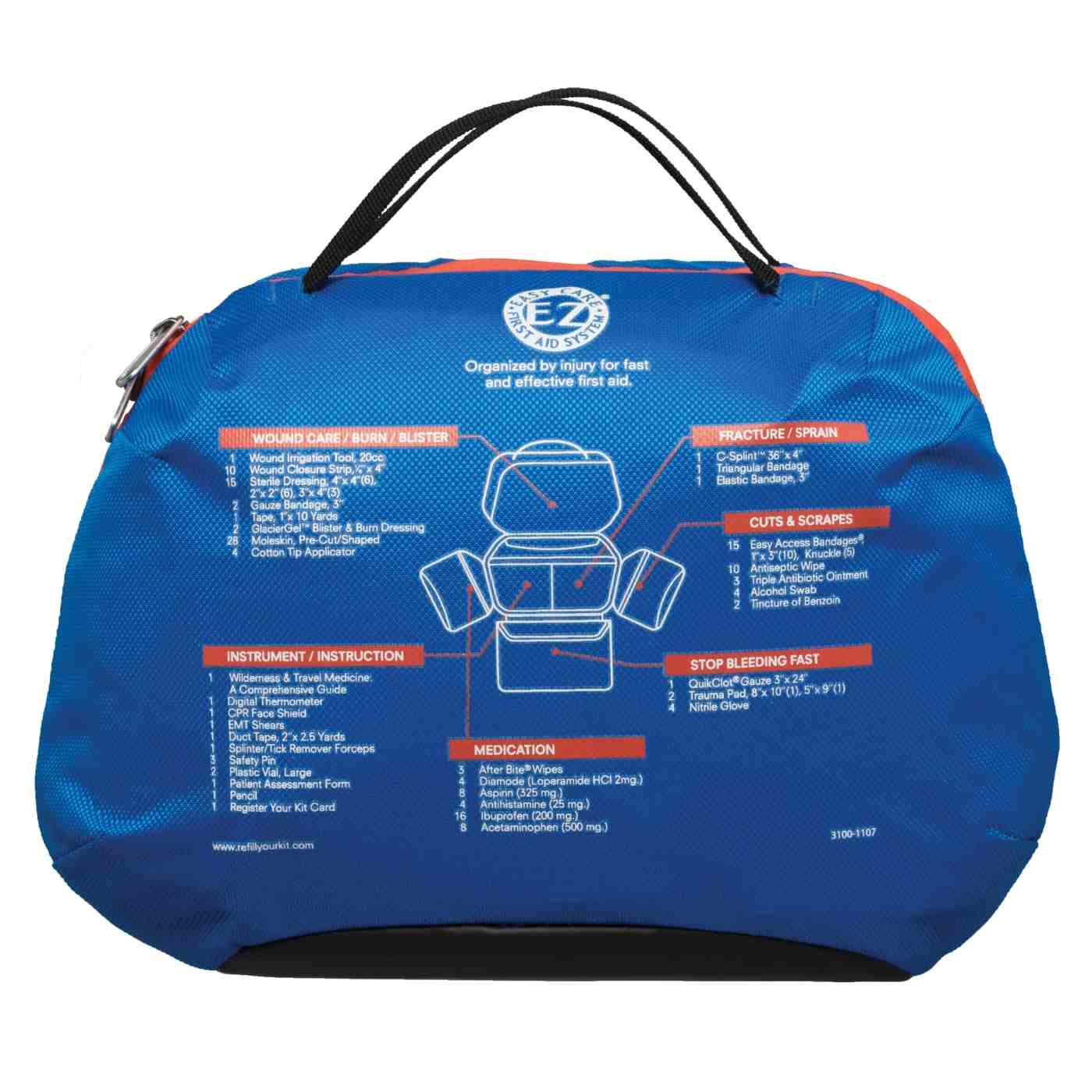
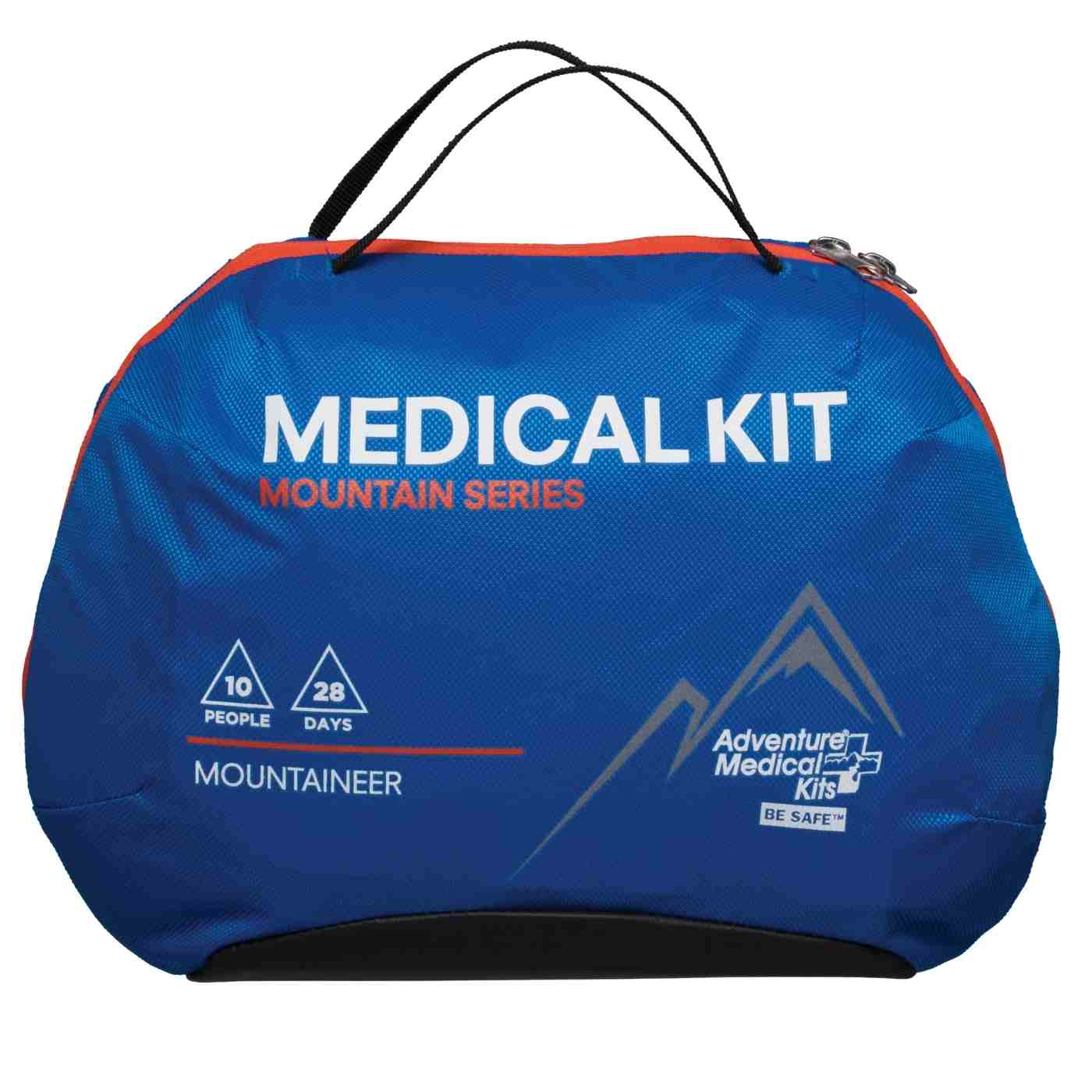
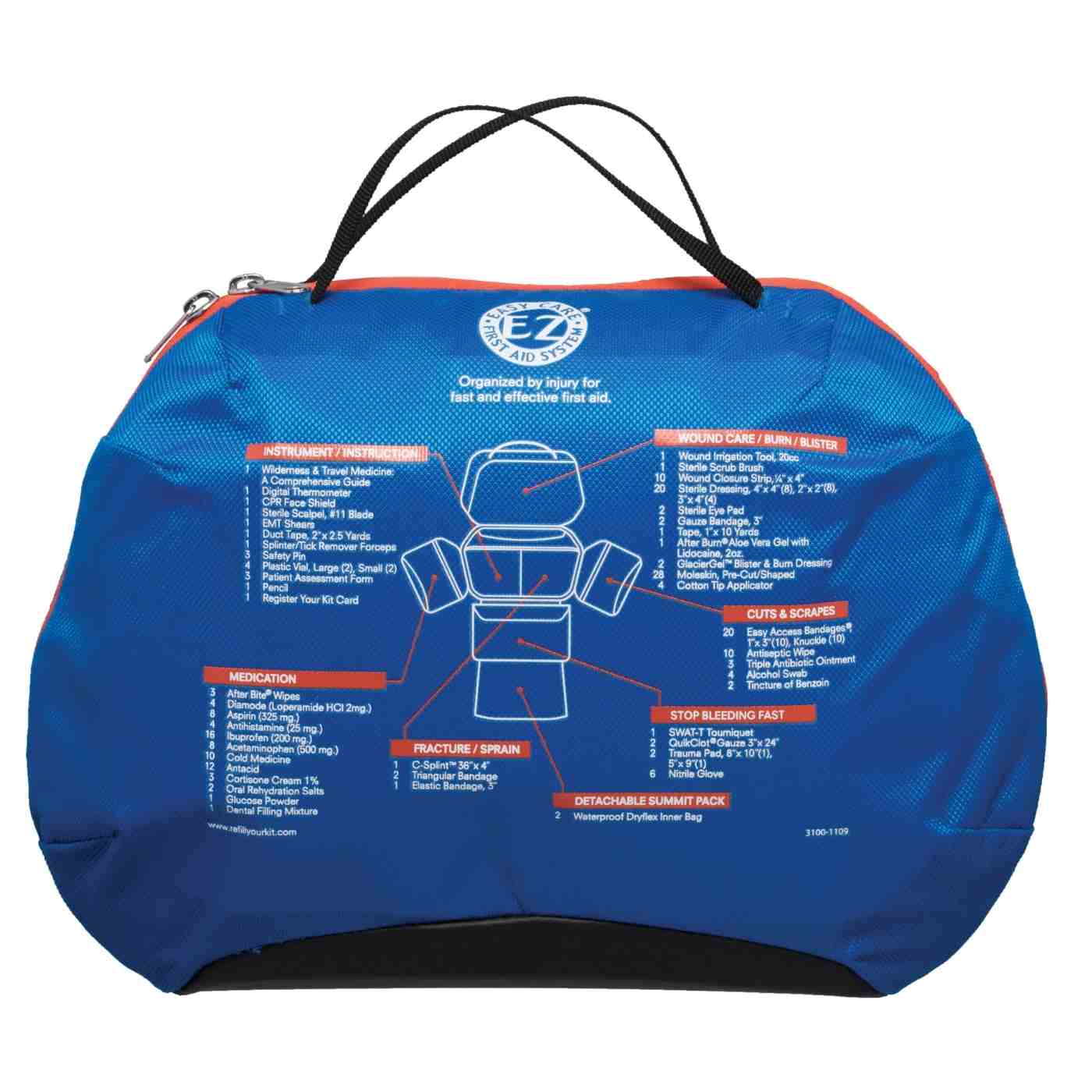
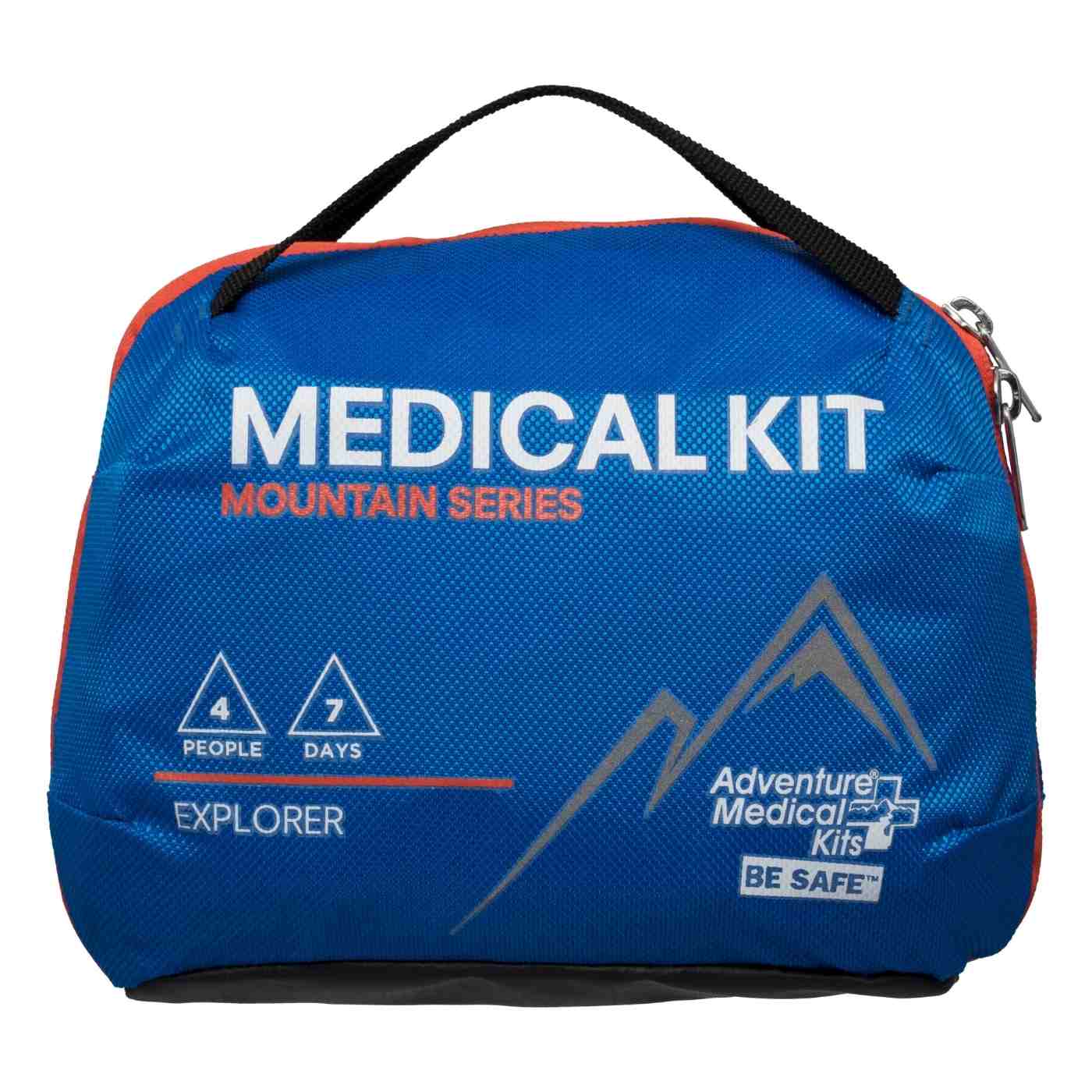
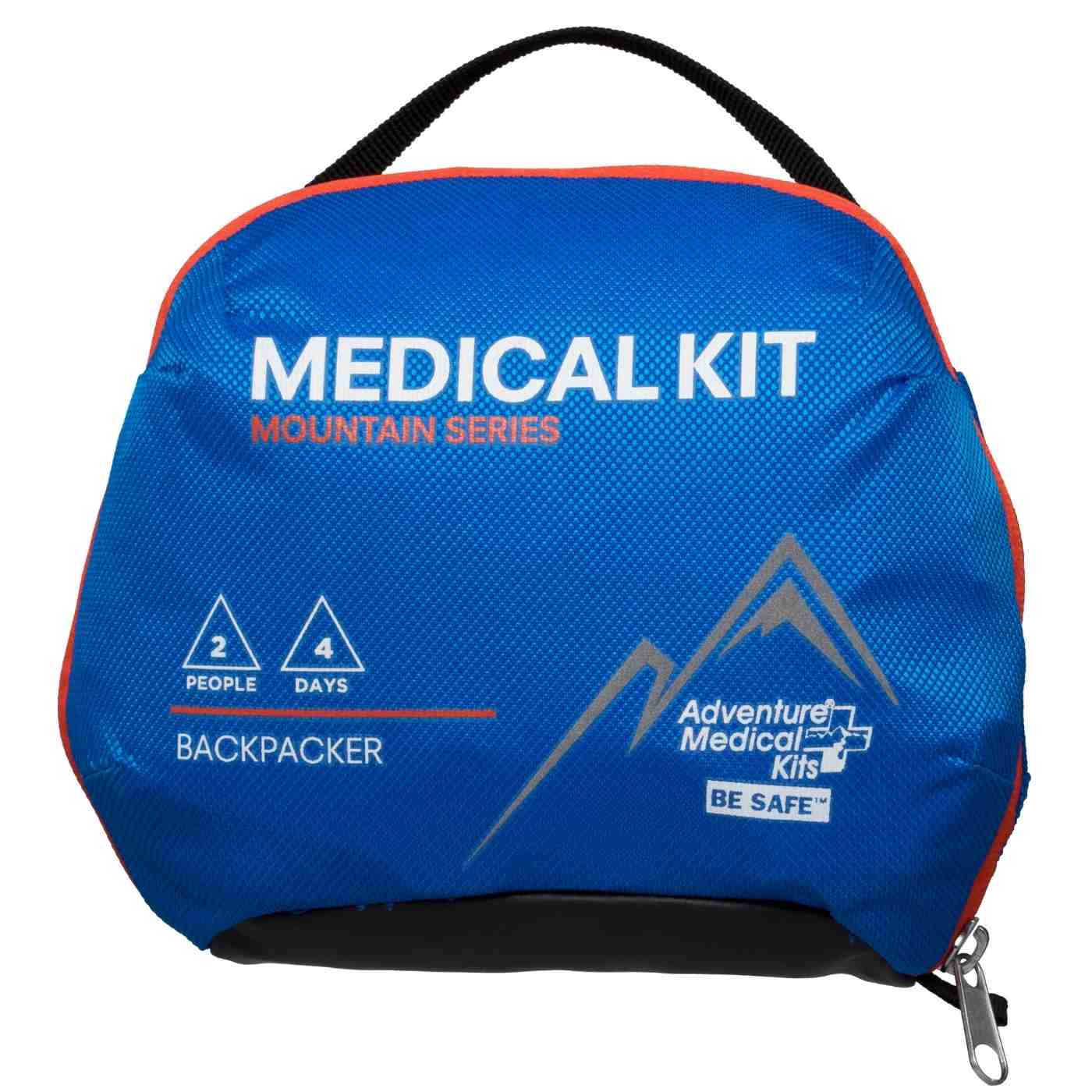
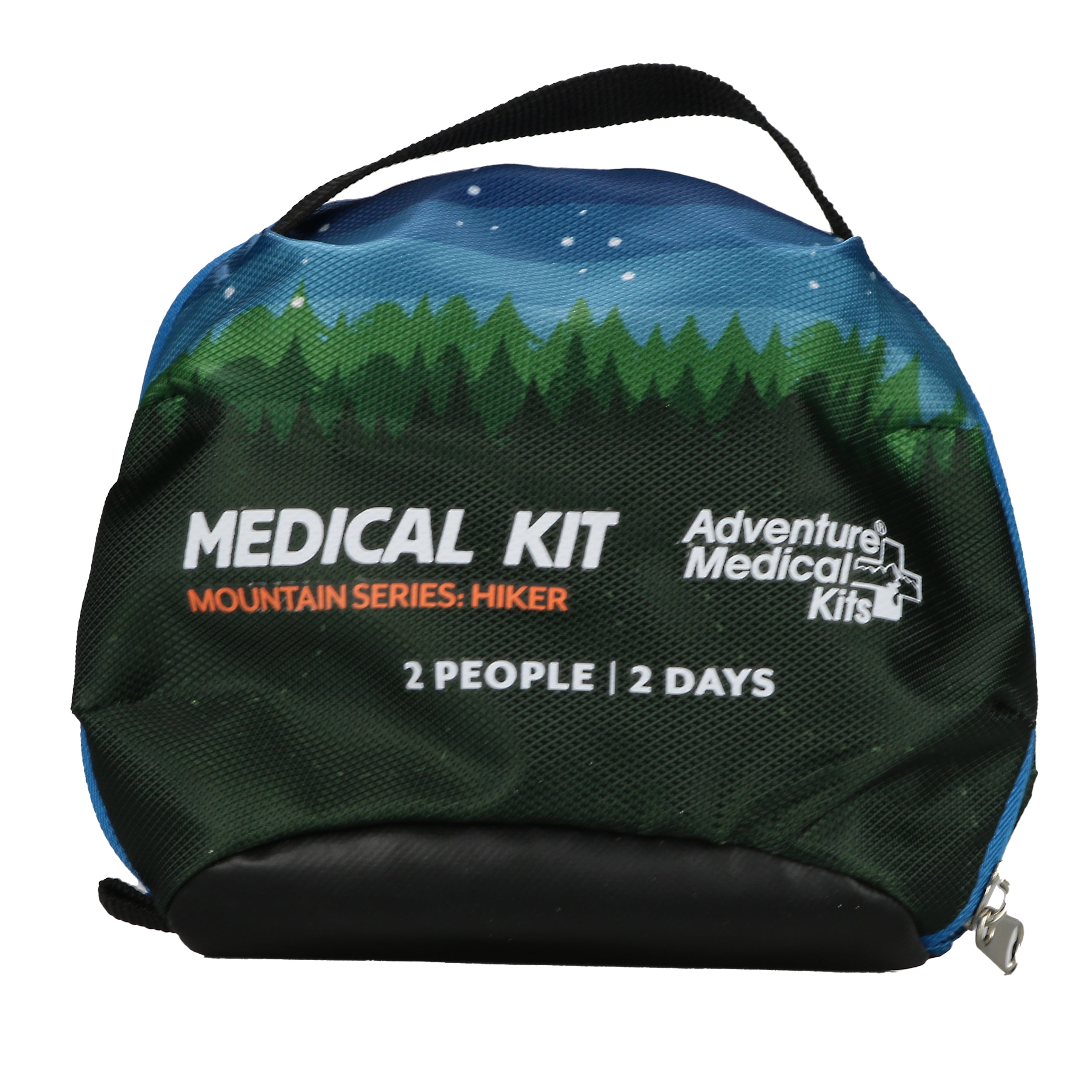
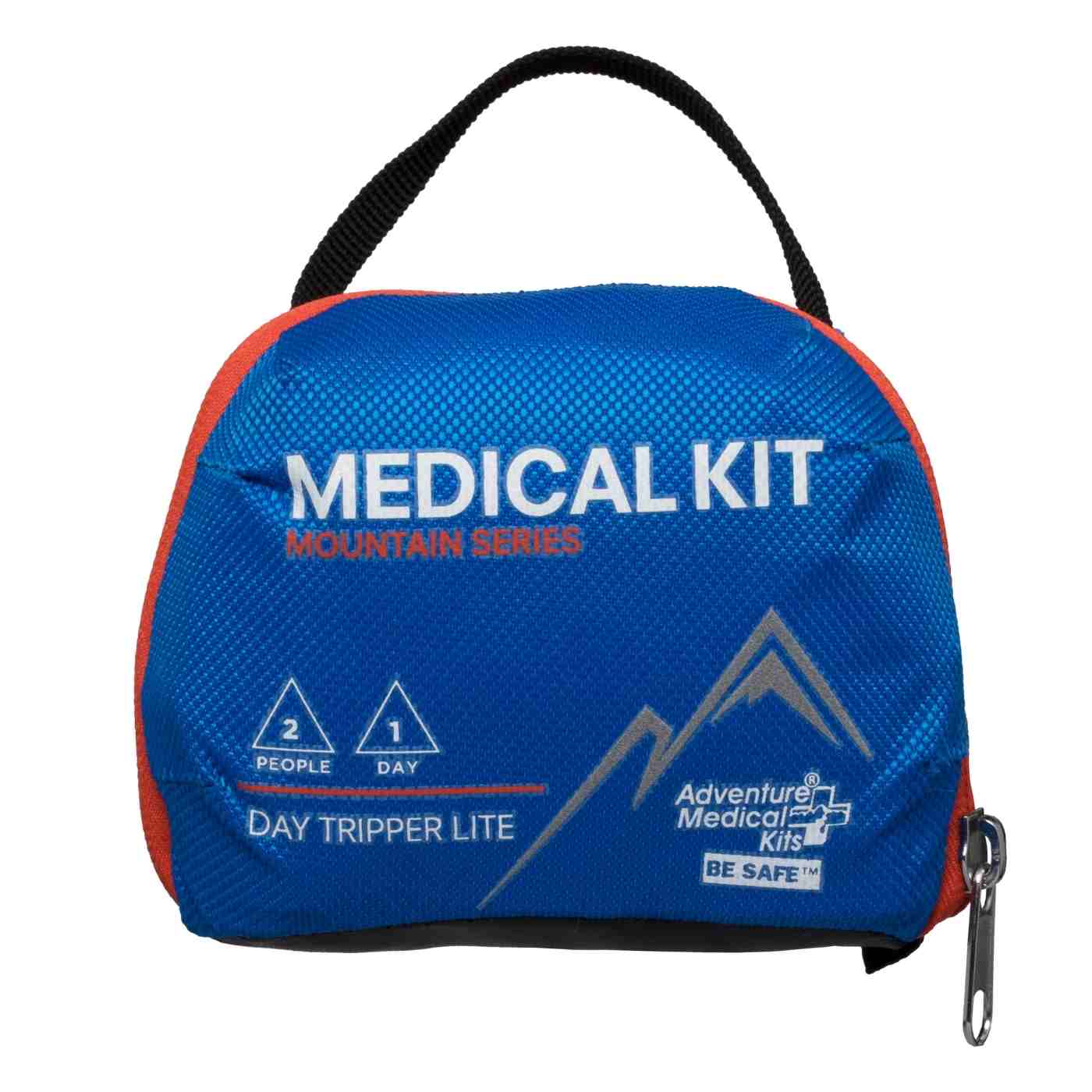
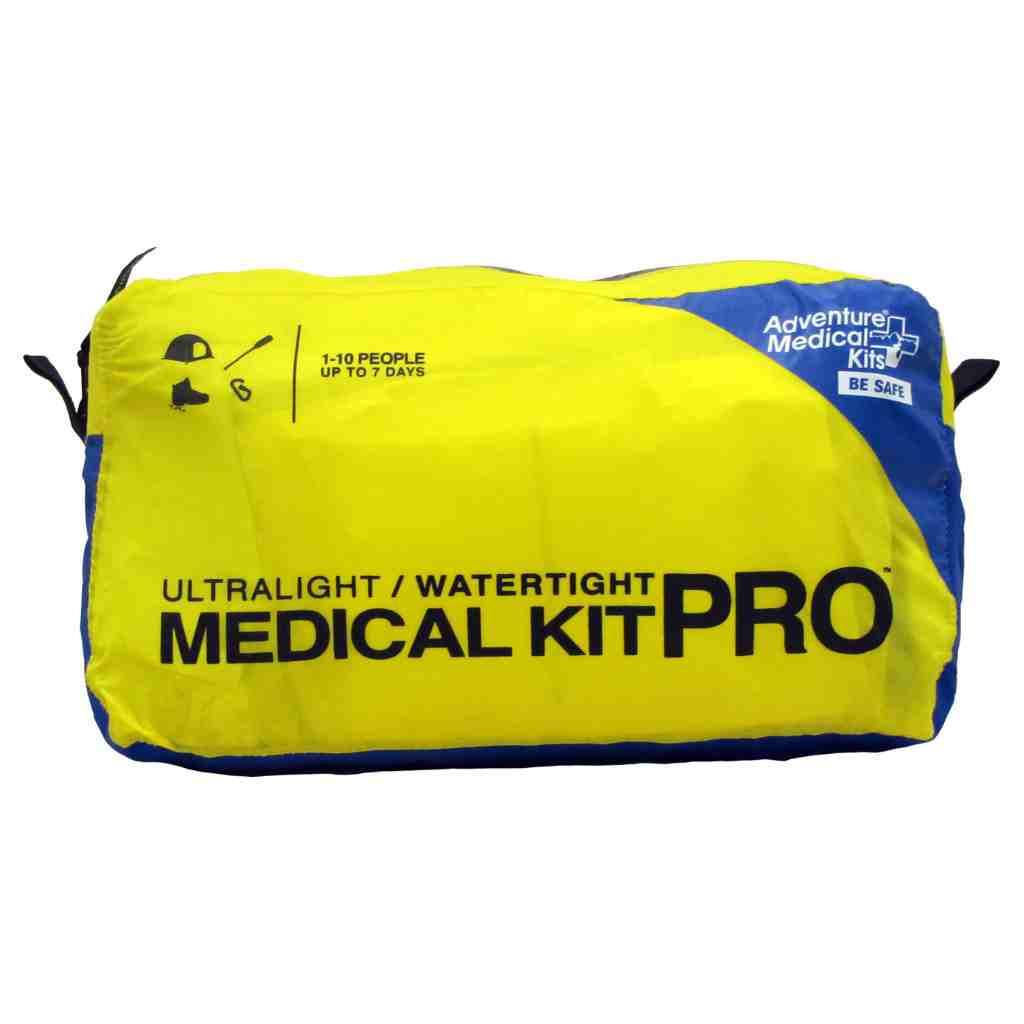
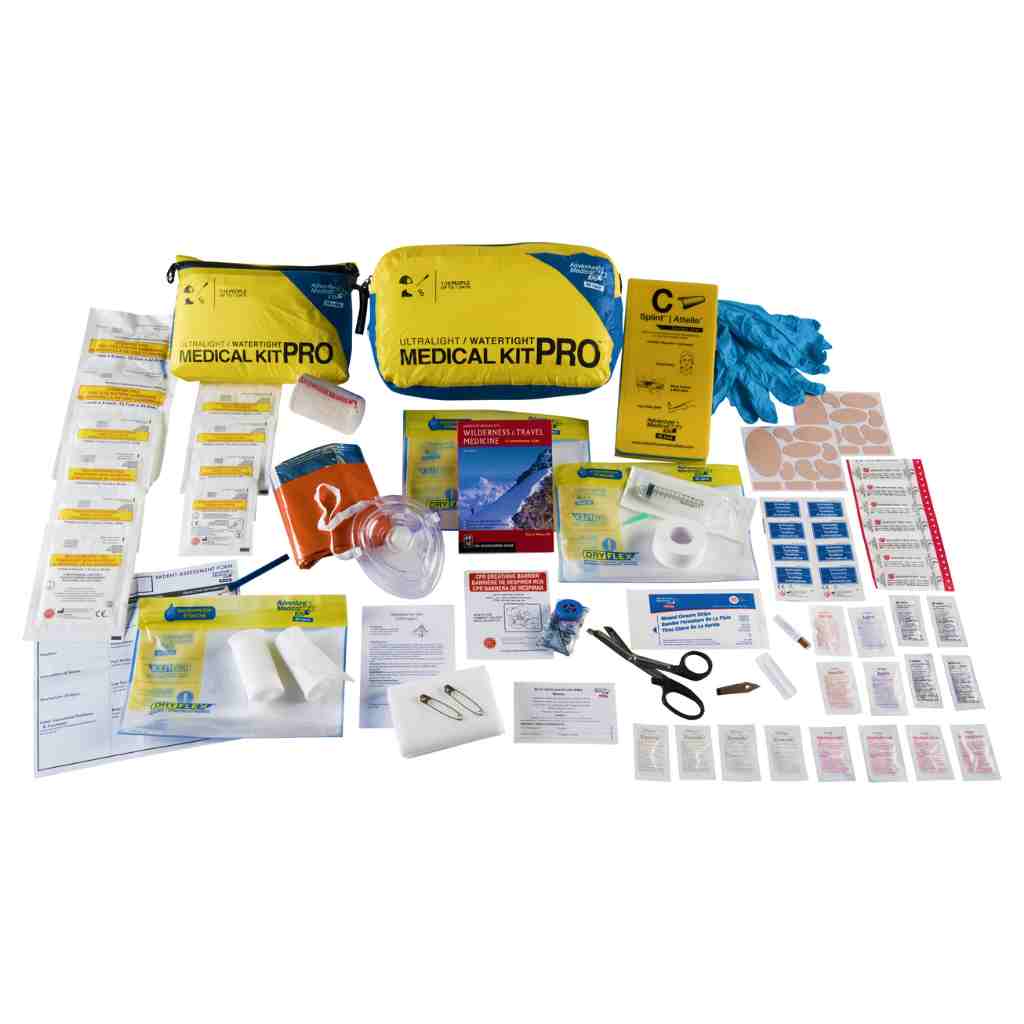
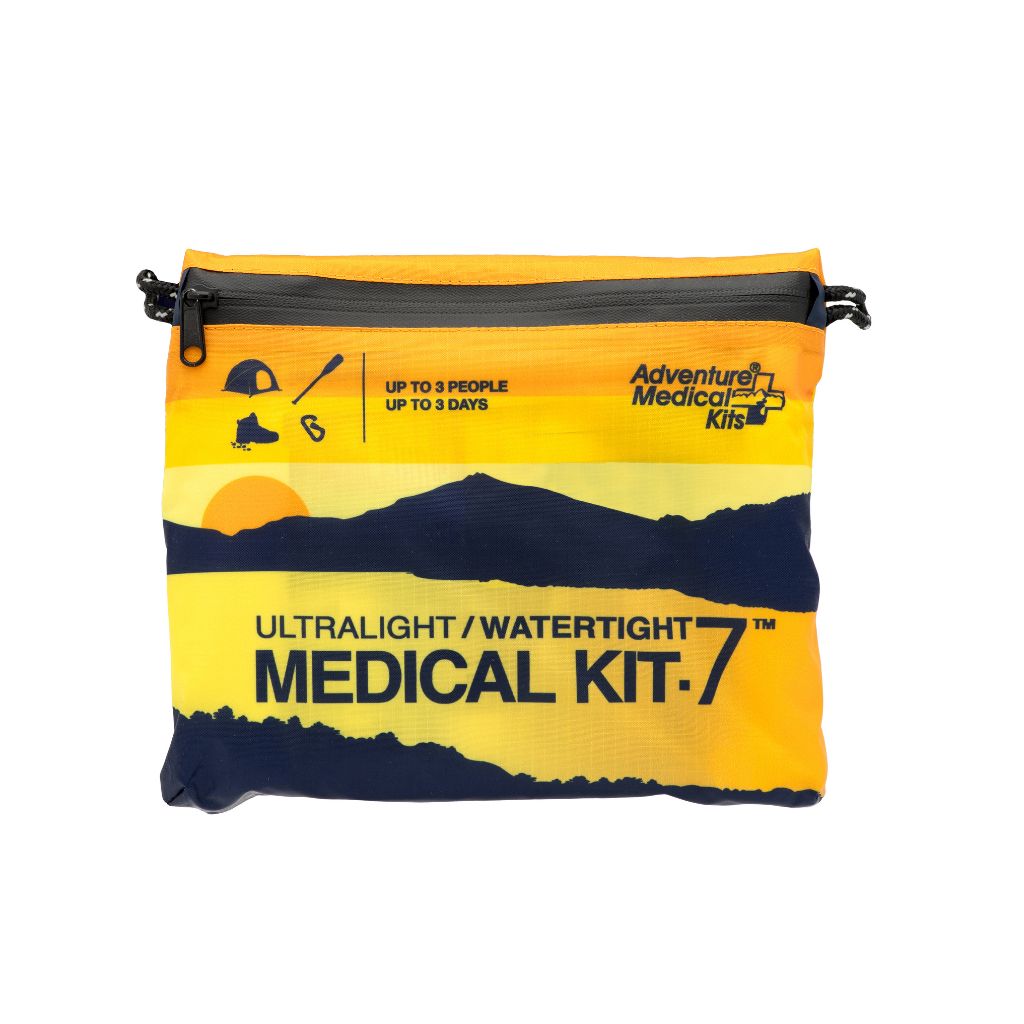
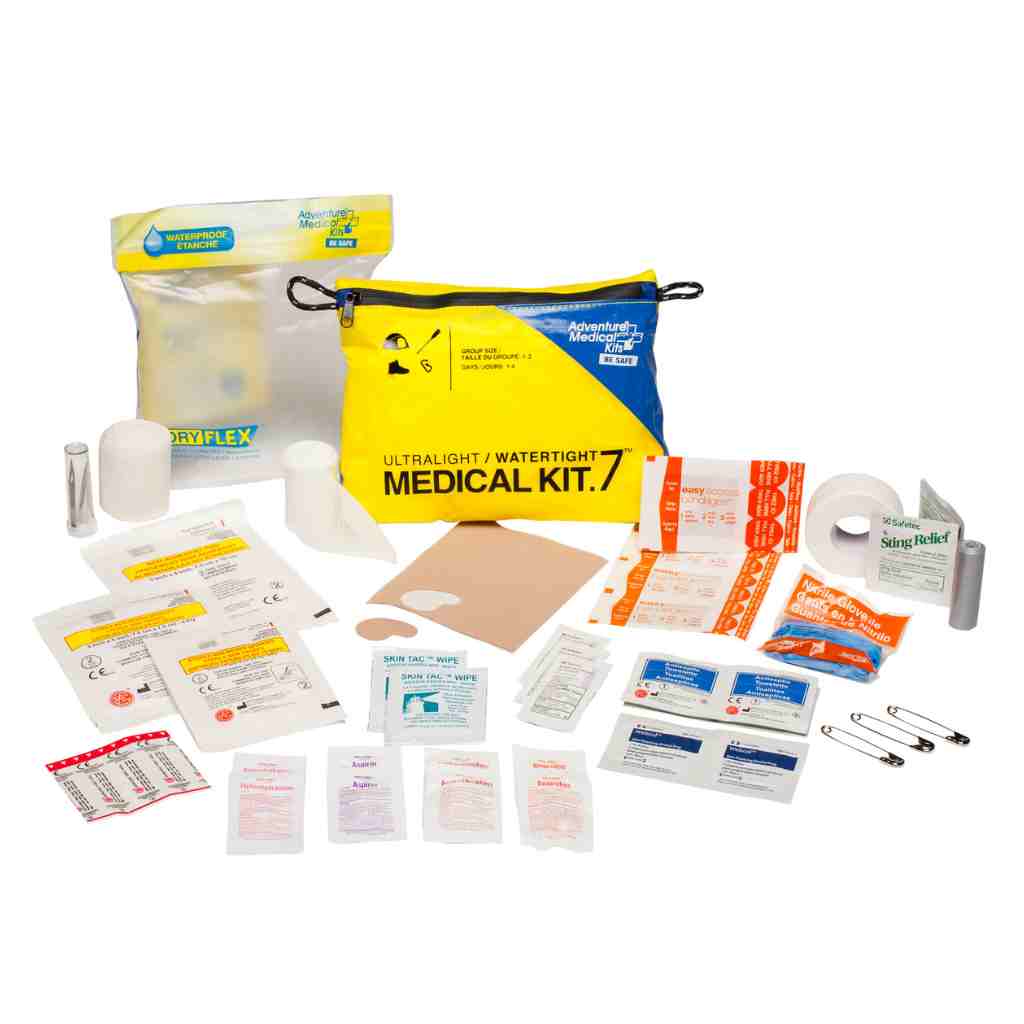
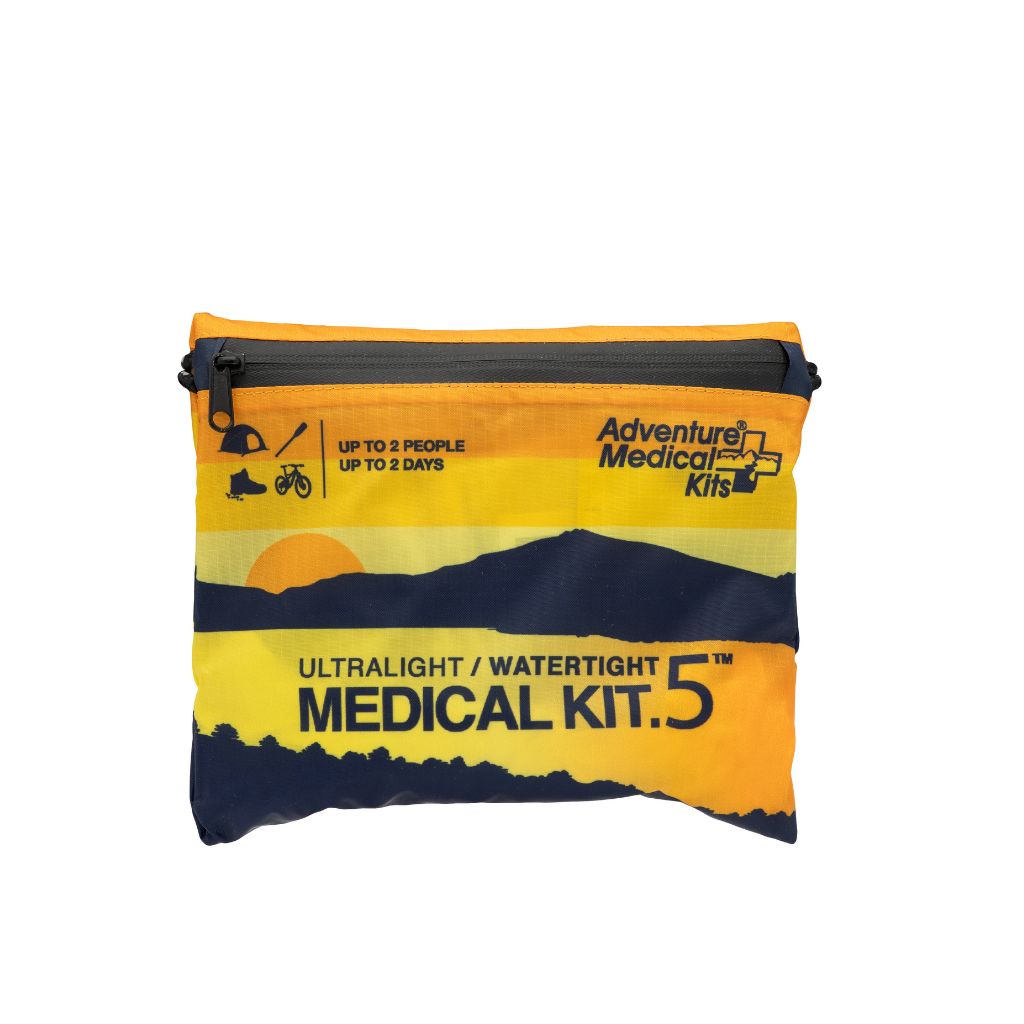
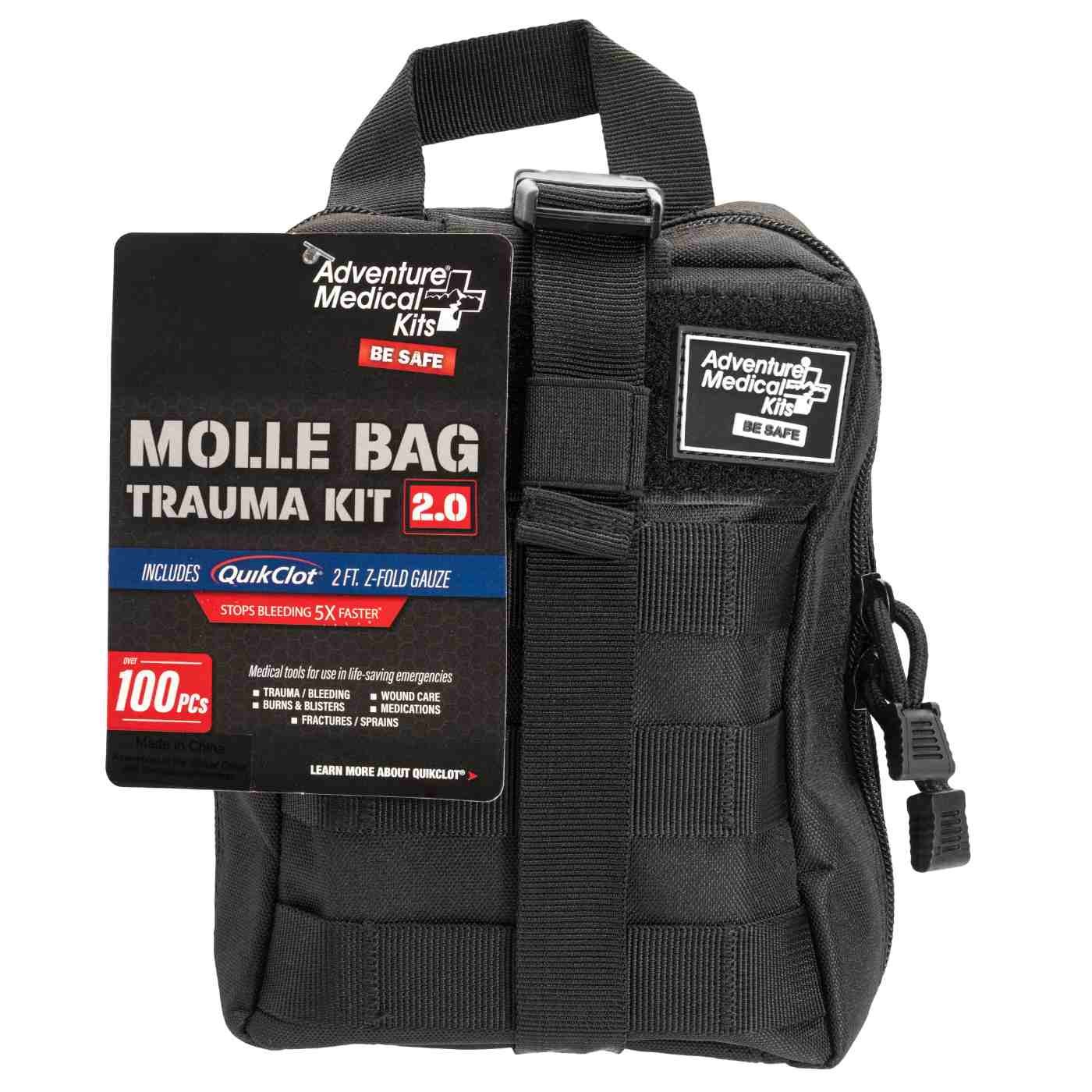
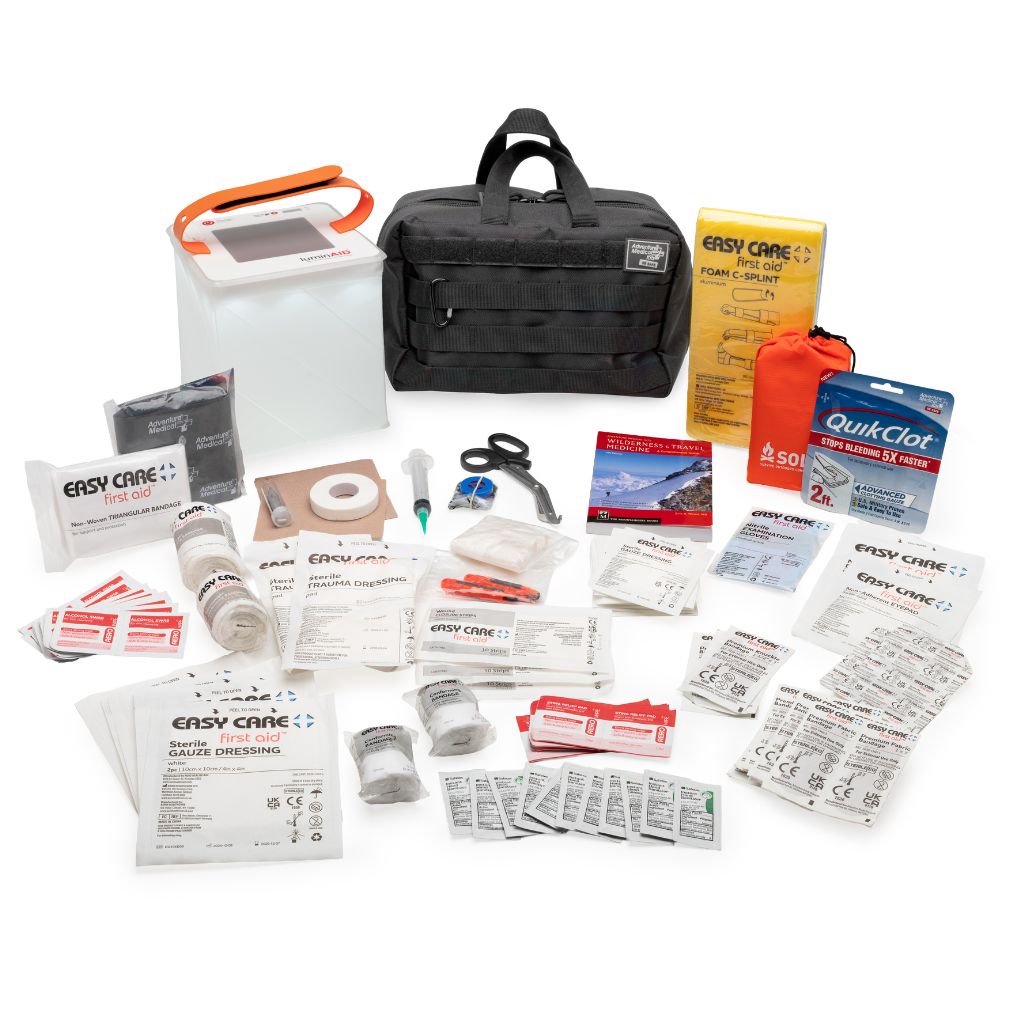
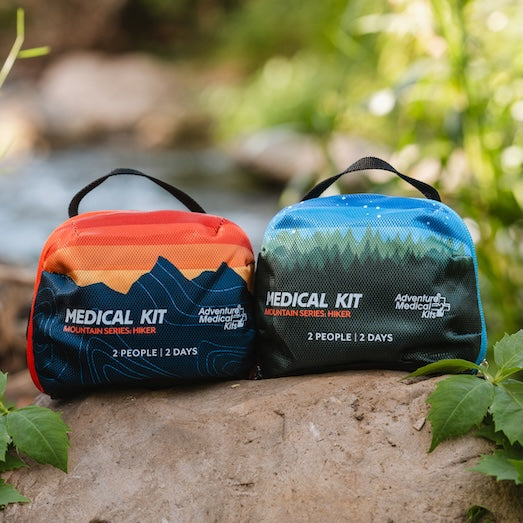
A labeled, activity-specific medical kit also matters here. A Mountain Series Medical Kit - Backpacker is built as a backpacking first-aid kit with supplies to treat you and a friend on hiking trips of up to four days, which is the right kind of specificity for trail use rather than a random household pouch.

Daylight is part of the packing list
Arriving with daylight to spare is not a luxury. It gives time to find level ground, sort wet gear, and notice the missing stake before darkness turns a small oversight into a miserable setup. One overlooked cord, one dead headlamp, or one missing pot lid is easier to fix while there is still light and energy left to fix it.
Tired campers make sloppy shelters, skip meals, and ignore early warning signs from their own bodies. That is how a wet sleep system becomes a cold night, and how a blister or bad snack choice starts steering the rest of the trip. The safest pack is the one assembled before departure, checked in daylight, and built with a margin for the mistakes that show up when people are hungry, rushed, or overconfident.
Shelter, Fire, and Water in the Field
The field order matters. Shelter first, fire second, water third is the sequence that keeps the body from losing heat, the fire from becoming a hazard, and the water from making someone sick. A camp that gets those three right can absorb almost anything else, while a camp that gets them wrong tends to unravel fast.
Read the ground before the tent goes up
The right site is usually obvious once the camper stops looking for the prettiest spot and starts looking for the safest one. Level ground matters, but so does avoiding low spots, animal trails, and overhead hazards that can drop branches or funnel water into the sleep system. The shelter floor needs insulation, not just a tent footprint, because cold and wet ground pull heat away faster than many beginners expect.
Choose the driest, flattest usable ground, then build up comfort from there. A decent tent on a bad site still makes a bad night.
Wind changes the whole equation. Staking the tent properly and keeping a rain layer within reach beats the common mistake of assuming “good weather” means the shelter can be half-baked. Princeton's Outdoor Action winter-camping guidance also notes that sleep systems should be set up to reduce energy loss and moisture buildup, which is exactly why staying warm matters more than saving a little pack weight (Princeton University Outdoor Action).
Fire and water reward patience
Fire failure usually comes from rushing the fuel pile. Gather tinder continuously, then move in stages from pencil-thin kindling to larger wood. Feed the flame too fast and it smothers; use damp material and it dies before it matters.
For a simple reference on water treatment, the rule is blunt. Assume wild water is contaminated, then boil it for at least 1 minute or use filtration and purification if boiling is not possible. A more detailed comparison of water treatment methods is laid out in the difference between filters and purifiers, which is worth reading before anyone depends on a bottle or pump in the backcountry.
When these three tasks are treated as connected decisions rather than separate chores, camping becomes much easier to manage. A camper who chooses a dry site, protects the sleep system, and treats water carefully is already ahead of most preventable field failures.

Wilderness First Aid and Injury Management
A wet rock, a quick slip, and suddenly there is a bleeding knee, a cold foot, and a camper trying not to panic. That is the normal shape of many outdoor injuries. The right response is calm, direct, and boring, because drama wastes time the wound, the weather, and the clock will not give back.
Stop the problem before it grows
Direct pressure comes first when a cut is bleeding. After that, clean the wound, cover it, and keep dirt out so a small injury does not turn into a longer problem on the trail. Then look for shock, which can show up as pale skin, a rapid pulse, or confusion, and decide whether the injured person can walk out or needs help.
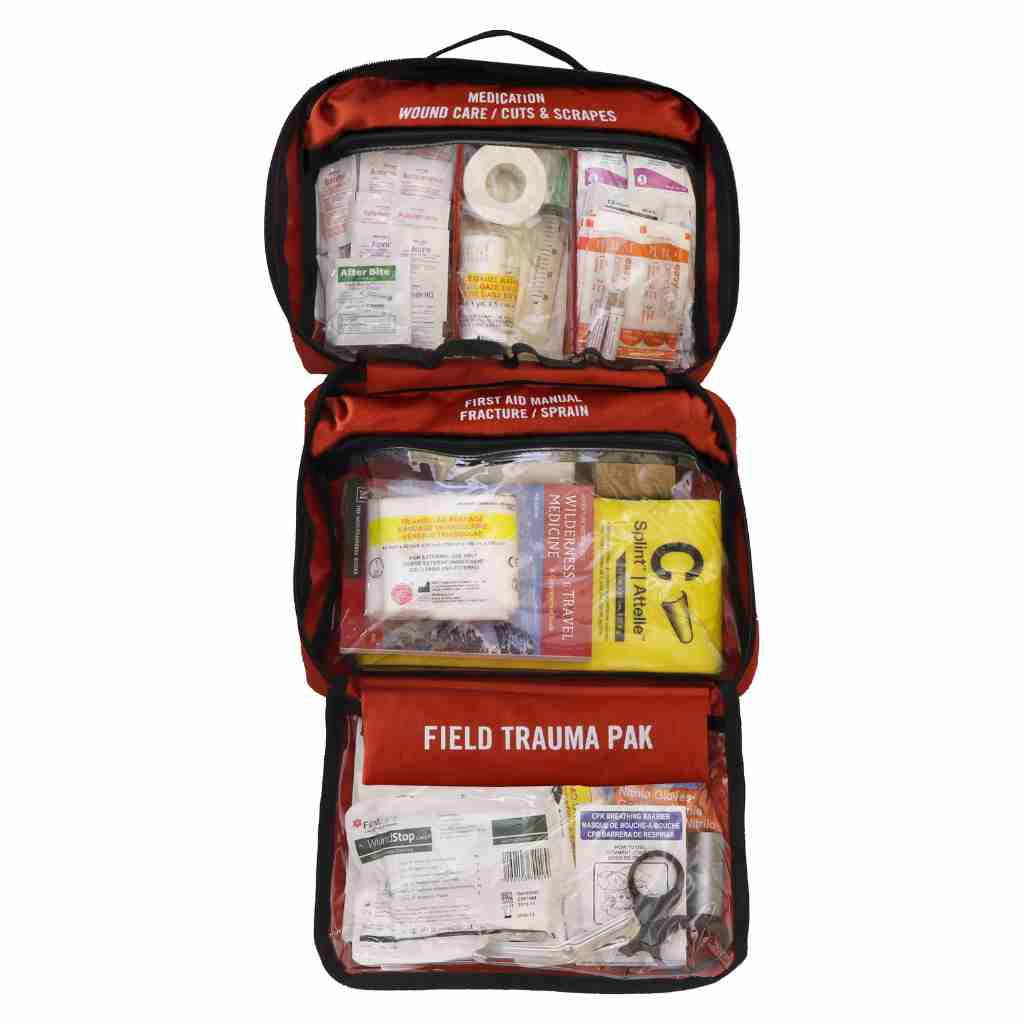
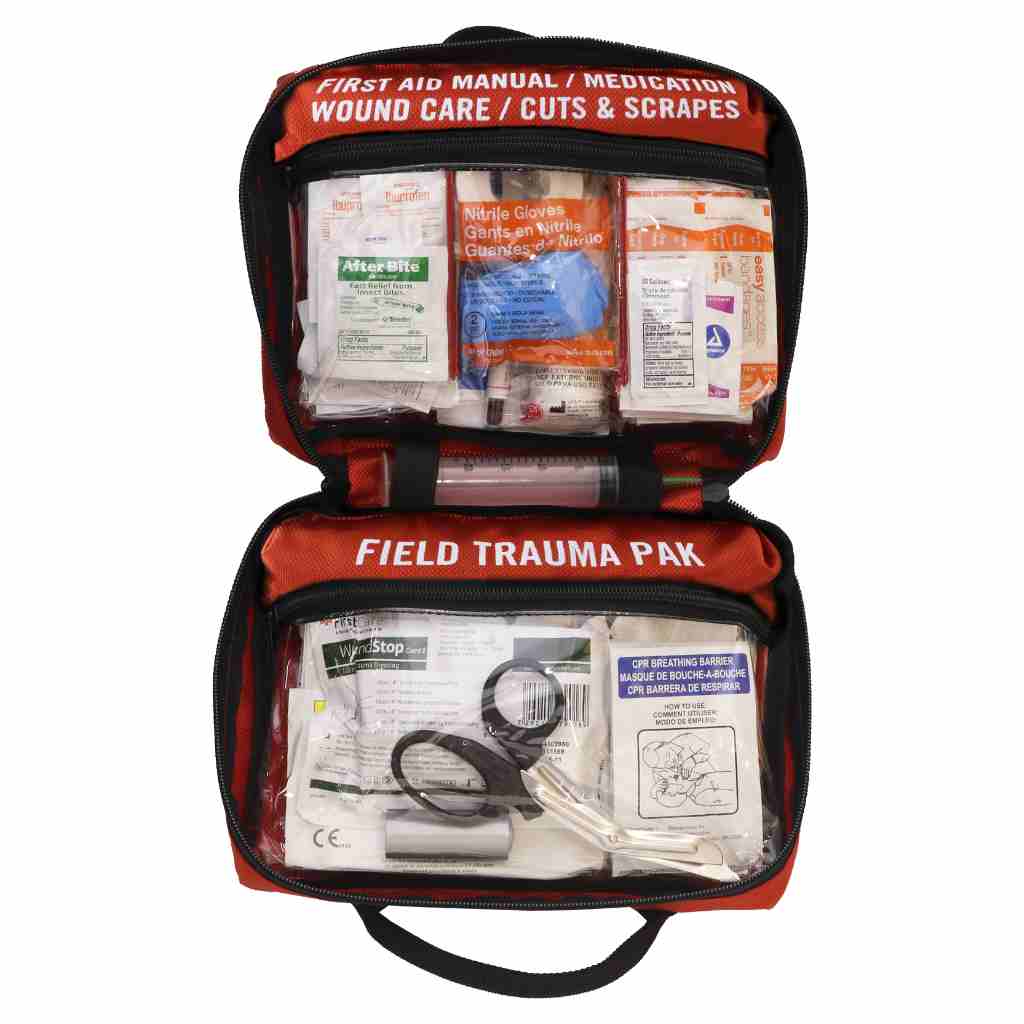
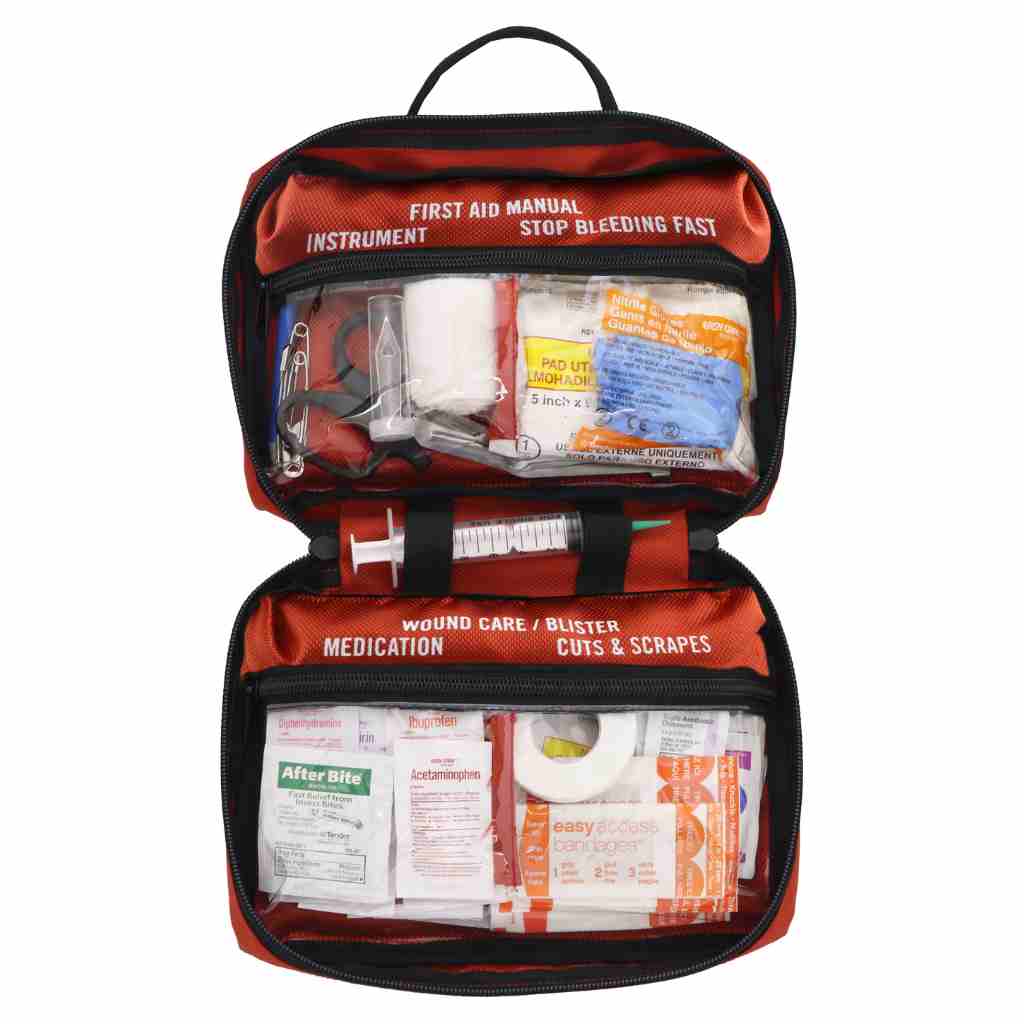
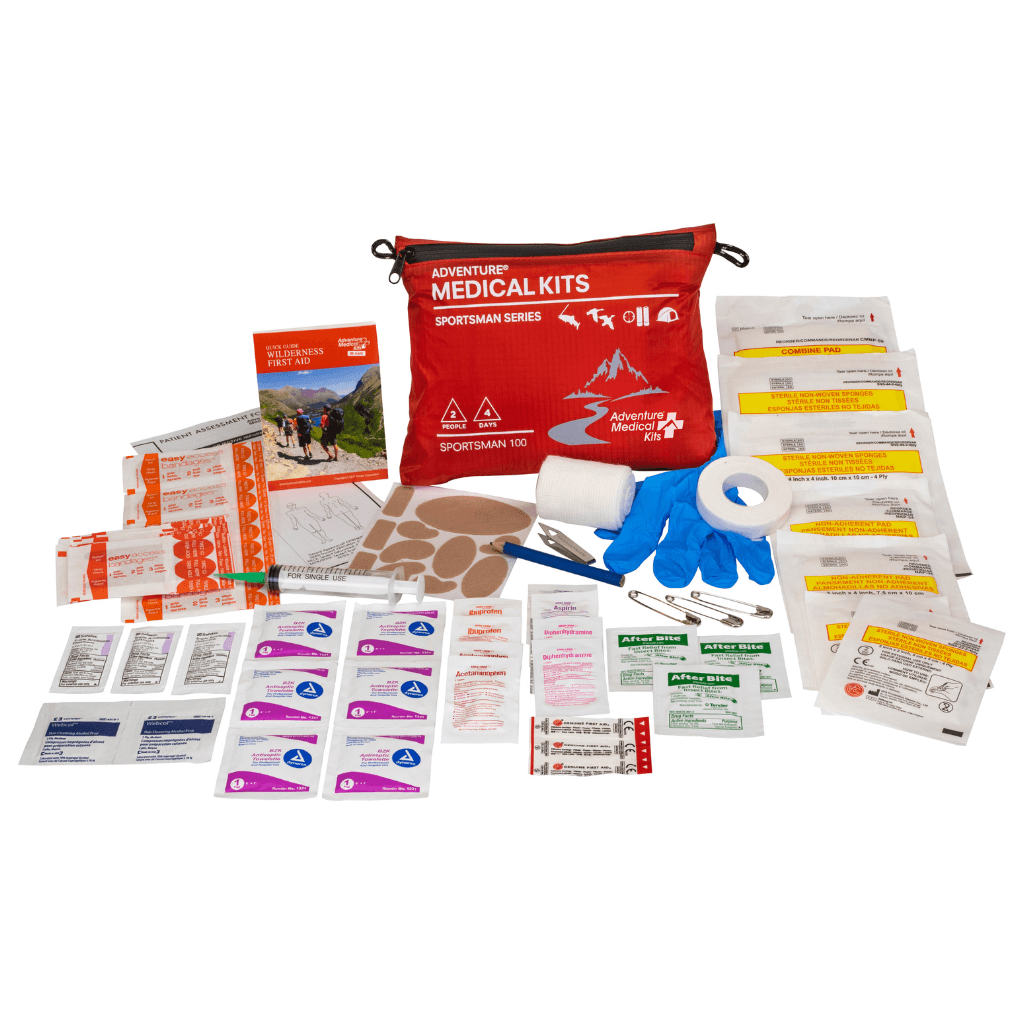
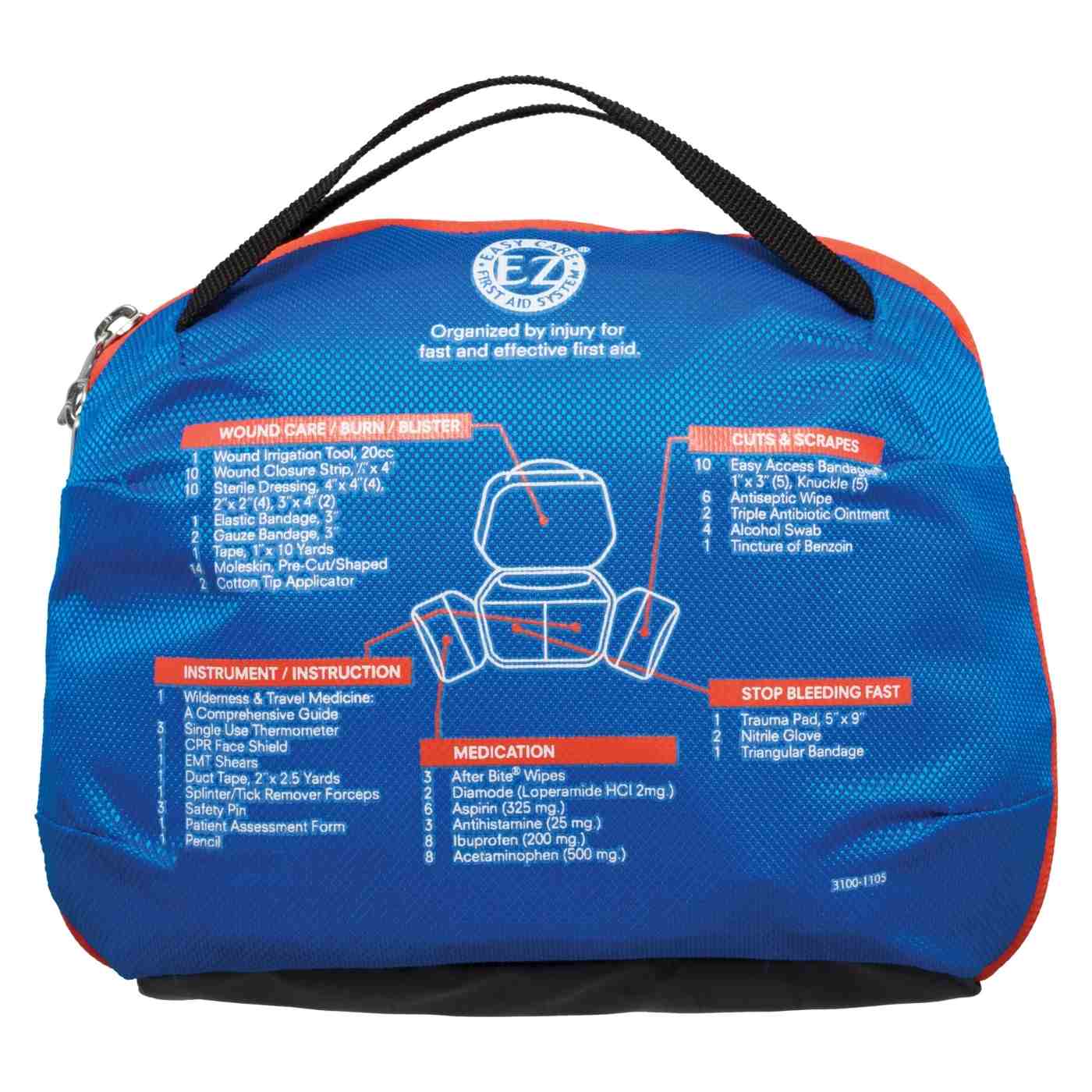
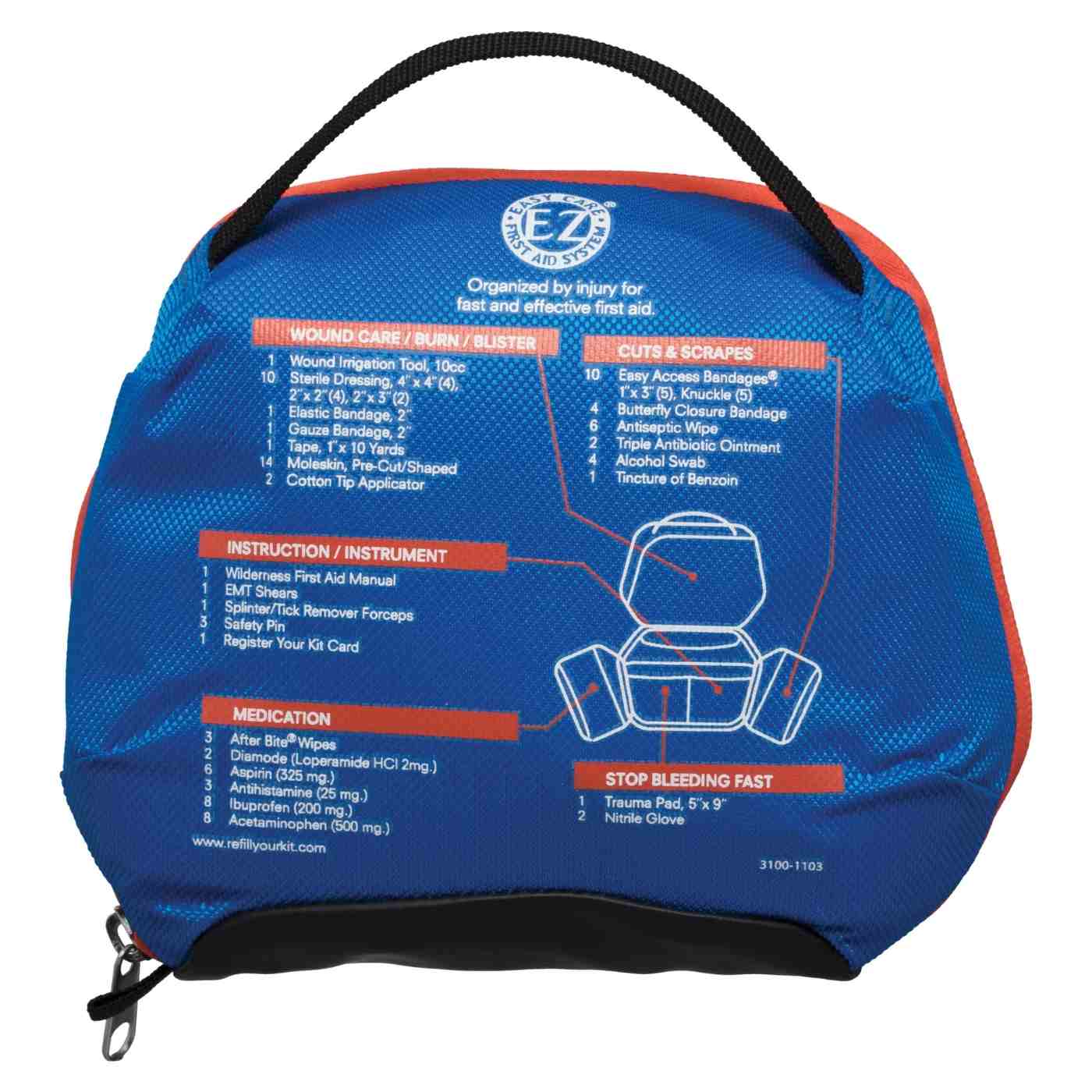
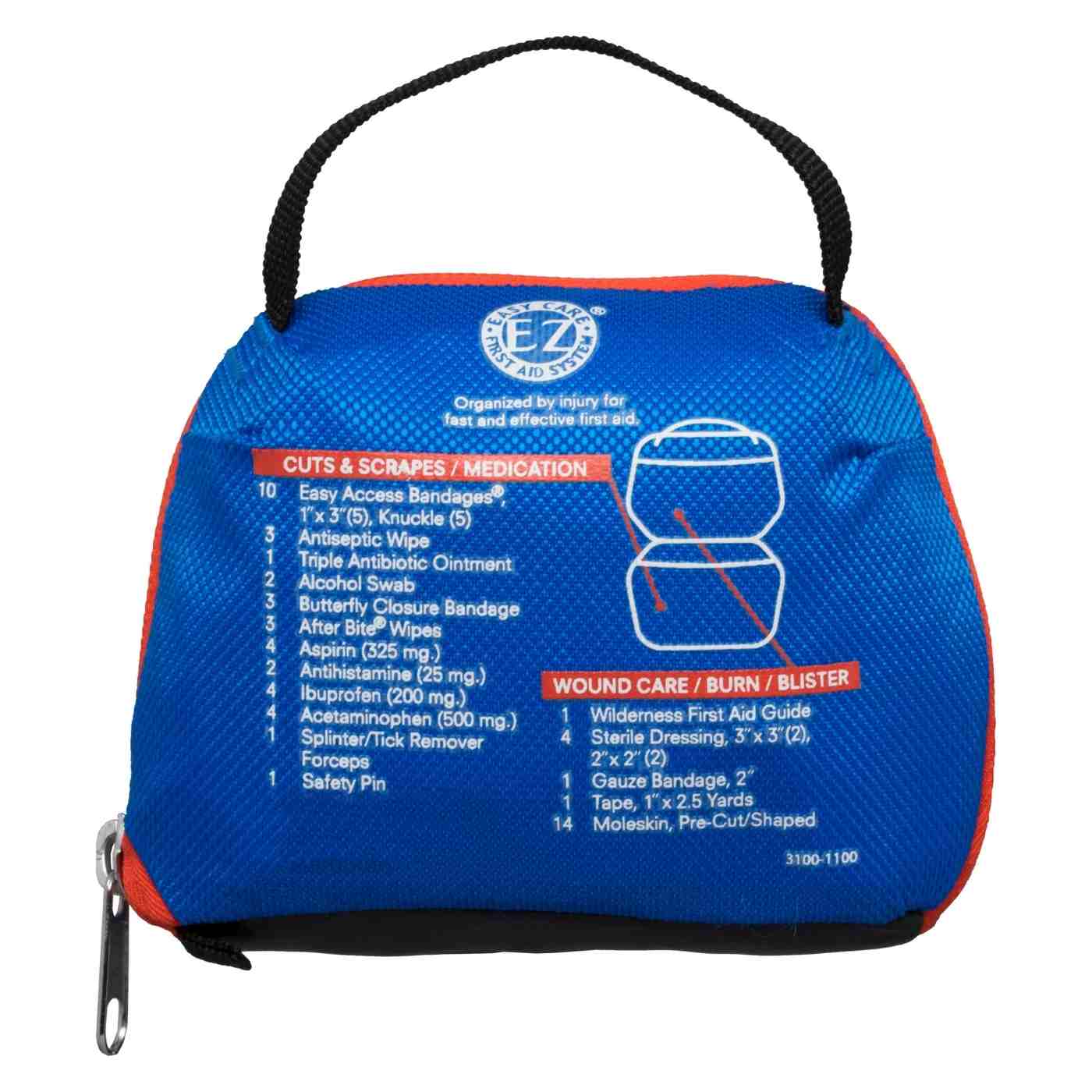
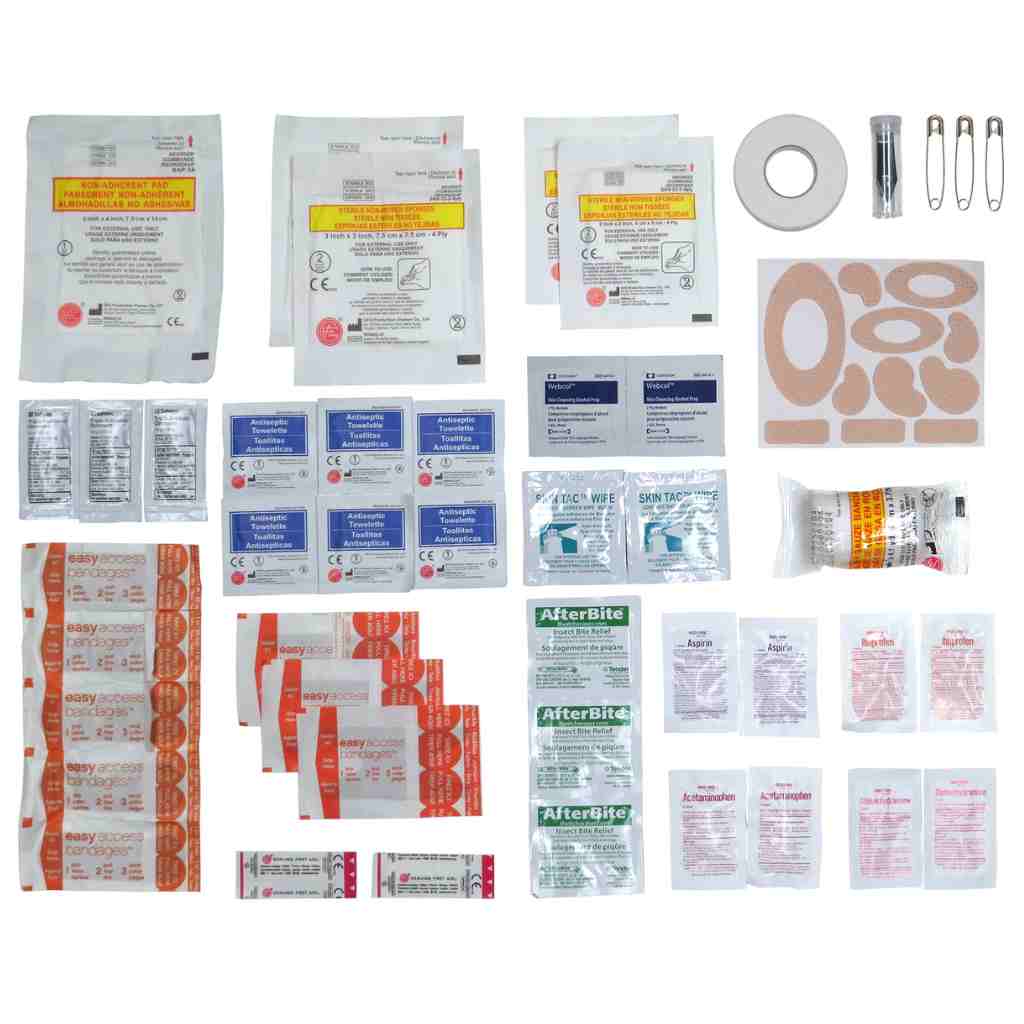
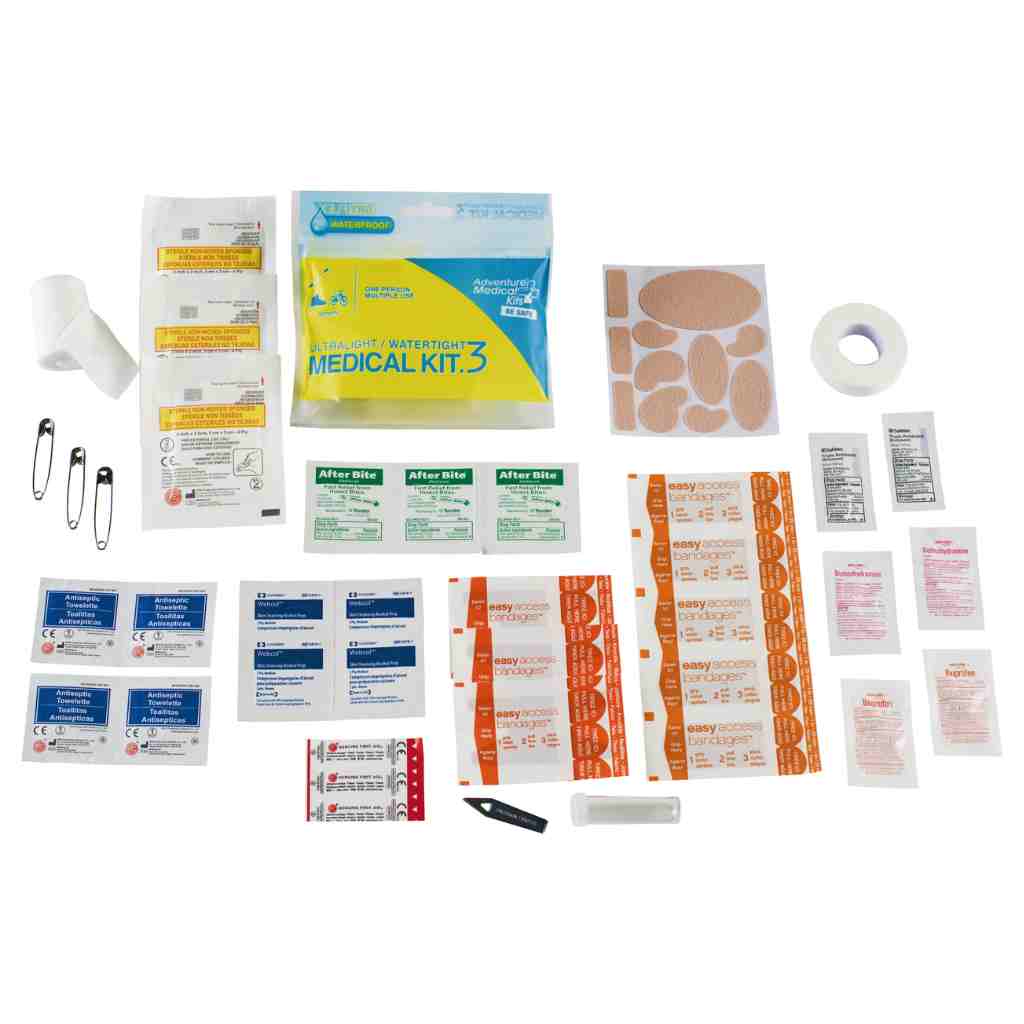
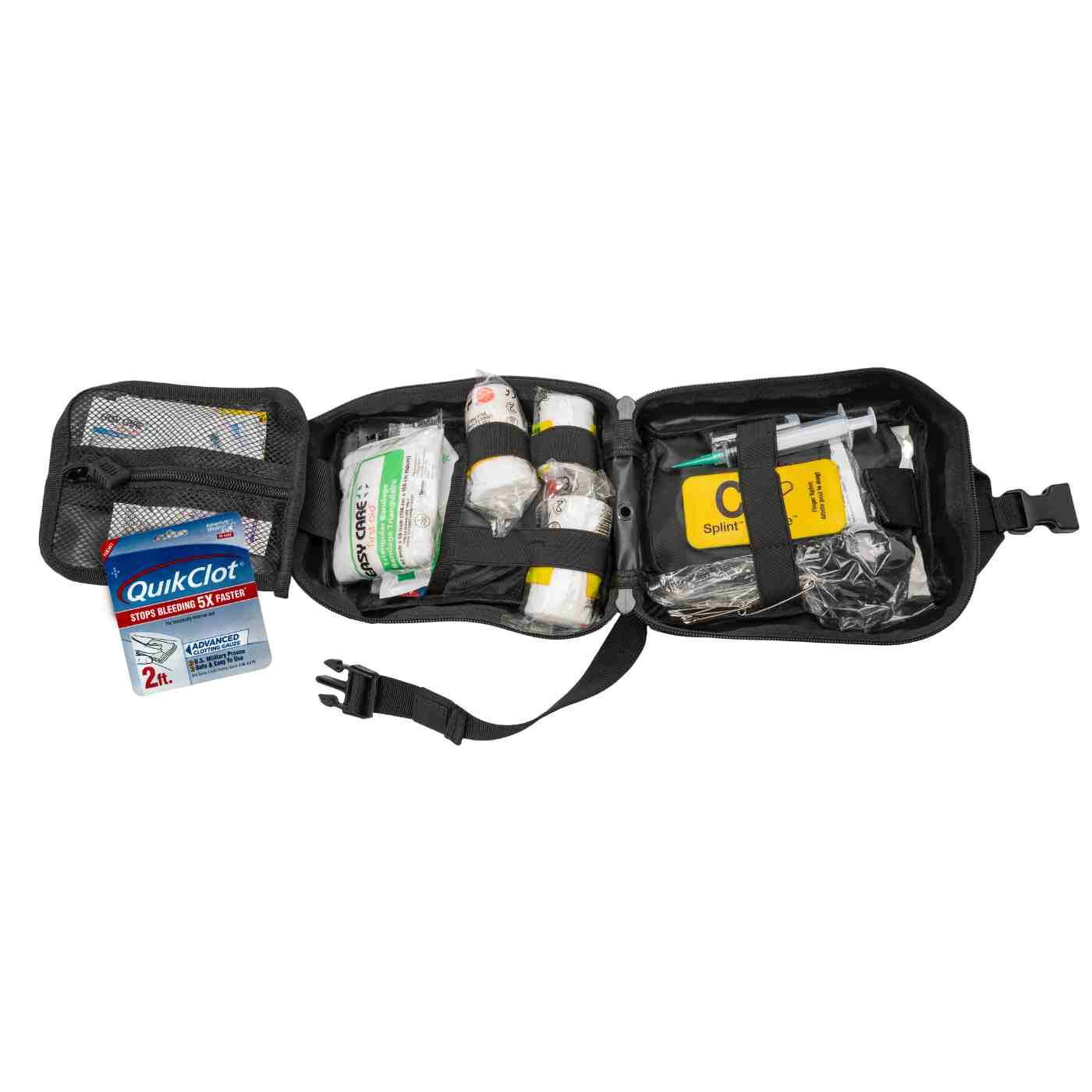
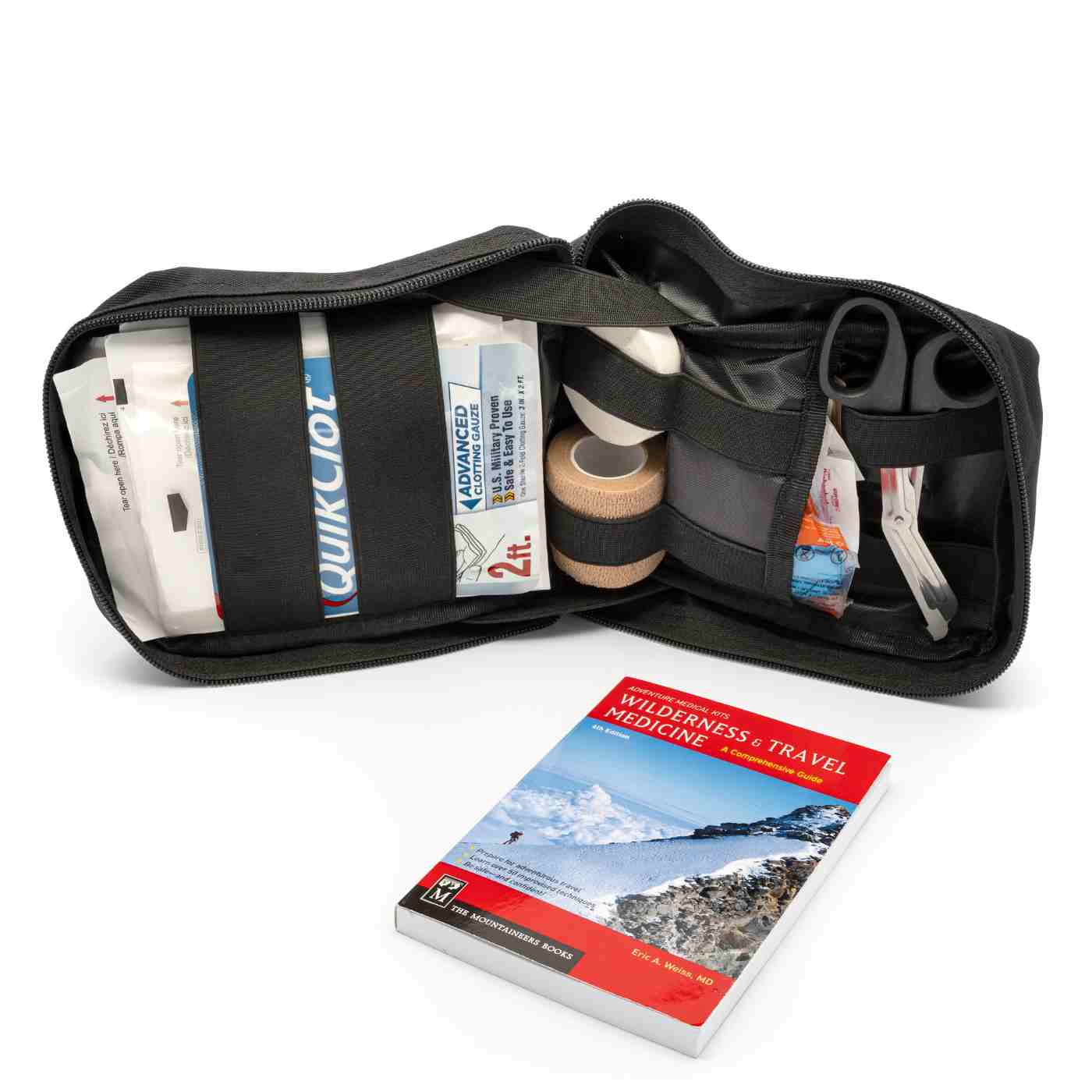
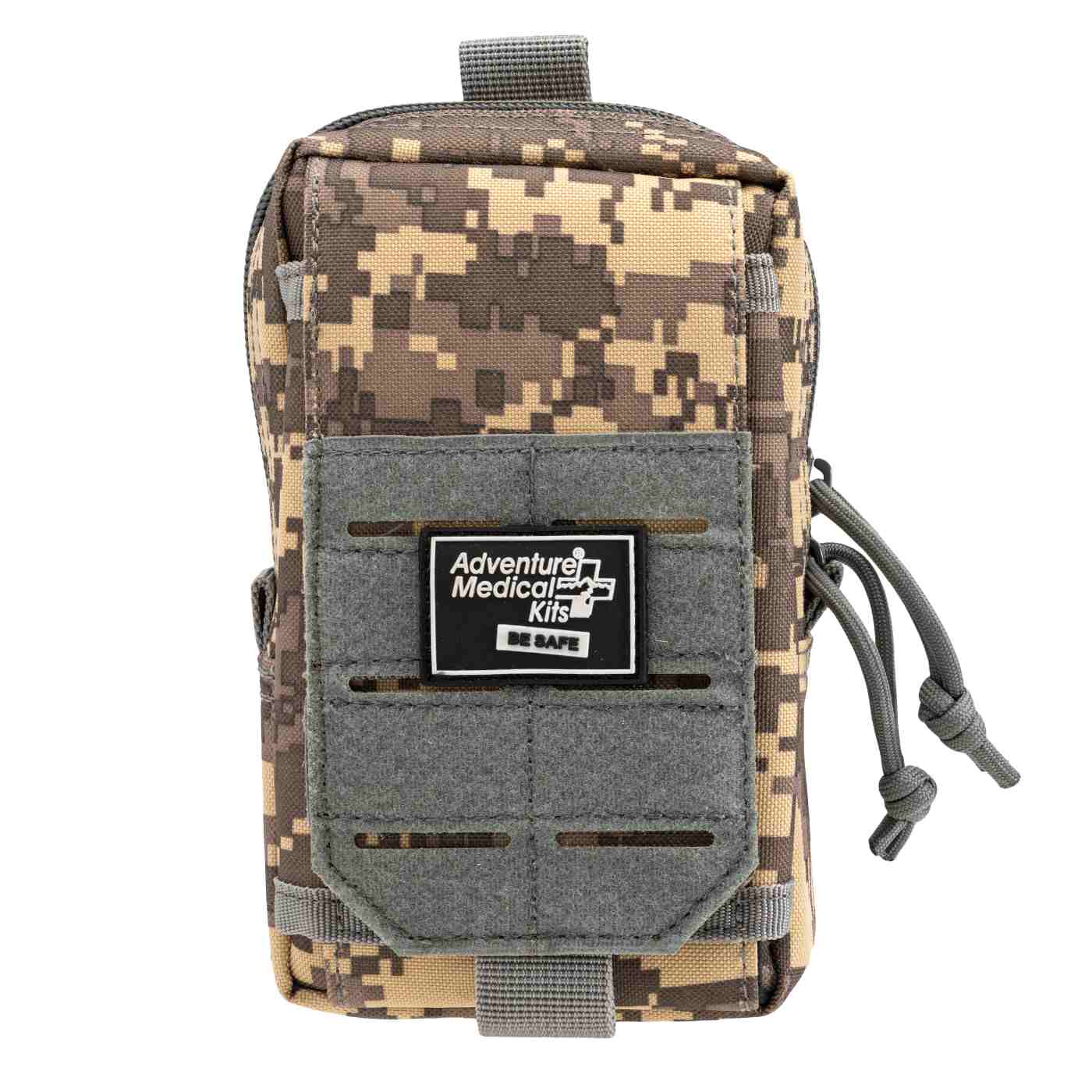
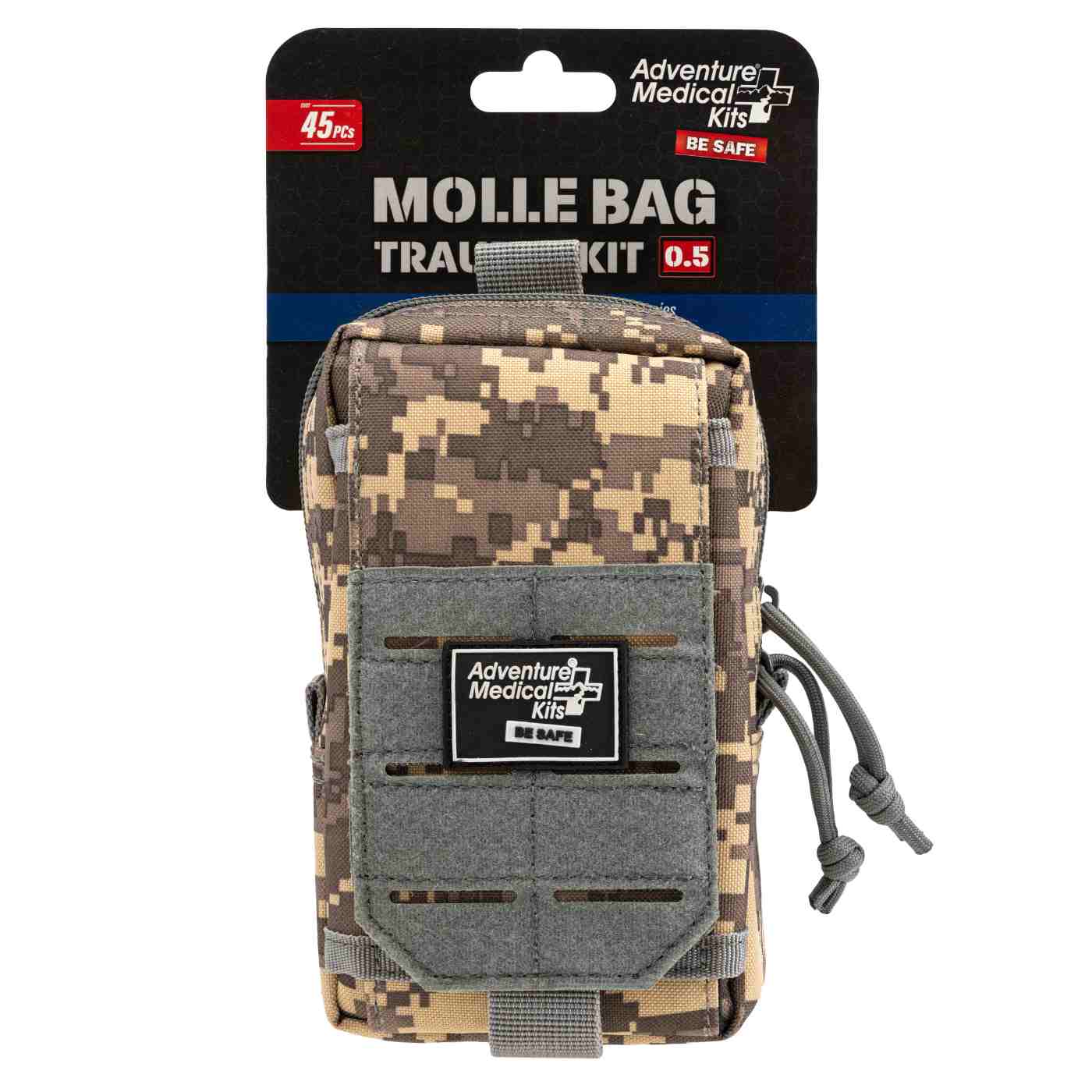
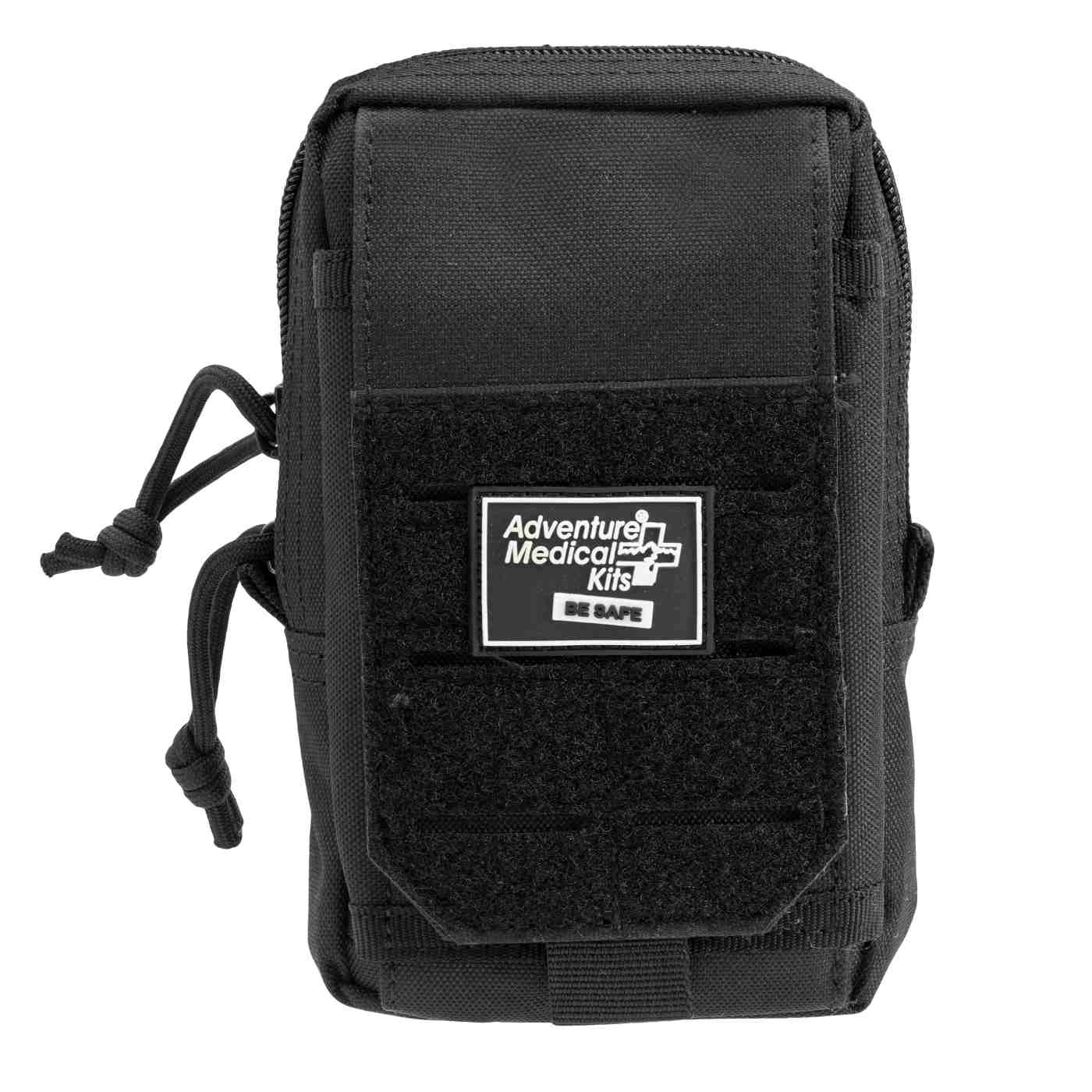
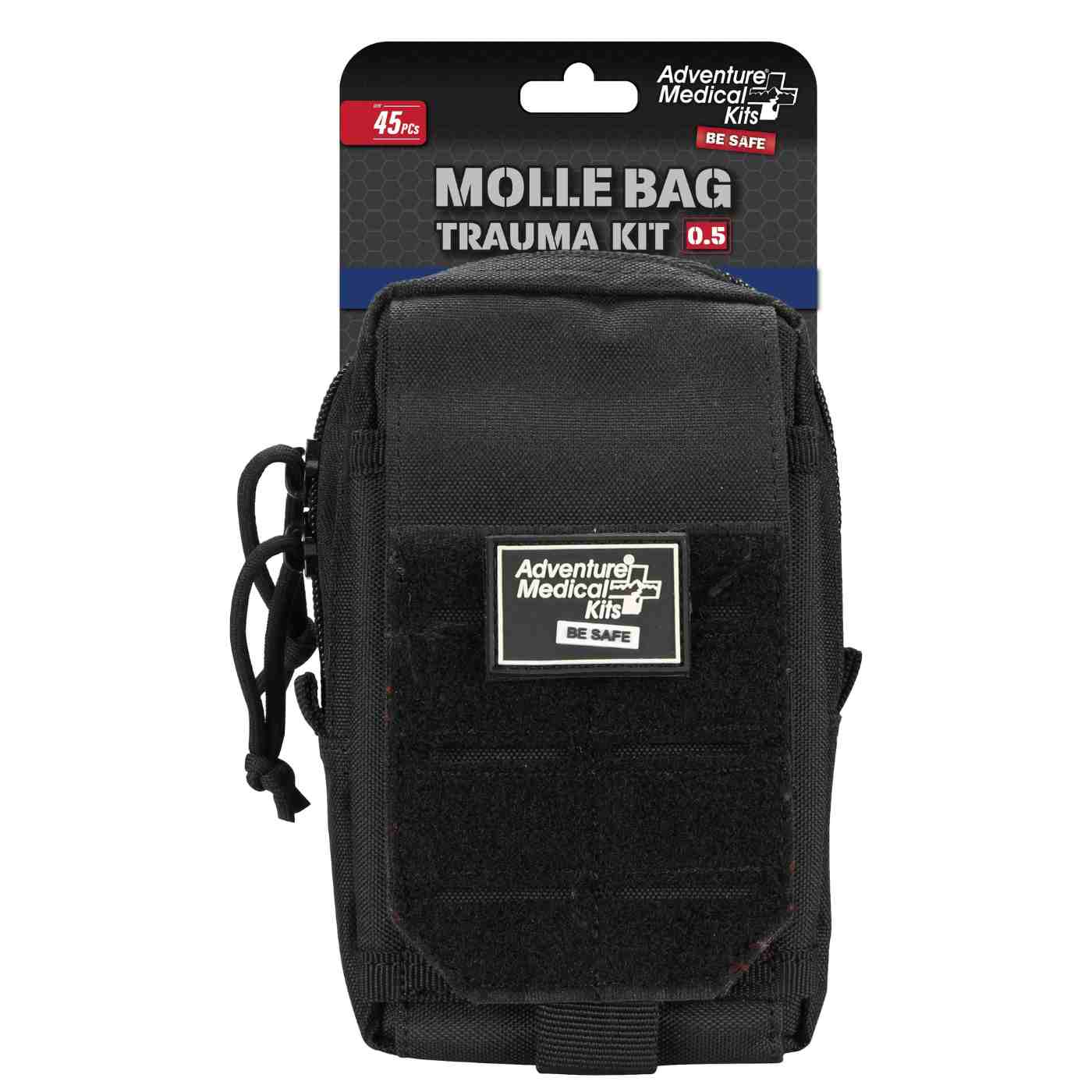
A useful kit makes those actions obvious instead of improvised. Gloves, gauze, a trauma dressing, antiseptic wipes, blister treatment, and a handbook-style reference all reduce hesitation when hands are shaking and judgment is getting thin.
If a wound keeps bleeding after pressure, or the person shows confusion after a head strike, evacuation becomes the plan.
Organization matters in the field because wasted minutes turn minor problems into bigger ones. A compact label system helps the camper find supplies quickly instead of digging through loose items while trying to remember what goes where.
Know what stays on trail and what leaves the trail
A blister, a minor cut, and a sore knee often stay manageable if they are handled early. Suspected fractures, severe allergic reactions, head injury with confusion, and any wound that will not stop bleeding are different. Those problems are not moments to tough it out, they are evacuation decisions.
The trip plan also needs to account for cold recovery and the odds of getting stuck in weather. As noted in Princeton University Outdoor Action, carrying at least a day's surplus of fuel gives a margin when conditions change, and keeping moisture out of sleep systems helps the injured person stay warm enough to remain stable. That matters because wilderness first aid is never just about bandages. It is also about keeping body heat, energy, and judgment from slipping away at the same time.
A second layer belongs in the medical kit and in the campsite routine. If the group can keep the injured person dry, fed, and quiet while tracking whether symptoms are getting better or worse, the decision to continue or evacuate gets clearer fast. Training helps too, but on a rough weekend the smallest habits, clean hands, quick dressing changes, and an organized kit, are usually what keep a bad scrape from becoming a trip ender.
Weather, Wildlife, and Sanitation Decisions
A lot of camping trips do not blow up in one dramatic moment. They slip off track through wet layers, dirty hands, food left exposed, and a campsite that never got cleaned up the way it should have been. The U.S. Forest Service advises campers to keep campsites clean, store food, garbage, coolers, and cooking utensils securely, and never feed or approach bears, while also emphasizing handwashing after toilet use and before handling food to reduce the spread of germs and disease.
Weather and camp layout work together
A rain shell belongs in the pack even under a clear forecast, because dew, wind, and short storms can pull heat out of a camper faster than people expect. Layering works better than dressing too warmly at the start, since wet insulation is hard to recover from and a camper who can add or remove pieces quickly stays steadier through changing conditions.
Camp layout and fire safety belong in the same decision. The University of Maryland Extension advises clearing vegetation within a 15-foot radius of the campfire site, keeping tents and vehicles upwind at least 15 feet from the fire, and keeping the fire only as large as needed (University of Maryland Extension).
A fire that is too big creates more problems than heat. It is harder to control, harder to put out, and more likely to throw sparks into gear, brush, or a poorly chosen tent setup.
Sanitation is part of survival
Beginner advice often reduces hygiene to a bathroom workaround, but real camping sanitation needs a kit. Soap, a wash basin, paper towels or rags, toothpaste, toothbrush, floss, and feminine hygiene products all belong in the same planning bucket because handwashing, waste handling, and personal hygiene affect the whole group. When water is limited or toilets are unavailable, the campsite needs a waste plan before anyone is standing there uncertain about what to do next.
| Risk Area | Rule of Thumb | Why It Matters |
|---|---|---|
| Food storage | Keep food and trash secured | Reduces wildlife contact and contamination |
| Handwashing | Wash after toilet use and before food handling | Cuts the spread of germs and disease |
| Fire placement | Keep the fire small and the area cleared | Makes control and extinguishing easier |
| Camp layout | Keep tents and vehicles away from the fire area | Limits heat exposure and accident risk |
Wildlife encounters are easier to manage when the camp never advertises itself as an easy food source. Clean camp habits do more than protect the site, they lower the odds that a small sanitation lapse becomes a bigger safety problem. A simple field routine, wash hands, secure food, clean up scraps, and check the fire area before dark, prevents the slow failures that send novice campers home early.
A basic navigation refresher can help the group stay oriented when weather changes or chores run long, and map and compass fundamentals are worth reviewing before the trip.
Signaling, Navigation, and When to Evacuate
Getting lost should be treated like a scenario with a plan, not a personal failure. Panic burns energy, clouds judgment, and pushes people into random walking, which is often the worst possible move when the trail is no longer obvious. The USDA Forest Service recommends staying calm, not panicking, and using the Hug a Tree approach, staying where you are so rescuers can find you, while carrying a whistle and small mirror for signaling (USDA Forest Service).
Stay visible, audible, and warm
A whistle can carry farther than a shouted voice and costs almost no pack space. A small mirror helps in daylight, a bright cloth gives visual contrast, and a headlamp makes nighttime locating much easier for both the camper and the searcher. The goal is not to wander until luck improves, it is to make the current location easier to find.
Stay put if shelter, warmth, and signaling are realistic where you are. Move only when you know where you're going.
A charged phone still belongs in the system, but it should not replace a paper map or a simple turnaround plan. Overshooting a junction, missing a landmark, or pushing past daylight are common errors because people keep hiking after the decision point has already passed. A navigation basics refresher such as map and compass fundamentals helps keep that from happening.
Move only for a known reason
Self-evacuation makes sense when the route back is confirmed, the injury requires help, or a road or landmark is clearly reachable. Random movement is different. If the person can still be seen or heard from the spot where they stopped, and the night can be spent warm enough to stay functional, staying put is usually the better call.
That judgment skill matters because rescue is not just about tools, it is about resisting the urge to solve uncertainty with motion. The camper who pauses, signals, and waits from a visible location usually gives rescuers the easiest job.
Survival Checklist and the Pre-Trip Mindset
A practical camping checklist is short enough to remember and specific enough to use. Share the itinerary, check the weather, test gear, pack the essentials, bring a labeled first-aid kit, plan water and waste, and identify bailout points on the route. That list covers almost every preventable trip failure before it starts.

The mindset that keeps trips from unraveling
The difference between a memorable trip and a bad one usually shows up in small decisions made early. A blister gets taped before it changes a gait. A wet sock gets replaced before it chills the whole body. A bad site gets rejected before the tent goes up. That habit of treating small discomforts as signals, not nuisances, is what keeps a simple trip from becoming a rescue story.
One recent industry compilation reports that 7.2 million U.S. households camped for the first time in 2022 and 58 million households camped at least once that year, showing how mainstream and novice-heavy camping has become (U.S. Forest Service camping guidance). That scale is exactly why repeatable habits matter more than flashy tricks.
Refresh skills seasonally, replace expired kit contents, and practice the setup before a real trip. The same habits that keep a family camp safe also build the foundation for harder backcountry travel later.
Adventure Medical Kits builds activity-specific first aid kits that fit the way people camp, hike, and travel, with organized supplies meant for quick access in the field. If the goal is to make camping safer before a problem starts, visit Adventure Medical Kits and choose gear that matches the trip instead of hoping a loose home kit will be enough.