

A vehicle stalls on a remote road, a storm knocks out household power, or a backpacker twists an ankle far from the trailhead. In each case, a generic box of equipment creates the same problem: the right item may be buried, unsuitable for the environment, or impossible to use without power, water, or a clear plan. An emergency survival gear kit works better when it's built around the actual failure that could leave people exposed, injured, dehydrated, lost, or unable to call for help.
Federal preparedness guidance uses a 72-hour baseline, recommending enough food, water, and supplies to manage at least three days after a disaster. That principle applies across a home emergency kit, a vehicle pack, a backpacking loadout, and a dry bag on a boat. The contents change, but the design test stays consistent: can the kit keep its users functional, protected, medically supported, and findable until assistance or a safe route becomes available?
Table of Contents
- What an Emergency Survival Gear Kit Must Do for You
- Core Essentials and How to Prioritize Them
- Tailoring Your Kit for Backpacking Car Home and Boating
- Packing Weight Management and Quick Access Organization
- Personalizing for Environment Group Size and Power Needs
- Keeping Your Kit Ready When to Maintain Upgrade or Buy Prebuilt
What an Emergency Survival Gear Kit Must Do for You
A household loses power during a winter storm. The refrigerator stops, cellular service becomes unreliable, roads are blocked, and the nearest open store is inaccessible. A large container filled with miscellaneous gear might contain useful objects, but it won't necessarily provide water where it can be reached, a working light at night, or medication when someone needs it immediately.
A well-designed kit bridges the period between an emergency and outside assistance. Ready.gov recommends a basic disaster supplies kit with water, non-perishable food, a flashlight, batteries, first aid supplies, a radio, sanitation items, and tools such as a wrench or pliers for utility shutoff. The official Ready.gov supply kit checklist also supports the broader principle that survival equipment should be compact, accessible, and matched to the people relying on it.
Survival starts with access, not item count
The first tier should be reachable without unpacking the entire bag. Water, light, essential medication, first aid, and communication equipment belong near the opening or in clearly marked pouches. Warmth, shelter, sanitation, food, and repair tools can follow in secondary compartments.
A phone may still show a signal indicator while failing to connect to a normal network. During an outage or while traveling across unfamiliar networks, understanding why your phone shows SOS can prevent wasted battery and confusion. The survival kit should support the phone rather than assume the phone will solve every problem.
Practical rule: A kit should be judged by how quickly a tired, cold, injured person can locate and use its most important items.
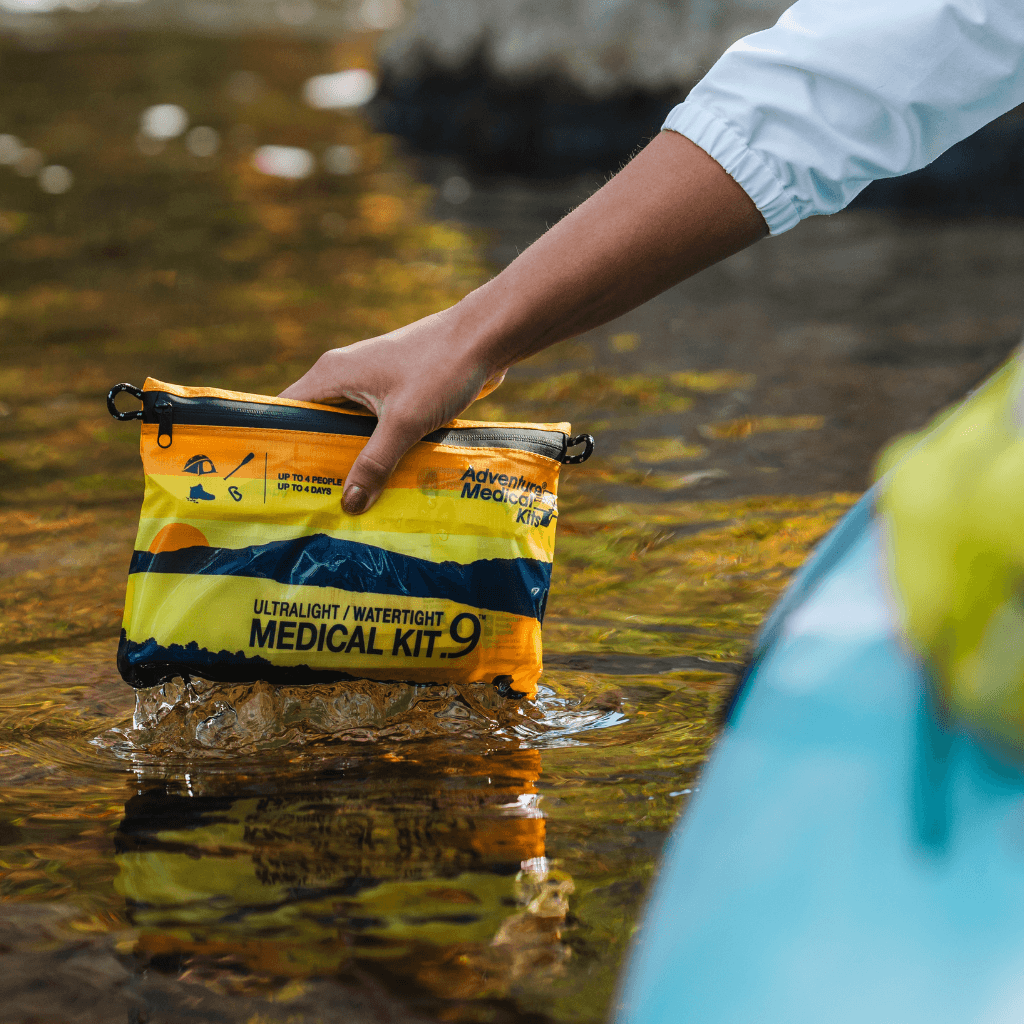
Portability matters because emergencies rarely respect the place where gear is stored. A home kit may need to move to a shelter or vehicle. A car kit may need to travel on foot after a breakdown. A trail kit must stay light enough to carry for the entire outing, while a boating kit has to remain usable after exposure to spray and damp storage.
The 72-hour model is a starting point, not a promise of self-sufficiency. It provides a clear operating assumption for choosing supplies, quantities, and access order. Public preparedness guidance recognizes the same foundation across settings, while scenario-specific design determines whether the kit remains practical when conditions change.
Core Essentials and How to Prioritize Them
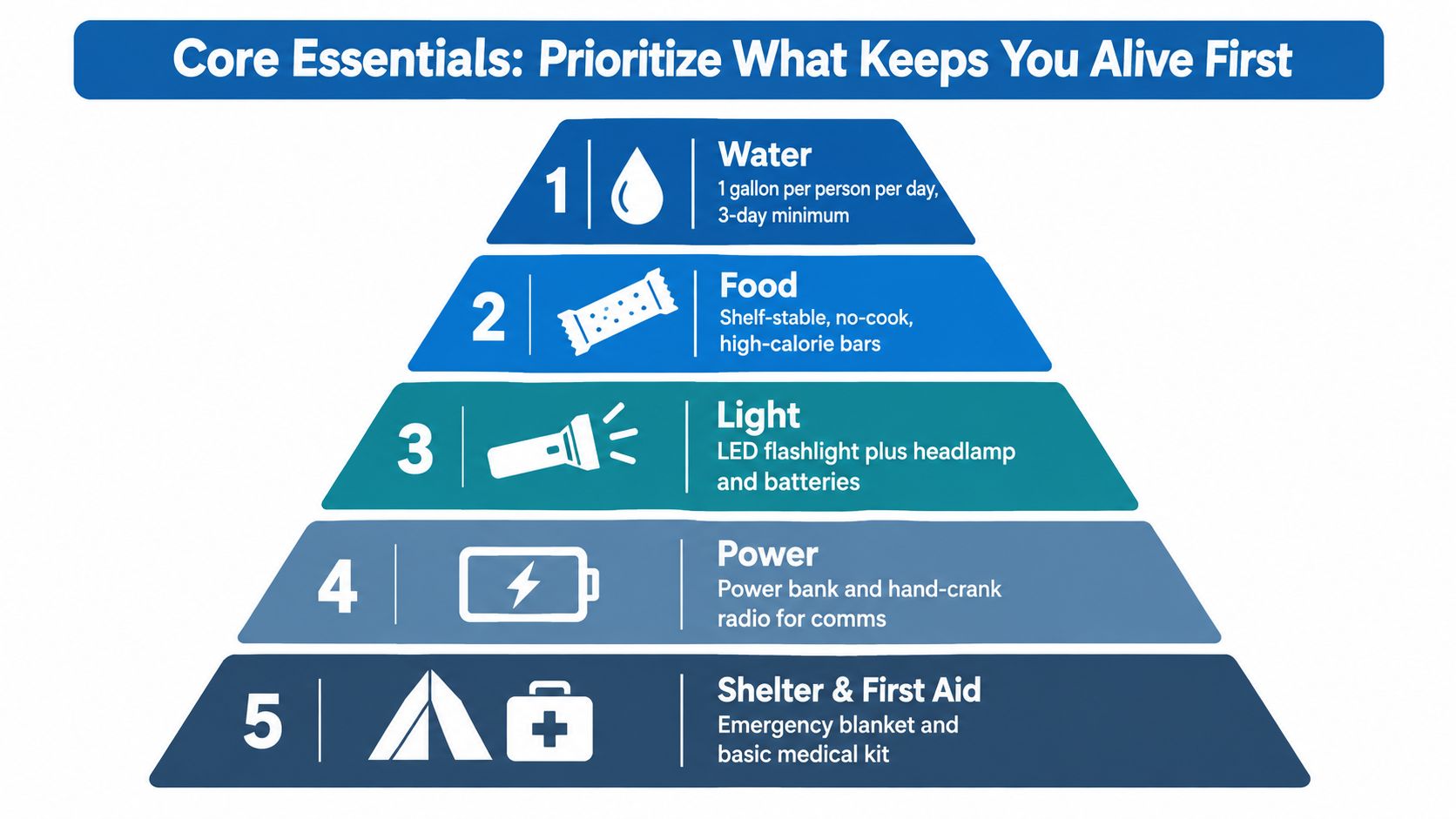
An emergency kit should be assembled by survival priority, not by the order products appear on a shopping page. Public preparedness guidance centers on water, nonperishable food, lighting, communication, batteries, first aid, medications, sanitation, documents, cash, and an emergency blanket. Some authorities extend home planning to two weeks and recommend one gallon of water per person per day for evacuation kits, as outlined in the Ready.gov emergency kit guidance.
Build the first-access layer
Water comes first because it supports hydration, food preparation, medication use, and basic hygiene. Size capacity by the people and duration involved, then distinguish between stored drinking water and purification equipment for situations where a safe source might be available.
Food should be shelf-stable and usable without refrigeration or cooking. High-calorie bars, ready-to-eat meals, and other compact items are more dependable during a power failure than food that requires a stove, microwave, or can opener. A manual can opener is easy to overlook and can make otherwise usable supplies inaccessible.
Light needs redundancy. A primary LED flashlight, spare batteries, and a headlamp cover both navigation and hands-free work. Keep ignition items waterproof, even when the kit itself is marketed as water resistant.
Communication and power require more thought than adding a radio. A hand-crank or battery radio can provide information when the phone network or internet is unavailable. A power bank, charging cable, and a backup charging method help preserve phone access, but the total battery load must match the likely outage and the kit's carrying limits.
Organize medical supplies around tasks
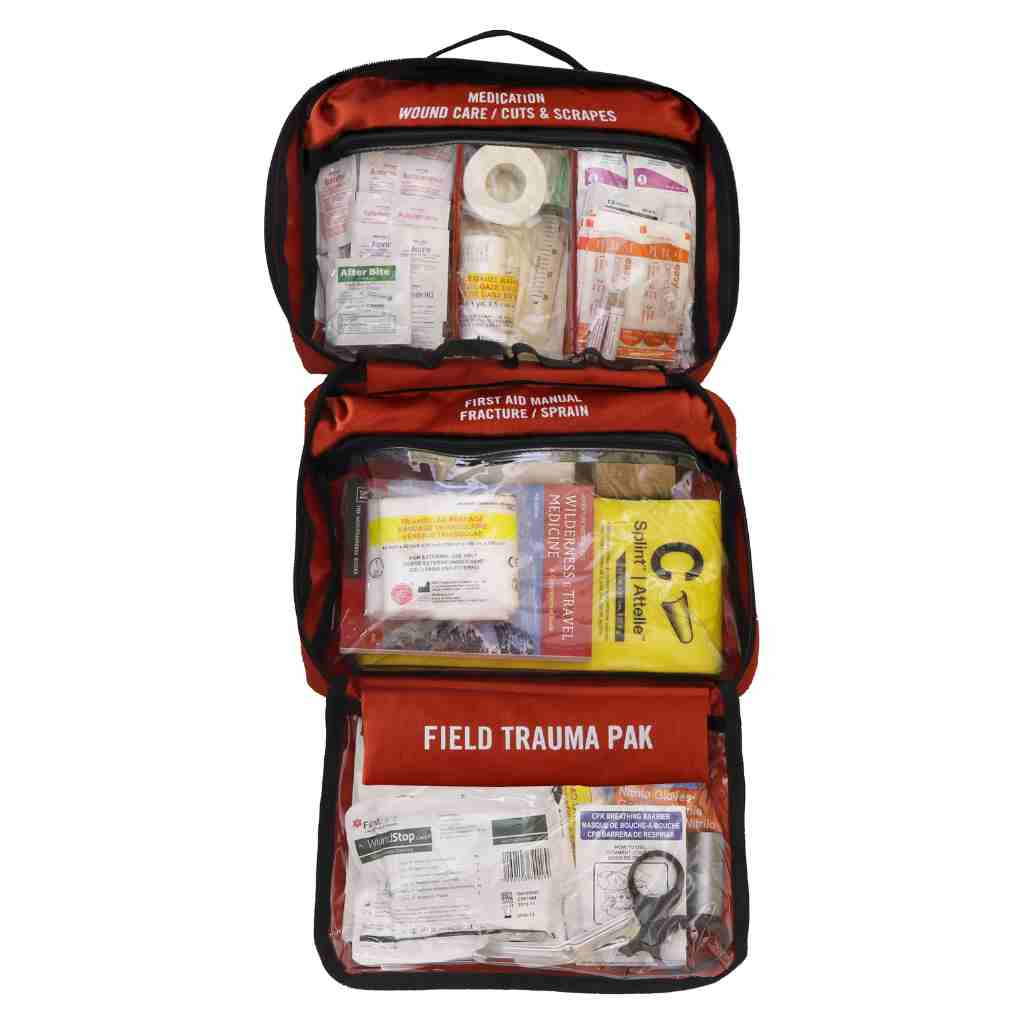
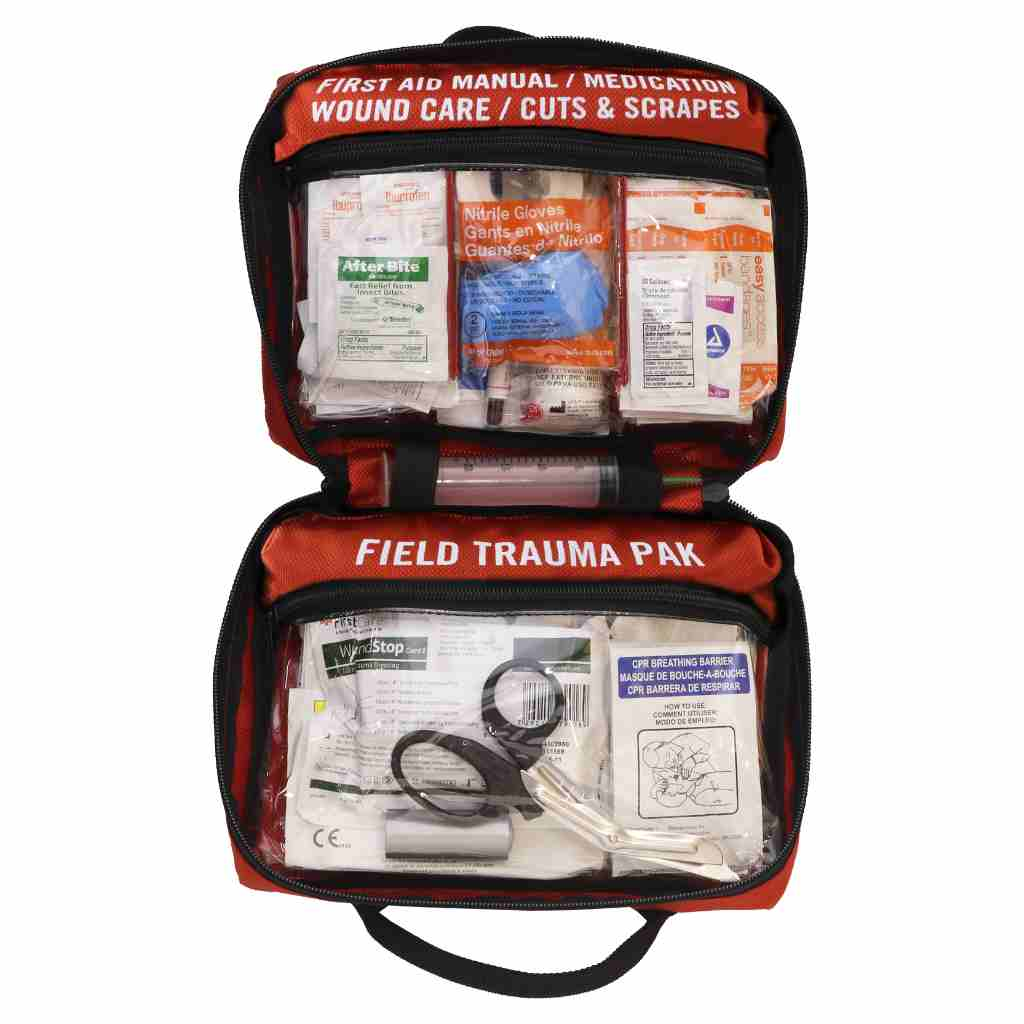
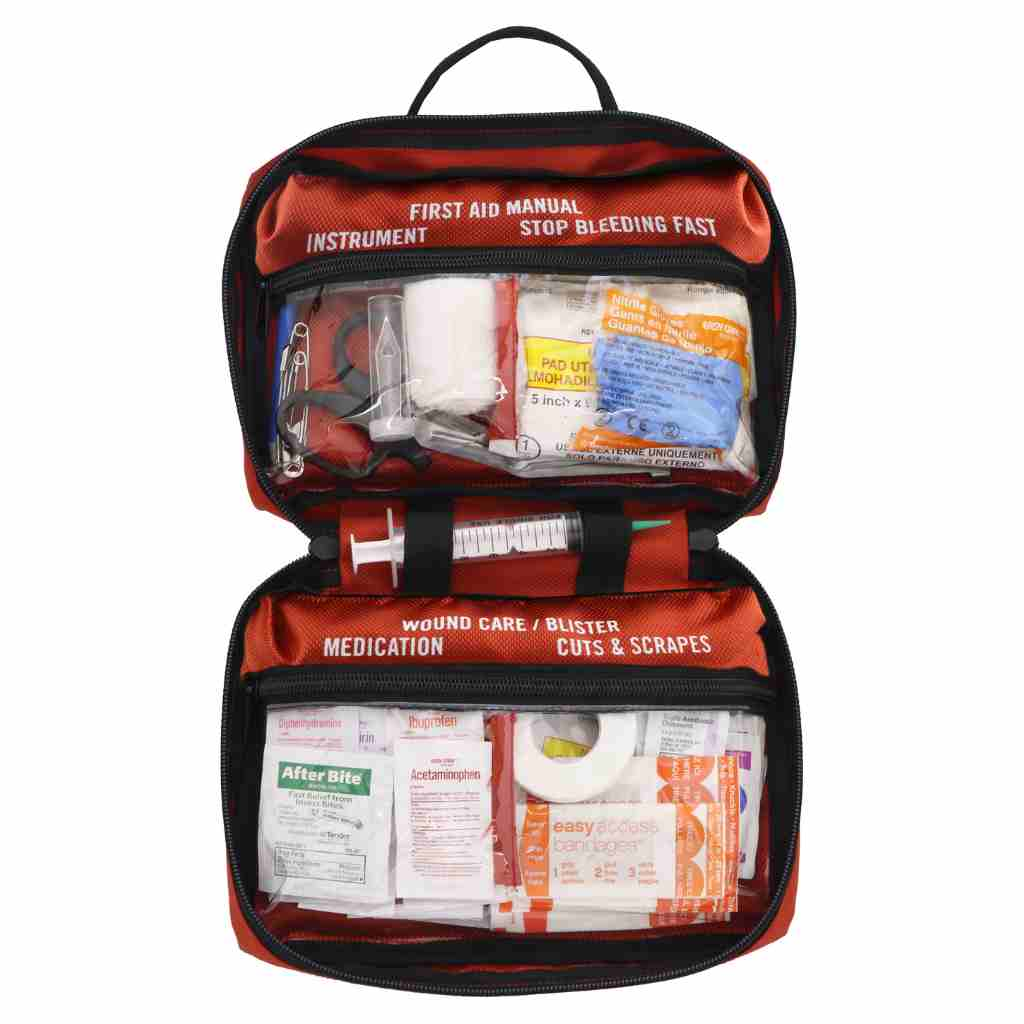
First aid is faster when supplies are grouped by action rather than placed loose in one large compartment. Bleeding control, wound cleaning, blister care, medications, and protective equipment should be easy to distinguish under poor light.
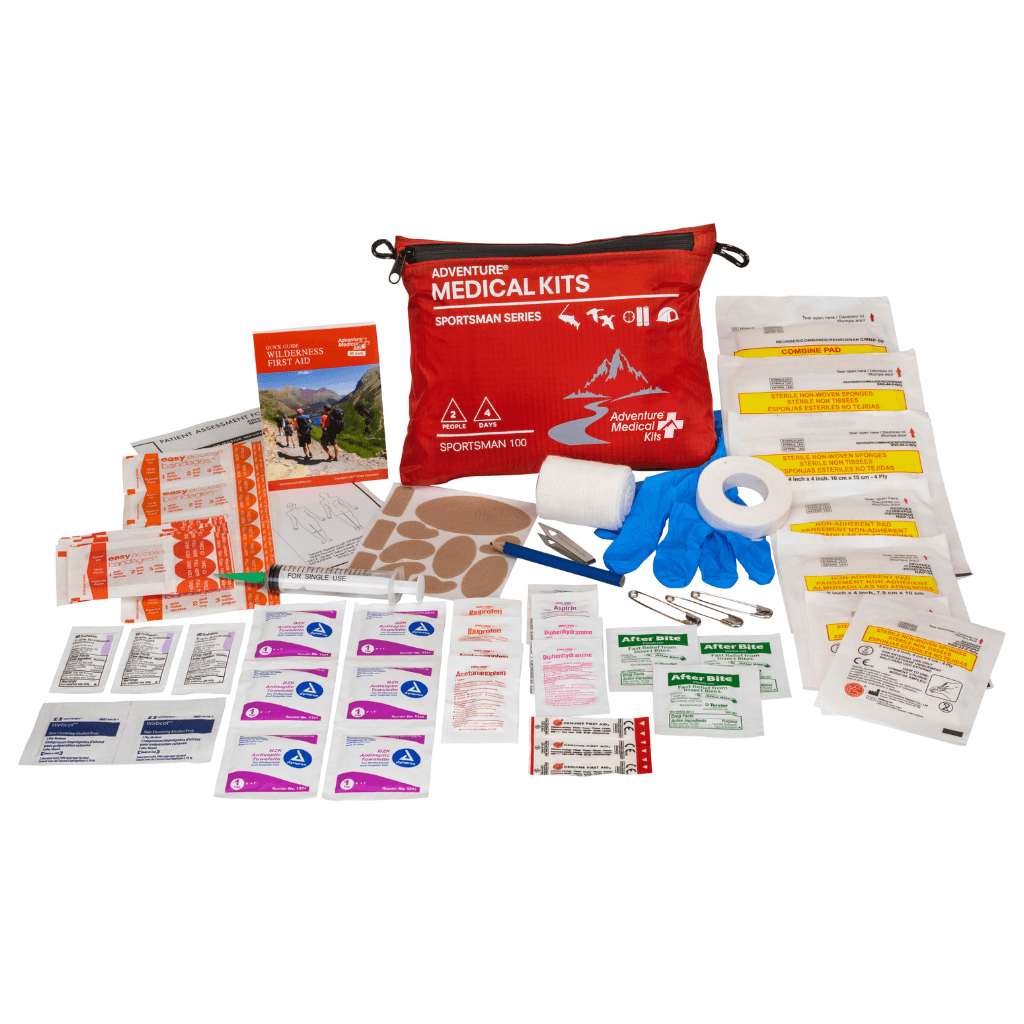
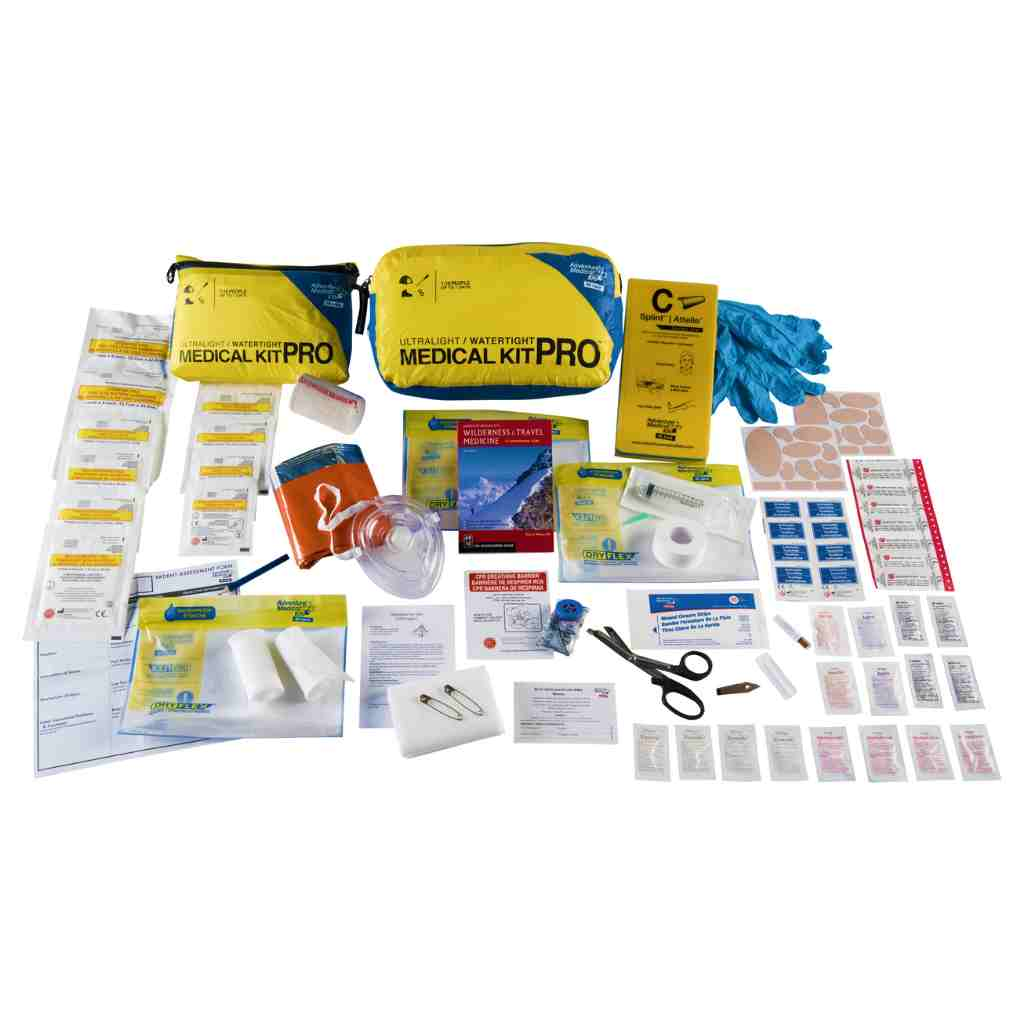
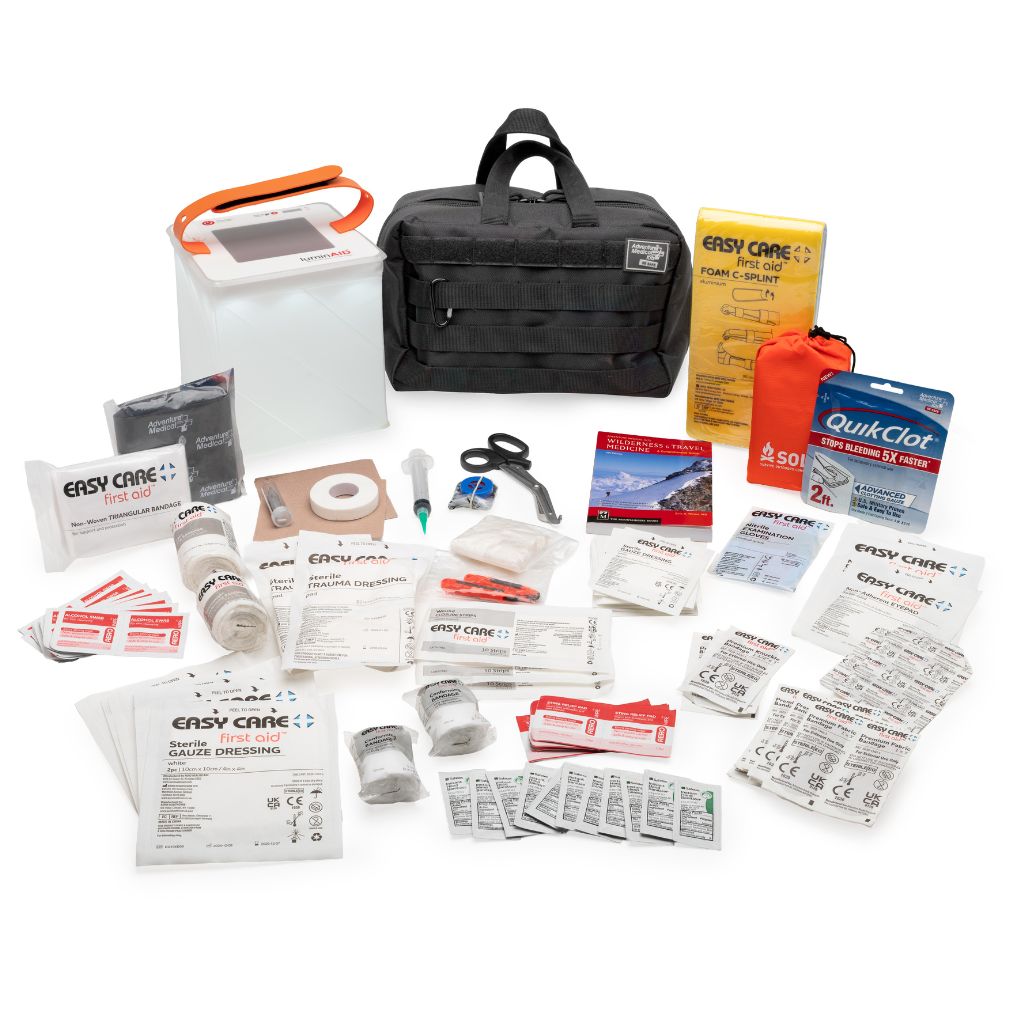
The FEMA checklist includes adhesive bandages, sterile dressings, roller gauze, triangular bandages, gauze pads, cohesive bandage, antiseptic wipes, non-latex gloves, tape, antibacterial ointment, a cold pack, scissors, tweezers, safety pins, a thermometer, sunscreen, a CPR breathing barrier, and a first aid manual. A practical first aid kit list of supplies helps turn that broad list into an auditable inventory.
| Priority Tier | Core Items | Why It Comes First |
|---|---|---|
| Immediate access | Water, essential medication, flashlight, headlamp | Supports hydration, urgent health needs, and movement in darkness |
| Rescue and communication | Radio, charged phone, power bank, whistle, signaling mirror | Helps users receive information and attract assistance |
| Medical response | Gloves, dressings, gauze, tape, antiseptic, trauma supplies | Controls common injuries and protects the responder |
| Exposure protection | Emergency blanket, rain layer, shelter material | Reduces heat loss and exposure to weather |
| Sustaining supplies | No-cook food, sanitation items, documents, cash, repair tools | Supports prolonged disruption and practical problem-solving |
A kit that omits prescriptions, glasses, hearing-aid batteries, chargers, or personal documents can fail even when its standard items are present. Those personal supplies belong in a labeled pouch, with consumables checked before every trip and during household maintenance.
The following video offers a visual overview of survival kit priorities and practical packing decisions.
Tailoring Your Kit for Backpacking Car Home and Boating
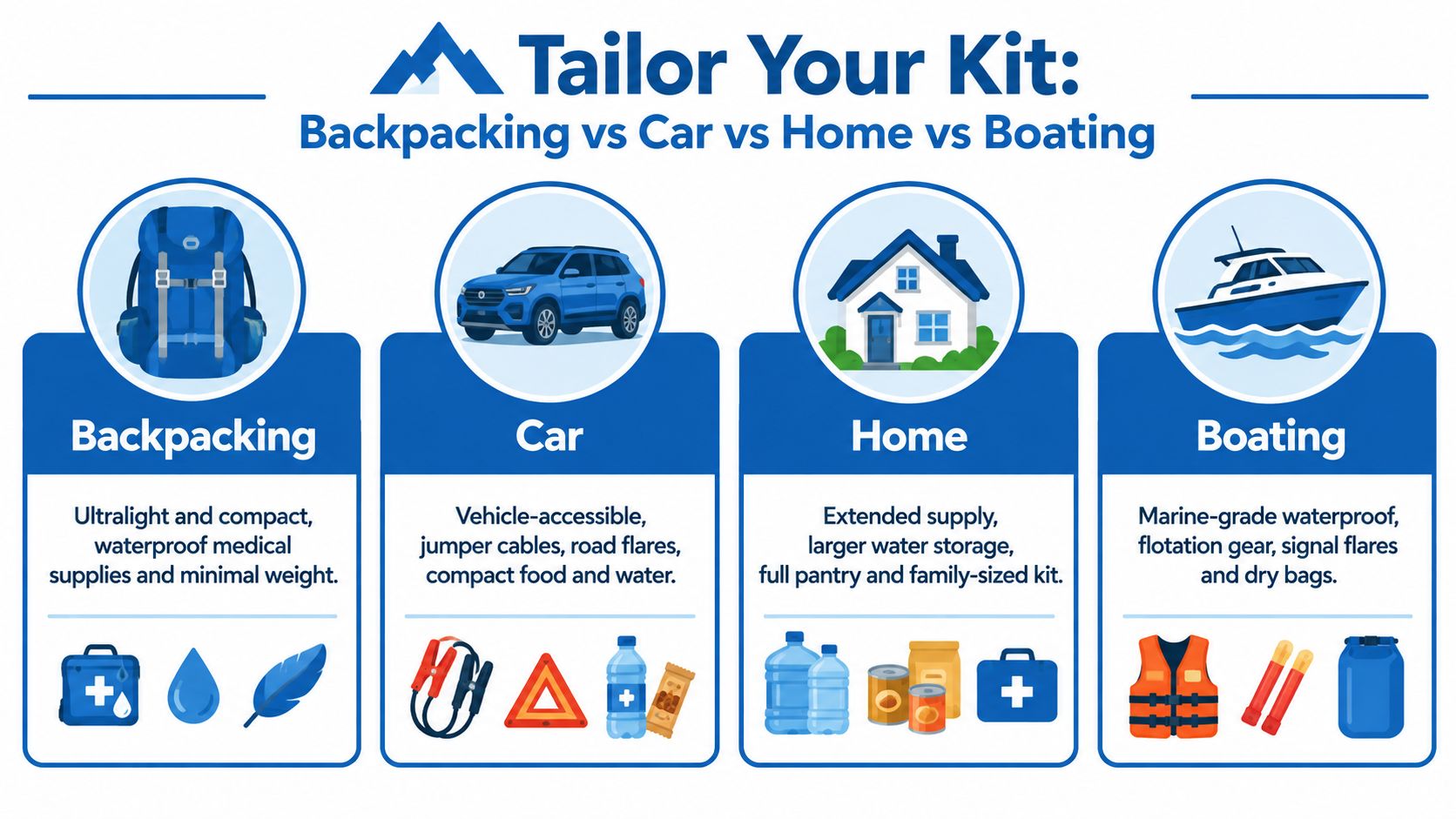
The same checklist produces four different kits because each setting creates different access problems. A backpacker carries every gram for the entire route. A driver can store more weight near the vehicle, but must still plan for leaving the car. A household can maintain deeper reserves, while a boater needs equipment that survives spray, immersion risk, and limited space.
Market coverage reflects this split. Outdoor activities accounted for 36.5% of the personal survival kit market in 2025, while individuals accounted for 58.4% of spending, according to market coverage of the global personal survival kit market. Those figures support a practical conclusion: a single universal bundle won't serve outdoor users and household planners equally well.
Backpacking
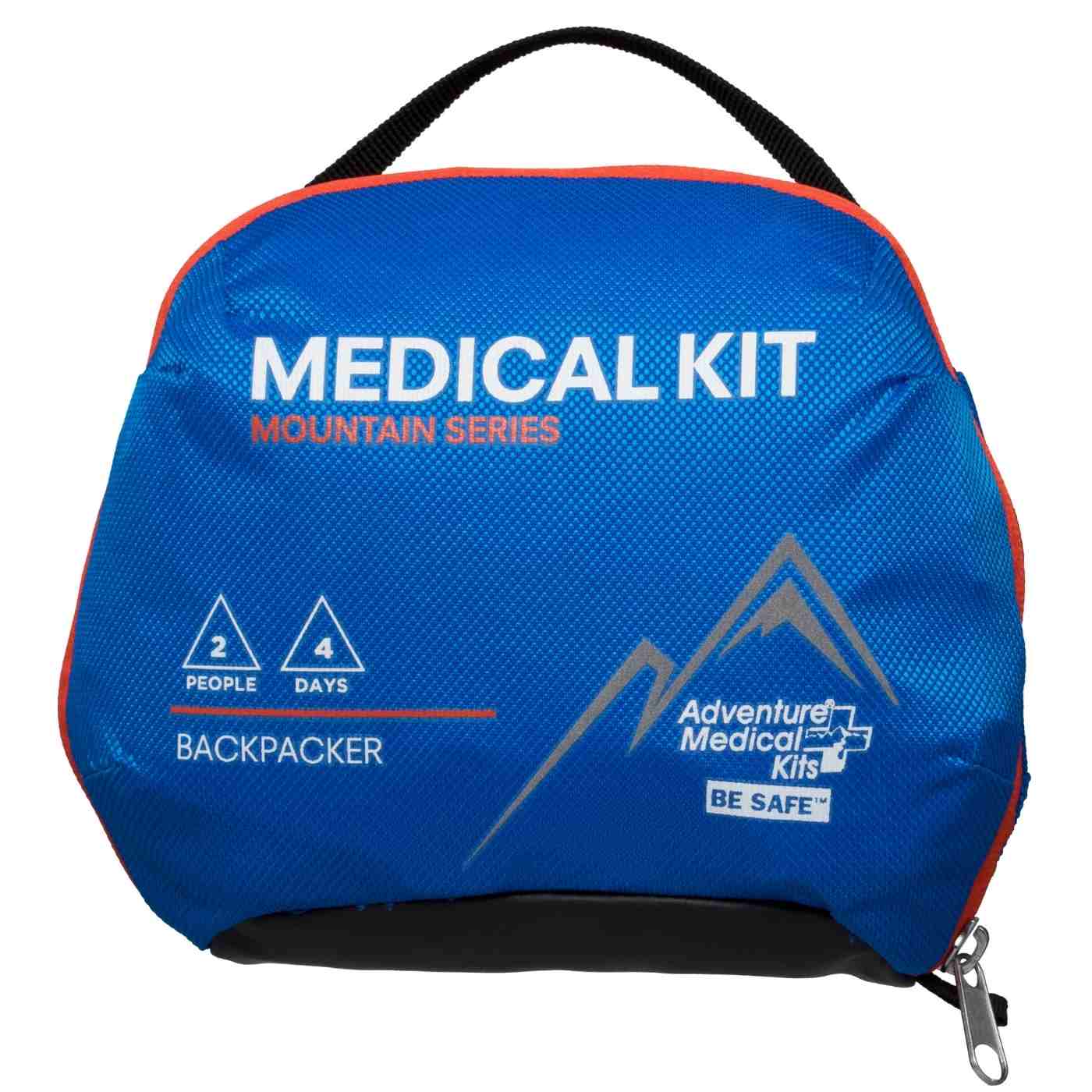
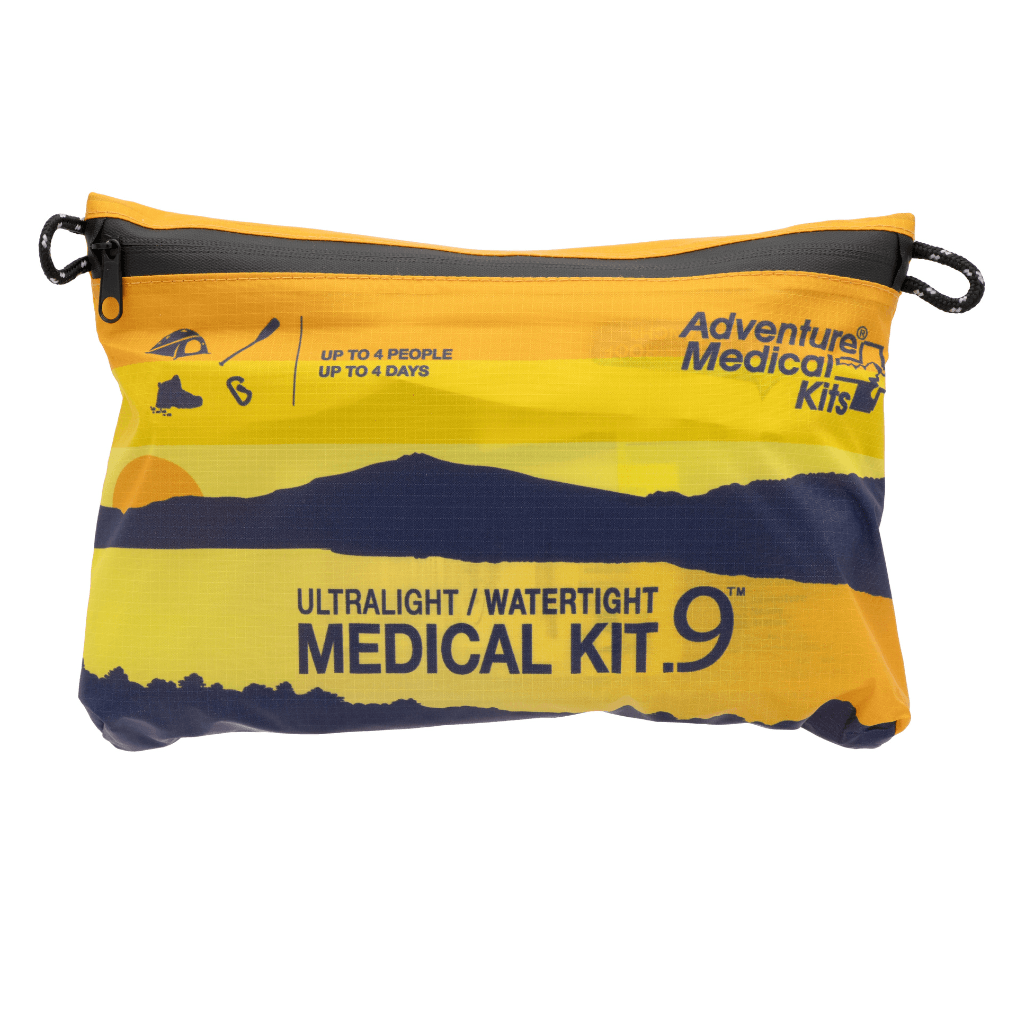
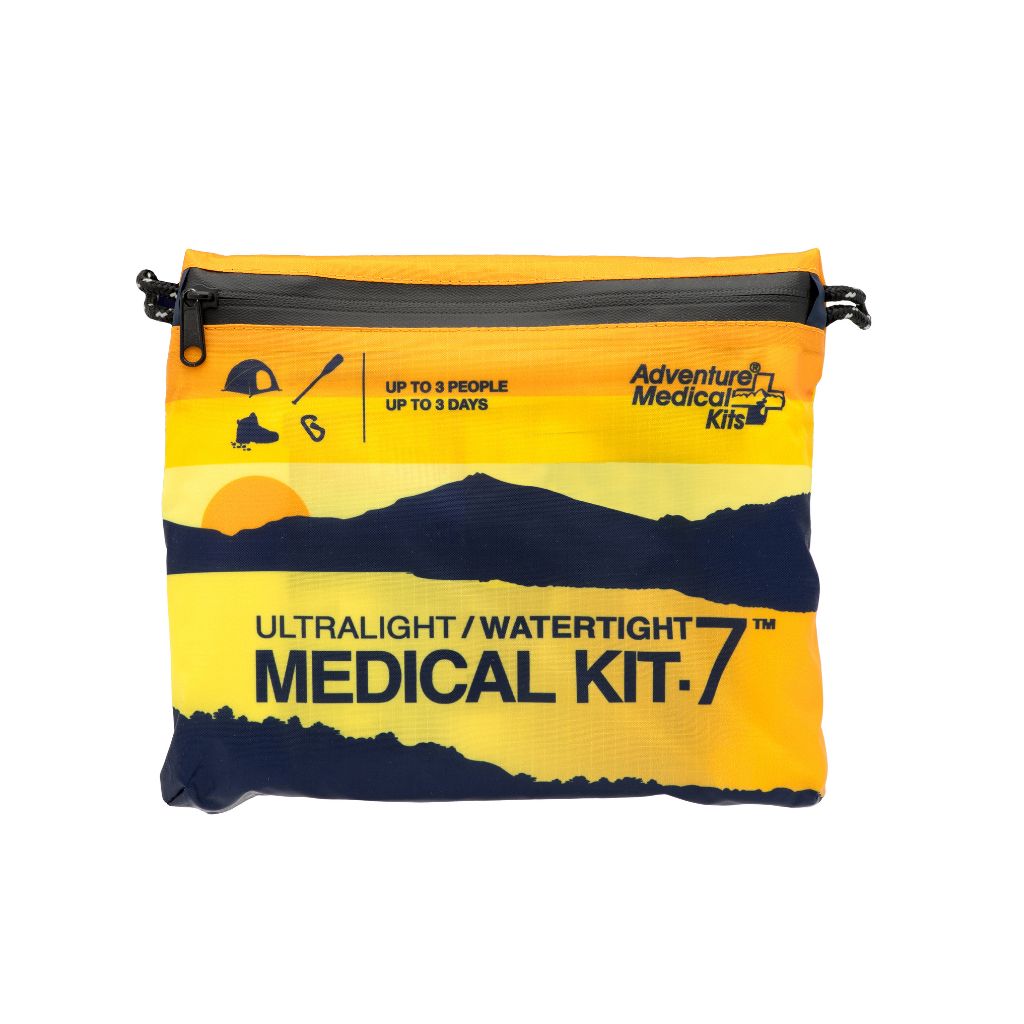
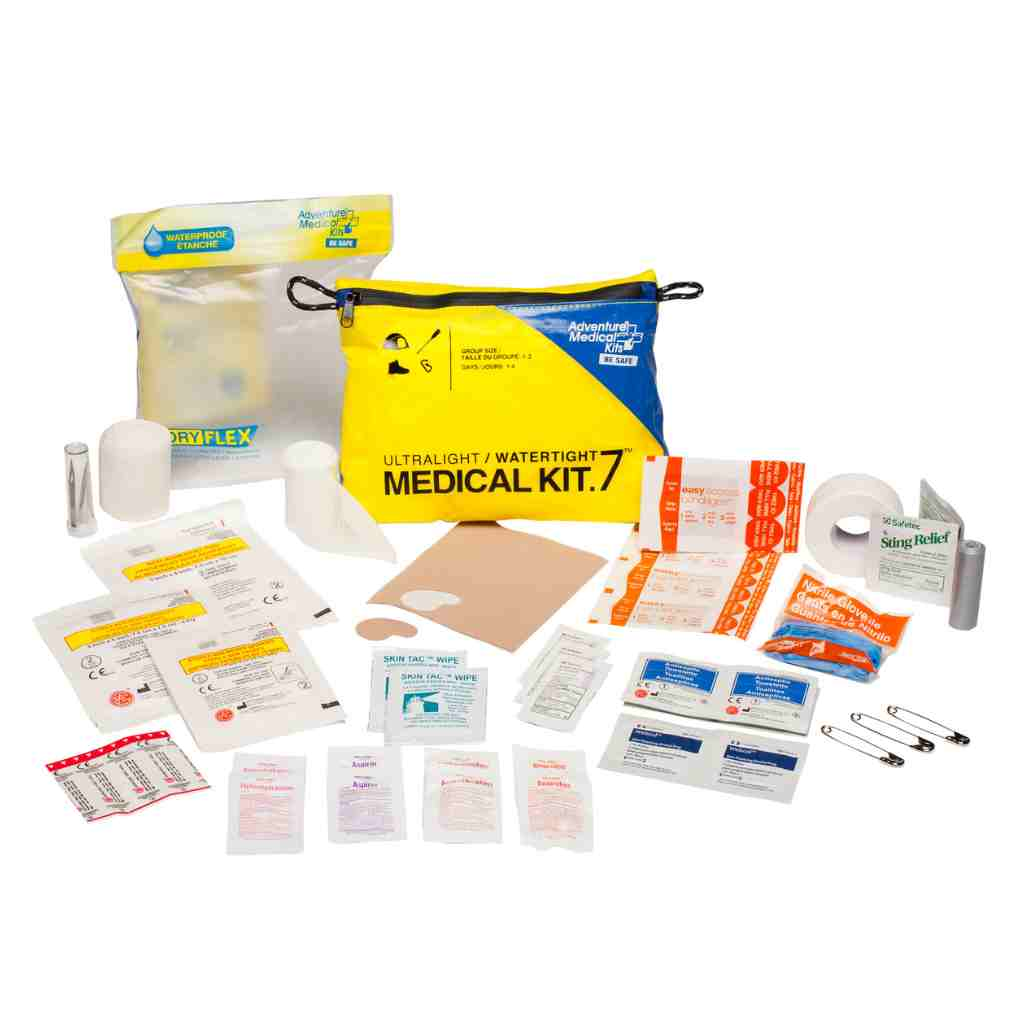
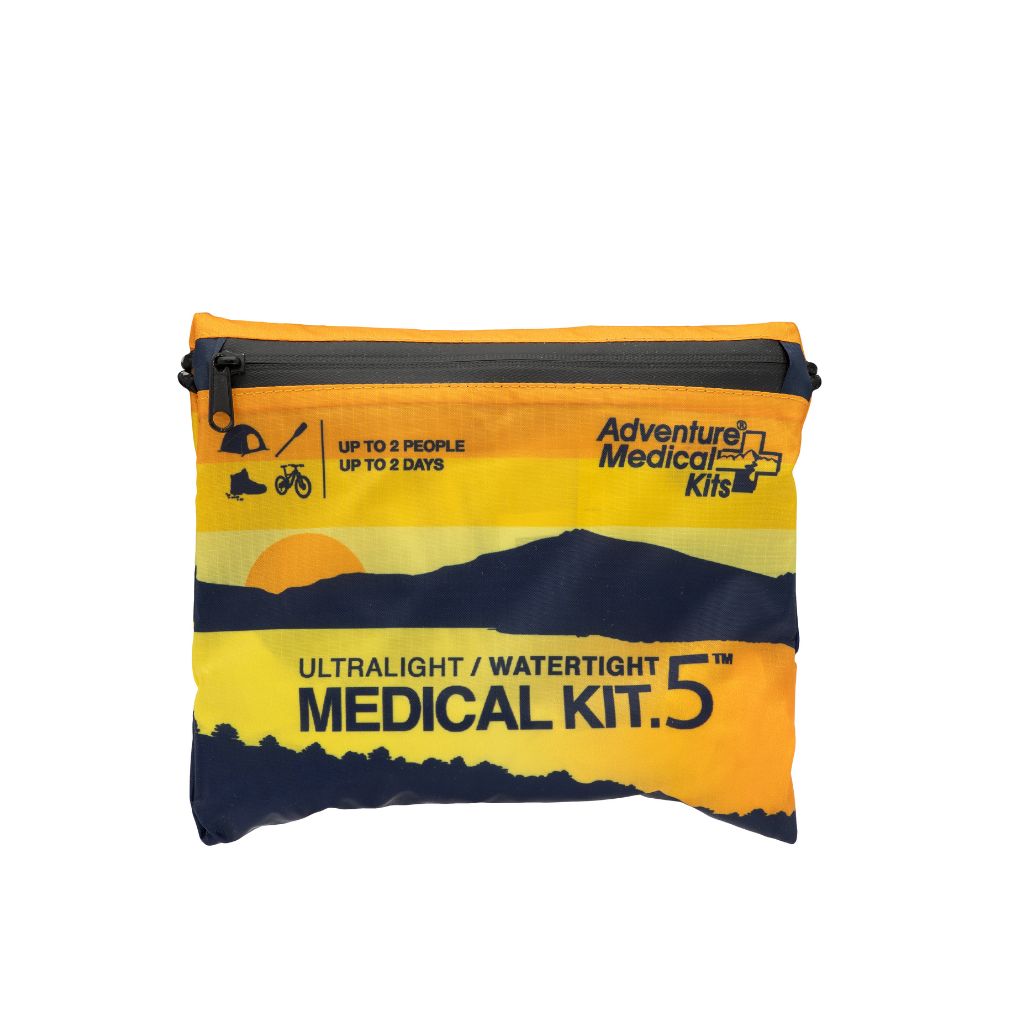
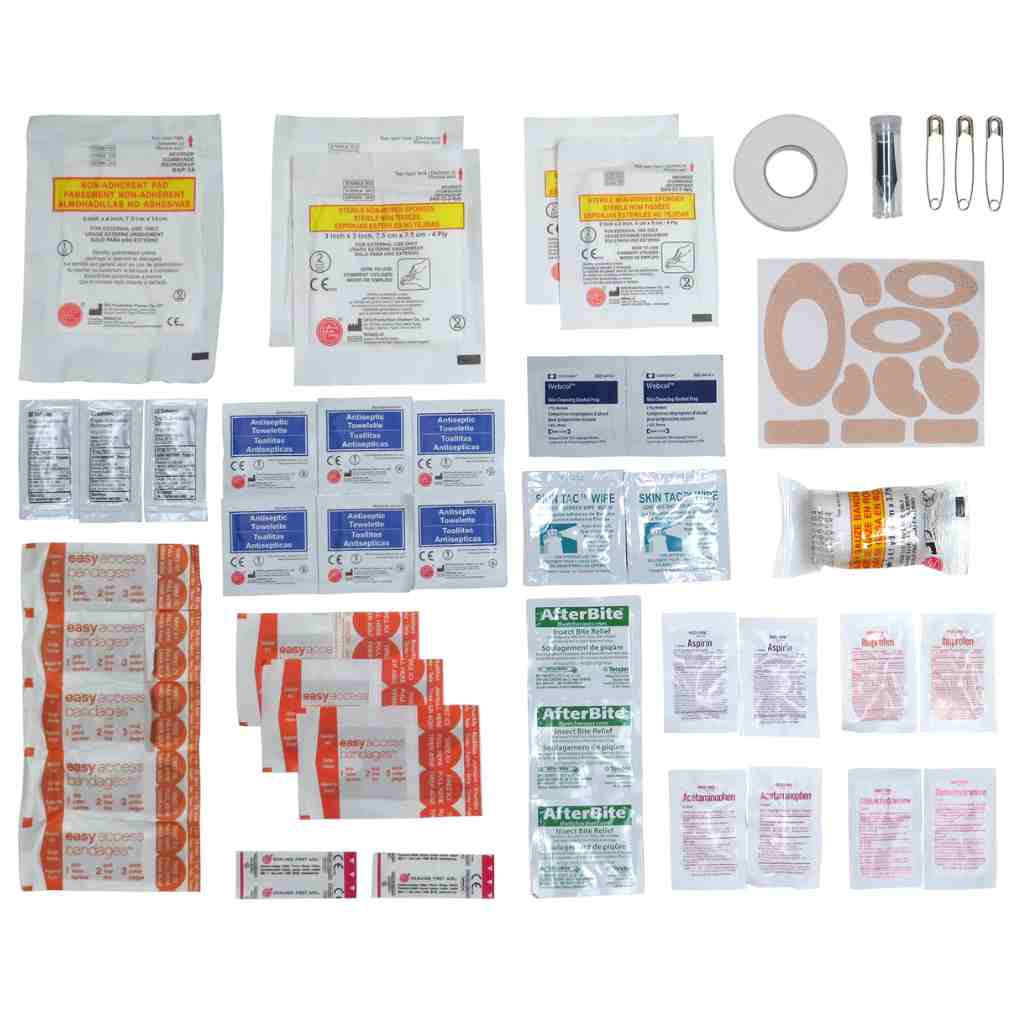
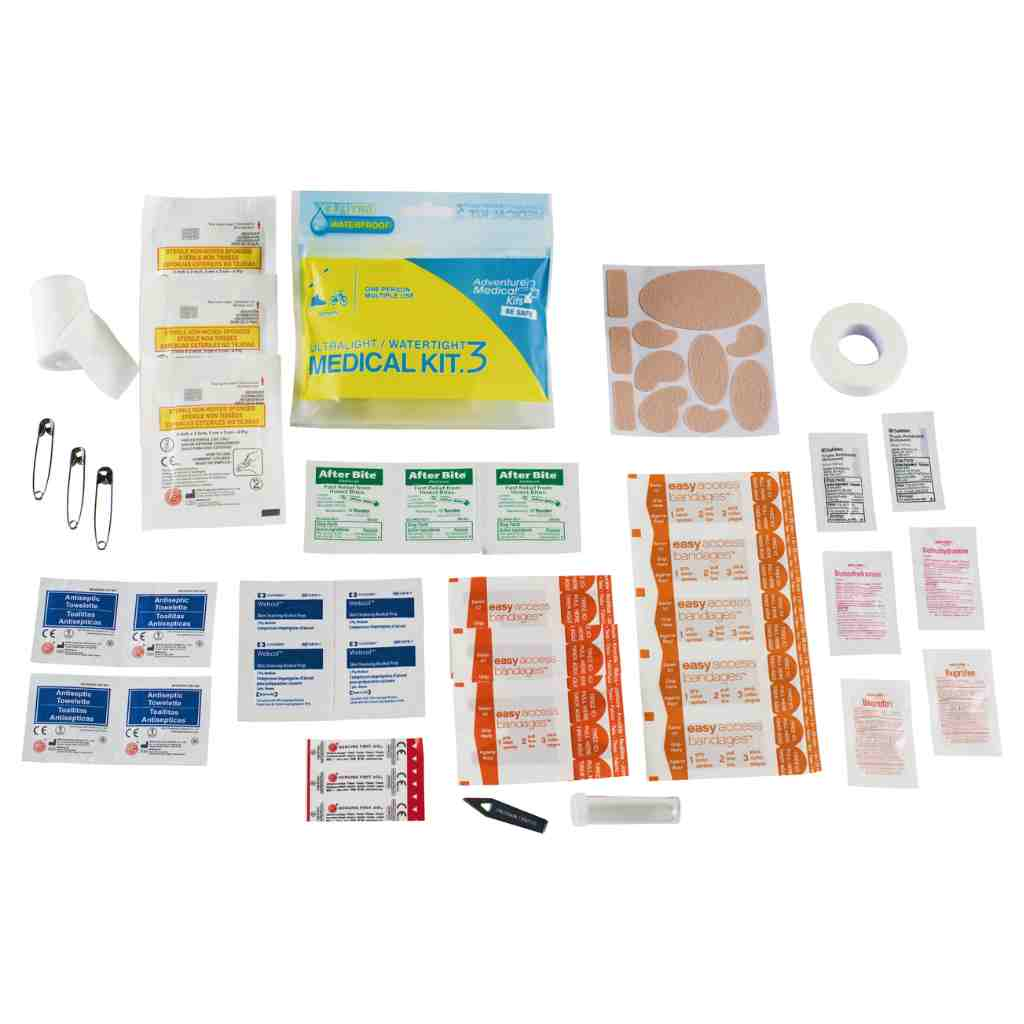
Backpacking rewards low weight, compact packaging, and waterproof organization. The medical kit should match likely trail problems, including cuts, blisters, sprains, insect exposure, and weather-related discomfort, without carrying a full household inventory. A dedicated ultralight first aid kit for backpacking provides a useful reference for reducing bulk while preserving task-specific supplies.
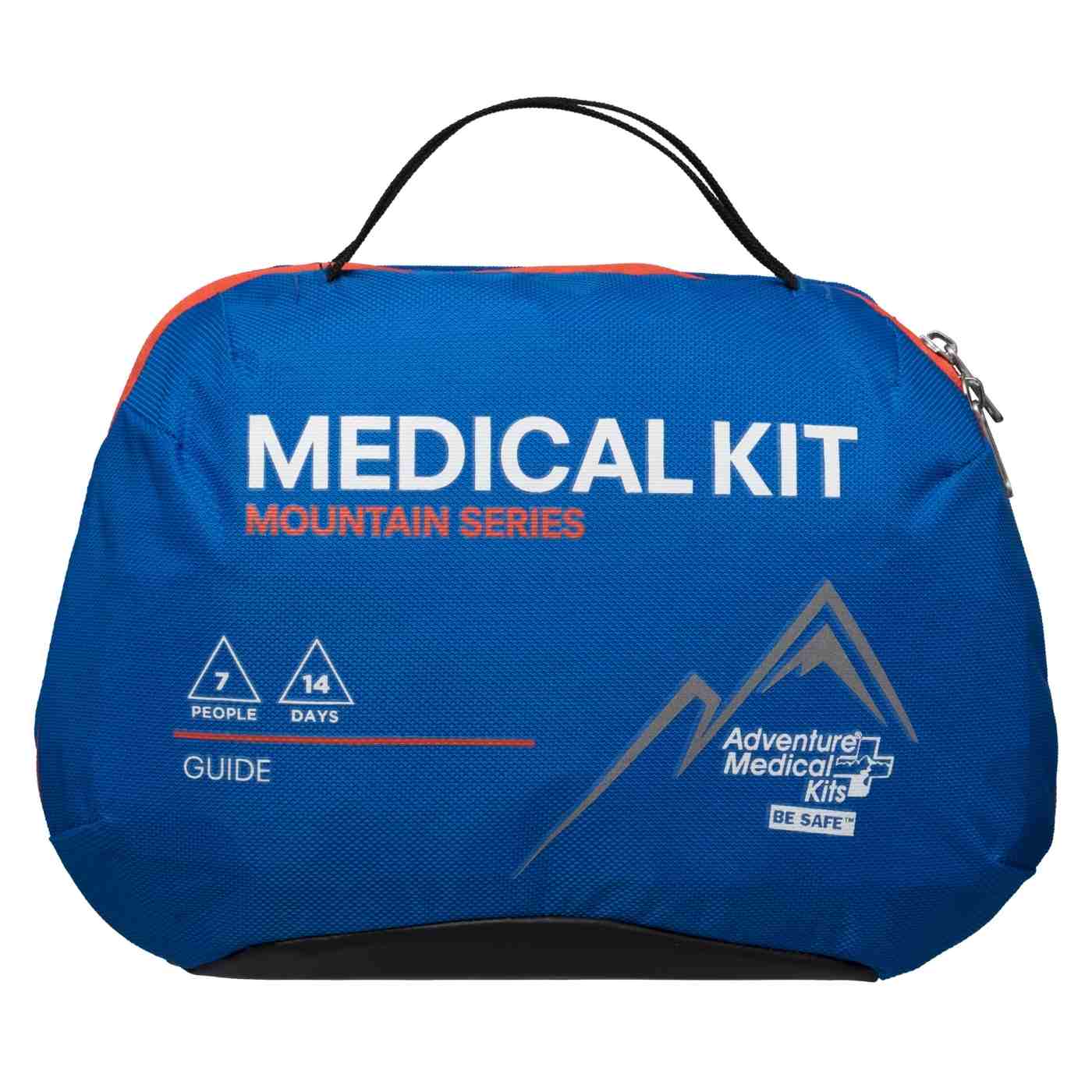
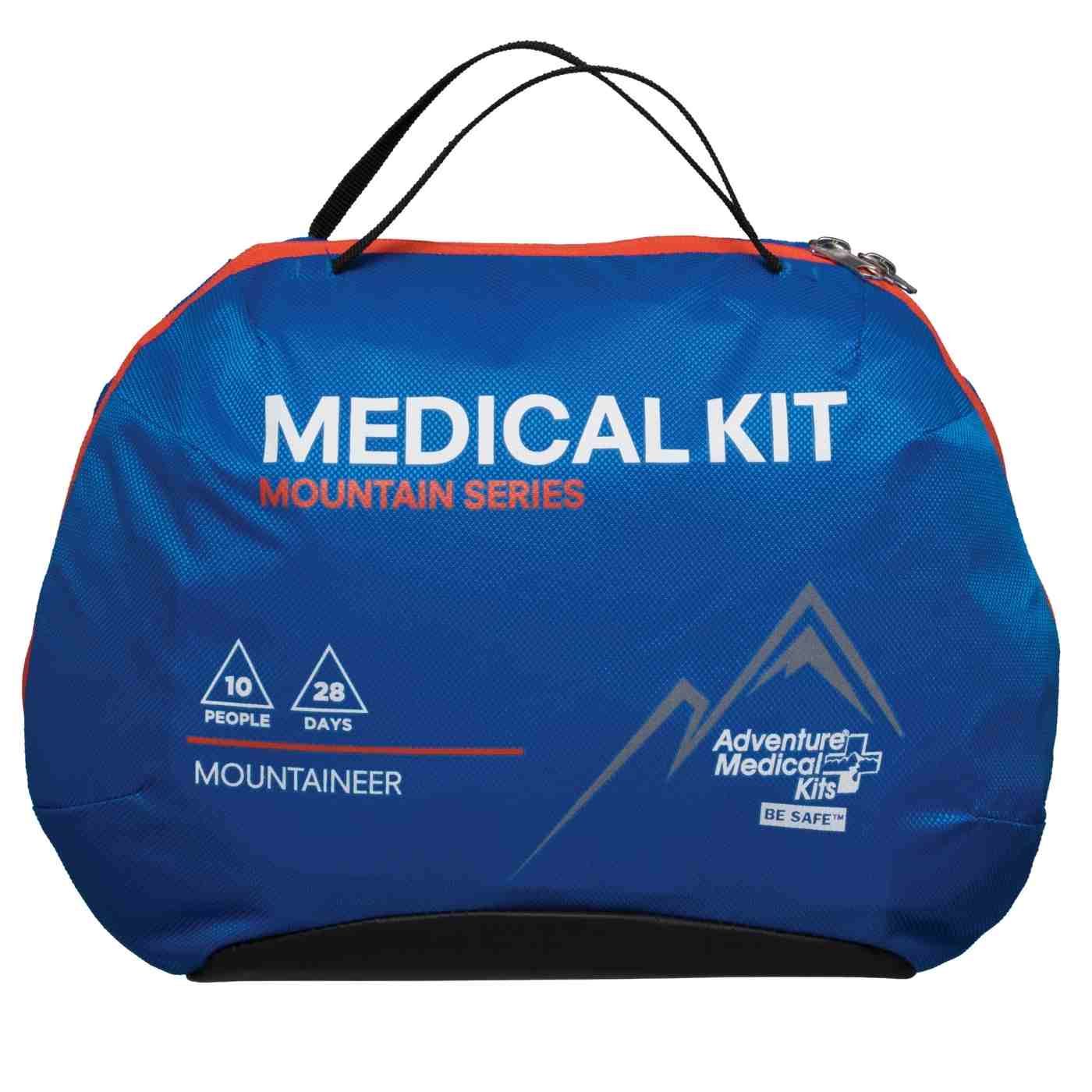
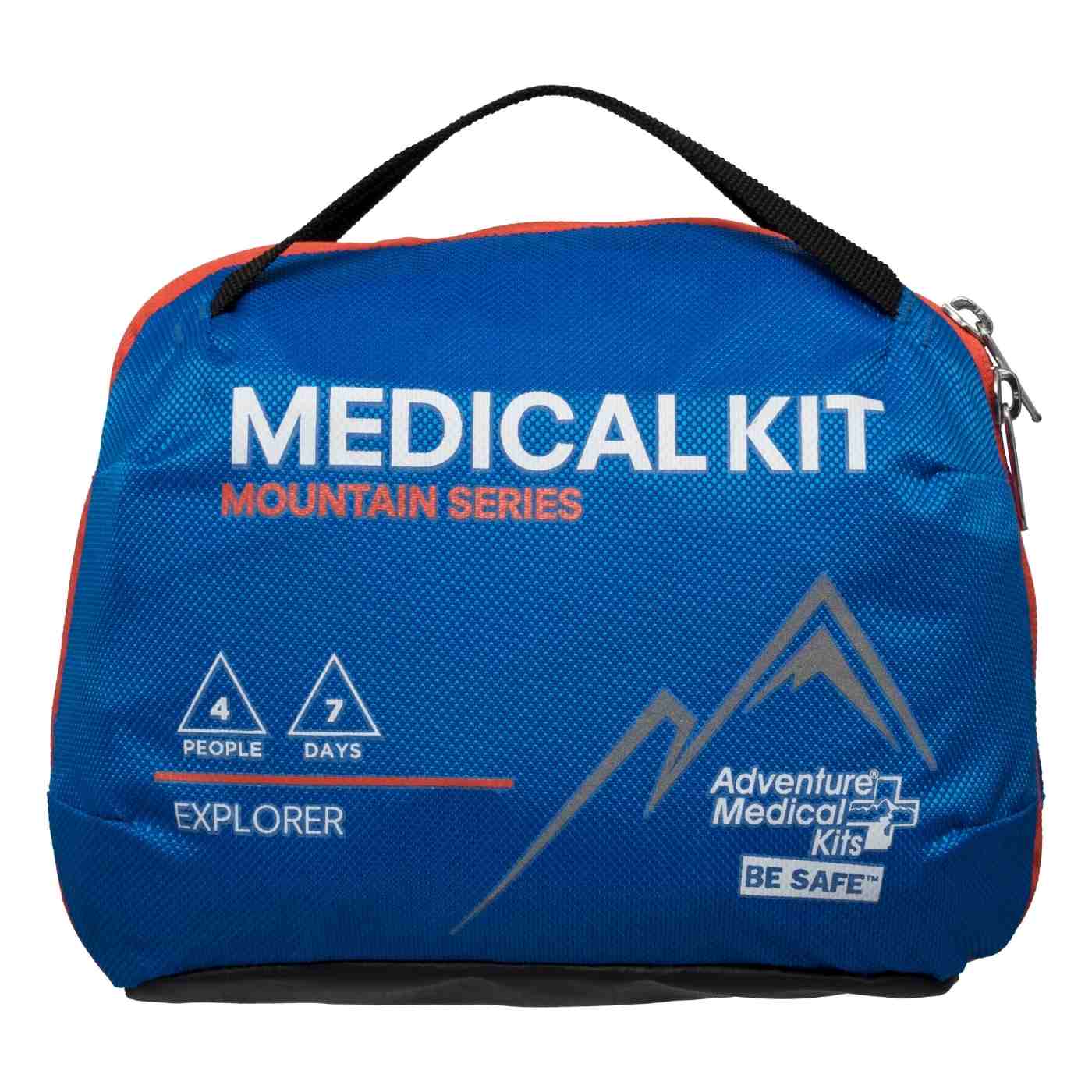
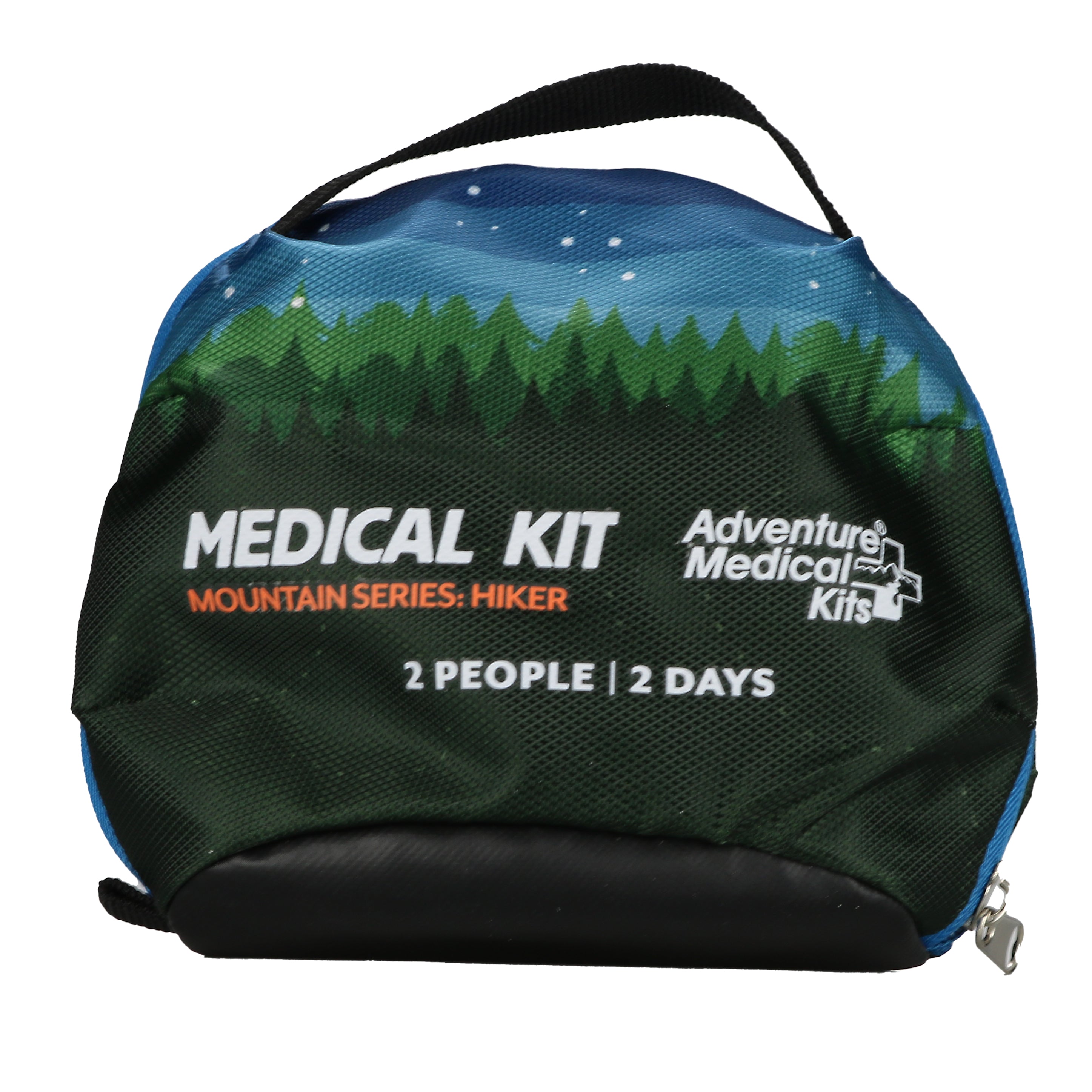
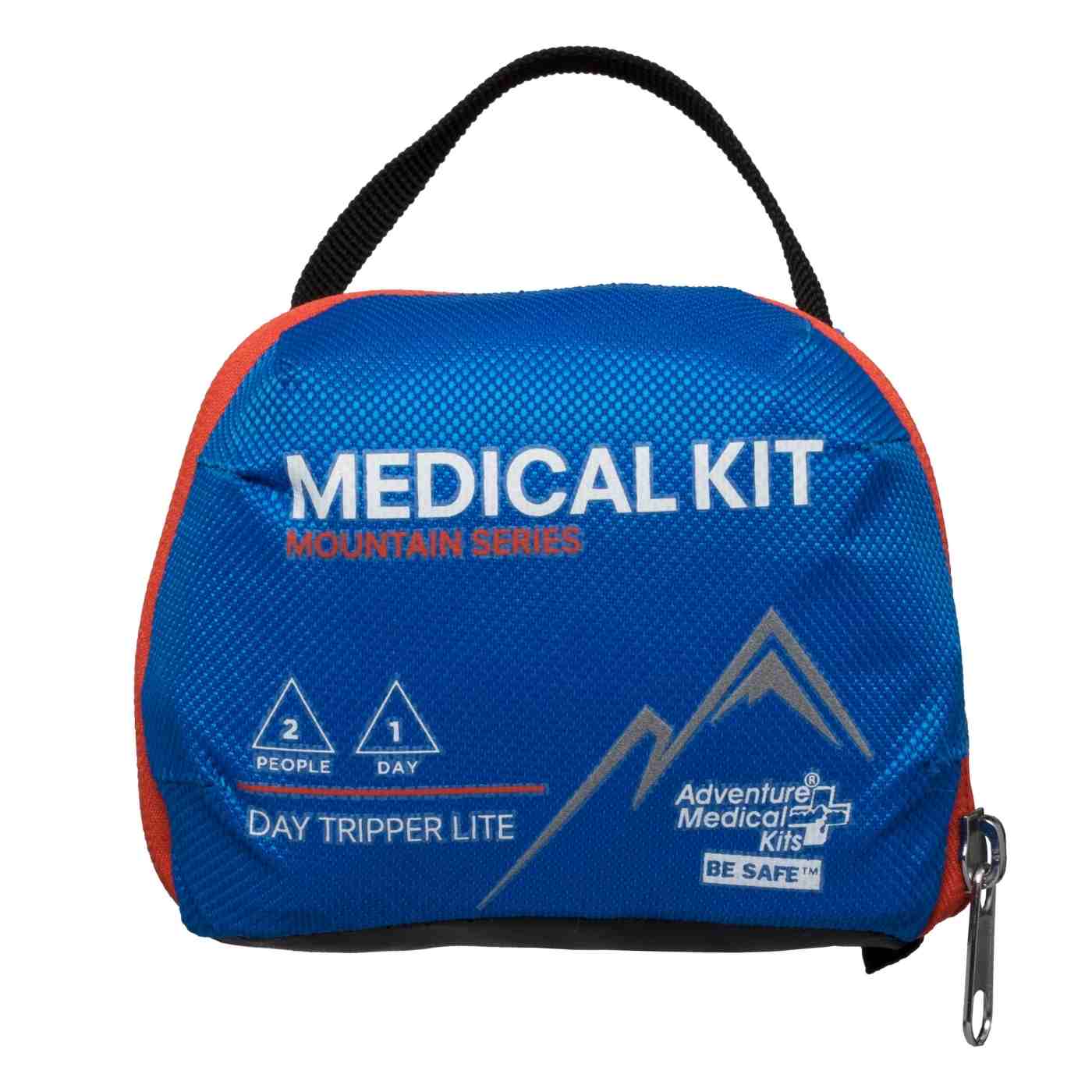
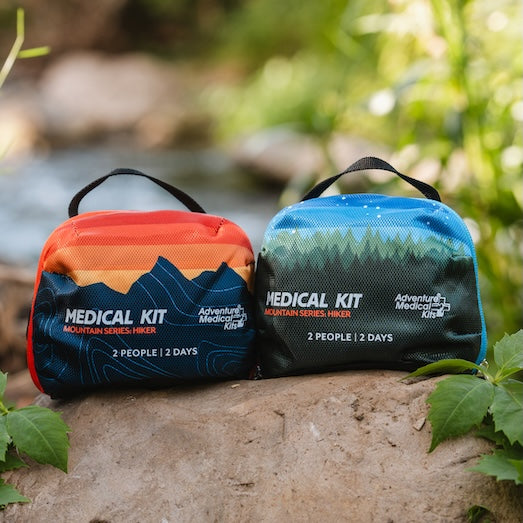
A Mountain Series kit fits this use-case approach because the collection is organized around outdoor activities rather than a generic household drawer. The key test is whether the pack stays light enough that the user will carry it every mile.
Car
A vehicle kit can support heavier items such as extra water, blankets, durable gloves, a warning device, basic tools, and compact food. It should also include supplies for the possibility that the vehicle becomes unusable, so warmth, visibility, navigation, and a way to contact help remain more important than vehicle-only tools.
Drivers who use recreational vehicles should include maintenance planning alongside emergency supplies. A resource covering water heater repair for motorhomes can help identify vehicle-specific failures that a general survival checklist won't address.
Home
A home kit must scale with household size, mobility needs, pets, infants, and local hazards. It can hold larger water reserves, pantry food, sanitation supplies, documents, and replacement batteries, but the evacuation layer still needs to be portable. Store that layer where it can be lifted and carried without searching through a garage.
Boating
A boating kit needs marine-grade dry storage, signaling equipment, spare communication power, navigation backups, and equipment appropriate to the vessel and route. Flotation gear and signaling tools are not substitutes for medical supplies, and a first aid pouch should remain accessible rather than buried inside a sealed dry box.
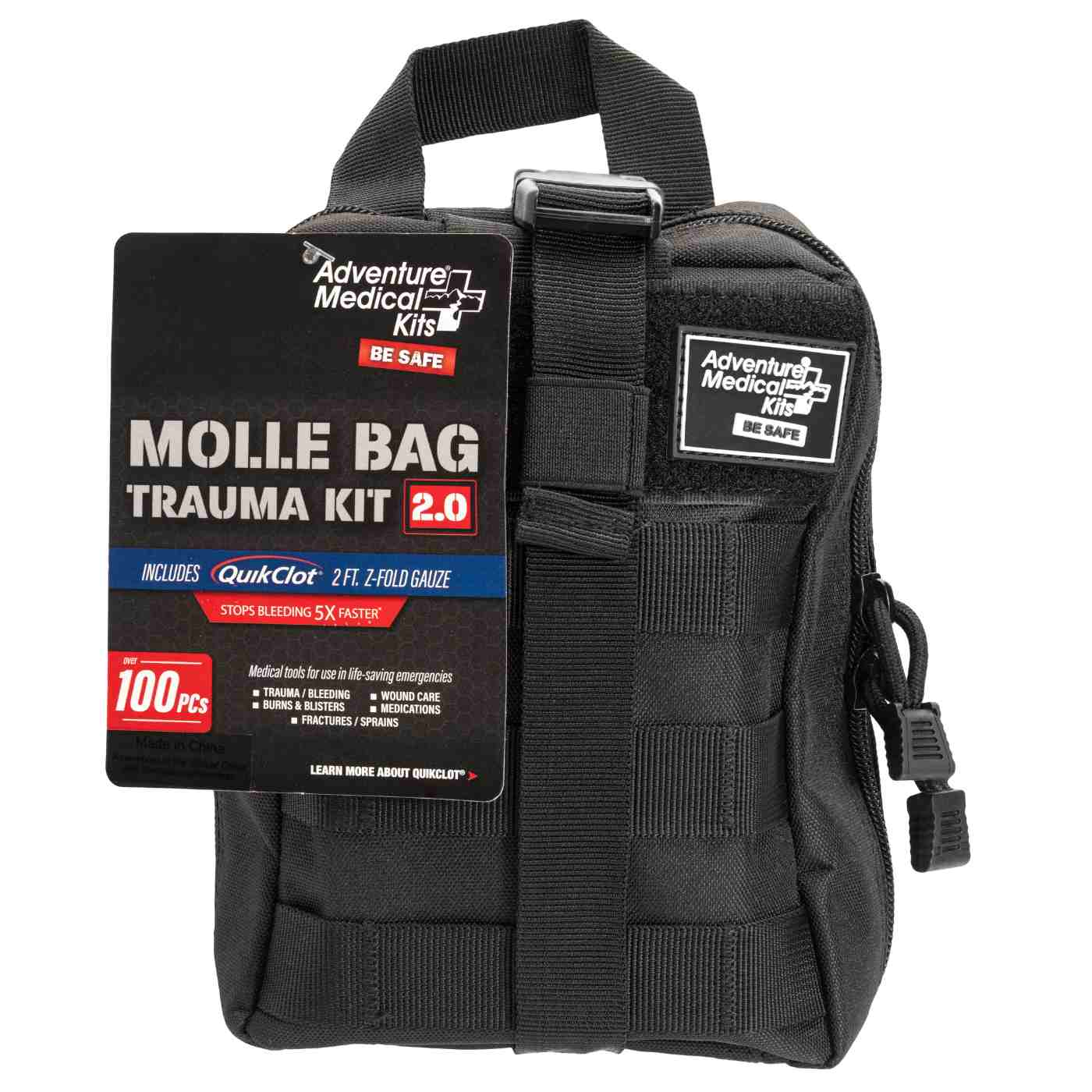
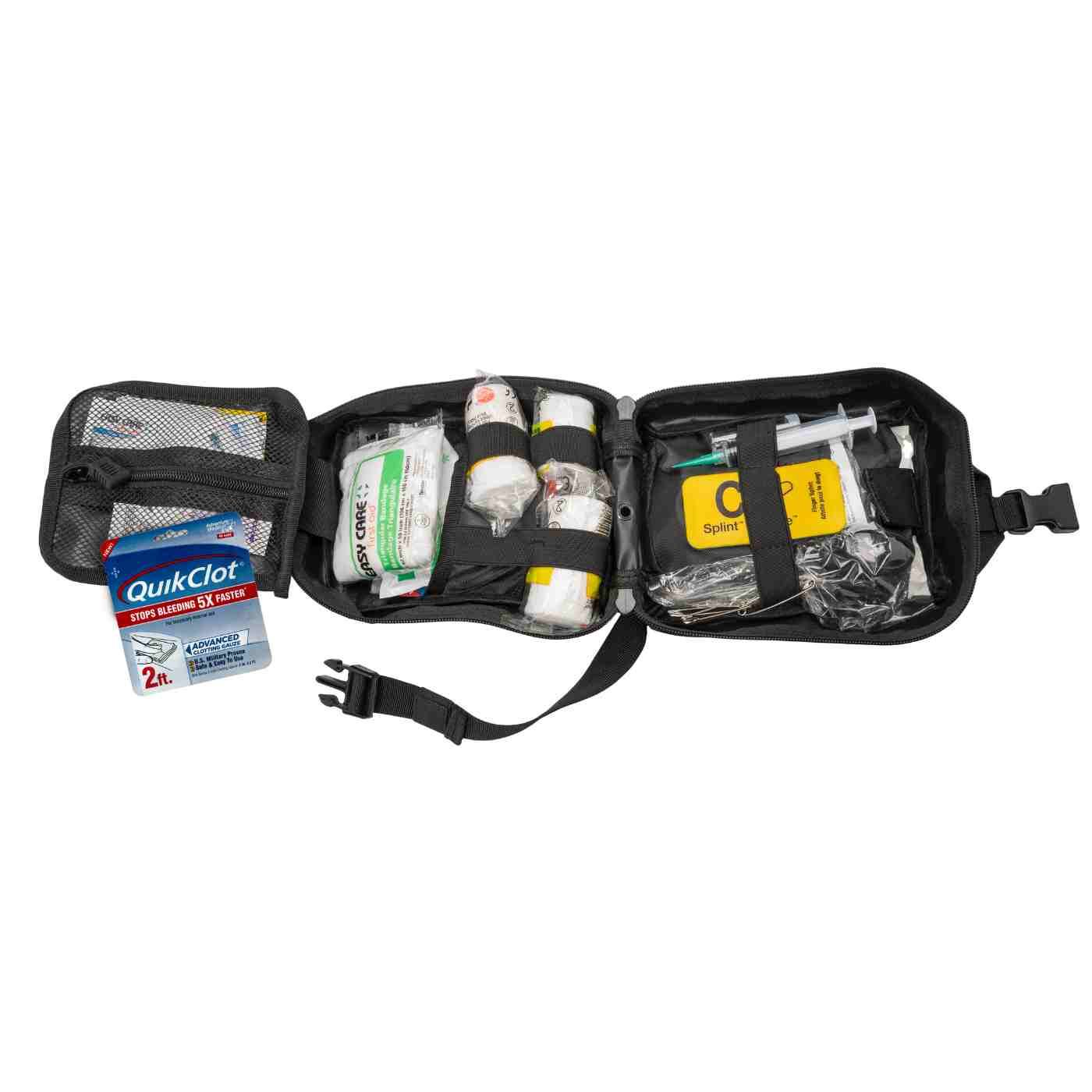
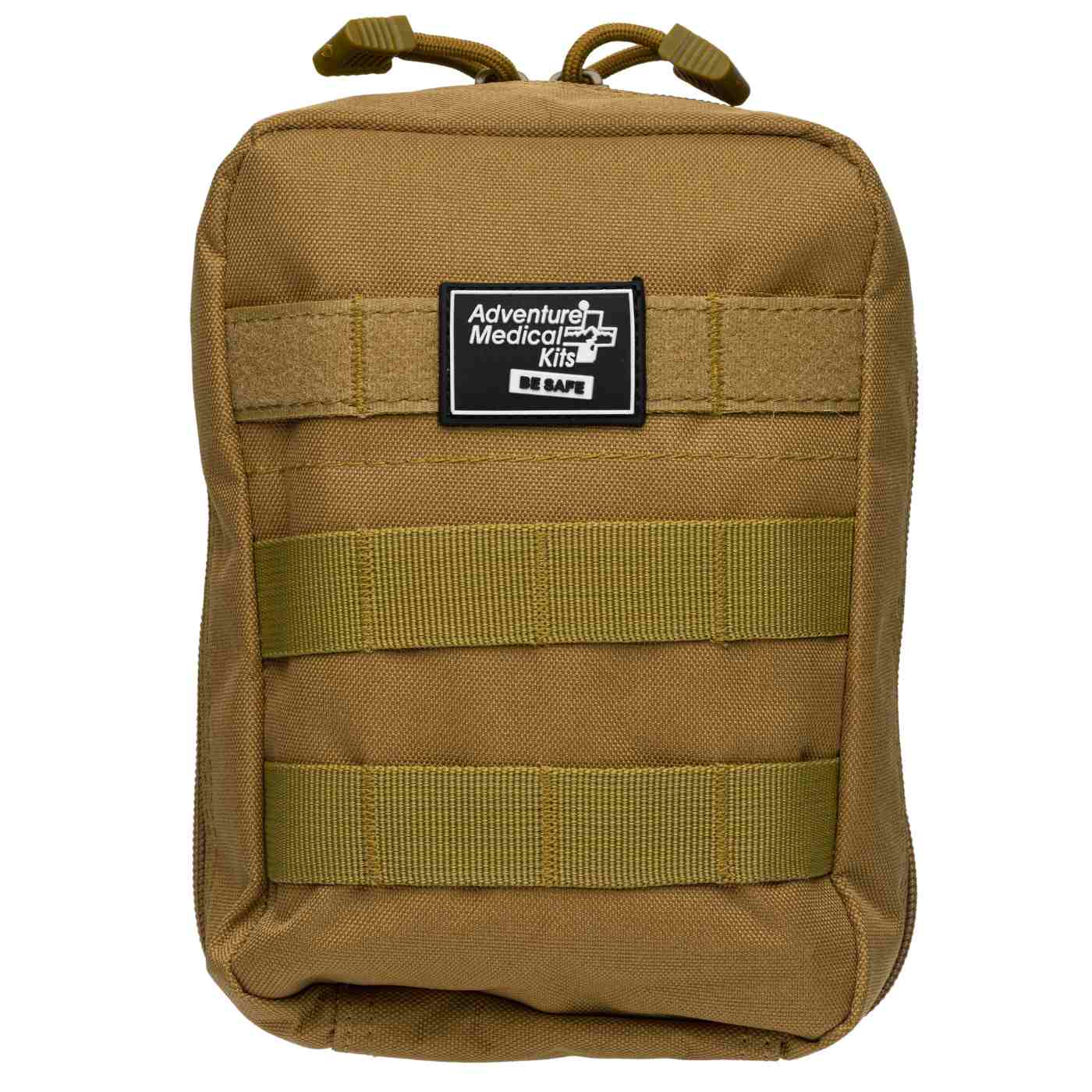
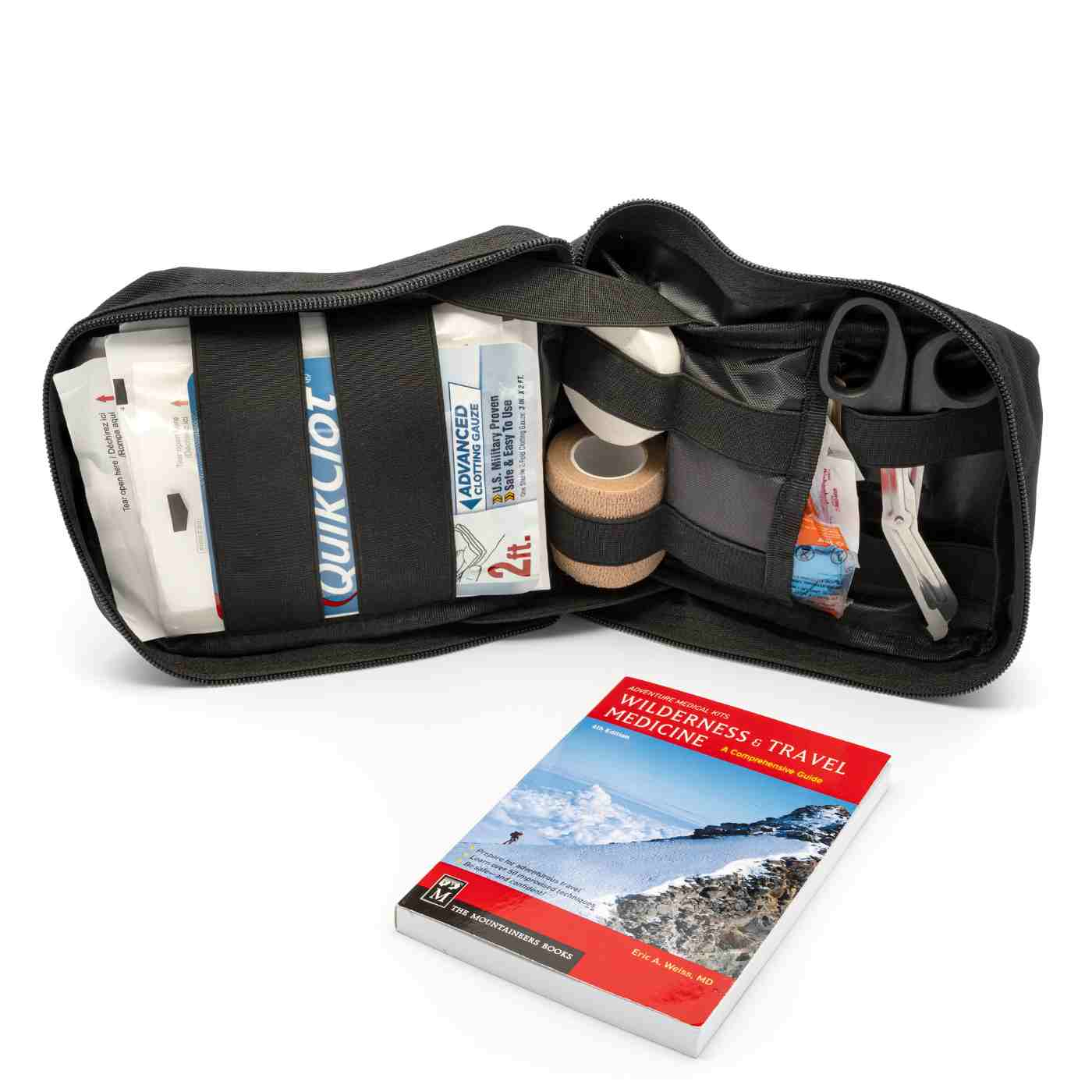
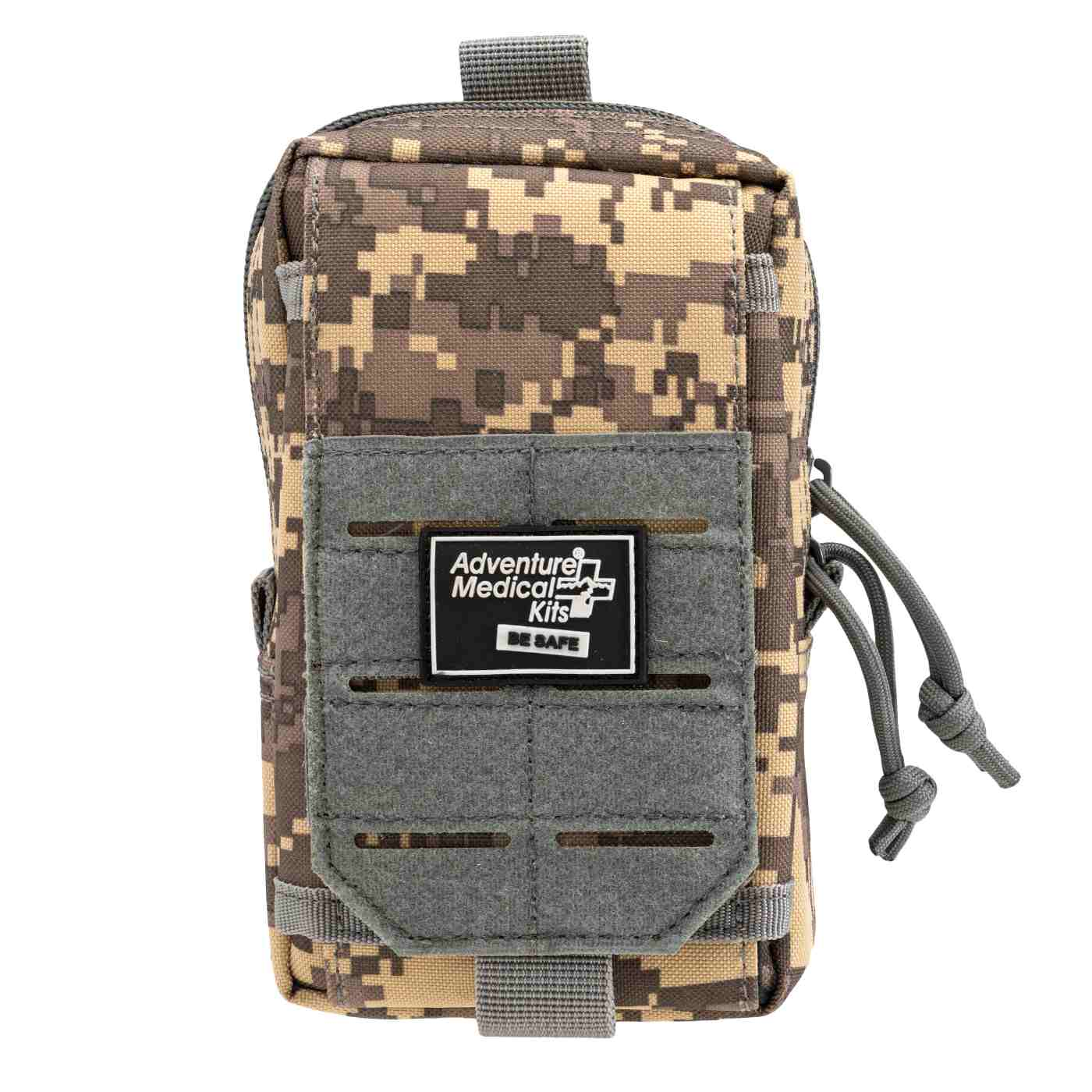
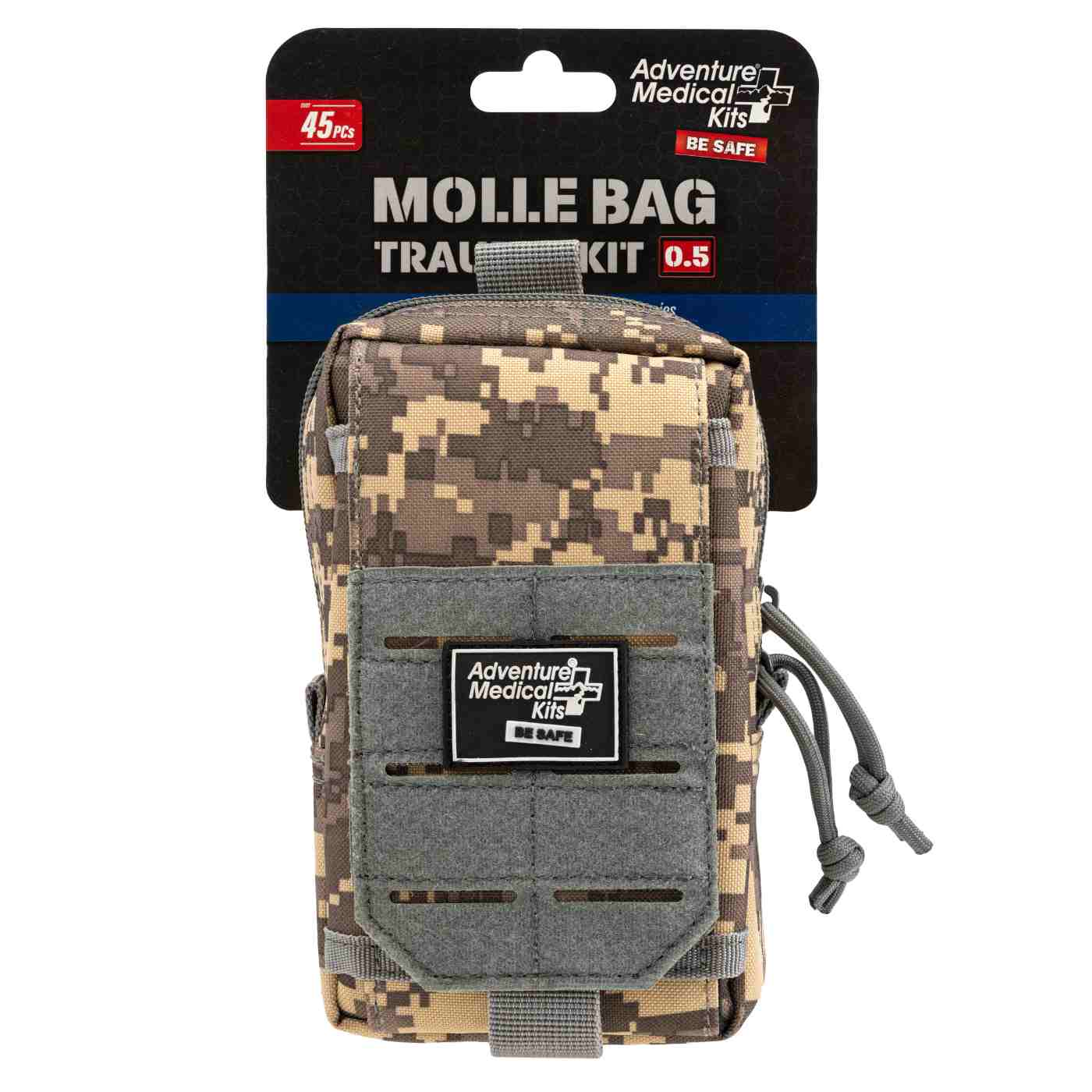
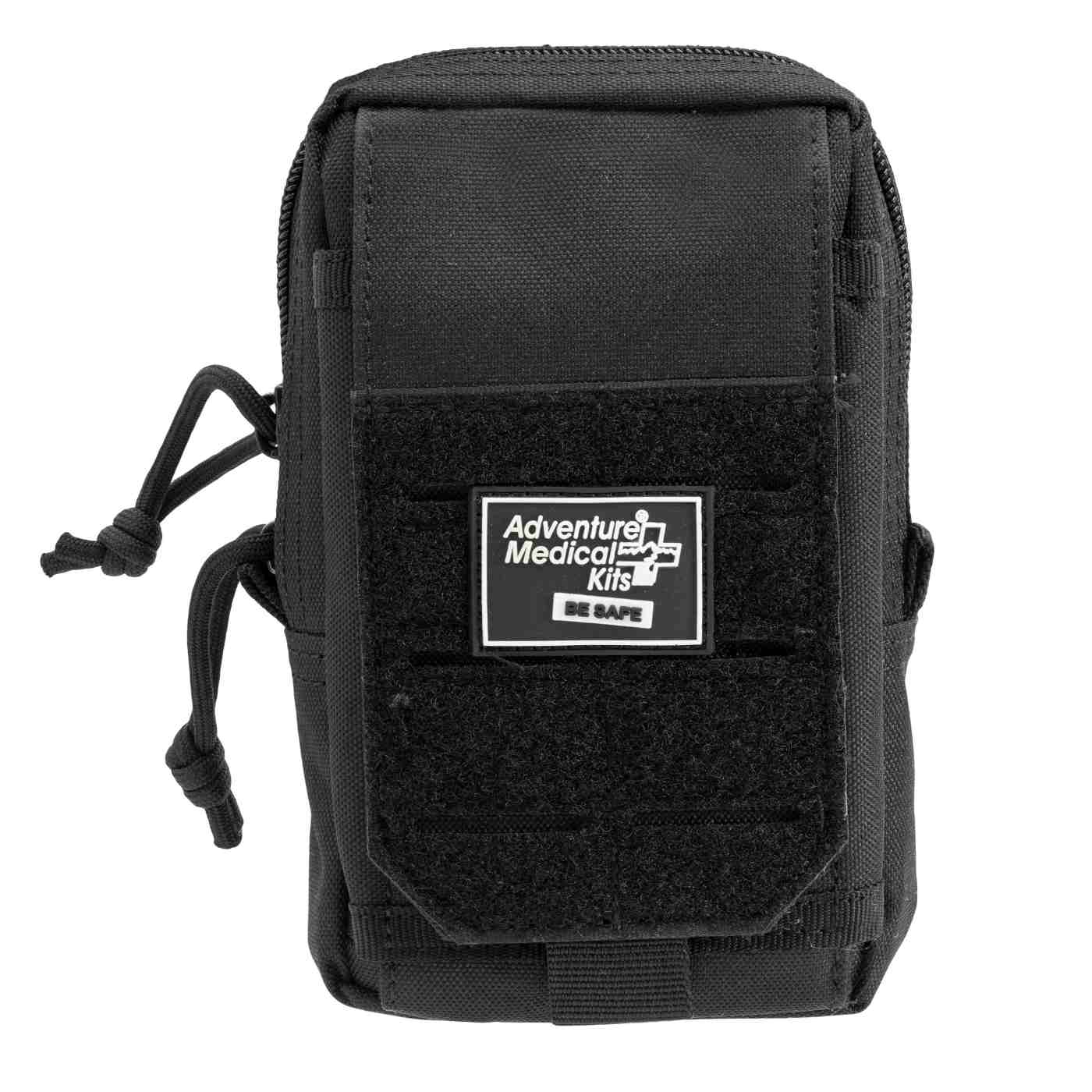
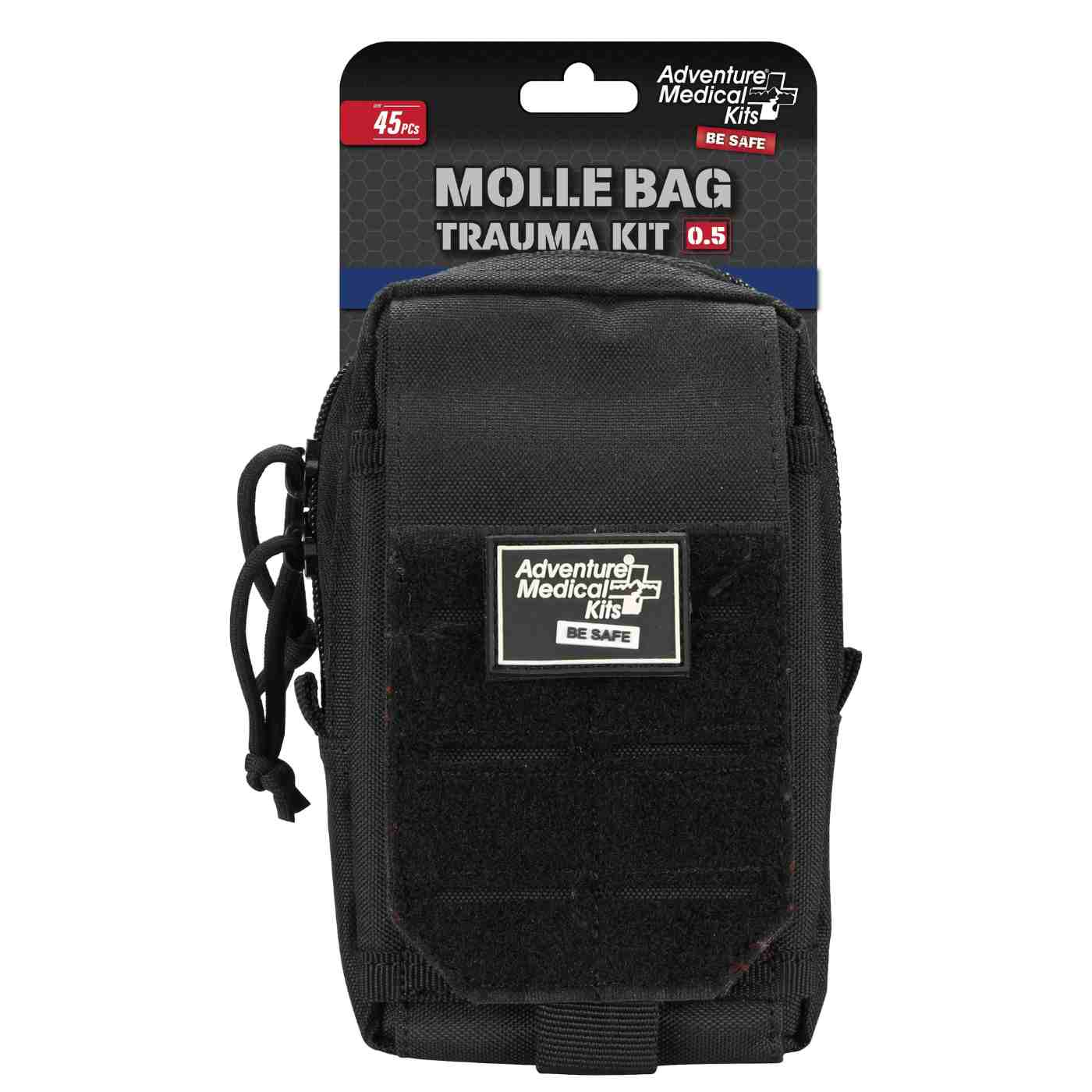
The MOLLE series offers a modular option when the user needs a trauma-oriented setup that can attach to an existing pack, vehicle system, or other compatible platform. The right choice depends on the mission, not on the largest item count.
Packing Weight Management and Quick Access Organization
A survival kit can contain every recommended category and still fail if it's too heavy to carry or too disorganized to open under pressure. Public agency field guidance converges on water, shelf-stable food, lighting, communications, first aid, warmth, and signaling, while the exact load depends on isolation duration and hazard type, as described by Massachusetts emergency kit guidance.
Use modules instead of one deep compartment
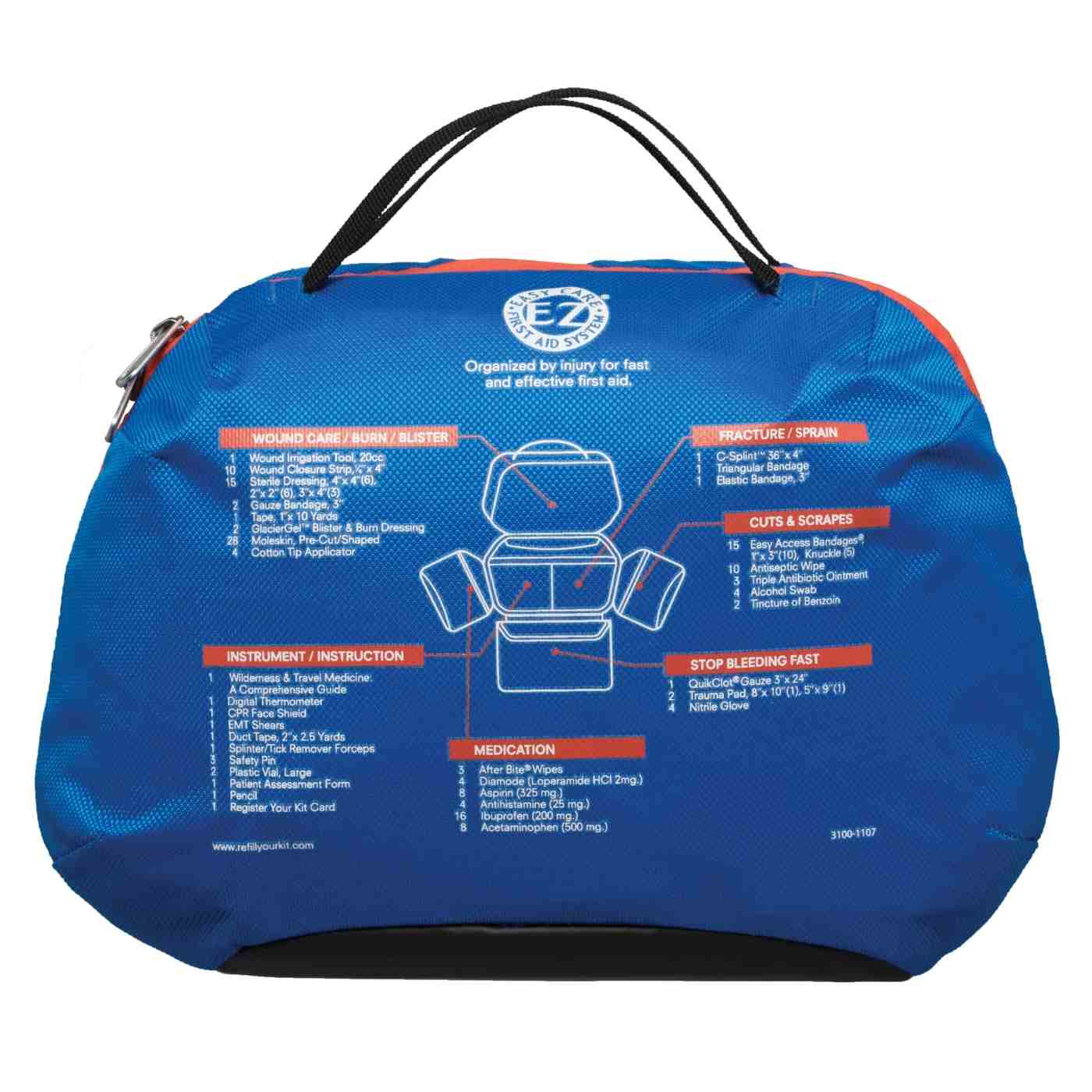
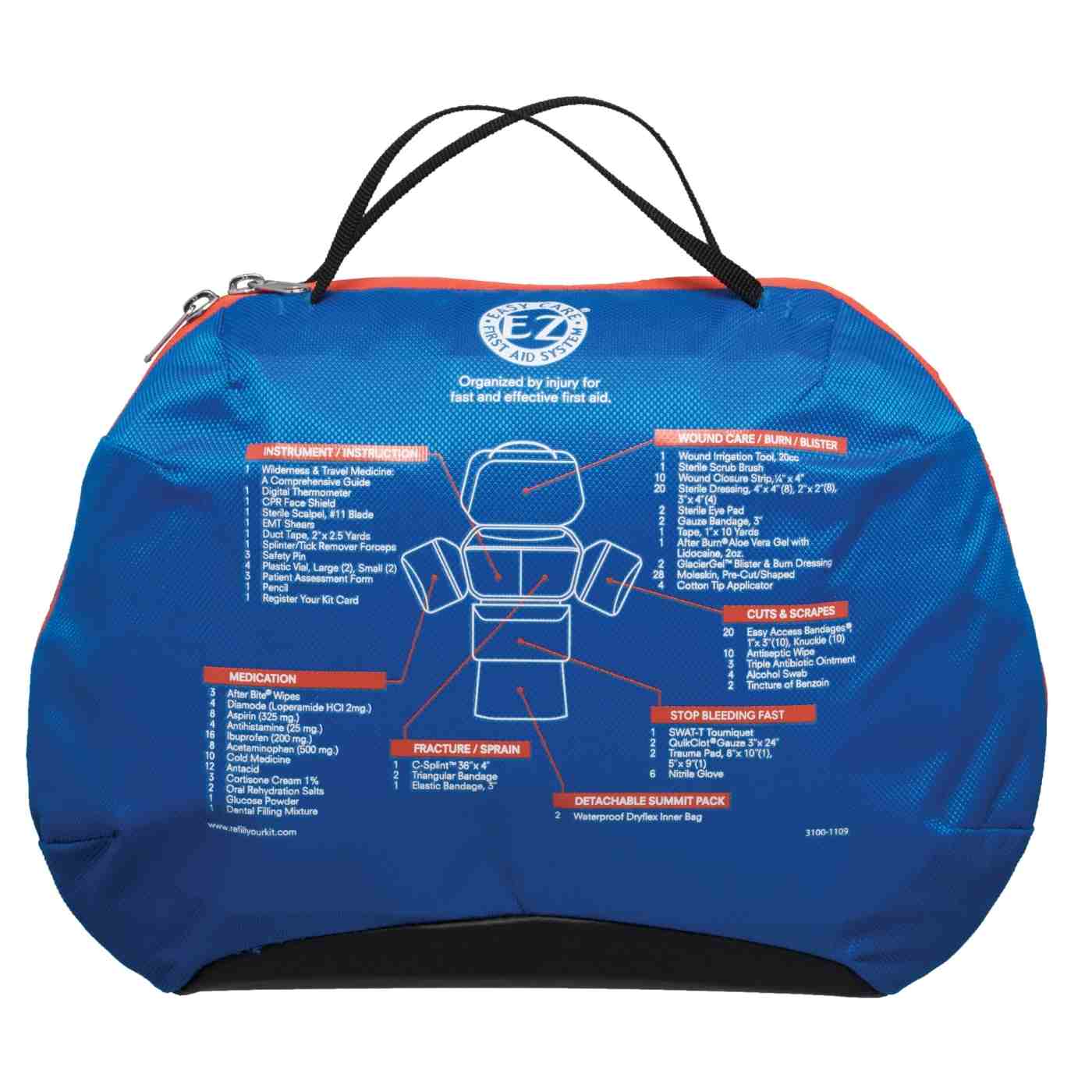
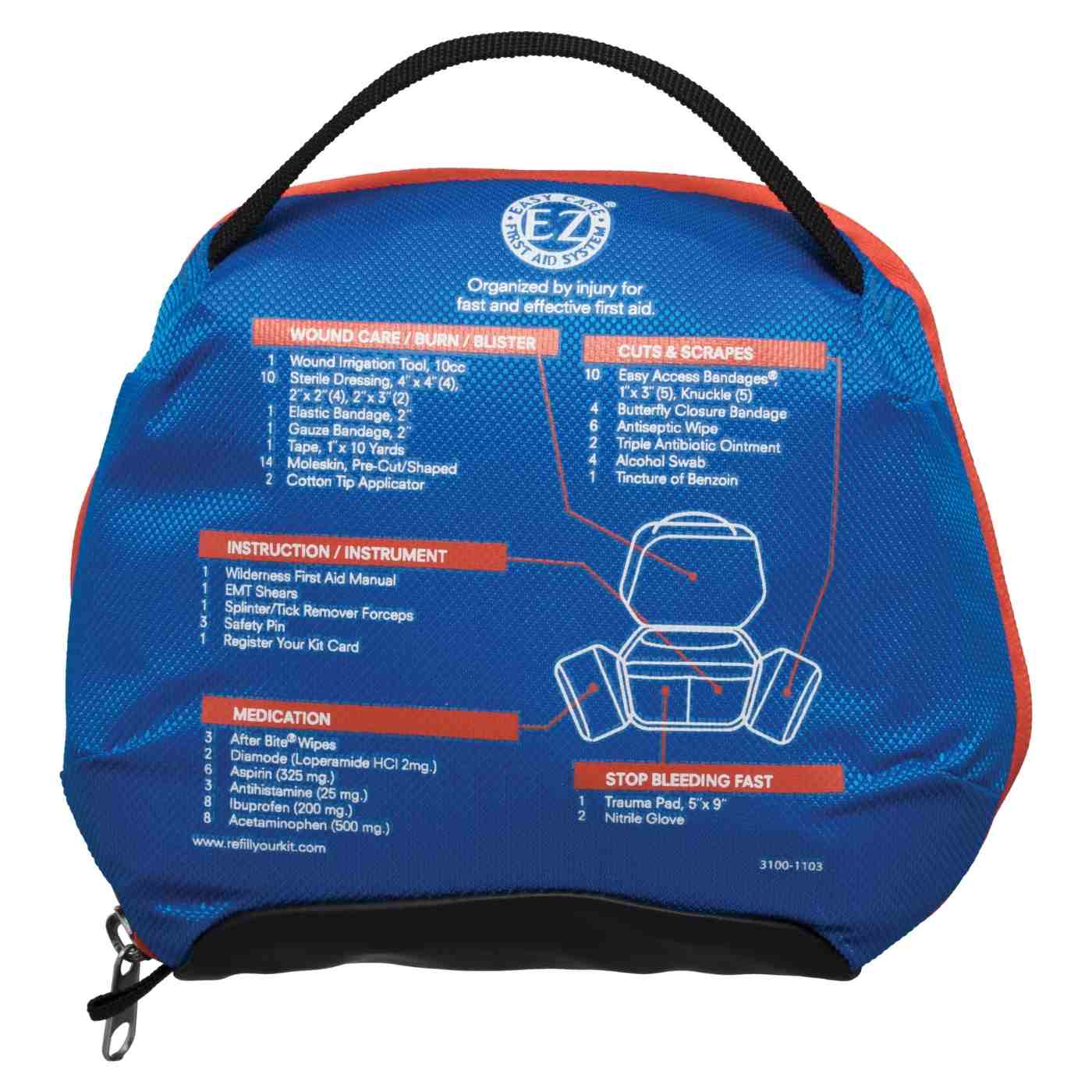
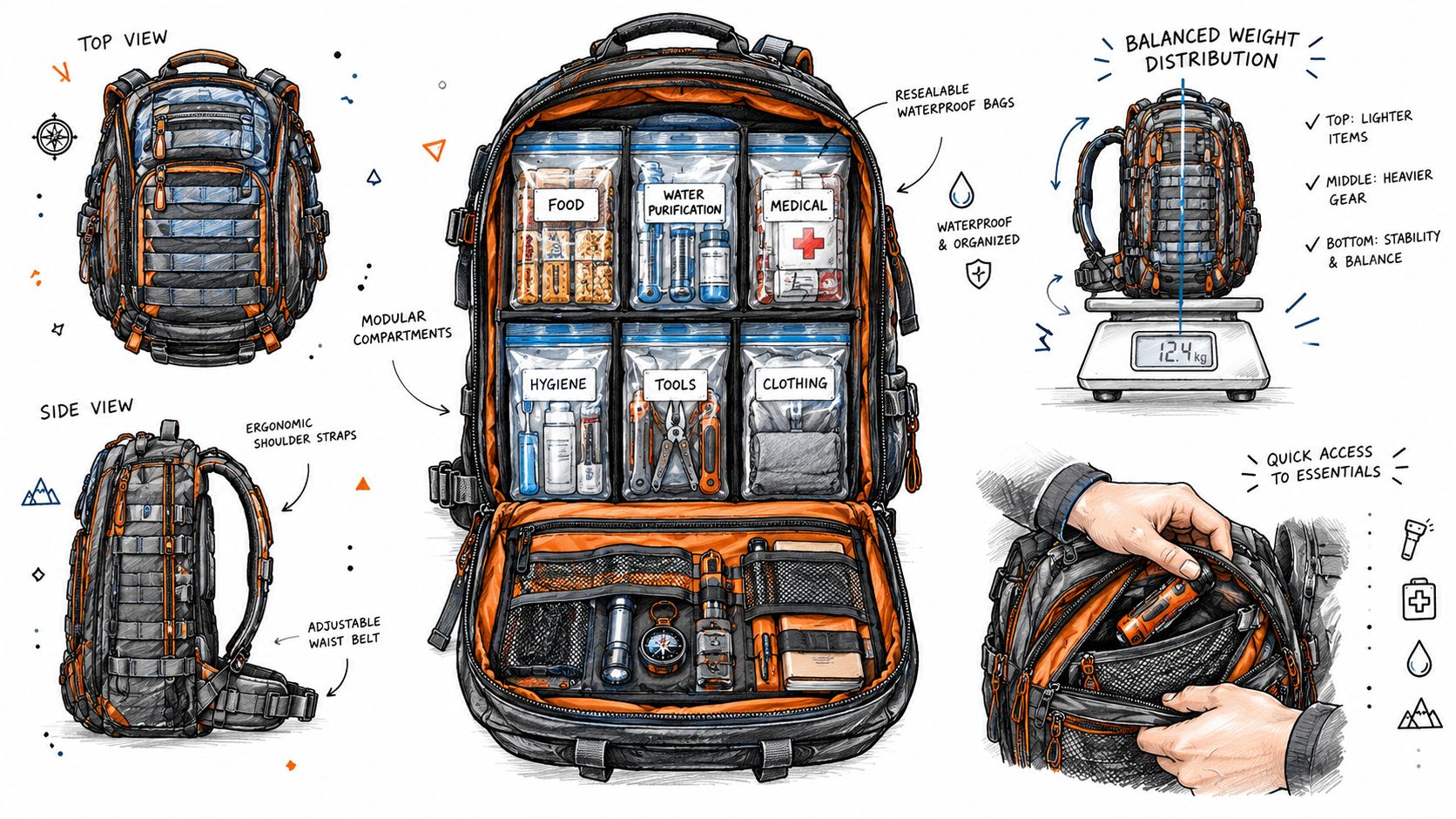
Pack by task: hydration, lighting and power, first aid, warmth, food, navigation, sanitation, and repair. Small labeled pouches prevent a user from emptying the entire bag to find gauze or a charging cable. A supply list on the outside provides a fast inventory check and helps another person locate equipment.
Color coding can reinforce labels. Medical supplies might use one consistent color, power another, and shelter a third. Resealable waterproof bags add protection inside a durable outer pack, especially for ignition tools, paper documents, medication, and spare batteries.
Put urgent tools at the top
The first-access layer should include the flashlight or headlamp, gloves, essential medication, basic first aid, water, and communication equipment. Trauma supplies need their own clearly marked location, while food and secondary tools can occupy deeper spaces.
For a backpack, dense items should sit close to the body and remain balanced from side to side. In a glove compartment, flat organization and heat exposure become bigger concerns. A vehicle-mounted MOLLE-compatible pouch can keep medical equipment secure and visible, but it shouldn't be placed where it interferes with driving controls or evacuation.
Weight test: Remove anything that adds complexity without addressing dehydration, hypothermia, navigation loss, communication failure, injury, or signaling.
Multi-use tools have value when they replace separate items. A headlamp provides light while leaving both hands free, a bandana can support several basic tasks, and a compact repair tool can address equipment failures. Redundancy remains justified for high-consequence items such as light, ignition, and communication, but duplication of low-value accessories quickly turns a portable kit into luggage.
A practical inspection should ask whether the user can find each critical item in darkness, with cold hands, or while wearing gloves. If the answer is no, better labeling and placement will improve performance more than adding another gadget.
Personalizing for Environment Group Size and Power Needs
A kit for a hot, dry trail cannot be copied directly into an alpine vehicle kit. Heat increases the importance of water capacity, shade, and sun protection. Cold conditions demand insulation, dry layers, hand protection, and a way to preserve body heat. Humid environments place greater pressure on waterproof storage and mold-resistant organization.
Federal preparedness guidance supports one gallon of drinking water per person per day, while households may choose 3, 7, or 14 days of water based on location and risk, according to the cited emergency water storage guidance. Group size changes every consumable category, from water and food to dressings, gloves, sanitation supplies, and medication storage.
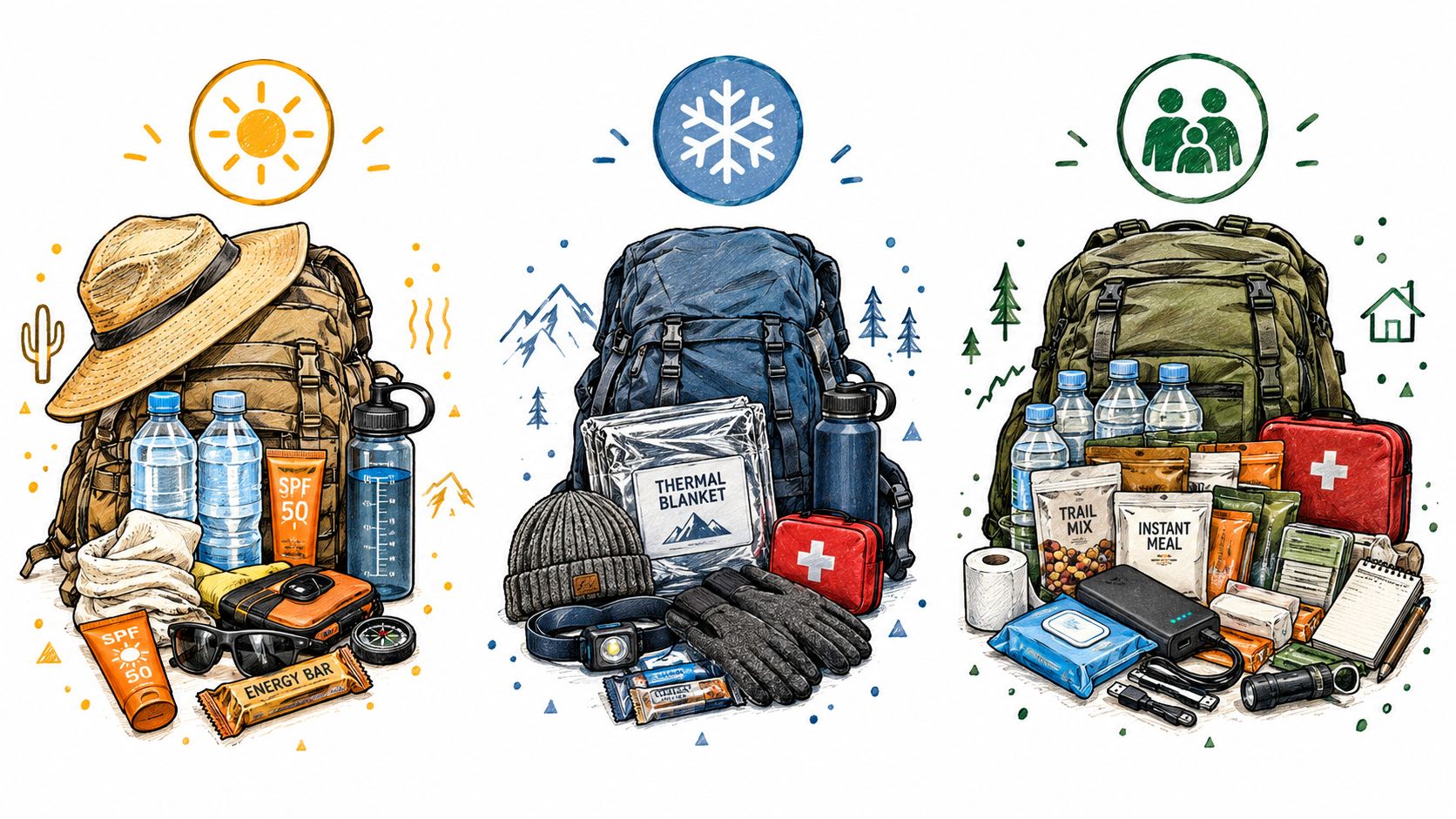
Match add-ons to the environment
Insect-heavy areas may justify a repellent such as Natrapel or Ben's 30, selected according to the user's needs and label directions. After exposure, AfterBite can serve as a dedicated itch-relief item. These additions belong in the environment module, not automatically in every kit.
Wildlife country requires judgment, food storage discipline, and local knowledge. Where regulations and training support its use, CounterAssault may be considered as one part of a broader wildlife-safety plan. It doesn't replace distance, awareness, route planning, or appropriate behavior around animals.
Plan power as a chain
Modern kits need more than a phone. A phone can provide alerts, maps, and communication, but it depends on charge and network availability. A radio, spare cable, power bank, and separate lighting create useful redundancy, while a solar lantern or charger can support longer outages when sunlight is available.
LuminAID offers lighting and charging-oriented products that may suit a home, vehicle, or travel setup. The selection should reflect the actual power demand. A lightweight day pack may need enough reserve for a phone and a small light, while a household kit may need a larger charging plan for several users and devices.
A GPS device or satellite communicator can add capability in remote areas, but users need training, a charged device, clear battery management, and an understanding of coverage limitations. The kit should be built around the most likely communication failure, not around a fashionable device category.
Keeping Your Kit Ready : When to Maintain, Upgrade, or Buy Prebuilt
Preparedness fails when batteries expire, medication changes, food becomes unusable, or a family member can't find the medical supplies. A 2023 FEMA-related U.S. household survey reported that 48% of Americans had a three-day emergency supply of food and water, 39% had a household emergency plan known and practiced by family members, and 61% reported no emergency plan. These figures appear in the emergency supply kit statistics summary and show why maintenance matters as much as initial assembly.
Use a repeatable inspection cycle
A seasonal check should cover:
- Consumables: Replace expired food, damaged water containers, used dressings, and compromised sanitation products.
- Power: Test flashlights, radios, power banks, charging cables, and spare batteries.
- Personal needs: Refresh prescriptions, eyewear, hearing-aid supplies, infant items, pet supplies, and documents.
- Weather layers: Replace torn rain gear, inspect blankets, and confirm that waterproof packaging still seals.
- Access: Open every compartment and confirm that the person responsible for the kit understands the labels and instructions.
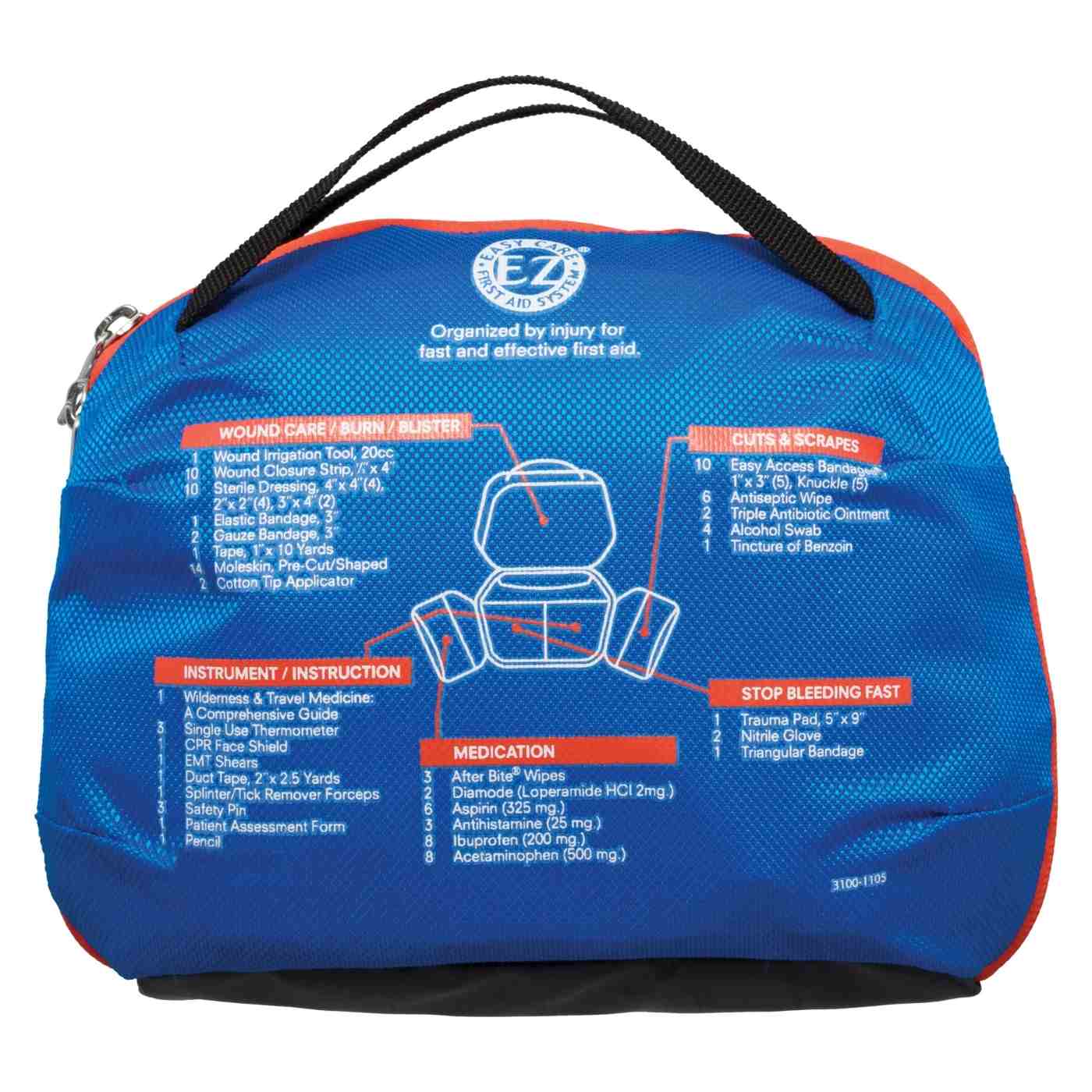
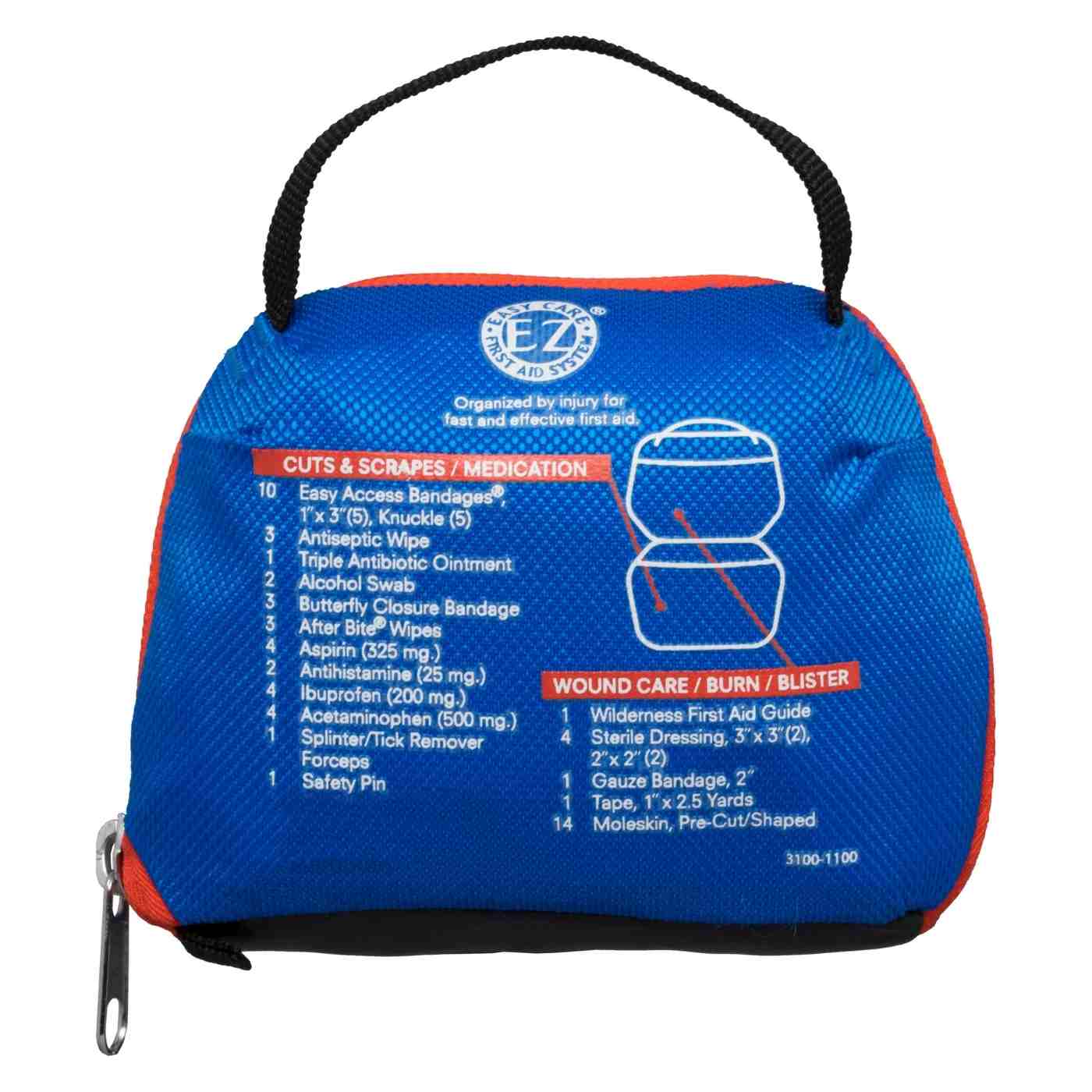
The supply list should remain visible on the exterior or back of the pack. Medical instructions are useful only when the user can locate them and read them under stress, so a handbook and clear compartments add practical value.
Decide between building and buying
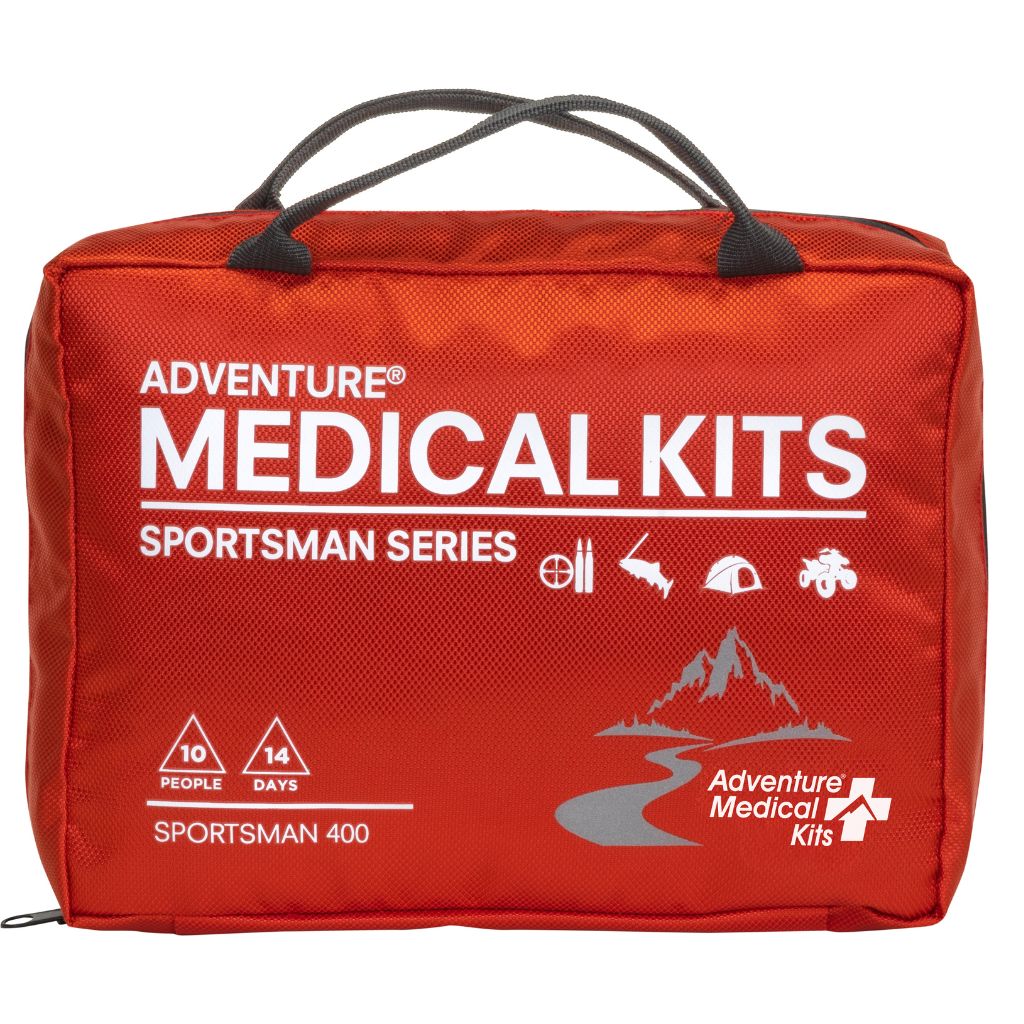
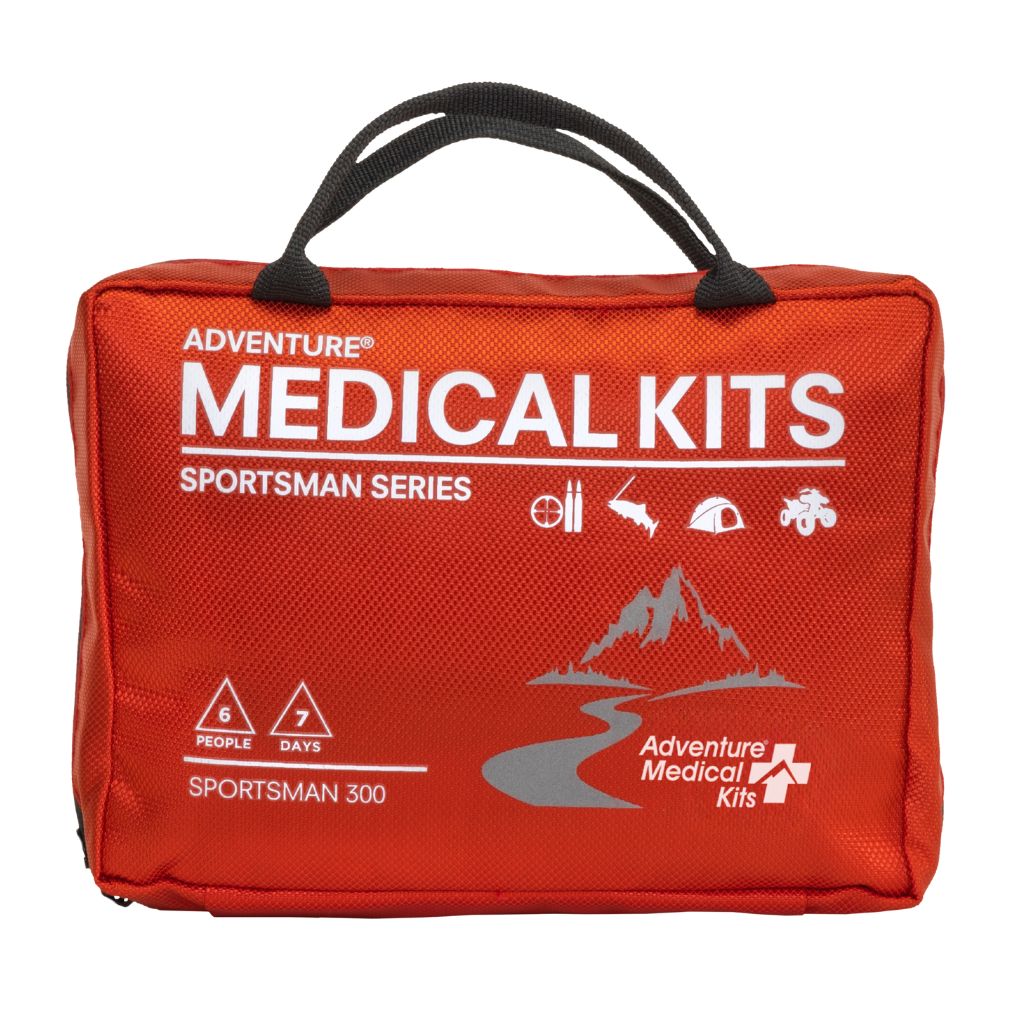
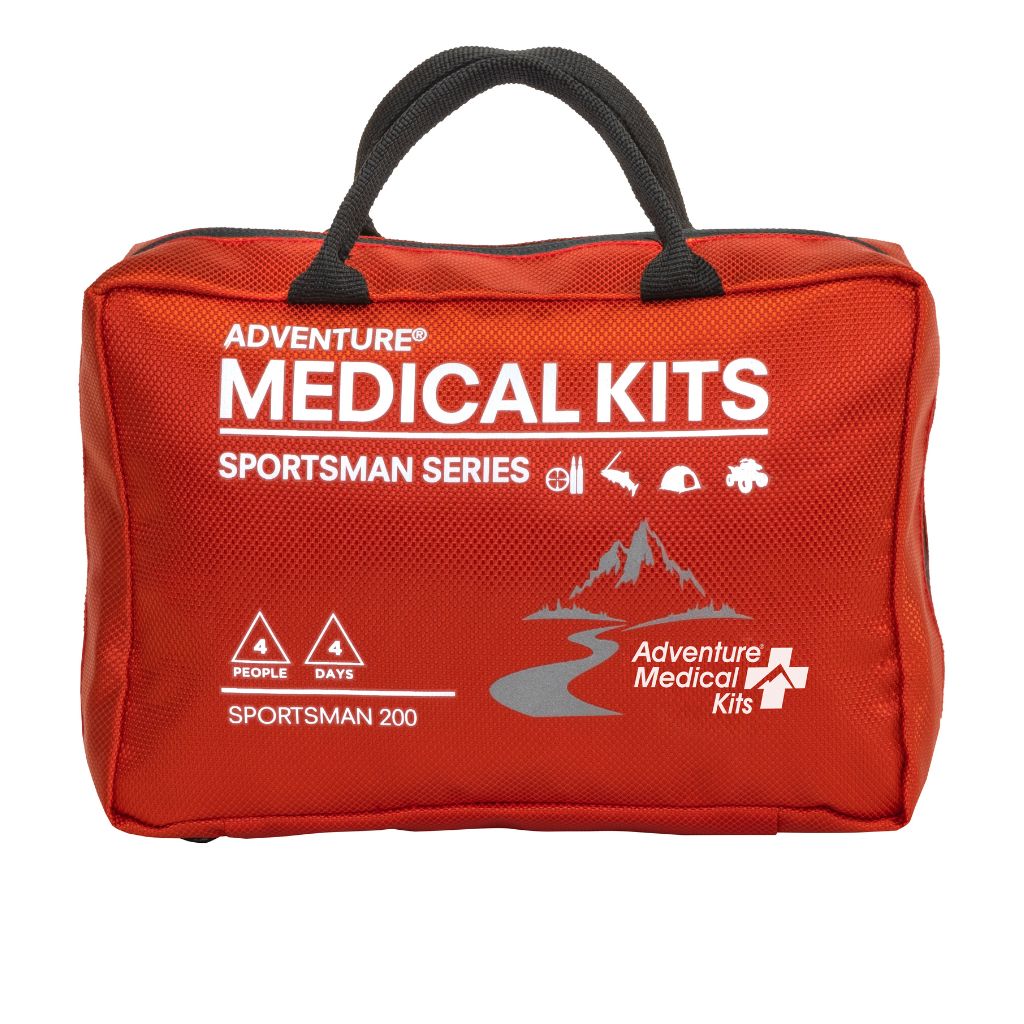
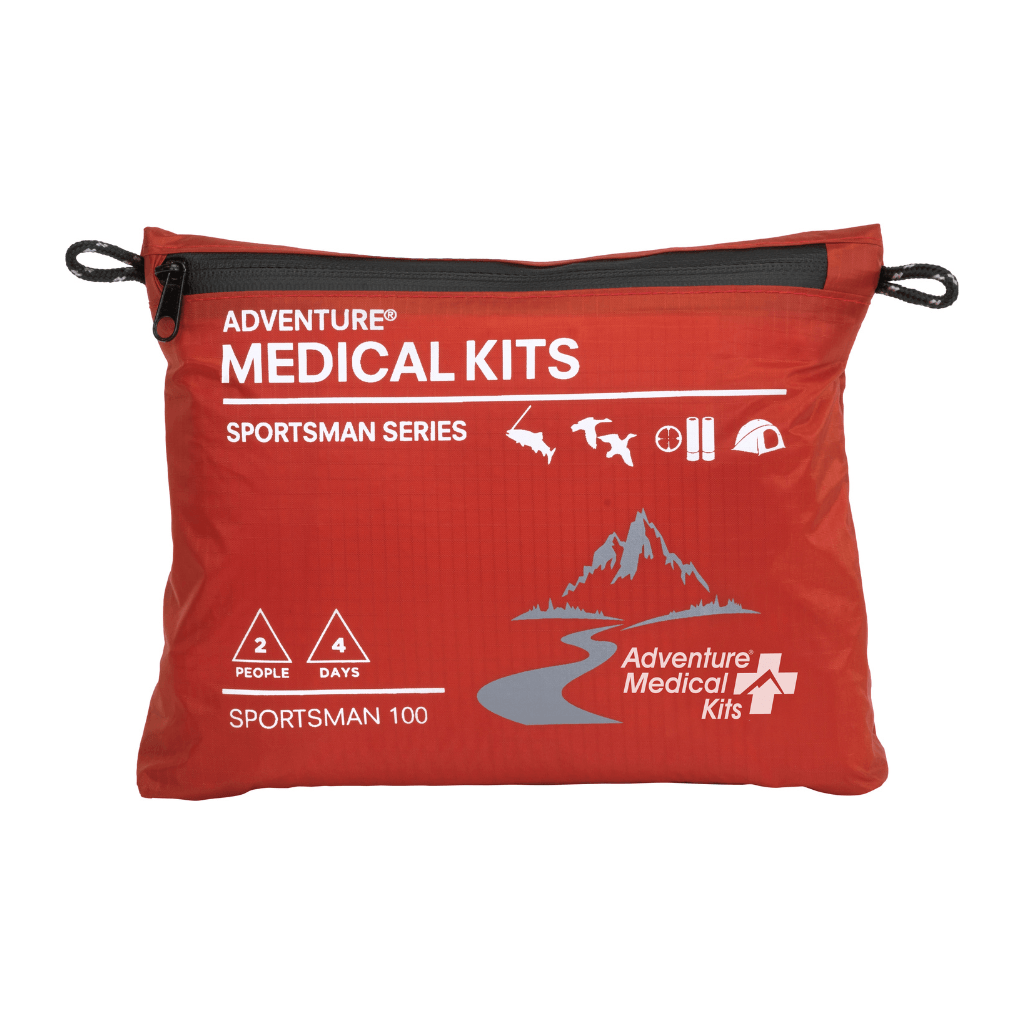
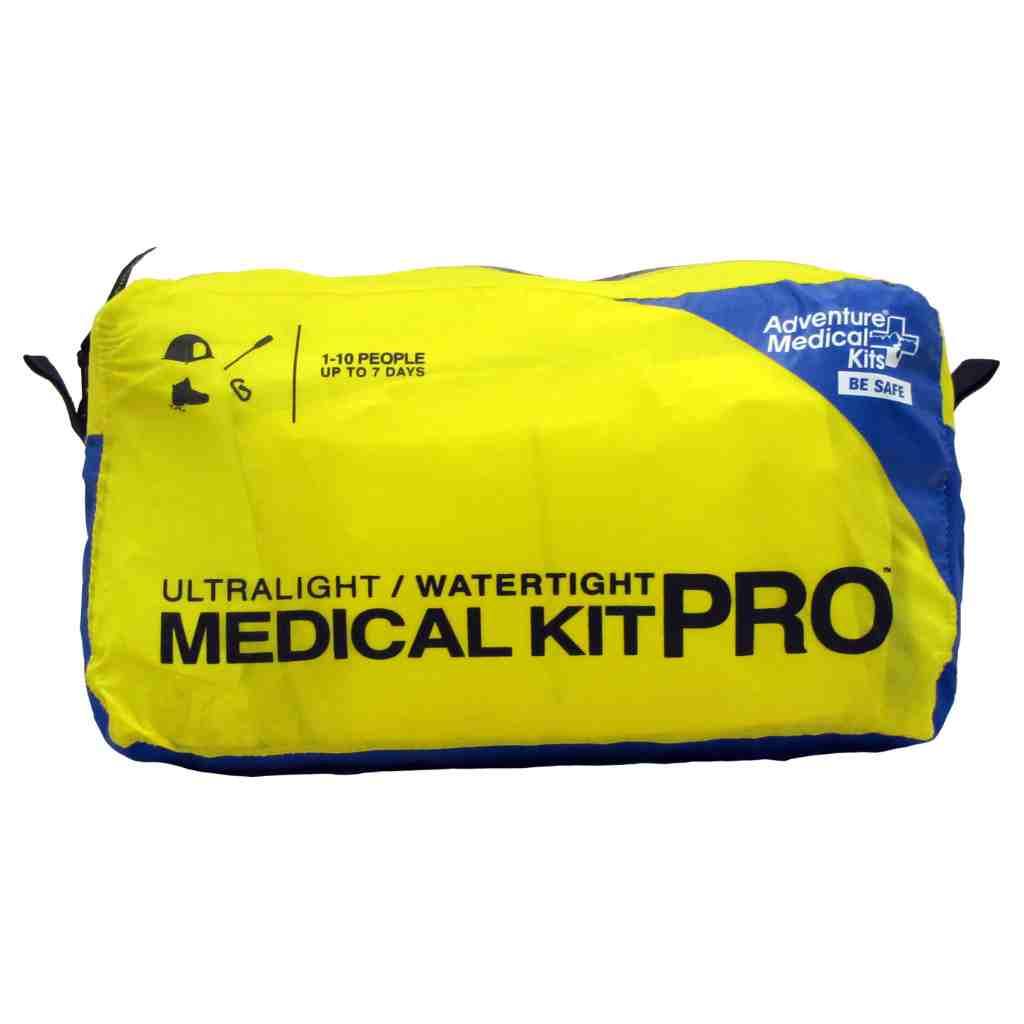
A DIY kit makes sense when the household has specialized needs, existing equipment, and time to audit every component. A prebuilt option reduces the chance of forgetting basic medical categories and can provide organized, labeled compartments, a visible supply list, medical instructions, compact packaging, and resealable waterproof storage. Adventure Medical Kits states that its first aid kits and supplies are FSA/HSA eligible, allowing eligible shoppers to use an FSA or HSA card at checkout.
The Mountain Series suits activity-specific outdoor planning, while the MOLLE series supports modular attachment and trauma-oriented organization. The MOLLE Pro Medical + Survival Kit is a reasonable direction for users who need medical and survival supplies integrated into a modular system, particularly when carrying equipment on a pack or securing it in a vehicle.
Use the emergency preparedness checklist during each review. Replace missing or expired contents immediately, then practice retrieving the first-access items so the emergency survival gear kit remains a working system rather than a forgotten bag.
Adventure Medical Kits offers activity-specific Mountain Series and modular MOLLE series kits with organized compartments, medical instructions, portable packaging, and curated supplies for outdoor and preparedness use. Visit Adventure Medical Kits to choose a kit that matches the environment, group, and failure modes it needs to support.