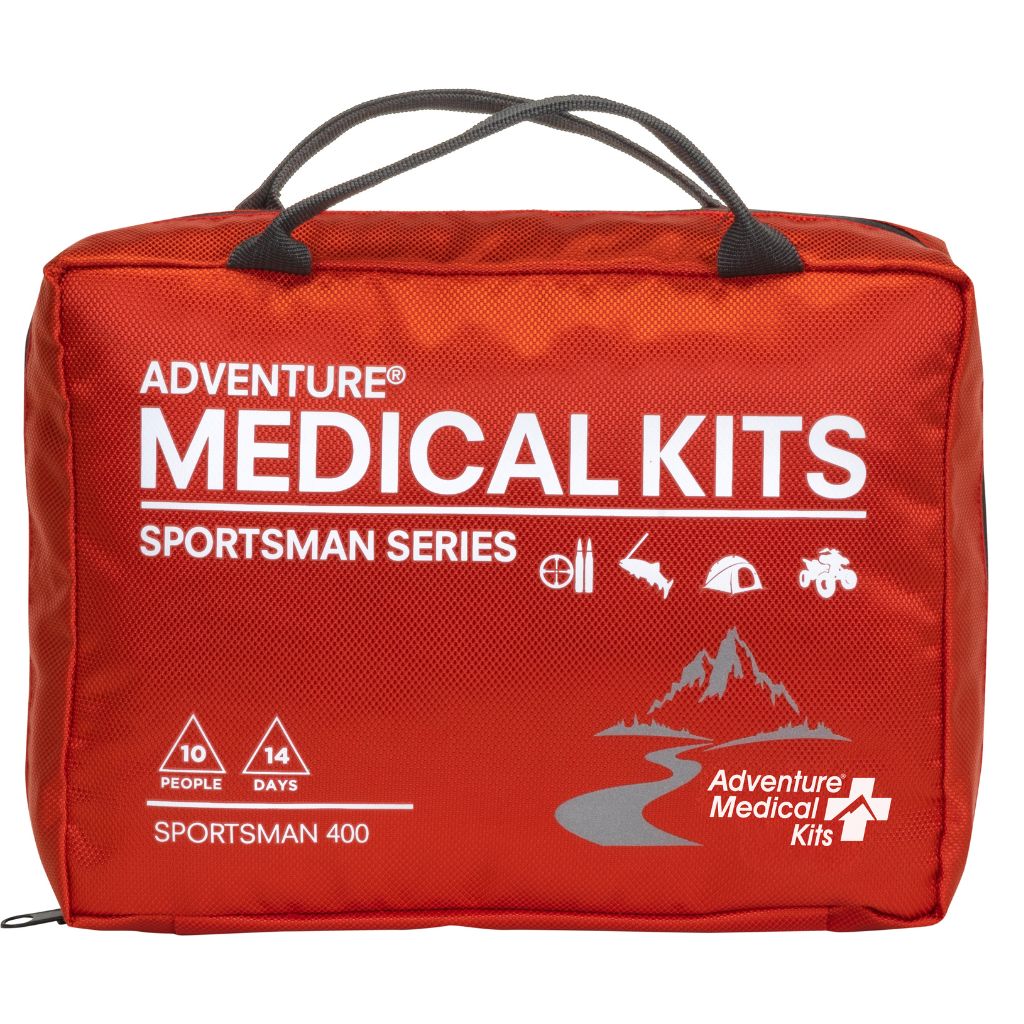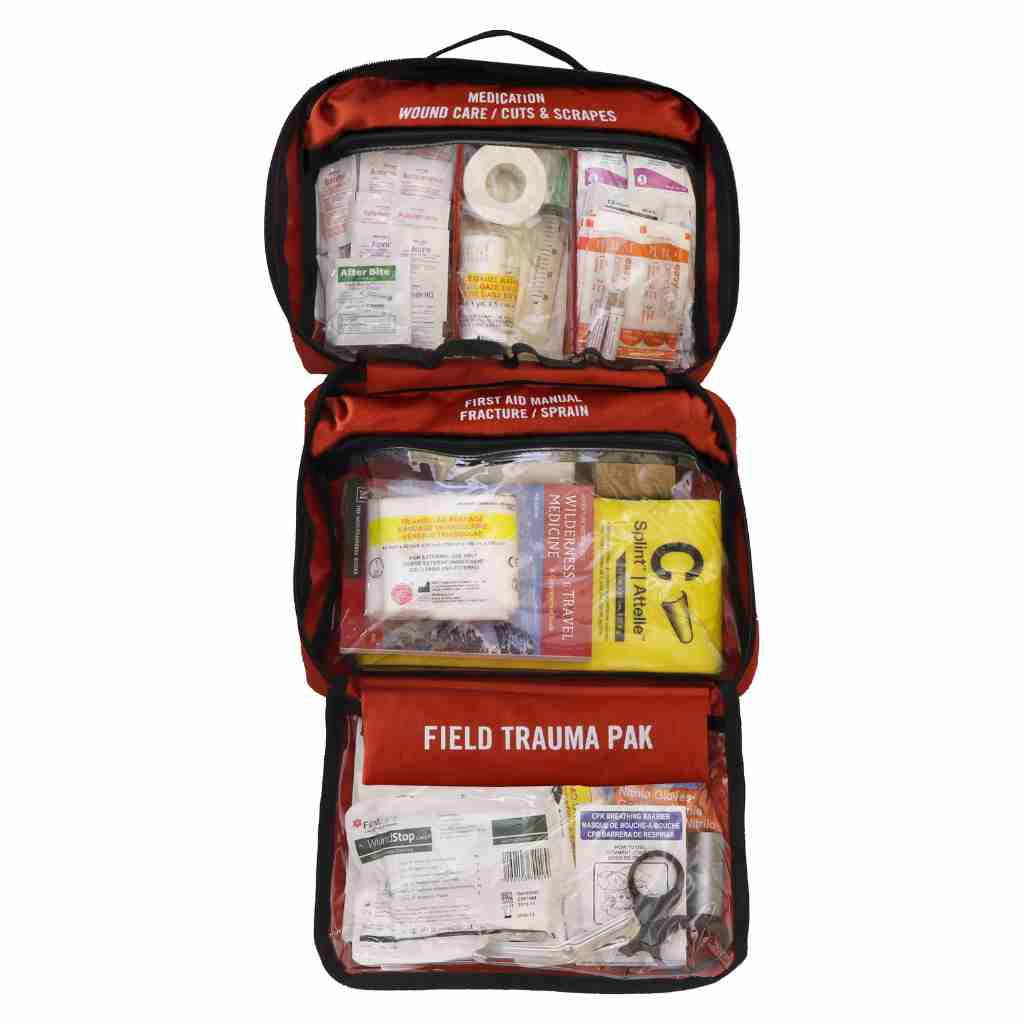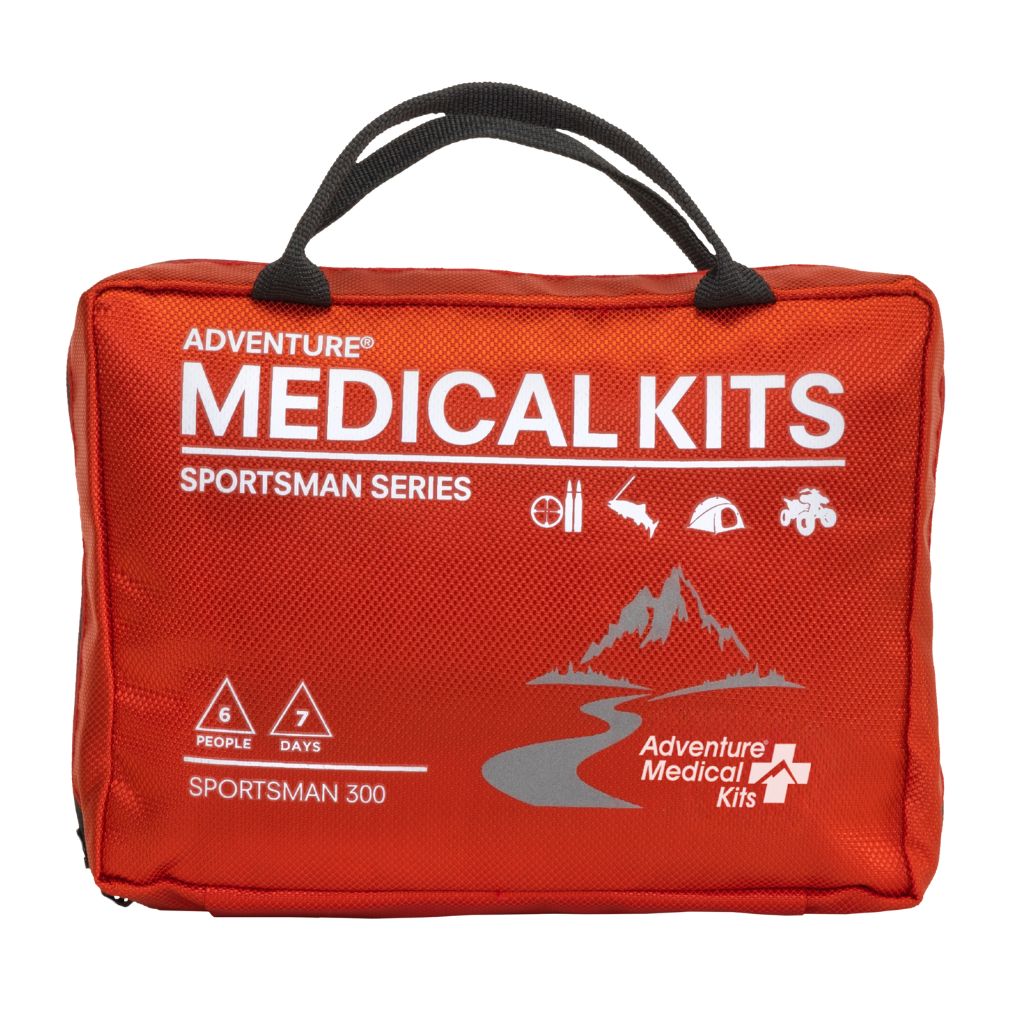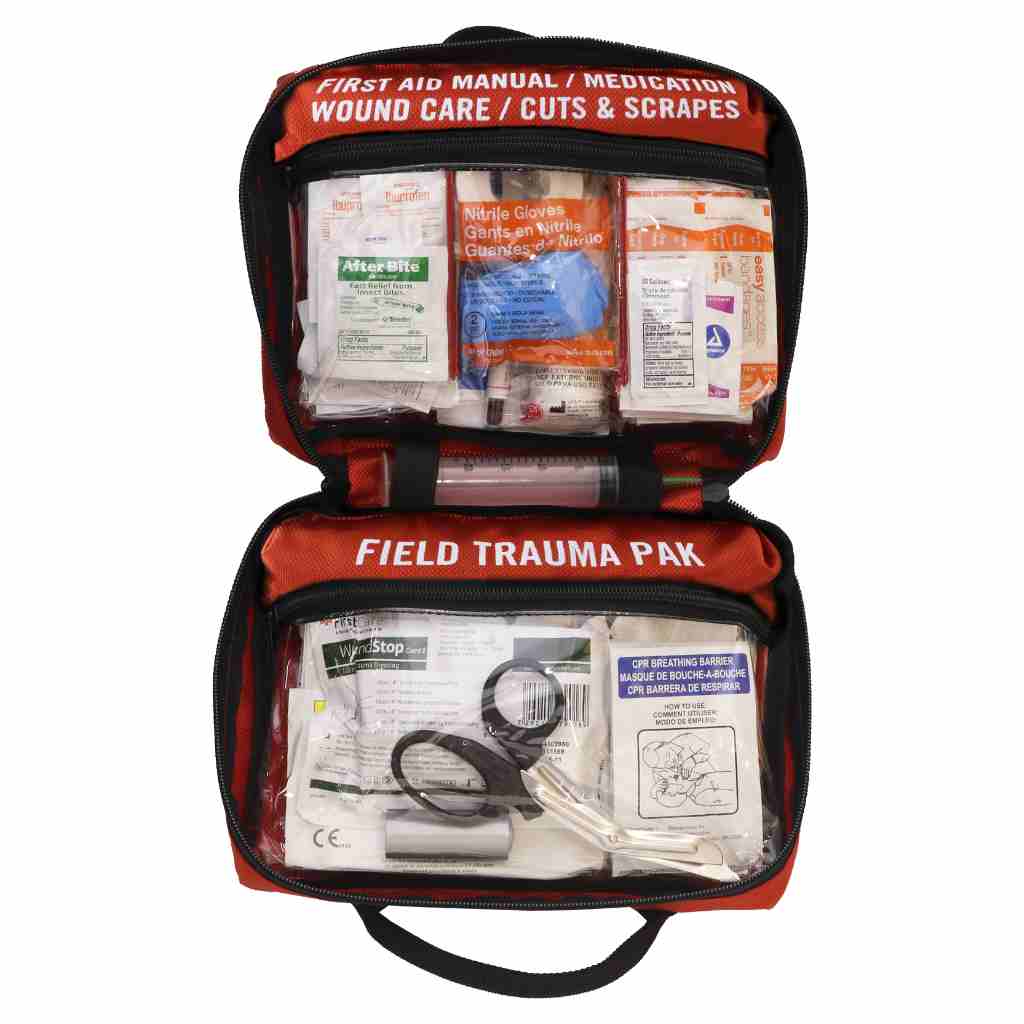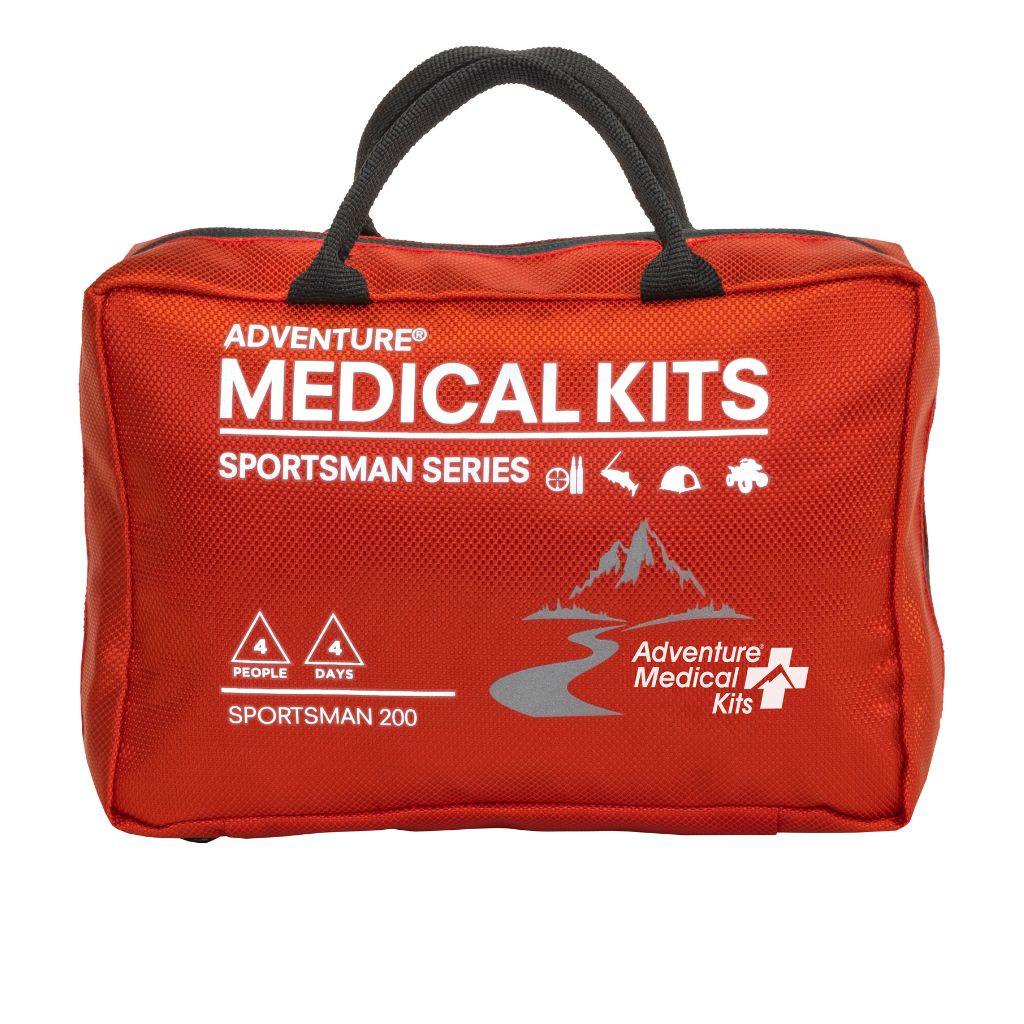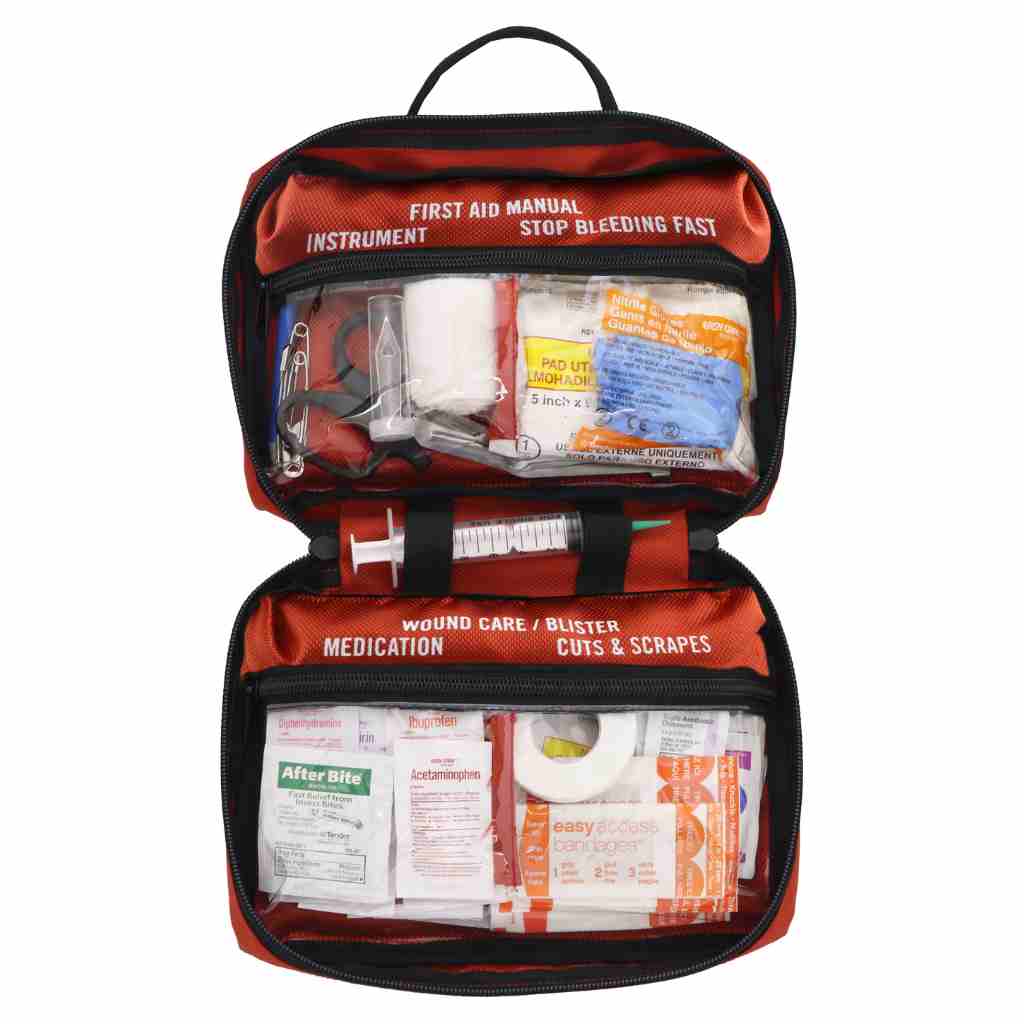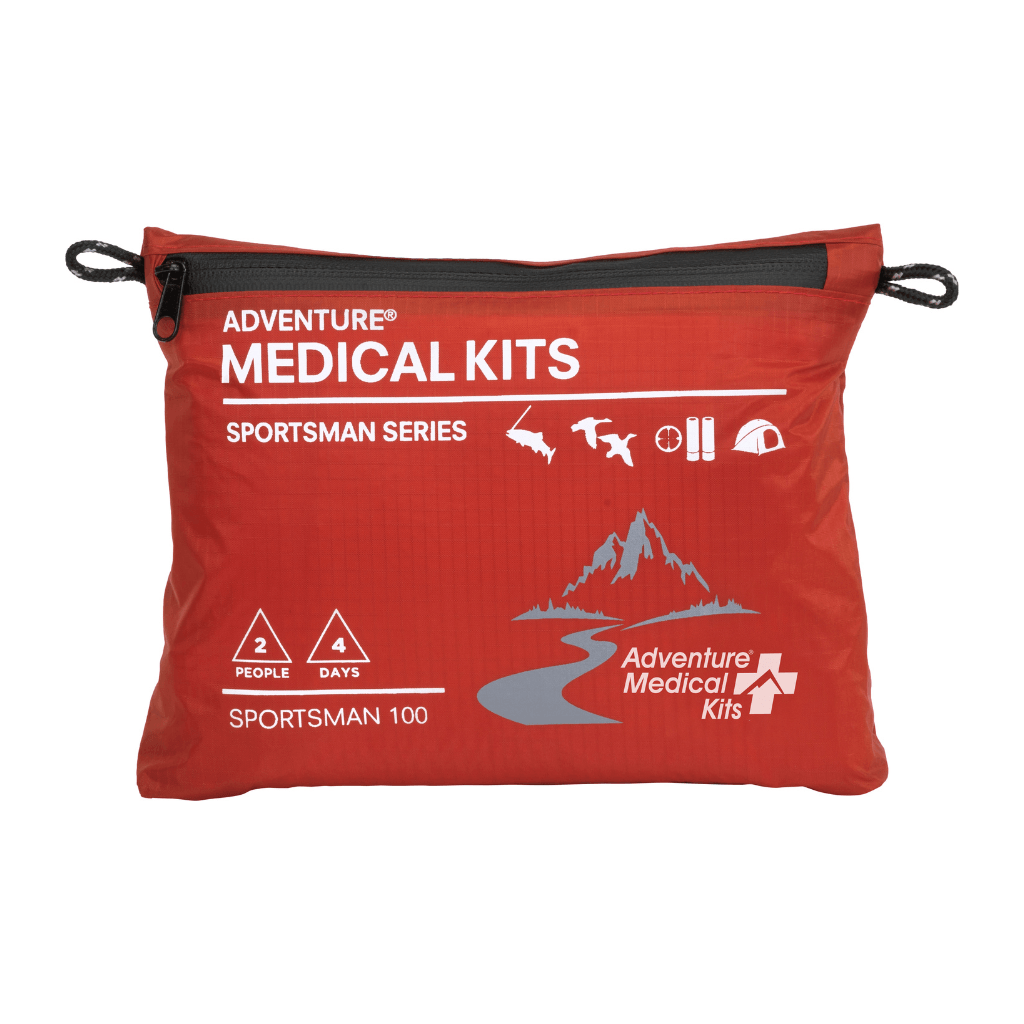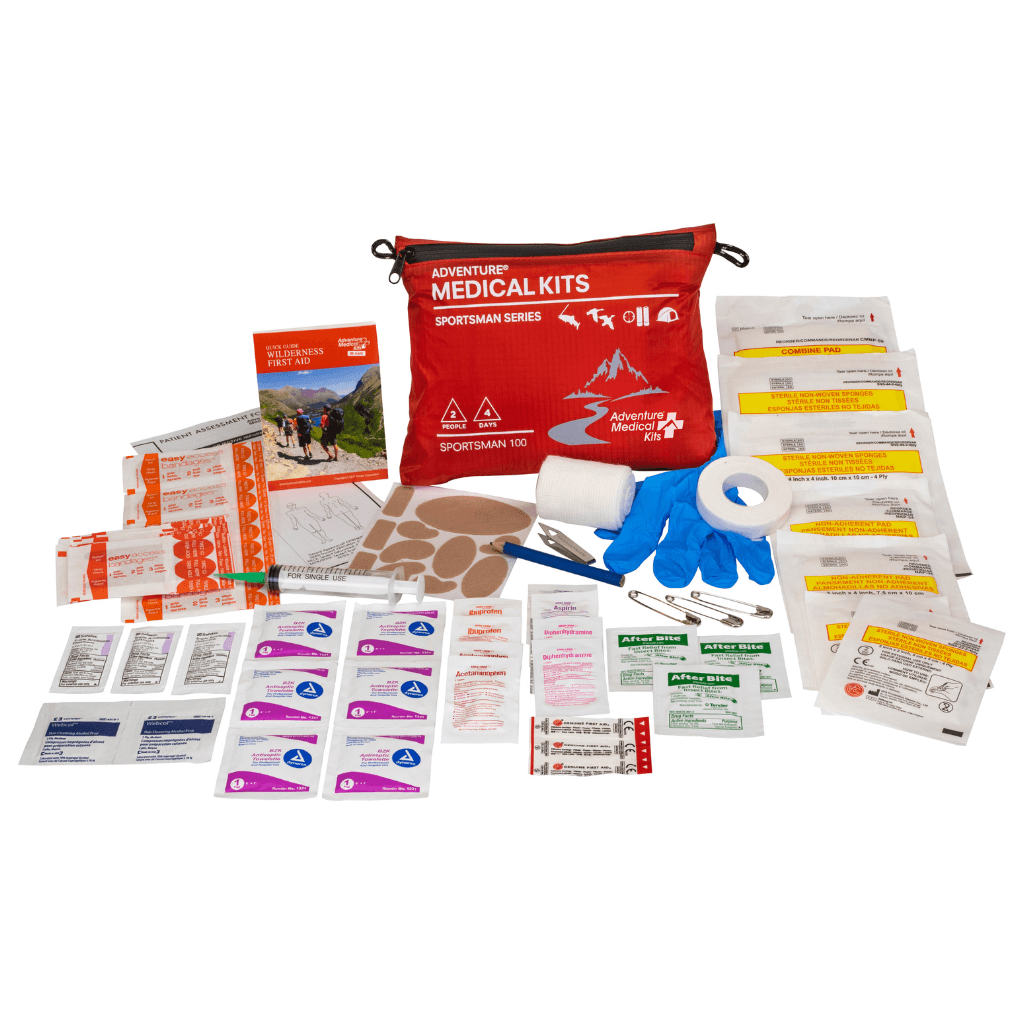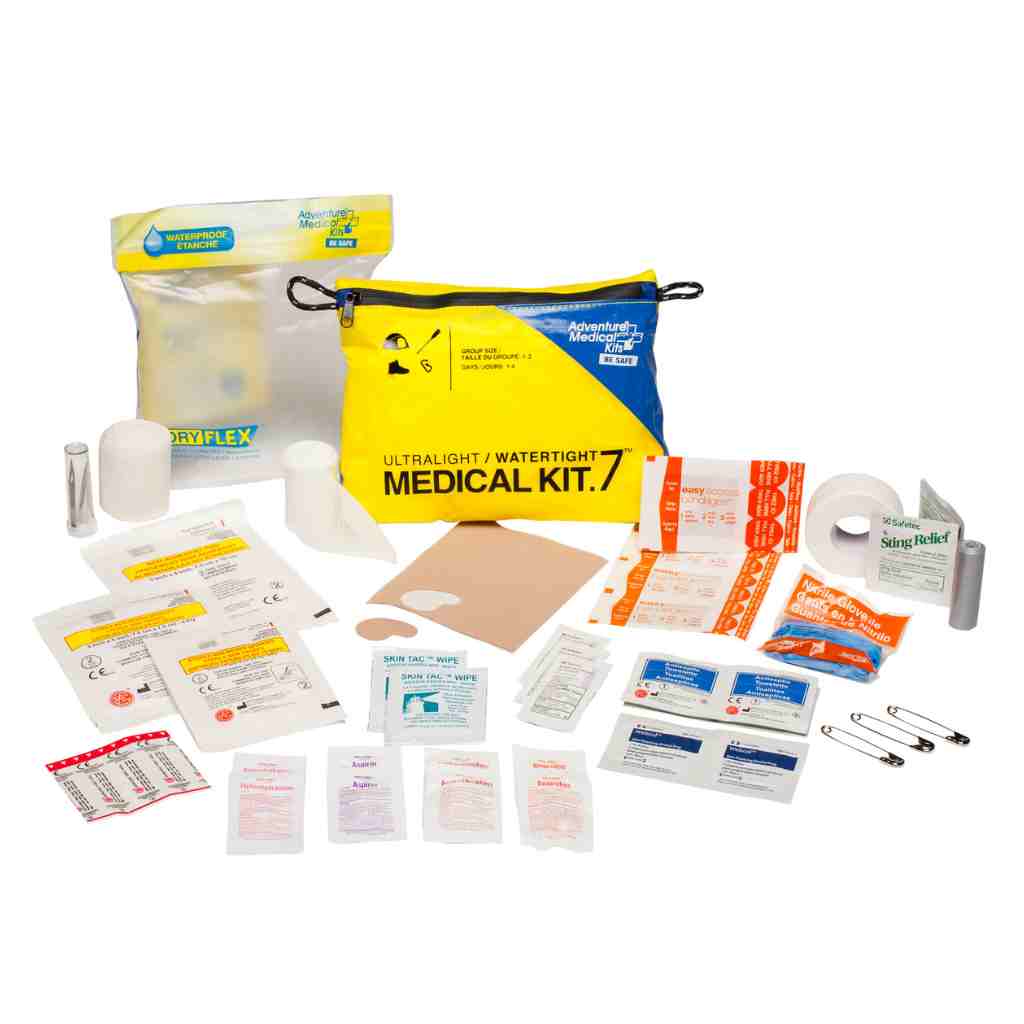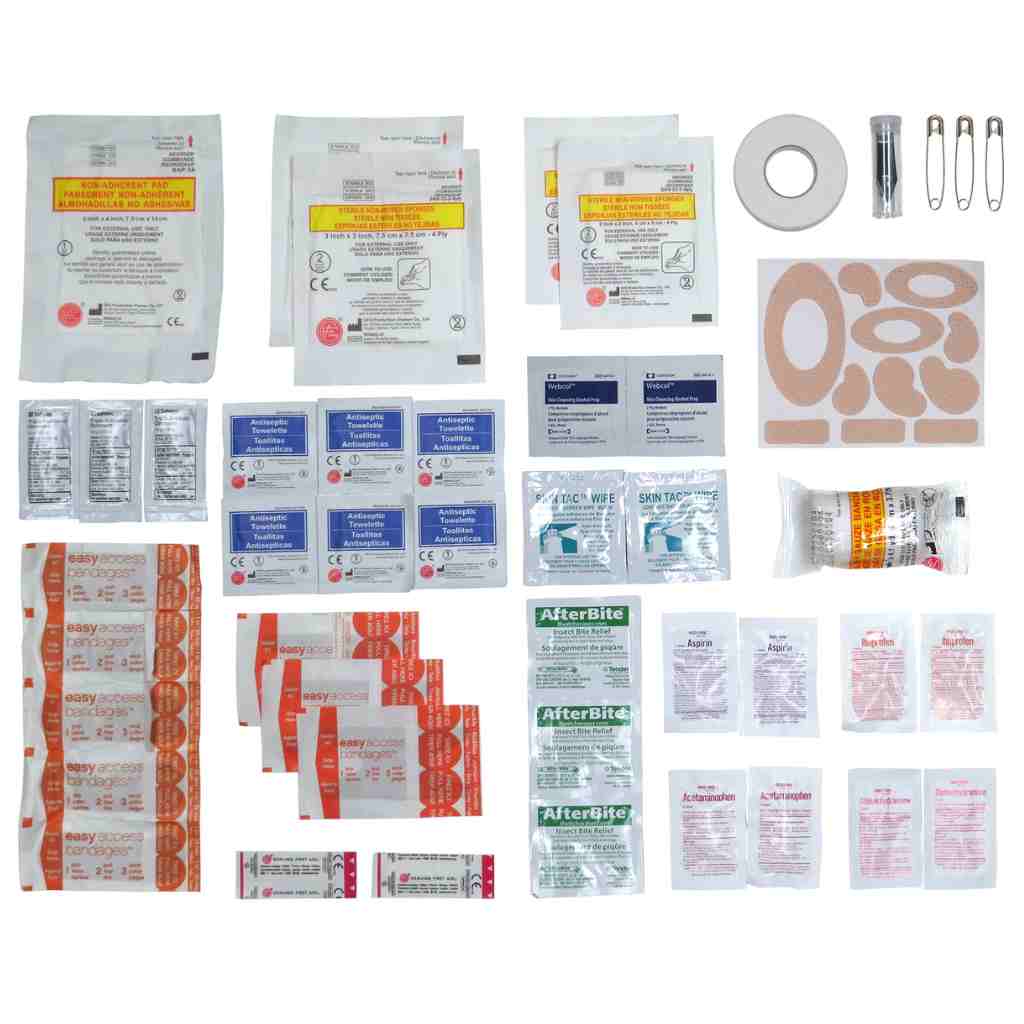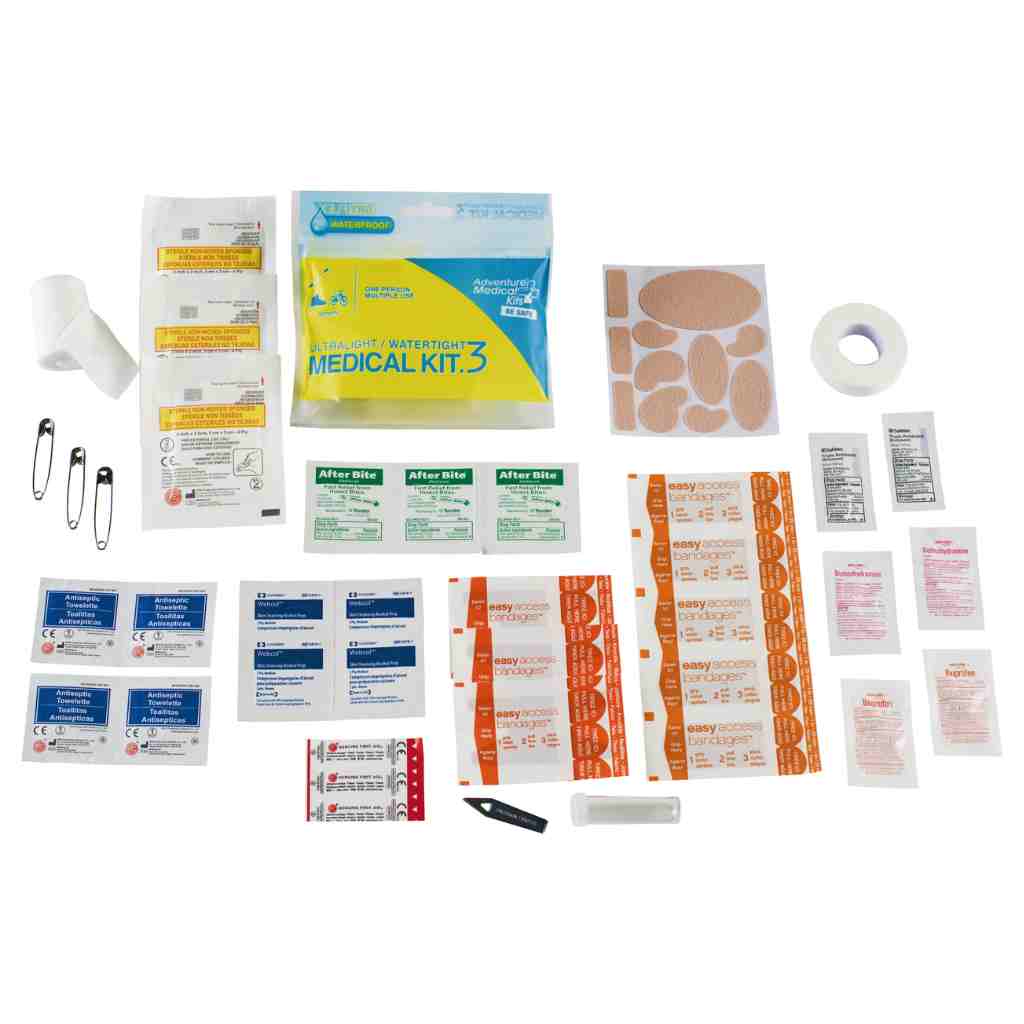


You're on a trail, in a truck, on a dock, or halfway through a family road trip, and the one thing nobody plans for is the moment blood starts moving faster than help. A small, carried first aid kit changes that moment. It gives a hiker a way to treat a sliced shin before the walk out turns messy, gives a parent something usable during a roadside breakdown, and gives a paddler a kit that's already within reach when the shoreline is too far away.
The modern everyday carry first aid kit grew out of that exact problem. Adventure medical kits was founded in 1986 by an emergency room doctor who saw that the kits available then were hardcases meant to stay at home, while outdoor users needed supplies built to be carried on the trail. That idea still holds up, because the best kit is the one that can move with the person who might need it most, before professional help arrives.
Table of Contents
- What an Everyday Carry First Aid Kit Actually Means
- The Hemorrhage-First Principle Behind Every Serious EDC Kit
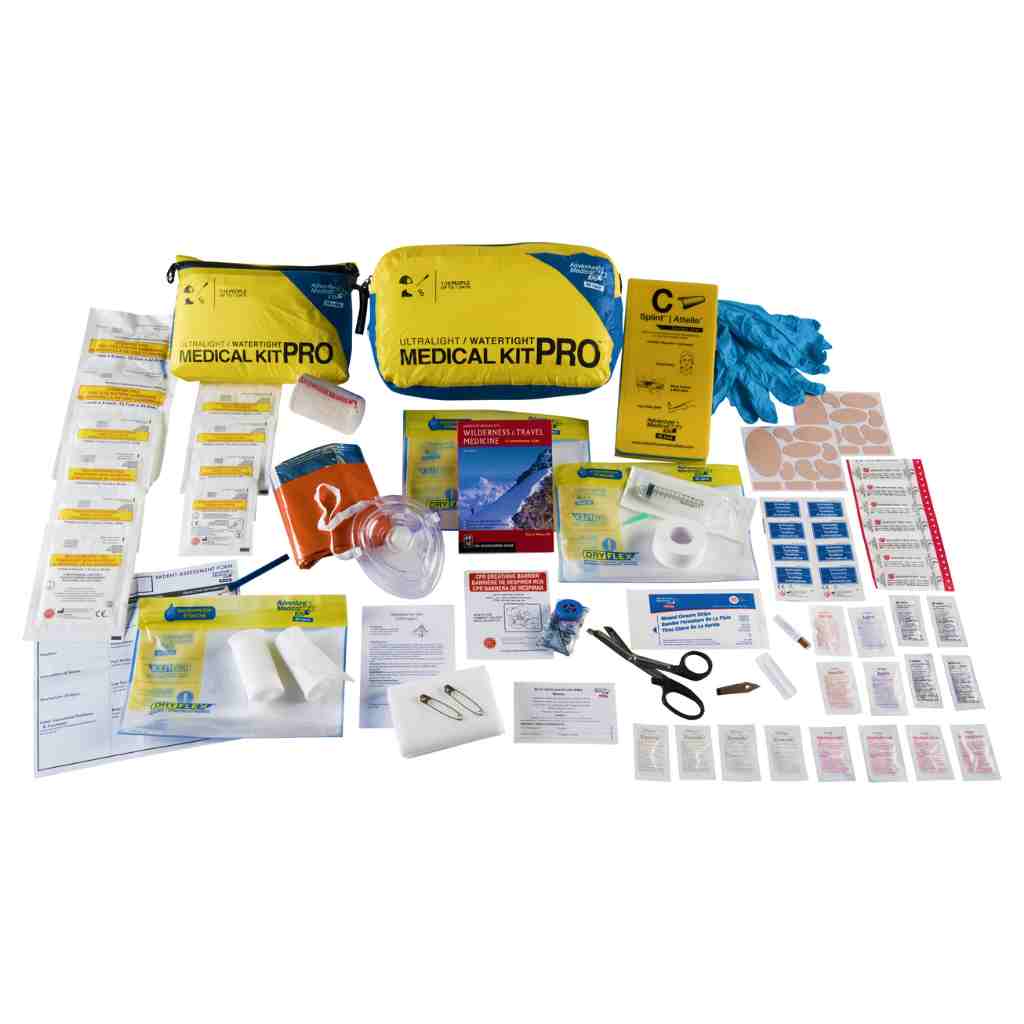
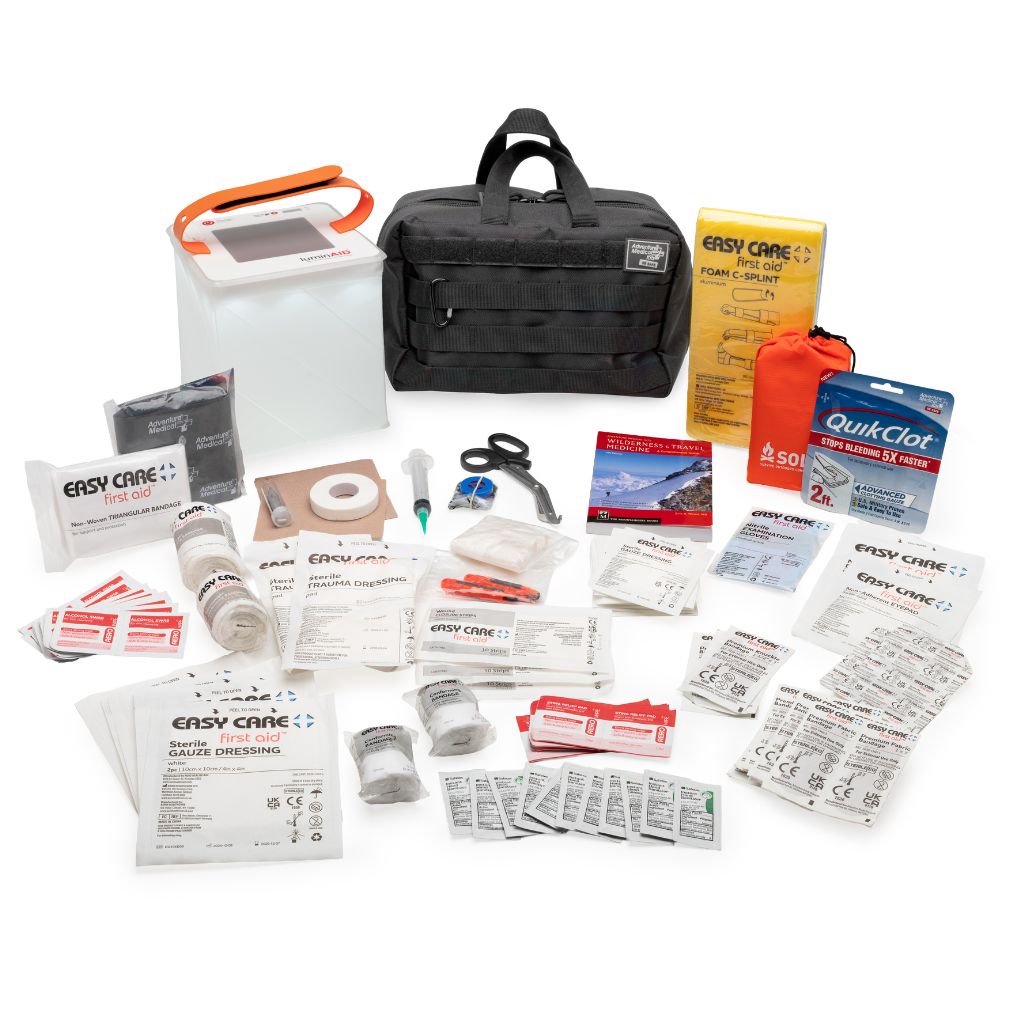
- Core Items Every EDC First Aid Kit Should Contain
- Adapting Your Kit for Different Activities
- Choosing the Right Container, Size, and Packaging
- Legal Notes, Training, and the Medication Question
- Maintenance, Expiration, and the Pre-Trip Checklist
- Using Your Kit in the Real World
What an Everyday Carry First Aid Kit Actually Means
A hiker three miles from the trailhead does not benefit from a bathroom drawer. A parent on the shoulder of a highway does not have time to dig through a closet shelf. A paddler who has drifted beyond easy shouting distance needs a kit that is already on the body, in the pack, or within arm's reach. That is the purpose of an everyday carry first aid kit, quick access to the supplies that buy time.
The old model stayed in one place. The modern model moves with the person. Adventure Medical Kits notes that outdoor kits shifted away from bulky hard cases and toward packs designed to be carried, which matches the basic logic of field medicine, if an injury happens away from home, the useful supplies have to go there too. Mayo Clinic's basic kit guidance points in the same direction with core items such as adhesive tape, elastic wrap bandages, sterile bandages, cold packs, a breathing barrier or surgical mask, a manual, and medications such as antihistamines, ibuprofen, and prescribed epinephrine.
A kit is not just a box
A household cabinet invites broad storage. An EDC kit forces harder choices. Every item has to earn its space by being useful in motion, in weather, and under stress.
Practical rule: if a supply only matters after someone has already reached a clinic, it usually does not belong in a compact carry kit.
That distinction matters because many homes still lack a complete emergency setup. Analysts in the 2026 reporting summarized by Survival Lab's 2026 emergency supply kit statistics summary describe a preparedness gap, with many households missing basic emergency supplies and only a small share checking every box on the official FEMA kit list. A separate 2022 study in China found fewer than one-quarter of residents had prepared home first-aid kits. The point is simple. A lot of people are counting on gear they do not have.
An EDC kit bridges the gap between “I should have something” and “I can treat this right now.” The core question is never just what belongs in a kit, but what belongs in the kit that will be with the person when the problem starts.
The Hemorrhage-First Principle Behind Every Serious EDC Kit
The easiest mistake is packing a kit like a rolled-up pharmacy. Bandages go in. Antiseptic wipes go in. Tape goes in. The result looks comforting and fails the most serious test, time-sensitive bleeding control. A serious everyday carry first aid kit should follow a hemorrhage-first order, because the highest-risk problems deserve the first and most protected space.
Packing a parachute is a useful analogy. The canopy comes first, then the backup systems, then the comfort items. No one starts with gloves and snacks. The same order works in medical gear, stop severe bleeding first, then manage wounds, then add convenience items.
Why bleeding control comes first
The US Army's field guidance for first aid and survival kits emphasizes trauma items such as a tourniquet, pressure dressing, gauze, gloves, and a marker. That ordering matters because severe extremity bleeding can outpace simple direct pressure when the wound is deep or blood loss is rapid. In that situation, a properly sized tourniquet and packing materials are the highest-value components in a compact kit.
The logic is simple. If a person can't keep blood in the body, the rest of the contents don't matter much yet.
Core priority: life-threatening hemorrhage gets treated before cleaning, covering, or soothing anything else.
For that reason, the trauma module should live where it can be reached immediately, not buried under tape, ointment, or blister pads. The secondary layer is wound care, and the tertiary layer is comfort and minor-care items. That hierarchy keeps the kit usable under stress, when fine motor skills slip and choices get slower.
Adventure Medical Trauma Tourniquet fits that role in the field. The product snapshot describes it as engineered for use in the field and able to control extremity bleeding quickly and easily, with application possible in seconds and little or no prior medical training.

The takeaway is not complicated. A compact kit built around hemorrhage control can handle the problem that matters most. A kit built around band-aids only handles the problem that feels most familiar.
Core Items Every EDC First Aid Kit Should Contain
The best place to start is with a clean three-module layout. Trauma first. Wound care second. Tools and medications third. That order reflects field guidance and keeps the kit honest about what it can do.
Build the kit in layers
| Module | Item | Purpose |
|---|---|---|
| Trauma | Tourniquet | Controls severe extremity bleeding |
| Trauma | Hemostatic gauze | Packs deep wounds when pressure alone isn't enough |
| Trauma | Pressure dressing | Holds direct pressure in place |
| Trauma | Nitrile gloves | Protects the caregiver and keeps care cleaner |
| Trauma | Marker | Marks application time or notes on a limb |
| Wound care | Sterile gauze pads | Covers and absorbs smaller wounds |
| Wound care | Adhesive bandages | Handles minor cuts and scrapes |
| Wound care | Adhesive tape | Secures dressings |
| Wound care | Elastic wrap | Supports sprains or held dressings |
| Wound care | Irrigation syringe | Flushes dirt from cuts |
| Wound care | Antiseptic wipes | Cleans skin around wounds |
| Wound care | Blister treatment | Prevents a small hot spot from becoming a bigger problem |
| Tools and medications | Tweezers | Removes splinters or debris |
| Tools and medications | Blunt-tip scissors | Cuts tape, clothing, or wrap |
| Tools and medications | Instant cold pack | Helps with minor swelling |
| Tools and medications | CPR breathing barrier | Adds a layer of protection during rescue breathing |
| Tools and medications | First-aid manual | Supports decision-making under stress |
| Tools and medications | Antihistamines, ibuprofen, and prescribed epinephrine | Addresses personal medical needs |
Mayo Clinic's basic list overlaps with this structure by including elastic wrap bandages, sterile bandages, cold packs, a breathing barrier or surgical mask, a manual, and medications such as antihistamines, ibuprofen, and epinephrine if prescribed. KidsHealth also recommends an up-to-date first-aid manual, emergency phone numbers, sterile gauze, tape, several sizes of adhesive bandages, an elastic bandage, a splint, antiseptic wipes, soap, hand sanitizer, sterile water or saline with a large syringe, tweezers, sharp scissors, cold packs, a thermometer, and at least two pairs of gloves. That overlap matters because a hemorrhage-first kit is not fringe advice, it sits comfortably inside mainstream first-aid guidance.
A useful planning tool is how to choose a PLB from Blade Master, especially for readers building a kit around remote travel. A PLB does not replace first aid supplies, but it can complement a kit when evacuation time may be long.
Adventure Medical Kits also publishes a practical reminder not to forget the small items that make a kit easier to use in the field, which pairs well with the idea that small tools matter when the situation is messy. Don't forget the little things in your first aid kit is a useful companion read for that mindset.
If only three compartments get filled, fill the trauma compartment first. That is the part that can stop the most dangerous problem.
Adapting Your Kit for Different Activities
A base kit is the starting point, not the finished answer. The first question is simple, which injuries are most likely where you spend time. Hiking, hunting, boating, travel, and family preparedness each change the risk profile, so the same pouch should not look identical in every setting.
A hemorrhage-first kit still stays in the background of every version. The trauma layer comes first, then the activity module sits on top of it, like the specialized tools in a toolbox after the wrench set is already in place. That keeps the kit focused on the injuries that can go bad quickly, while leaving out gear that only feels useful.
Match the loadout to the activity
| Activity | Best additions | Why they matter |
|---|---|---|
| Hiking | Blister care, irrigation syringe, lightweight trauma supplies | Foot problems and trail cuts are common, and dirt needs flushing |
| Hunting | Puncture-wound supplies, eye protection support, signal gear | Branches, blades, and field dressing create different hazards |
| Boating | Waterproof packaging, thermal blanket, burn dressing | Water exposure and hot engine parts change the mix |
| Travel | Prescription documentation, broader medication module, language aid | Borders and unfamiliar systems complicate care |
| Family emergency | Shelter, water, signaling, child-friendly dosages | Multi-day disruptions need more than wound care |
For hiking and backpacking, blister care belongs near the top of the list because a small hot spot can end a trip faster than a cut. A hydration-compatible irrigation syringe also makes sense, because trail dirt and grit need to be flushed before a bandage goes on. A light trauma setup still belongs here, but every ounce has to earn its place. If you are comparing trail kits, Adventure Medical Kits' best hiking first aid kit resource is a useful reference point for what a lean field setup looks like.
For hunting, the kit should lean toward puncture wounds, lacerations, and eye injuries from brush, equipment, or debris. A signal mirror can help with location and visibility, and a field-cleaning mindset matters around broadheads and gut hooks because sharp tools create the same urgency as other blades. The MyMedic hunting guide also emphasizes carrying basic trauma supplies on the person and telling someone where the hunt is happening, which fits the broader idea of not depending on a distant base camp.
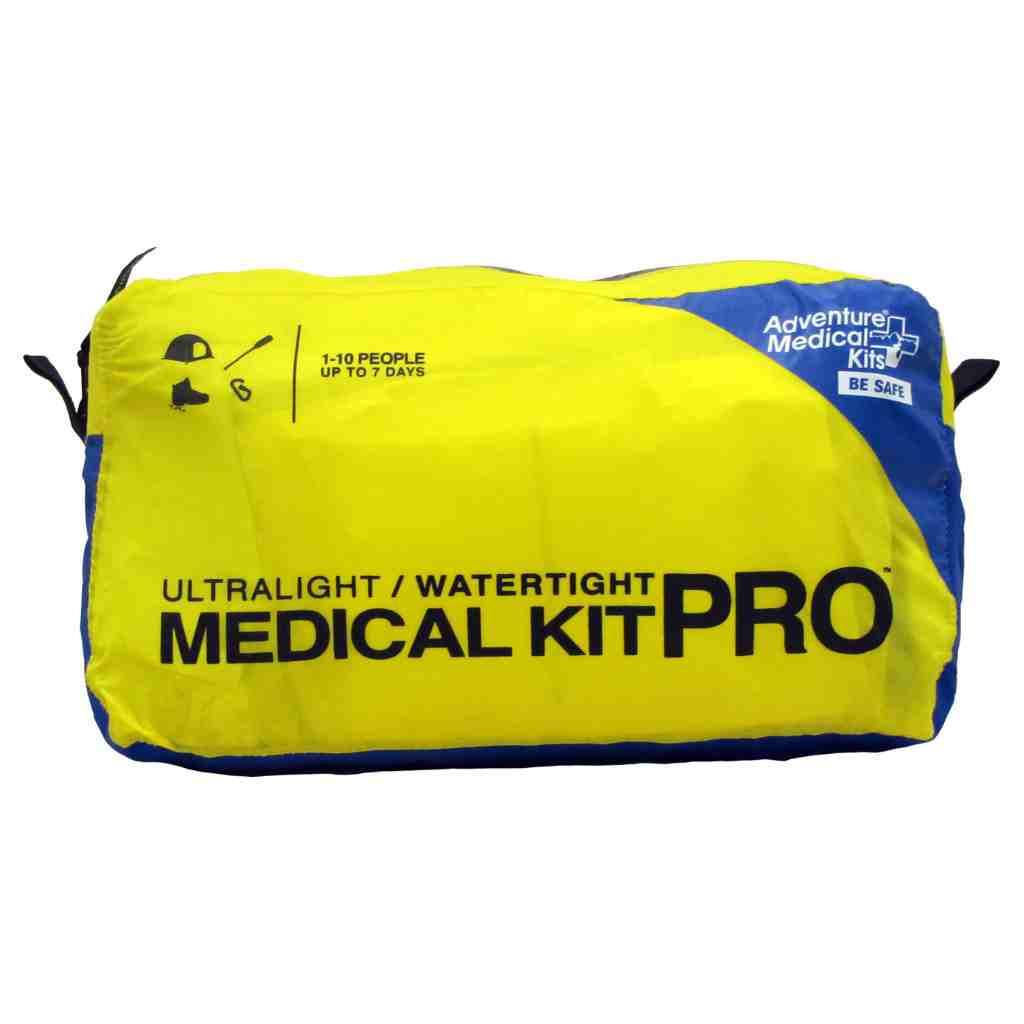
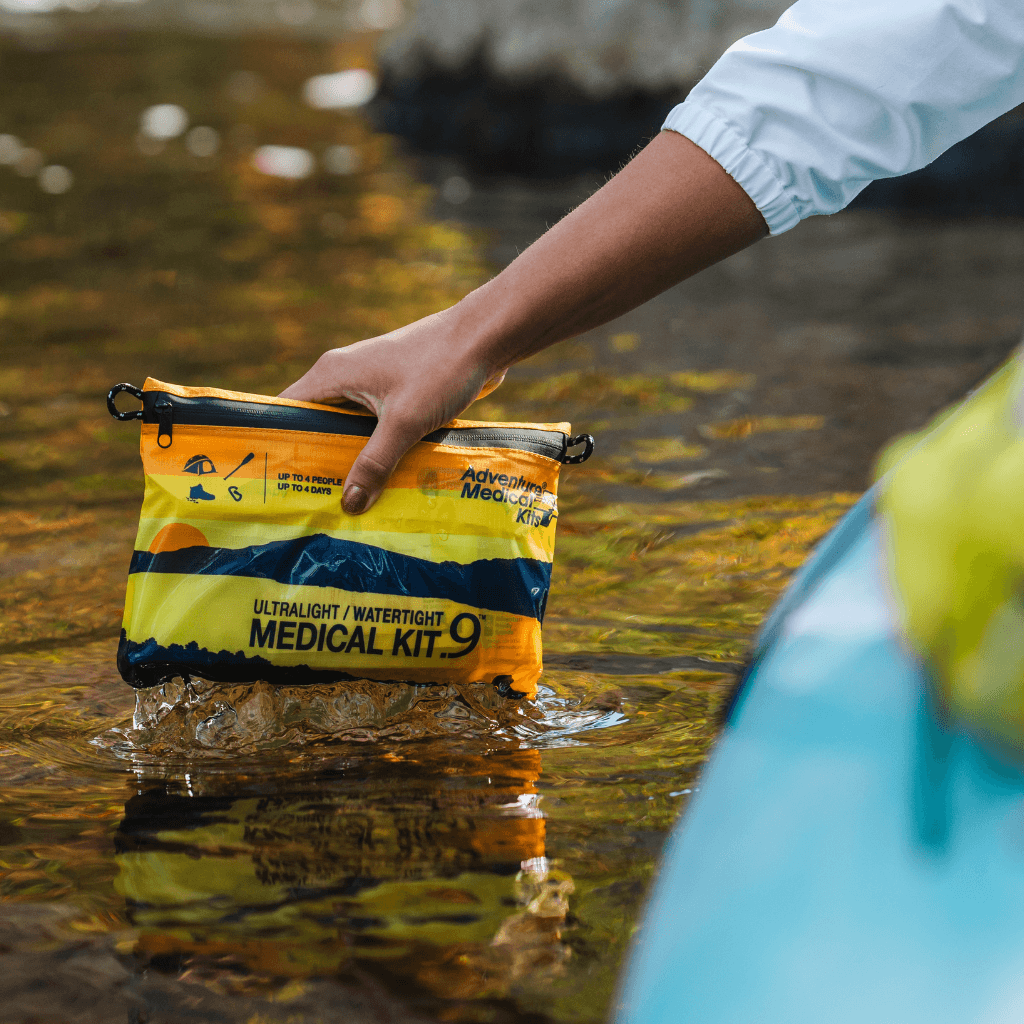
For boating and paddling, waterproof packaging is the point. A thermal emergency blanket and burn dressing make sense around engines, fuel, and hot hardware. Water changes the failure mode, so the container and packaging matter as much as the contents.
Water, wind, and distance punish weak kit design faster than the trail does.
For travel, the kit should be easier to present, explain, and restock. Prescription documentation helps when border rules or local pharmacies become part of the problem, and a broader medication module can cover headaches, allergies, stomach upset, and other routine disruptions. For family emergency kits, the loadout shifts toward shelter, water, signaling, and child-friendly dosing, because a home disruption is often a multi-issue event, not a single cut or scrape.
That household angle matters. As noted earlier, preparedness gaps can leave people depending on a single cabinet kit that is not enough for a longer disruption. Families do better with redundancy, and compact kits create that second layer without forcing every item into one pouch.

The right way to adapt a kit is not to add everything. It is to add the items that match the likely injury pattern, and leave out the gear that only feels reassuring.
Choosing the Right Container, Size, and Packaging
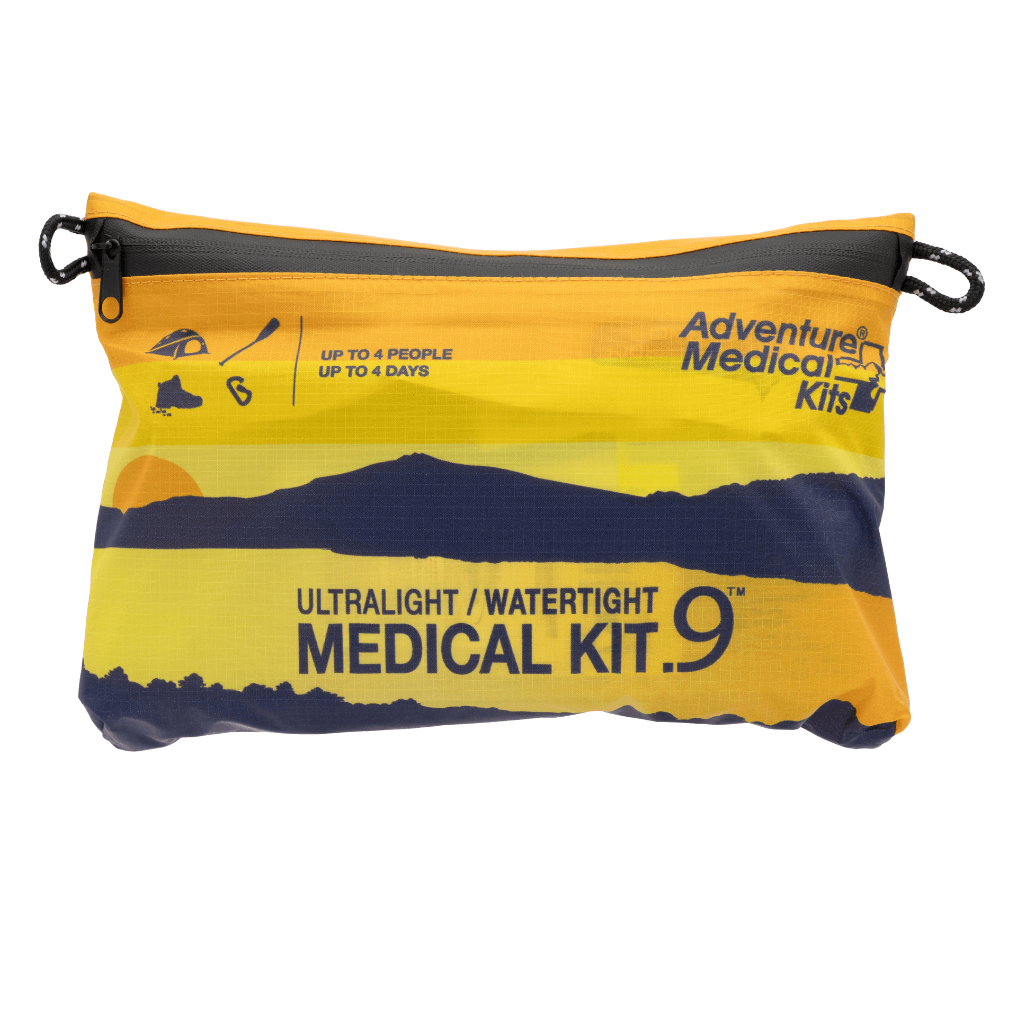
A well-stocked kit still fails if the container is awkward, soaked, or impossible to open with cold fingers. Container choice should match how the kit gets carried, not how it looks on a shelf. REI recommends a water-resistant bag or pouch, and it specifically calls out plastic bags, plastic pill bottles, a waterproof marker, and tape for labeling contents.
Pick the container for the carry style
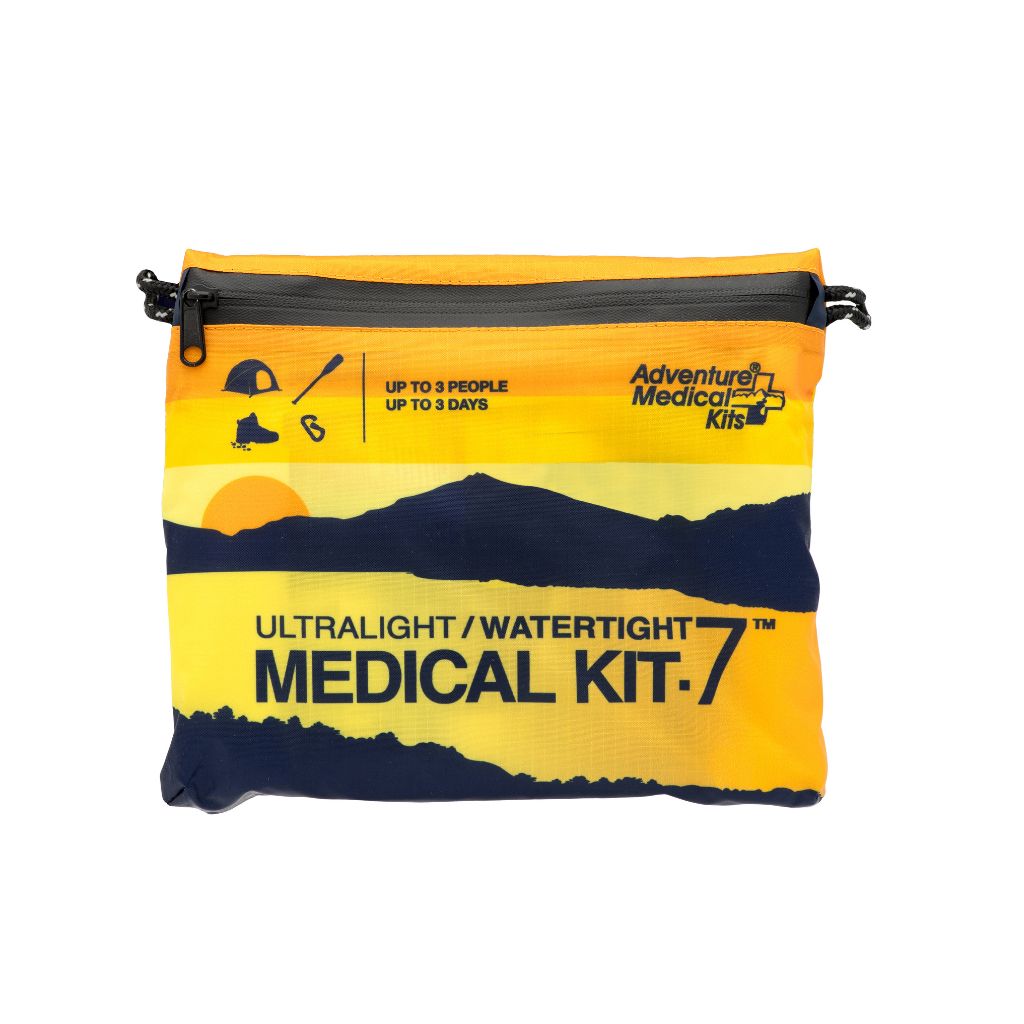
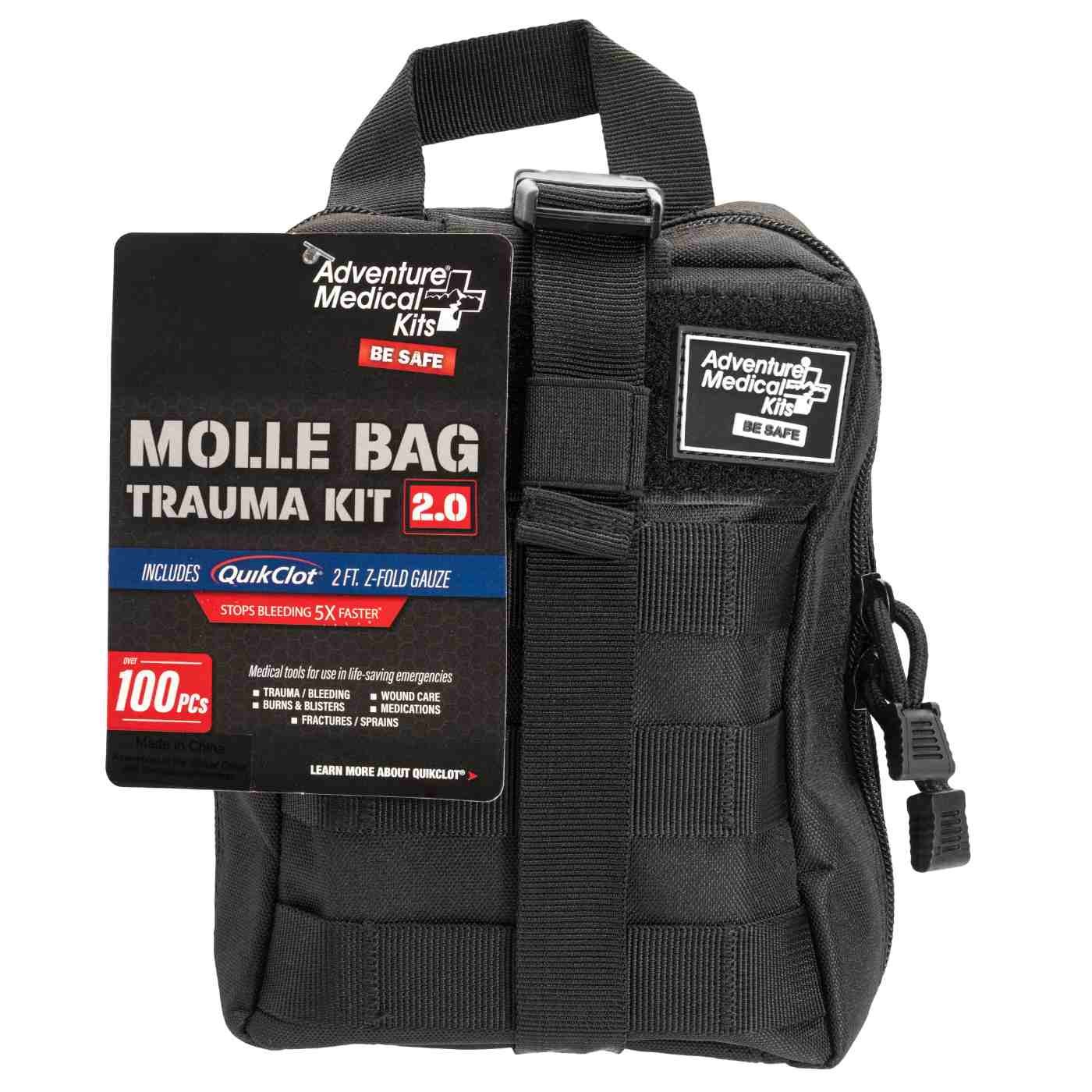
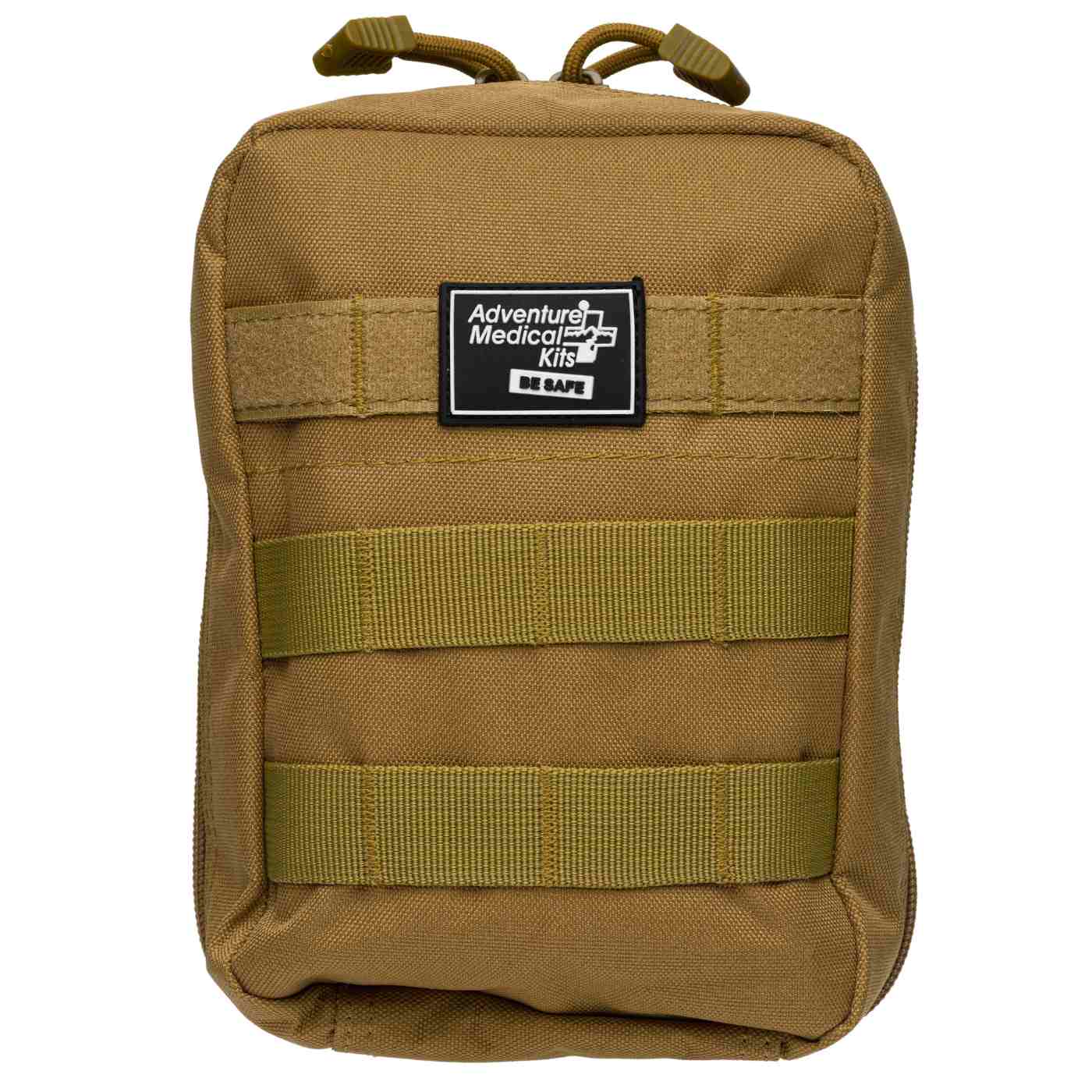
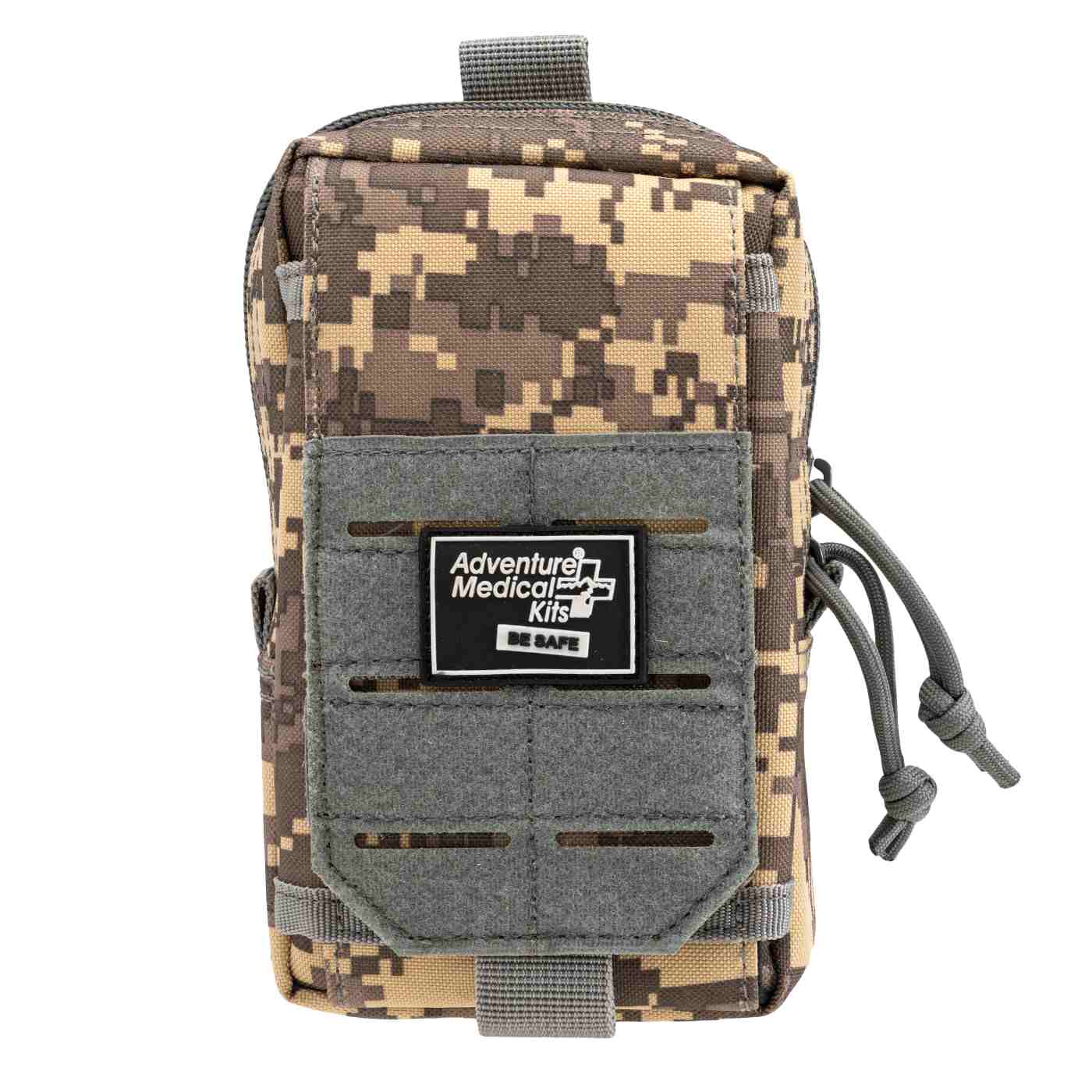
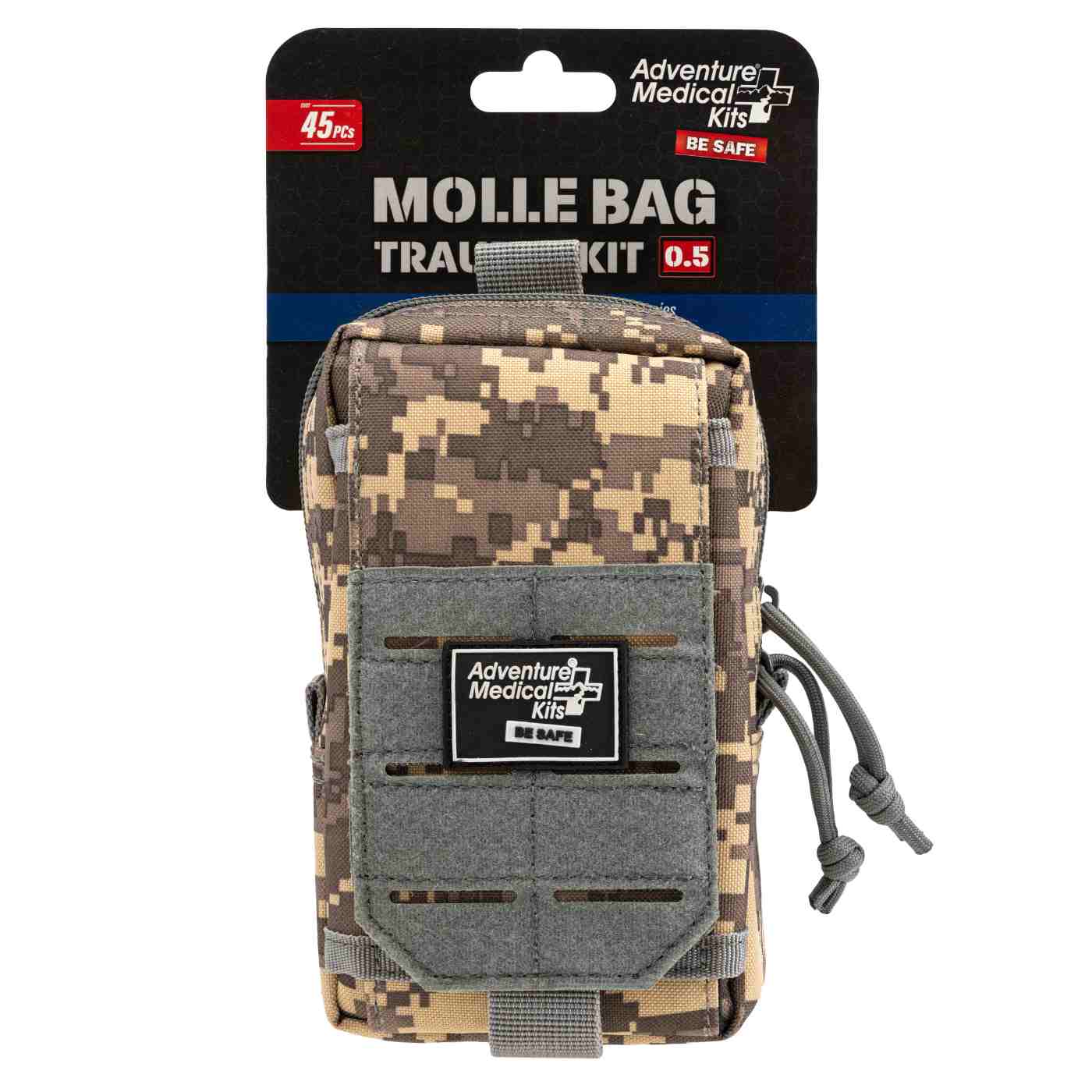
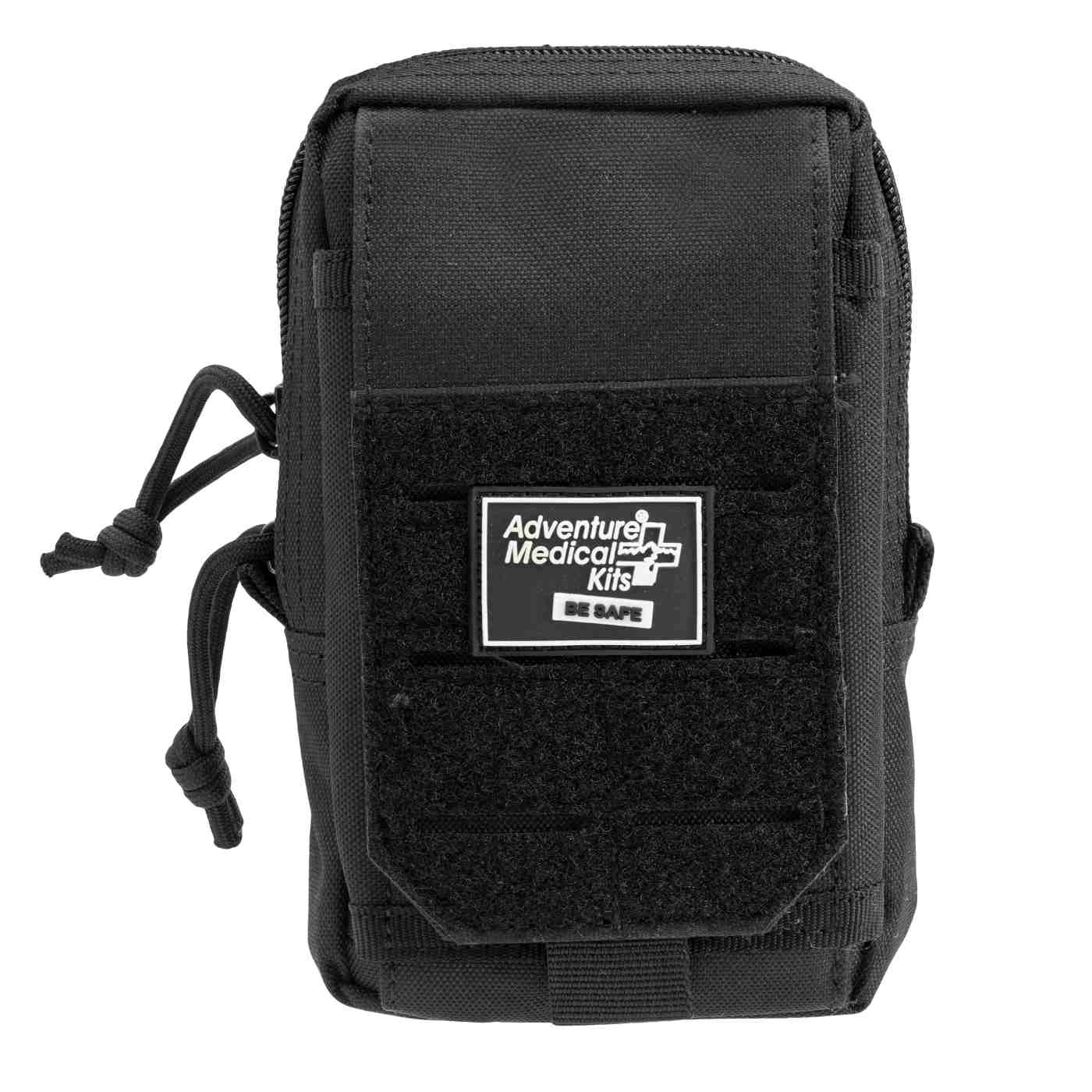
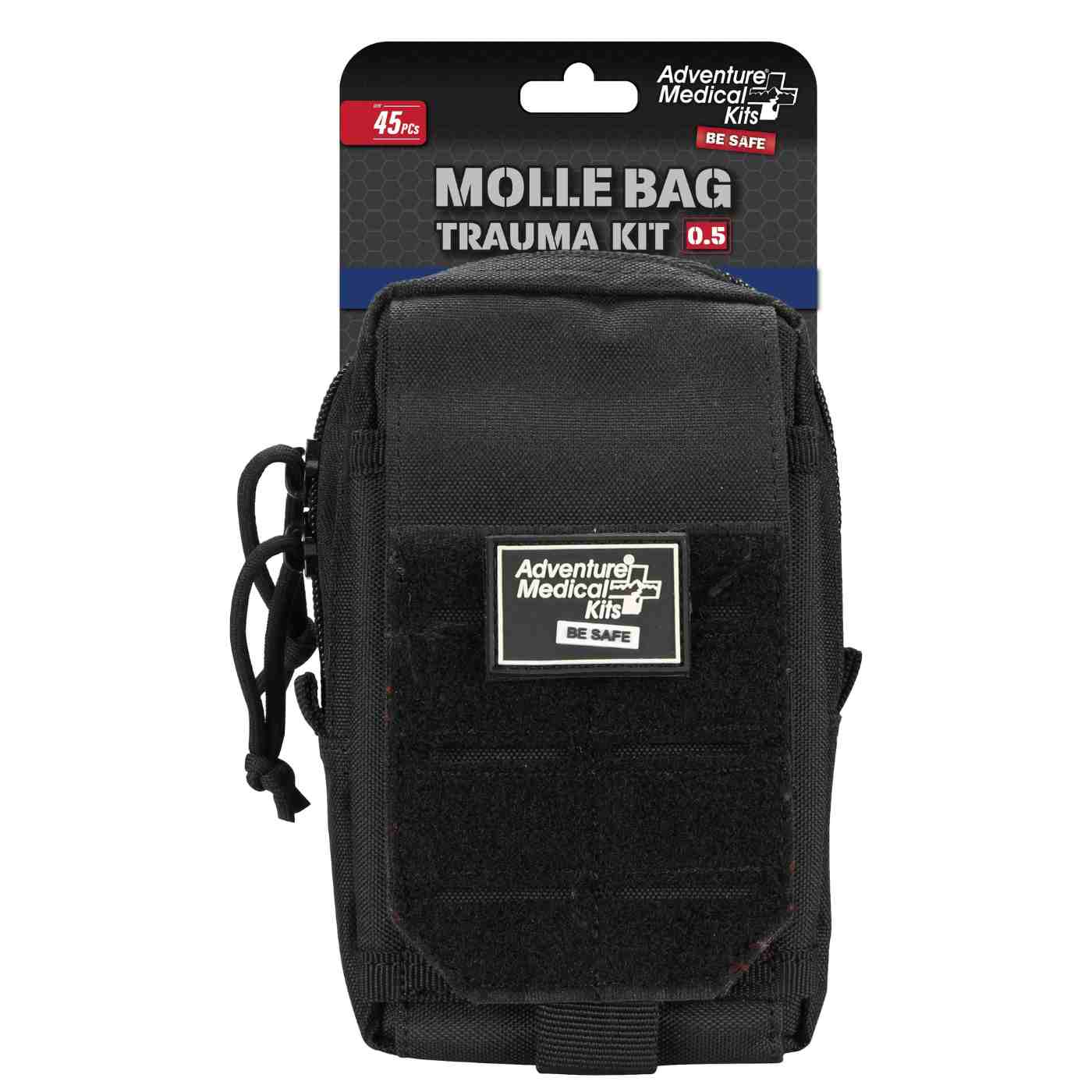
A hard case works well for a vehicle or home storage kit, where crush resistance and easy stacking matter more than speed. A soft pouch is better for a pack because it molds to the load and usually weighs less. A pocket-sized MOLLE-compatible pouch makes sense for belt or vest carry, especially when the kit needs to stay on the body.
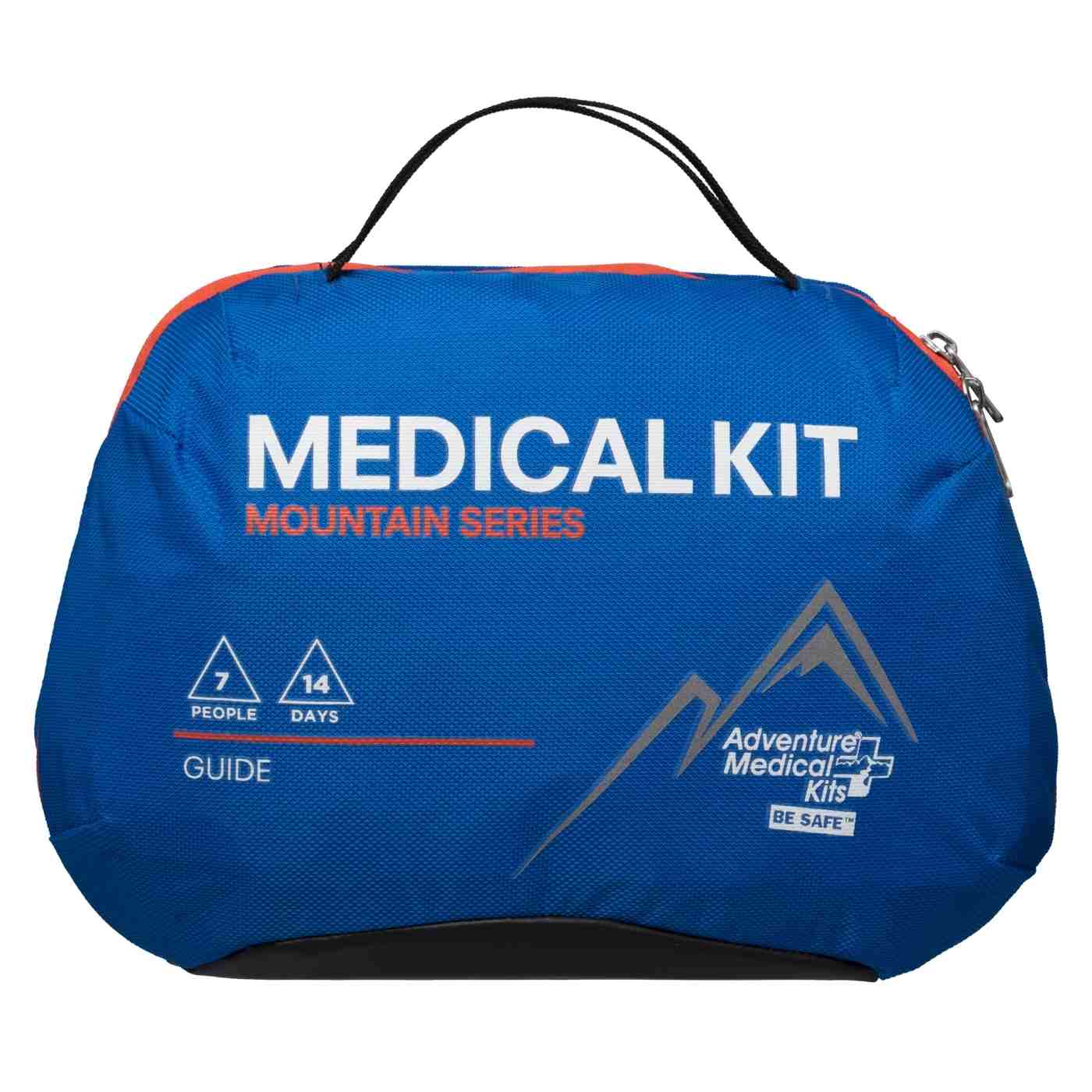
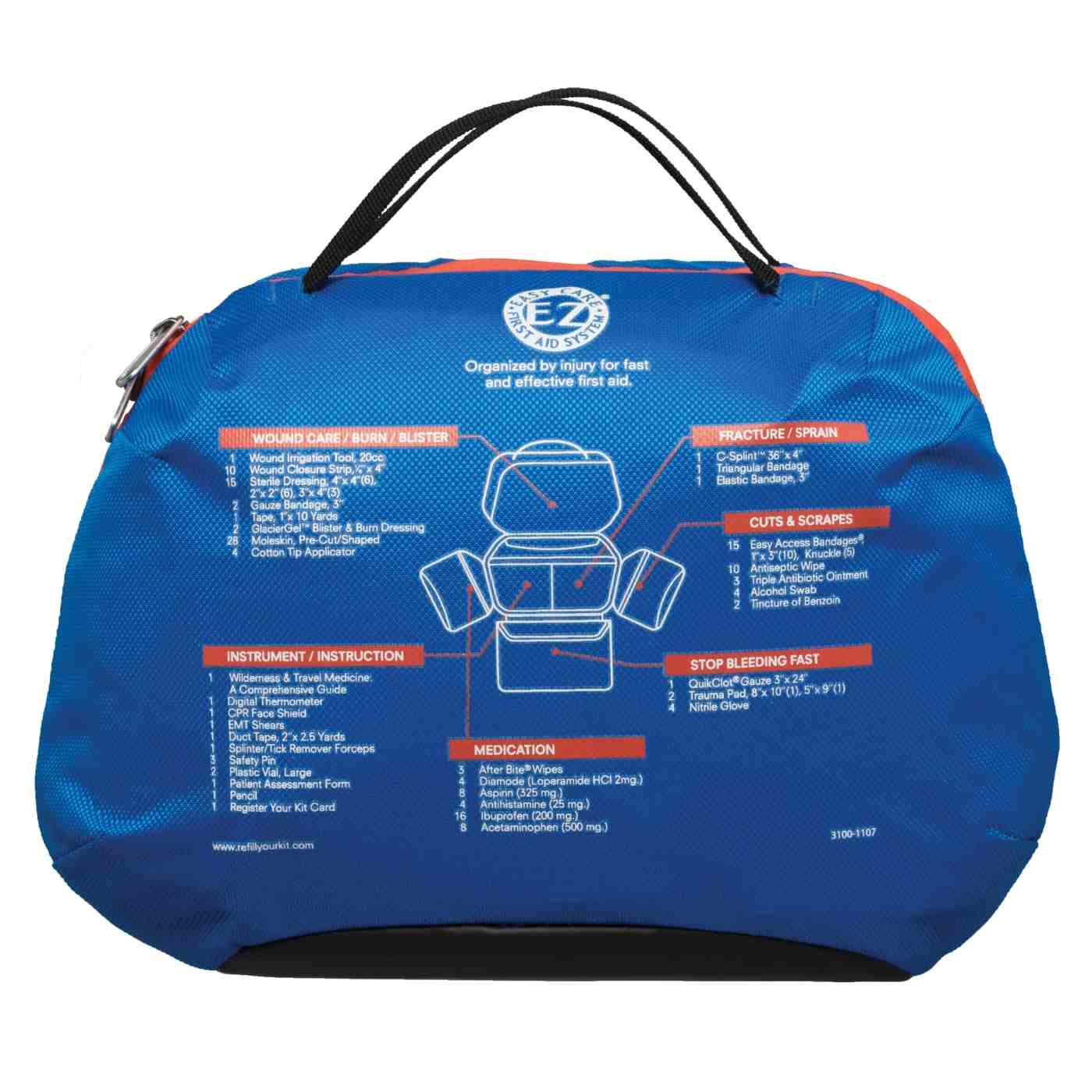
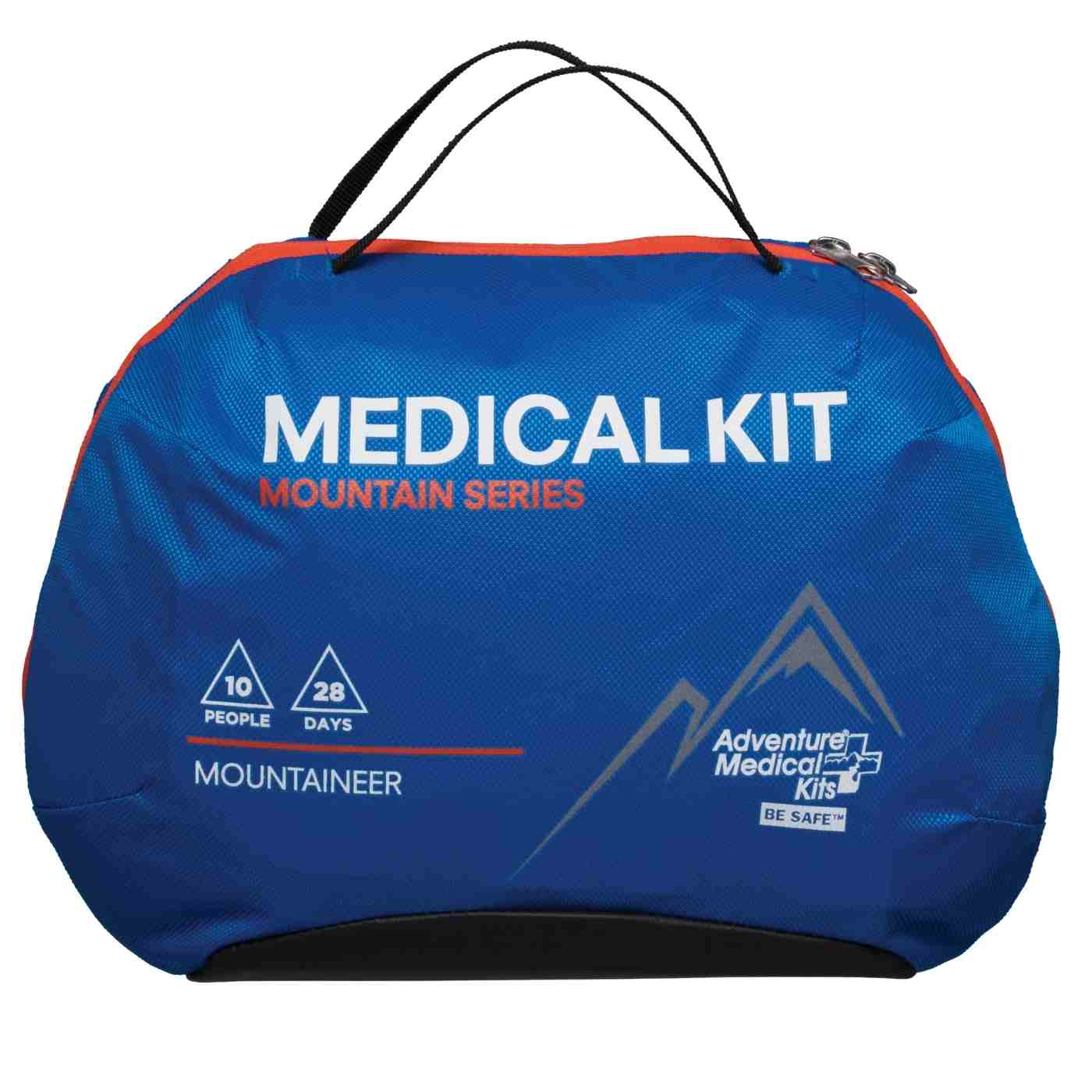
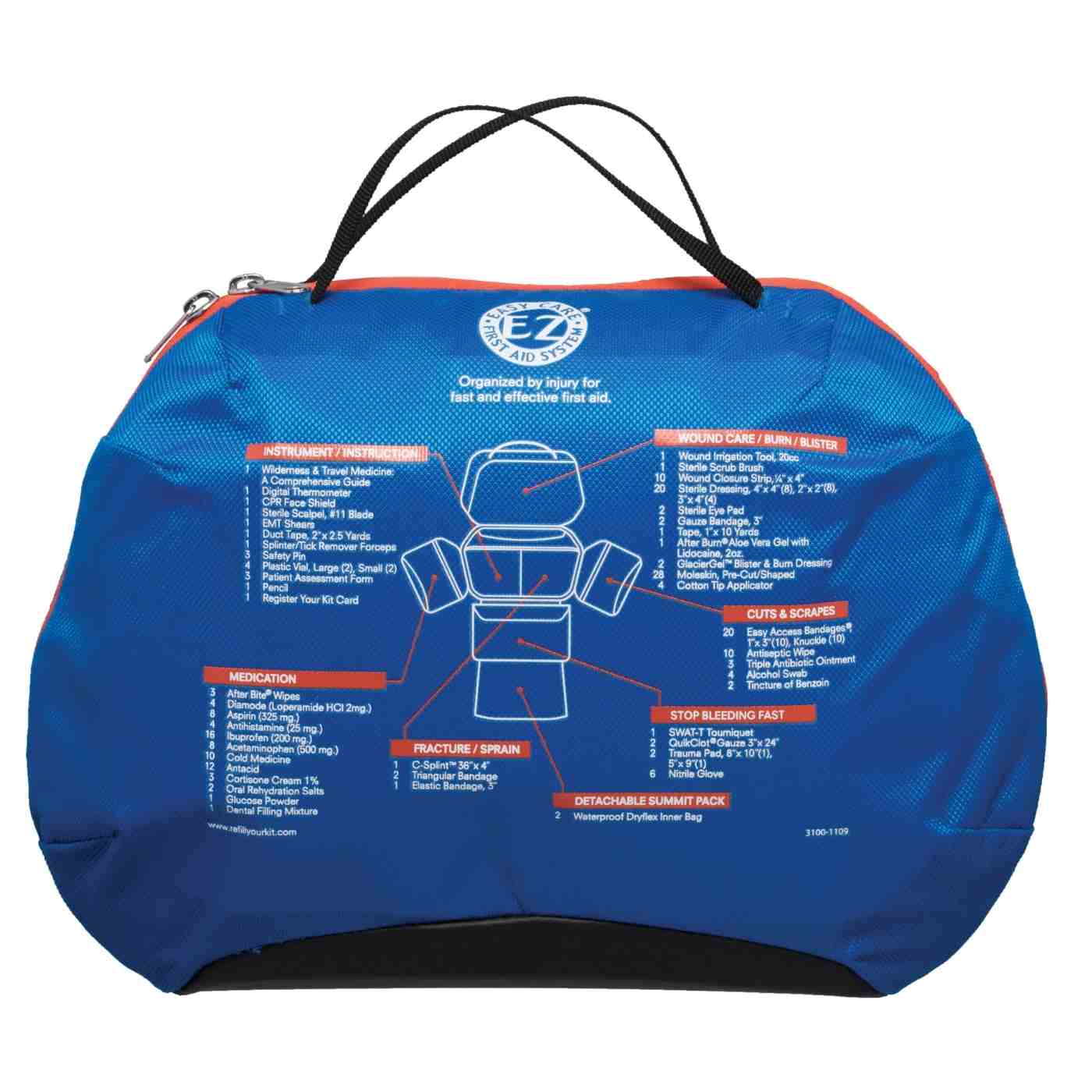
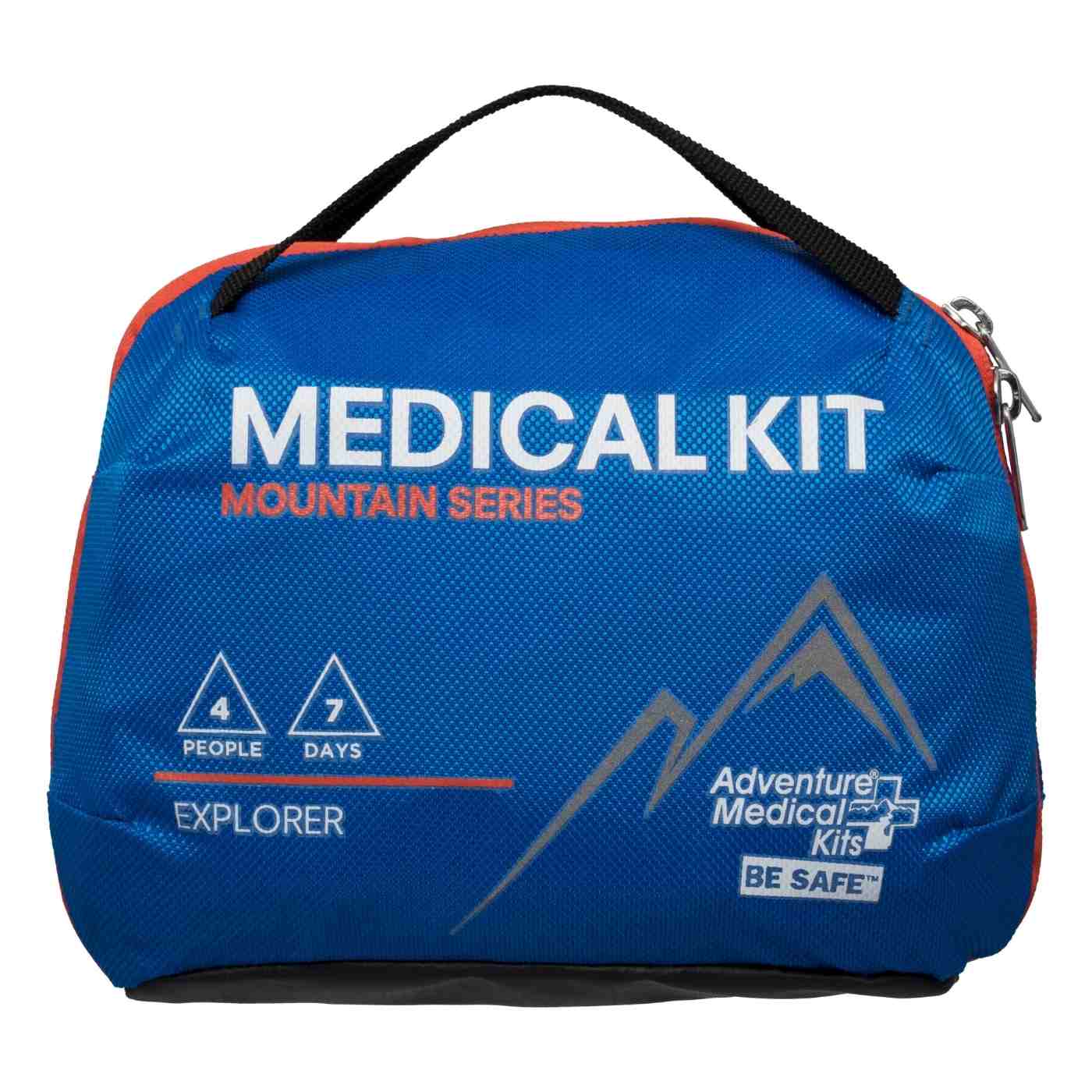
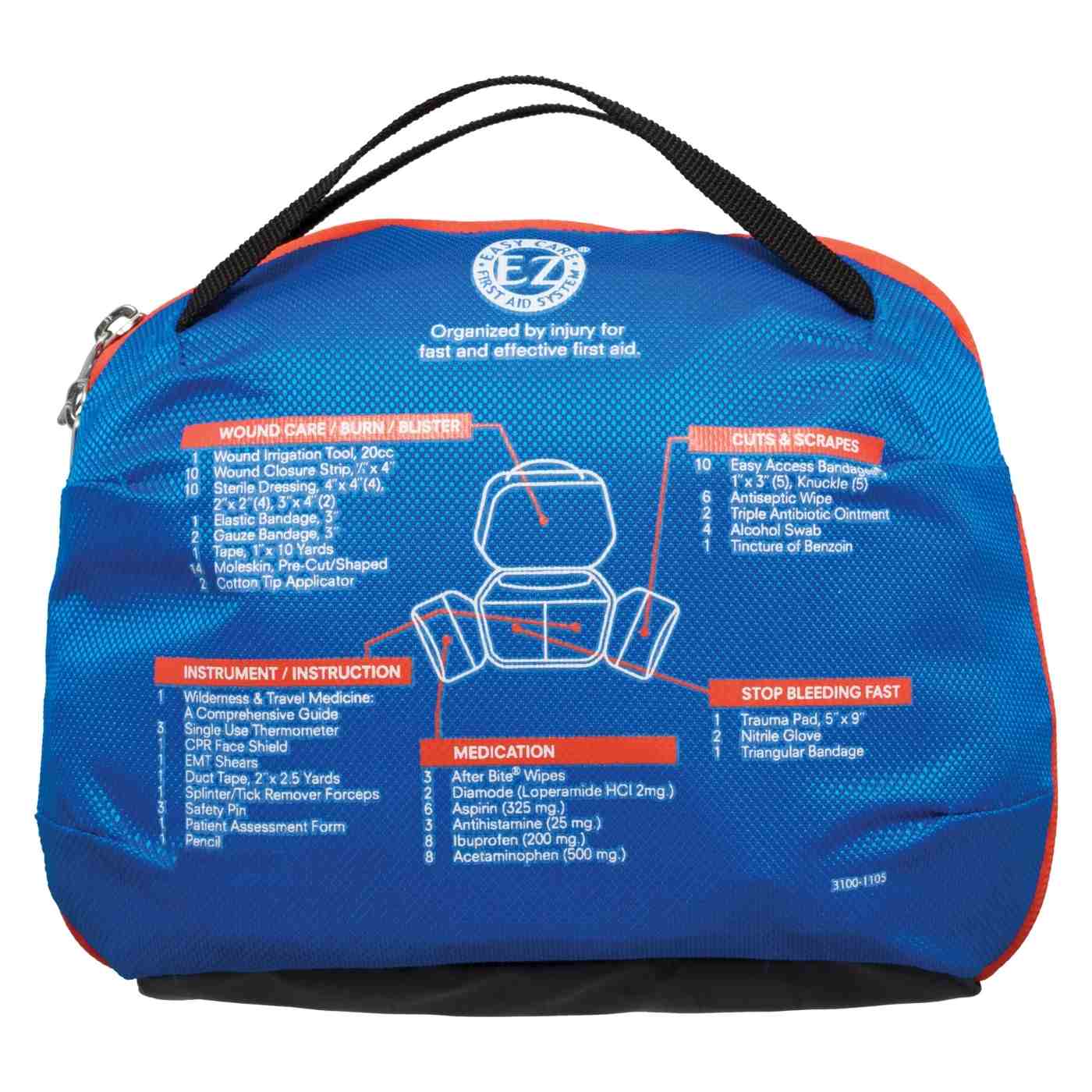
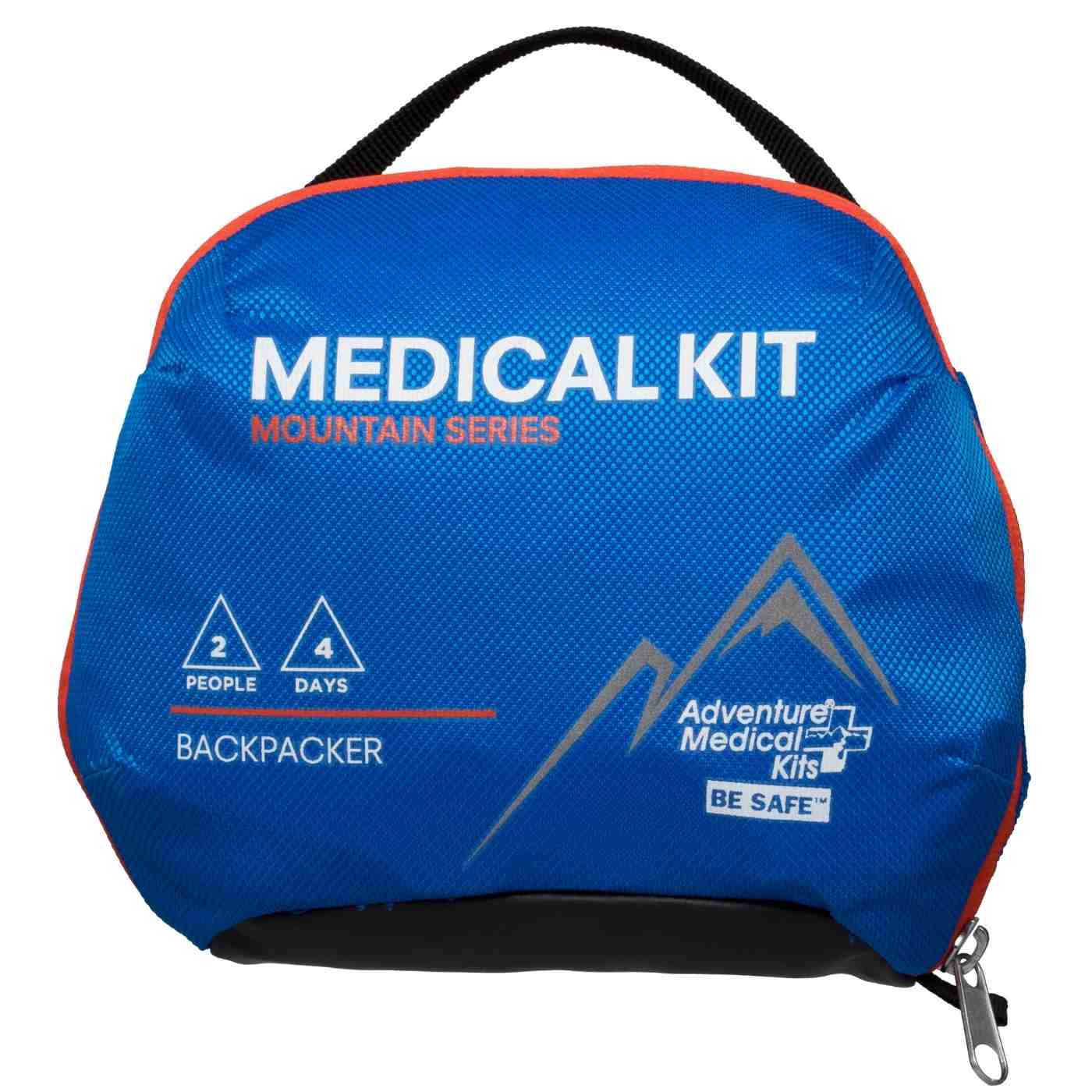
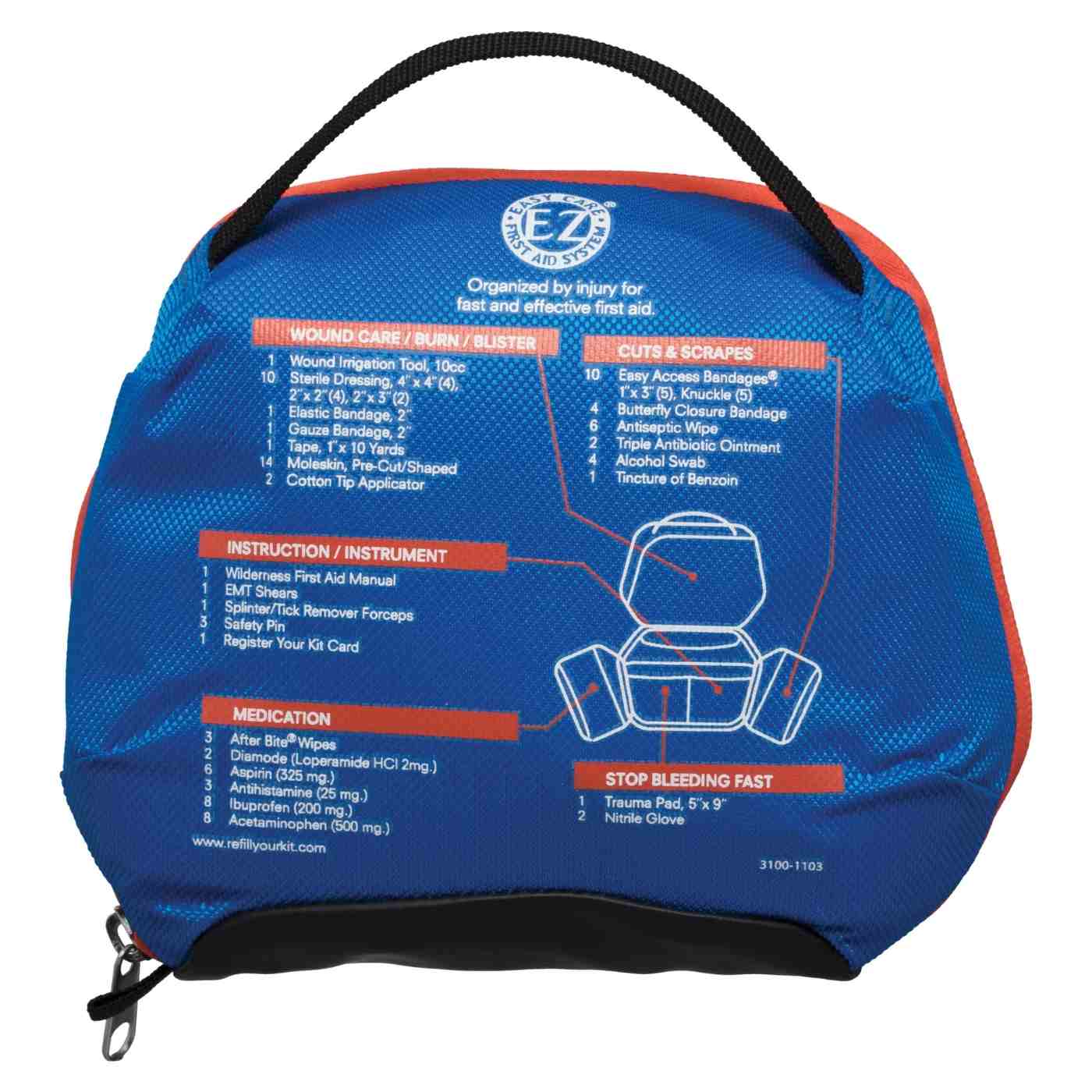
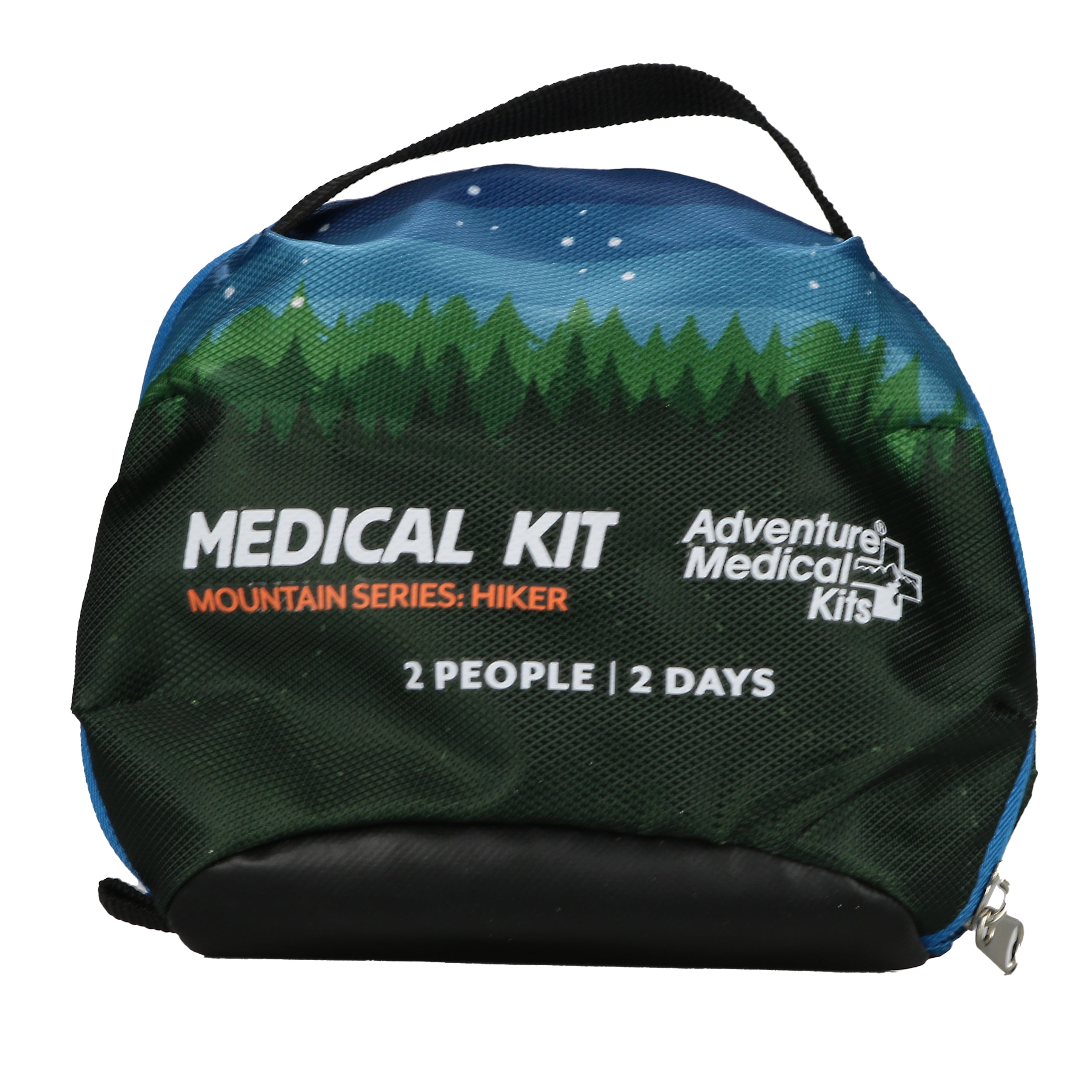
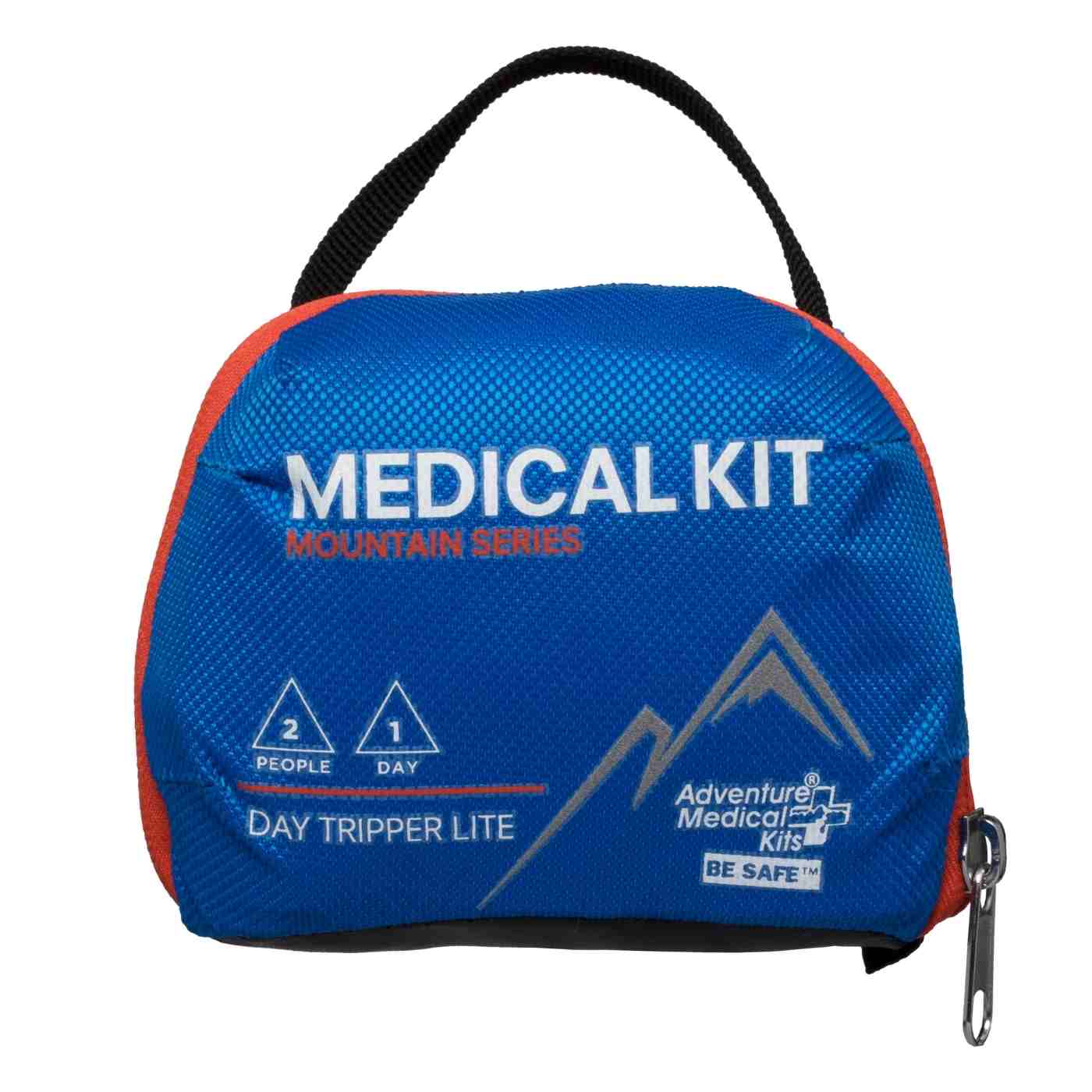
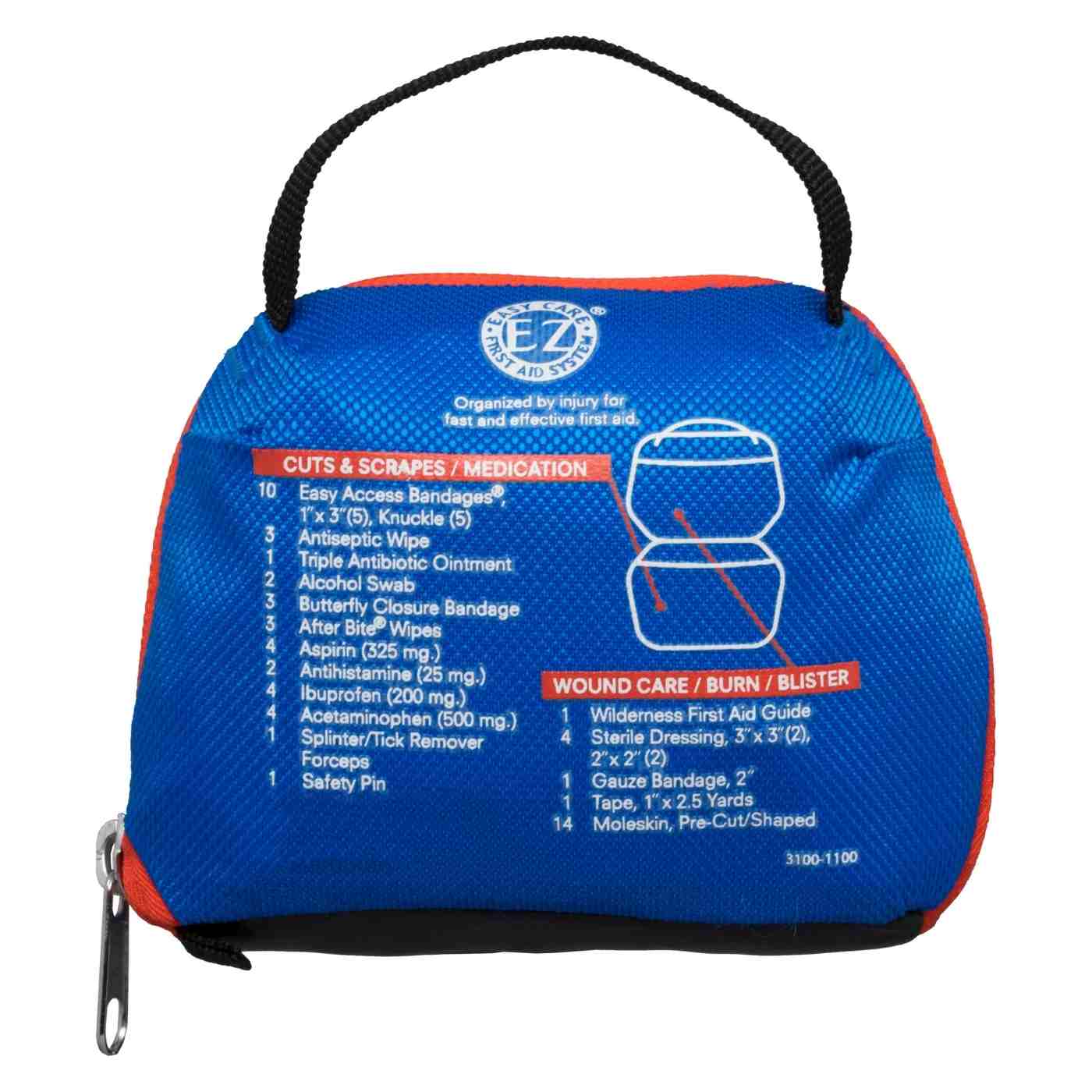
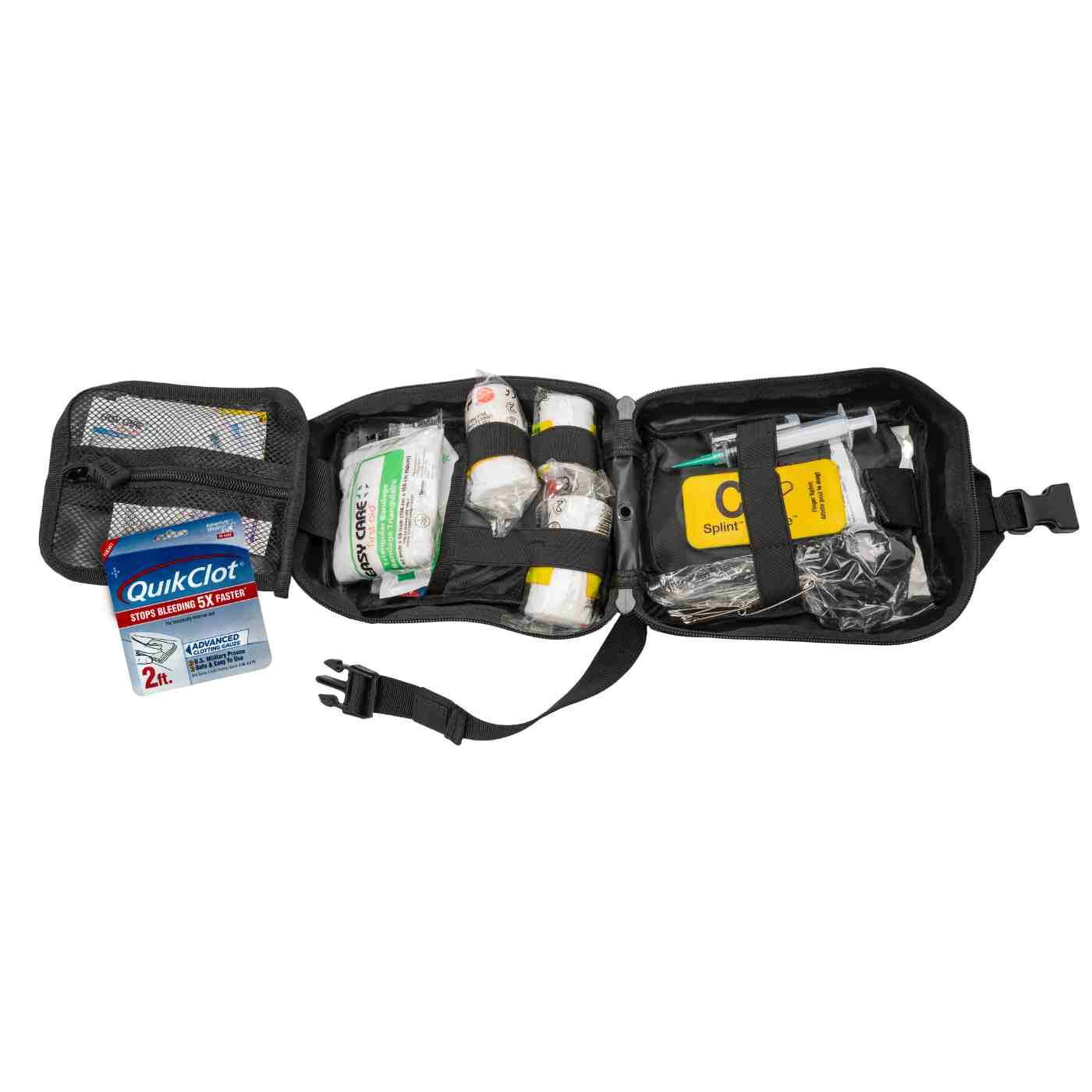
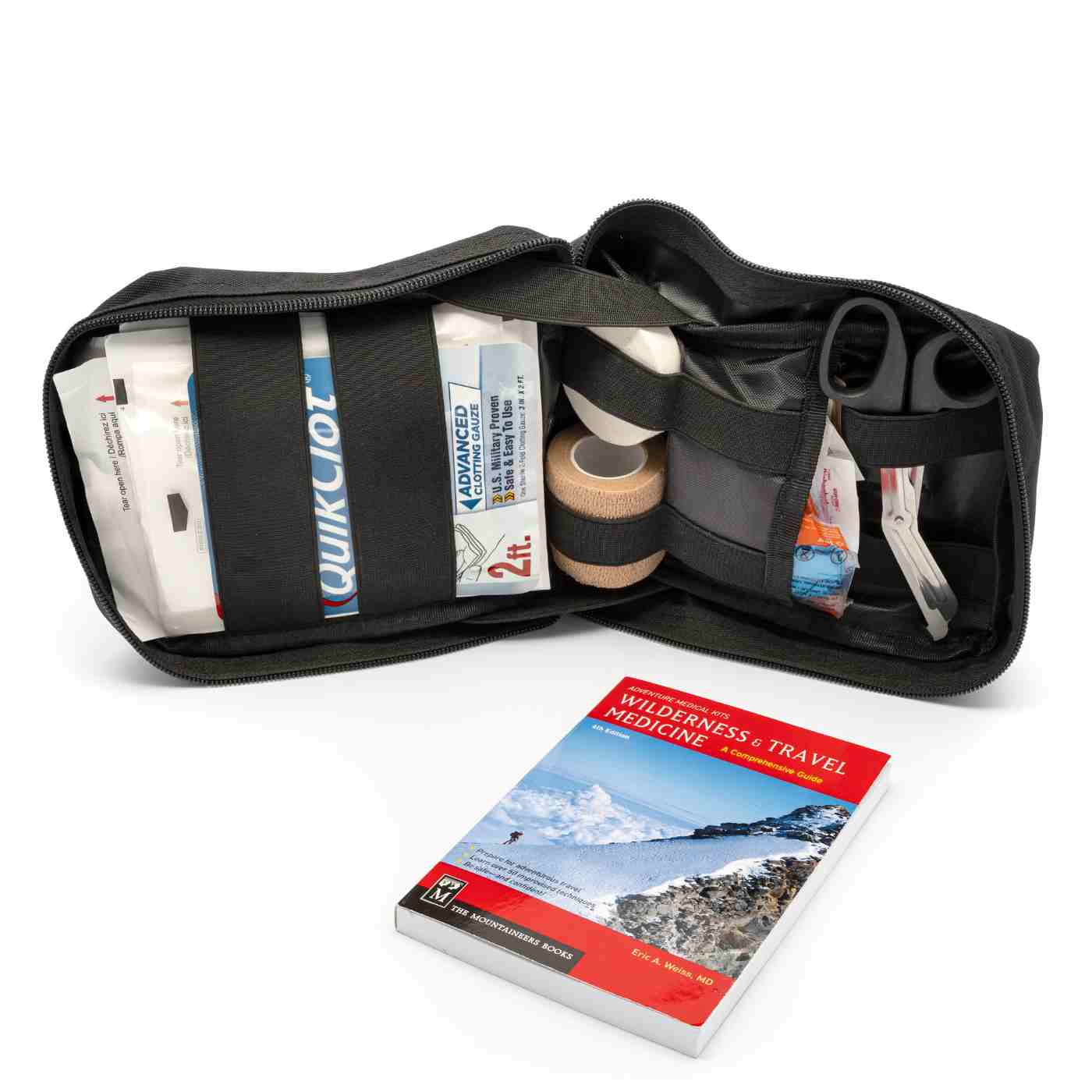
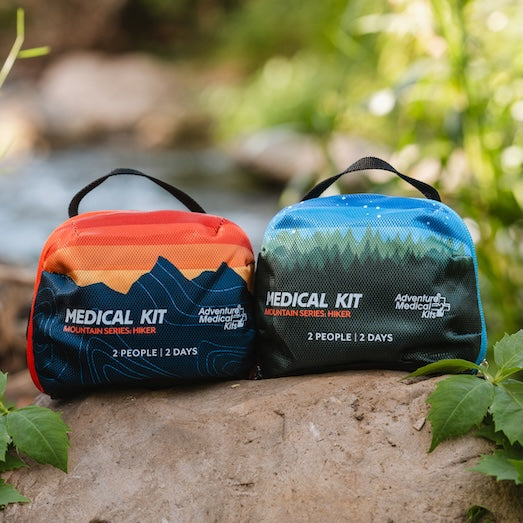
Adventure Medical Kits' Mountain Series and MOLLE series fit that purpose-built idea well, because the container and layout are built around real field use rather than generic storage. The key is not just durability, it's organization. Labels, compartment logic, and a quick-reference guide reduce hesitation when the hands are shaking.
Size should match the incident window
A pocket kit should handle the first five minutes of a single problem. A daypack kit should cover a full day of moderate risk. A home or vehicle kit should be ready for multi-incident scenarios, because more than one person may need help before rescue arrives.
If the kit can't be opened, understood, and used with cold or shaking hands, it needs to be reorganized.
Packaging inside the pouch matters too. Inner resealable waterproof bags protect dressings, gloves, and medication from moisture, even if the outer pouch gets wet. Plastic pill bottles can keep small items from getting crushed and make inventory easier.
A compact kit is only useful if the owner can find the right item quickly. That means the emergency manual, the trauma module, and the small tools should all have a clear place, not a generic pile.
The best container is the one that supports a fast, low-friction response. If opening the kit creates a puzzle, the design still needs work.
Legal Notes, Training, and the Medication Question
The medication question creates confusion because first aid kits are not all governed the same way. The Better Health Channel says that under Victoria's First Aid in the Workplace Code of Practice, workplace first-aid kits should not contain medications because first aid is emergency treatment and life support, and dispensing medication usually falls outside that definition. It also advises checking kits regularly, replacing expired or used contents, and keeping kits in both the home and car.
That guidance translates well for recreational use. Personal medications should be clearly labeled, kept in original packaging, and stored separately from wound care items. That keeps the kit clean, reduces mix-ups, and avoids turning a trauma pouch into a medicine cabinet.
Training changes what the kit can do
A tourniquet is legal to own in many places, but legality is not the same as competence. A kit without training has less value because the user still has to decide when to apply pressure, when to pack a wound, and when a tourniquet belongs on an extremity. Epinephrine auto-injectors also belong with the person they are prescribed for, not as a casual shared item.
That is why pairing the kit with a recognized course makes sense. Wilderness first aid and Stop the Bleed training build the judgment to use a pressure dressing, recognize uncontrolled bleeding, and work a CPR barrier correctly. The kit becomes much more than gear when the user has practiced the sequence.
A thoughtful cross-check is tarpon conservation ethics from CatchAnything.com. The topic is different, but the larger lesson is familiar, equipment choices work better when they are matched to responsibility, context, and the rules of the setting.
Adventure Medical Kits also offers a practical training resource in wilderness first aid training near me, which fits readers who want to connect the kit with a real class instead of leaving it as shelf hardware.
Johns Hopkins Medicine adds another useful reminder, everyone should have a well-stocked first-aid kit at home, in the car, and in the workplace, and portable kits can be a box or small bag taken to the site of an emergency. That's the right mental model. The kit belongs where the emergency happens, not where it's convenient to ignore.
Maintenance, Expiration, and the Pre-Trip Checklist
A kit is never finished. It is current, or it is drifting out of date. Quarterly checks are a simple way to keep that from happening. Inspect the container, test the waterproof seal, verify sterile packaging, review medication dates, replace anything used, and refresh the contact list or instruction sheet if it's missing.
Run a fast audit before every outing

A five-minute pre-trip checklist catches the problems that only show up when a bag has sat untouched for months. Adhesive bandages lose stickiness. Flashlight batteries corrode. Gloves get brittle. Instruction booklets disappear into another compartment or another bag.
KidsHealth's guidance helps here too, medicines a family may need should stay current and accessible, not buried in a forgotten pouch. That logic applies to other time-sensitive supplies as well, especially anything sealed for sterility or dependent on battery power.
What to inspect every quarter
- Container integrity: Check zippers, buckles, seams, and outer abrasion.
- Waterproofing: Confirm the inner bag still seals and has no pinholes.
- Sterile items: Replace torn, wet, or compromised packaging immediately.
- Medicines and batteries: Rotate expired medication and test any powered tool.
- Used supplies: Restock anything that was opened for practice or an actual incident.
- Emergency information: Update phone numbers, allergies, and instructions.
A kit that worked last season may not work now. That's especially true after temperature swings, moisture, or repeated packing and unpacking. Keeping it ready is part of the kit itself, not a separate chore.
Using Your Kit in the Real World
When the incident starts, the rhythm is simple. Scene safety first, then patient assessment, then control life-threatening bleeding, then treat less serious injuries while waiting for help. Johns Hopkins notes that portable kits can be a box or small bag taken to the site of an emergency, which is the right way to think about the gear, it moves to the patient, not the other way around.
If supplies run low, a clothing layer can become a pressure dressing. A tourniquet can be applied one-handed if the injured person is alone. A warm layer or blanket helps the patient conserve heat while rescue is on the way.
Build the kit for the activity you do, then train with the contents until the order feels automatic. Adventure Medical Kits has field-oriented options in the Mountain Series and MOLLE series, and the win is choosing the setup that matches the risk, the carry style, and the user's skill.