

A small scrape rarely looks urgent when the trail is dry, the weather is good, and camp is still a few miles away. The problem starts later, when dirt has worked into the skin, hand hygiene was rushed, and the only bandage in the pack is crushed at the bottom under wet layers.
That's where infection prevention supplies stop being a hospital concept and start being a backcountry skill. In the field, clean water may be limited, hands may be cold, and the surface used to sort gear may be a tailgate, a log, or a muddy camp table. Good prevention comes from carrying the right items, protecting them from the environment, and using them in the right order.
Table of Contents
- Why a Small Cut Is a Big Deal in the Backcountry
- The 5 Pillars of Infection Prevention in the Wild
- Mastering Wound and Hygiene Care on the Trail
- Disinfecting Gear and Surfaces Beyond Your Skin
- Choosing Supplies for Your Specific Adventure
- How to Pack and Maintain Your Prevention Kit
- Your Essential Infection Prevention Checklist
Why a Small Cut Is a Big Deal in the Backcountry
A cut on the trail usually starts with something ordinary. A hand slips while filtering water. A knife glances off a thumb while slicing food. A shin gets scraped on rock during a creek crossing. None of those injuries sounds dramatic, which is exactly why people often treat them casually.
The backcountry makes casual care expensive. Dirt gets into broken skin fast. Sweat loosens dressings. Wet gloves, shared tools, and unwashed hands turn a clean wound into a contaminated one. Once redness, swelling, or drainage starts miles from the trailhead, the margin for error gets thin.
The environment works against clean technique
At home, individuals often clean up under running water, dry the area with something clean, and replace supplies from a cabinet. Outside, the same person may be kneeling in grit, working with cold fingers, and reaching for a bandage that has been rattling around in a side pocket for months.
That's why field care has to be simple and repeatable. Supplies need to stay dry, stay organized, and come out in the order they'll be used. A sealed dressing is useful. A sealed dressing buried under stove fuel and snack wrappers isn't.
Practical rule: Treat small wounds early, while they're still easy to clean and cover.
Remote travel changes the consequences
The usual assumption is that a clinic, pharmacy, or urgent care is nearby. In many places, that assumption doesn't hold. A multi-country study on infection prevention readiness found that only about one out of five health centers had all basic infection control items, and less than 4% of facilities in some regions had full PPE coverage. For travelers, paddlers, and field crews, that means outside help may be limited even after the trip ends.
That gap matters because outdoor infection prevention isn't only about treating injury. It's also about avoiding contamination in places where resupply and professional care aren't close. The person who carries gloves, hand-cleaning supplies, wound dressings, and a way to keep them usable in wet conditions has more room to solve small problems before they become trip-ending ones.
The 5 Pillars of Infection Prevention in the Wild
A backcountry infection problem rarely starts with one big mistake. It usually starts with a few small ones stacked together: dirty hands, a rushed bandage, wet supplies, a tool wiped on a shirt and used anyway. Field prevention works best when the system is simple enough to hold up in rain, cold, fatigue, and bad light.

PPE means simple barriers that fit field reality
In outdoor care, PPE usually means nitrile gloves first, with eye protection added for jobs like wound irrigation or helping someone with active bleeding. That is a practical trail standard. It packs small, weighs little, and creates a real barrier between skin and body fluids.
The trade-off is dexterity. Gloves make fine tasks harder, especially in wind or cold, so they need to be easy to reach and sized for the people carrying them. A glove buried at the bottom of a pack protects no one.
Hand hygiene matters because hands touch everything
Hands move contamination from person to person, from gear to food, and from dirty skin to open tissue. In the field, that makes hand cleaning one of the highest-value habits in the kit.
Soap and water work well when you have time, water, and a way to keep runoff from making the area muddier. Alcohol-based sanitizer is often the better field tool because it is fast, portable, and usable during short stops. It does less well on visibly dirty hands, so the practical answer is to carry both if space allows.
If I have to trim weight, I cut duplicates before I cut hand-cleaning supplies.
Wound care is where small errors turn into bigger problems
Broken skin gives dirt and bacteria a direct path in. Good field care means keeping the process organized enough that cleaning happens before covering, and supplies stay clean enough to do their job. For scrape-heavy trips, especially biking, the best way to treat mountain bike road rash is a good example of how abrasion care changes once grit, sweat, and repeated movement are part of the problem.
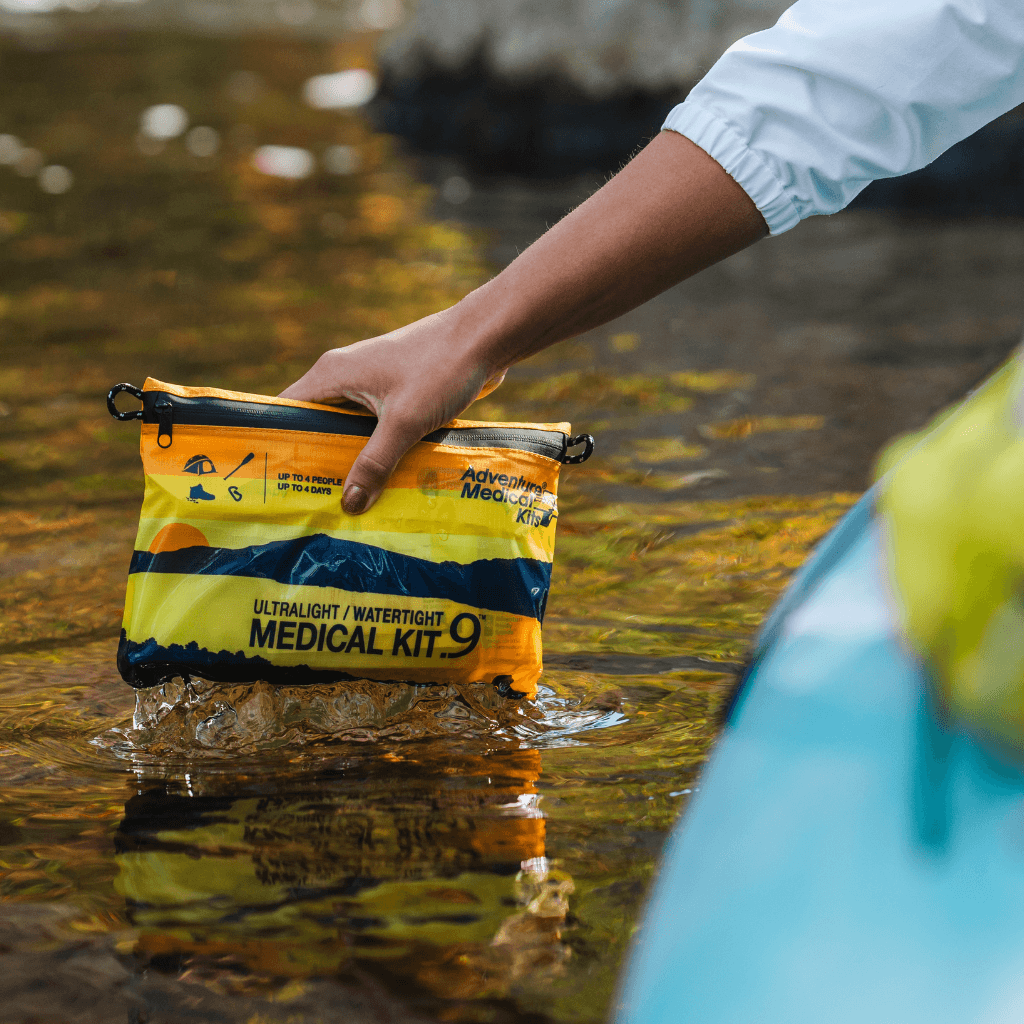
This pillar also depends on packaging. Dressings, irrigation tools, and cleaning items need to survive wet packs, sandy campsites, and rough transport. A supply that works in a clinic can fail fast on the trail if the wrapper tears or the adhesive gives up after one storm.
Disinfection and sterilization focus on the items that matter next
No one is disinfecting the whole campsite. The practical target is the smaller set of tools and touchpoints that are about to contact hands, wounds, food, or drinking surfaces.
Tweezers, shears, water bottle lids, stove controls, knife handles, and phone screens are common trouble spots. The trade-off here is time and supply use. Wiping every object in camp is wasteful. Cleaning the items that are about to be used for patient care or meal prep is usually enough to lower risk in a meaningful way.
Water purification supports every other pillar
Water treatment belongs in infection prevention because clean water supports hand washing, wound rinsing, safer cooking, and safer drinking. If the group is short on treated water, hygiene standards usually slip first.
That is why portable purification is part of prevention, not a separate topic. In remote, dirty, and wet environments, the best supplies are the ones that do their job without needing perfect conditions. A solid field kit covers all five pillars in durable, packable forms so the routine still works when help is far away.
Mastering Wound and Hygiene Care on the Trail
The most useful wound protocol in the field is the one that still works when hands are cold, light is fading, and everyone wants to get moving again.
A field sequence that works
Start by stopping the situation from getting dirtier. Move off the trail, put down a clean layer if one is available, and get hands as clean as conditions allow. If gloves are in the kit, put them on before touching the wound itself.
Then work in order:
- Control bleeding first. Direct pressure comes before cleaning.
- Rinse the wound. Use the cleanest water available. The goal is to remove grit and visible debris.
- Clean around the wound. Don't grind dirt across broken skin with a dry cloth.
- Apply an appropriate dressing. Cover the area so new contamination stays out.
- Recheck later. Dressings that loosen after sweat, rain, or stream crossings need replacing.
A lot of bad field care comes from reversing that sequence. People grab ointment before cleaning, or slap on a bandage over dirt because they're in a hurry. That traps contamination instead of managing it.
For abrasion-heavy trips such as biking and scrambling, road rash treatment guidance from Adventure Medical Kits is worth reviewing before the trip. Those injuries often look simple and hide a surprising amount of debris.
If the dressing won't stay clean and dry, the job isn't finished.
A short visual refresher helps lock in the basics before a trip:
Blister care deserves its own slot in the kit
Blisters aren't a side issue. The National Park Service notes that blisters account for approximately 40% of all medical issues treated in national parks. That's why blister supplies shouldn't be treated as optional extras.
Blister prevention and blister infection prevention overlap. Once skin opens on the heel or toe, every step drives in moisture, grit, and friction.
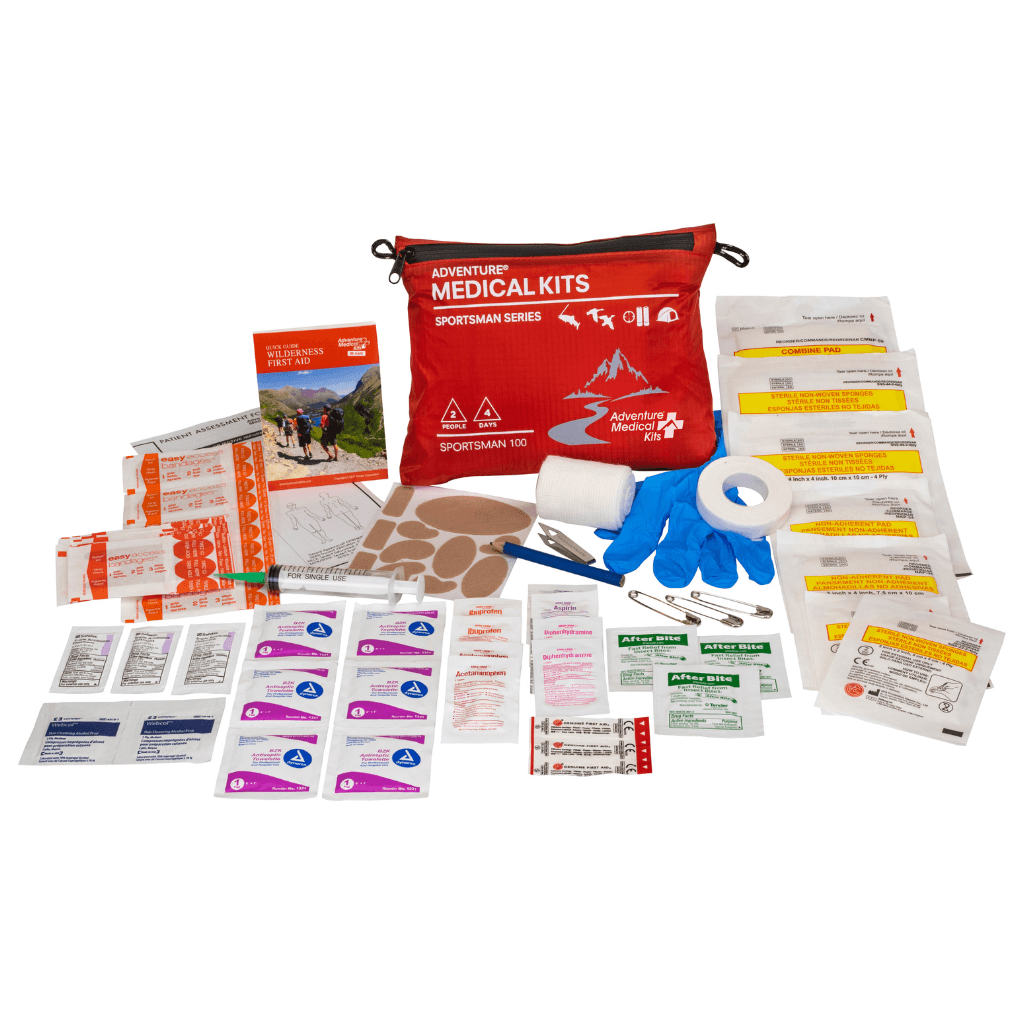
A practical blister setup includes:
- Protective coverage: Moleskin, blister pads, or similar protection to reduce rubbing.
- Skin prep: An antiseptic wipe for the surrounding area before applying coverage.
- Support items: Tape or strips that keep the dressing from peeling off during sweat or wet travel.
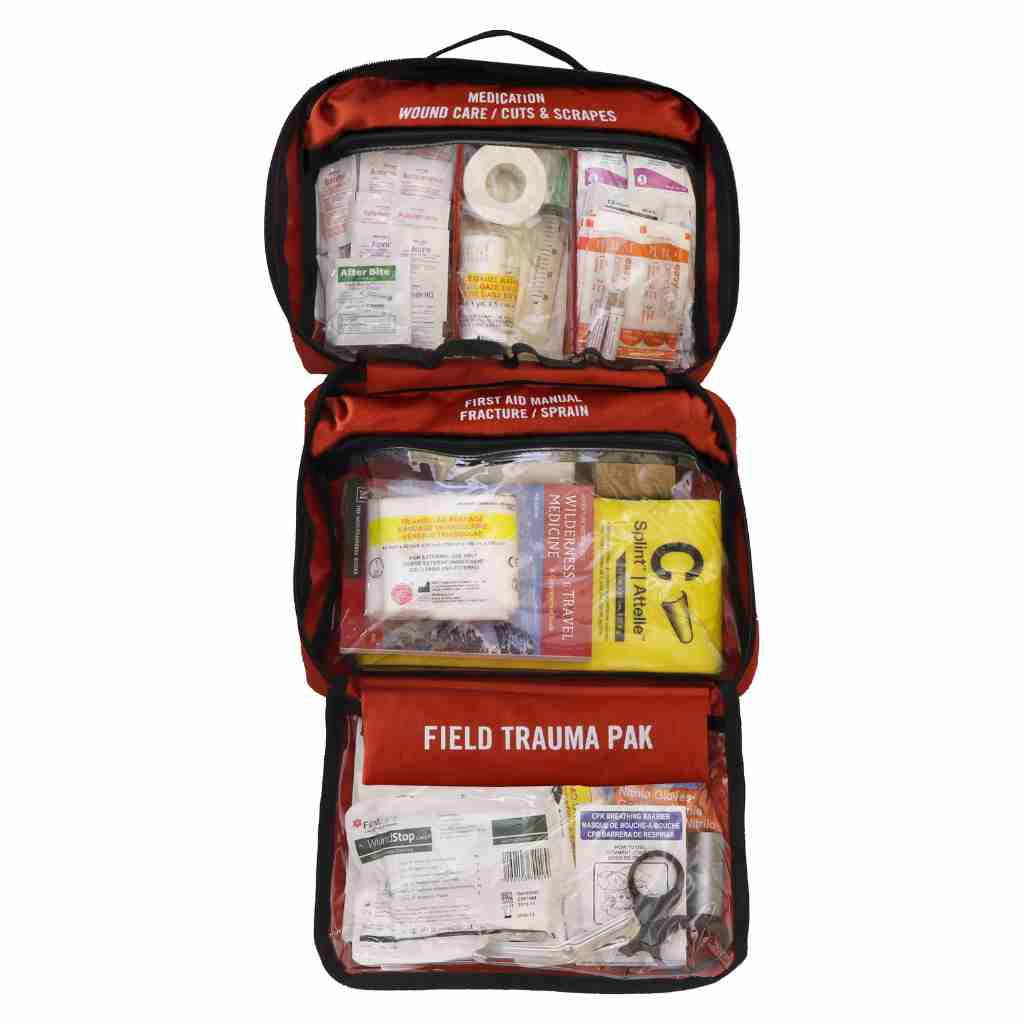
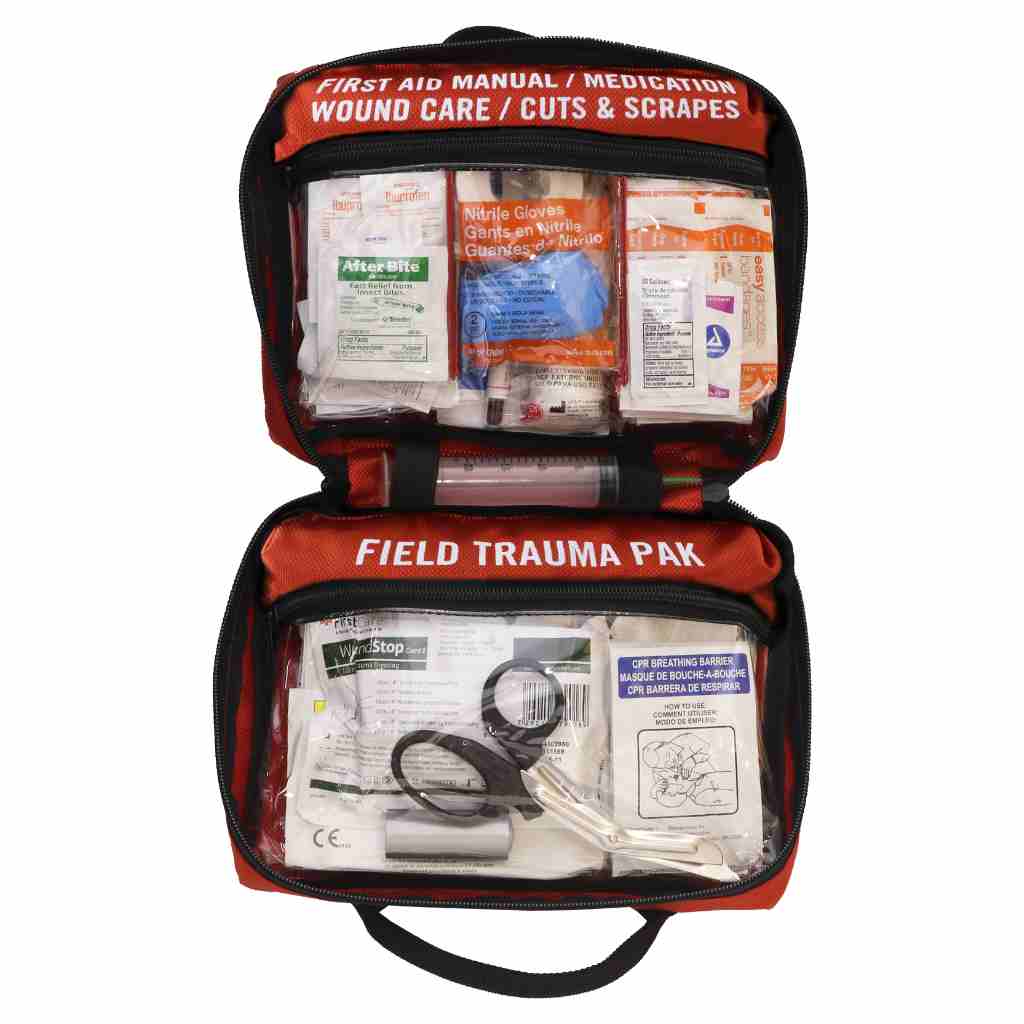
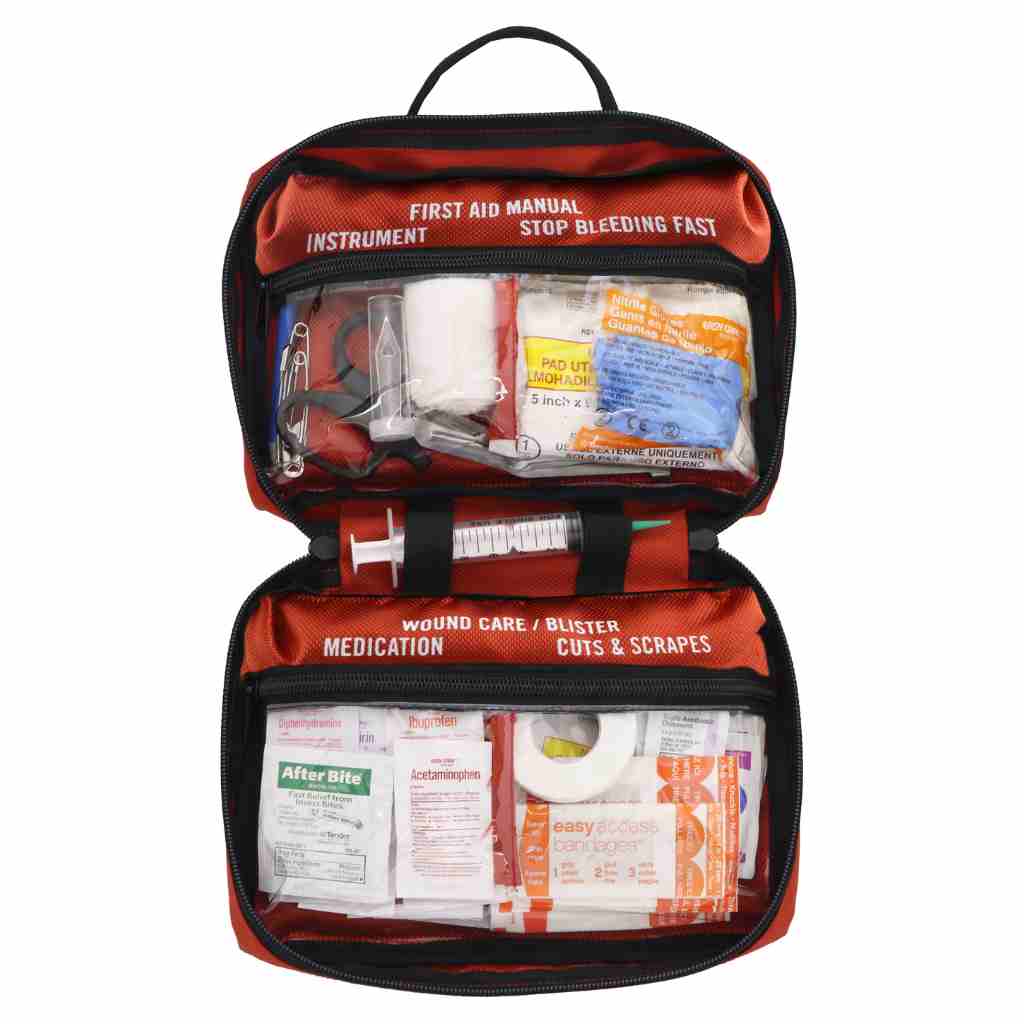
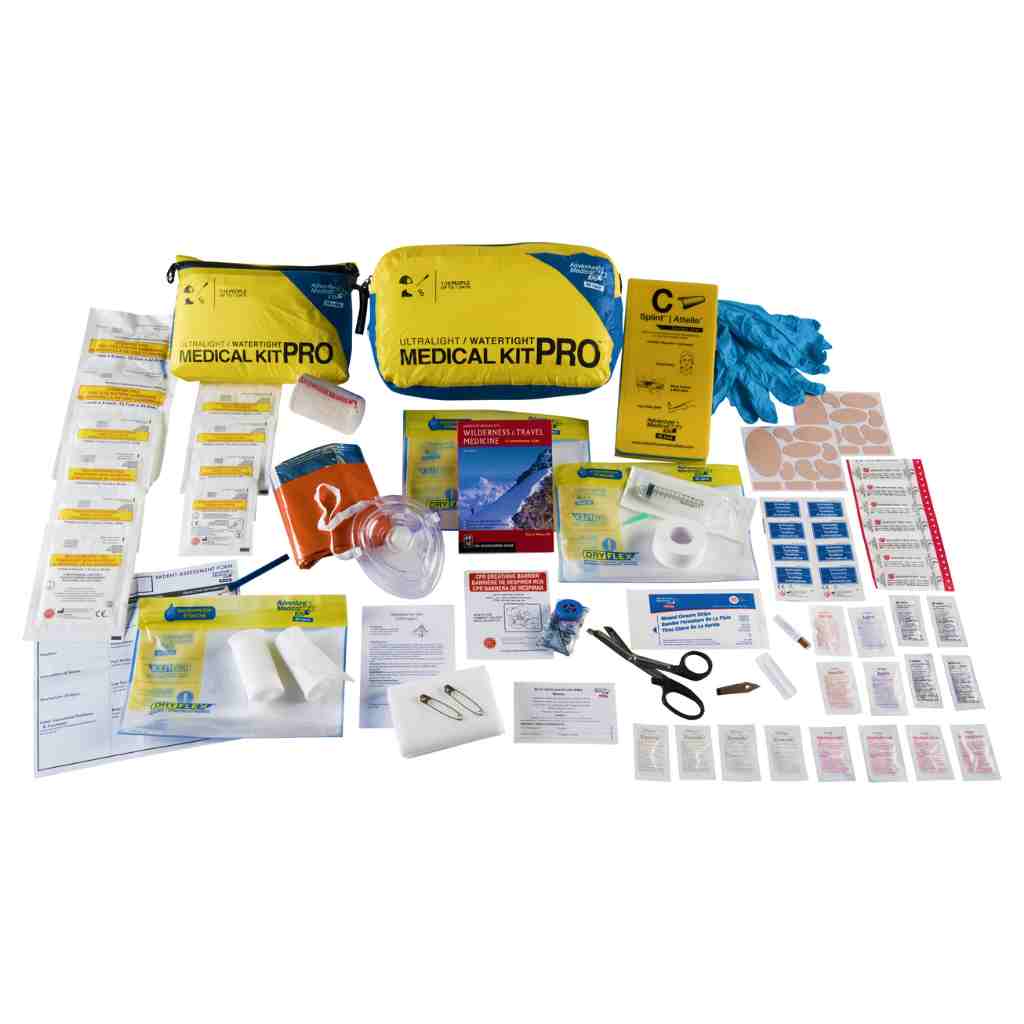
The best kits make this easier by separating supplies into labeled pockets and pairing them with clear medical instructions. That matters when the person doing care is tired, rushed, or helping someone else instead of treating their own foot.
Disinfecting Gear and Surfaces Beyond Your Skin
Not every infection risk starts with a cut. Plenty start with a dirty handle, a contaminated cook surface, or a tool that gets used on skin after sitting in the bottom of a pack.

What actually makes a field disinfectant useful
For outdoor use, a disinfectant has to work under imperfect conditions. According to the CDC's guidance on cleaning supplies and equipment for healthcare-associated infection prevention, an effective field disinfectant should have broad-spectrum activity, rapid action with short contact times, material compatibility, and a flash point above 150°F.
That last point matters more outdoors than is often understood. A product that creates storage or transport risk inside a hot vehicle, boat locker, or summer pack isn't a great field choice.
The CDC guidance also points to another hard truth. If a surface is visibly dirty, disinfection can fail unless that soil is removed first. Blood, grease, food residue, and mud create a barrier between the disinfectant and the thing it's supposed to kill.
Why spray and wipe often fails
A quick mist and immediate wipe-down feels clean. It often isn't. Contact time is the period the surface must stay wet for the product to work as intended. If the liquid flashes off fast in sun or wind, or if it's wiped dry too early, the process falls short.
A simple field approach works better:
- Clean first: Remove visible dirt and organic material.
- Wet the target thoroughly: Hinges, handles, bottle lids, and stove knobs need full coverage.
- Let it sit: Follow the product label for contact time.
- Use on the right materials: Some products damage plastics, coatings, or metal finishes.
Dirty surface first, disinfectant second. Reversing that order wastes supplies.
Light matters here too. Good hygiene tasks get sloppier after dark because contamination is hard to see. A compact lantern such as the PackLite solar lantern from LuminAID can make routine cleaning, wound checks, and gear sorting much more reliable at camp than relying on a weak phone light.
For reusable instruments in austere settings, higher-level disinfection gets technical quickly. Where heat sterilization isn't available, the World Health Organization states in its infection prevention and control guide that 0.5% chlorine solution requires a 10-minute fully submerged soak in fresh solution prepared within the last 24 hours. That's useful knowledge for trained settings, but for most outdoor travelers the practical lesson is simpler: if an item can't be reliably cleaned and disinfected in the field, keep it out of wounds.
Choosing Supplies for Your Specific Adventure
A cut on a dry trail and a cut in a wet boat cockpit are not the same problem. The tissue injury may be similar, but the infection risk changes with mud, salt water, glove use, handwashing options, and how long that wound stays exposed before you can clean and cover it well.
Generic lists usually miss that field reality. They assume clean water, spare light, and the option to swap out wet or contaminated supplies without much thought. In the backcountry, the better question is simpler. What will still work after rain, dirt, cold hands, and a long delay to care?
A useful planning method starts with three decisions. Match the kit to the injuries you are most likely to see. Match the packaging to the environment. Match your supply depth to the time and effort required to get help.
Match the loadout to the trip
For fast day trips, weight matters. Carry fewer items, but make each one count. Hand cleaner, a few pairs of gloves, adhesive dressings, blister care, gauze, and a tool for splinters or ticks will cover a lot of real trail problems.
For backpacking, hunting, paddling, or any trip where gear stays wet or dirty, redundancy matters more than shaving every ounce. Dressings get used up. Tape stops sticking. Wipes dry out after repeated opening. In those settings, I would rather carry extra wound-cleaning and bandaging supplies than a larger assortment of niche items that solve rare problems.
Water travel changes the packing standard again. Supplies need protection from spray, humidity, and rough handling, not just organization. A marine setup should favor waterproof storage, extra gloves, more absorbent dressings, and enough replacement material for repeated wound care over several days.
Professional guides and trip leaders need a different ratio too. Group care burns through consumables fast, especially gloves, gauze, and hand-cleaning supplies. The kit has to work for tired users under pressure, not just for the person who packed it at home.
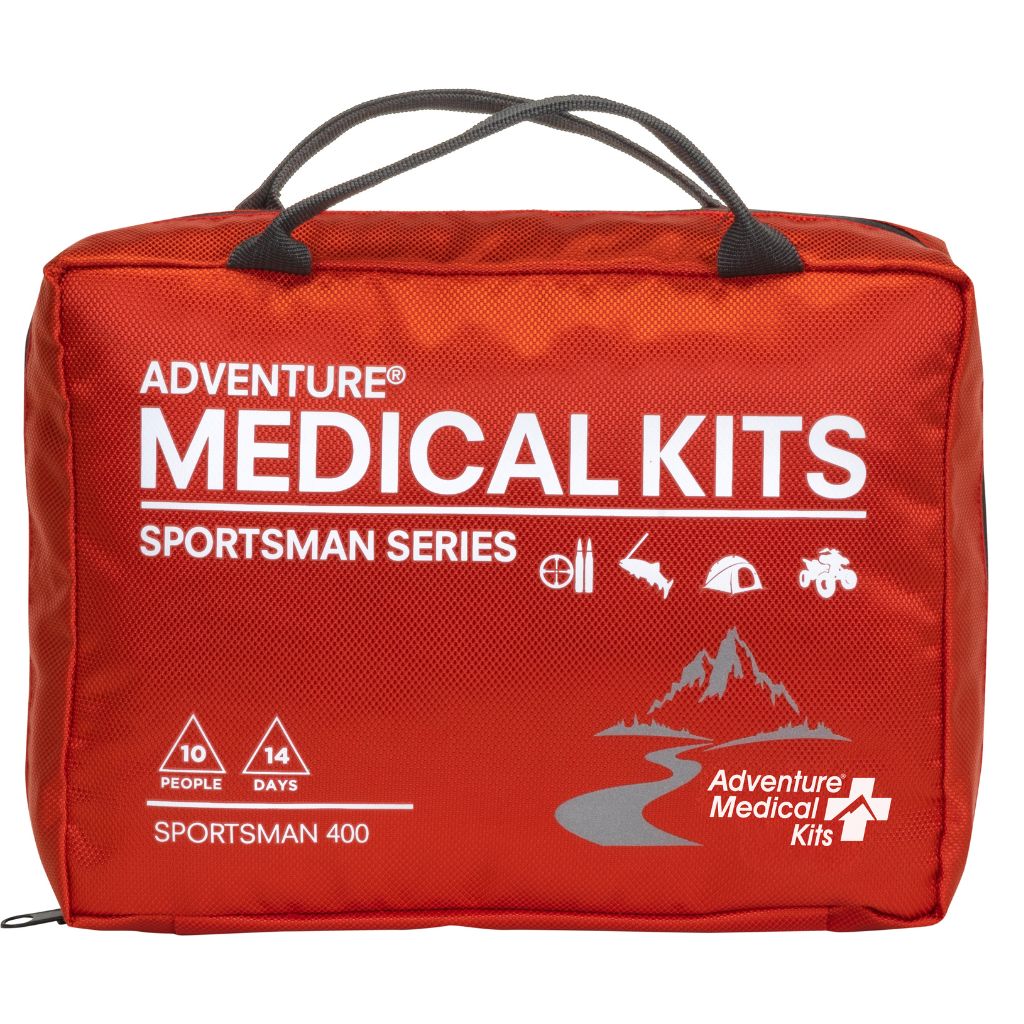
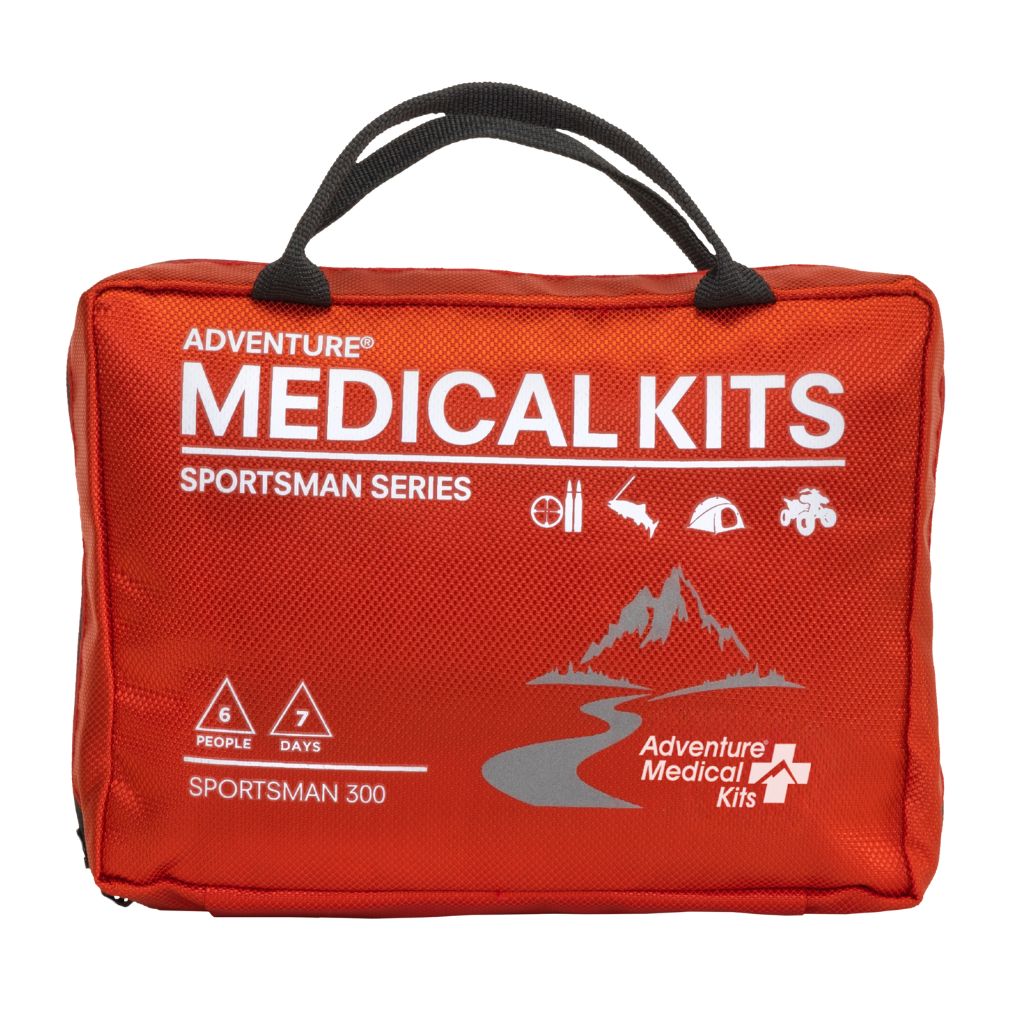
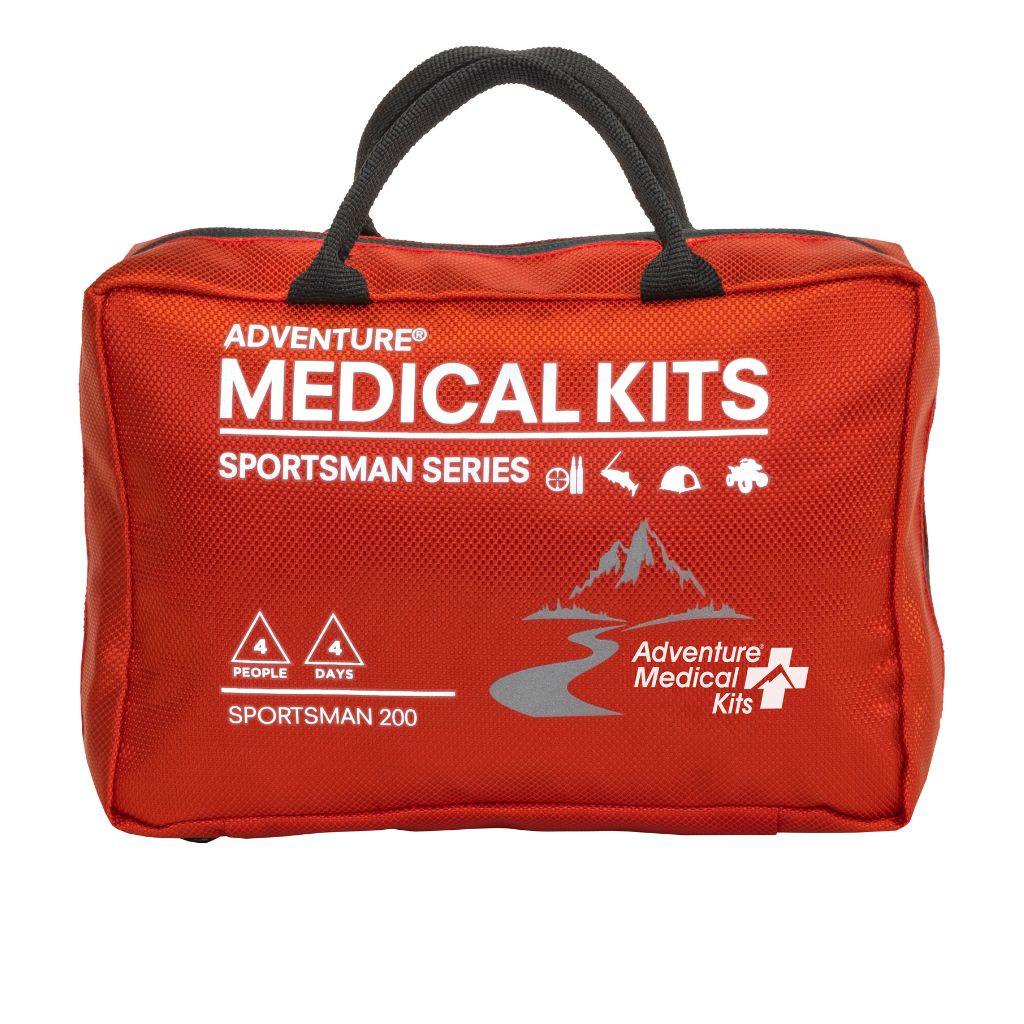
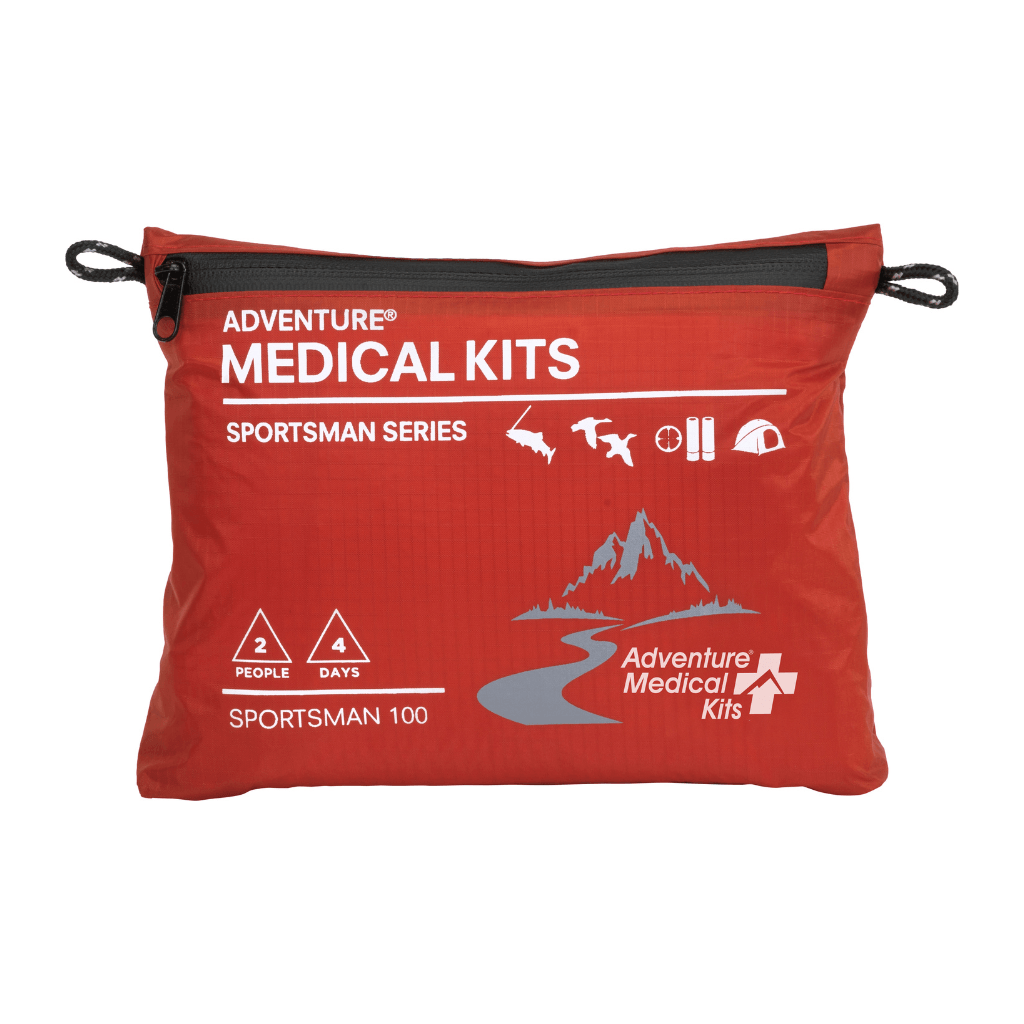
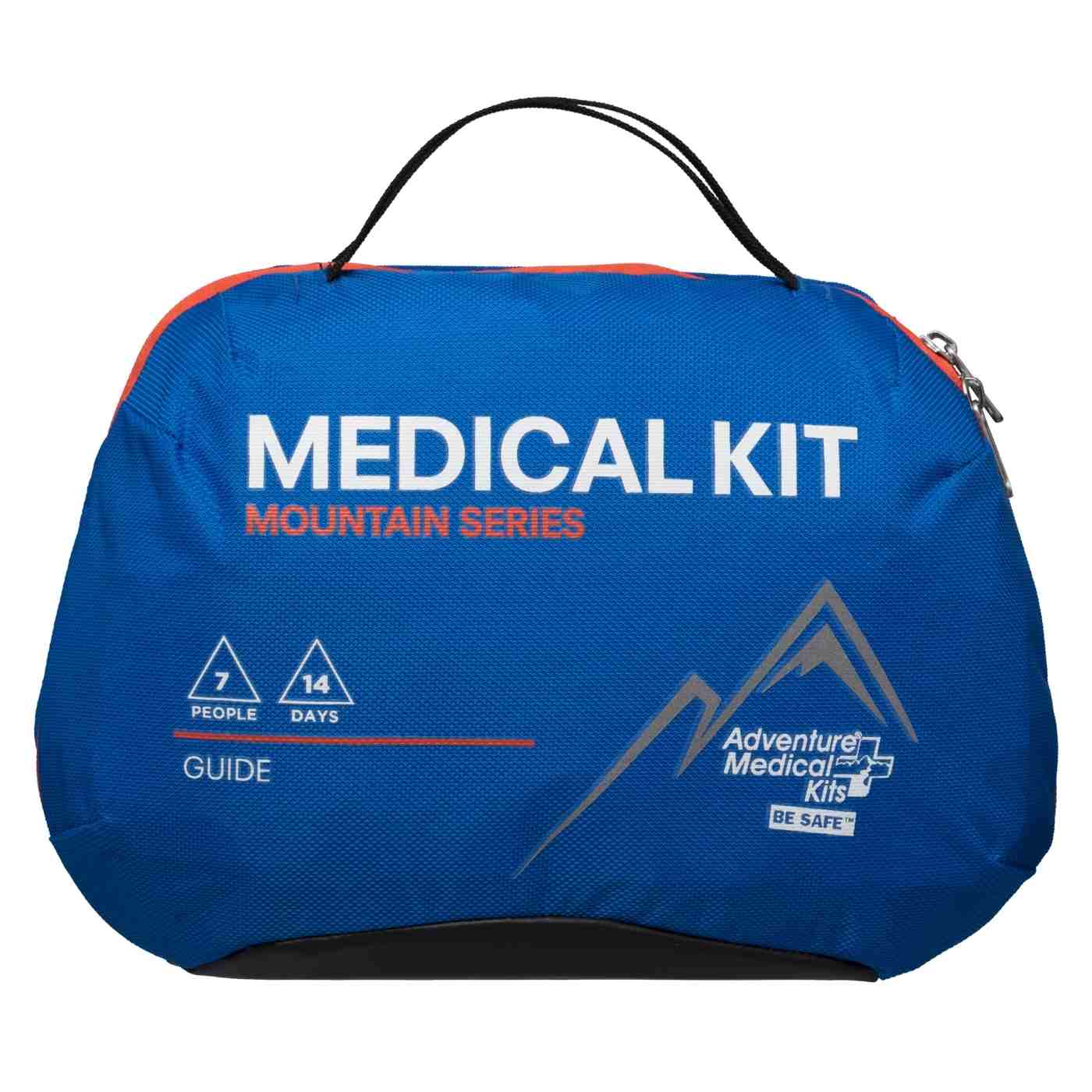
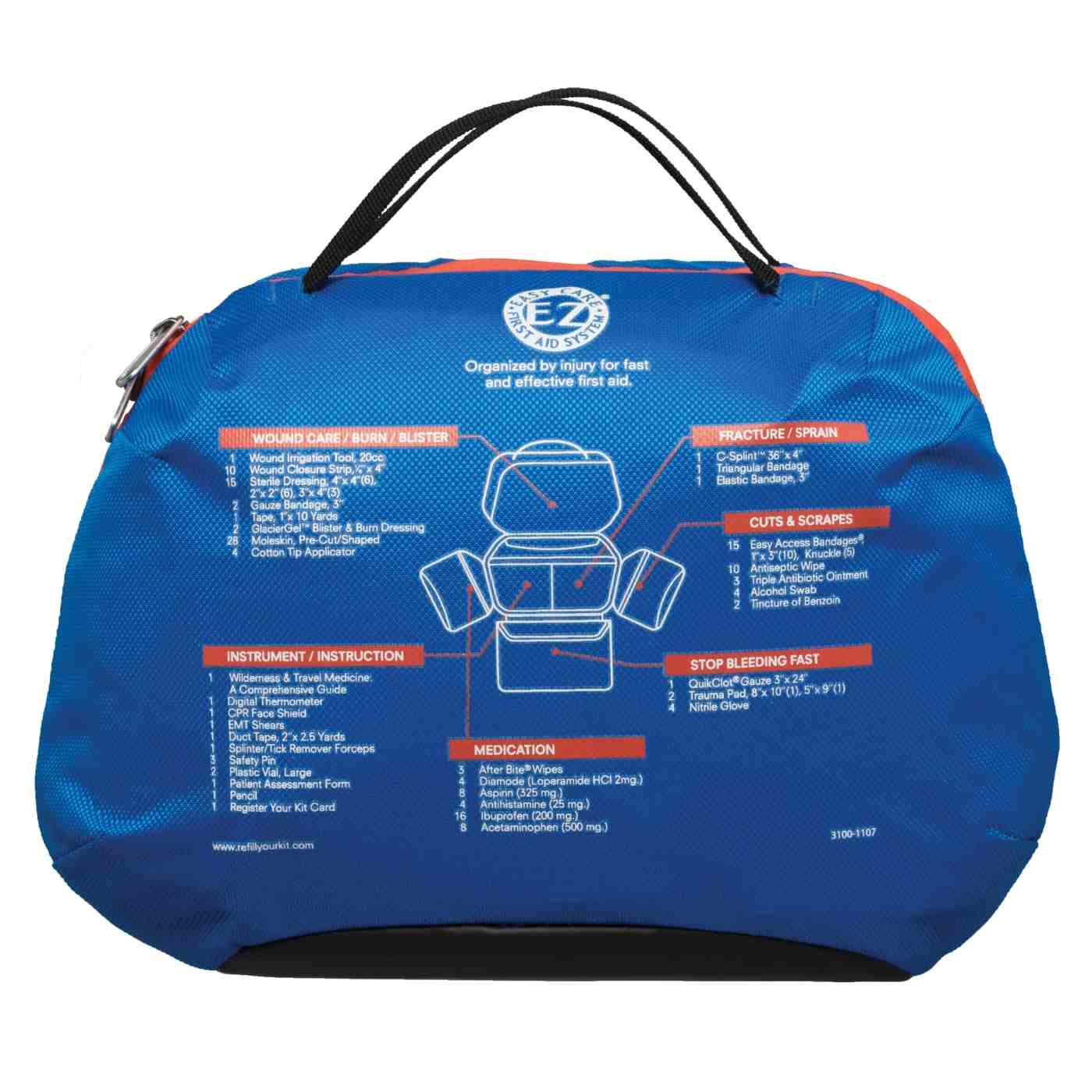
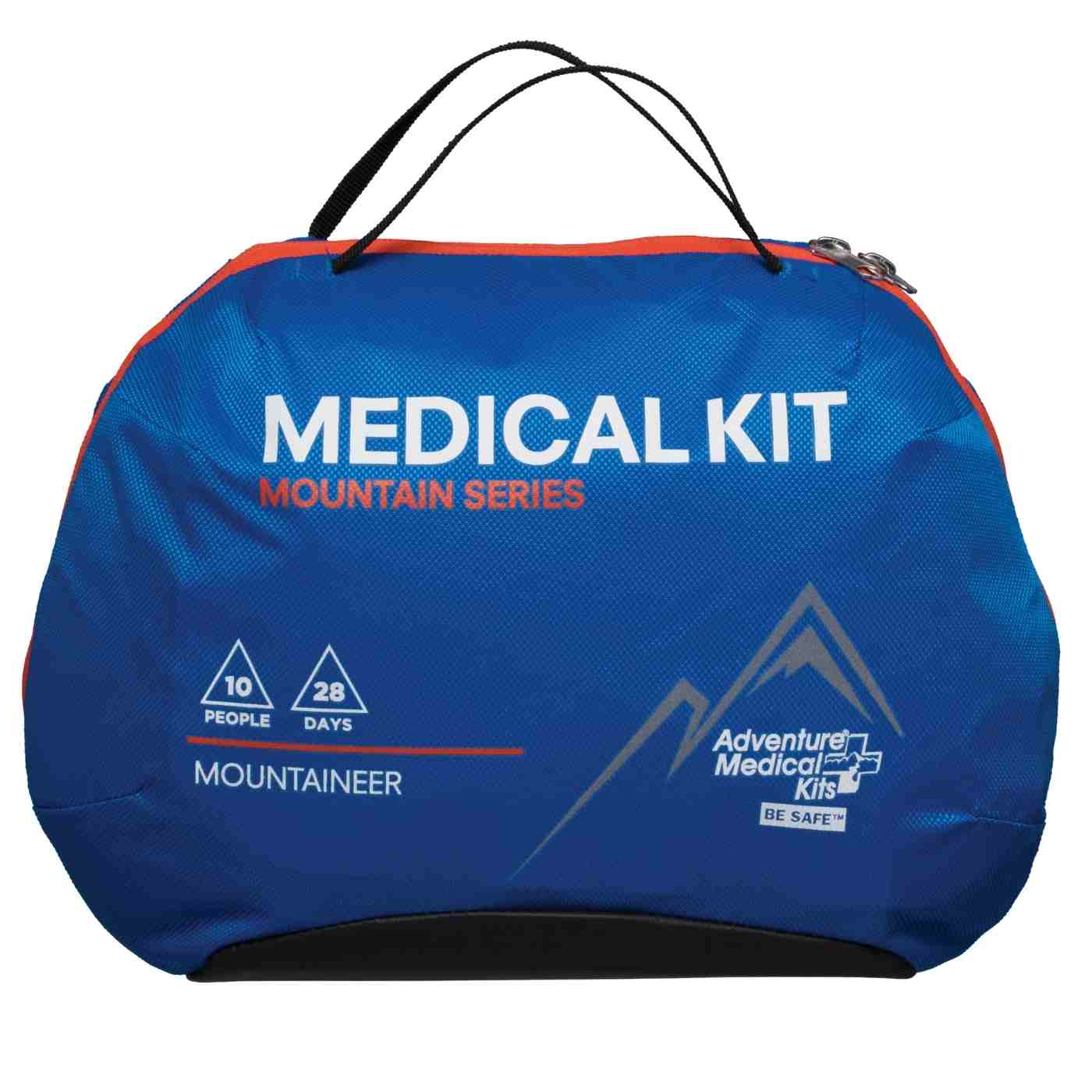
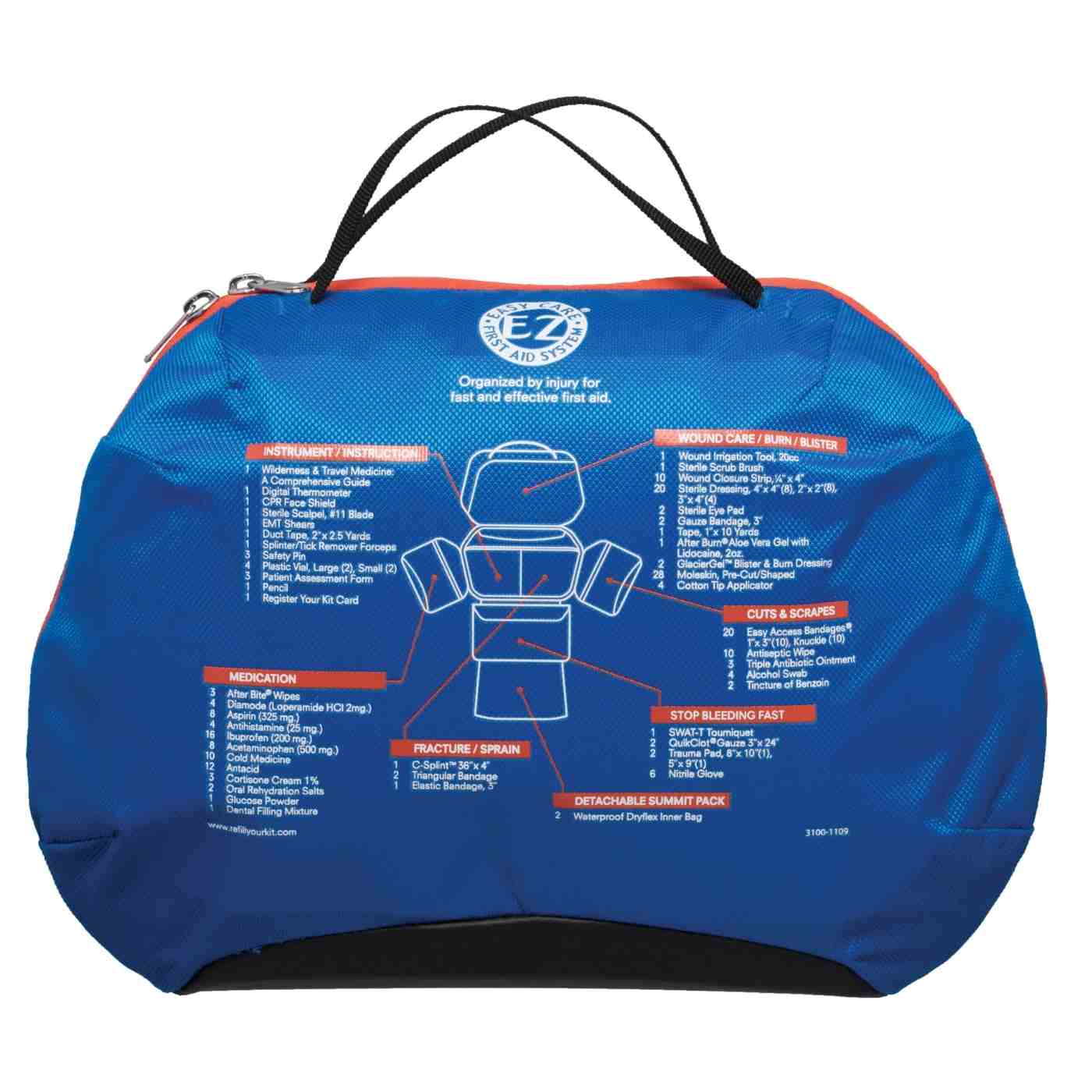
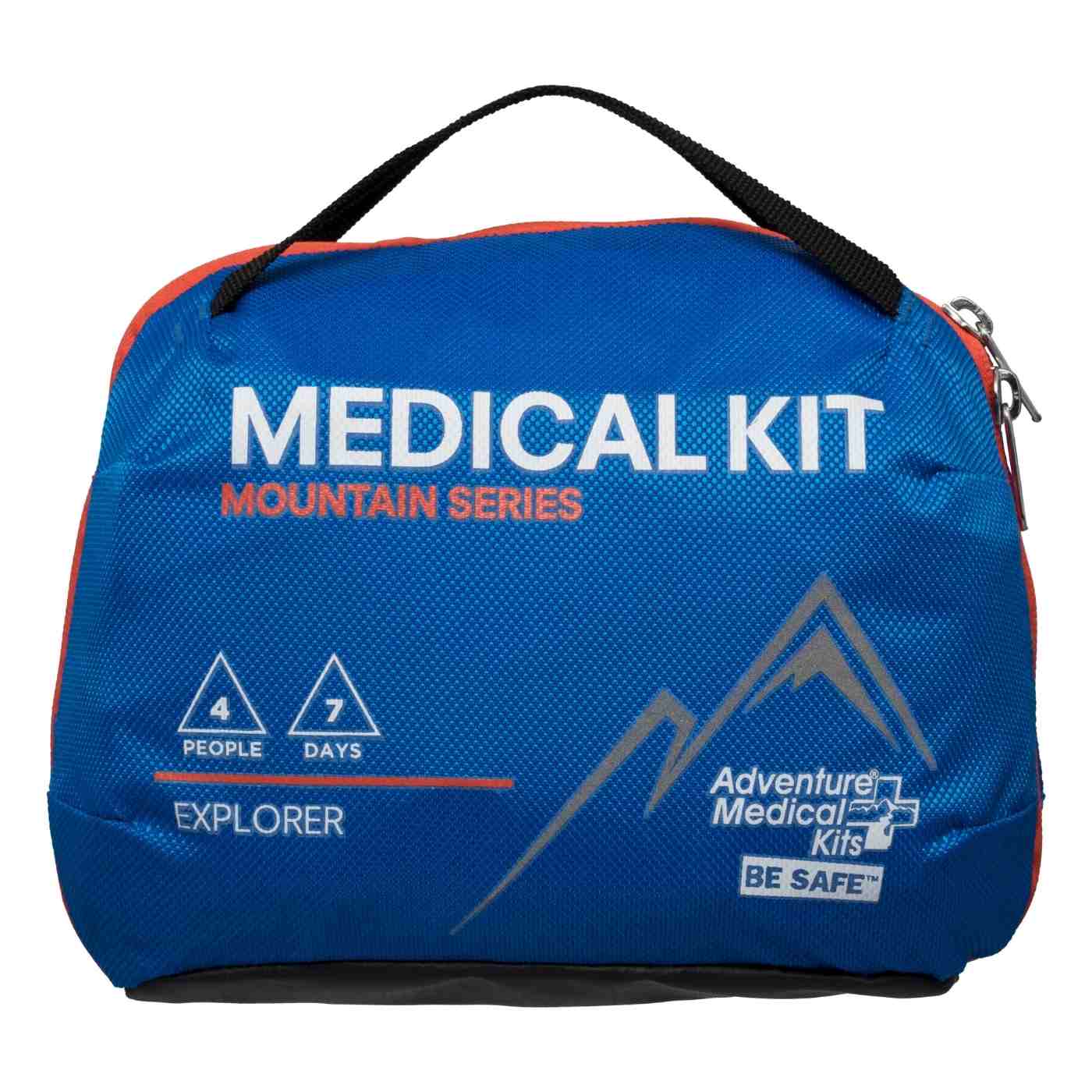
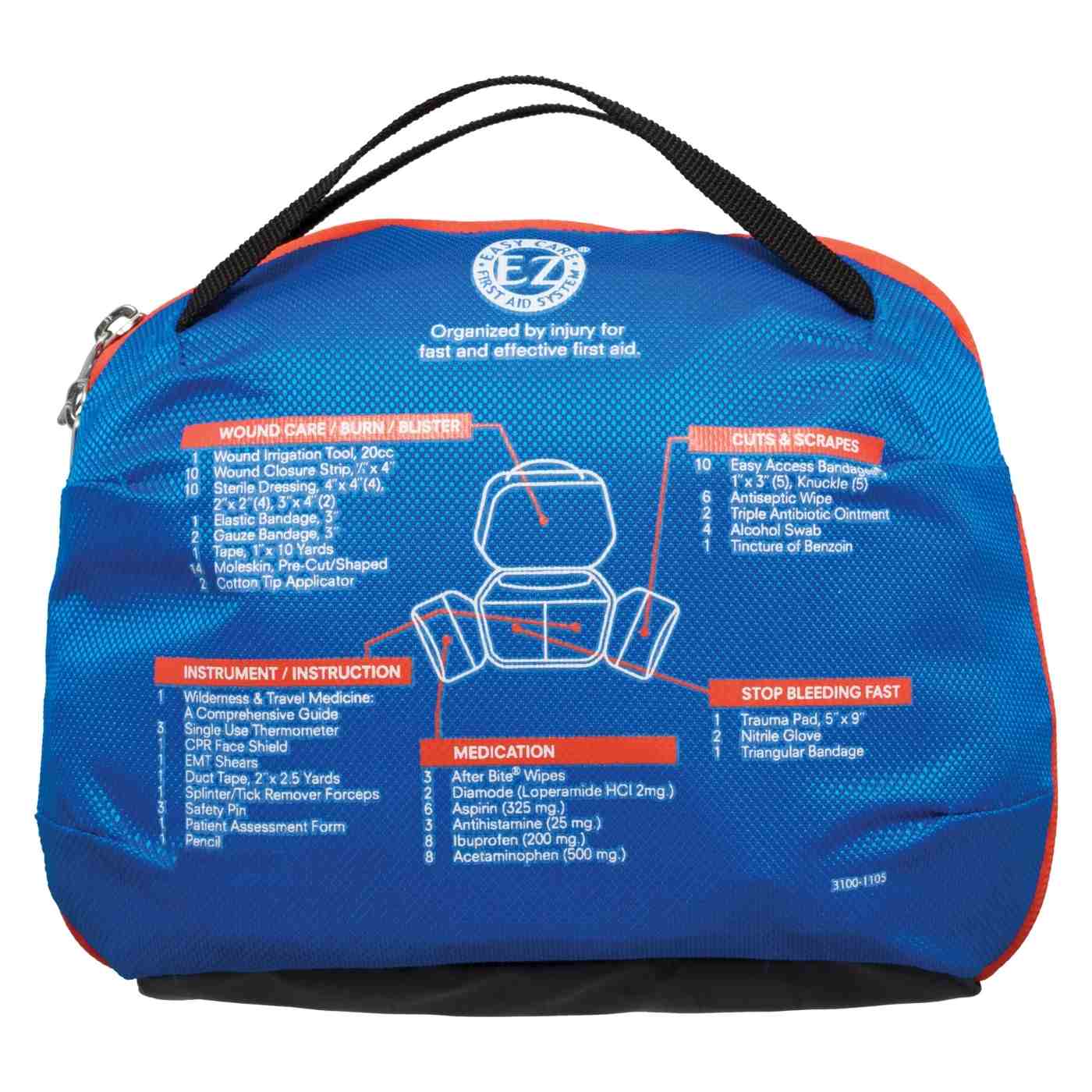
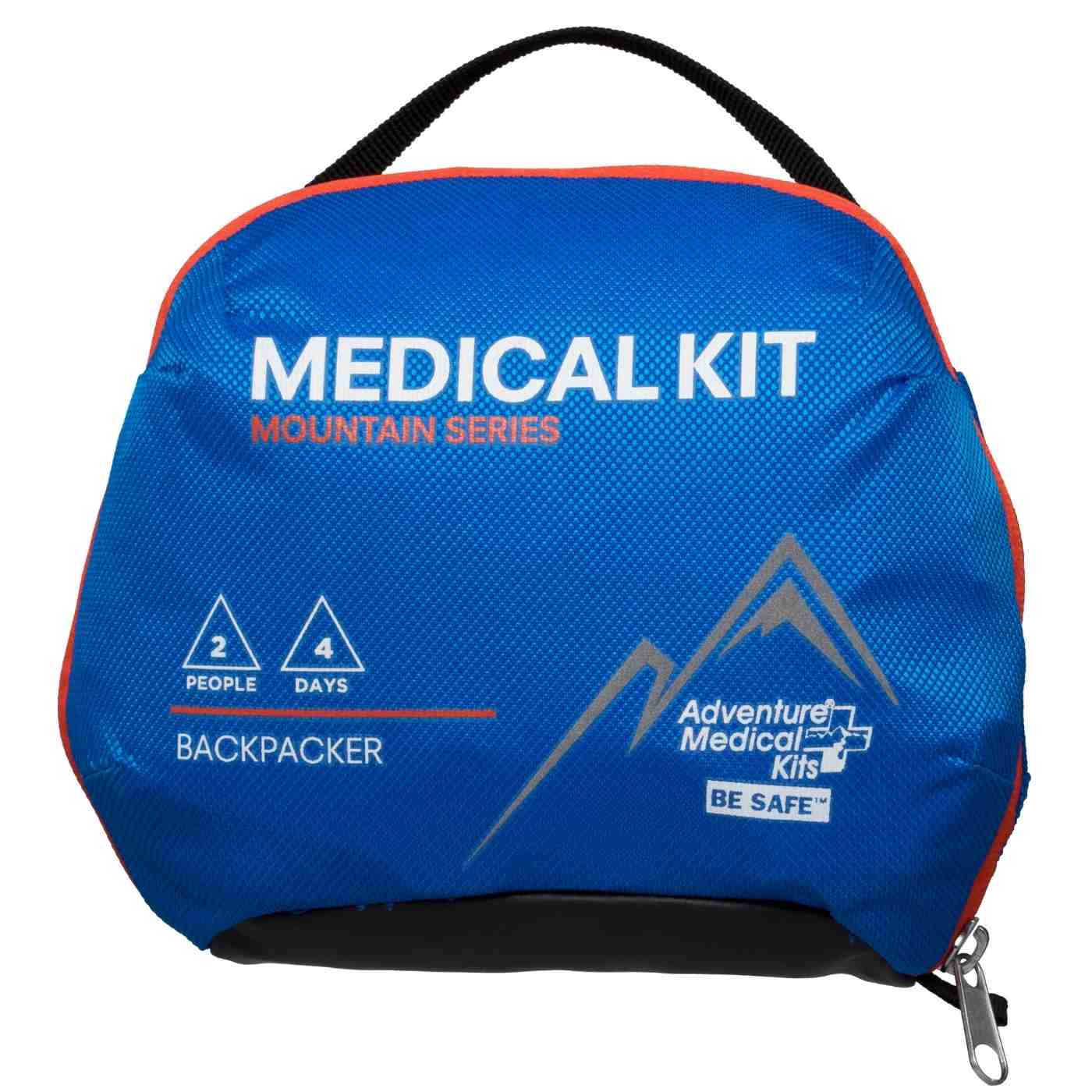
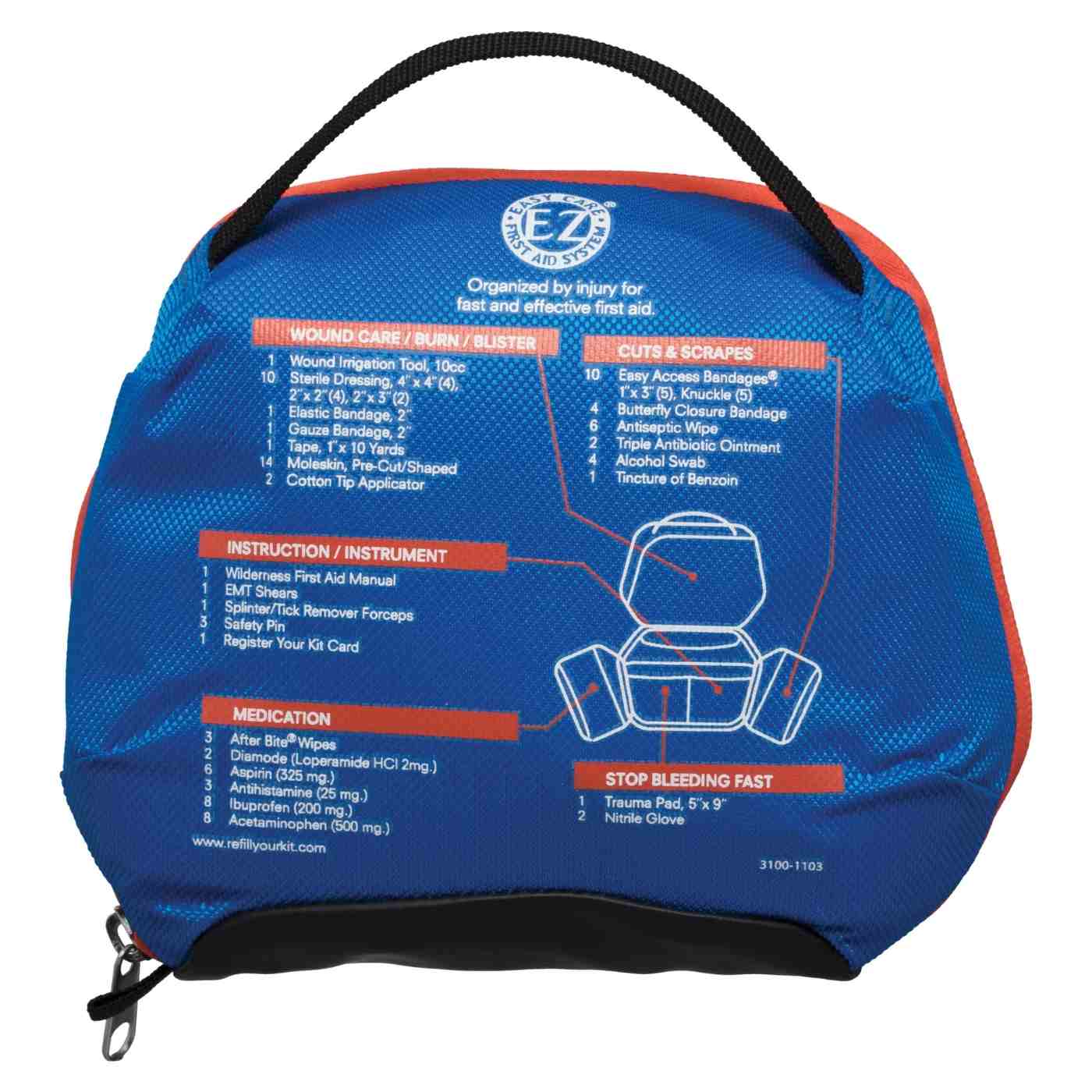
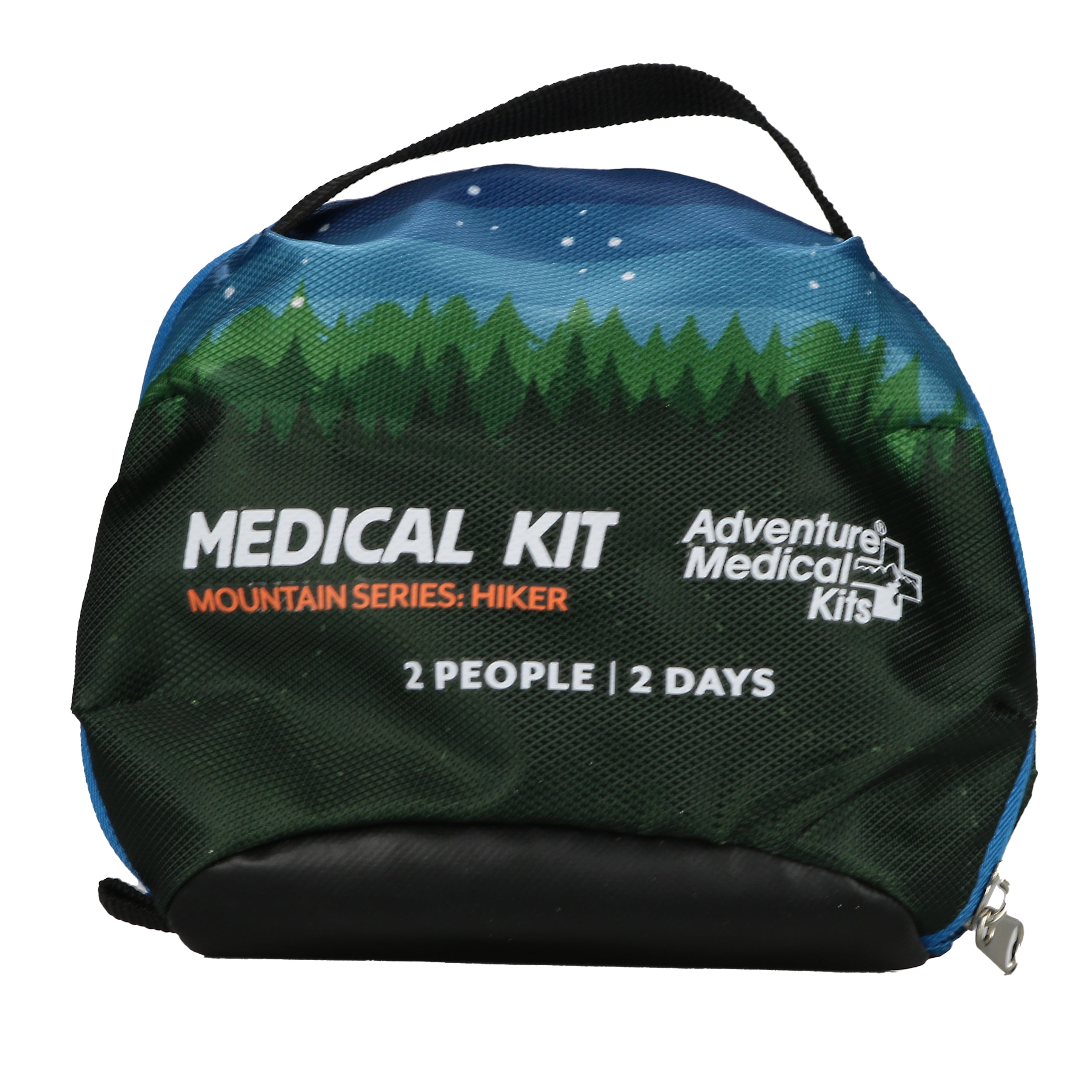
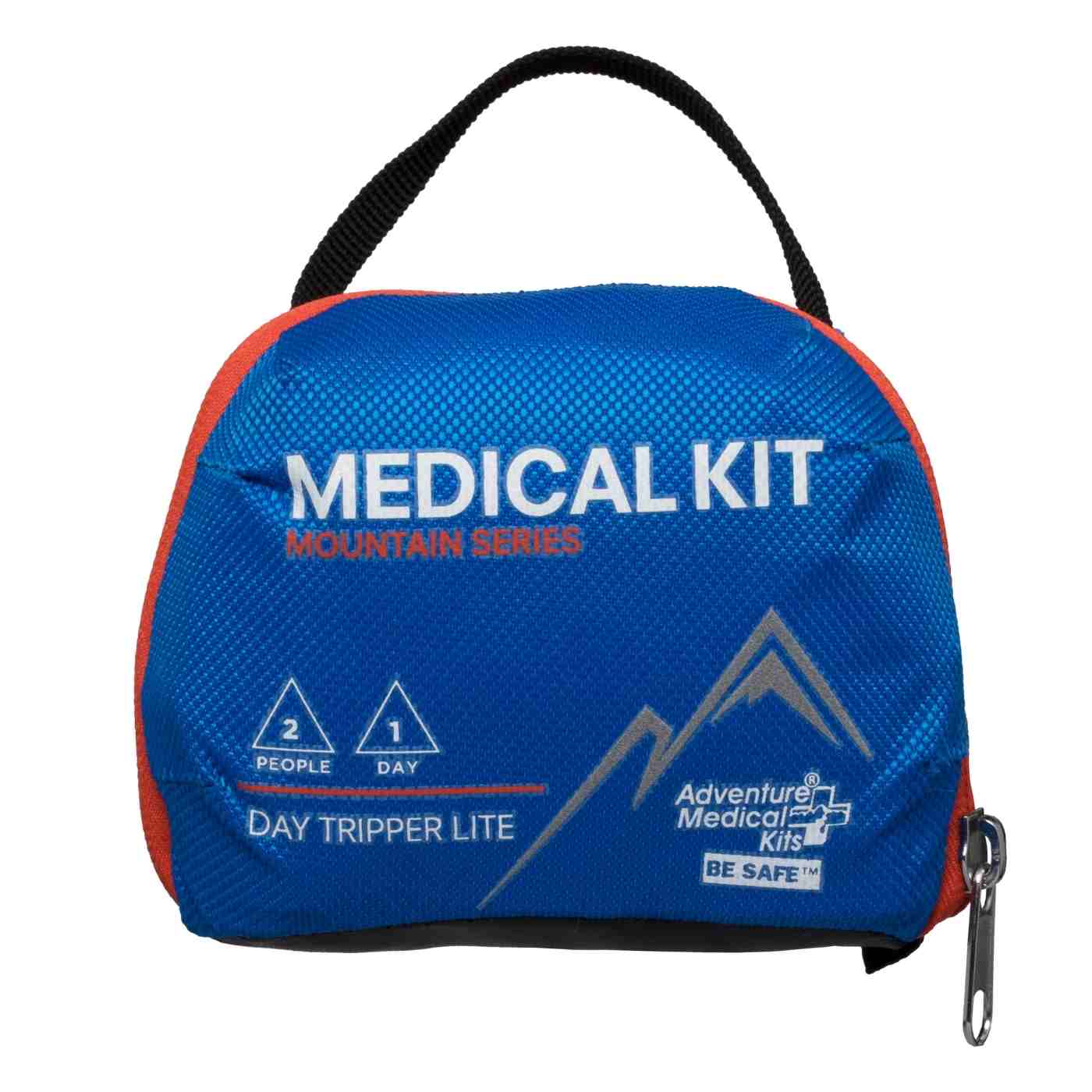
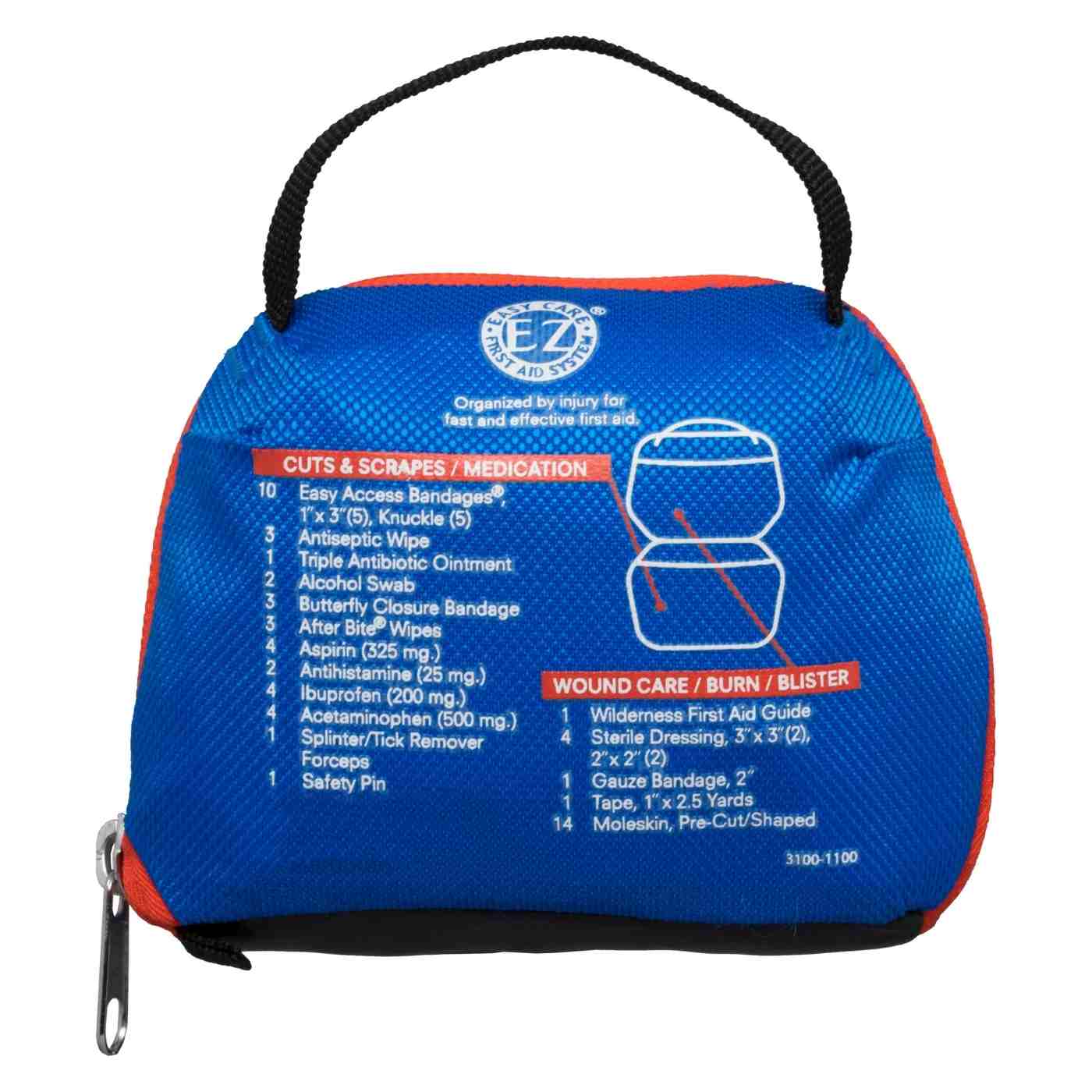
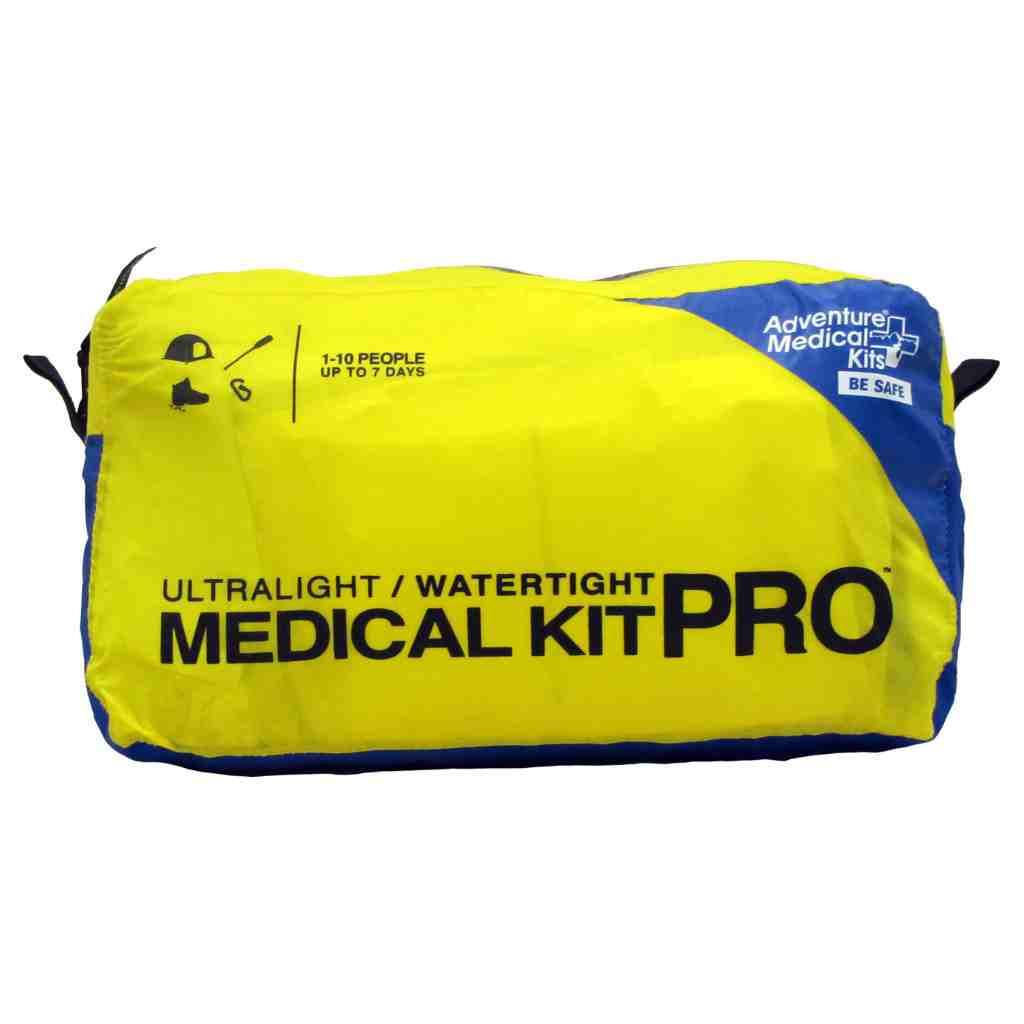
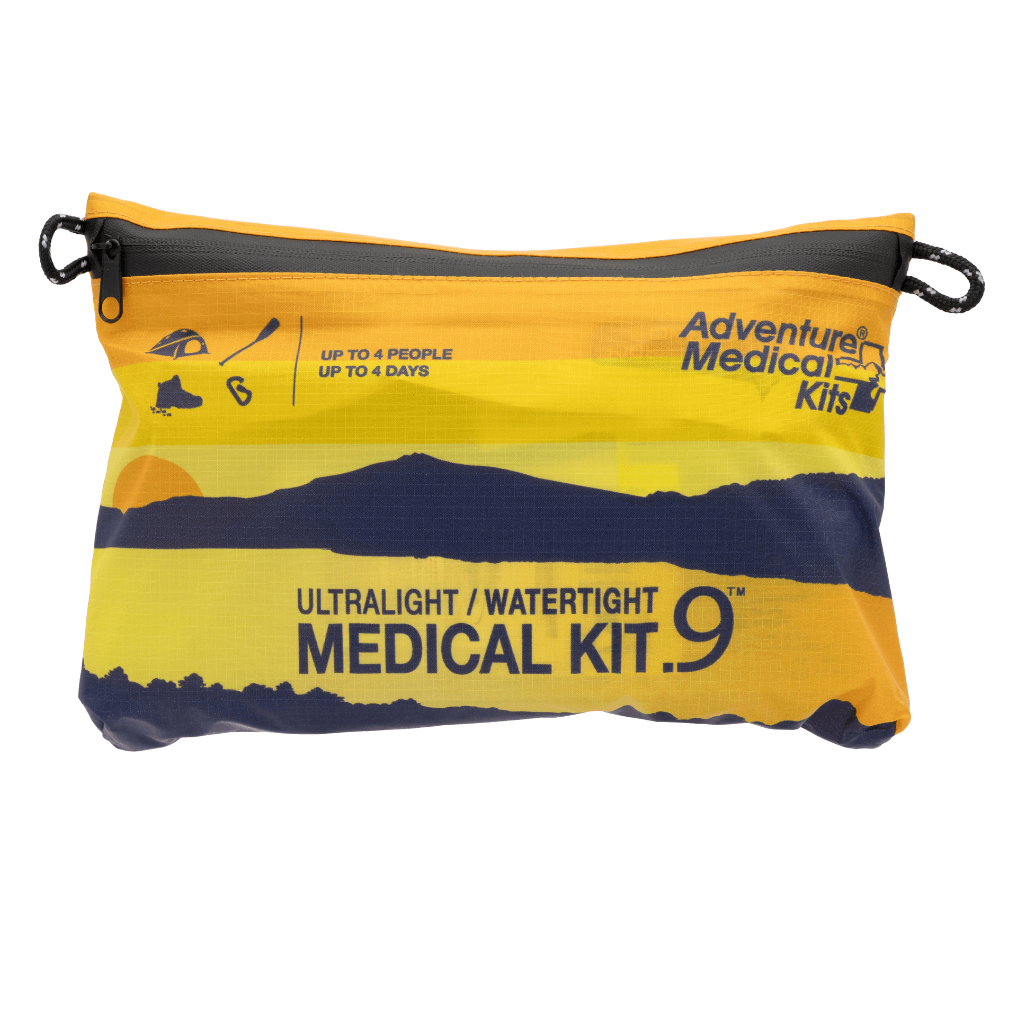
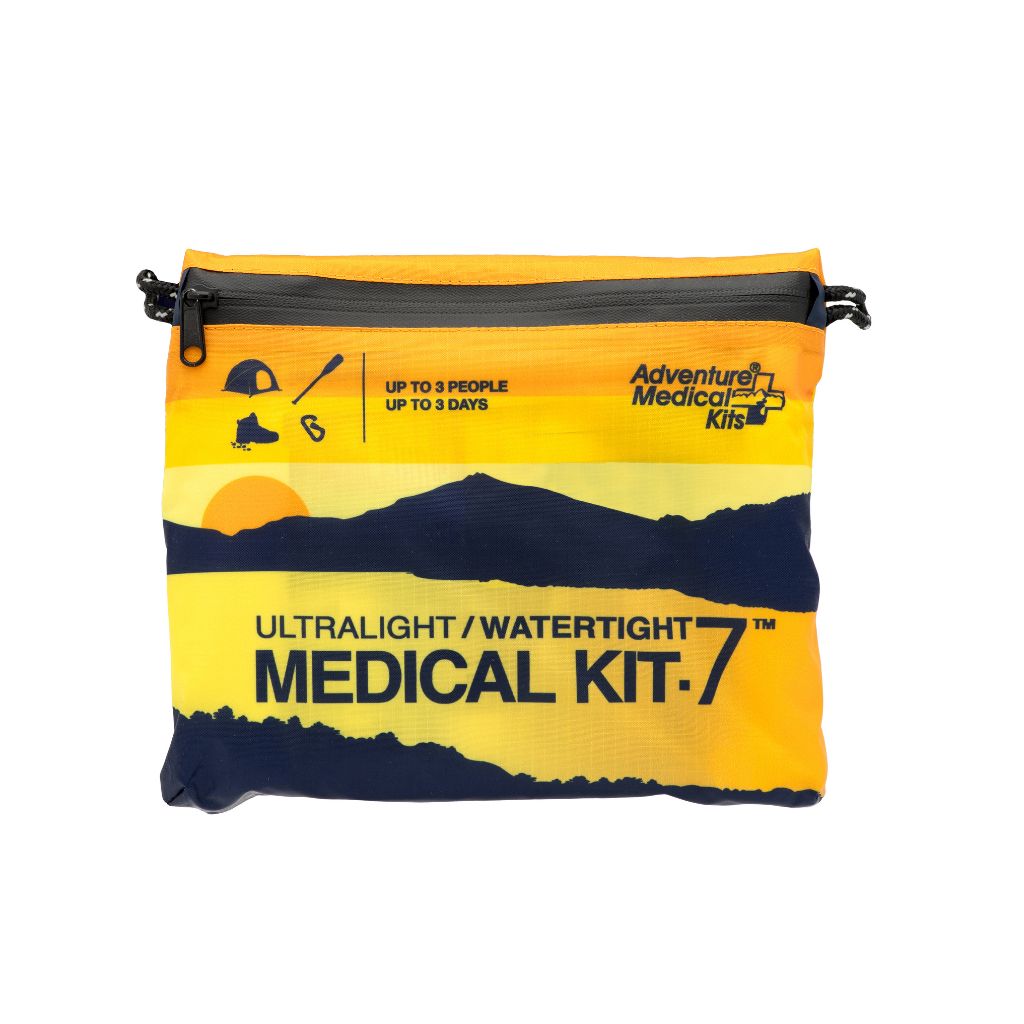
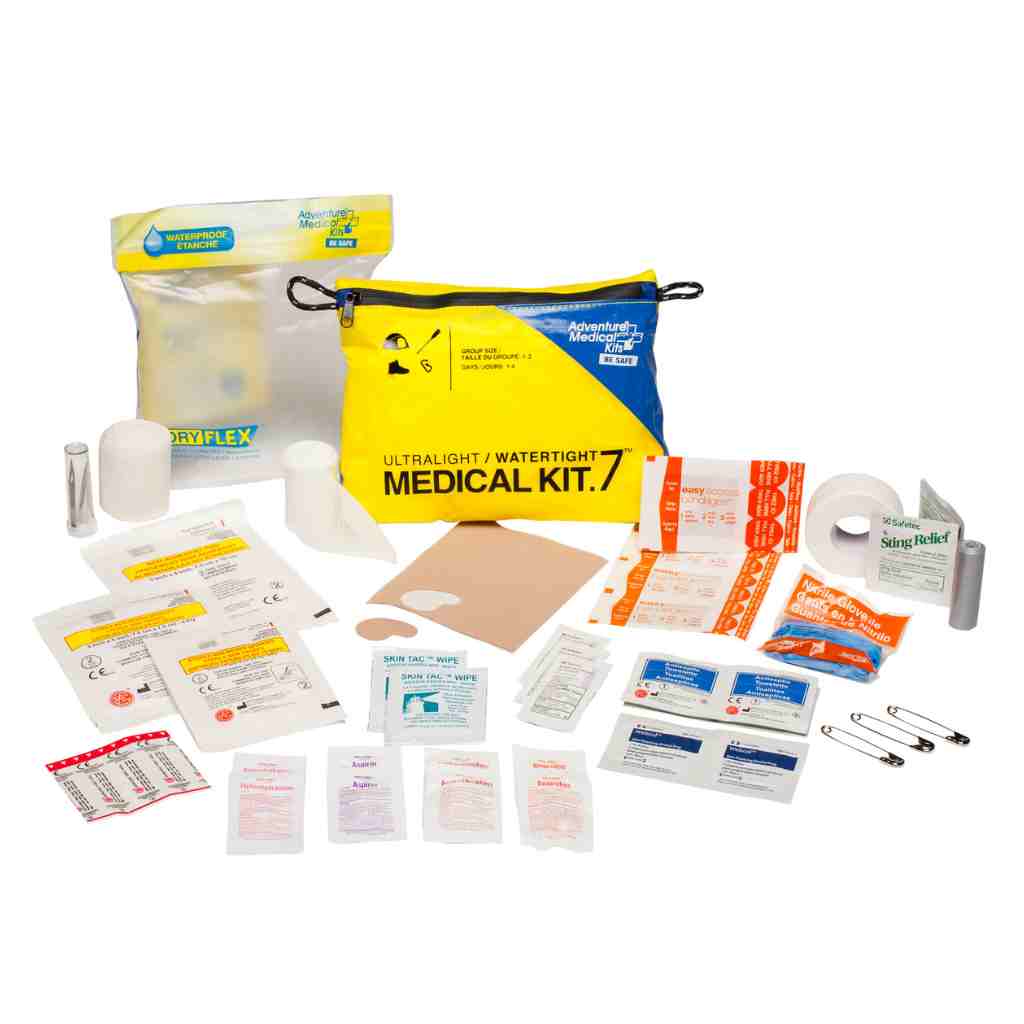
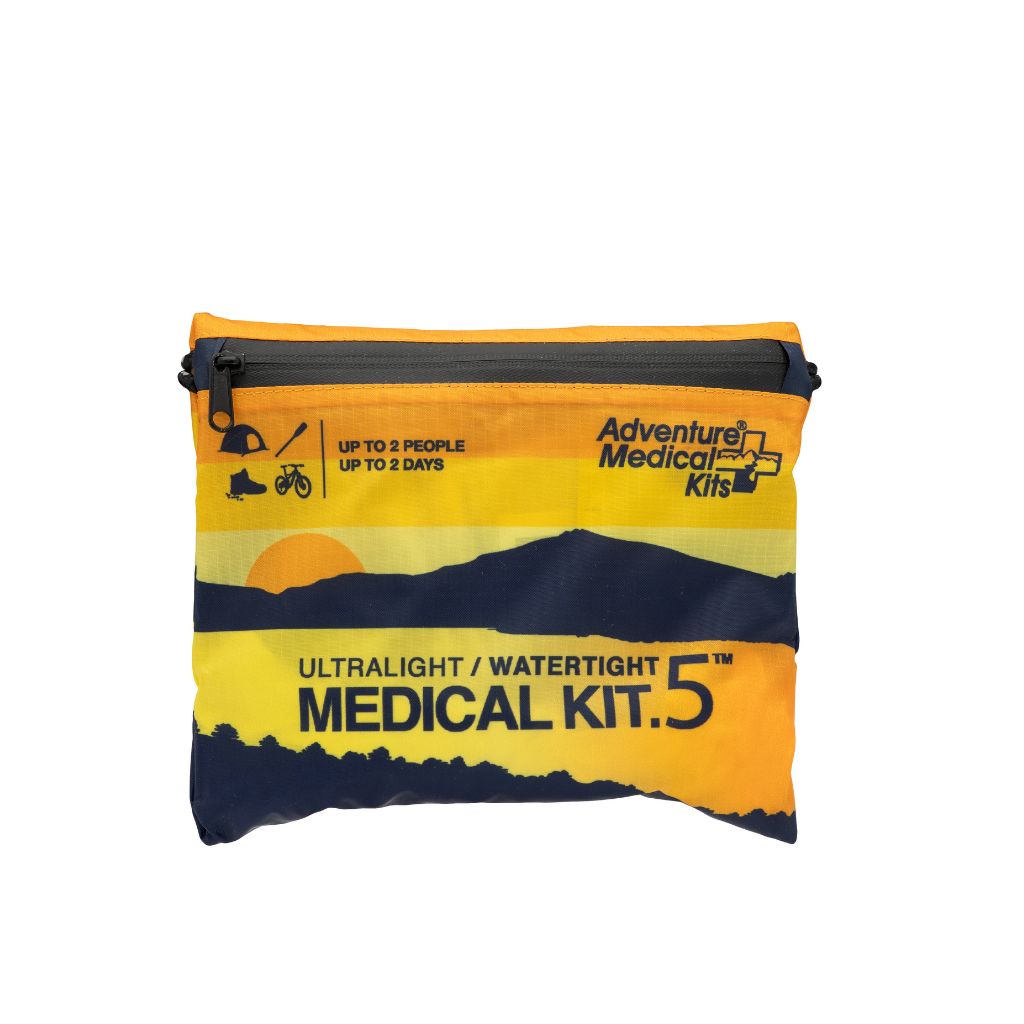
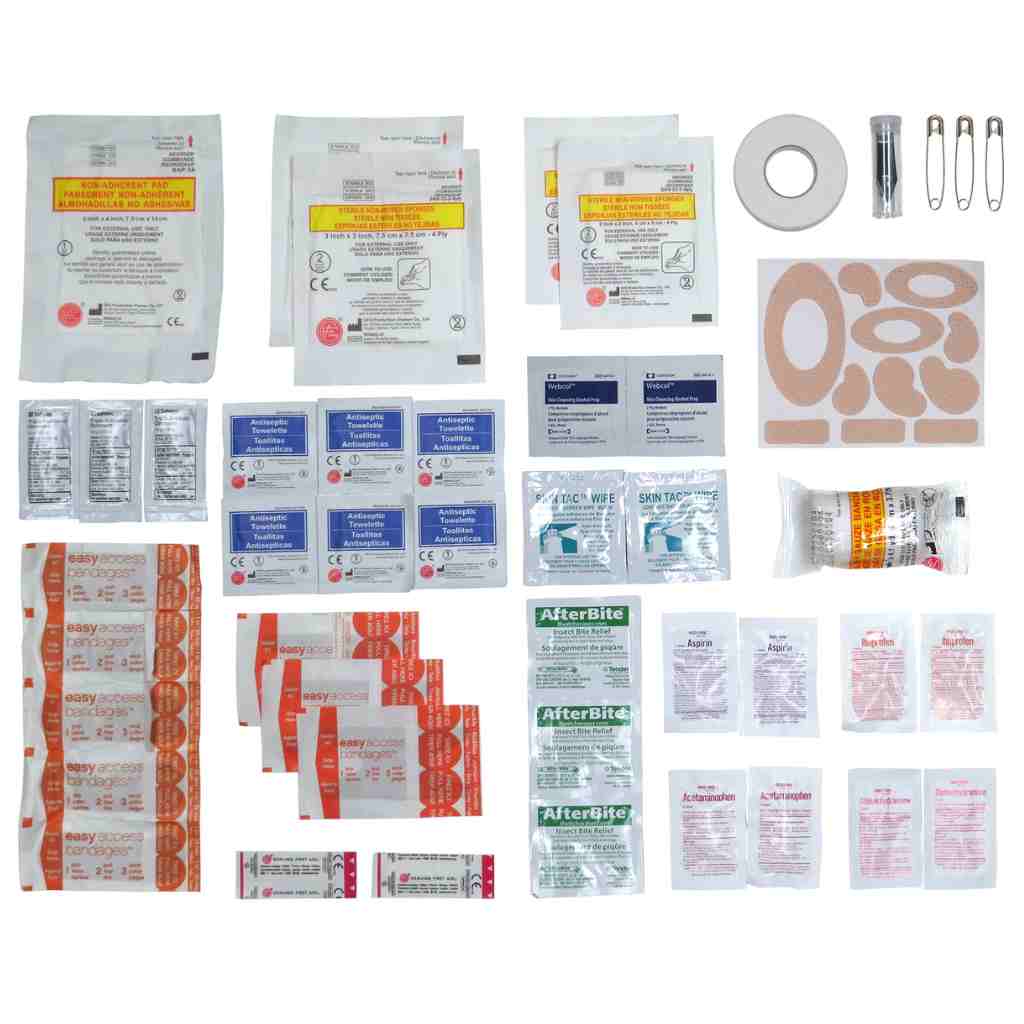
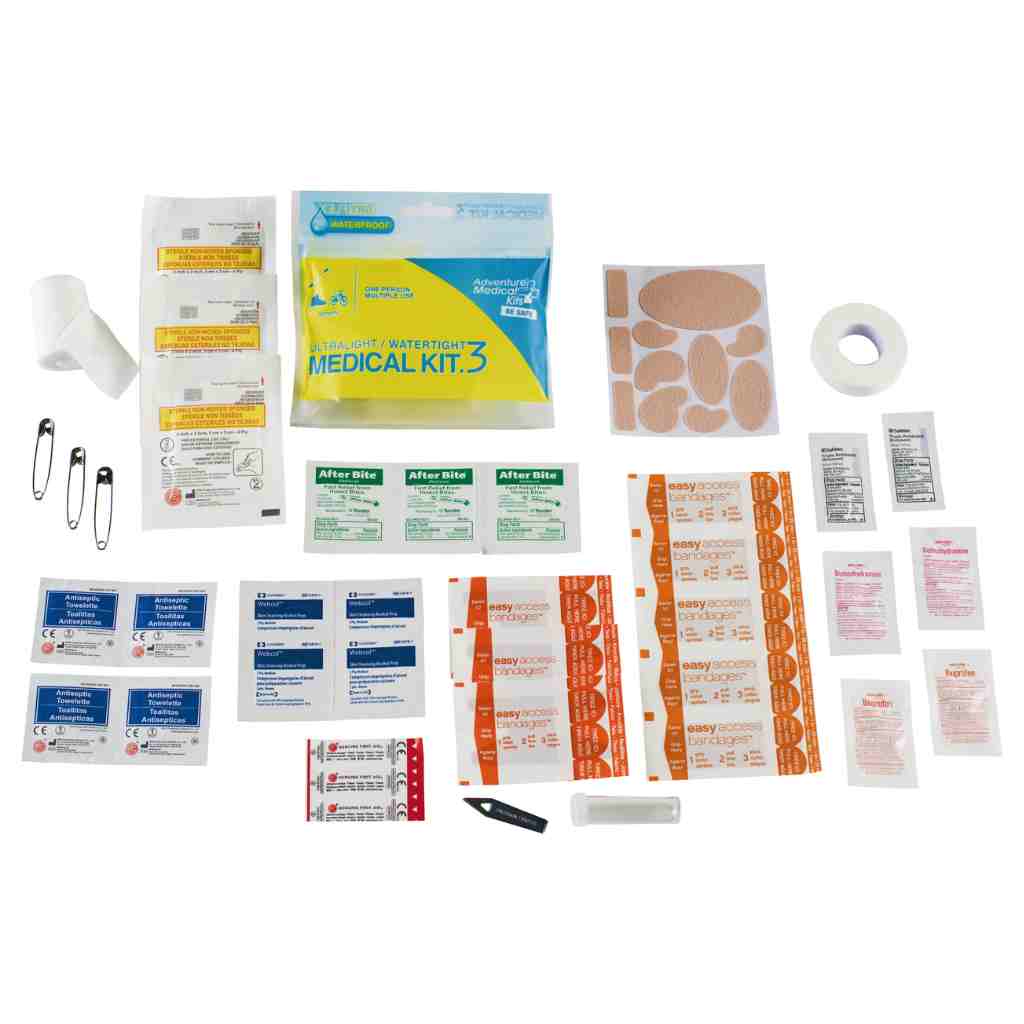
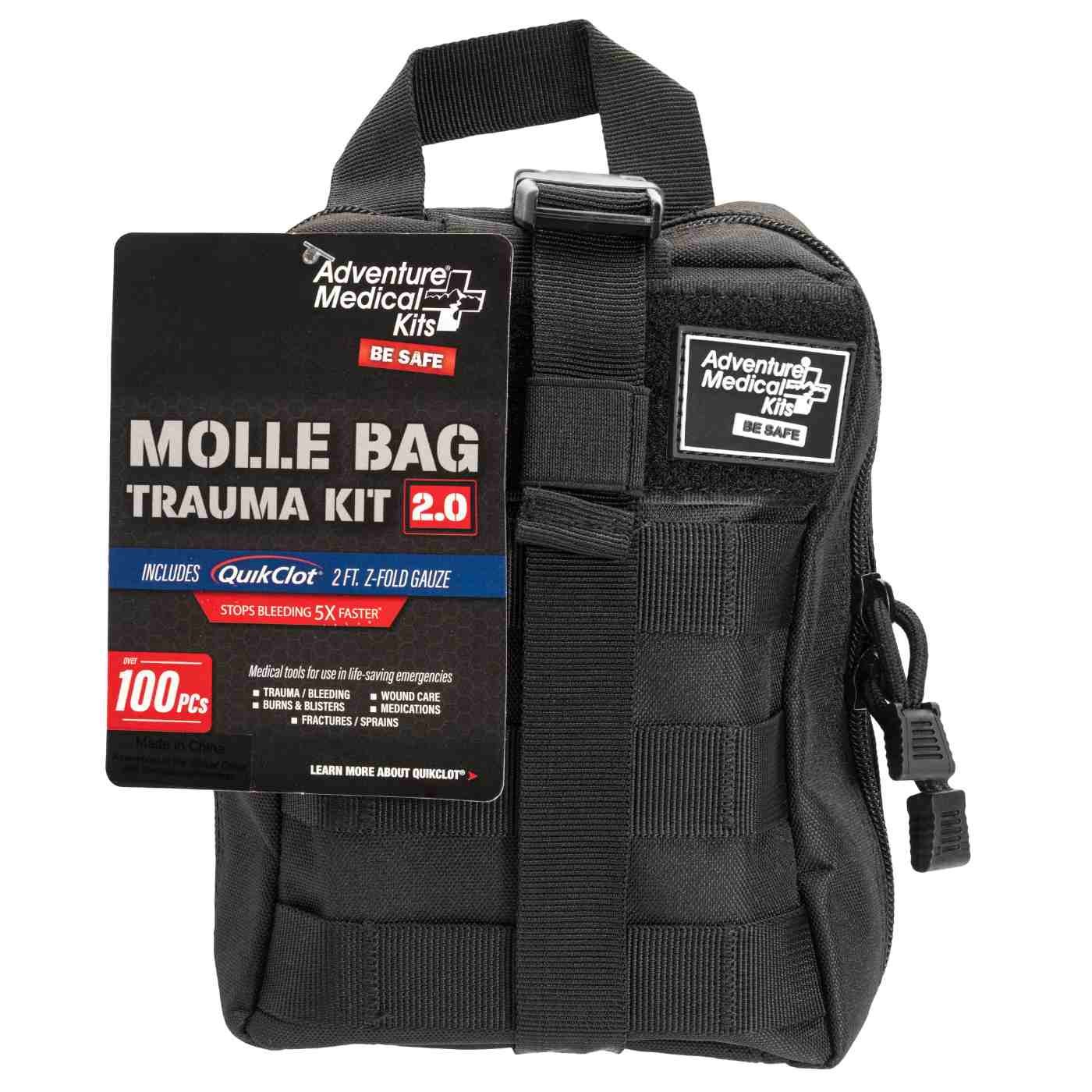
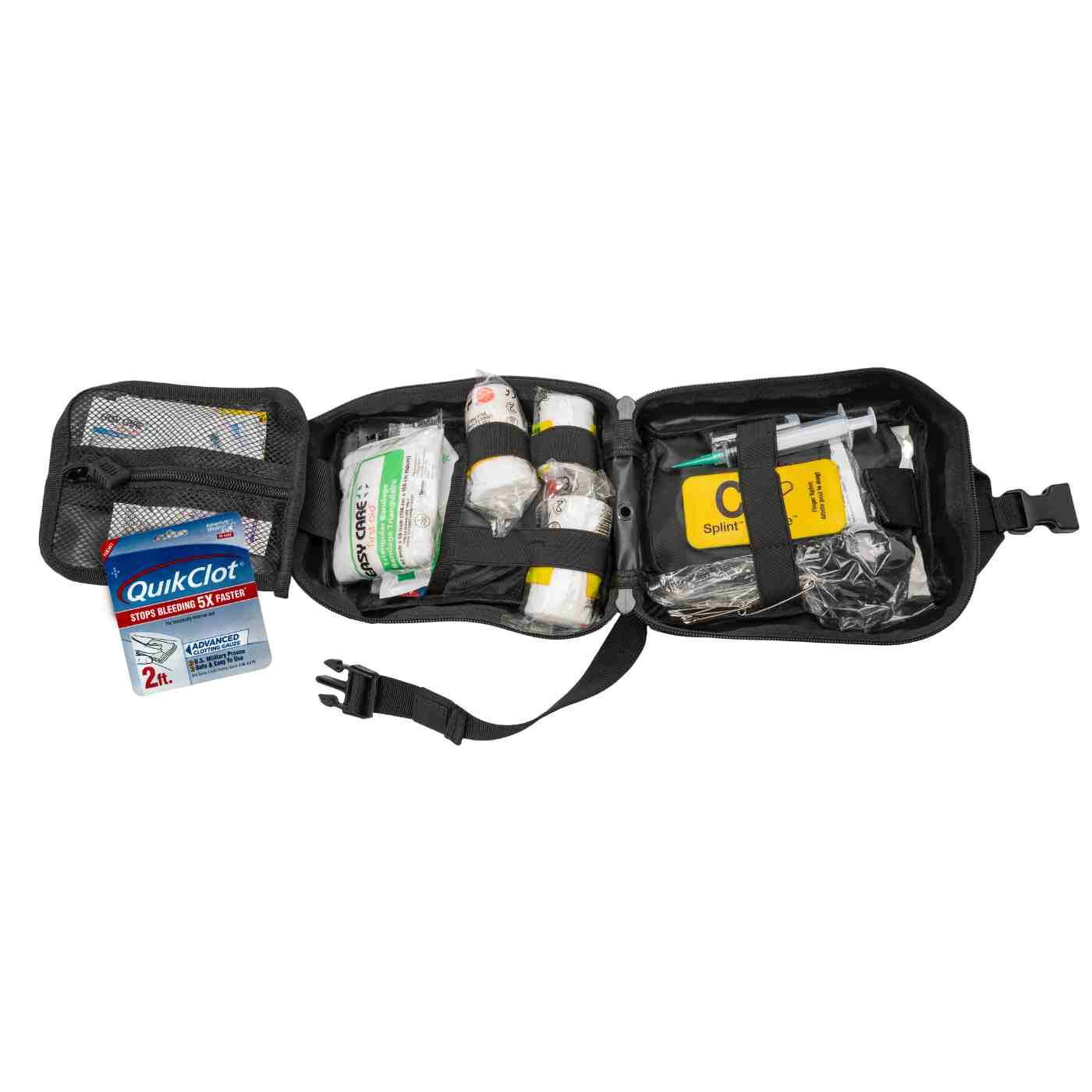
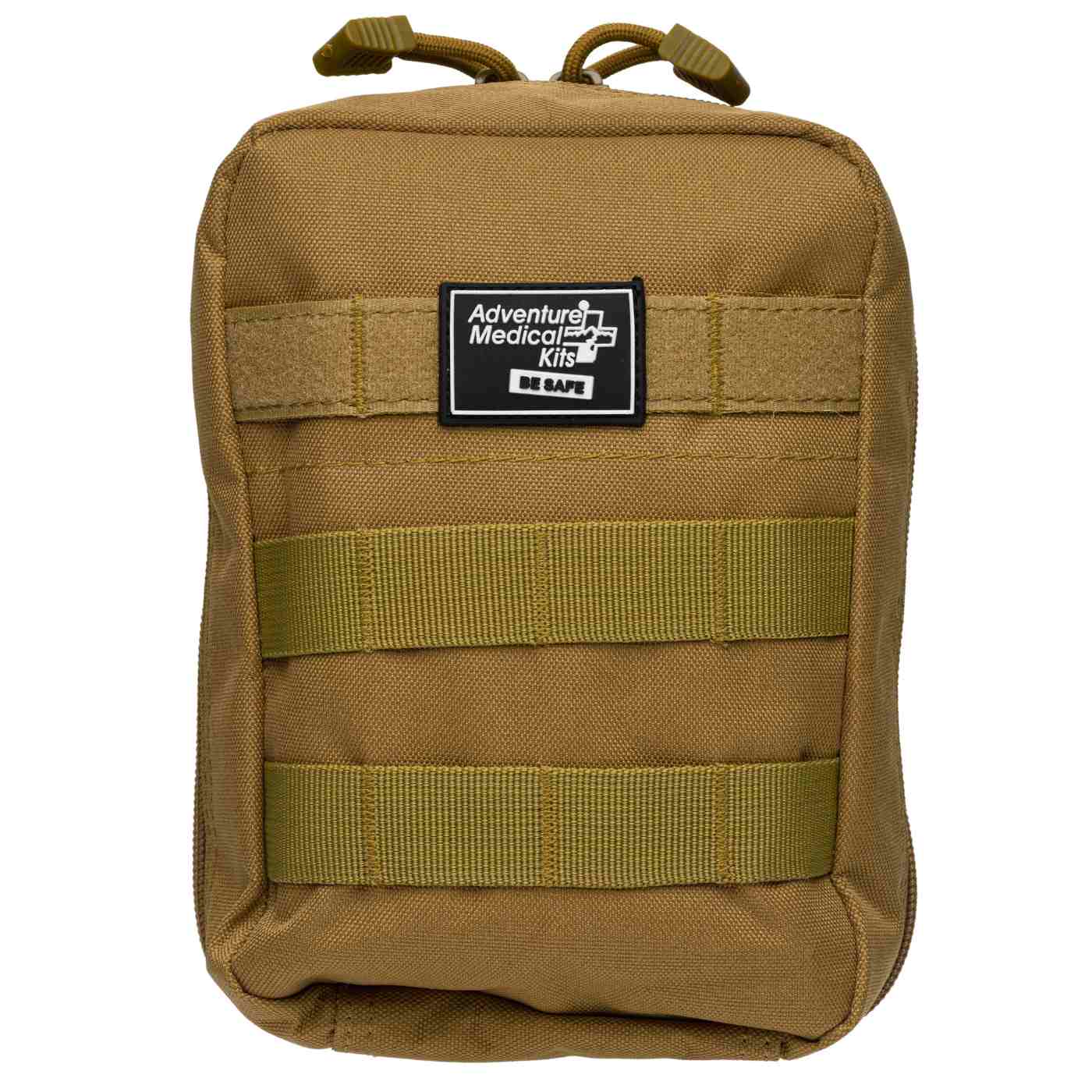
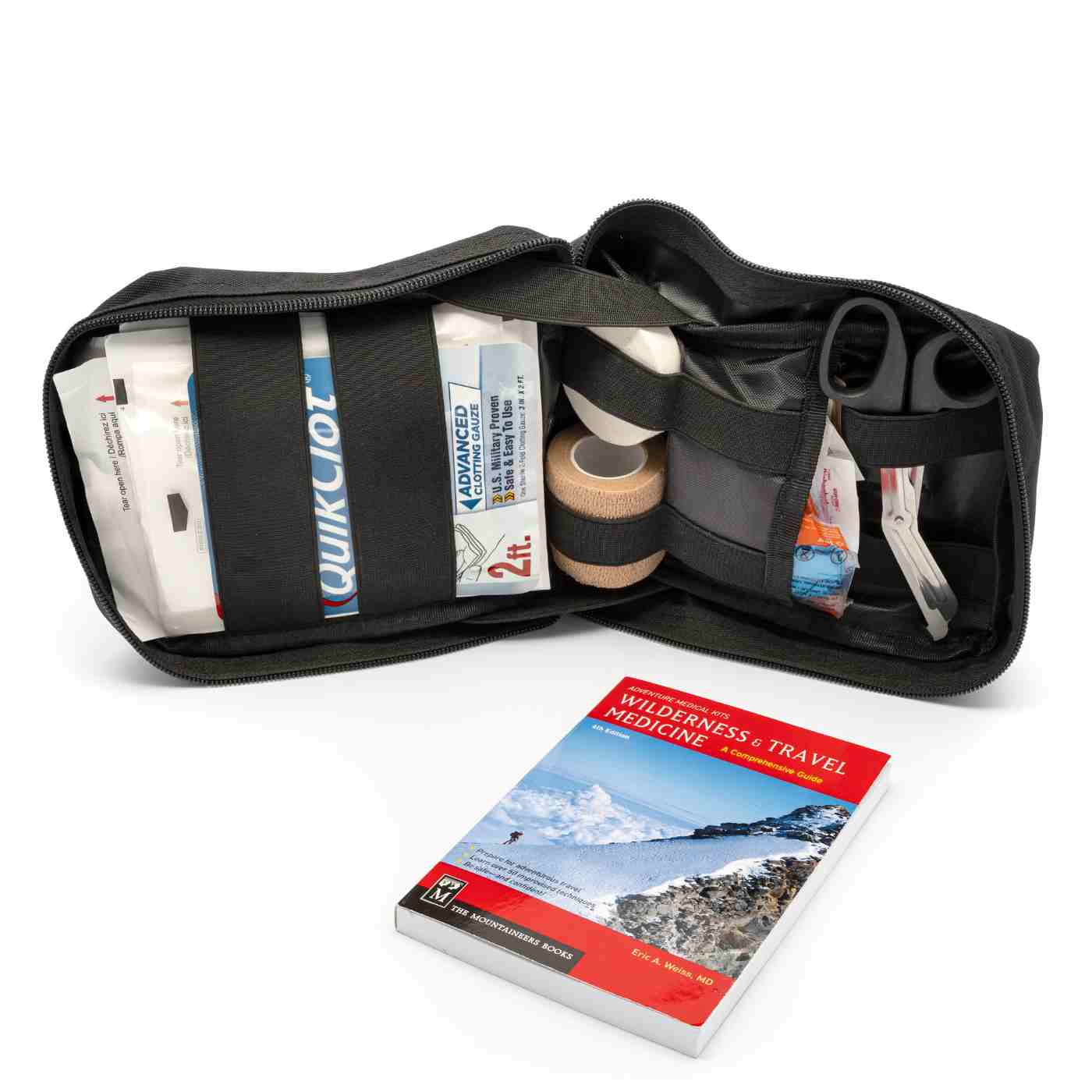
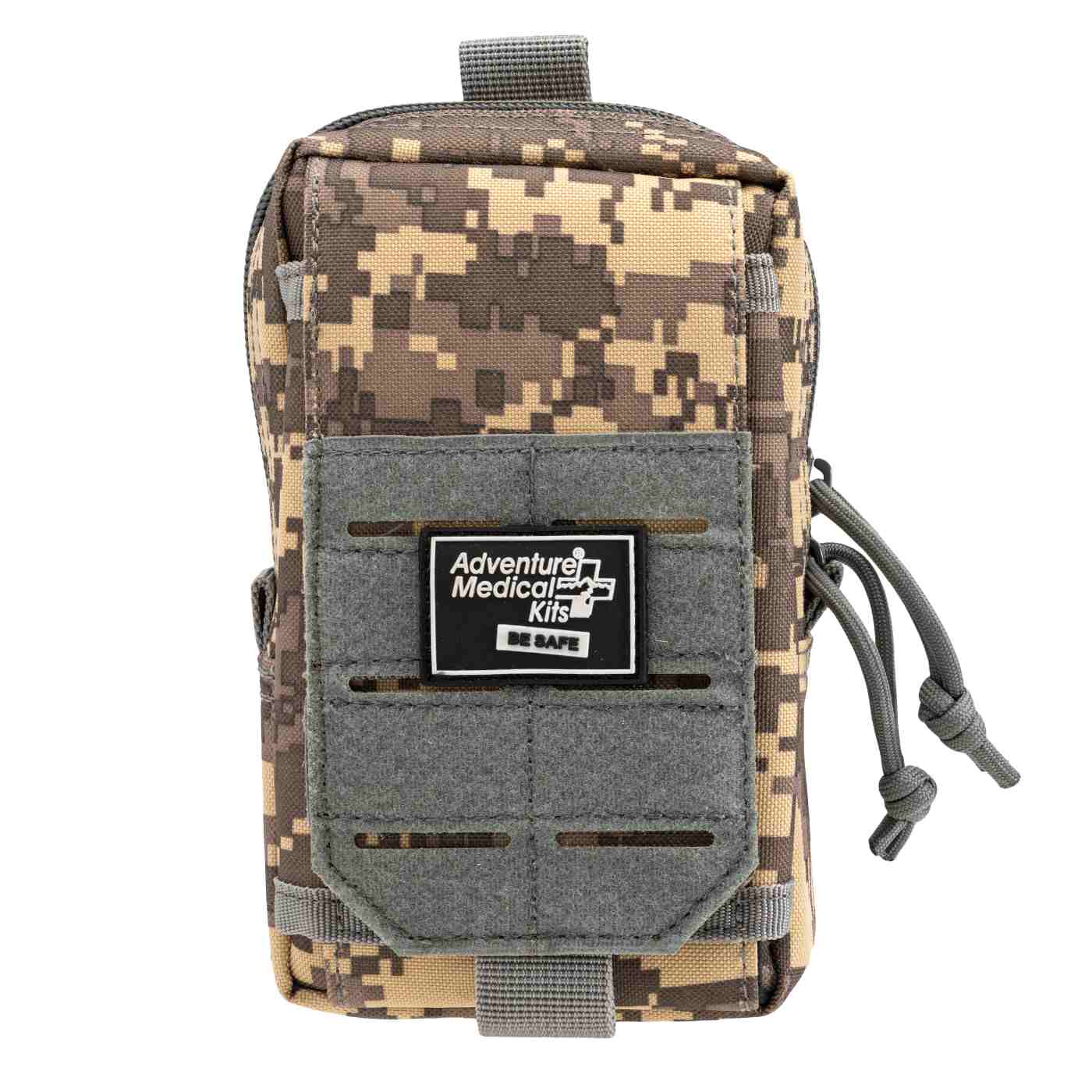
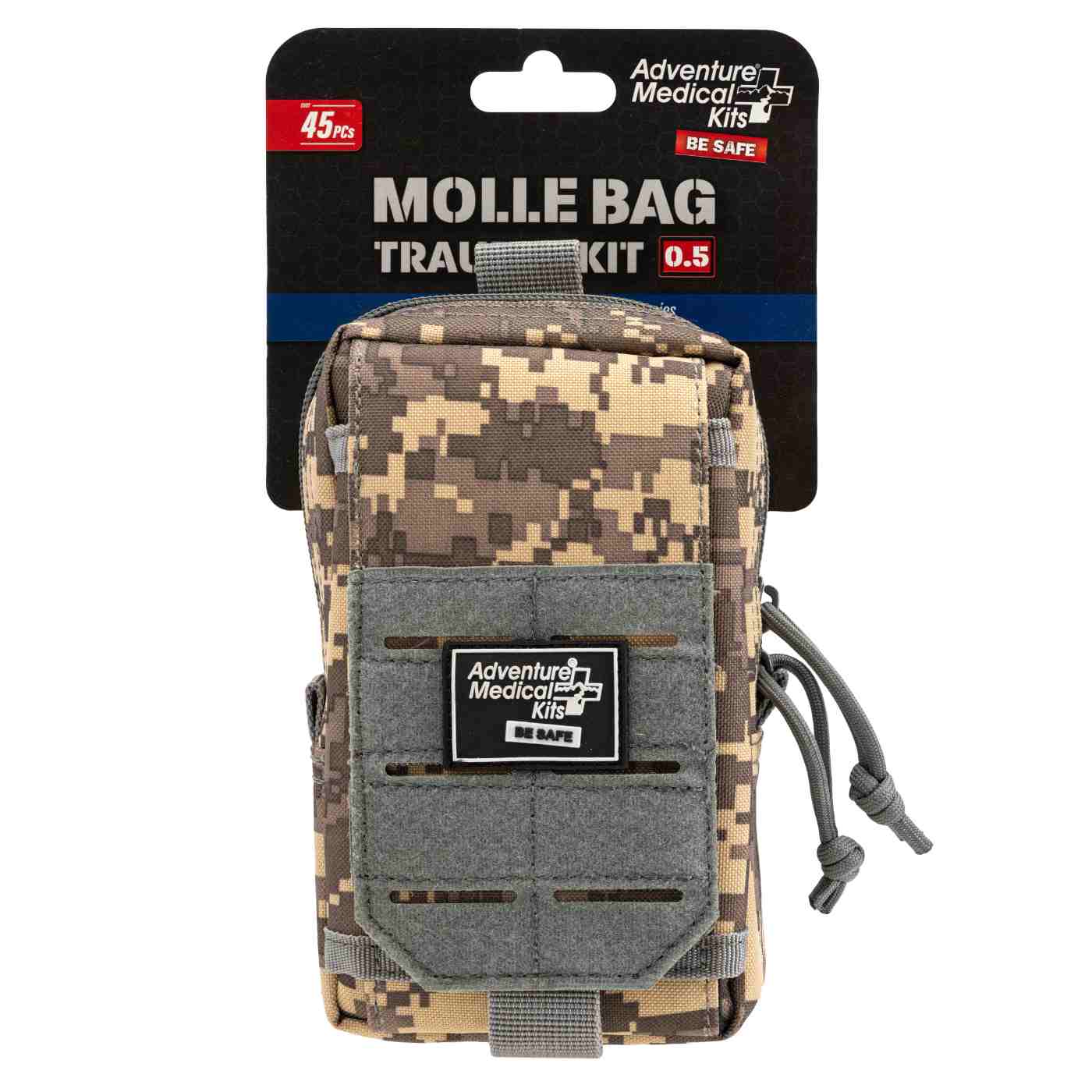
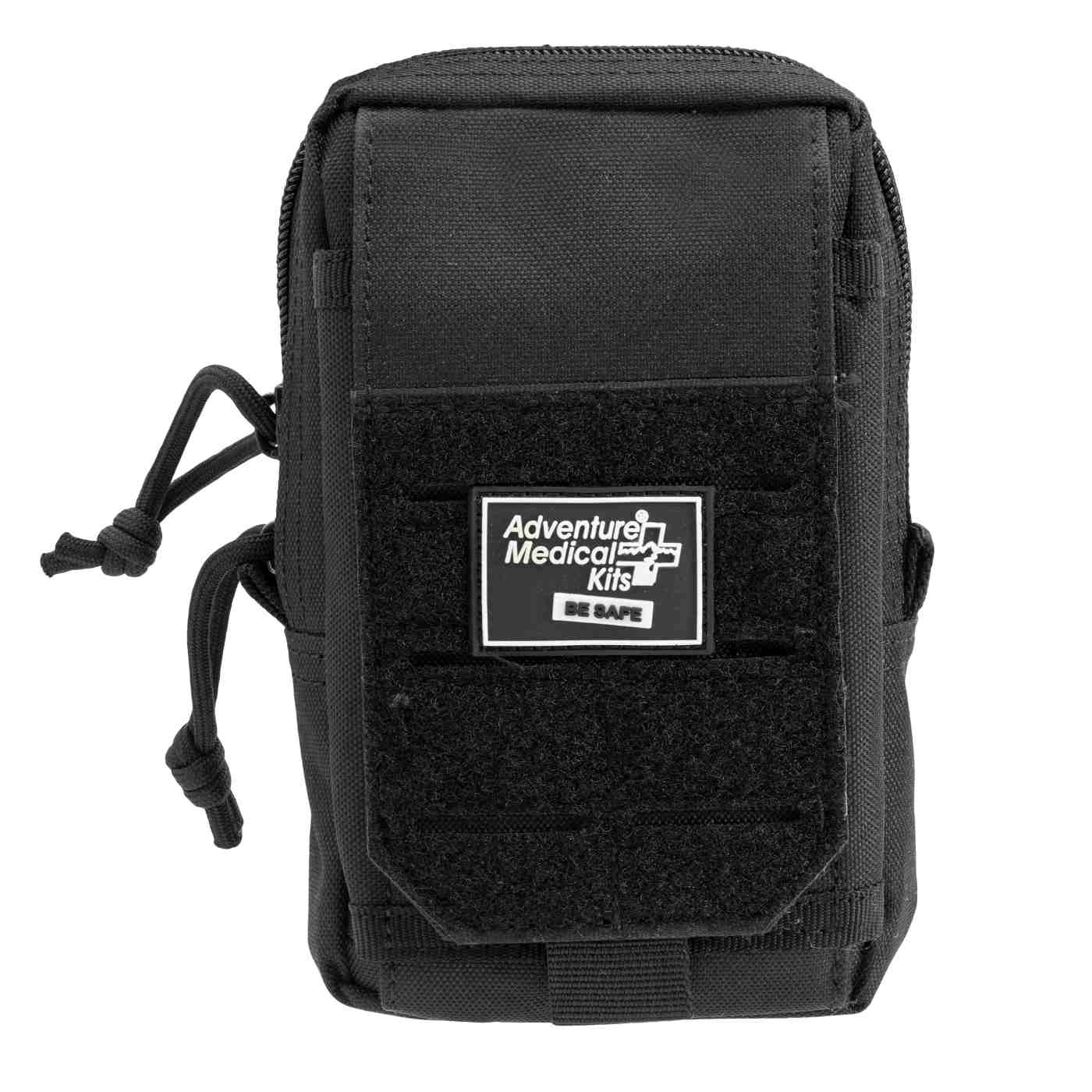
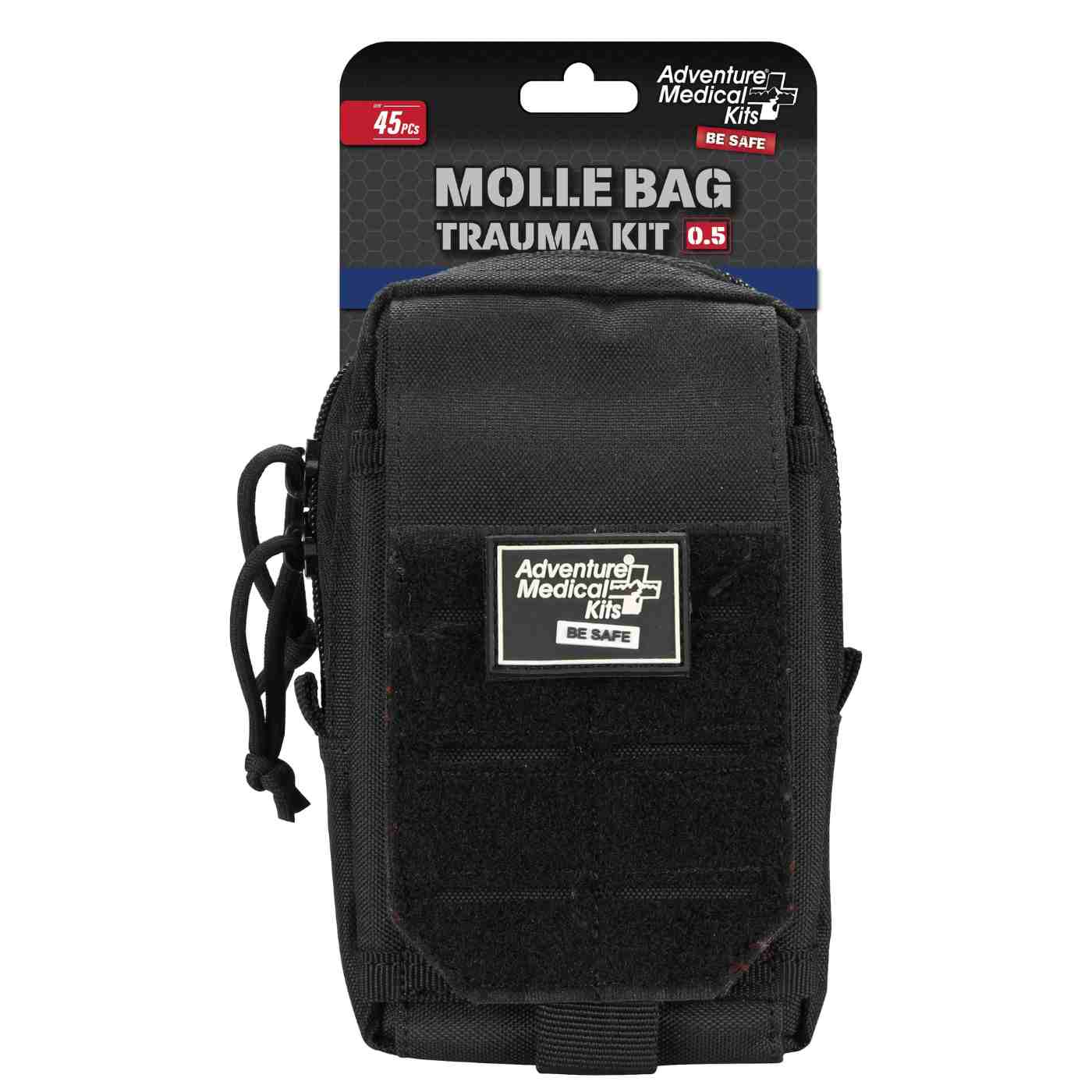
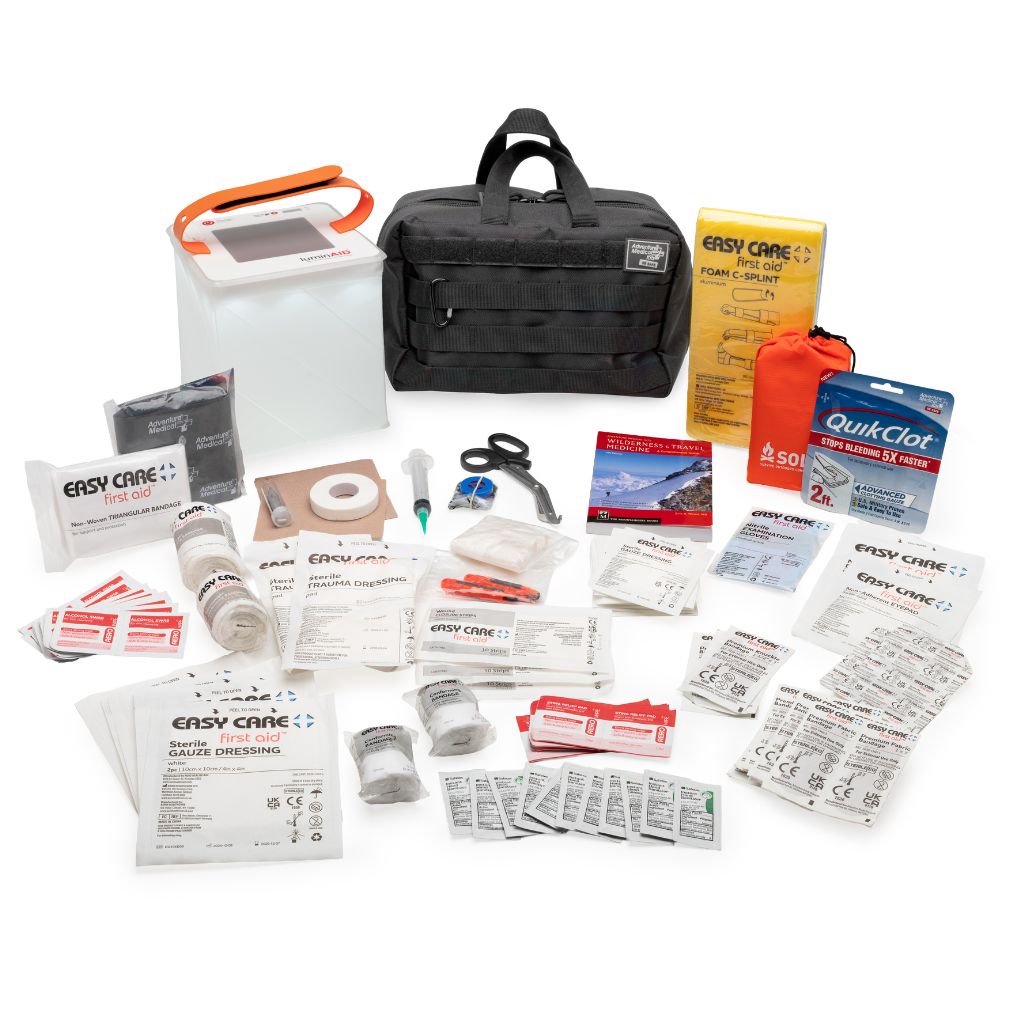
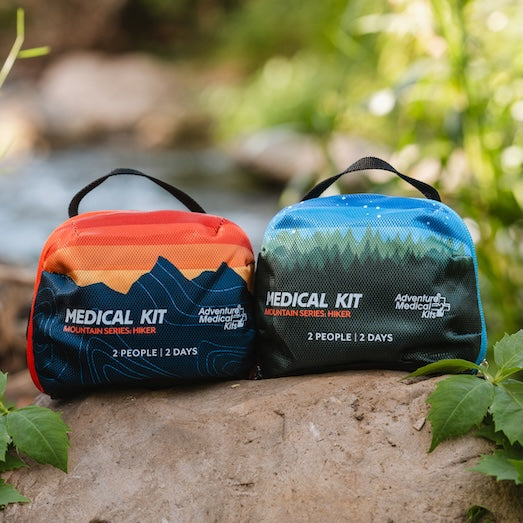
Adventure Medical Kits offers purpose-built lines that fit some of these use cases well. The Mountain Series suits general backcountry travel. The MOLLE trauma kits fit users who need secure mounting and quick access in vehicles or structured loadouts. If you are comparing sizes and layouts, this roundup of hiking first aid kits is a useful starting point.
Choose supplies by failure point
Field kits fail in predictable ways. Adhesives quit in wet weather. Gloves tear when hands are cold. Small bottles leak. Tweezers disappear into loose gear. Good selection means buying for those failure points, not just for the injury itself.
A practical example:
- Hot, dry trips: Prioritize blister care, irrigation options, sun-damaged skin protection, and containers that will not burst in heat.
- Cold or shoulder-season trips: Pack gloves that still fit over numb fingers, bandaging that works under layers, and skin protection for cracking and chafing.
- Wet, muddy, or river trips: Favor waterproof packaging, extra dressings, extra tape, and more than one way to clean hands.
- Remote trips with delayed help: Increase duplicates of the basics. Cleaning supplies, dressings, gloves, and closure support usually matter more than fancy add-ons.
Skin protection belongs in this conversation because damaged skin gets infected more easily. Insect-heavy country, repellent and itch relief can keep small bites from turning into scratched, dirty openings. I would not treat those items as luxuries on humid trips or hunts where hands are already rough and hard to keep clean.
The same selection logic applies at home during smoke events, storms, or cleanup after flooding. Families preparing supplies for those situations may also need ways to maintain healthy indoor environments while normal cleaning routines are disrupted. Different setting, same rule. Carry gear you can protect, reach fast, and still use when conditions get messy.
How to Pack and Maintain Your Prevention Kit
Buying the right supplies is only half the job. If wipes dry out, gloves crack, or bandages end up soaked, the kit looks prepared and performs poorly.
Pack for access, not for storage
The fastest way to ruin a field response is to pack medical items like spare socks. Infection prevention supplies need a home near the top of the pack, in a lid pocket, boat hatch, glove compartment, or another place that can be reached quickly without unpacking everything else.
A simple layout works well:
- Immediate-use items: Gloves, hand cleaner, gauze, and adhesive dressings in the fastest-access pocket.
- Wound support items: Tape, blister care, ointment, and cleaning supplies grouped together.
- Backup stock: Refill items deeper in the kit, sealed against moisture.
For extra protection, dry storage accessories from Survive Outdoors Longer fit well with this approach. The goal isn't more gear for its own sake. The goal is keeping critical supplies dry and intact long enough to matter.
The right item in the wrong place is the same as not having it.
A simple maintenance routine
Check the kit on a schedule, not only before big trips. A recurring calendar reminder works better than memory.
During each check:
- Inspect packaging: Replace items with torn wrappers, dried-out seals, or water damage.
- Restock used supplies: Blister pads, gloves, wipes, and adhesive bandages disappear first.
- Review expiration dates: Rotate anything nearing the end of shelf life.
- Repack by use order: Put high-frequency items back where they can be reached first.
For a useful reminder that small items often matter most, this article on the little things people forget in first aid kits is worth keeping in the maintenance routine. Tweezers, tape, gloves, and cleaning items rarely seem exciting, but those are often the supplies that solve the most common field problems.
Your Essential Infection Prevention Checklist
A prevention kit earns its keep when a dirty hand, a wet bandage wrapper, or one missed rinse turns a minor problem into a trip-changing infection. In the field, the goal is simple. Carry the smallest kit that still lets you clean hands, flush a wound, dress it, and keep the rest of your gear from contaminating it again.
Analysts at Global Market Insights expect continued growth in infection control supplies, which tracks with a broader shift toward routine preparedness. For trail use, that does not mean packing a clinic. It means choosing portable supplies that still work after rain, grit, and repeated handling.
Infection Prevention Checklist by Activity
| Supply Category | Day Hiker | Backpacker/Boater | Outdoor Guide | Family Emergency Kit |
|---|---|---|---|---|
| Personal protective equipment | A few pairs of nitrile gloves and simple eye protection if space allows | Multiple glove pairs in waterproof storage | More glove pairs for group care and backup eye protection | Gloves sized for household use and clear separation from household tools |
| Hand hygiene | Pocket hand sanitizer and a small soap option | Hand sanitizer plus a reliable hand-washing setup for camp or boat use | Redundant hand-cleaning options because several people may need care | Hand sanitizer, soap, and clearly stored cleaning items for outages or evacuations |
| Wound care | Adhesive bandages, gauze, tape, antiseptic wipes, blister supplies | More dressings, extra tape, blister care, and irrigation capability | Expanded dressings, cleaning supplies, closure support, and clear instructions | Everyday wound supplies with enough duplicates to handle multiple minor injuries |
| Disinfection and sterilization | Small disinfecting wipes for high-touch items | Surface disinfectant suitable for wet, shared gear and camp kitchen touchpoints | More cleaning capacity for tools, shared surfaces, and repeated use items | Surface cleaning and disinfection supplies for common touchpoints during home disruption |
| Water purification | Compact water treatment option | Primary and backup purification method | Group-capable water treatment planning | Stored water plus purification options for extended interruption |
| Storage and organization | One compact, easy-access pouch | Waterproof bags and separated clean versus used items | Clearly labeled compartments with fast access | Dedicated bin or bag that's easy to grab during evacuation |
| Special risk add-ons | Foot care for hot spots and blisters | Waterproof protection, motion-related care, and insect defense where relevant | Supplies matched to location, weather, and client group | Home-specific add-ons based on local hazards and family needs |
A few add-ons matter more than they first appear.
- For buggy terrain: Pack insect repellent. Fewer bites means less scratching, less broken skin, and fewer infected hot spots.
- For stings and bites: An itch-relief product helps protect skin by reducing the urge to scratch the same area raw.
- For power loss or low-light care: LuminAID lighting makes wound checks, hand cleaning, and gear sorting easier after dark.
- For evacuation kits and broader readiness: Adventure Ready Outdoor gear can help you build the rest of the system around the medical pouch.
The best checklist is the one you can follow when you are cold, tired, and working out of a wet pack. Choose items that open easily with numb fingers, survive being crushed, and tolerate a little dirt on the outside of the package. That is the gap between textbook infection control and backcountry infection control.
A well-chosen kit saves time when small injuries need quick, clean care. For trail, travel, marine, and emergency preparedness use, Adventure Medical Kits offers purpose-built options that fit real field conditions, especially when storage space is tight and organization matters.