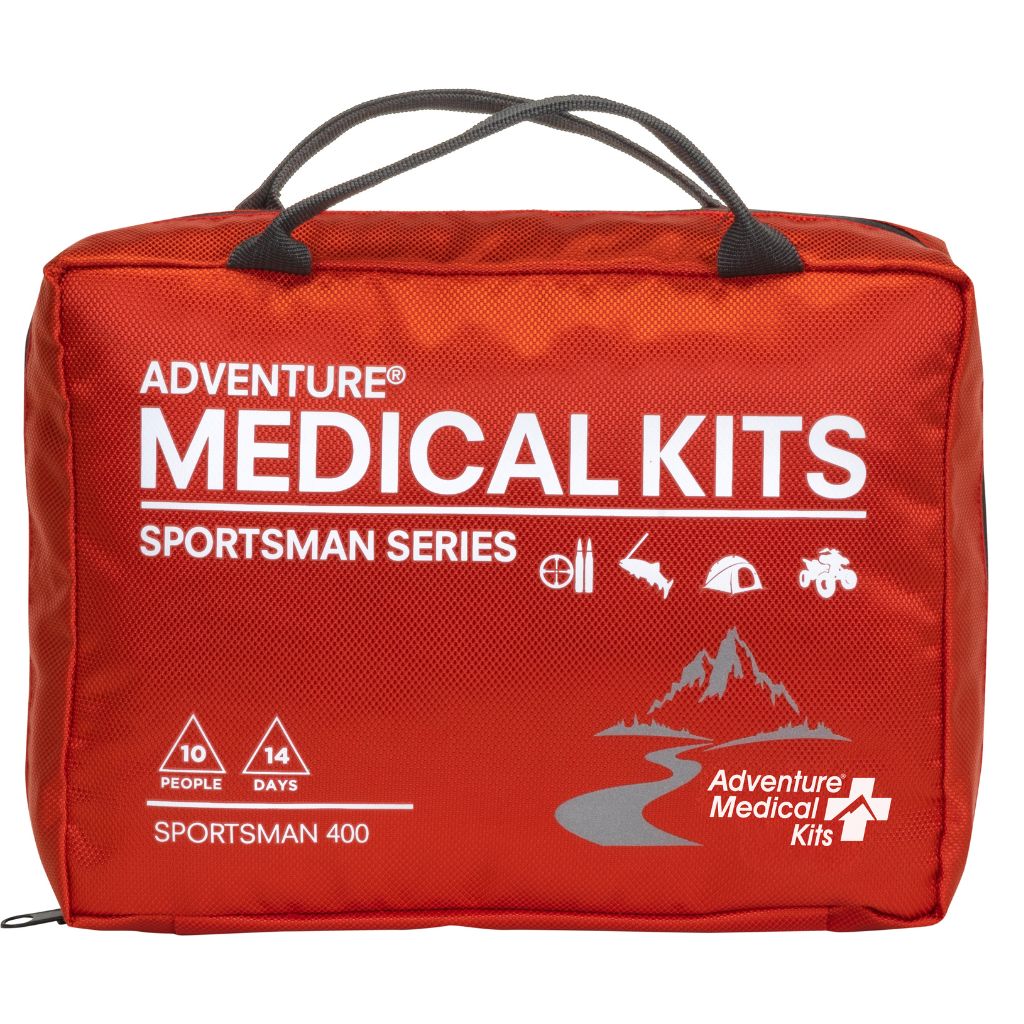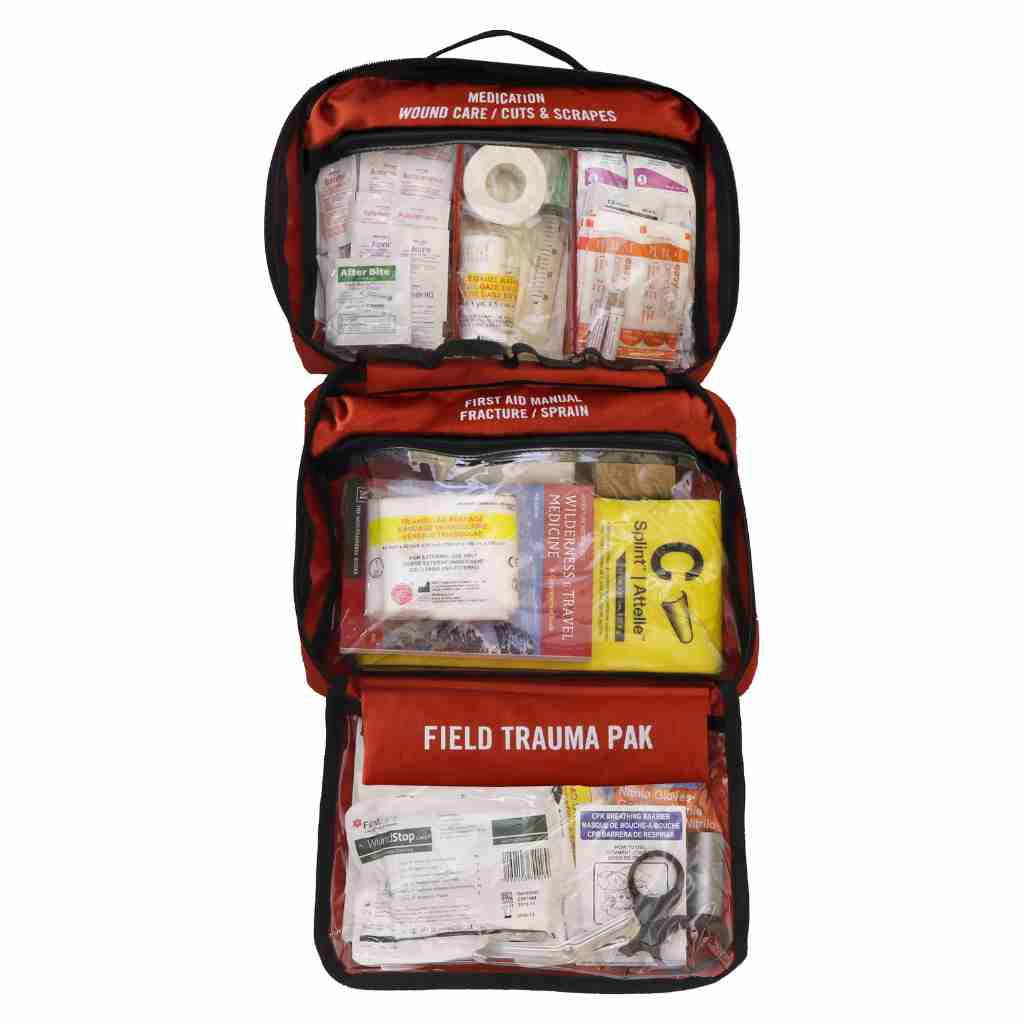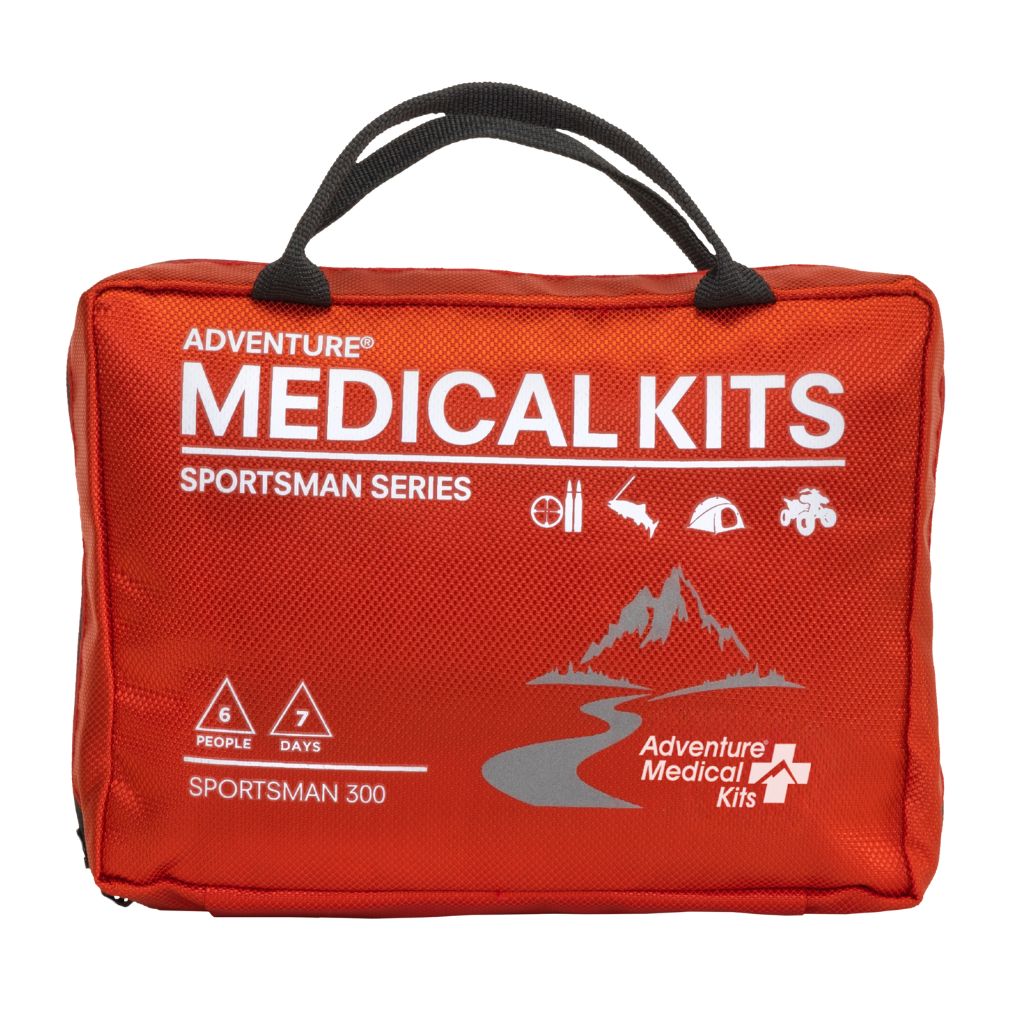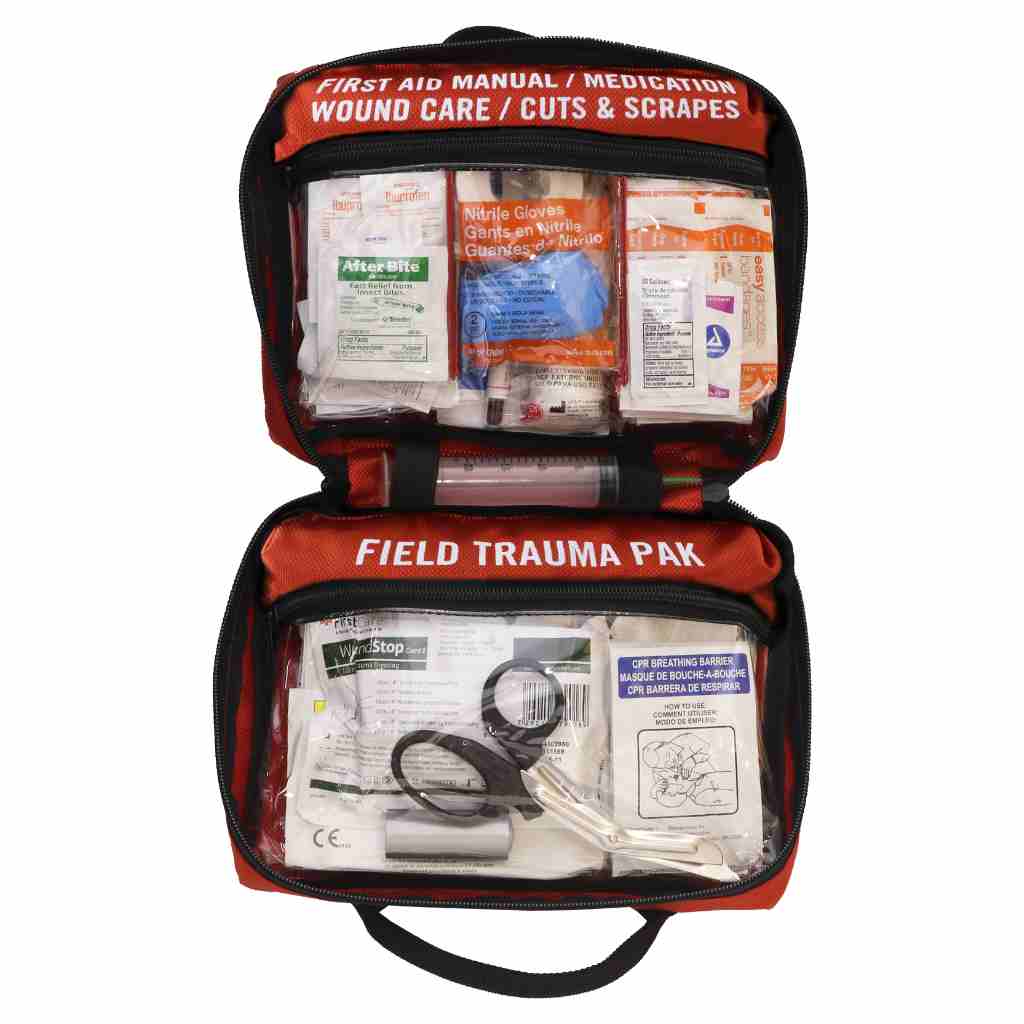


You're halfway up the trail when a knee slide turns into a raw scrape, and the decision gets simple fast. Clean it, protect it, and keep moving. Triple antibiotic cream has earned its place in outdoor kits because it's built for that exact kind of small, annoying injury, not for drama, not for rescue medicine, just for the kind of wound that can turn a good day into an infected one if it's ignored.
Table of Contents
- When to Reach for Triple Antibiotic Cream on the Trail
- Understanding the Active Ingredients and How They Work
- Step-by-Step Field Application for Minor Wounds
- The Reality of Infection Prevention and Clinical Evidence
- Infection Prevention Risks and When to Seek Professional Care
- Building a Comprehensive Adventure Medical Kit
- Proper Storage and Shelf-Life for Outdoor Gear
When to Reach for Triple Antibiotic Cream on the Trail
The right time for triple antibiotic cream is usually obvious in the field. A hiker catches a shin on a rock, a camper gets a shallow scrape from brush, or someone burns a finger on a stove edge and the skin is still intact enough to treat as a minor wound. Those are the moments when a small, external first-aid antibiotic can help keep a simple injury from becoming a bigger problem. The product is meant for minor cuts, scrapes, and burns, and the label is clear that it's for external use only after the area has been cleaned DailyMed label for triple antibiotic topical.

A clean scrape on the trail is one thing. A deep puncture from a stick, a bite, or a burn that looks serious is something else entirely, and people get into trouble by treating every wound the same way. The cream is a surface-level tool, useful when dirt, sweat, and friction are the main concerns, not when tissue damage is deep or contamination is severe. The same trail judgment that says a blister needs moleskin and not a knife should also say a complicated wound needs more than an OTC ointment.
Practical rule: if the wound is small enough to clean well, cover, and keep under observation, it belongs in the triple antibiotic cream category. If it needs packing, stitching, or evacuation, it doesn't.
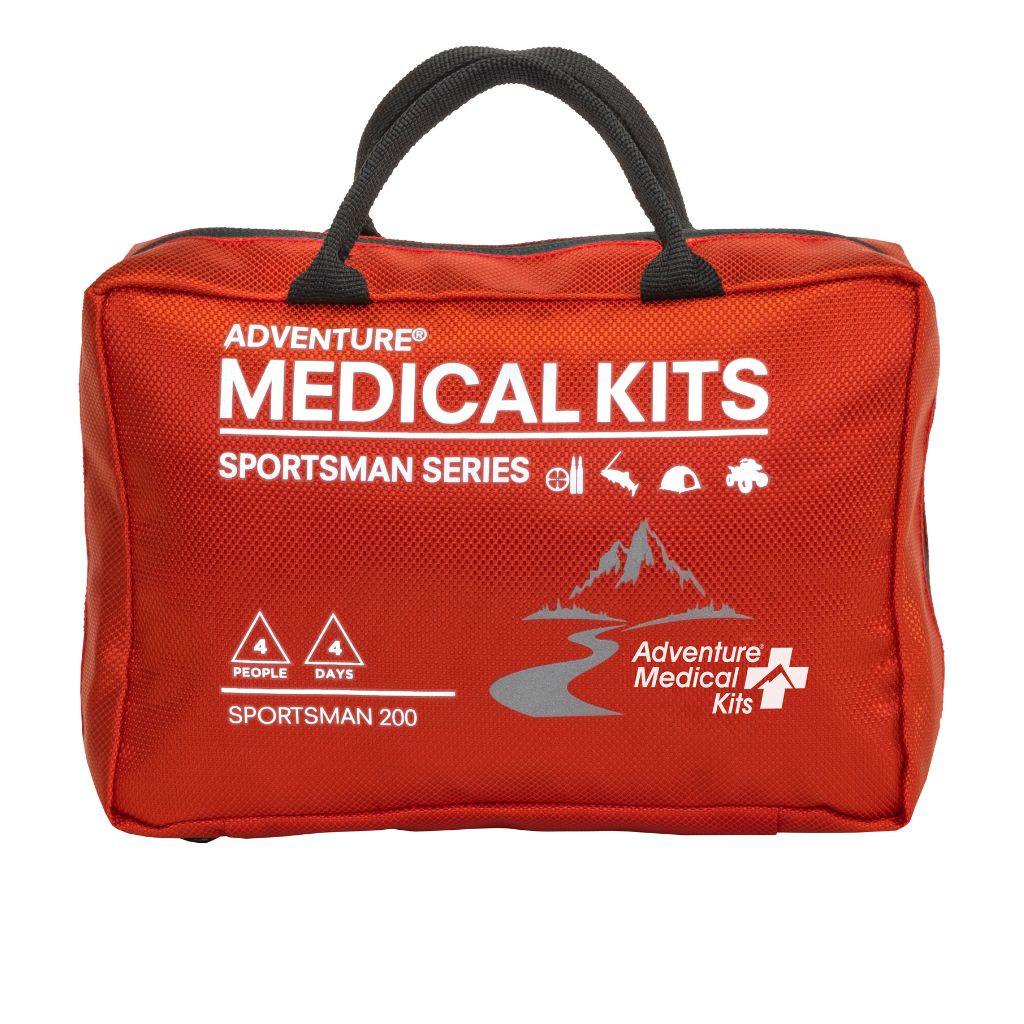
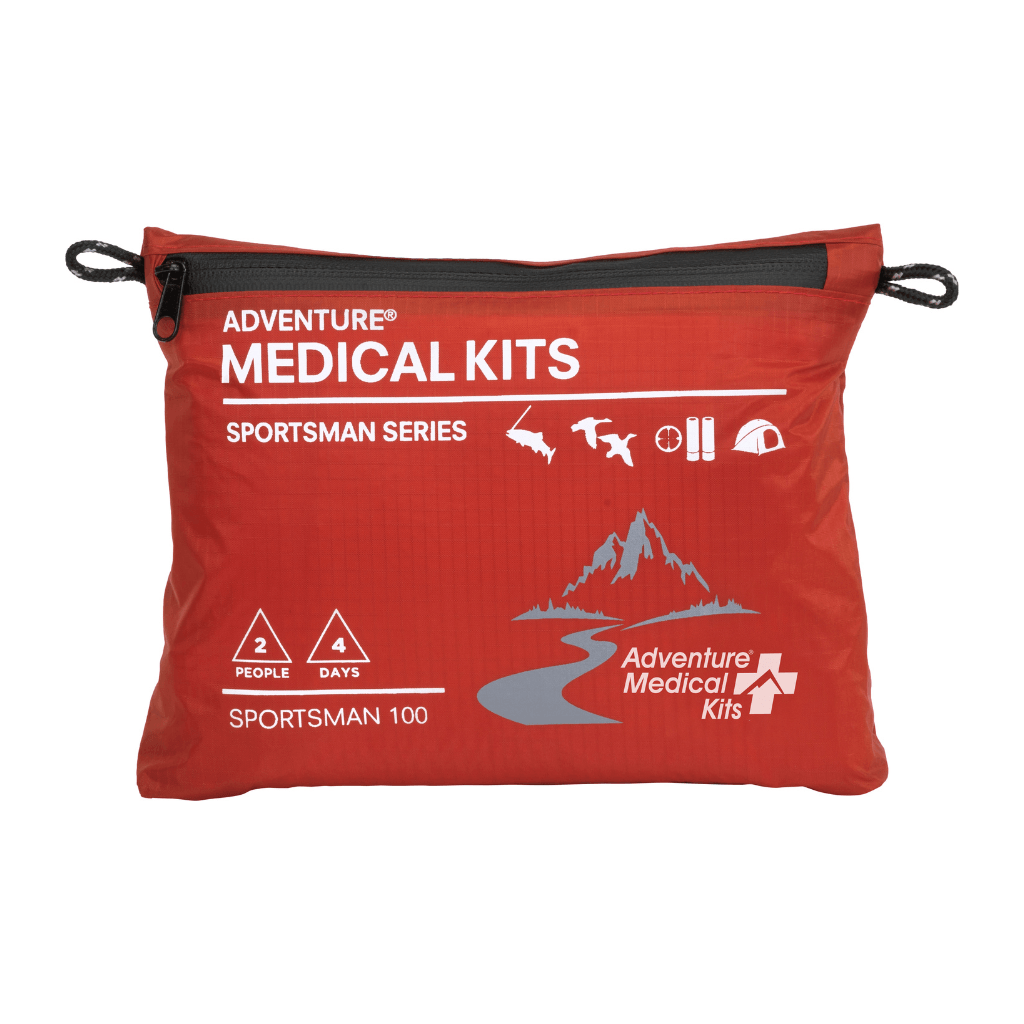
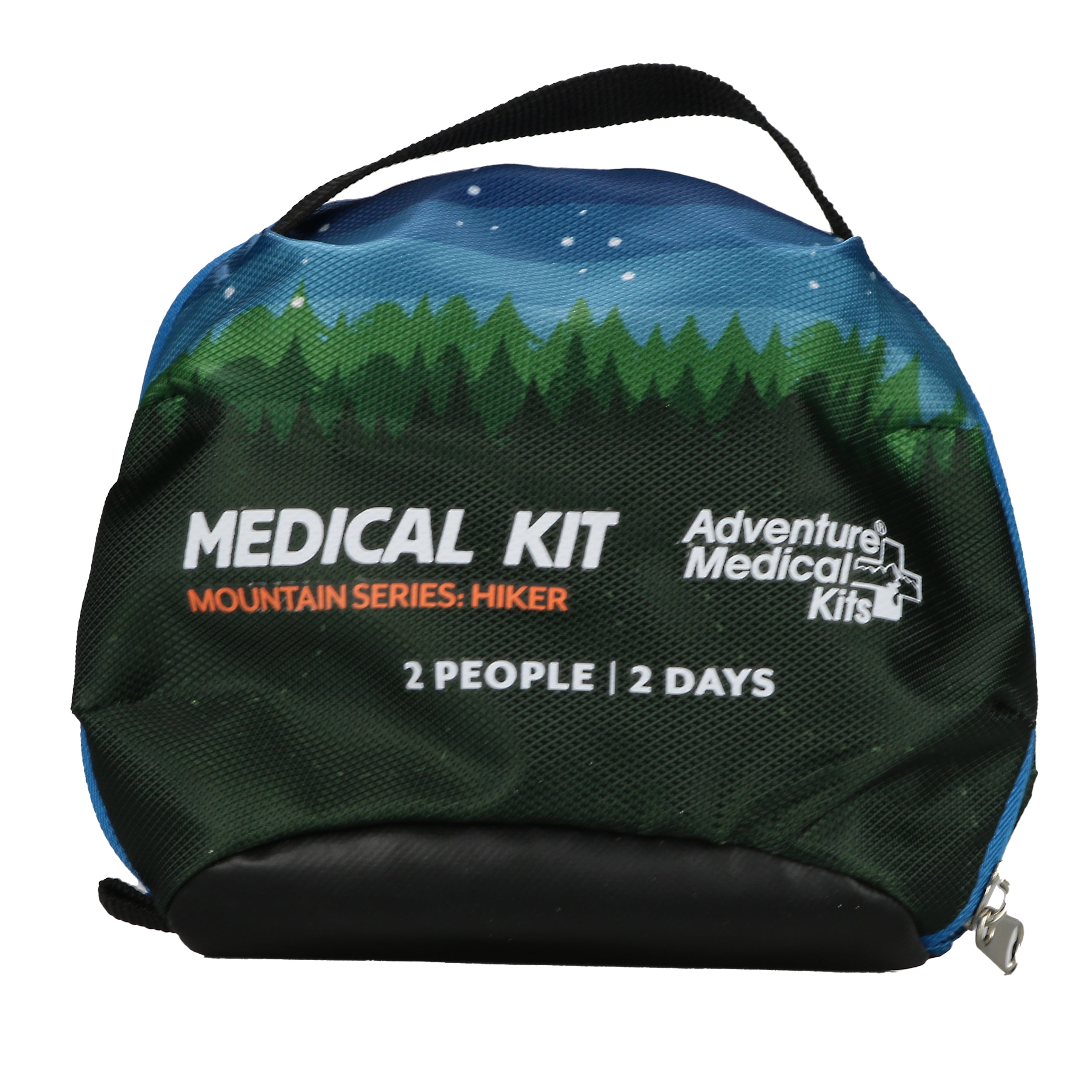
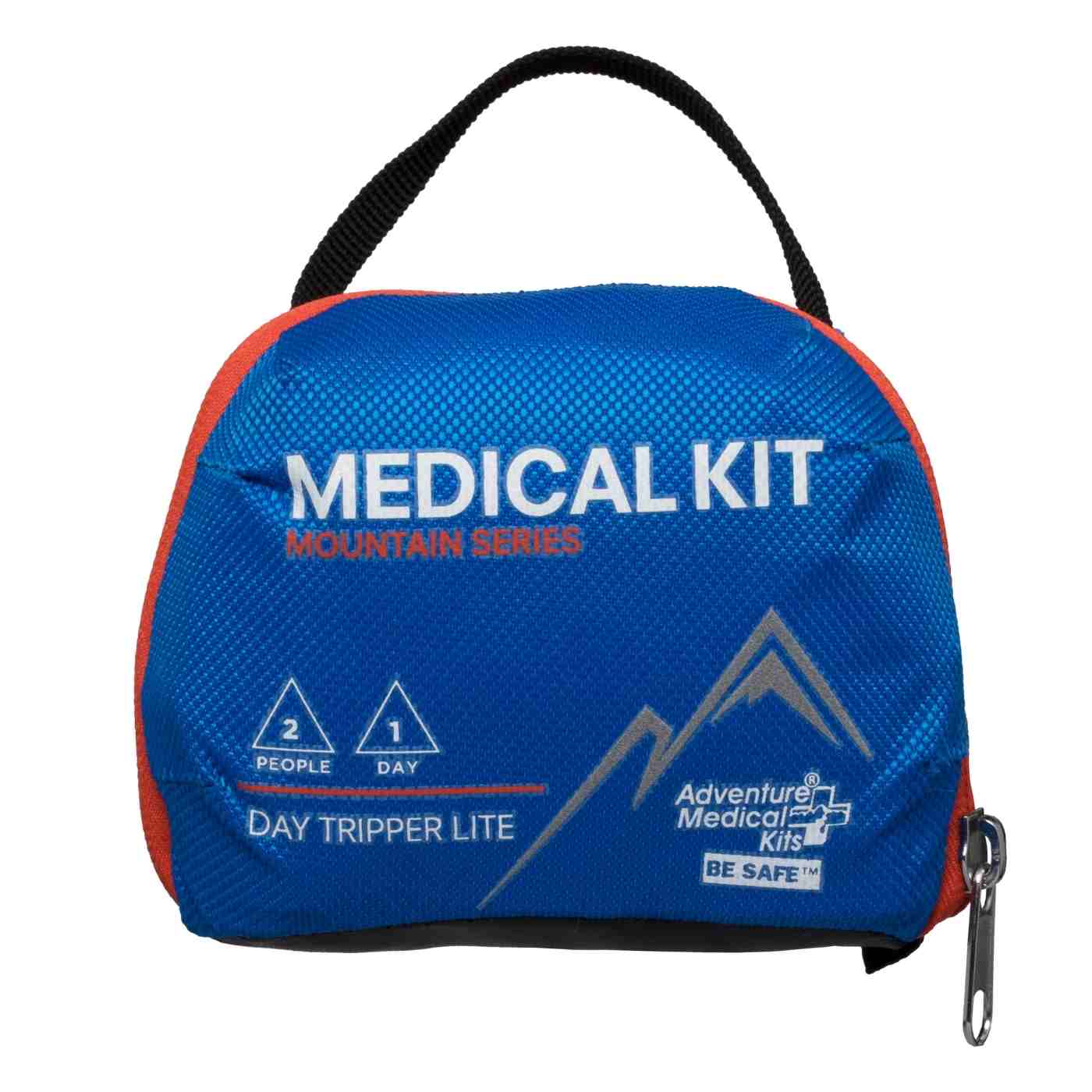
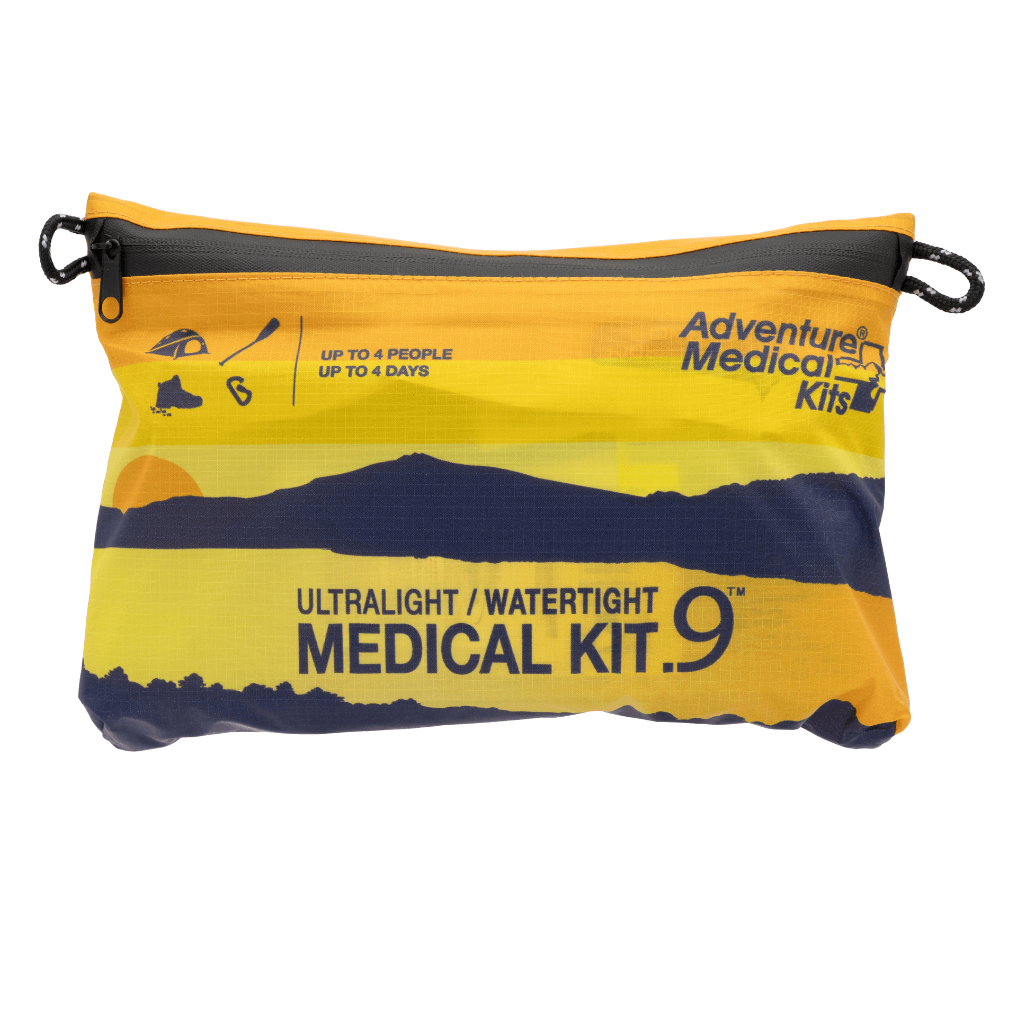
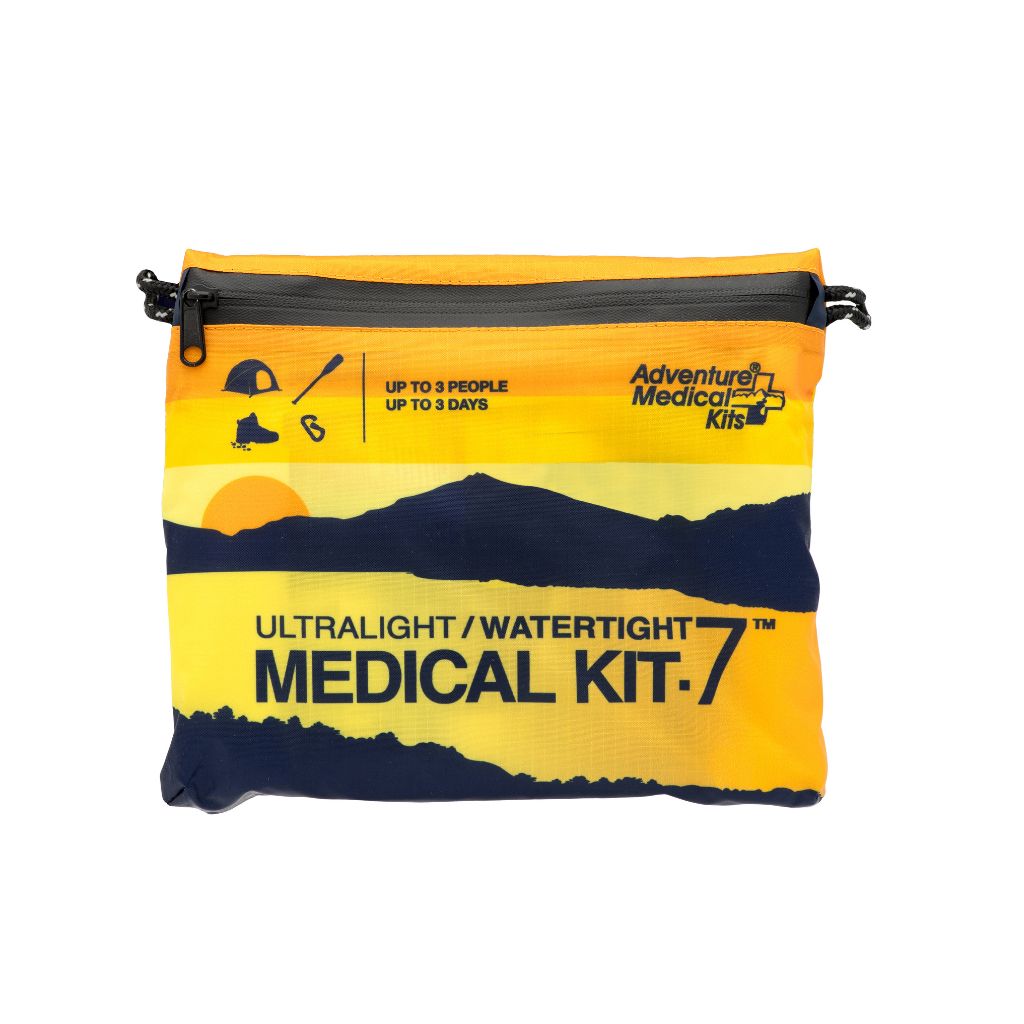
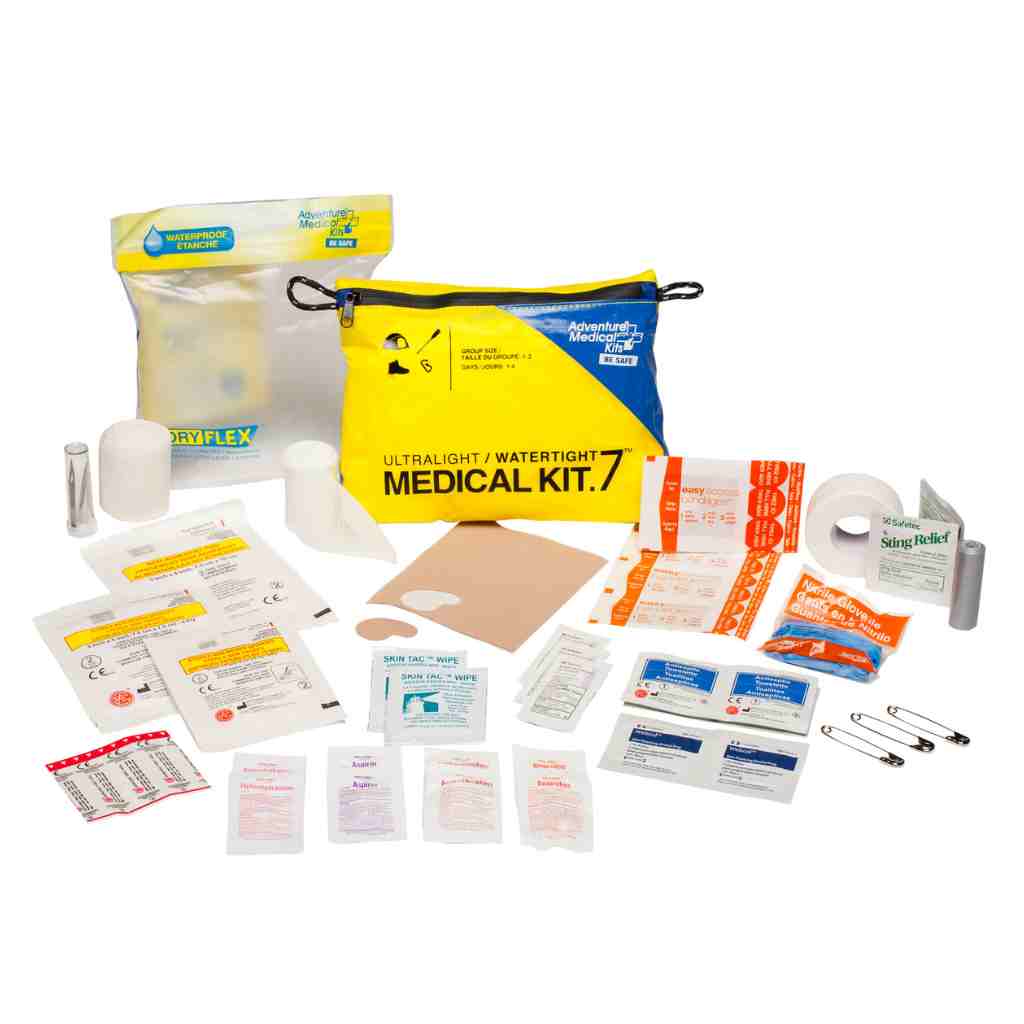
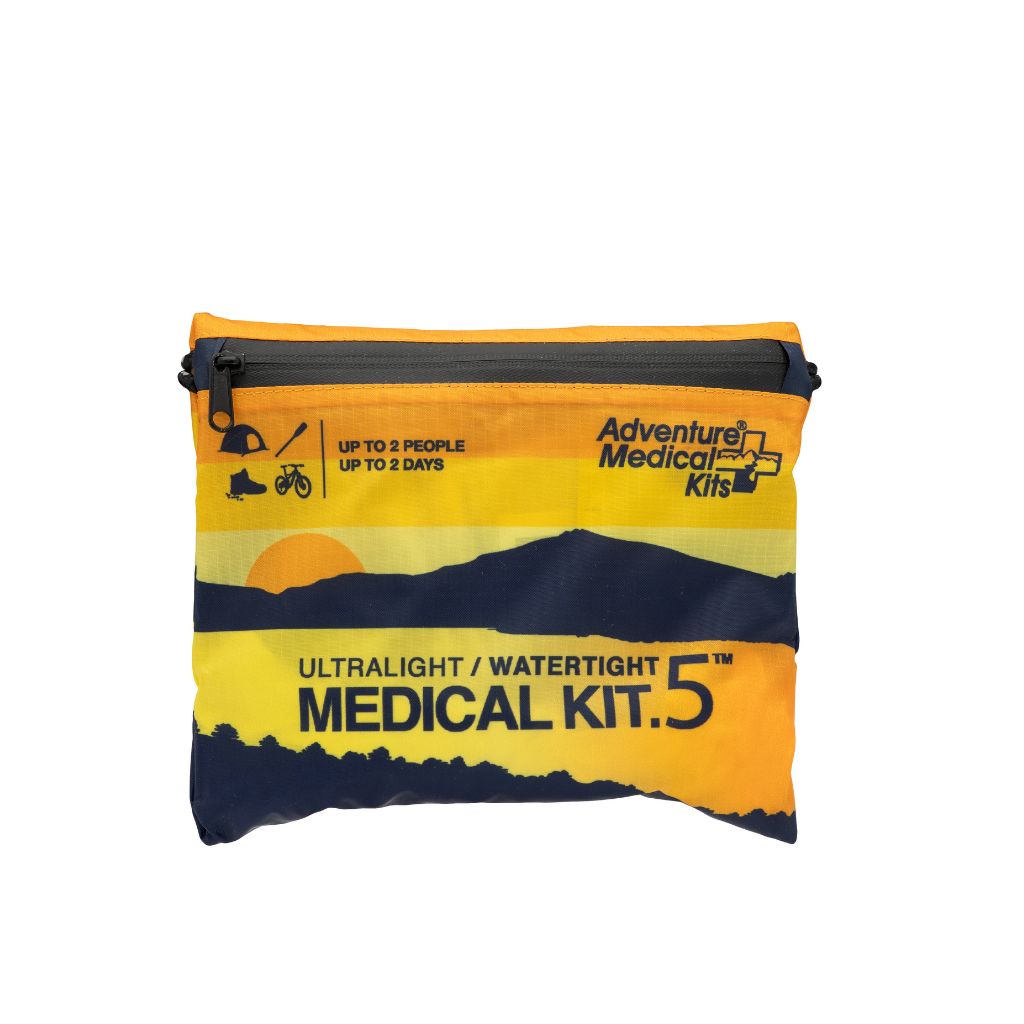
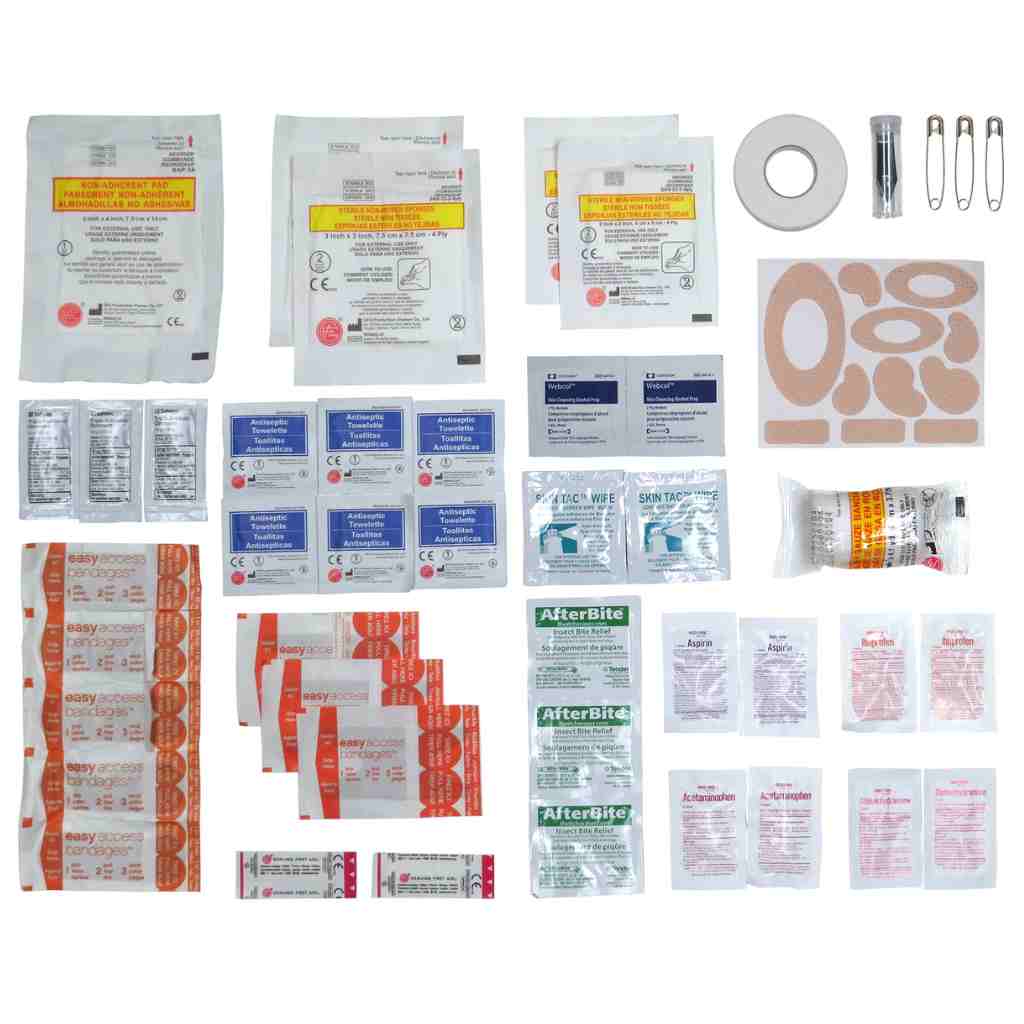
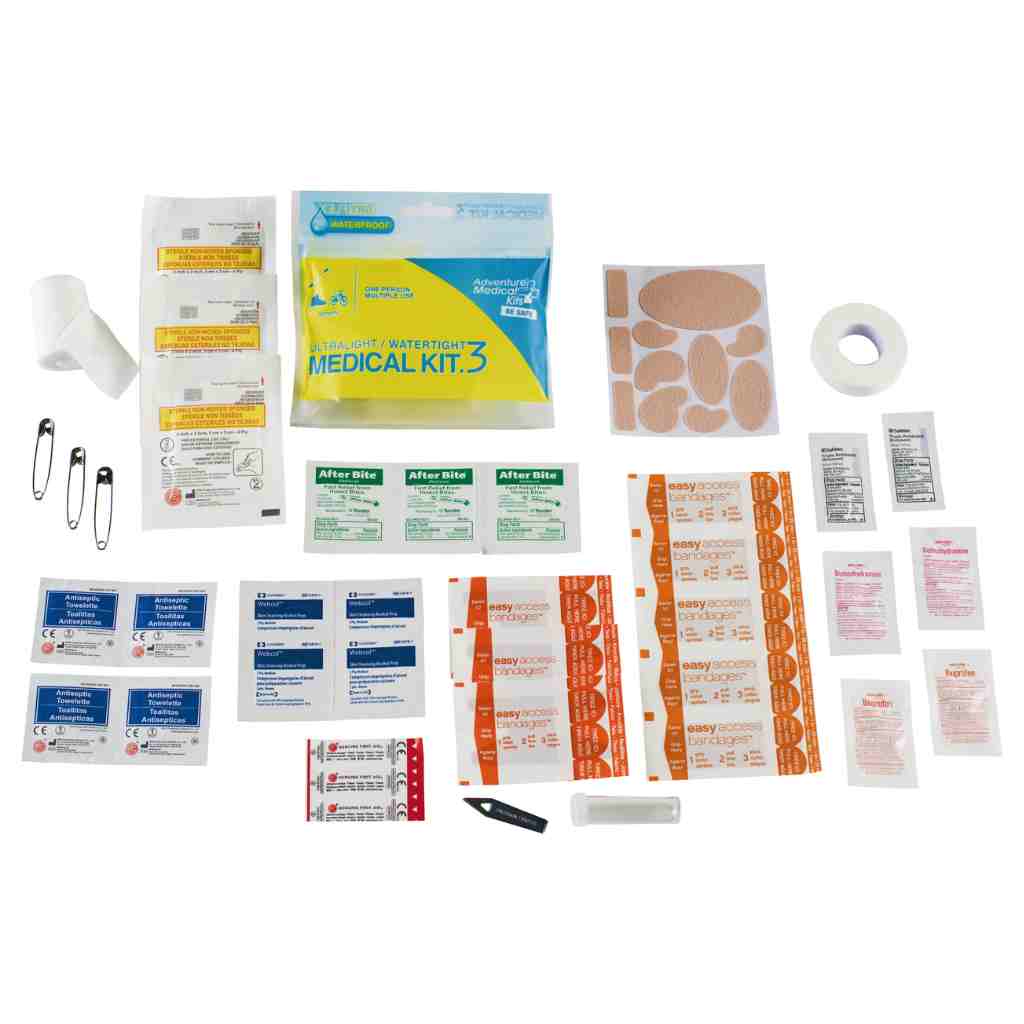
For hikers who want a compact, organized option for those minor cuts and scrapes, the How to Prevent and Treat Blisters While Hiking guide fits the same trail logic, prevent friction problems before they spiral. A small kit such as the Mini Medical Kit also fits this use case, since its included supplies are geared toward cuts, scrapes, and blisters and it clips to a pack for quick access.
Understanding the Active Ingredients and How They Work
Triple antibiotic cream is a fixed-dose combination, not a single drug trying to do everything. Standard U.S. drug labels list bacitracin zinc 400 units/g, neomycin sulfate 3.5 mg/g, and polymyxin B sulfate 5,000 units/g DailyMed label for triple antibiotic topical. That matters because each ingredient pushes against bacteria in a different way, which is why the ointment is useful on small contaminated wounds where the exact organism isn't known.
Why the three-drug mix matters
Bacitracin works against cell-wall synthesis, polymyxin B disrupts bacterial membranes, and neomycin interferes with protein synthesis DailyMed label for triple antibiotic topical. In plain trail terms, that gives the product broader coverage than a single-agent topical antibiotic for the kind of mixed contamination that comes from dirt, sweat, and rubbed skin. The formulation's history is old, too, first marketed in the 1950s, with the Neosporin name first used in commerce in August 1952 historical reference.
That longevity doesn't mean it's magical. It means the formula hit a practical sweet spot for minor first aid, simple to use, compact to pack, and familiar enough that people know what to do with it. By 2023, the same drug combination was still in active U.S. use, ranking as the 367th most commonly prescribed medication with more than 15,000 prescriptions historical reference. That's a reminder that a mid-century first-aid staple still shows up in modern practice.
For a resource that shows a related eye-ointment formulation and helps illustrate how the same core ingredients appear in different products, the Bandana Rx triple antibiotic ointment page is a useful comparison point. The delivery form changes, but the field logic stays the same, small topical coverage for minor surface injuries.
Step-by-Step Field Application for Minor Wounds
A clean application matters more than a thick smear. Trail grime, dirty fingers, and rushed bandaging do more damage than people expect, so the process should stay simple and controlled. The label directions are straightforward, apply a small amount, about the size of a fingertip, 1 to 3 times daily after cleaning the area DailyMed label for triple antibiotic topical.

Clean, dry, and keep your hands out of it
Start with potable water or an antiseptic wipe, then remove grit before anything else goes on the skin. Dry the area gently, because cream over standing moisture turns into a mess and doesn't stay where it should. If the wound is on a busy part of the body, a sterile bandage adds a barrier against dirt, pack straps, and repeated rubbing.
Here's the field routine that usually holds up best:
- Clean first: rinse the wound or wipe away visible debris before applying anything.
- Use a small amount: a fingertip-sized dab is enough for a minor scrape.
- Cover when needed: a sterile bandage helps protect the treated area during movement.
- Watch the wound: if it's getting redder, more painful, or wetter, stop assuming it's routine.
The practical value is simple. Clean skin gives the ointment a chance to do its job, and a bandage keeps the site from getting recontaminated every time a shoulder strap shifts or a hand brushes across it. For road rash-style abrasions, the Best Way to Treat Mountain Bike Road Rash guidance lines up with the same basics, wash, protect, and avoid overhandling the wound.
A small kit such as Adventure Dog Wipes, Pkg./8 can also keep mess from spreading in camp when gear, paws, or hands need a quick clean, which matters because dirty hands are a common way people ruin a decent wound treatment.
The Reality of Infection Prevention and Clinical Evidence
The strongest case for triple antibiotic cream is not that it wipes out infection risk. It's that it offers a small but measurable preventive benefit for minor wounds when used correctly. A systematic review and meta-analysis of uncomplicated wounds found fewer infections versus placebo, with a pooled risk ratio of 0.57, an absolute risk reduction of 3.1%, and a number needed to treat of 32.4 systematic review.
That sounds useful, and it is, but the numbers tell the story. A benefit that modest means the cream is best thought of as one layer of protection, not the main event. The trail work still starts with cleaning the wound well, getting the debris out, and monitoring it over the next day or two. A 2018 meta-analysis summarized by Medical News Today described the effect as only barely more effective than placebo, which fits the same overall picture of limited but real value Medical News Today summary.
What the evidence changes in practice
The evidence changes expectations. People sometimes carry topical antibiotics as if they were a guarantee, then skip the basics because the tube is in the kit. That's backwards. The ointment can help in a small scrape or shallow abrasion, but it can't salvage dirty wound care, and it won't turn a serious injury into a routine one.
The cream is a finishing step, not the first decision.
That's the right mindset in the backcountry. Use it on the injuries it fits, keep the wound clean, and pay attention to the next few hours. The moment the wound starts looking worse instead of calmer, the tube stops being the answer.
Infection Prevention Risks and When to Seek Professional Care
The biggest mistake outdoors is using triple antibiotic cream where it does not belong. The product is for small, surface-level wounds, and the label says to stop if the condition persists or gets worse or if treatment is needed for longer than 1 week DailyMed label for triple antibiotic topical. WebMD also warns to stop if a rash develops, if the skin looks worse, or if the cream has been used for seven days or longer WebMD guidance.

When not to use it
Deep puncture wounds, serious burns, contaminated injuries, and large areas of skin are poor matches for an OTC topical antibiotic. The ointment fits minor scrapes and shallow abrasions, not injuries that may trap bacteria deep in tissue or need more involved care. If a wound keeps worsening after cleaning and bandaging, it should leave the “wait and see” category.
The allergy issue is real too. Neomycin has a long reputation for skin sensitivity in some users, so a rash is not something to brush off on a multi-day trip. When the skin starts itching, swelling, or looking angrier after treatment, stop applying it and switch to wound care that does not keep irritating the area.
A simple field rule helps here:
- Minor, clean, shallow injury: the cream can fit.
- Puncture, bite, deep burn, or spreading redness: it does not fit.
- Any worsening after home care: get professional evaluation.
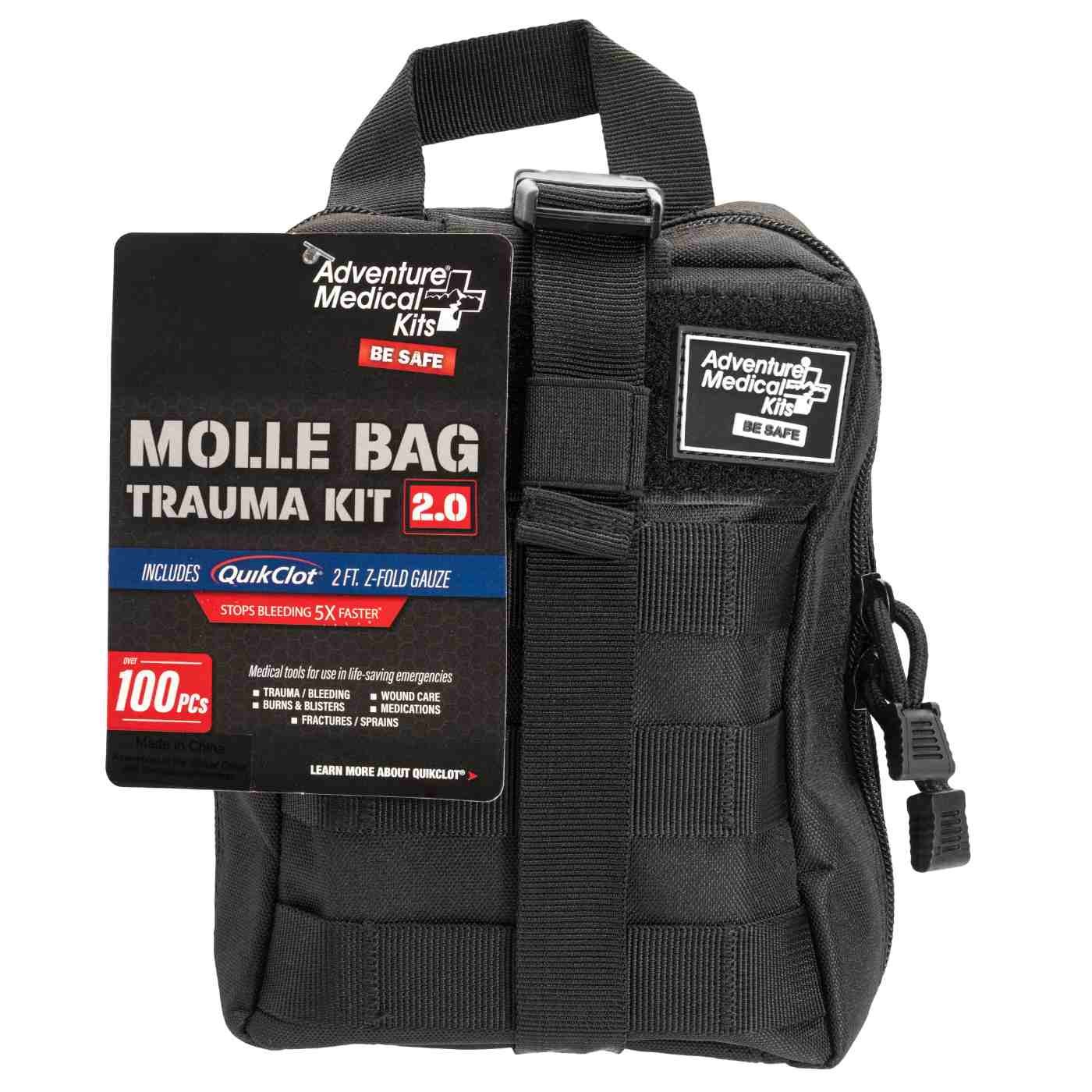
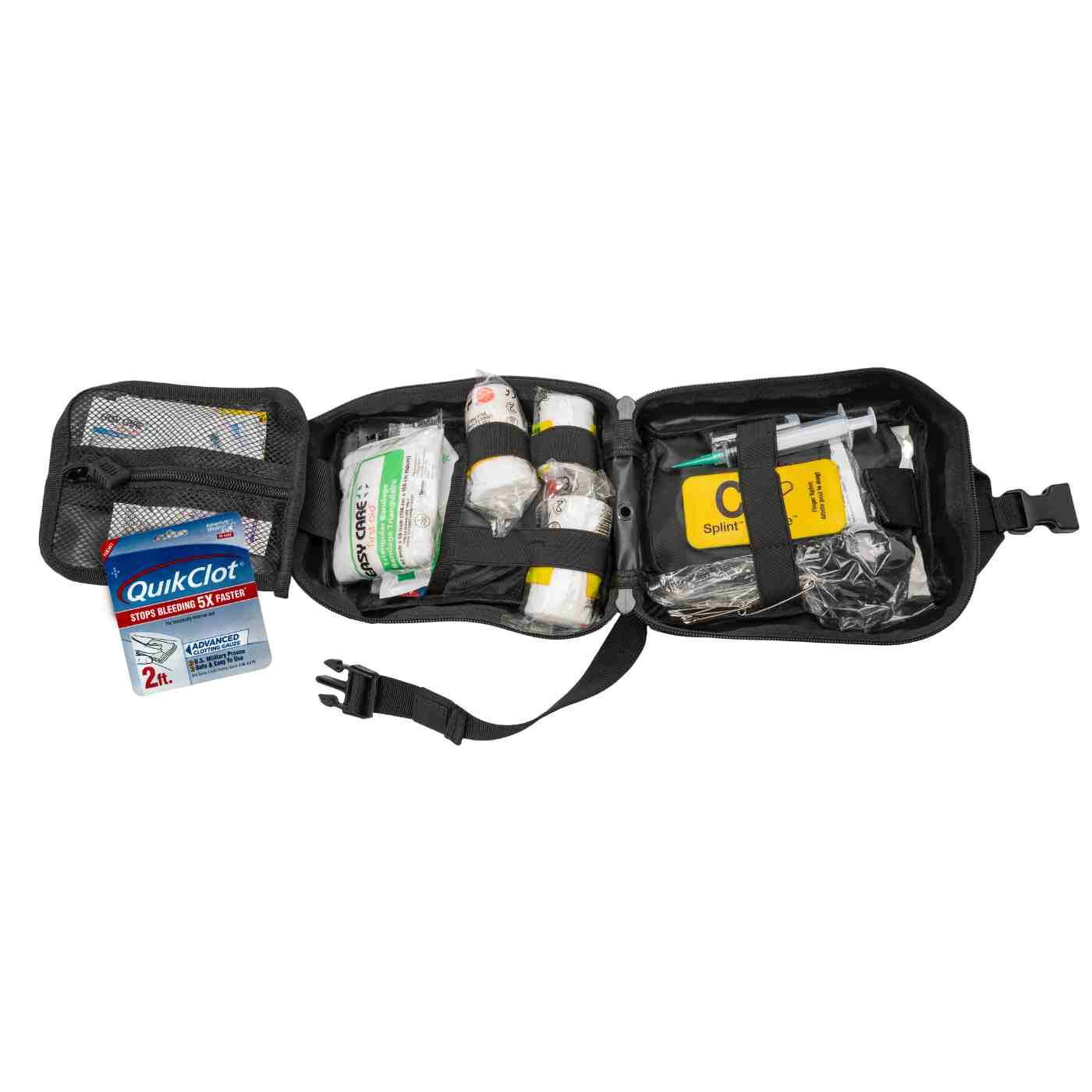
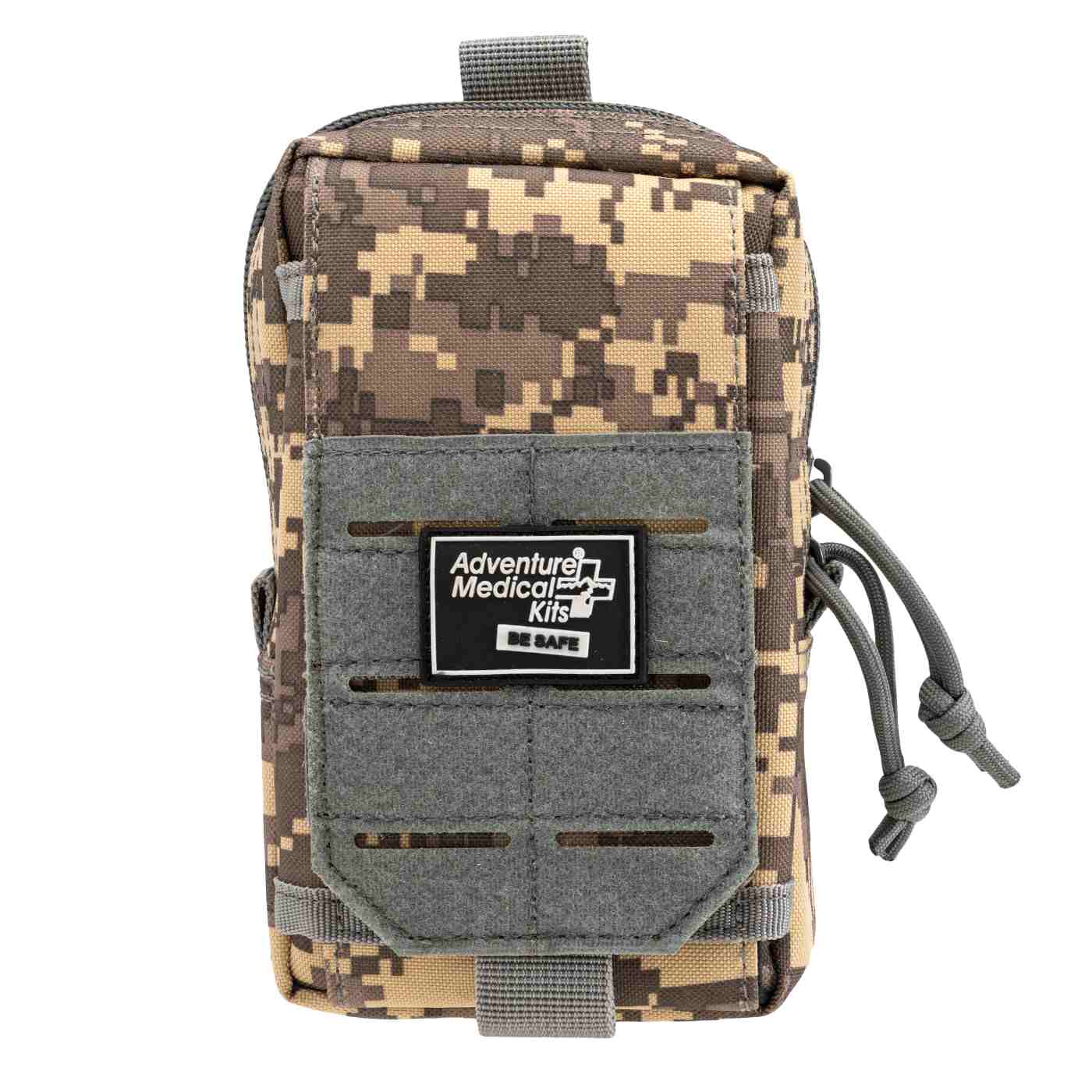
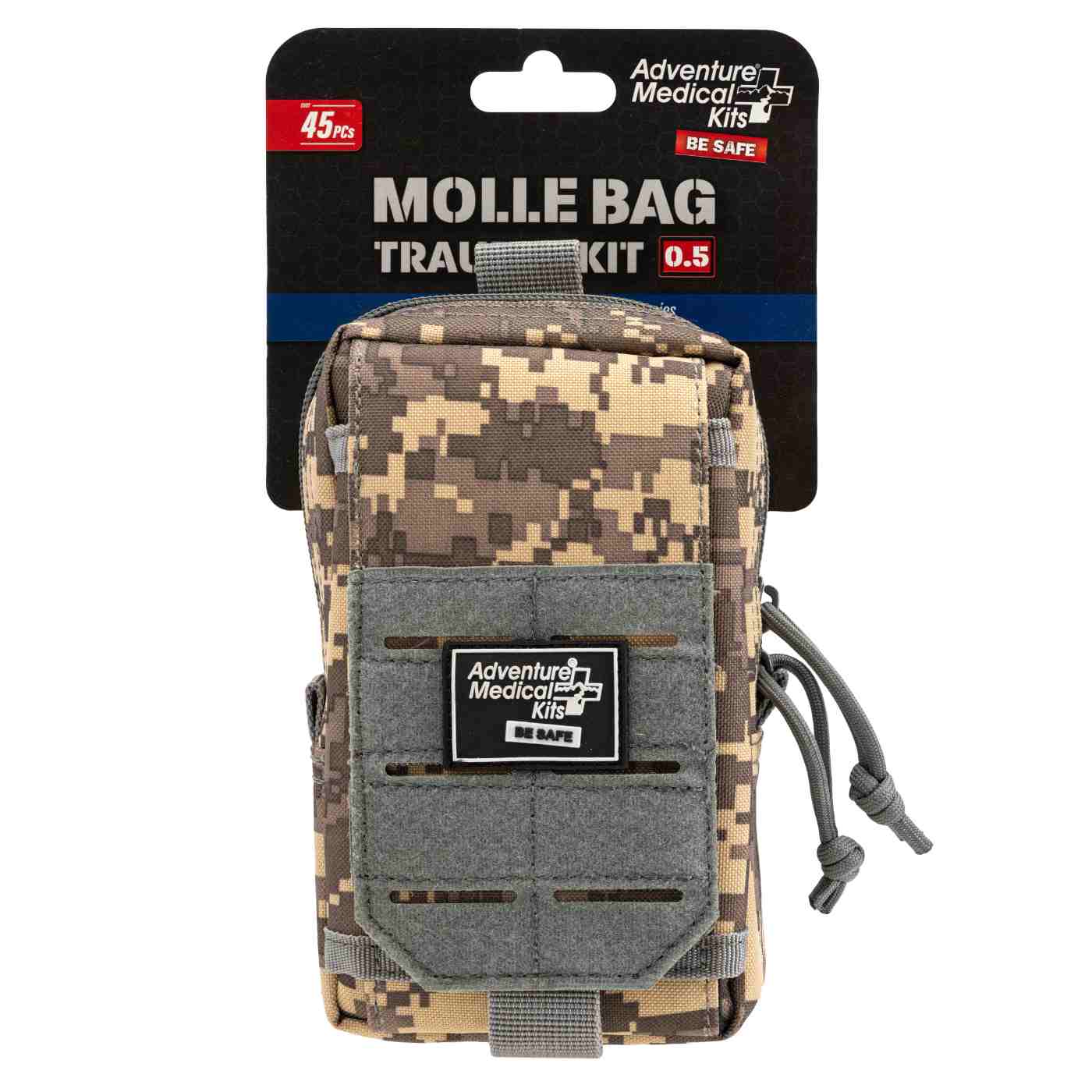
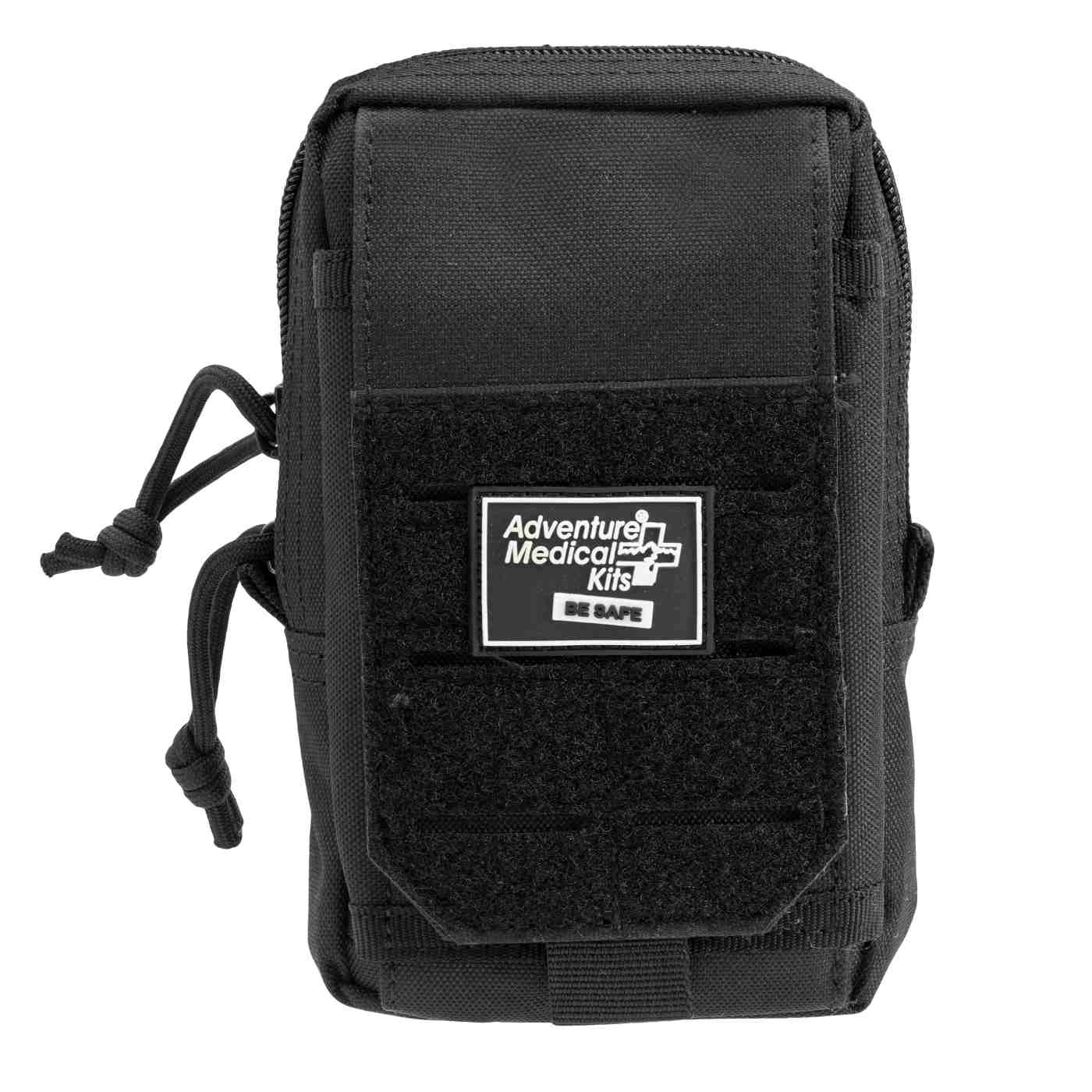
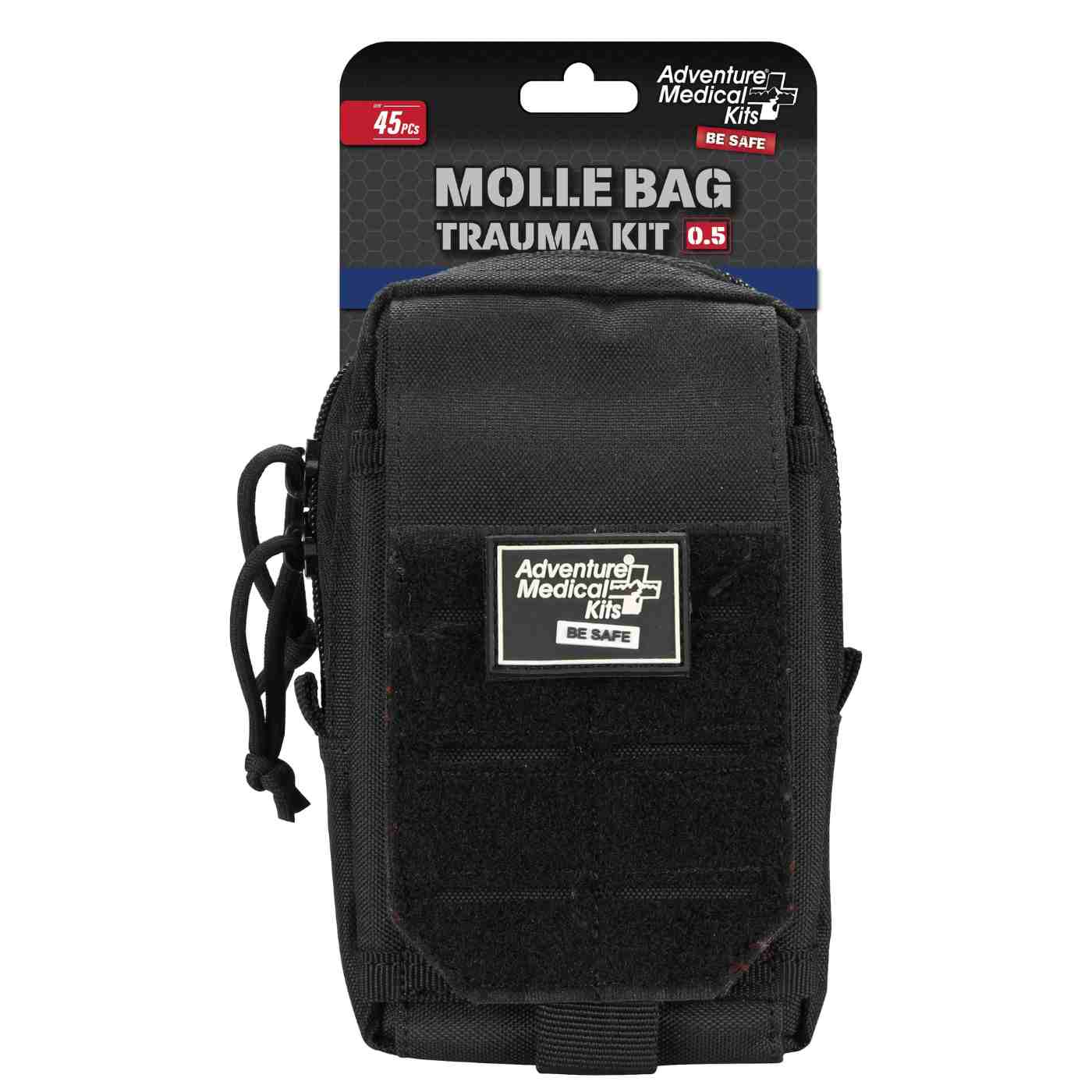
That boundary matters even more outdoors, where delayed care can turn a manageable issue into a trip-ending problem. For a quick-reference kit built around this kind of decision-making, the MOLLE trauma kit series gives a more serious storage option than a casual pocket kit, especially when the day's injuries are more than just small scrapes.
Building a Comprehensive Adventure Medical Kit
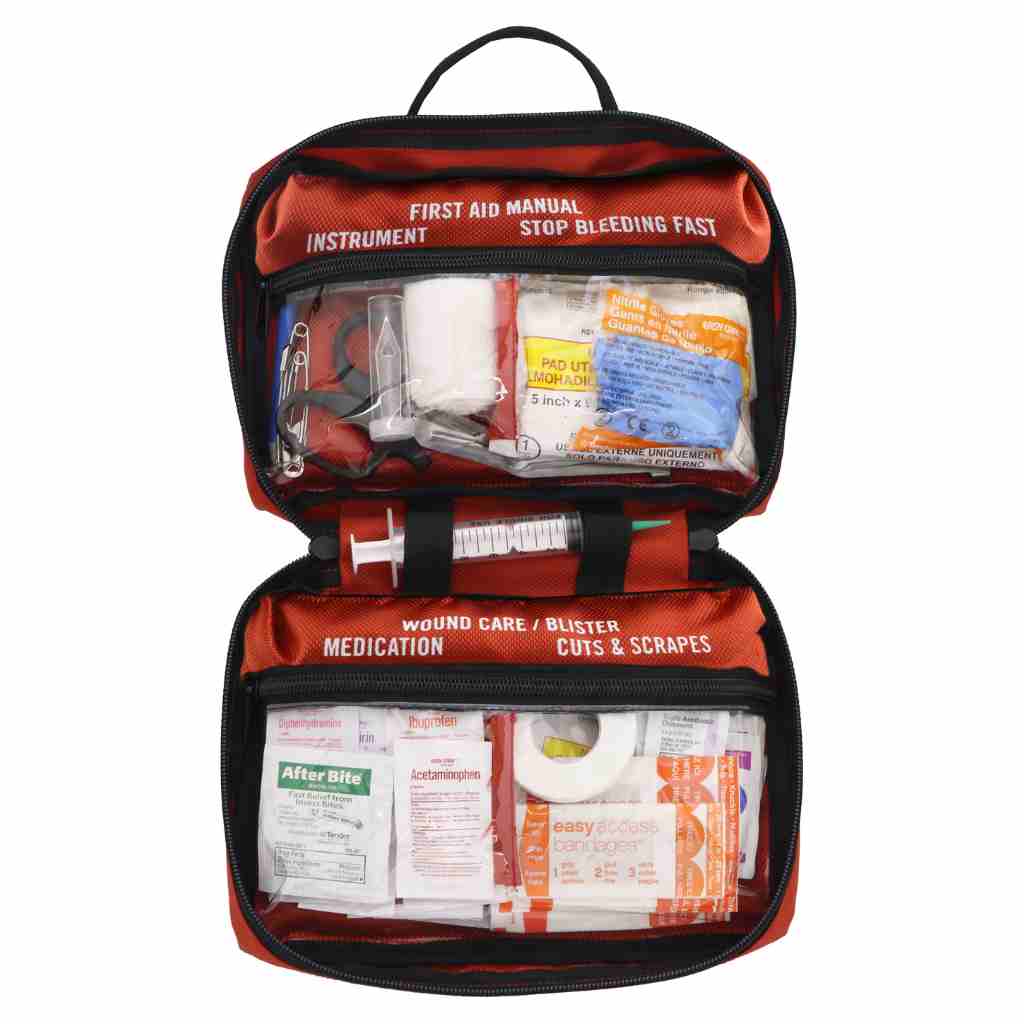
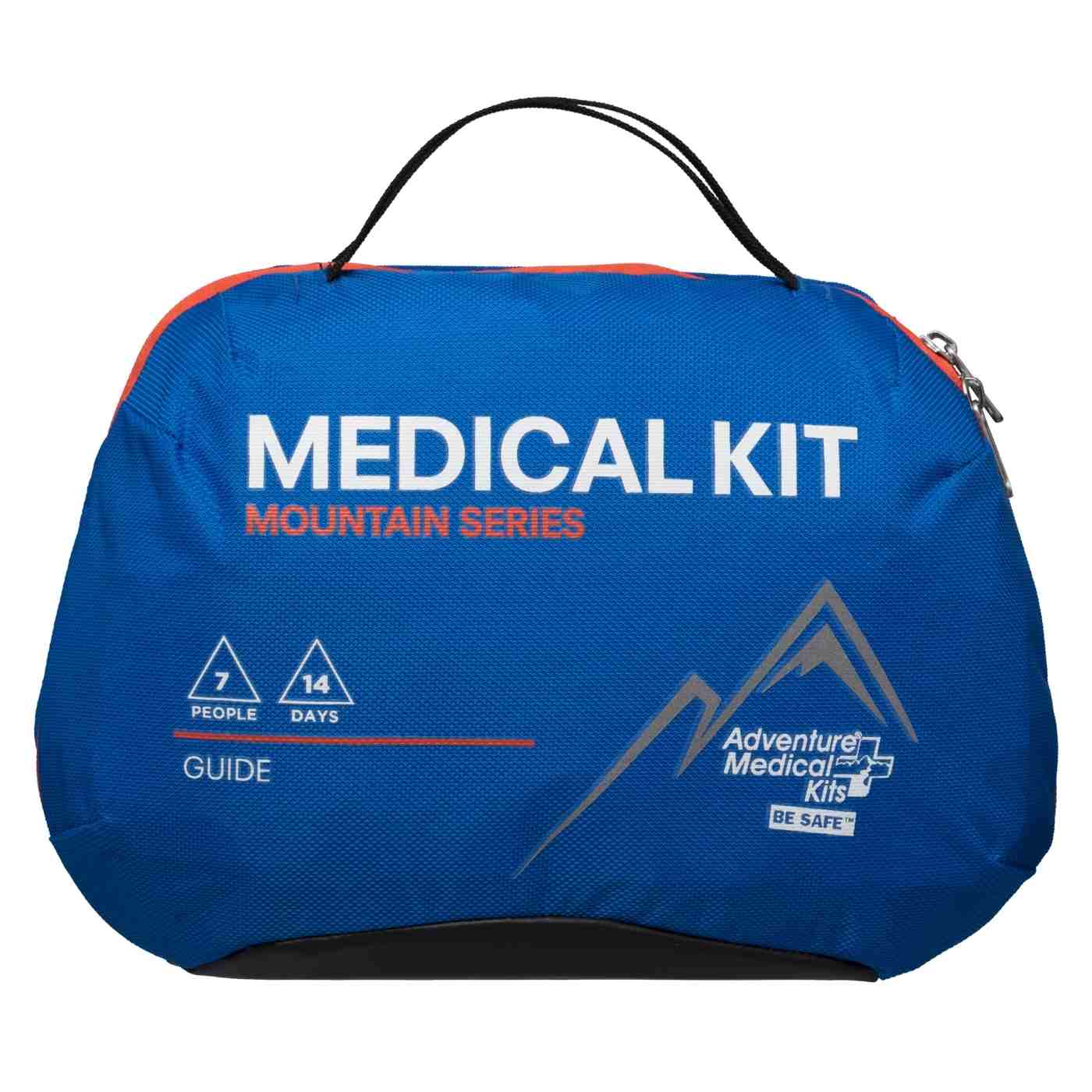
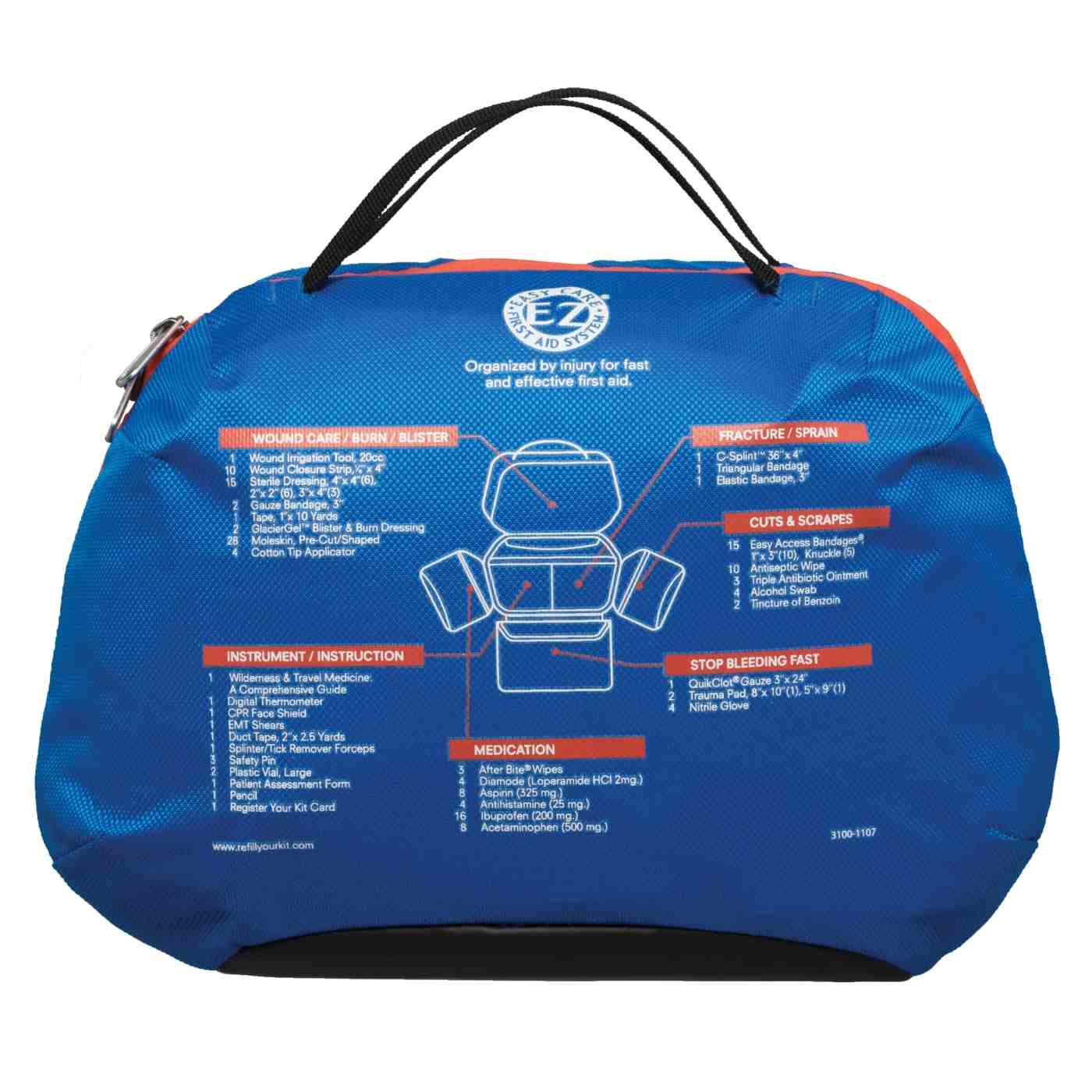
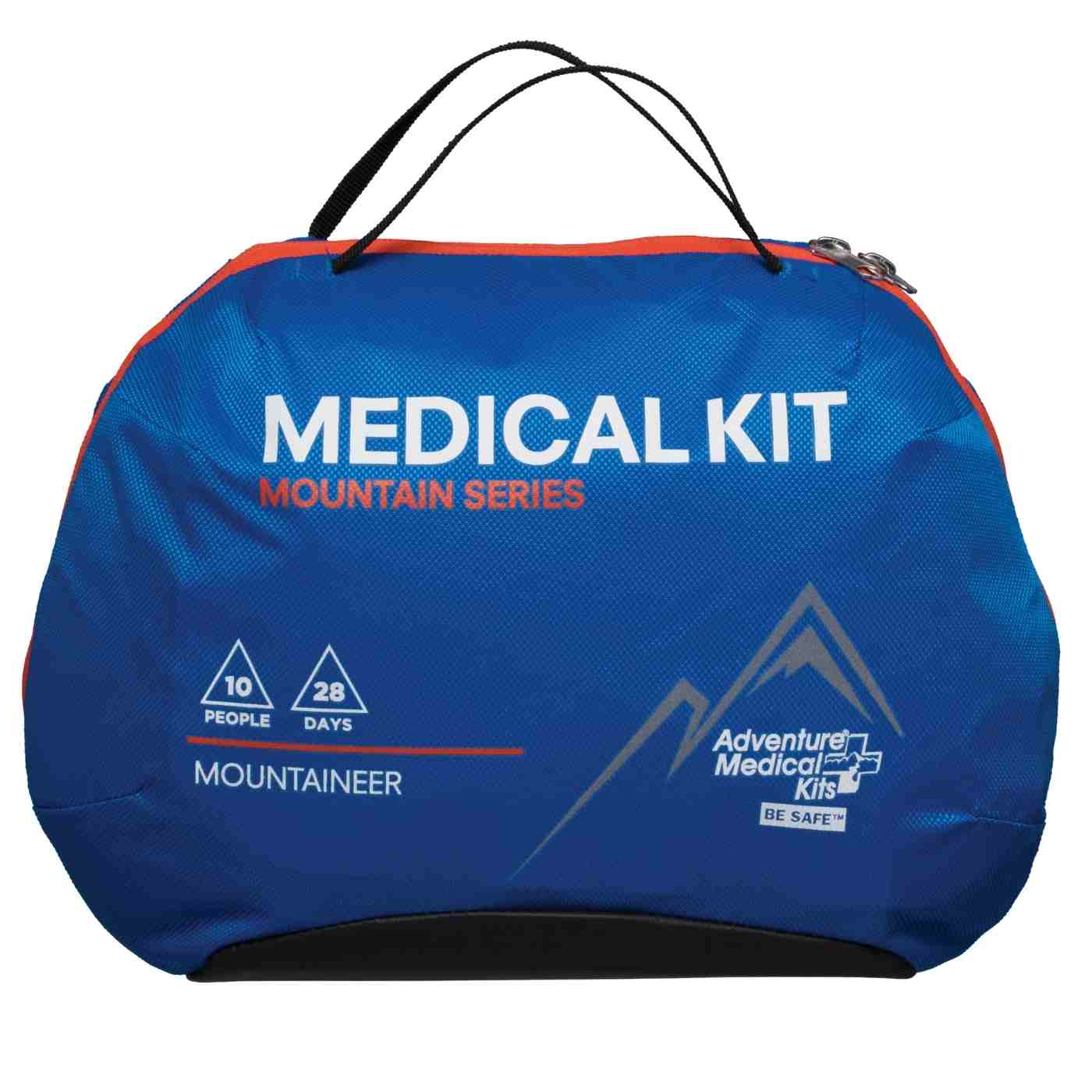
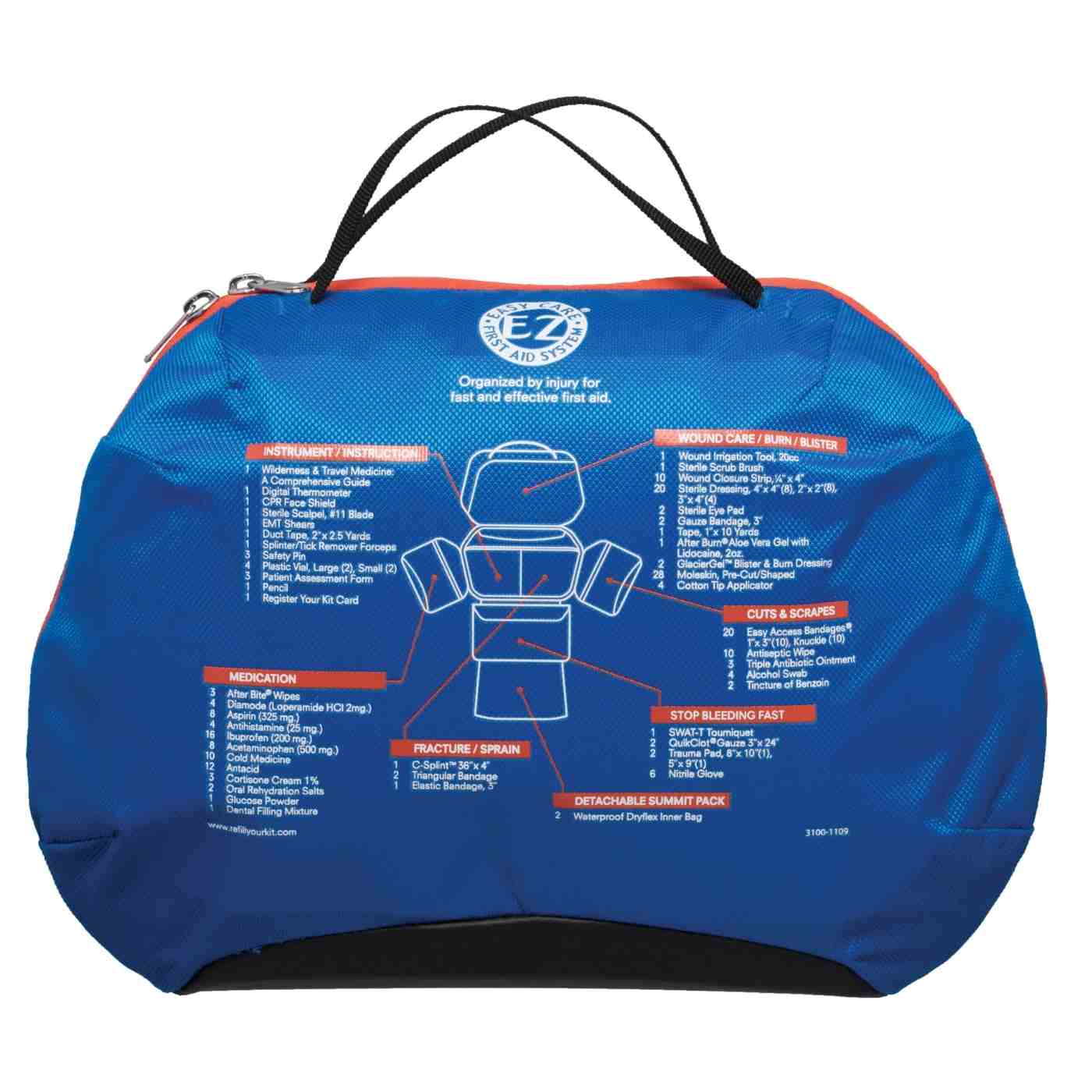
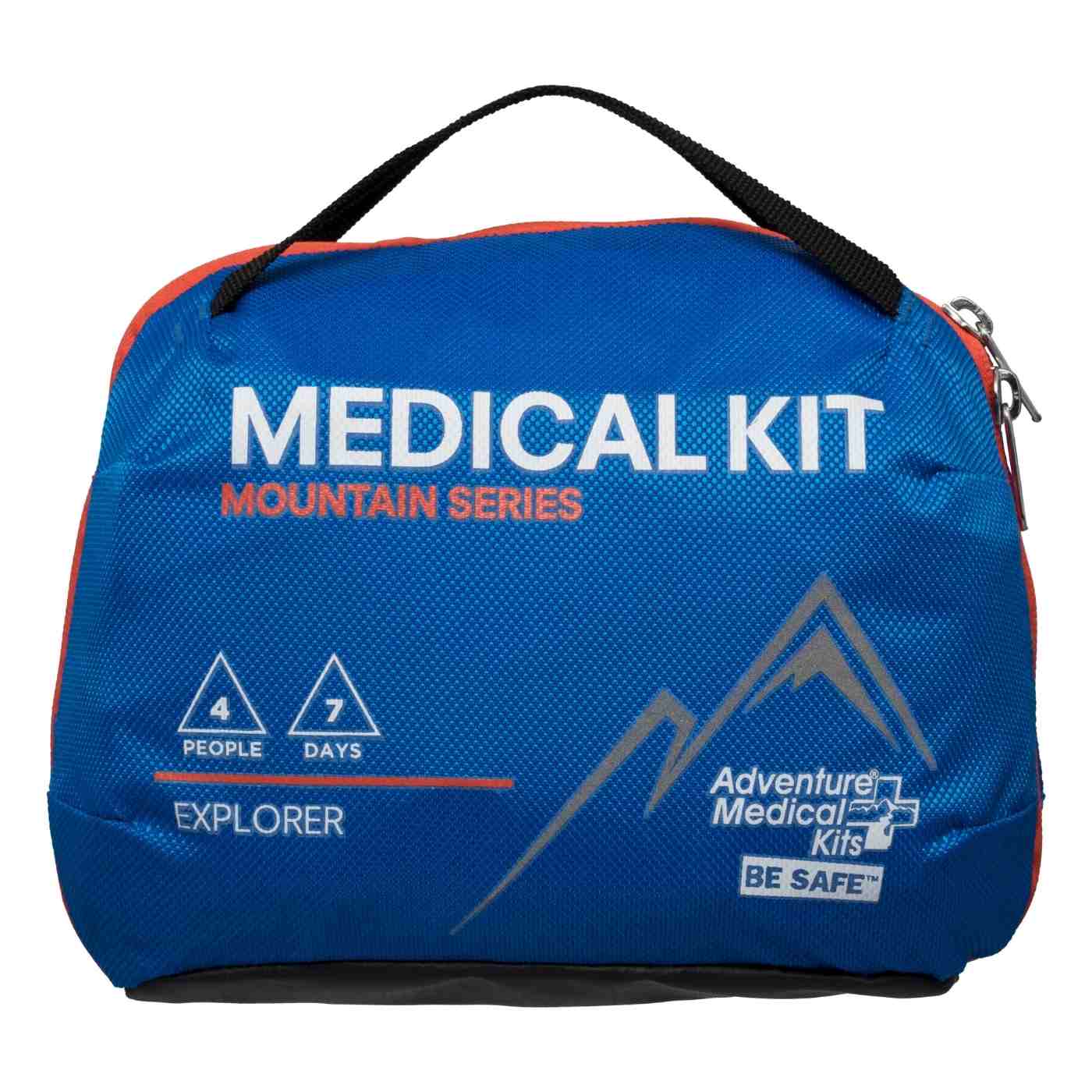
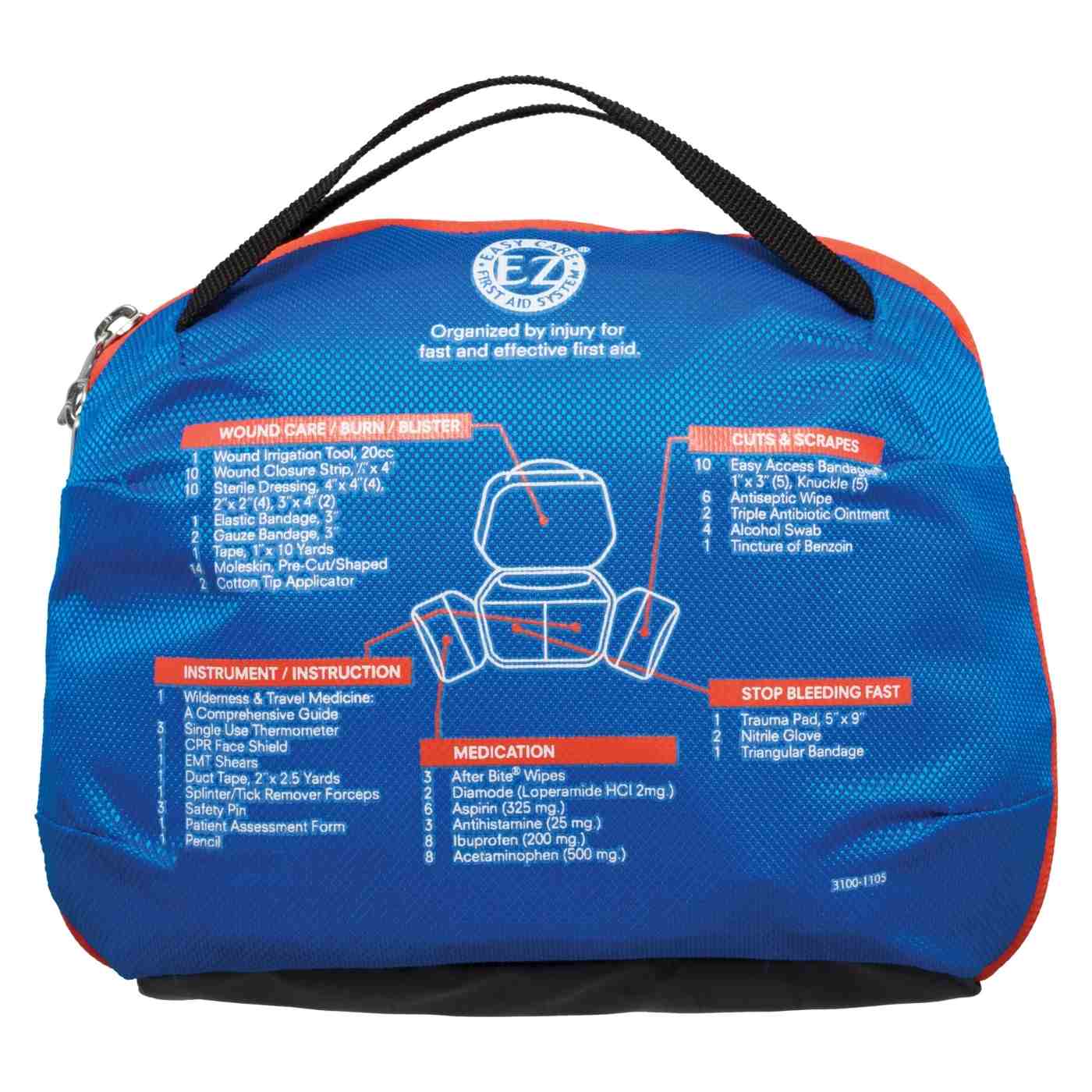
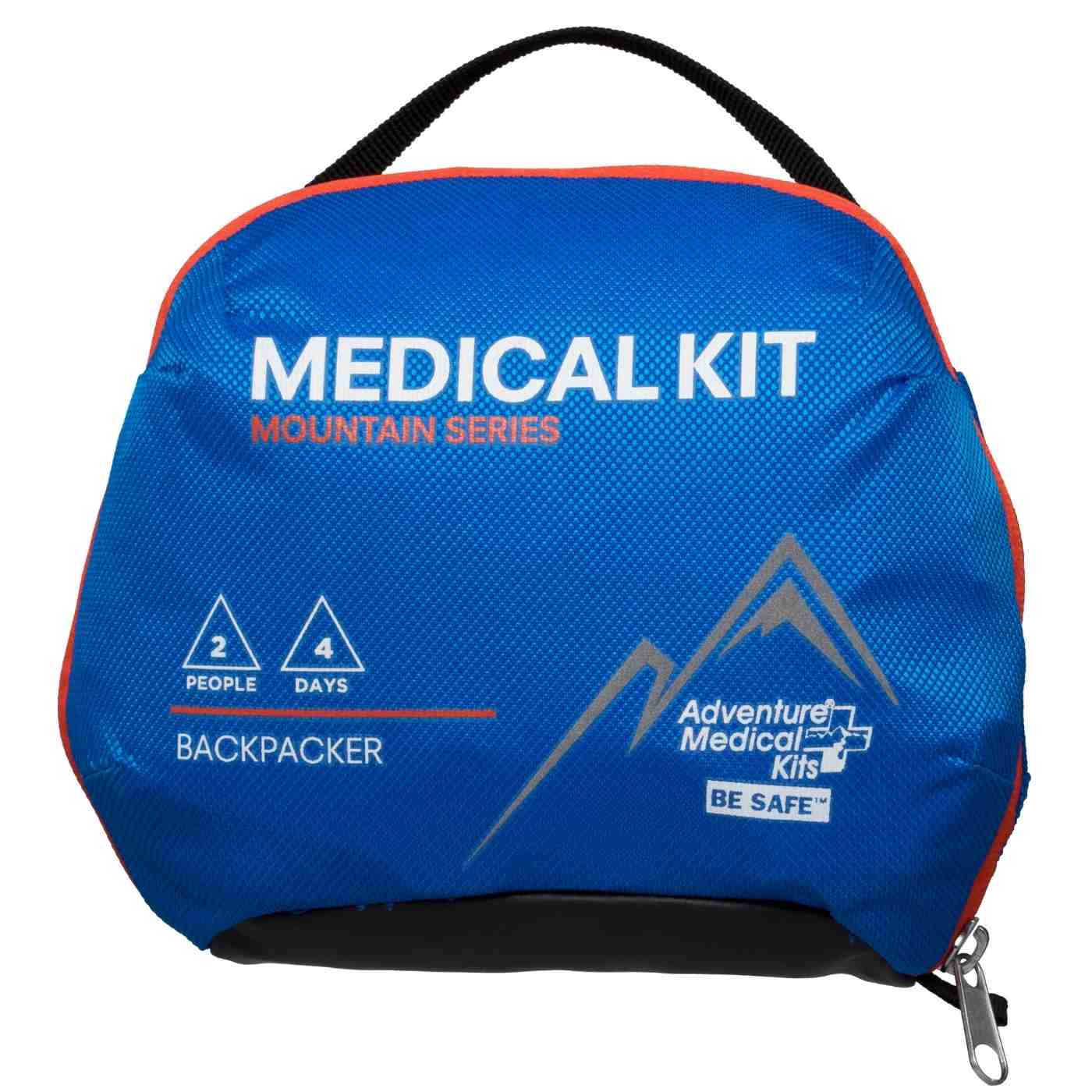
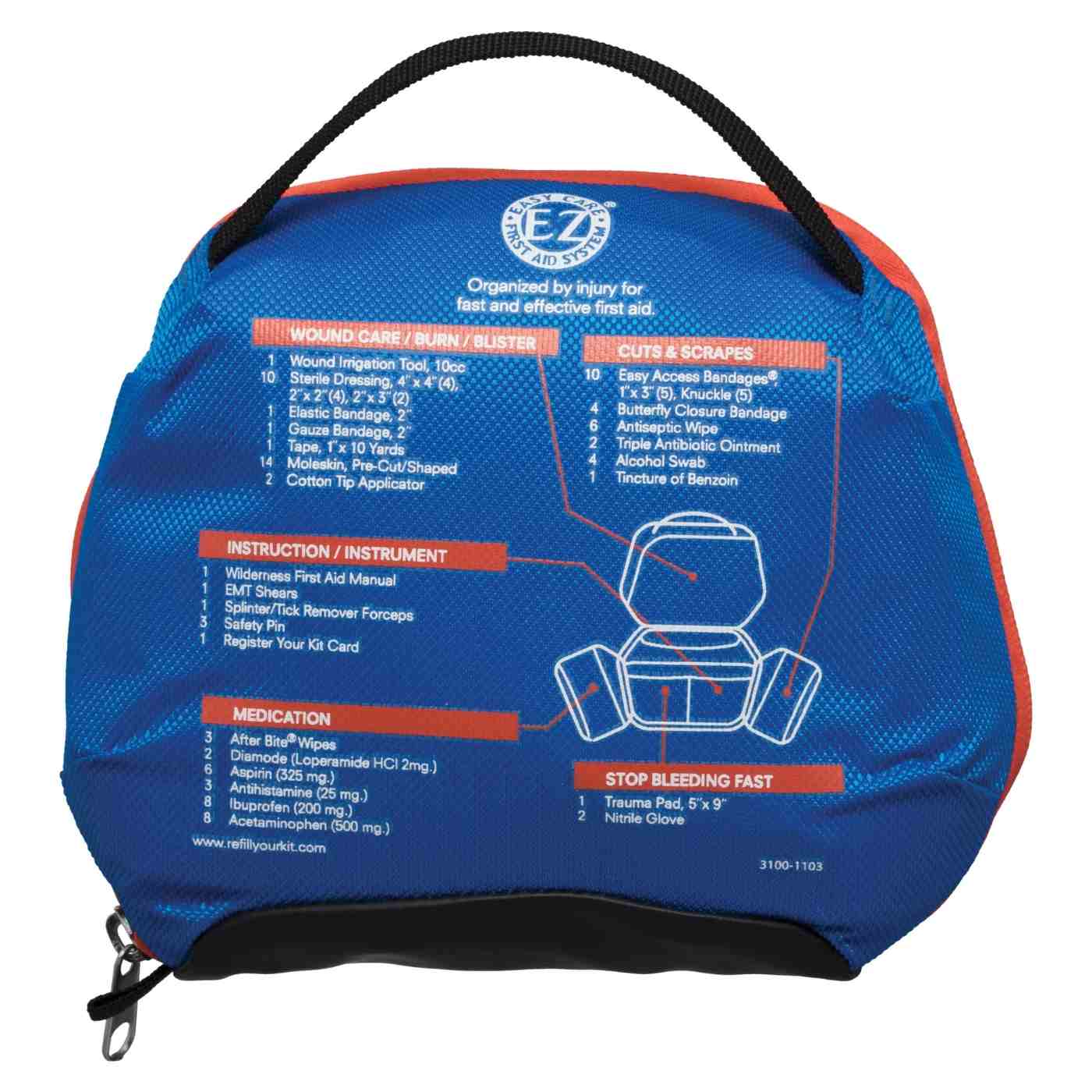
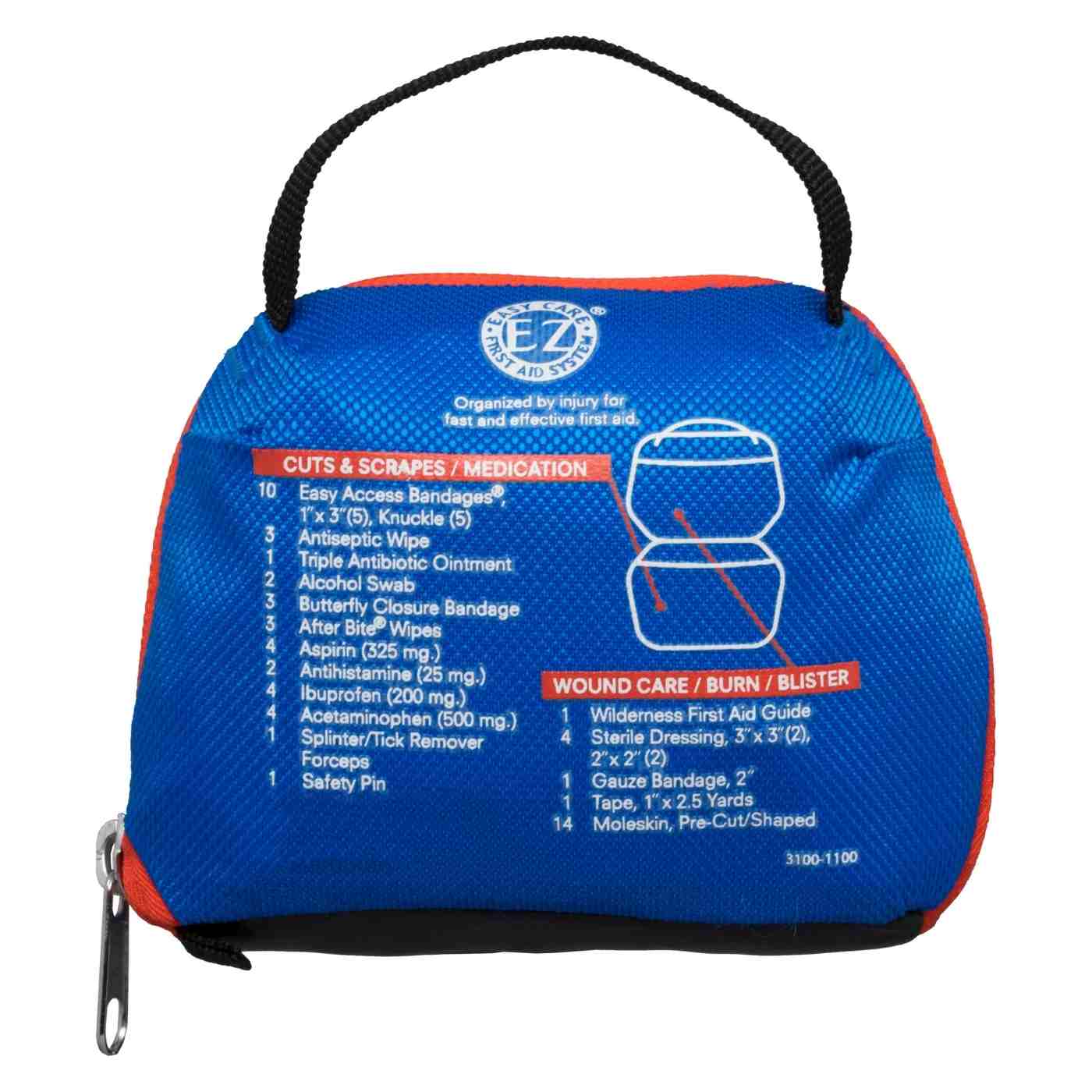
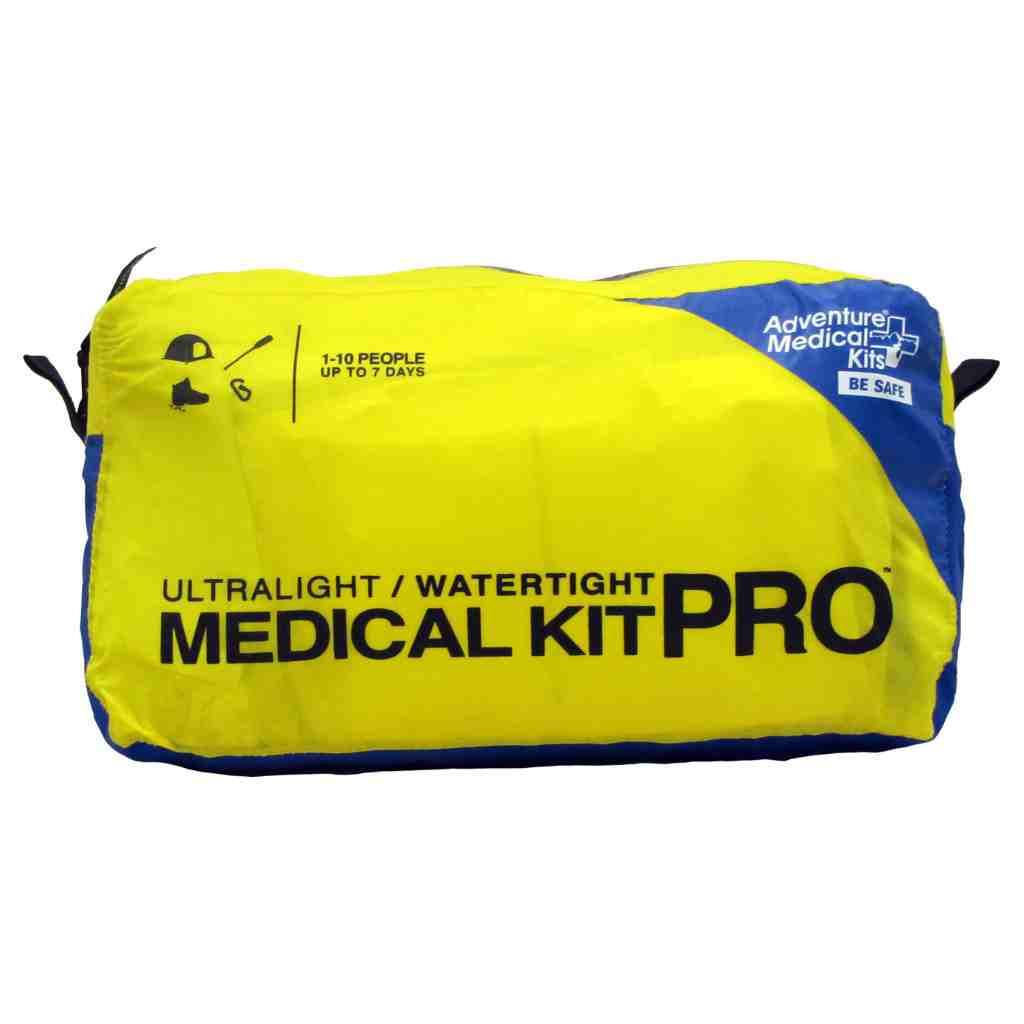
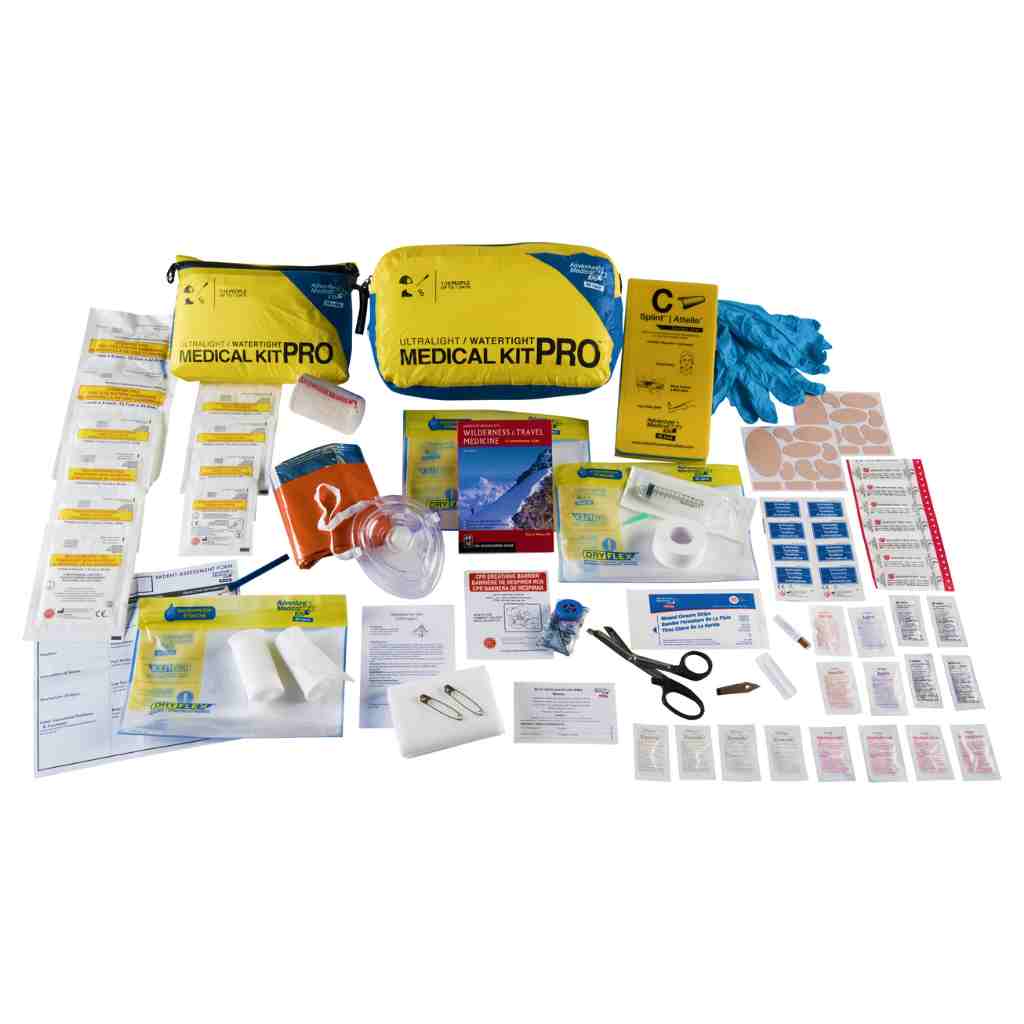
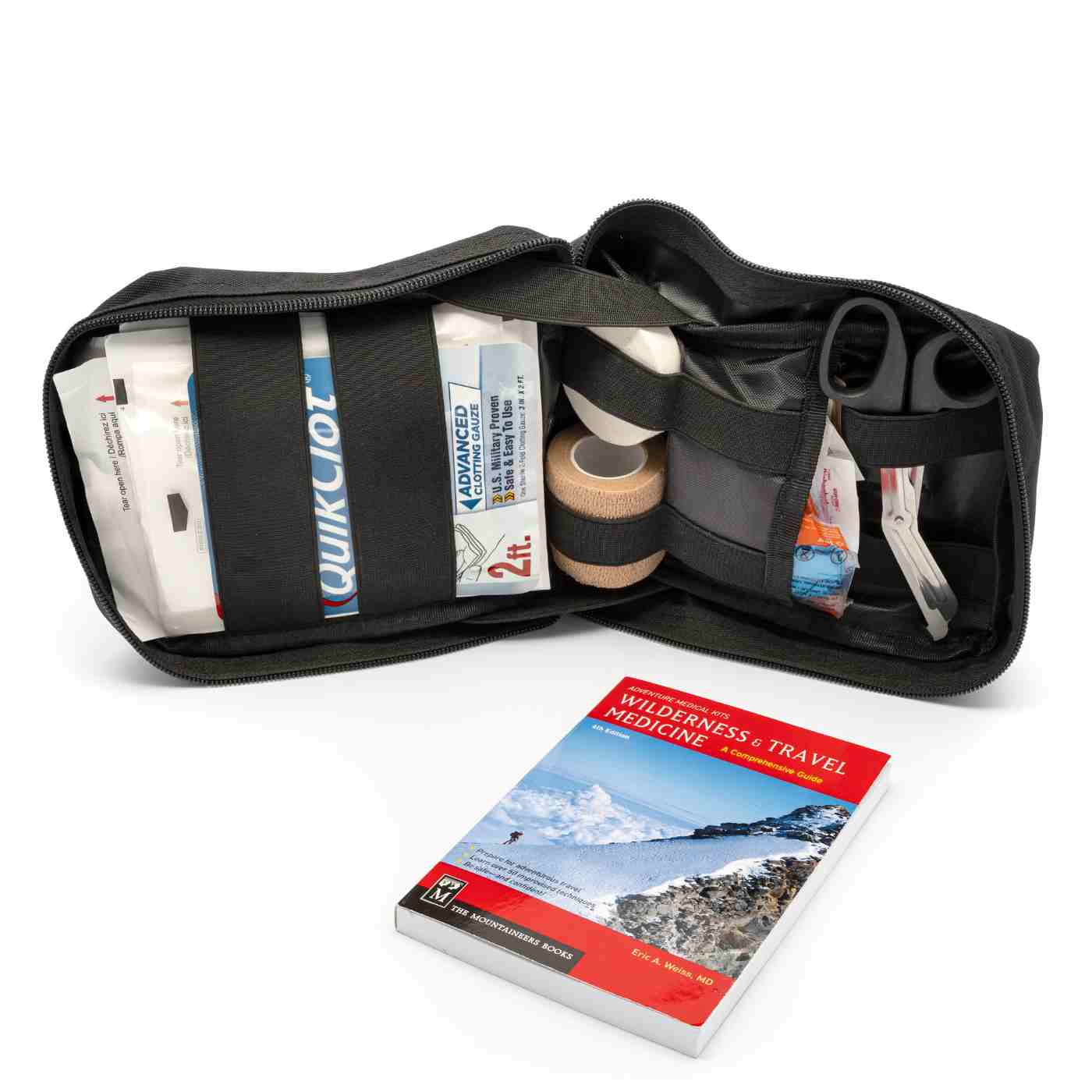
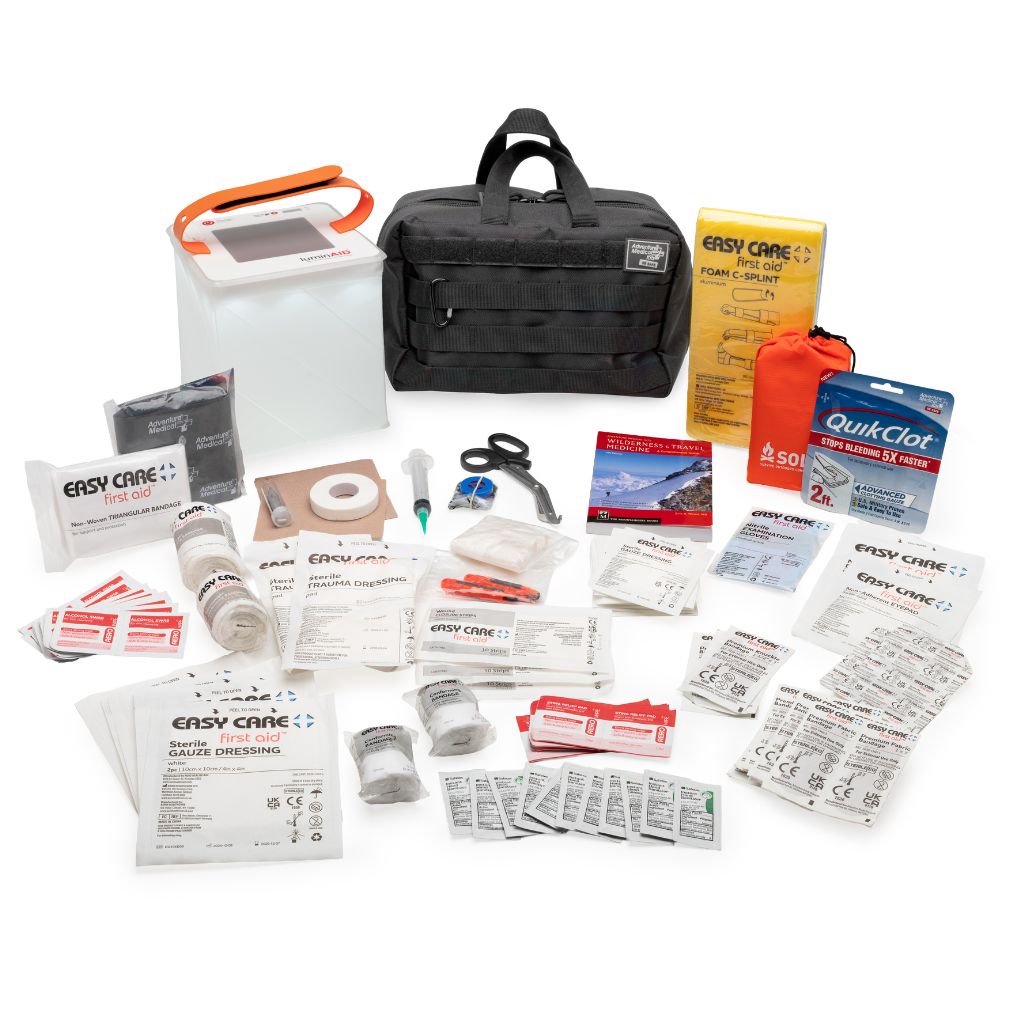
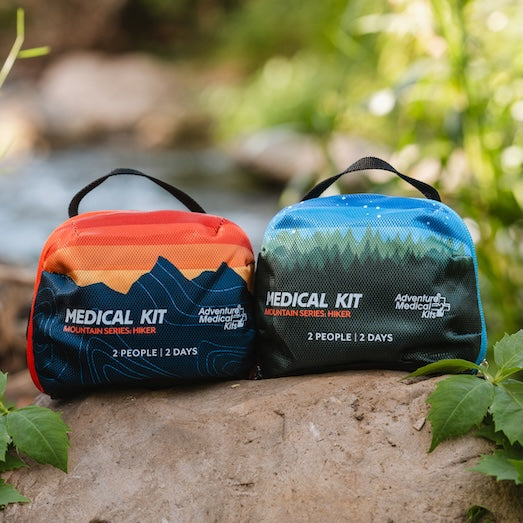
A tube of triple antibiotic cream is useful, but it belongs inside a system. Good outdoor first aid is about having the right small items together, not one product doing all the work. Adventure Medical Kits' Mountain Series medical kits and MOLLE trauma kit series are built around that logic, with organized compartments and field-oriented supplies that make minor wound care easier to find under stress.
The same thinking extends to prevention. Lighting, insect protection, and clean routines reduce the odds of getting hurt in the first place, which is often more valuable than any ointment. A compact light from LuminAID helps around camp after dark, and a repellent from Ben's 30 can make buggy stops and slow-moving evenings less irritating, which lowers the chances of scratchy, distracted mistakes.
What belongs with the cream
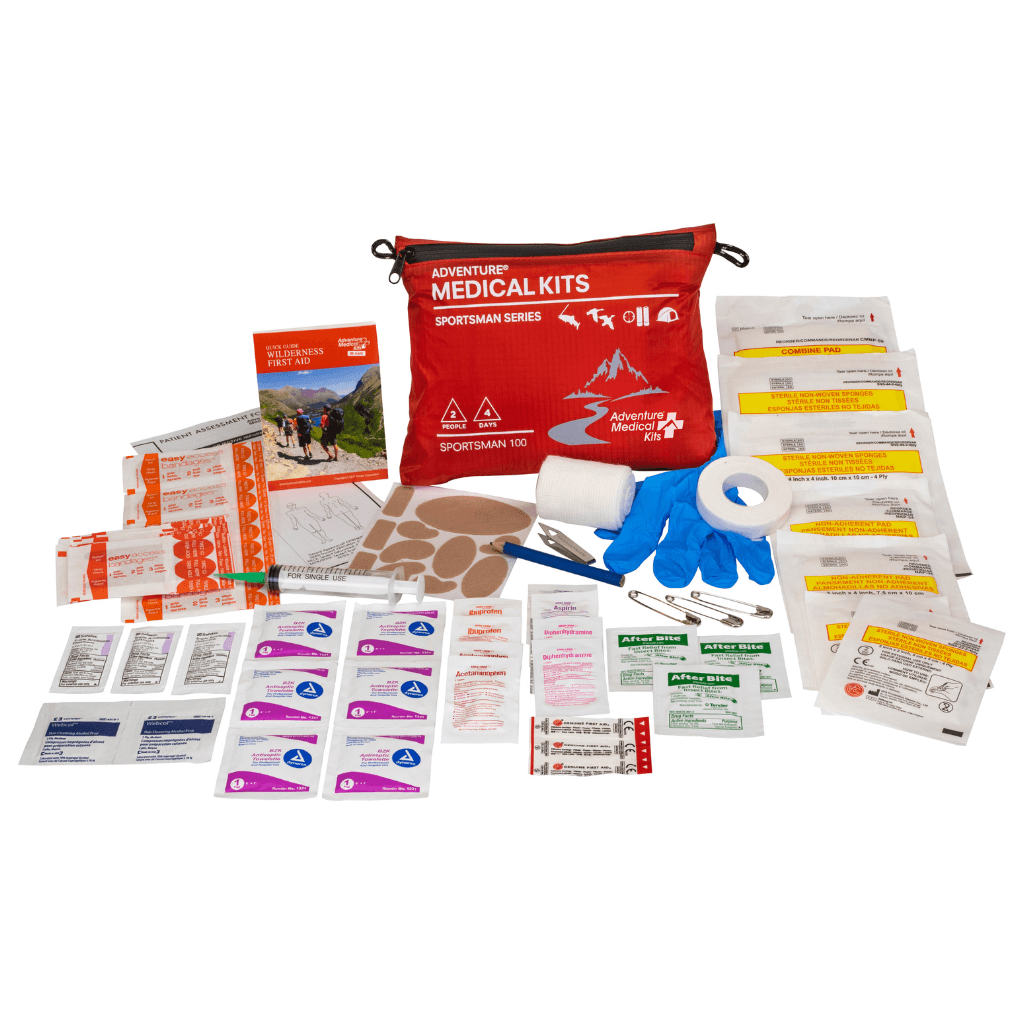
- Bandages and closures: for protecting shallow wounds from dirt and pack rub.
- Antiseptic wipes: for the cleaning step before ointment goes on.
- Blister care: because hot spots and raw skin often show up on the same trips as scrapes.
- Instruction material: a handbook is useful when stress makes simple tasks harder.
If a pack already carries the basics, the cream becomes easy to use the right way. If the kit is disorganized, the right product can still get lost or skipped, and that's where field care falls apart. The best hiking first aid kit guide is a practical companion for building a kit that matches the length and roughness of a trip.
Proper Storage and Shelf-Life for Outdoor Gear
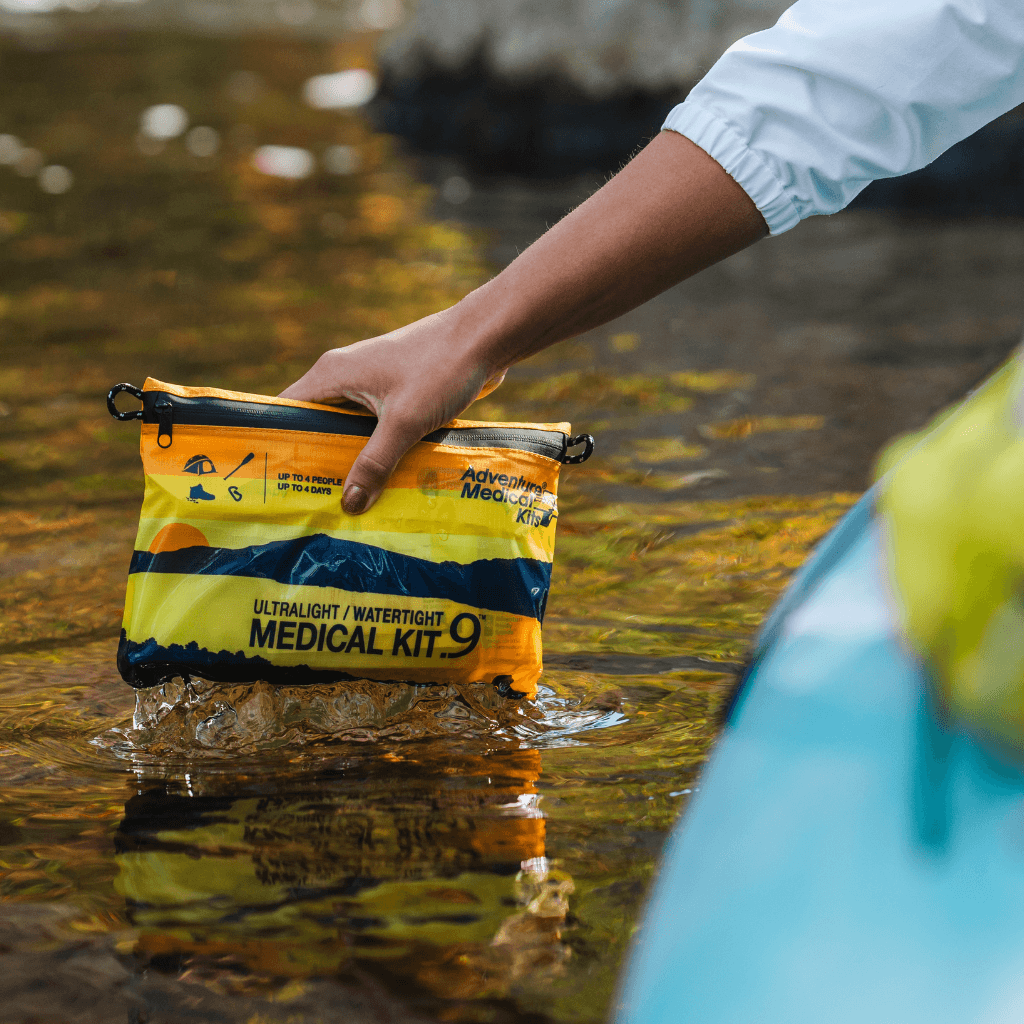
Heat, cold, and crushed gear can ruin a tube faster than people expect. Triple antibiotic cream should live in a waterproof, resealable bag inside a durable kit, not loose in a pack where the cap can pop open or the tube can get punctured. That matters on long hikes, because a product that's dried out or leaking isn't useful when the scrape happens.
Check the expiration date before every season and rotate supplies when you restock batteries, meds, and bandages. If the tube has separated, hardened, or looks contaminated, replace it. The point is simple, the cream only helps if it's still clean enough and spreadable enough to use correctly.
For multi-day trips, keep it away from extreme heat inside a car and away from water exposure in camp. Trail medicine works best when the storage plan is as reliable as the treatment itself.
Adventure Medical Kits builds trail-ready first aid around the injuries hikers get, with organized kits that make wound care faster when the pressure is on. Visit Adventure Medical Kits to find a kit that fits the way you hike, camp, travel, or pack for emergencies, then keep triple antibiotic cream where you can reach it quickly when a minor wound needs clean, practical care.