

A heel can become the most distracting part of a backcountry trip. On a dusty trail, a hiker may feel a blister burning beneath yesterday's bandage, then notice that damp socks and a rubbing pack strap have turned the surrounding skin red and itchy. The immediate choice feels unpleasant: tear the adhesive off, keep walking, or cover the spot with something that won't create a second injury.
That problem is easy to underestimate. A bandage can protect an open blister while its adhesive irritates the skin around it, especially when sweat, grit, friction, and repeated removal enter the equation. This guide helps hikers choose band aids for sensitive skin by connecting clinical evidence about adhesive injury with the practical demands of trails, campsites, and emergency kits.
The focus is simple: understand why reactions happen, compare adhesive and backing materials, select products for sweat and water exposure, apply and remove them with less trauma, recognize when alternatives make more sense, and identify red flags that require medical care. Guidance for building a compact sensitive-skin supply pouch follows at the end.
Table of Contents
- A Hot Spot on Day Two of the Trip
- Why Skin Reacts to Adhesive Bandages
- Adhesive Types and Bandage Materials Explained
- Choosing the Right Bandage for Outdoor Use
- Applying and Removing Bandages on the Trail
- Alternatives When Adhesives Are Not the Answer
- When to Seek Medical Care for a Wound
- Building Sensitive-Skin Supplies Into Your Kit
A Hot Spot on Day Two of the Trip
The hiker sits on a flat rock while the group moves ahead. The heel is dusty, the sock is damp, and the pack's heel cup has rubbed the same area for hours. Under the bandage, the blister is no longer the only concern. The skin around the adhesive is raised, pink, and itchy.

Ripping the bandage away can strip more skin. Leaving it in place can expose already irritated skin to more adhesive, moisture, and friction. The safer decision starts with a quick inspection: check whether the wound is clean, whether the bandage is still protecting it, and whether the reaction is limited to mild redness or is spreading, blistering, or breaking the skin.
A hiker dealing with a simple friction hot spot may need a different solution from someone with an open blister. The practical question is which bandages stay put in sweat, dirt, and friction without provoking a reaction, and what should be carried when skin is already irritated? Advice on preventing and treating hiking blisters can help with the friction problem, but adhesive selection still matters.
Trail rule: A bandage should protect the wound without becoming a larger source of redness, pain, or skin loss.
The sections ahead compare common adhesives and backings, explain field application and removal, show when gauze or non-adhesive dressings are preferable, and outline medical warning signs. The aim isn't to find one universal strip. It's to build a small, flexible system for skin that reacts under pressure.
Why Skin Reacts to Adhesive Bandages
Clinicians use Medical Adhesive-Related Skin Injury, or MARSI, as an umbrella term for skin damage associated with tapes, bandages, and wound dressings. MARSI includes mechanical injury, dermatitis, and damage related to occlusion. It's defined as skin damage that remains for 30 minutes or more after adhesive removal, according to clinical guidance on MARSI prevention.
Two reaction pathways matter most outdoors. Irritant contact dermatitis develops when adhesive residue, sweat, friction, or occlusion directly inflames the skin without an immune allergy. Allergic contact dermatitis involves an immune response to a particular ingredient, which can include acrylates, rubber accelerators, or rosin. Allergic reactions are less common than irritant reactions, but recognized adhesive reactions can include itching, rash, and delayed symptoms, as summarized in clinical information about bandage allergies.
Heat and moisture make both pathways harder to manage. Sweat softens the outer skin layer, while an airtight backing holds moisture against the area. A pack strap or boot then adds repeated shear. Removing the same patch after it has bonded to damp, softened skin can cause additional stripping.

Who needs extra caution
Children, older adults, and people with eczema or existing dermatitis may have less tolerance for adhesive stress. Fragile skin also makes removal technique important, not just the product label. A person who reacts to one adhesive may tolerate another, but “hypoallergenic” and “sensitive skin” aren't universal guarantees.
Latex deserves separate attention. Latex can appear in bandages and other medical or consumer items, and latex allergy guidance recommends avoiding latex-containing products when symptoms occur. A “latex-free” label also doesn't prove complete absence of latex, because FDA advice summarized by Harvard Health explains that existing tests can't establish that a product is entirely free from latex.
Product selection therefore requires reading the whole label. Latex-free addresses one material concern, but it doesn't automatically address acrylate sensitivity, friction, occlusion, or aggressive removal. Those mechanisms determine which bandage is appropriate for the next mile.
Adhesive Types and Bandage Materials Explained
A bandage has two separate material questions: what creates the grip, and what forms the backing. Sensitive-skin users often focus on the visible fabric or film, but the adhesive touching the skin can be the deciding factor.
Acrylic adhesives generally provide strong, durable hold and can perform well against sweat. That strength can become a drawback when removal pulls at the outer skin. Silicone adhesives are designed for gentler contact and can lift more cleanly, making soft silicone a useful option for fragile or reactive skin. Wounds International guidance specifically recommends considering soft silicone instead of acrylic for skin at risk of damage.
Hydrocolloid products work differently. The material absorbs wound fluid and forms a moist gel interface, which can cushion a blister and help keep external water and dirt away. Prolonged wear may over-hydrate thin or fragile skin, however. A comparative participant study found lower removal pain, less protein stripping, and less erythema with silicone dressings than hydrocolloid comparators. Immediately after removal, erythema appeared at more than 60% of hydrocolloid sites versus less than 30% of silicone sites, while TEWL rose by about 80% with silicone and about 300% with hydrocolloid after 24 hours, as reported in the Journal of Wound Care comparison.

Backings change the field experience
| Adhesive or Material | Skin Sensitivity Risk | Sweat and Water Performance | Best Outdoor Use Case |
|---|---|---|---|
| Acrylic adhesive | Moderate to higher removal and irritation concern for reactive skin | Strong hold in sweat and damp conditions | Active areas needing firm attachment |
| Soft silicone adhesive | Lower mechanical trauma risk, though individual reactions remain possible | Good when edges are sealed correctly | Fragile skin and frequent dressing changes |
| Hydrocolloid | Can over-hydrate skin during prolonged wear | Seals well against water and dirt | Blisters and low-friction zones |
| Plastic film backing | Occlusive and may trap moisture | Strong water resistance | Short exposure to wet conditions |
| Woven fabric backing | Usually flexible and more breathable | Moderate performance, depending on construction | Fingers, knuckles, and moving joints |
| Non-woven paper backing | Gentle and breathable, but less durable when wet | Weak in rain, sweat, or immersion | Dry, low-friction areas |
Traditional plastic film is inexpensive and water resistant, but it can trap sweat. Woven fabric moves with joints and sheds some friction. Non-woven paper feels gentle but can fail quickly in wet conditions. Hydrocolloid film is usually most useful over a blister where cushioning matters more than frequent repositioning.
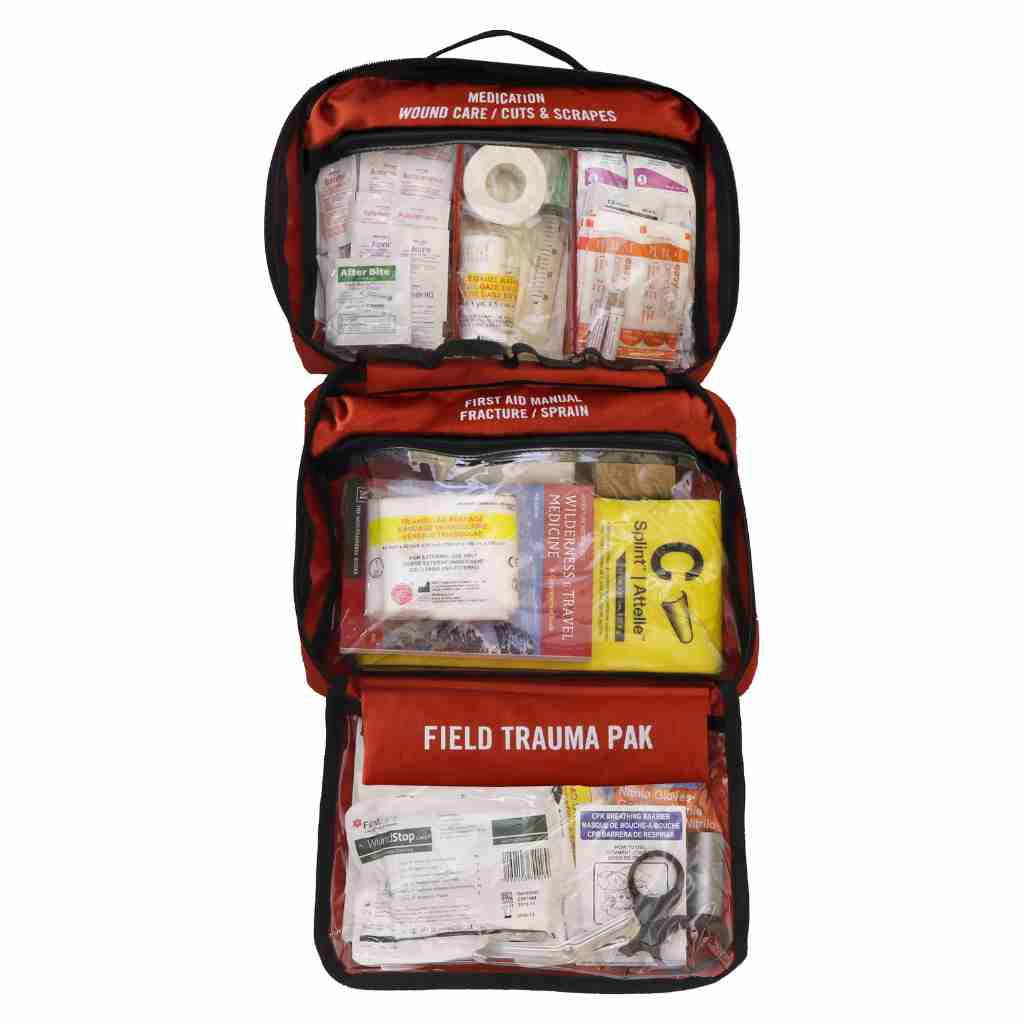
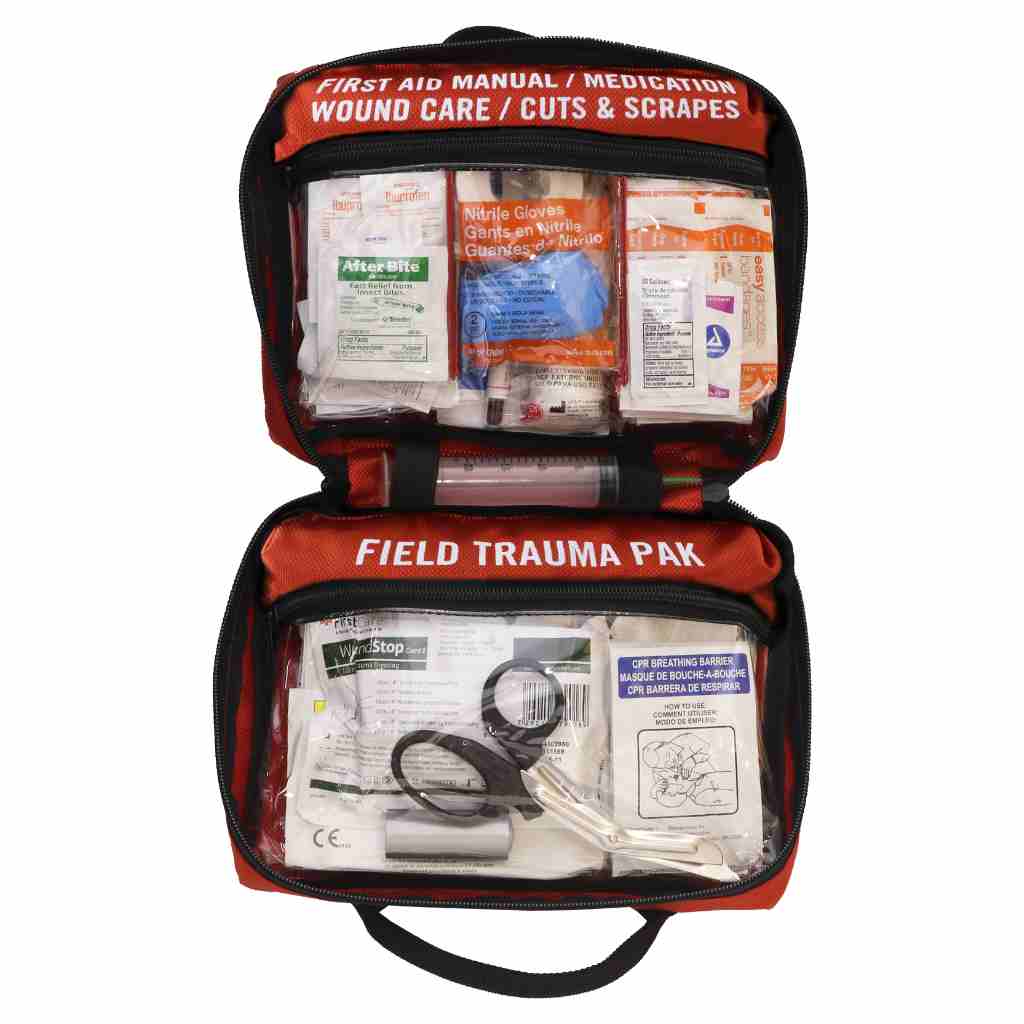
A compact wound-focused option such as the Trauma Pak 1 First Aid Kit for Wound Dressing keeps basic trauma tools and medical supplies in a compact, waterproof trauma bag. It doesn't replace thoughtful adhesive selection, but it can support broader wound care when a simple strip isn't enough.
An outdoor shopper should also remember that latex-free doesn't mean allergy-proof. The adhesive may still contain another irritating compound, and the backing can still trap moisture.
Choosing the Right Bandage for Outdoor Use
Selection becomes easier when the hiker starts with the environment rather than the package claim. A dry finger blister, a draining heel blister, and a scraped knee beside a stream need different combinations of coverage, breathability, and hold.
For a multi-day hike with sweat and stream crossings, a hydrocolloid patch can outperform a standard plastic strip because it cushions the friction site and creates a more continuous seal. It's most appropriate when the area is clean, relatively stable, and unlikely to need frequent inspection. A finger blister usually calls for a flexible fabric backing with a latex-free acrylic adhesive because the joint needs movement and the patch must tolerate ordinary handling.
A practical decision matrix
| Scenario | Best Material | Adhesive Type | Waterproof | Breathable |
|---|---|---|---|---|
| Clean heel blister with repeated friction | Hydrocolloid patch | Hydrocolloid adhesive | Yes, when edges remain sealed | Limited |
| Finger or knuckle blister | Woven fabric | Latex-free acrylic or silicone | Moderate | Better than plastic film |
| Fragile or reactive skin | Soft silicone dressing | Silicone | Depends on backing | Often better tolerated |
| Dry, shallow scrape | Non-woven pad or fabric strip | Gentle adhesive | Limited | Good |
| Short water exposure over an intact dressing | Plastic film | Acrylic or silicone | Strong | Limited |
Coverage should extend beyond the wound onto healthy skin, with about a 1.5 cm border where practical. That margin gives the adhesive enough area to hold without placing the wound itself under adhesive. A strip that's too small lifts at the first bend, while an oversized occlusive patch may create unnecessary moisture.
Match the patch to the day
- Low-sweat zones: Breathable fabric or paper backings can reduce trapped moisture.
- Submersion or persistent rain: Waterproof film or a sealed hydrocolloid is more practical, but the skin should be checked when conditions allow.
- Fragile skin: Favor silicone and avoid stretching the bandage during placement.
- Children and older adults: Use smaller, gentler dressings when possible and plan removal carefully because thinner or fragile skin can tolerate less shear.
Every sterile dressing should remain individually wrapped until use. Before packing, the hiker should inspect wrappers for damage and choose dimensions that cover the wound without excessive unused adhesive. Stronger hold helps in wet conditions, but it can make end-of-day removal harsher. A sensitive-skin kit therefore benefits from carrying both durable patches and gentler options instead of forcing one product to handle every situation.
Applying and Removing Bandages on the Trail
A good bandage can fail if it's applied over sweat, sunscreen, or grit. The field sequence matters because adhesive bonds to the surrounding skin, not to a wet layer of contamination.
Five practical steps
- Clean the wound. Flush dirt from a minor wound with potable water or saline. Cleaning removes particles that can remain trapped beneath the dressing.
- Dry the surrounding skin. Pat the skin fully dry, especially around the area where adhesive will sit. Adhesive placed over sweat or water usually loses hold sooner.
- Apply without tension. Position the absorbent center over the wound and lay the bandage across the skin without stretching it. Tension can pull at the edges and add shear with movement.
- Smooth outward. Press from the center toward the edges, removing wrinkles and sealing the margin. Avoid pressing adhesive directly into an open wound.
- Protect before re-bandaging. If repeated dressing changes are expected, a compatible skin barrier wipe may reduce contact between adhesive and skin. It must be allowed to dry before a new bandage is applied.

Sunscreen, insect repellent, and sweat can shorten wear time because they interfere with the adhesive surface. A hiker shouldn't spread those products beneath the dressing. If longer edge security is needed, reinforcement with kinesiology tape can help, but the tape introduces another adhesive and shouldn't be used over already inflamed skin without caution.
The removal step deserves equal attention. Loosen an edge, then pull slowly and parallel to the skin, rather than lifting sharply upward. Warm water can soften a stubborn patch, and an adhesive remover wipe may help when the product is appropriate for intact surrounding skin.
Stop immediately if the skin begins to tear. A bandage that stays attached isn't helping if removal creates a larger wound.
The small details in a first-aid kit often determine whether this process is manageable outdoors. A few saline packets, dry gauze, barrier wipes, and remover wipes can matter as much as the bandages themselves.
Alternatives When Adhesives Are Not the Answer
An adhesive strip isn't mandatory for every wound. If the surrounding skin is already red, if a dressing needs frequent inspection, or if the wound is too large for an adhesive border, a non-adhesive system may protect the injury with less irritation.
For a broad abrasion, sterile gauze with a non-adherent contact layer and a conforming or cohesive wrap distributes pressure around the area instead of placing adhesive over damaged skin. This approach also works better for wounds that produce fluid, because the gauze can be changed without pulling a large adhesive sheet from the perimeter. The wrap must remain secure without becoming tight enough to affect circulation.
Silicone contact layers suit fragile skin and wounds that need repeated redressing. Their gentle interface reduces the mechanical burden of removal, but they still require a secondary method to stay in place. A light wrap or carefully positioned retention material can hold the dressing while keeping adhesive away from vulnerable skin.

Pick the format by wound presentation
- Sterile gauze and conforming wrap: Useful for larger abrasions, burns, or wounds that need breathable coverage. A non-adherent contact layer helps prevent gauze from sticking to the wound.
- Silicone-based dressing: Appropriate for fragile skin or repeated dressing changes. The outer fixation still needs a secure but gentle plan.
- Liquid bandage skin glue: Suits shallow fissures, paper-cut-style finger wounds, and small areas that are difficult to wrap. It shouldn't be poured into deep, dirty, or heavily draining wounds.
- Hydrogel sheet: Provides a cooling, non-adherent interface for selected superficial injuries and blister care. It requires a clean wound and a way to keep the sheet positioned.
A liquid bandage can resist water, but it isn't a substitute for cleaning a dirty wound. Hydrogel sheets can feel soothing, yet they aren't ideal when heavy drainage needs absorption. In a compact kit, flat gauze and hydrogel sheets can slide into a labeled pouch, while cohesive wrap and a small liquid-bandage applicator fill little space. For hikers who tend to develop rubbing before skin fully breaks down, AMK Adventure Foot Balm can fit into the same friction-care layer as a preventive step on known hot spots. A shaped friction product such as pre-cut and shaped moleskin can also be stored where it's reachable without unpacking the entire kit.
The goal is not to eliminate every adhesive. It's to carry enough formats that a reaction doesn't leave the hiker choosing between painful tape and uncovered skin.
When to Seek Medical Care for a Wound
Bandage choice becomes secondary when the wound presents a serious risk. In the backcountry, the person should stabilize the injury, communicate with the group, and arrange evacuation or clinical care rather than spending time testing different adhesives.
Seek medical help for:
- Persistent bleeding: Bleeding that doesn't stop after five minutes of direct pressure needs escalation.
- Deep or gaping wounds: A wound deeper than a quarter inch or one whose edges remain open may require professional closure.
- Bites and punctures: Animal bites, human bites, embedded debris, and punctures from rusty or dirty objects warrant evaluation.
- Possible infection: Expanding redness, warmth, swelling, pus, red streaking from the wound edges, or fever should not be managed by repeatedly changing bandages.
- Circulation or nerve changes: Loss of sensation, numbness, or pale and cool skin below an injury on an arm or leg can signal a serious problem.
- Tetanus concern: A wound contaminated by soil, water, or animal contact needs medical advice when the person's booster is more than five years out.
- Severe adhesive reaction: Blistering, ulceration, or a reaction covering a large area requires evaluation rather than continued self-treatment.
A small amount of redness directly beneath a patch may improve after removal, but a spreading rash or worsening pain changes the decision. If the hiker can't distinguish irritation from infection, the safer choice is clinical assessment.
Building Sensitive-Skin Supplies Into Your Kit
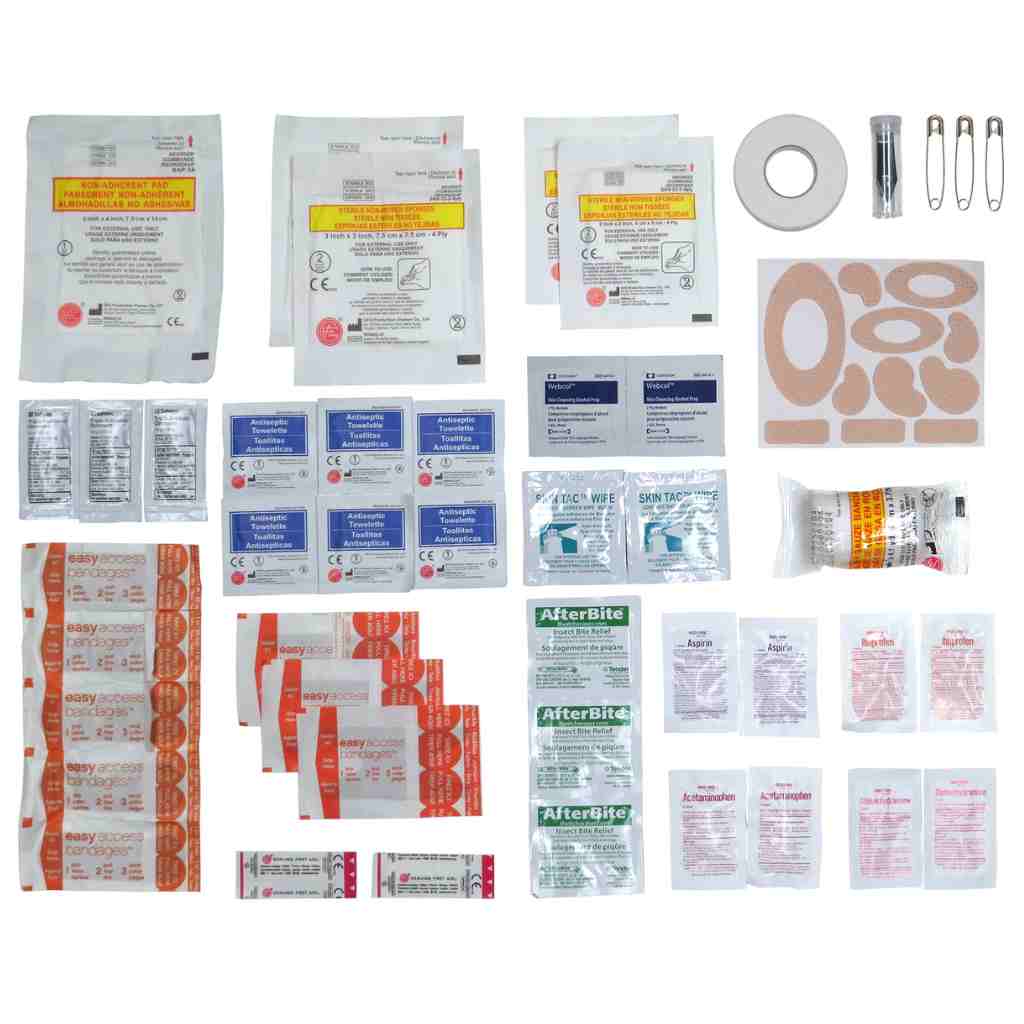
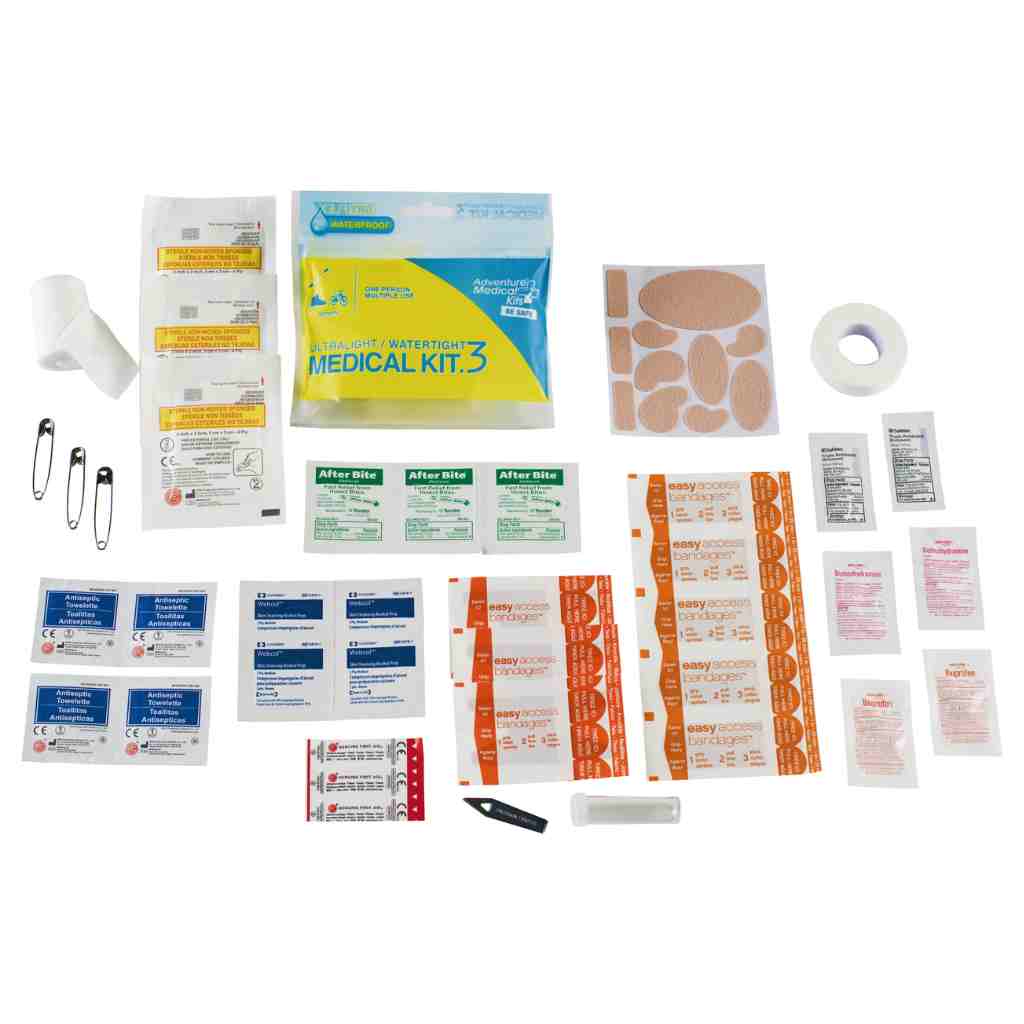
A sensitive-skin setup works best as a layered stock rather than a single “hypoallergenic” box. The foundation is a mix of silicone-adhesive bandages in small and medium sizes, plus knuckle and fingertip shapes for areas that bend. A few hydrocolloid patches belong in the blister layer, while sterile gauze and a hypoallergenic paper tape roll cover larger scrapes without requiring a broad adhesive surface.
A compact pouch can hold the items most likely to be needed quickly:
- For minor cuts: Individually wrapped silicone or other tolerated strips.
- For friction hot spots: Hydrocolloid patches and a friction-protection option.
- For open blisters: Sterile non-adherent contact material, cleansing supplies, and a secondary wrap.
- For skin cracks: Liquid bandage for shallow fissures when the area is clean and appropriate for sealing.
- For removal: Gentle adhesive remover wipes, plus barrier wipes for future applications when compatible with the dressing.
Labeling the pouch prevents a hiker from dumping the full kit beside a trail. It also keeps clean dressings separate from used materials. Each item should remain protected from moisture, and wrappers should be checked before a trip.
Balance weight against redundancy
A day hike may justify several extra silicone bandages and a few hydrocolloid patches. A multi-day trip needs more redundancy because a failed dressing, a torn wrapper, or a reaction can't be solved quickly at a remote campsite. A full spare gauze-and-tape set adds more bulk, but it becomes valuable when an abrasion is too broad for strips or when adhesive reactions make ordinary bandages unsuitable.
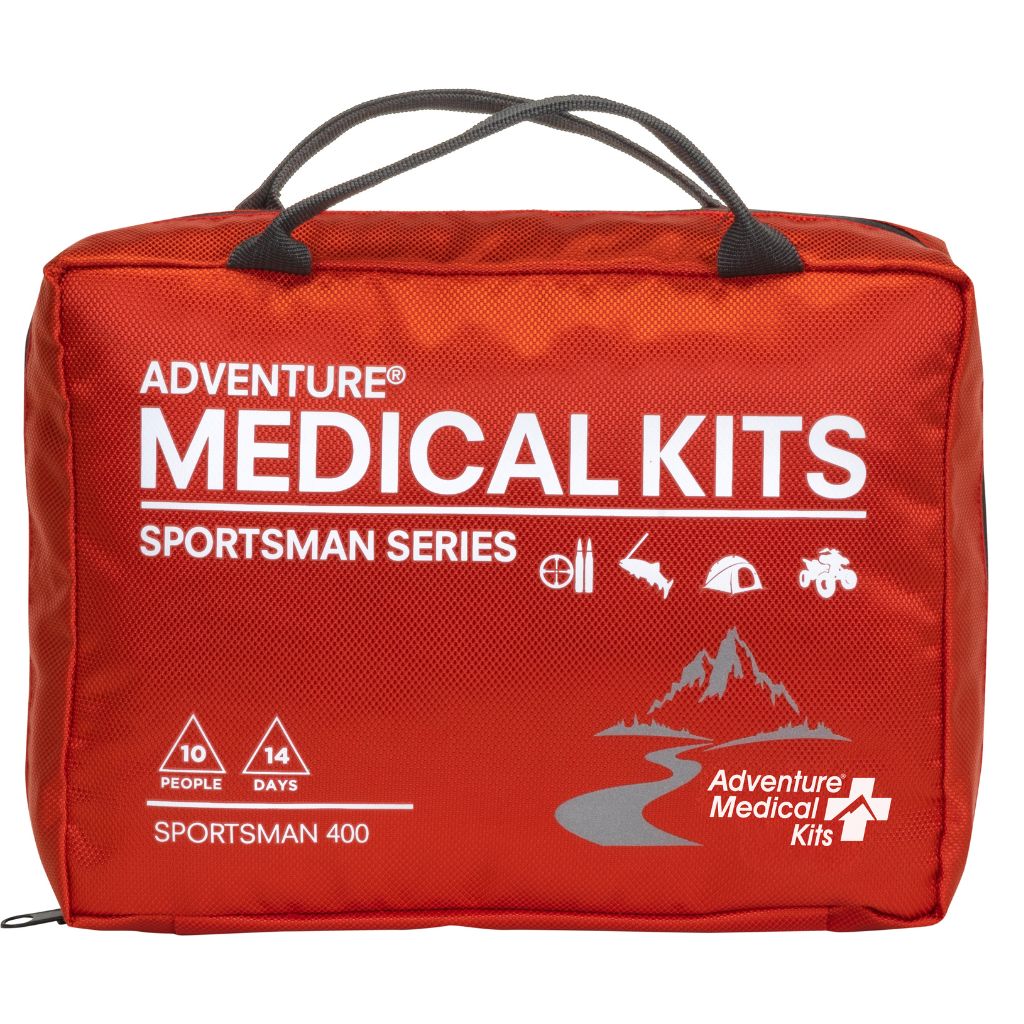
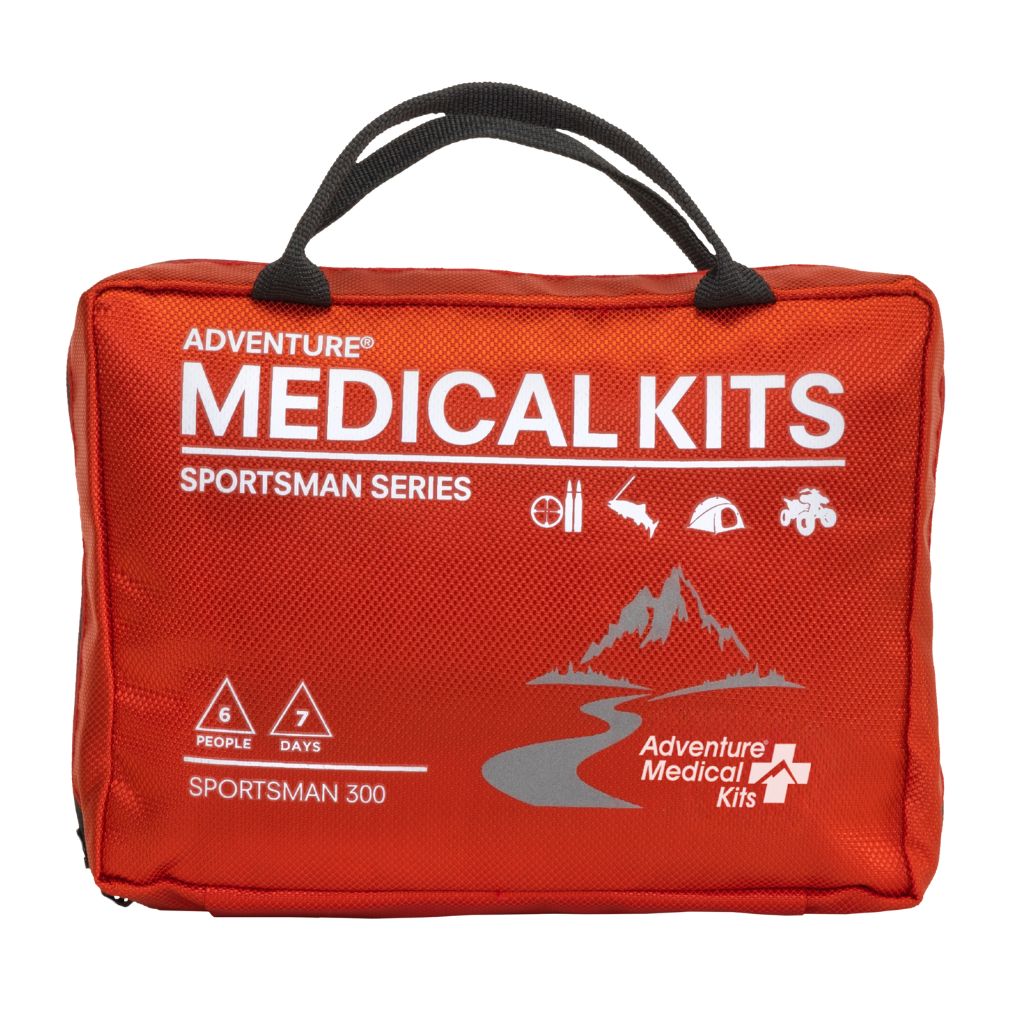
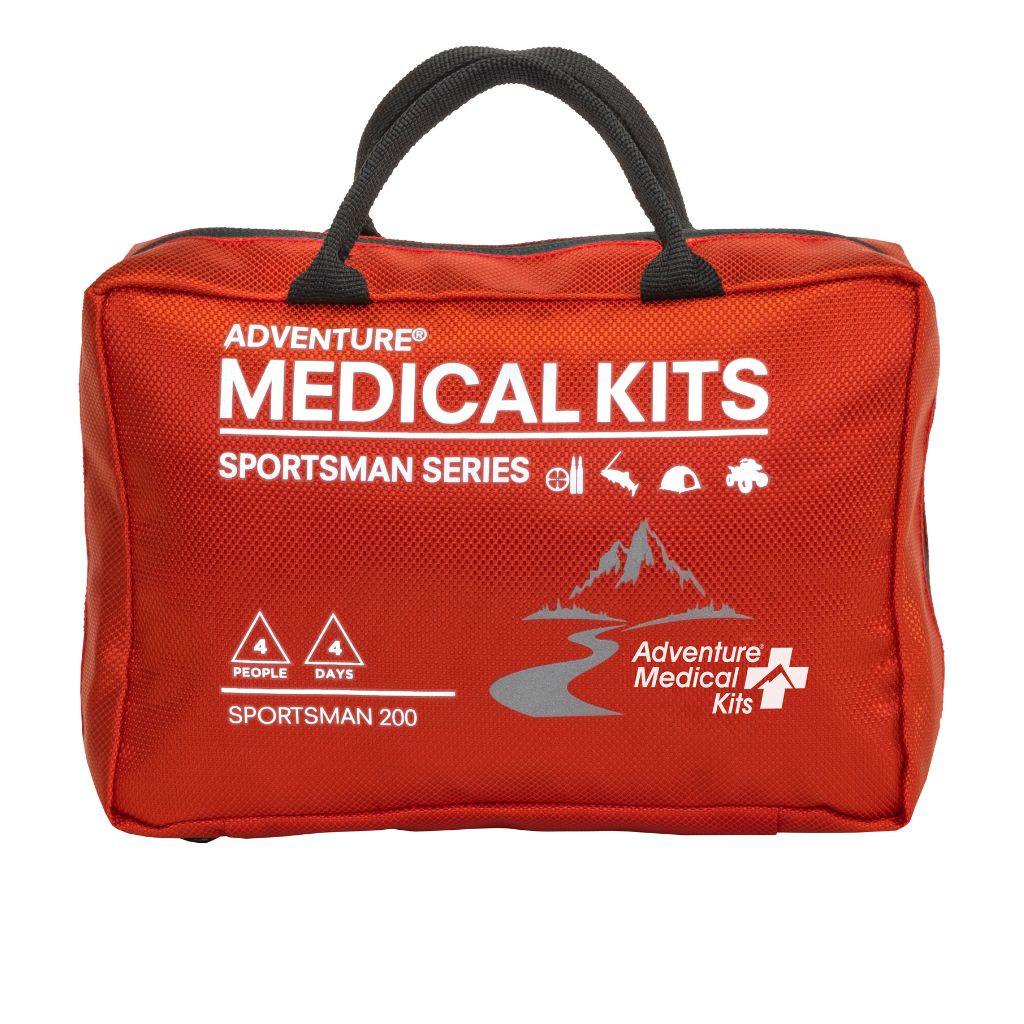
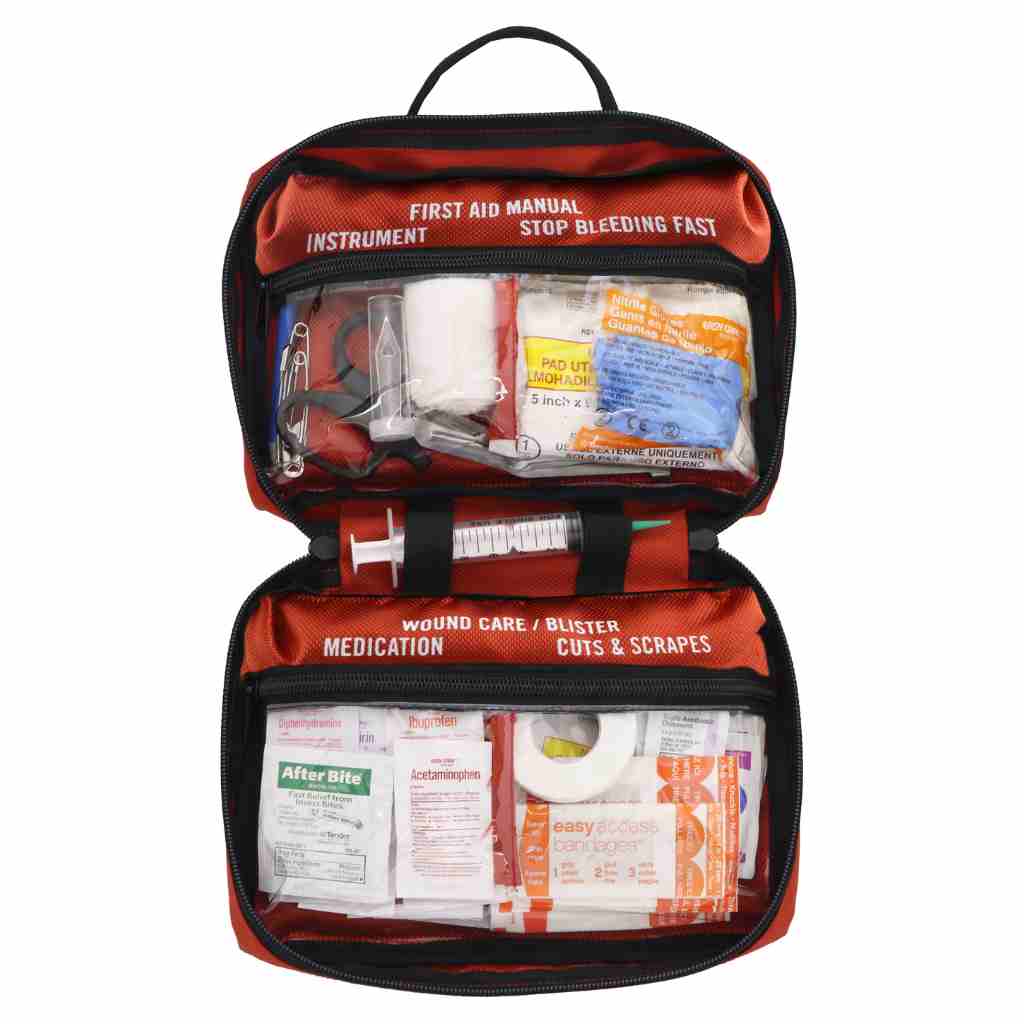
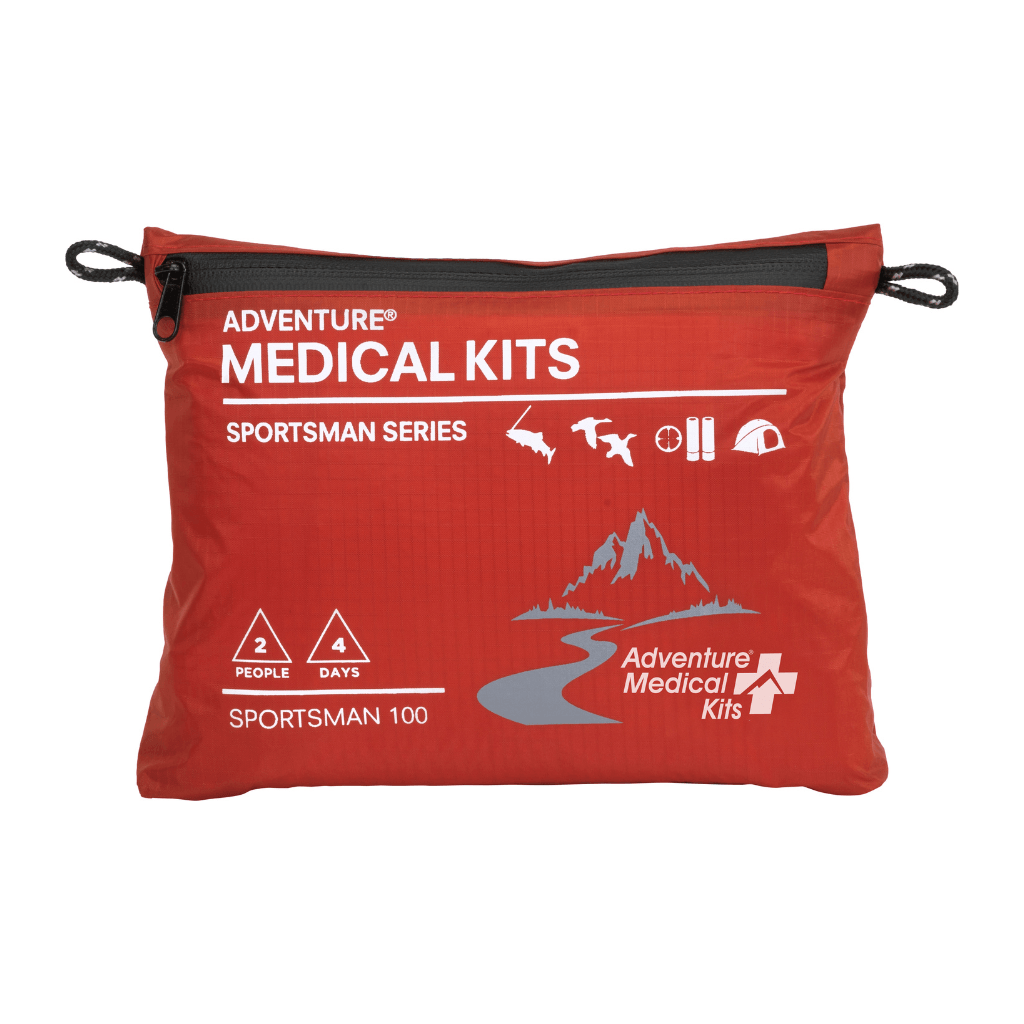
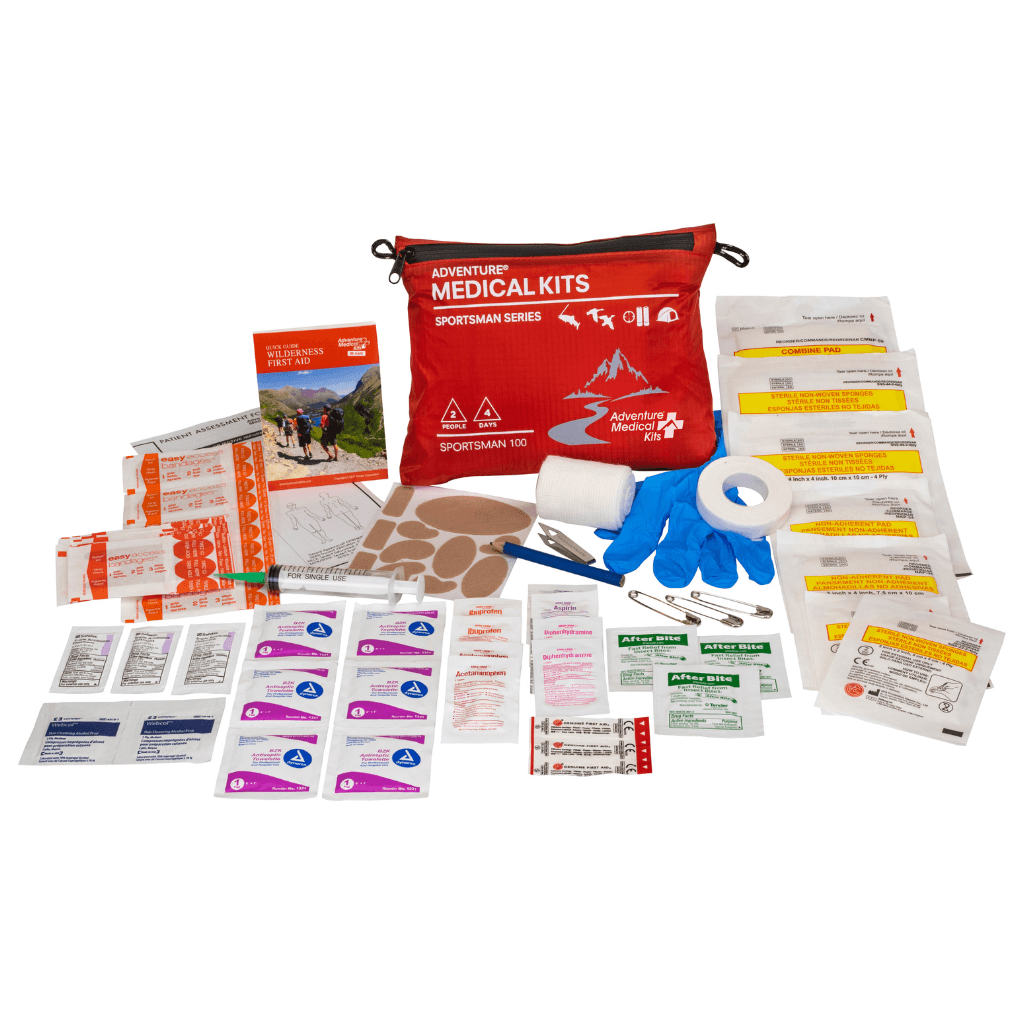
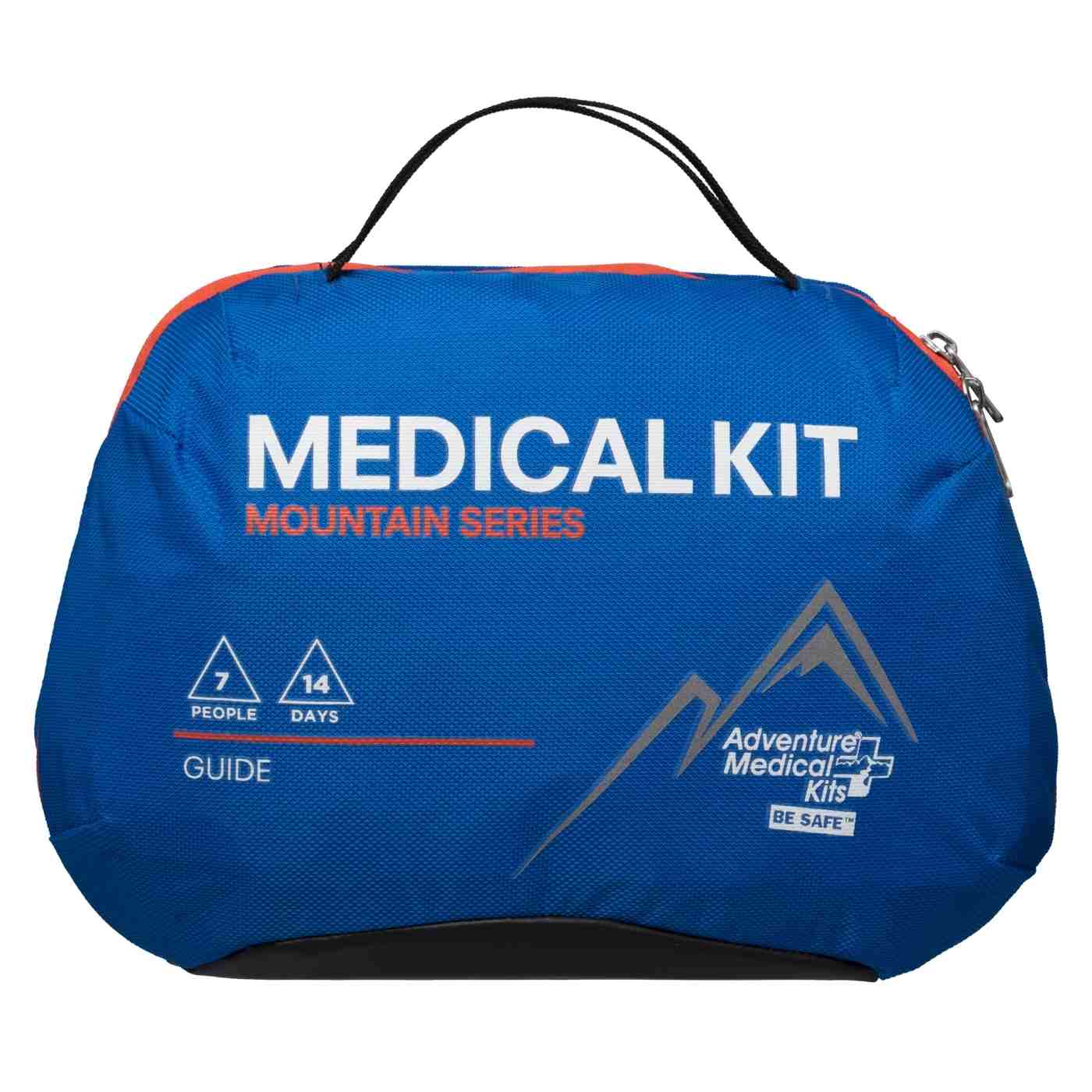
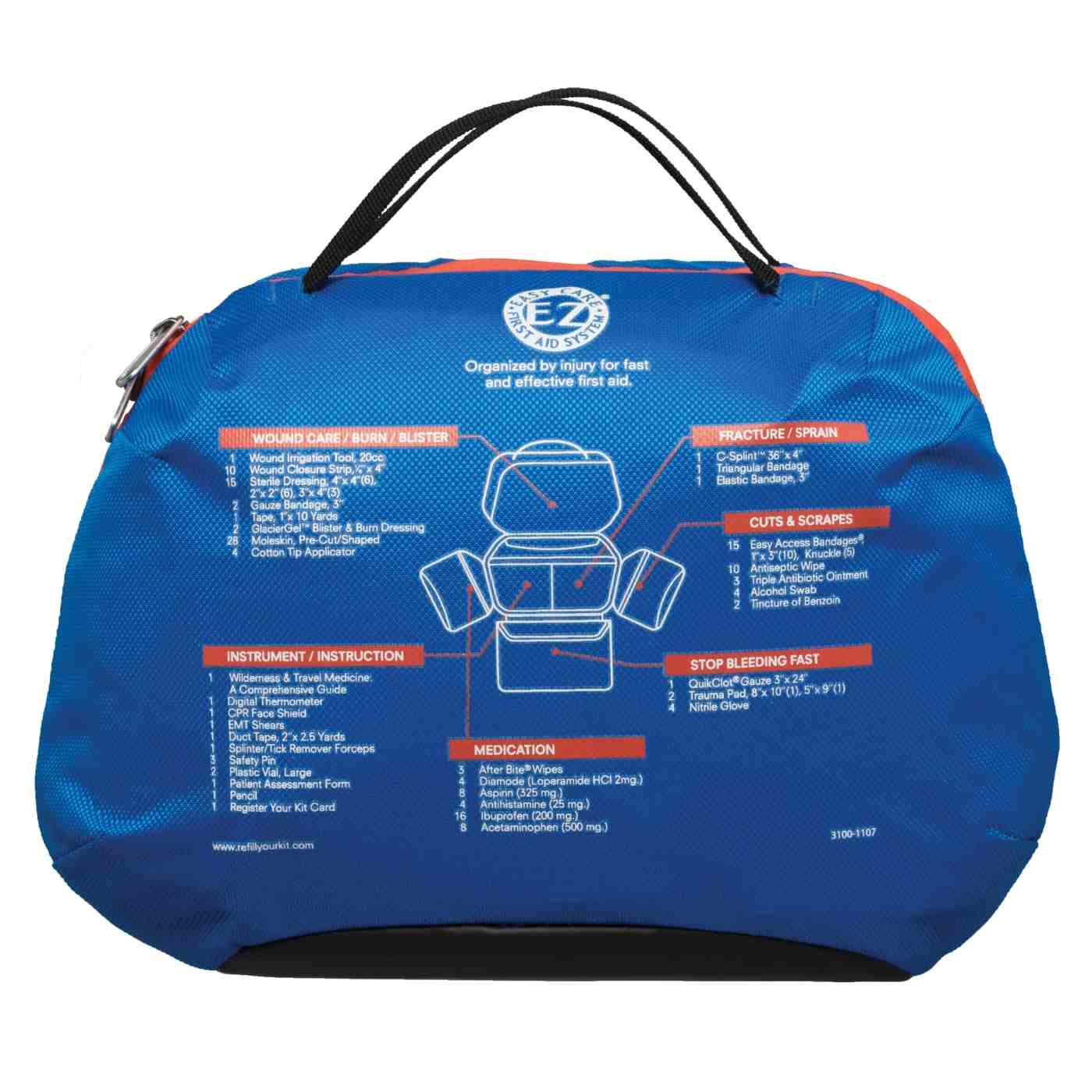
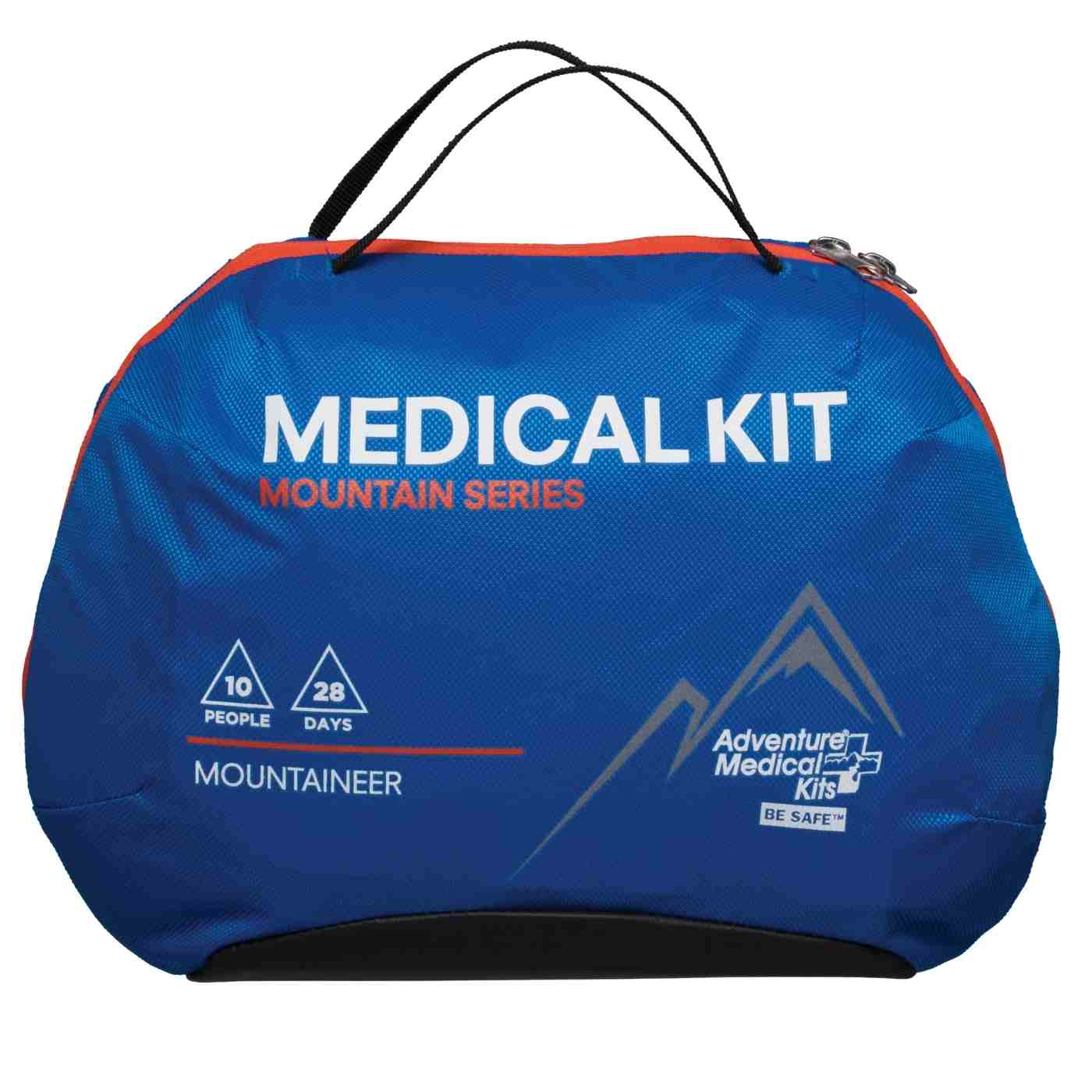
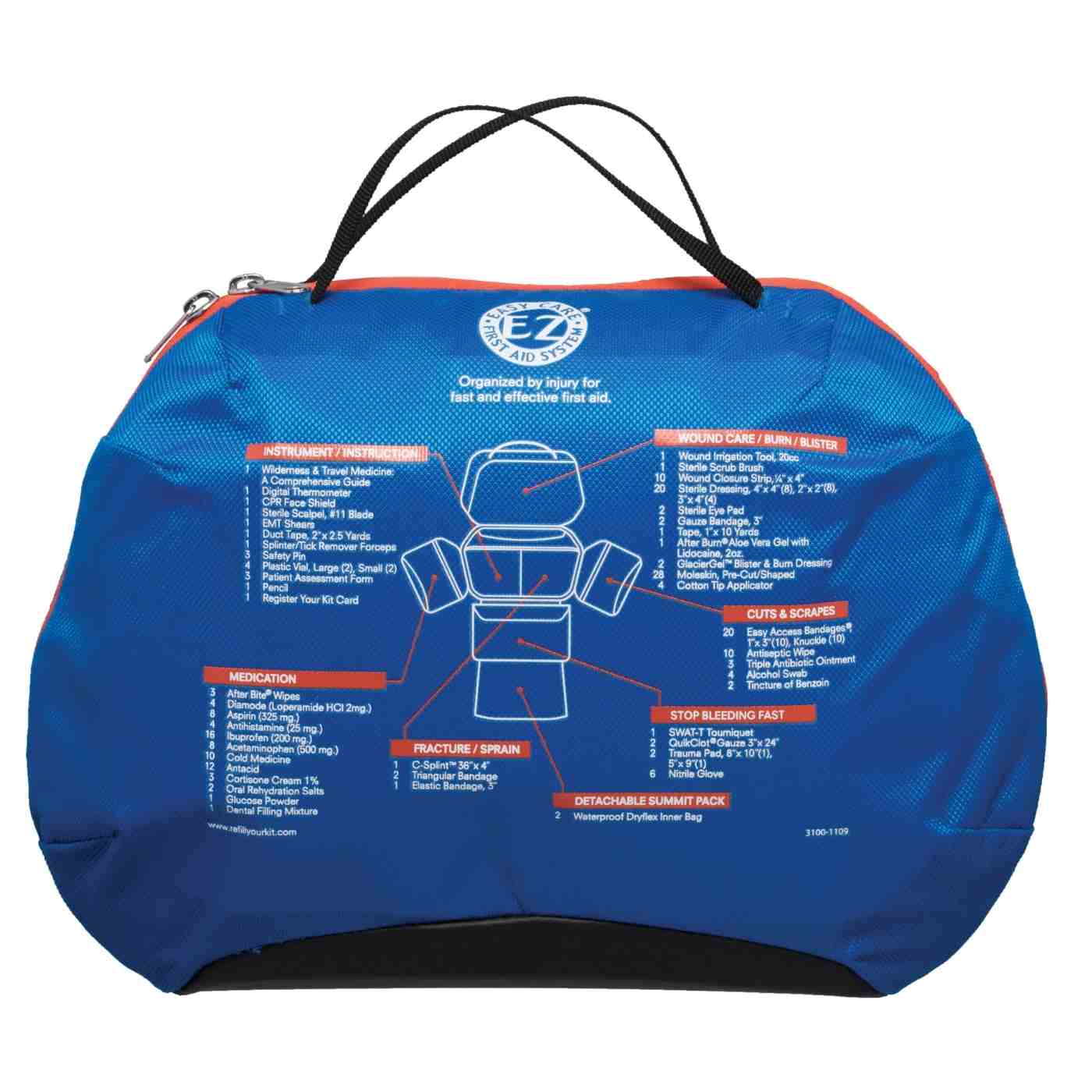
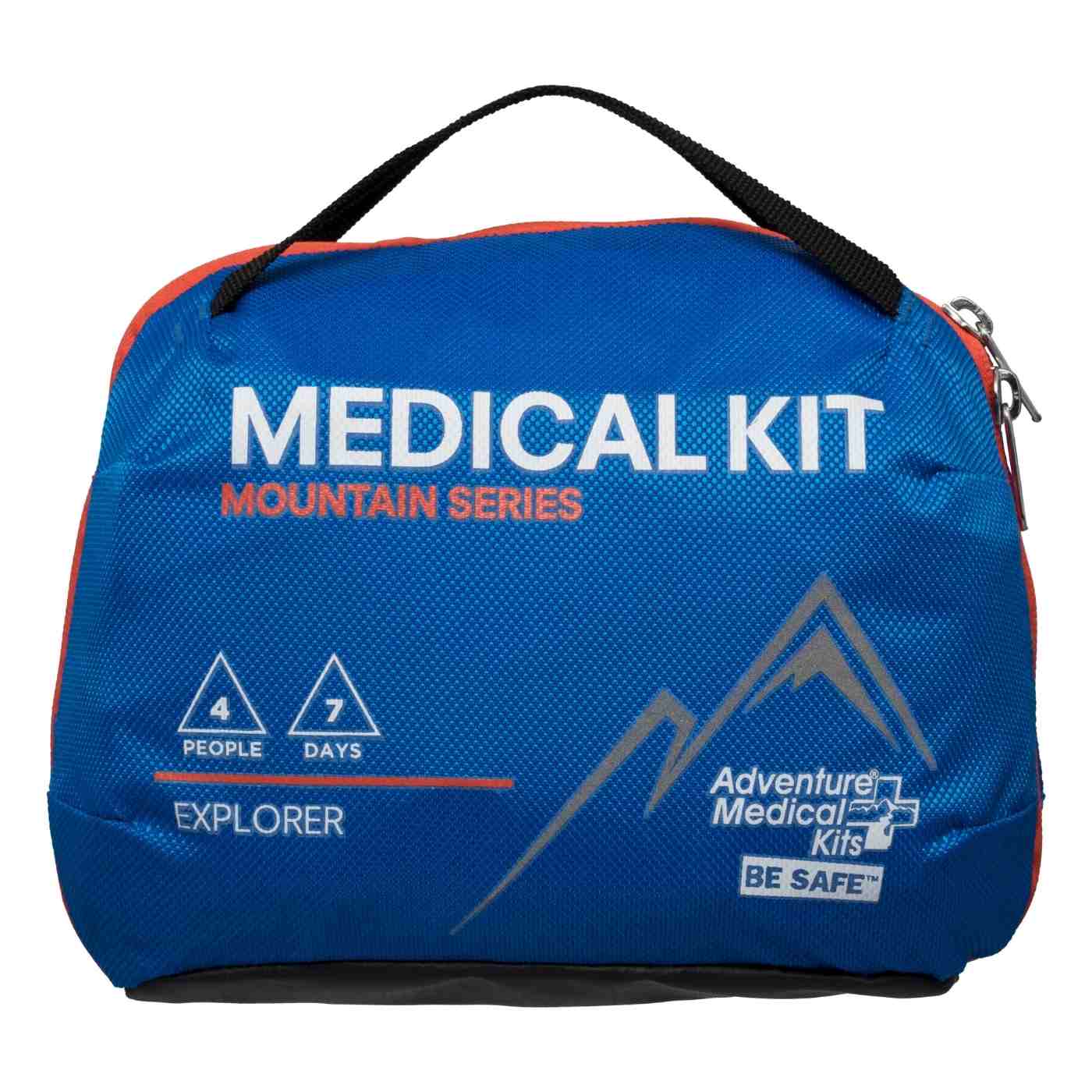
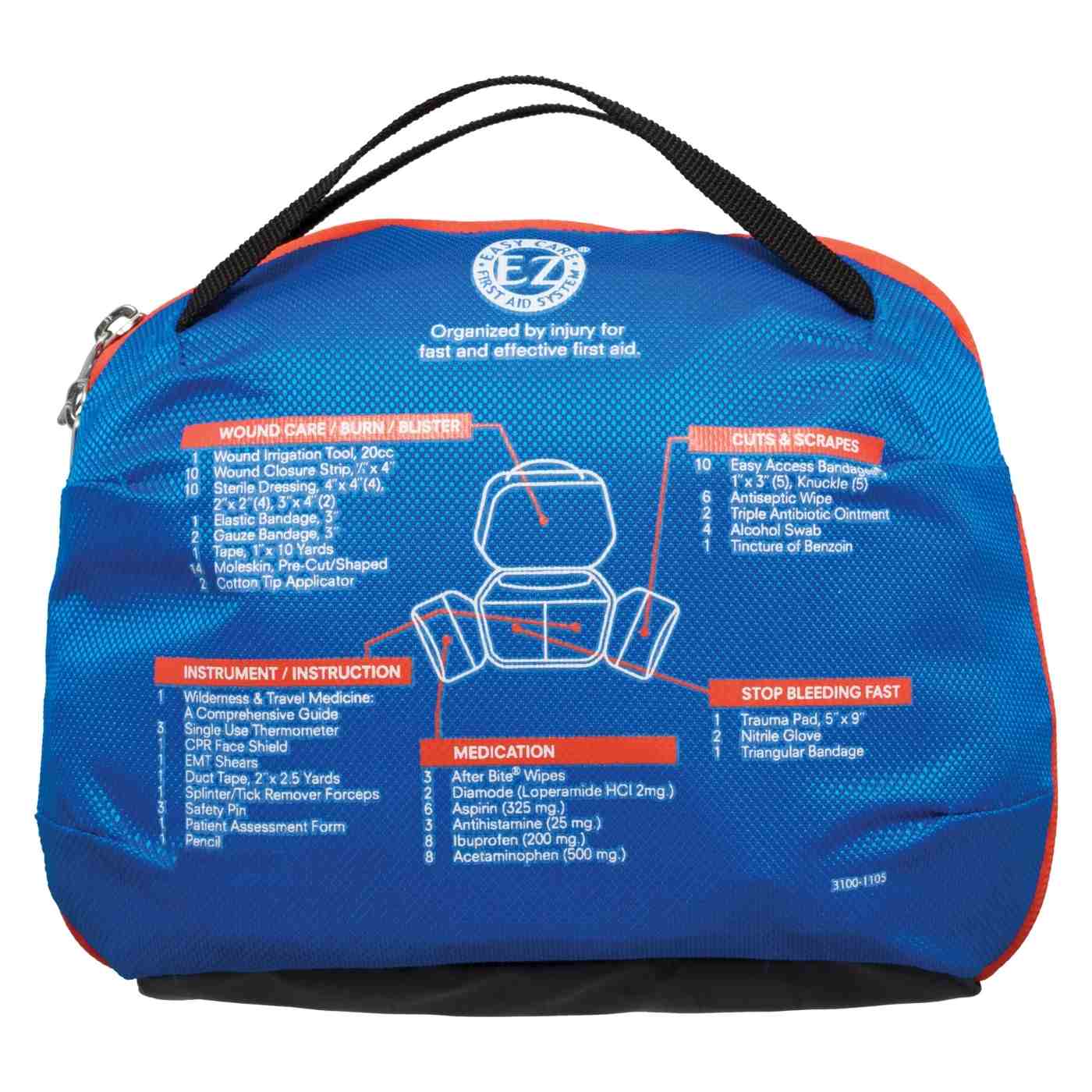
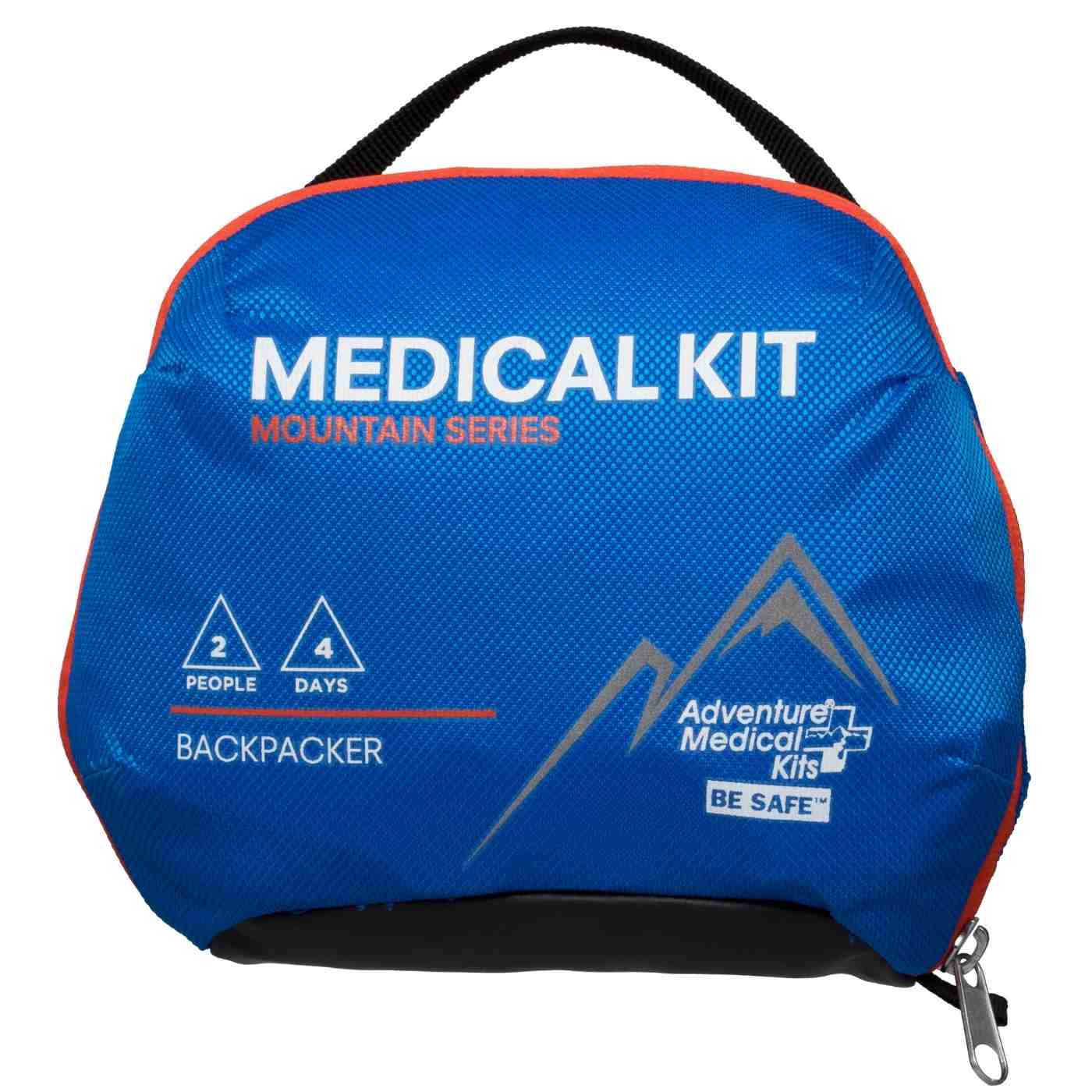
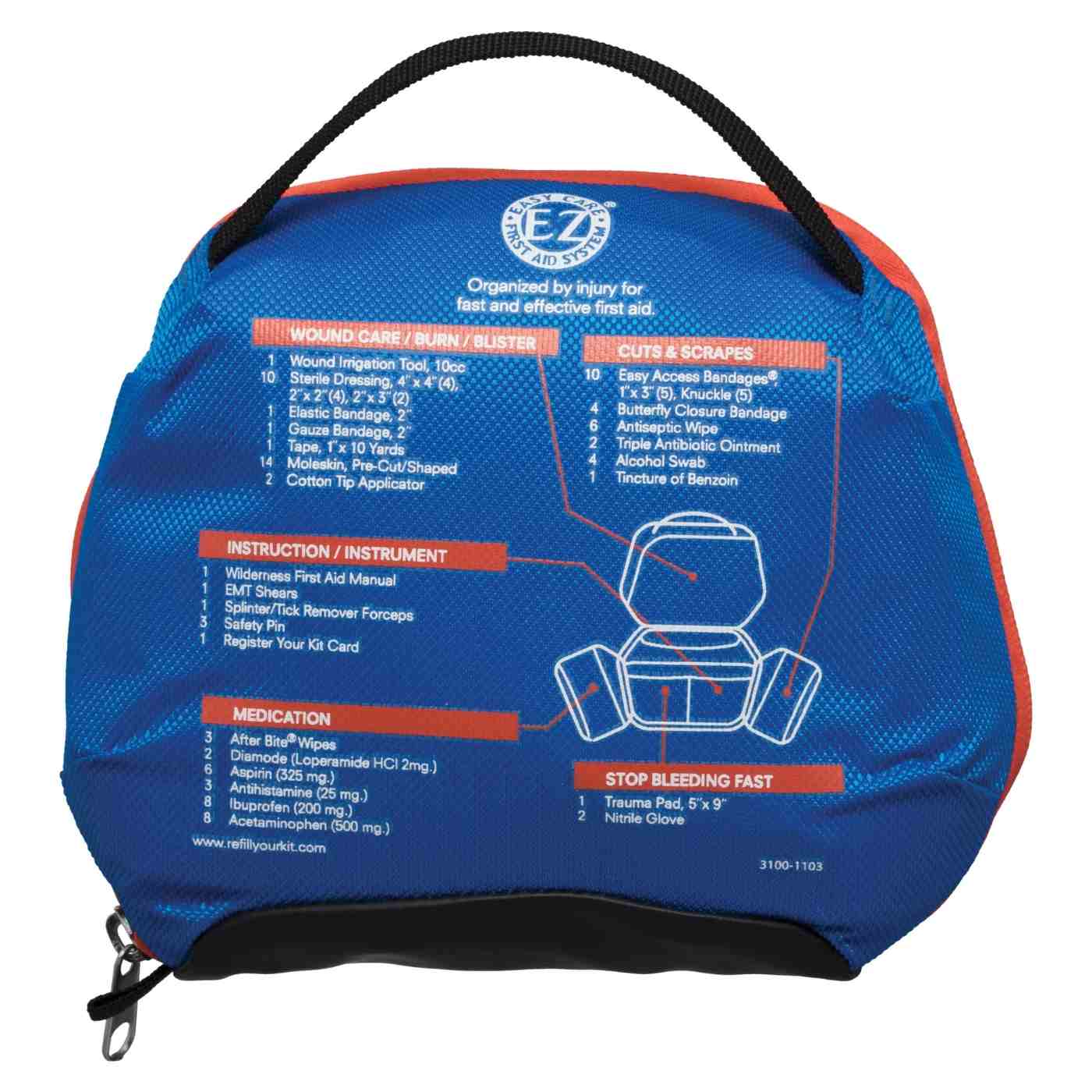
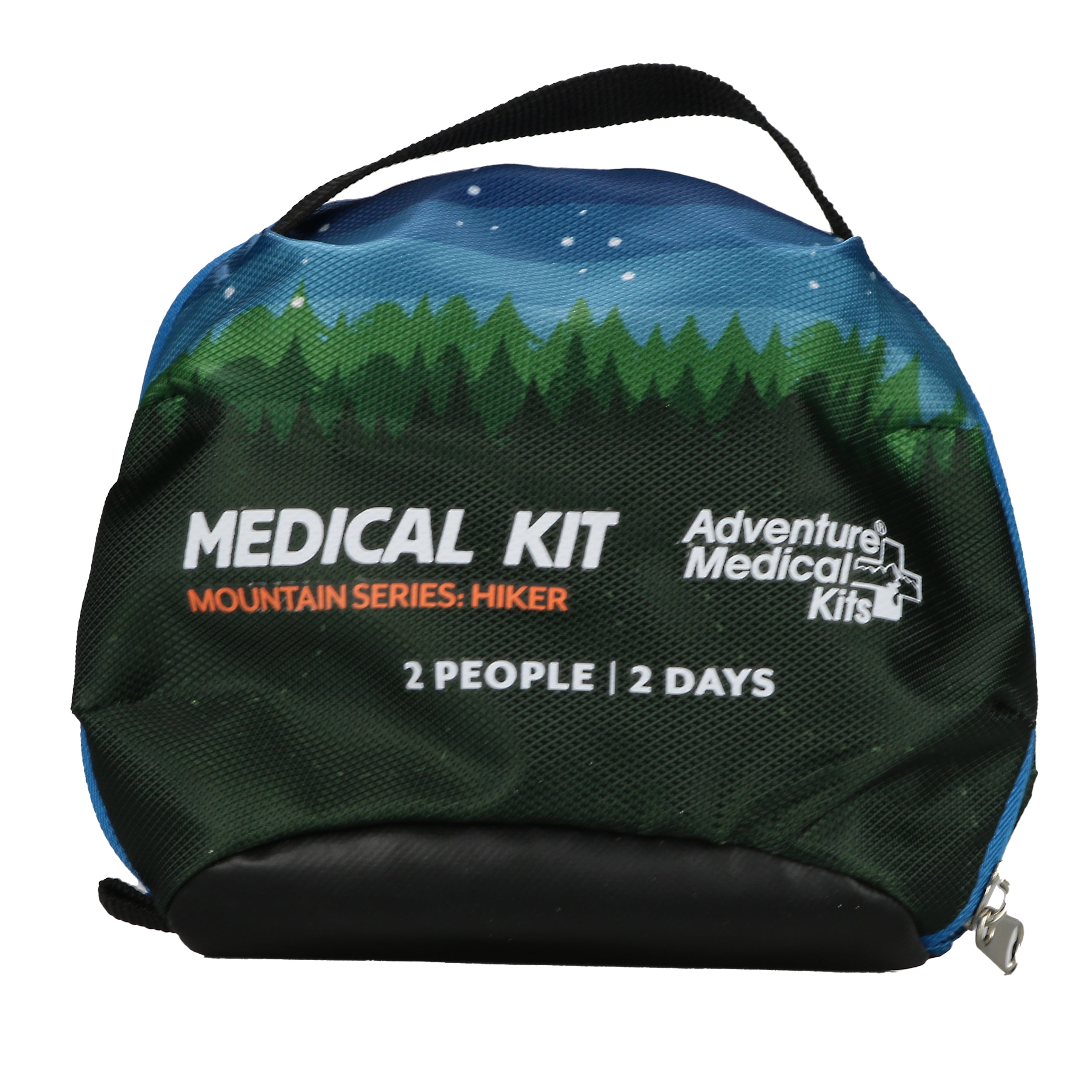
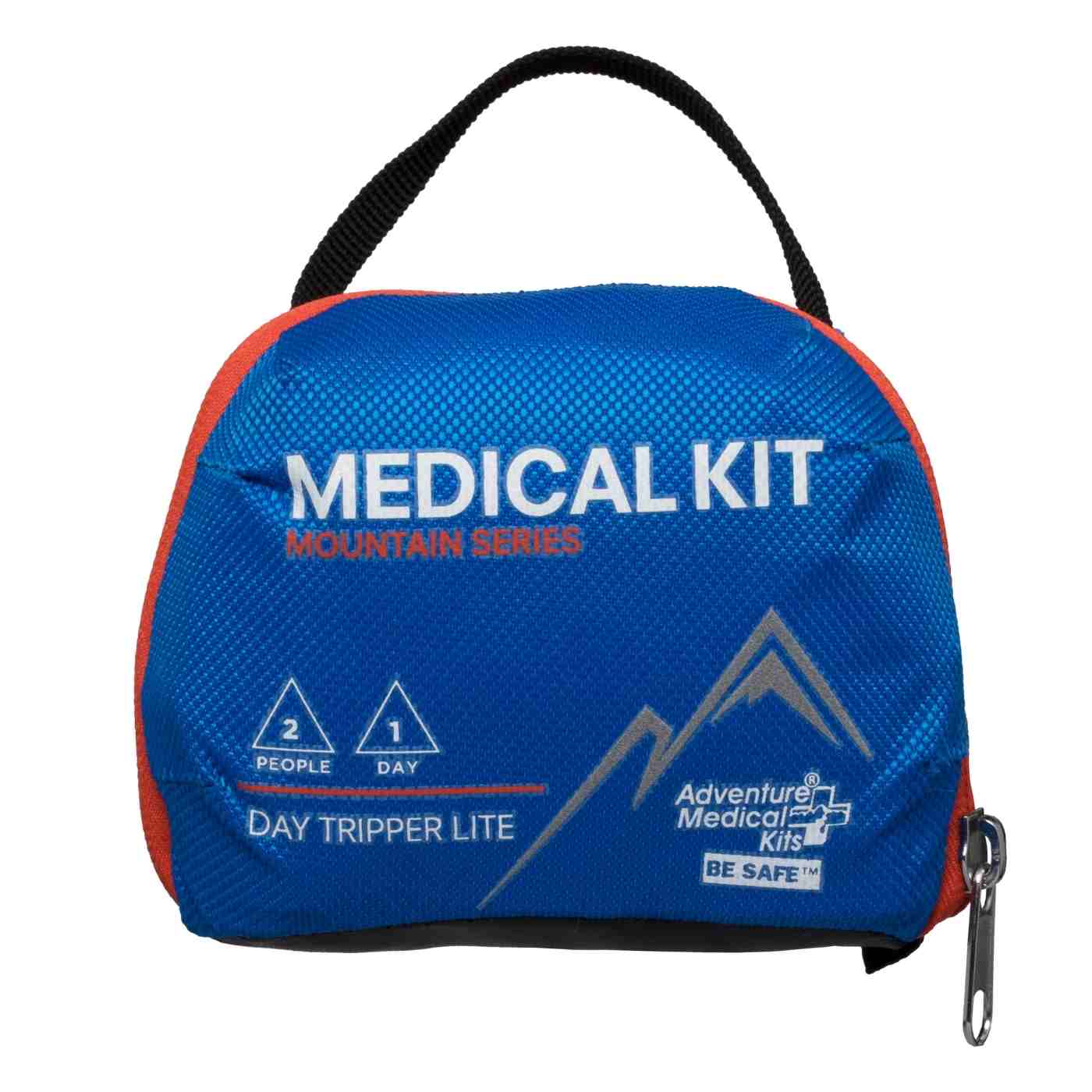
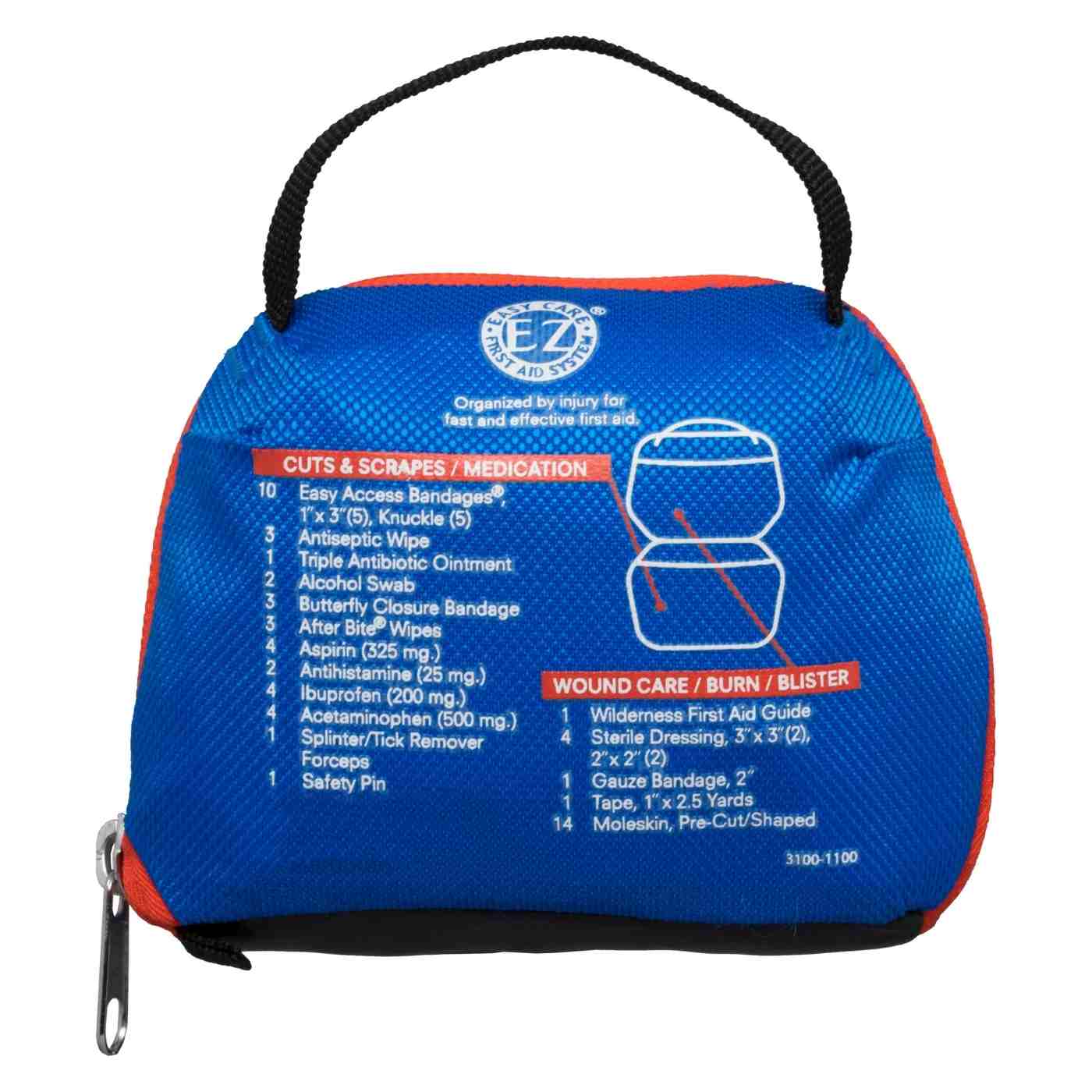
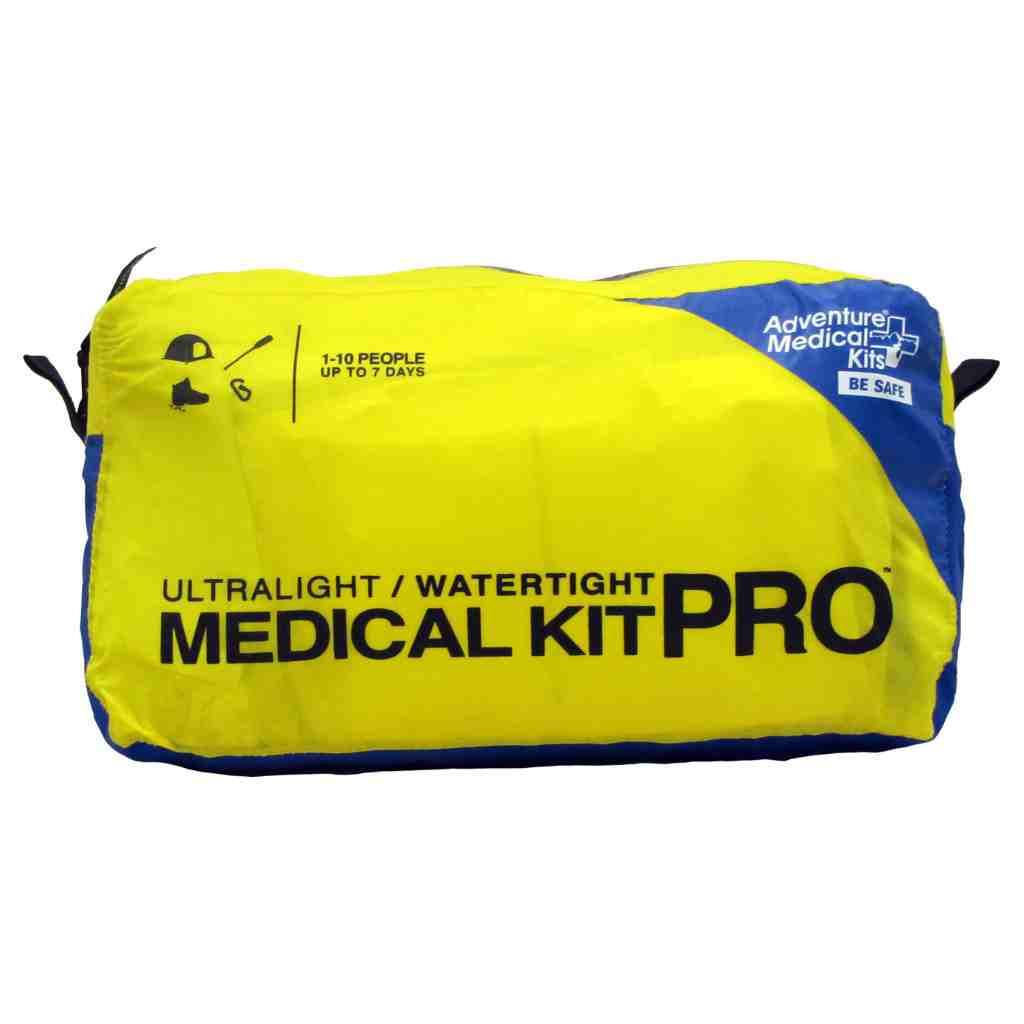
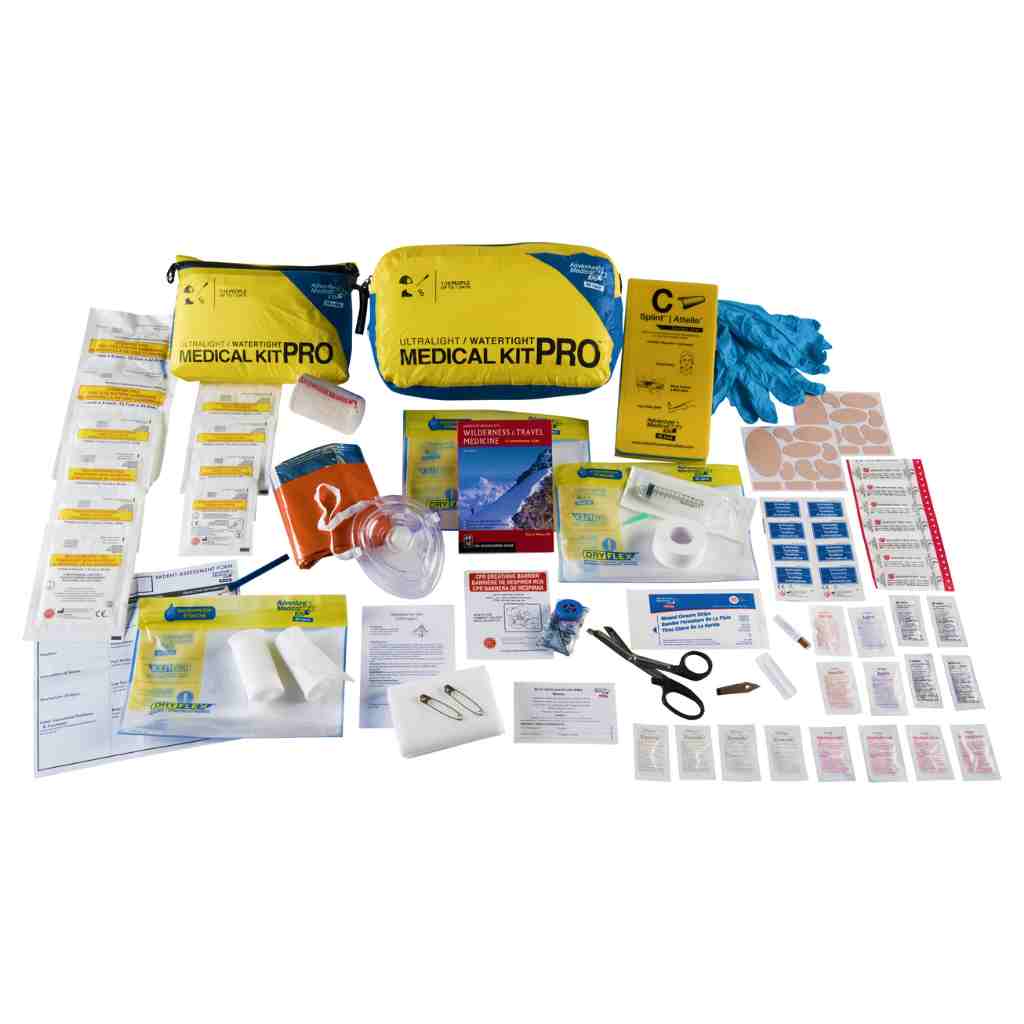
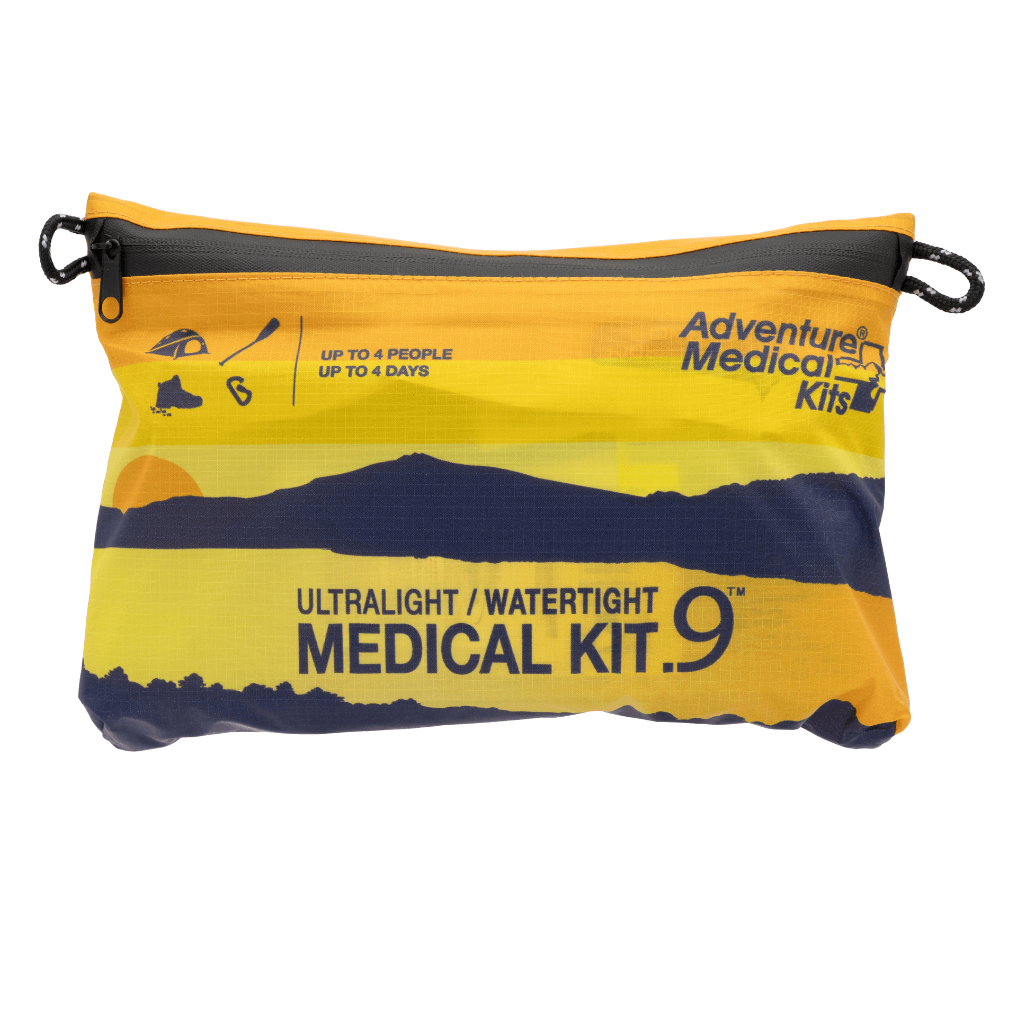
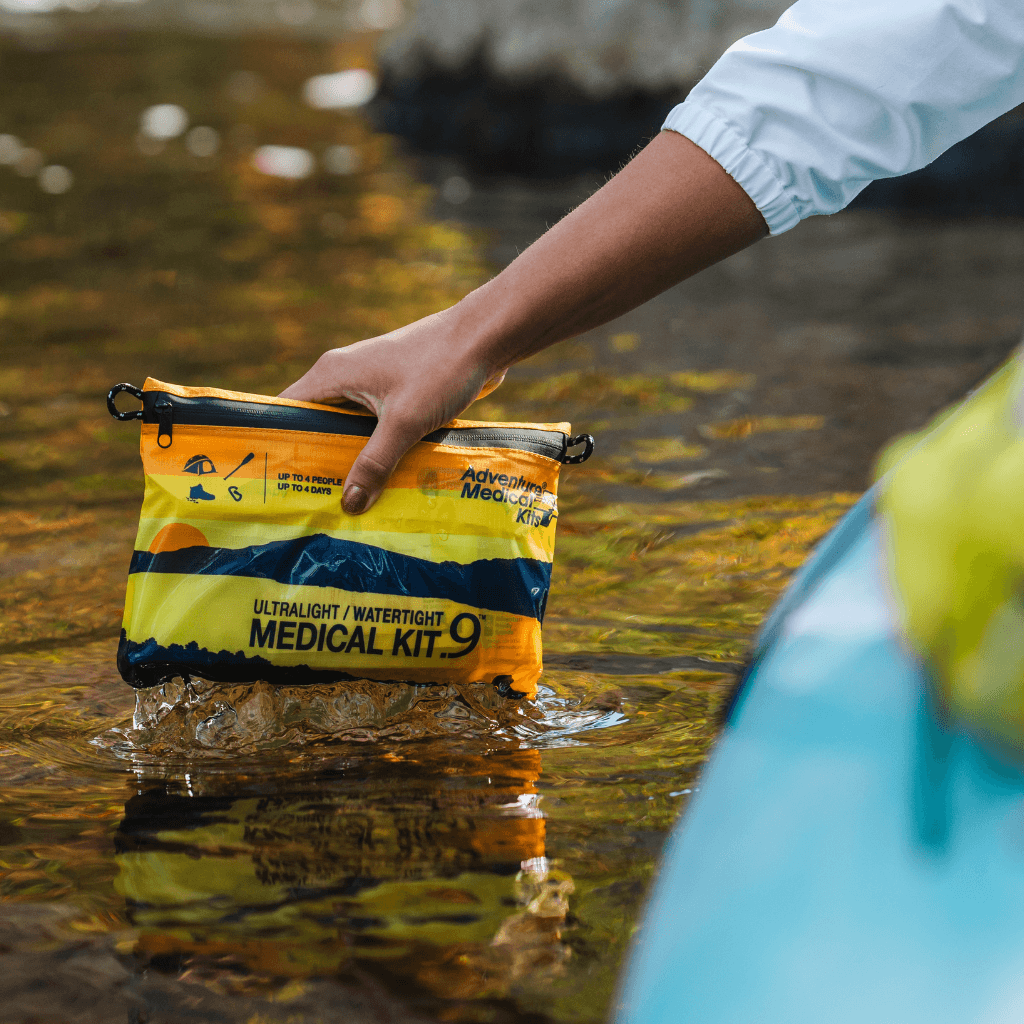
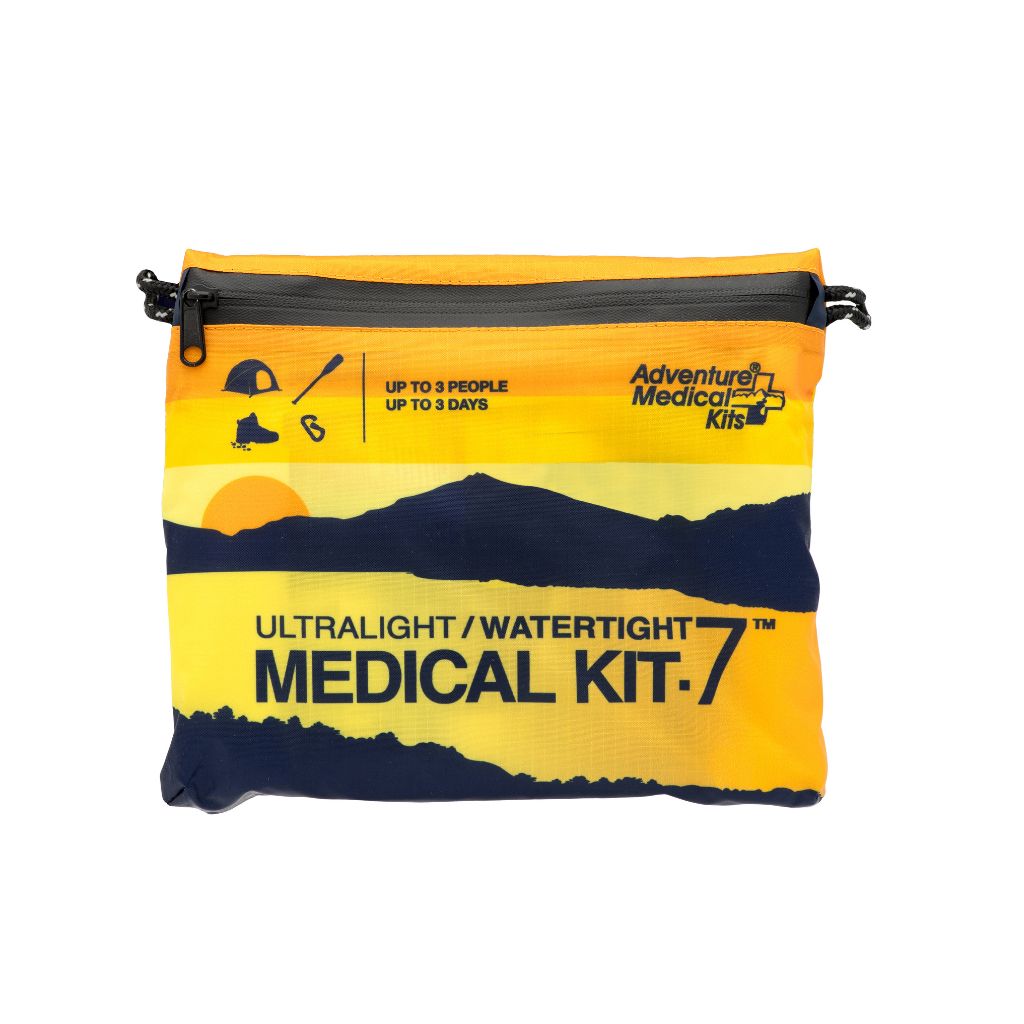
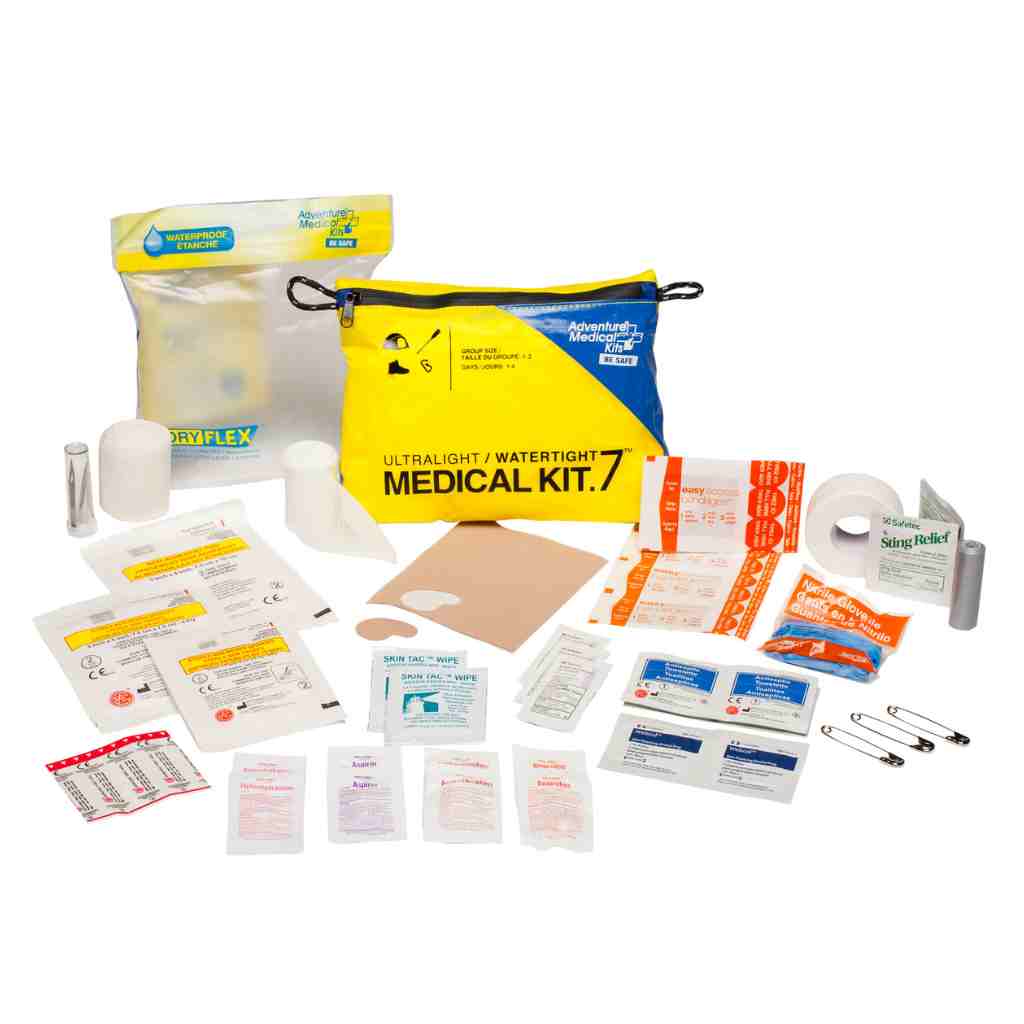
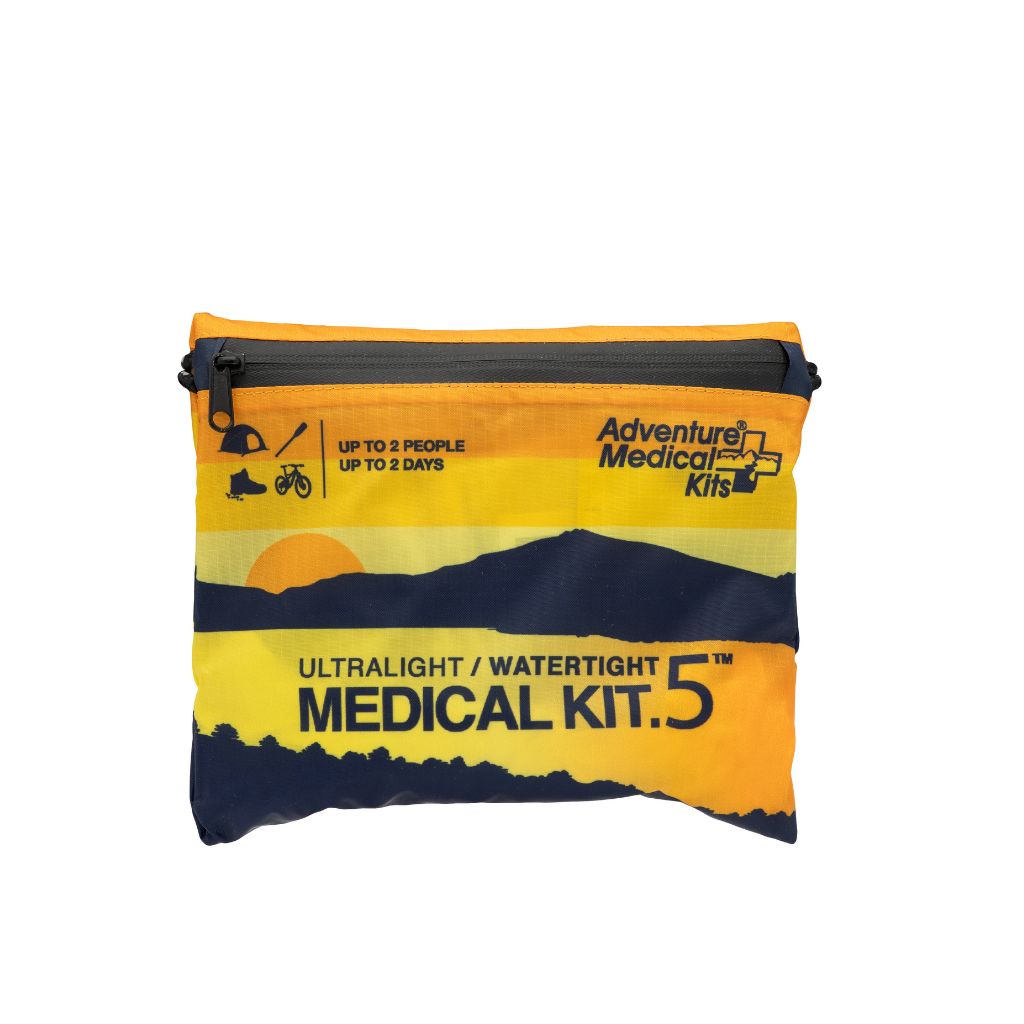
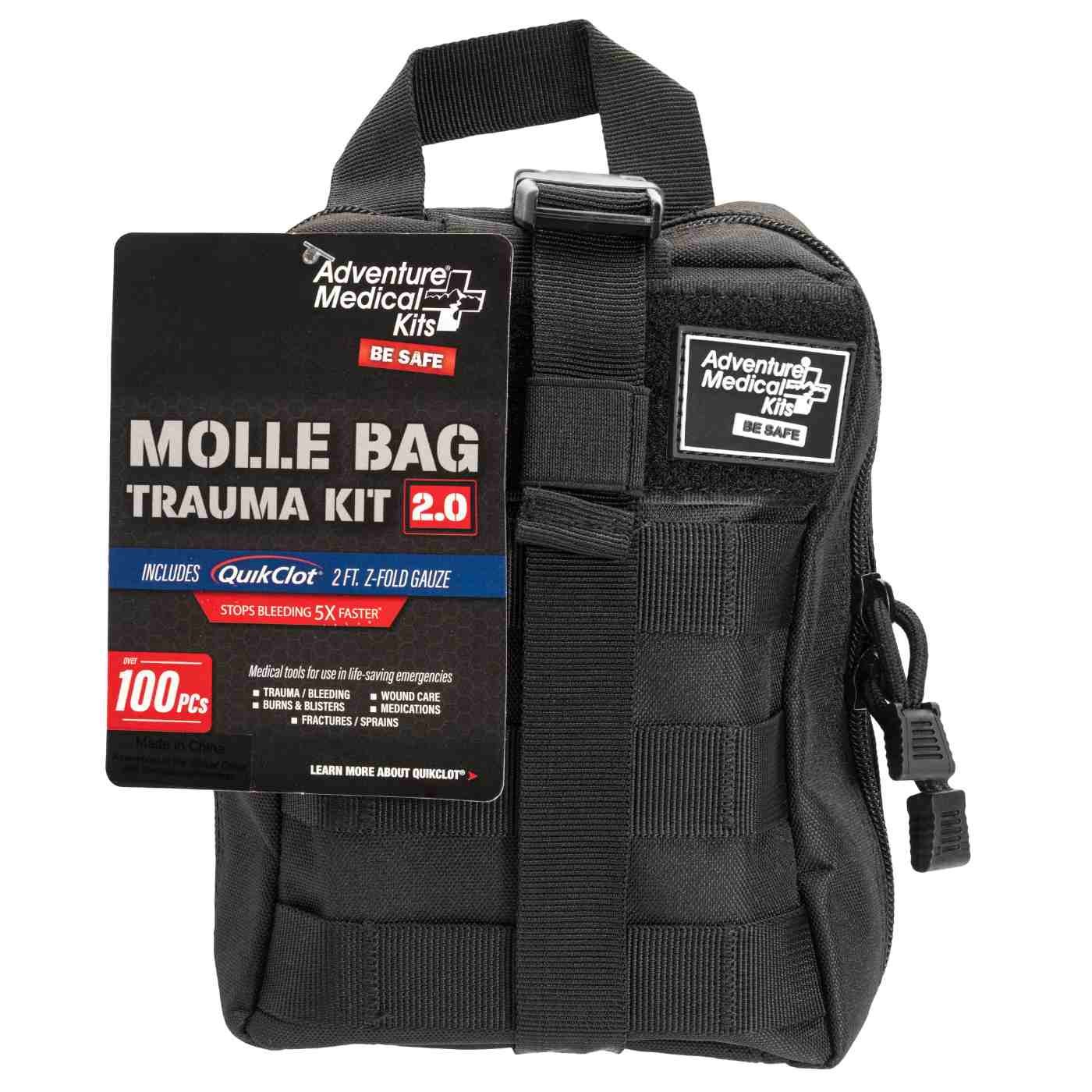
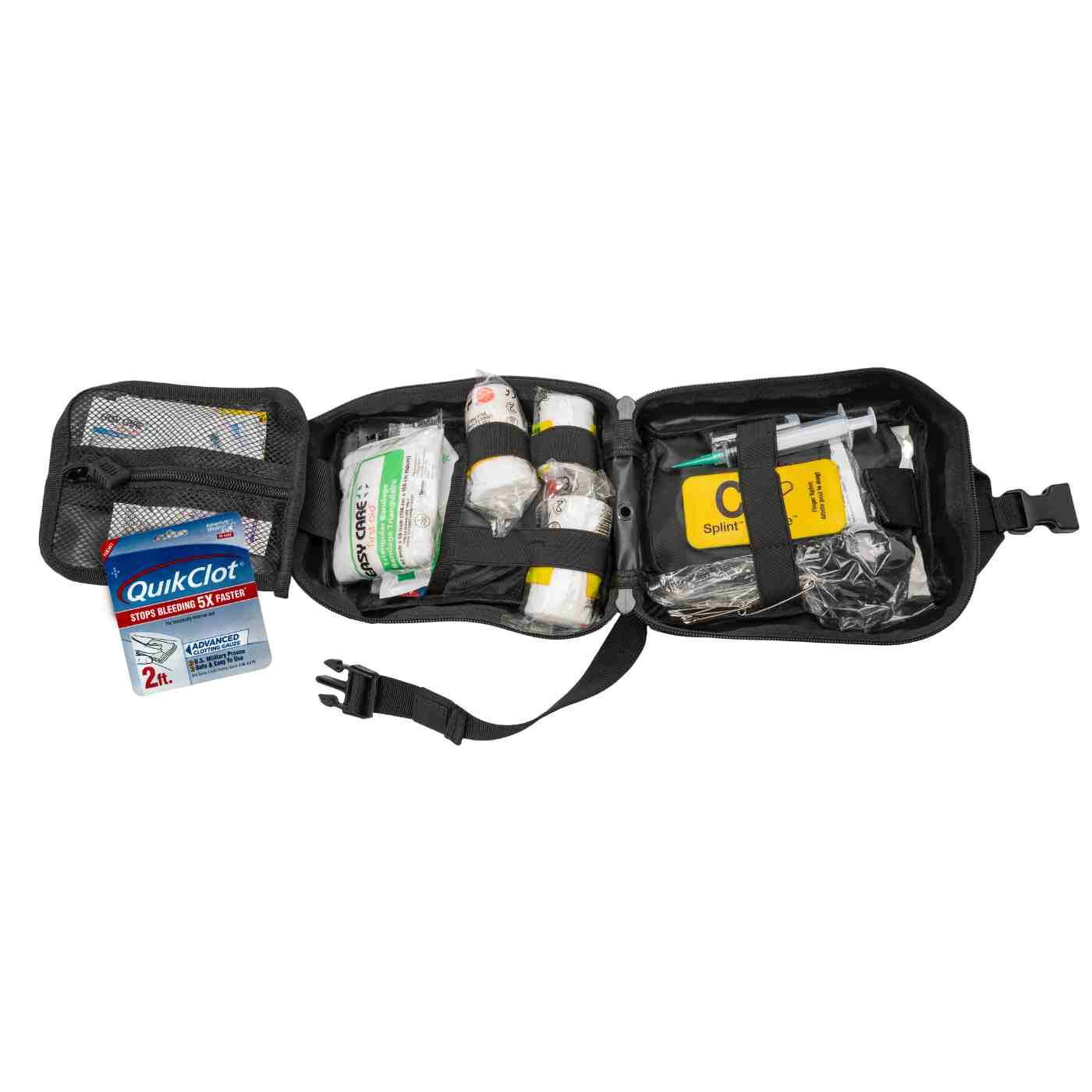
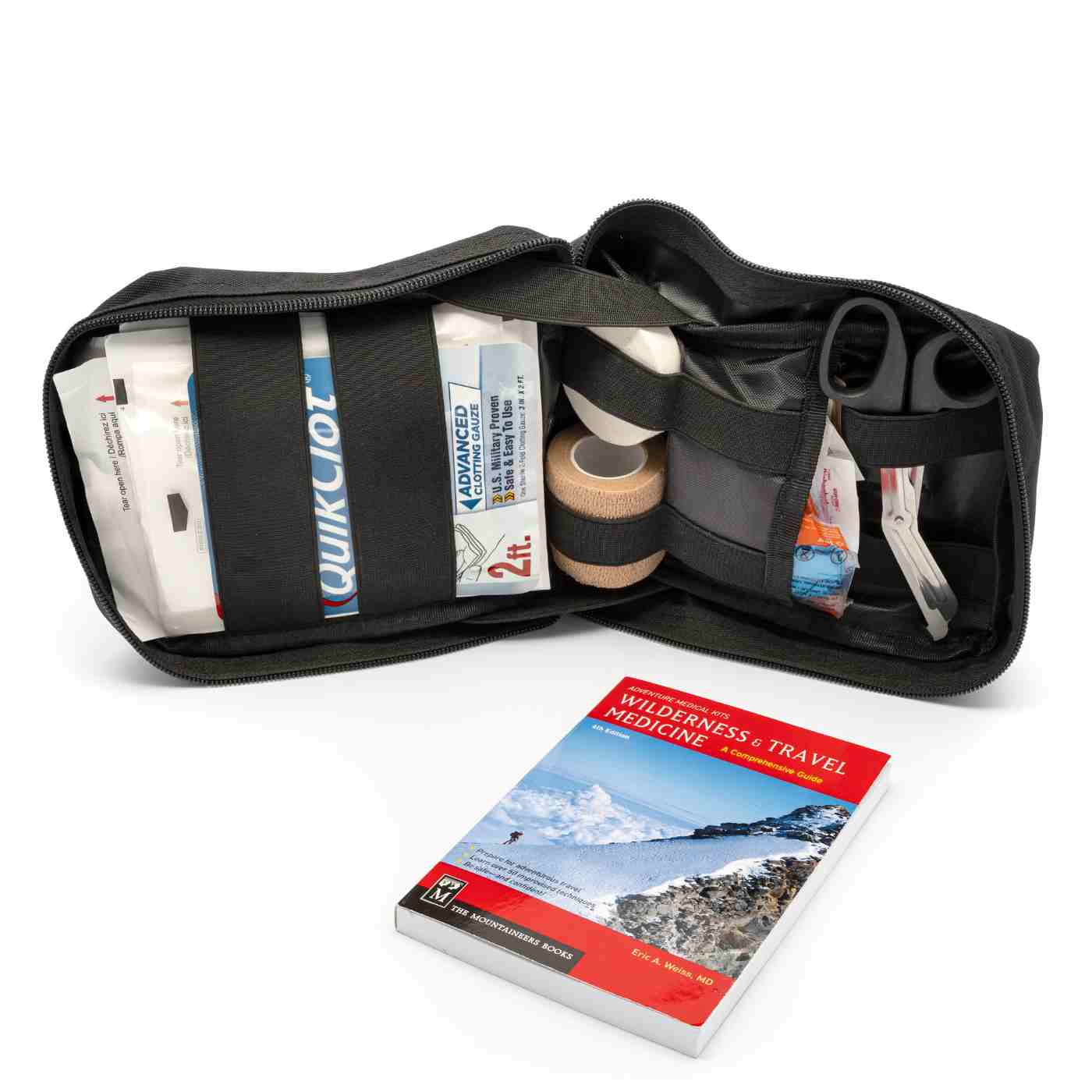
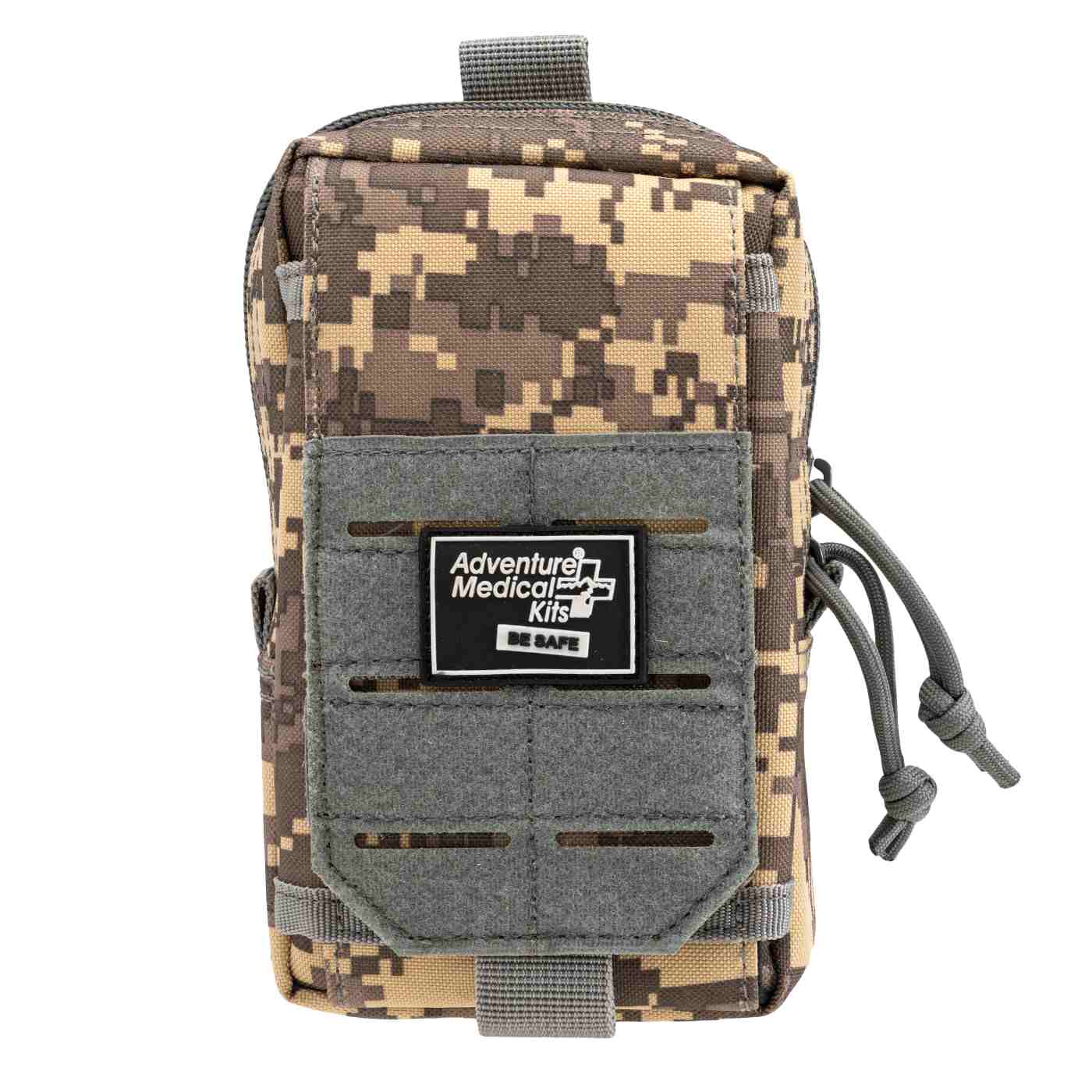
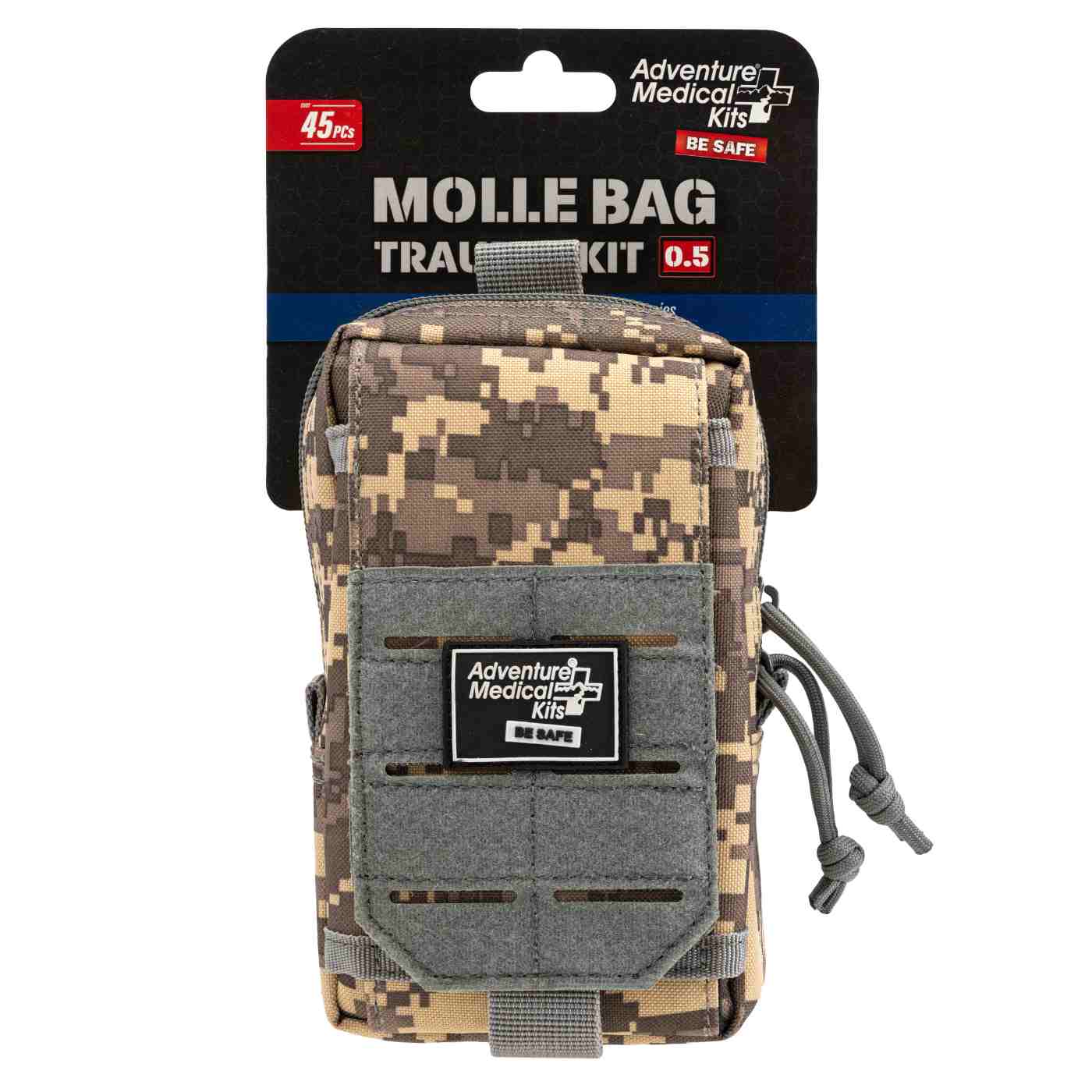
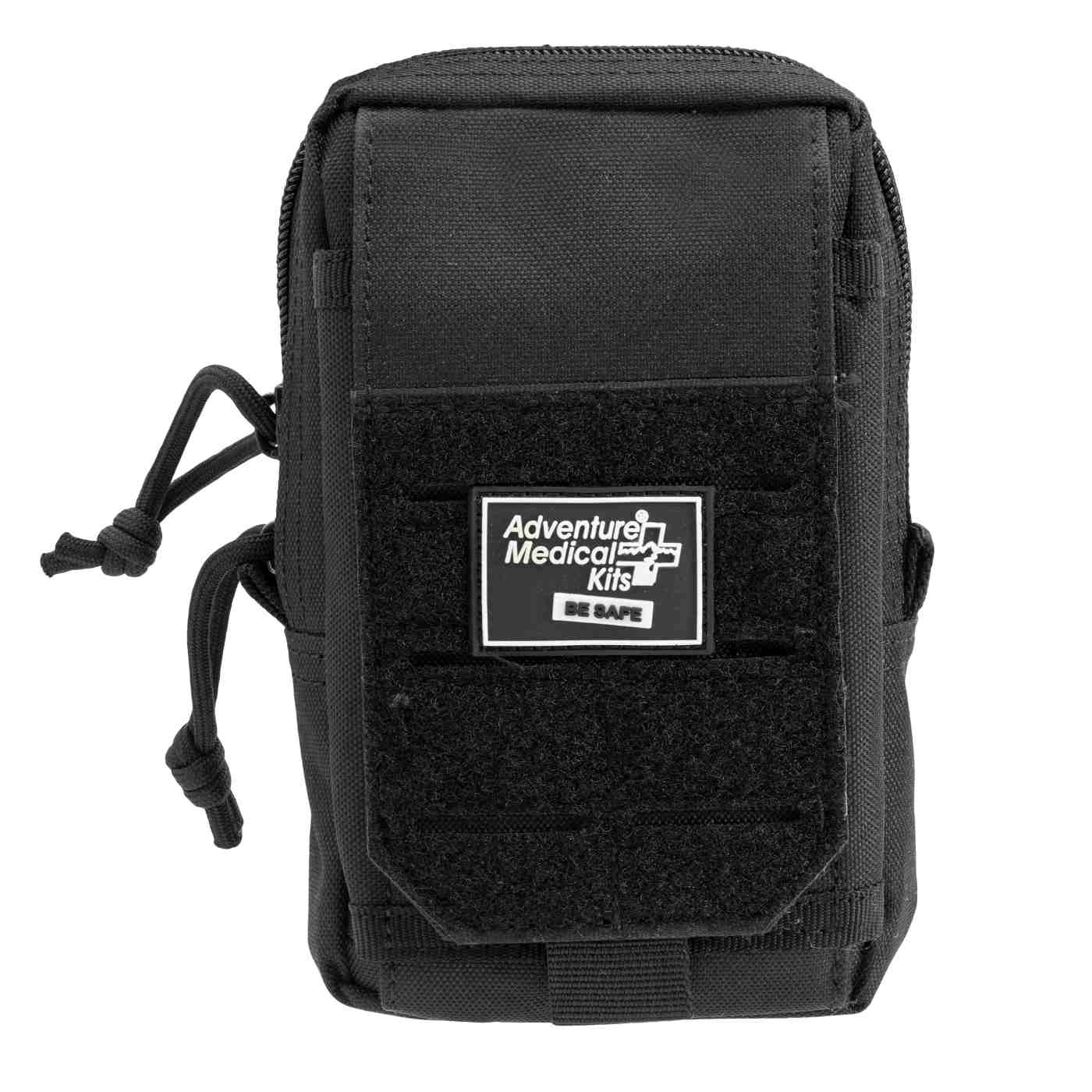
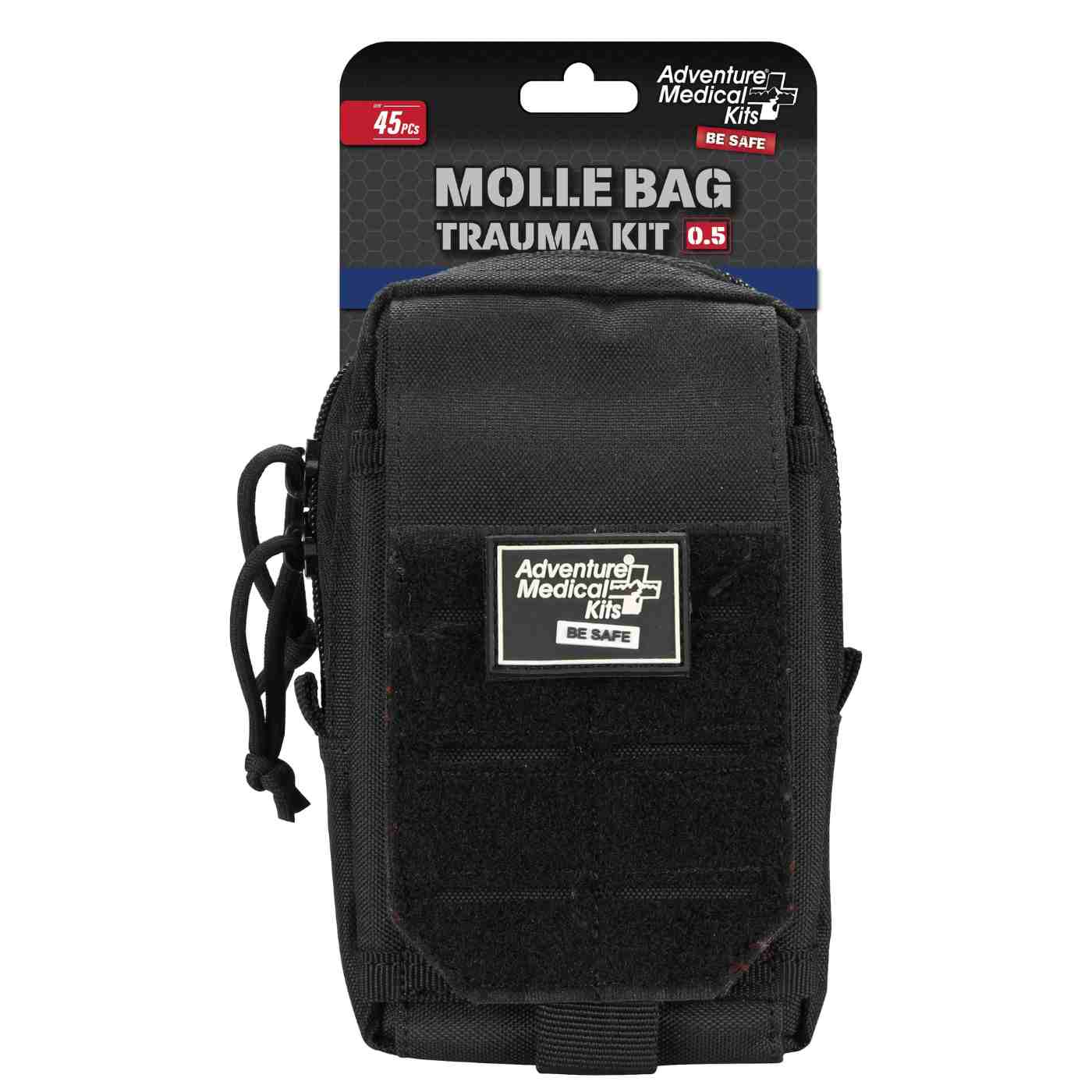
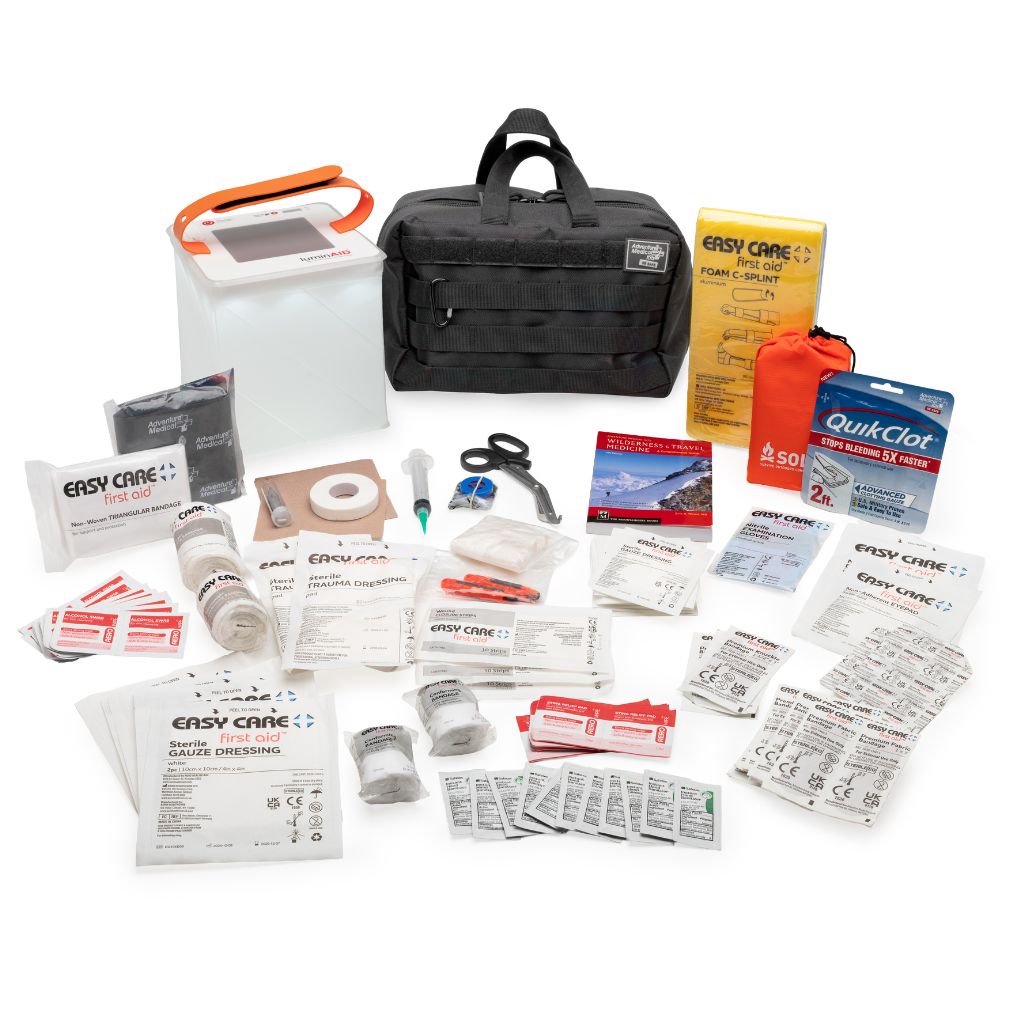
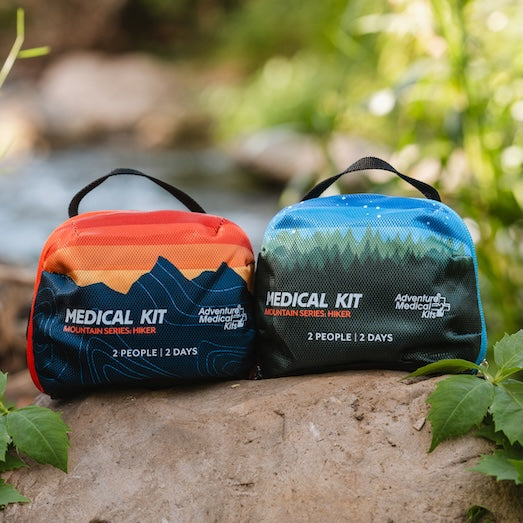
The Mountain Series and MOLLE series provide natural modular homes for these supplies. Their activity-specific organization, labeled compartments, accessible supply lists, included medical instructions in most kits, lightweight packable formats, and resealable waterproof bags help hikers keep wound-care materials findable and protected. The Mountain Series medical kits suit a modular approach for trail use, while the MOLLE Trauma Kit series can integrate with compatible gear setups.
Adventure Medical Kits also identifies its first-aid kits and supplies as FSA/HSA eligible at checkout, and the company is a trusted partner of the National Outdoor Leadership School. Those details don't replace checking ingredients or testing tolerance before a trip, but organized, activity-specific equipment can make the right response easier when skin is already irritated.
Adventure Medical Kits offers organized, lightweight outdoor medical kits with wound-care supplies, waterproof storage, and instructions for common trail injuries. Hikers can visit Adventure Medical Kits to choose a Mountain Series or MOLLE series kit and build a sensitive-skin setup before the next trip.