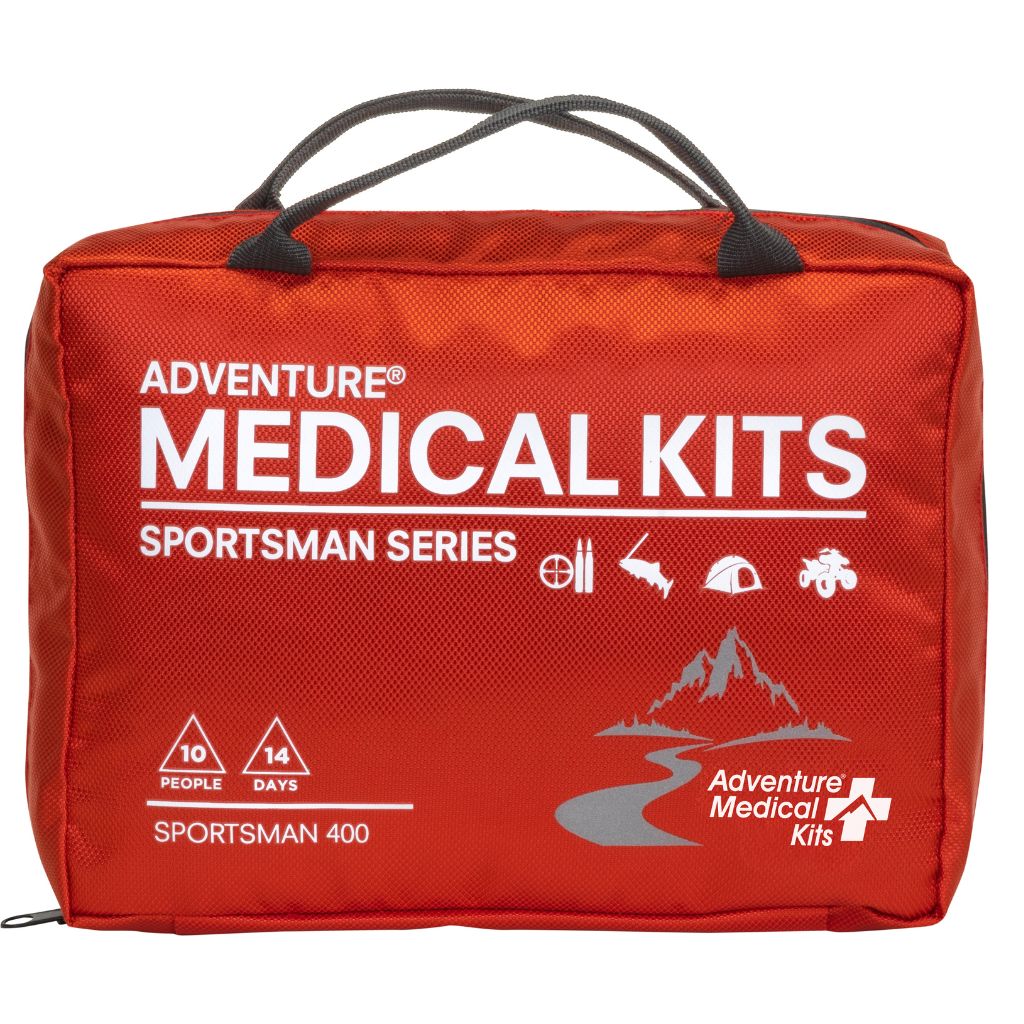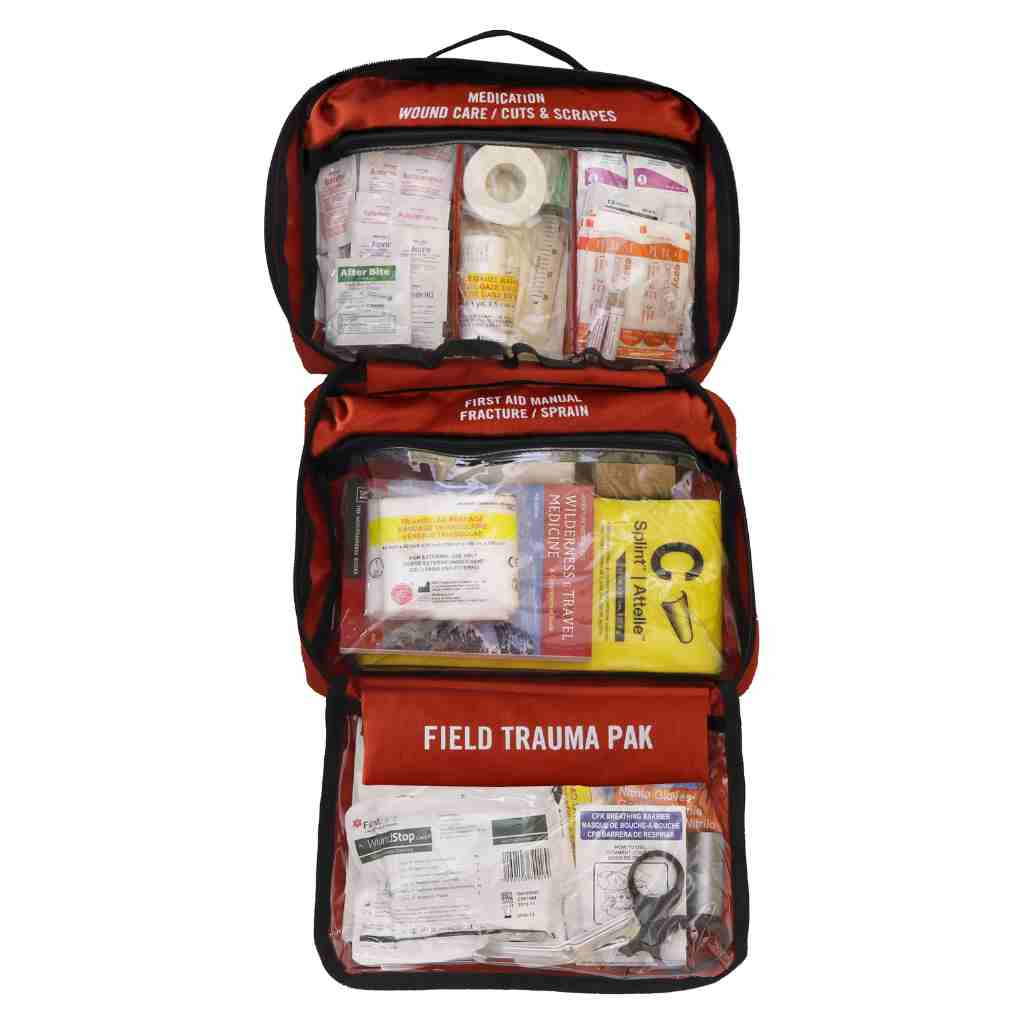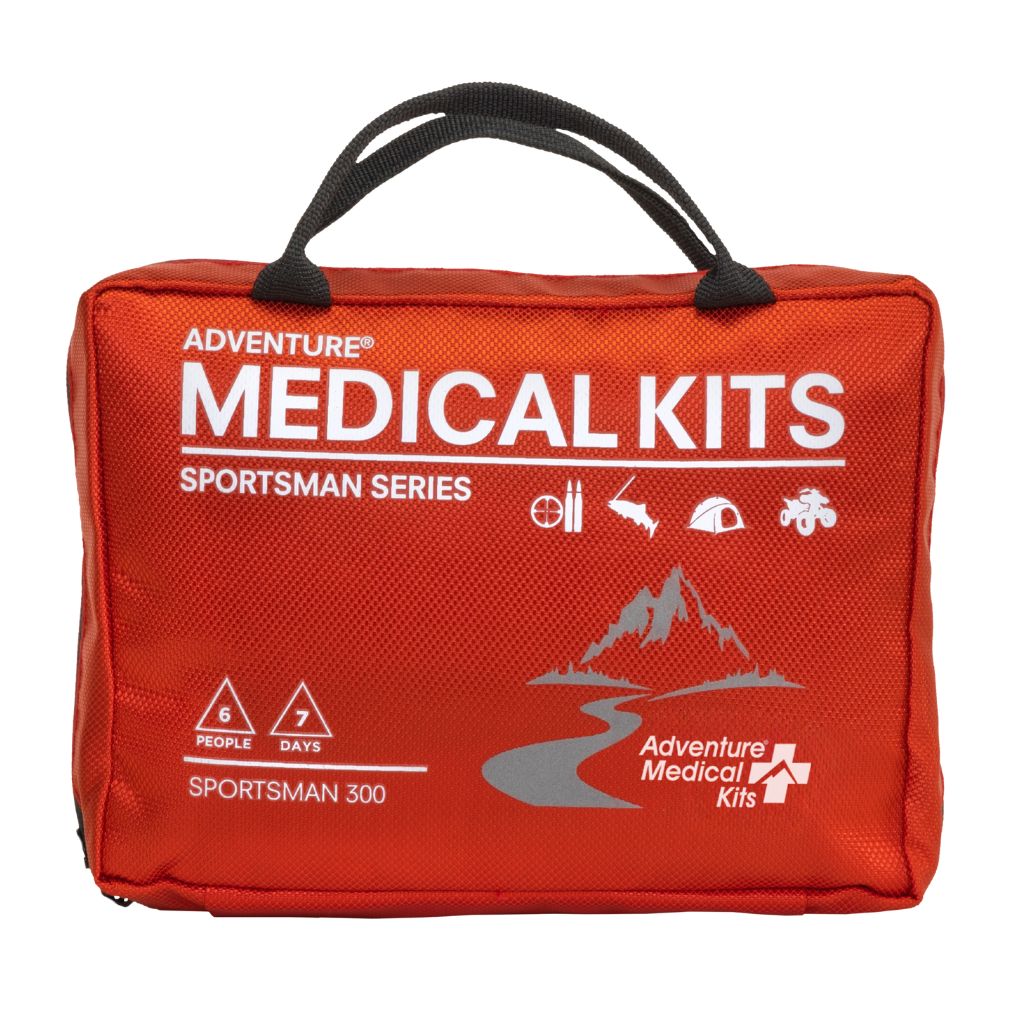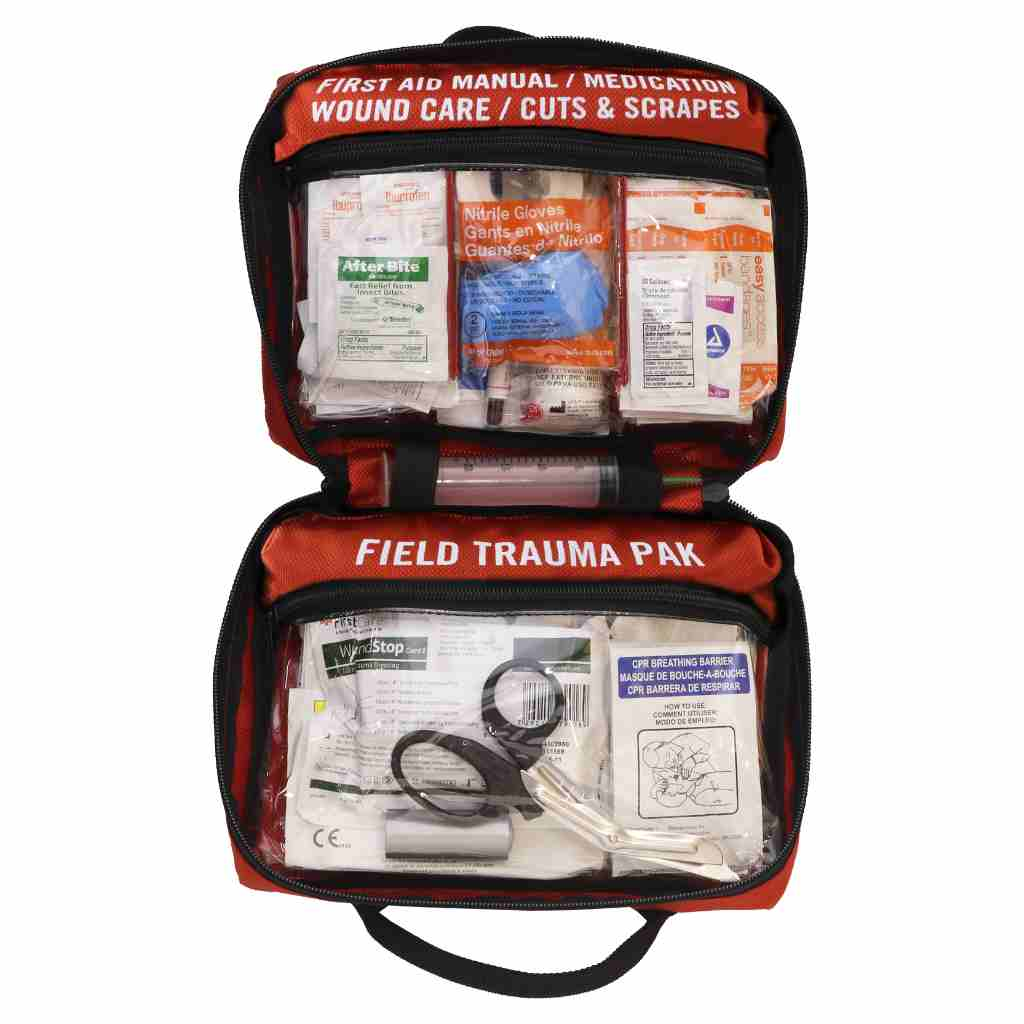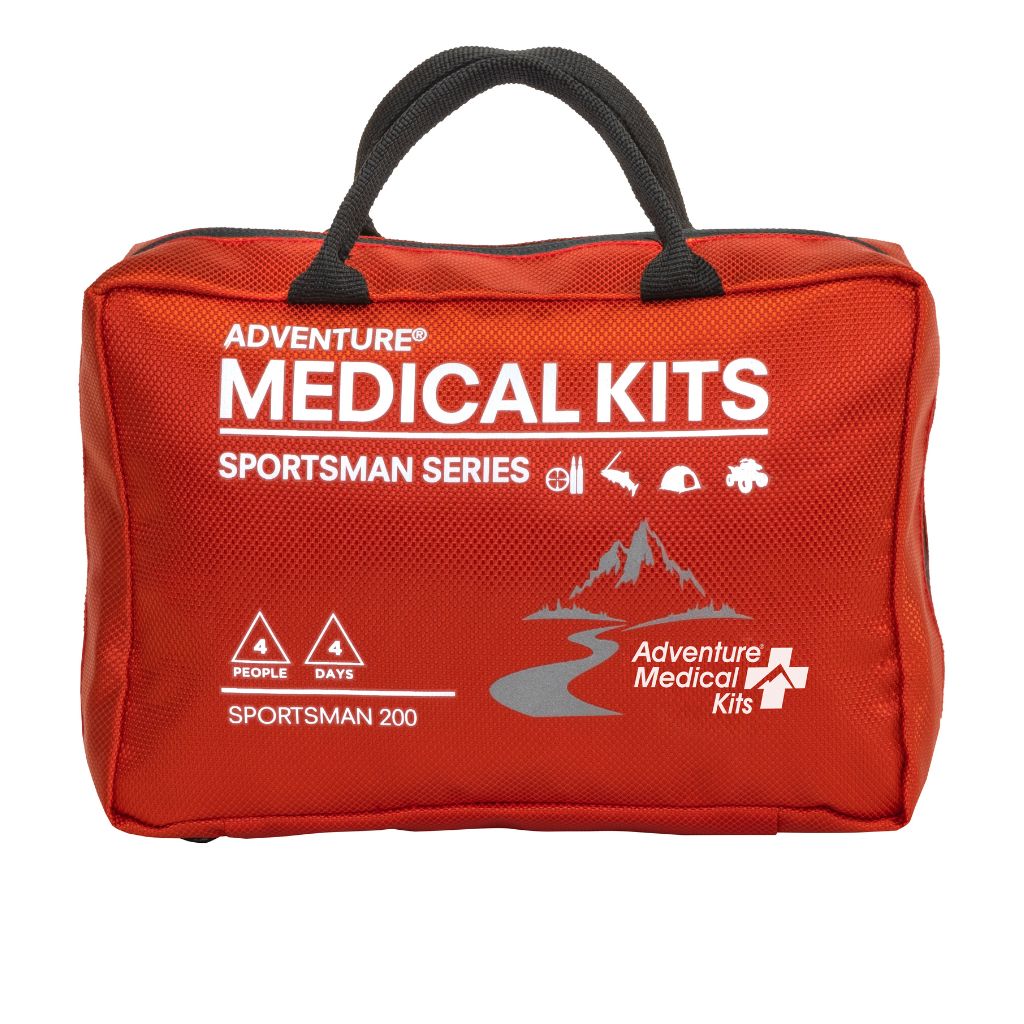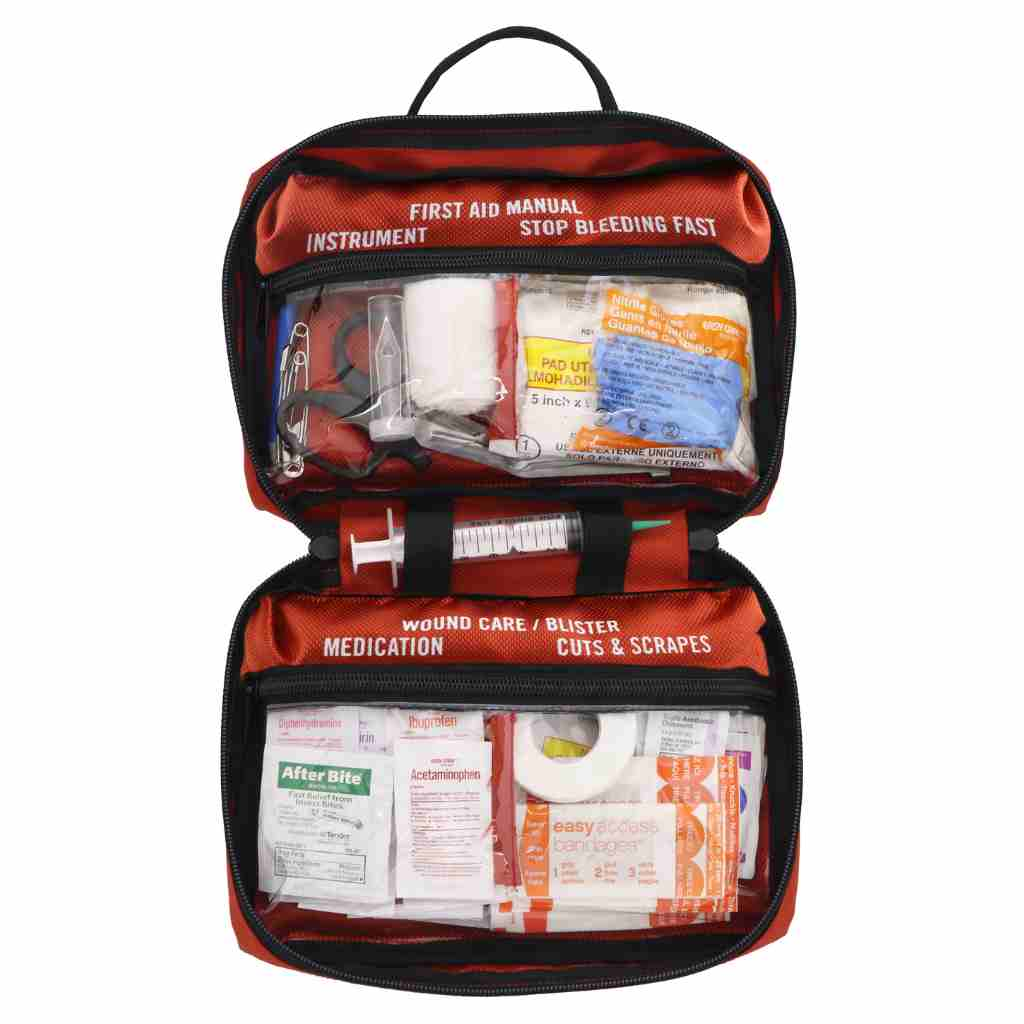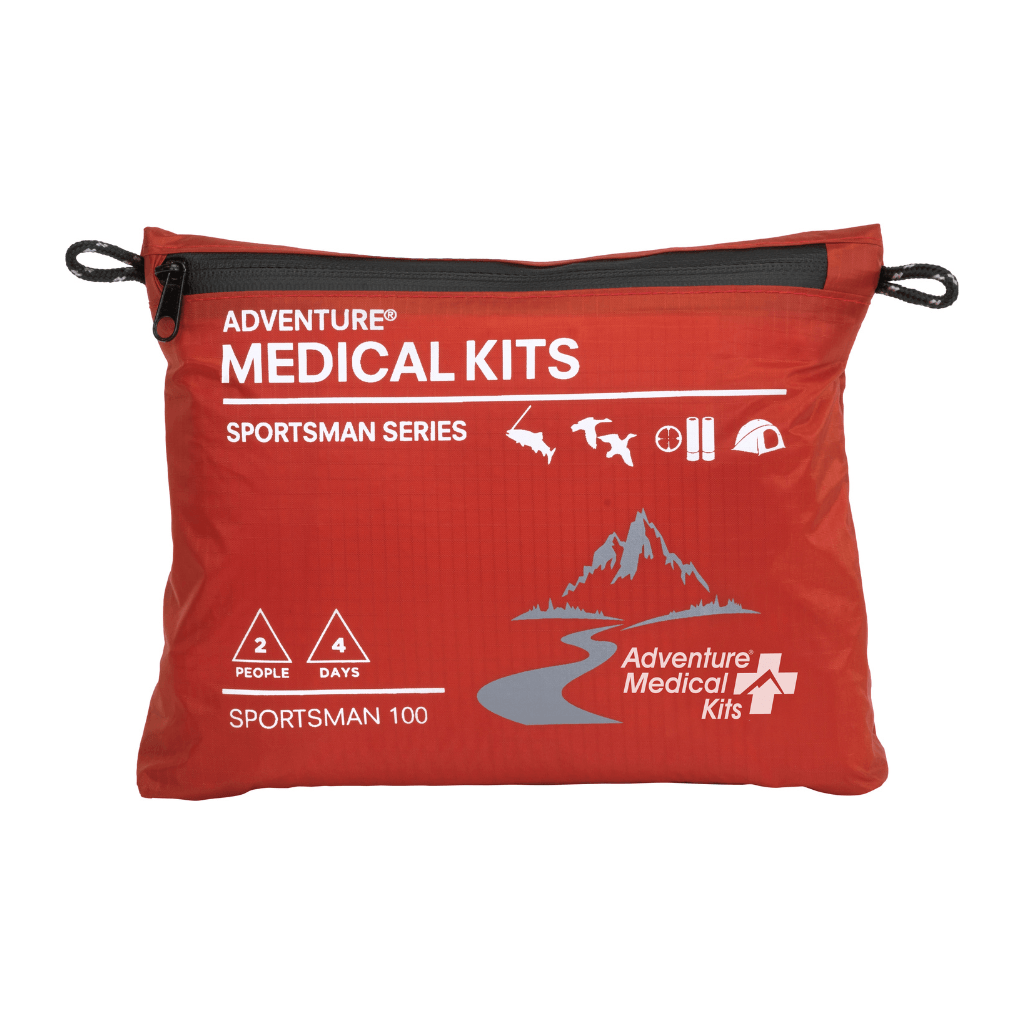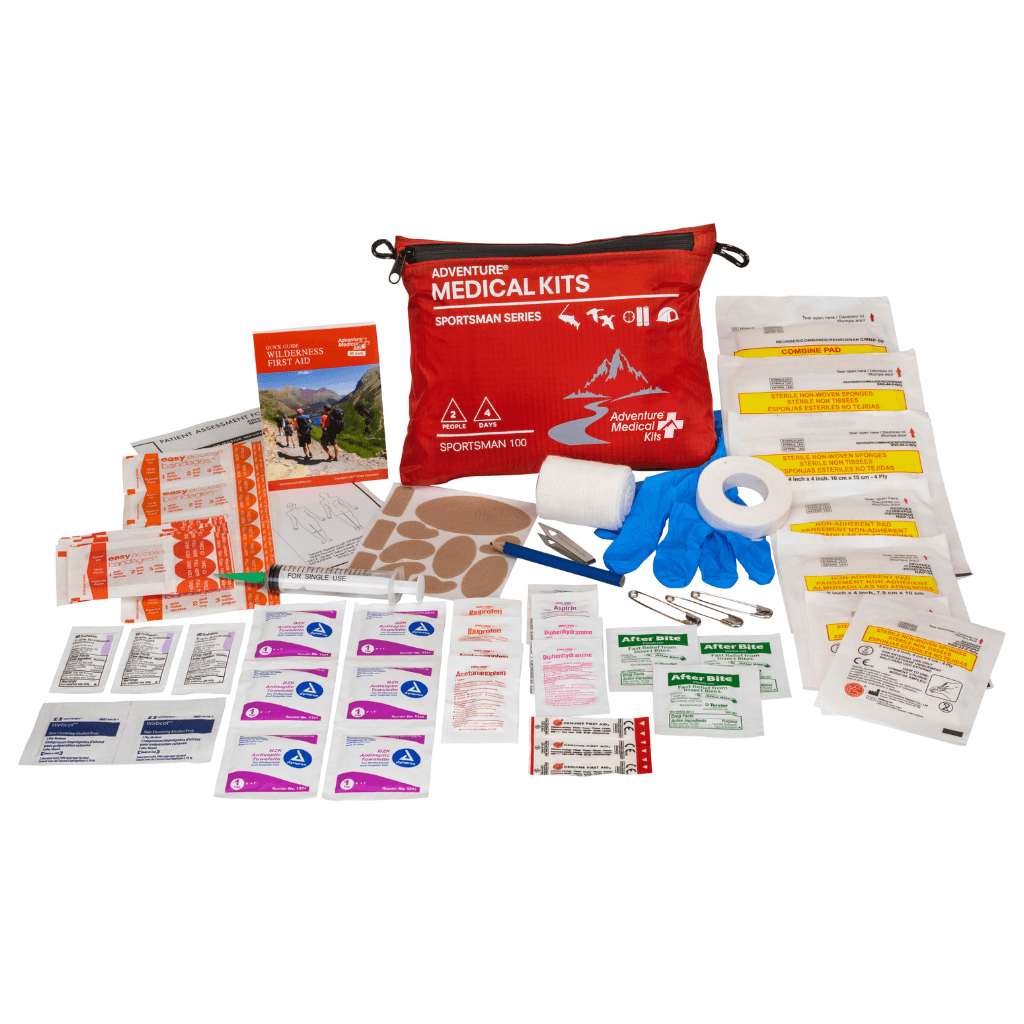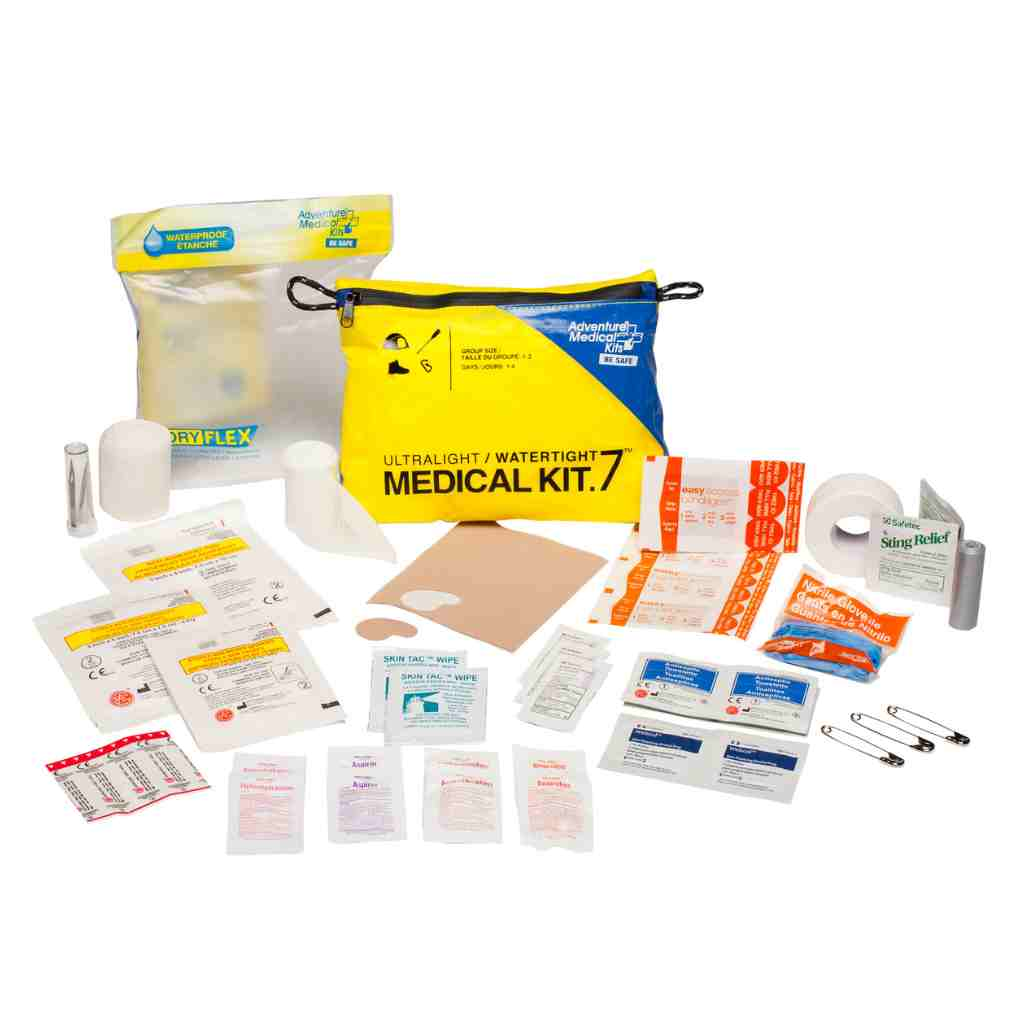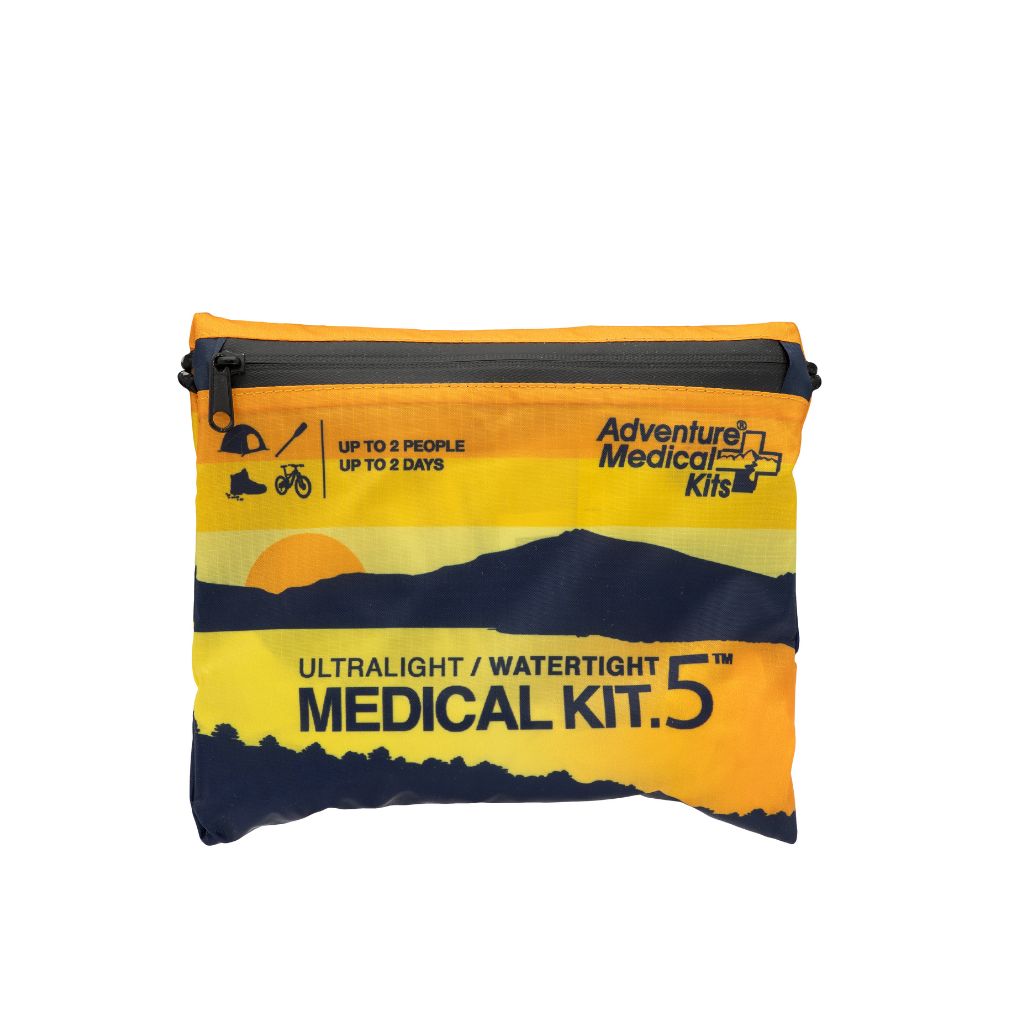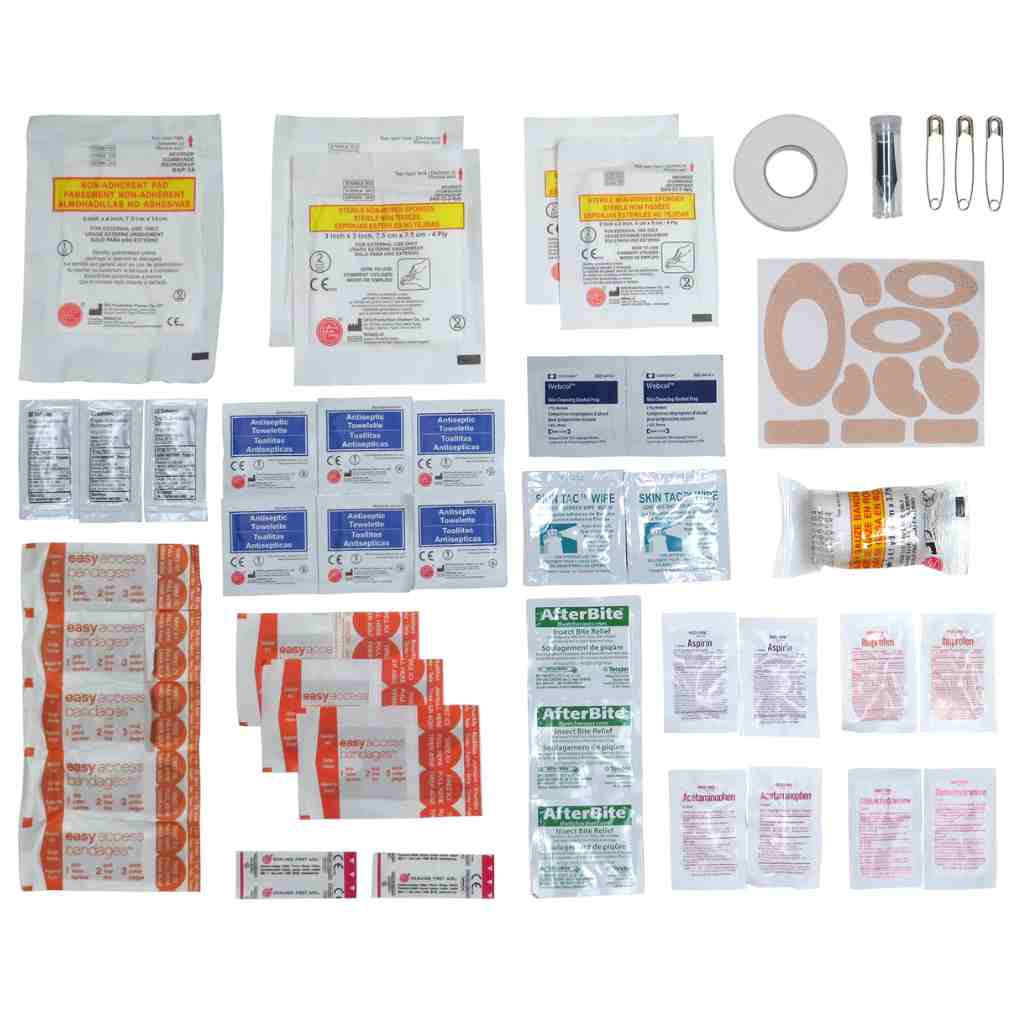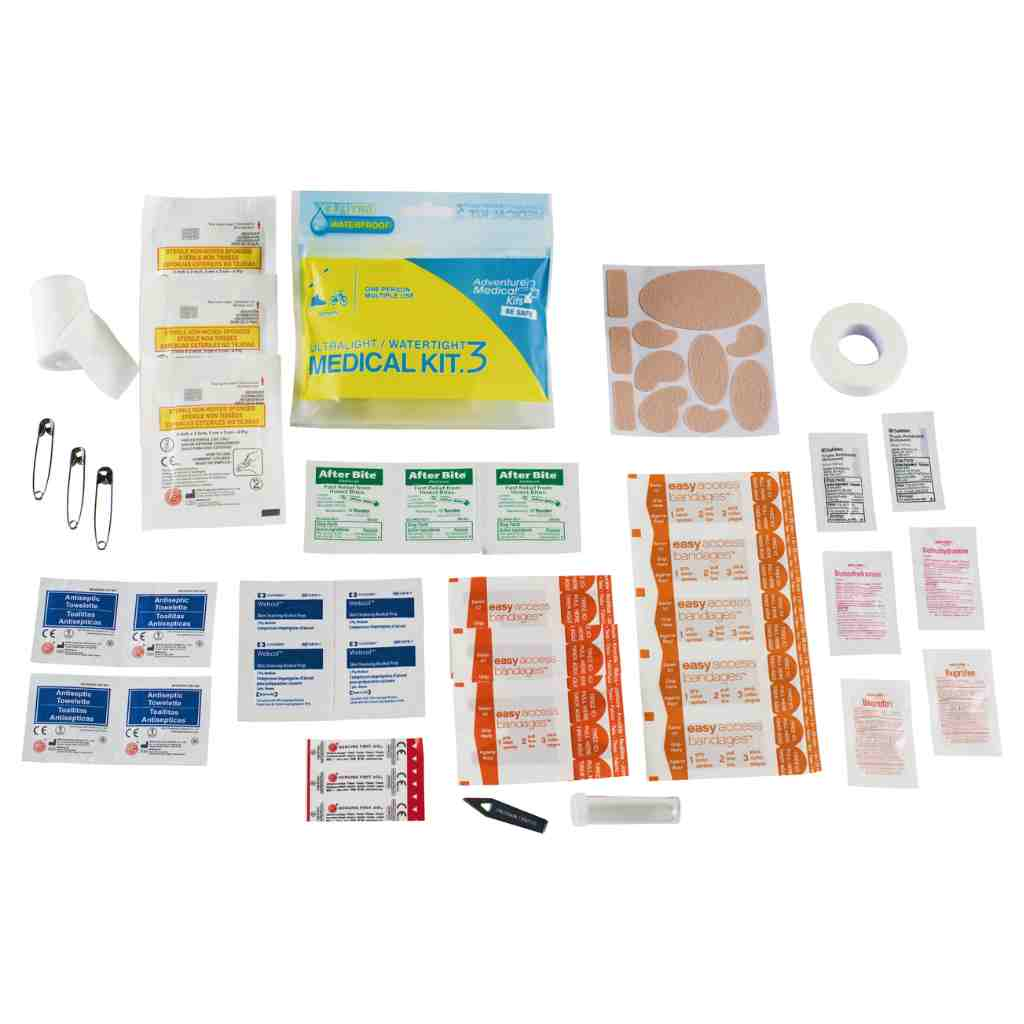


A hiker reaches a steep, rocky section of trail, slips, and opens a deep wound on the lower leg. A Class B first aid kit contains a minimum of 202 required items, compared with the smaller Class A configuration, and is built for higher-risk situations involving serious bleeding, fractures, and burns.
A basic pressure dressing may not control the bleeding. The injured hiker may also need an immobilization aid for a damaged ankle and burn care after a later mishap around a camp stove. This is the point at which a Class B first aid kit, or an outdoor kit with comparable trauma capability, becomes more than a box of everyday bandages.
The “Class B” label comes from a workplace standard, but its underlying logic applies far beyond warehouses and construction sites. Remote trails, hunting camps, technical bike routes, and isolated waterways can all create situations where professional help is delayed. The right kit doesn't replace training or emergency services. It gives an outdoor group more options during the critical period before evacuation or medical care.
Table of Contents
- What Is a Class B First Aid Kit
- The History and Standards Behind Class B Kits
- Class A vs Class B First Aid Kits Compared
- Essential Items in a Class B First Aid Kit
- Where Class B Kits Are Used Outdoors
- How to Choose and Assemble Your Kit
- Maintaining Your First Aid Kit for Trail Readiness
- Why Outdoor Adventurers Should Carry Trauma-Ready Kits
What Is a Class B First Aid Kit
A backcountry group may begin the day expecting only blisters and minor cuts. By afternoon, one hiker has twisted an ankle on loose rock, while another has suffered a deep laceration that continues bleeding despite firm direct pressure. A small recreational kit may handle the blisters, but it may not provide the trauma supplies needed for the more serious injuries.
A Class B first aid kit isn't a premium version of a basic kit. It's a higher-capability kit designed for environments where injuries can be more complex, severe, or frequent. The different types of medical kits help clarify why kit selection should follow the hazards of an activity rather than appearance or price.
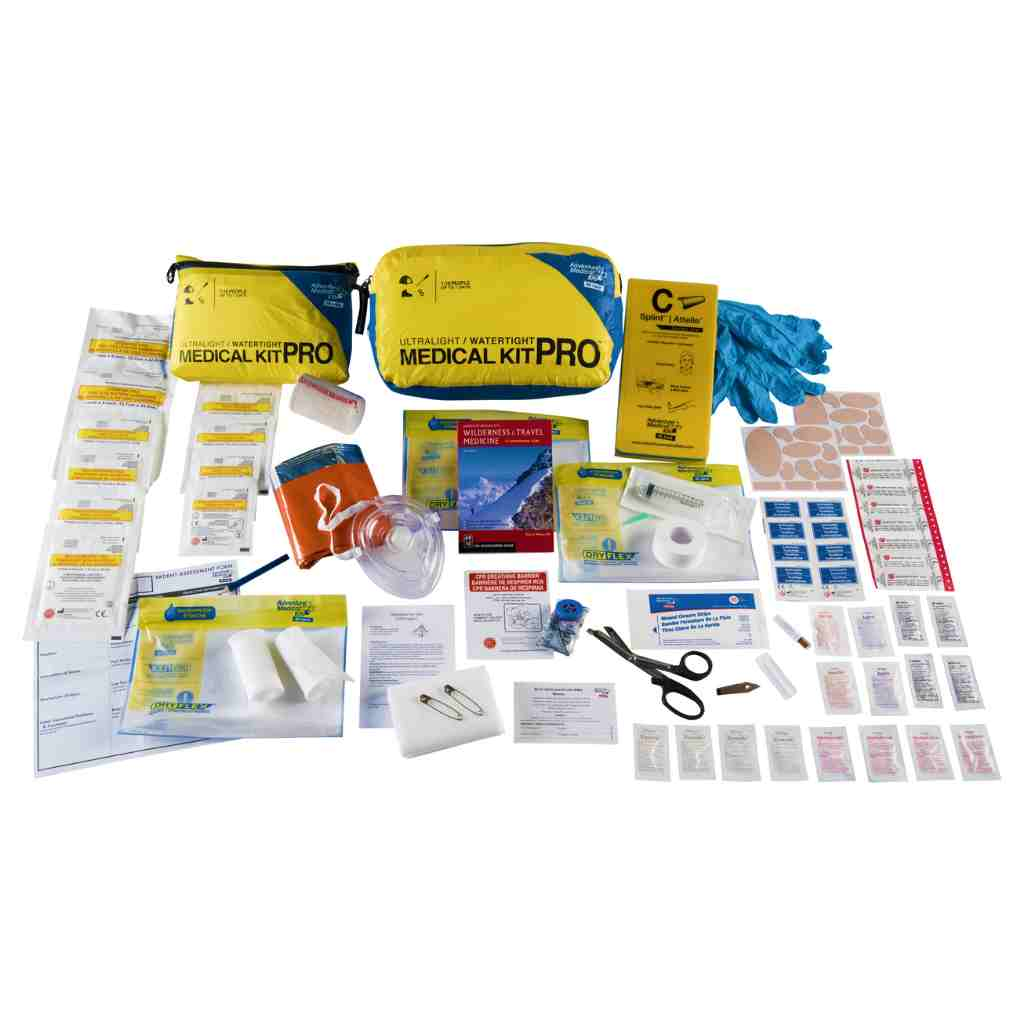
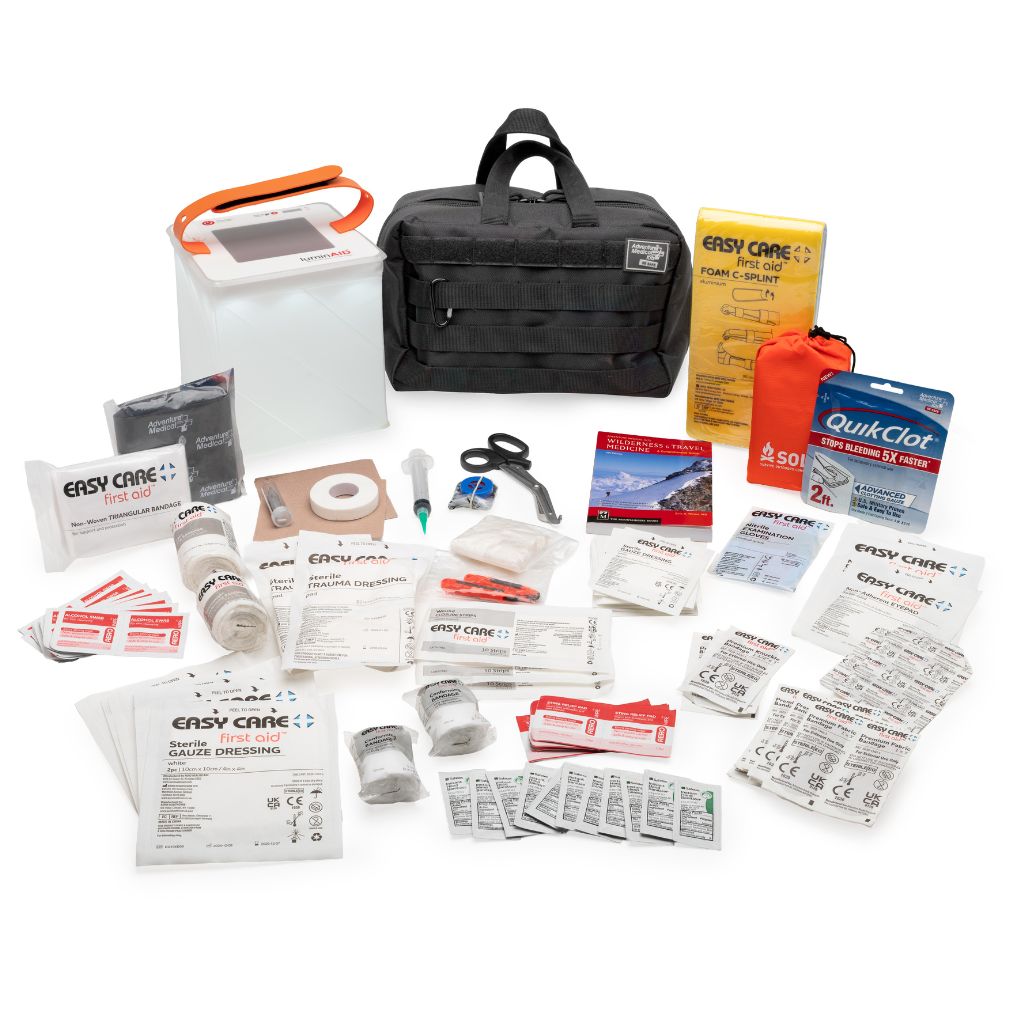
The classification centers on capability. Class B kits include greater quantities of core supplies and add trauma-oriented equipment such as a tourniquet, splint, burn dressings, trauma pads, eye care supplies, gloves, and a first-aid guide. These items support three practical needs:
- Hemorrhage control: A tourniquet can help control life-threatening bleeding from an extremity when direct pressure isn't enough.
- Immobilization: A splint can limit movement around a suspected fracture or serious limb injury.
- Extended care: Larger quantities and broader supplies can help a group manage injuries while arranging evacuation.
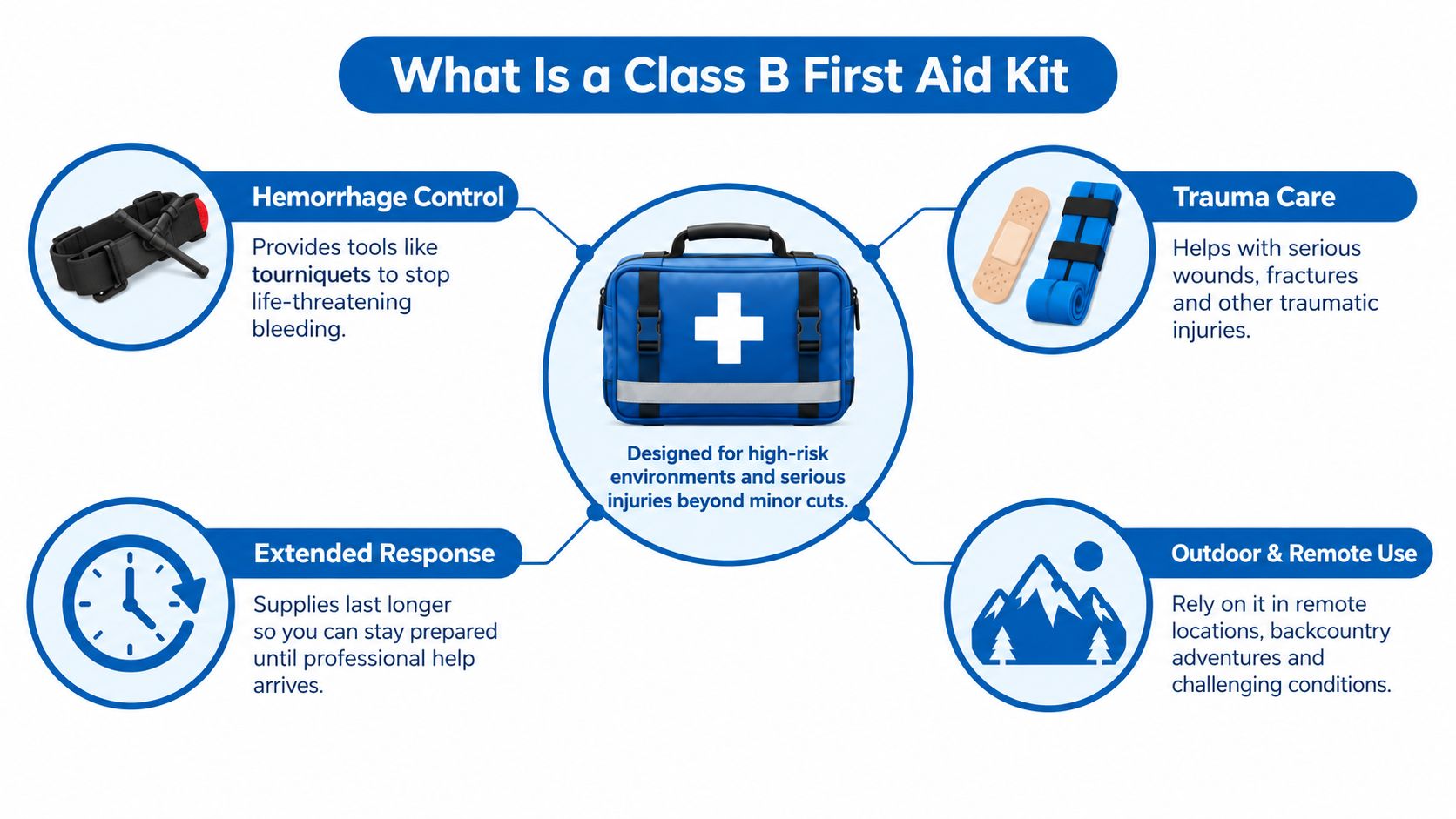
The important distinction is not that every outdoor trip requires a formally certified workplace kit. It's that a remote environment can produce the same operational problem as a high-risk workplace: a serious injury may occur before professional care is reachable. A trail group should therefore compare its likely hazards with the kit's actual contents, not rely on the class name alone.
The History and Standards Behind Class B Kits
A serious cut on a job site, a sprained ankle on a remote trail, and a burn in camp all raise the same question. What can be done before professional care is close enough to help? That question shaped the move from generic first-aid boxes to kits matched to real hazards.
Commercial first-aid kits have a long history. The first commercial first-aid kit appeared in 1888, a milestone noted in ANSI's workplace first-aid overview. Over time, kit design shifted from a single general-purpose format to categories that reflect the setting, the injury type, and the time it may take to reach help.
The ANSI/ISEA Z308.1 standard gave that shift a clearer structure. The Class A and Class B split had already been established by 2015, and the 2021 revision formalized the two classes and their minimum contents. Class A is aimed at common minor injuries. Class B is built for more complex or higher-risk environments, where a broader supply mix matters more than a simple bandage count.
The 2021 standard requires a minimum of 202 items in a Class B kit. That number is less important than what it represents. Class B adds trauma-oriented supplies such as a tourniquet, splint, burn dressings, and larger quantities of bandages, antiseptics, and gloves. In practice, the standard shifts the kit's purpose from covering small incidents to holding a scene together until evacuation or further care is possible.
What the standard does and doesn't mean
ANSI/ISEA Z308.1 is voluntary consensus guidance, not an OSHA regulation. OSHA still points employers toward it when they judge what adequate workplace first-aid supplies should include. University of Texas Environmental Health and Safety guidance also explains how the two-class system developed and how clearer requirements were added over time, including a foil blanket and more specific tourniquet guidance.
The current ANSI/ISEA Z308.1-2026 update keeps the Class A and Class B minimum fill levels from 2021 unchanged. It also adds clearer criteria for arterial tourniquets, bilingual English-Spanish first-aid guides, and supplemental planning around supplies such as naloxone and anti-choking devices, as described by the International Safety Equipment Association's first-aid standard resource.
Practical rule: A minimum contents list is a starting point. Hazard assessment, kit placement, training, and inspection decide whether a group can respond well.
For outdoor users, that is the true value of the standard. It gives a decision-making framework for trail planning. What can go wrong, how far away is help, and can the kit handle the worst likely injury?
Class A vs Class B First Aid Kits Compared
A short trail walk near a trailhead can be handled with a smaller kit. A remote hunt, a technical bike route, or a river trip asks for more. That split is the difference between Class A and Class B kits.
| Feature | Class A | Class B |
|---|---|---|
| Intended setting | Lower-risk environments | More complex, higher-risk, or more populated environments |
| Core supplies | Basic wound, burn, eye, and hygiene supplies | The Class A supply range in greater quantities |
| Severe bleeding | Basic dressings and pressure supplies | Adds a tourniquet and larger trauma-oriented supplies |
| Limb injuries | Bandages and triangular bandages | Adds a splint for immobilization |
| Burn response | Burn treatment and burn dressing supplies | Greater quantities and broader capacity for burn care |
| Typical outdoor comparison | Day hike near roads or populated trails | Remote, technical, isolated, or higher-consequence trips |
| Main limitation | May be overwhelmed by severe trauma | Still requires training, evacuation planning, and hazard-specific additions |
The practical question is not which kit looks bigger. It is whether the kit can handle the injury you are most worried about before help arrives. A Class A kit may fit a short, maintained trail where the likely problems are blisters, small cuts, or mild strains. A Class B kit makes more sense when a fall, a long carryout, or delayed rescue could turn a simple wound into a bigger problem.
The U.S. Fish and Wildlife Service describes Class B as the higher-capability workplace tier for more complex, higher-risk, or more populated environments. Its first-aid policy guidance ties the added splint and tourniquet to injuries that go beyond minor treatment.
Capability matters more than size
A larger bag is not automatically a better bag. A roomy pouch still falls short if it leaves out a tourniquet, a splint, trauma dressings, or clear instructions. A smaller kit, packed well, can still give useful trauma support without becoming a burden on the trail.
The key is the most serious plausible event. If a group may face severe extremity bleeding, a suspected fracture, a significant burn, or an evacuation delay, a Class B-capable setup deserves serious attention. For outdoor travel, that is the same logic a guide uses when choosing ropes, shelter, or food, the gear has to match the consequence if conditions turn bad.
Essential Items in a Class B First Aid Kit
A Class B kit works as a system, not a pile of parts. In the field, each item has a job. One controls bleeding, another holds pressure, another protects the responder, and a guide keeps the response organized when stress makes thinking harder.
The practical question is what the kit can do before help arrives. A Class B kit is built for more demanding settings, with more supplies than a basic kit and tools that support trauma care. For a quick comparison of what belongs in a stocked kit, the first-aid kit supplies guide is a useful reference.
Bleeding control, packed for fast use
A commercial tourniquet, such as a CAT or SOFT-T Wide, belongs where it can be reached fast, not buried under gauze. For trail use, that means packing it near the top of the kit or in an outer pouch, with the windlass and strap easy to grab by feel. A responder should choose the model they know how to apply correctly, because familiarity matters when hands are cold or the scene is messy.
Tourniquets are only one part of bleeding control. Trauma pads, pressure bandages, and hemostatic gauze support wounds that need firm pressure or where a tourniquet cannot be placed. A good trauma pad also needs the right size for the job. If it is too small, it will not cover the wound well. If it is too large, it can be harder to secure cleanly on a moving patient.
Wound and burn supplies
Large trauma pads cover injuries that are too broad for ordinary adhesive bandages. Sterile pads and roller bandages keep dressings in place, while antiseptic wipes and antibiotic applications support basic cleaning before evacuation or continued care.
Burn dressings and sterile burn wraps help protect the injured skin from dirt and friction. They are a covering, not a cure. Serious burns still need professional evaluation, but a proper dressing can buy time and reduce contamination on the way out.
Immobilization and responder protection
A SAM splint or rigid splint gives the team a way to secure a suspected fracture or a badly injured limb during evacuation. The goal is simple. Keep the limb from moving more than necessary so the patient can travel with less pain and less added injury.
Nitrile gloves protect the responder from blood and other fluids. Eye wash and eye coverings help when dust, debris, or spray gets into the eyes. A CPR barrier device adds protection during resuscitation, and trauma shears let the responder open clothing quickly without fighting fabric.
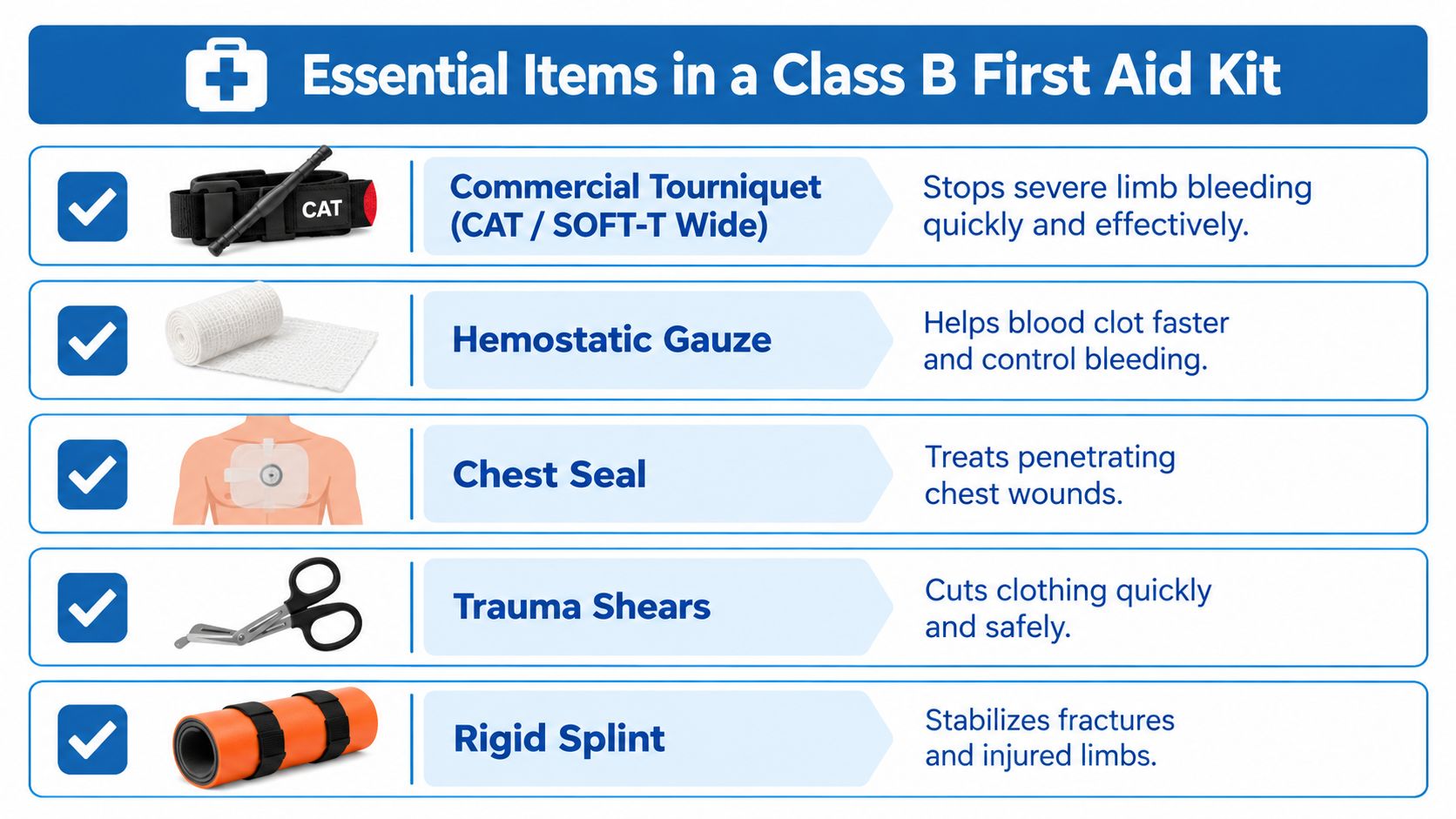
A field team should also think about access, not just inventory. Put the tourniquet, gloves, and shears where they can be reached immediately. Keep the splint flat against the kit wall or along the outside edge so it does not crush smaller items. That kind of packing turns the kit from a storage bag into a working tool when the trail is rough and time matters.
Where Class B Kits Are Used Outdoors
A formal Class B designation applies to workplace first-aid kits, but the hazards behind the designation appear throughout outdoor recreation. A hunter moving through dense terrain can suffer a deep cut. A mountain biker can strike a tree or rock at speed. A paddler far from a launch point may face a serious injury with no immediate road access.
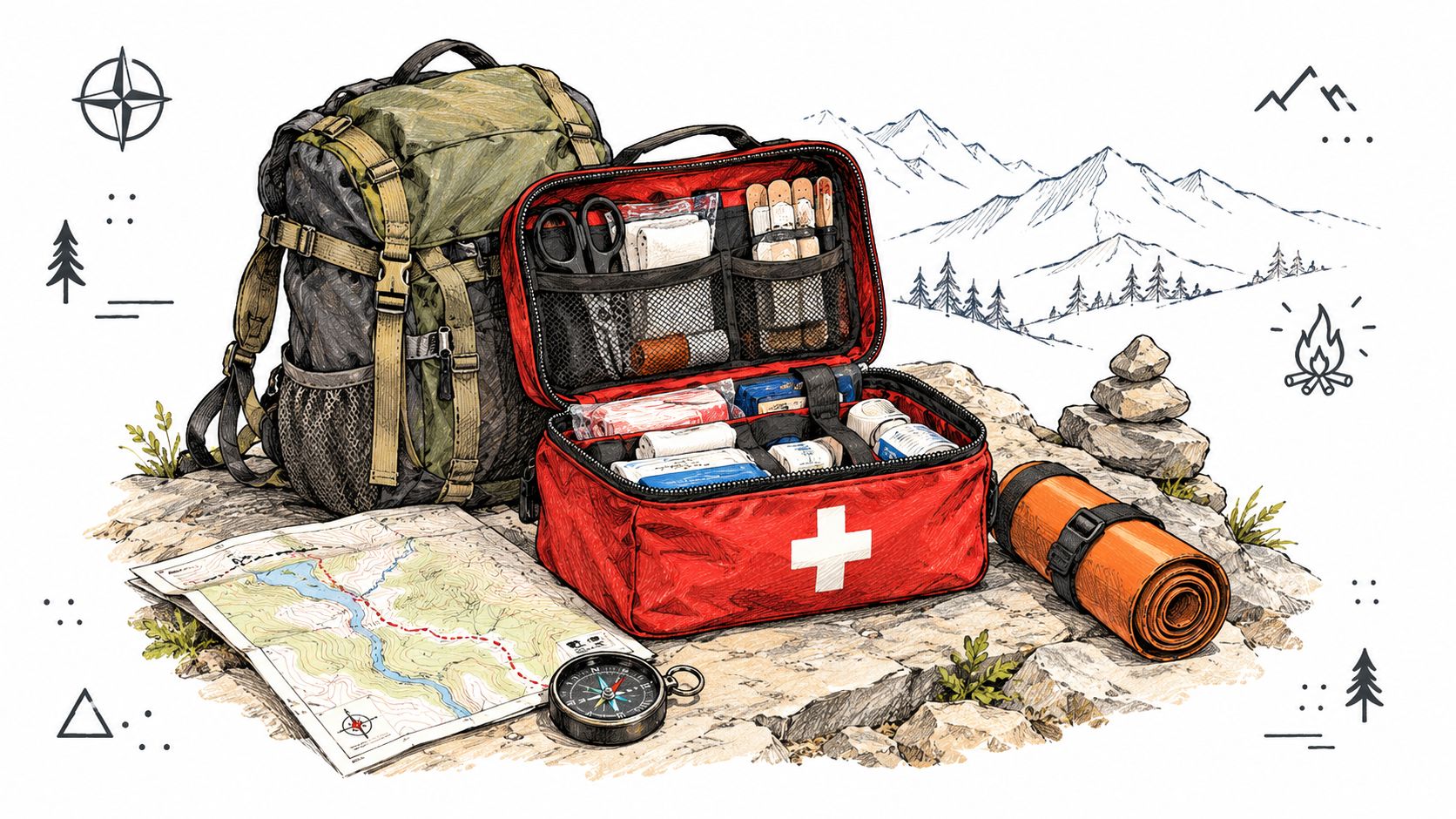
The right question is whether the trip creates a meaningful possibility of serious trauma and delayed care. A Class B-capable outdoor kit may make sense for:
- Remote hunting: Knives, firearms, rough terrain, and long evacuation routes raise the consequences of a severe wound.
- Backcountry fishing: Slips near water, hooks, knives, and isolated camps can create injuries that need more than adhesive bandages.
- Technical mountain biking: High-energy falls can produce bleeding, fractures, and injuries that require immobilization.
- Remote paddling: A group may need to stabilize an injury before reaching a takeout or receiving outside assistance.
- Alpine climbing: Falls, rock contact, cold, and difficult access make a compact trauma response particularly valuable.
The kit should match the activity, not merely the person carrying it. An alpine team may need a different arrangement from a family traveling on a maintained trail. A field professional may prioritize rapid access and modular organization, while a day hiker may need a lighter solution with only the most relevant trauma supplies.
What wilderness guidance adds
UT Southwestern advises outdoor travelers to know how to stabilize a neck injury, splint a limb, and apply a tourniquet. Its outdoor first-aid guidance also recommends foundational supplies such as bandages, gauze, medical tape, hand sanitizer, a headlamp or flashlight, a splint, a tourniquet, tweezers, water-treatment tools, and extra snacks.
Those recommendations show why a workplace contents list shouldn't be copied blindly into a backpack. Outdoor response also depends on light, warmth, water, navigation, communication, and evacuation. A trauma kit is one part of a broader field system.
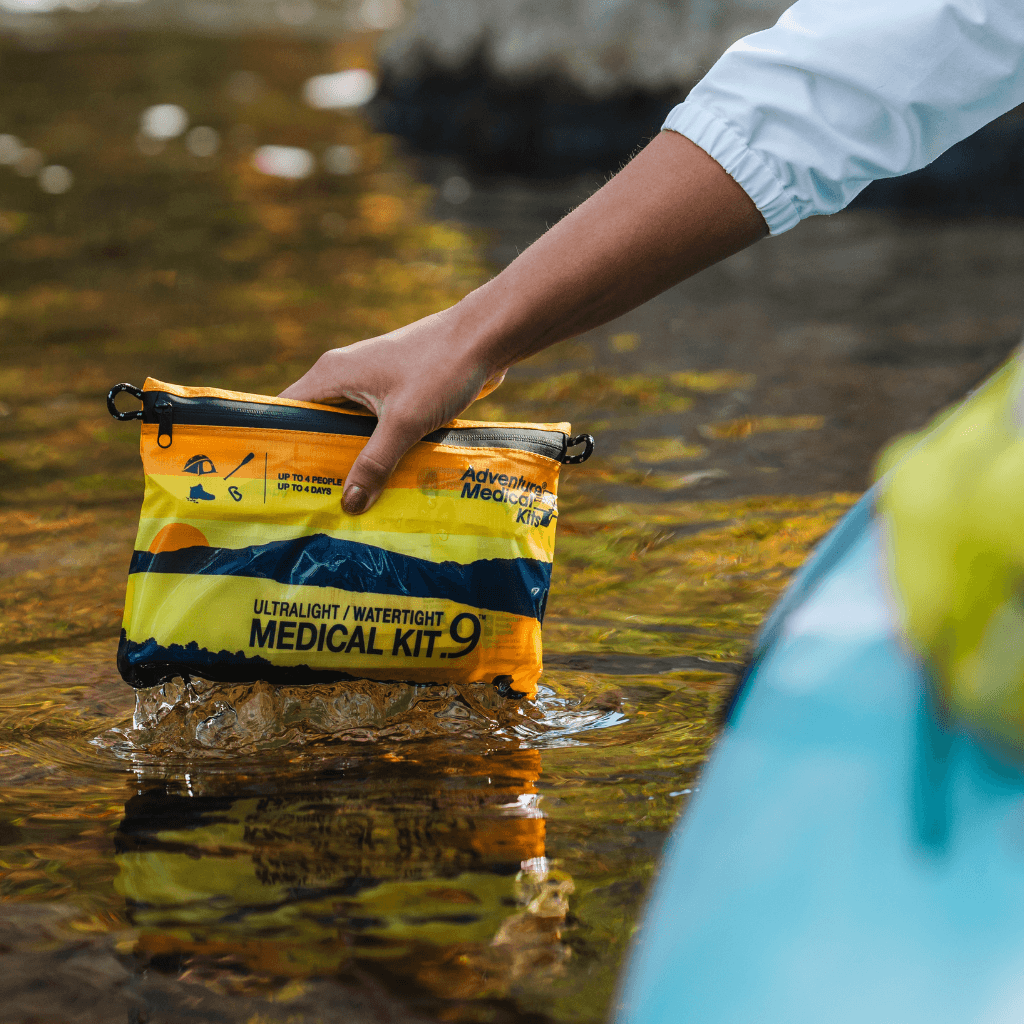
A waterproof, organized activity-specific kit can help a group find the right item quickly in rain, dust, or low light. For extra field preparation, outdoor groups may also consider a reliable emergency light from LuminAID and an animal-deterrent resource from Counter Assault, selected according to local regulations and trip conditions.
How to Choose and Assemble Your Kit
The best kit choice starts with a risk assessment rather than a search for the largest bag. An outdoor group should consider the activity, terrain, group size, distance from medical care, weather, communication options, and the injuries most likely to occur. A compact kit for a short hike near a trailhead won't need the same arrangement as a remote expedition.
Select the capability first
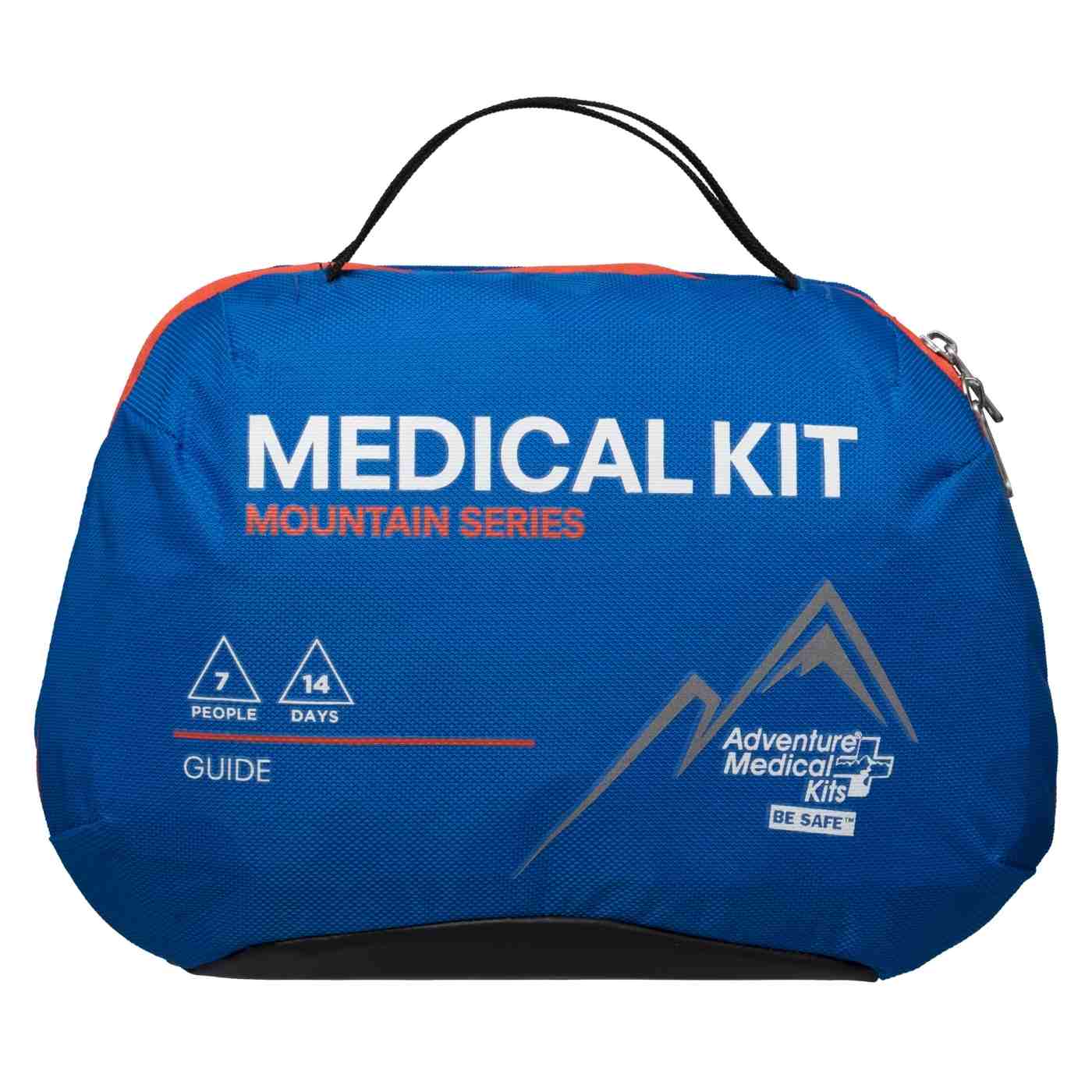
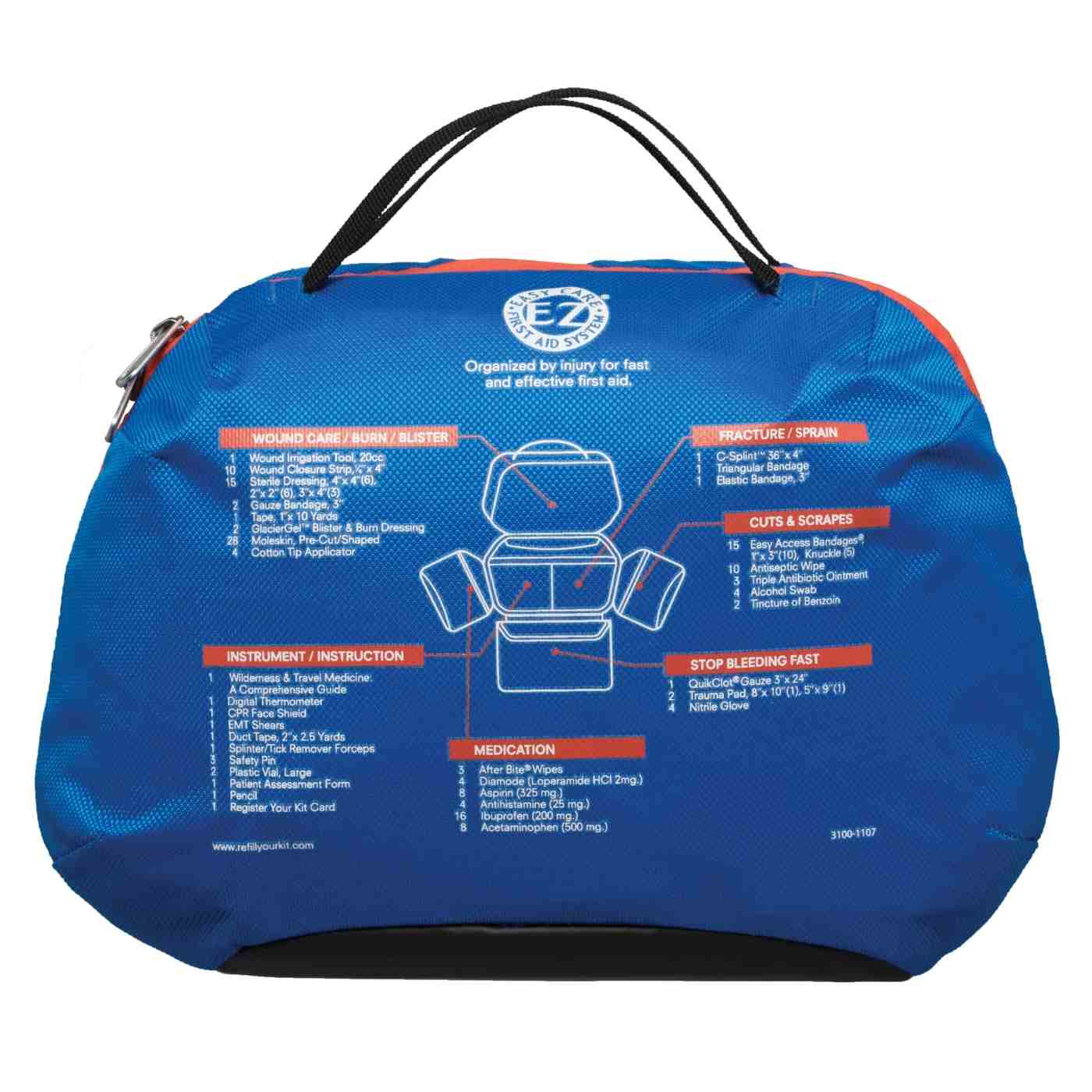
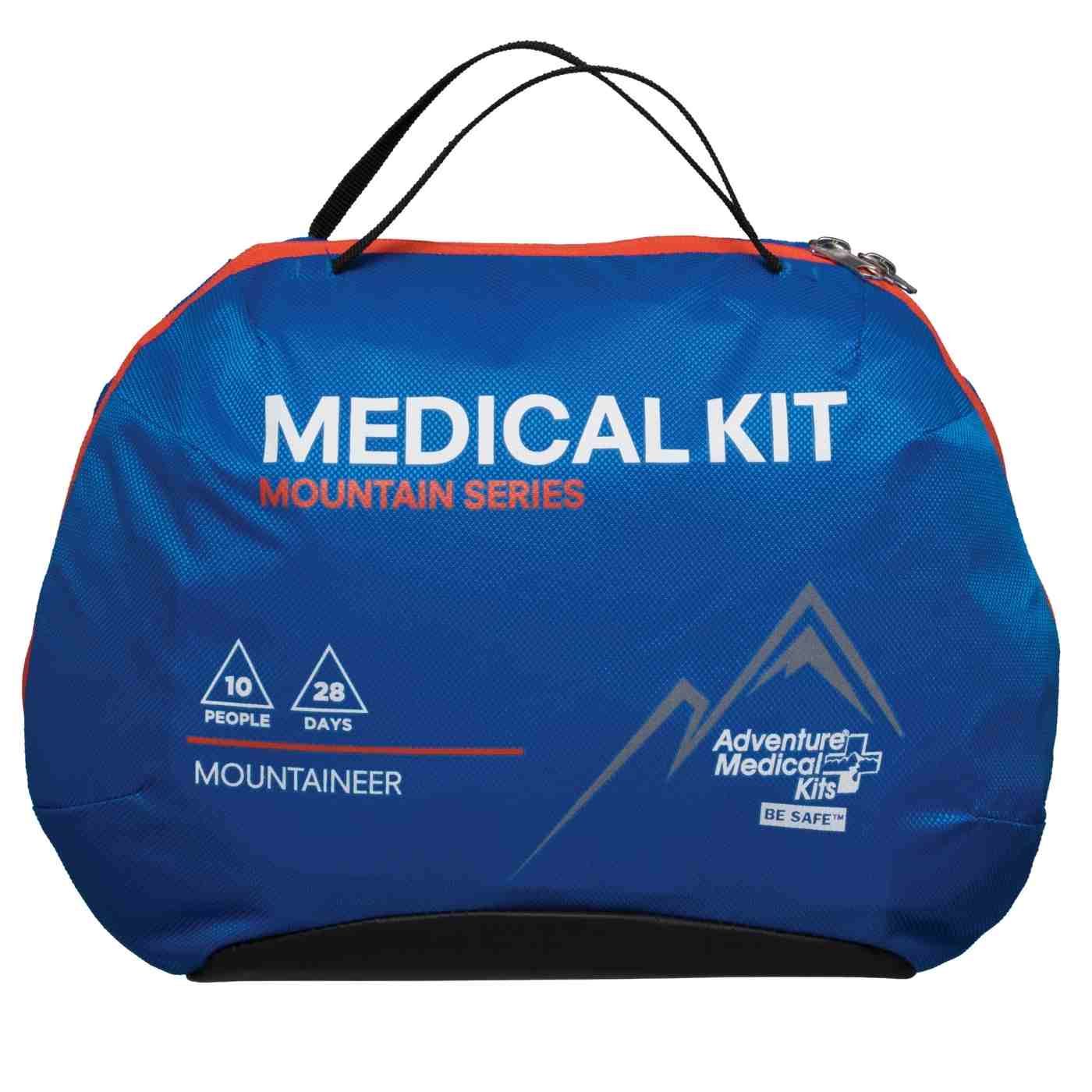
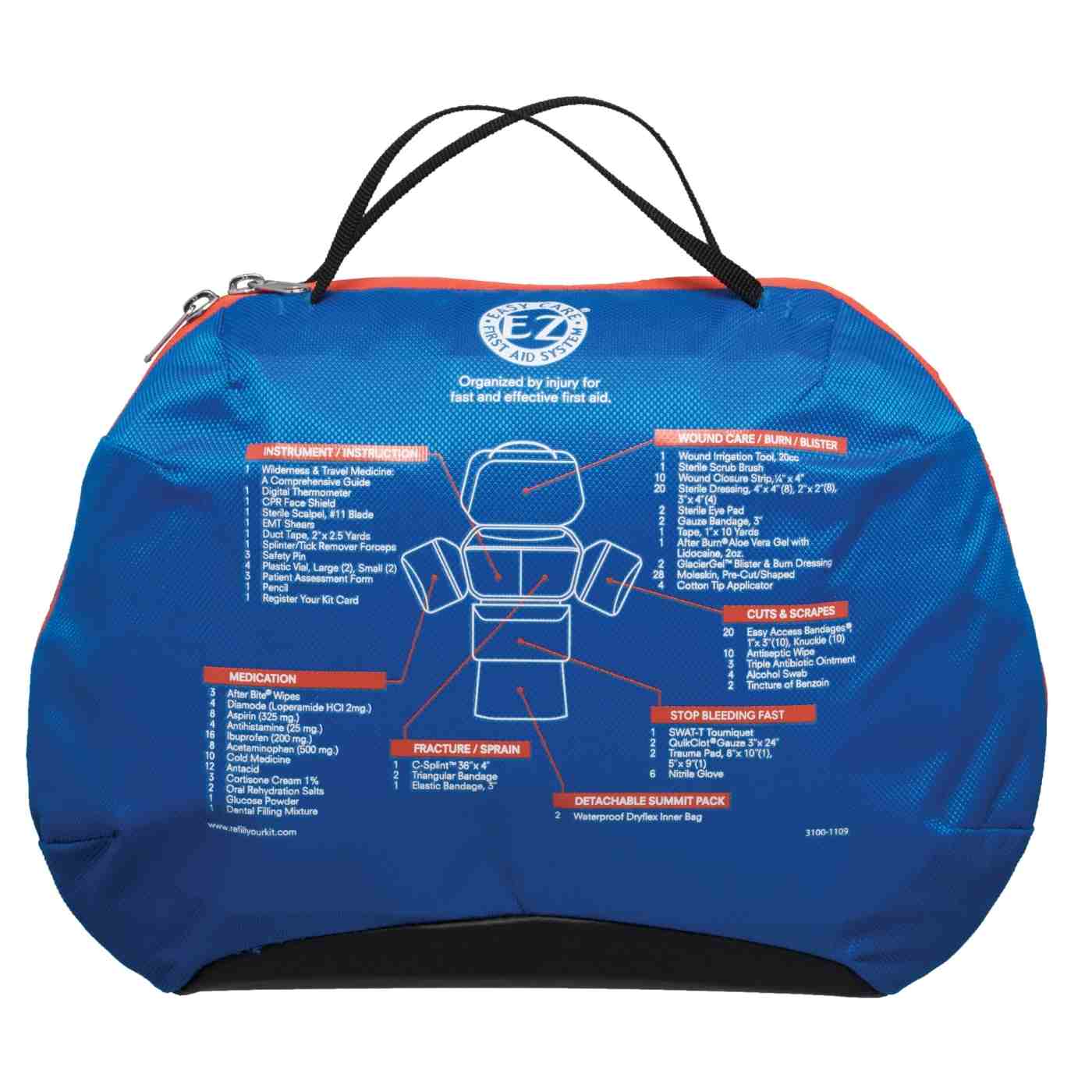
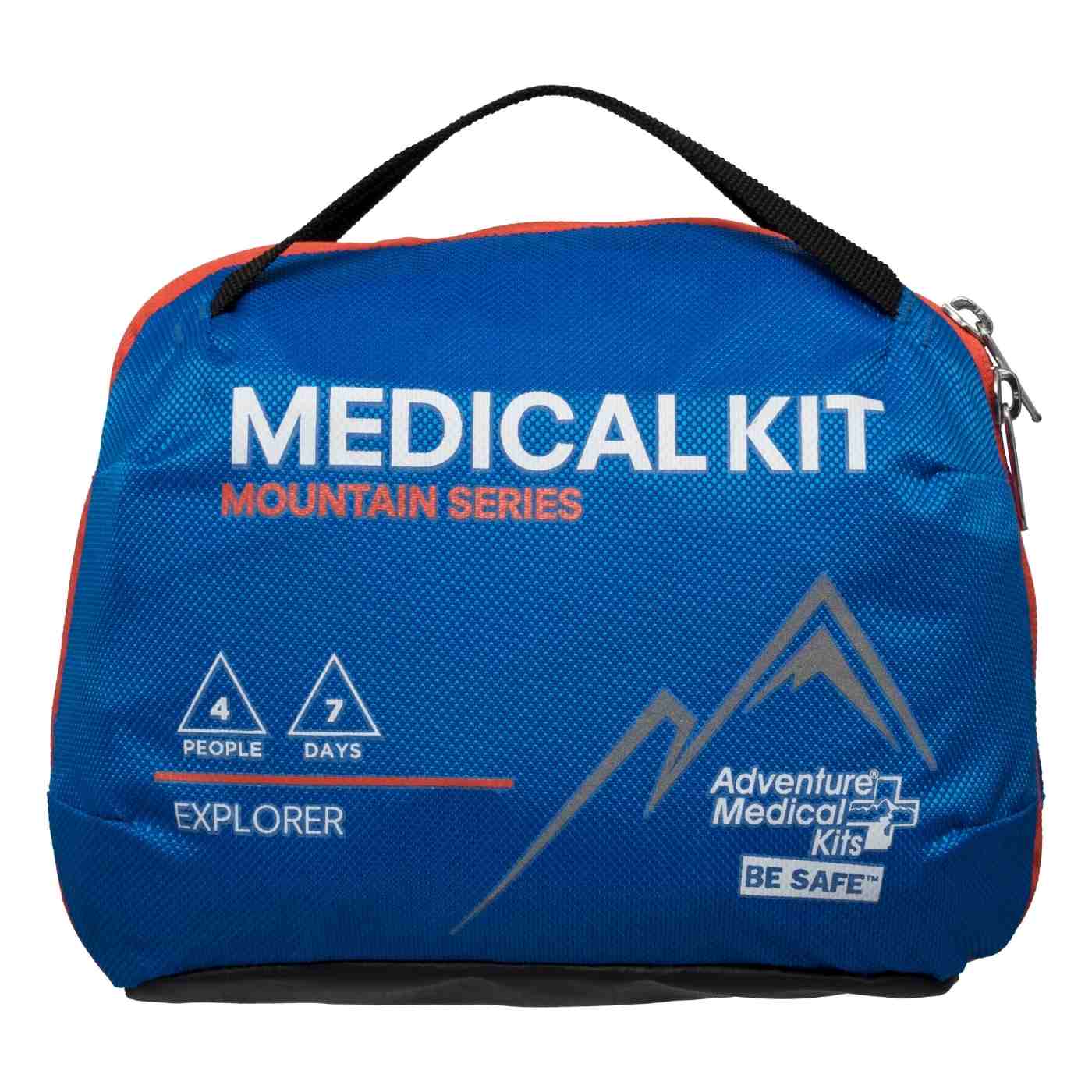
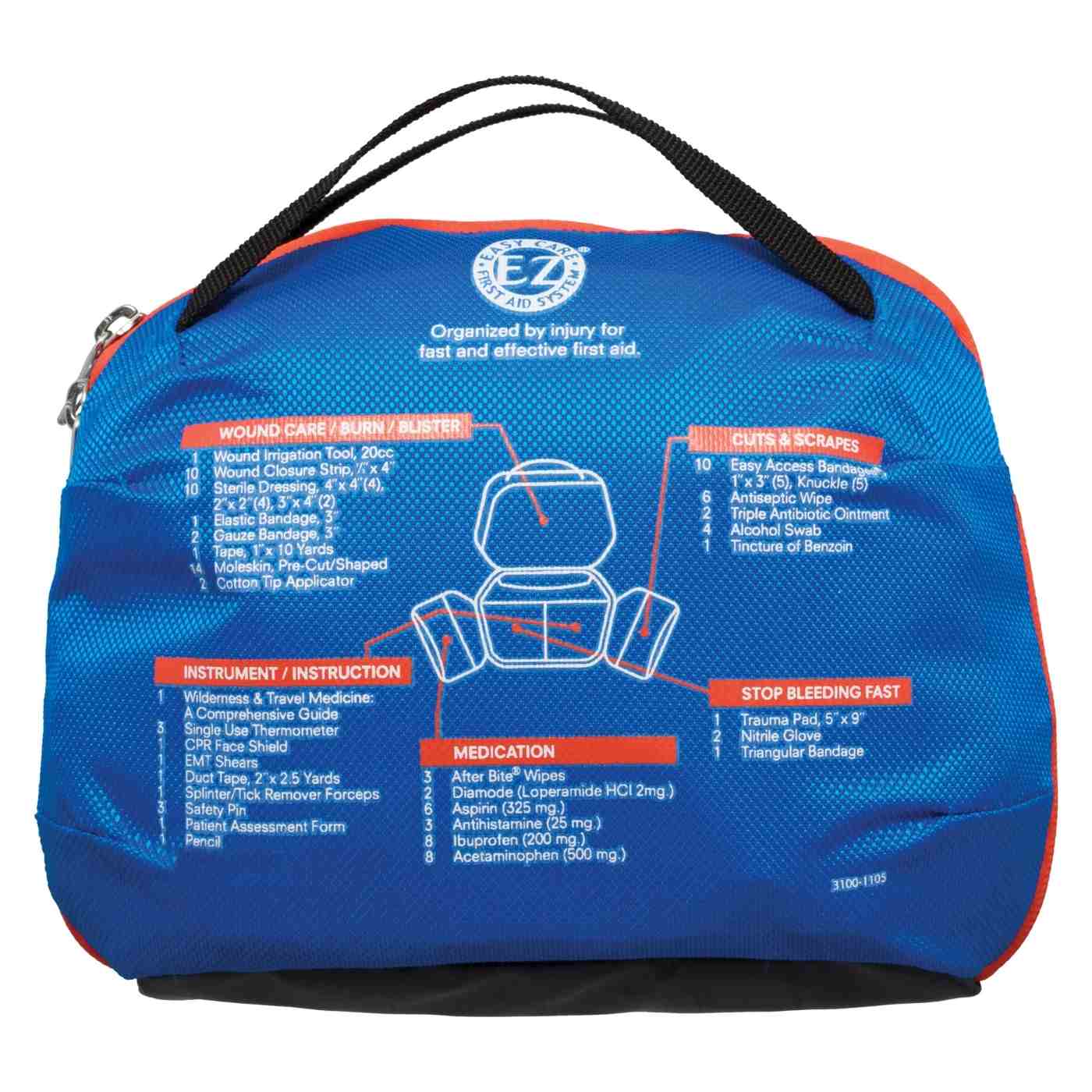
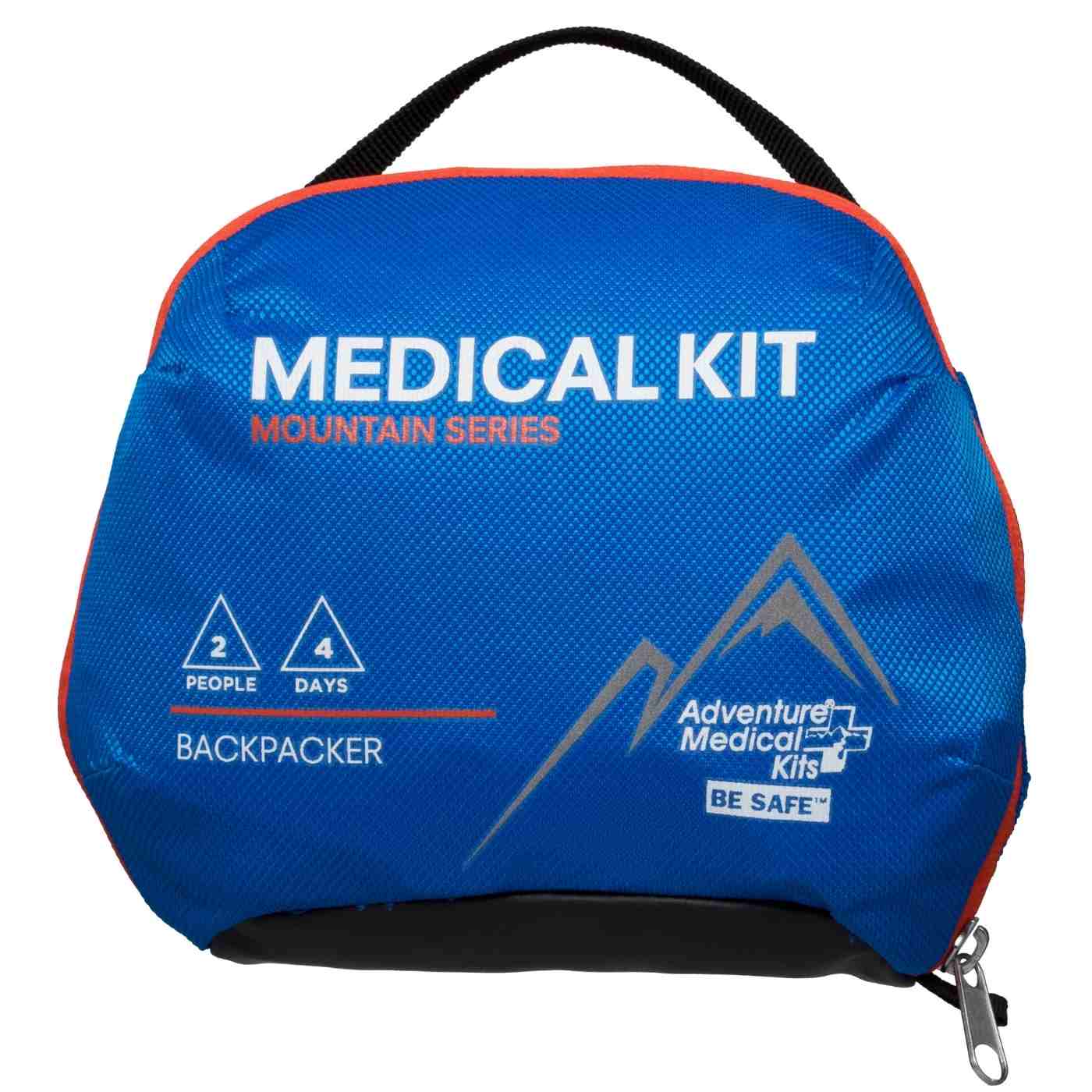
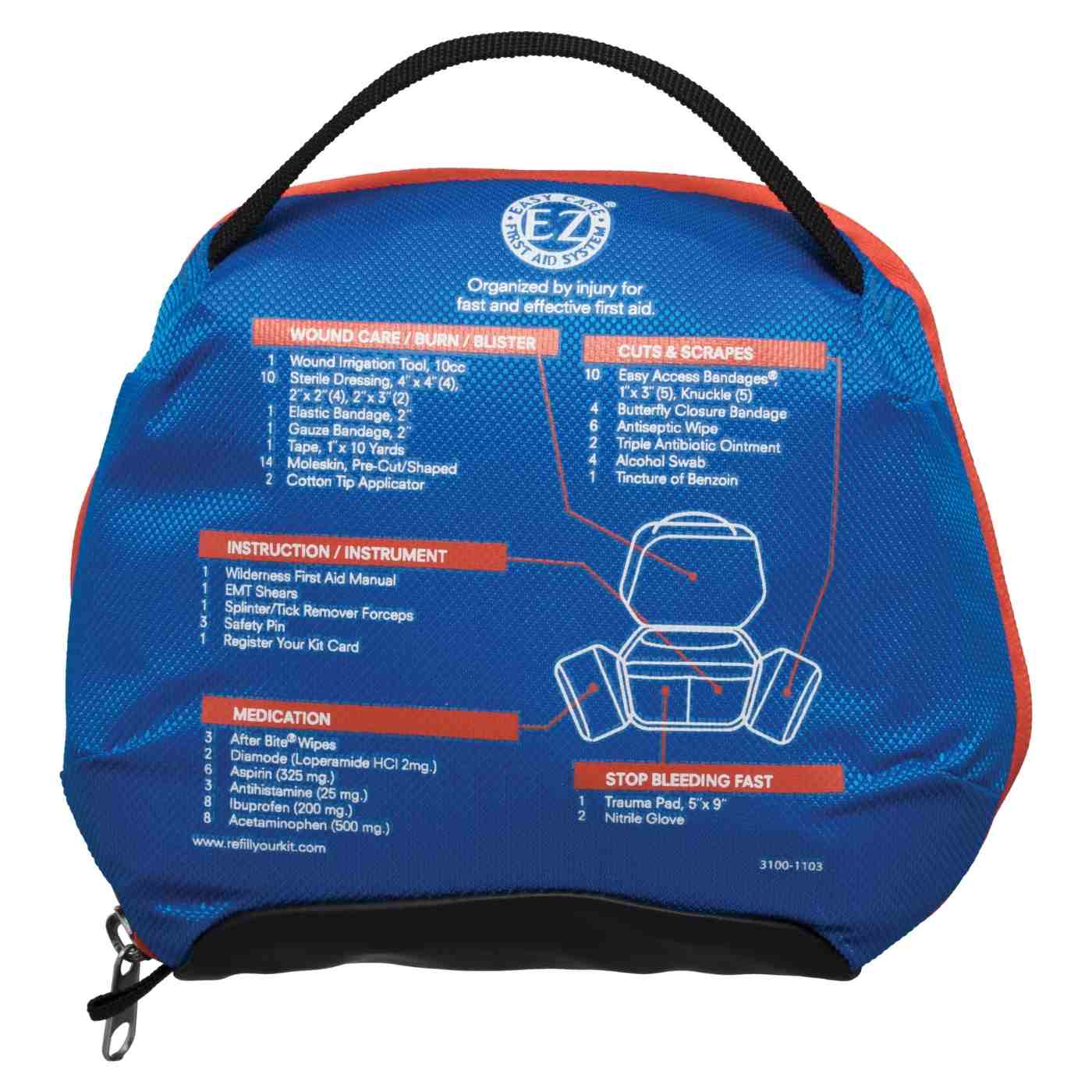
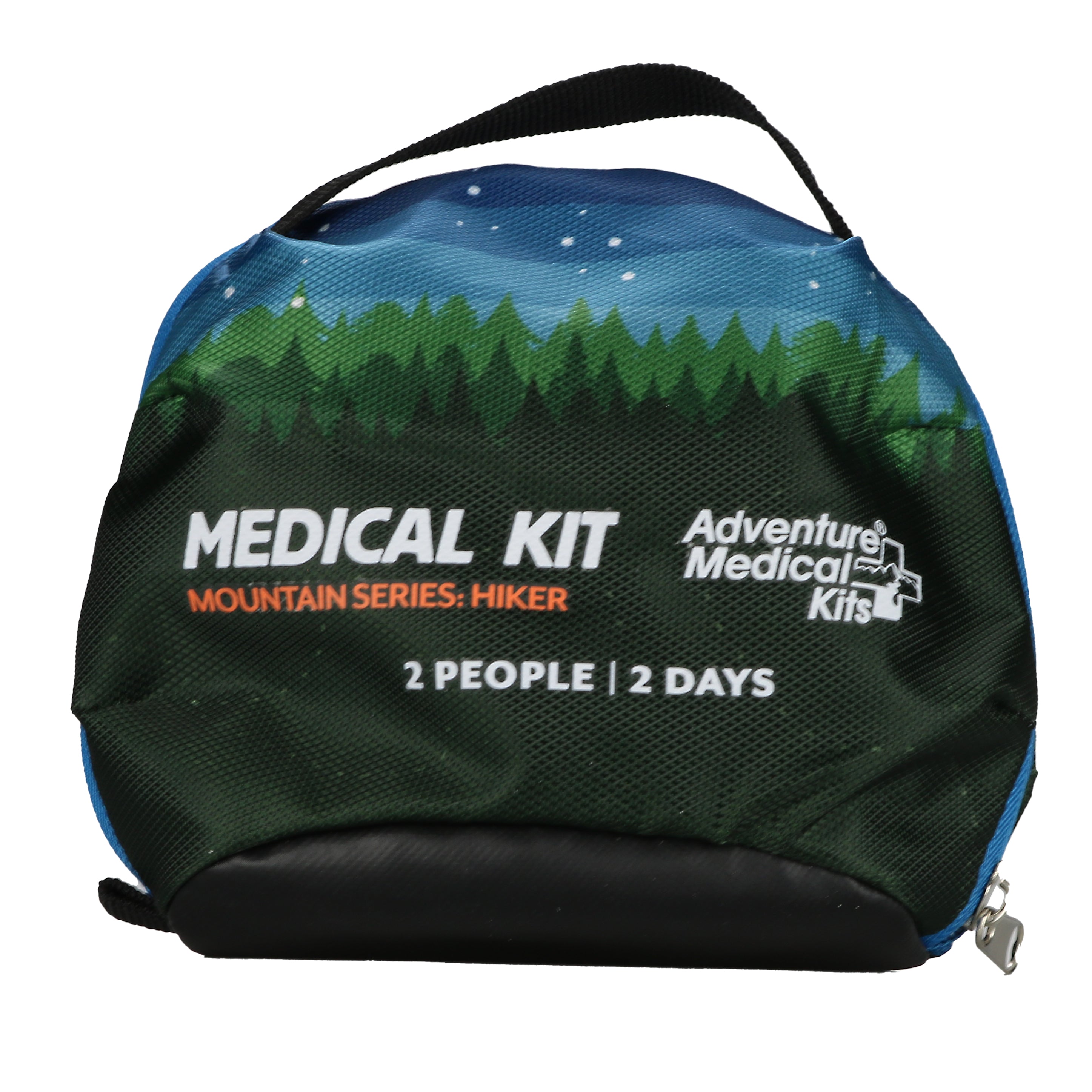
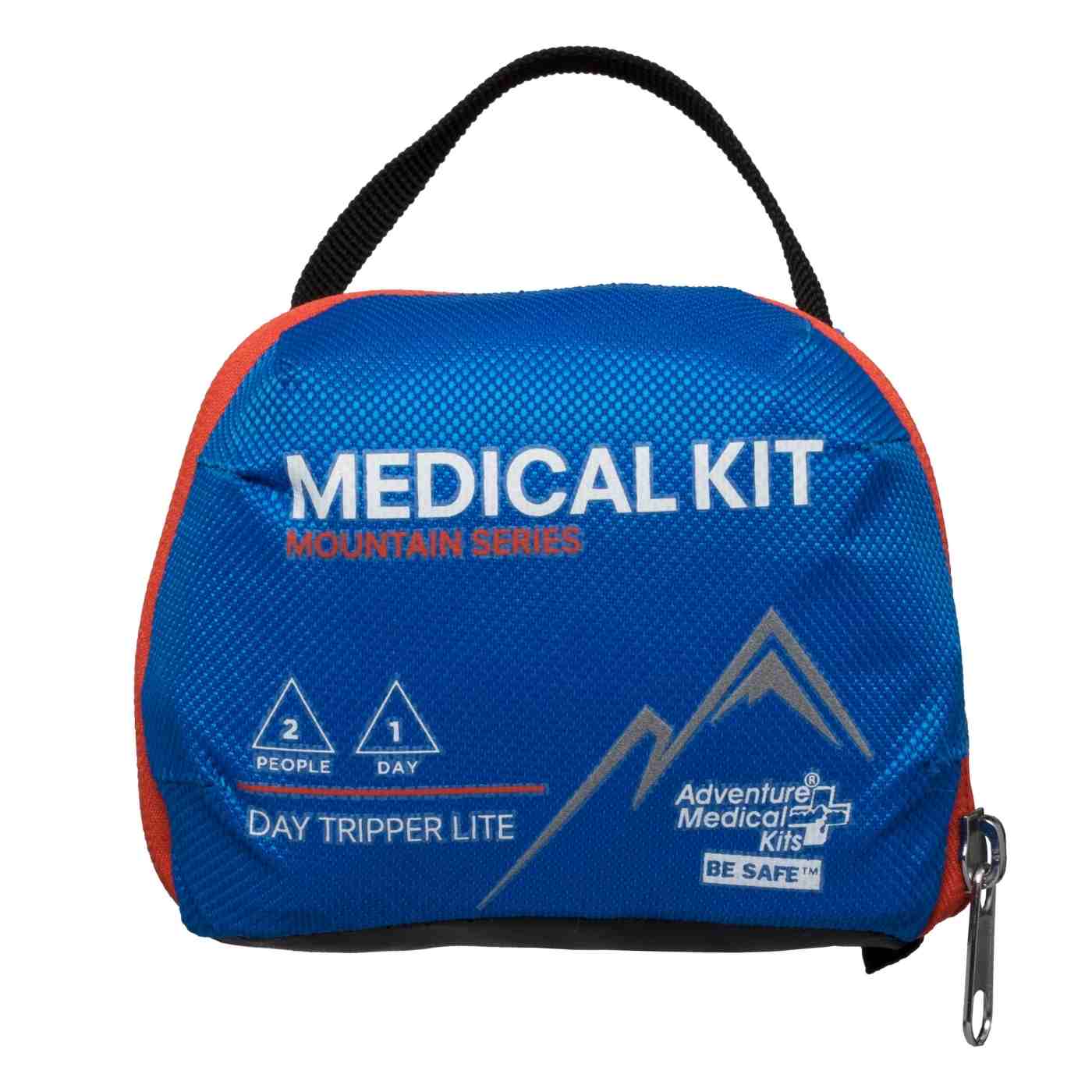
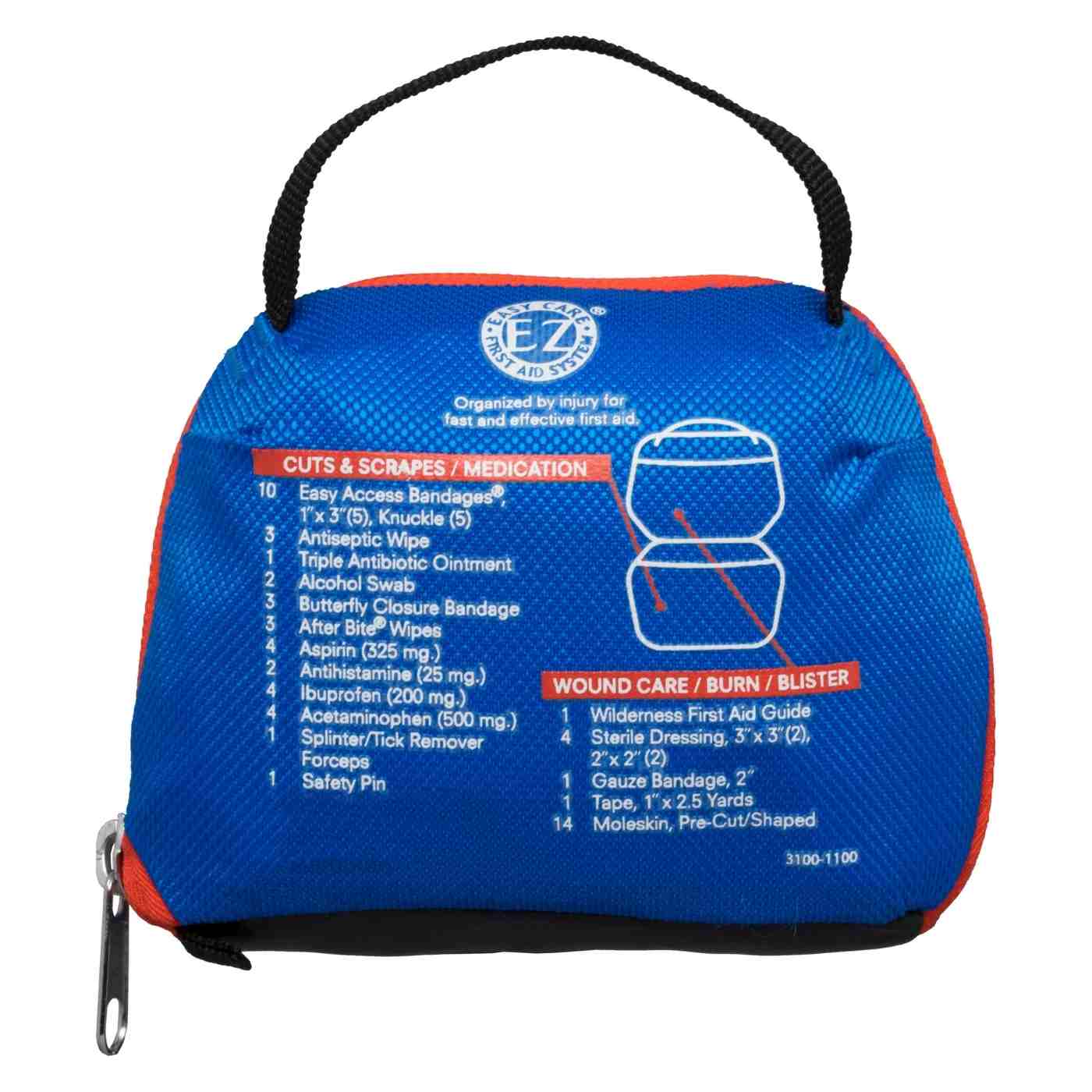
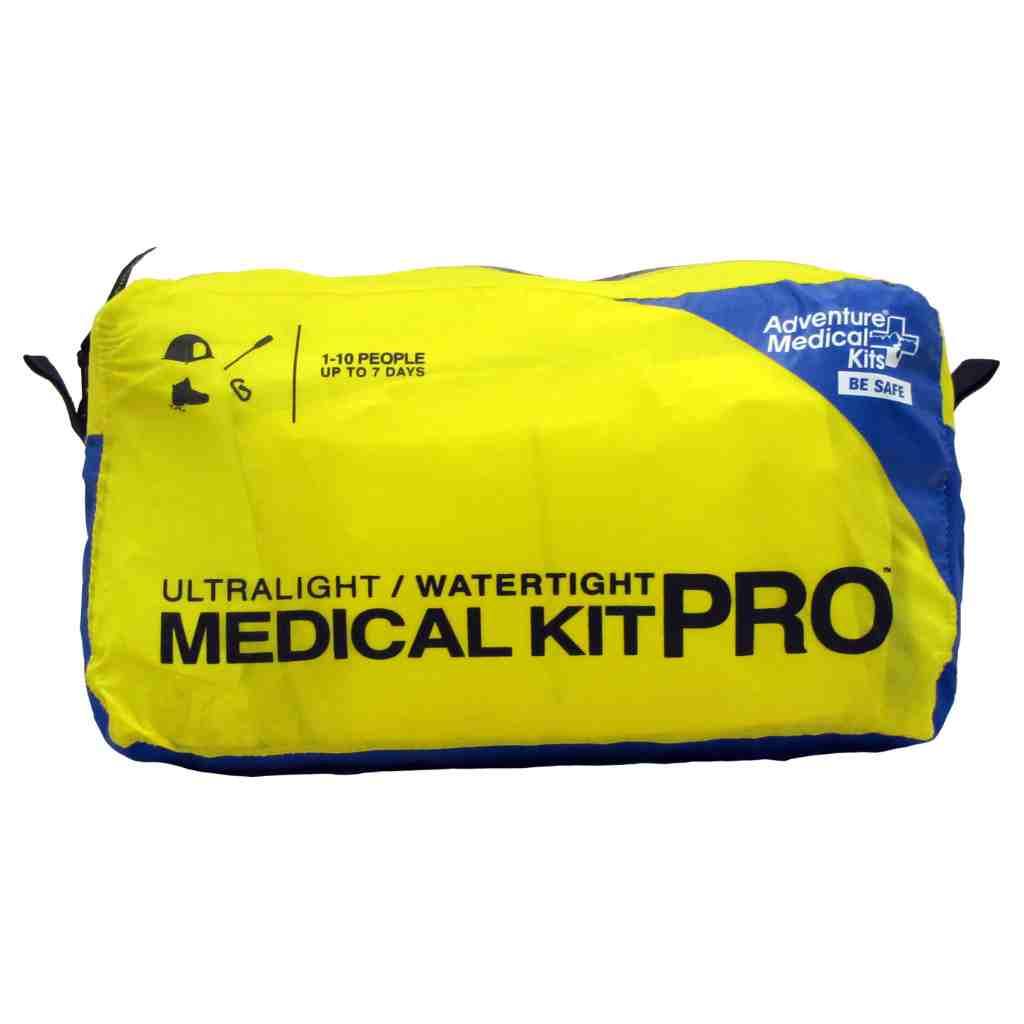
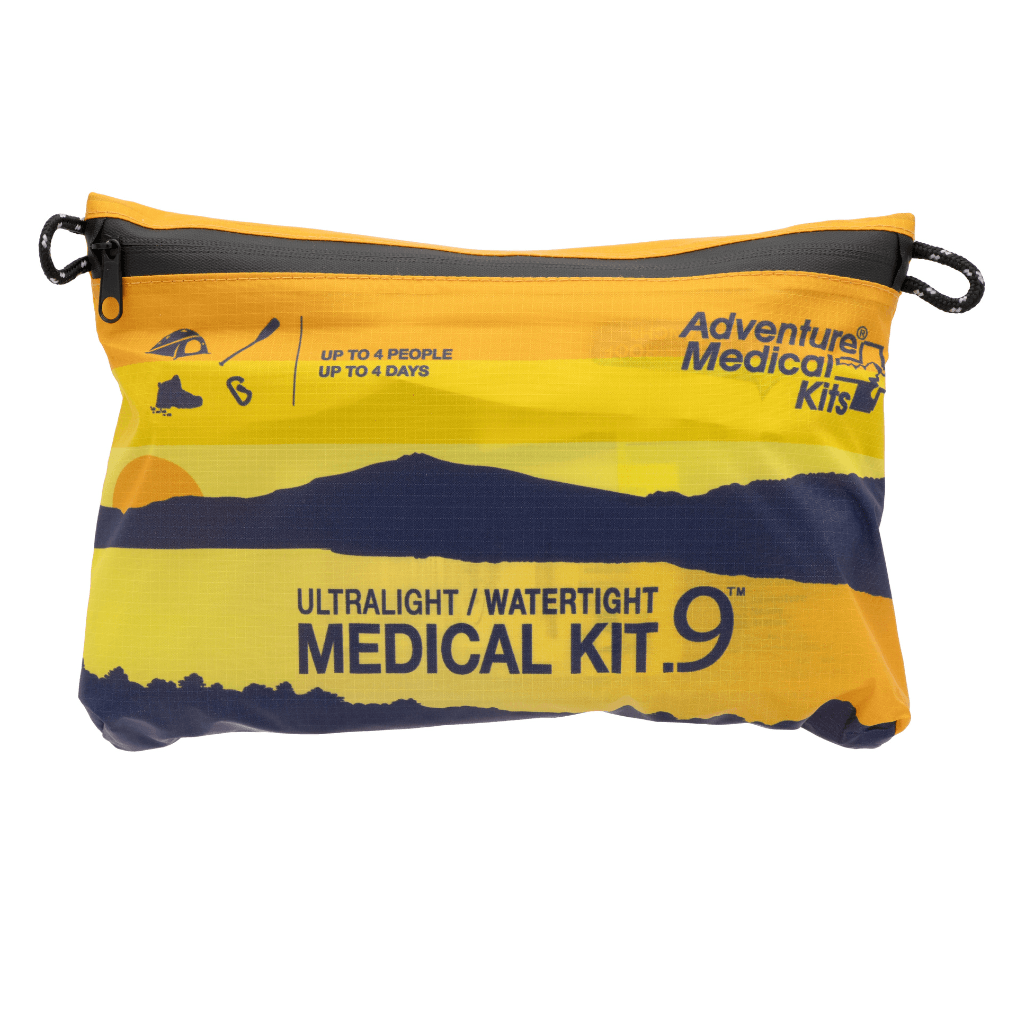
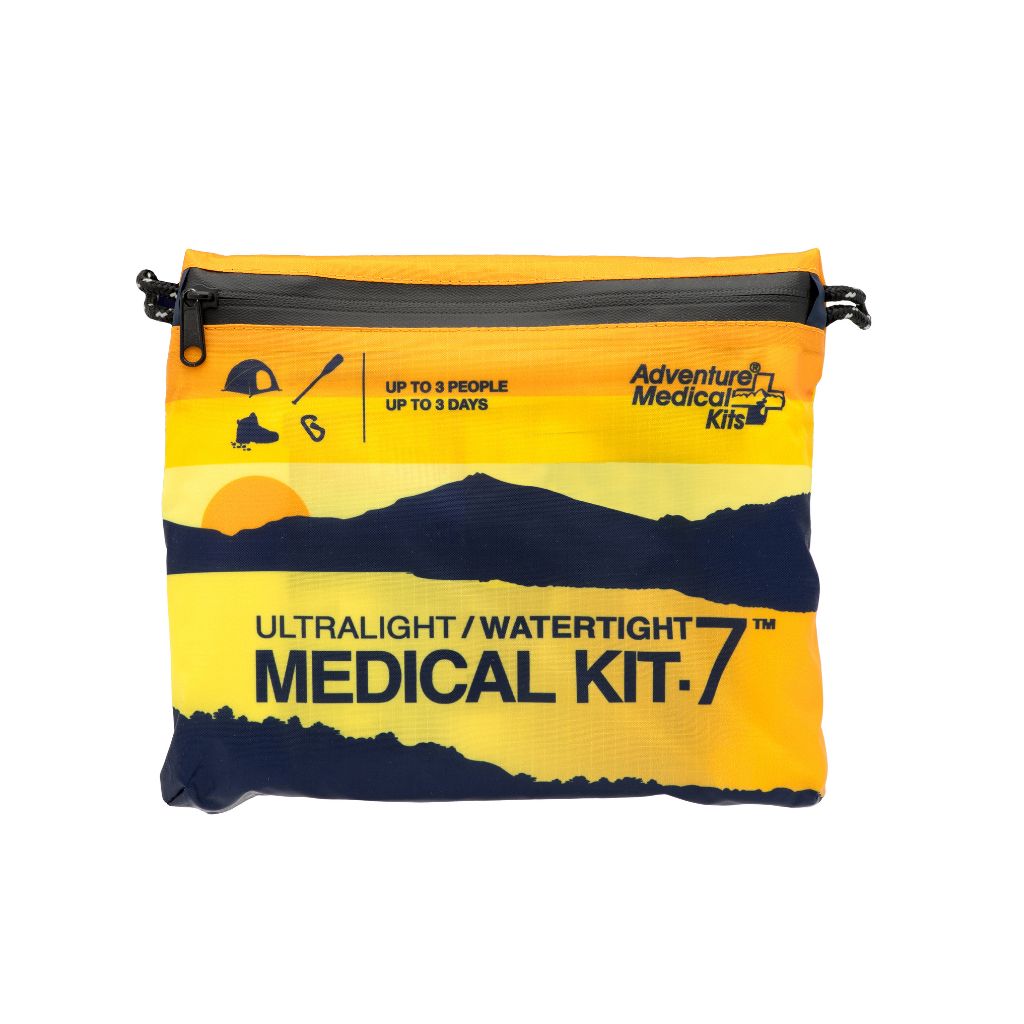
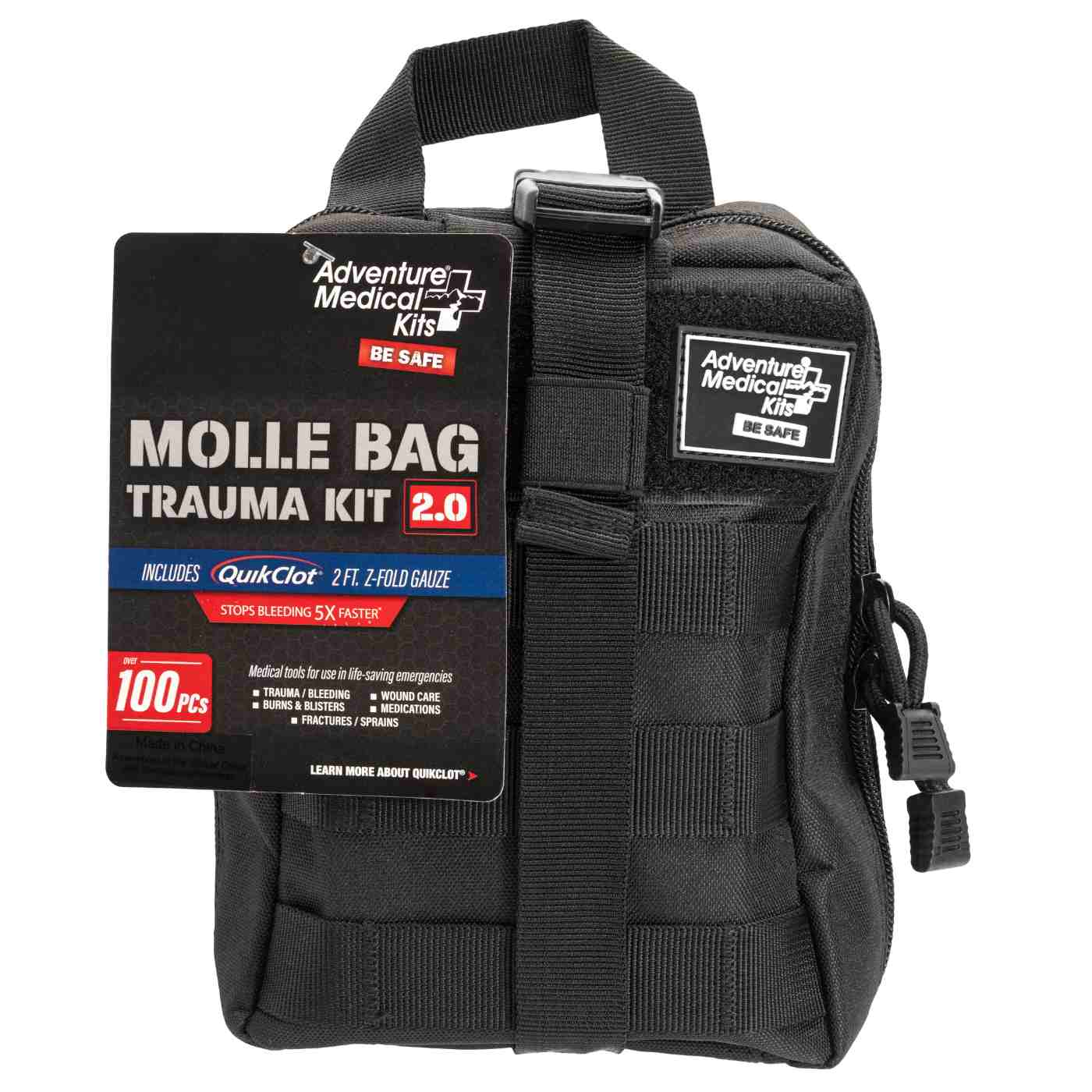
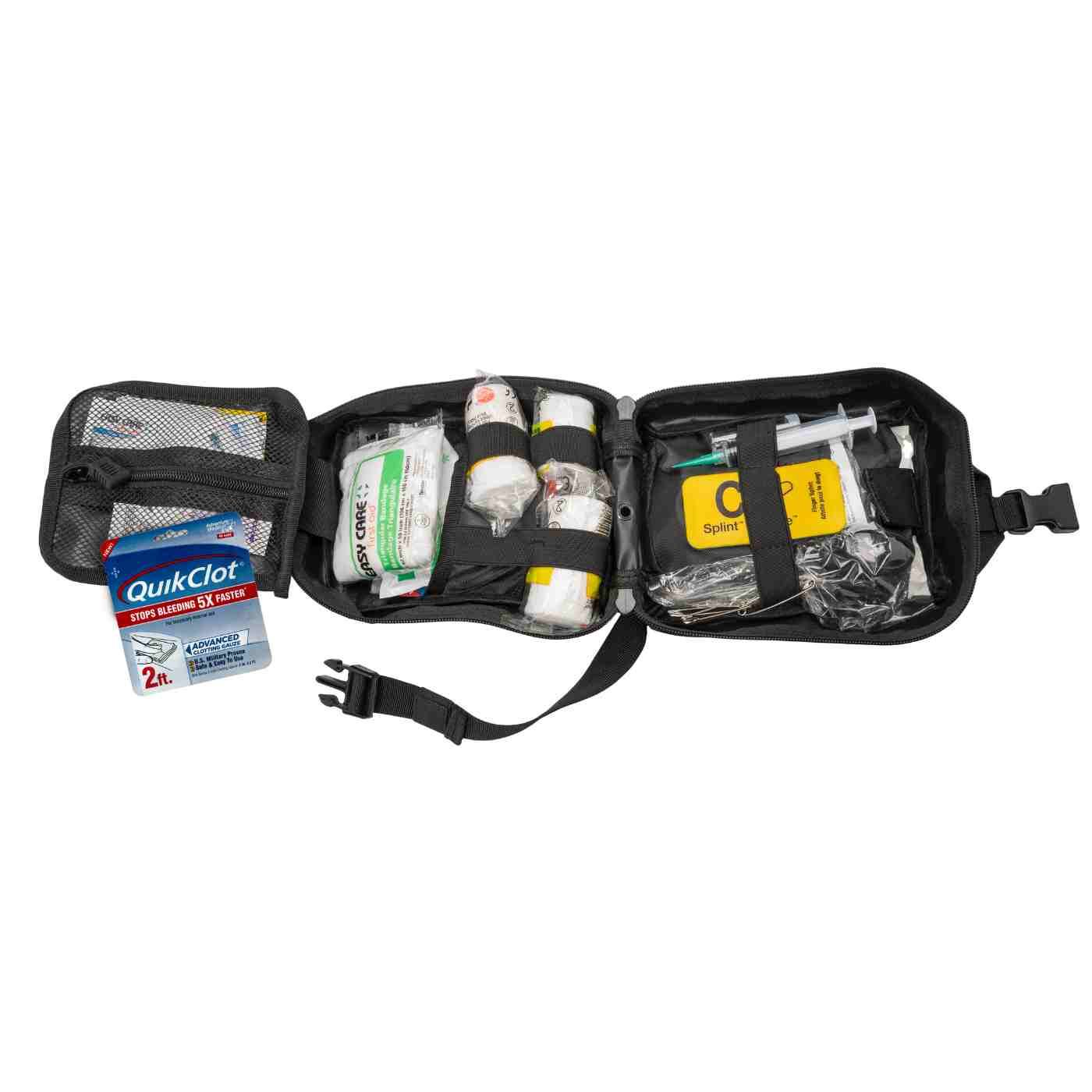
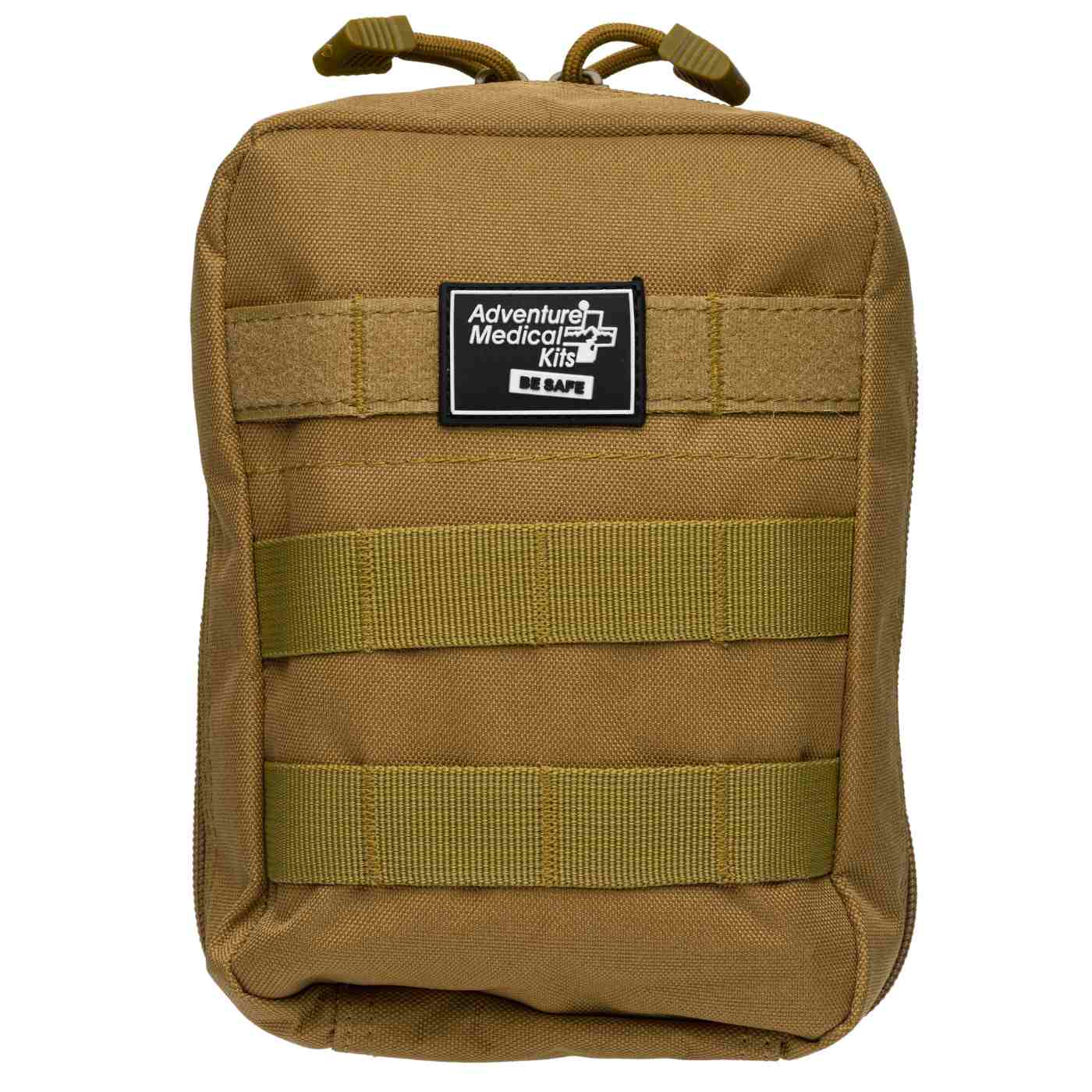
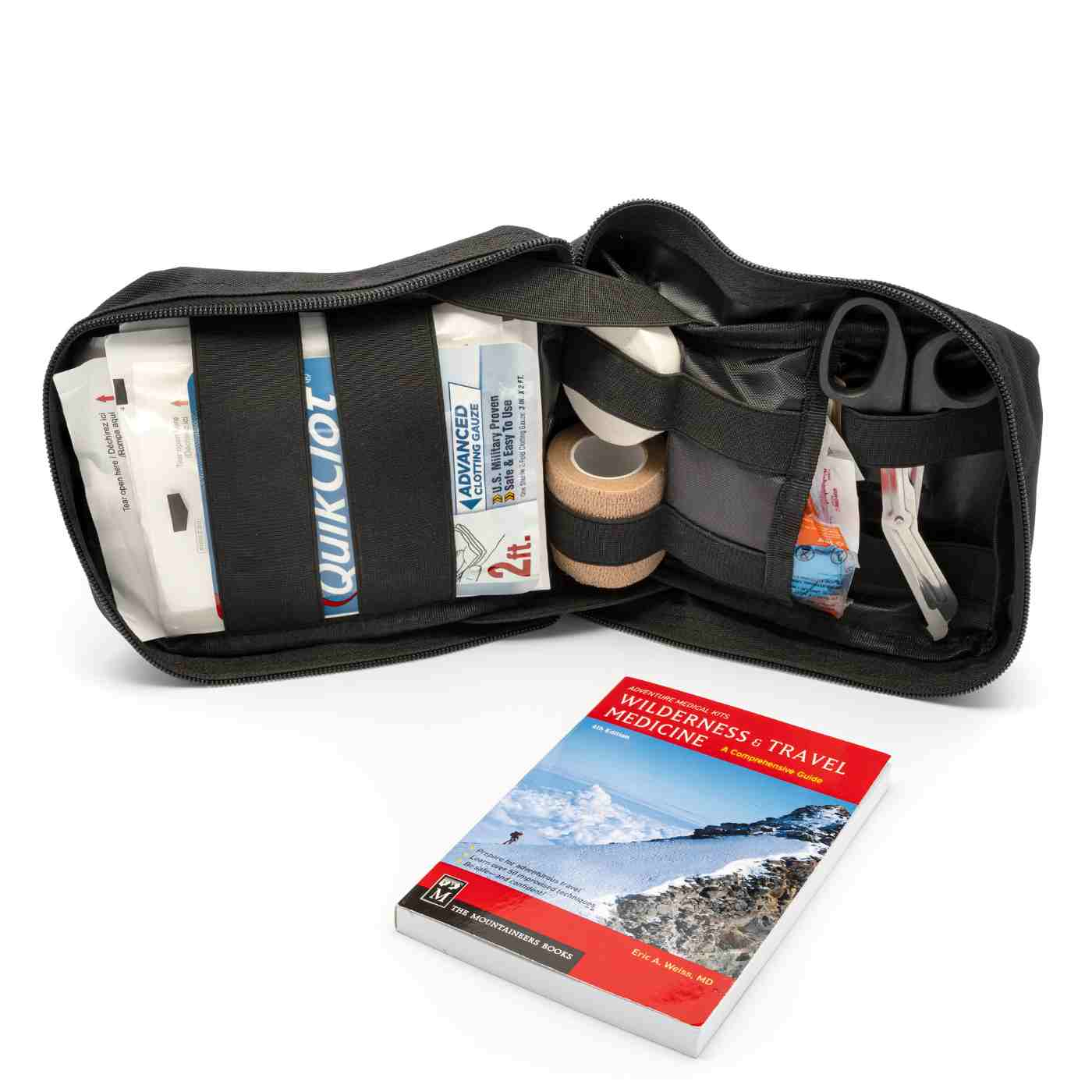
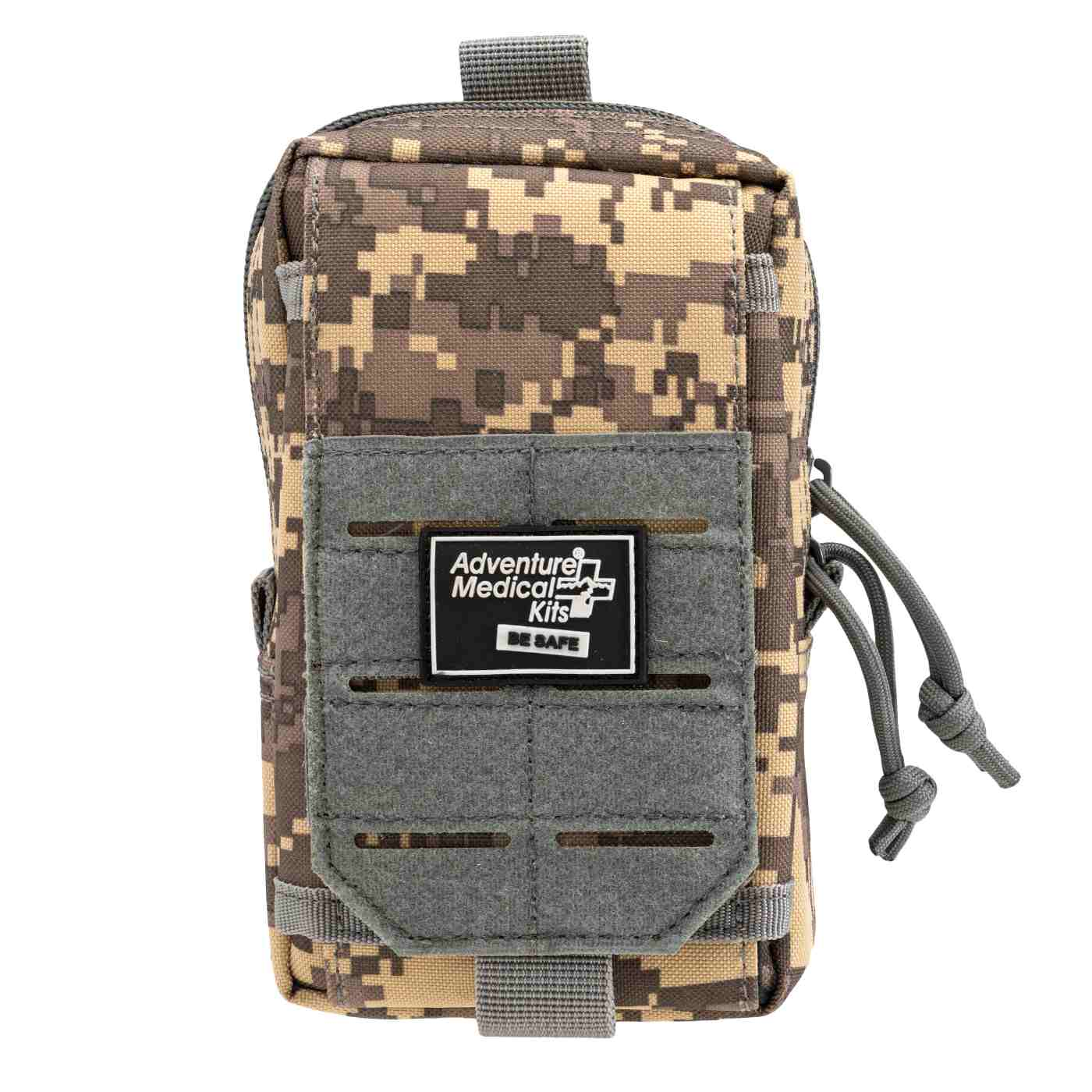
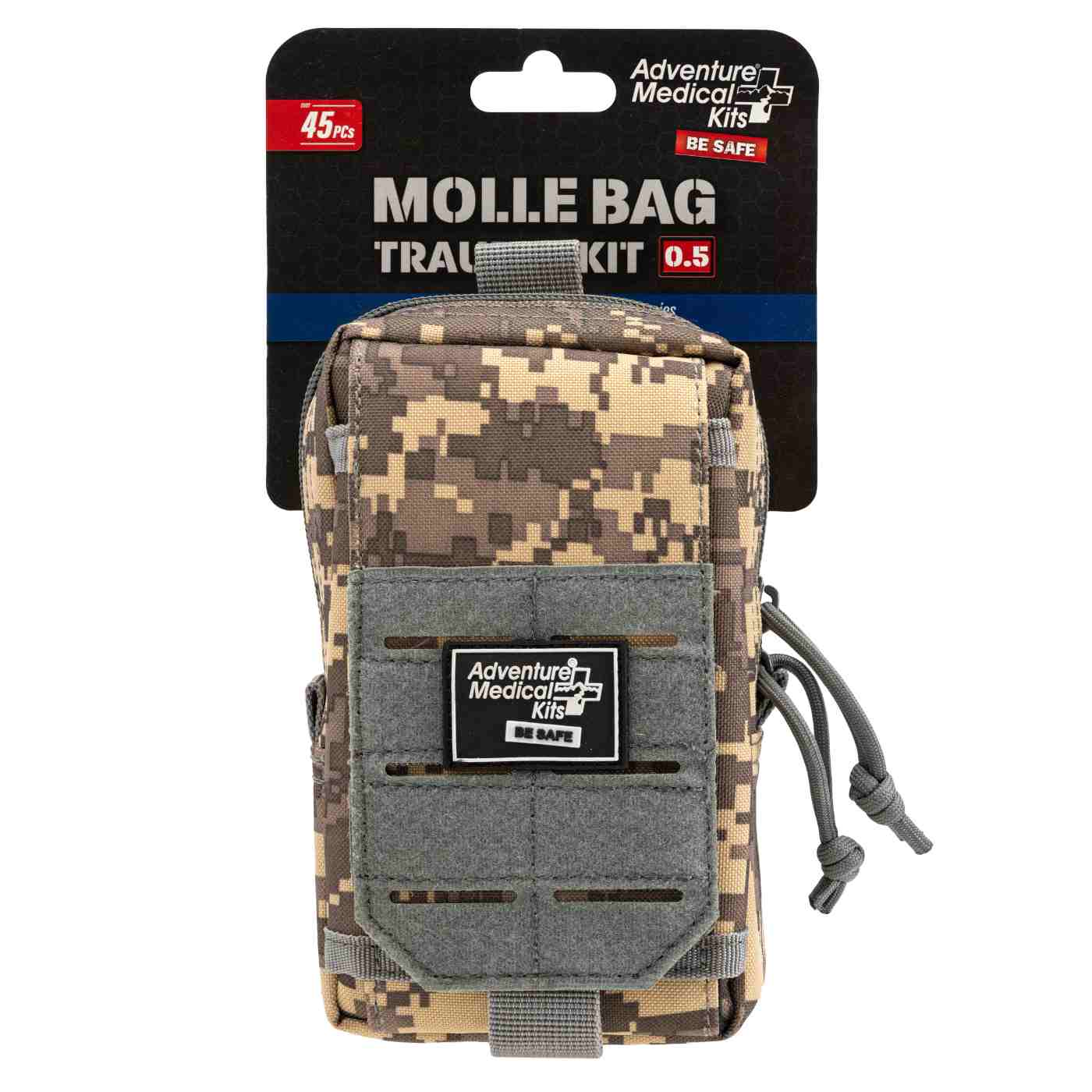
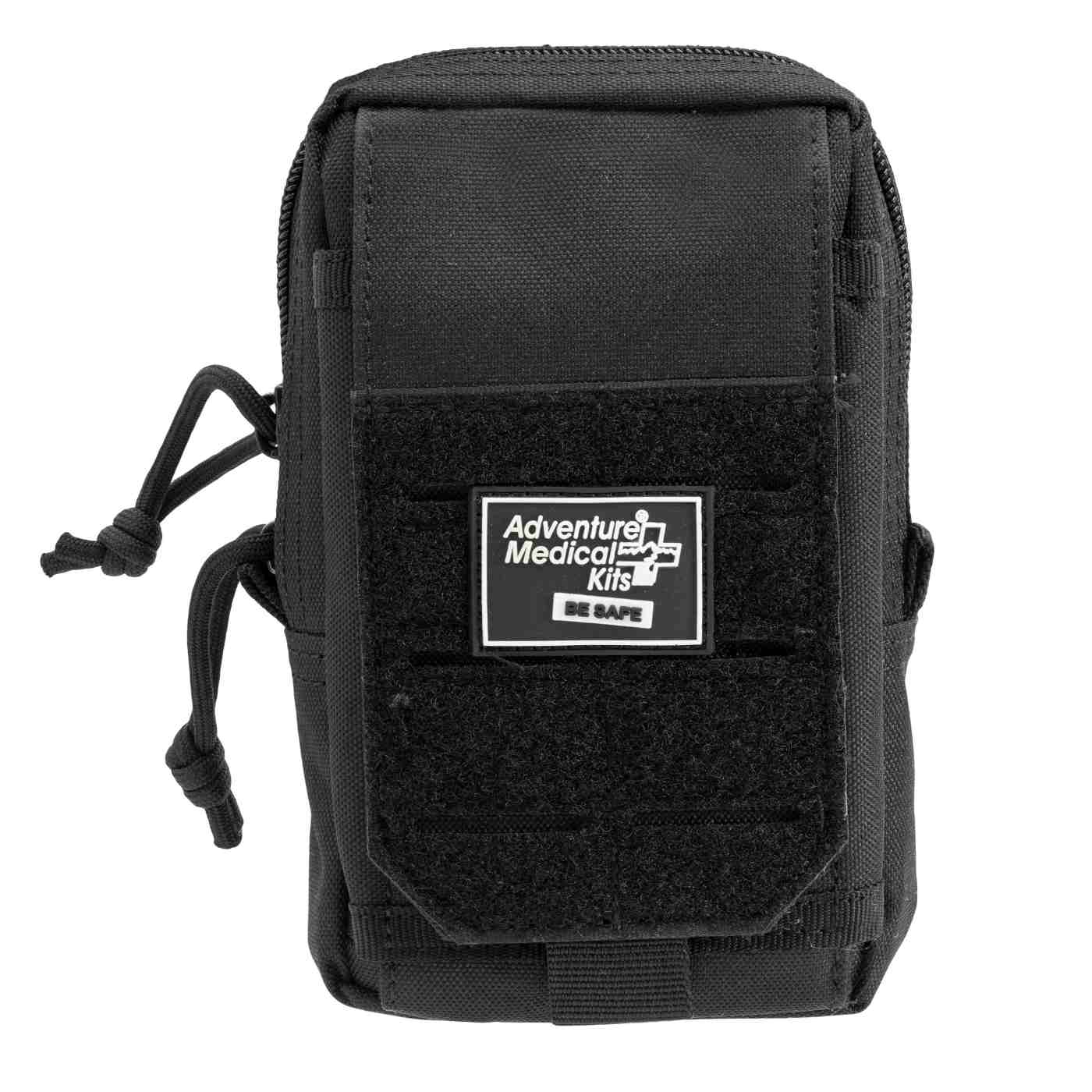
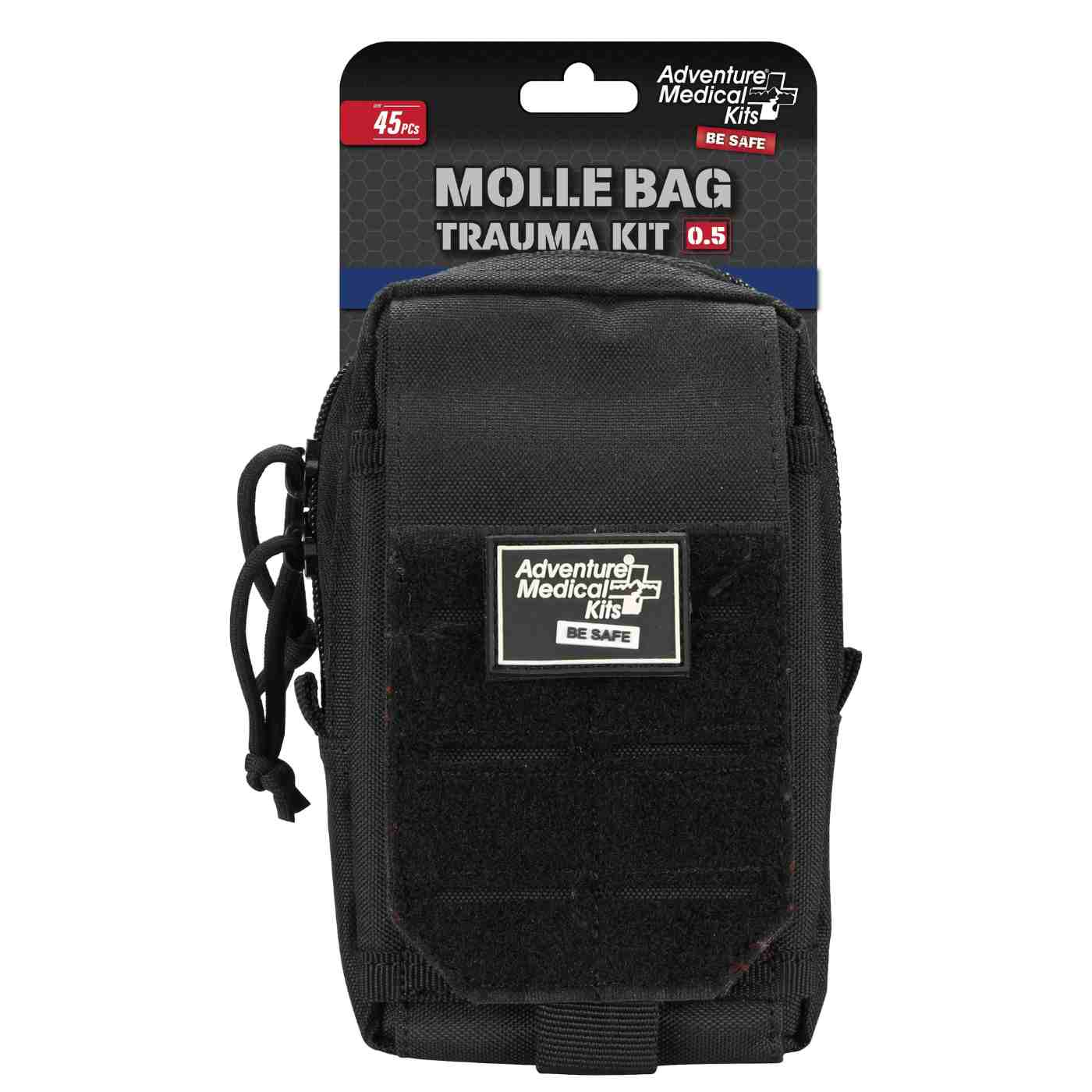
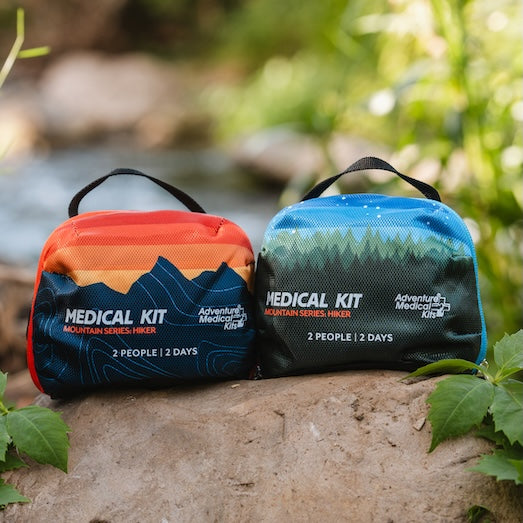
A pre-assembled kit can reduce the chance of overlooking a critical category. The Mountain Series and MOLLE series from Adventure Medical Kits are organized around outdoor use, with labelled compartments, accessible supply lists, medical instructions, and packable construction. Most kits use a resealable waterproof bag, which helps protect contents from trail moisture and dirt.
A buyer should inspect the actual contents before purchase:
- Tourniquet: The kit should contain a quality commercial tourniquet, with instructions and a design that the intended users recognize.
- Splint: The splint should fit the group's likely injuries and pack realistically with the rest of the gear.
- Instructions: A handbook can support decision-making for common trail injuries and illnesses.
- Organization: Labelled compartments reduce searching when a responder is under stress.
- Durability: Waterproof packaging and sturdy closures matter when a kit rides in a damp pack or vehicle.
The best hiking first-aid kit guidance can help a group compare activity, packability, and contents without assuming that one configuration suits every trip.
Build around the trip
A remote boat trip may need more eye protection and water-related planning. A hunting group may prioritize hemorrhage control and rapid access. A family car kit may need a different mix from an alpine climbing kit. Extra supplies should address real hazards, not fill space with items that nobody knows how to use.
A useful preparation checklist can include Captain Cook tour preparation tips for water-based outings, particularly when the group is reviewing safety equipment before departure. First-aid planning should sit alongside flotation, communication, navigation, and weather decisions.
First-aid kits and supplies are FSA/HSA eligible when purchased through the appropriate account process, although account holders should confirm their plan's rules. A kit trusted by outdoor education organizations, including NOLS, may also give a buyer a useful reference point, but the final choice should still reflect the specific trip.
Maintaining Your First Aid Kit for Trail Readiness
A first-aid kit is only ready if its contents remain usable. Adhesives dry out, medications and ointments pass their expiration dates, packaging can split, and a tourniquet can become damaged after repeated exposure to heat or moisture.
A seasonal inspection provides a practical rhythm. A responsible person should open every compartment and check:
- Expiration dates: Review medications, antibiotic applications, antiseptics, burn treatments, and other dated supplies.
- Tourniquet condition: Confirm that the strap, windlass, buckle, and markings remain intact.
- Waterproof seals: Inspect resealable bags and inner packaging for punctures or failed closures.
- Completeness: Compare the contents with the kit's supply list, especially after group trips.
- Cleanliness: Remove dirt and moisture before repacking the kit.
Used supplies should be replaced immediately after an outing, not before the next planned adventure. A missing trauma pad or depleted glove supply may go unnoticed until an emergency exposes the gap.
Field habit: Store the kit in a cool, dry location away from direct sunlight and vehicle heat cycles. A hot car can damage supplies even when the kit looks untouched.
Outdoor kits face moisture, grit, temperature changes, and compression inside a pack. They deserve more attention than a home kit that stays in a dry cupboard. A small restock container with commonly used bandages, gloves, antiseptic wipes, and tape can make replenishment easier, but every replacement should match the kit's intended use.
Why Outdoor Adventurers Should Carry Trauma-Ready Kits
Falls, impacts, animal encounters, sharp tools, and burns can create injuries that a Class A kit may not manage. Carrying a tourniquet, splint, trauma dressings, and burn care isn't paranoia. It's practical preparation when evacuation may take hours.
Outdoor adventurers can review their current kit, identify the most serious realistic hazards, and practice using the trauma supplies before a trip. For broader backpacking planning, Lounge Wagon's backpacking essentials offers another gear-planning reference. Adventure Medical Kits provides activity-specific, organized outdoor kits with medical instructions, durable packable storage, and supplies selected for field use.
Adventure Medical Kits offers Mountain Series and MOLLE series options for hikers, campers, hunters, paddlers, and other outdoor groups that need organized trauma-ready supplies. Review the contents against the next adventure's hazards, then visit Adventure Medical Kits to choose a kit that fits the route, activity, and evacuation plan.