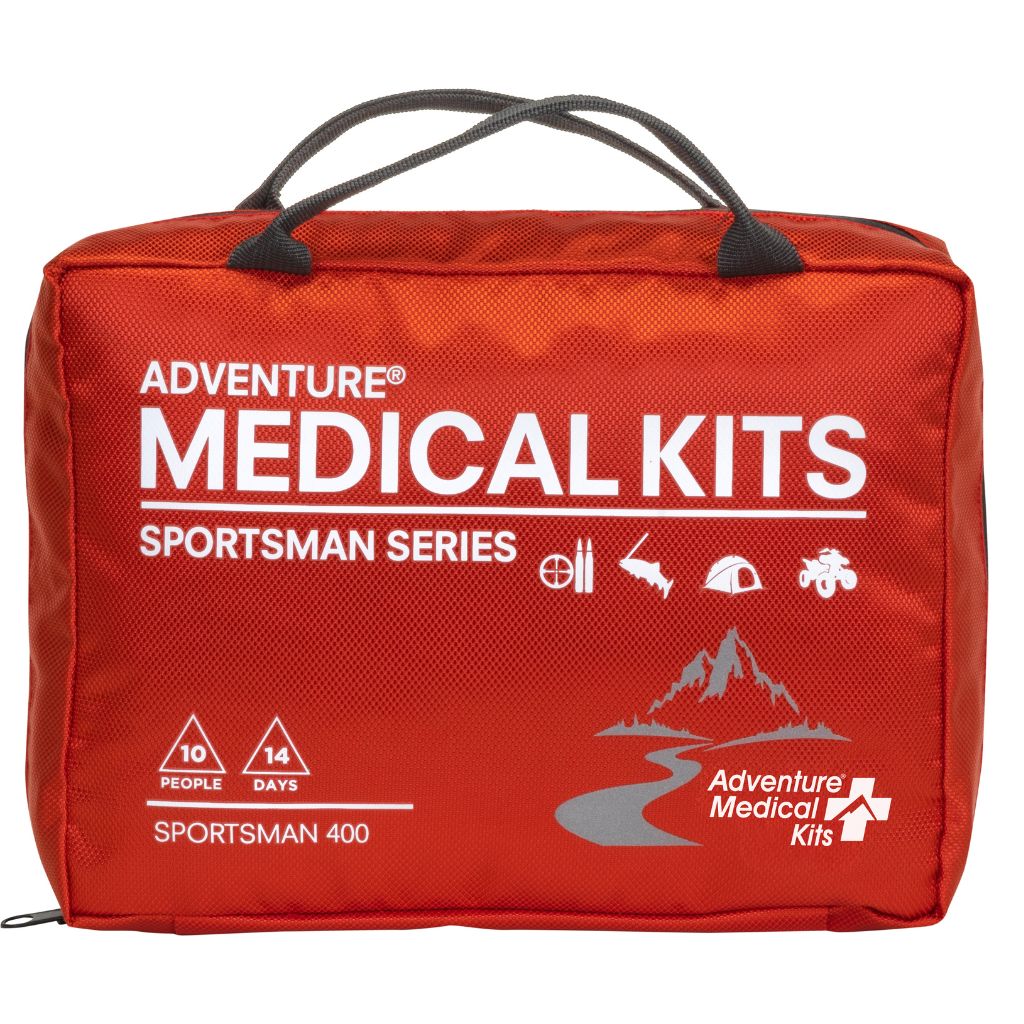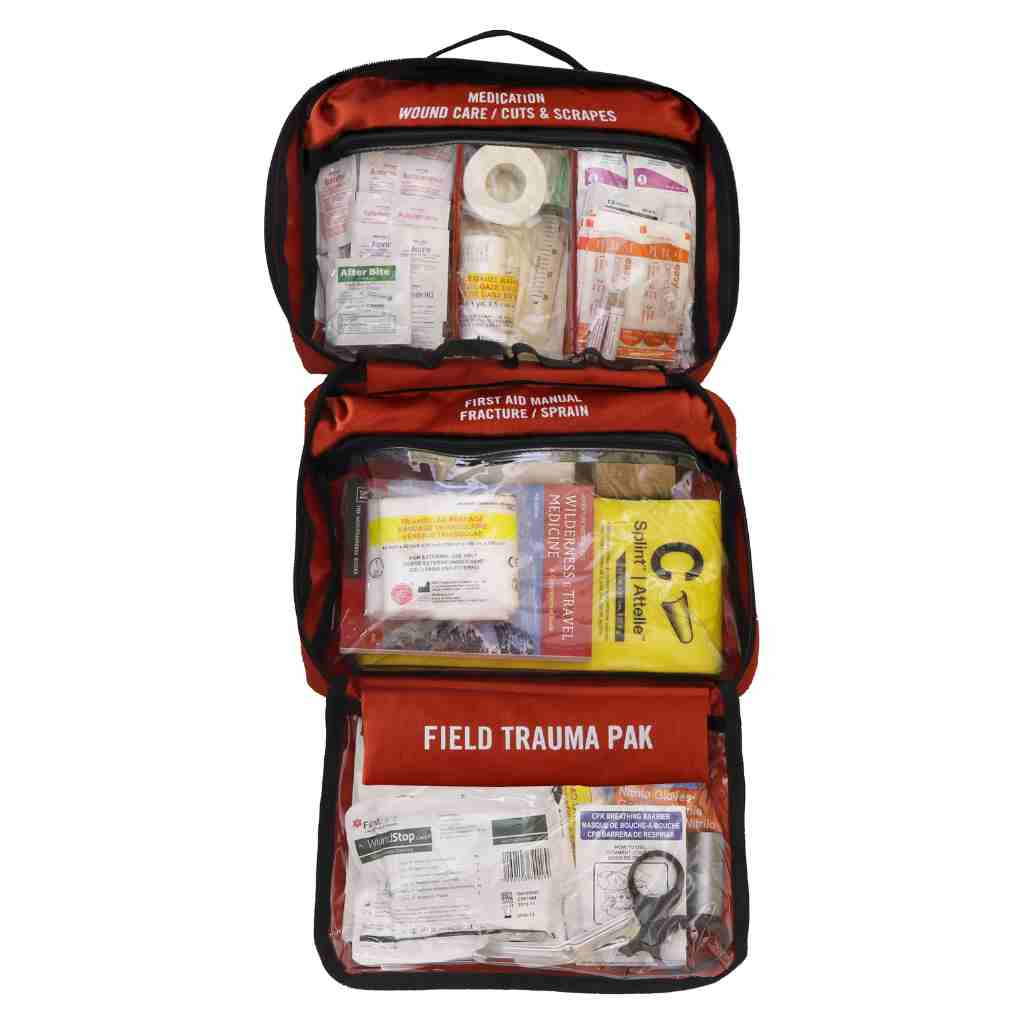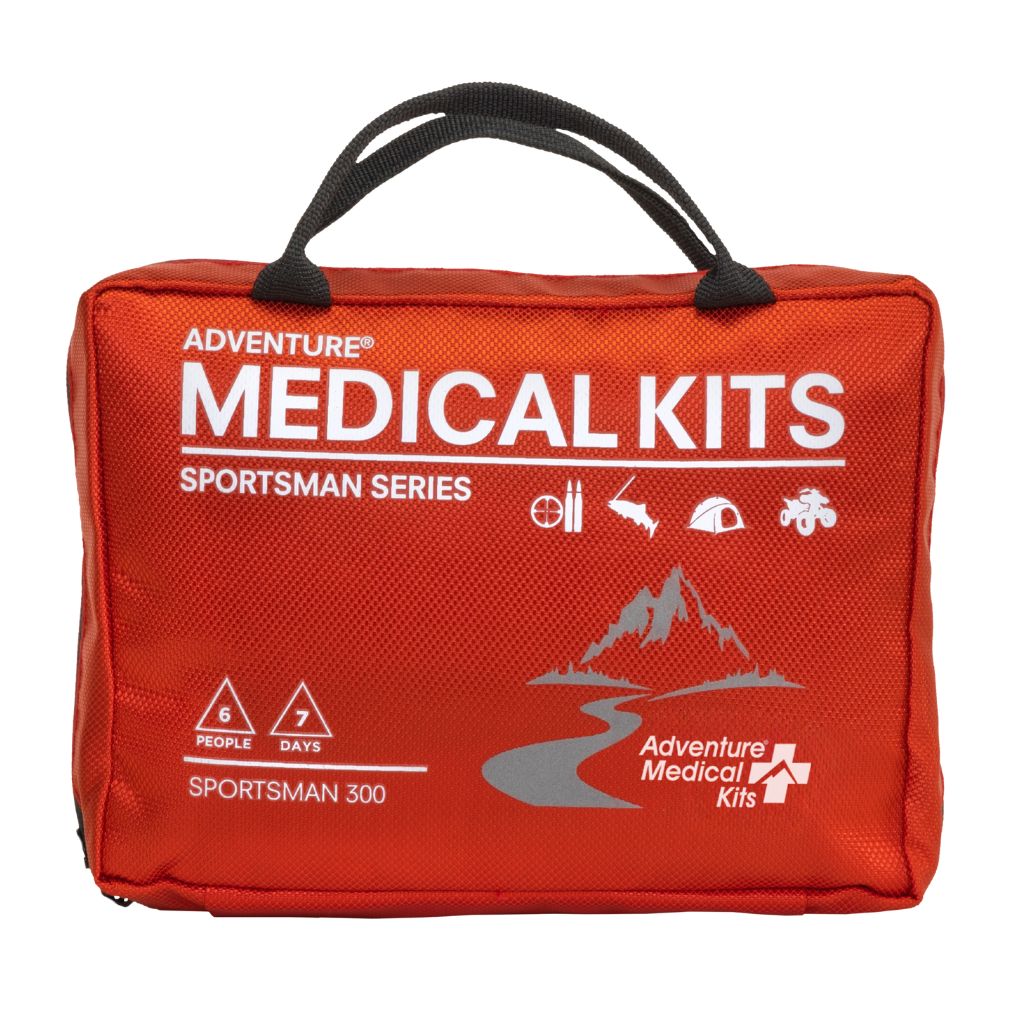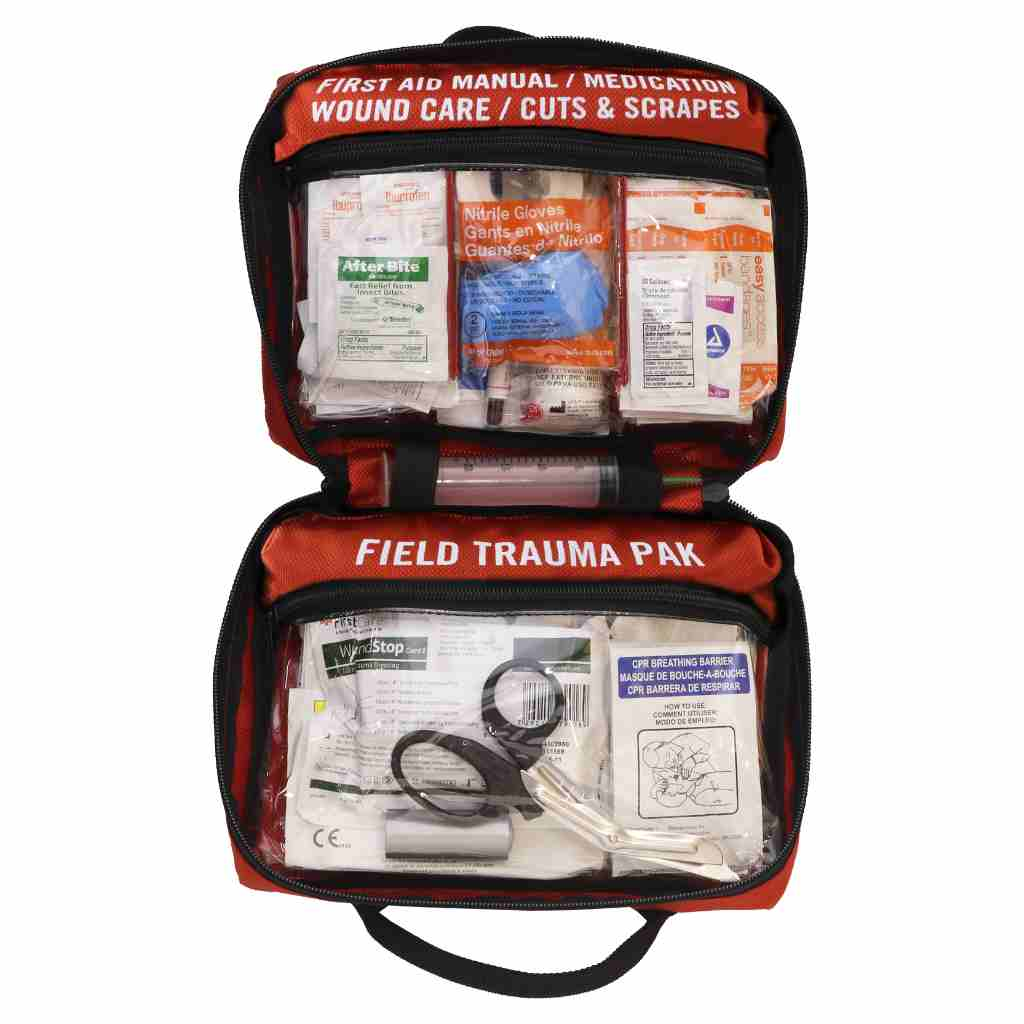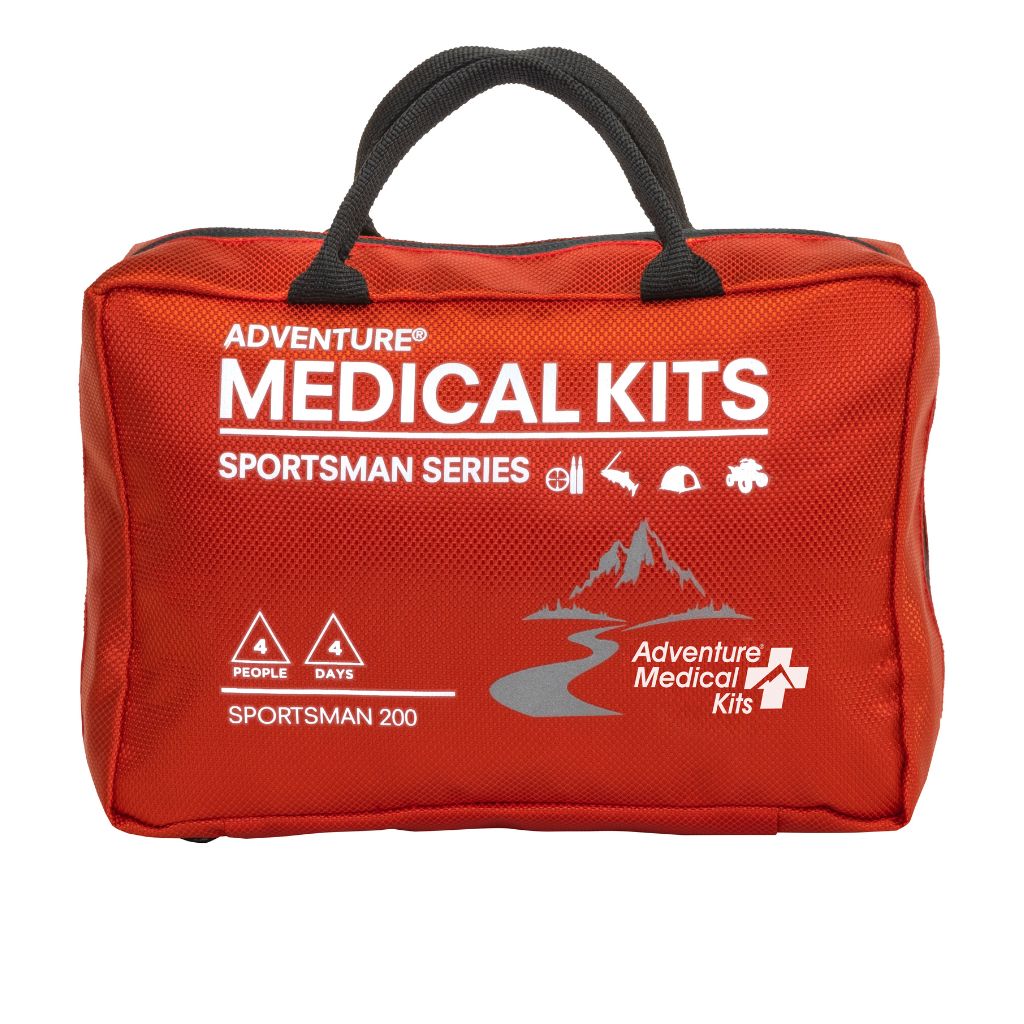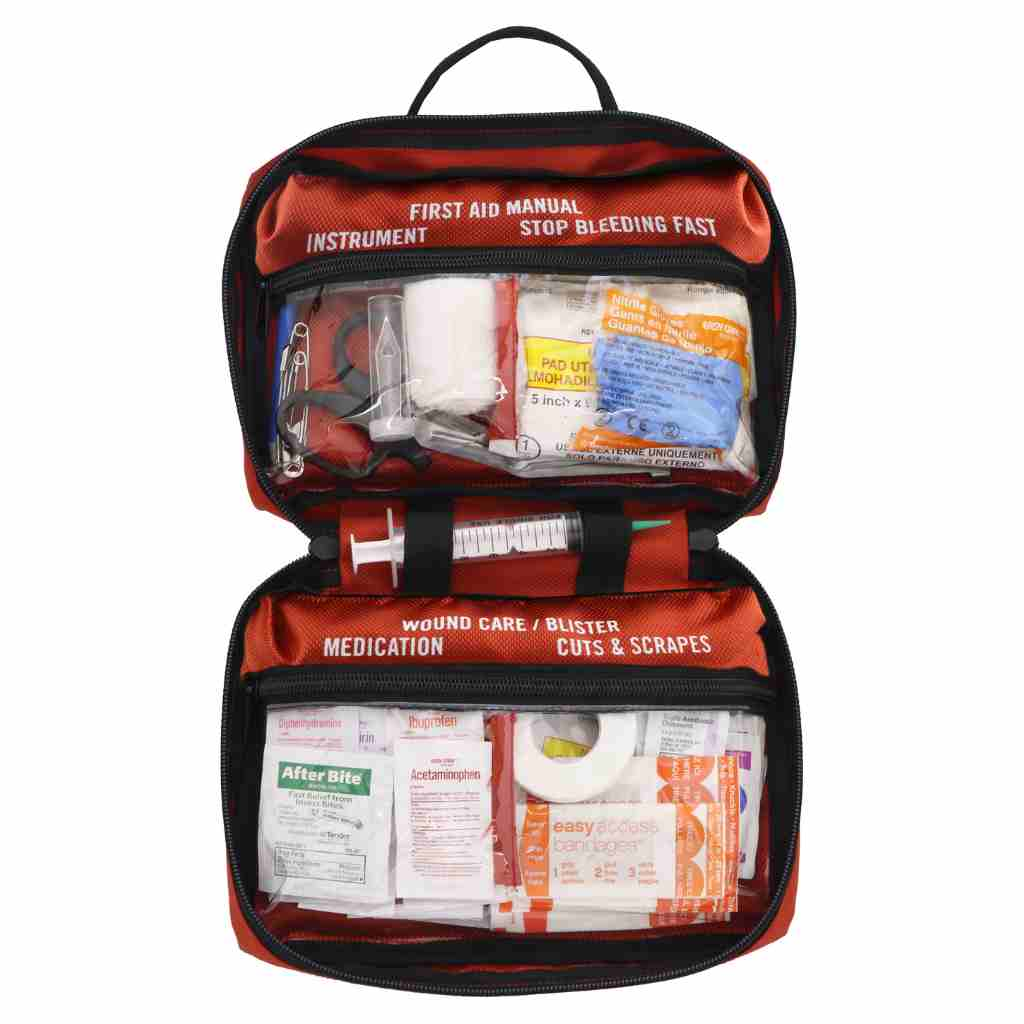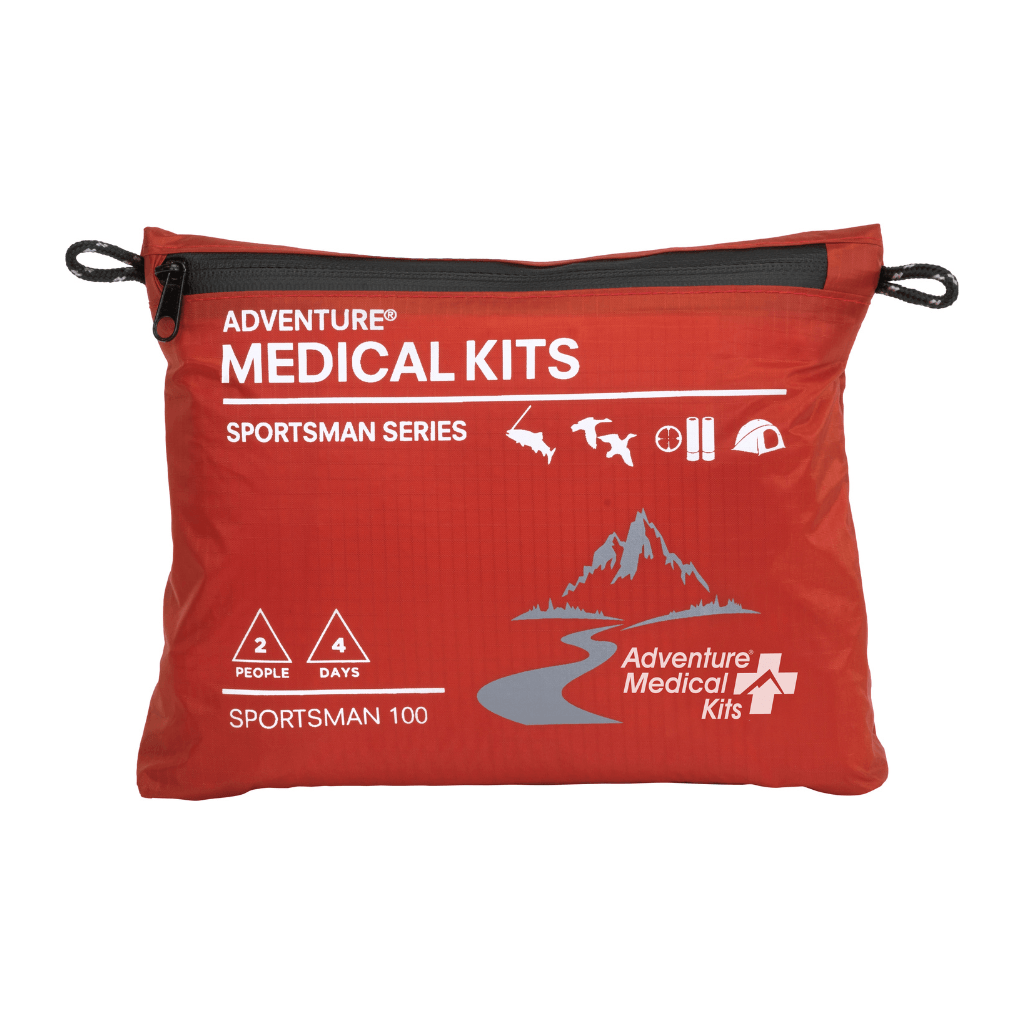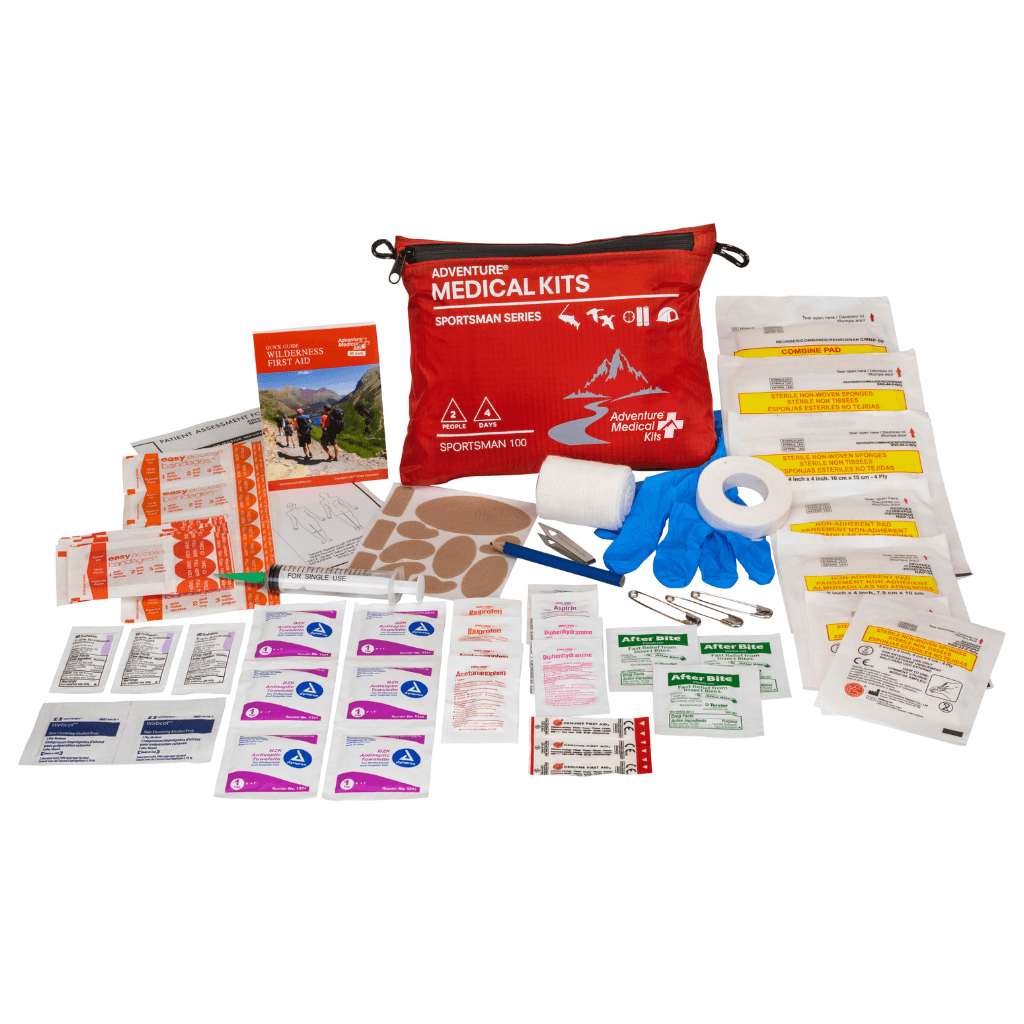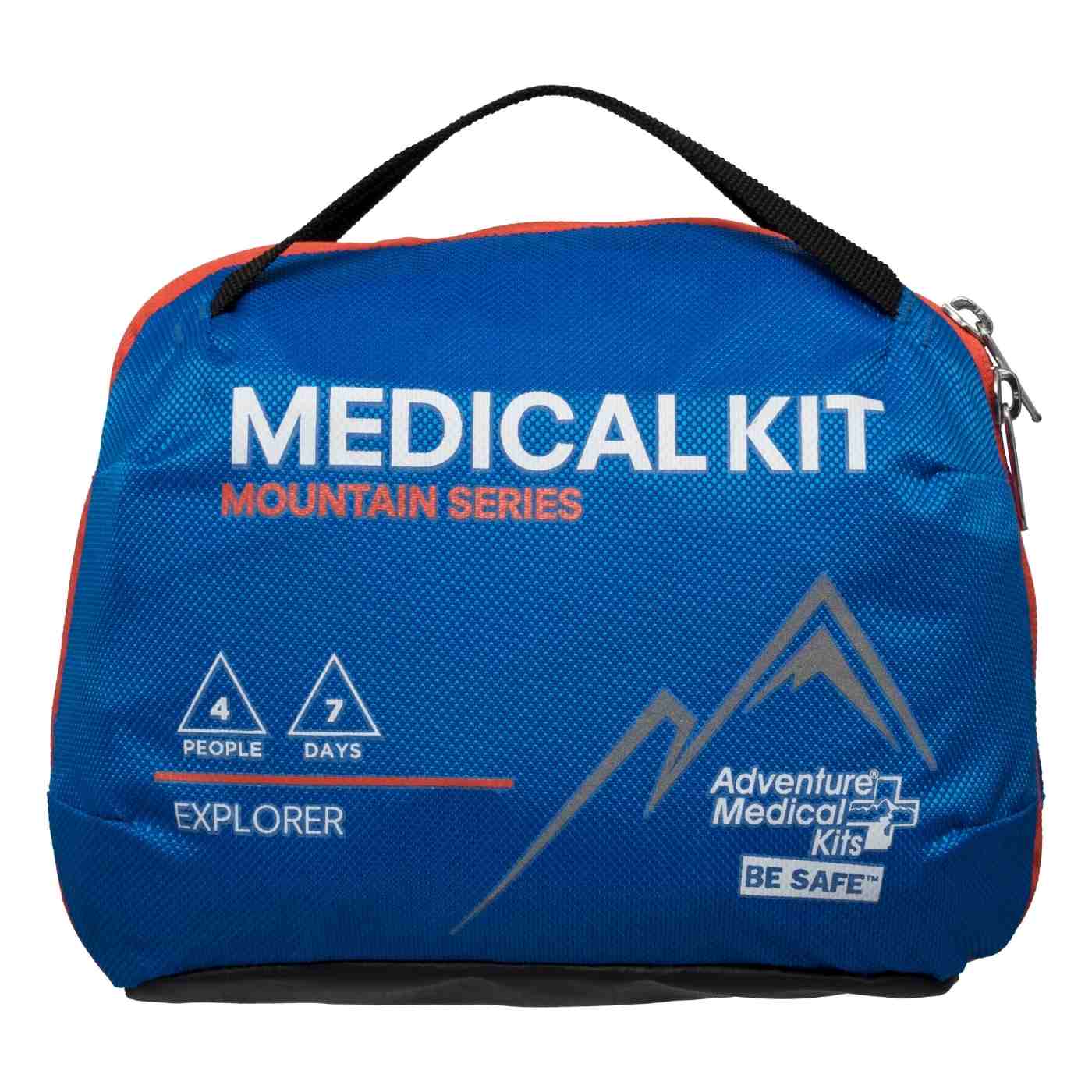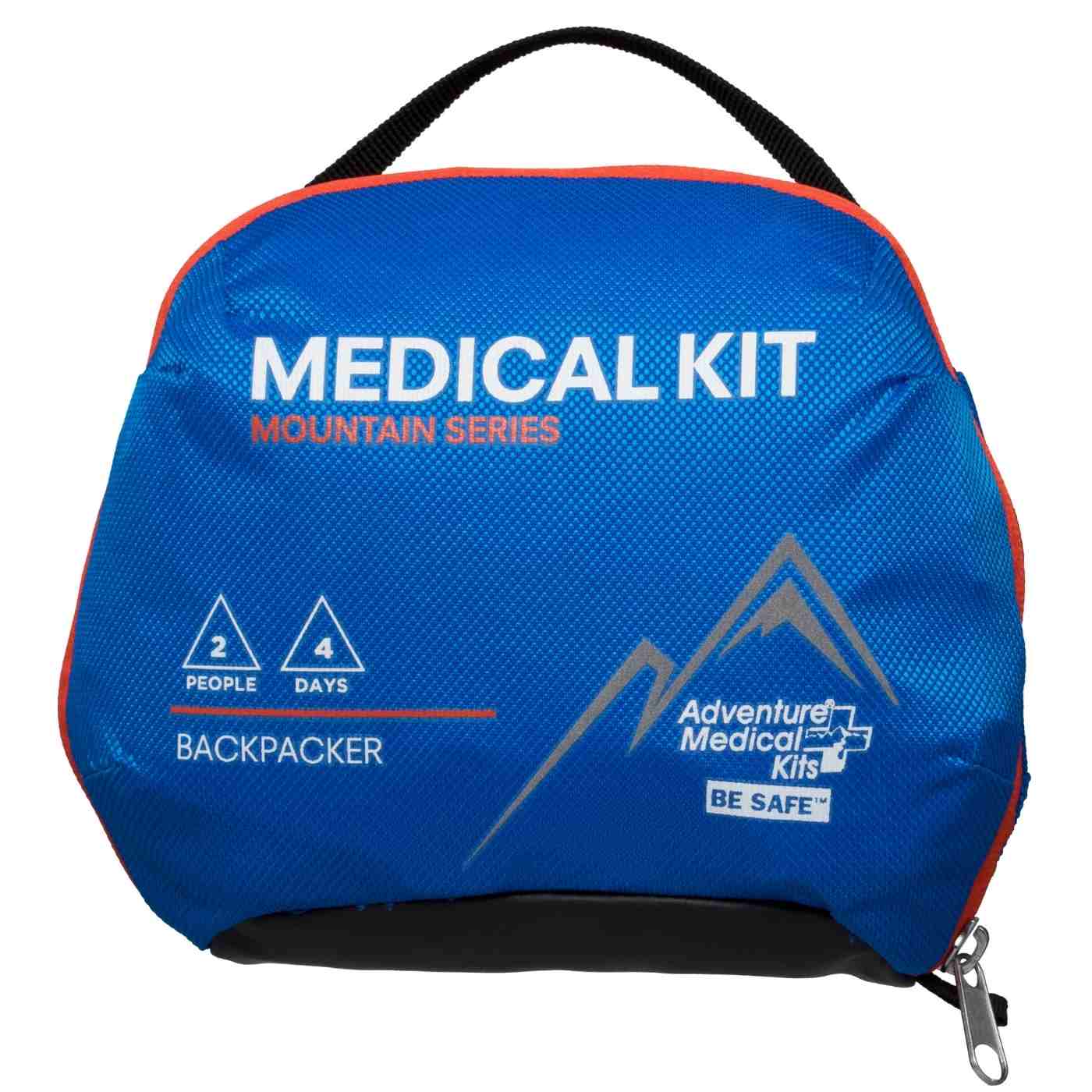


A hiker reaches into a half-empty pouch after a fall on a remote trail. The tourniquet is still there, but the gauze used during the last training session never got replaced. The blister pads are gone, the gloves are damp, and the pressure dressing expired in the bottom of the pack. The pouch looks prepared until someone needs it.
That's the problem an IFAK refill kit is meant to solve. Refilling isn't replacing the dramatic item that was used. It's an opportunity to check the pouch, restore trauma capability, and correct the everyday gaps that can turn a long hike, paddling trip, hunt, or family evacuation kit into a harder situation.
Table of Contents
- Why Your Kit Matters More Than You Think
- What an IFAK Actually Is
- Core Contents and Smart Add-Ons
- Choosing the Right Refill for Your Kit
- How to Refill and Organize Your IFAK
- Replacement Cycles and Expiration
- Safety and Legal Notes for Carrying an IFAK
- Quick Reference Checklist
Why Your Kit Matters More Than You Think
A rolled ankle several miles from a trailhead may not require a tourniquet, but it can still end a trip. If the only elastic wrap has disappeared, the cold pack leaked, and the blister supplies were used on an earlier outing, a trauma-focused pouch offers little practical help. A partner may be able to walk out, but the group loses time, mobility, and confidence because small omissions have accumulated.
A kit with one or two missing components can be nearly as limiting as an empty kit. Trauma supplies tend to be used less often than blister care, wound-cleaning materials, or basic medications, but their purpose is decisive when a severe injury occurs. That makes gaps difficult to notice during routine packing.
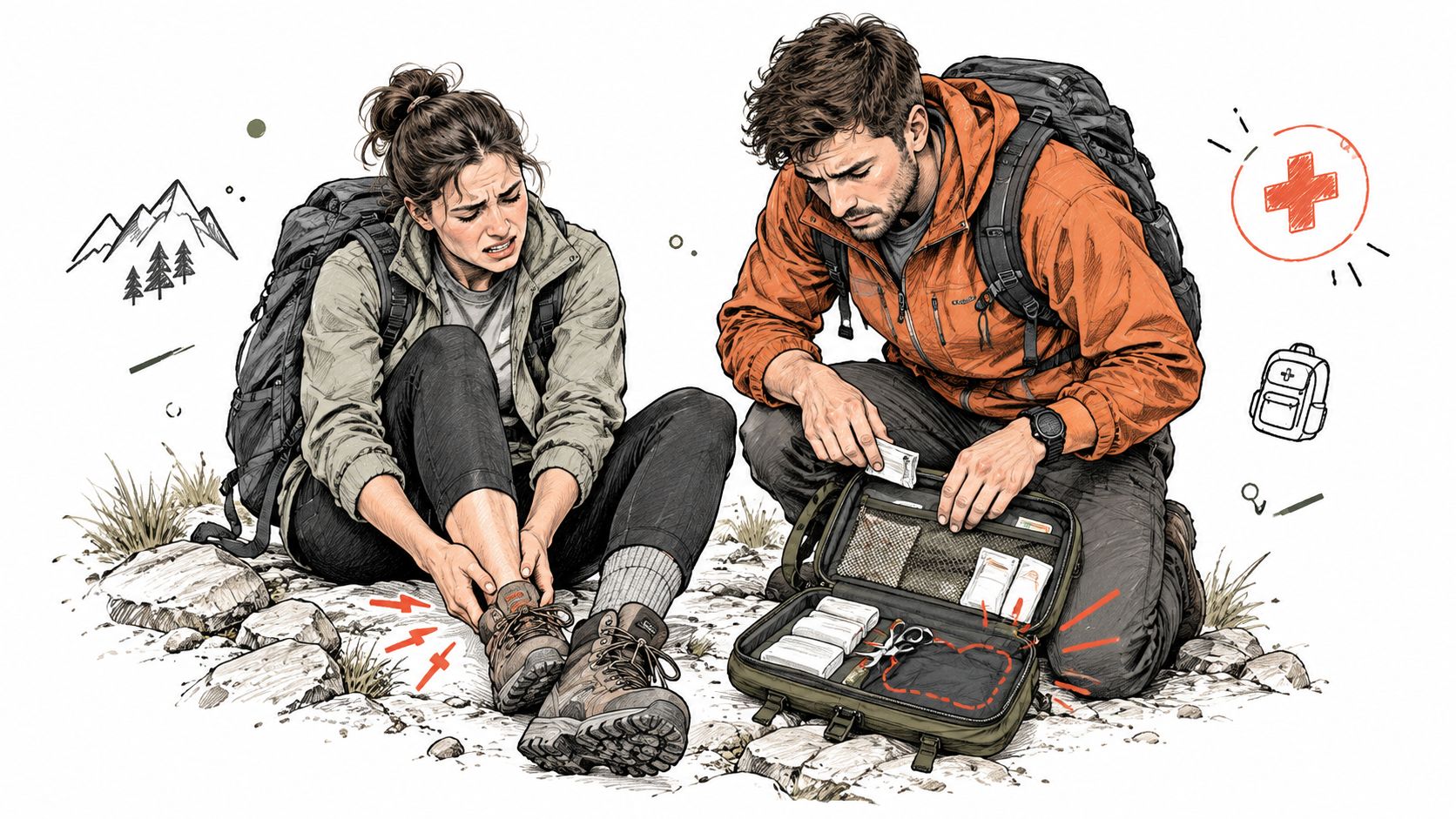
The refill moment is an audit
A useful refill starts by asking what the kit must do next, not only what it did last time.
- Replace consumed supplies: Restore anything opened, removed, contaminated, or handed to another person.
- Inspect the whole pouch: Look for moisture, torn packaging, damaged seals, and supplies that have migrated out of their compartments.
- Match the next trip: A solo day hike, a multi-day group trip, and a vehicle emergency kit have different needs.
- Correct the imbalance: Keep high-acuity trauma supplies available, but add the lower-severity items that outdoor medical guidance commonly recommends for wounds, burns, splinting, allergies, and other field problems. The American Red Cross hiking first-aid checklist includes practical items such as gloves, gauze, closure strips, splints, trauma shears, antiseptic wipes, insect-sting treatment, and blister care.
The modern military IFAK developed from basic field dressings toward specialized trauma components. During the Iraq War era, U.S. troops in Operation Iraqi Freedom were issued a more thorough Individual First Aid Kit in 2003, including an Emergency Trauma Bandage, while earlier field adoption of the Emergency Bandage had already spread through the military by the early 2000s, according to this Army medical history publication. Civilian refill planning follows the same practical logic, restore the standardized supplies without replacing a usable pouch.
What an IFAK Actually Is
IFAK means Individual First Aid Kit. In outdoor terms, it's a compact, trauma-priority kit designed to help one person respond to severe bleeding, airway problems, and breathing emergencies before professional care arrives.
A general hiking first-aid kit has a wider job. It may handle cuts, abrasions, blisters, minor burns, sprains, insect bites, and common illnesses. An IFAK concentrates space on problems that can become immediately life-threatening. The two can work together, but neither should be mistaken for the other.
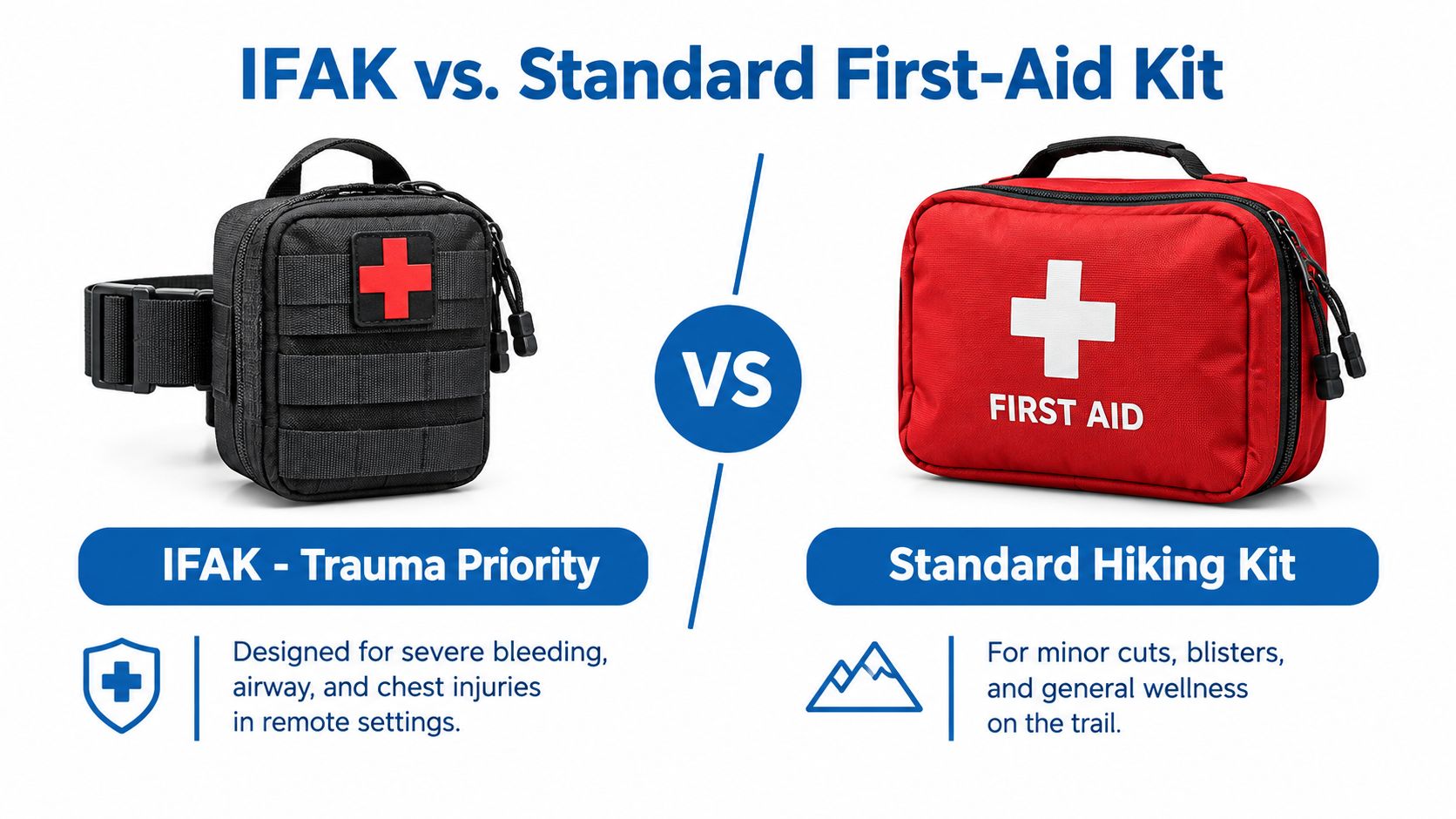
A simple way to understand the difference
An IFAK is like a fire extinguisher under a kitchen sink. Most households hope never to use it, but it has a focused purpose when an ordinary response isn't enough. A general first-aid kit is closer to a well-stocked utility drawer, used more often for small problems and routine repairs.
A technically complete trauma-focused configuration commonly addresses three priorities:
- Catastrophic hemorrhage: A tourniquet, hemostatic gauze, compressed gauze, and pressure dressing support bleeding control and wound packing.
- Airway: A nasopharyngeal airway with lubricant may be included in configurations intended for trained users.
- Breathing: Vented chest seals address penetrating chest injuries and rapidly worsening breathing compromise.
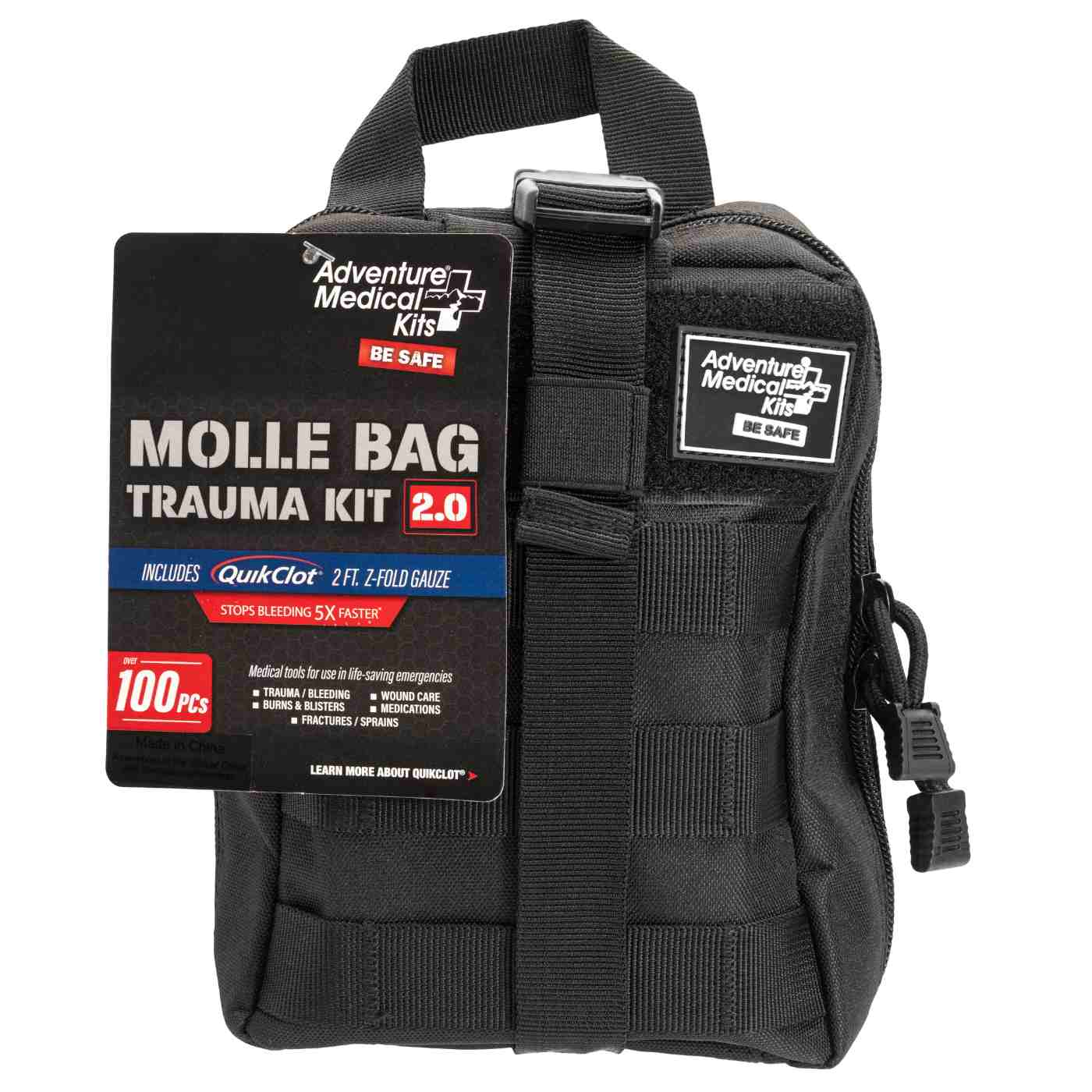
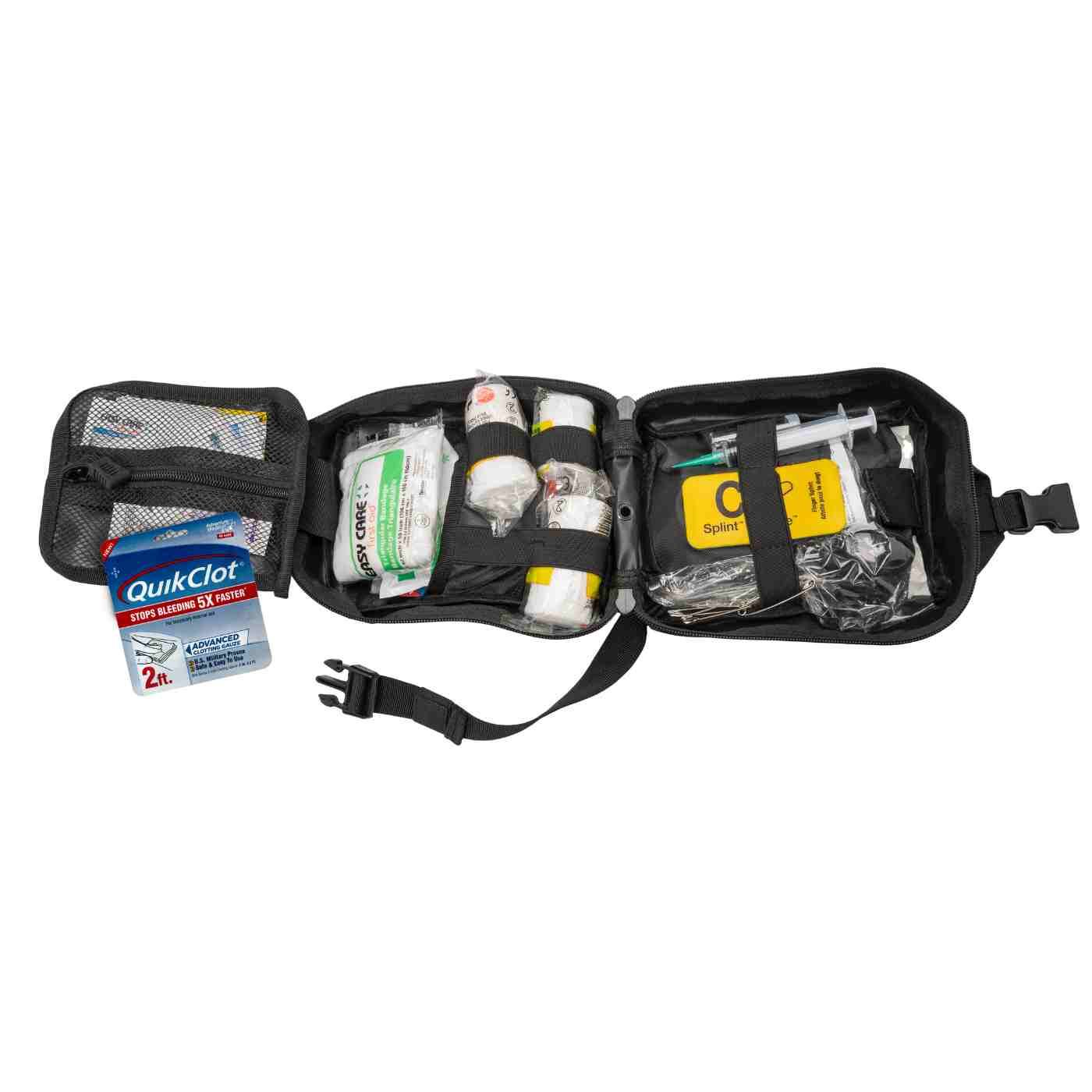
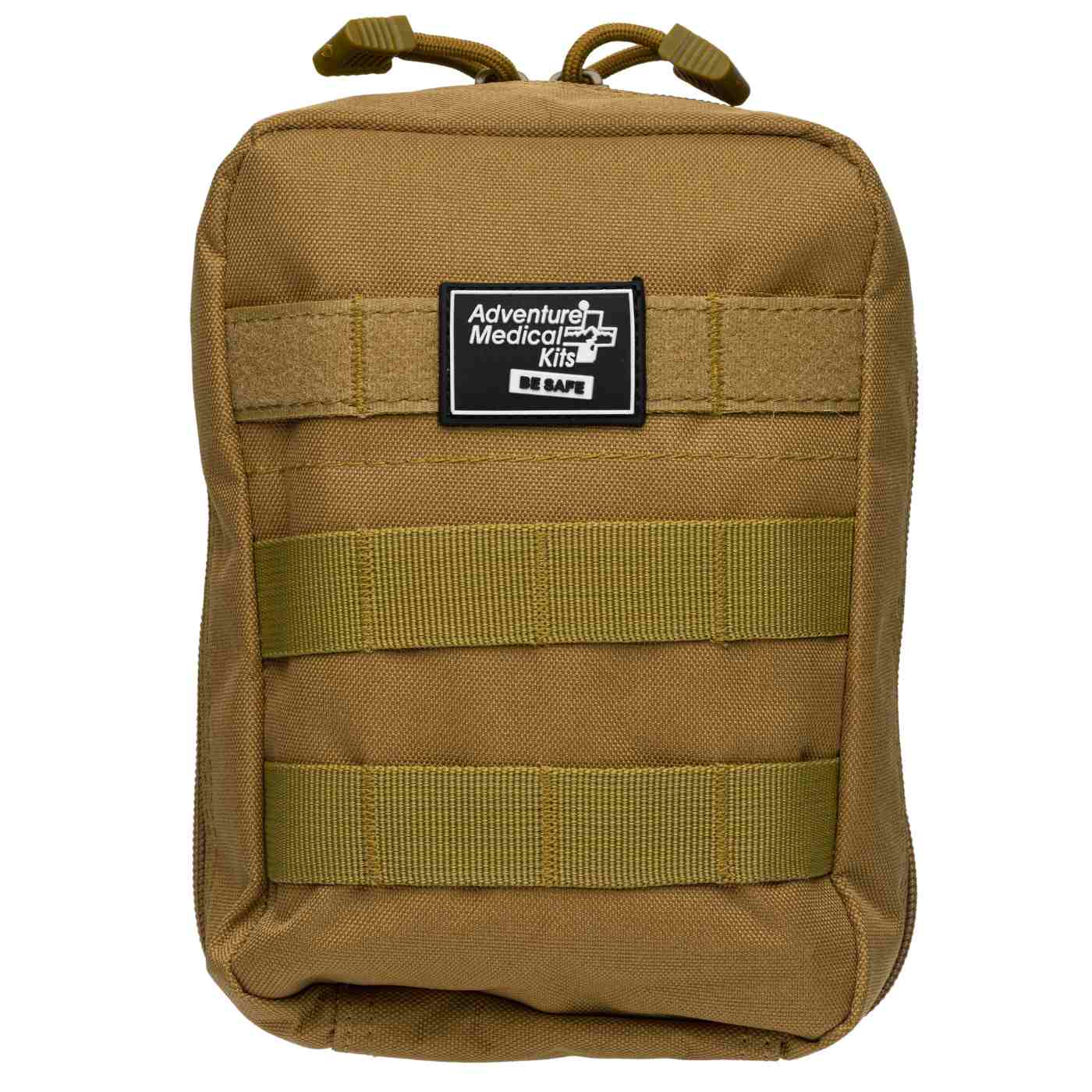
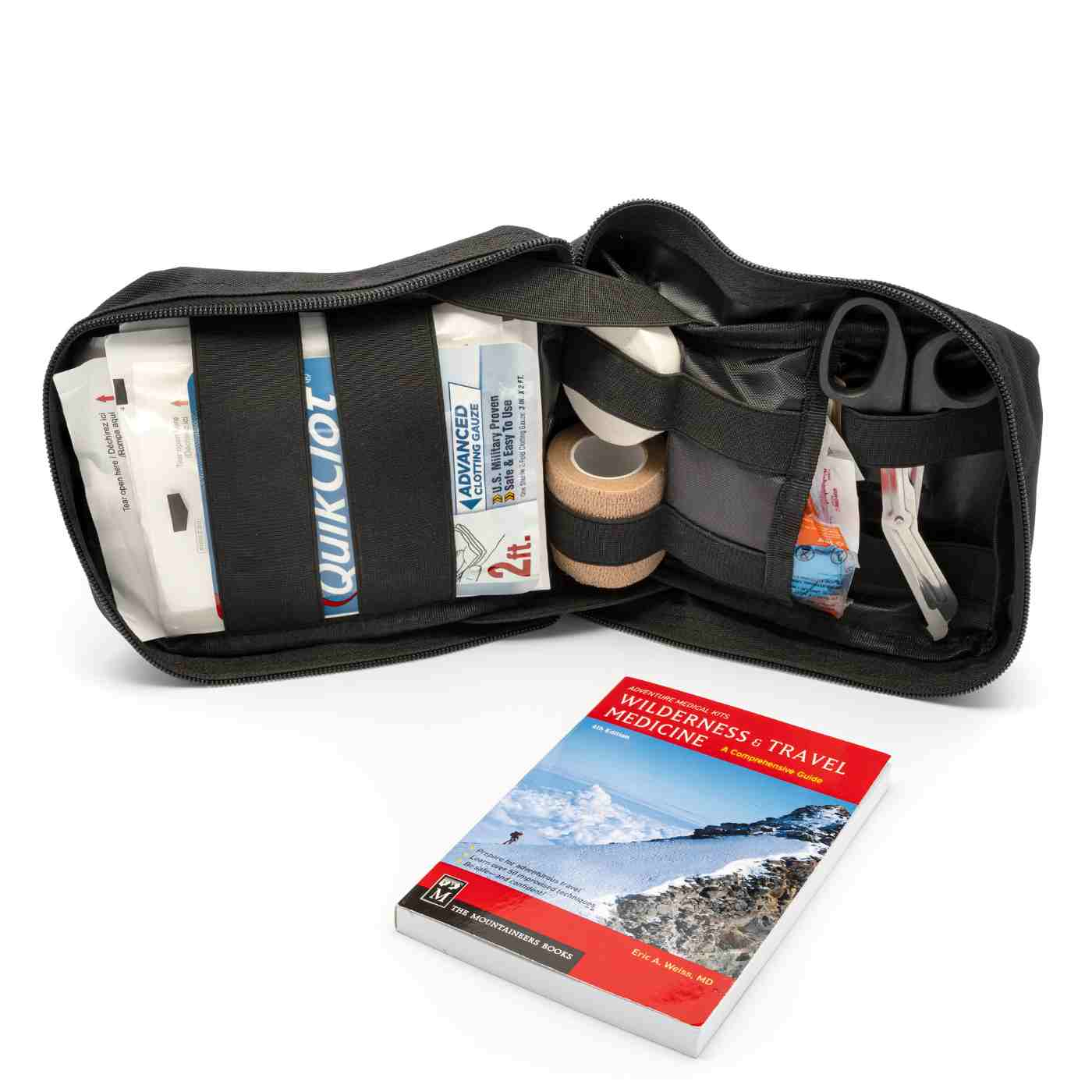
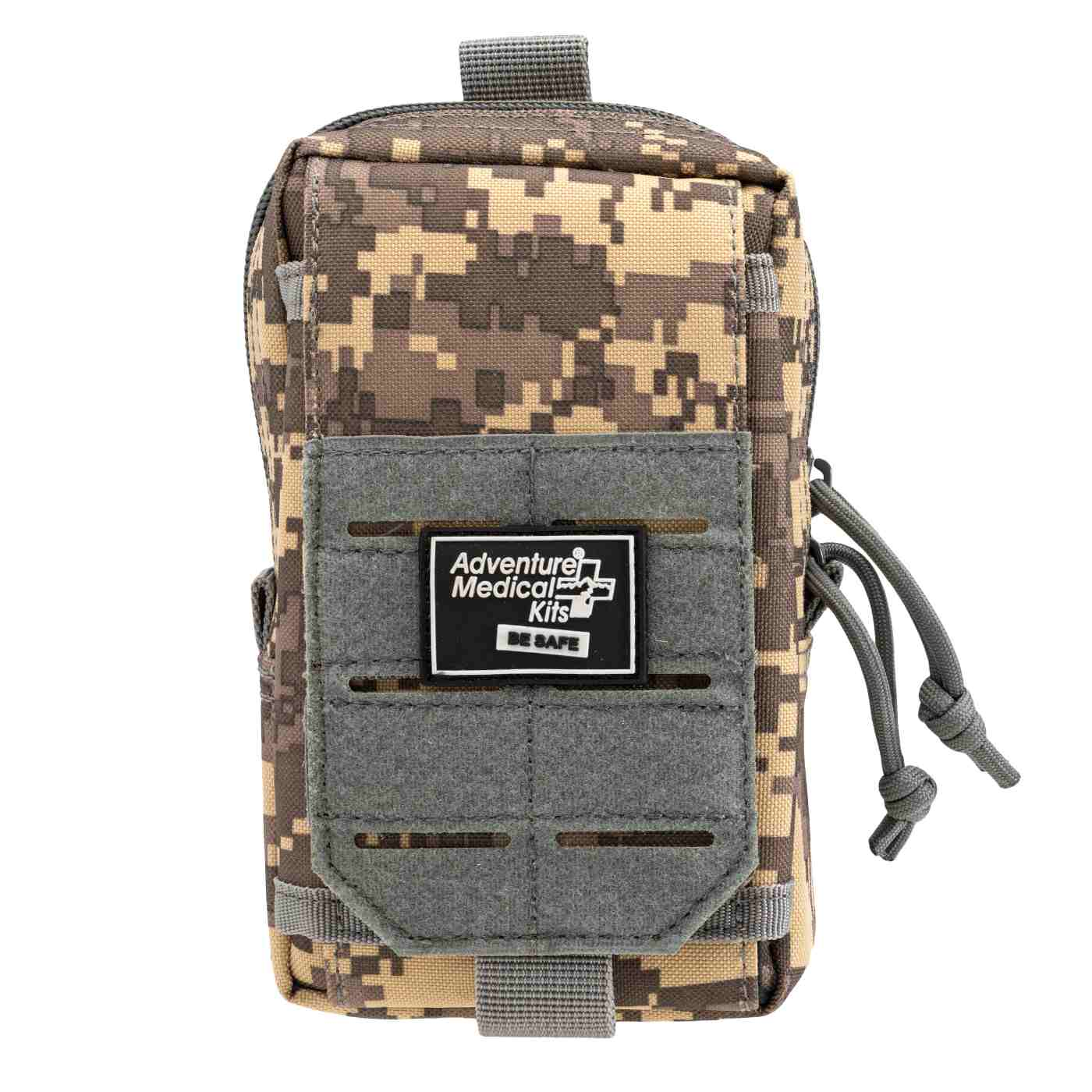
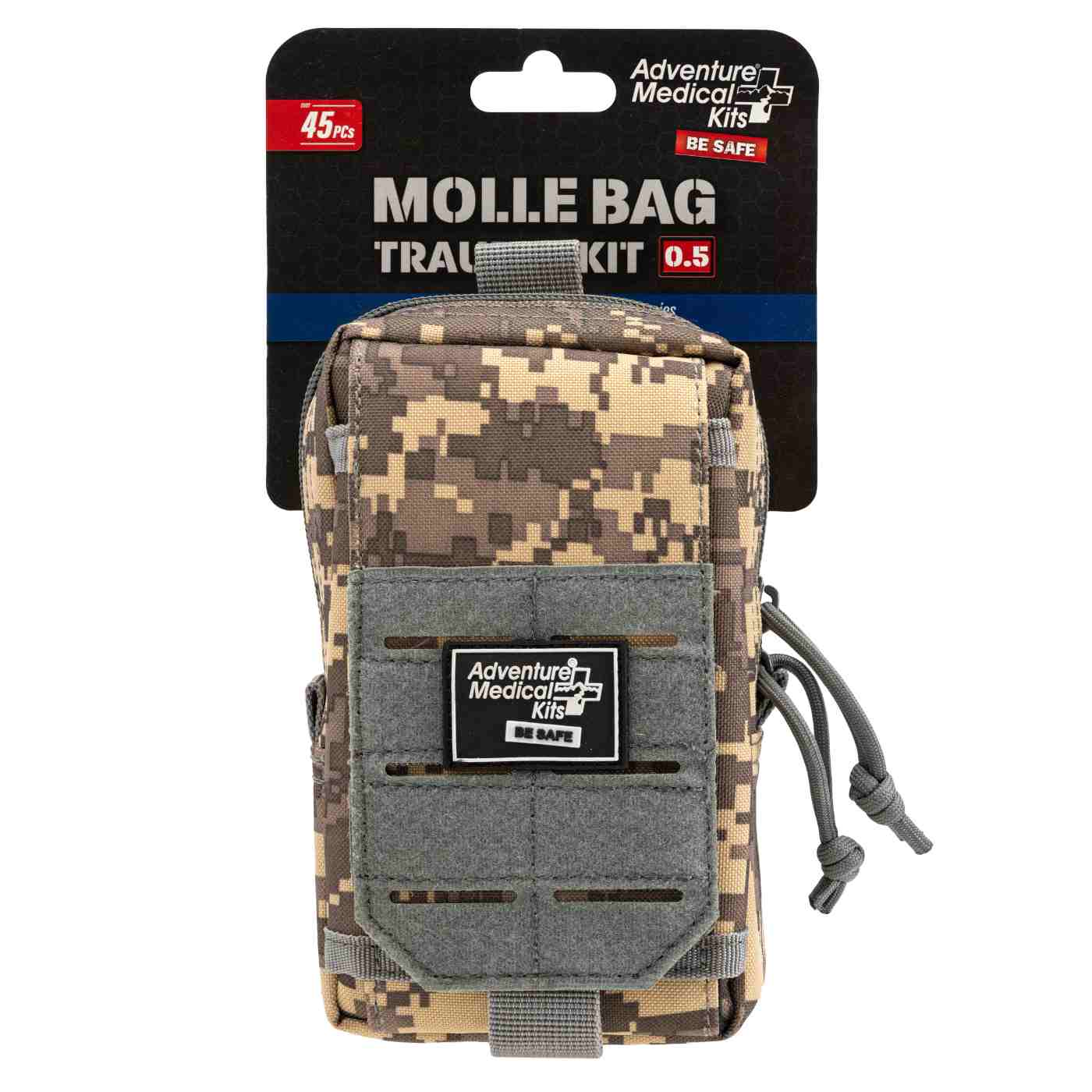
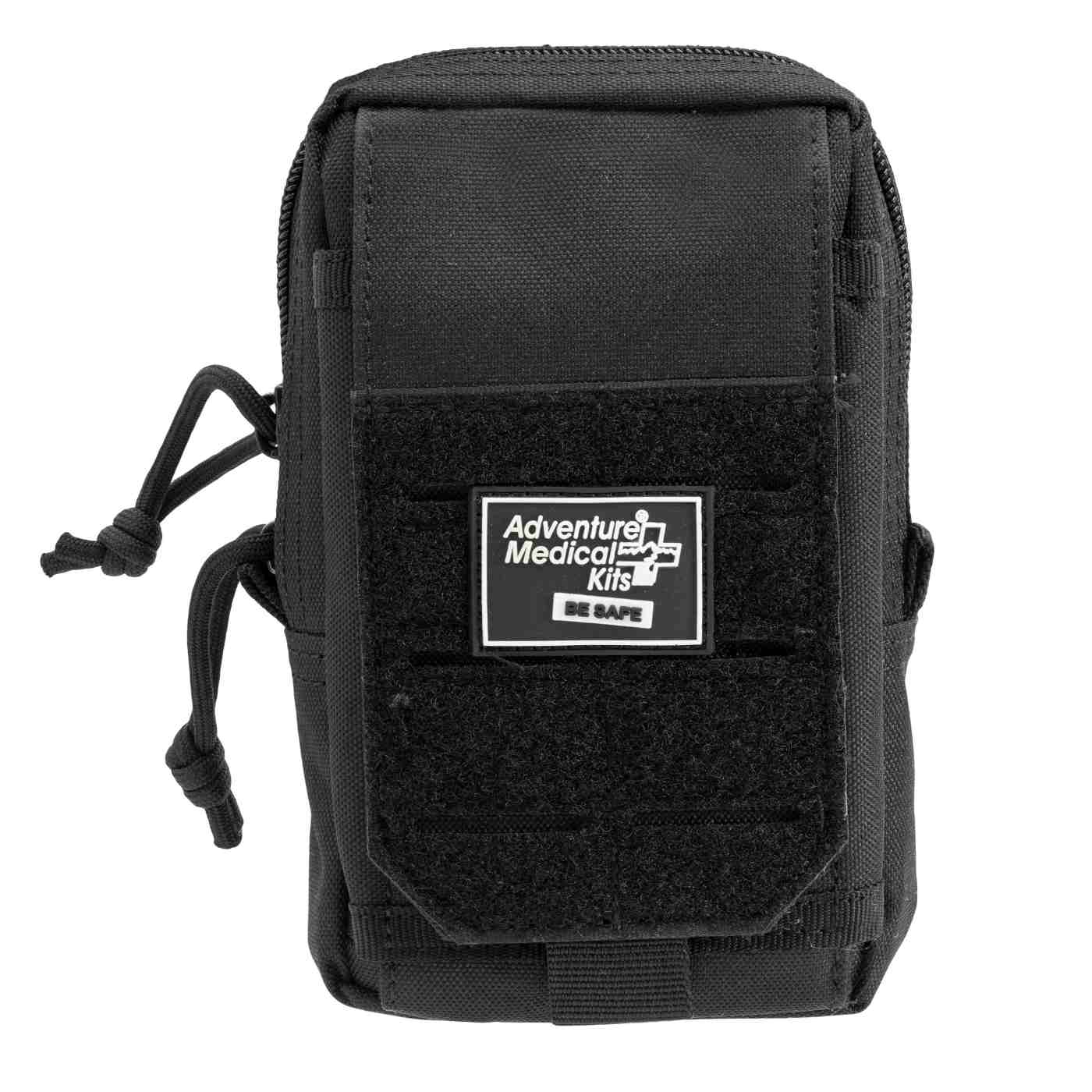
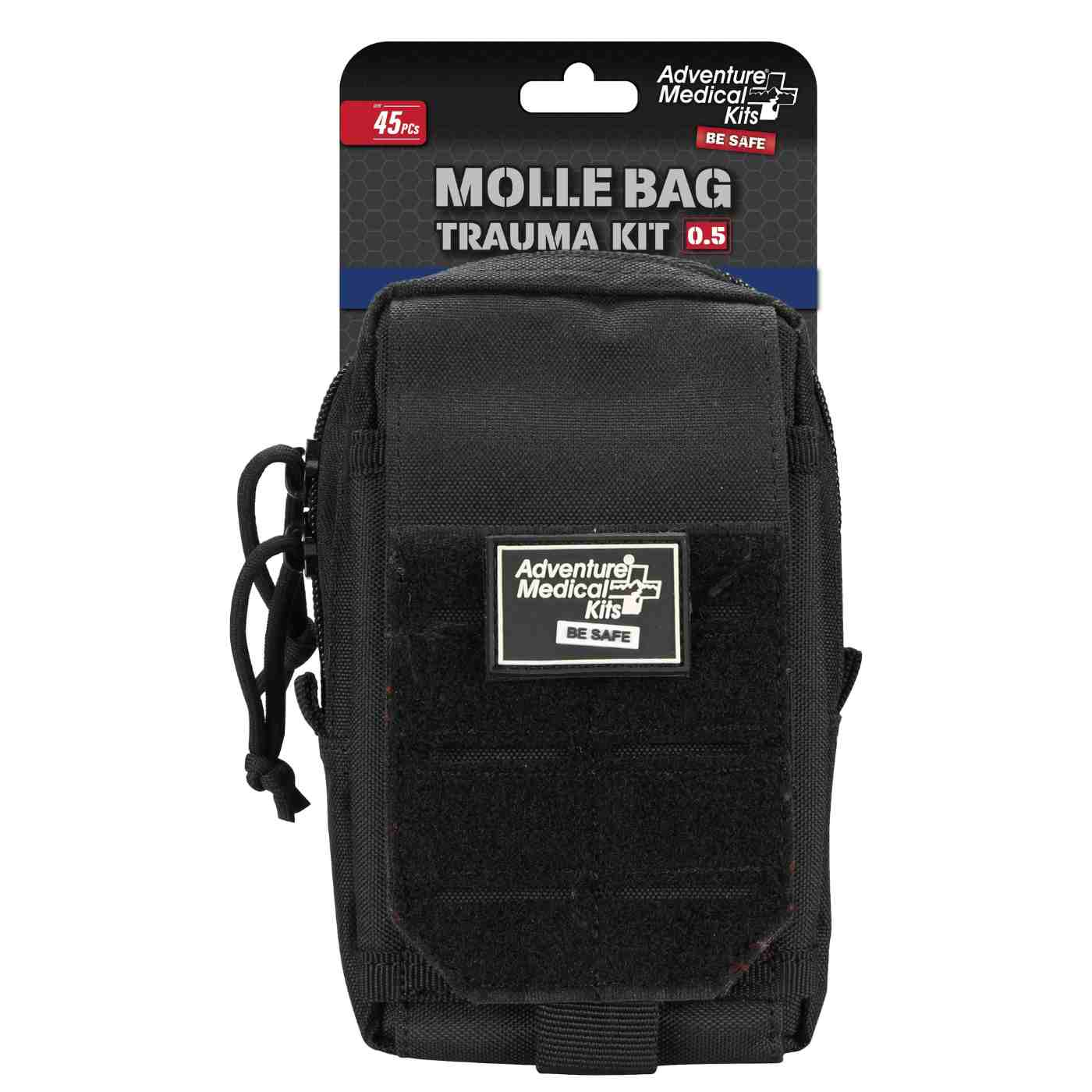
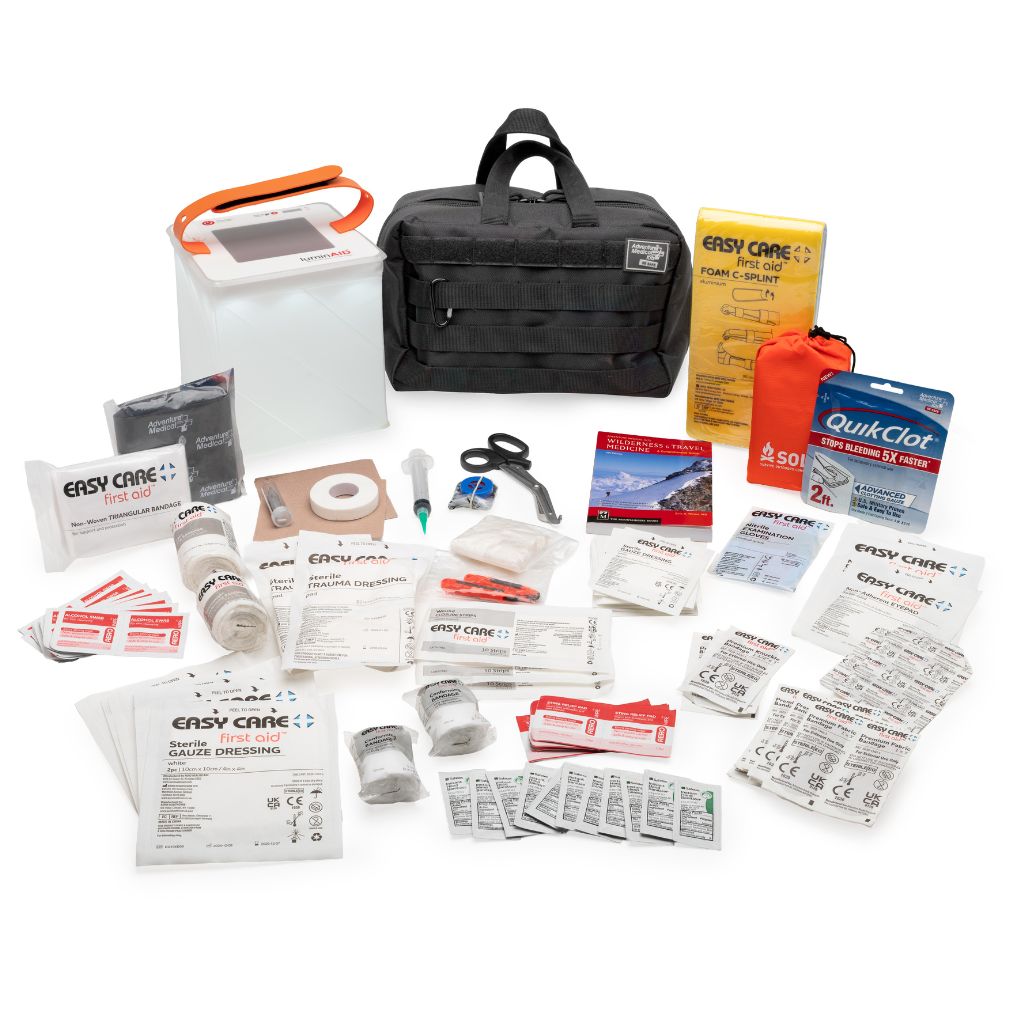
The MOLLE Bag Trauma Kit 1.0 uses integrated buttoned straps for attachment to gear and includes supplies for small to life-threatening wounds, including a 2-foot QuikClot dressing.
Military procurement history shows that IFAK replacement is part of an established logistics pattern, not only a retail trend. Records for NSN 6545-01-586-7691 include recurring orders such as 5,100 units in 2013, 2,000 units in 2011, 2,000 units in 2019, and 300 units in 2019 on separate requests, as documented in this procurement history. A 2023 U.S. Department of Defense retrospective also examined Joint Medical Asset Repository data covering FY 2017 through FY 2021 to study purchasing trends and improve Individual First-Aid Kits.
Core Contents and Smart Add-Ons
A refill works best when it separates critical trauma contents from scenario-specific additions. The first group supports severe bleeding, airway, and breathing priorities. The second group makes the kit useful for the injuries and illnesses that outdoor travelers encounter more routinely.
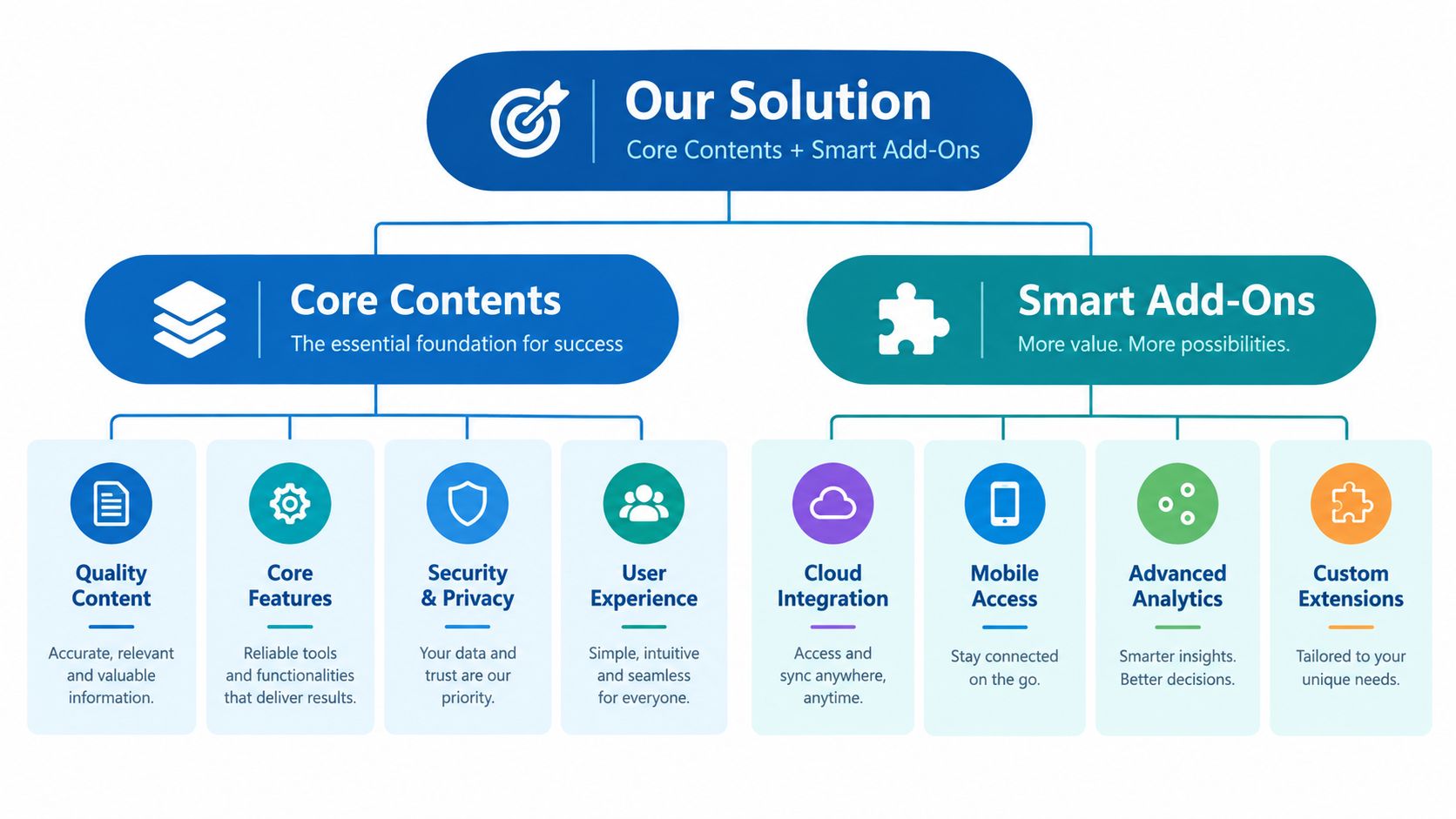
Core trauma contents
- Tourniquet: This belongs where it can be reached quickly, not buried under tape. It's intended for life-threatening extremity bleeding and requires hands-on training.
- Hemostatic gauze or compressed gauze: Hemostatic gauze supports wound packing when appropriate. Compressed gauze provides bulk for packing, pressure, or securing a dressing.
- Pressure dressing: This adds sustained pressure after gauze has been applied and can reduce the need to hold pressure with a bare hand.
- Vented chest seals: These are designed for penetrating chest injuries. They occupy little space relative to the problem they address, but users need to understand their limitations and proper application.
- Nitrile gloves: Gloves protect the rescuer and patient from bodily fluids. More than one pair can be worthwhile because a first pair may tear, become contaminated, or be used by another helper.
- Trauma shears and a marker: Shears can expose an injury through clothing, while a marker can help record relevant information such as the time a tourniquet was applied, when directed by trained responders.
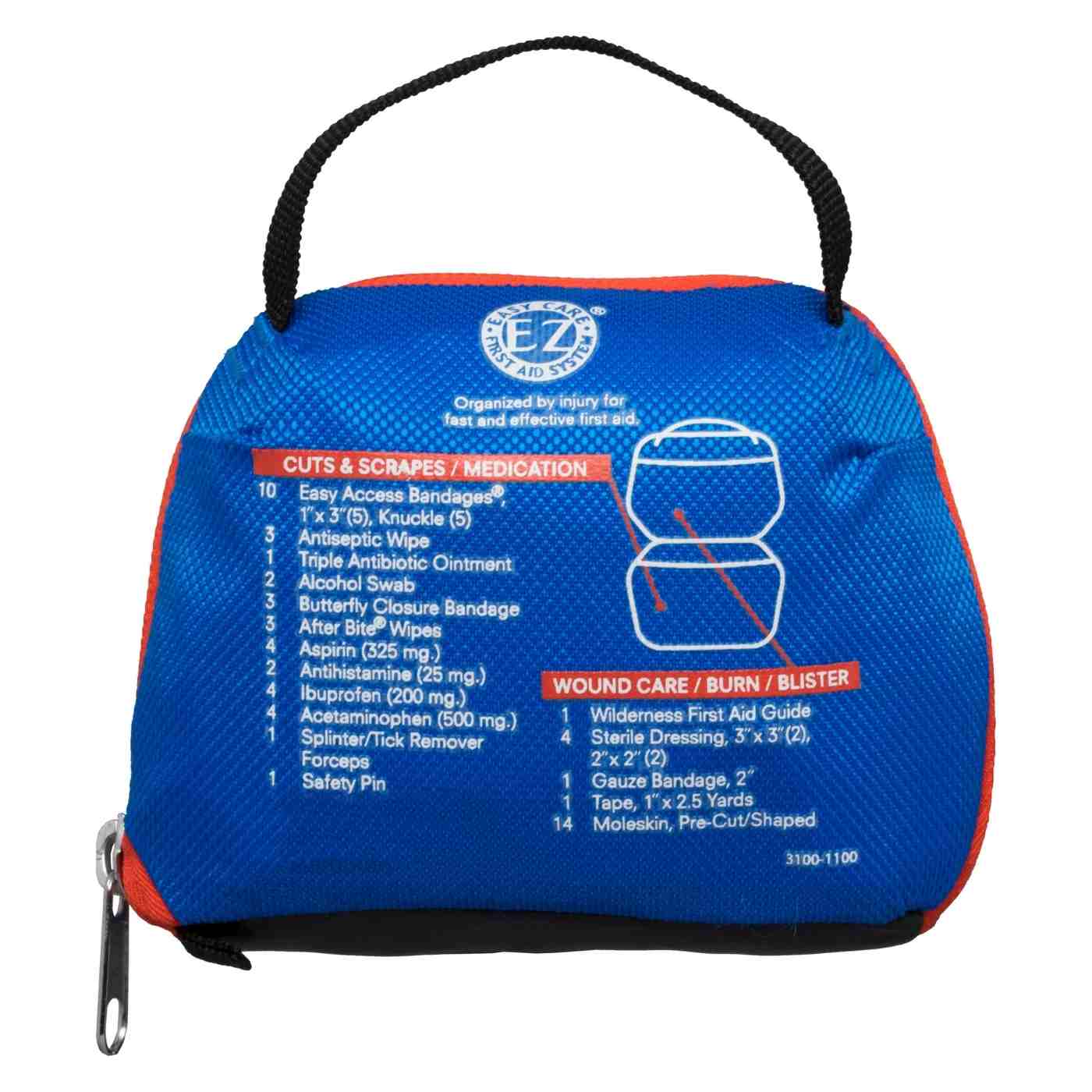
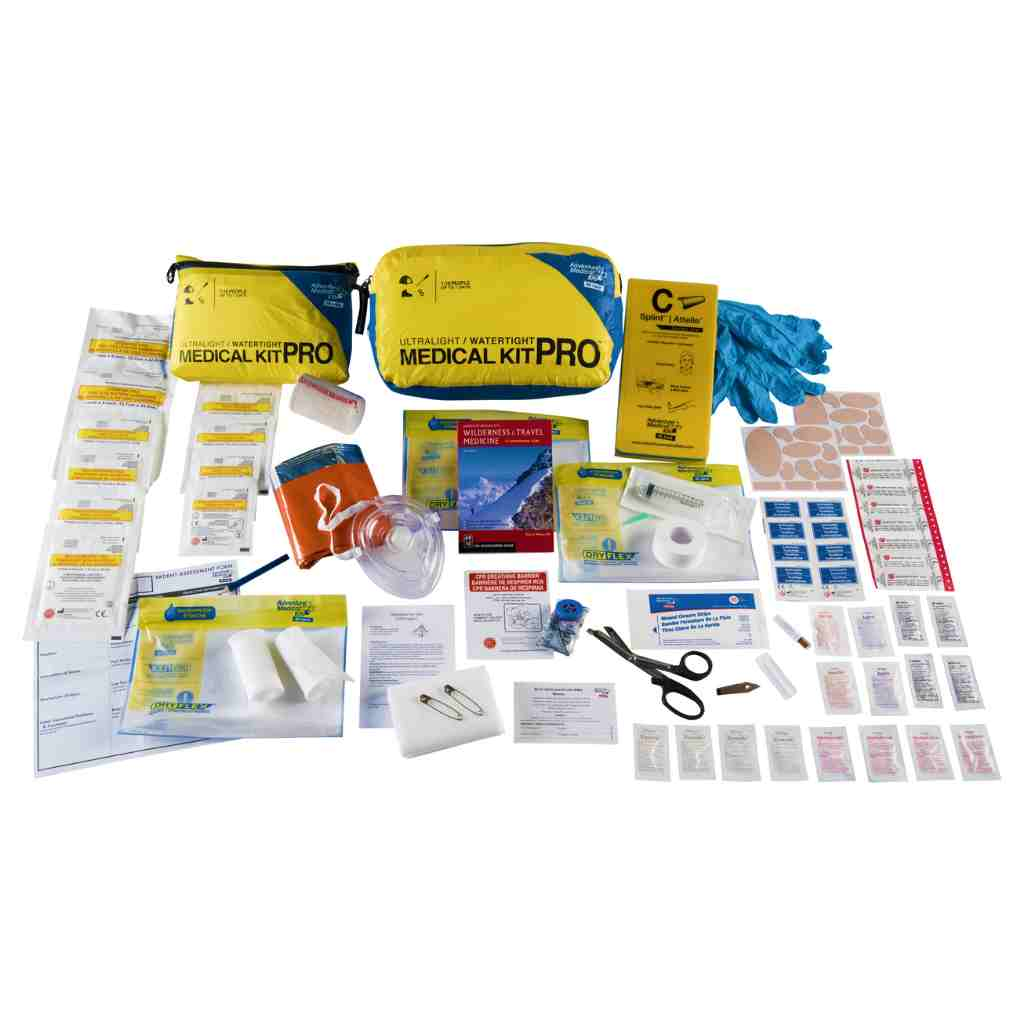
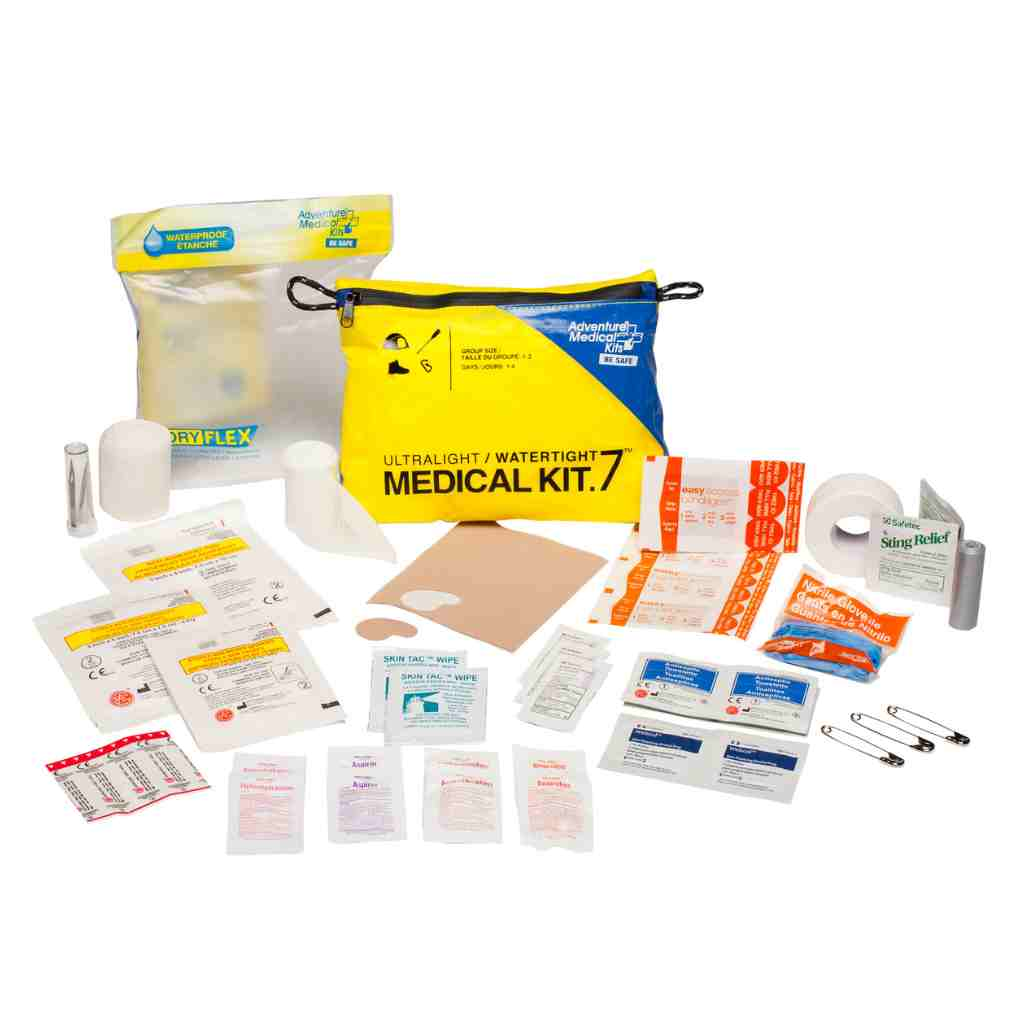
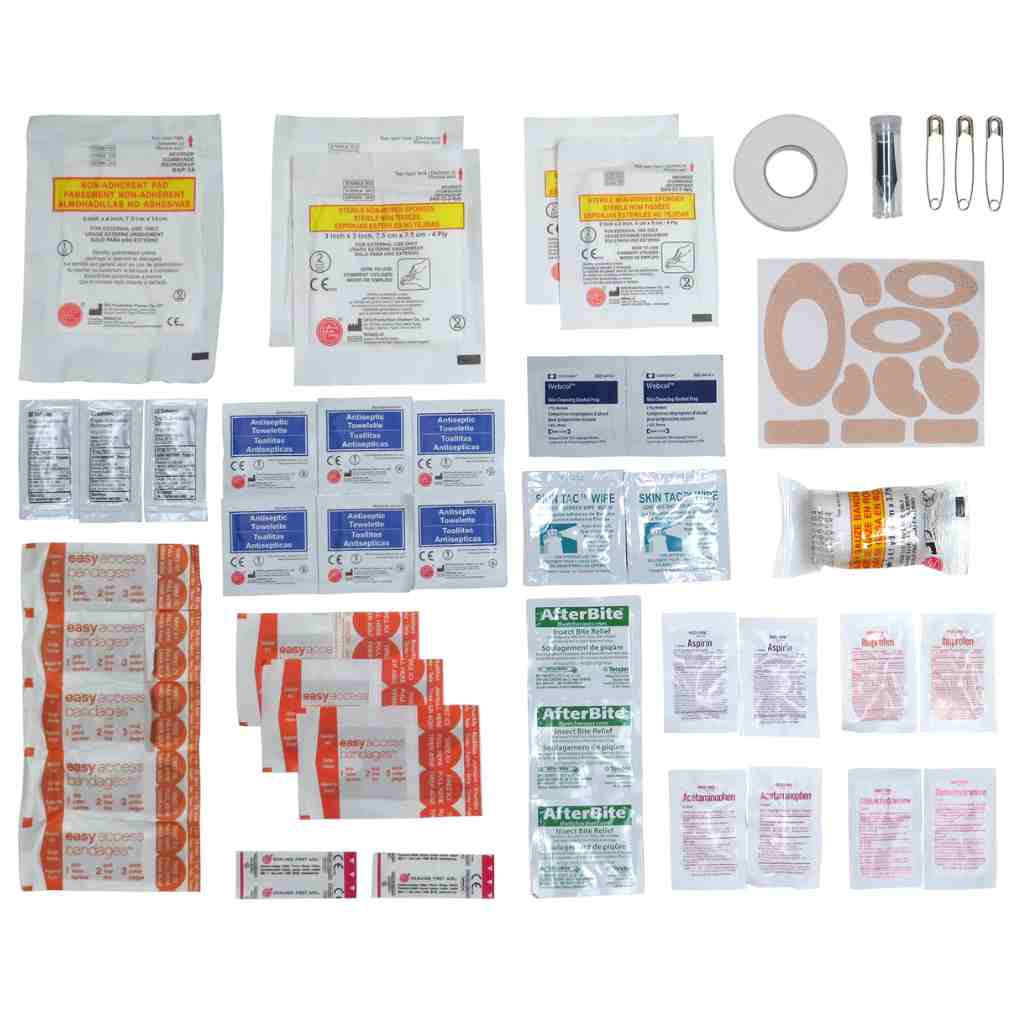
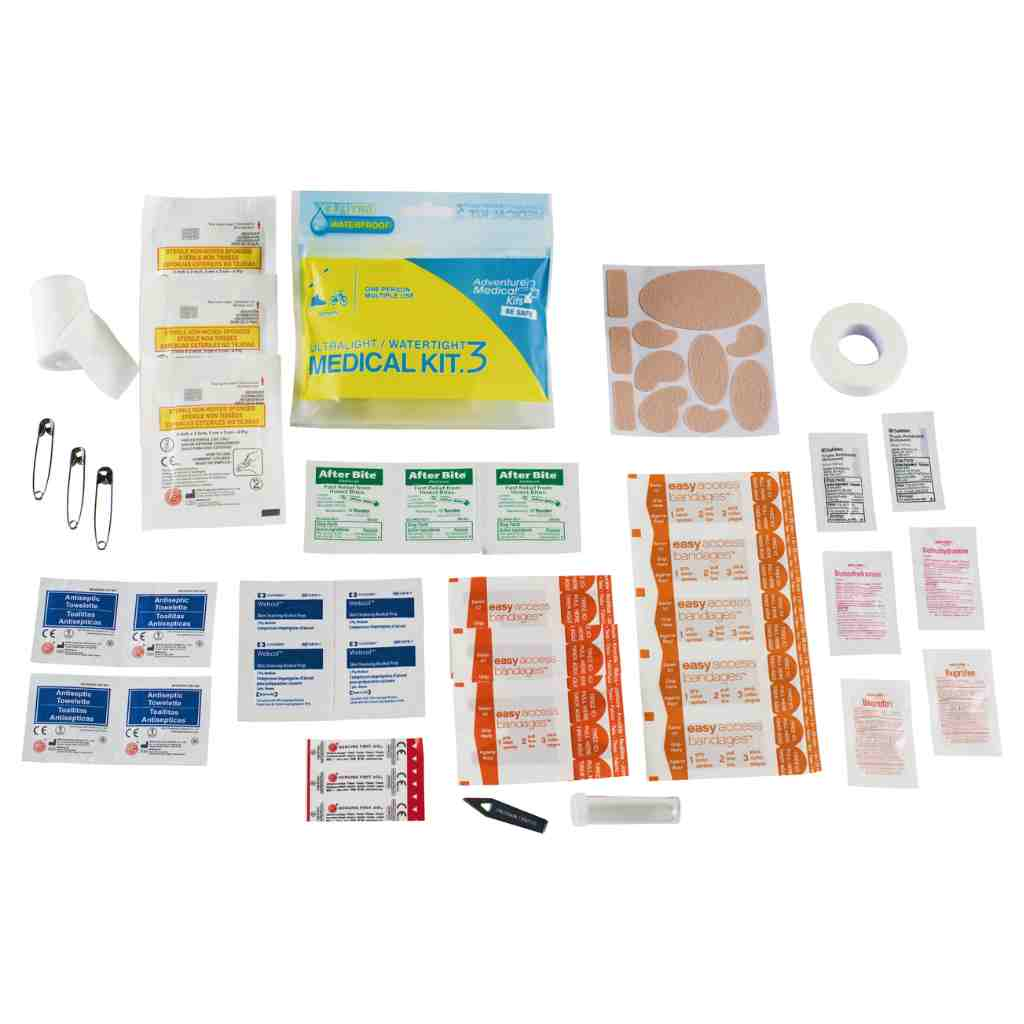
The Adventure Medical Kits first-aid supply list helps outdoor users compare a compact trauma loadout with the broader contents needed for general field care. Bulky dressings and duplicate rolls may be better carried in a larger group kit than forced into a belt-mounted pouch.
Smart additions by activity
A hiker's refill may need blister treatment, antiseptic wipes, adhesive bandages, an antihistamine, pain relief, and electrolyte tablets. A paddler may prioritize waterproof packaging and extra wound-cleaning supplies. A vehicle kit may add burn treatment, larger dressings, and a flashlight, while a backcountry group may need a CPR barrier, splinting material, and more gloves.
Mayo Clinic guidance includes antiseptic wipes, antibiotic ointment, gloves, gauze, bandages, splints, cold compresses, and a first-aid guide among useful kit contents, as described in its first-aid kit guidance. A trauma-only refill can be excellent at its narrow job while still leaving a family or hiking group unprepared for common minor injuries.
Choosing the Right Refill for Your Kit
The pouch determines the refill more than the label does. A small, belt-mounted trauma pouch needs dense, high-priority components. A larger hiking kit can carry wound cleaners, multiple bandage sizes, medications, blister care, splinting materials, and a first-aid guide without displacing the items needed for severe bleeding.
Start with four questions:
| Decision point | What to check | Why it matters |
|---|---|---|
| Pouch type | Compact trauma pouch or general outdoor kit | The available volume and intended contents differ |
| Attachment system | MOLLE straps, loops, belt attachment, or none | A refill won't solve a pouch that can't stay secure |
| Trip profile | Solo hike, group trip, vehicle, travel, or home preparedness | Group size and remoteness change the supply balance |
| Environment | Heat, cold, water exposure, or frequent temperature changes | Packaging, adhesives, and medications may need closer inspection |
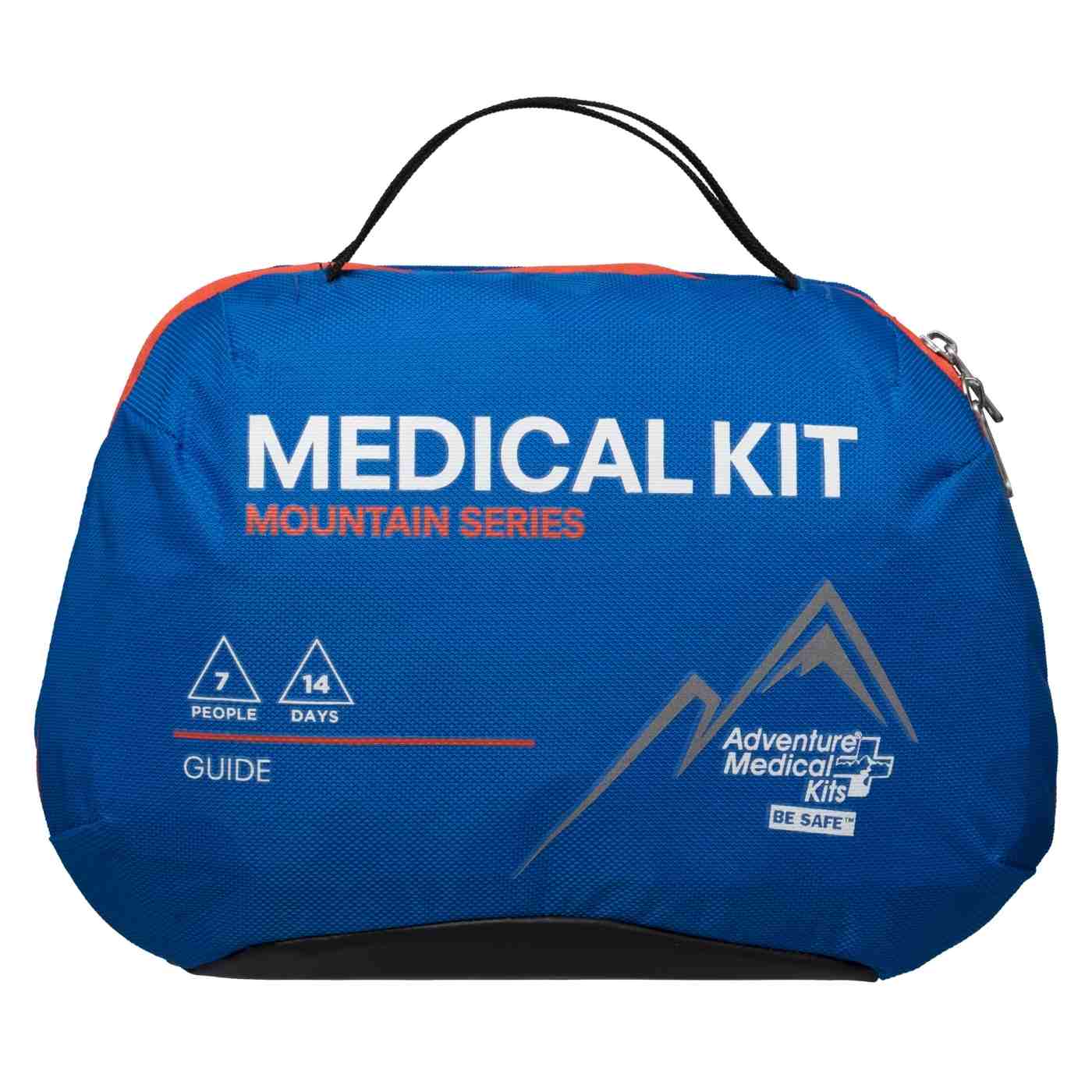
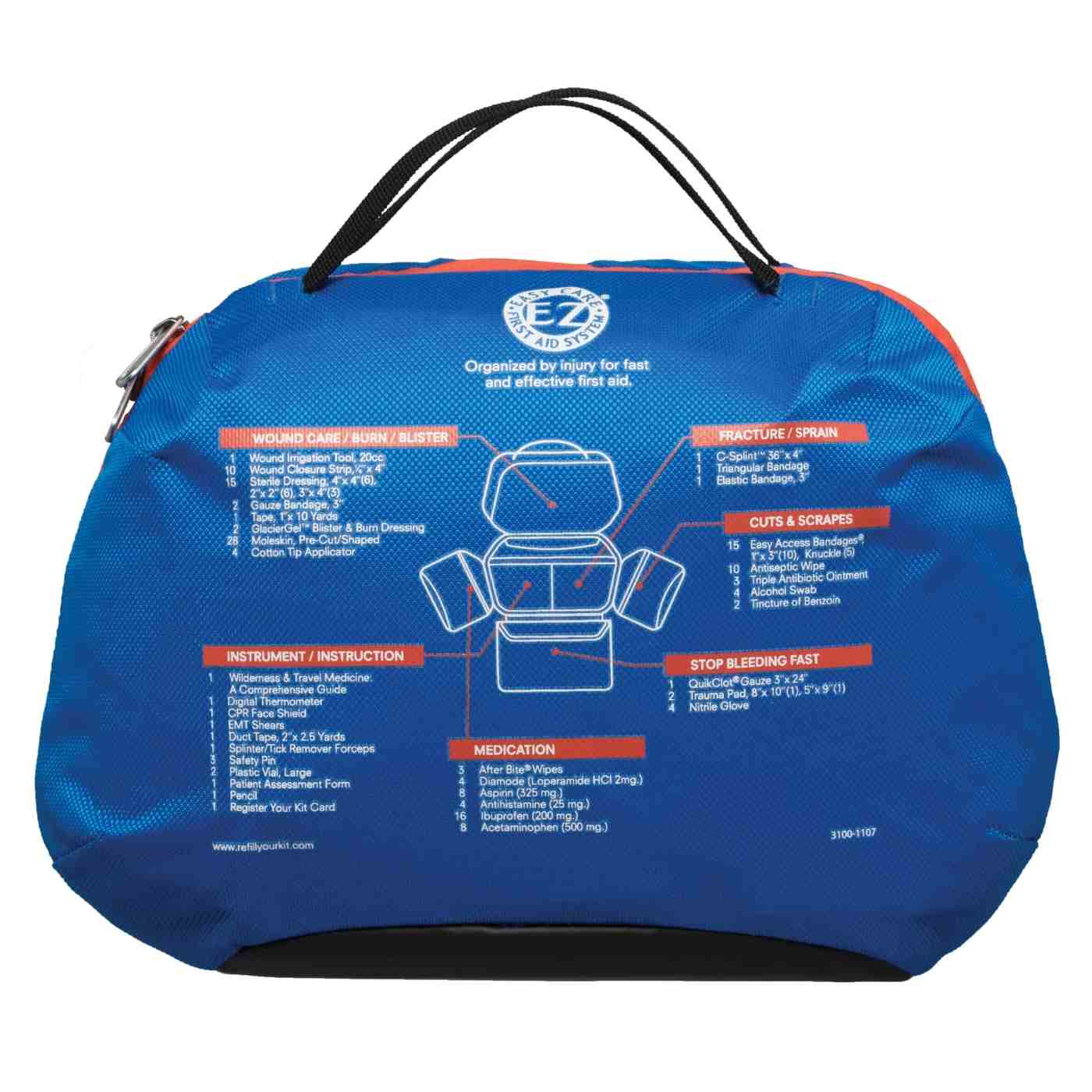
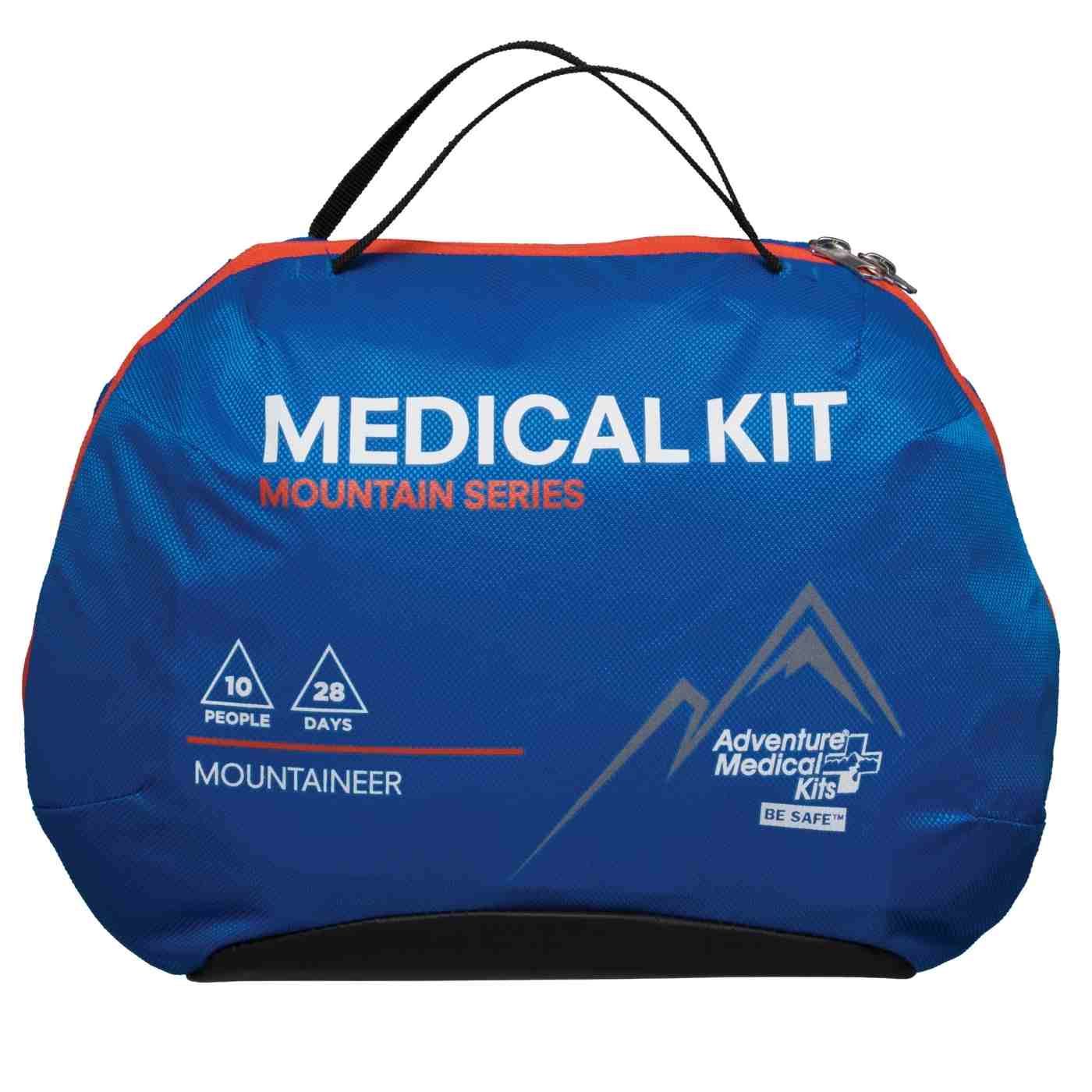
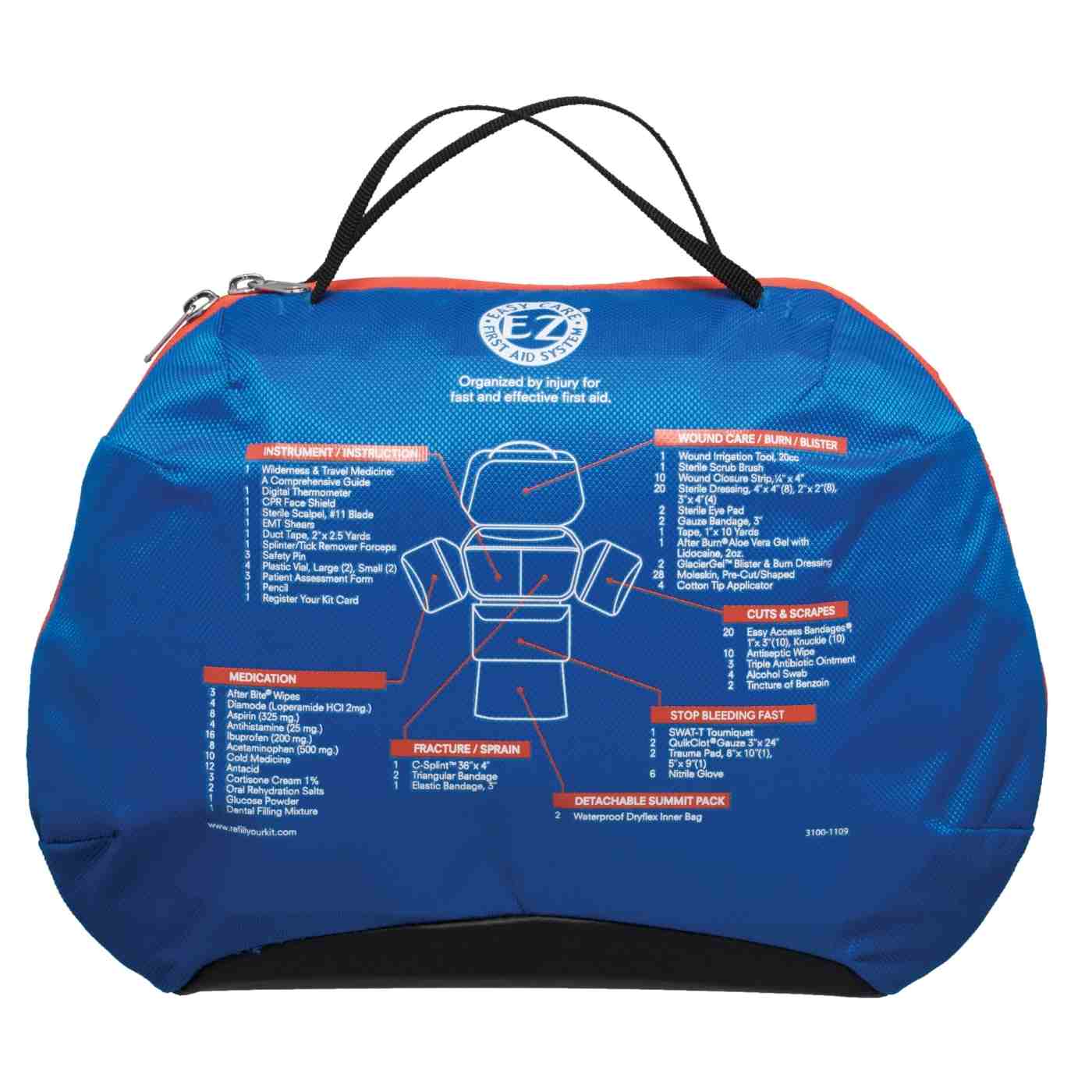
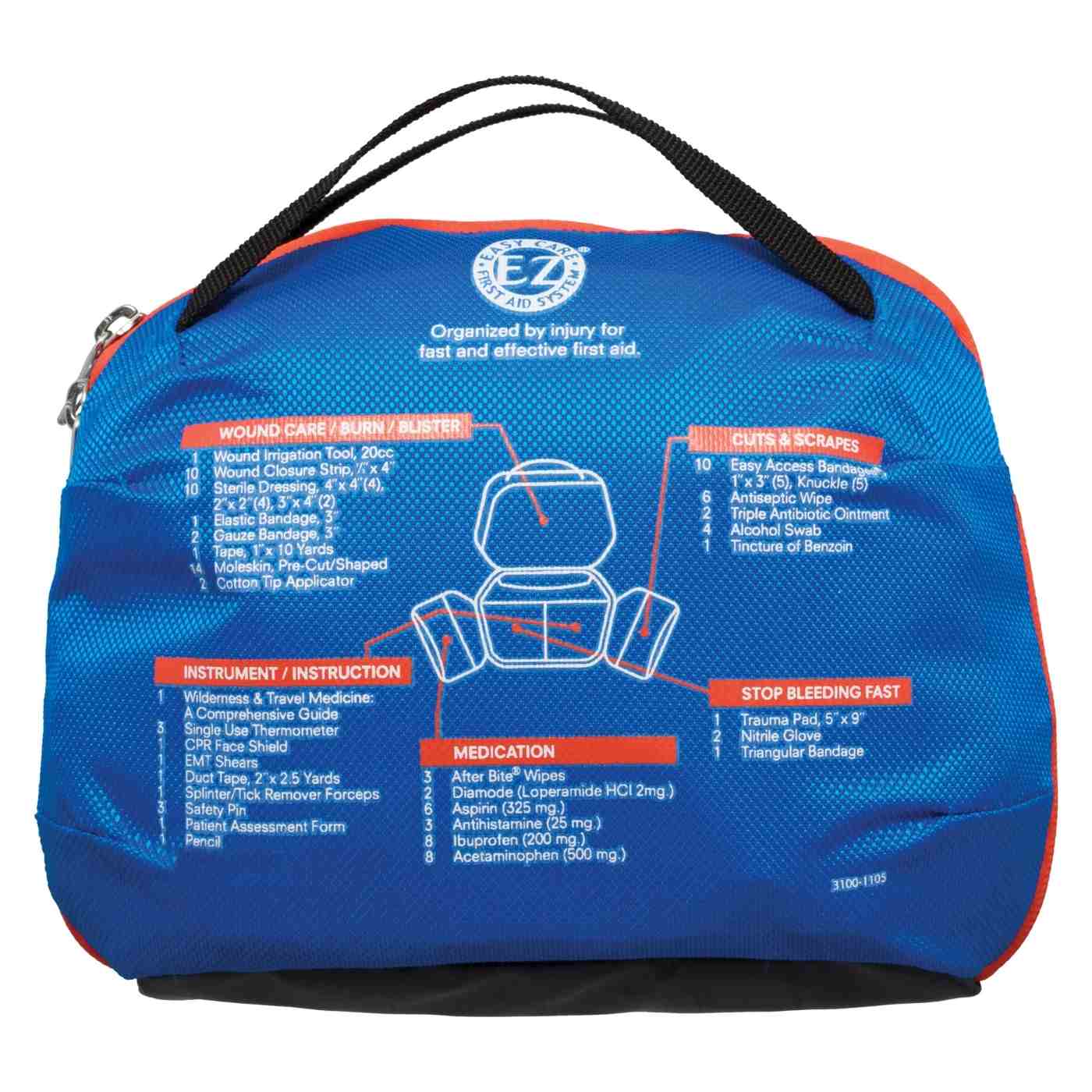
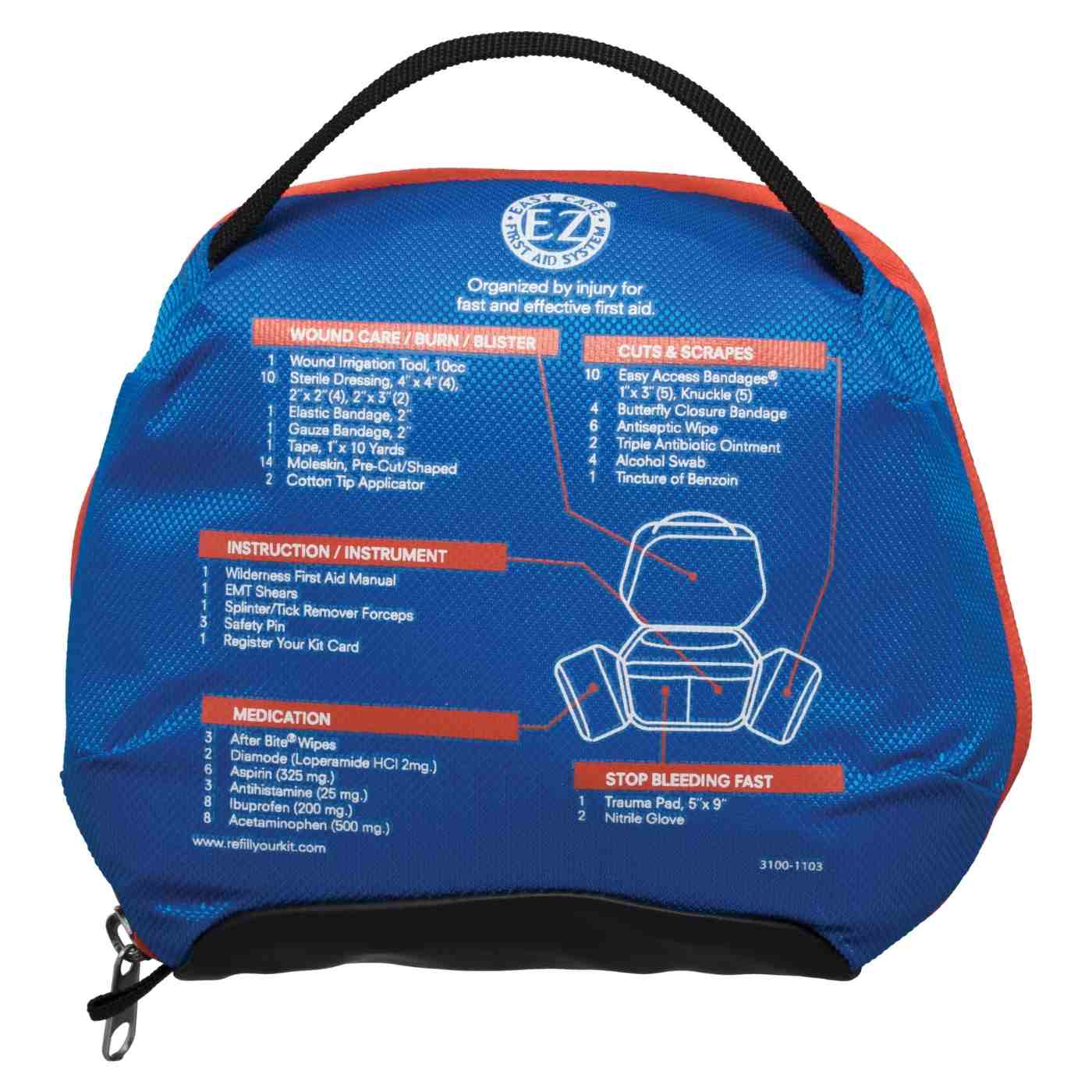
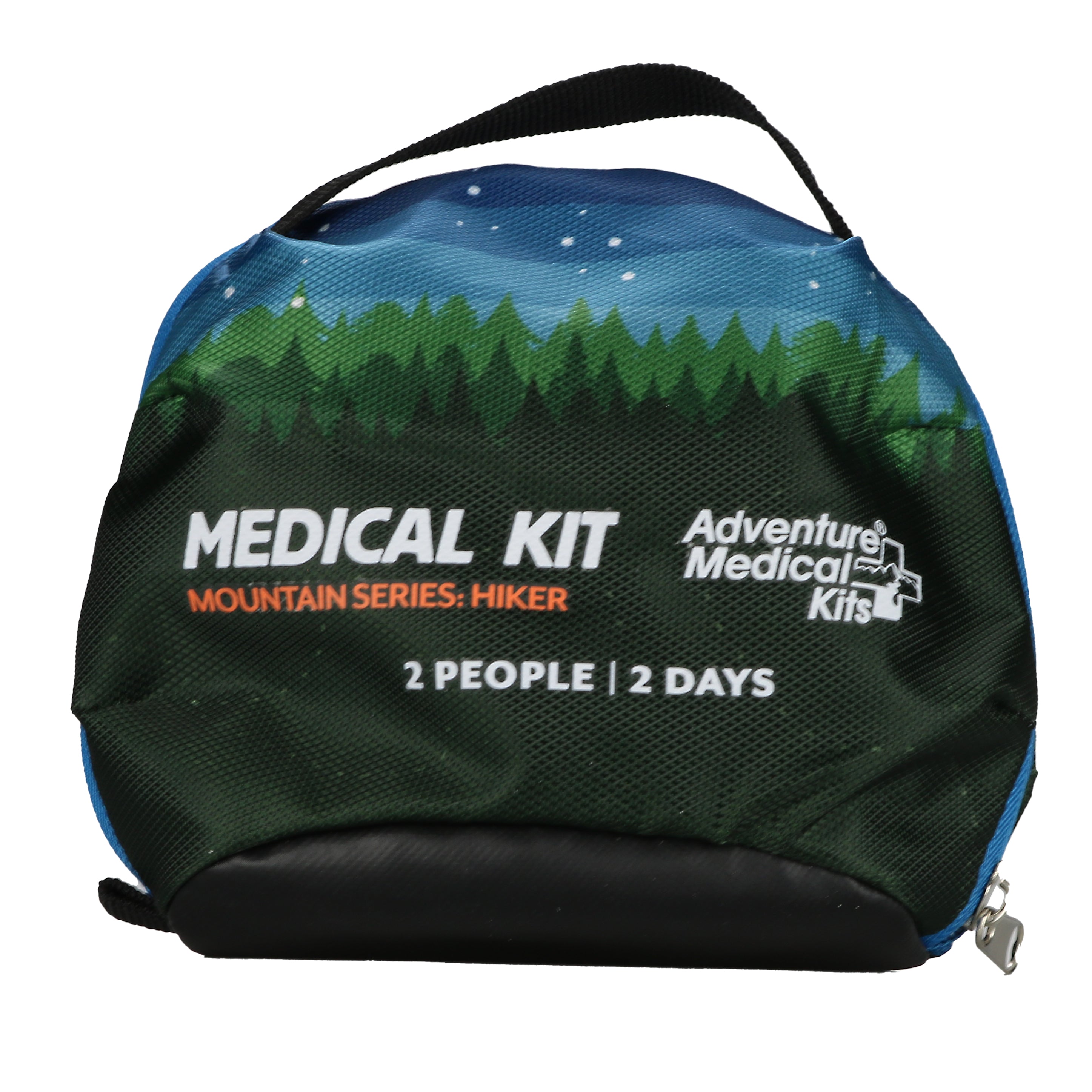
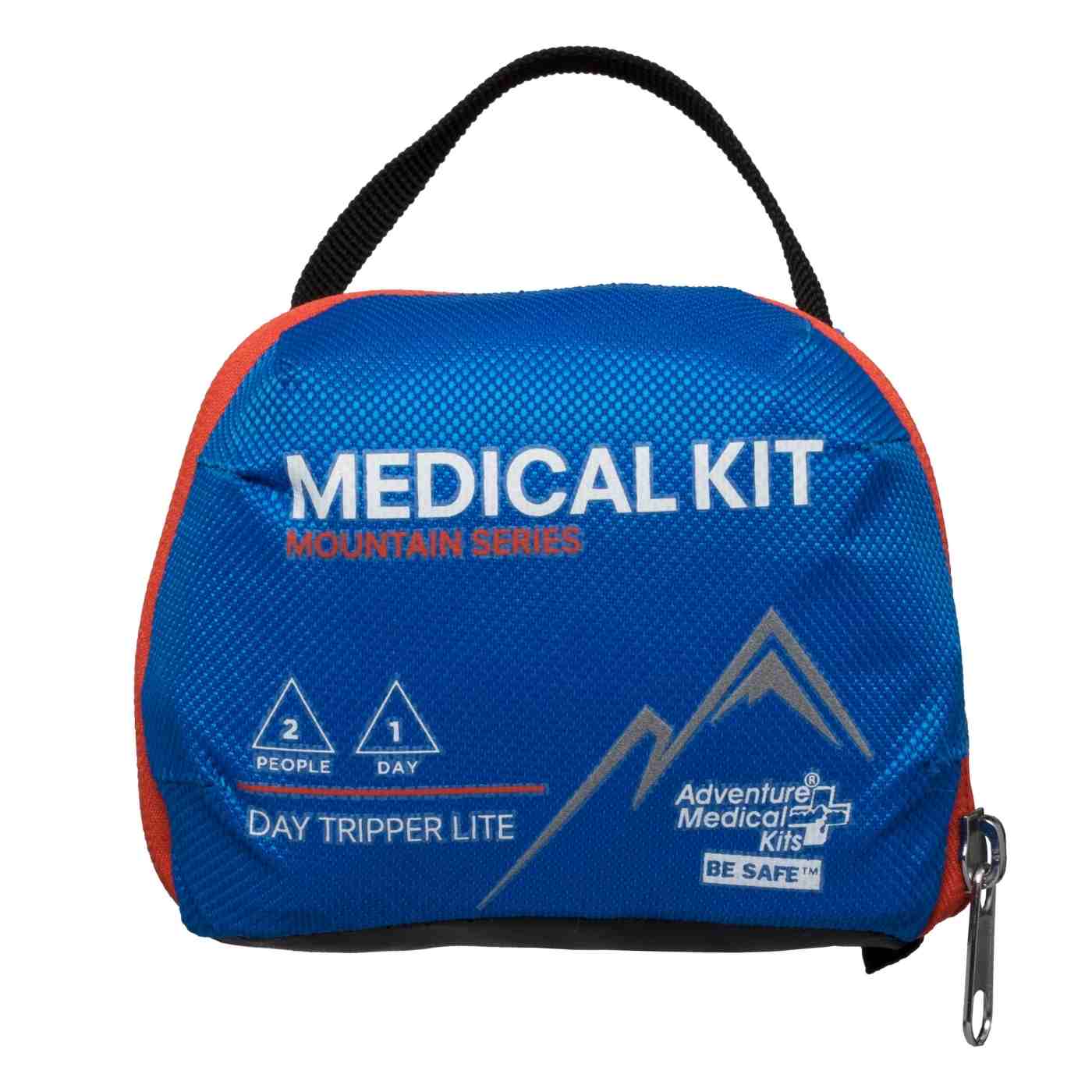
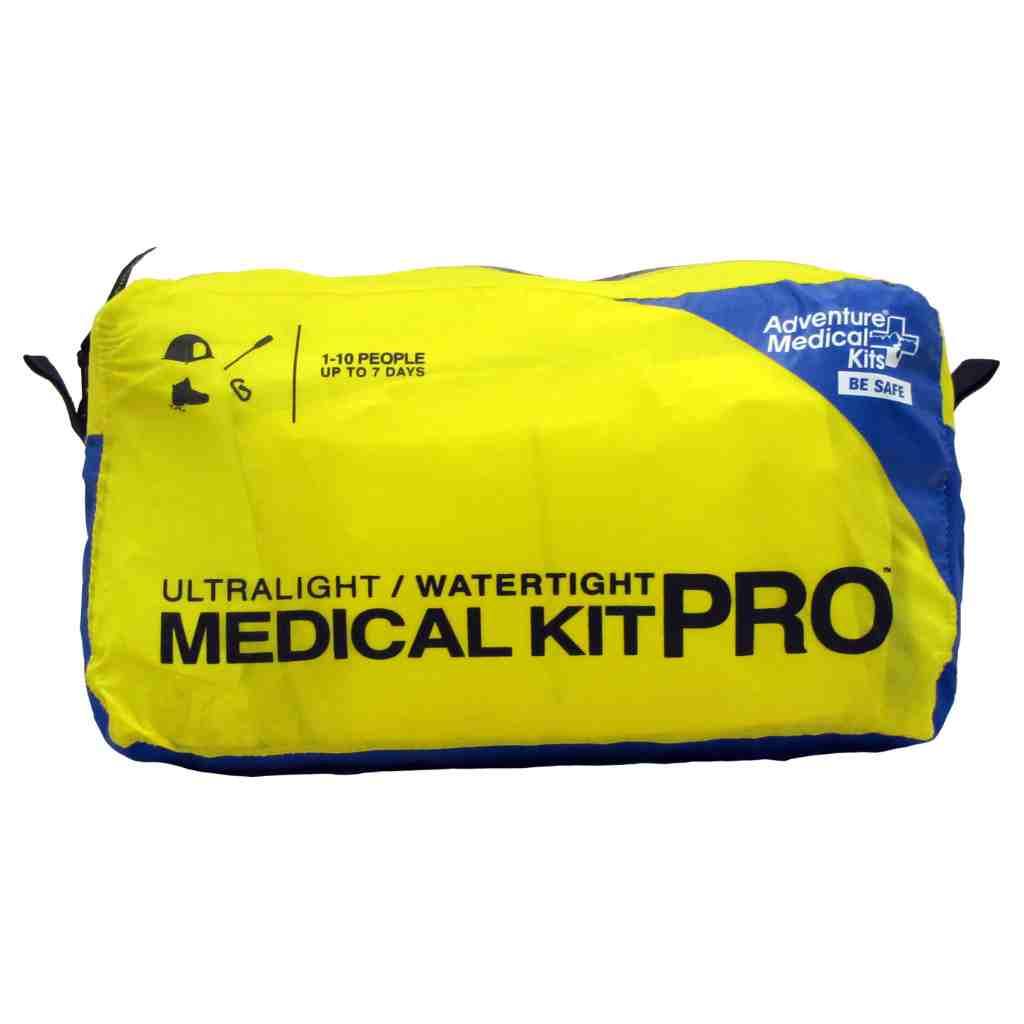
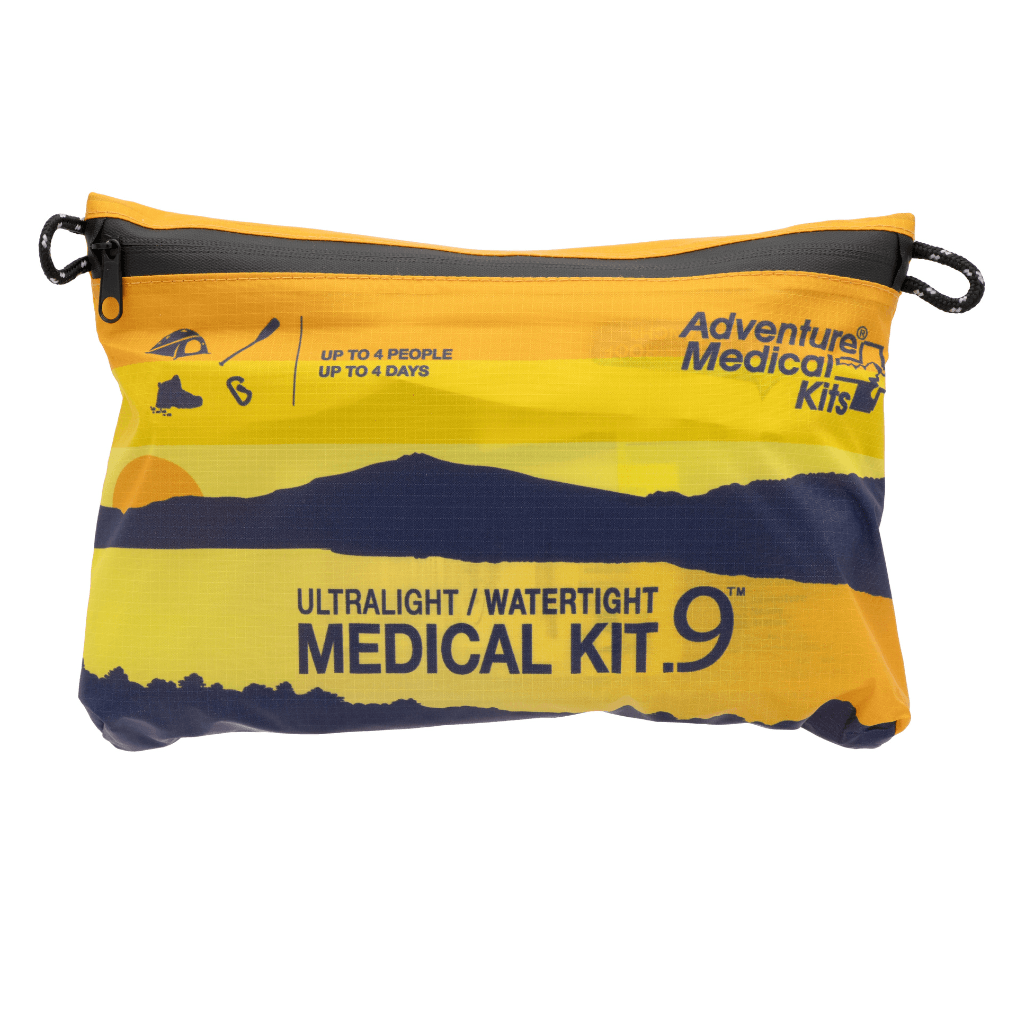
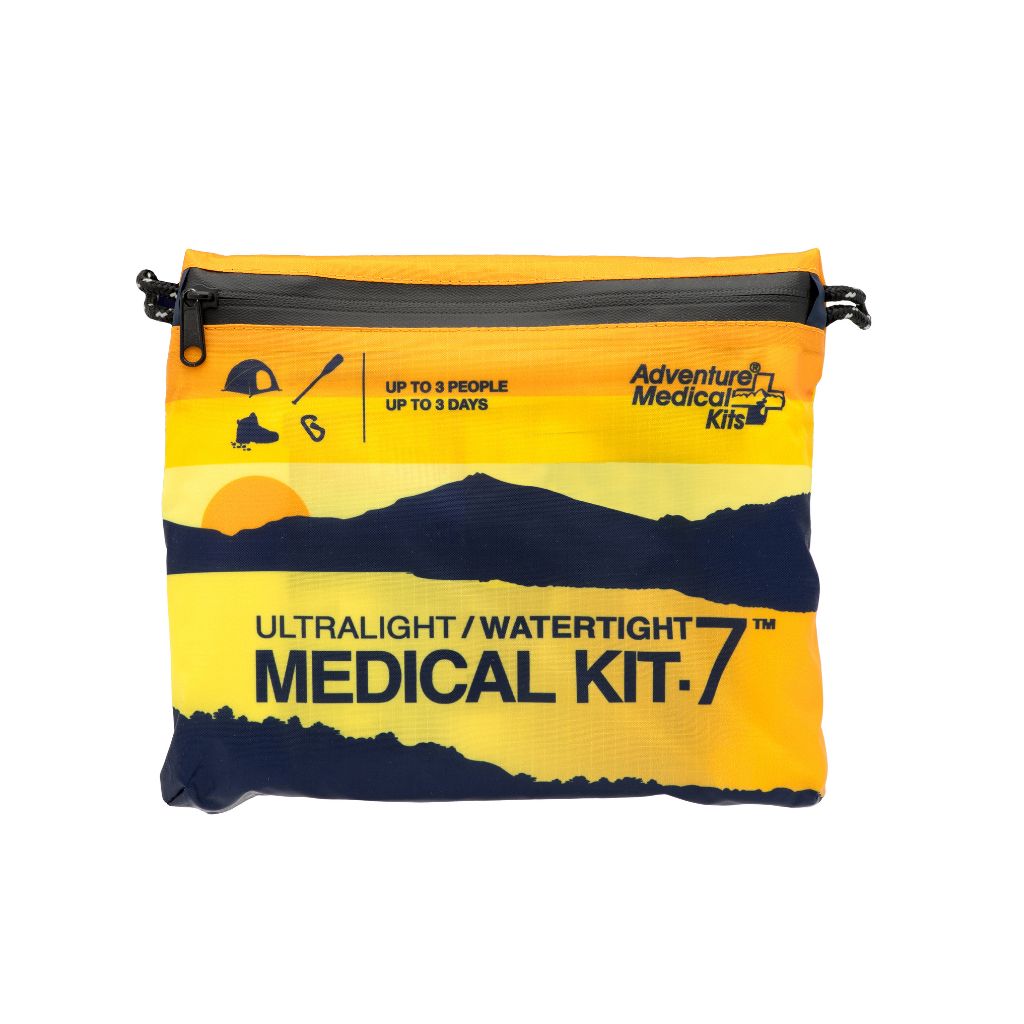
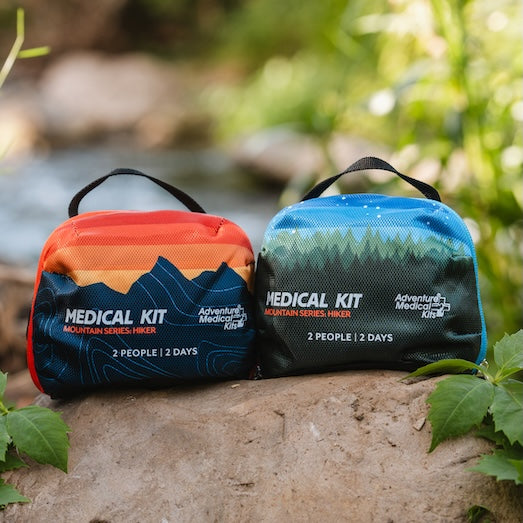
Brand and module compatibility matter as well. Adventure Medical Kits Mountain Series modules, MOLLE-style inserts, and generic loose trauma components may not share the same dimensions or internal organization. A refill that technically contains the right items can still fail if it leaves the pouch overstuffed, half-zipped, or impossible to search.
The types of medical kits guide can help distinguish activity-specific outdoor kits from compact trauma configurations. The Centers for Disease Control and Prevention travel health-kit guidance also shows why travel refills often need more than trauma supplies, including wound cleanser, antihistamines, antibiotic ointment, anti-itch cream, oral rehydration salts, gloves, tweezers, scissors, and multiple bandage sizes.
Cost creates a common trap. A low-cost refill that omits a tourniquet, wound-packing gauze, or pressure dressing may look efficient but leave the central trauma capability incomplete. Conversely, adding every possible item to a small IFAK can make it too bulky to carry, which means the equipment may stay in a closet rather than travel with the person who needs it.
How to Refill and Organize Your IFAK
A working IFAK should open in the same order that a trained rescuer thinks through an emergency. Repacking becomes easier when the pouch is treated as a sequence rather than a container.
Empty before replacing
Spread the contents on a clean, dry surface. Separate items into four groups: usable and current, used or opened, damaged or damp, and expired or uncertain. Anything with compromised sterile packaging should not be returned because the item itself looks clean.
Check the pouch seams, zipper, hook-and-loop panels, buttoned straps, and waterproof inner bags. If the pouch has absorbed water or grit, clean and dry it before inserting new supplies.
Build layers by urgency
Place the tourniquet and hemostatic or compressed gauze where they can be reached first. Pressure dressings and gloves belong immediately behind them. Chest seals, airway equipment intended for trained users, tape, shears, a marker, and lower-priority additions can sit deeper, provided they remain identifiable.
The everyday-carry first-aid kit guide offers a useful contrast between compact daily supplies and a trauma-priority loadout. A Mountain Series kit can serve as a reference for labeled, activity-specific organization, while MOLLE organizers suit users who need external attachment and rapid access from a pack, belt, or vehicle.
Test the layout
Small items should go into labeled zip bags or clearly marked compartments. Blister patches shouldn't migrate behind a chest seal, and medication packets shouldn't disappear beneath compressed gauze.
Open the pouch one-handed, ideally while wearing gloves. Try to reach the tourniquet, gauze, pressure dressing, and gloves without emptying the kit. If a critical item can't be found in under three seconds during the test, the layout needs to change.
Practical rule: The kit should be packed for the person opening it under stress, not for the person admiring it when it's full.
Finish by placing a written inventory card inside the lid or in an external sleeve. The card should identify each component and make the next inspection faster. A refill is complete only when the pouch is closed securely, attached correctly, and understood by the people who may need to use it.
Replacement Cycles and Expiration
IFAK supplies age on different schedules, and the printed date is only one part of the inspection. Sterile gauze, chest seals, and hemostatic dressings should be checked for their expiration dates and packaging integrity. Even when the outer wrapper looks fine, a dated sterile or hemostatic item shouldn't be treated as indefinitely reliable.
Medications create another clock. Ibuprofen, antihistamines, and antibiotic ointments can expire sooner than nearby trauma products, so they need their own review. The U.S. Army field manual's first-aid and survival-kit appendix includes repeated-use consumables such as double antibiotic ointment and antiseptic towelettes, illustrating why field-kit inventories require periodic replenishment rather than one-time packing. The field manual appendix provides that mission-oriented reference.
Adhesives change differently. Medical tape, moleskin, and blister products may lose tack after repeated heat and cold exposure, particularly in a vehicle or a pack that spends long periods in direct sun. A sealed package can still deserve replacement when the material feels brittle, warped, or unreliable.
A practical routine has three triggers:
- Quarterly inspection: Check dates, seals, moisture, adhesives, and the inventory card.
- Immediate post-use replacement: Replace anything removed from the kit on a real call, even if it wasn't applied to the patient.
- Seasonal rebuild: Rebalance the kit when switching between warm-weather hiking, cold-weather travel, boating, hunting, or disaster preparedness.
This approach turns expiration control into a habit rather than a last-minute scramble before a trip.
Safety and Legal Notes for Carrying an IFAK
Carrying trauma supplies as a civilian is generally compatible with responsible outdoor preparedness. A tourniquet, gauze, gloves, pressure dressing, and chest seal can support immediate first aid while someone calls emergency services and waits for help. The equipment doesn't grant permission to perform procedures beyond a person's training, and it doesn't replace evacuation planning or professional medical care.
Good Samaritan protections commonly address lay rescuers who act in good faith, but the details vary by jurisdiction. Travelers should check the laws that apply where they live and where they're visiting, especially when carrying a tactical-style pouch with other tools.
Air travel creates a separate issue. The Transportation Security Administration guidance for medical and assistive items should be checked before packing an IFAK in carry-on or checked luggage. Scissors over 4 inches, measured from the fulcrum, and certain shears can trigger confiscation or screening problems, so travelers should verify the current rule rather than assume a trauma pouch can pass unchanged.
State and local rules may also affect tactical-style components, knives, and OC spray. The Counter Assault product information can be a starting point for understanding bear-deterrent equipment, but local regulations and land-manager rules still control where such products may be carried.
Training supplies the missing link between ownership and competent use. Courses from providers such as NOLS Wilderness Medicine or SOLO teach decision-making in remote settings, where bleeding control, hypothermia prevention, evacuation, and communication all matter together.
Quick Reference Checklist
A refill check should be short enough to use before a trip, but detailed enough to catch the omissions hidden by a full-looking pouch.
Core trauma contents
Narescue supplemental IFAK resupply configuration
- Tourniquet: Confirm that the device is present, accessible, intact, and appropriate for the user's training.
- Compressed gauze: Keep wound-packing material sealed and easy to reach.
- Hemostatic dressing: Check its expiration date and packaging before returning it to the pouch.
- Chest seal: Include a vented seal when the trip profile and training justify it.
- Nitrile gloves: Carry usable pairs and inspect for torn packaging.
- Trauma shears: Verify that they open, cut clothing, and fit the pouch without crushing other supplies.
- Pressure bandage: Replace opened, damaged, or expired dressings.
A typical supplemental IFAK resupply configuration reflects this trauma-first structure, with a tourniquet, hemostatic or compressed gauze, pressure dressing, nasopharyngeal airway with lubricant, and vented chest seals.
Optional additions by scenario
- Hiking: Blister care, antihistamines, antiseptic wipes, bandages, tweezers, and pain relief.
- Vehicle kits: QuikClot or burn dressings, larger wound-care supplies, extra gloves, and a flashlight.
- Backcountry travel: A SAM splint or other splinting material, electrolyte support, and supplies matched to remoteness and group size.
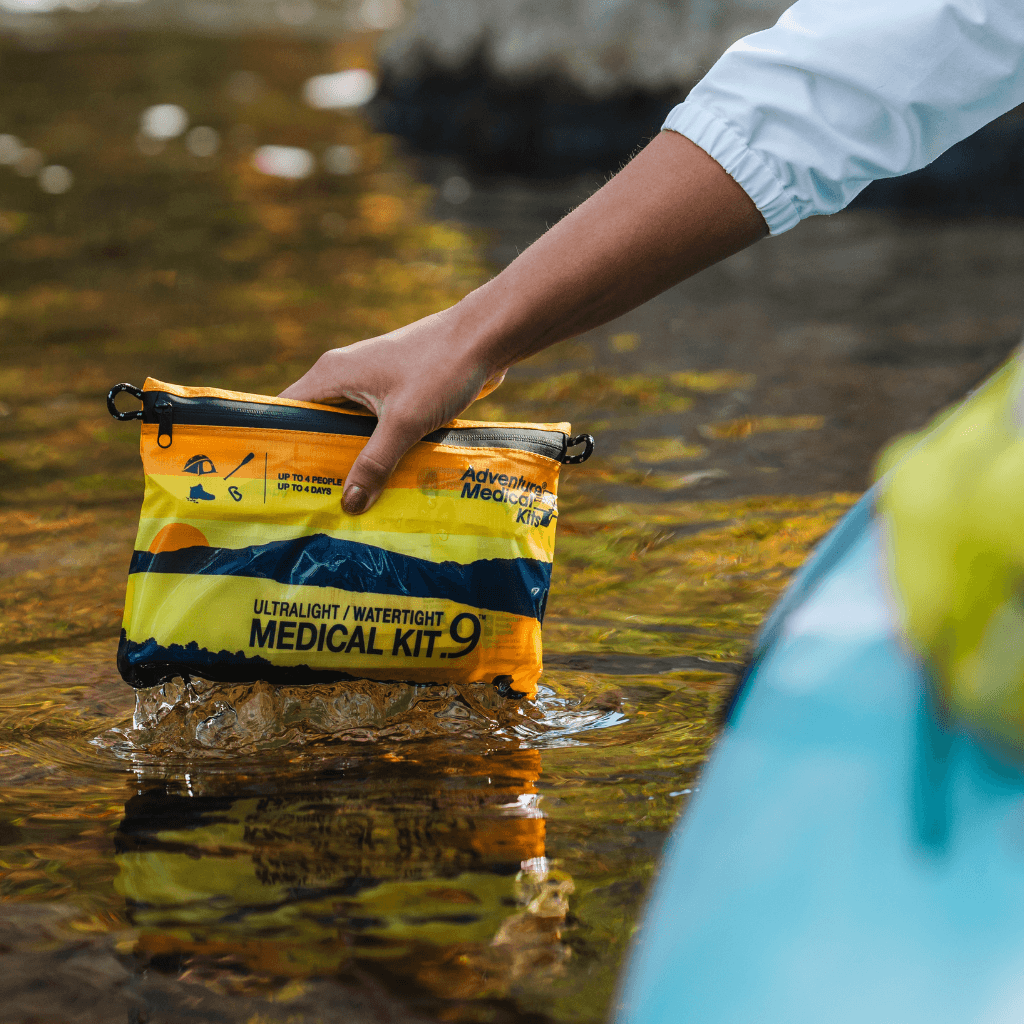
- Boating and paddling: Waterproof packaging, wound cleanser, burn care, and supplies that remain accessible after wet handling.
- International travel: Oral rehydration salts, anti-itch treatment, multiple bandage sizes, and personal medications, consistent with CDC travel-kit guidance.
Compatibility check
- Measure the pouch: Confirm internal dimensions before buying a module or loose refill.
- Check attachment points: Verify MOLLE straps, belt loops, buttons, and panel compatibility.
- Match the product family: Mountain Series modules and MOLLE-style organizers aren't automatically interchangeable.
- Review the use case: A solo day pack needs a different balance from a group vehicle or home emergency kit.
Repacking sequence
- Inventory everything: Put every item on a clean surface.
- Discard compromised supplies: Remove expired, opened, wet, damaged, or questionable items.
- Lay contents flat: Keep critical dressings from folding into inaccessible corners.
- Label small groups: Separate blister care, medications, wound cleaning, and trauma supplies.
- Re-roll and close: Secure wraps, test the zipper, and confirm that the pouch attaches firmly.
- Perform the access test: Open it one-handed and locate the critical items without searching.
Replacement triggers
- After every use: Replace anything removed from the pouch, even if unused.
- After the annual review: The checklist calls for replacement after 12 months regardless of use, while individual manufacturer dates and packaging condition still govern sterile products.
- After extreme temperatures: Inspect supplies exposed to heat, freezing conditions, or repeated temperature swings.
- At seasonal changes: Rebalance the contents for the next activity and environment.
The refill moment is the audit moment. Equipment without training is just weight, so every serious IFAK owner should pair the checklist with a hands-on wilderness or first-aid course.
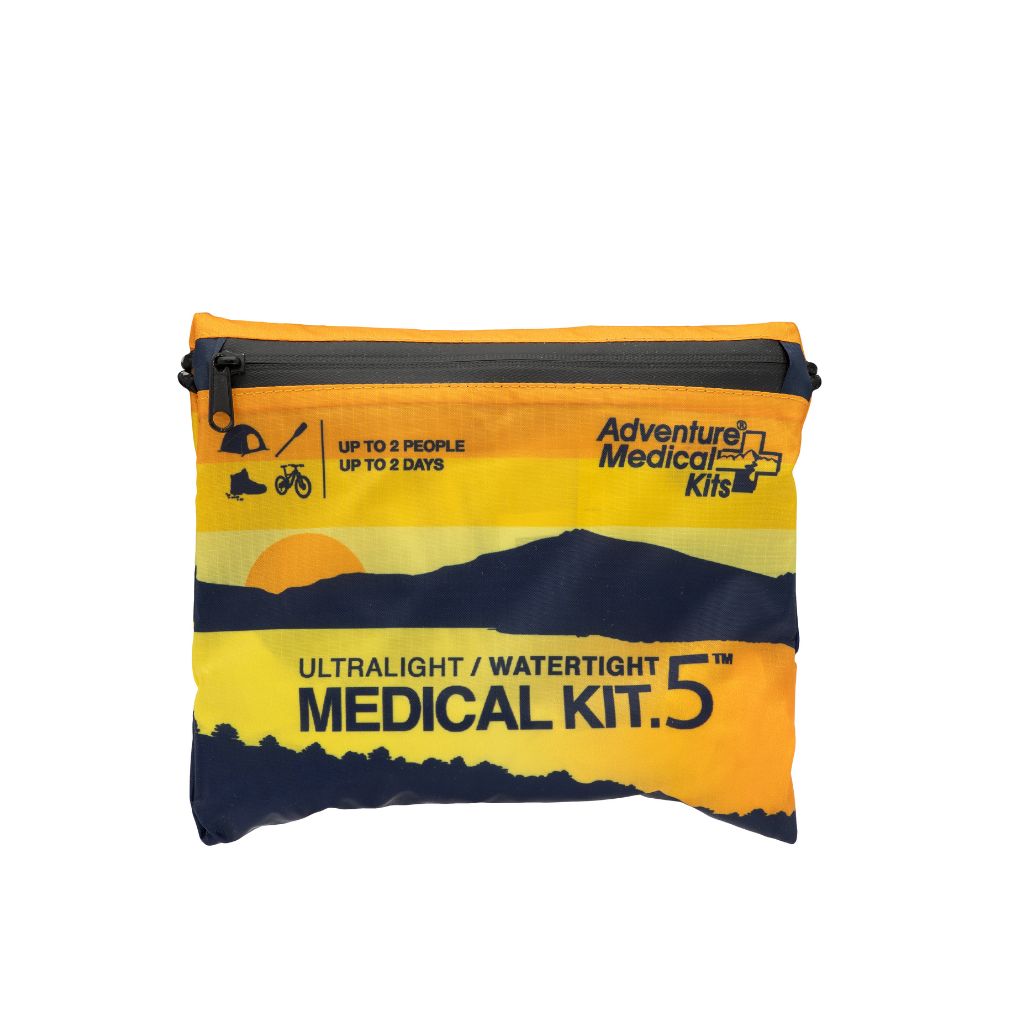
Adventure Medical Kits offers activity-specific kits and refill options organized for quick access, with supplies selected for outdoor use and instructions included in most kits. Visit Adventure Medical Kits to compare Mountain Series and MOLLE collections, then choose a refill that matches the pouch, training level, and next adventure.