

A hiker reaches a rocky overlook and steps awkwardly onto loose ground. The ankle hurts, but the trailhead is still far away. A Velcro bandage wrap can provide adjustable support in that moment, yet only when the user understands what it can do, how tightly to apply it, and when a different first-aid method is needed.
Unlike tape, an adjustable wrap can be loosened as swelling changes, removed without pulling at the skin, and secured again during a long evacuation. It can also help hold a dressing in place, but it isn't a substitute for direct pressure during life-threatening bleeding, and excessive tension can impair movement or circulation.
This guide follows the decisions that matter outdoors: what the wrap is, how to select one for a wrist, ankle, knee, or dressing, which users can manage it safely, how it behaves during movement and rest, and where its limits begin. A broader hiking first-aid kit guide can help place the wrap within a complete trail-care system.
Table of Contents
- Introduction to Velcro Bandage Wraps on the Trail
- What a Velcro Bandage Wrap Is and How It Works
- Choosing the Right Size Material and Closure for Outdoor Use
- Common Outdoor Uses for Sprains and Securing Dressings
- How Velcro Wraps Compare to Other Bandage Options
- How to Apply a Velcro Wrap Safely and Effectively
Introduction to Velcro Bandage Wraps on the Trail
A wrap becomes useful when the injury is uncomfortable but the situation is still manageable. A paddler may strain a wrist while lifting a boat, a camper may twist a knee beside a campsite, or a backpacker may need to protect gauze over a scraped shin during a slow walk out. In each case, the wrap's value comes from controlled adjustment, not from pulling it tight.
The first decision is whether compression and support are appropriate at all. A mild sprain may feel steadier when the joint is wrapped, while a serious injury may require evacuation, professional assessment, or immobilization rather than repeated adjustments. Pain, deformity, numbness, unusual color, worsening swelling, or loss of function should push the group toward medical help instead of more compression.
What this guide helps clarify
Outdoor users commonly have four practical questions:
- Can the user apply it alone? The closure is easier to adjust than clips or adhesive tape, but limited hand strength, poor dexterity, cold fingers, or impaired sensation can make self-application unreliable.
- How much tension is enough? The wrap should feel supportive without producing numbness, throbbing, color change, or a major loss of joint movement.
- Will it stay useful during activity? A properly applied adjustable compression wrap can support movement while remaining less restrictive during rest, but fit and technique control the result.
- When should it stay in the pack? Severe bleeding, suspected fracture, significant circulation problems, or an open wound that needs direct treatment call for different first-aid actions.
The following sections treat the wrap as a trail tool, not a cure. The focus stays on practical self-care, careful observation, and a clear handoff to professional care when the injury exceeds basic field management.
What a Velcro Bandage Wrap Is and How It Works
A Velcro bandage wrap combines an elastic or semi-elastic fabric body with a hook-and-loop closure. The fabric provides surrounding support and compression. The closure works like a reusable strap: one surface has small hooks, the other has loops, and pressing them together holds the wrap in place without clips or adhesive.
That arrangement changes field use in several ways. A hiker can apply the wrap with one hand more easily than a bandage that depends on a metal fastener, then make small adjustments after walking, resting, or noticing swelling. Removal is also straightforward, and the wrap can be reused when it remains clean and intact.
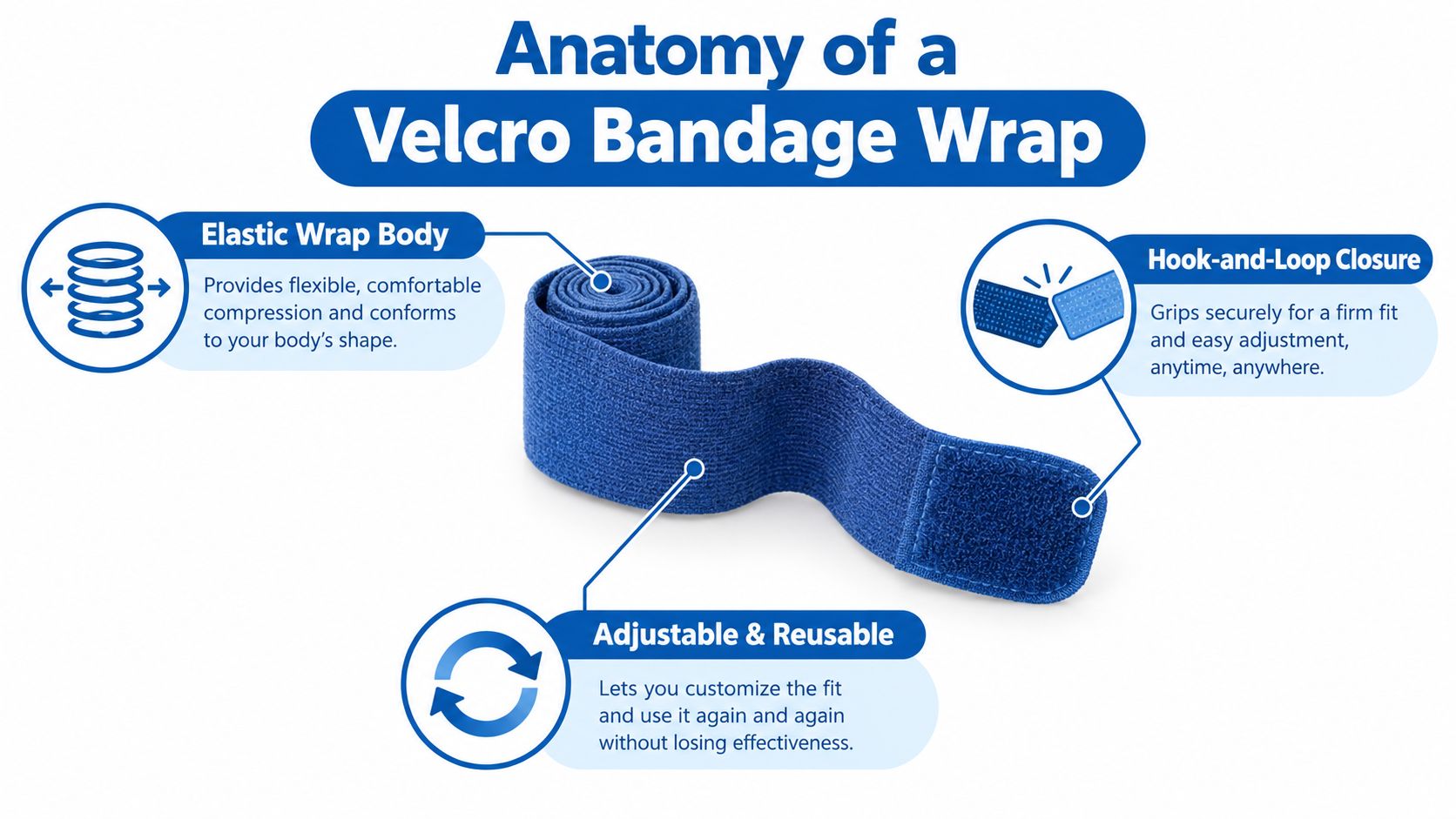
Historical overview of hook-and-loop and elastic bandages
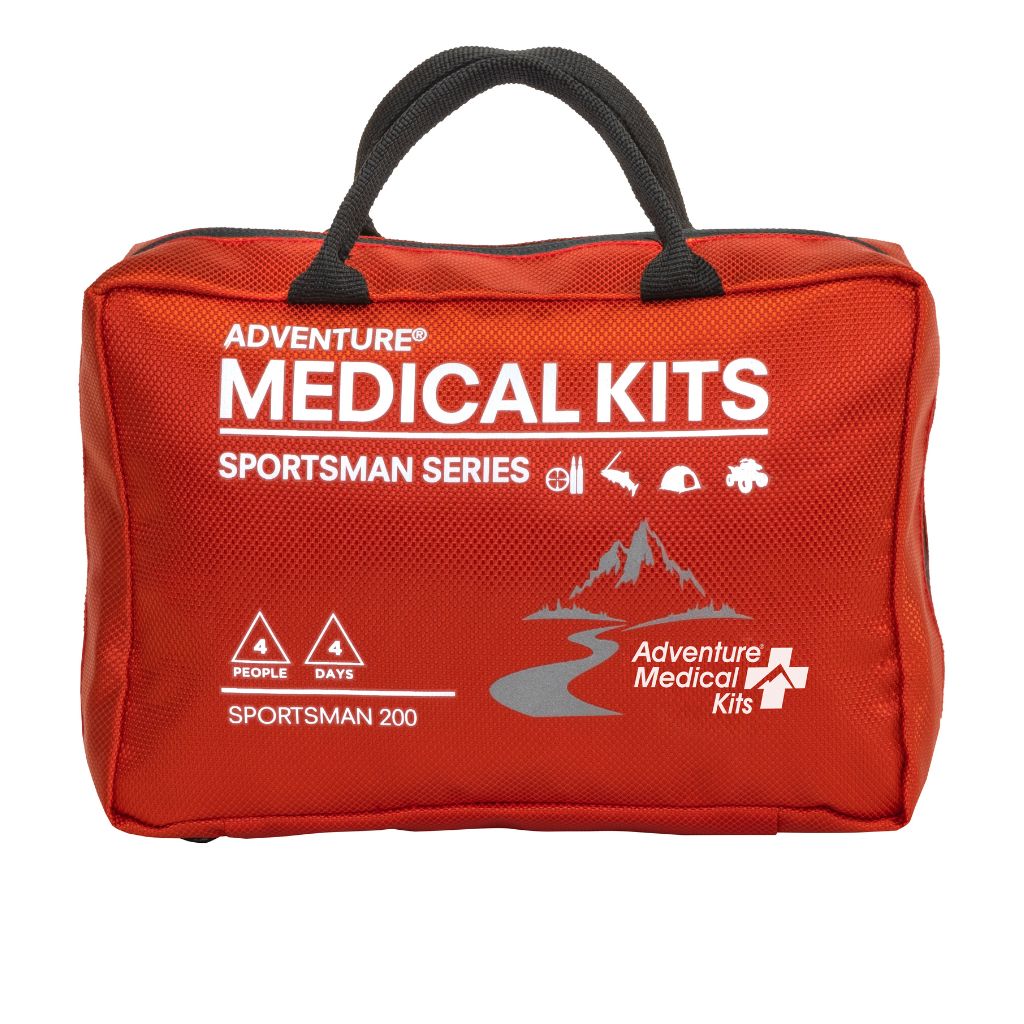
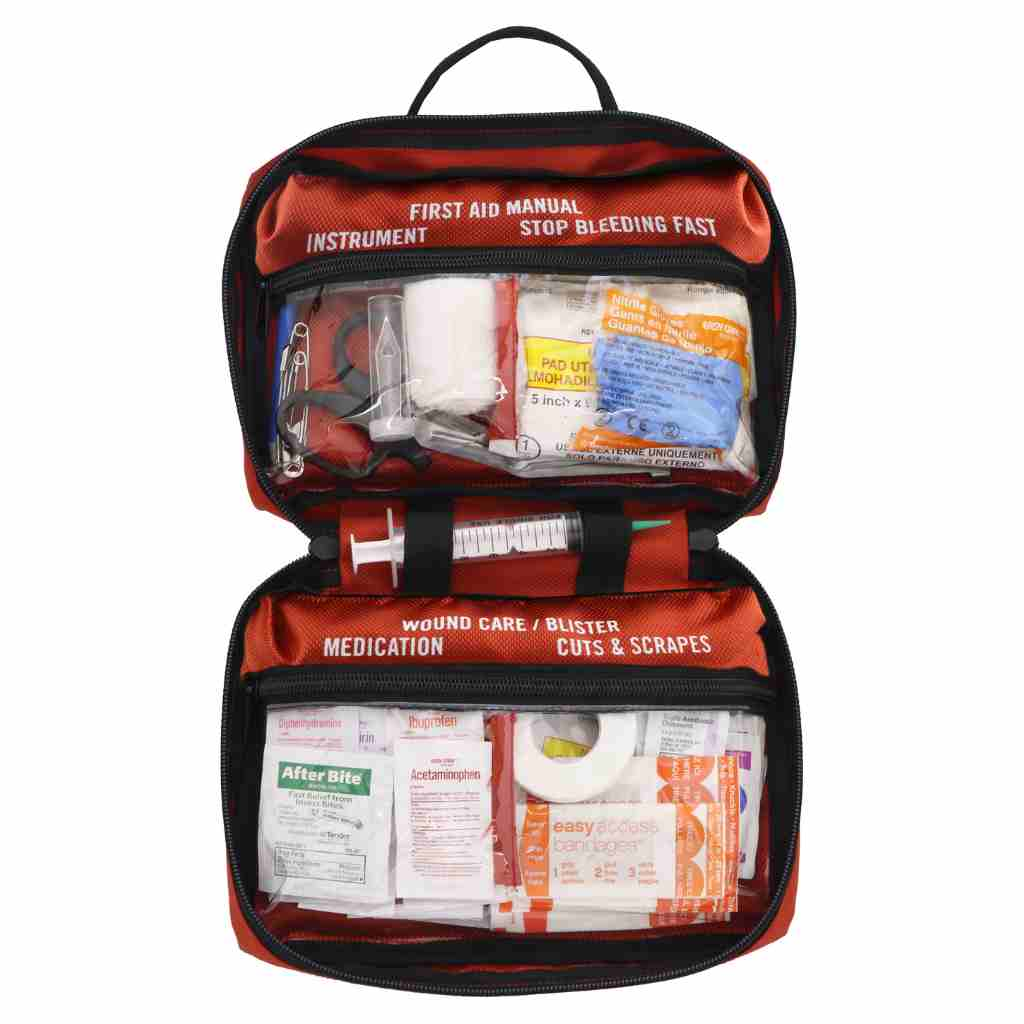
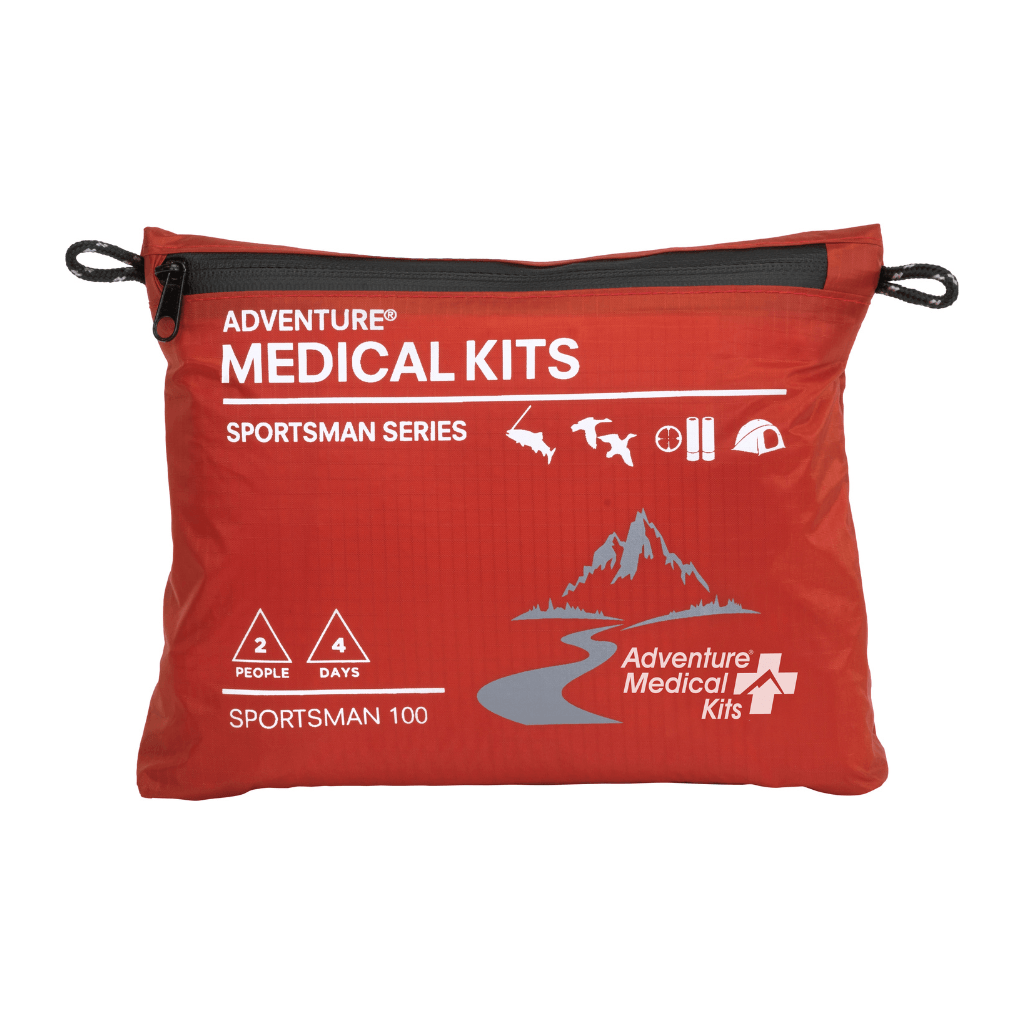
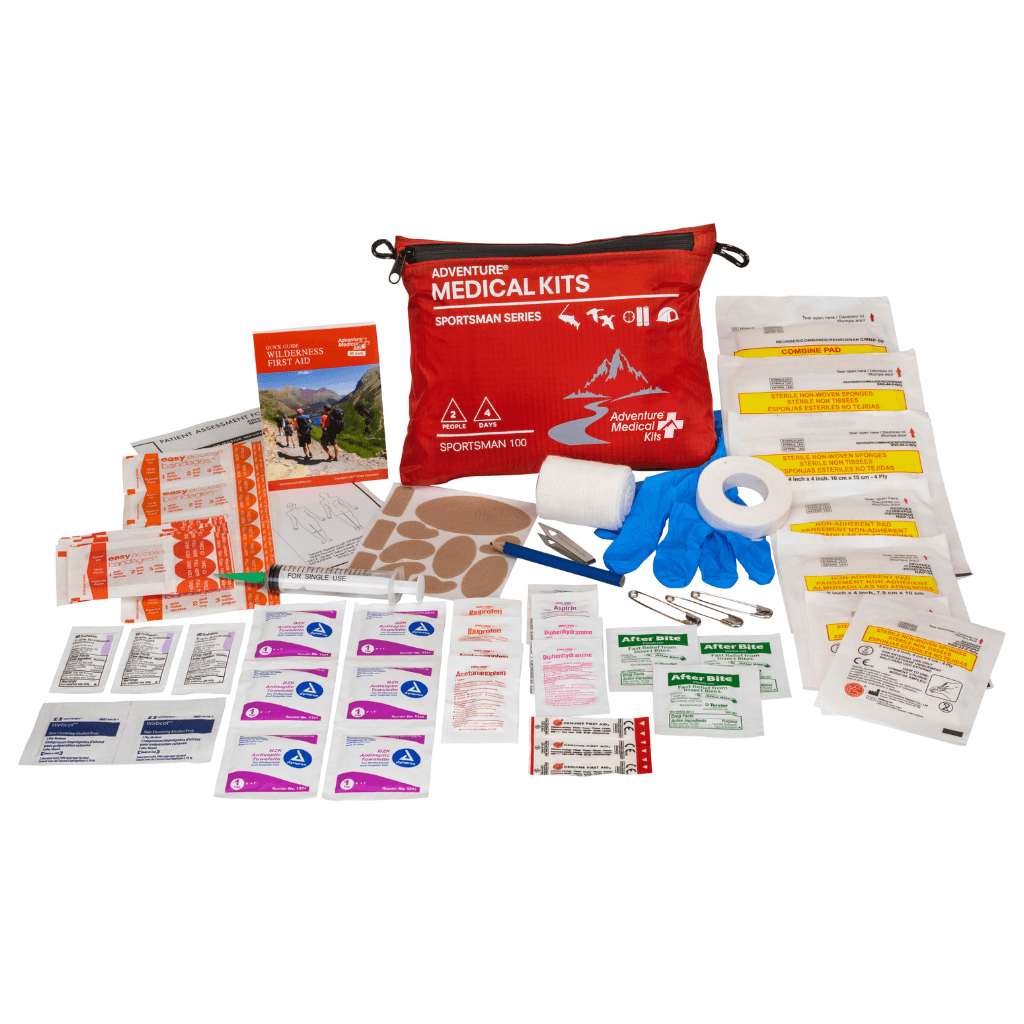
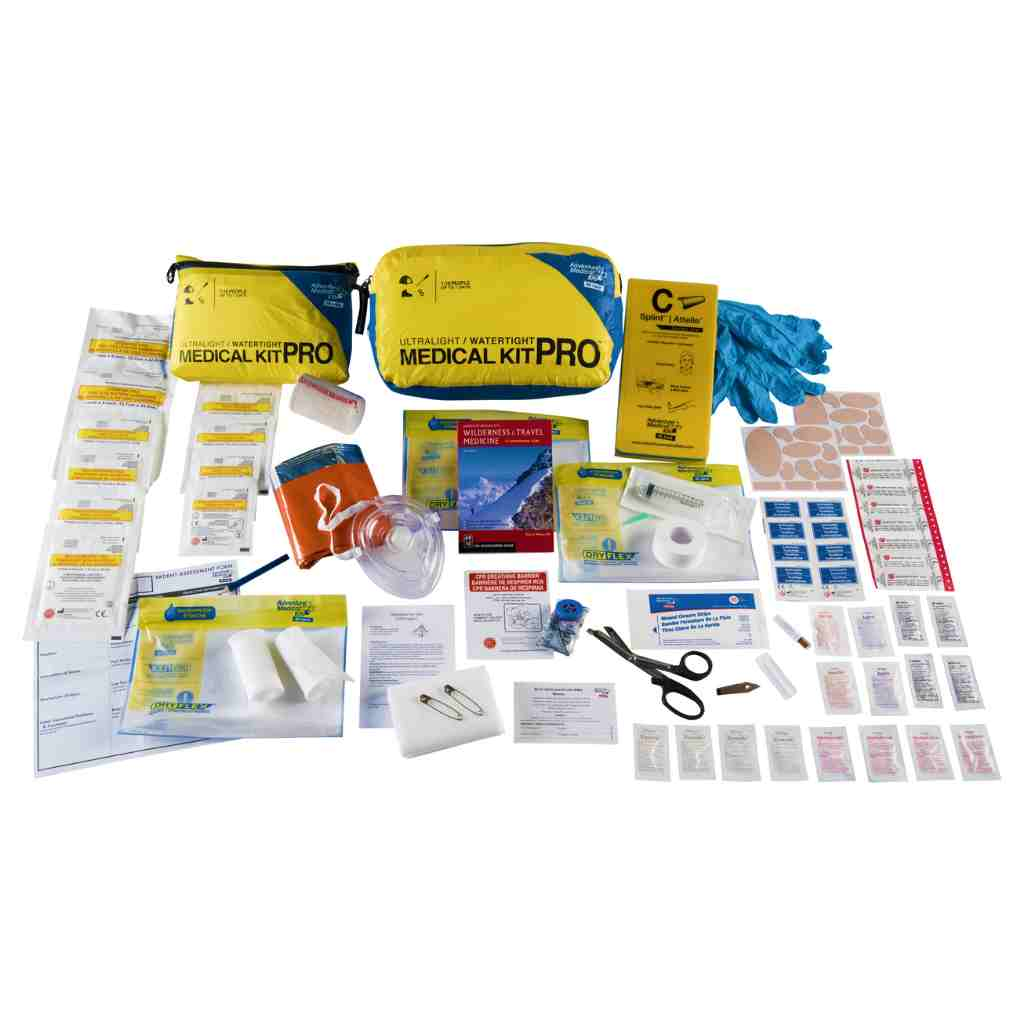
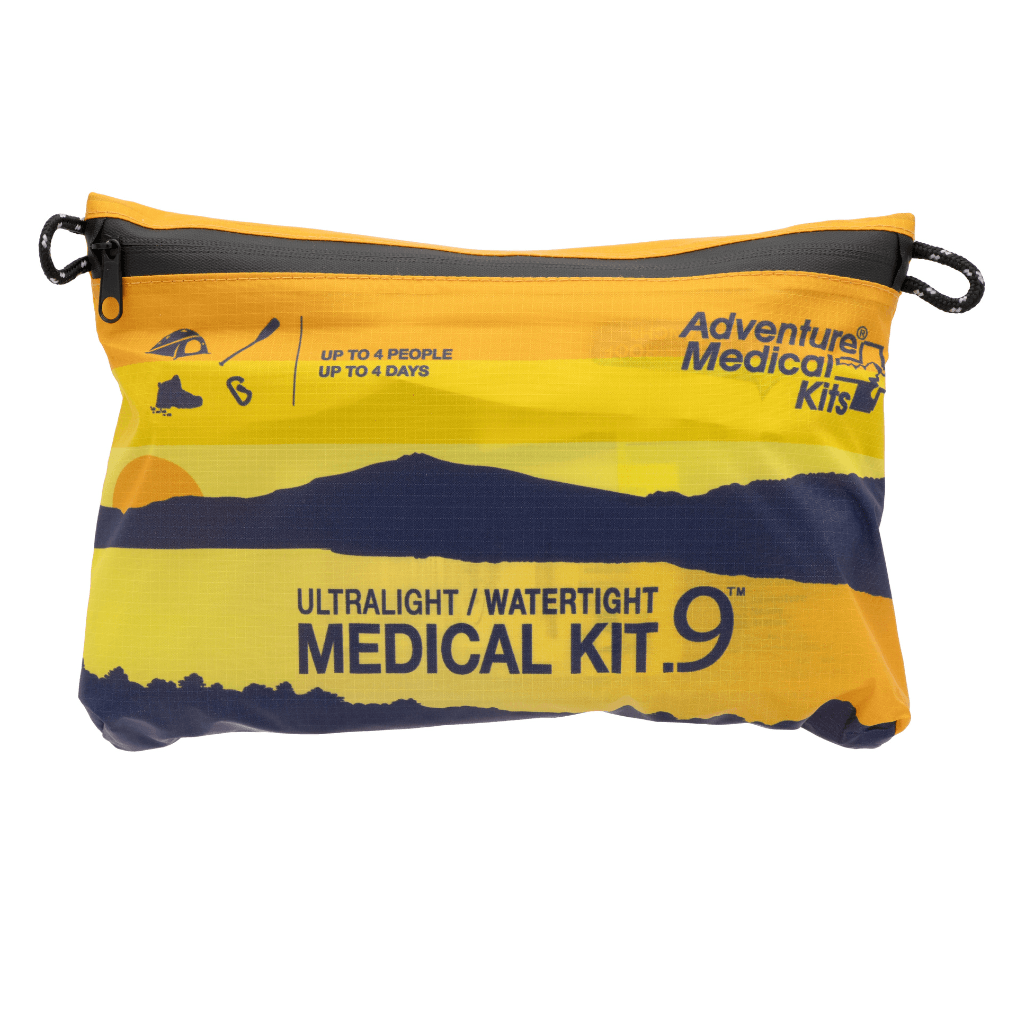
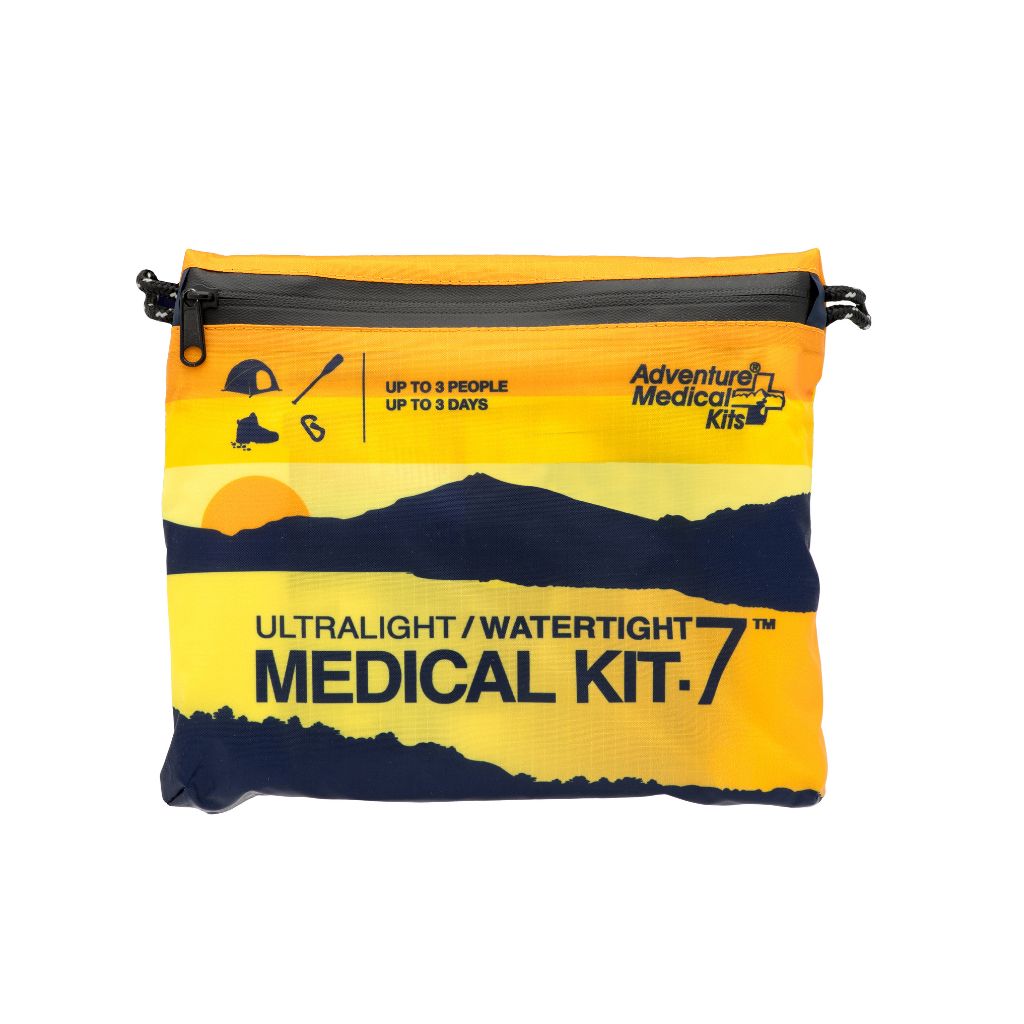
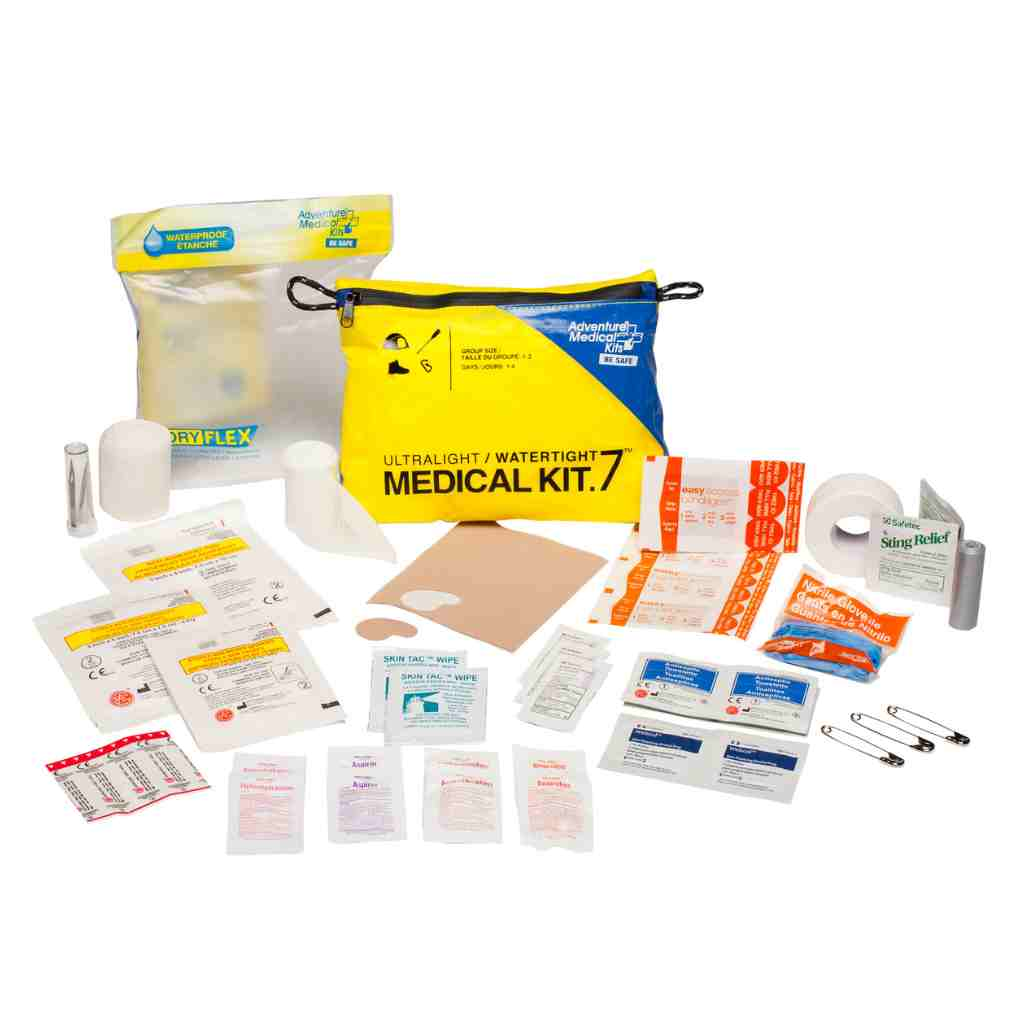
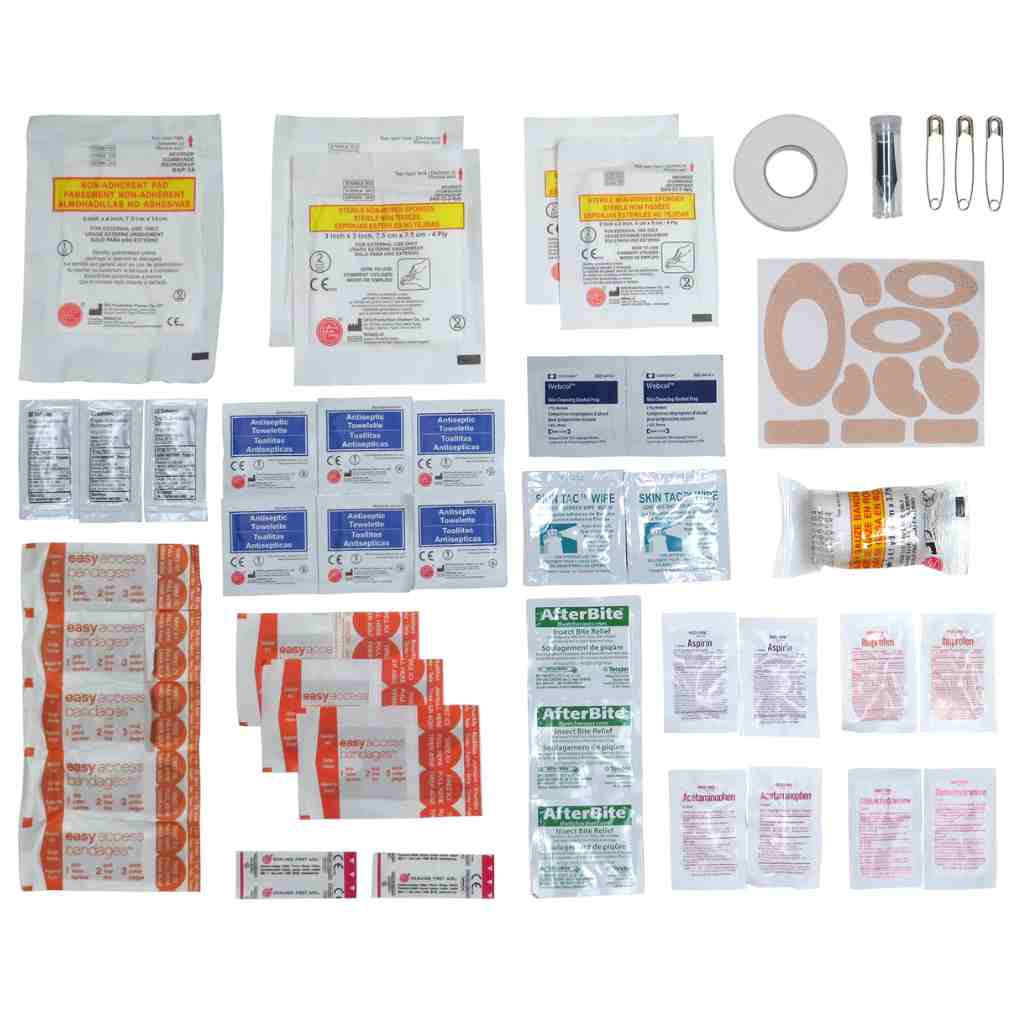
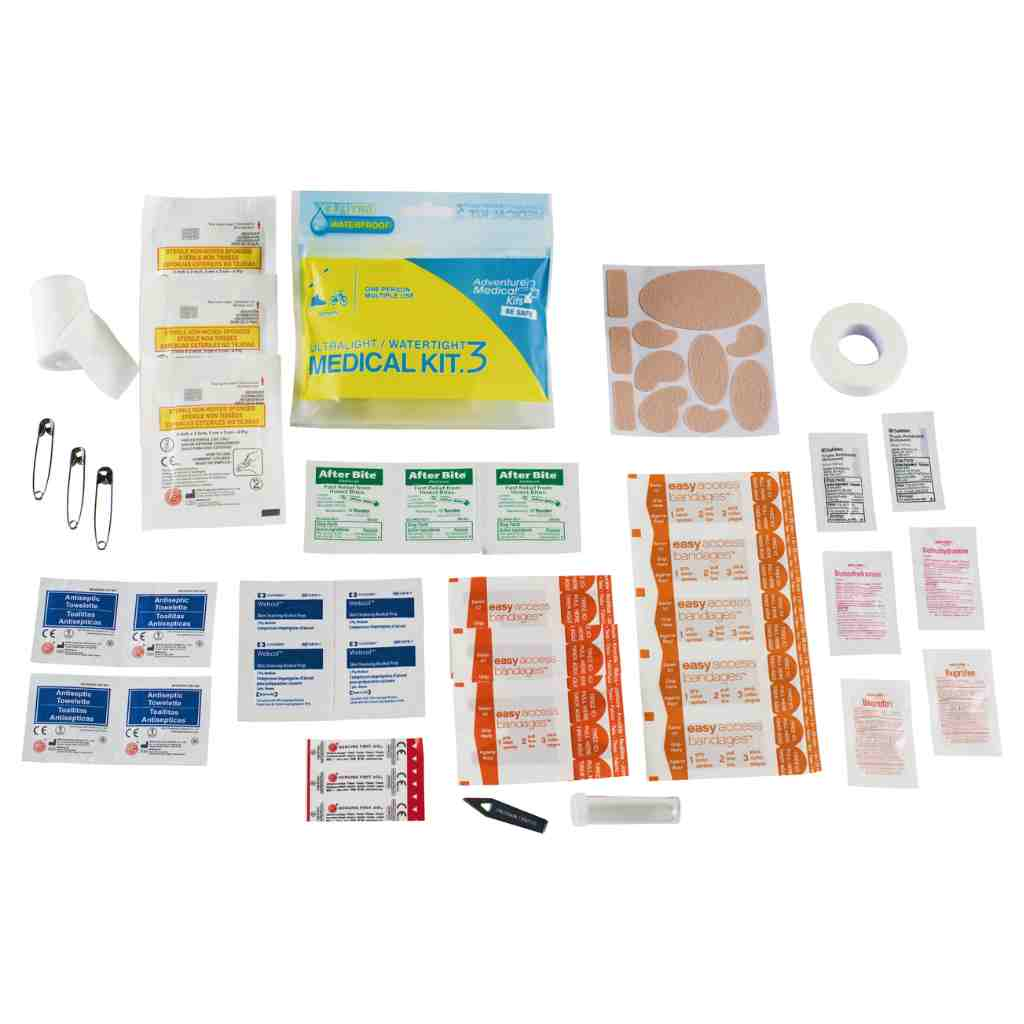
For a compact field kit, Adventure First Aid, 1.5 includes easy-access bandages, moleskin, antiseptic wipes, butterfly closures, injury-specific pockets, and a quick-reference guide inside a rugged EVA case with a quick clip.
Choosing the Right Size Material and Closure for Outdoor Use
The right wrap should fit the body part without creating bulky folds or leaving unsupported gaps. A narrow wrap can suit a wrist or fingers, while a wider wrap spreads pressure more evenly around an ankle, elbow, knee, or thigh. The width guide below offers a practical starting point, but the package instructions and the injured person's anatomy should decide the final choice.
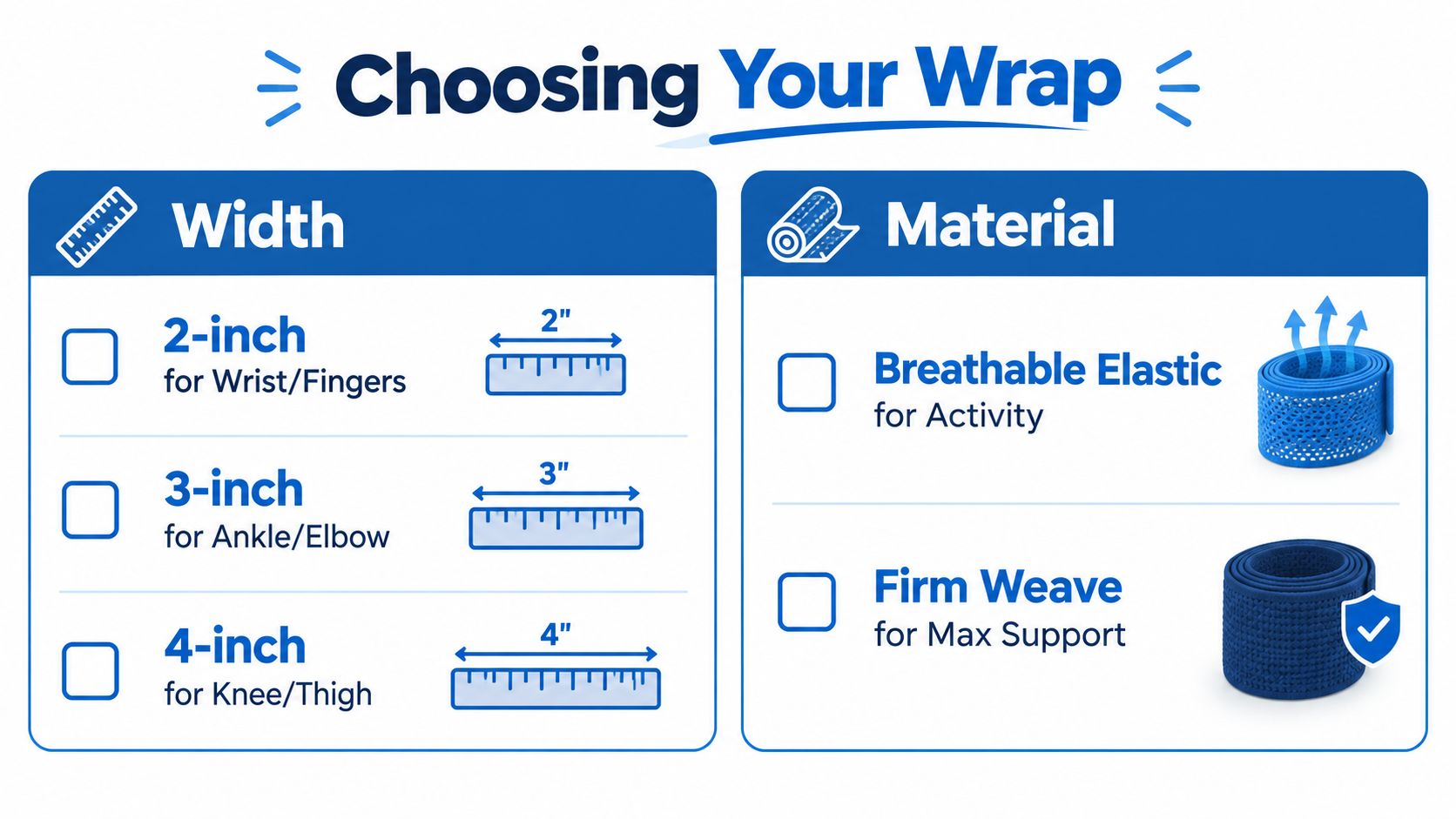
Match the wrap to the job
| Trail need | Useful starting point | Selection concern |
|---|---|---|
| Wrist or fingers | Narrower width | Avoid covering too much of the hand or limiting finger flexion |
| Ankle or elbow | Medium width | Keep the closure flat and the joint comfortably positioned |
| Knee or thigh | Wider width | Use enough length for even overlap without excessive layers |
| Dressing retention | Size that covers the dressing area | Keep the wrap secondary to the sterile or clean primary dressing |
Material changes the feel. Breathable elastic can be more comfortable during activity, while a firmer weave may provide a stronger sensation of support. Self-adherent cohesive material can be lightweight and convenient, but it shouldn't be placed directly on an open wound because its coating may stick to moist tissue during removal. (Guidance on self-adhesive bandage use)
Packability matters outdoors
A wrap belongs where it can be reached without emptying a backpack. A compact roll, a closure that remains secure after repeated handling, and material that tolerates ordinary trail dust and damp conditions all help. Waterproof storage protects the wider first-aid load, while labelled compartments reduce searching when hands are cold or visibility is poor.
Skin sensitivity also affects the surrounding dressing plan. Readers managing adhesive reactions can review these bandage options for sensitive skin, then choose a primary dressing that protects the wound before using the wrap as a retaining layer.
Common Outdoor Uses for Sprains and Securing Dressings
A backpacker with a mild ankle sprain may use an adjustable wrap to reduce the feeling of movement inside the joint while walking slowly toward help. The purpose is supportive compression, not forceful immobilization. A wrap can make a joint feel more controlled, but it won't repair damaged tissue or confirm that a fracture isn't present.
Adjustable compression is useful because the limb may behave differently while moving and resting. A compression wrap with a pressure profile similar to a short-stretch bandage can provide higher working pressure during movement and lower resting pressure when applied with the manufacturer's standardized method. (Audited compression-wrap pressure testing)
Practical rule: The safest field tension is the minimum that provides useful support. More tightness isn't automatically more effective.
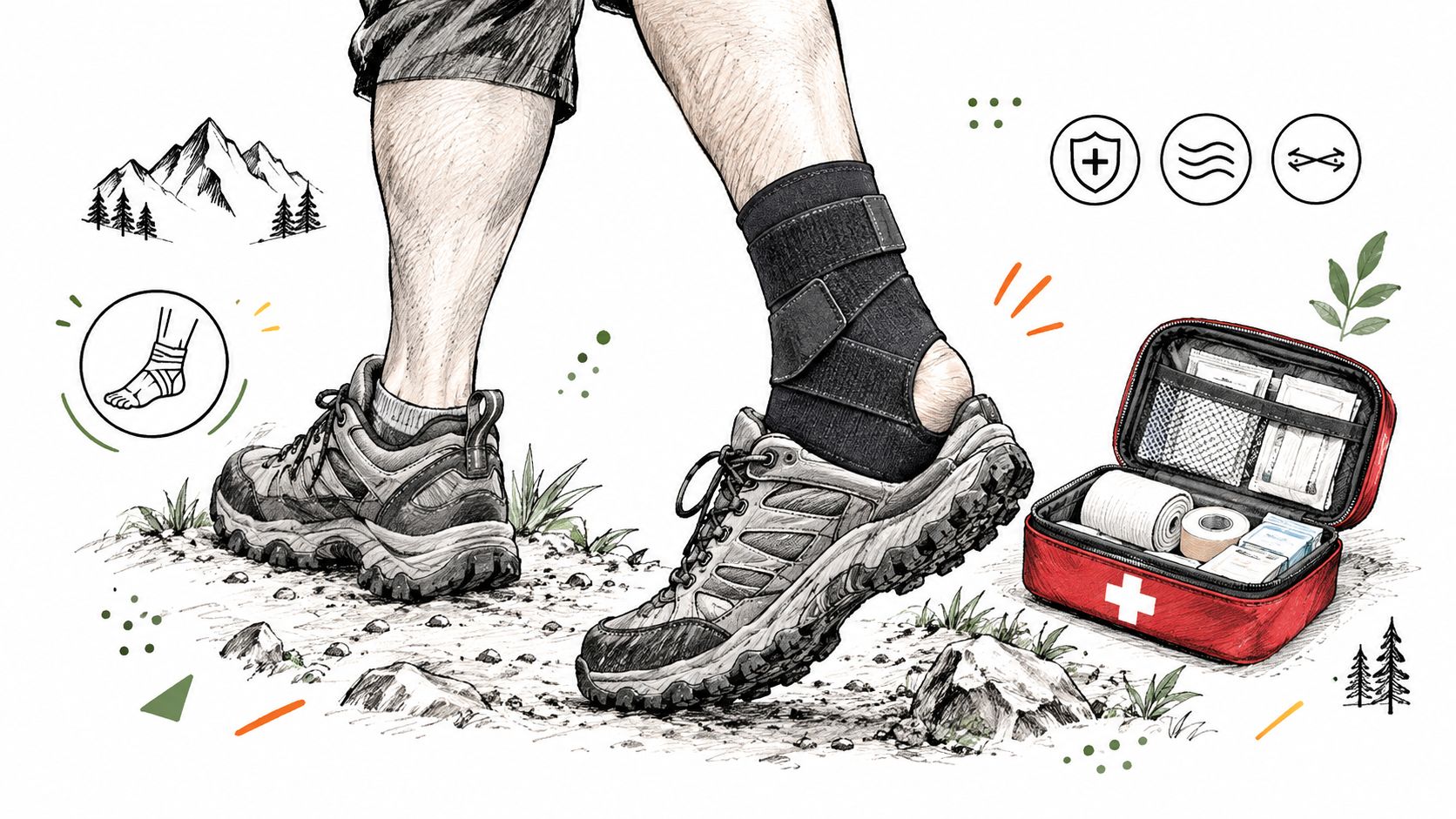
Securing a dressing
Suppose a camper cuts a forearm on a sharp edge. After bleeding is controlled and the wound is cleaned and covered with a suitable primary dressing, the wrap can help keep gauze from shifting during a careful walk to the vehicle. The wrap should sit over the dressing rather than replace it, and it shouldn't press so hard that the fingers become cold, pale, blue, numb, or difficult to move.
The same principle applies to a lower-leg abrasion or a dressing over the knee. A clean layer between the wound and the wrap protects the injury and makes removal safer. For additional wound-care context, wound healing tips from MedAmerica Rehab Center can help readers understand why protection, observation, and appropriate follow-up matter.
Watch hand and joint function
Self-adherent wrap research offers an important warning for any adjustable compression product. In a cadaveric hand model, application increased work of flexion significantly in all digits, and when edema was combined with the wrap, the work of flexion reached about four times baseline. (Peer-reviewed hand-wrap biomechanics evidence)
That finding doesn't predict exactly what every hiker will feel, but it explains why a wrap around a hand or finger can interfere with movement. The user should check circulation and function after application, then repeat the check after activity, rest, and any noticeable swelling change. A worsening injury, severe pain, deformity, or inability to bear weight requires medical evaluation, not tighter wrapping. The sprained-ankle first-aid guide provides additional context for deciding what to do next.
How Velcro Wraps Compare to Other Bandage Options
A Velcro bandage wrap is most useful when the user expects to adjust support more than once. A cohesive wrap may be faster for a simple dressing, a traditional elastic bandage may pack small and work well with practice, and gauze remains the basic choice for covering or padding a wound. The best option depends on the job, not on the closure alone.
Velcro Wrap vs Common Alternatives at a Glance
| Wrap Type | Adjustability | Reusability | Best Trail Use |
|---|---|---|---|
| Velcro adjustable elastic wrap | High, with quick tightening or loosening | Usually reusable when clean and intact | Repeated support changes around a joint or limb |
| Self-adherent cohesive wrap | Moderate while applying, limited after adhesion | Often limited after removal | Holding a dressing or light padding in place |
| Traditional elastic wrap with clips | Moderate, but clips can be awkward one-handed | Reusable when clean and undamaged | Familiar support for users practiced with the technique |
| Gauze roll | Low as a compression device | Generally intended for limited reuse | Covering, padding, or protecting a wound under another layer |
Where alternatives may fit better
Cohesive material can conform neatly around irregular areas and doesn't require a separate fastening clip. Its limitation is that adjustment after adhesion can disturb the layer, and it should not touch an open wound directly. Traditional elastic wraps offer flexibility and can be very compact, but a user must manage the tension and clip without creating pressure points.
Gauze has a different job. It absorbs or covers, while a compression wrap retains it. Treating gauze as a structural support can lead to a loose dressing or excessive layering, so the roles should stay separate.
For a solo hiker, the adjustable closure has a clear advantage when swelling changes or the first application feels too tight. For a group carrying supplies for several people, a combination of wound-covering material and an adjustable retaining wrap may be more versatile than relying on one item for every injury.
How to Apply a Velcro Wrap Safely and Effectively
Application should be deliberate, even when the trail situation feels rushed. The user should first identify the job, inspect the skin, and decide whether the wrap belongs over a primary dressing or directly on intact skin. The joint should rest in a comfortable, functional position rather than being forced into an extreme bend.
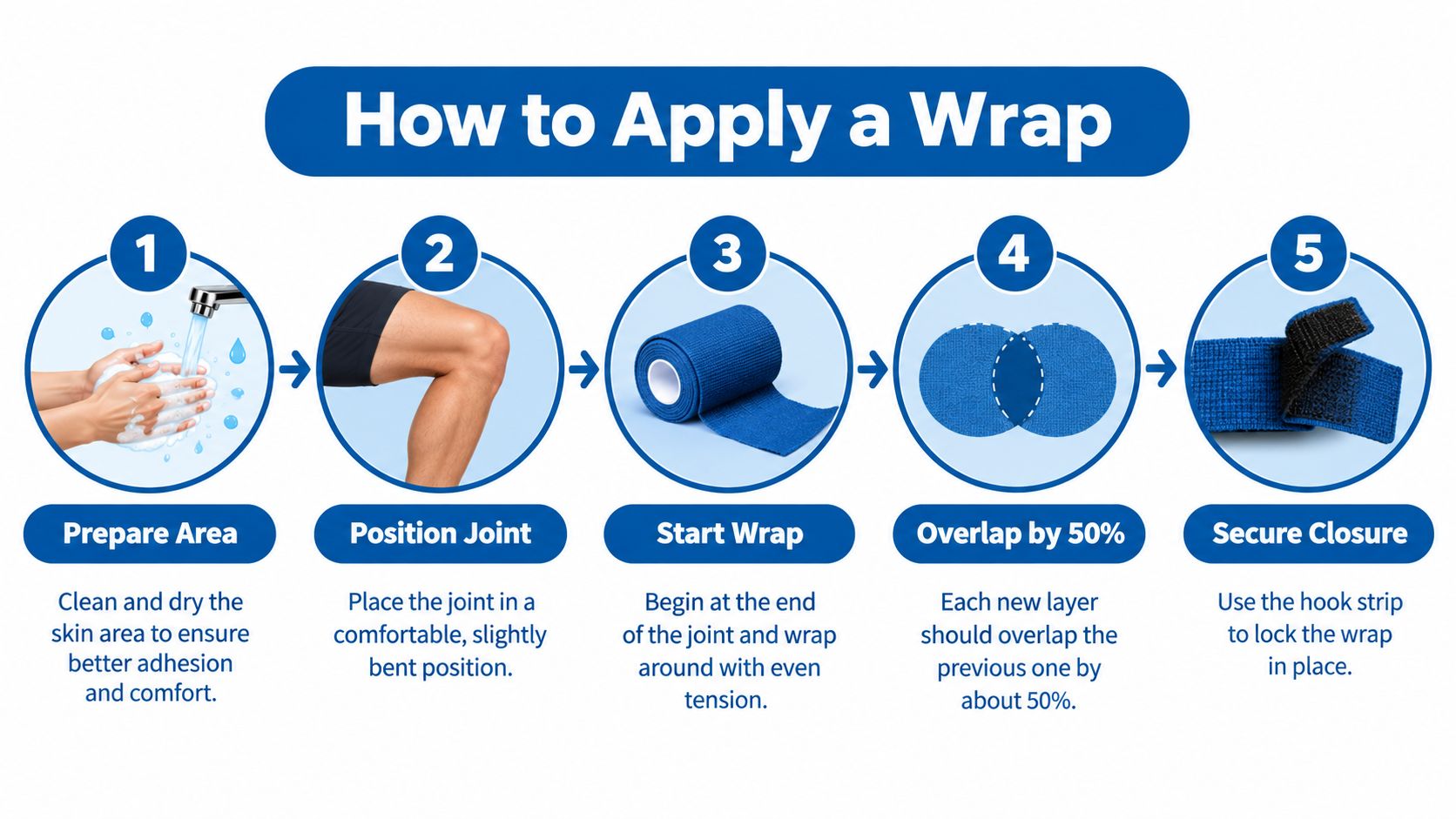
A field sequence
- Prepare the area. Clean hands when possible, inspect the skin, and place gauze or another suitable primary dressing over any wound.
- Position the joint. Keep the ankle, wrist, elbow, or knee in a natural position that allows useful movement.
- Start with moderate tension. Anchor the first pass without pulling the elastic to its maximum stretch.
- Overlap each pass by about half the bandage width. This helps distribute pressure instead of creating narrow bands. (Medical wrapping guidance)
- Secure the closure flat. Keep the hook-and-loop section smooth, away from sharp edges and skin folds.
The closure should hold the wrap without wrinkles, pinching, or a concentrated pressure point. After application, the user should check exposed fingers or toes for normal warmth, color, sensation, and movement, then loosen the wrap if any of those change.
Stop and reassess: Increasing pain, numbness, tingling, cool skin, unusual color, or reduced movement means the wrap needs immediate adjustment or removal.
A compression wrap is not a treatment for severe extremity bleeding. Major first-aid guidance recommends direct manual pressure until a tourniquet can be effectively placed, or using a tourniquet when the wound isn't suitable for one. Elastic wrap-style products aren't reliable substitutes for arterial occlusion in life-threatening bleeding. (American Heart Association bleeding guidance)
Self-management also has limits. A pilot audit reported that 94% of applications were performed by the patient or carer, while a later review of 16 studies concluded that the evidence remained poor and stronger trials were needed. The same review noted that no algorithm matches a specific wrap to a patient's presentation and ability to use it safely. (Review of adjustable compression-wrap evidence)
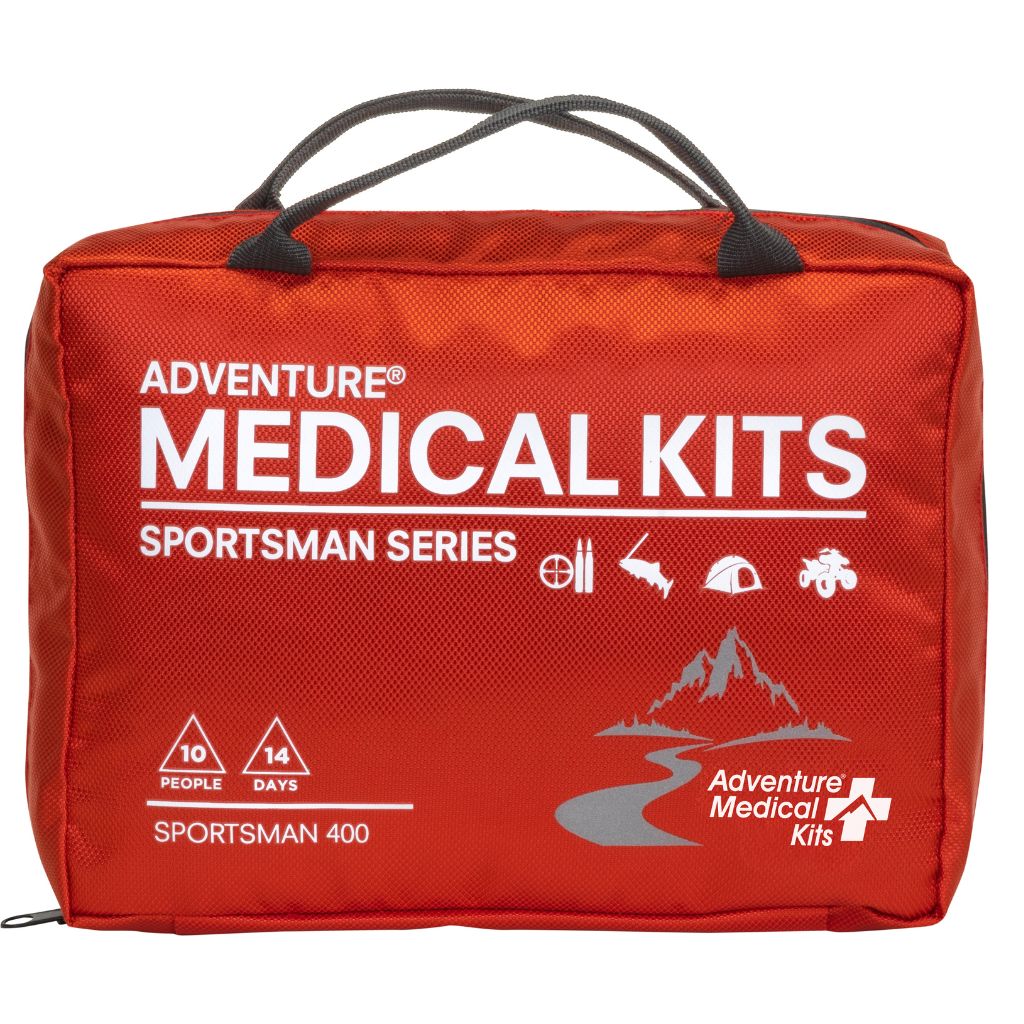
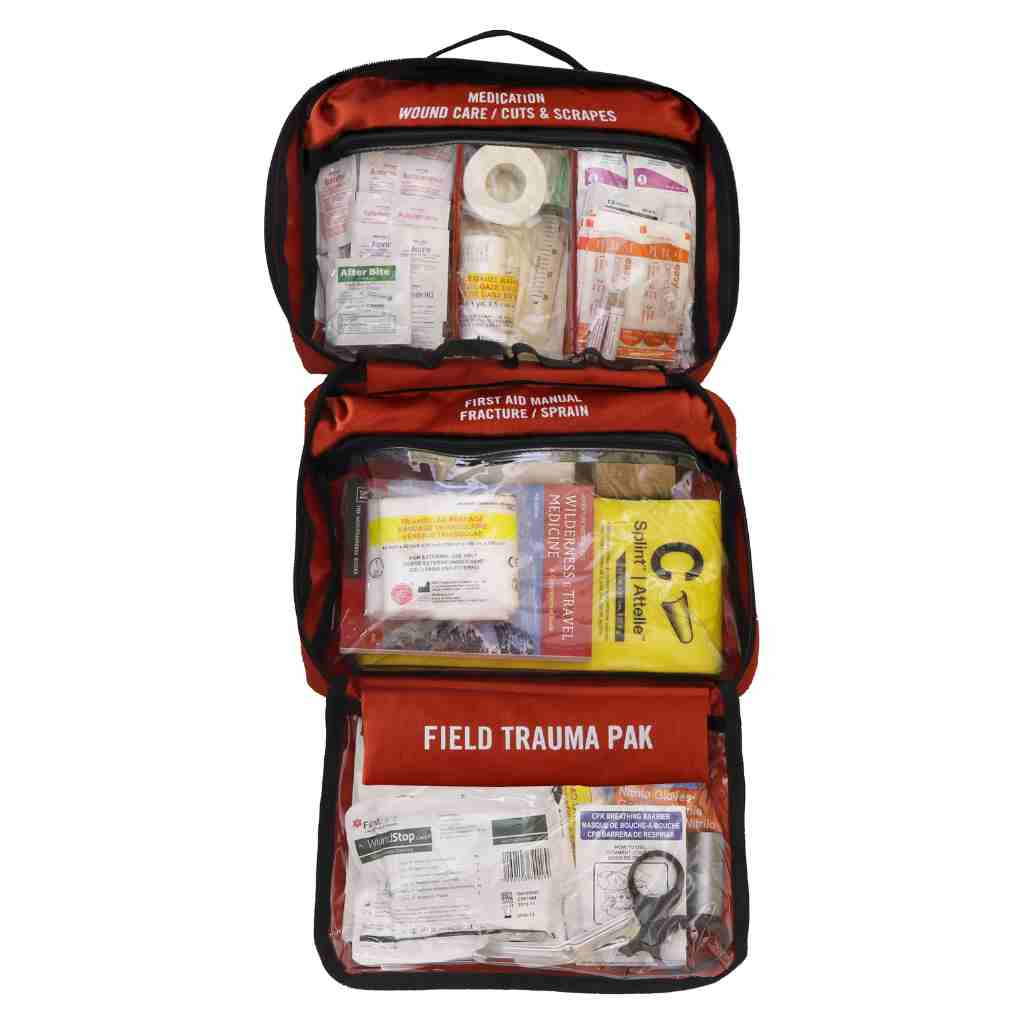
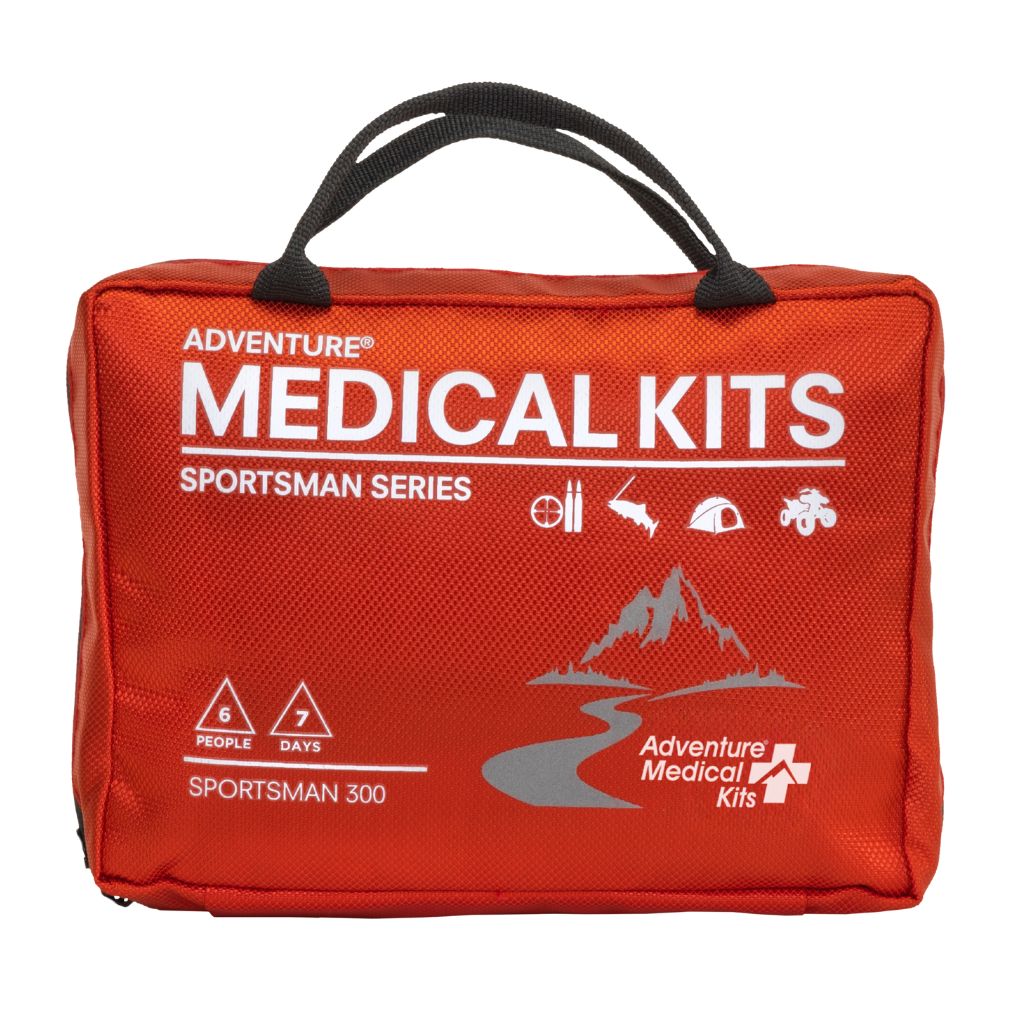
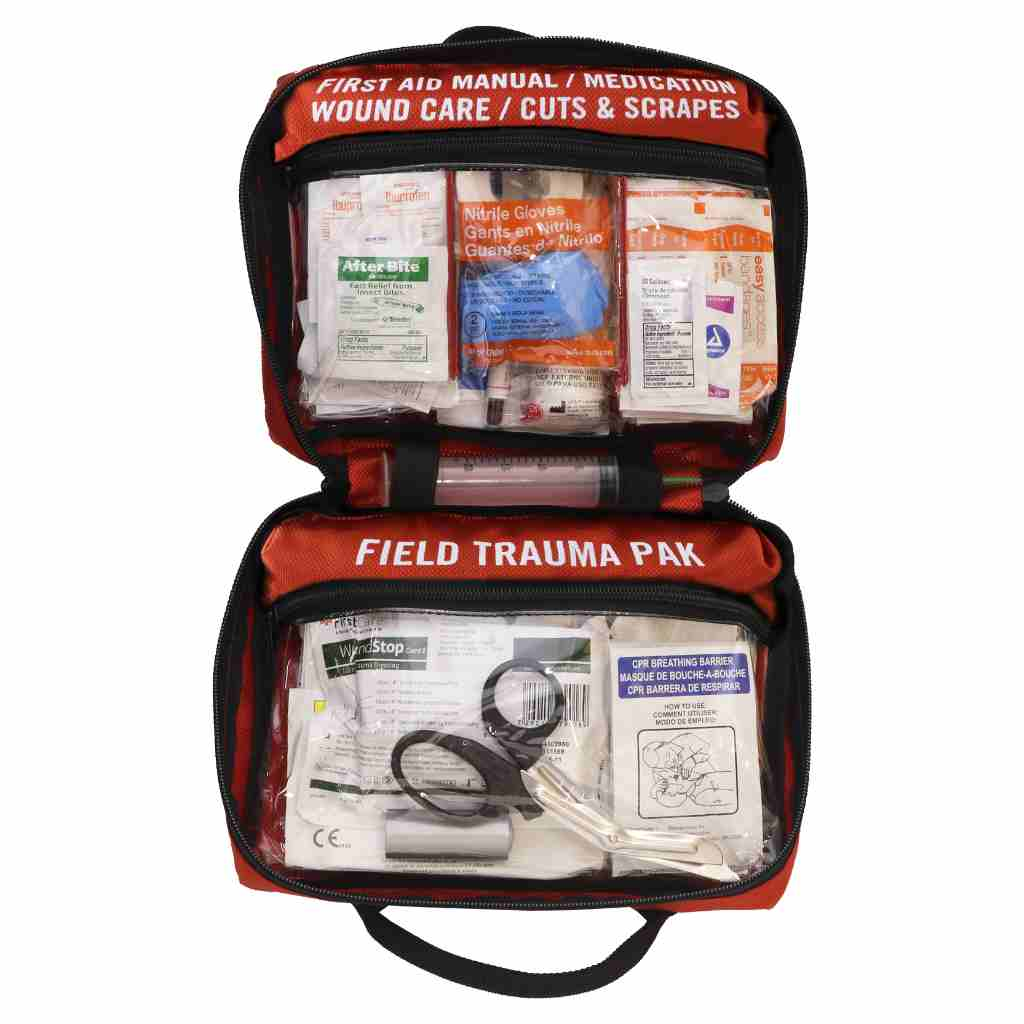
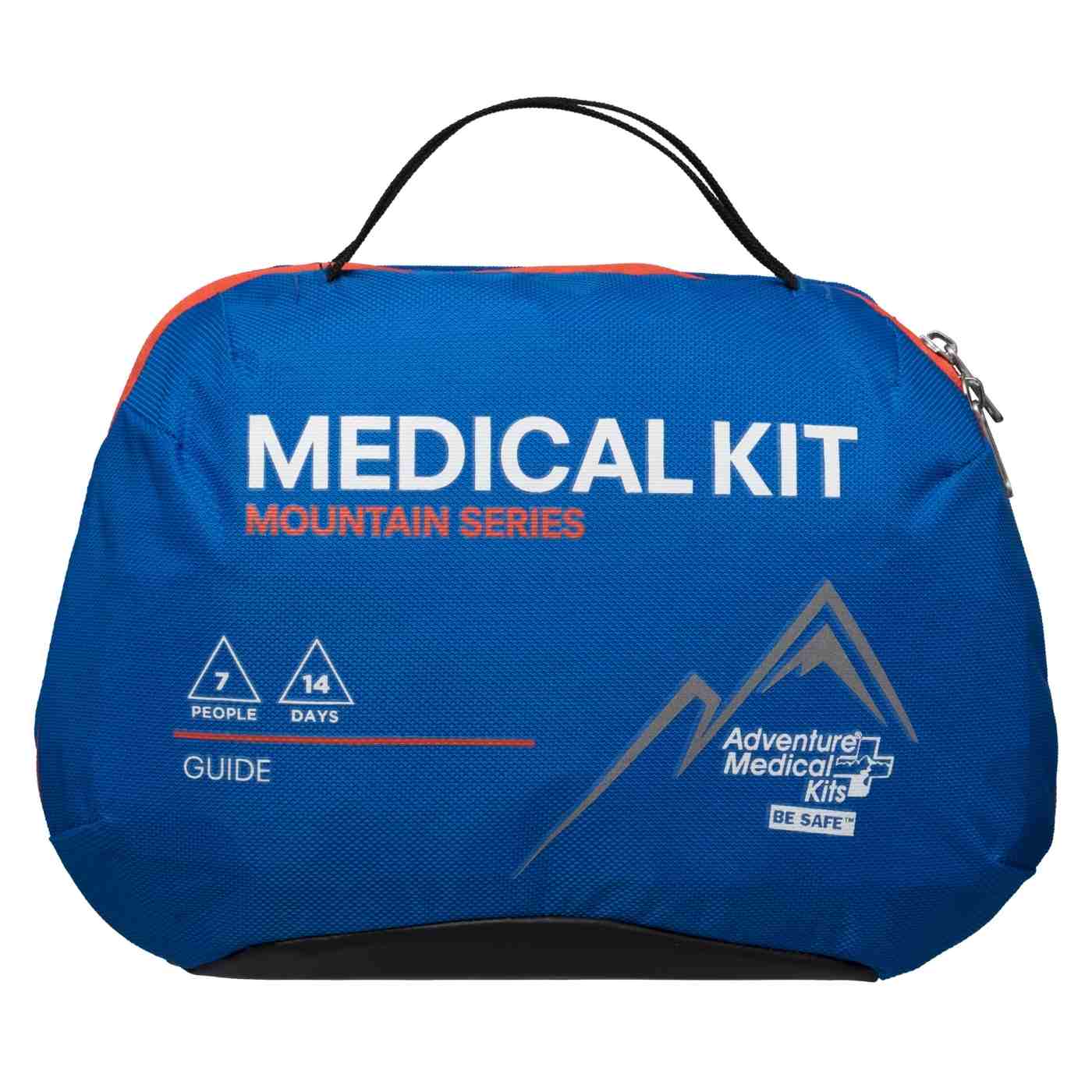
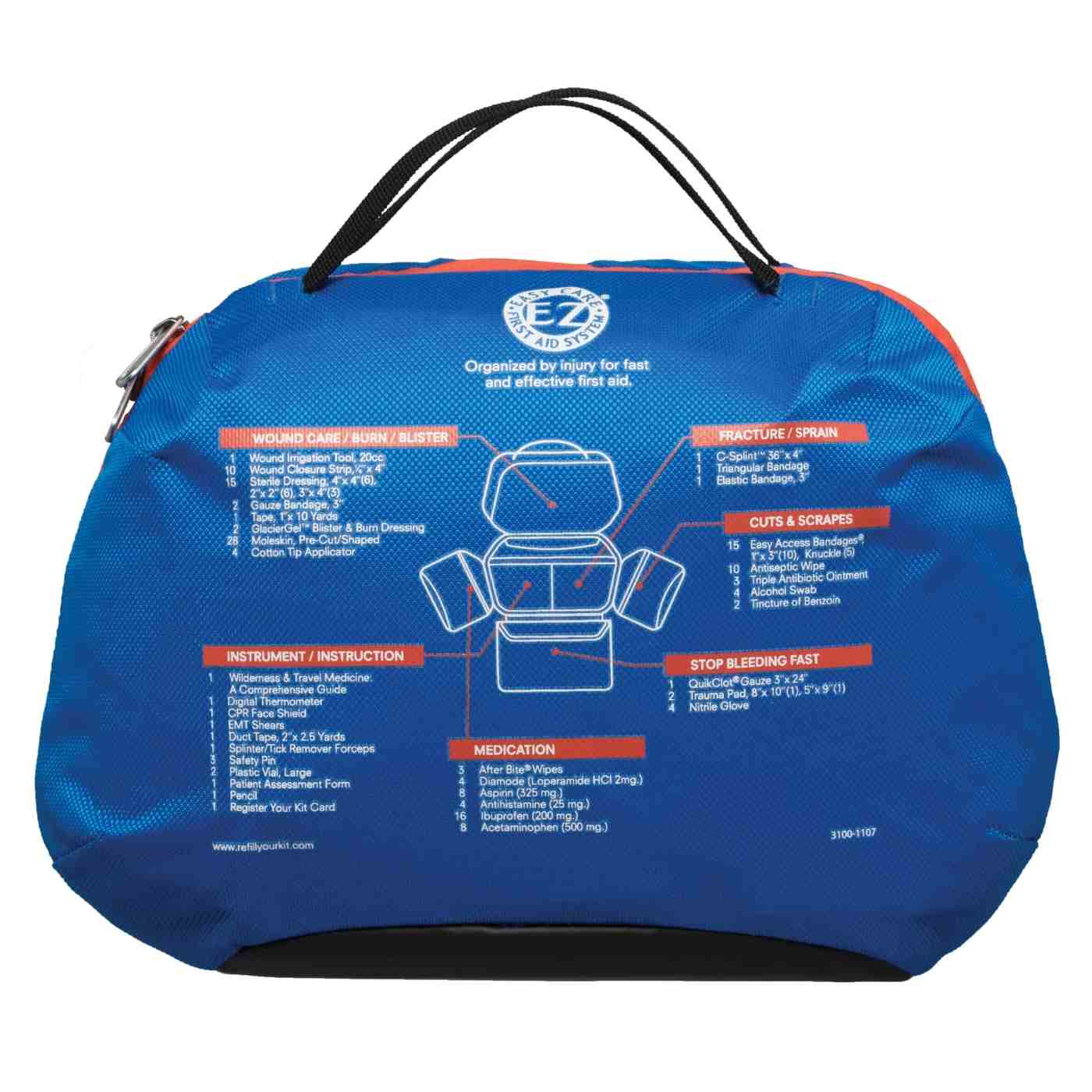
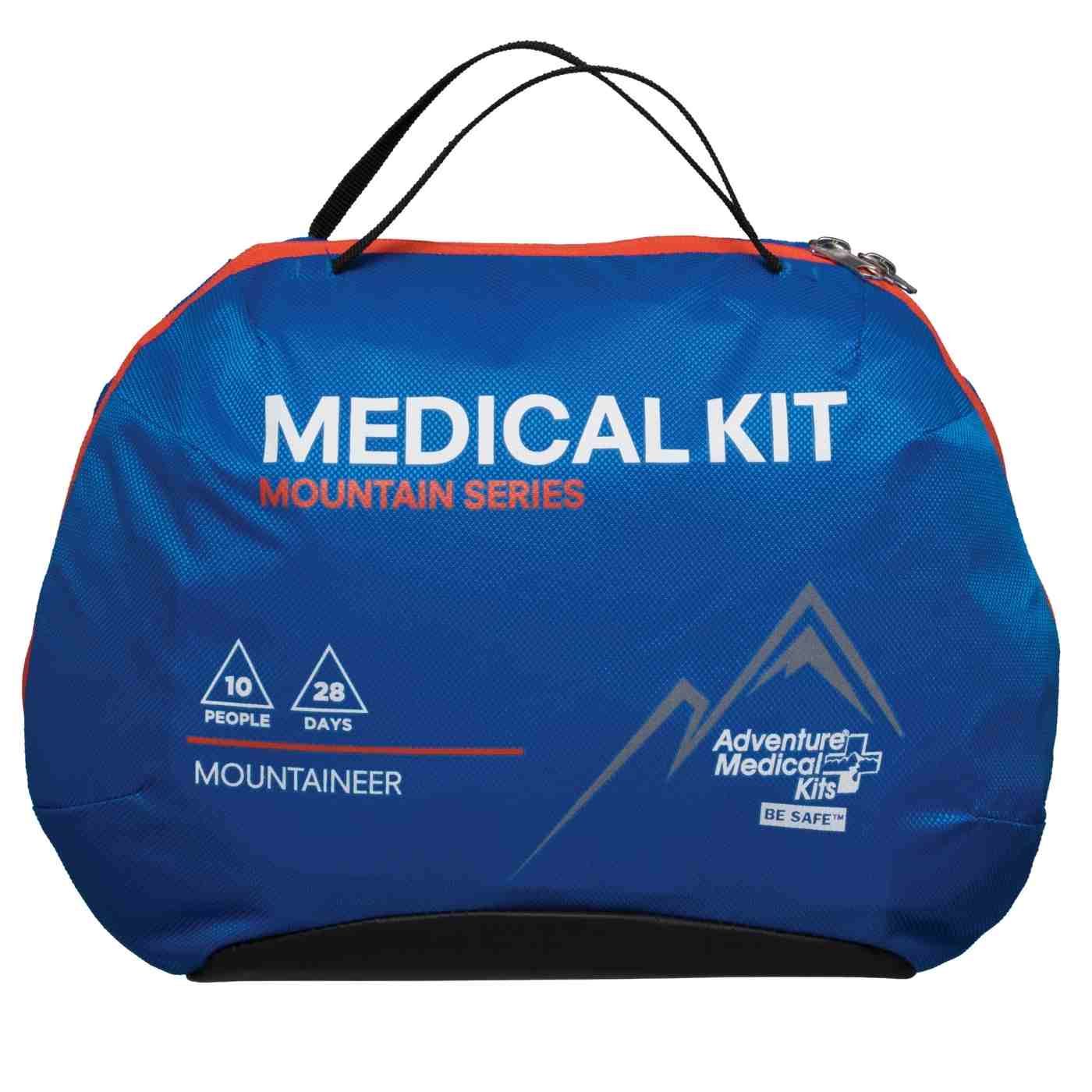
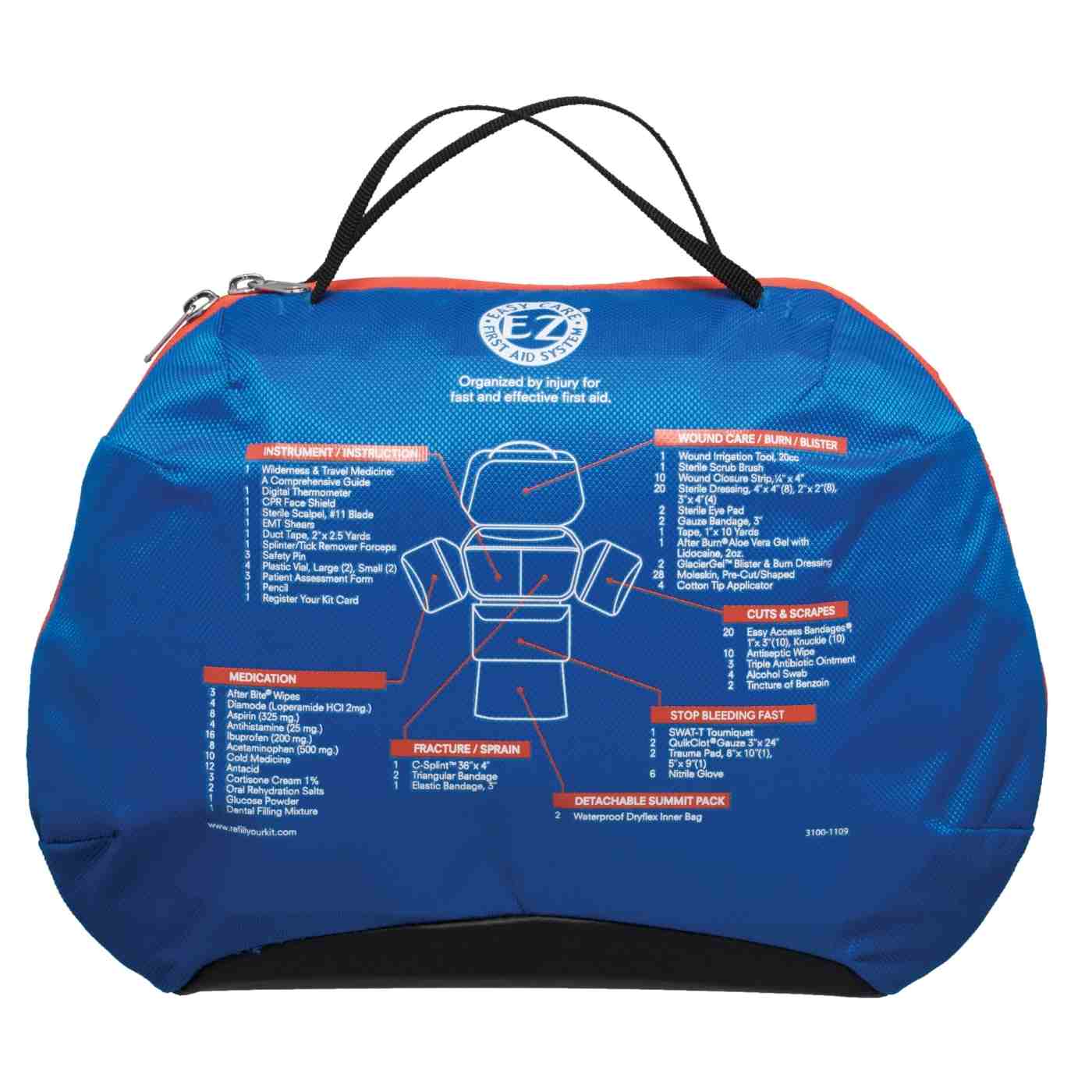
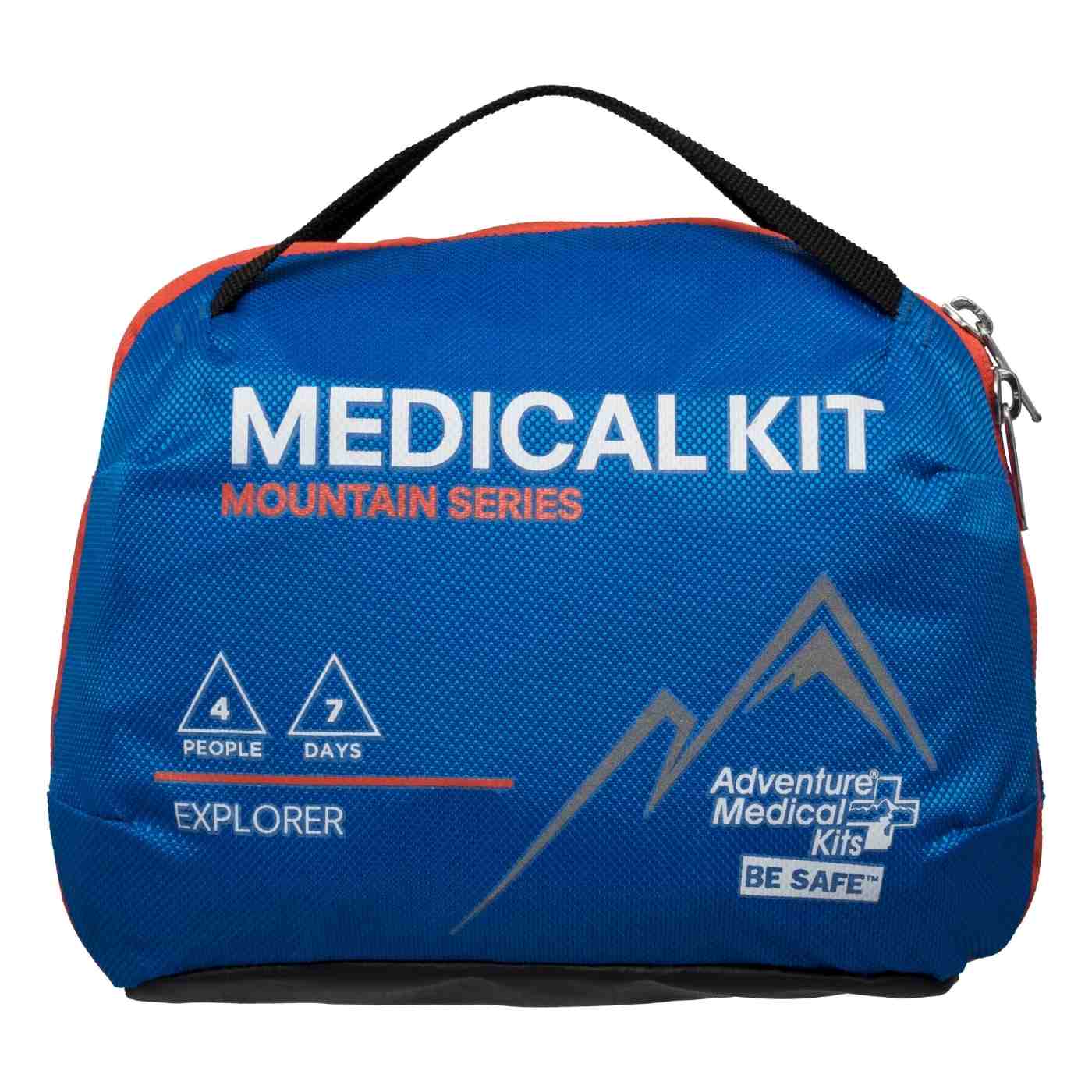
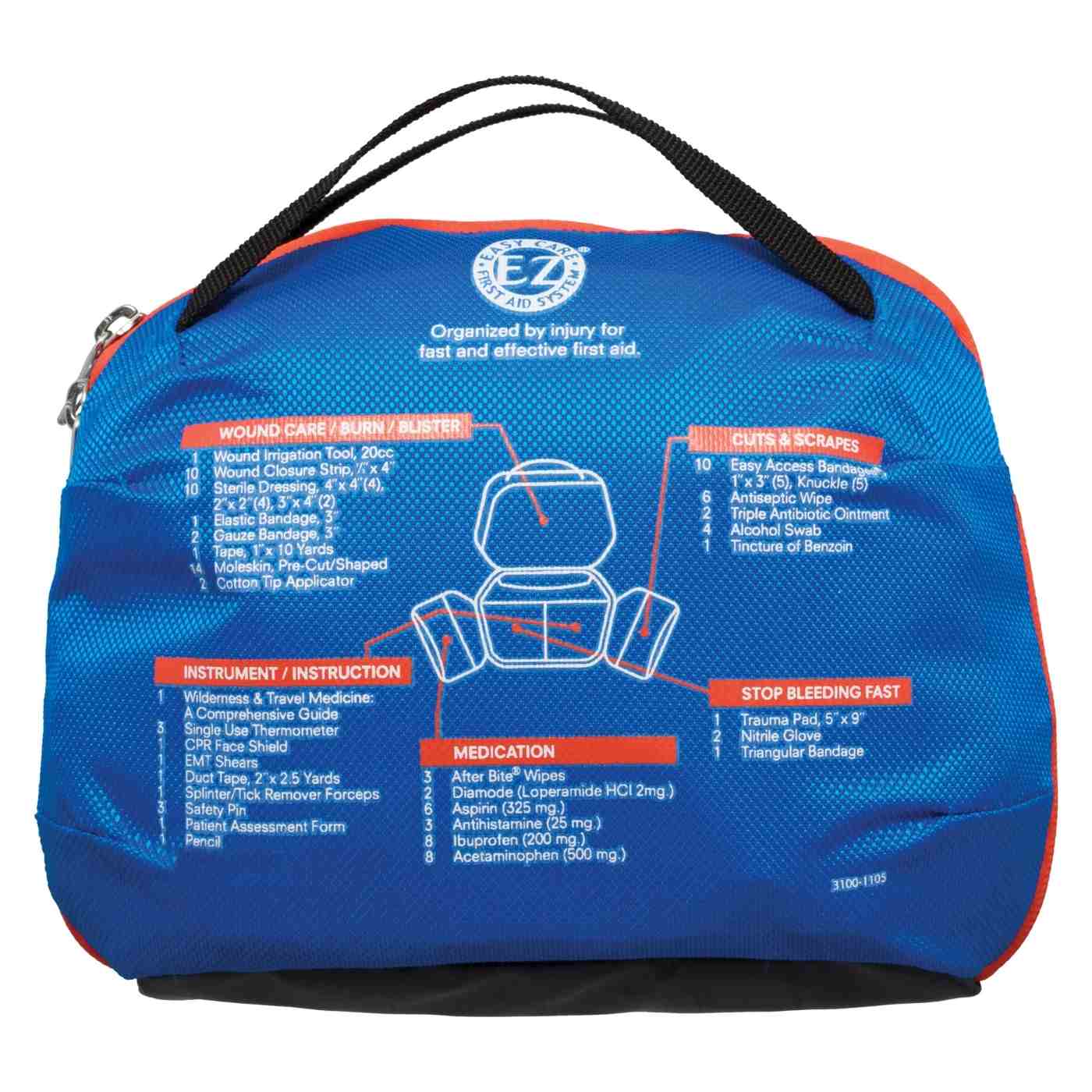
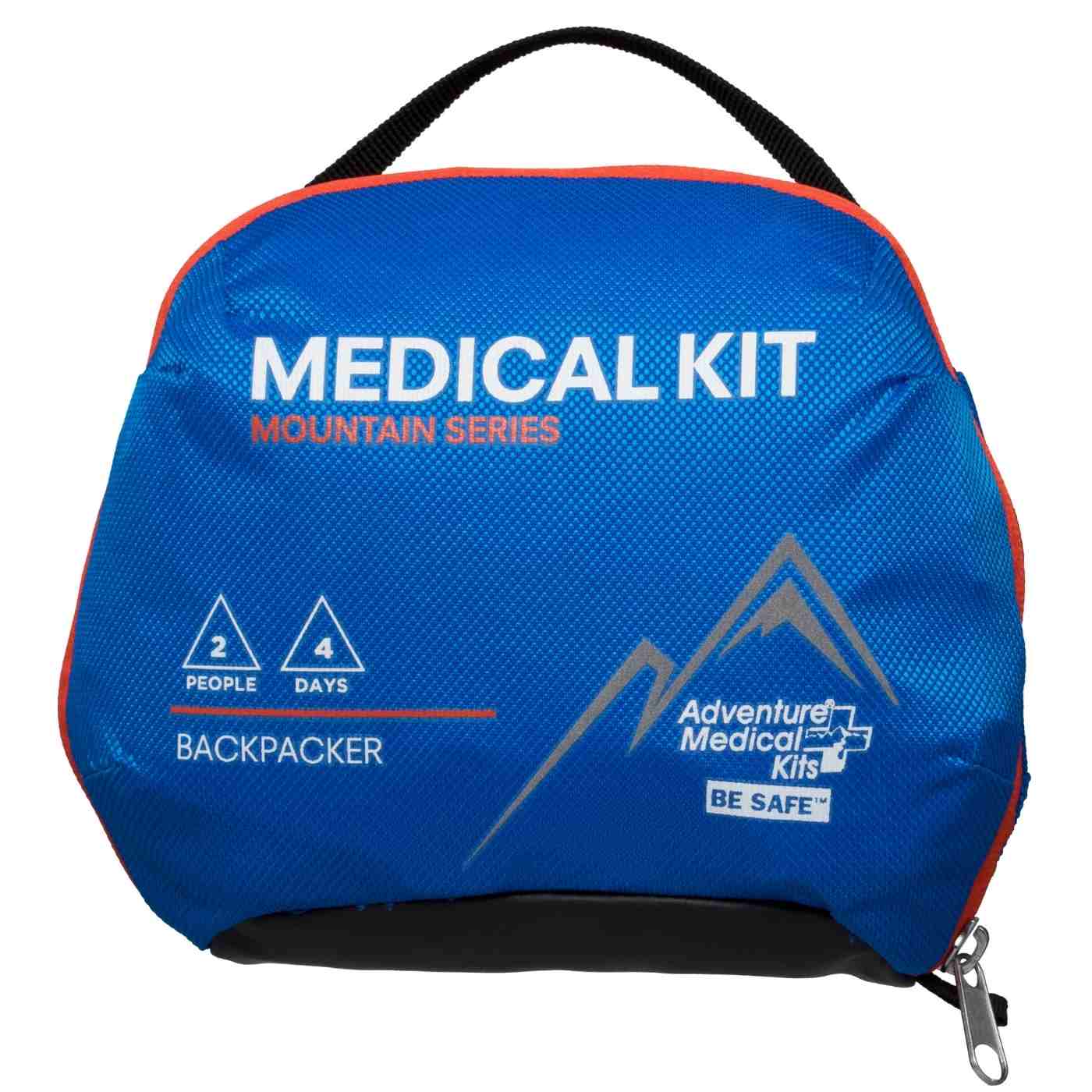
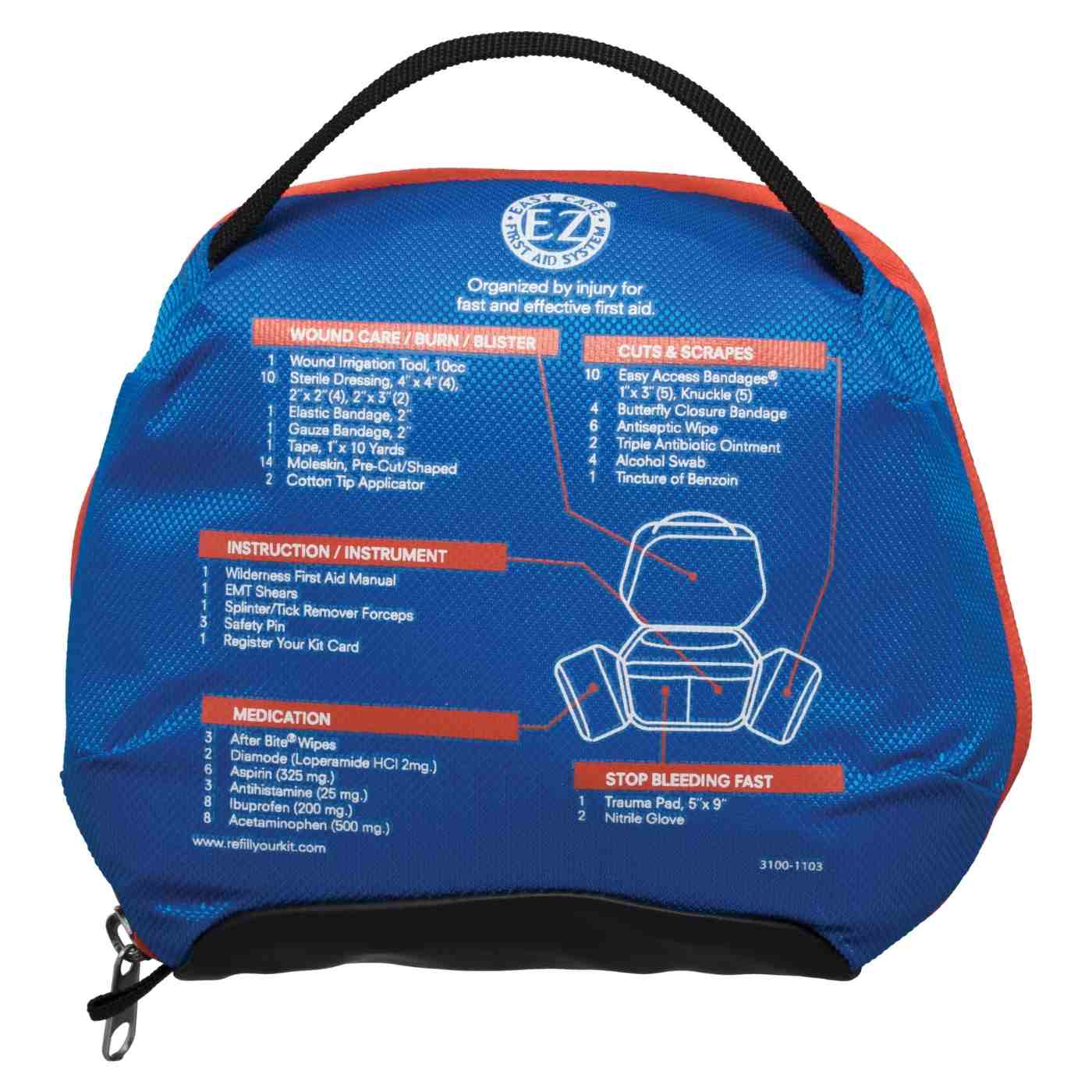
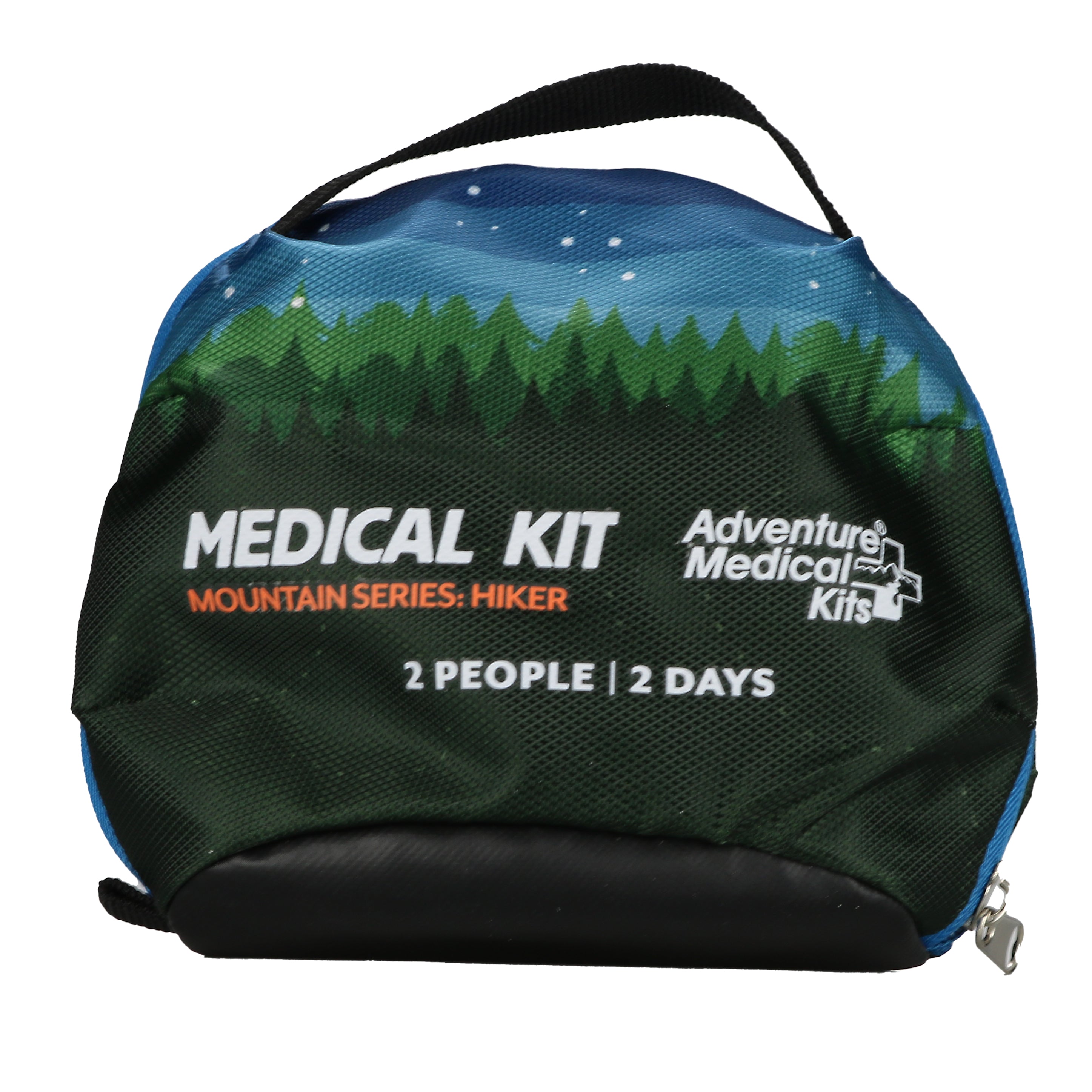
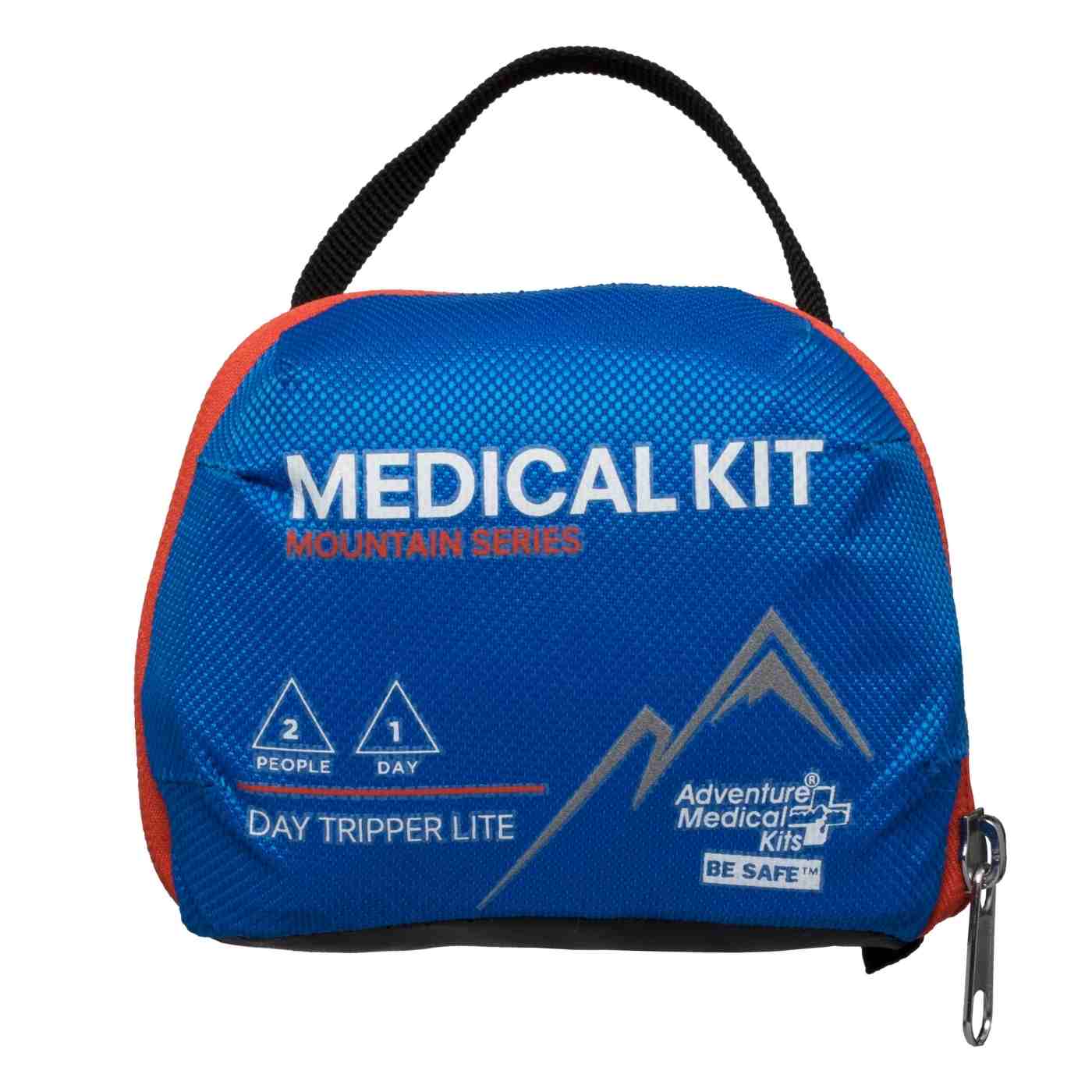
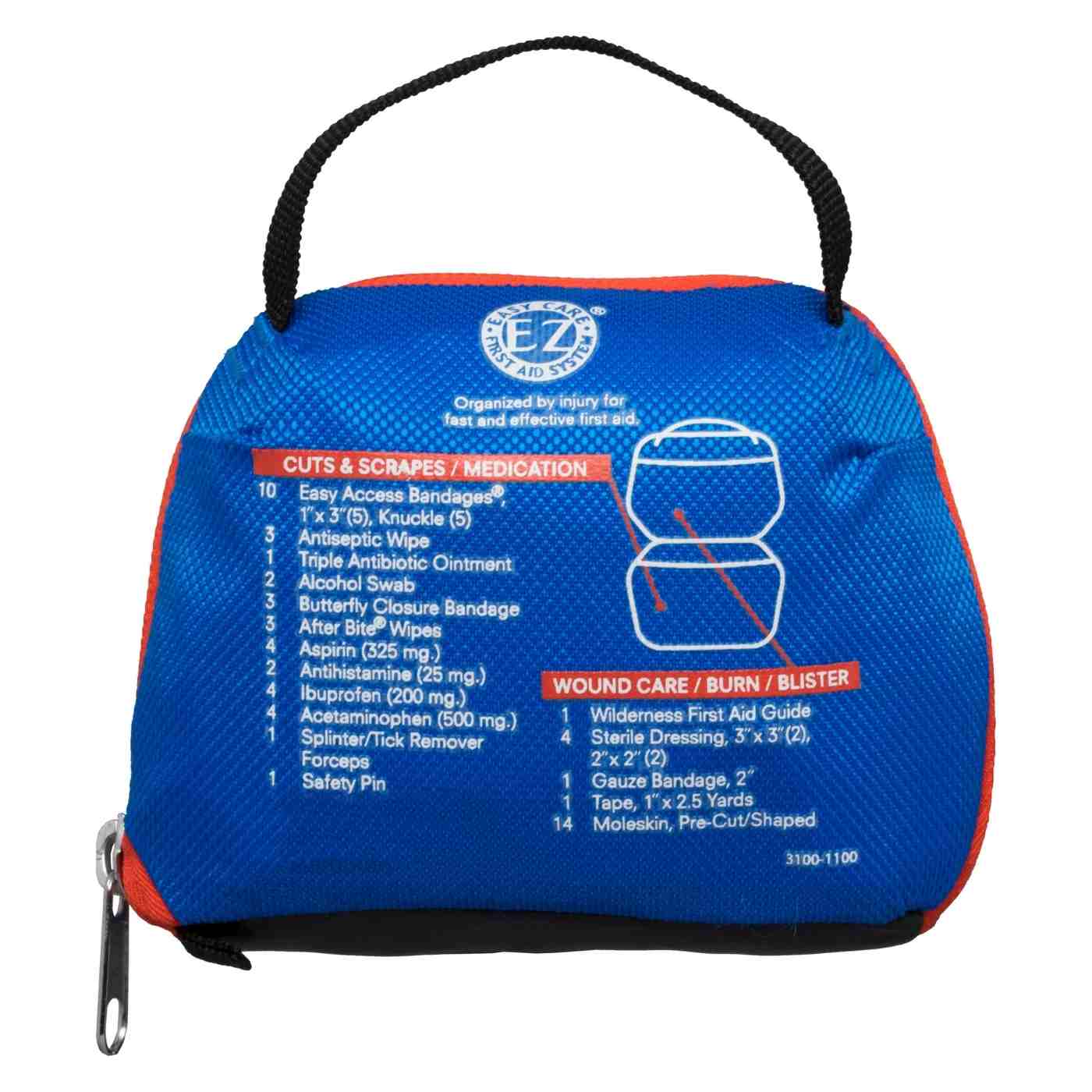
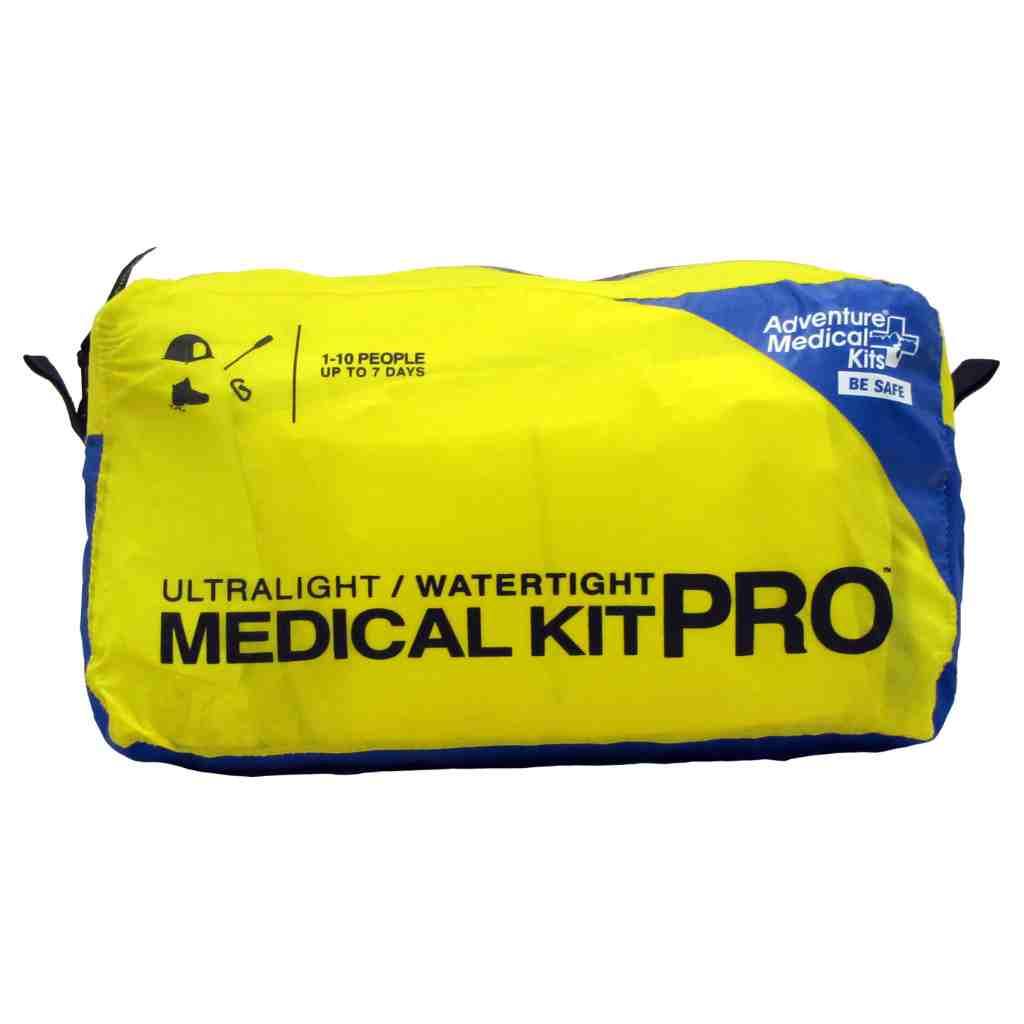
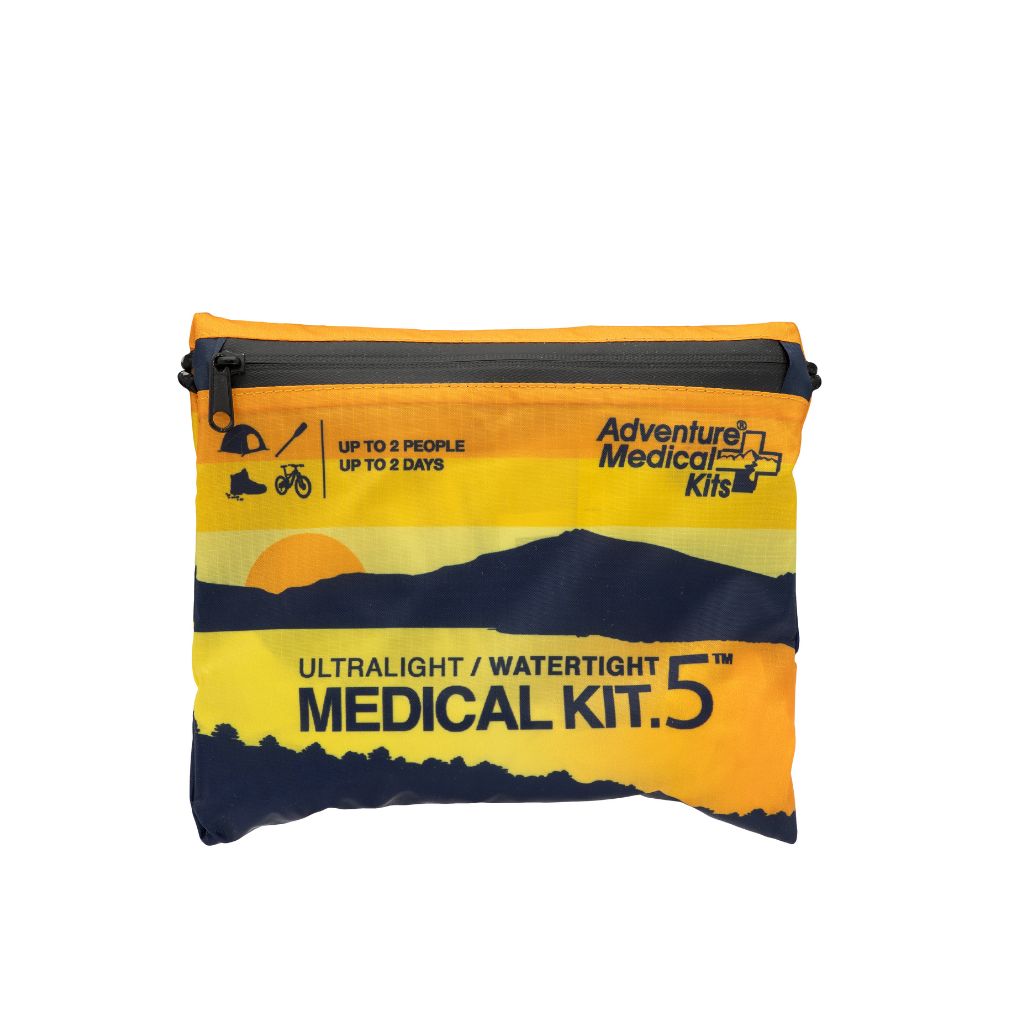
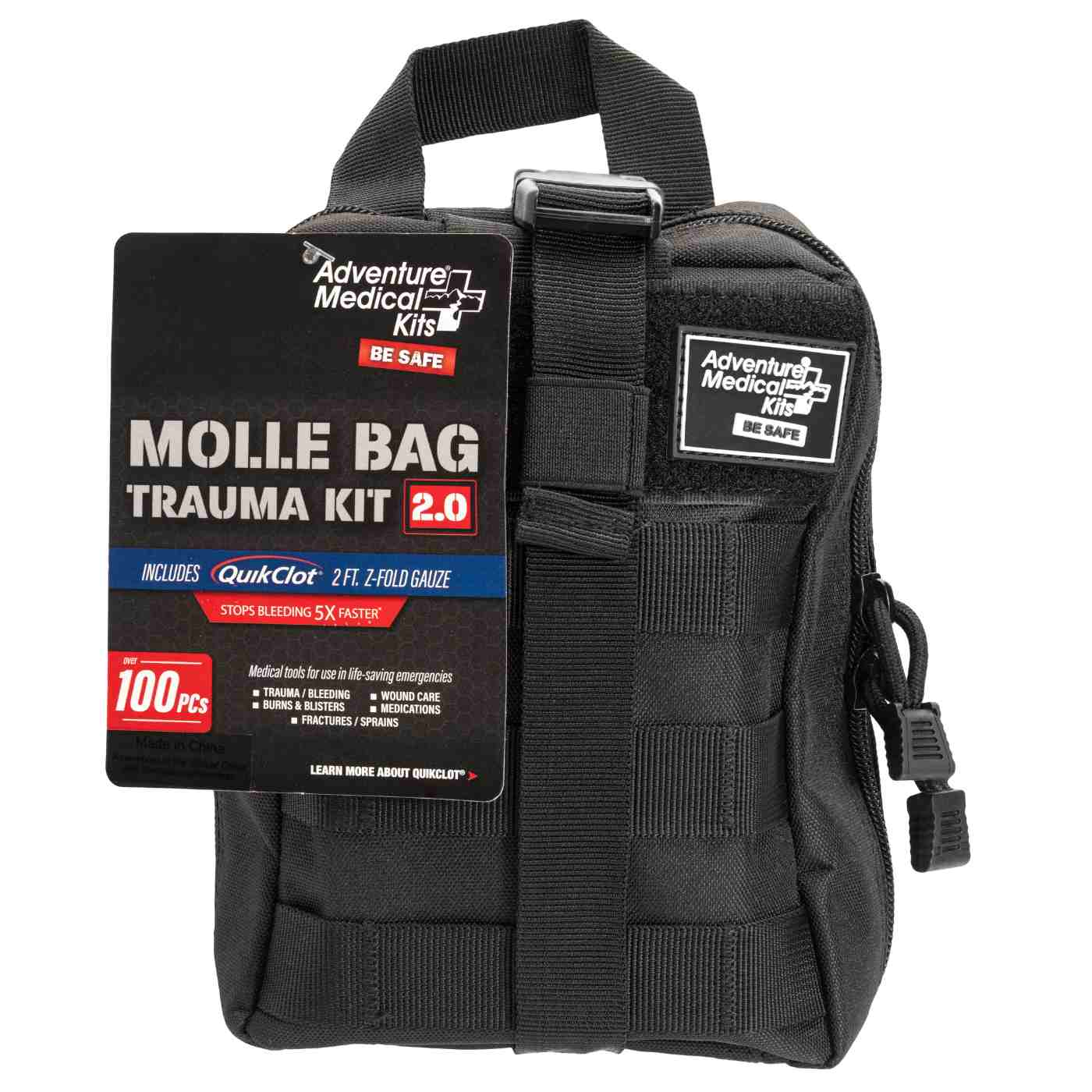
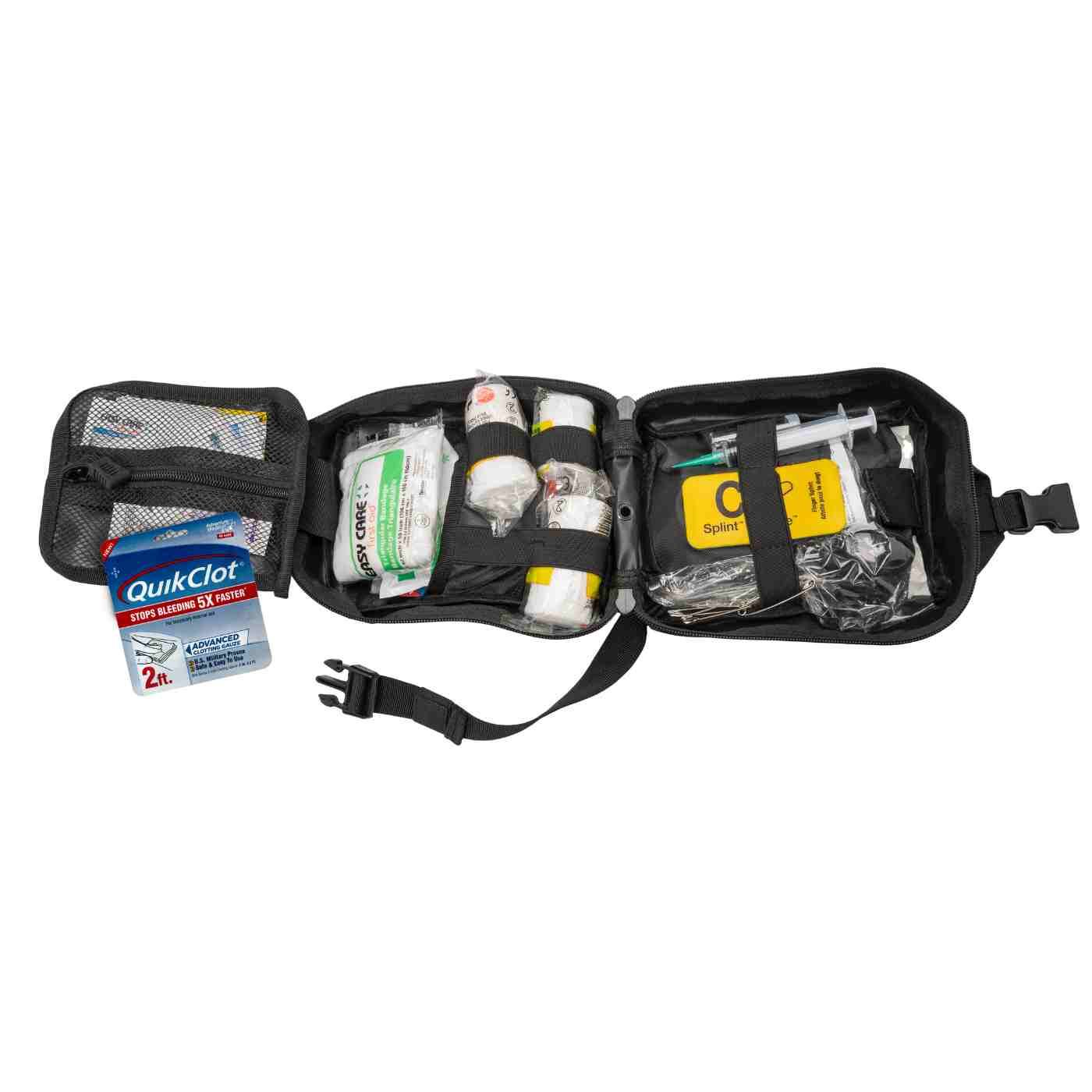
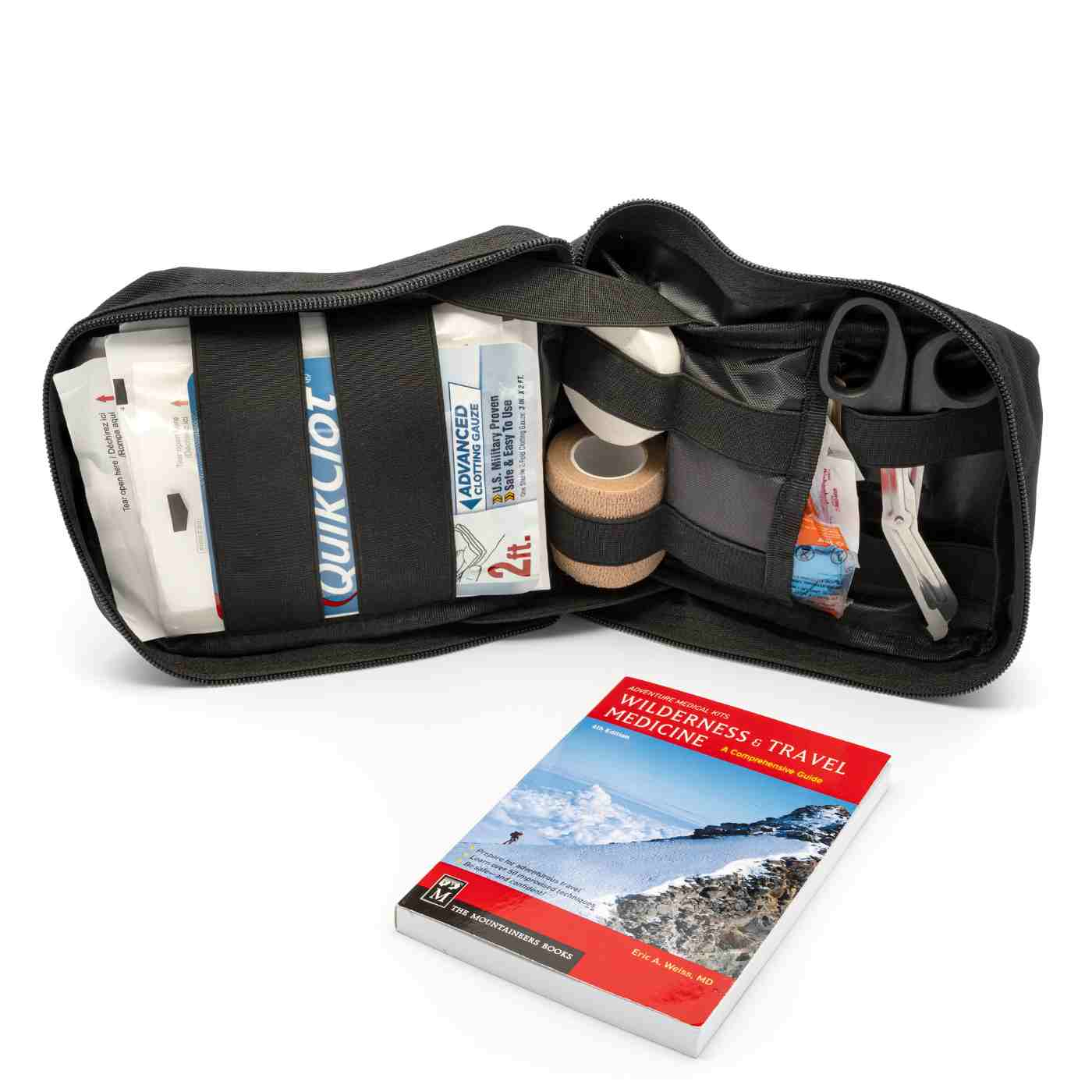
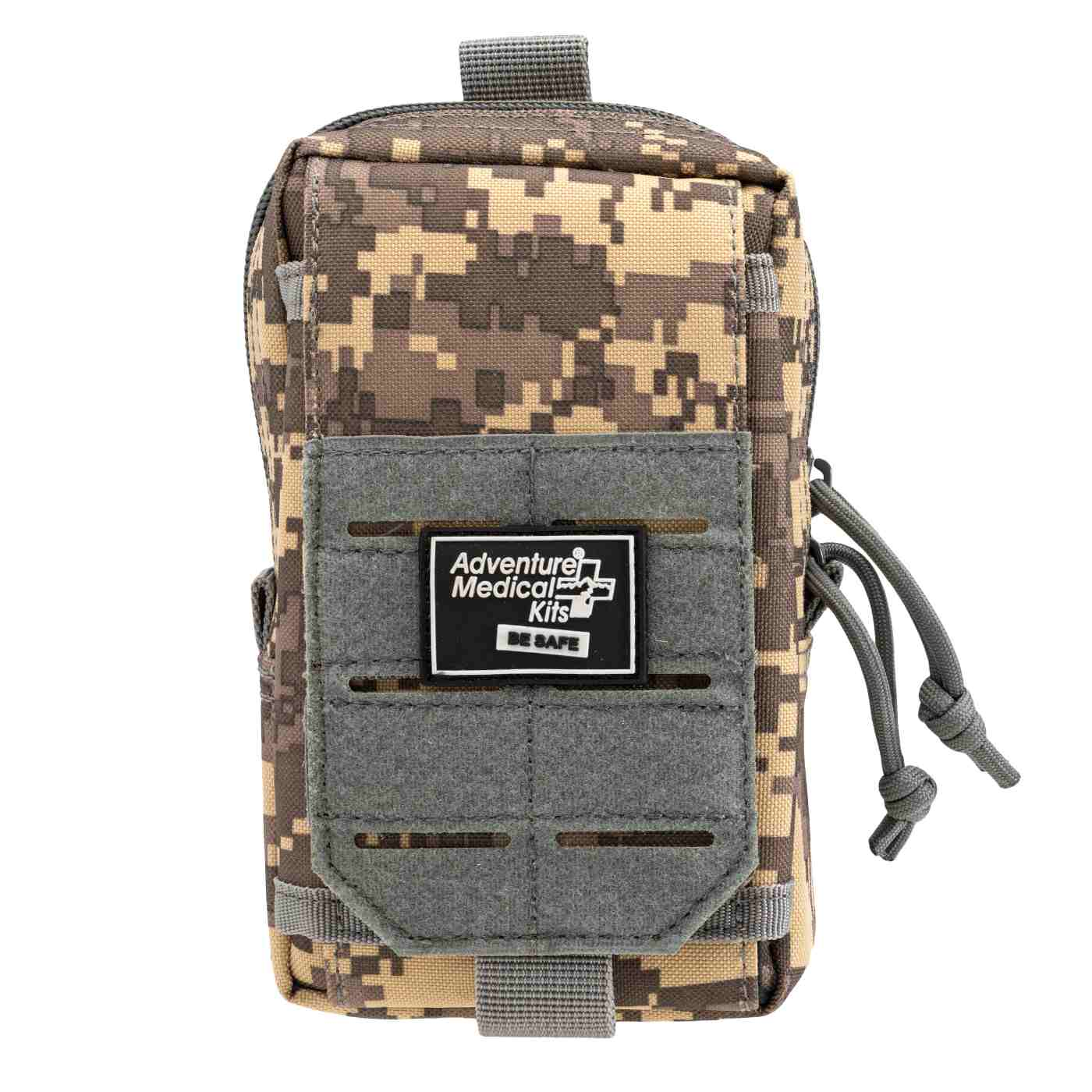
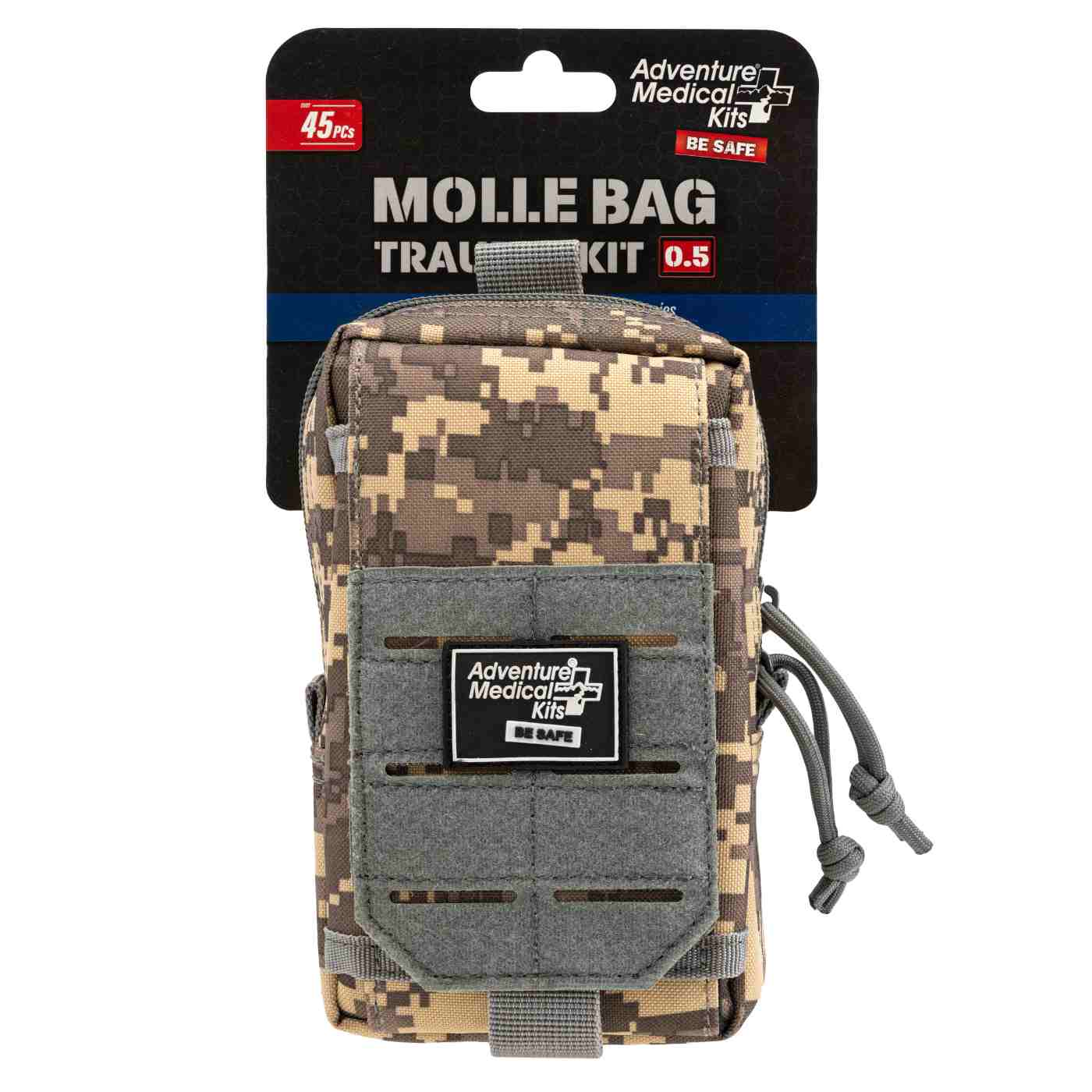
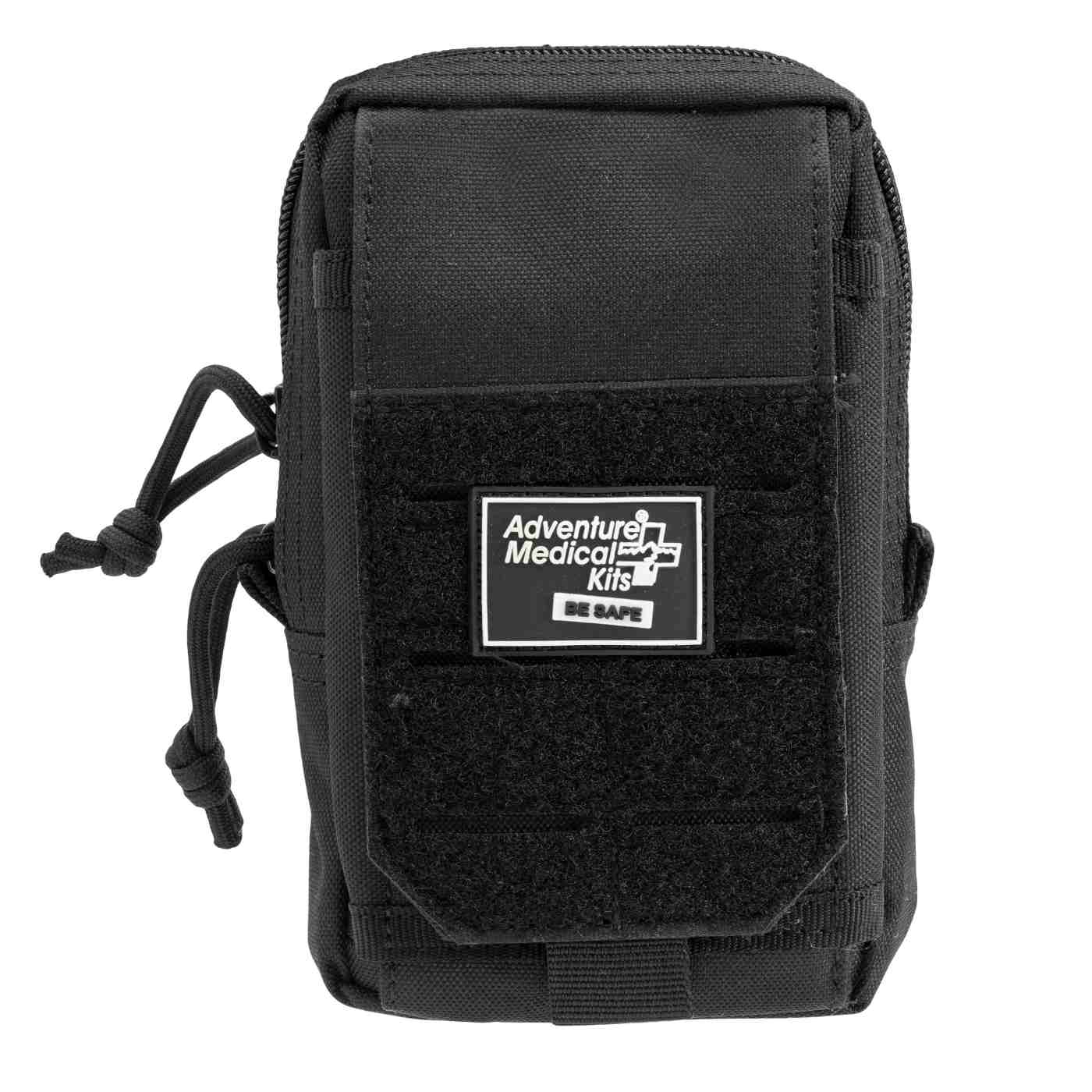
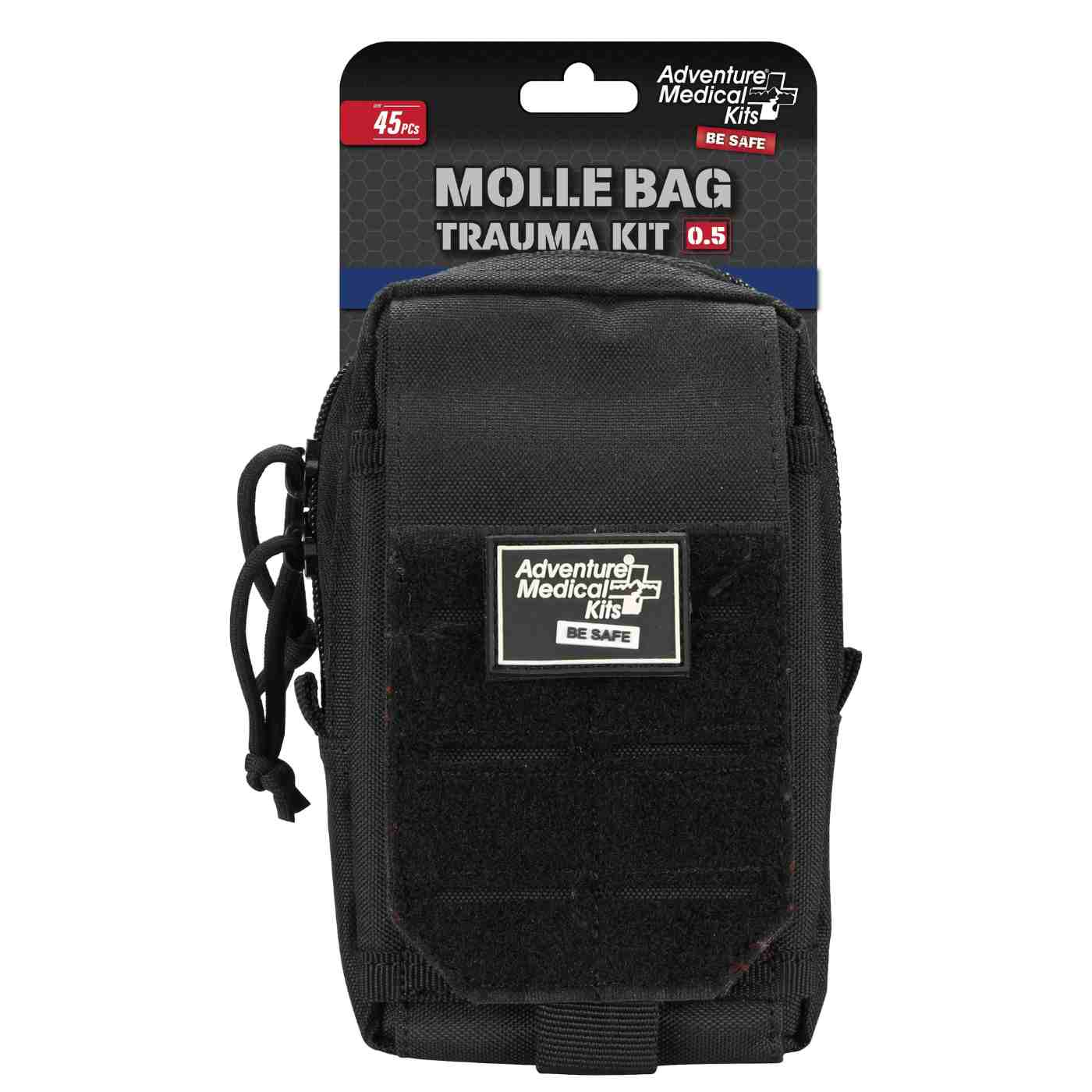
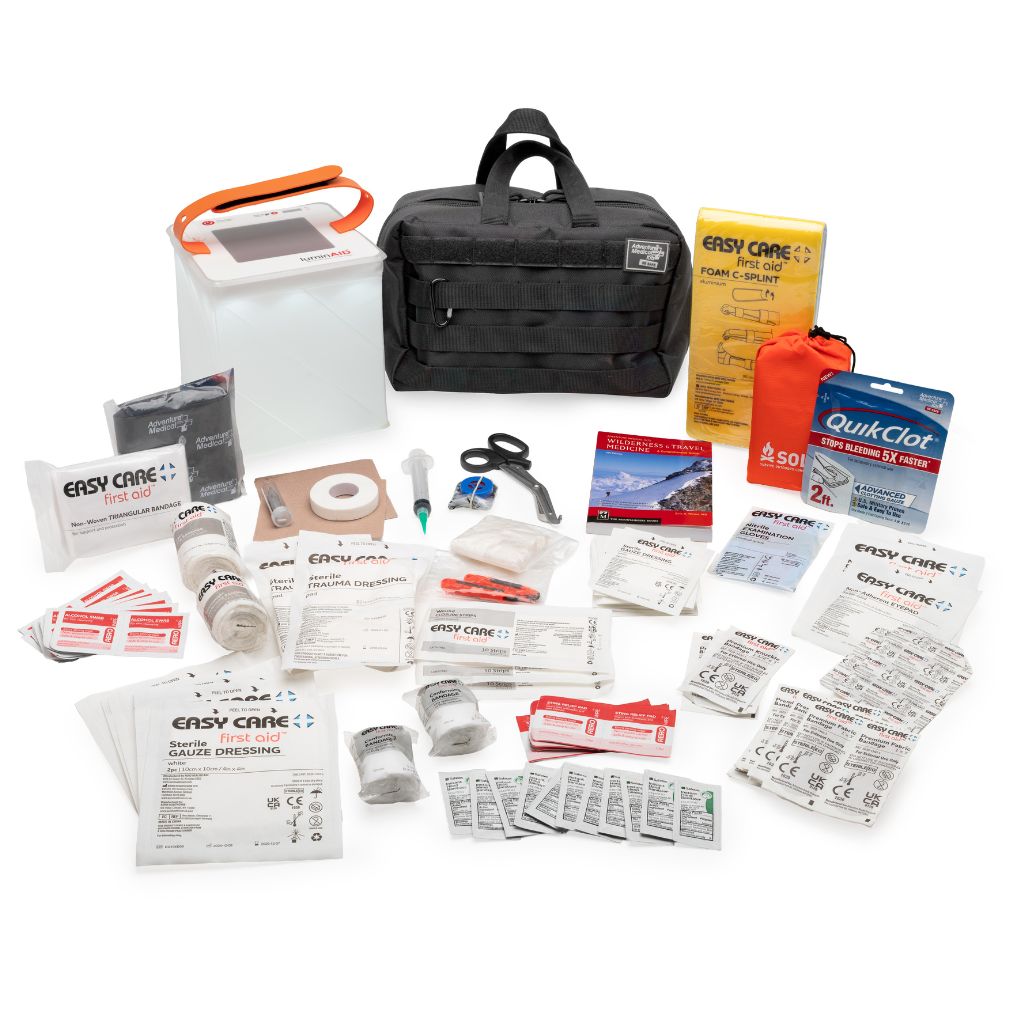
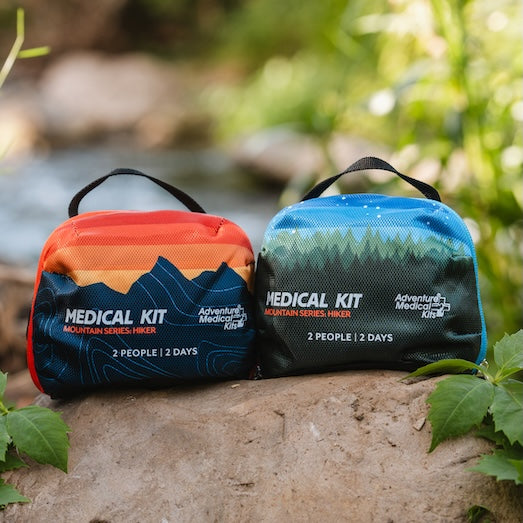
For that reason, older users, people with reduced hand dexterity, and anyone with impaired sensation may need a trained helper or clinician's assessment. Outdoor kits such as Adventure Medical Kits' Mountain Series and MOLLE series can keep supplies organized, labelled, lightweight, packable, and protected in resealable waterproof storage, while their included medical instructions can support decisions under stress.
A wrap's financial value also depends on the care setting. Reviews have reported potential reductions in material costs of more than 50% or at least 50%, along with fewer or shorter nursing appointments, but the evidence is small and often based on case series or pilot work. (Review of adjustable compression-wrap cost and care burden) Outdoor users shouldn't translate those findings into a promise of universal savings. The practical value is clearer: an adjustable wrap may reduce repeated rewrapping when the user can apply it correctly, but safe selection and monitoring remain essential.
Adventure Medical Kits offers activity-specific kits with organized, labelled compartments, quick-reference medical instructions, and supplies designed for lightweight, packable outdoor carry. Readers can explore Adventure Medical Kits to build a trail first-aid setup that keeps a compression wrap alongside the wound-care supplies needed to use it safely.