

A hiker rolls an ankle near the trailhead. By the next rest stop, the boot feels tight and swelling is visible. A stretch bandage wrap might make the ankle more comfortable, but the important question isn't how tightly it can be wrapped. It's whether the injury can be managed safely while the group decides what happens next.
An elastic stretch bandage provides compression and light support. It isn't a splint, and a neater wrap doesn't turn a serious injury into a minor one. Safe field use depends on sensible sizing, even application, and repeated checks of the exposed toes or fingers.
Table of Contents
- Choosing the Right Width for Your Injury
- Wrapping Steps and Common Mistakes
- Securing Dressings and Carrying the Wrap
- Circulation Checks Before, During and After Wrapping
- Evidence Limits for a Stretch Wrap
- Decide Whether to Wrap, Brace or Get Evaluated
Choosing the Right Width for Your Injury
A wrap should follow the limb's shape without bunching. Narrow material is easier to place around small joints. Wider material covers larger areas with fewer awkward turns, but it can fold around a small wrist or ankle.
Elastic bandage widths, typical uses and listed prices
| Product | Typical use | Listed price (2025) |
|---|---|---|
| 2-inch elastic bandage | Fingers, toes, small joints | No verified price available |
| 3-inch elastic bandage with self-closure | Wrist, small ankle, hand | $7.99 in the Walgreens self-closure listing |
| 4-inch elastic bandage with clips | Ankle, knee, elbow | $8.99 in the Walgreens bandaging-supplies listing |
| 6-inch elastic bandage with clips | Thigh, calf, larger dressings on limbs | $9.99 in the Walgreens elastic-bandage listing |
| 5-yard elastic athletic wrap | Light support and holding dressings in place | $4.19 in the Target elastic-bandage listing |
These are historical price references, not purchasing recommendations. Length and width describe different things: a long roll can still be too narrow for an easy, smooth application.
Where Compression Fits
For suspected sprains and strains, the U.S. Antarctic Program's field-first-aid guidance identifies swelling and discoloration as common signs and includes elastic-bandage compression in RICE: rest, cooling with water, snow or ice for about 15 minutes, compression, and elevation. Ice shouldn't touch bare skin.
Fit matters more than the width printed on the package. The wrap should cover the affected area and extend beyond it on either side without covering the digits needed for monitoring. For groups with different limb sizes, a spare wider roll is more useful than trying to stretch a narrow bandage harder.
Wrapping Steps and Common Mistakes
On a wet trail, a wrap that starts too tight can become uncomfortable as the limb swells or the person stands. Apply it for comfort and swelling control, then reassess. It cannot stabilize an injured joint by itself.
A Controlled Application
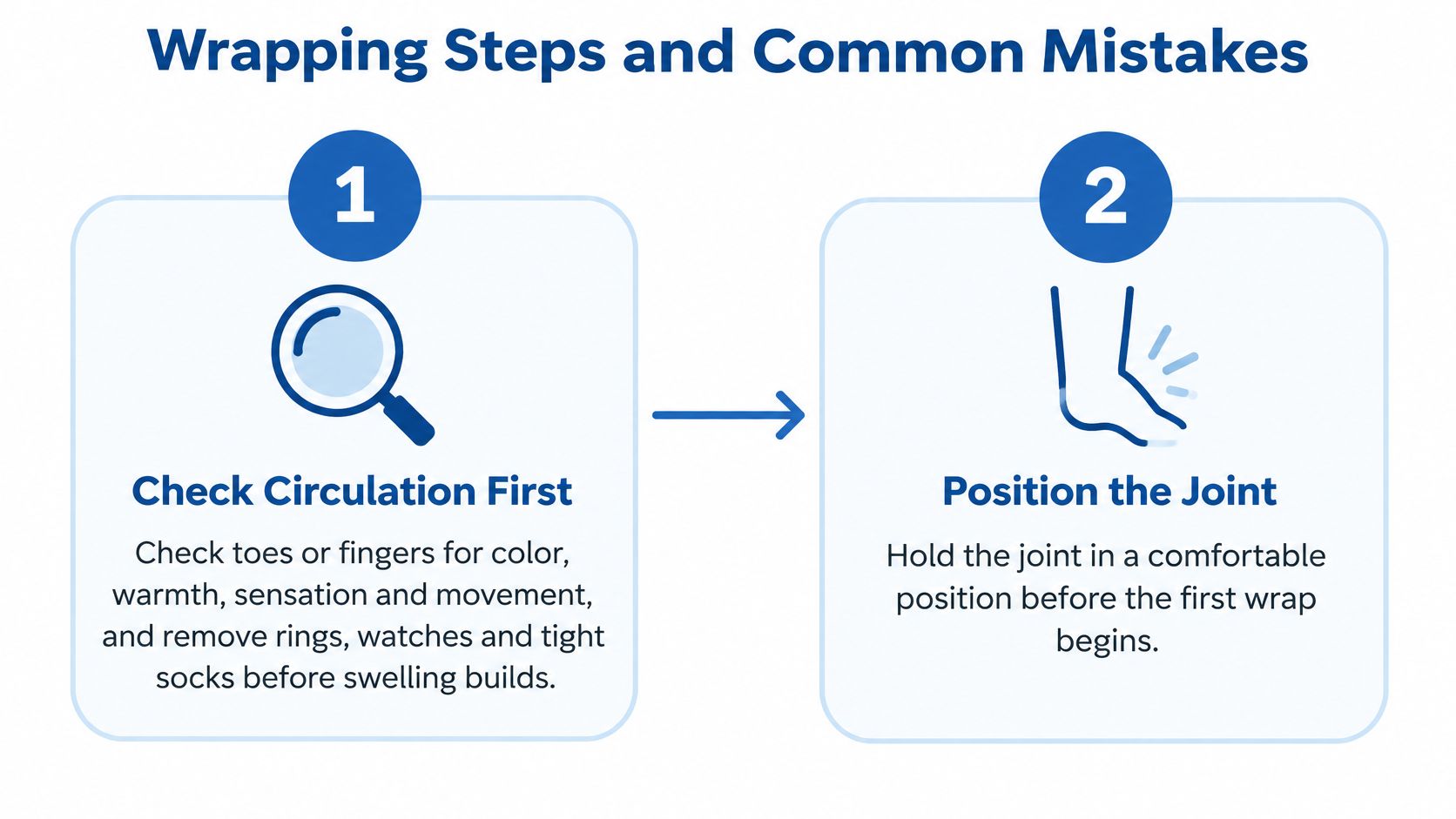
- Establish a baseline. Briefly check the exposed toes or fingers and note how they feel before wrapping. Remove rings, watches and constricting socks before swelling makes them difficult to remove. Use the full criteria in Circulation Checks Before, During and After Wrapping for the detailed reassessment.
- Position comfortably. Support the injured joint in a comfortable position. Don't force it straight or bend it to make the wrapping pattern easier.
- Anchor below the injury. Use smooth turns to hold the starting end. Work toward the heart rather than concentrating pressure in a narrow ring.
- Keep overlap even. About half-width overlap is a practical starting point. Lay each turn flat with steady, gentle tension; avoid alternating loose and tight sections.
- Follow the ankle's contours. A figure-of-eight can pass beneath the arch and around the ankle and heel, then continue upward. Avoid sharp direction changes that leave a cord-like fold across the foot.
- Set comfortable tension. Stop when the wrap feels snug and the toes keep normal color and feeling. A finger beneath the upper edge is only a rough fit check, so use comfort and the circulation checks to guide the fit.
- Secure the tail. Fasten the material without pressing closure hardware against the skin.
- Reassess before moving on. The Scouting wilderness first-aid curriculum advises wrapping from below the injury toward the heart, checking circulation within 15 minutes, and checking bandages often. Standing or walking is appropriate only when the injury assessment supports it.
A controlled study of 30 healthy subjects found that interface pressure depended strongly on bandage properties and overlap, and increased when participants moved from lying down to standing. Stretch alone is therefore an unreliable guide to pressure. Recheck the fit after a position change, and loosen or remove the wrap if it becomes uncomfortable.
The demonstration below shows the hand movements. Let the injured person's comfort and circulation guide the application.
Troubleshooting an Uneven Wrap
- Fully stretched turns: These leave little give as the limb changes. Remove the wrap and apply it again with gentler tension instead of pulling the next turn harder.
- Ridges or folds: Smooth a minor wrinkle with your palm during application. Unwind and re-lay any fold buried beneath another turn.
- Too little coverage: A narrow band around the sore spot can concentrate pressure. Extend coverage beyond the affected area.
- Inconsistent overlap: Gaps encourage slipping, while piled-up turns increase pressure in one place. Use a steady pattern that is easy to monitor.
- Wrapping over the existing wrap: Extra material hides the skin and changes pressure. Remove the old application before reassessing and rewrapping.
- Dirty or exhausted elastic: Take a soiled roll or material that no longer springs back out of service.
Practice rule: Learn the hand movements on a partner's uninjured ankle at home, not on an injured ankle on a wet trail.
Securing Dressings and Carrying the Wrap
A stretch bandage wrap also holds a gauze pad against a limb. The pad belongs centered over the wound, with its edges flat beneath the bandage. Gentle, firm turns should anchor the dressing without squeezing the whole limb.
Active bleeding needs direct pressure first. Covering blood with an elastic wrap alone isn't adequate bleeding control. Severe or persistent bleeding requires urgent action, appropriate first-aid measures and emergency assistance.
Closures and Skin Contact
- Clips: These can secure wider wraps, provided the teeth engage the fabric and the hardware stays away from skin.
- Self-closure: This avoids separate hardware. The fastening area still needs checking for folds and rubbing.
- Missing closure: Tucking the tail beneath the final turn can hold it temporarily. Pins that could dig into skin are a poor field workaround.
An elastic wrap shouldn't be expected to solve every dressing problem. For friction injuries, blister tape for feet addresses a different task: protecting vulnerable skin rather than compressing a limb.
Packing for Access
The roll should stay clean, compact and easy to open. A labeled waterproof storage spot helps a helper find it without emptying the pack. A wet wrap needs removal for drying or replacement; a dirty or permanently stretched roll needs replacing.
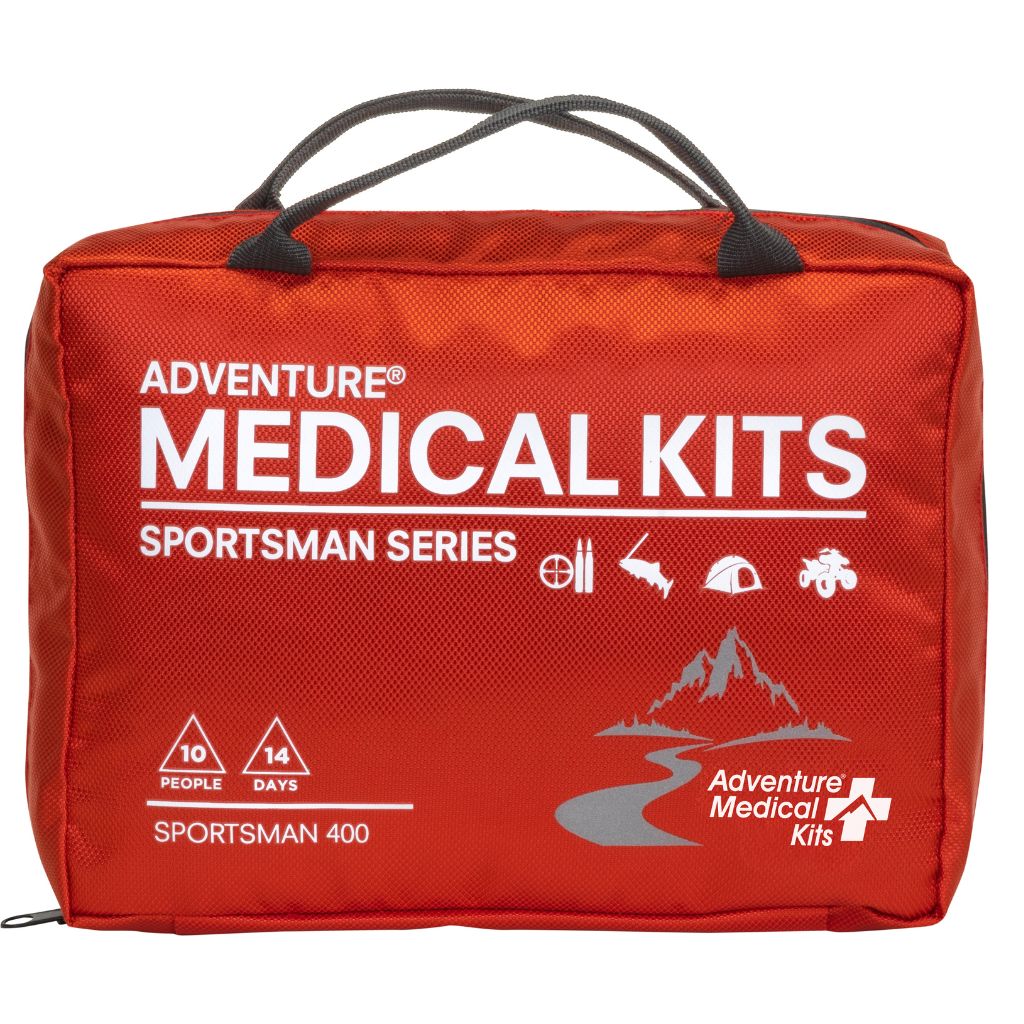
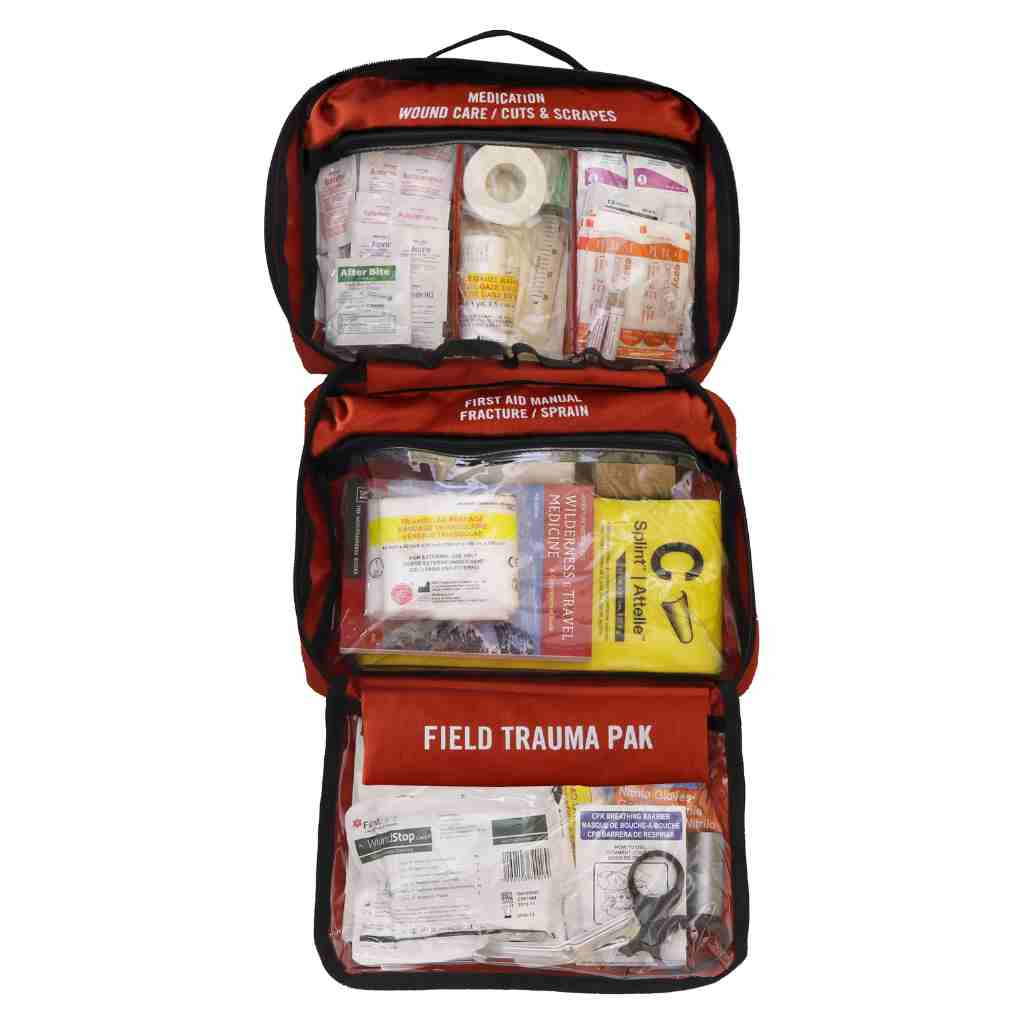
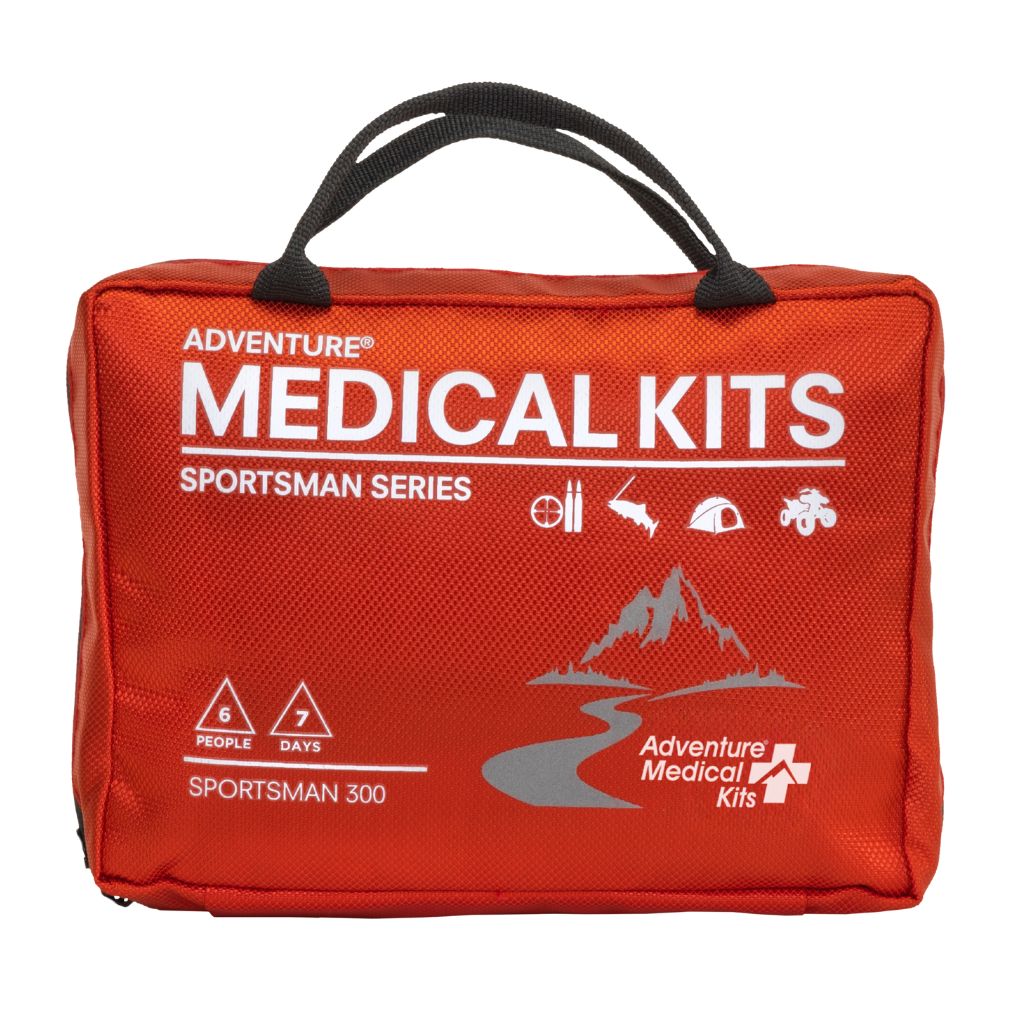
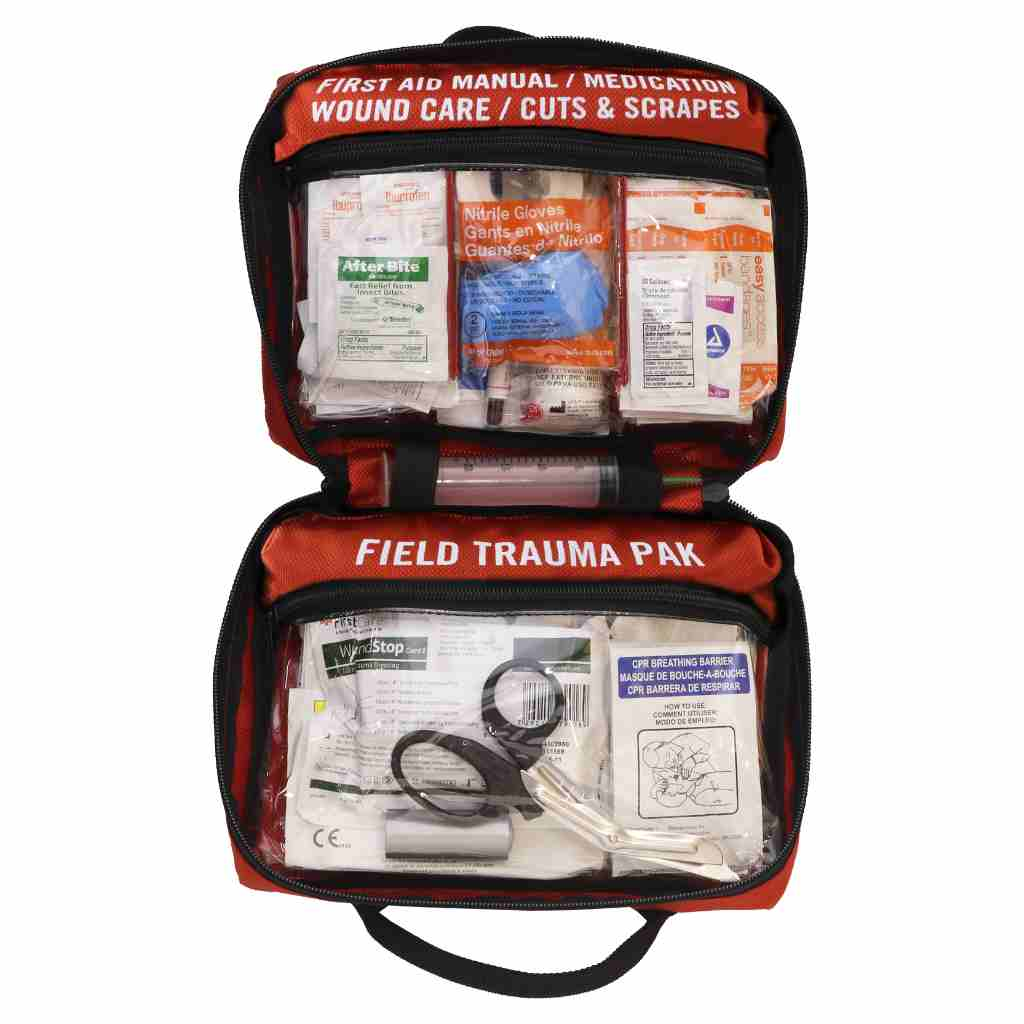
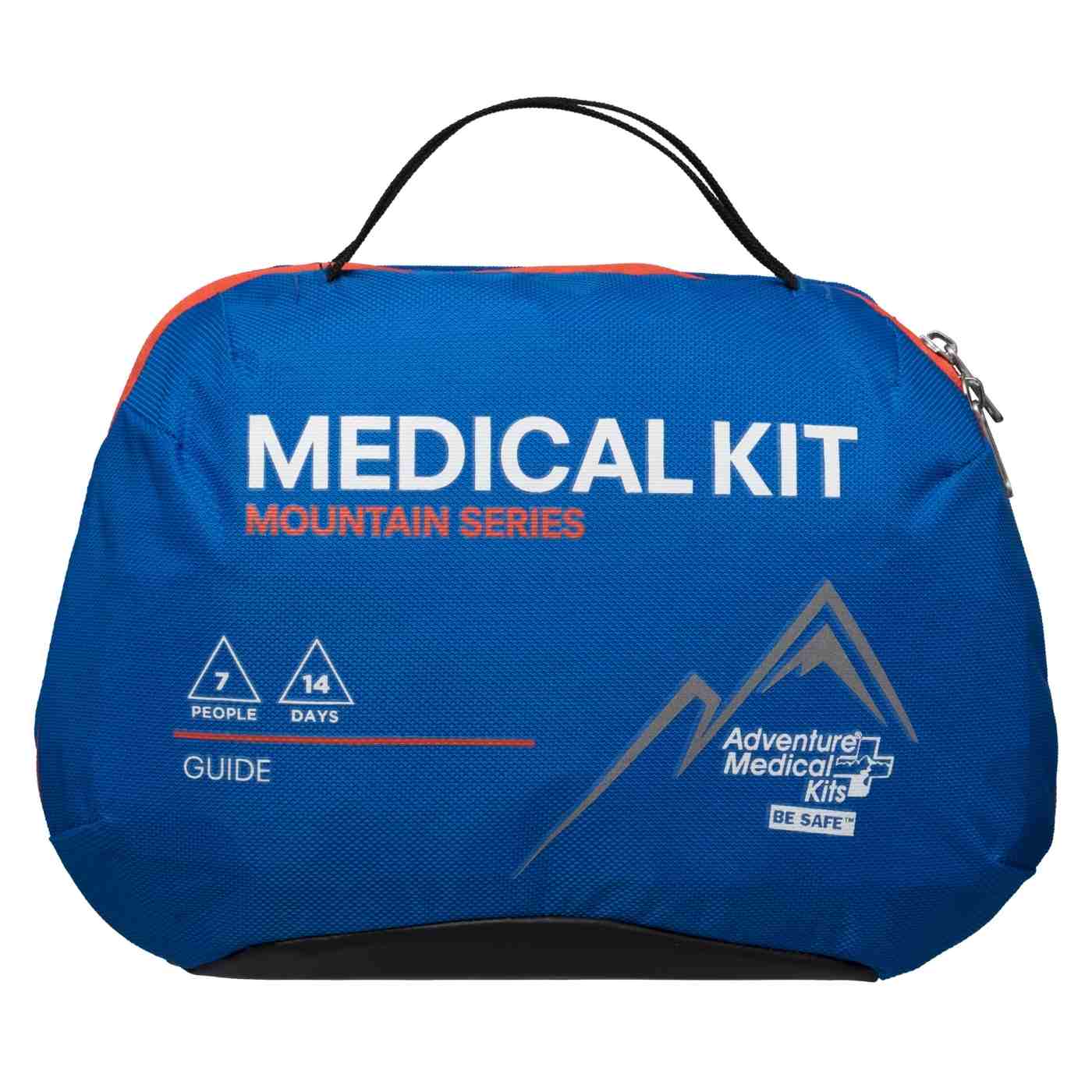
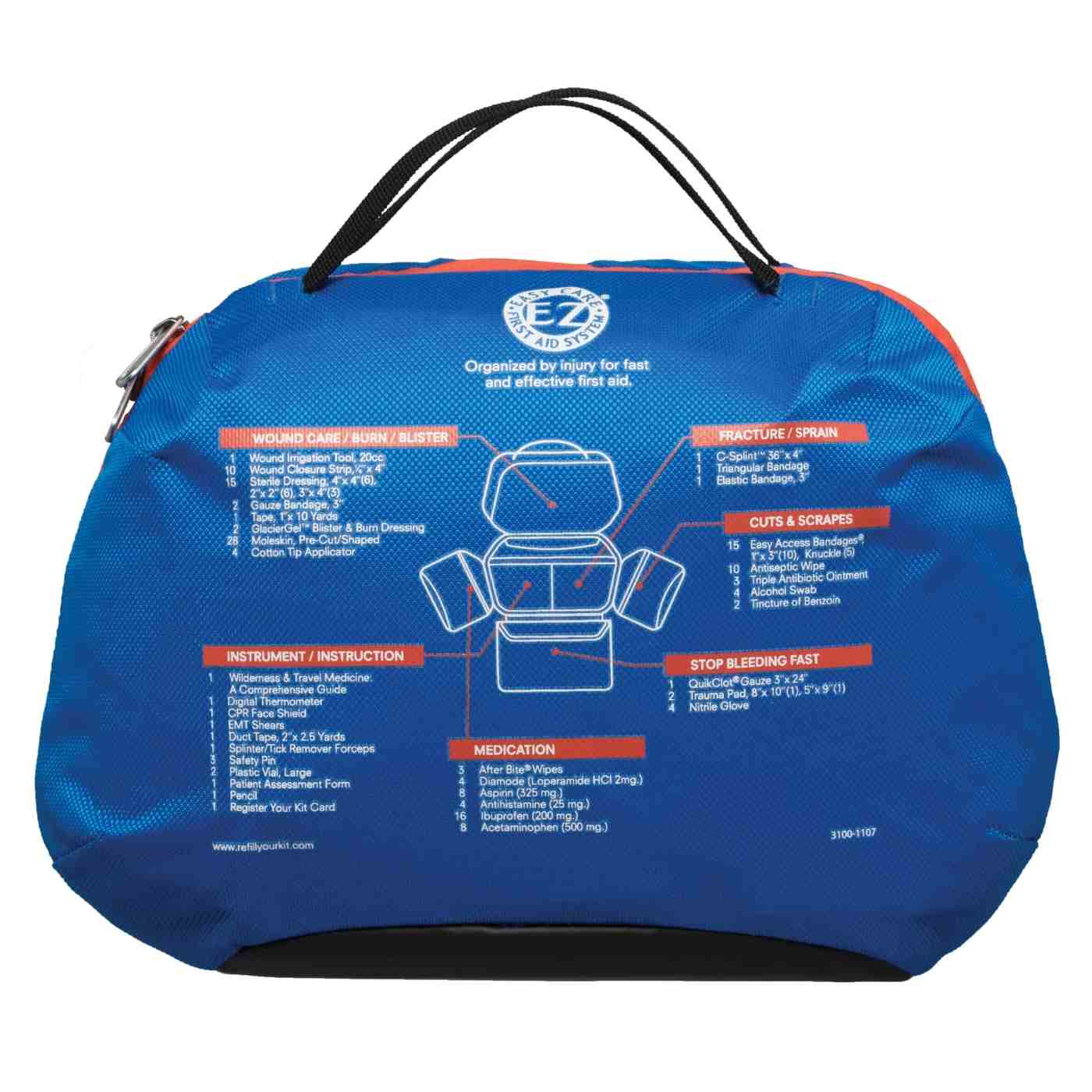
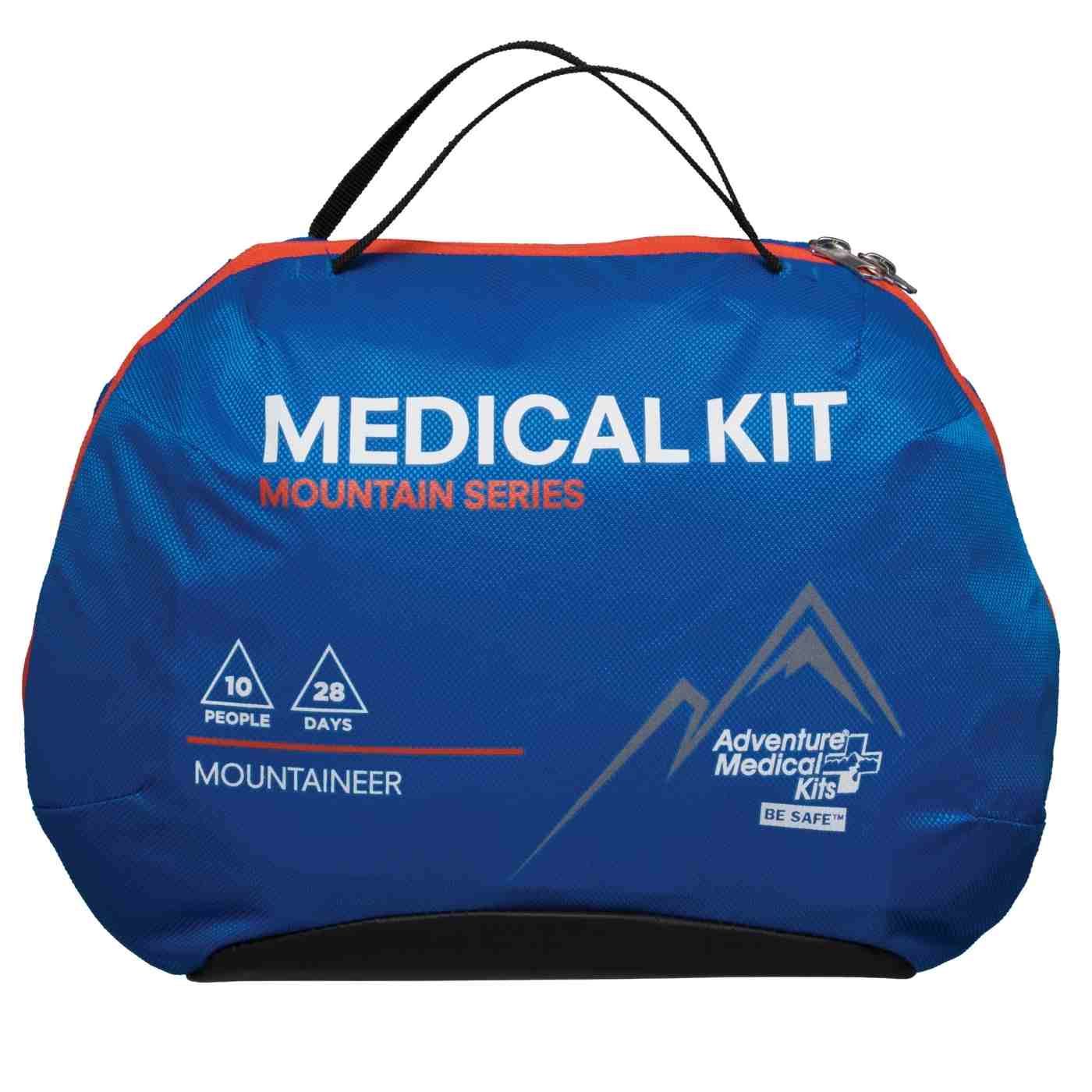
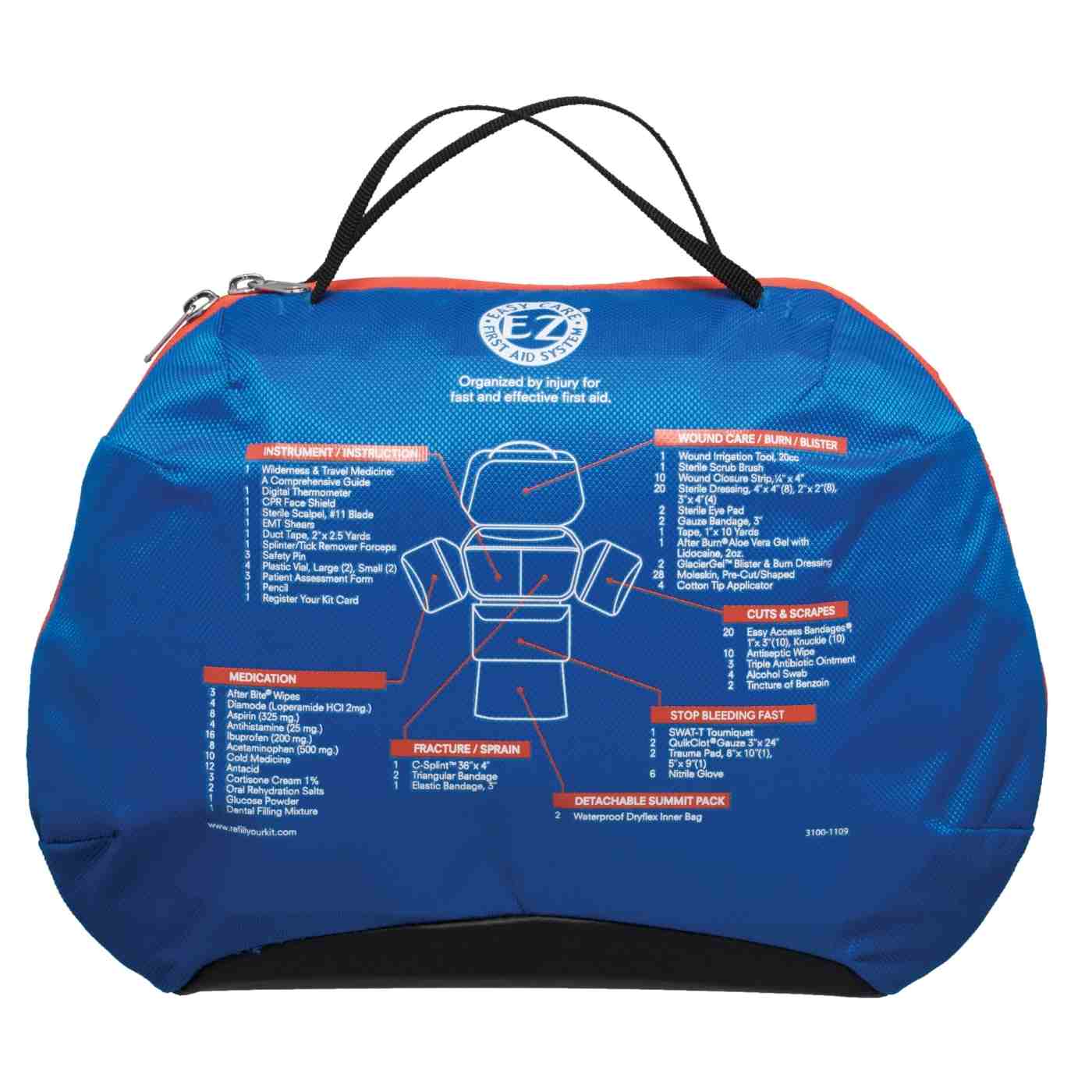
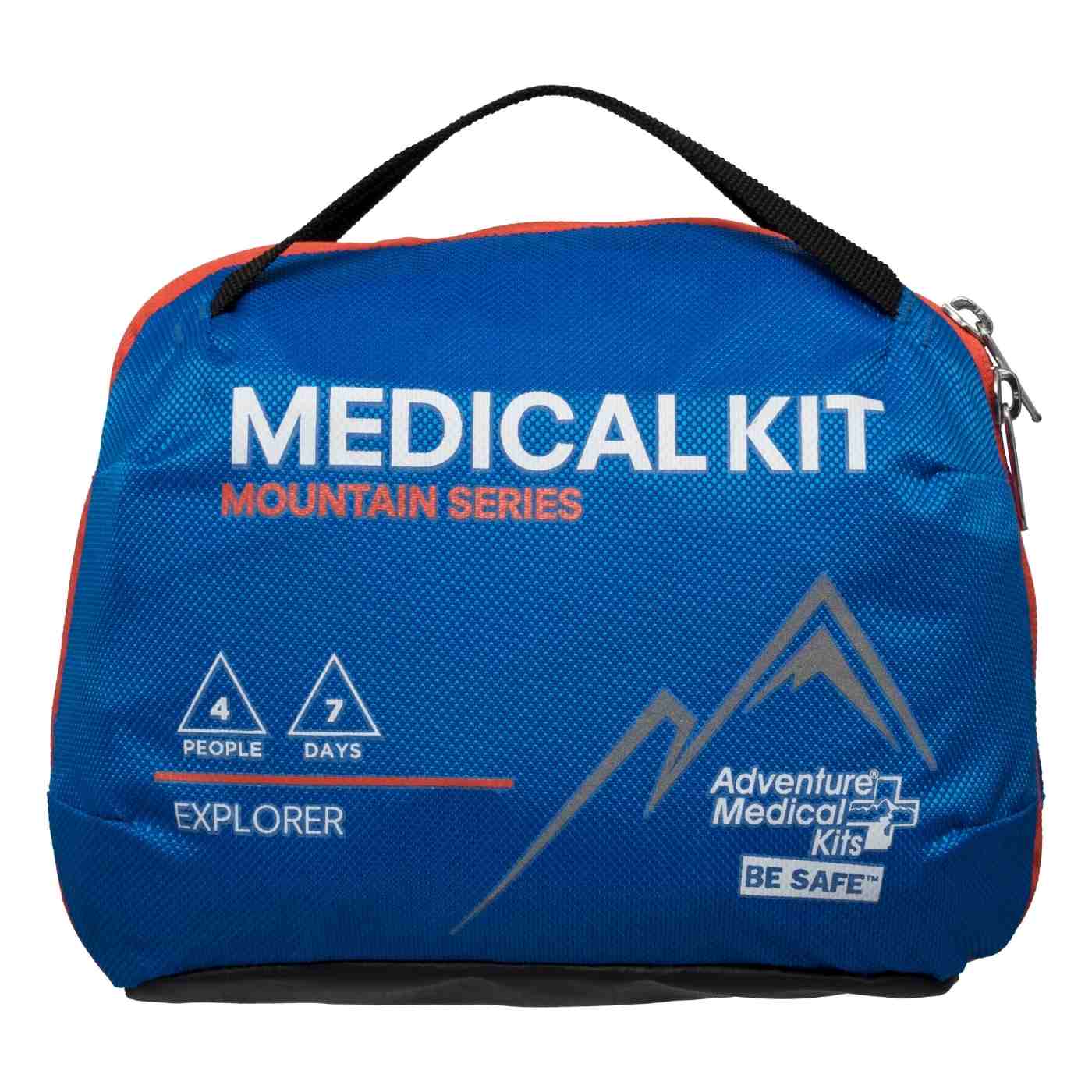
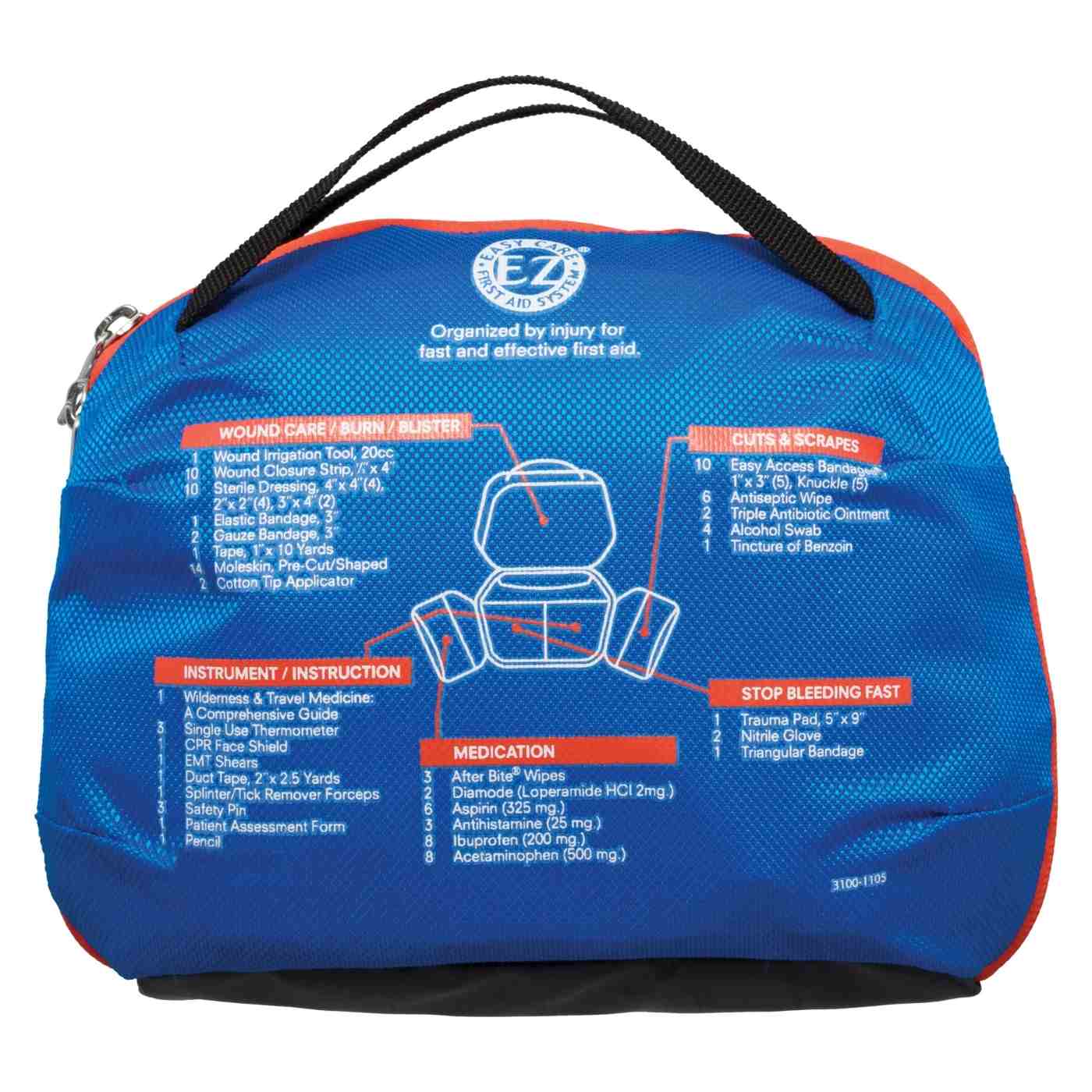
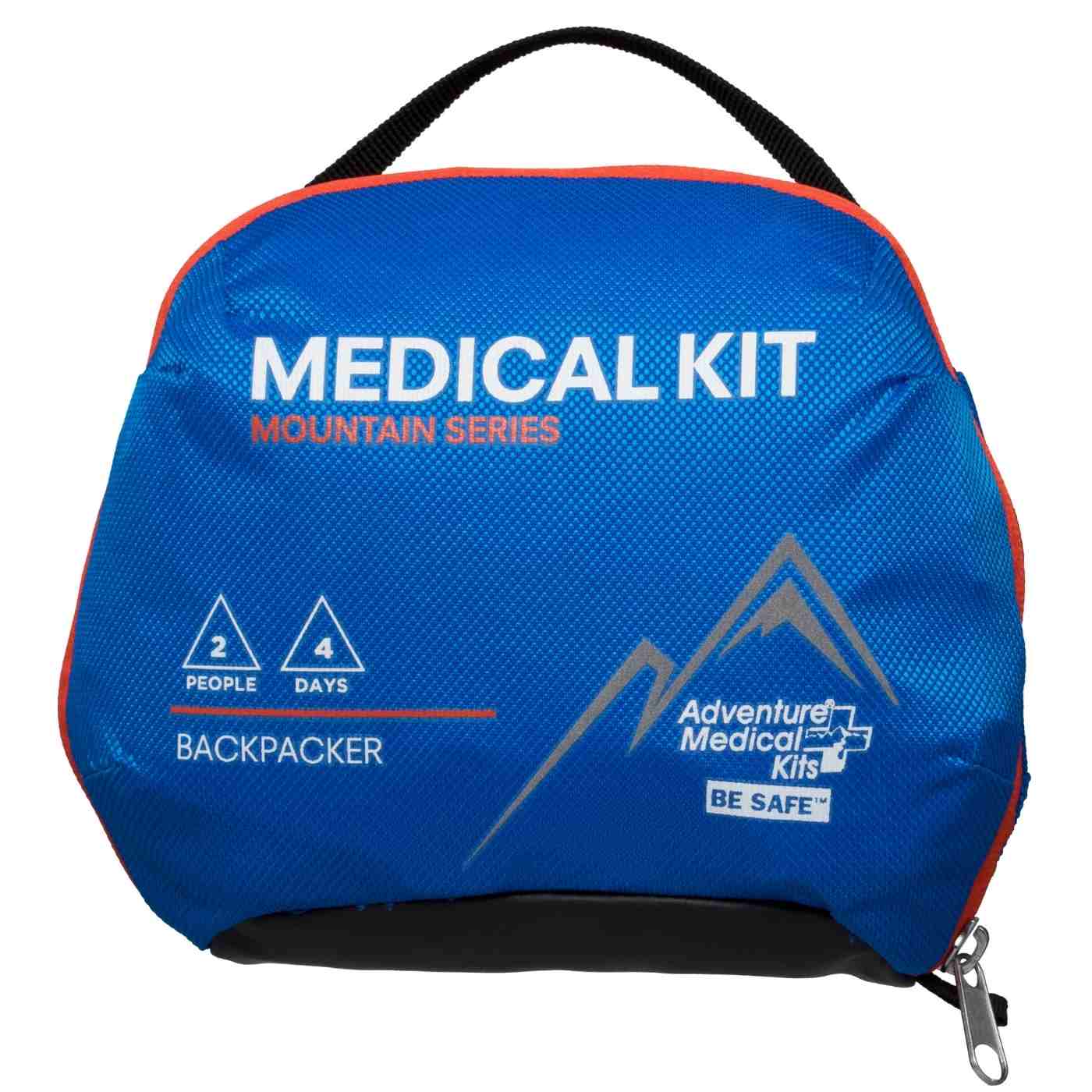
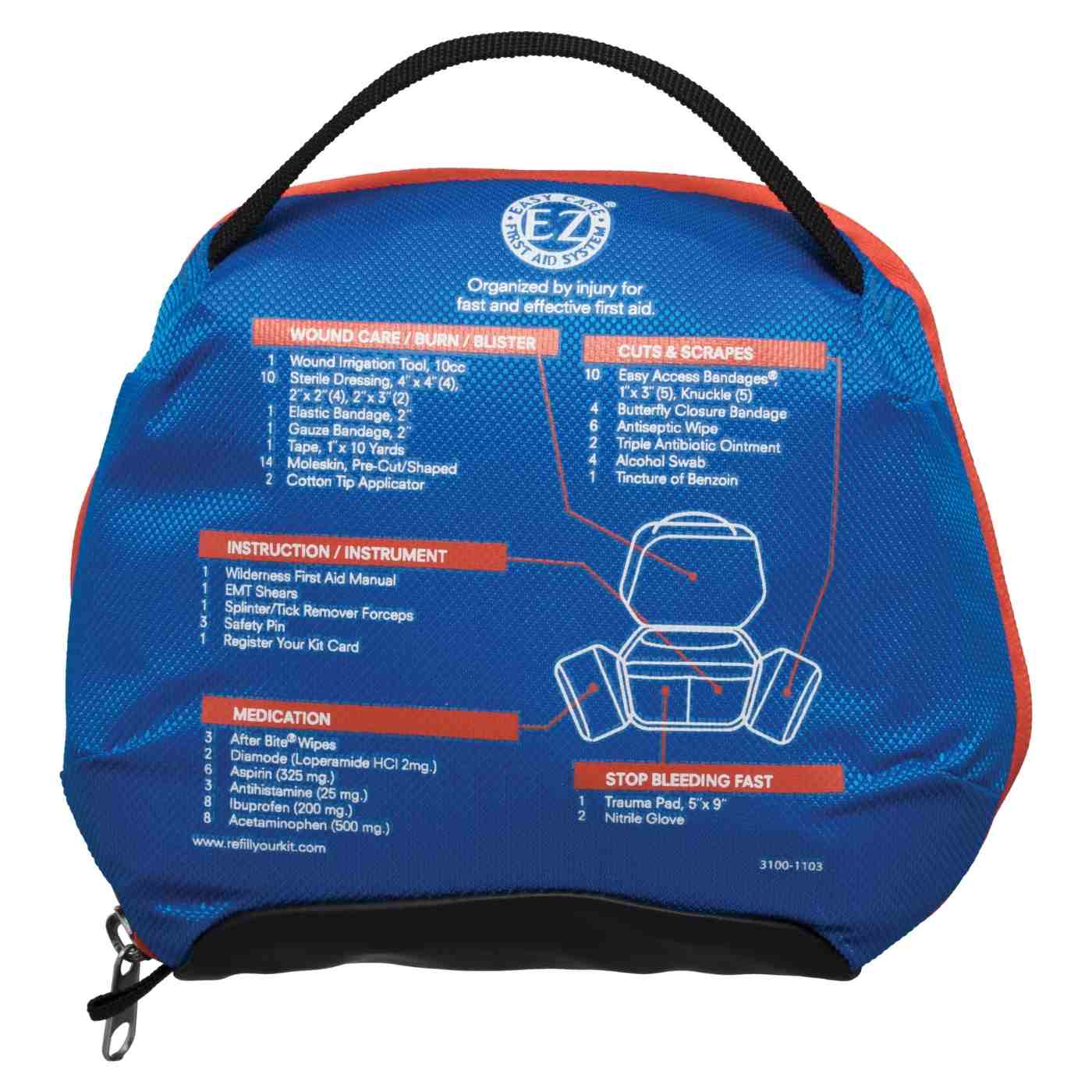
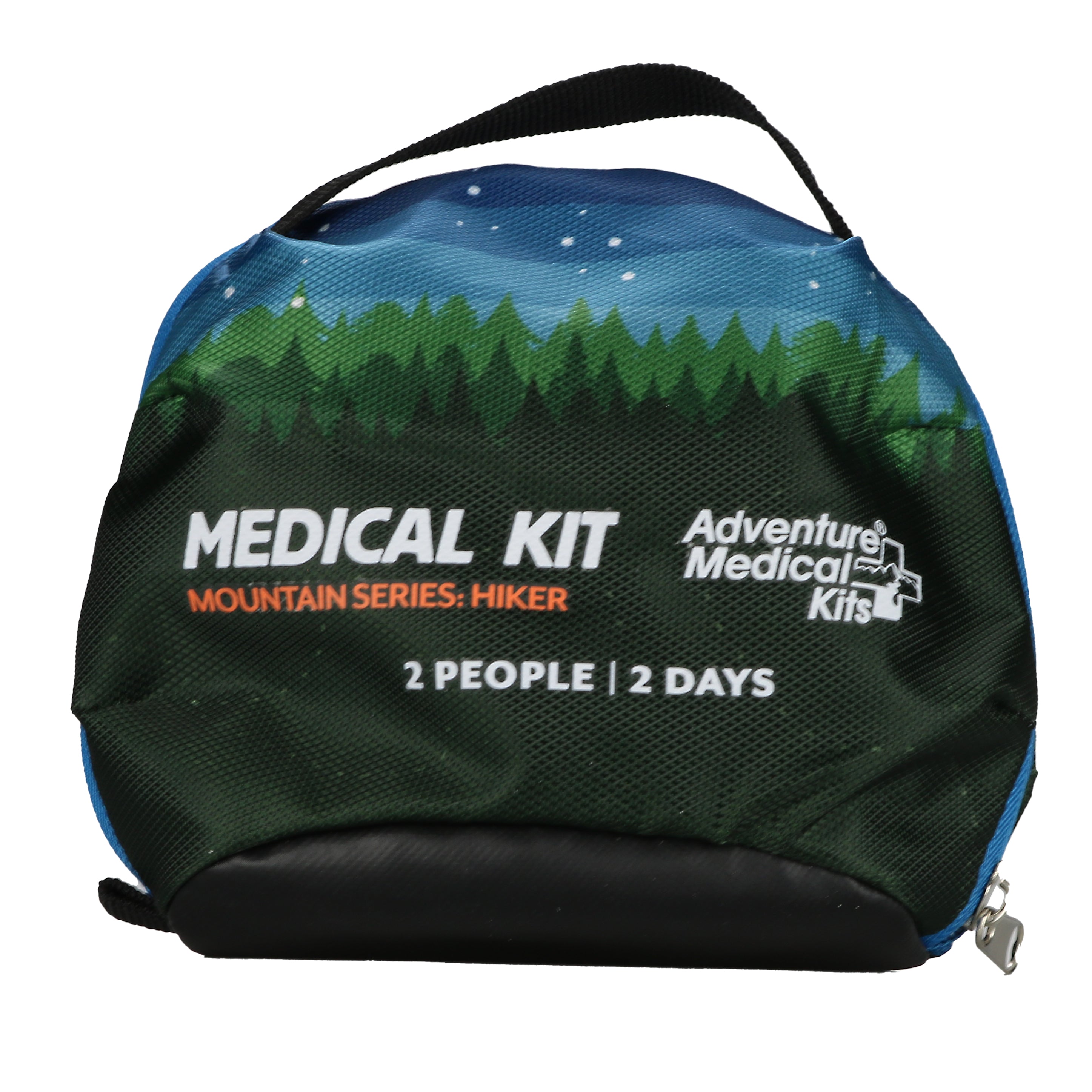
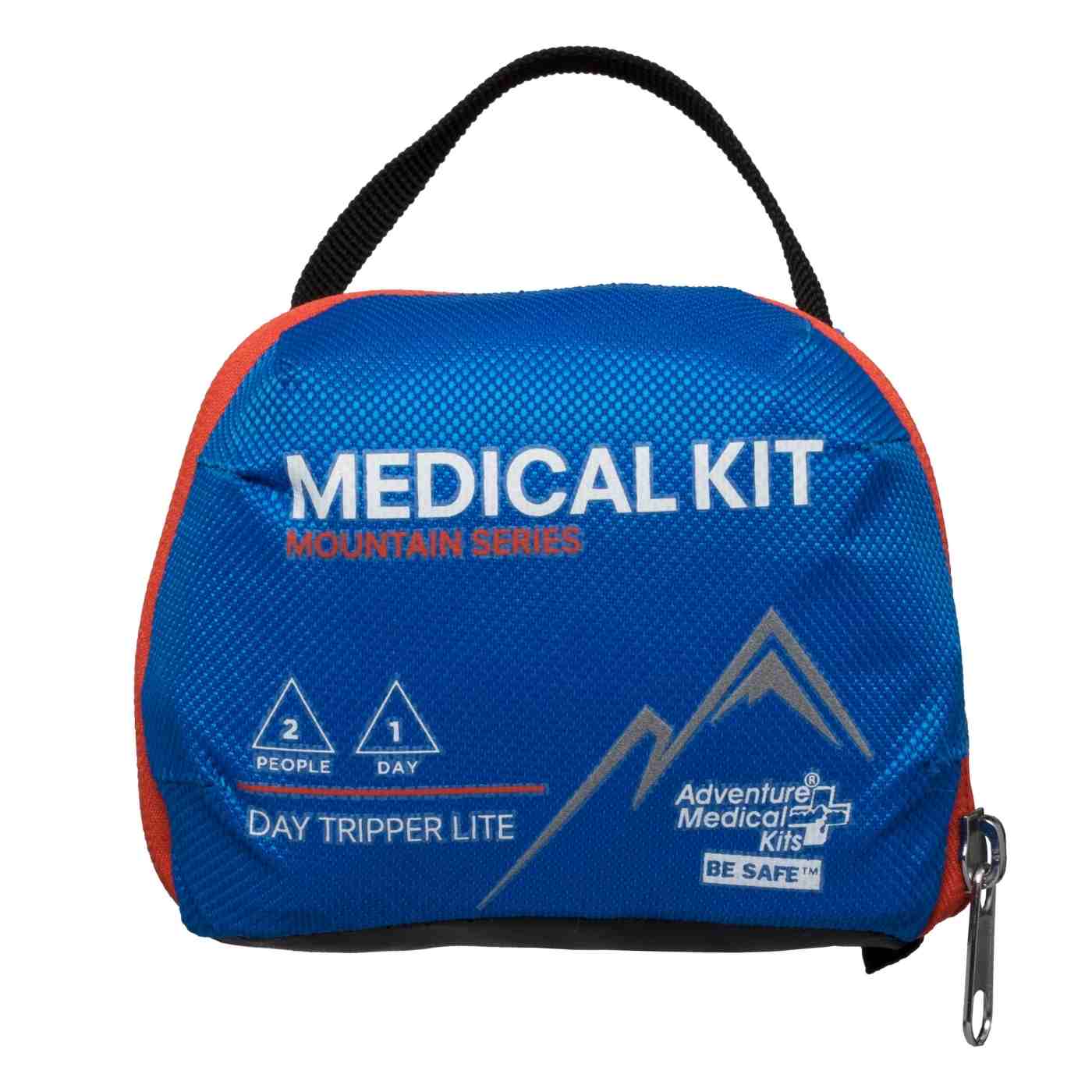
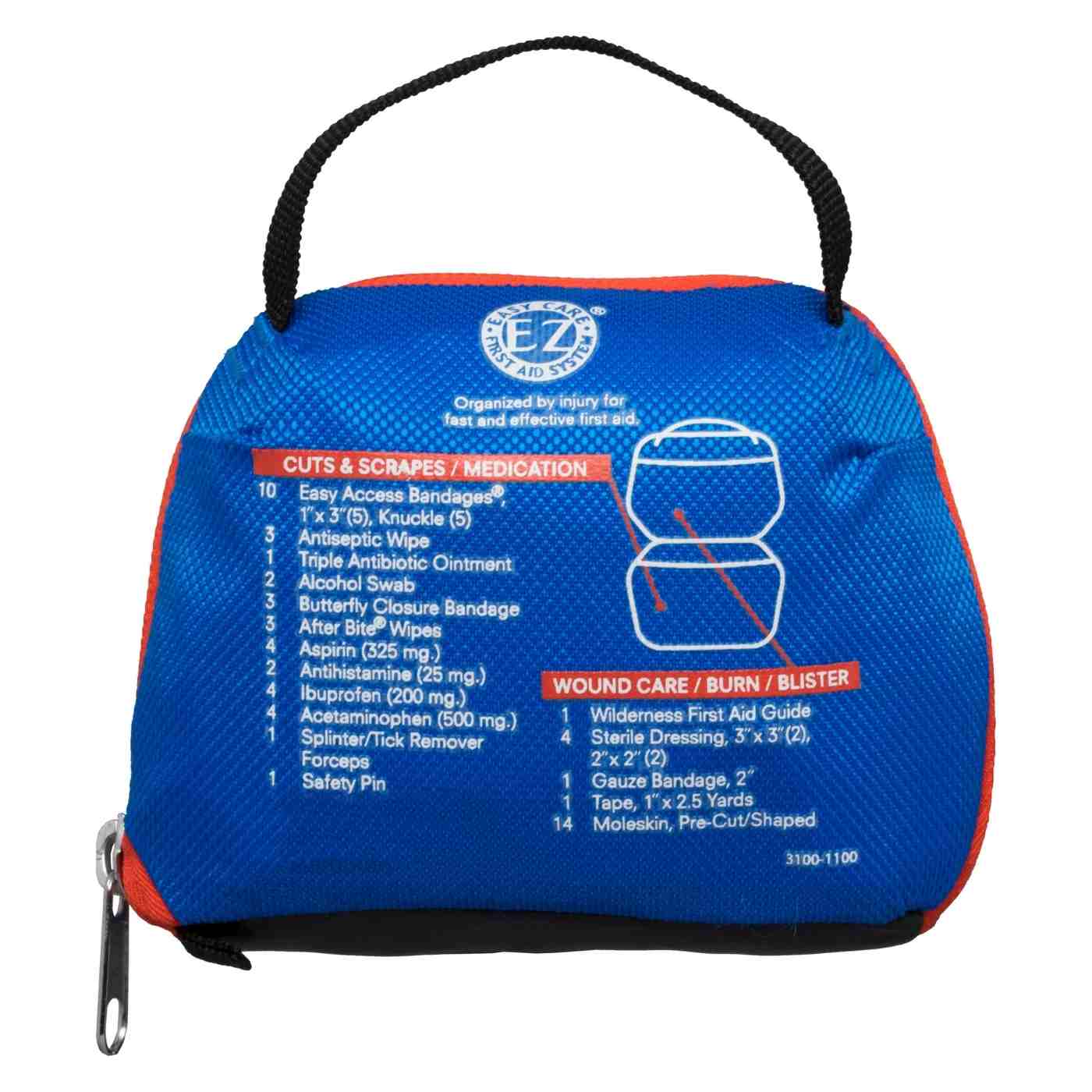
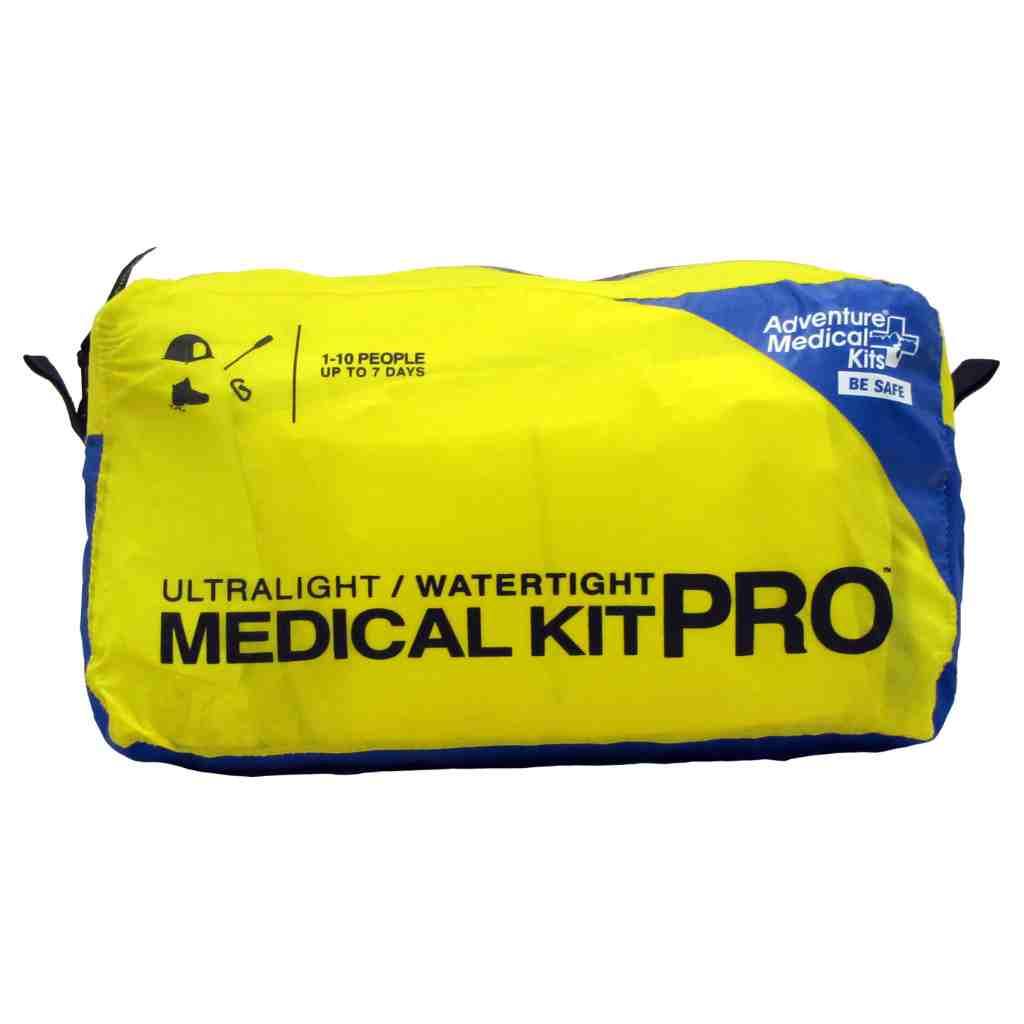
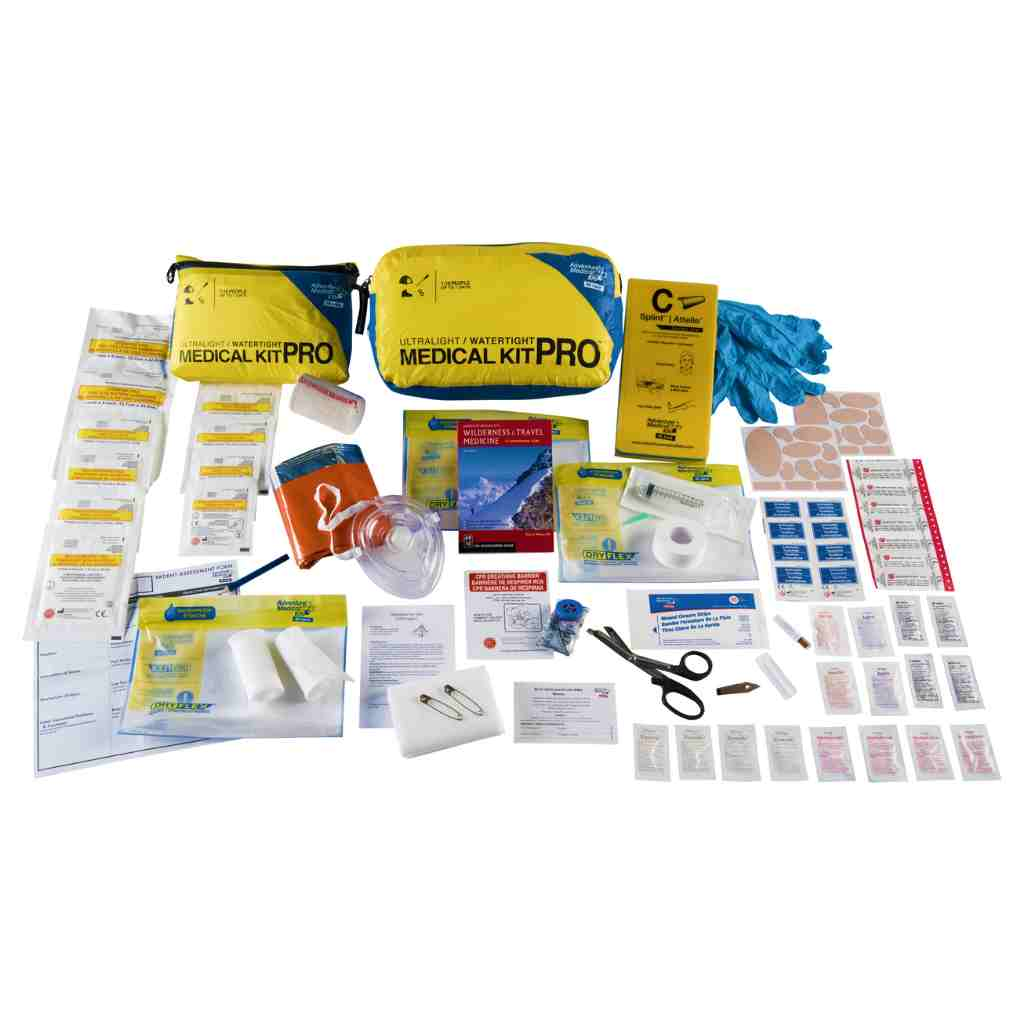
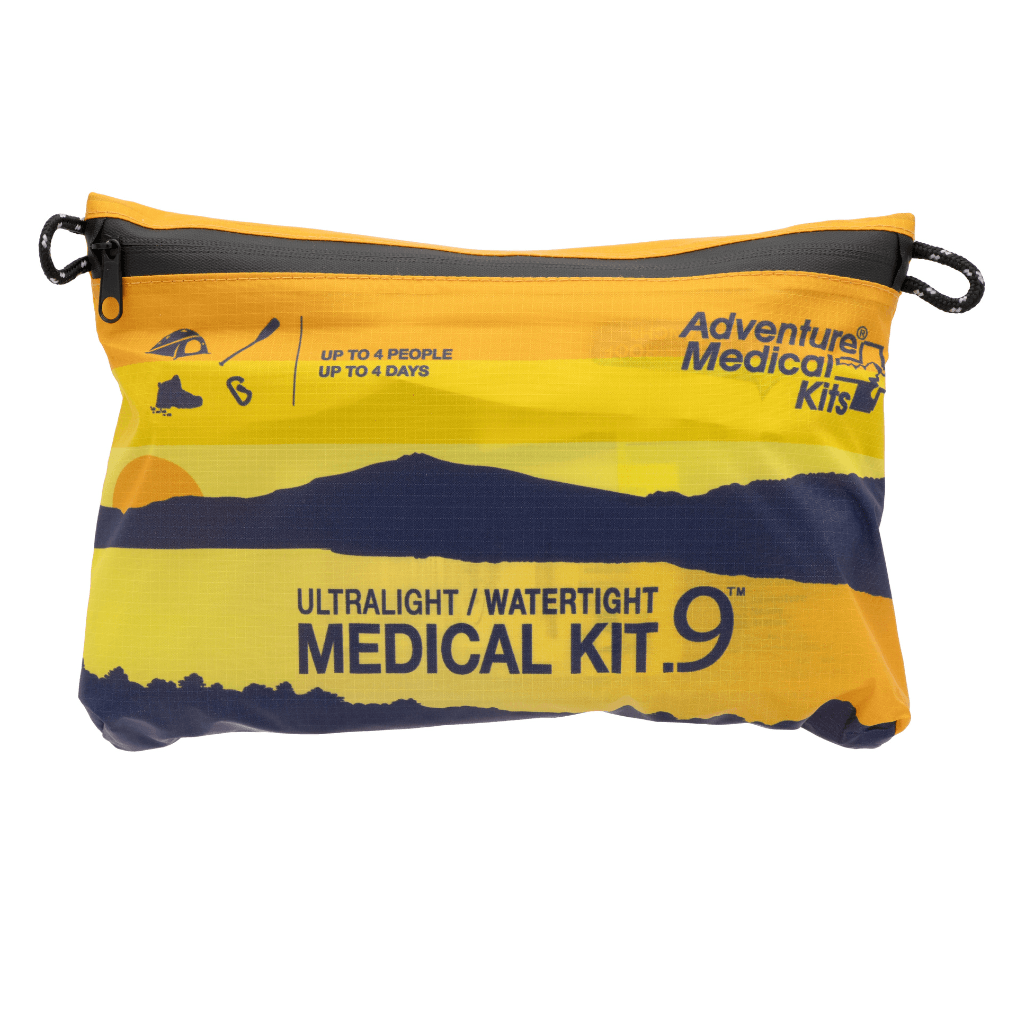
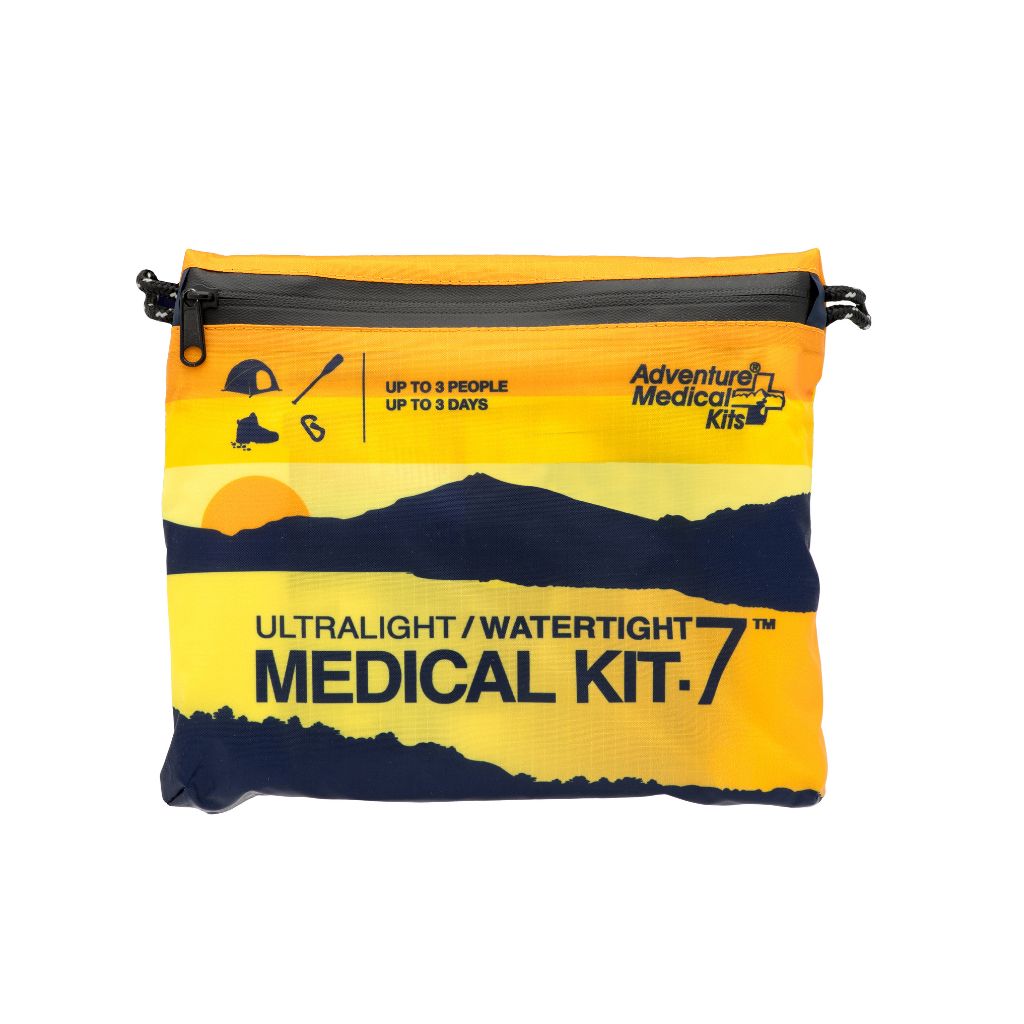
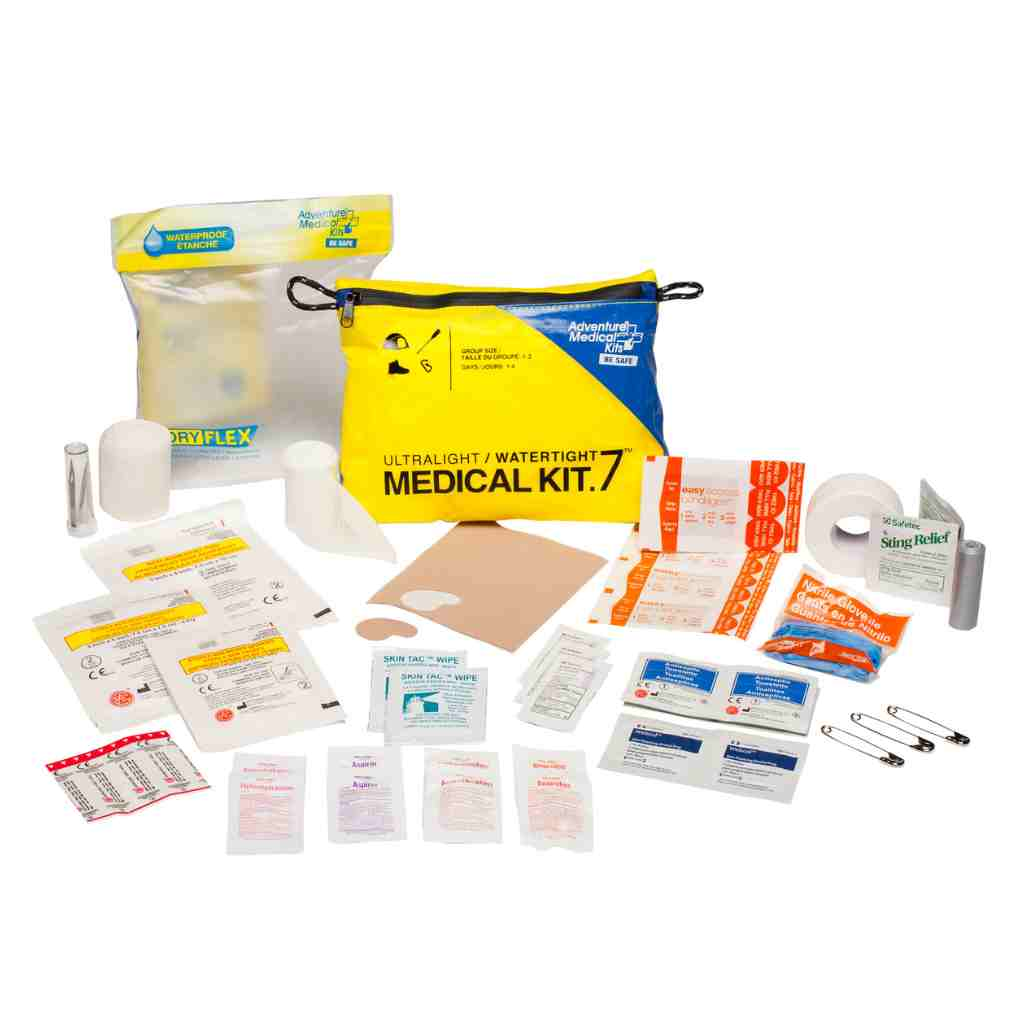
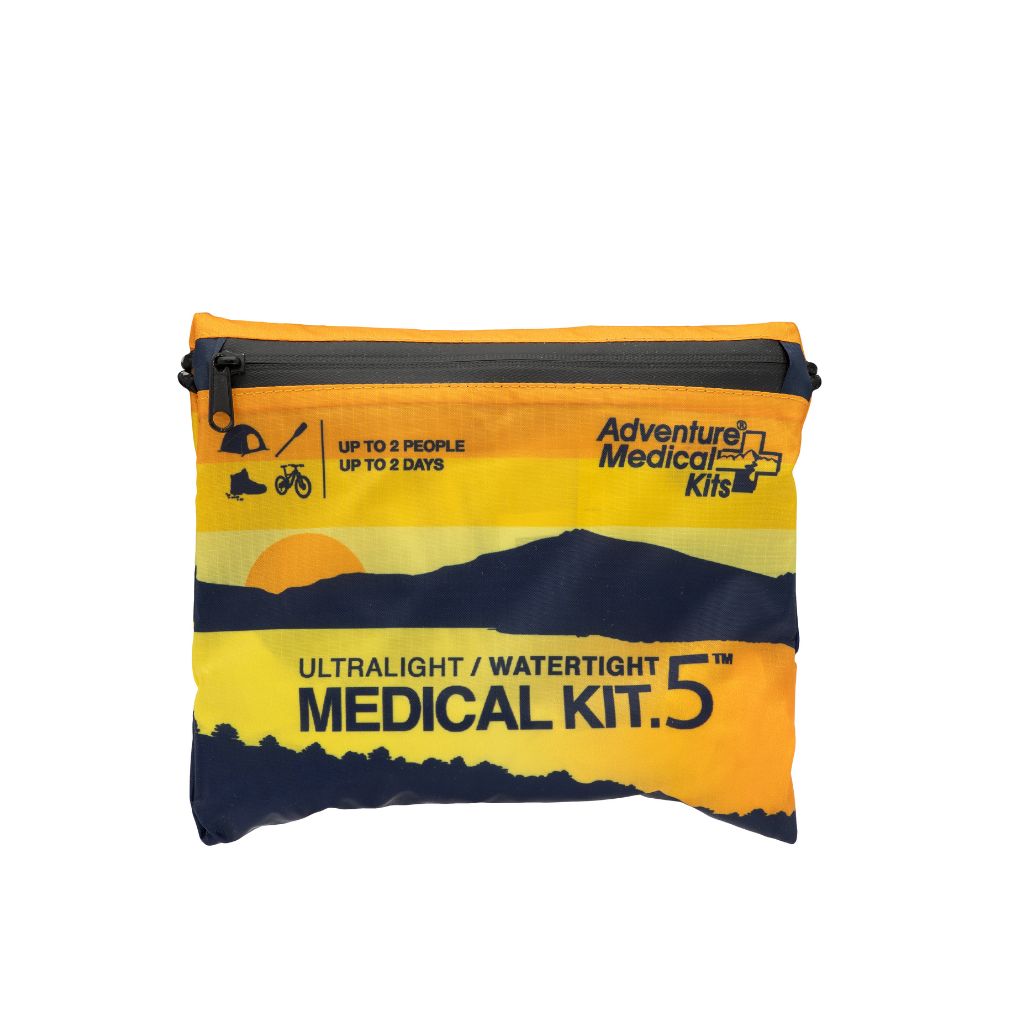
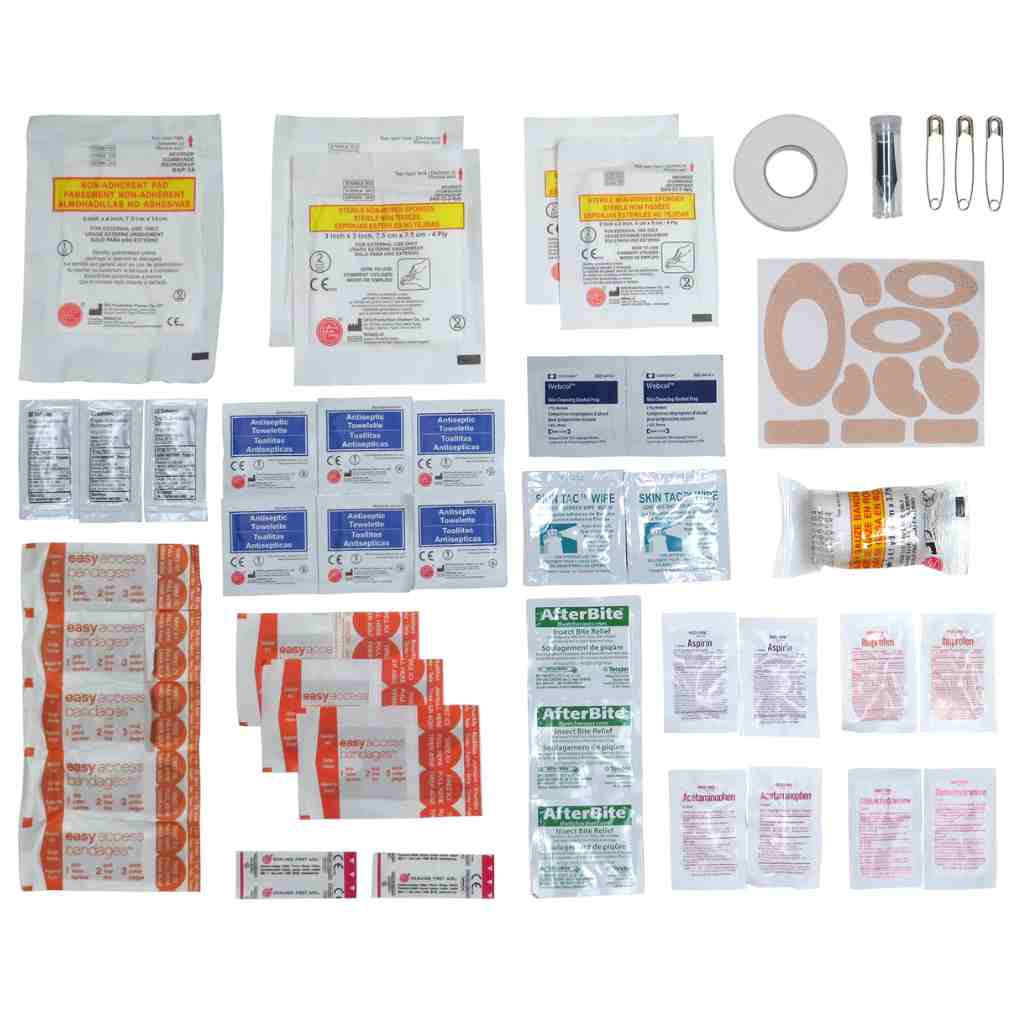
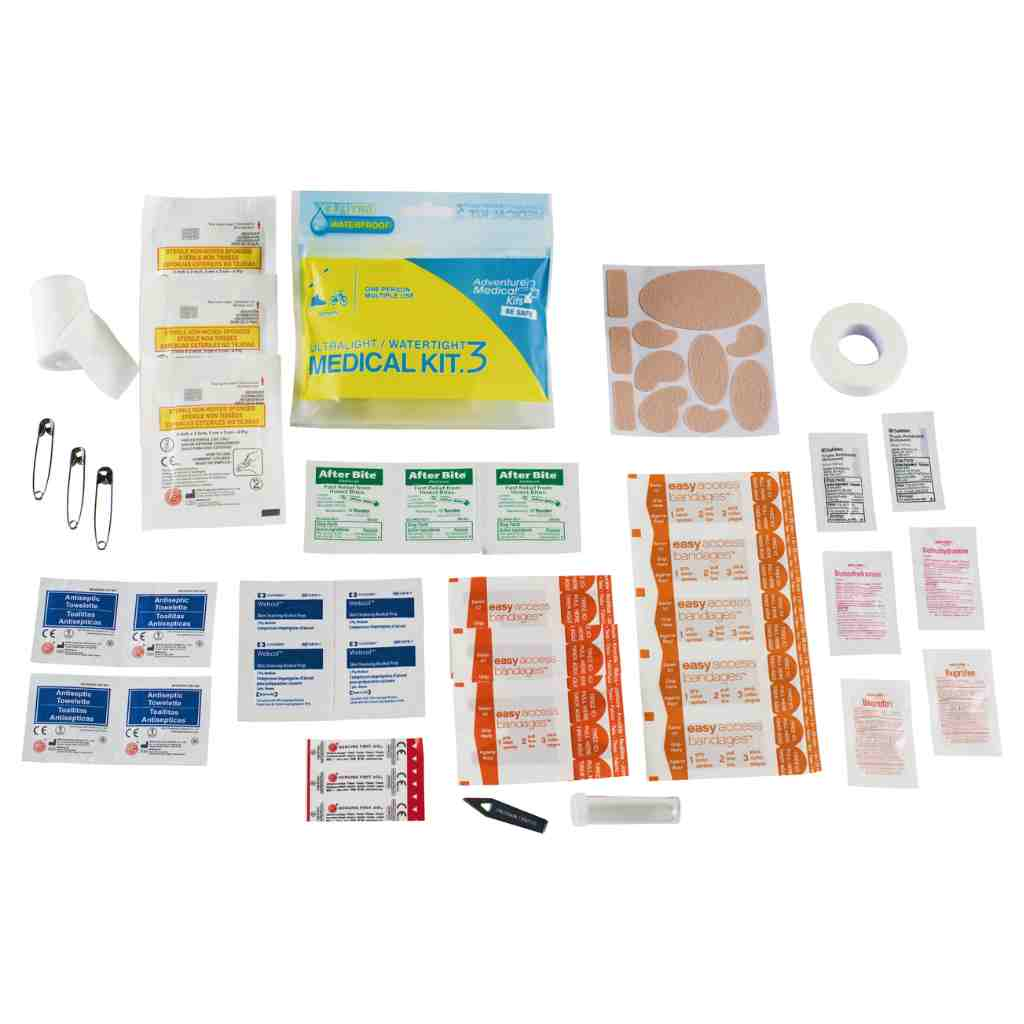
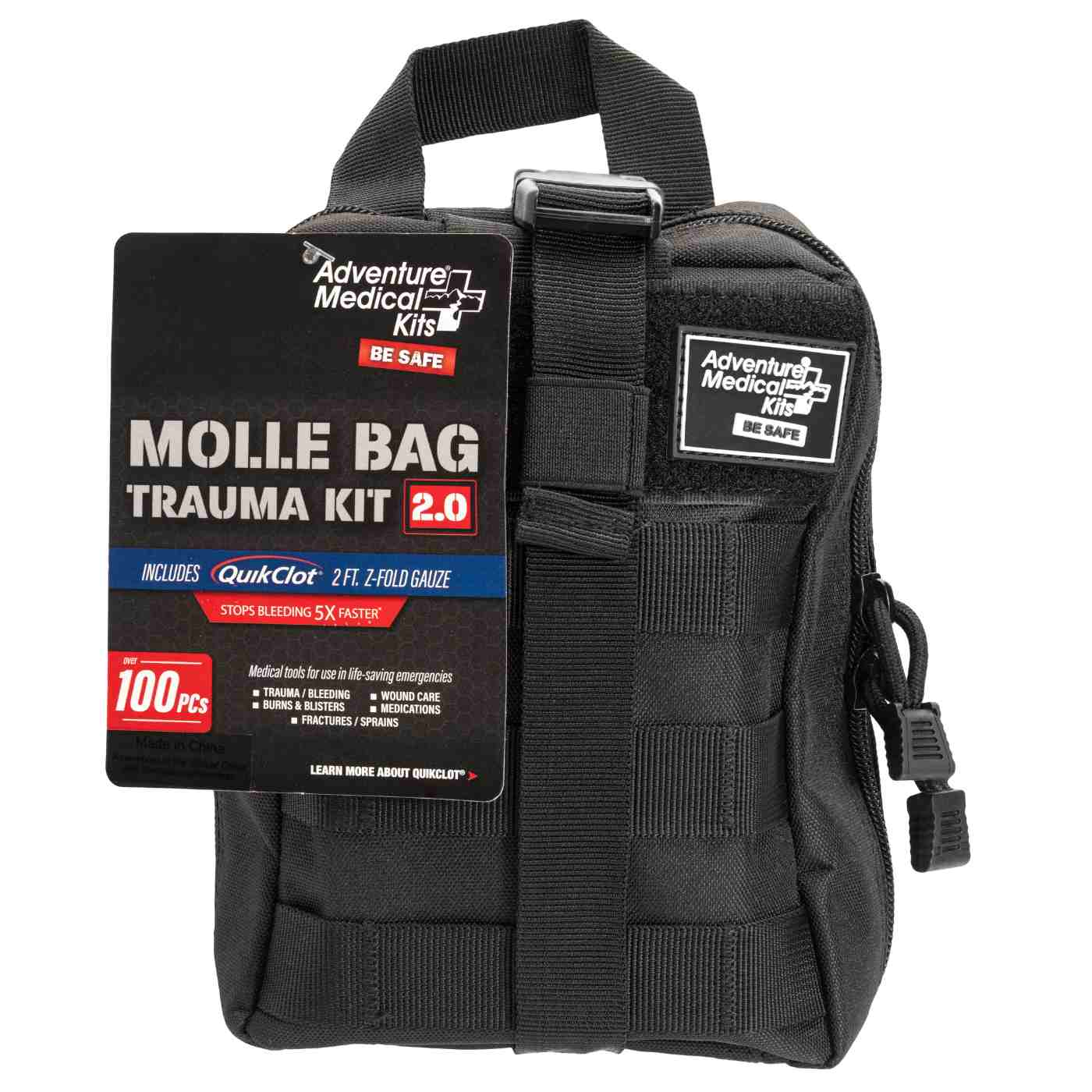
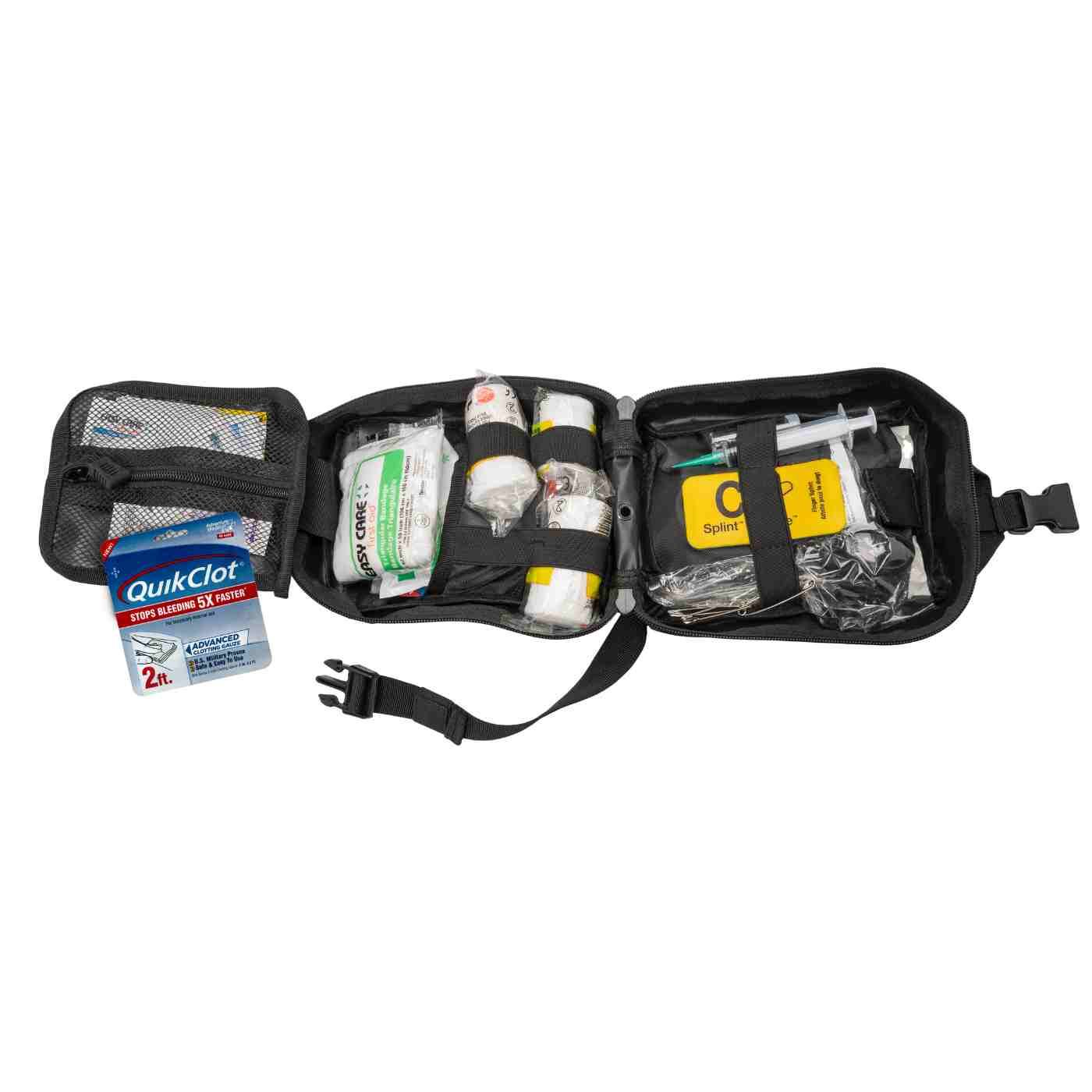
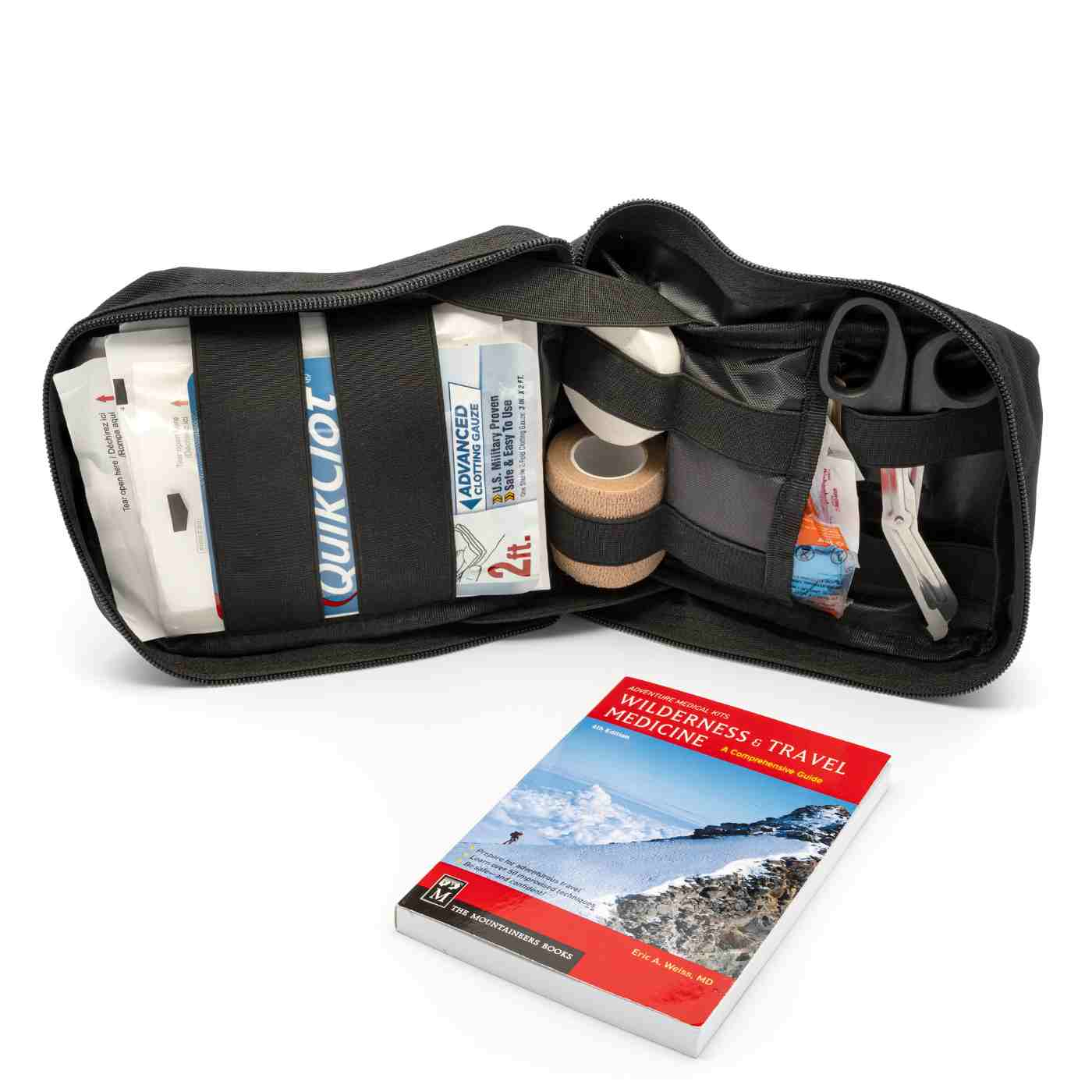
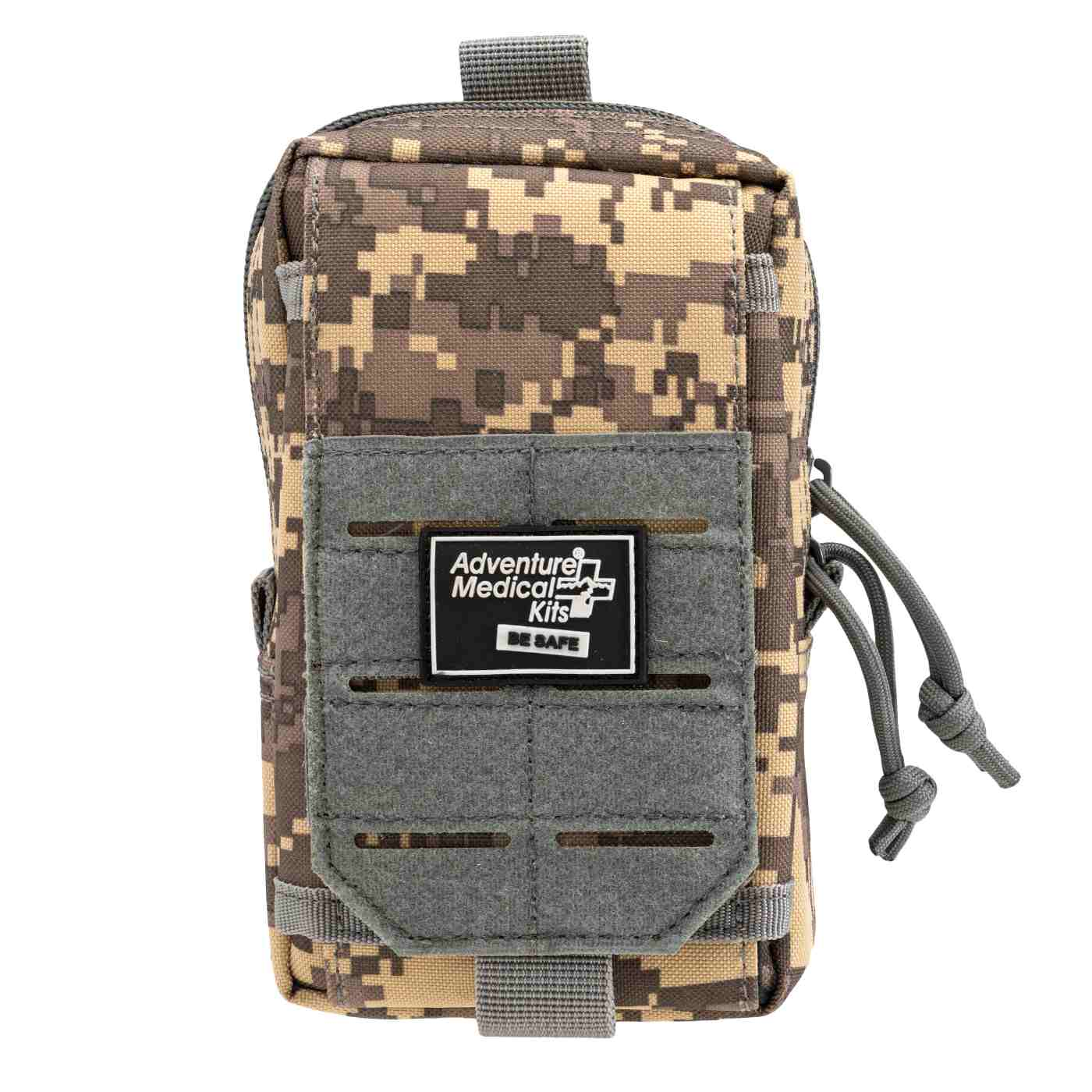
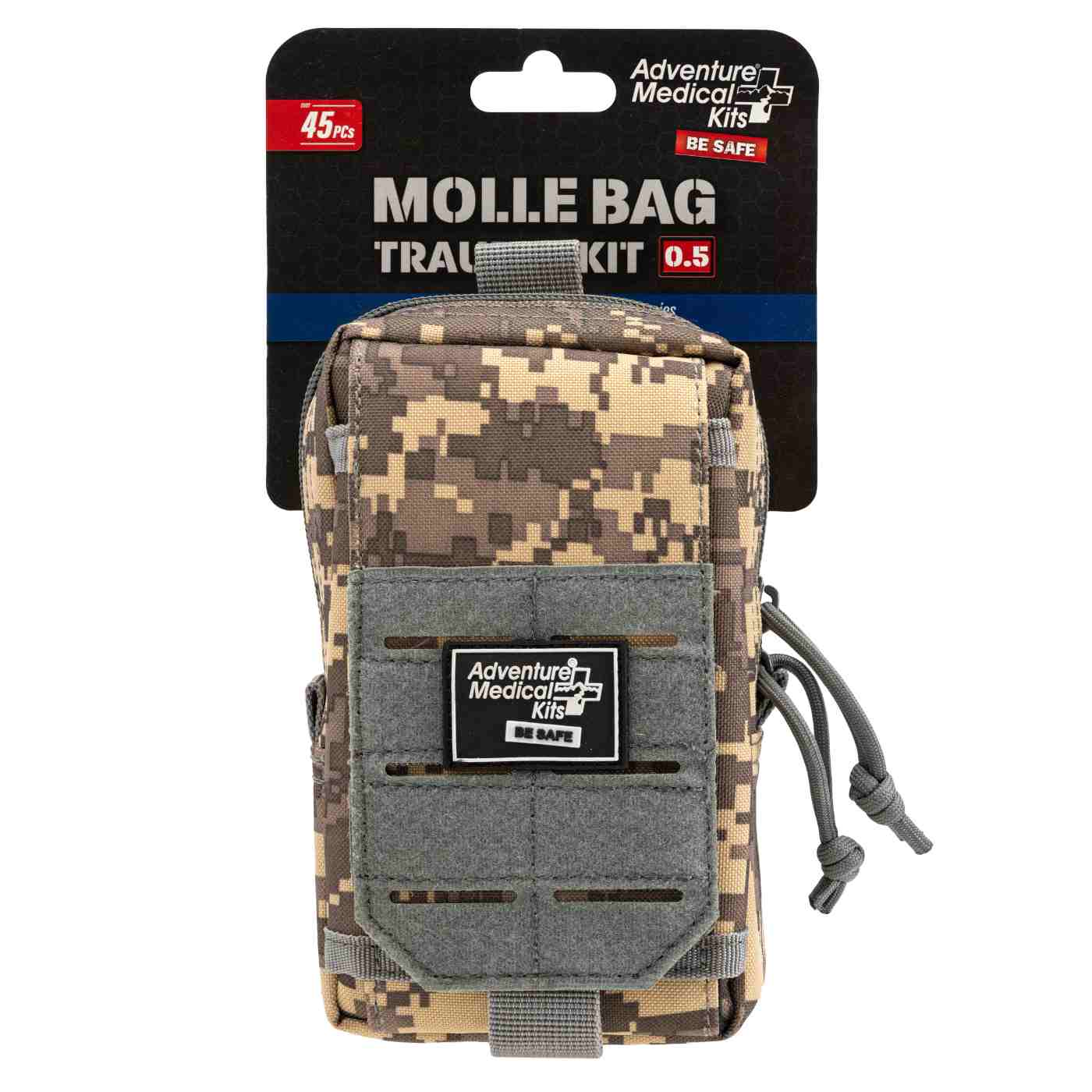
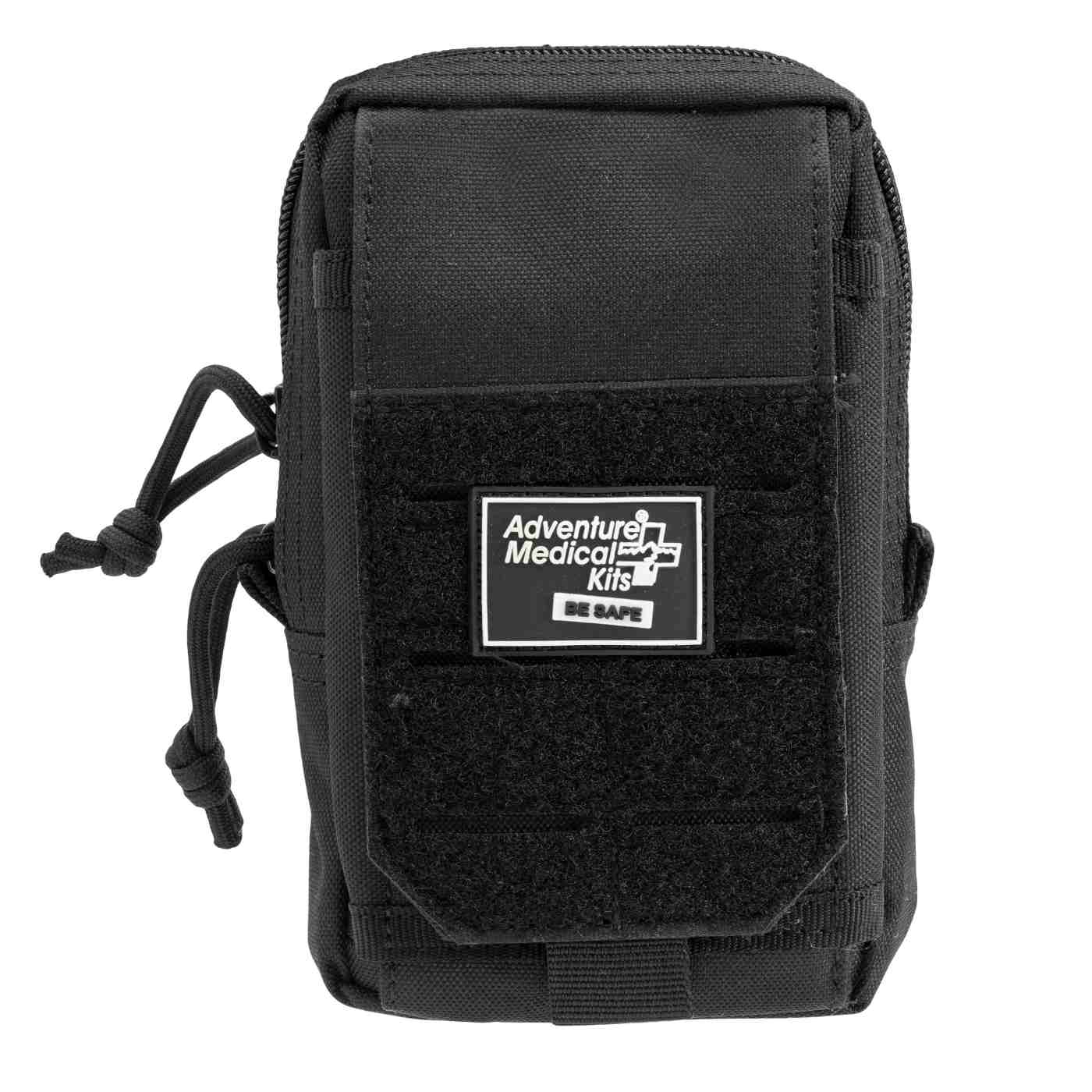
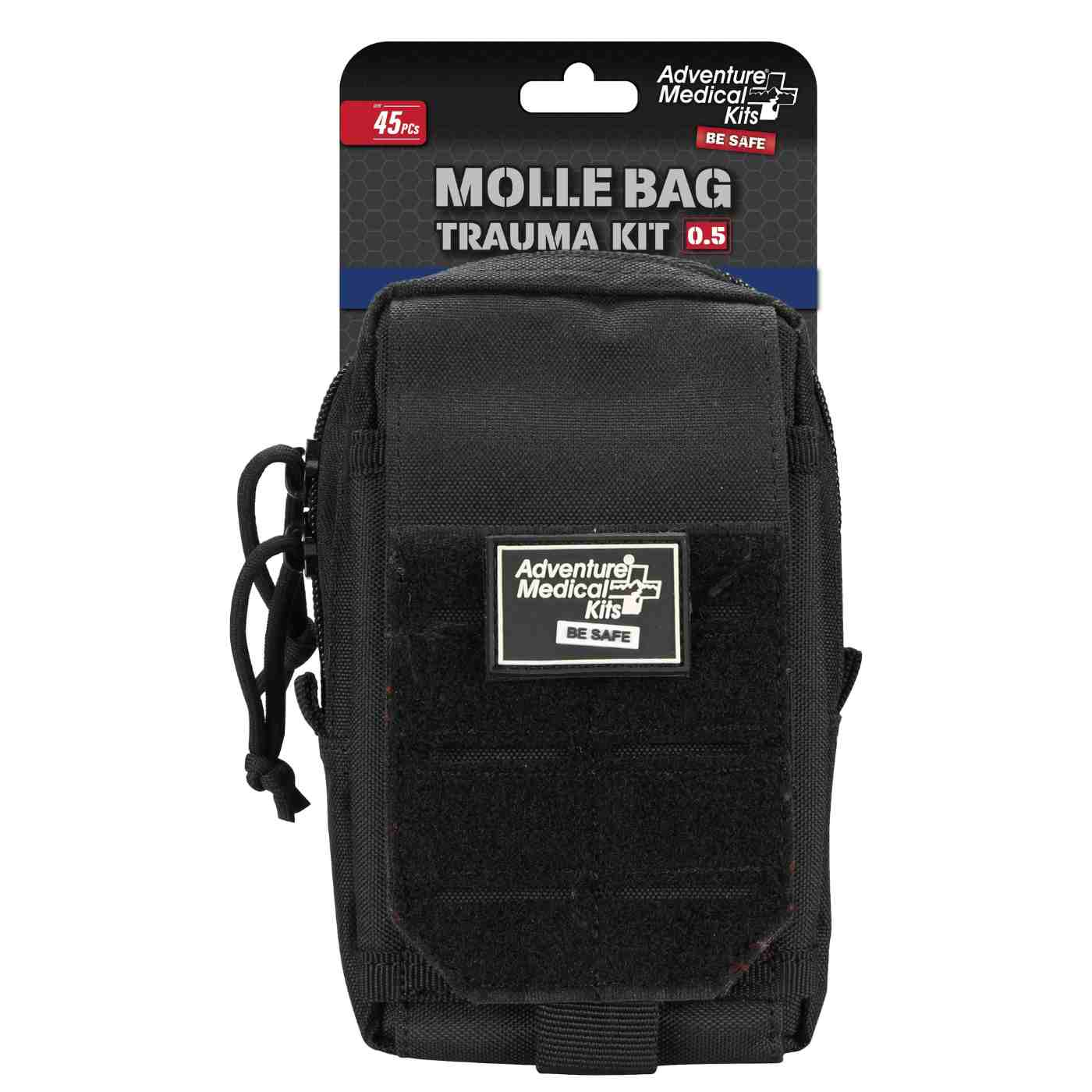
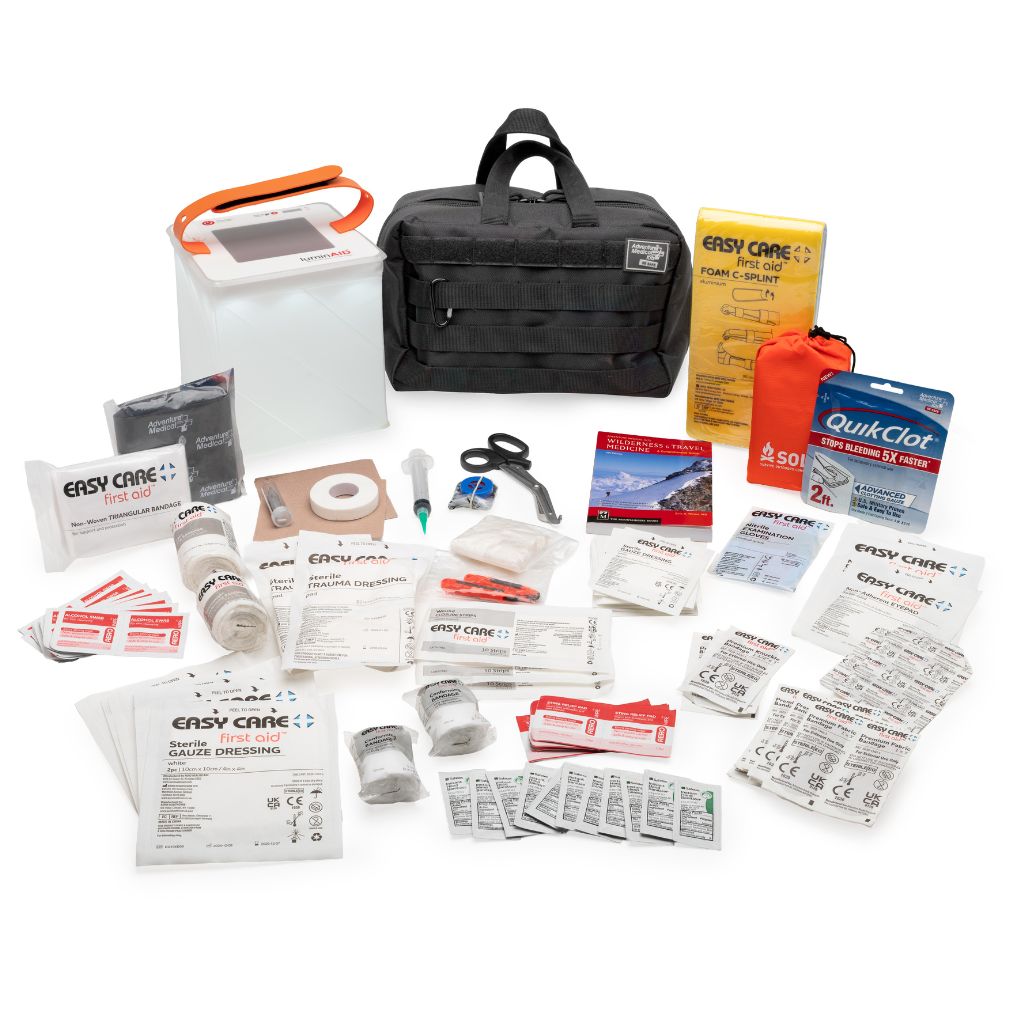
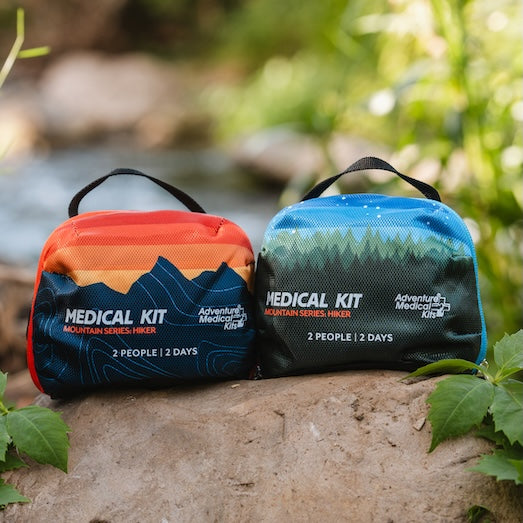
The Mountain Series Medical Kit - Explorer is a compact, water-resistant option for families or small backpacking groups, with hospital-quality supplies for common hiking injuries and illnesses. Many kits in the Mountain Series and MOLLE collections use labeled compartments and waterproof inner packaging, though the particular kit's supply list and construction should be checked.
For a delayed walkout, accessible lighting from LuminAID and emergency shelter equipment from Survive Outdoors Longer can complement the medical kit. Neither replaces an evacuation plan.
Circulation Checks Before, During and After Wrapping
Tingling is a reason to act, not a sign that the wrap is working. The University of Rochester identifies tingling, color change and coldness as possible signs of an overly tight bandage, recommends rewrapping more loosely, and advises against overnight wear.
Exposed digits should remain normally colored for that person, warm, sensitive to touch and able to move. Pressing a nail bed or fingertip should produce a prompt return toward its usual color after release. Cold conditions can make this check harder to interpret, so appearance alone isn't enough.
Match the Warning to an Action
Circulation warning signs and the action for each
| Symptom | What it can mean | First action |
|---|---|---|
| Tingling or numbness in toes or fingers | Wrap too tight or pressure on a nerve | Loosen or remove, reassess immediately, and rewrap only if normal sensation returns |
| Cold, pale or blue toes or fingers | Circulation restricted by the wrap | Remove the wrap, reassess, and seek help if color or warmth doesn't return |
| Pain that grows under the wrap | Increasing swelling or a pressure point from a ridge | Loosen, smooth out folds, and reassess the injury |
| Swelling spilling past the wrap edges | Inadequate coverage, uneven pressure or worsening injury | Remove and assess before considering broader coverage and elevation |
| Wrap slipping during activity | Reduced swelling, poor application or exhausted elastic | Rewrap with consistent overlap, or replace the roll |
Symptoms shouldn't be left until a scheduled check. Persistent numbness, abnormal color or coldness after removal needs medical attention.
Conditions That Hide Trouble
Sleep prevents reliable reporting of new discomfort. Unless a clinician has specifically directed otherwise, the wrap should come off overnight. At rest stops, removal also allows inspection for irritated skin, pressure marks and concealed swelling.
Cold weather can mask temperature differences and numbness. Dehydration, exhaustion and reduced sensation from neuropathy make casual monitoring less dependable. A person with impaired circulation or sensation needs clinician-guided advice rather than a tighter wrap and reassurance.
More tension is not more support. A comfortable application can still need adjustment as conditions change.
A visibly abnormal knee isn't a compression problem to troubleshoot. Guidance on how to treat a dislocated knee is relevant to recognizing a potentially serious injury, not attempting a field reduction.
Evidence Limits for a Stretch Wrap
A 2017 systematic review in the Journal of Sport Rehabilitation identified 12 eligible studies, including 2 involving athletes and 10 involving nonathletes. It suggested elastic bandaging may assist proprioception, or awareness of joint position and movement, particularly at the knee and ankle. The authors found too few clinical trials to confirm broader benefits.
A 2015 compression review covering 12 studies and 1,701 patients with ankle sprains found improved recovery in five studies. Five studies of Tubigrip-style tubular support found no functional benefit and indicated potentially greater analgesic use compared with no intervention, according to the review in the European Journal of Orthopaedic Surgery & Traumatology. Different products and weak study methods make the findings difficult to apply to every wrap.
What the Uncertainty Means Outdoors
The systematic review of compression wrapping in prehospital care describes inadequate evidence in American Heart Association and American Red Cross guidance to recommend for or against circumferential compression for closed soft-tissue injuries. It found no demonstrated benefit or harm compared with alternatives such as no compression, a noncompressive stocking, a splint or a brace. Certainty was low to very low.
A wrap may make a minor injury more comfortable and provide temporary compression when tolerated. That relief does not prove protection or make continued hiking safe. Kaiser Permanente's compression-bandage guidance notes that compression bandages do not protect an injured joint. Evidence about other garments, including postpartum support in a physical therapist's guide for new mothers, does not establish benefits for trail injuries.
What a wrap may do
- Comfort: Make a minor injury feel more manageable.
- Light support: Provide a sense of support without rigid stabilization.
- Swelling management: Offer temporary compression when tolerated.
What it cannot do
- Joint protection: Make an injured joint safe for loading.
- Assessment: Rule out a fracture, dislocation or other serious injury.
Decide Whether to Wrap, Brace or Get Evaluated
Decide on a wrap only after assessing the injury. Mechanism, function and symptoms matter more than how neat the bandage looks. Use an elastic wrap for comfort and temporary swelling control when it feels comfortable and circulation remains normal.
Three Field Decisions
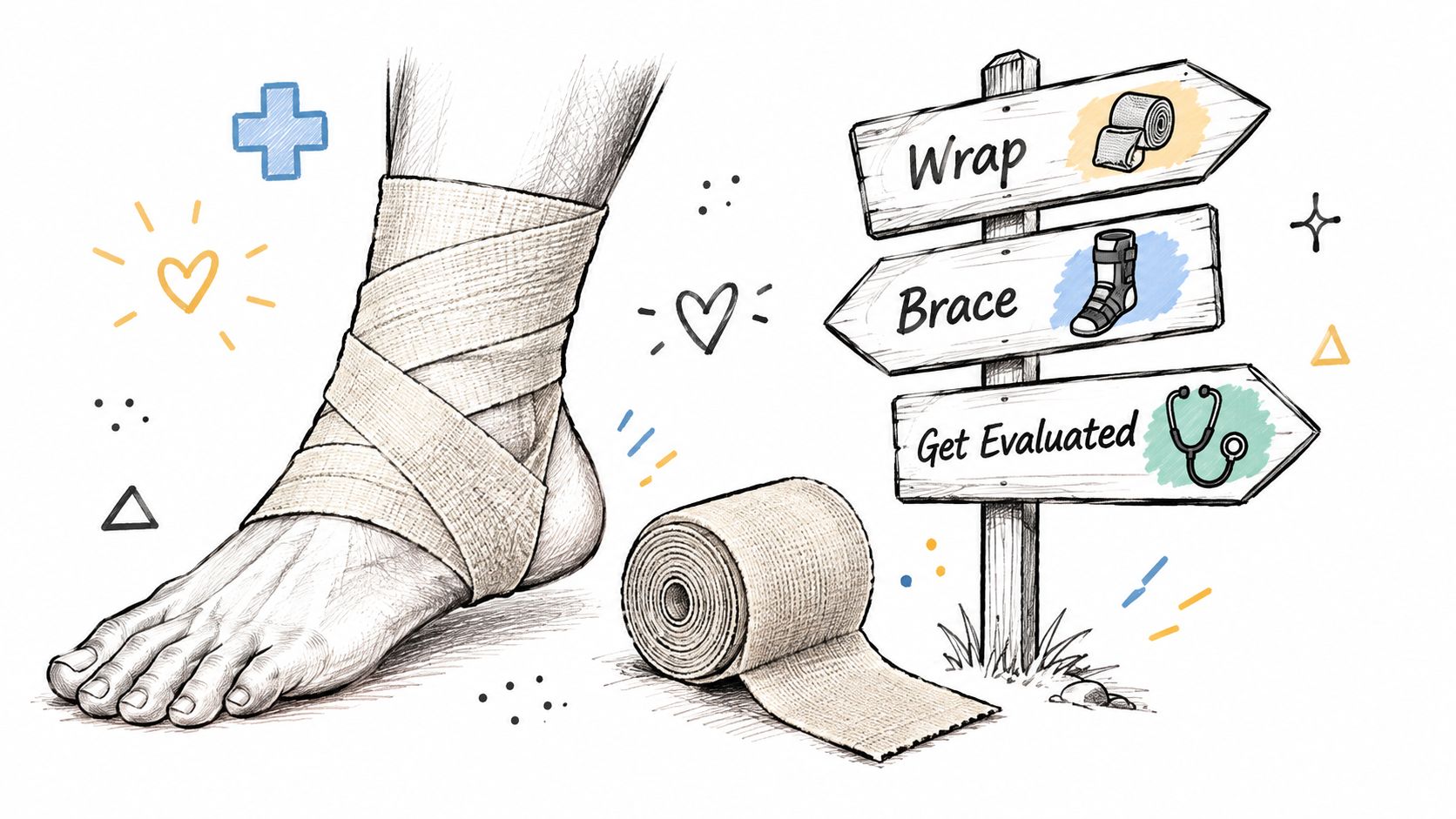
- Wrap: Gentle compression may be suitable for a suspected minor sprain or strain. Being able to bear weight with a limp does not rule out a significant injury or mean it is safe to finish the route. Recheck sensation, skin color and comfort as conditions change.
- Brace or splint: When a joint needs stability, elastic fabric alone may not provide it. A suitable brace may help with a previously assessed injury. For a suspected serious injury, use a padded splint if available and arrange assisted evacuation. Remote trips call for appropriate equipment and training.
- Get evaluated: Escalate for inability to move the injured part or bear weight, deformity, suspected fracture, pain directly over bone, persistent sensory changes or worsening swelling. Repeated wrapping does not resolve these warning signs.
University of Nebraska's sprain and fracture guidance says numbness or tingling can signal that a bandage is too tight. It recommends emergency assistance if the person cannot move the injured part or bear weight. Elevating the injury above heart level can help manage swelling while assistance is arranged. In cold weather, check circulation and sensation directly rather than relying on how the wrap feels over clothing.
The illustration shows a wrapped ankle, but appearance alone cannot establish whether the injury is minor.
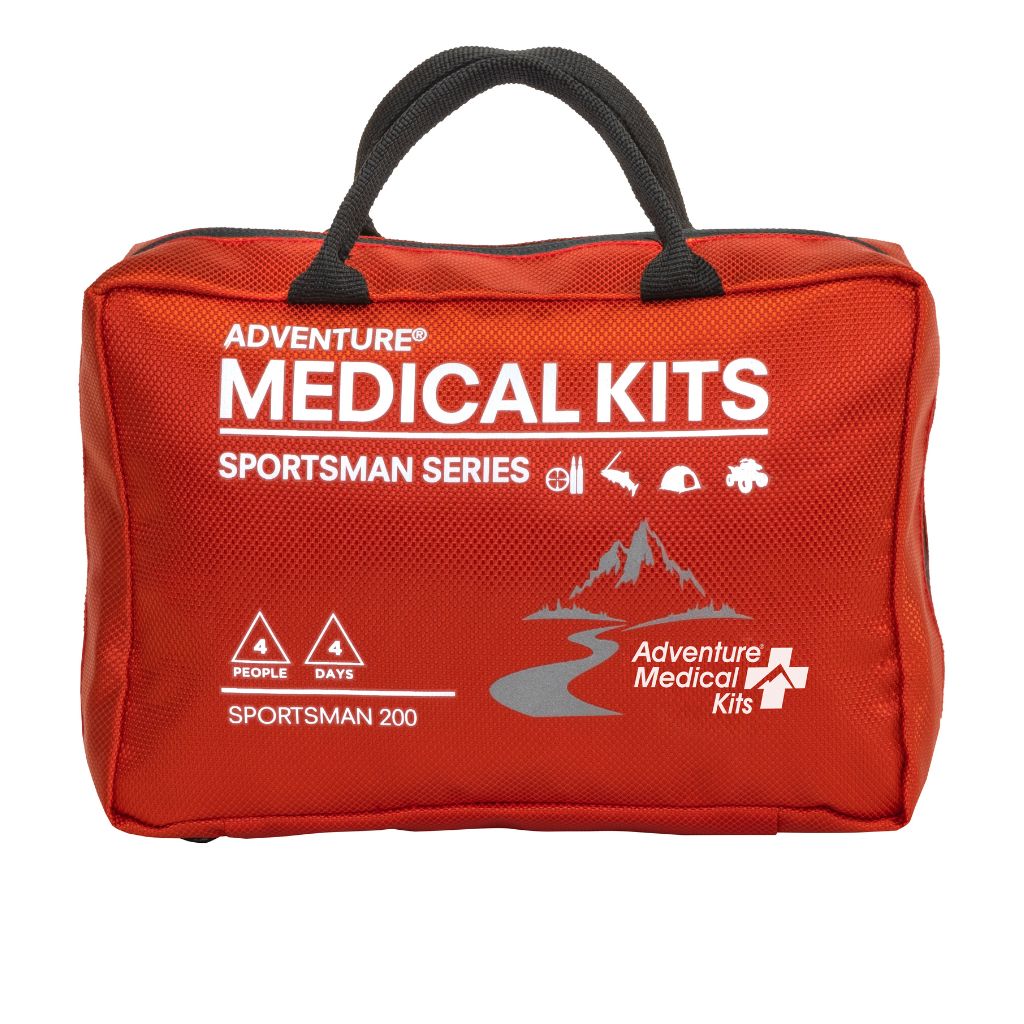
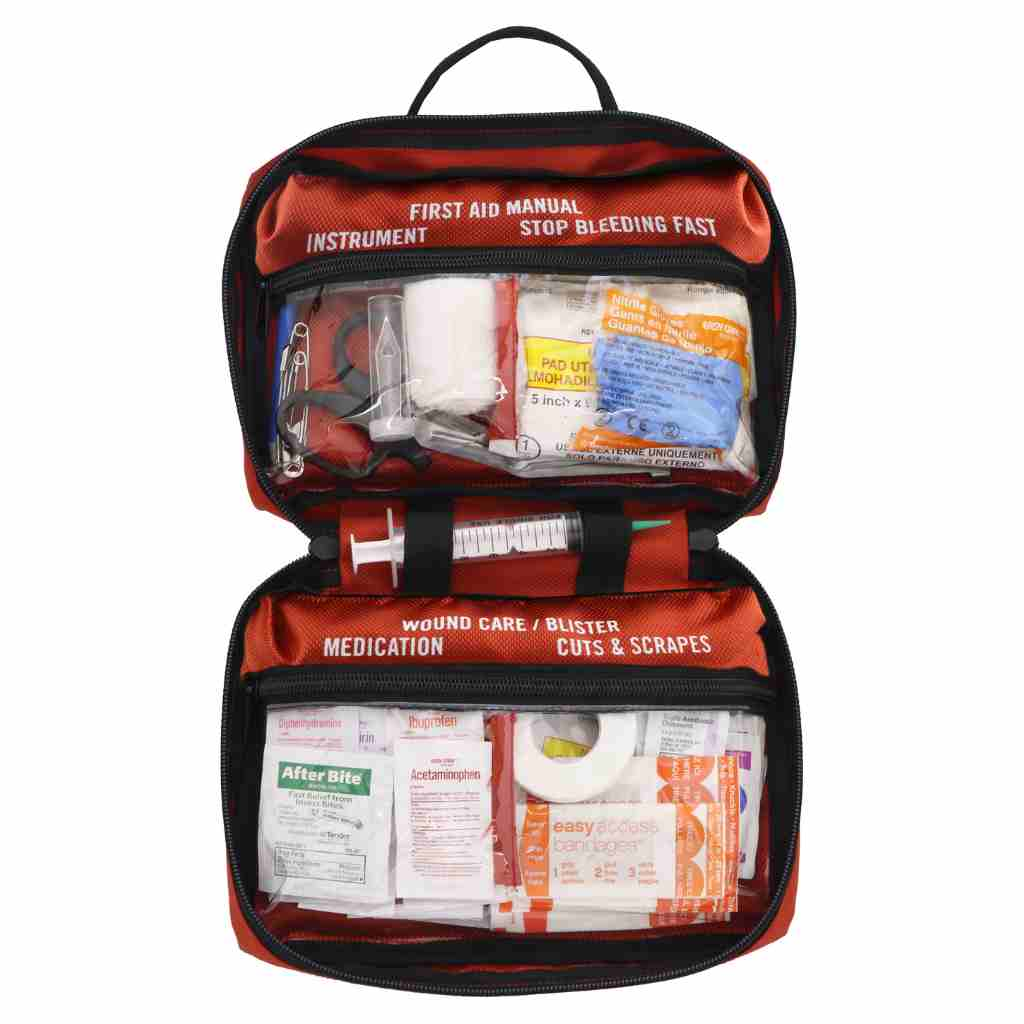
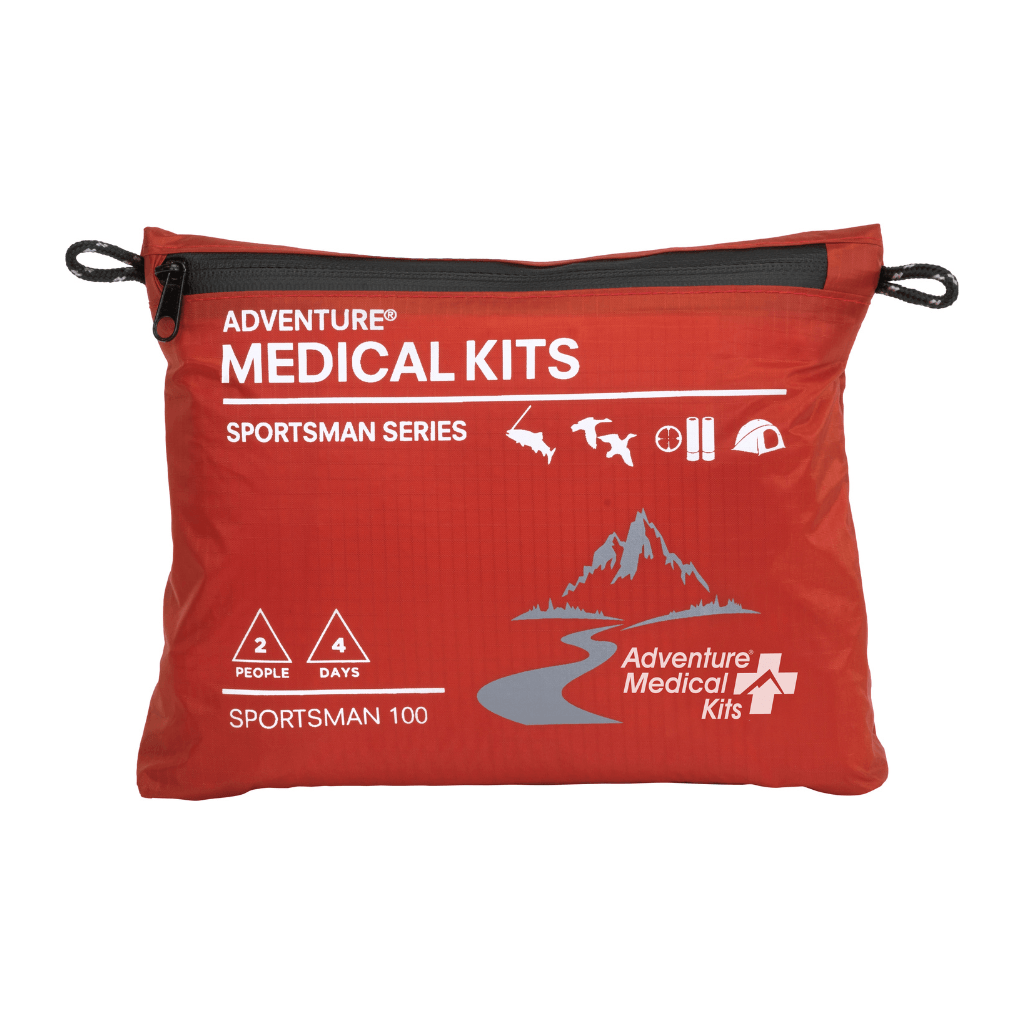
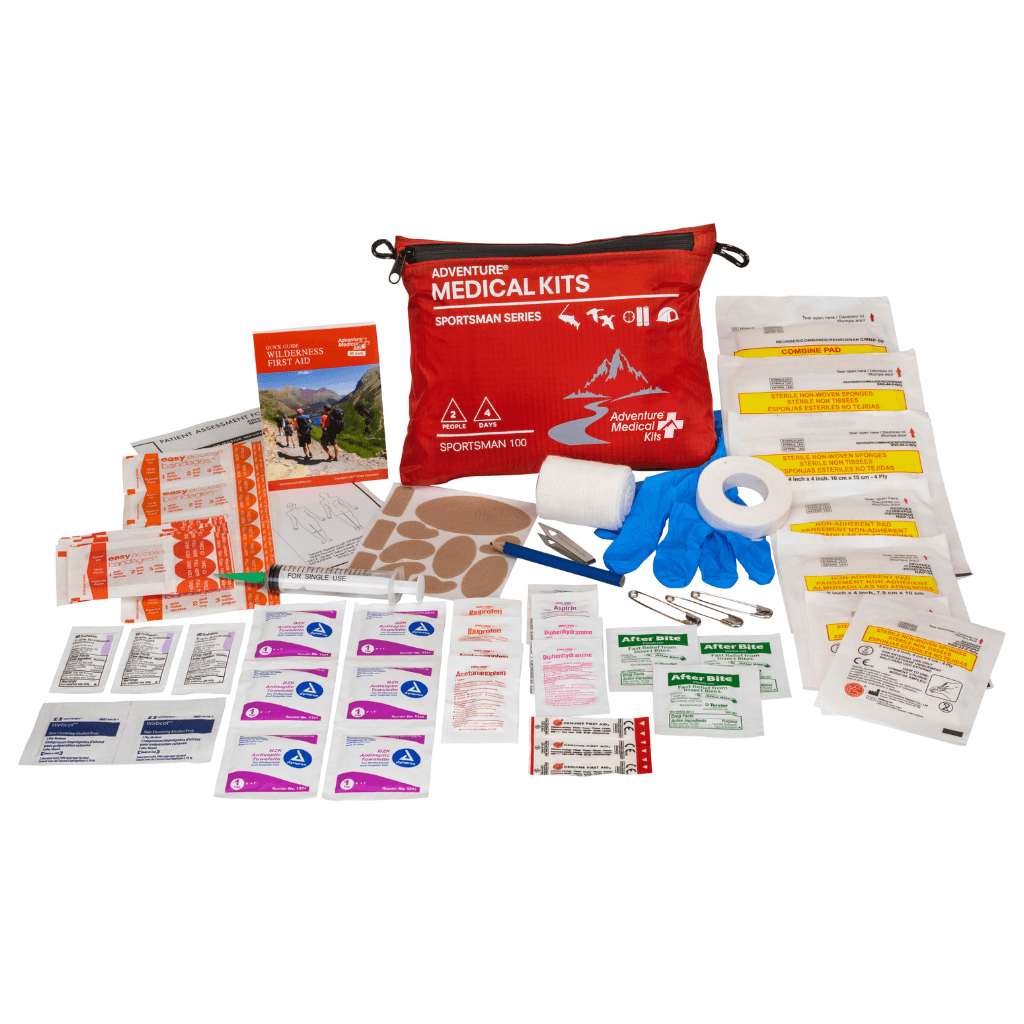
For initial-care guidance, read how to treat a sprained ankle and pair it with hands-on training. Before a trip, check the group's kit for an intact wrap and supplies for supporting a suspected sprain. Compare the contents of the Mountain Series and MOLLE trauma kit series with the group's needs. Adventure Medical Kits organizes supplies for outdoor activities, making kit contents easier to check before departure.