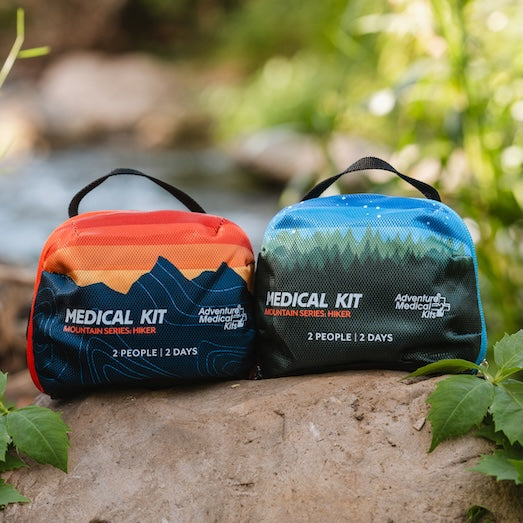


A small scrape on a trail can become a surprisingly complicated problem. A hiker may have a blister that needs protection, a minor cut picked up while gathering firewood, or skin that needs preparation before a first-aid procedure. A foil packet containing an alcohol prep pad seems simple, but the right choice depends on what needs cleaning, whether the pad is sterile, and how outdoor conditions affect evaporation.
Alcohol prep pads can support intact-skin antisepsis and limited minor first-aid use. They aren't a replacement for rinsing dirt from a wound, treating a deep injury, or seeking medical care when an injury exceeds basic field treatment. The practical skill is knowing where the pad fits, where it doesn't, and how to avoid mistaking a quick wipe for complete wound care.
Table of Contents
- Introduction to Alcohol Prep Pads on the Trail
- What an Alcohol Prep Pad Is and How It Works
- When to Use a Prep Pad and When to Choose Something Else
- How to Use an Alcohol Prep Pad Safely and Avoid Common Mistakes
- Shelf Life Storage and Keeping Pads Ready in Your Pack
- Disposal Safety and Environmental Considerations Outdoors
- Building Your Outdoor Kit With Alcohol Prep Pads and Smart Alternatives
Introduction to Alcohol Prep Pads on the Trail
At camp, a hiker notices a hot spot forming on the heel. The skin isn't open yet, but the area needs to be cleaned before blister protection is applied. A nearby companion has a small foil packet in a first-aid pouch. Opening it provides a fast way to prepare intact skin, but it doesn't turn the packet into a complete treatment plan.
That distinction matters outdoors. A prep pad may be useful before applying a dressing, preparing skin for a minor procedure, or supporting care for a small superficial injury. It won't remove gravel from a dirty scrape, close a deep wound, replace soap and water, or make an unsafe procedure safe.
Field judgment: The first question isn't “How strong is this wipe?” It's “What kind of cleaning does this injury or procedure require?”
Most clinical alcohol prep pads contain 70% v/v isopropyl alcohol and are marketed for preparing skin before injections and for first-aid use on minor cuts and scrapes, as shown in FDA-listed DailyMed product information. Historical and clinical evidence also places alcohol swabs in routine medical use since at least the nineteenth century, while a controlled study reported that wiping an injection site with 70% isopropyl alcohol reduced bacterial counts by 47% (clinical and historical review).
The useful learning path moves from the pad itself to field decisions. Once hikers understand the alcohol concentration, the sealed wrapper, contact time, drying, and the difference between intact skin and an open wound, a tiny packet becomes a precise tool rather than a general-purpose cleaner.
What an Alcohol Prep Pad Is and How It Works
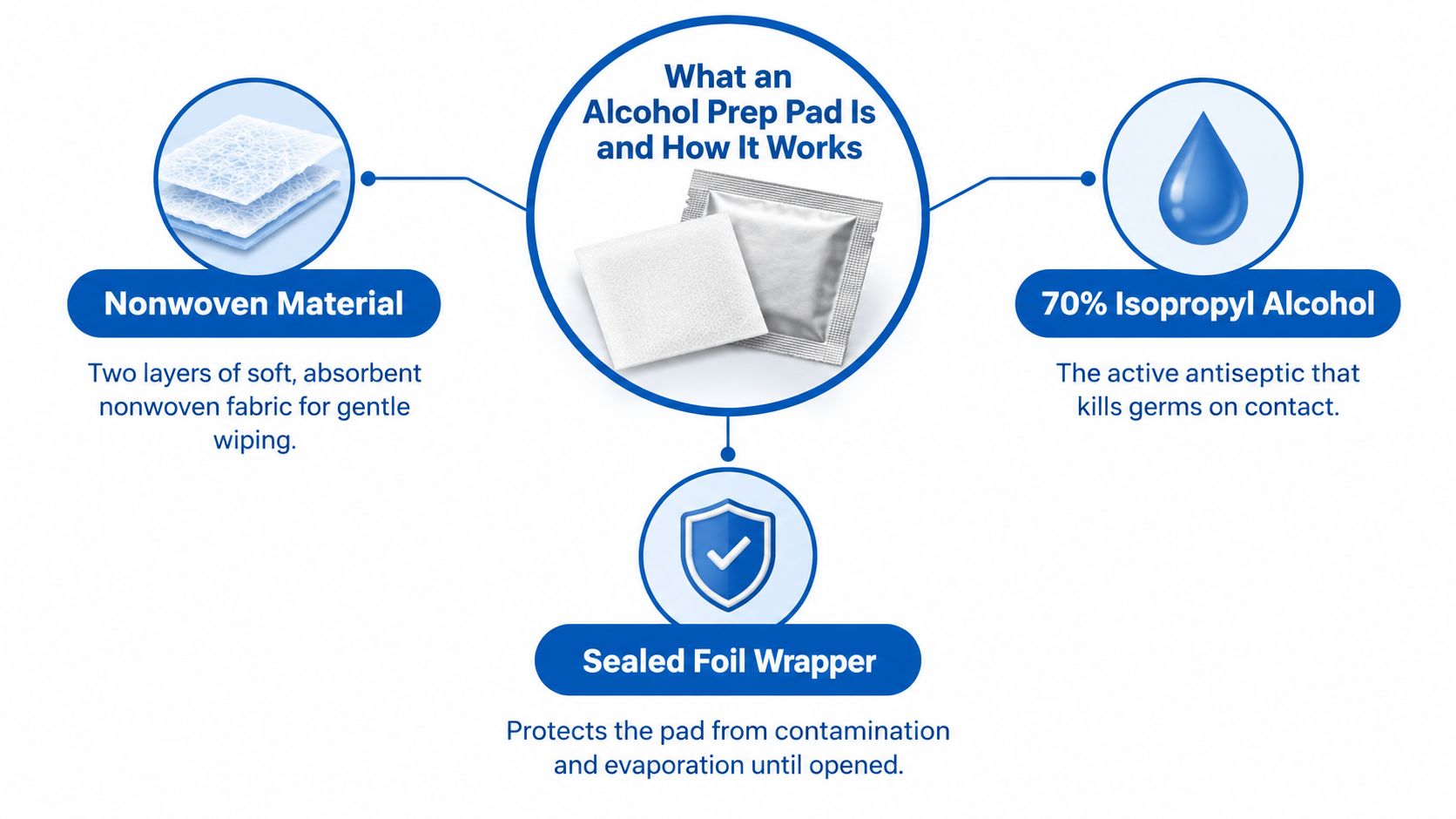
A typical clinical alcohol prep pad is a small piece of 2-ply nonwoven material saturated with 70% v/v isopropyl alcohol. It is usually folded inside an individually sealed wrapper, often made from foil or another barrier material that helps protect the pad from contamination and evaporation. DailyMed labeling describes these pads as sterile, single-use products for skin preparation and cleansing, with sterility tied to intact, unopened packaging.
Why the concentration matters
The alcohol is the active antiseptic. A quality specification for prep pads targets roughly 70% to 75% alcohol and evaluates antimicrobial performance using contact-time testing. One published specification describes a 3-minute contact time, with log-reduction benchmarks of at least 5 log for Staphylococcus aureus and Pseudomonas aeruginosa, and at least 4 log for Candida albicans (prep-pad quality specifications).
That laboratory information helps explain a field limitation. The pad is designed for rapid skin antisepsis, not for every disinfection task. A hiker can think of the alcohol as creating a short cleaning window. The liquid spreads across the skin, begins acting on surface microorganisms, and then evaporates. The area needs time to air-dry instead of being covered, rubbed, or immediately punctured.
Higher alcohol concentration doesn't automatically mean better field performance. Guidance for these products notes that 70% isopropyl alcohol should be allowed to air-dry for at least 30 seconds, while stronger solutions may evaporate too quickly for the intended antiseptic action (product guidance for 70% isopropyl alcohol wipes).
Why the wrapper matters
The wrapper is more than convenient packaging. It acts as the barrier that keeps the pad sterile until use. A tear, puncture, or opened packet compromises that claim, even if the pad still looks clean. The same DailyMed labeling also identifies the product as external use only and single use.
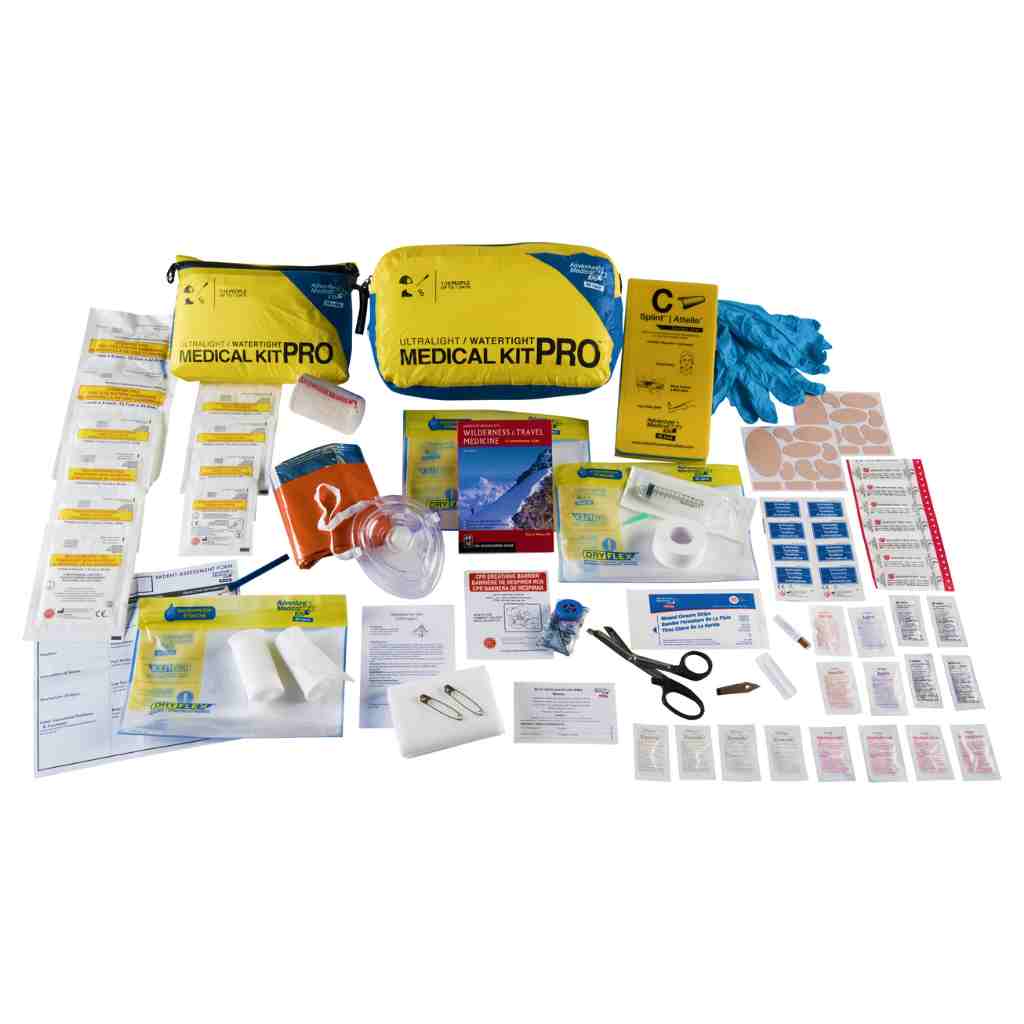
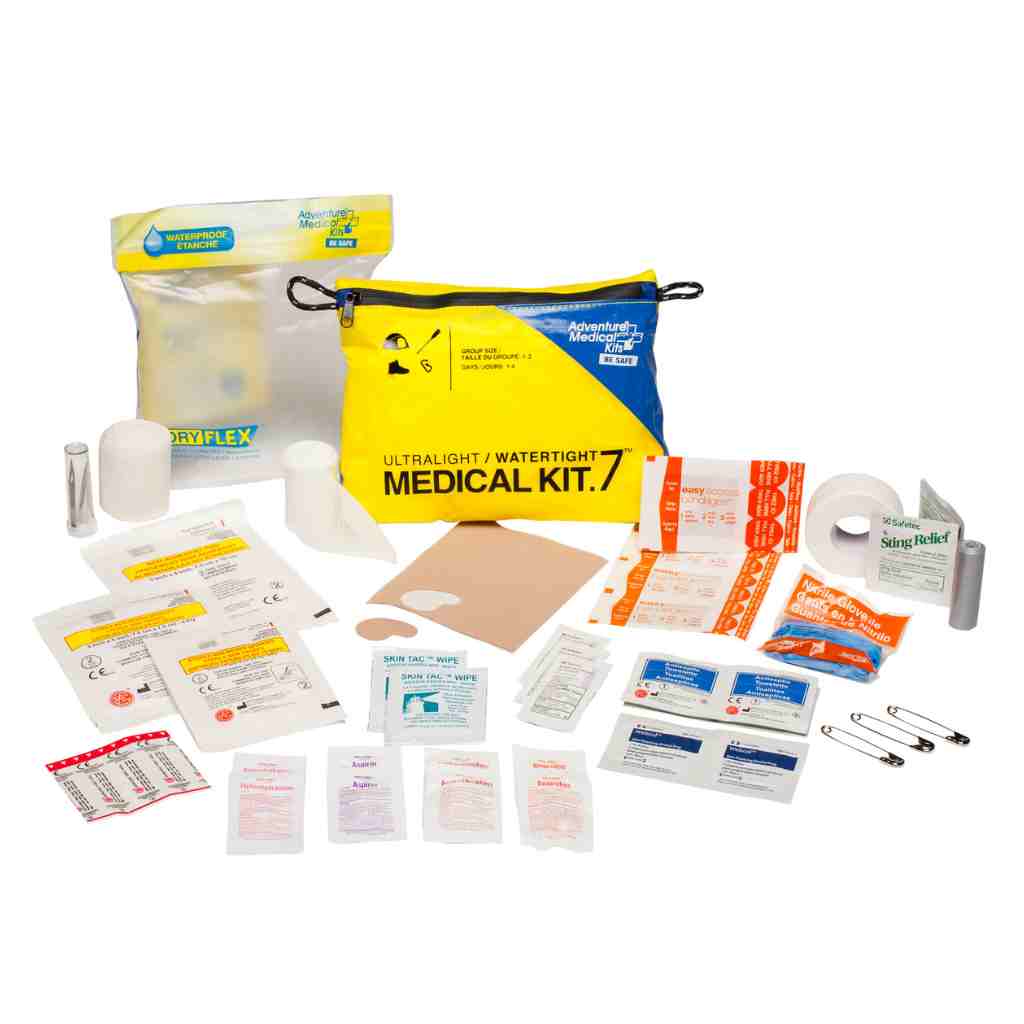
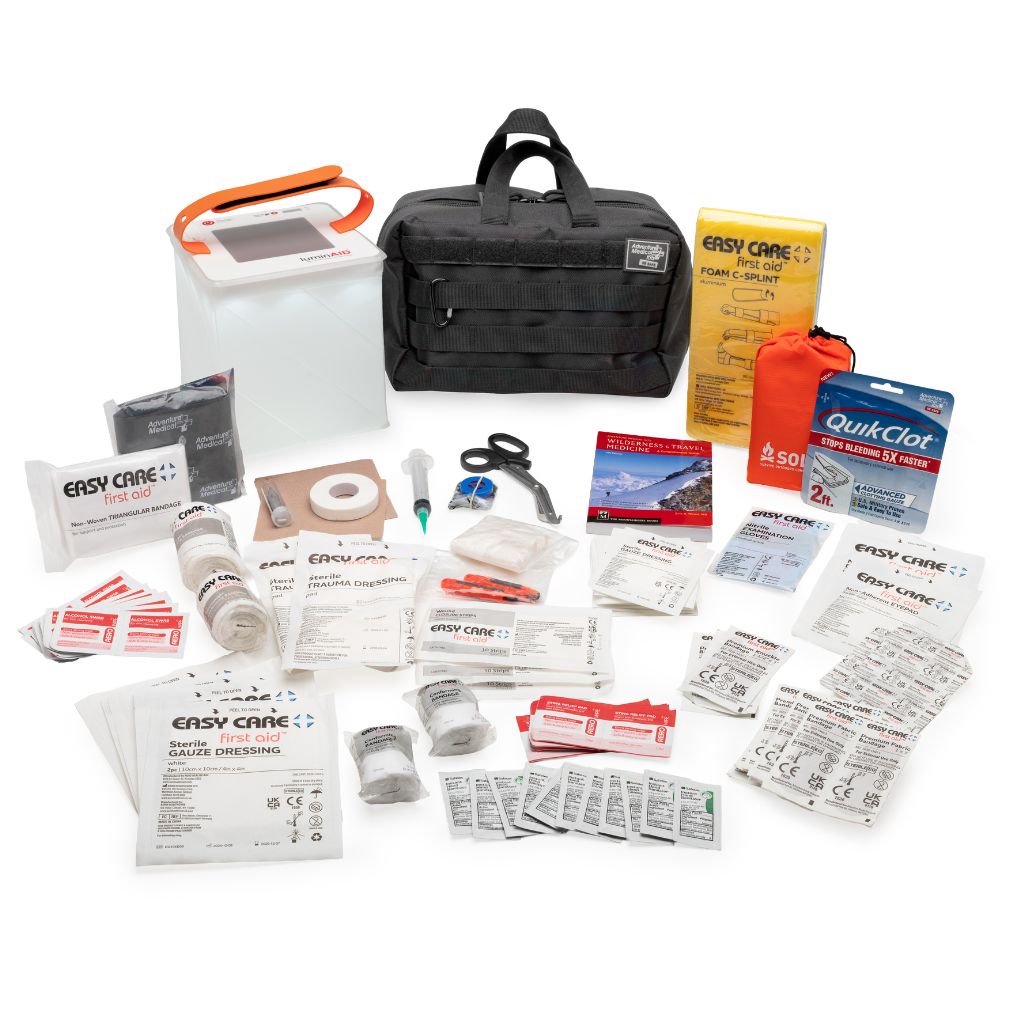
The Blister Medic Kit illustrates how alcohol pads can sit alongside, rather than replace, other supplies. Its listed contents include moleskin, GlacierGel, alcohol pads for skin preparation, and antiseptic towelettes for wound cleaning.
When to Use a Prep Pad and When to Choose Something Else
The most useful outdoor distinction is between preparing intact skin and cleaning an open, dirty wound. An alcohol prep pad fits the first task more naturally. Soap and clean running water, when available, are generally the safer starting point for removing dirt and debris from a scrape.
A sterile pad and a non-sterile wipe aren't interchangeable. Medical guidance for people managing bleeding disorders specifically advises checking for the word “sterile” and discontinuing non-sterile pads for catheter or port care (DailyMed product labeling). The same principle helps outdoor users: the task determines whether sterility matters.
Choosing the Right Cleaning Option Outdoors
| Option | Best Use | Limitation Outdoors |
|---|---|---|
| Sterile alcohol prep pad | Preparing a small area of intact skin before a minor procedure, dressing, or injection | Doesn't flush grit from a wound and must remain sealed until use |
| Non-sterile alcohol wipe | General cleaning where sterile handling isn't required | Not appropriate for tasks that require a sterile product |
| Soap and water | Removing dirt and debris from minor cuts and scrapes | Requires access to suitable water and soap |
| Other antiseptic | A task where product labeling specifically supports that use | Instructions, skin tolerance, and contact time vary |
For a scraped knee covered in trail dust, a dry wipe can create a false sense of cleanliness. The pad may reduce surface microorganisms, but it doesn't mechanically wash away dirt. For a clean patch of skin before placing blister protection, the pad has a clearer role.
Product labeling for 70% isopropyl alcohol wipes also limits first-aid use. Such products may be labeled to help reduce infection risk in minor cuts, scrapes, and burns, with directions to clean the area and apply 1 to 3 times daily, while warning against use on large body areas or for longer than one week unless directed by a doctor (OTC DailyMed labeling). For broader wound-care decisions, hikers can review guidance on triple antibiotic cream, while following the specific product label and the situation's medical needs.
How to Use an Alcohol Prep Pad Safely and Avoid Common Mistakes
A good field technique is short, deliberate, and clean. The pad works best when the user protects its wet surface, gives the alcohol time to evaporate, and avoids applying it where the product isn't intended to go.
A simple preparation sequence
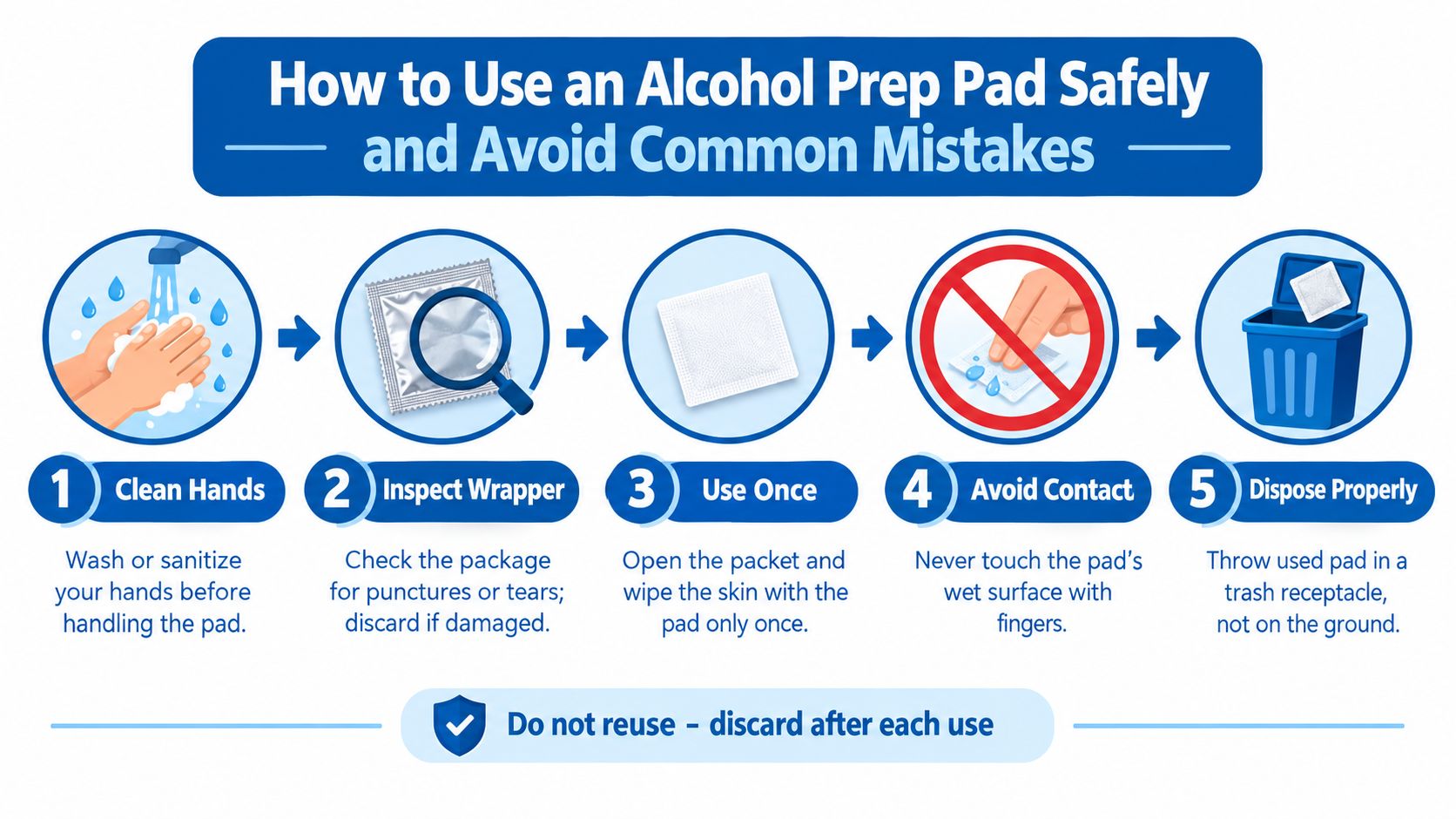
- Clean the hands first. Wash or sanitize hands before opening the packet. Gloves can add another layer of protection when the situation calls for them, but they don't remove the need for careful handling.
- Inspect the wrapper. Look for punctures, tears, wet spots, or an opened seam. If the barrier is damaged, discard the packet instead of assuming the pad remains sterile.
- Open without touching the pad's wet surface. Hold the wrapper edges and unfold the pad. Touching the saturated area can transfer contamination to the material and then to the skin.
- Wipe the intended area once. Use a single, controlled pass over the small area being prepared. Don't scrub a dirty wound with alcohol in an attempt to replace rinsing, and don't spread the pad over a large region.
- Let the area air-dry. Allow at least 30 seconds before a procedure that requires dry skin, following the product's directions and waiting longer if the area remains visibly wet (product guidance for drying time). Dispose of the pad after use.
Practical rule: A shiny or damp surface isn't ready. Wind can speed evaporation, while cold air, sweat, or a heavier application can make drying less predictable.
Mistakes that reduce the value of the pad
Blowing on the skin can introduce contaminants from the mouth. Rubbing the prepared area afterward can recontaminate it. Reusing a pad, placing it back in the wrapper, or saving it for another person defeats the single-use design.
Outdoor conditions also change handling. On sweaty skin, moisture and friction can interfere with a consistent wipe, so the area should be gently dried first when possible. In wind, the packet and used pad need control so they don't become litter. In cold conditions, patience matters more than a fixed countdown. The area should be visibly dry before the next step.
Stop using the product if irritation develops. The product label calls for external use only and advises stopping if irritation occurs, while isopropyl alcohol wipe safety data warns about eye irritation and recommends rinsing exposed eyes with water for several minutes.
Shelf Life Storage and Keeping Pads Ready in Your Pack
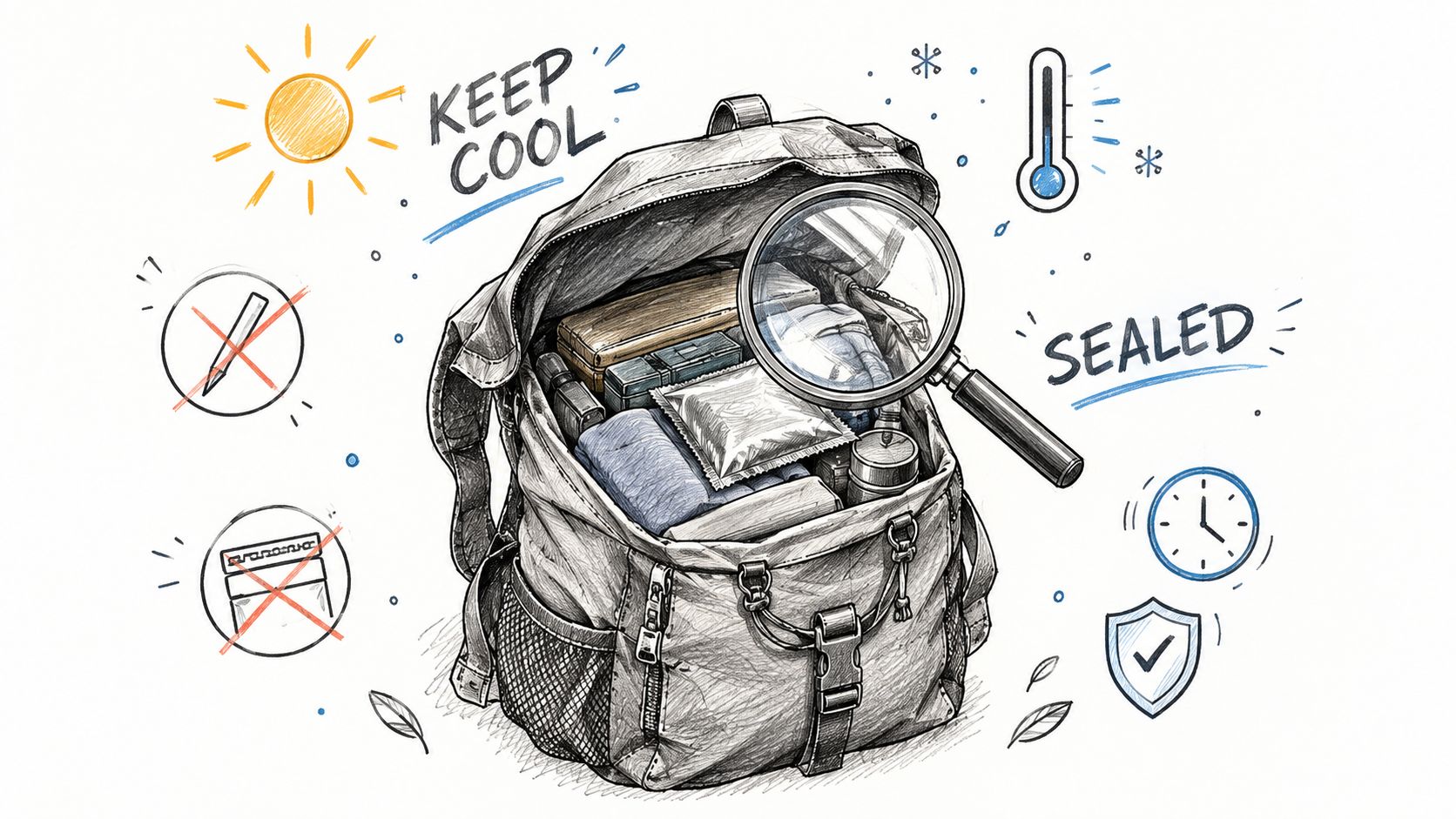
A prep pad earns its place in a pack only while its wrapper and contents remain intact. Heat, sunlight, friction, and punctures can weaken the packet or let alcohol escape through a damaged seal. A packet that feels dry, looks swollen, or has a torn edge should not be treated as sterile, even if the printed expiration date has not arrived.
Before leaving, inspect every packet and read its expiration information. The date is one checkpoint, not the whole judgment. An unopened packet with an undamaged wrapper is different from one crushed in a crowded pocket or opened during an earlier kit check.
Pack for the conditions, not the drawer
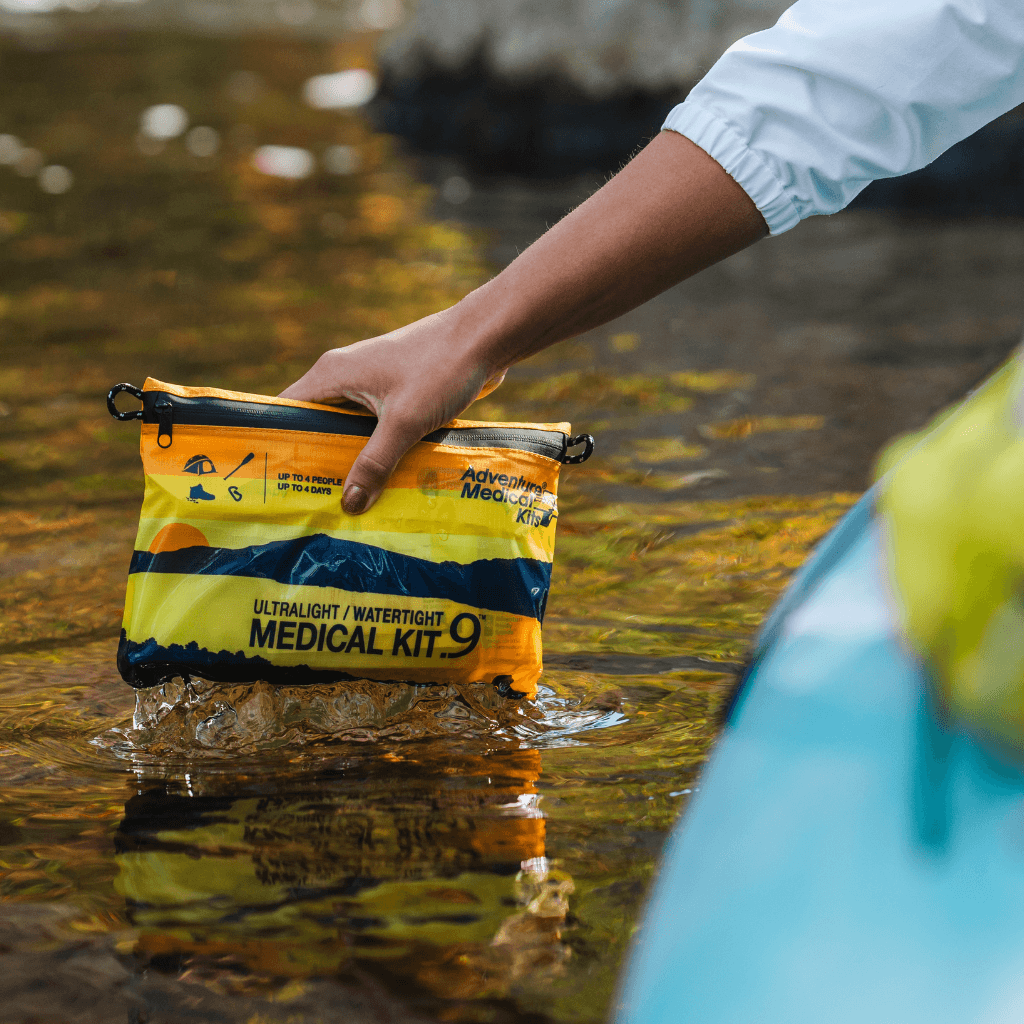
A resealable waterproof bag protects small packets from rain, spray, and damp equipment. It also keeps them together, like keeping matches in one dry container instead of loose throughout a pack. Store the first-aid pouch where you can reach it without unloading clothing or cooking gear.
Long periods in a hot vehicle can make packaging and contents less dependable. A glove compartment is convenient but may become a heat trap. Choose a cool, shaded place when the kit is stored between trips.
Build a rotation habit
Check the kit at the start of each season and after every trip. Replace damaged or expired packets, restore supplies used on the trail, and confirm that dressings, blister materials, and instructions still match what the pouch contains. A quick review prevents a small item from being present on paper but unavailable when needed.
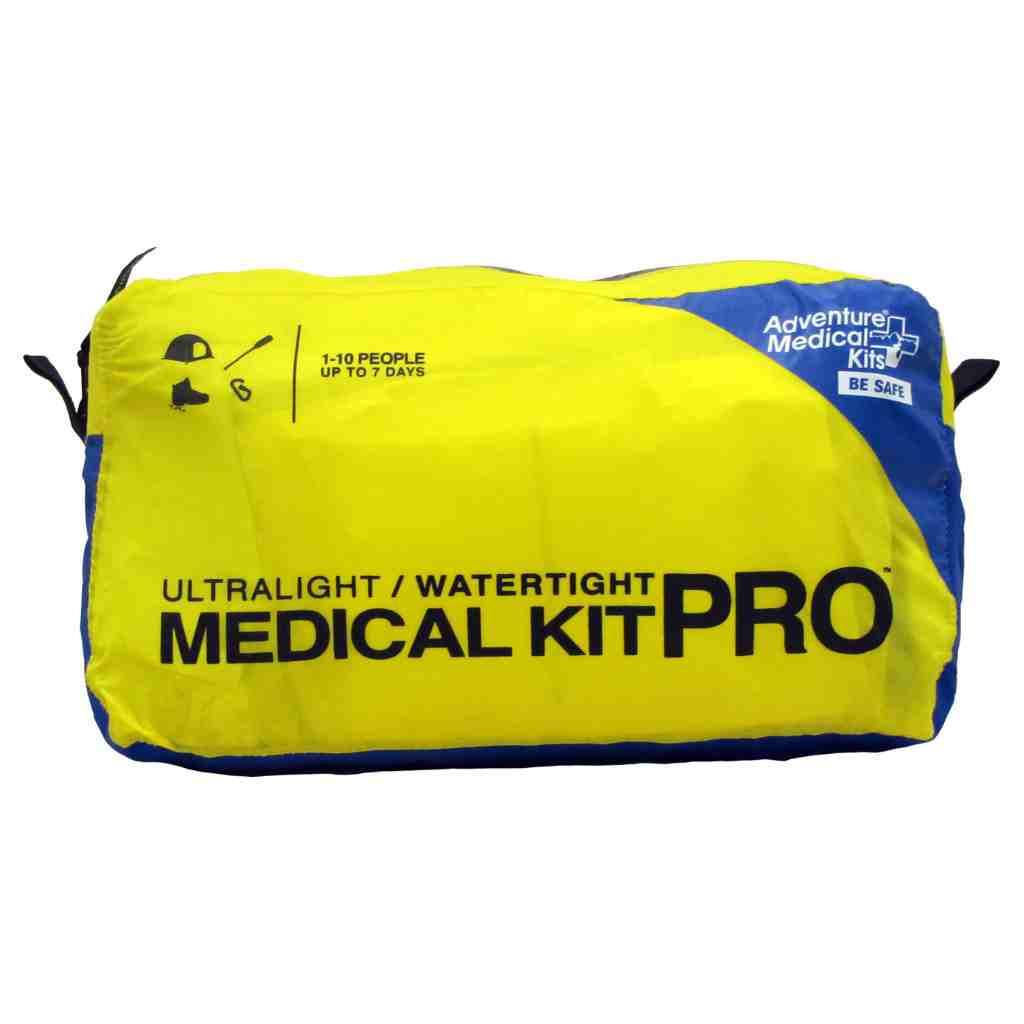
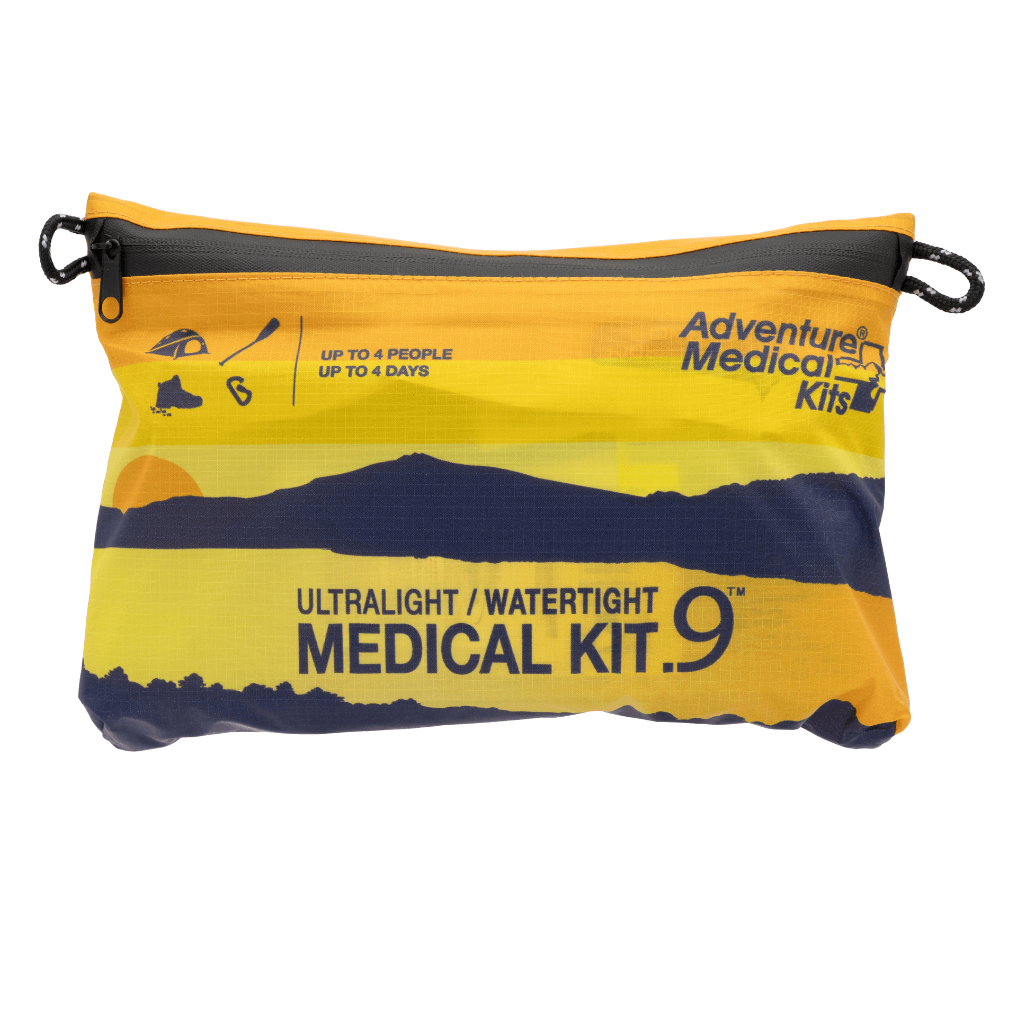
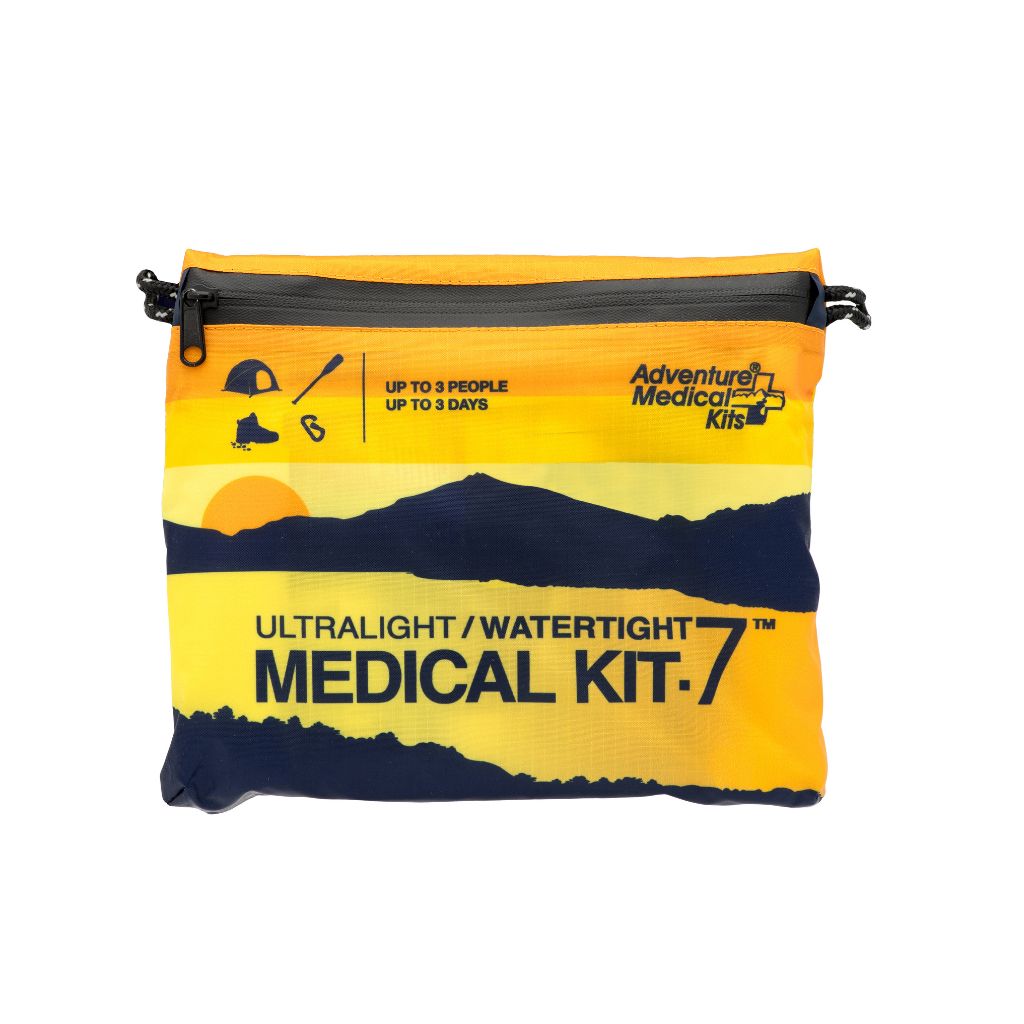
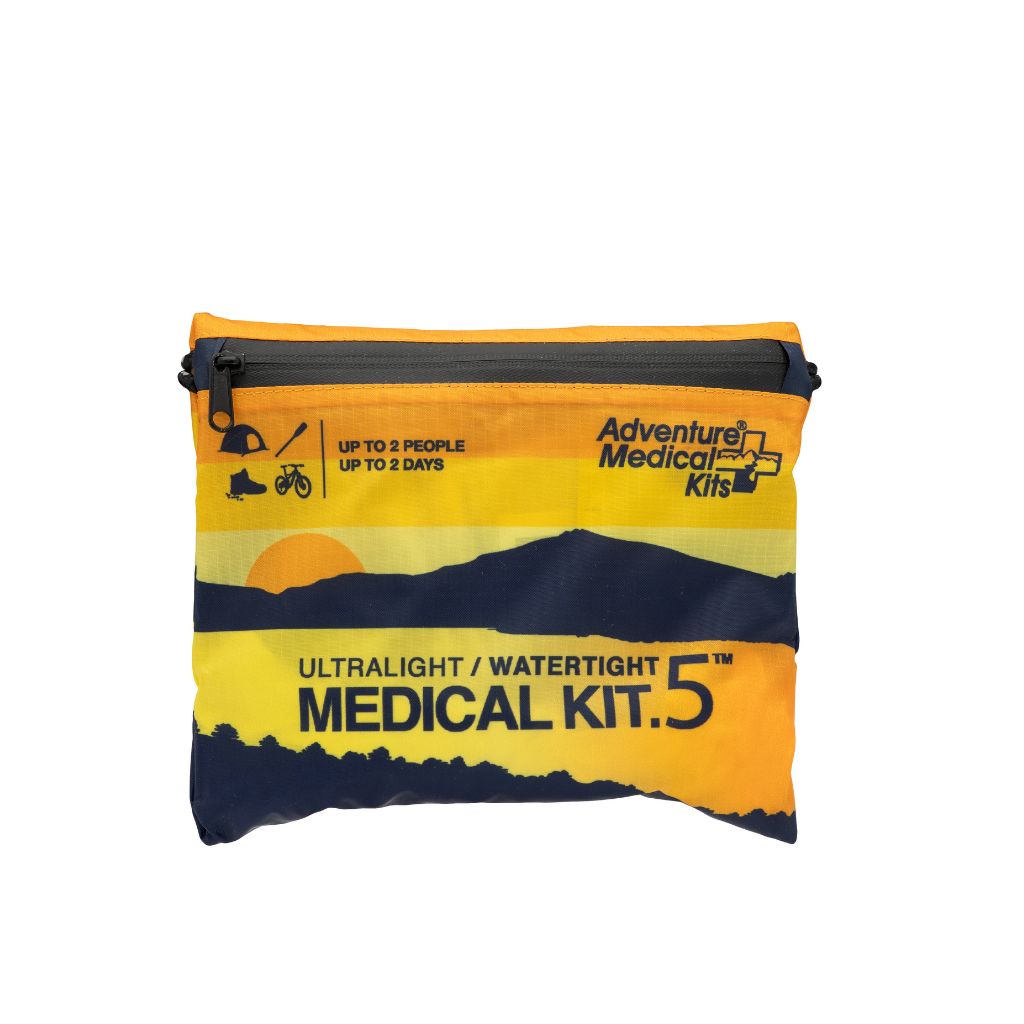
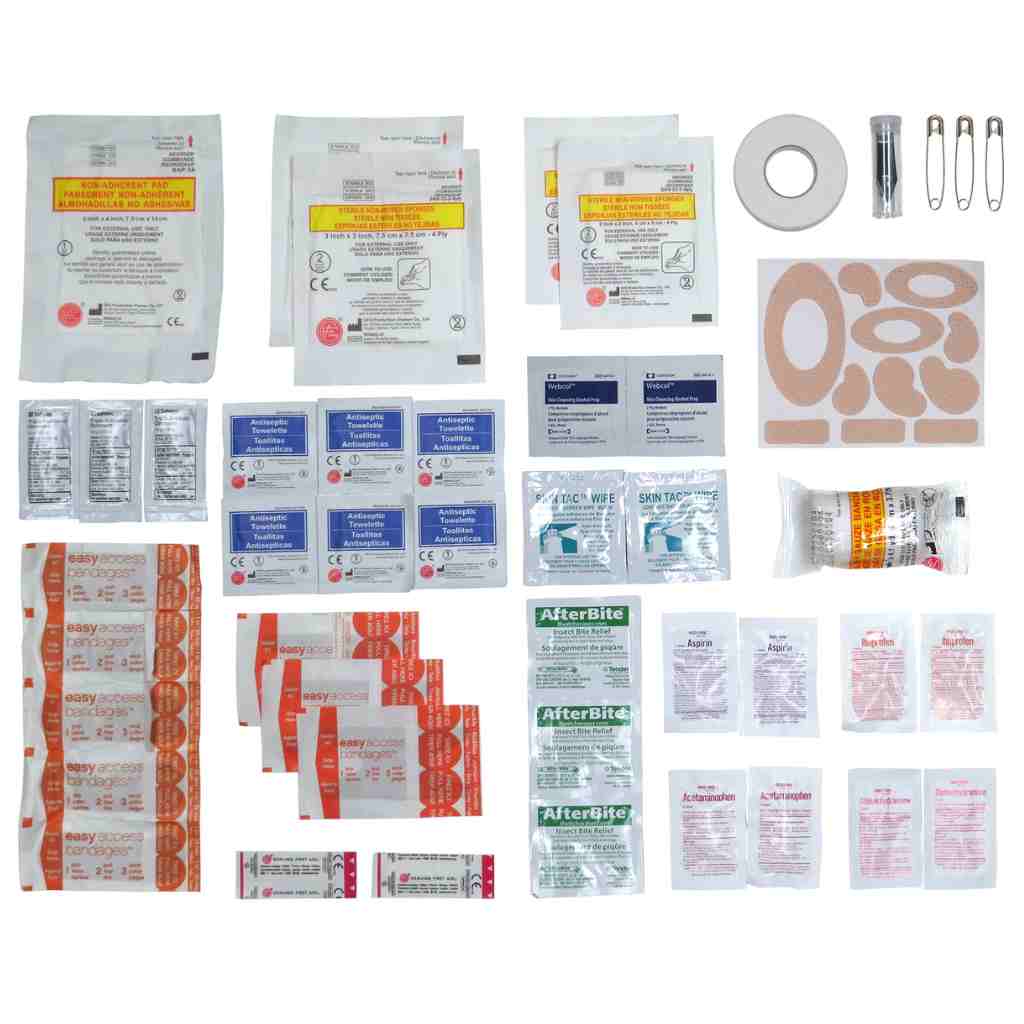
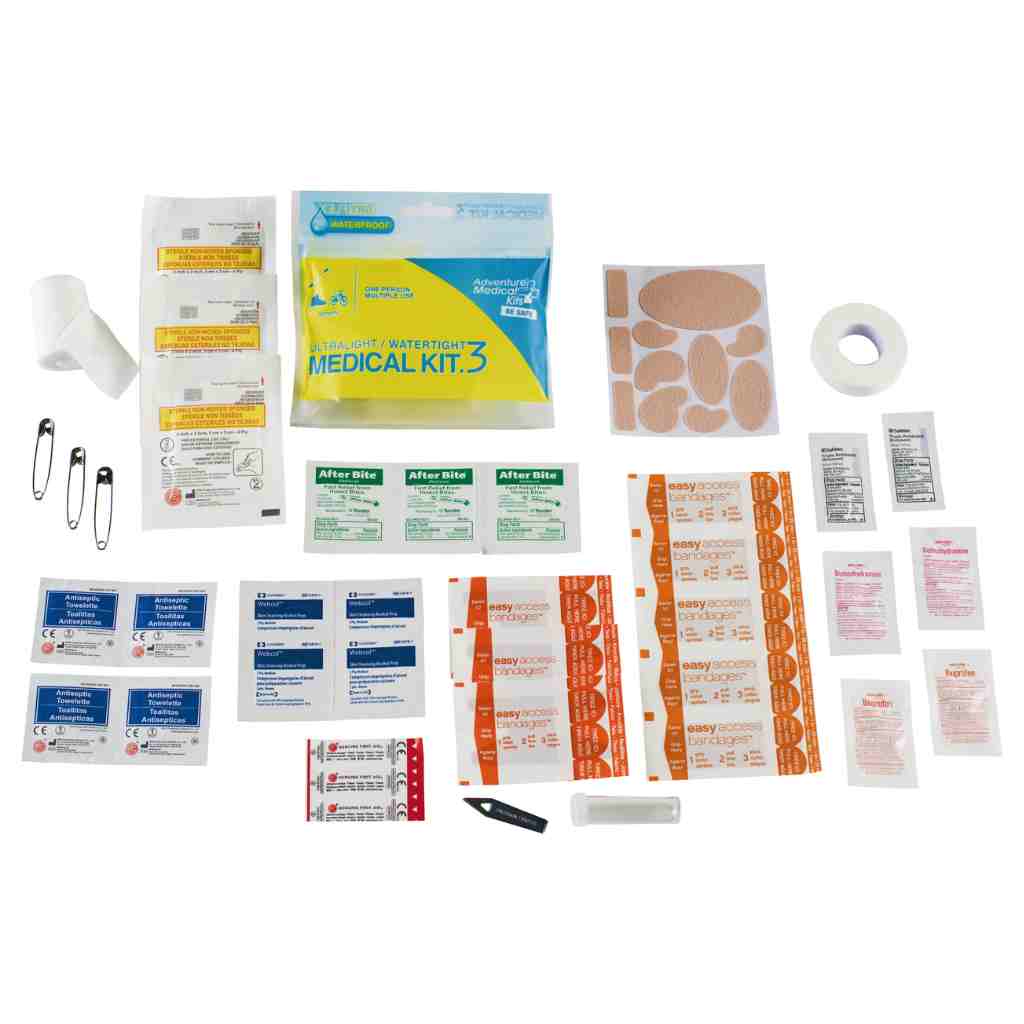
Ultralight first-aid kit guidance can help backpackers manage weight while keeping task-specific supplies. Waterproof packaging, labeled compartments, and a short inventory list make alcohol prep pads easier to find during a rushed camp repair, while also showing when the supply needs replacement.
Disposal Safety and Environmental Considerations Outdoors
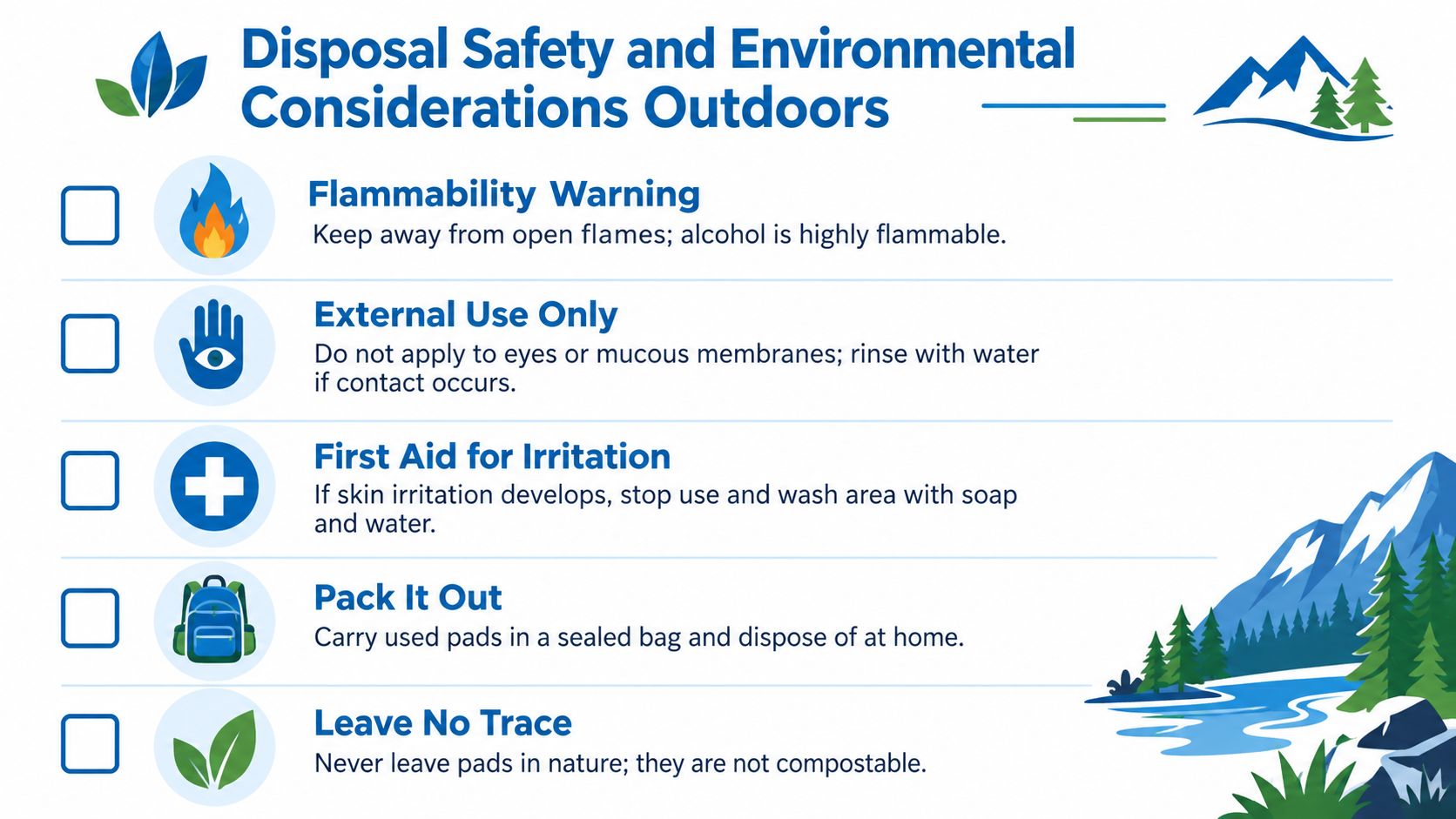
A used alcohol pad remains a camp hazard while it is damp. Isopropyl alcohol is flammable, so keep the pad away from stoves, lanterns, sparks, and open flames until it has dried. Do not burn foil wrappers in a campfire. Burning packaging creates smoke and leaves waste behind.
Pack out every used pad and wrapper. Alcohol residue and packaging can persist in the environment, so leaving either beside a trail, under a log, or at a campsite violates Leave No Trace practice. A small sealable bag works like a pocket-sized rubbish bin, keeping waste contained until you reach an appropriate trash receptacle.
Keep exposure incidents simple and calm
DailyMed instructions identify these products as external use only. Keep the pad away from the eyes and mucous membranes. If alcohol gets into an eye, rinse with water for several minutes. Remove contaminated clothing when relevant, and seek medical attention if symptoms continue, as described in the isopropyl alcohol wipe SDS.
Skin that becomes irritated needs a different response. Stop using the pad and wash the area with soap and water. Continuing symptoms call for medical care, not repeated applications of alcohol.
Carry only the quantity suited to the activity. That limits unnecessary waste, while an activity-specific kit prevents a large household supply from being emptied into a backpack. The goal is simple: use a pad when it fits the task, contain it afterward, and carry the waste out.
Leave No Trace habit: If a pad came out of the pack, its wrapper and used material should return to the pack until disposal is possible.
Building Your Outdoor Kit With Alcohol Prep Pads and Smart Alternatives
Alcohol prep pads make sense as one component of a field kit, not as the kit's entire cleaning system. A balanced setup pairs them with wound-rinsing supplies, dressings, blister protection, gloves, and instructions that help a hiker choose the right item under pressure.
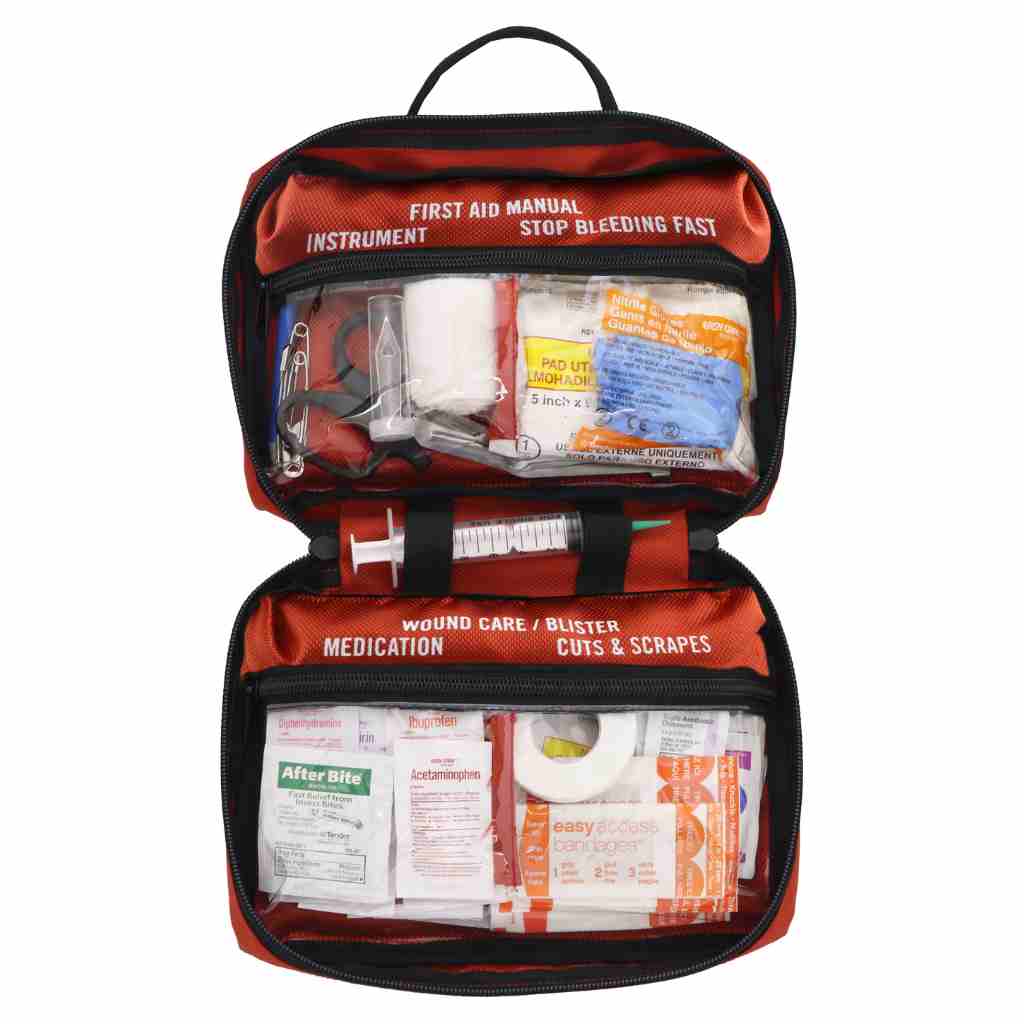
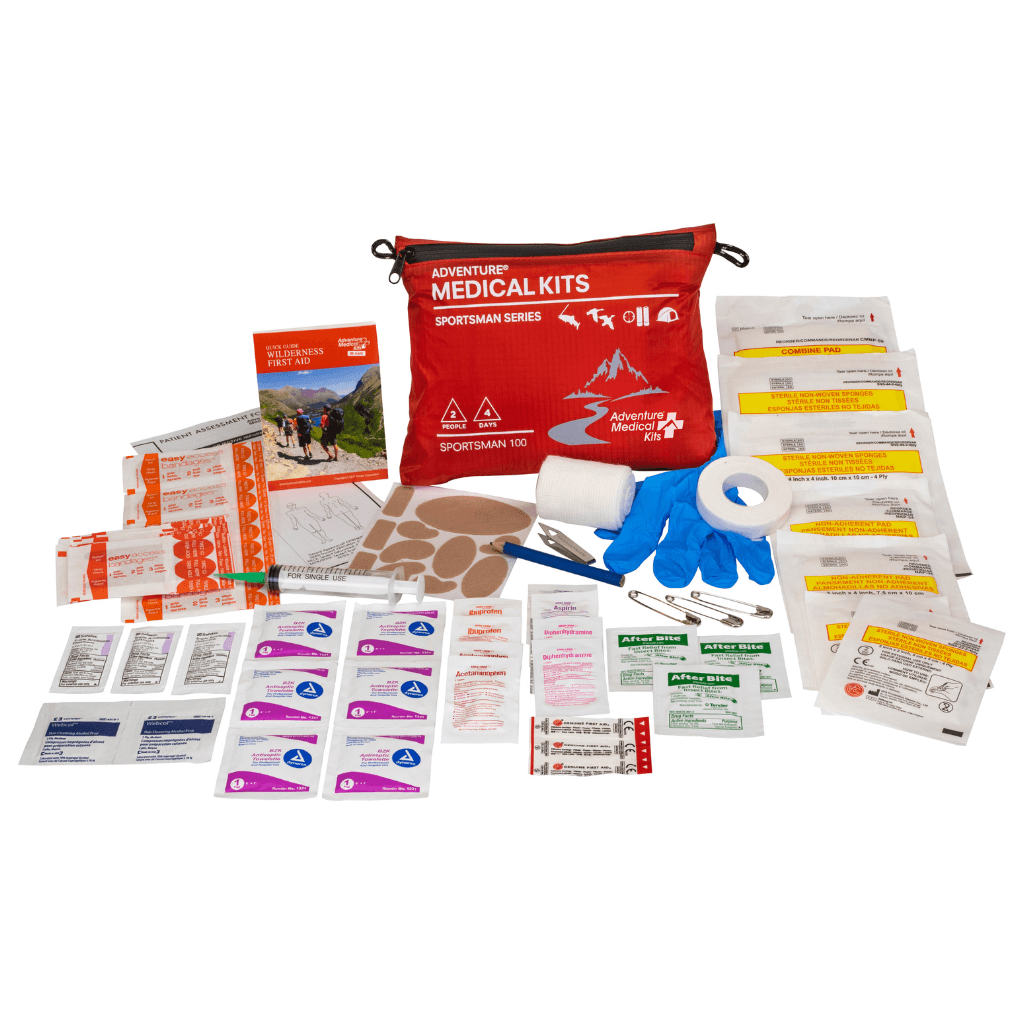
Activity-specific curation keeps that balance manageable. A backpacker may need compact blister materials and supplies for common trail injuries, while a hunter, paddler, or family emergency kit may require a different mix. The first-aid kit supplies guide can help organize the contents around likely injuries rather than packing every possible item.
Match the kit to the trip
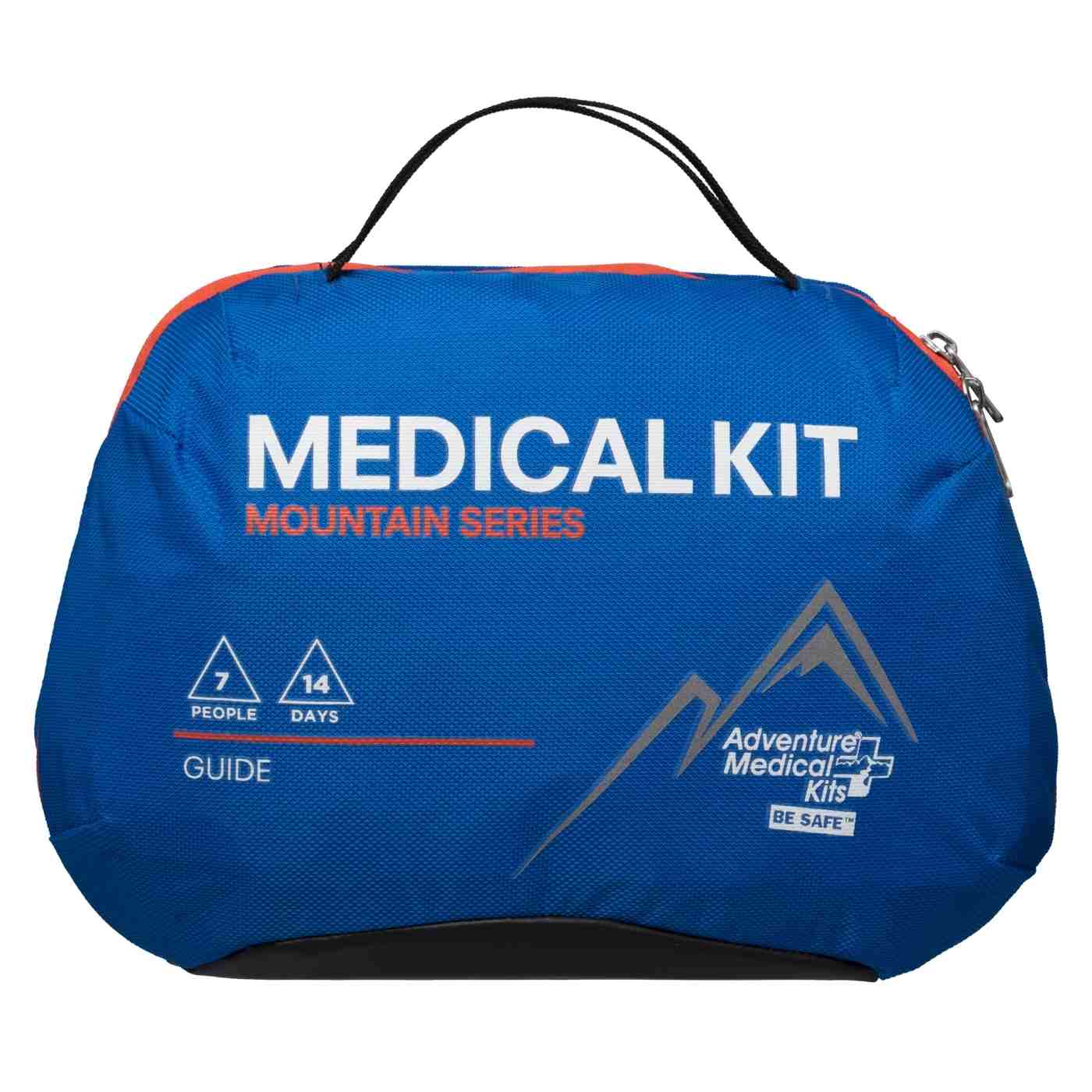
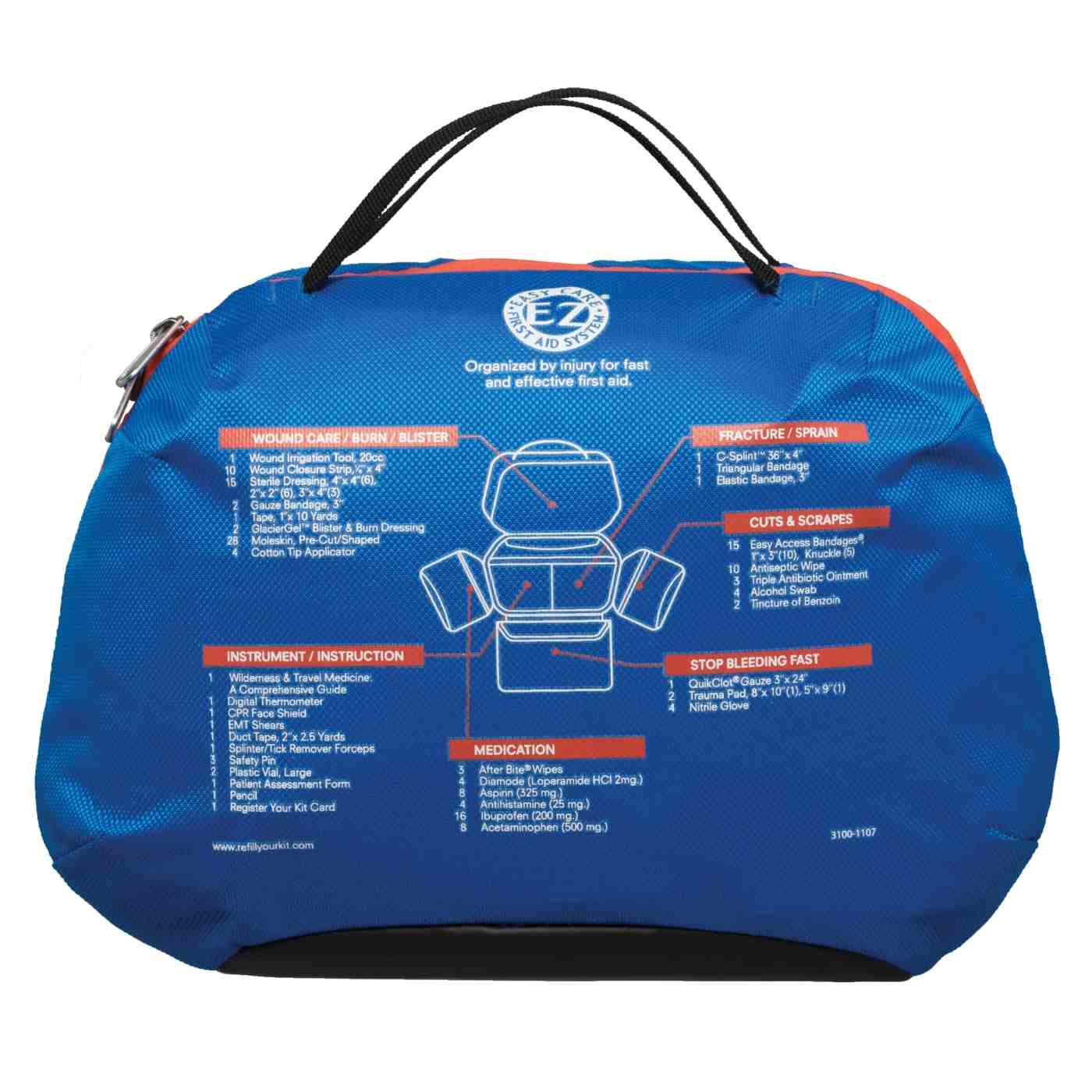
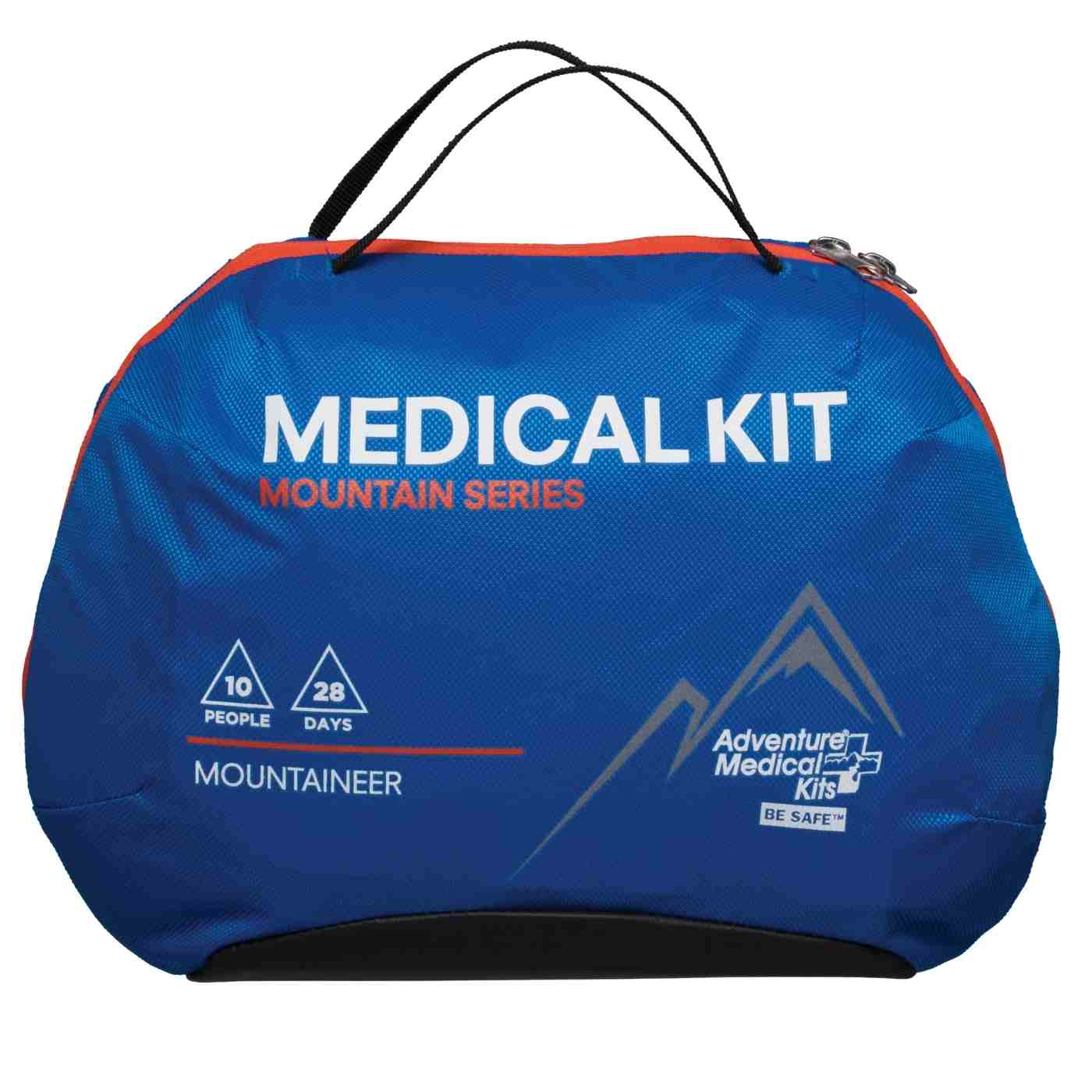
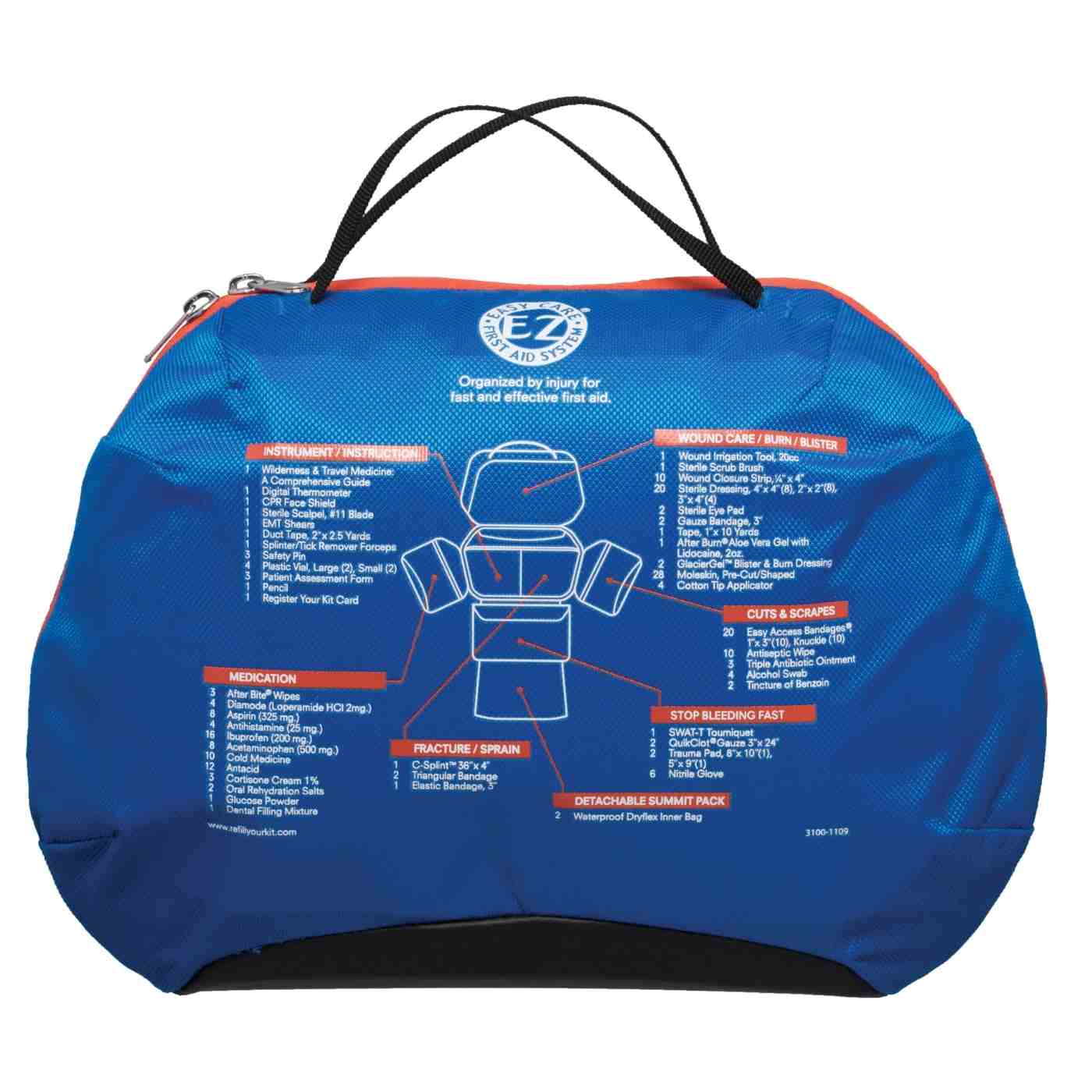
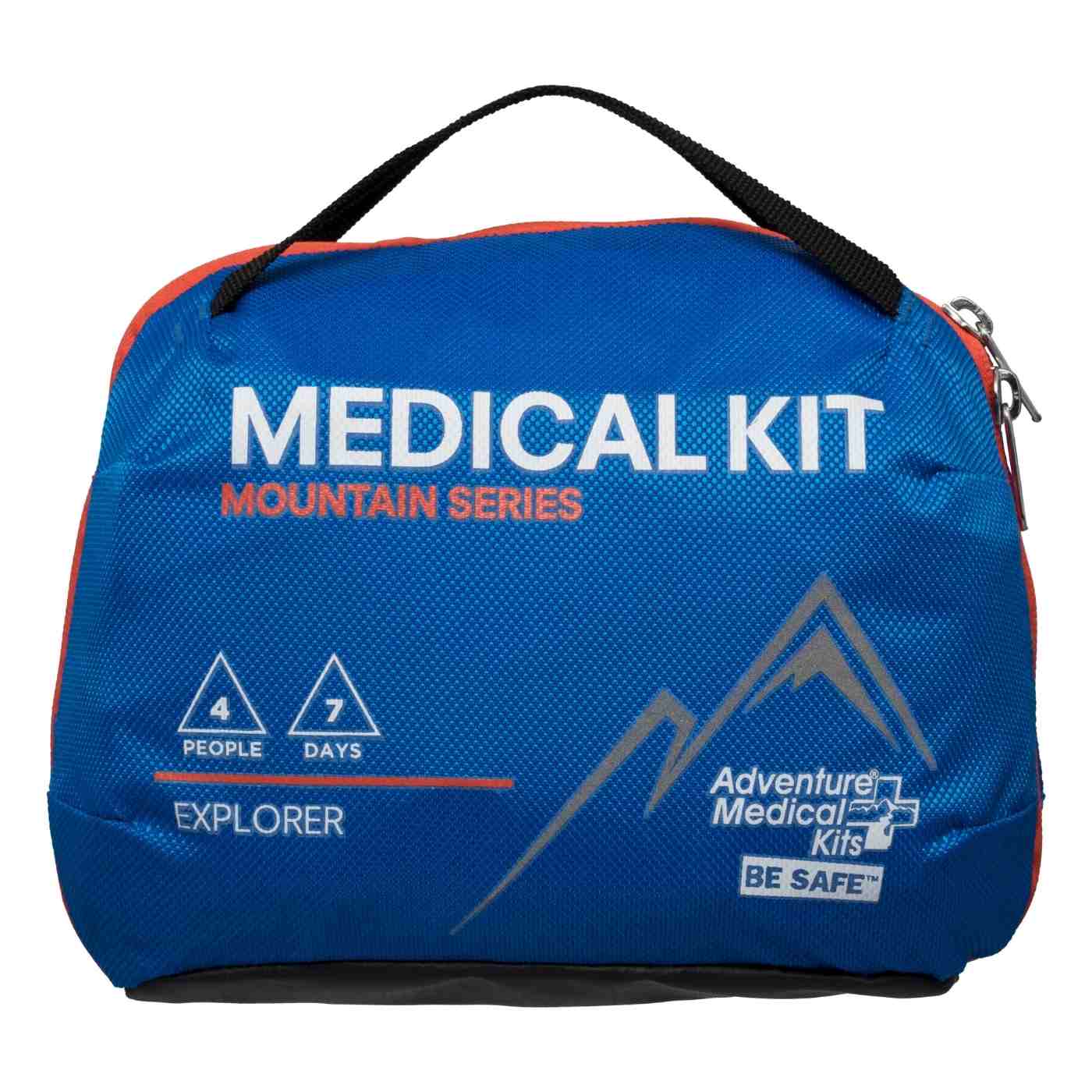
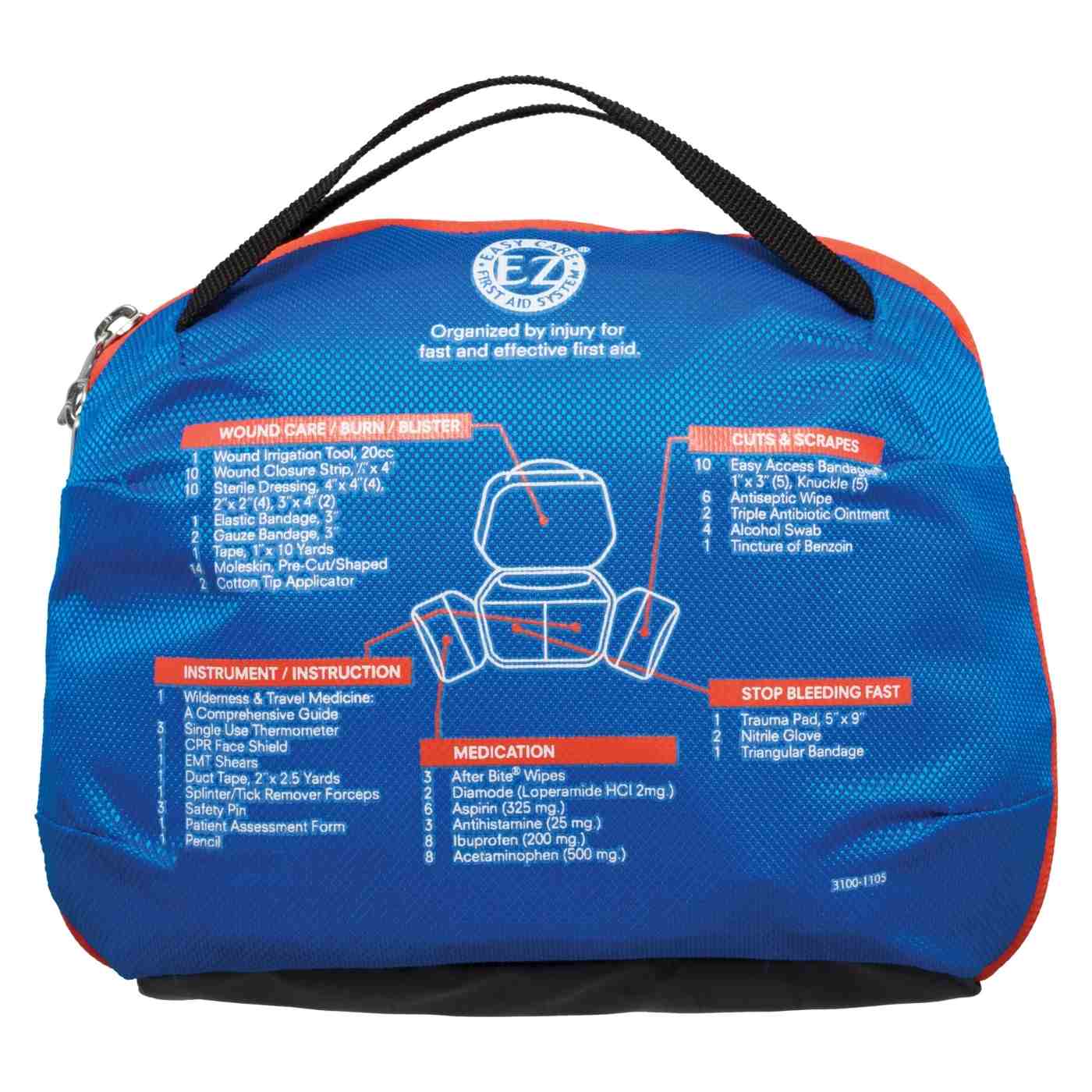
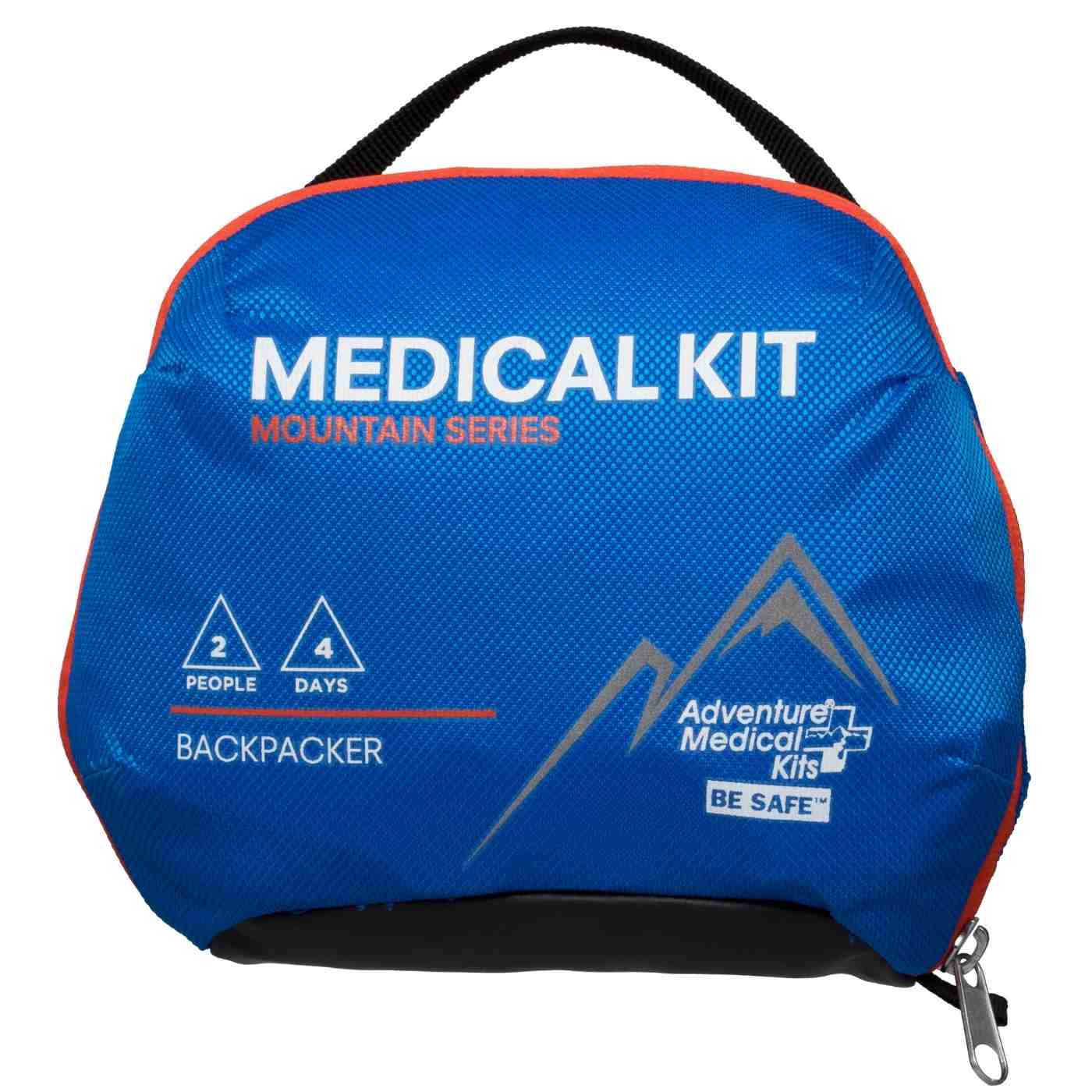
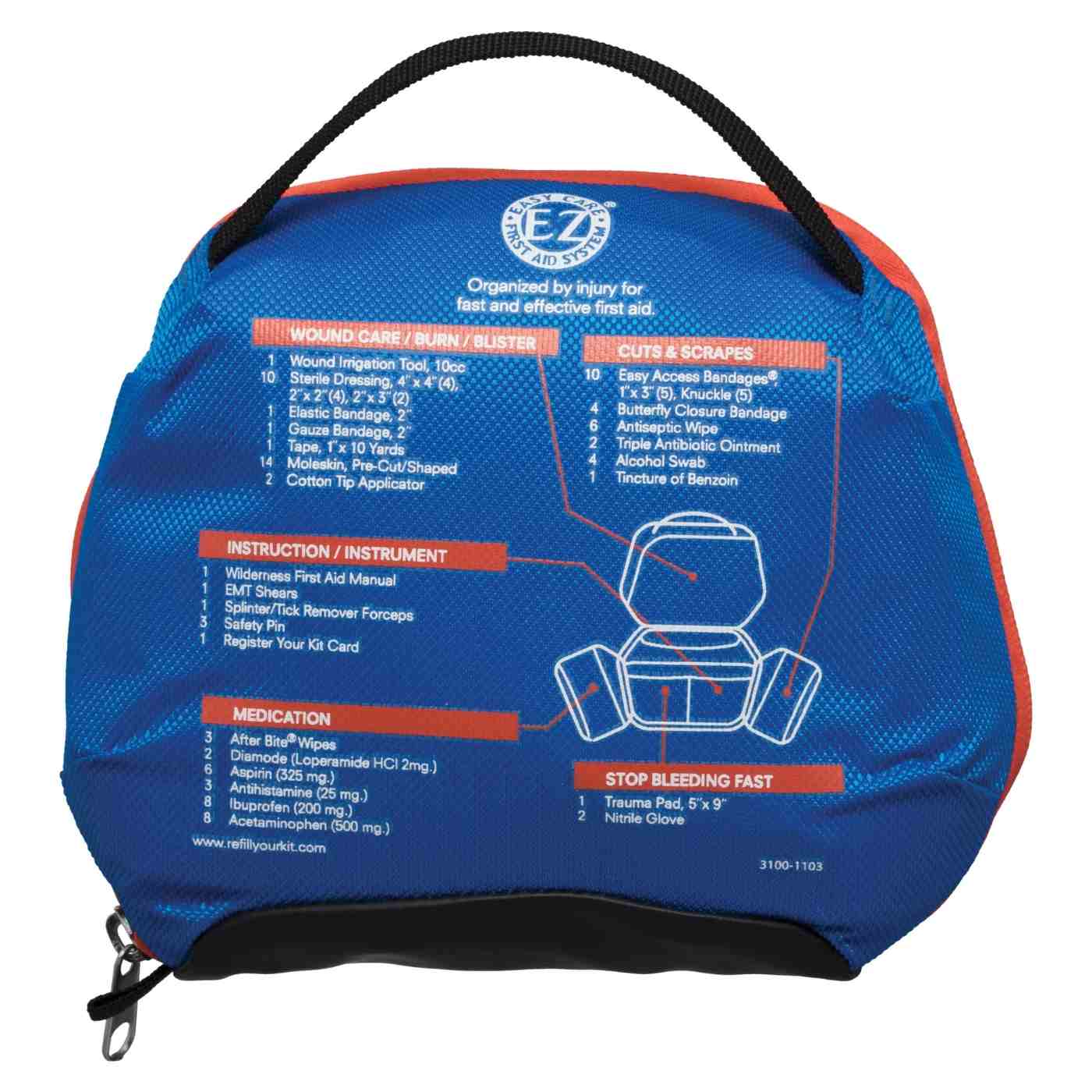
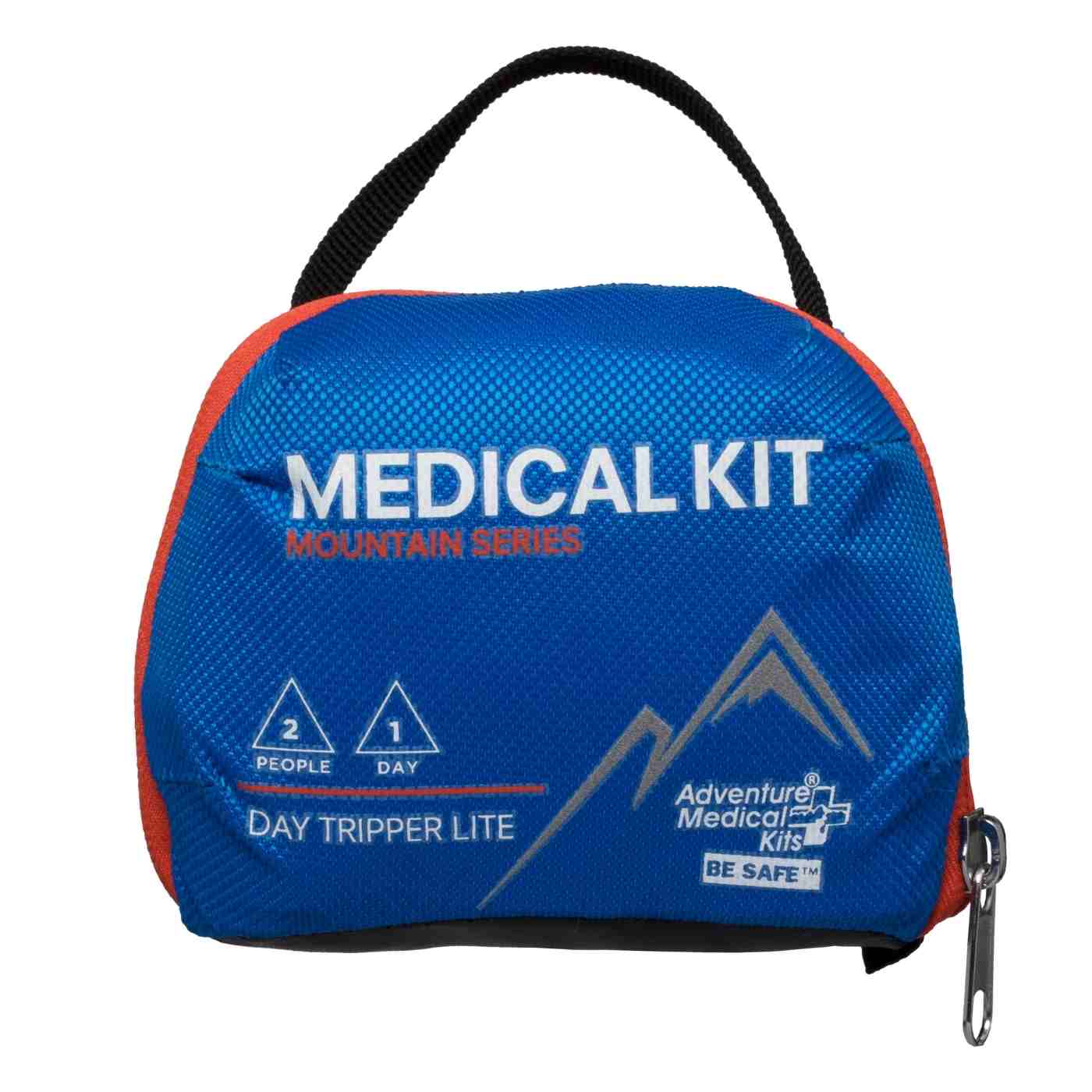
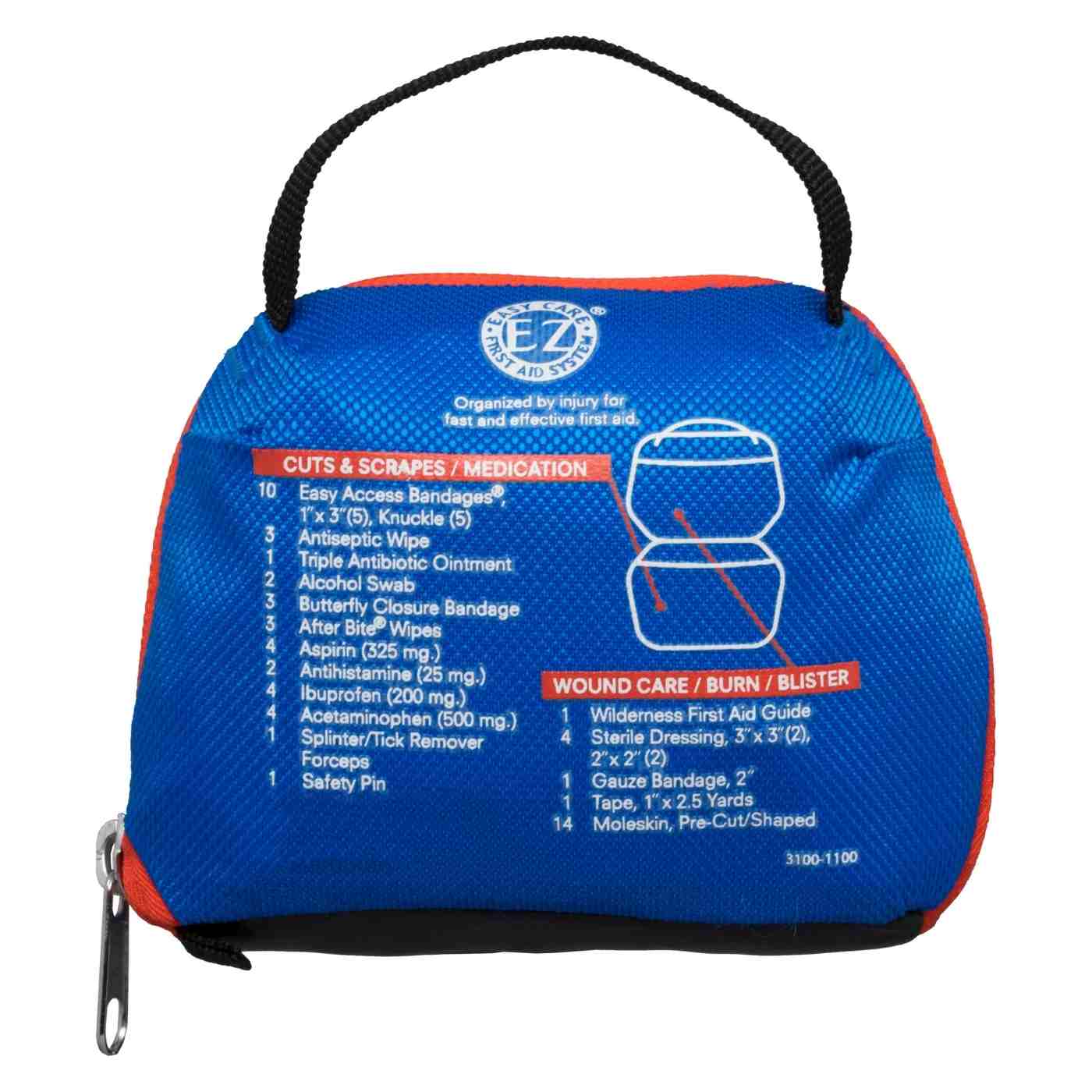
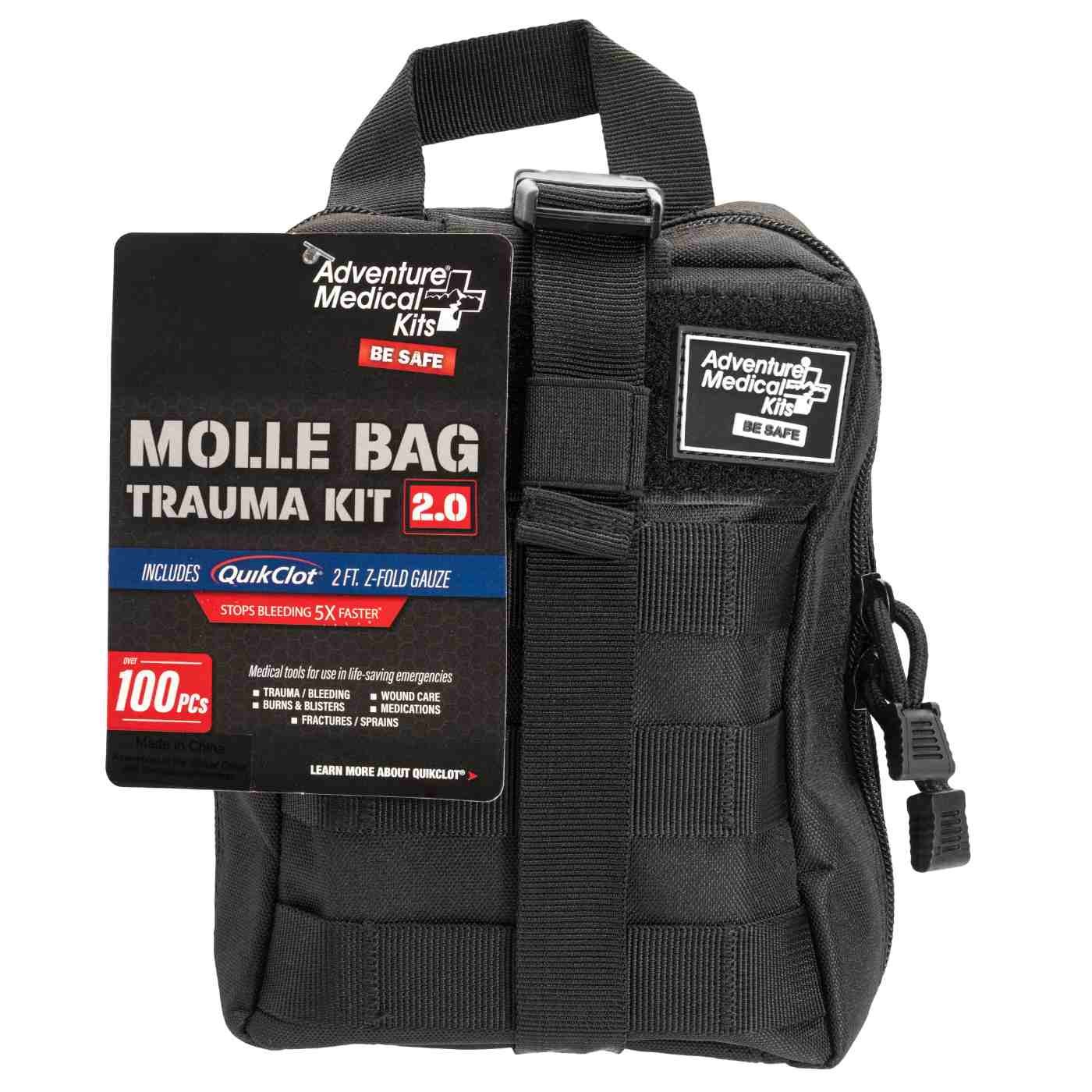
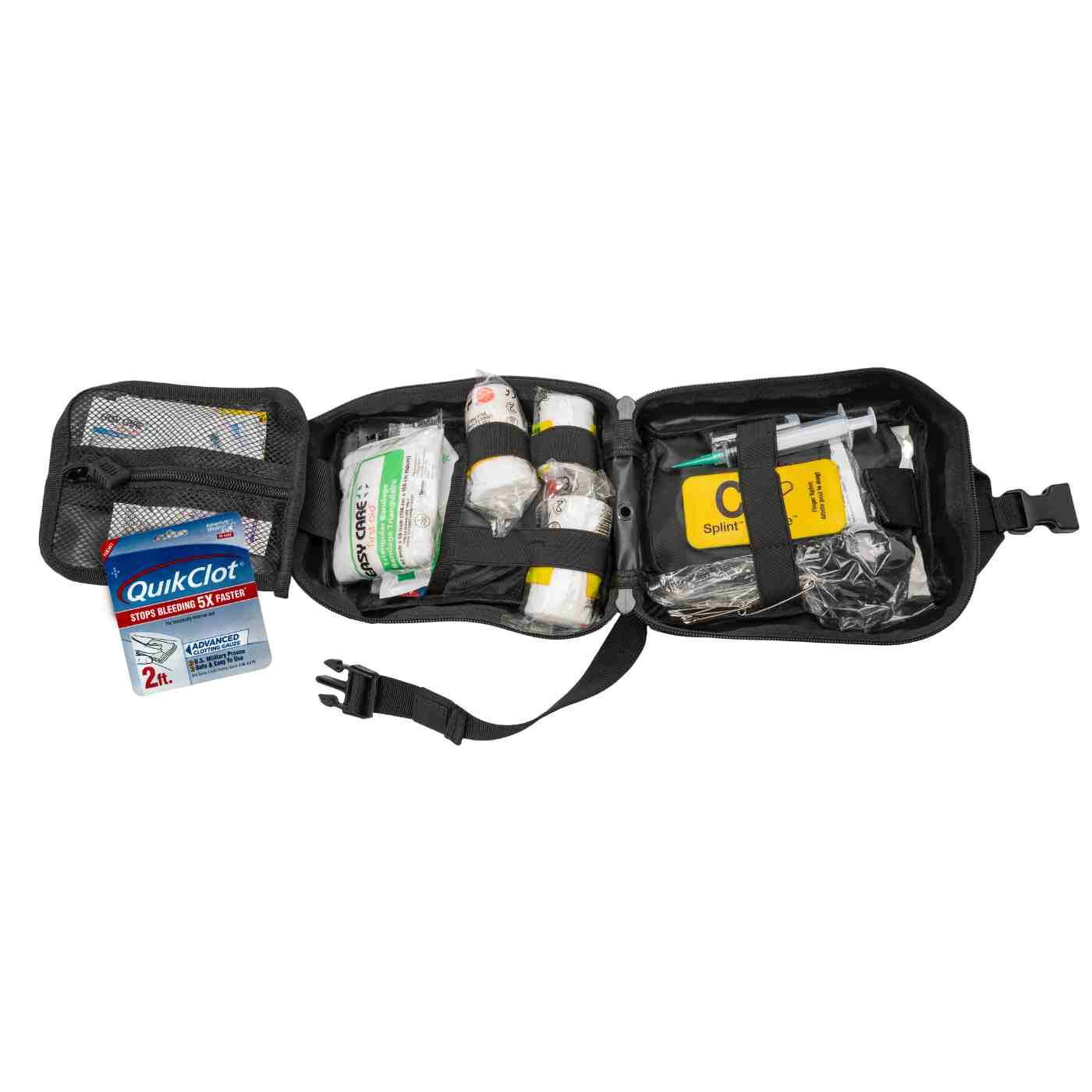
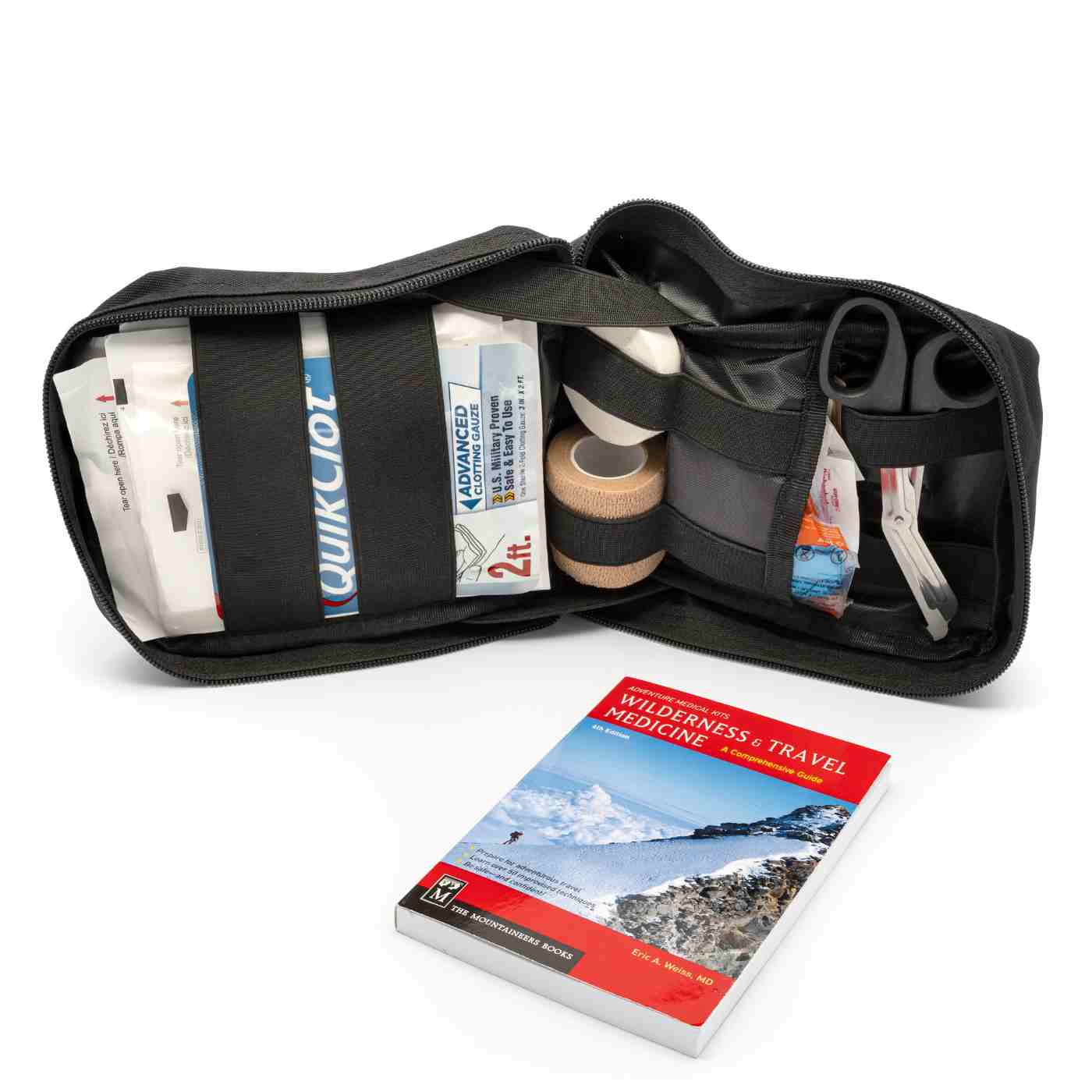
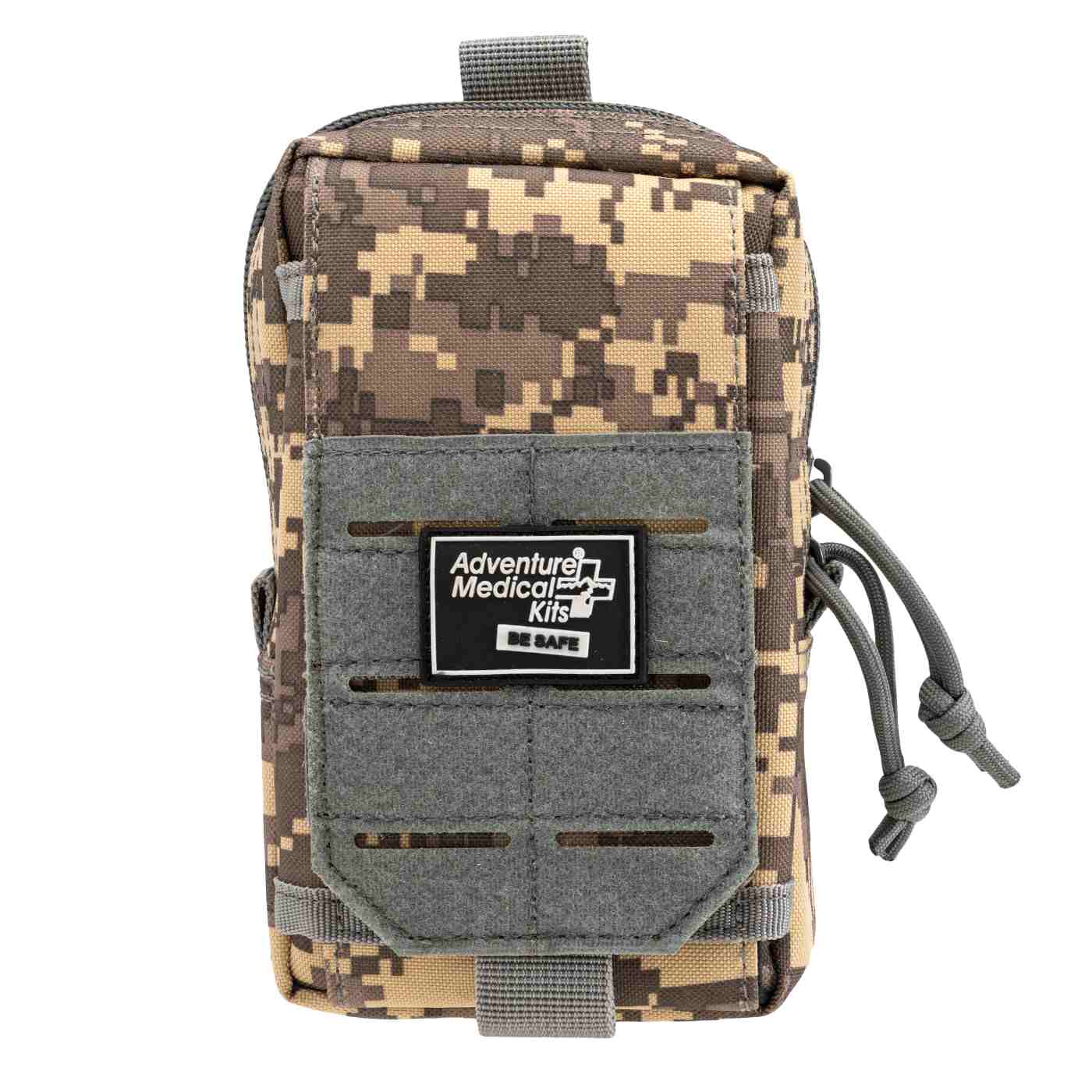
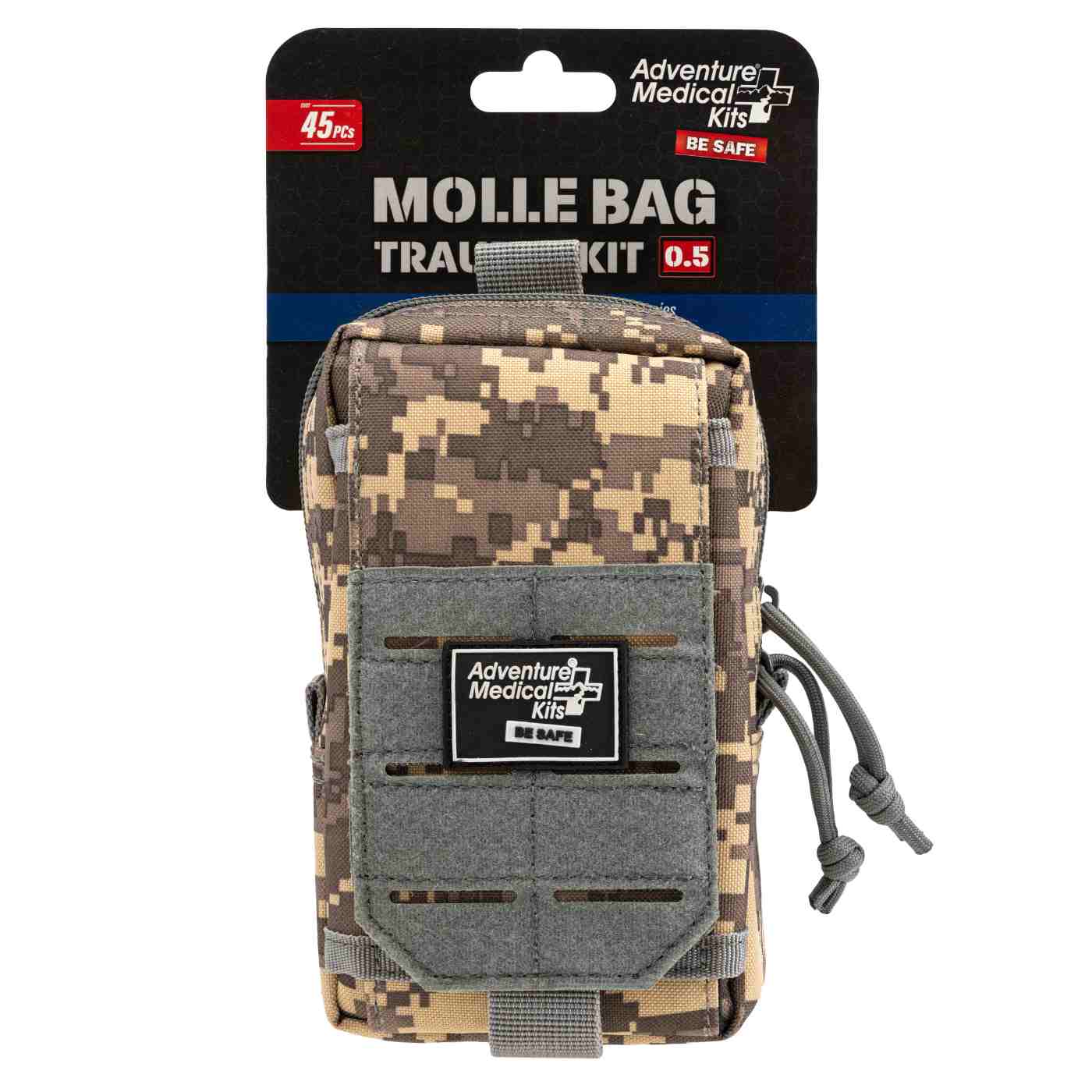
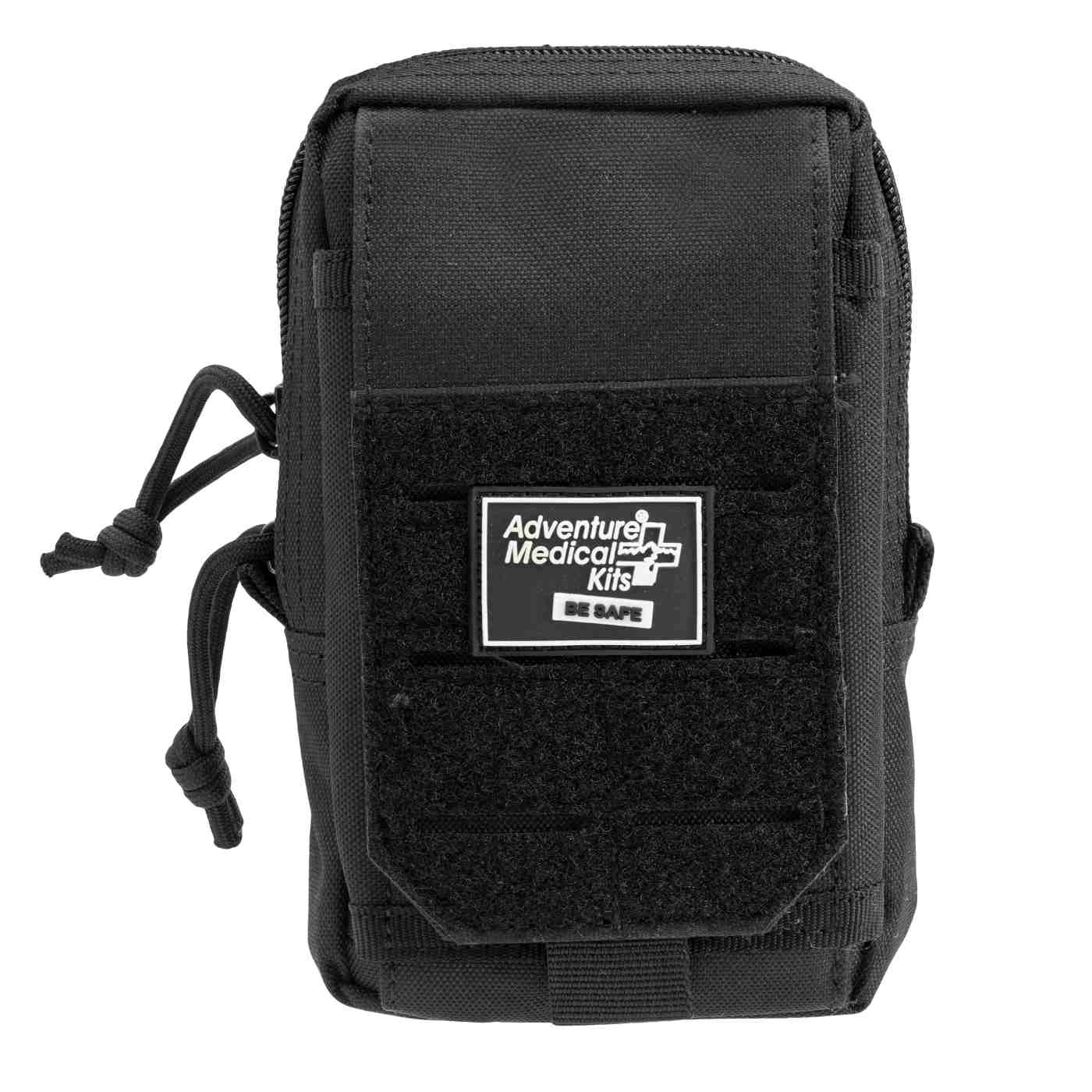
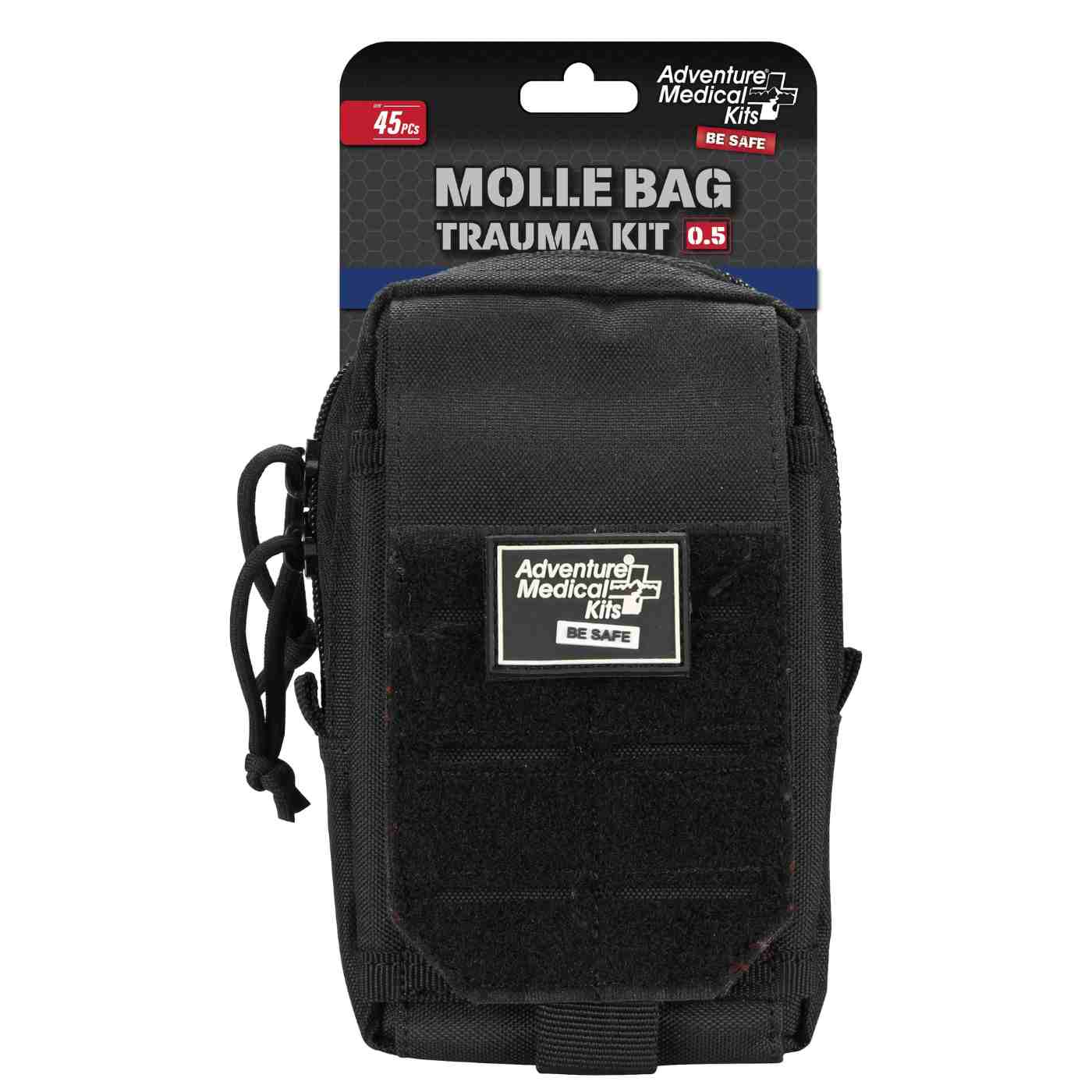
The Mountain Series is designed around outdoor activities, including hiking needs, while the MOLLE series supports modular attachment and access for users who organize gear around a pack or load-bearing system. A kit with labeled compartments and an accessible supply list makes small items easier to find when a hiker is cold, tired, or working at dusk.
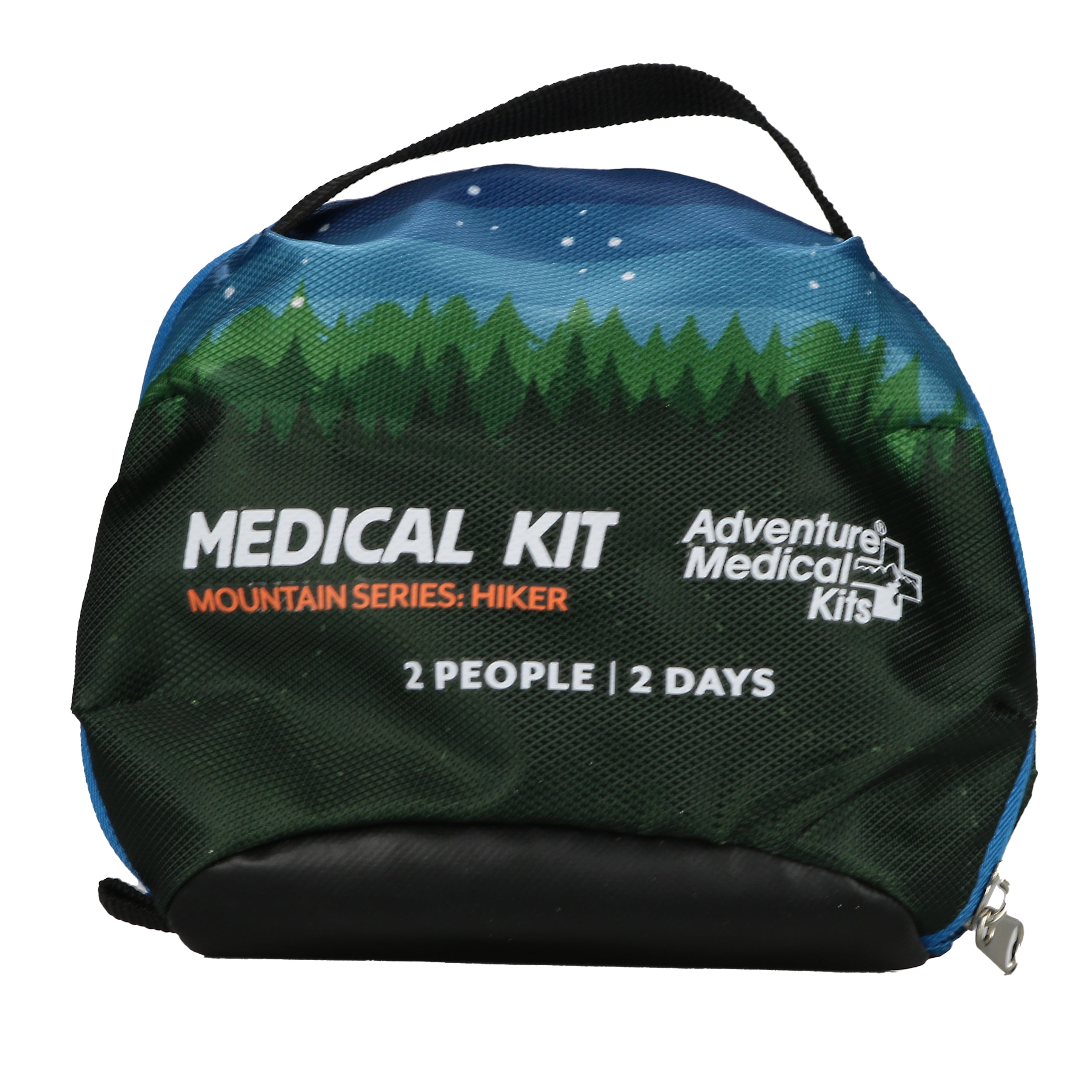
The Mountain Series Medical Kit, Hiker is listed as a compact kit containing first-aid supplies for common on-trail injuries and illnesses, with contents intended for an overnight adventure. For a larger or differently equipped loadout, users can compare the Mountain Series and MOLLE collections and then add or remove supplies according to trip length, group size, and environment.
Complementary care can cover needs outside alcohol antisepsis. For insect-related discomfort, hikers can consider products from Natrapel or AfterBite, following each product's label. These products don't replace wound cleaning or a sterile prep pad, but they can address a different problem.
Before departure, the kit check should confirm:
- Task fit: The pack includes a way to rinse dirty wounds, not only alcohol pads.
- Package integrity: Sterile packets are sealed, dry, and free from tears.
- Access: Pads, dressings, gloves, and instructions can be reached quickly.
- Weather protection: Supplies sit inside durable, resealable waterproof storage.
- Resupply: Used, damaged, or expired items are replaced before the next trip.
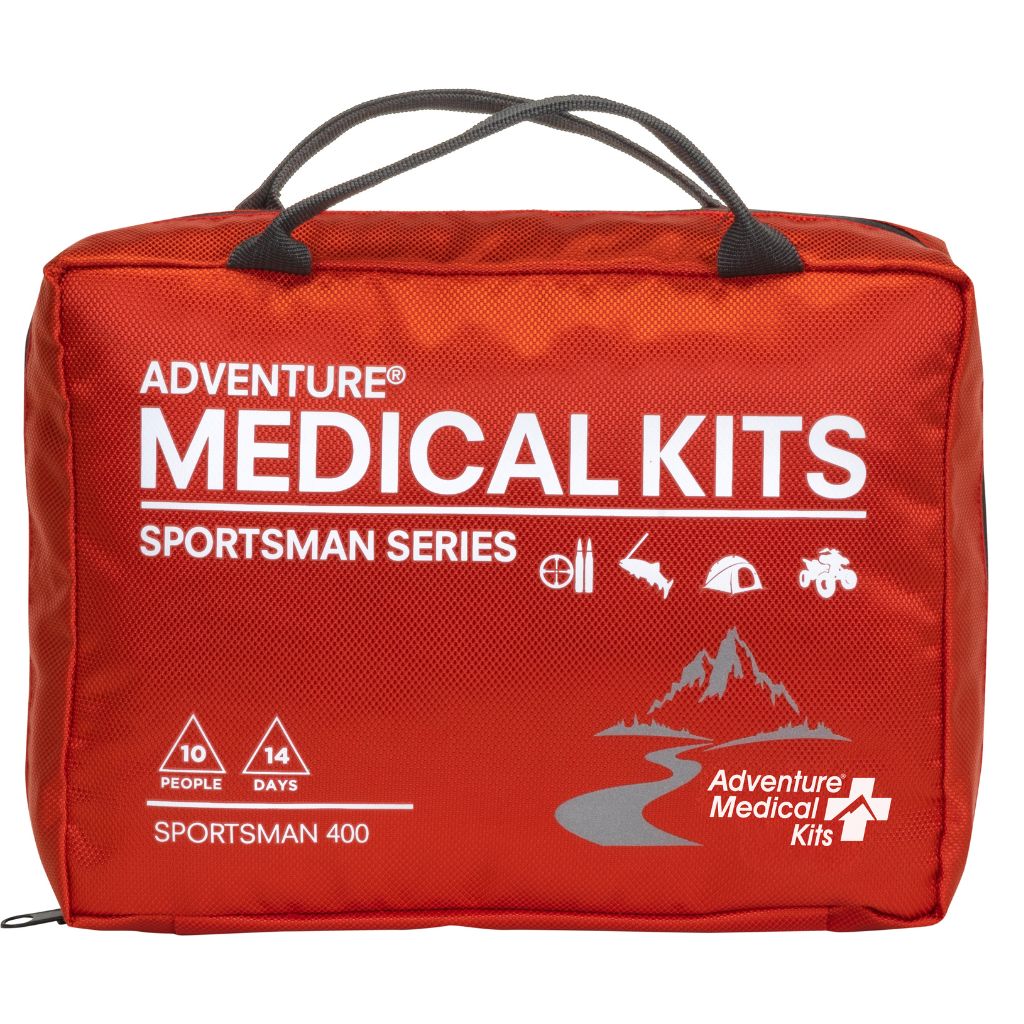
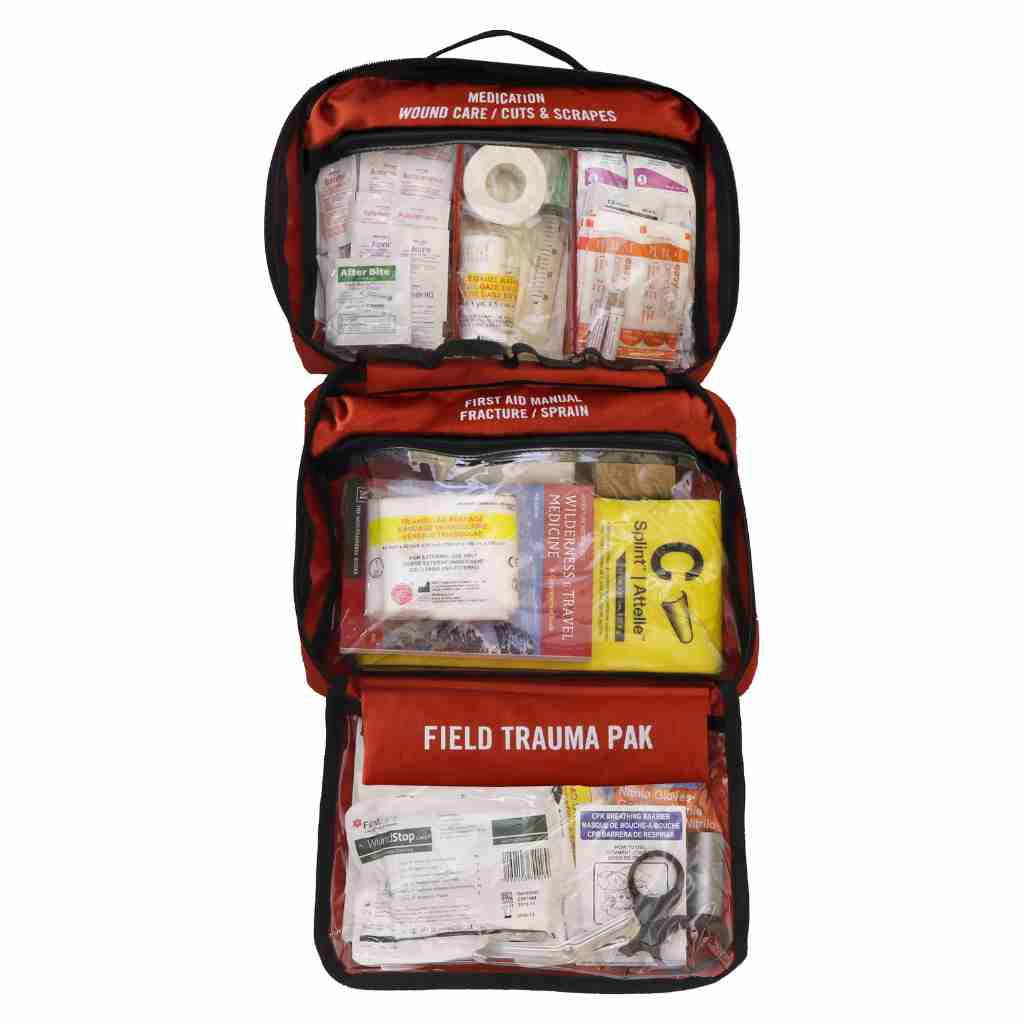
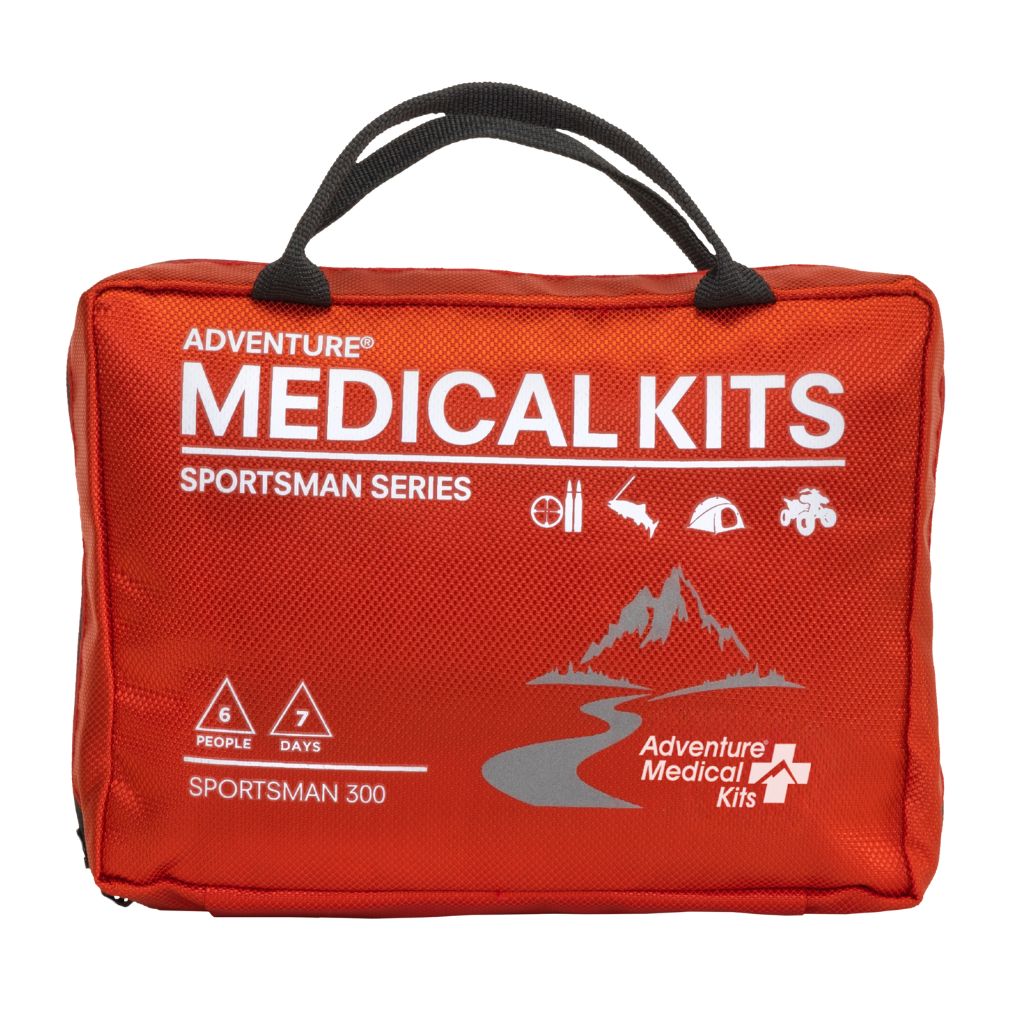
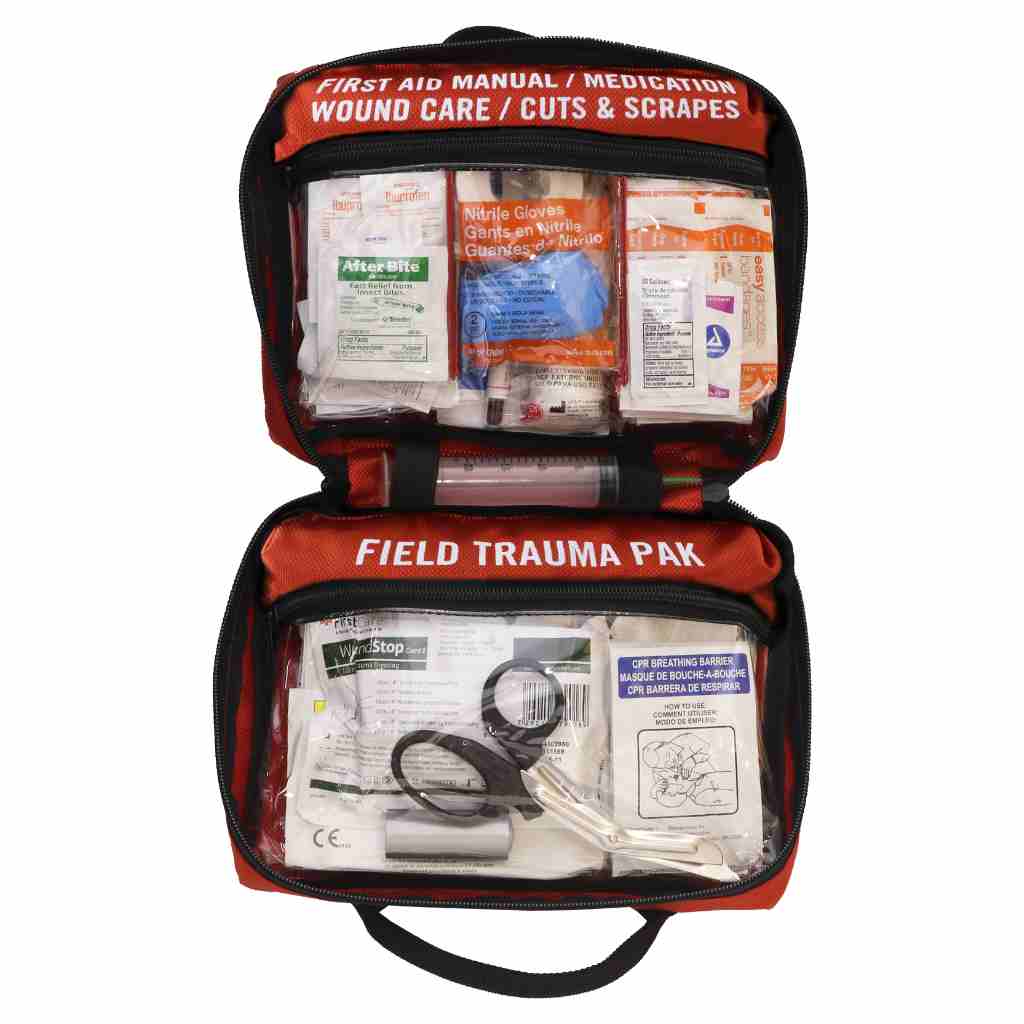
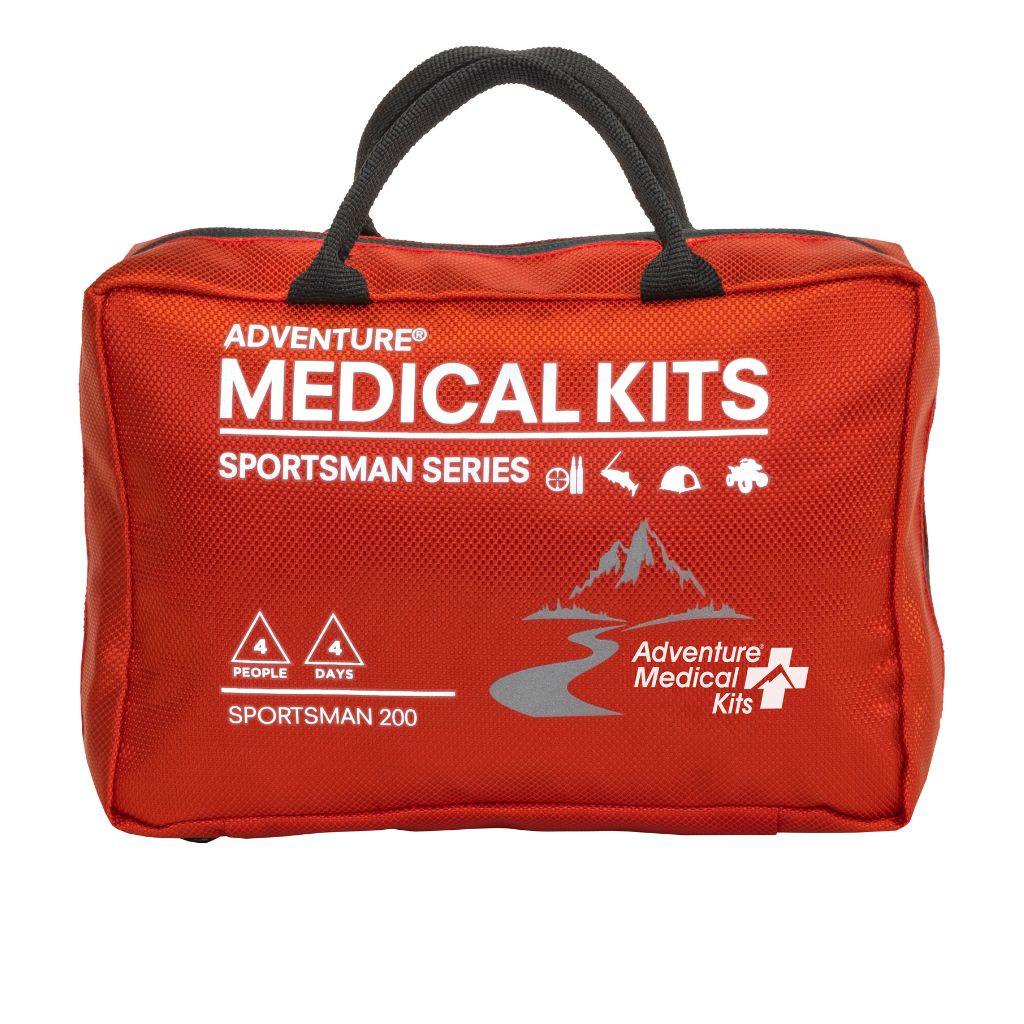
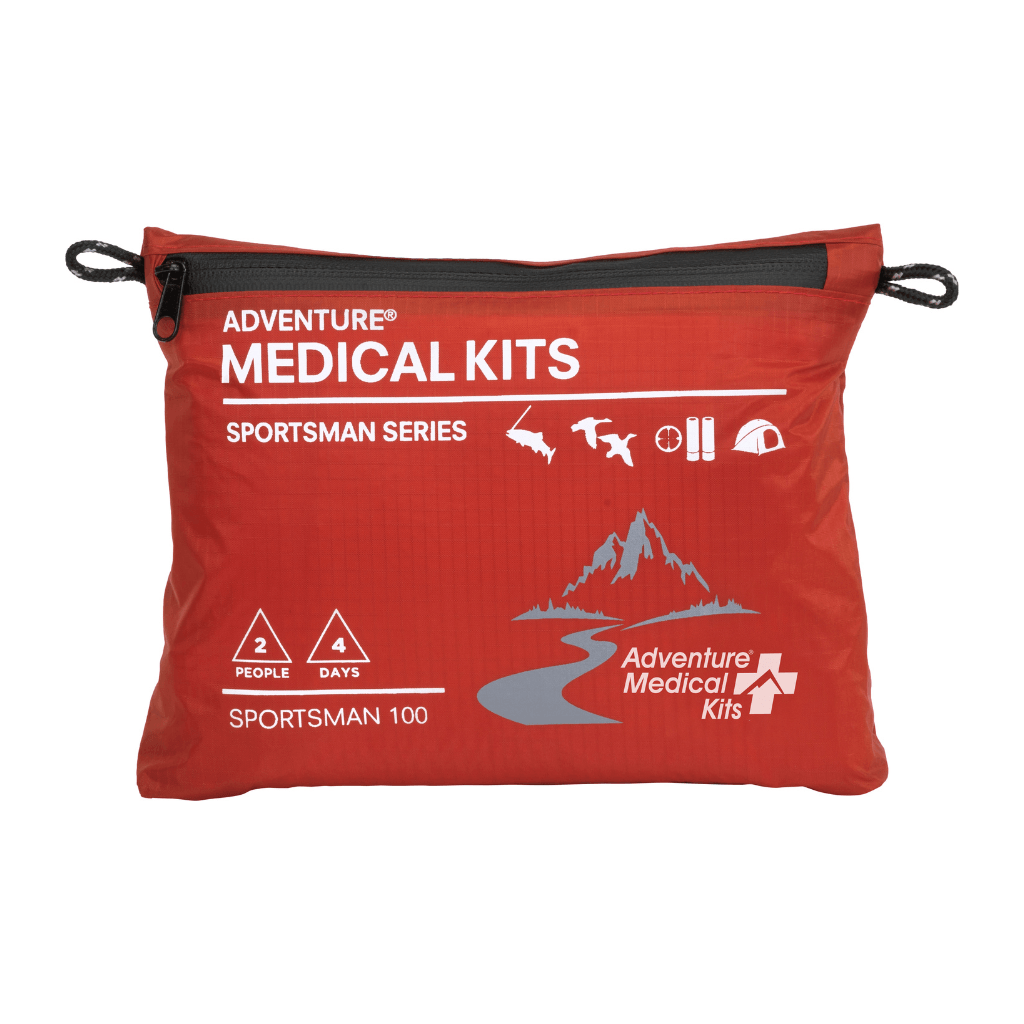
Adventure Medical Kits offers activity-specific medical kits with organized compartments, medical instructions, portable formats, and waterproof storage options, including the Mountain Series and MOLLE collections. Hikers can review those configurations at Adventure Medical Kits, then choose a setup that keeps alcohol prep pads available without treating them as a substitute for complete outdoor wound care.