

A standard single-dose antibiotic ointment packet contains 0.9 g, and a basic outdoor first-aid kit should carry about 5 packets, roughly 1 gram total, according to American Red Cross preparedness guidance. That small supply can be useful on a trail, but it isn't automatically the right answer for every scrape.
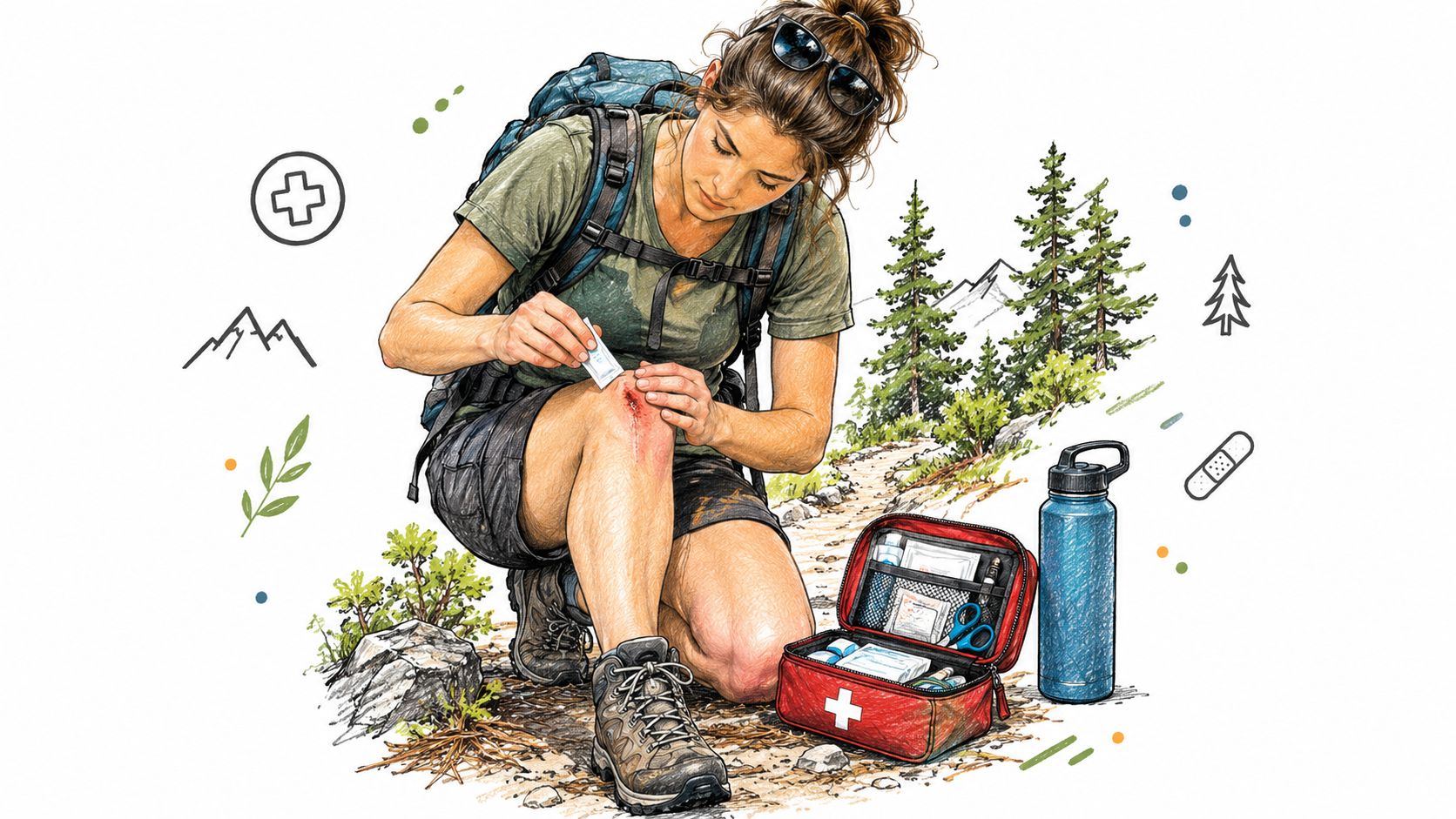
A knee slides across gravel during a switchback descent. A sharp branch opens the skin on a forearm. The wound is small, but the hands are dirty, the water supply is limited, and the nearest trailhead is hours away. The decision isn't just "ointment or no ointment." It's whether the wound has been cleaned, whether a moist protective covering is needed, and whether an antibiotic adds enough value to justify using it.
Table of Contents
- What Happens When You Decide Whether to Use Antibiotic Ointment Packets
- Understanding Antibiotic Ointment Packets and Packet Formulations
- When to Apply Antibiotic Ointment Packets and When to Skip Them
- Applying Antibiotic Ointment Packets in the Field
- Building a Travel-Ready Packet Strategy for Outdoor Kits
- Recommended Outdoor First Aid Kits and Practical Alternatives
What Happens When You Decide Whether to Use Antibiotic Ointment Packets
A warm afternoon hike ends with a knee sliding across gravel. The bleeding is light, the scrape is shallow, and grit clings to its edges. An ointment packet is within reach, but the first decision is whether the wound can be cleaned and whether anything about the injury requires medical attention.
Older first-aid checklists often treat packeted antibiotic ointment as a standard kit item. That explains why a basic kit may include 5 antibiotic ointment packets, approximately 1 gram, with a 0.9 g packet as a standard single-use format. The count helps you prepare a day pack or household kit. It does not mean every scrape needs an antibiotic.
Newer dermatology guidance takes a more selective approach. Most minor outdoor wounds can often be managed with careful cleaning and a protective covering, while unnecessary topical antibiotic use may cause skin irritation or contribute to antibiotic resistance, as discussed in the American Academy of Dermatology's guidance on antibiotic use for skin. The packet is a backup option, not a substitute for irrigation, removing visible debris, or assessing the injury.
The field decision in plain language
Use three questions to choose:
- Can the wound be cleaned? Dirt, plant material, and grit need attention before ointment. A contaminated wound with limited cleaning options deserves caution.
- Is this a minor surface injury? A shallow scrape differs from a puncture, animal bite, deep cut, or wound with bleeding that will not stop.
- Would a protective moist layer help? Plain petroleum jelly may provide that barrier. An antibiotic packet can be reasonable when its benefits appear to outweigh the risk of irritation or unnecessary use.
Practical rule: Packets support wound care. Choose one only after assessing the injury and cleaning it, and seek help when the wound exceeds a minor scrape.
For kit planning, the decision rule is simple: carry packets if their small, sealed format suits your trip, but rely on cleaning supplies and dressings as the foundation. The wound and conditions determine whether the packet earns its place.
Understanding Antibiotic Ointment Packets and Packet Formulations
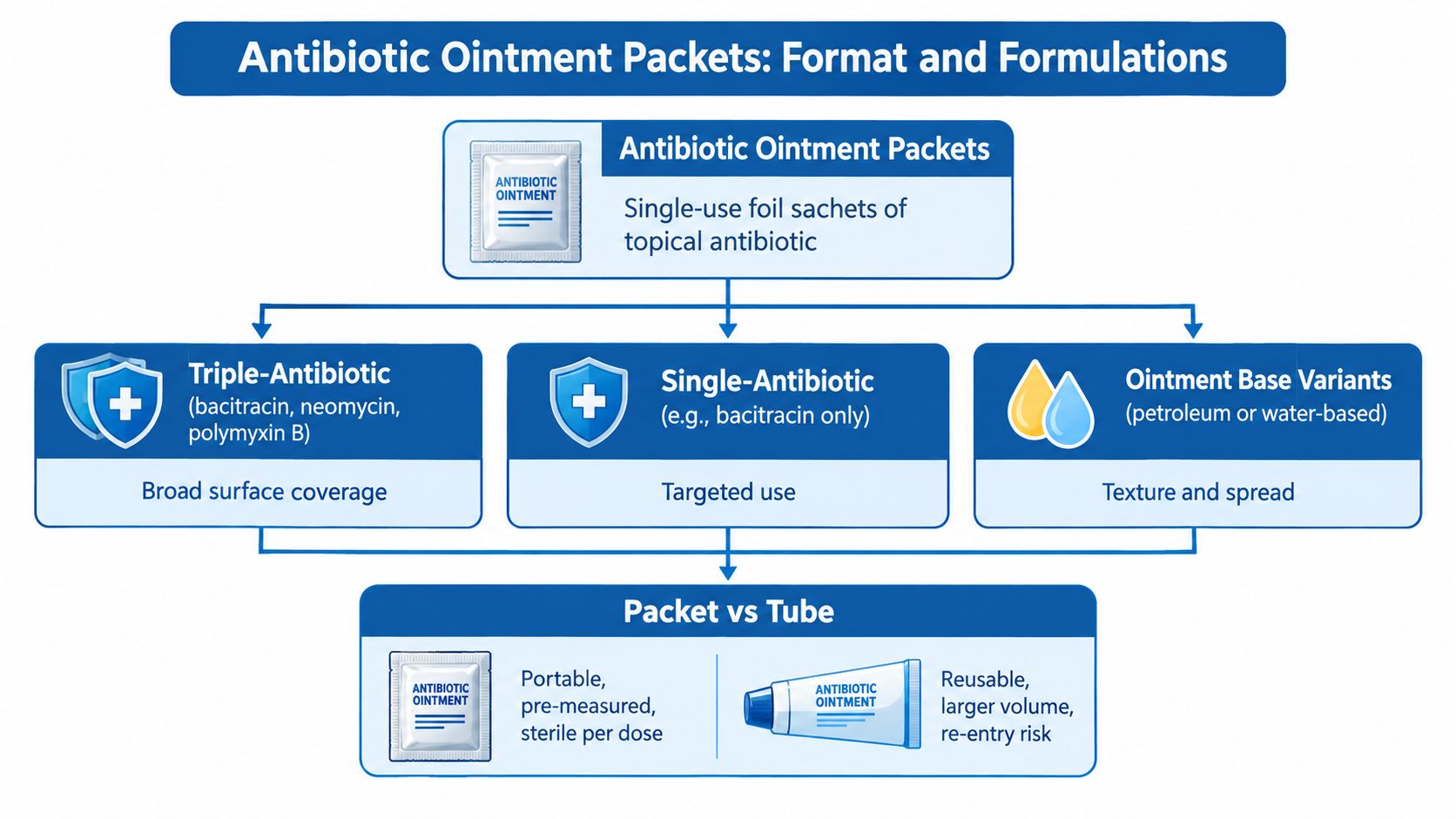
On a trail, a packet is a small sealed sachet of topical ointment. Open it once, apply a thin layer, and discard the wrapper. Common triple-antibiotic products combine bacitracin zinc 400 units/g, neomycin sulfate 5 mg/g, equivalent to 3.5 mg neomycin, and polymyxin B sulfate 5,000 units/g in a white petrolatum base, according to the triple-antibiotic packet formulation information.
The active ingredients target bacteria on the skin surface. White petrolatum supplies the smooth base, helping the ointment spread over a cleaned wound and retain moisture. That distinction matters: for an uncomplicated scrape, the protective base may provide much of the practical benefit, while the antibiotic component can be unnecessary or irritating.
Why packets behave differently from tubes
A packet is a single-use portion. A tube holds more ointment for repeated applications, but its opening is handled repeatedly and may touch fingers, dressings, or dirty surfaces. In camp, the sealed packet works like a pre-portioned match: use one clean unit without exposing the rest of the supply. That can simplify sharing supplies across kits, although it does not make the medication more effective than ointment from a tube.
The DailyMed record lists a 0.9 g packet alongside a 28.3 g tube, showing the difference between portable, one-time use and larger-volume storage. It also records a packet presentation with a marketing start date of 07/09/2013 and a 144-count carton. These details appear in the DailyMed product labeling record.
A packet's practical advantages are straightforward:
- Portion control: Each sachet contains a defined amount.
- Packability: Small units fit compact medical kits.
- Hygiene: The contents remain sealed until use.
- Inventory: Packet counts help estimate supplies for several wound events.
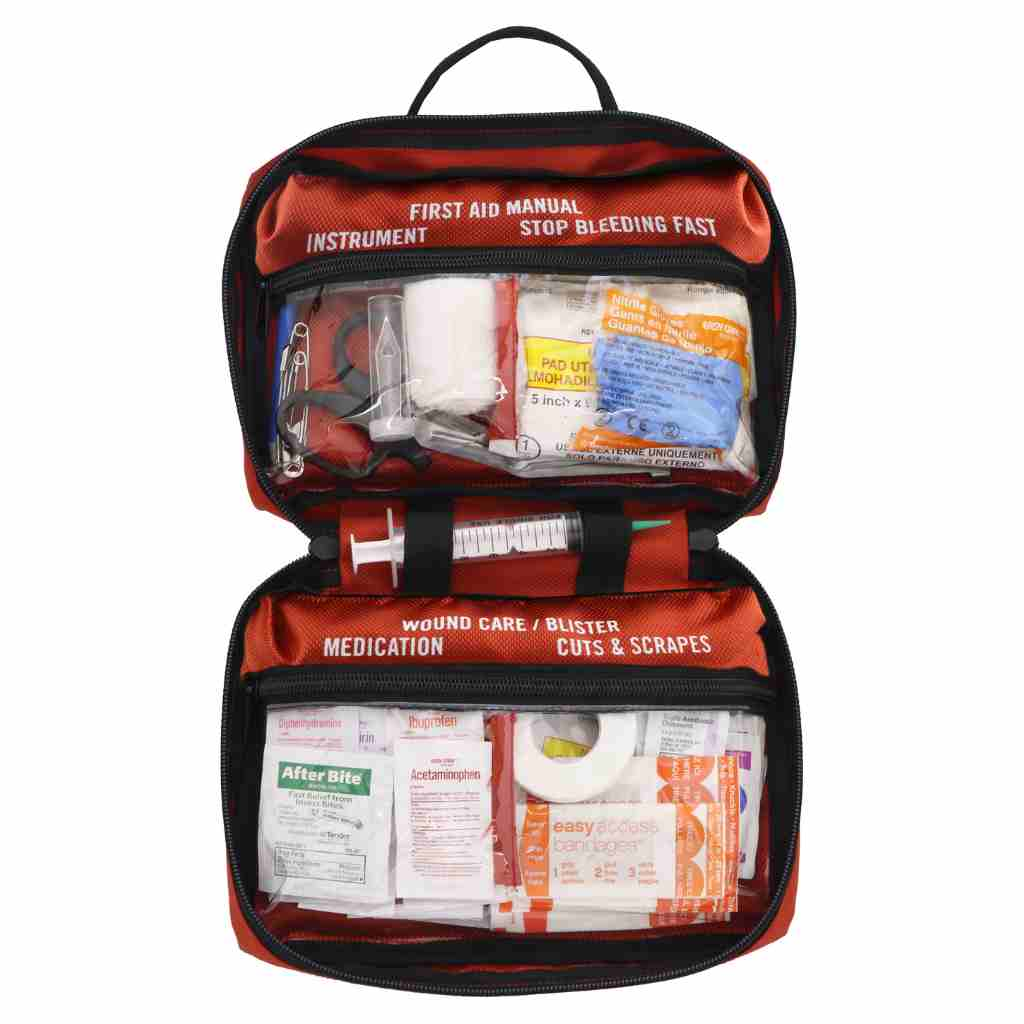
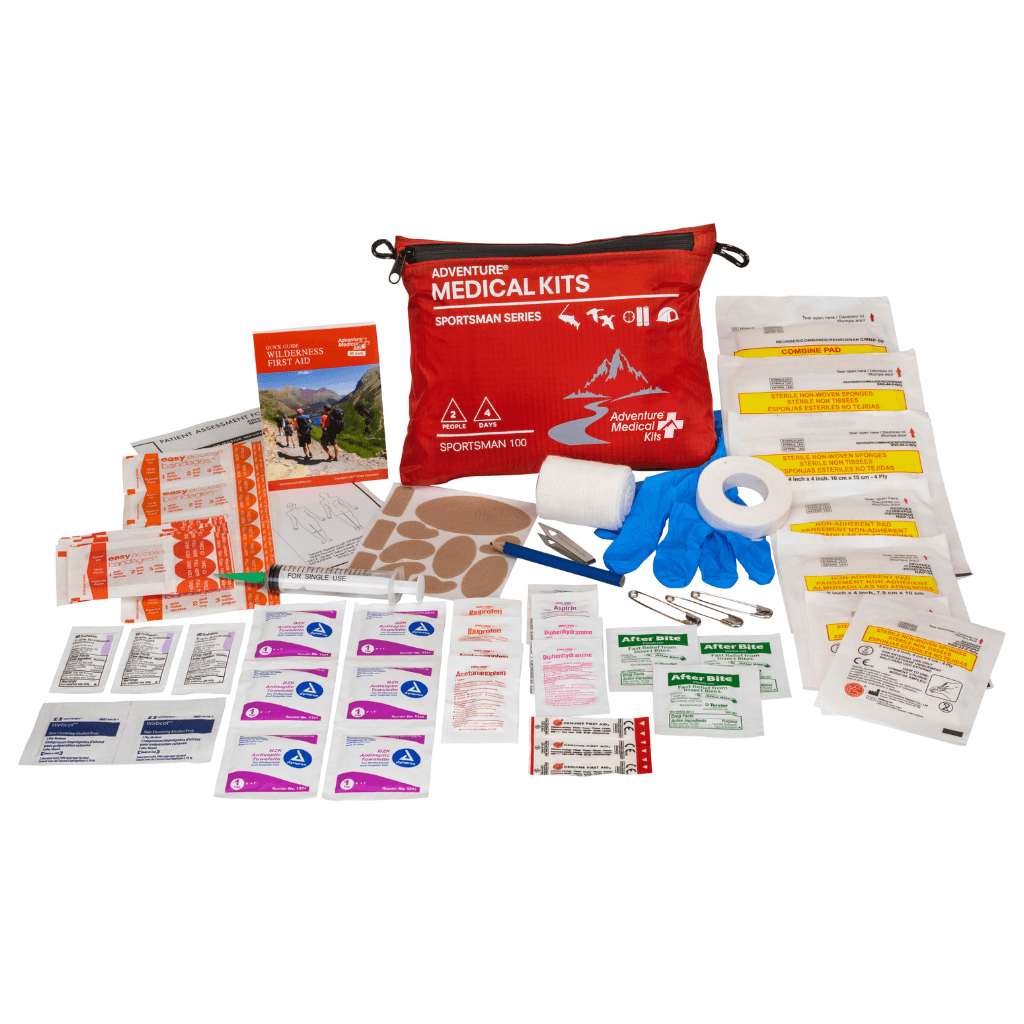
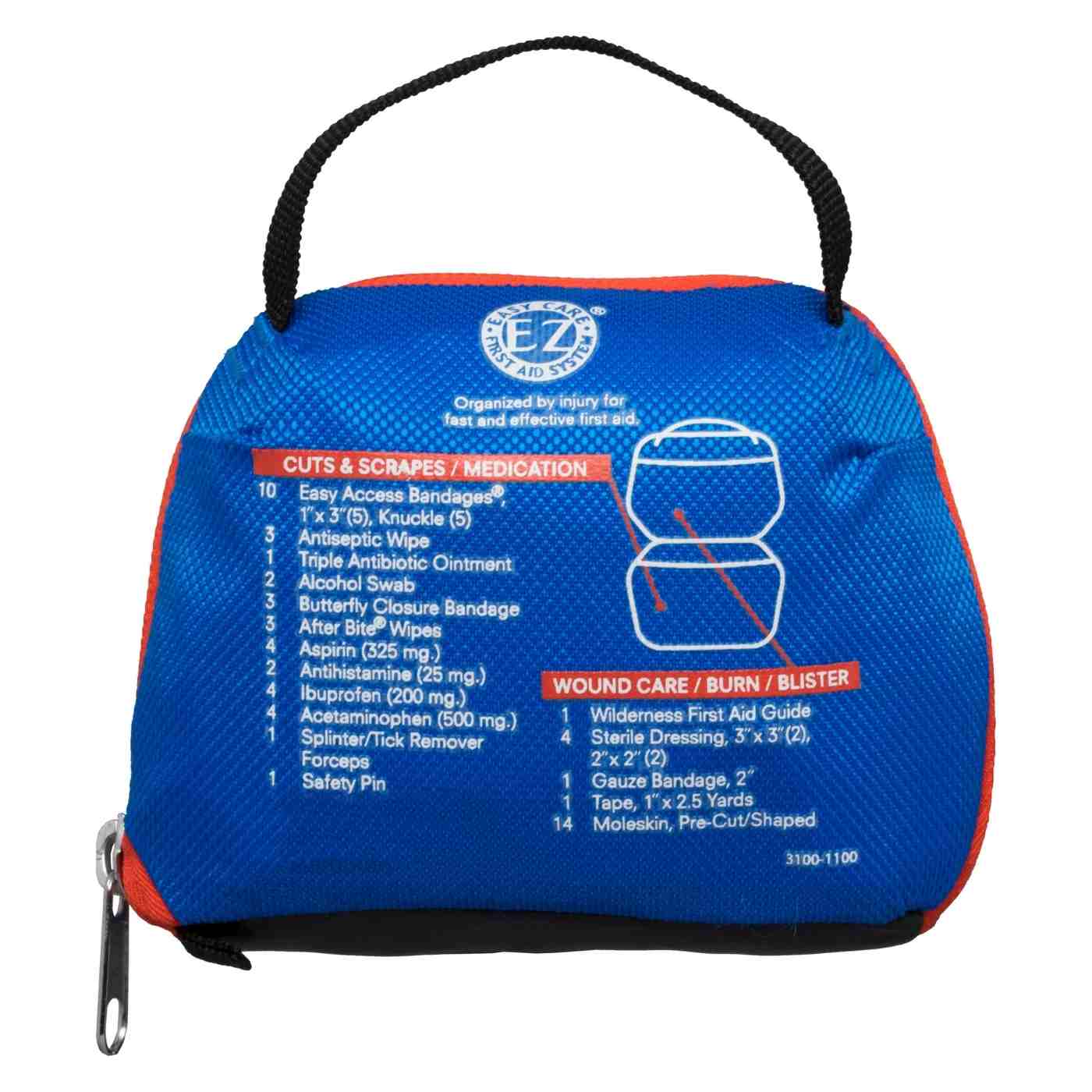
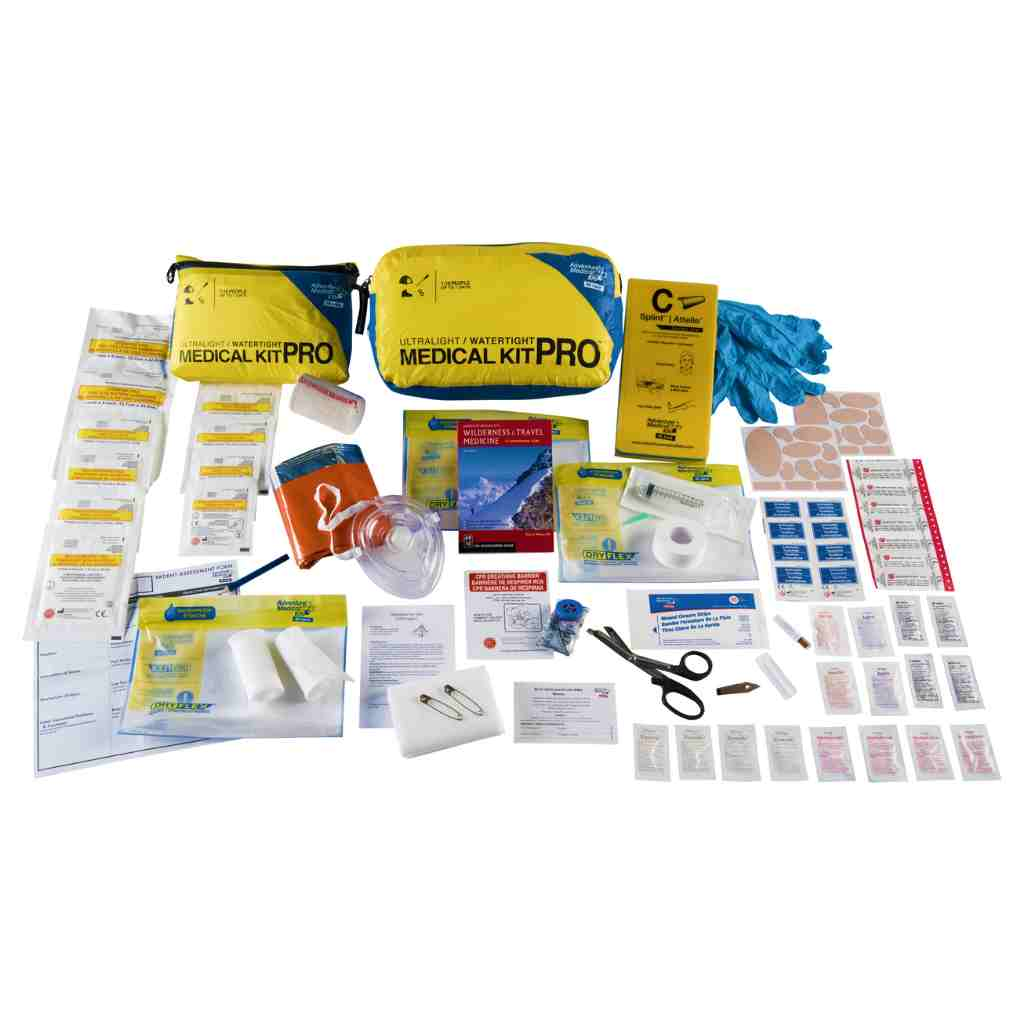
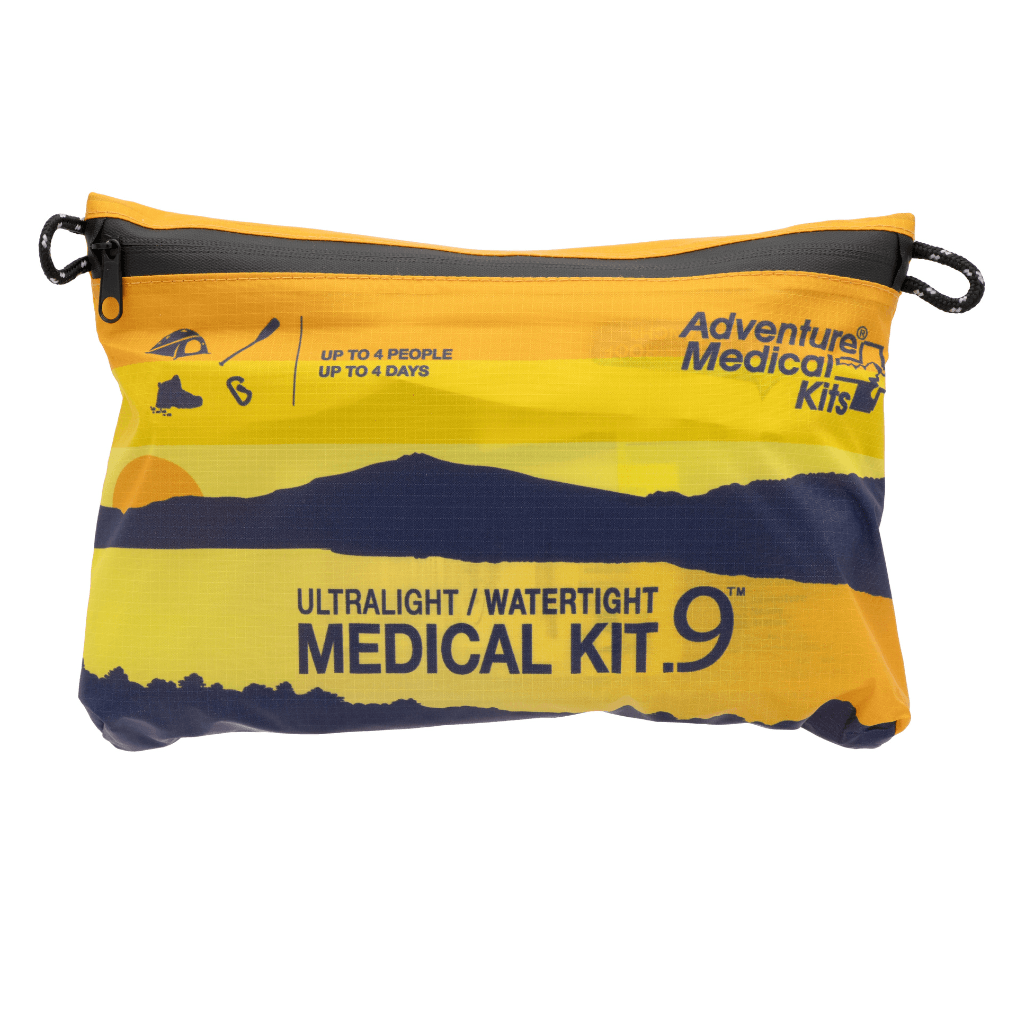
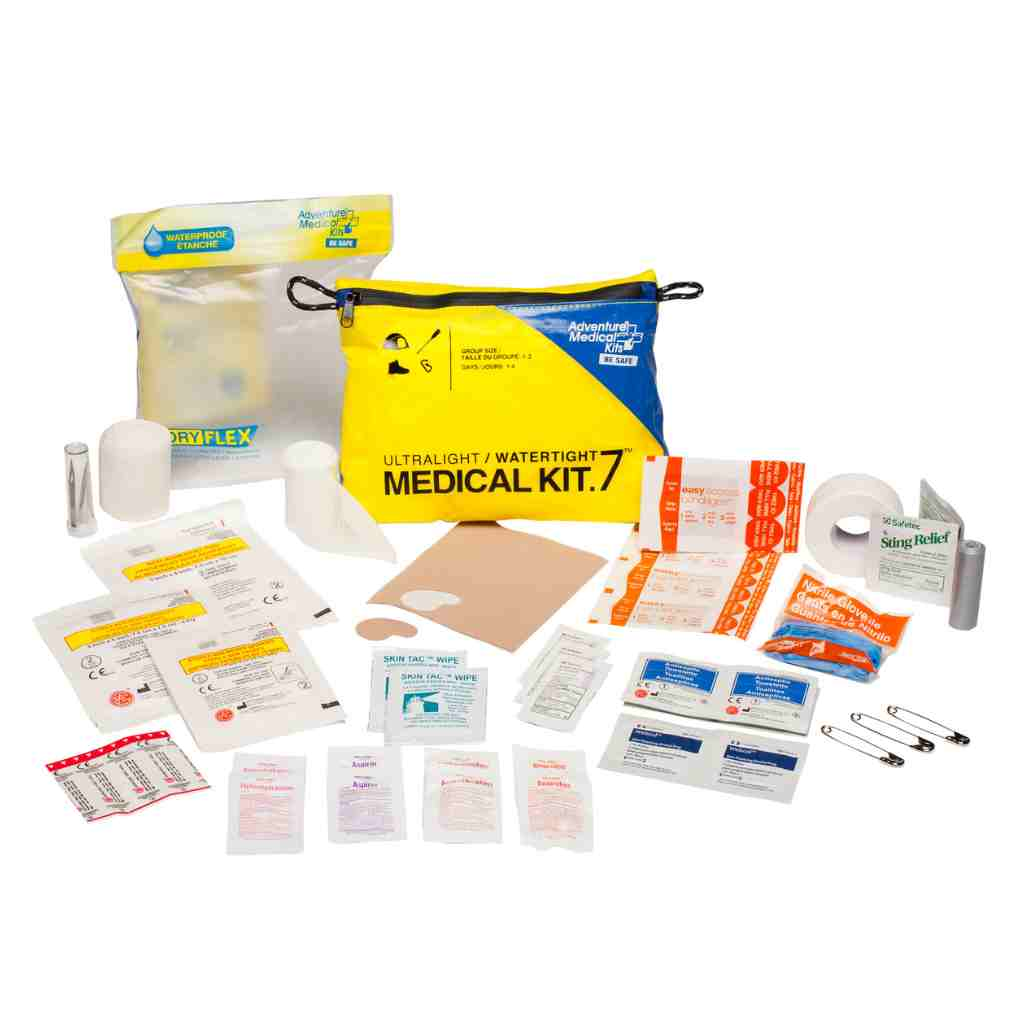
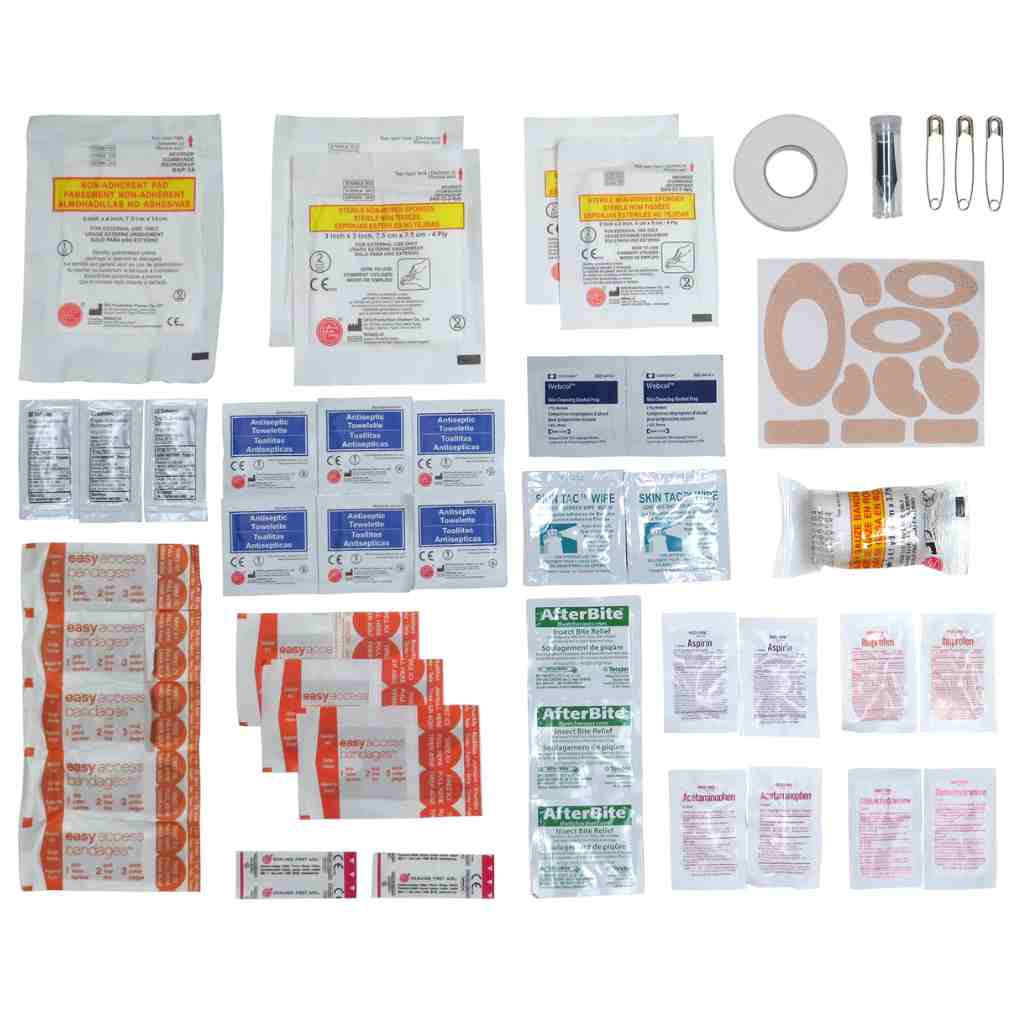
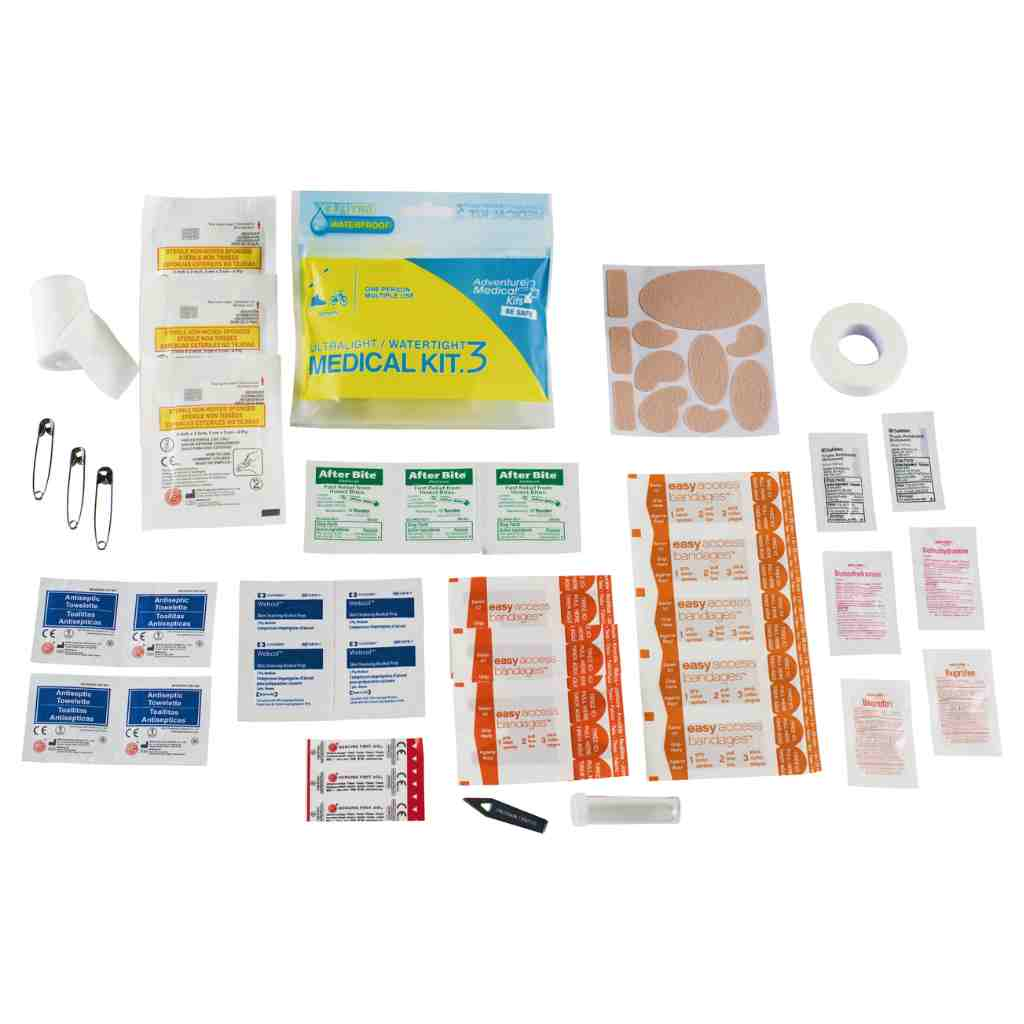
For a day trip, the Mini Medical Kit includes 5 triple antibiotic ointments, single use, plus moleskin, alcohol swabs, butterfly closure, and adhesive bandages. The combination illustrates the right packing priority: ointment is one part of a system that also needs cleaning materials and dressings. The infection-prevention supplies guide explains how those supplies work together.
Legacy checklists may treat packets as standard kit items, while current wound-care advice supports selective use. For packing, carry them when the sealed format is useful, but give cleaning and wound coverage first space in the kit.
When to Apply Antibiotic Ointment Packets and When to Skip Them
You scrape your shin on a rocky trail, and the wound looks shallow but dirty. At that moment, the packet in your first-aid kit is an option, not an automatic next step. Cleaning the injury, protecting it, and deciding whether medication adds value come first.
For a clean, shallow scrape, careful rinsing and a protective dressing usually matter more than antibiotic medication. Ohio State wound-care guidance explains that most minor wounds don't require antibiotics. Washing with soap and water, then applying plain petroleum jelly, often provides suitable care. A small amount of topical antibiotic ointment can also help keep a minor wound moist, as described in the Ohio State wound-care guidance.
This explains the tension between older first-aid checklists and newer dermatology advice. Traditional kits list antibiotic packets because they are compact, sealed, and familiar. Current guidance on antibiotic use for skin supports selective use, since routine application can be unnecessary and may contribute to resistance.
A quick trail-side decision rule
Use a packet as a situational option after cleaning a minor surface injury when a thin protective ointment layer makes sense. A single-use packet is convenient if you do not have a clean tube, or if avoiding contact with a shared container matters.
Choose plain petroleum jelly instead when the wound is clean and uncomplicated, with moisture and coverage as the main goals. A dressing that stays in place often contributes more to practical healing than adding antibiotic ingredients.
Seek medical assessment rather than relying on ointment for punctures, animal or human bites, embedded debris, deep or gaping cuts, uncontrolled bleeding, serious burns, or wounds involving the eye or a joint. Increasing redness, warmth, swelling, pain, drainage, or fever also calls for clinical guidance. A packet cannot address those problems.
| Field finding | More appropriate response |
|---|---|
| Clean, shallow scrape | Clean thoroughly, then consider petroleum jelly or a small amount of ointment and cover |
| Dirt or gravel remains | Continue cleaning and remove accessible debris without digging into tissue |
| Puncture, bite, or deep wound | Arrange medical evaluation rather than treating only with topical ointment |
| Worsening redness, warmth, swelling, pain, or drainage | Treat as a possible infection and seek clinical guidance |
Evidence supports a measured decision. A randomized trial summarized by Ohio State found no significant difference in infection rates between white petrolatum and over-the-counter antibiotic ointments for many clean, uncomplicated wounds. A meta-analysis found lower infection rates compared with placebo and antiseptics, but the absolute risk reduction was minimal, according to the clinical evidence review. Packets therefore have a practical place in an outdoor kit, but every scrape does not need antibiotic treatment.
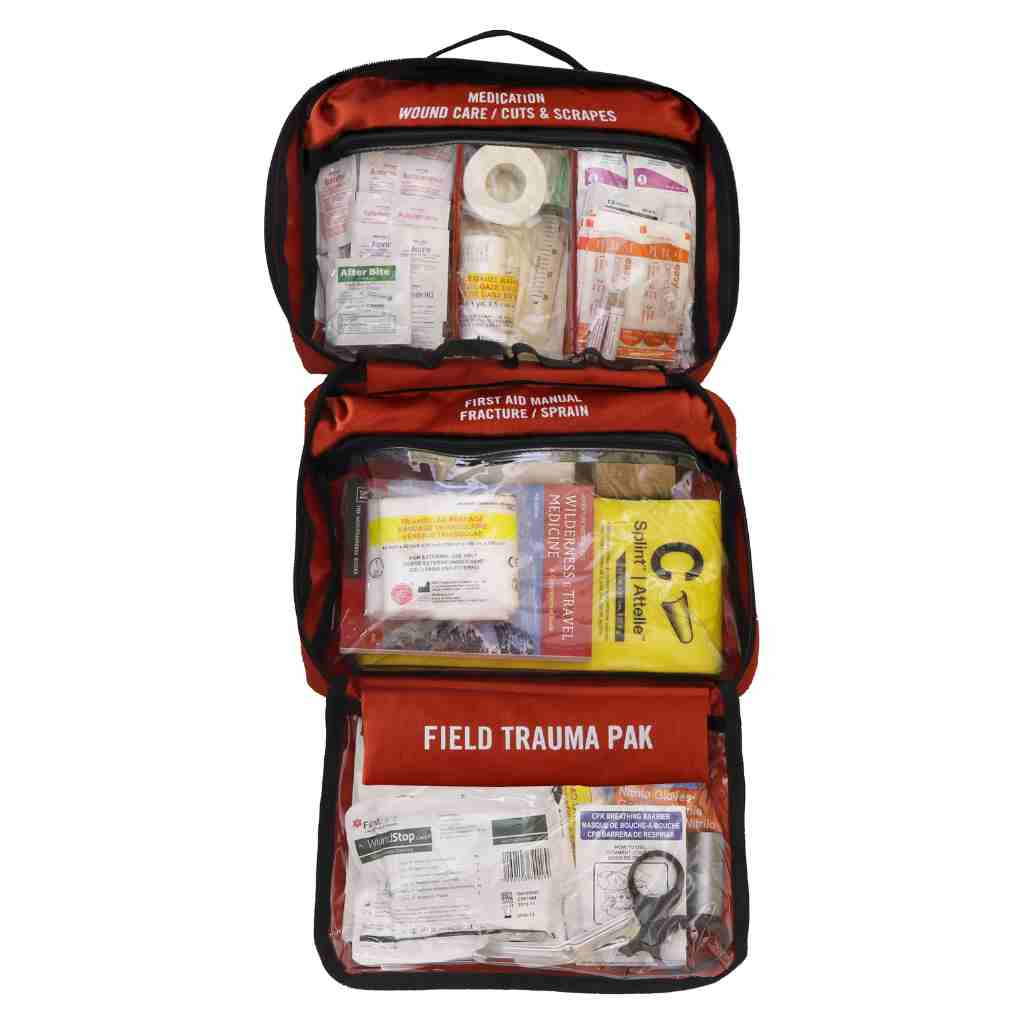
For injuries beyond minor-wound care, the Tactical Medical Kit - Field Trauma with QuikClot is designed for life-threatening injuries away from base camp and includes supplies such as QuikClot Gauze, petrolatum dressings, bandages, medications, and moleskin.
Applying Antibiotic Ointment Packets in the Field
A scraped knee on a trail needs a simple sequence, not a rushed swipe of ointment. Clean your hands as conditions allow, rinse the wound with clean water, and inspect it before opening a packet. If dirt remains or the injury extends below the surface, improve the cleaning or seek medical assessment rather than relying on topical antibiotic.
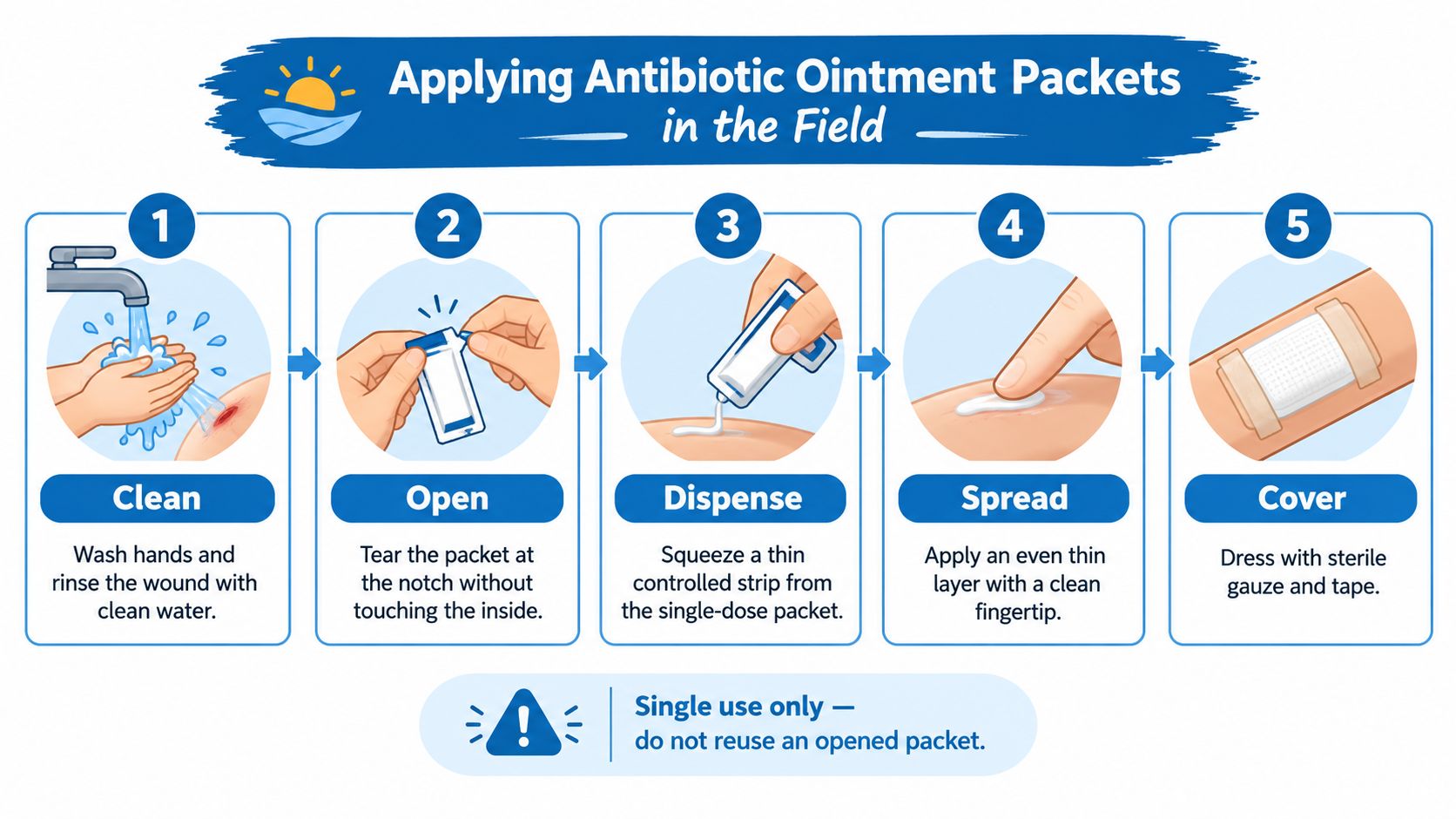
Tear the sachet at its notch without touching the contents. Squeeze out a thin, controlled strip, spread it across the cleaned surface with a clean fingertip or applicator, then cover the wound with a suitable dressing. A thicker layer does not improve care. Once opened, the packet is no longer clean enough to store for later.
Handling, storage, and contamination
Common single-dose packets are generally kept at room temperature, typically 15–30°C, away from excessive heat and humidity. Discard any sachet that is torn, leaking, or already open. A vehicle glove compartment can become far hotter than a room, so inspect supplies stored there before relying on them.
Use this workflow:
- Inspect before departure. Remove damaged or visibly contaminated sachets.
- Group wound supplies. Store packets with gauze, tape, and bandages in a labeled compartment.
- Open only during treatment. Keep sachets sealed while packing or preparing the kit.
- Apply sparingly. A thin layer is generally enough for a minor surface wound.
- Discard after opening. Do not fold a used packet back into the kit.
An organized kit saves time only when its contents remain clean, identifiable, and usable.
For readers comparing packeted ointment with other topical choices, this triple-antibiotic cream resource provides additional background. The Trauma Pak 1 First Aid Kit for Wound Dressing is described as a compact, waterproof trauma bag for home, work, or outdoor use, with supplies centered on dressings and bleeding control.
If redness spreads, pain increases, drainage appears, or the wound looks infected, stop treating it as a routine scrape. Review infected wound care from Vein and Wound for why these signs call for more than another layer of ointment.
Building a Travel-Ready Packet Strategy for Outdoor Kits
Packet planning works best when it follows the trip rather than a generic checklist. A short day hike may need only a compact wound-care selection, while a remote backpacking route, boat trip, or international journey may justify more redundancy. The key is to carry enough for plausible minor injuries without treating every packet as a required dose.
A practical comparison looks like this:
- Day hikes: Favor a small, accessible kit with cleaning supplies, dressings, and a limited number of packets.
- Multi-day backpacking: Add protection against wet conditions, friction injuries, and repeated dressing changes. Keep supplies divided so one damaged pouch doesn't compromise everything.
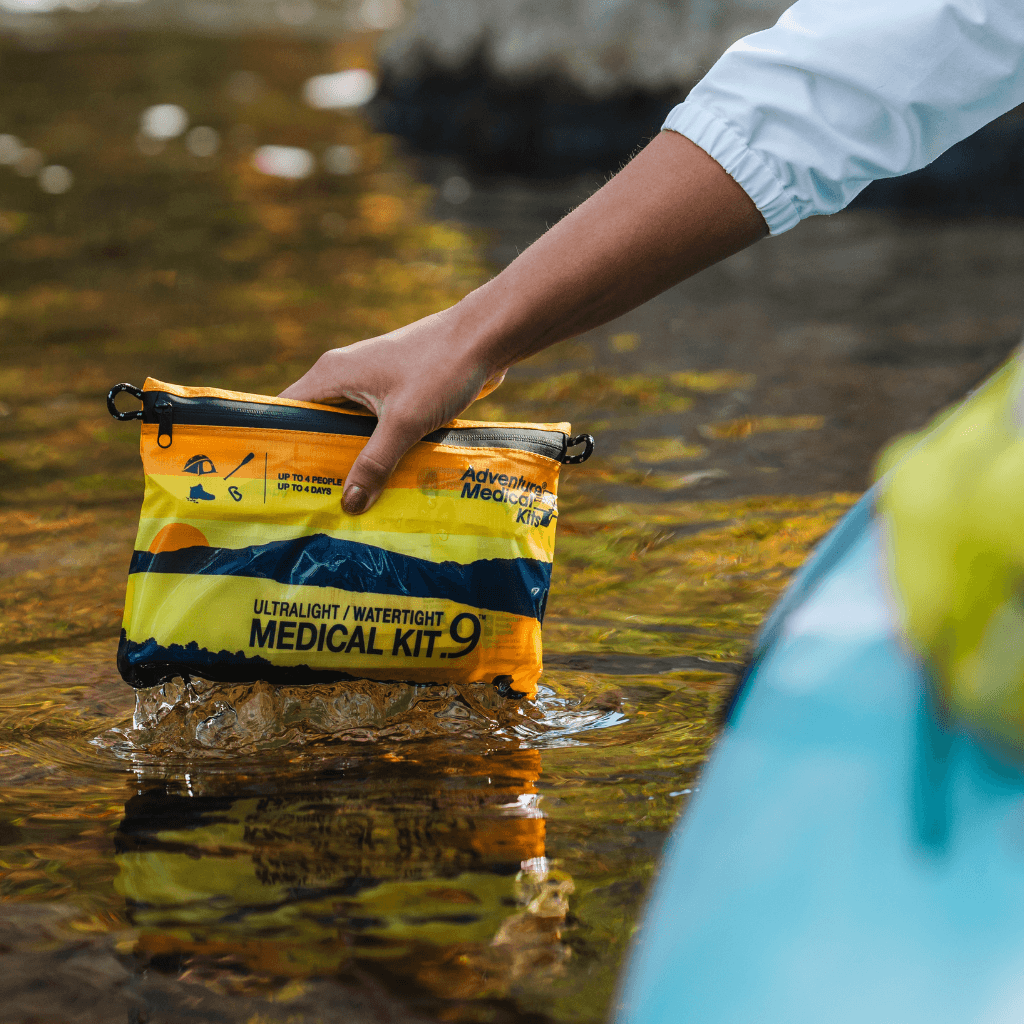
- Boating and paddling: Waterproof organization matters as much as product selection. Saltwater, splash, and wet hands make sealed packets and protected dressings useful.
- International travel: Pack wound-care supplies in a clearly organized kit and check destination-specific medication rules before departure.
The CDC Yellow Book travel health-kit guidance identifies antimicrobial ointment as useful because it can keep dressings from sticking to wet scrapes or burns, soften dry, cracking wounds, and loosen crusts. That practical benefit is separate from the question of whether antibiotic ingredients are medically necessary.
Packets compared with alternatives
Plain petroleum jelly can serve the moisture-preserving role for many clean minor wounds. Antiseptic cleaners may have a place in a kit, but aggressive chemicals shouldn't replace thorough rinsing or be poured into every wound. Dressings, tape, and clean water remain central regardless of whether a packet is used.
Packets also create a tradeoff. A sealed unit reduces the contamination concern associated with repeatedly reopening a tube, but an opened packet may leave unused product behind. For a short trip, that partial-use waste may be acceptable when hygiene and portability matter. For extended home storage, a larger container may be more practical, provided it's handled cleanly and replaced when damaged or outdated.
A labeled, waterproof, lightweight kit makes the decision easier because the hiker can find cleaning supplies, petroleum jelly, antibiotic packets, and dressings without unpacking the entire bag. A well-organized toiletry system can serve a similar purpose for travel, and this guide on travel toiletry bags for men offers useful ideas for separating small personal-care items from medical supplies.
The best packet strategy is therefore selective. Carry packets when their sealed format adds field value, carry petroleum jelly when moisture and coverage are the main needs, and make sure neither option distracts from cleaning, dressing, or seeking help.
Recommended Outdoor First Aid Kits and Practical Alternatives
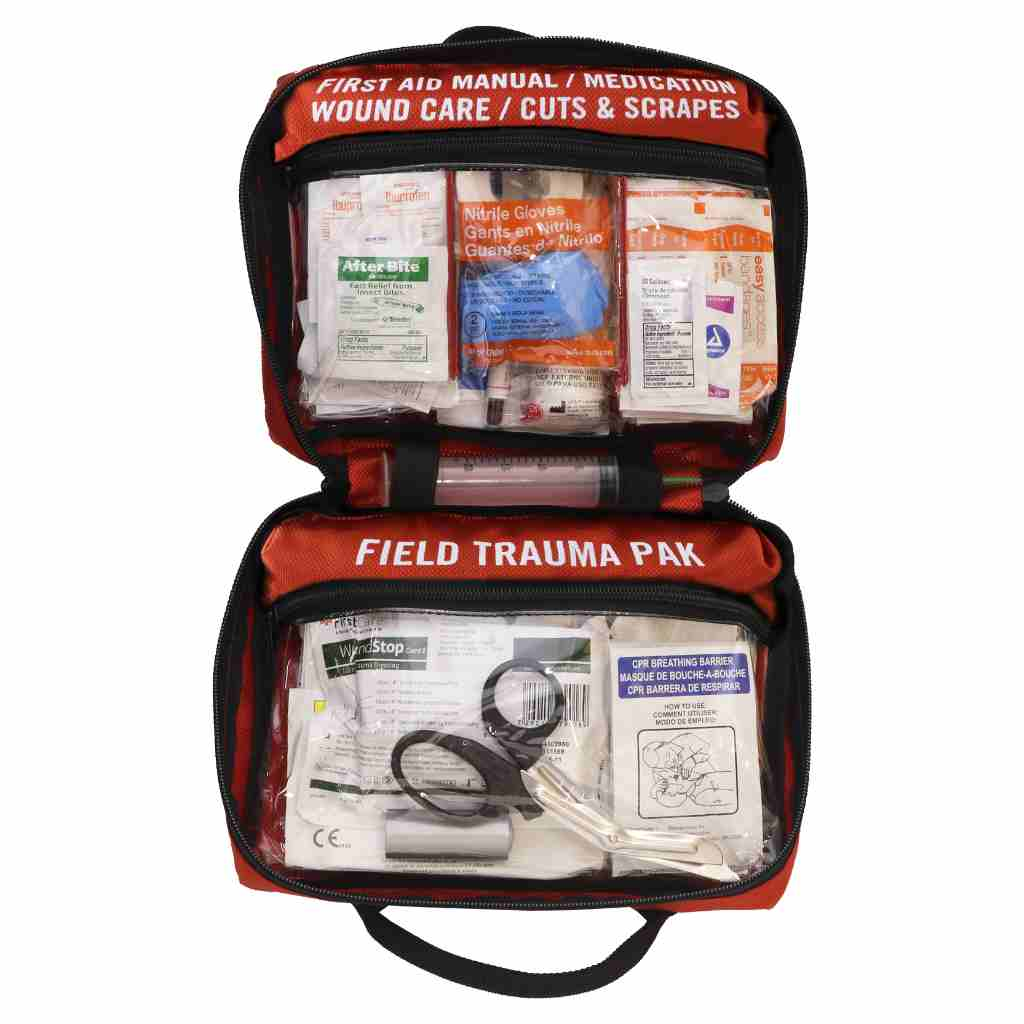
A sensible outdoor kit should support the whole wound-care sequence, not just the medication step. That means accessible cleaning supplies, dressings, tape, gloves where appropriate, and clear instructions. Antibiotic ointment packets can fit into that system, especially when a sealed single-use format is convenient, but plain petroleum jelly remains a reasonable alternative for many uncomplicated wounds.
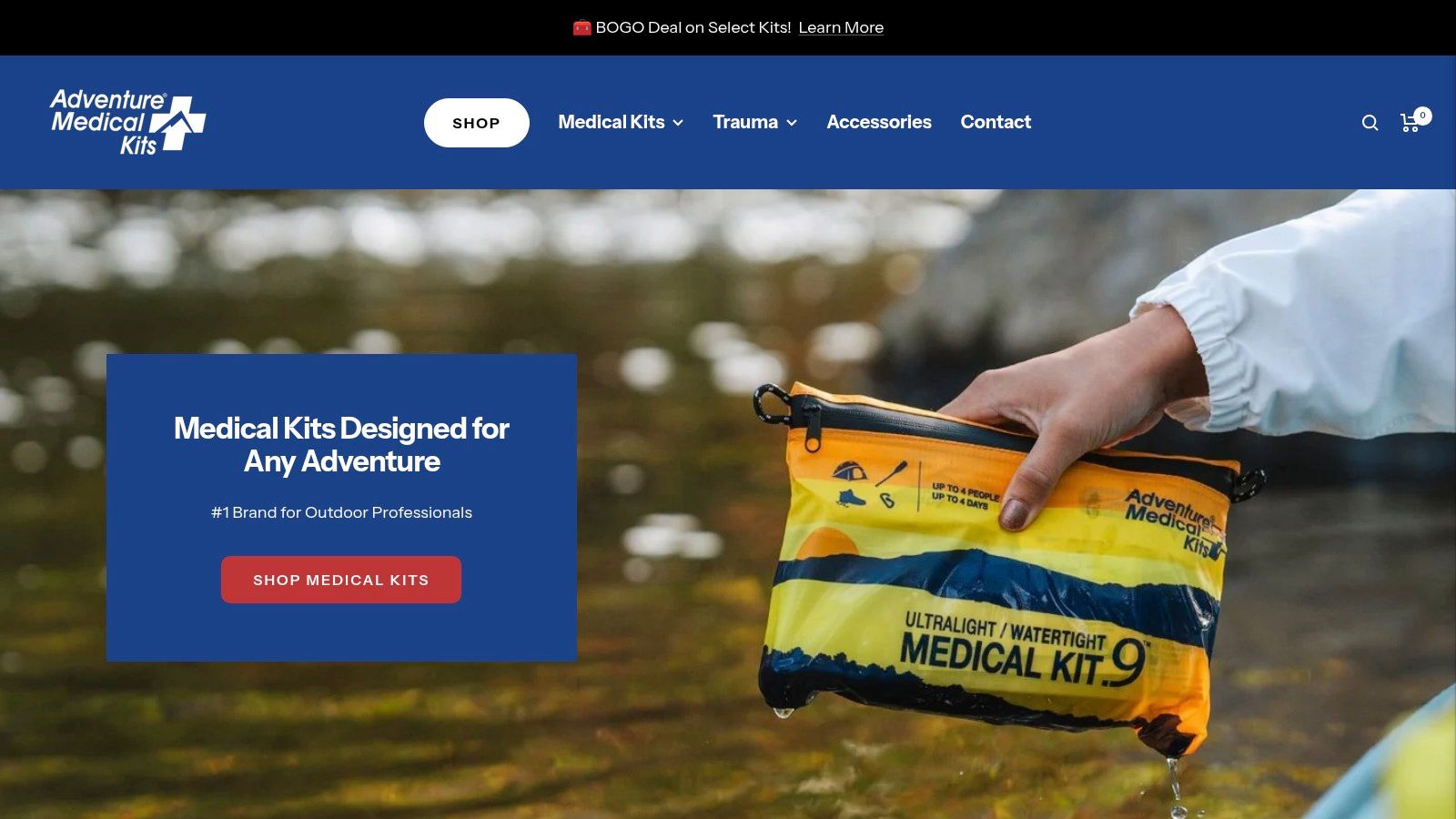
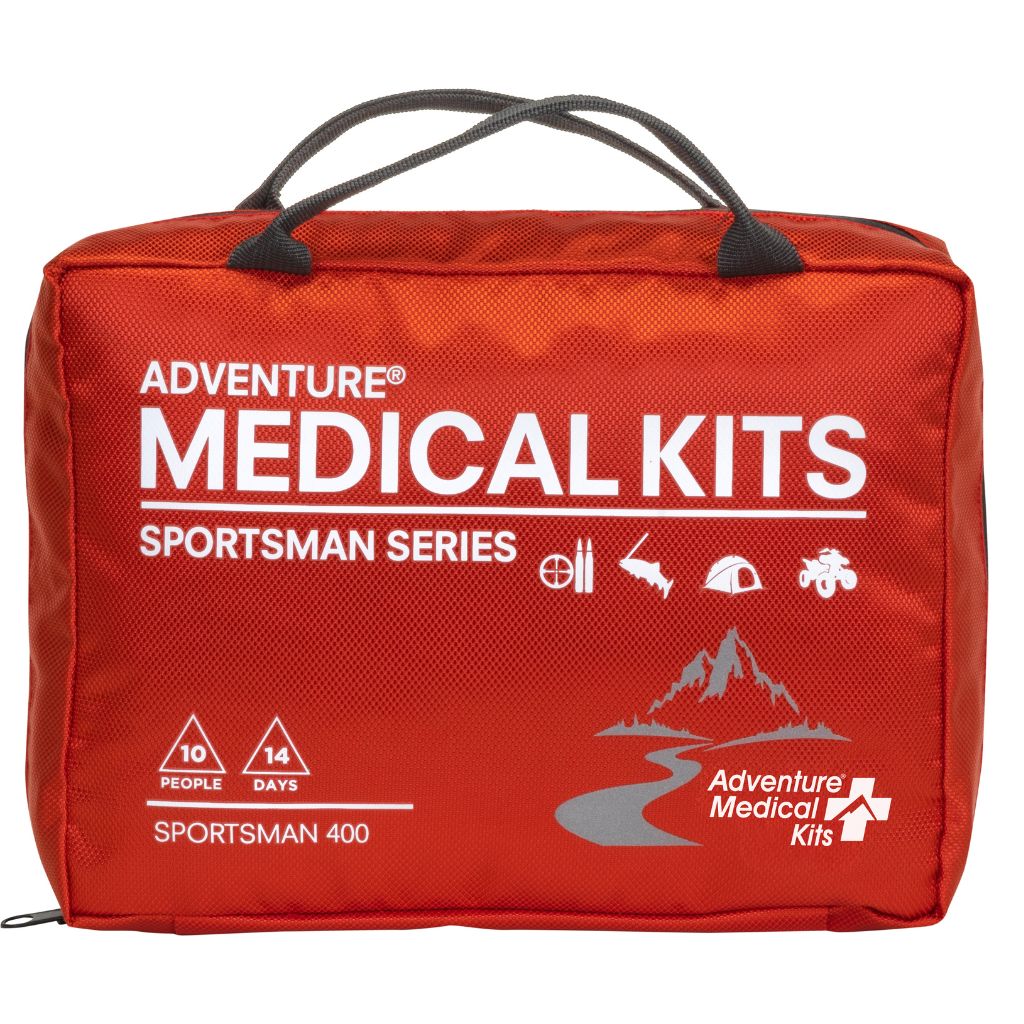
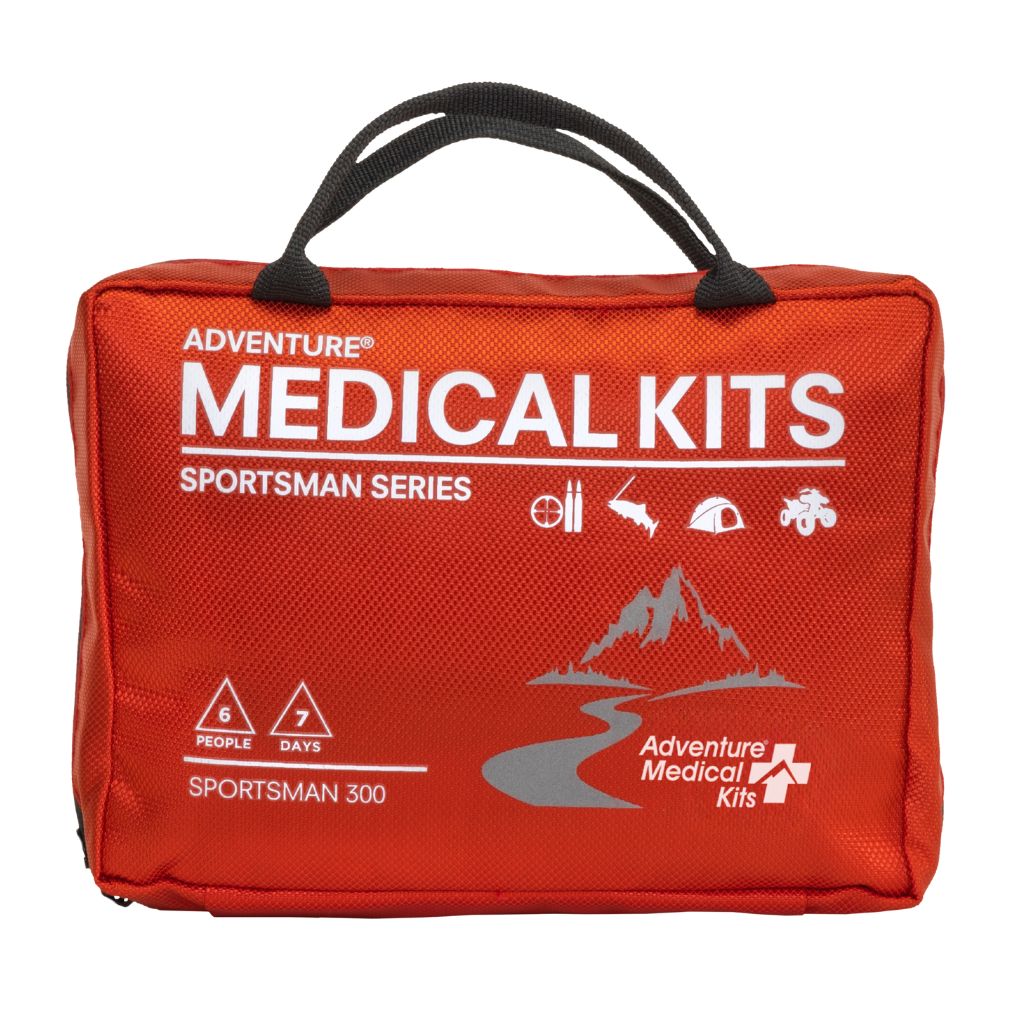
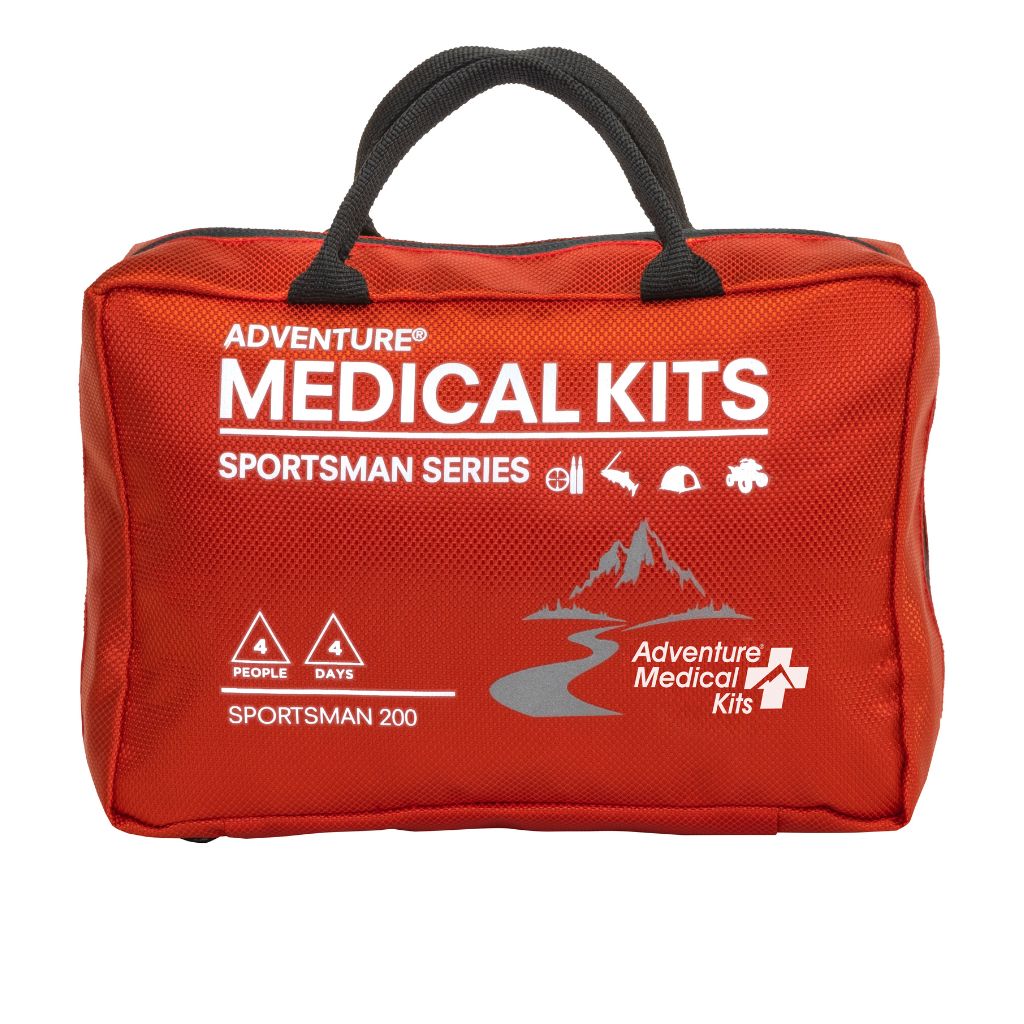
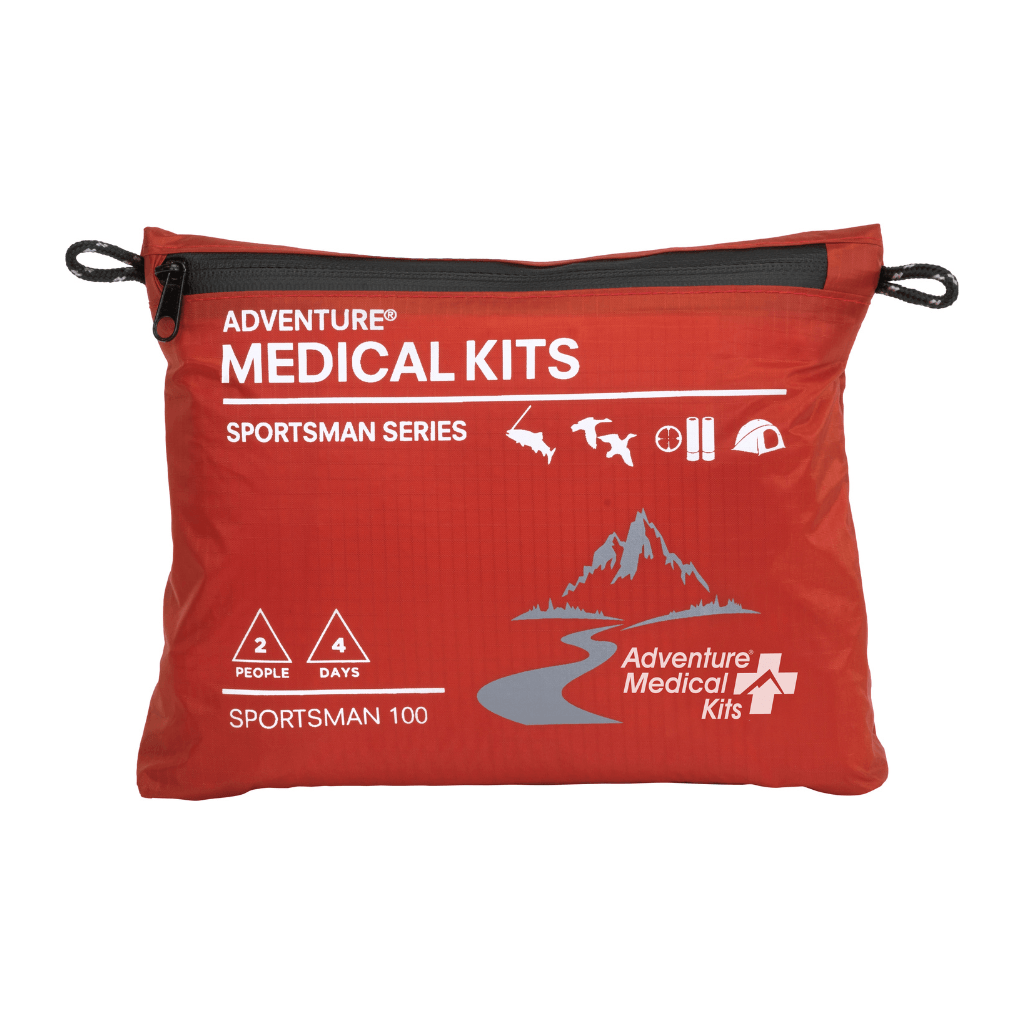
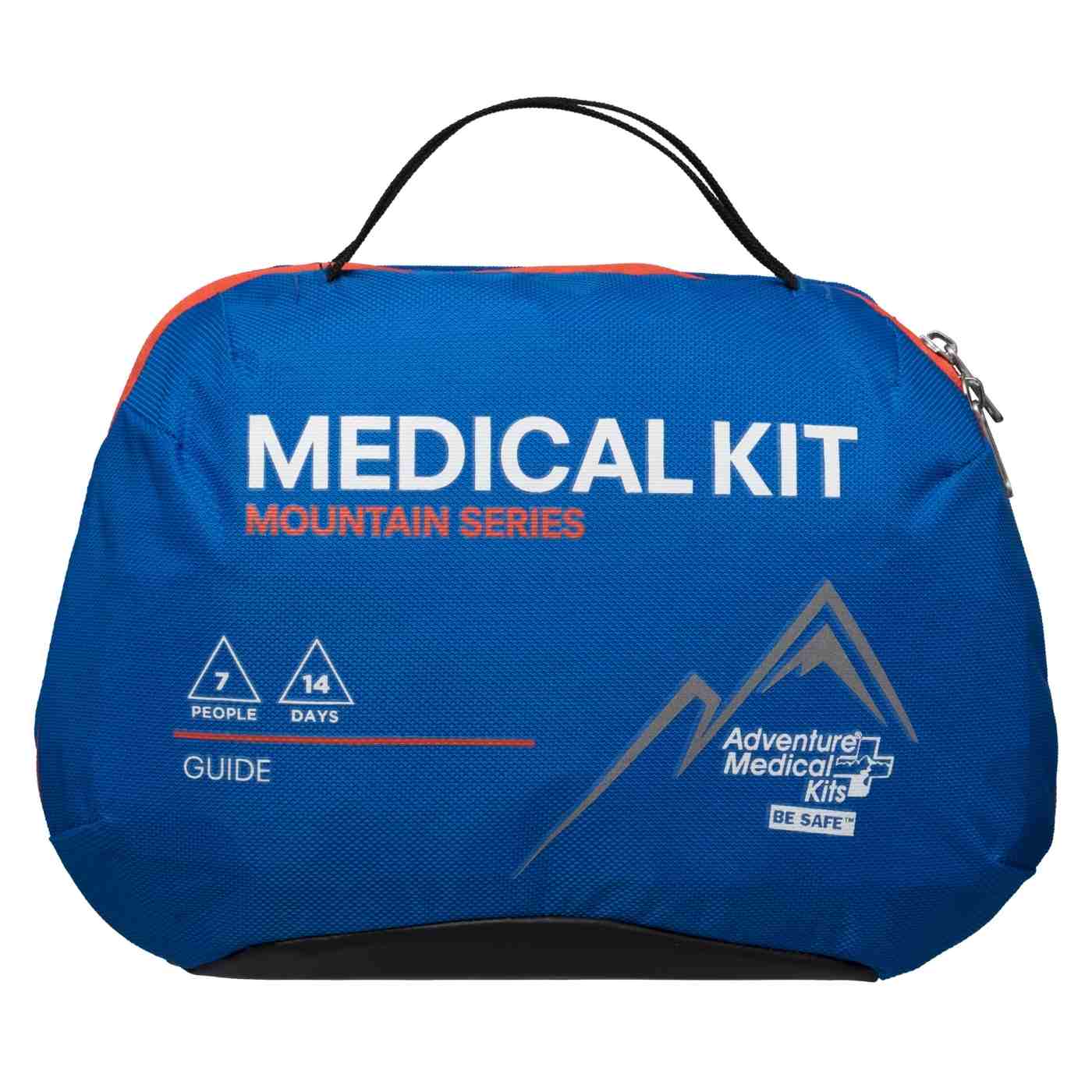
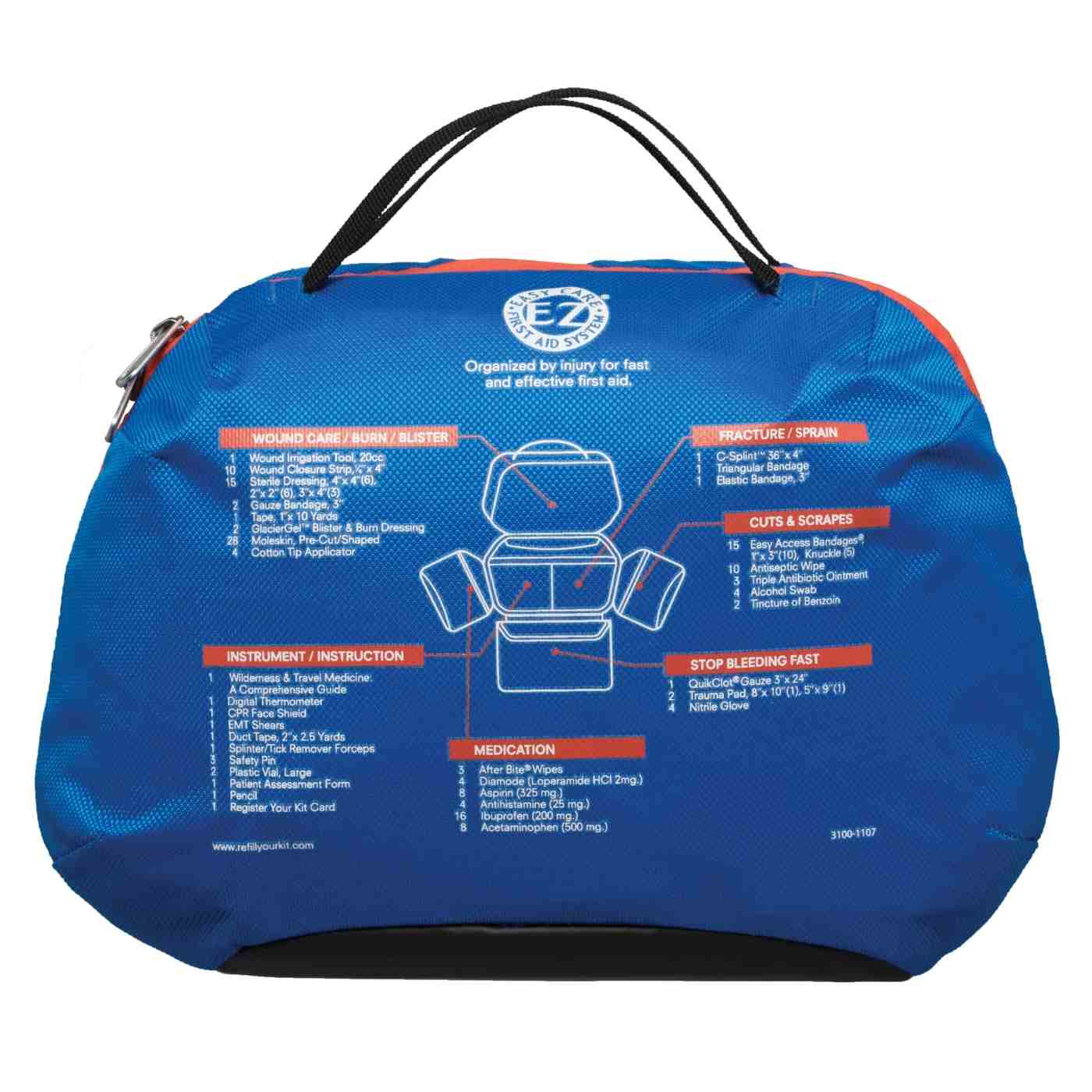
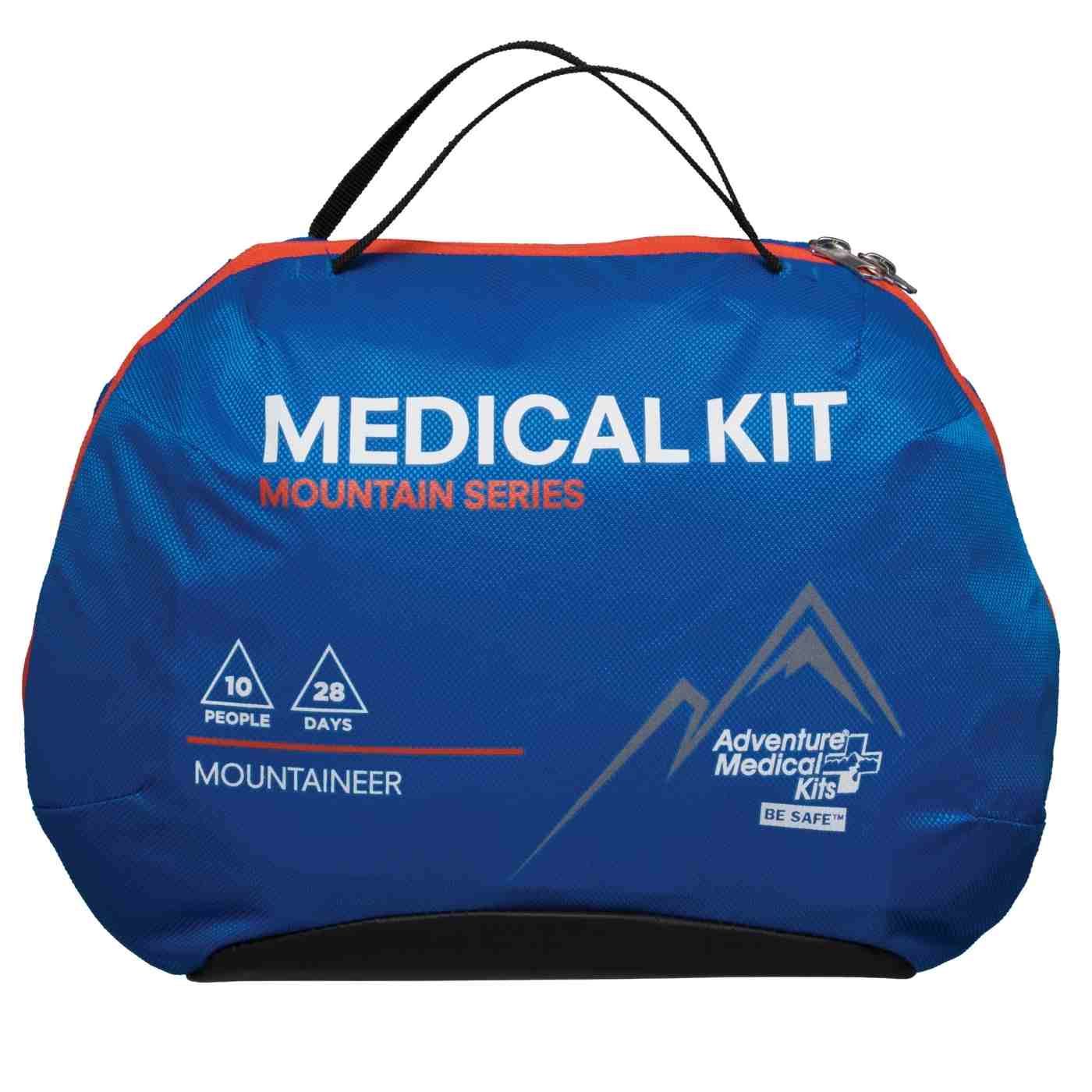
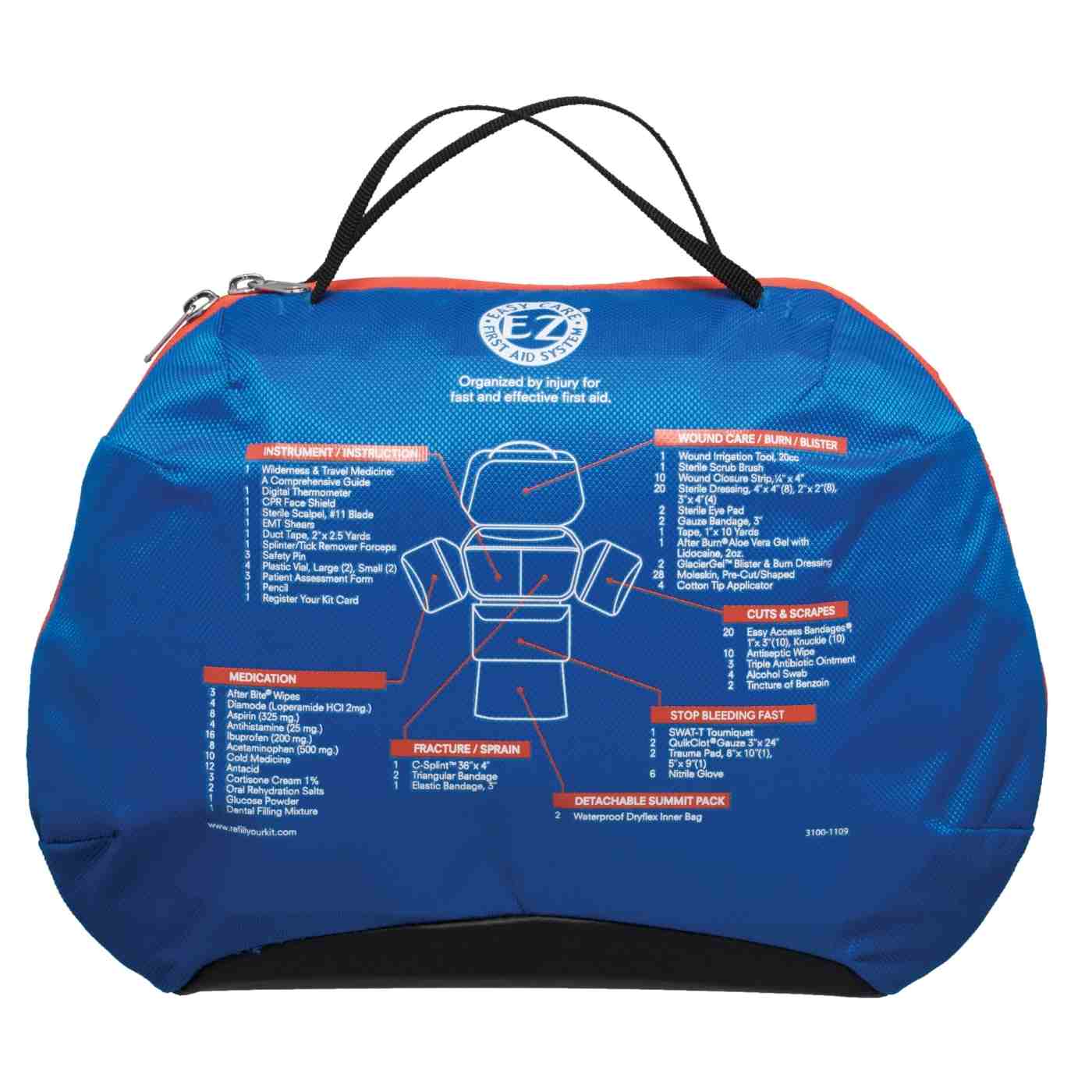
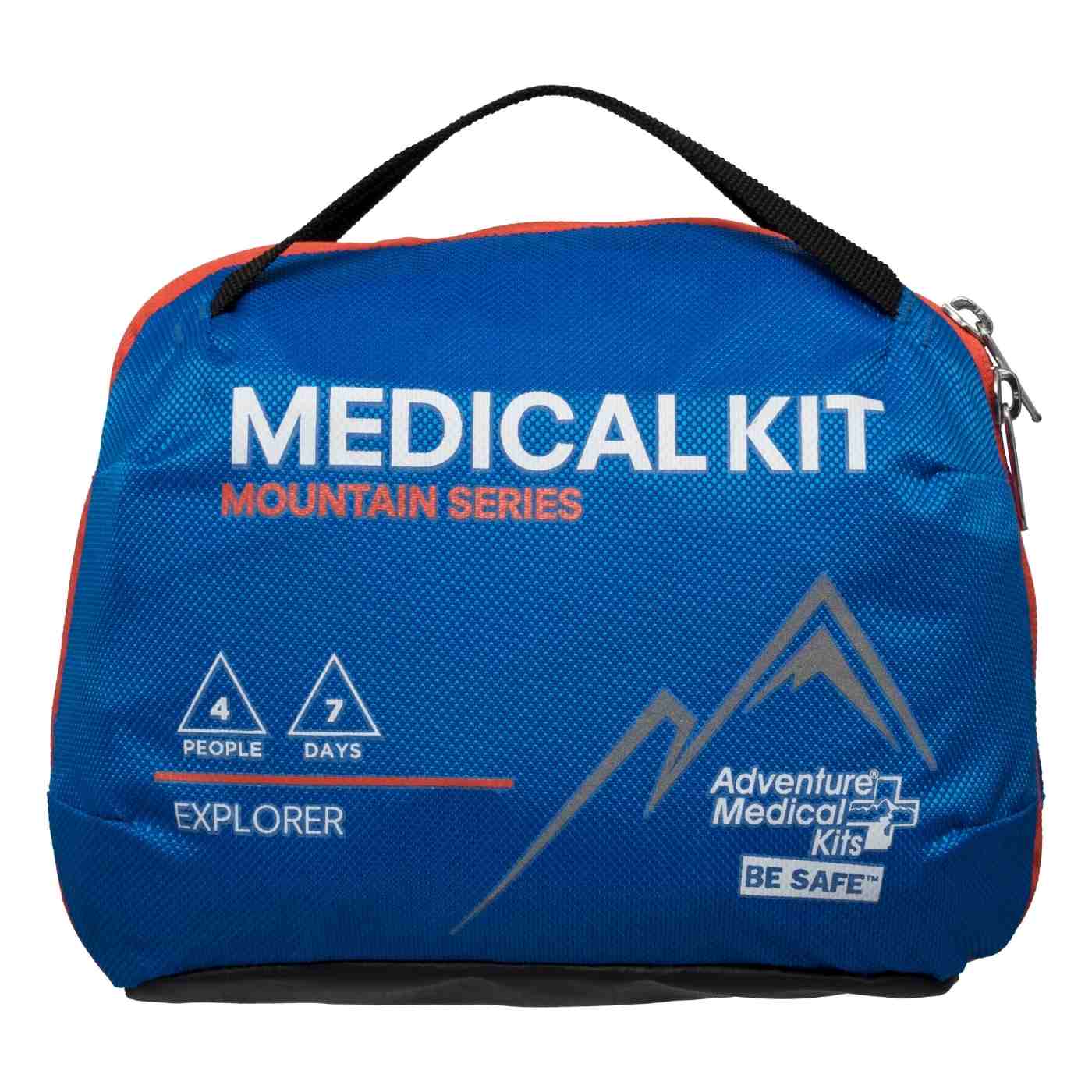
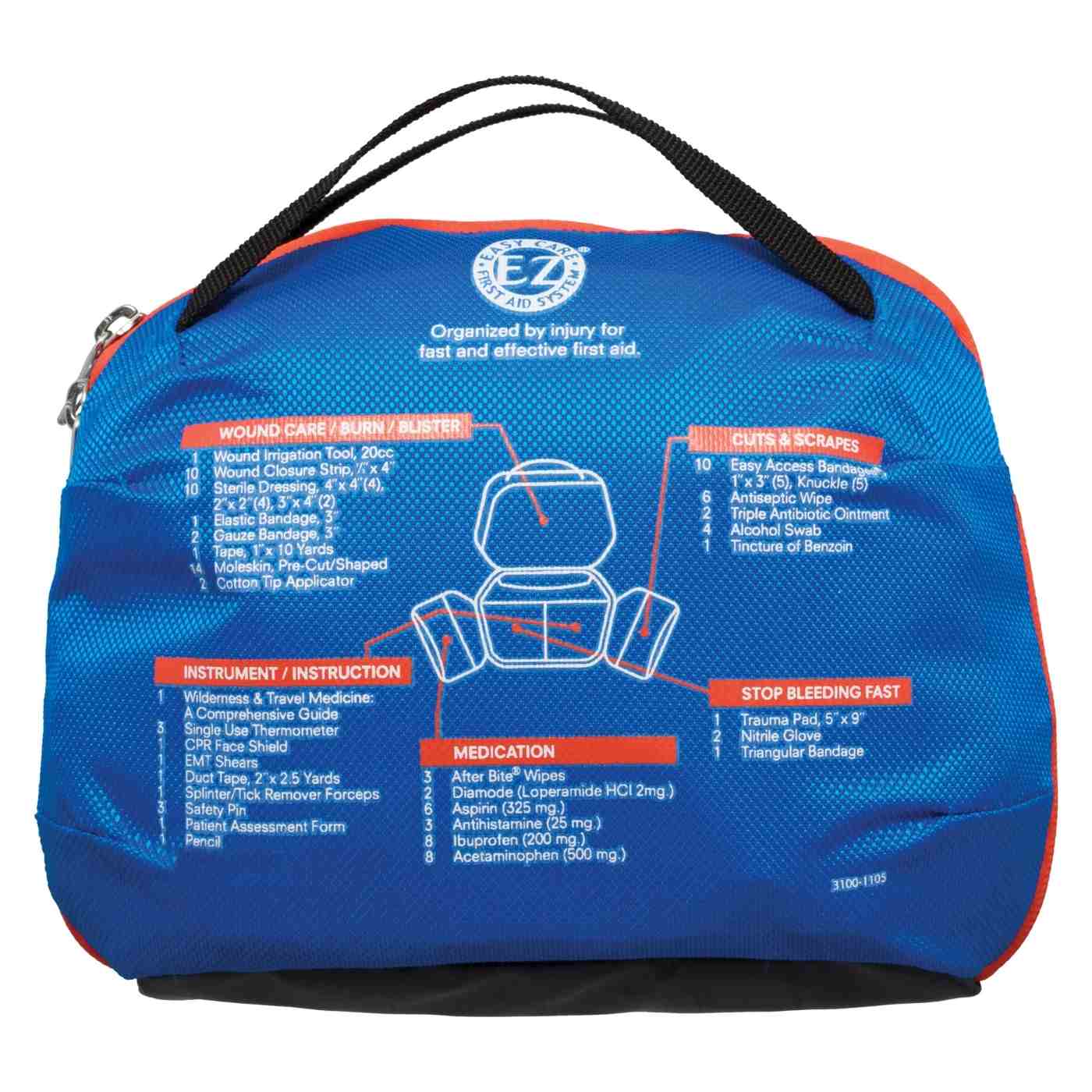
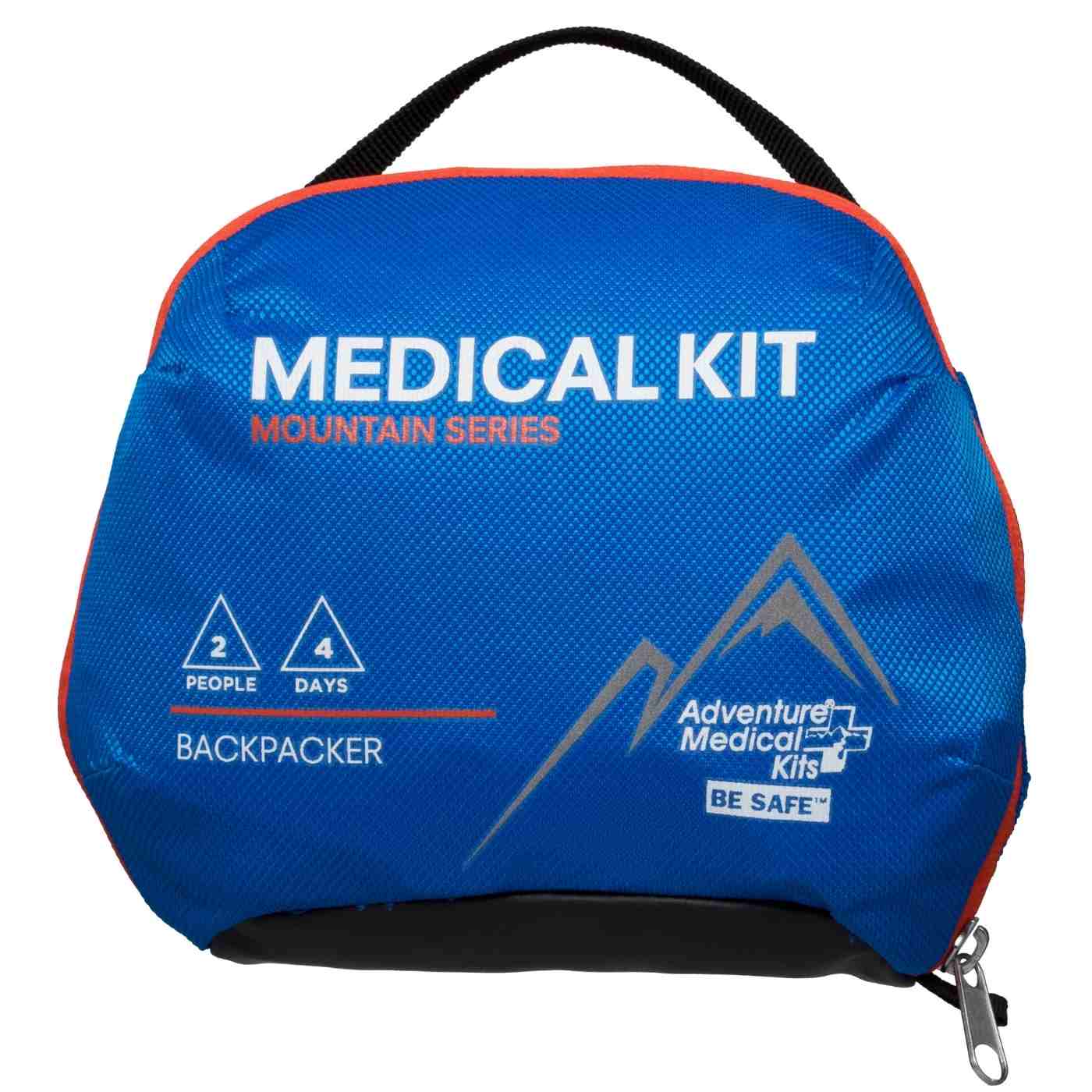
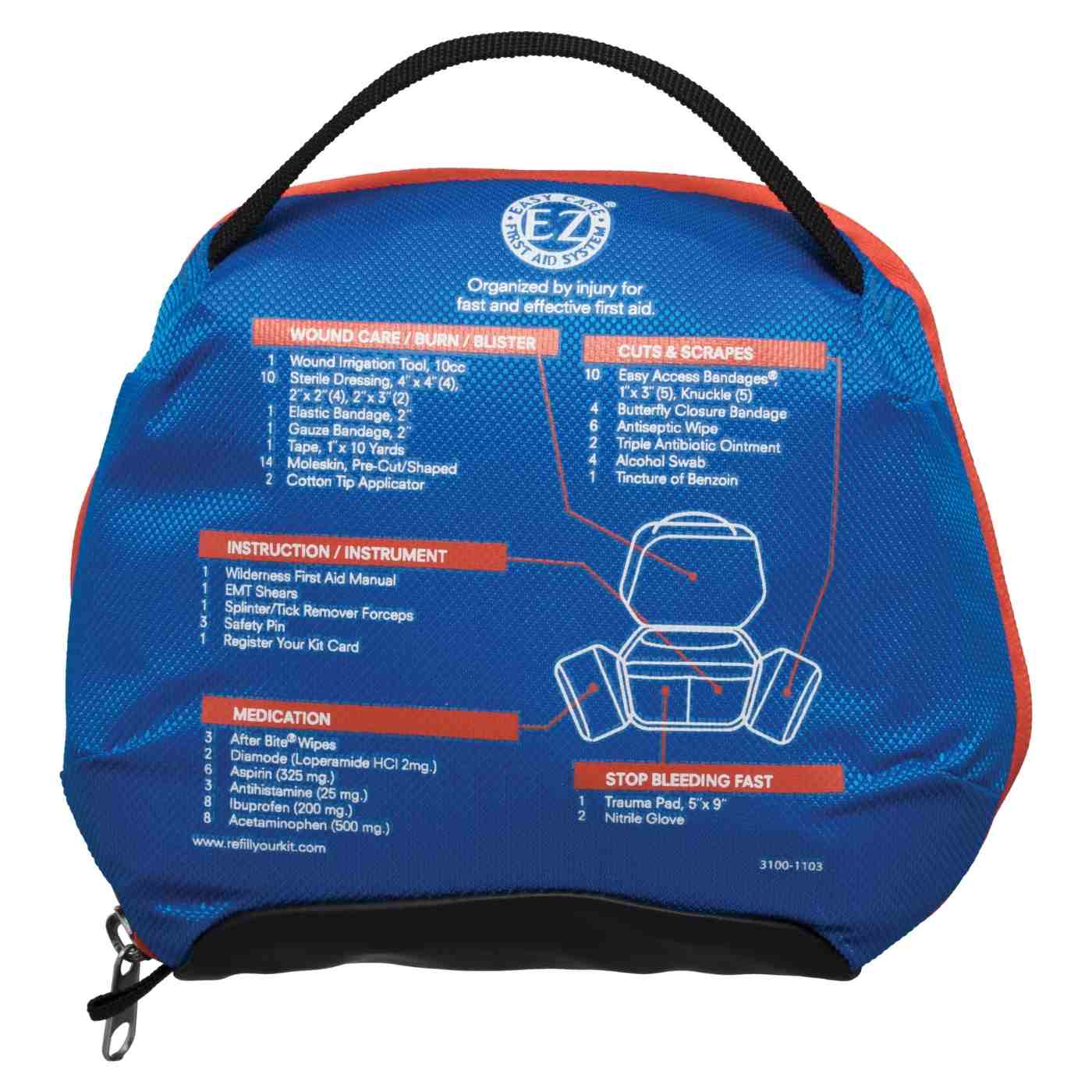
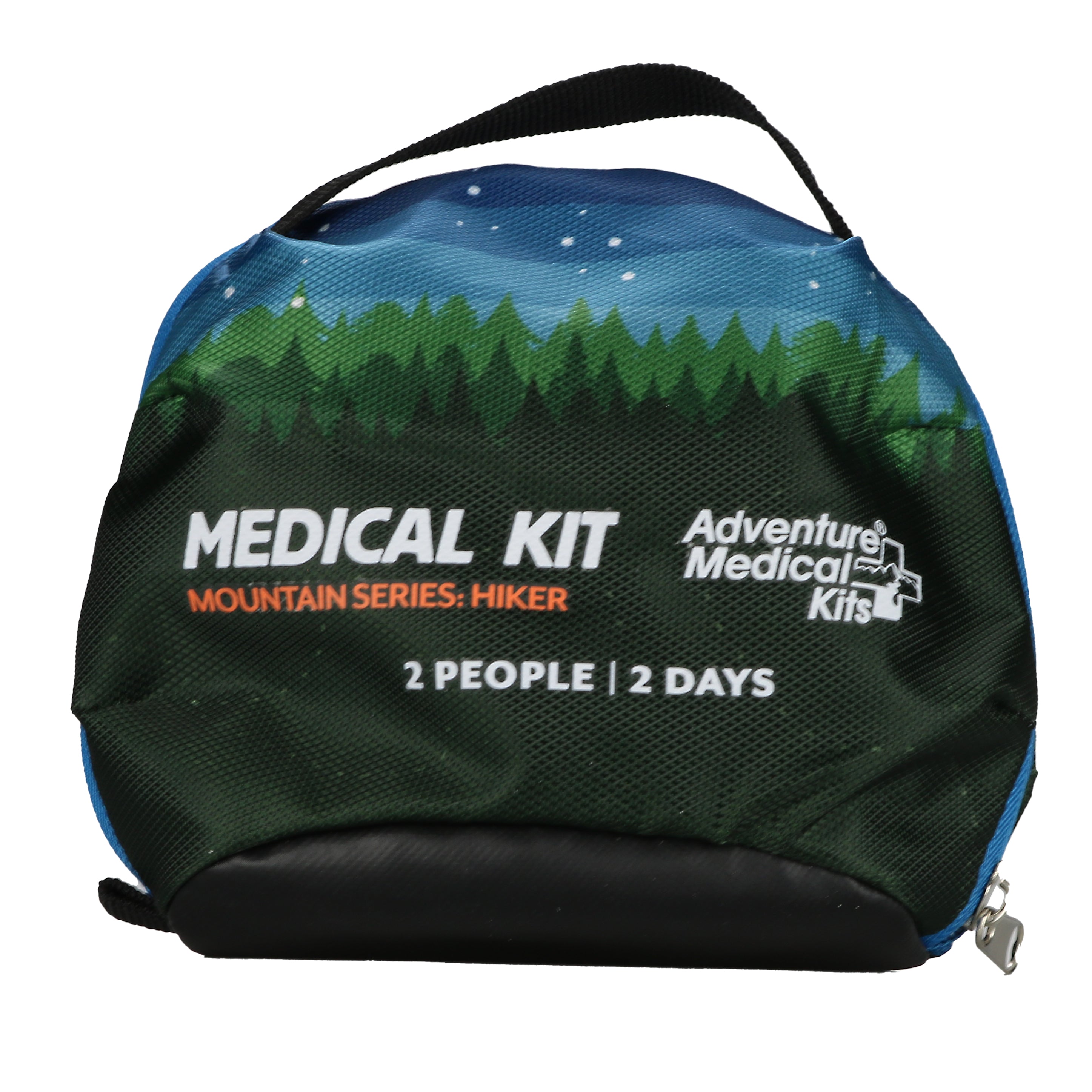
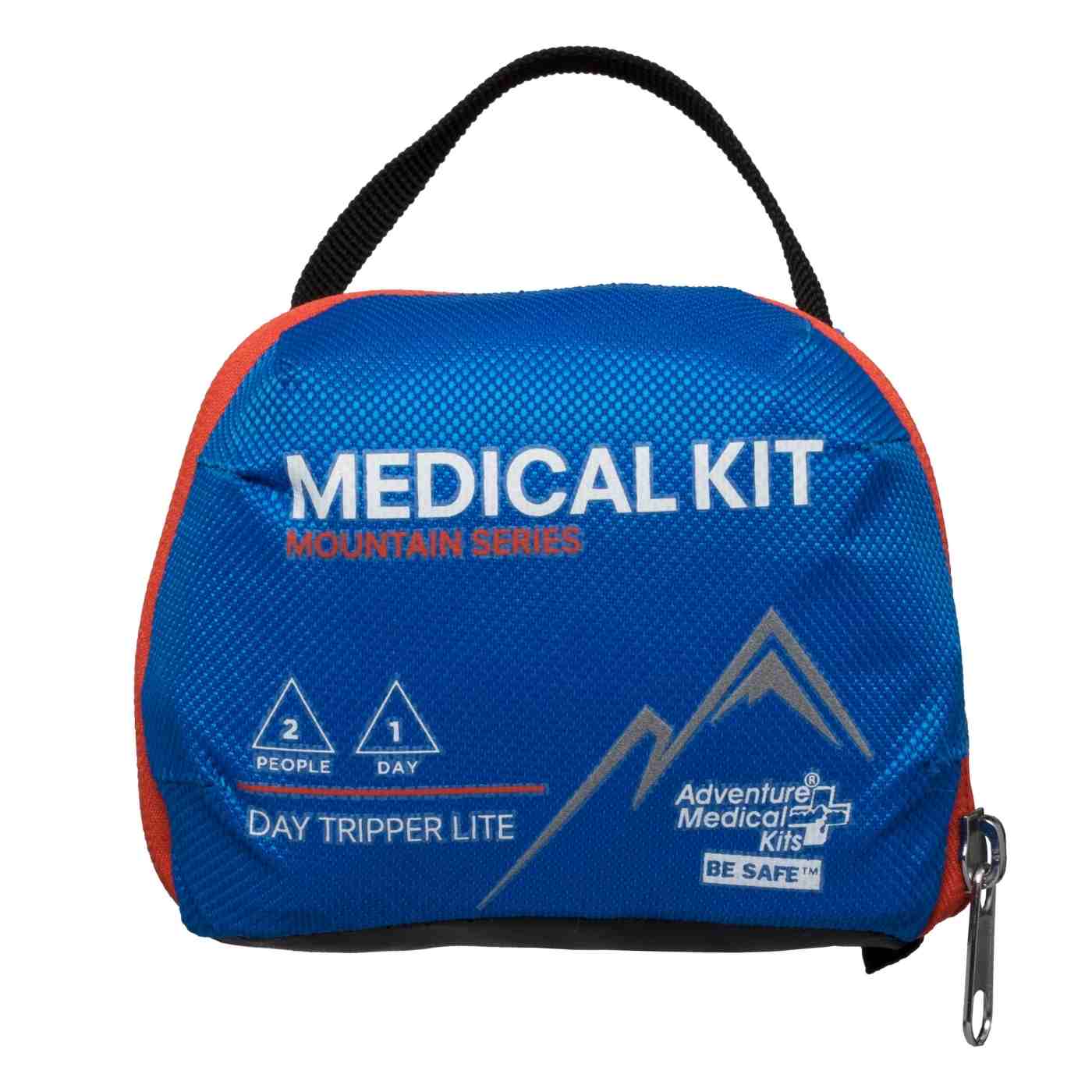
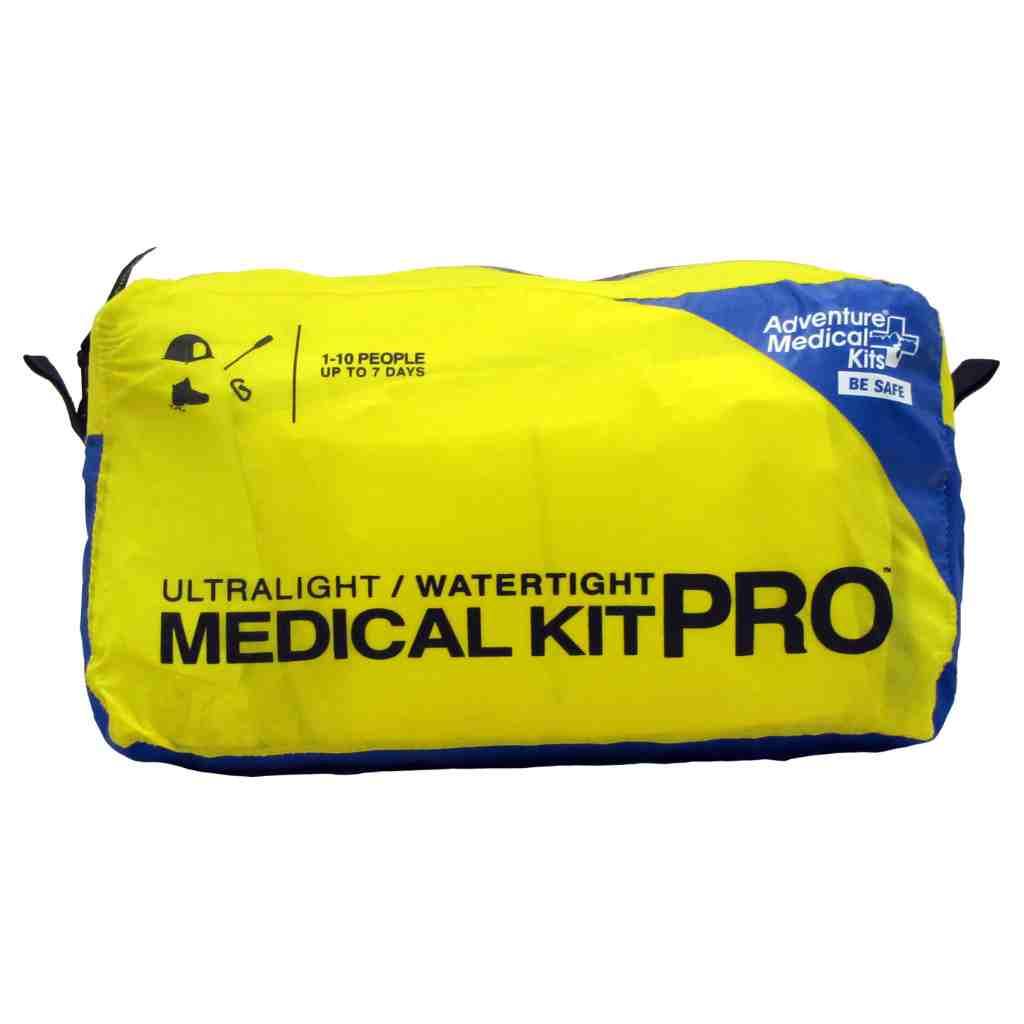
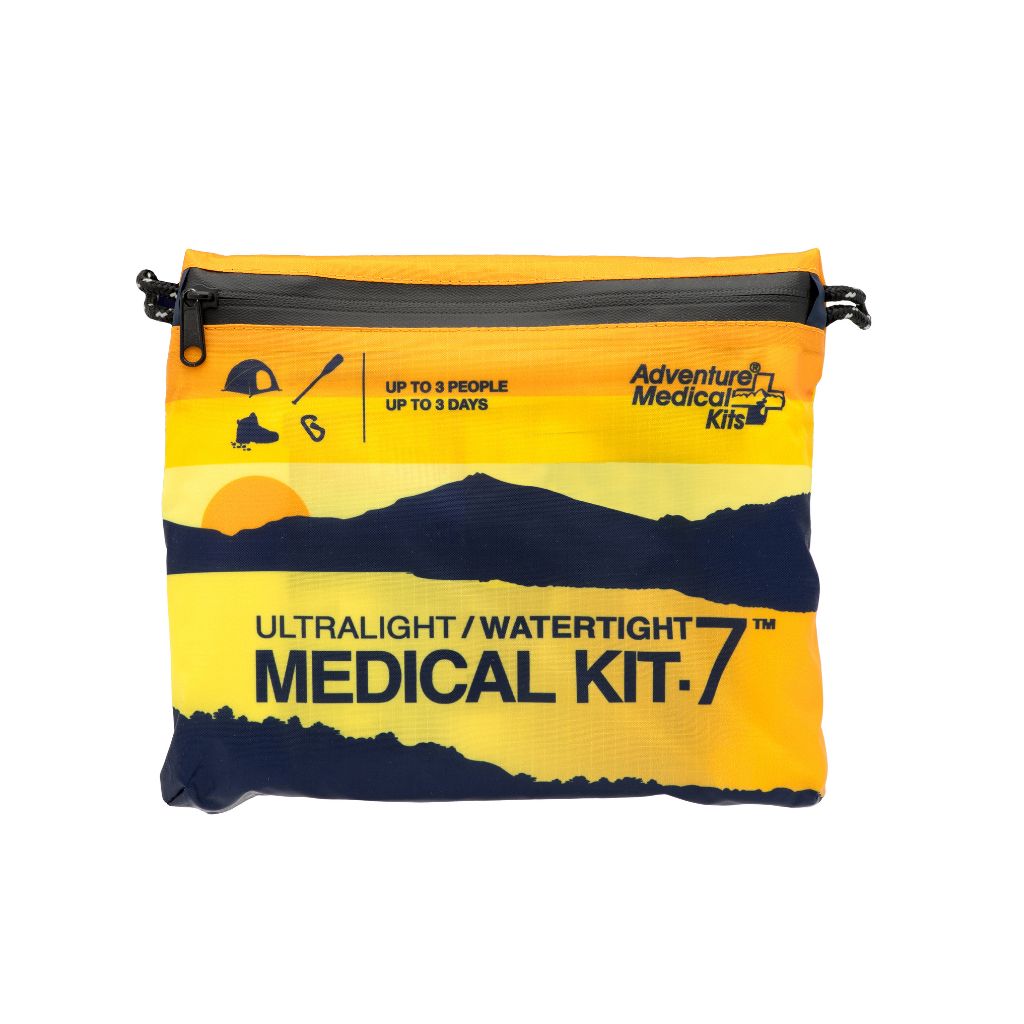
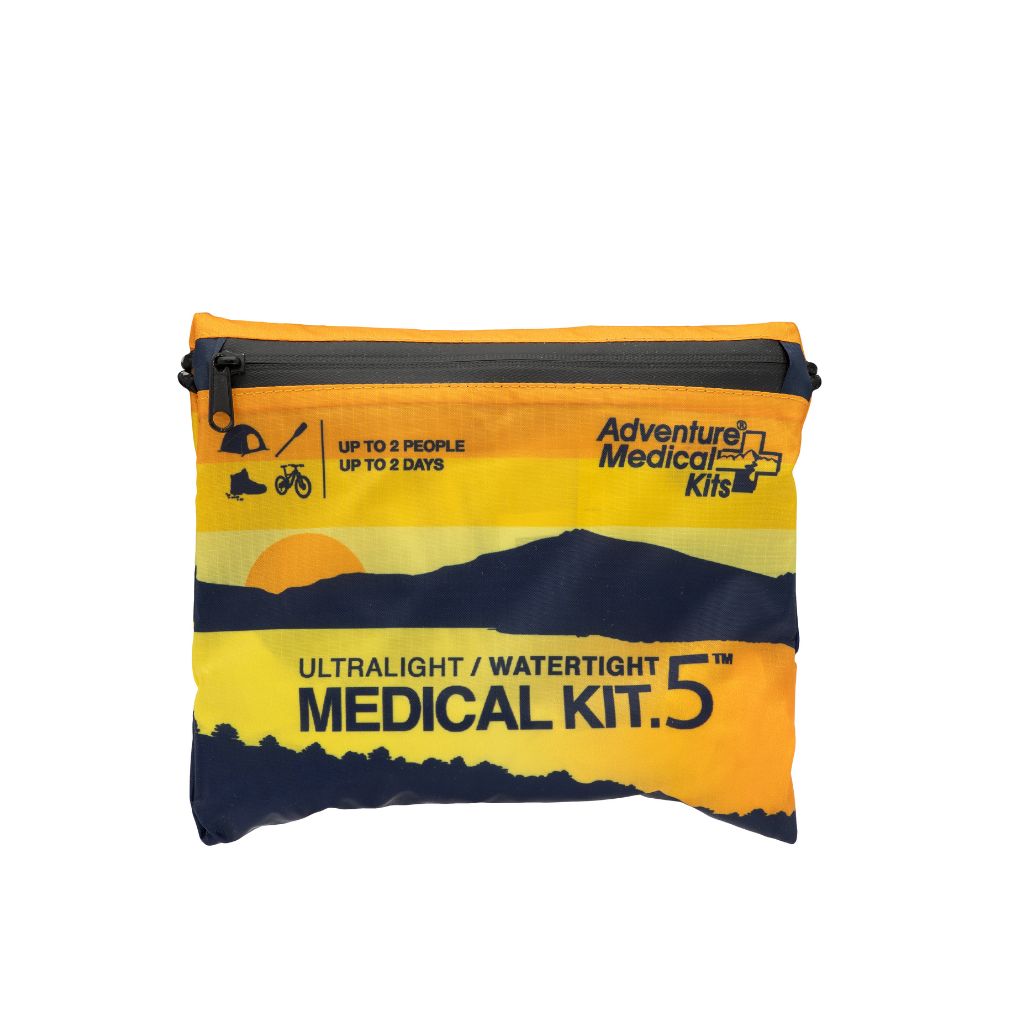
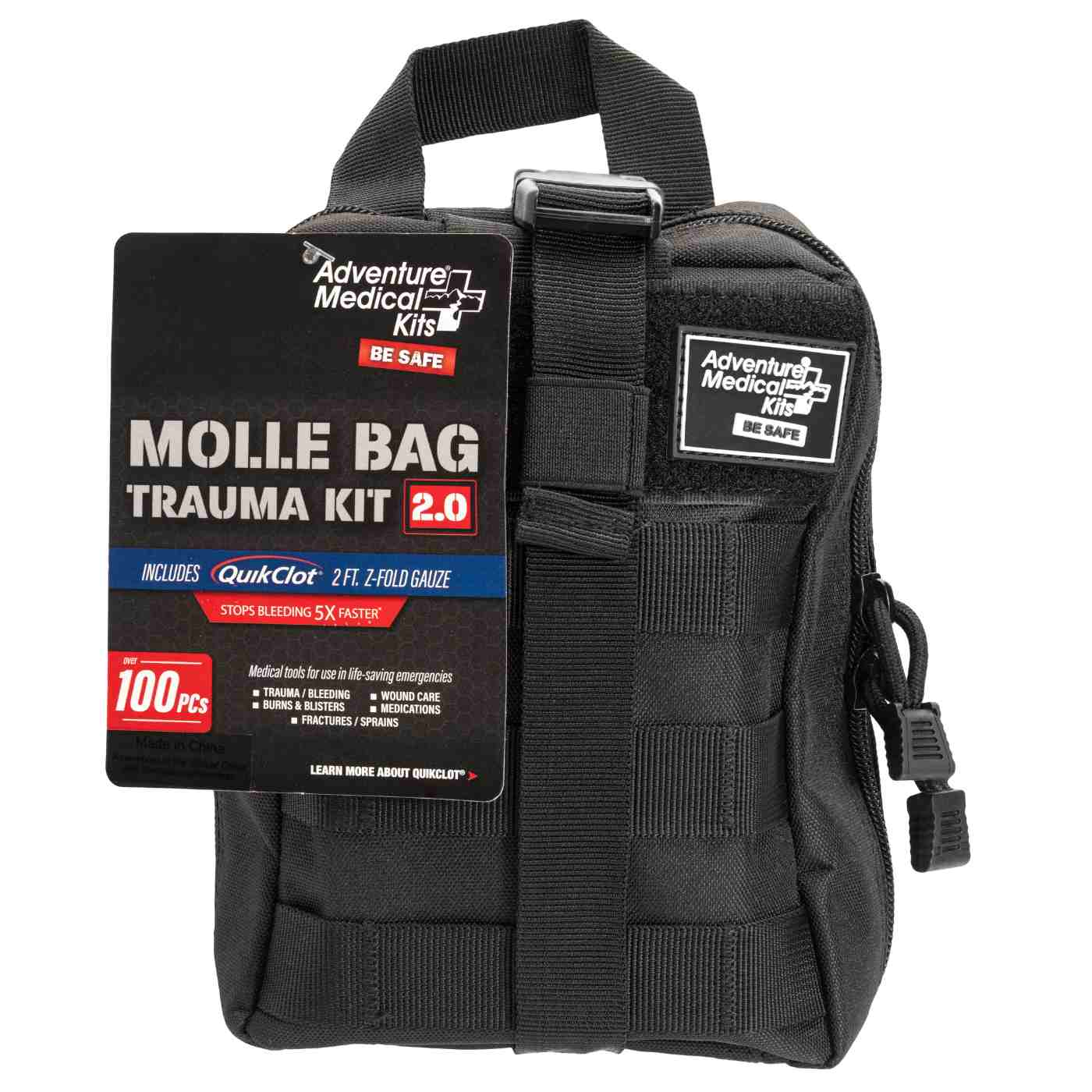
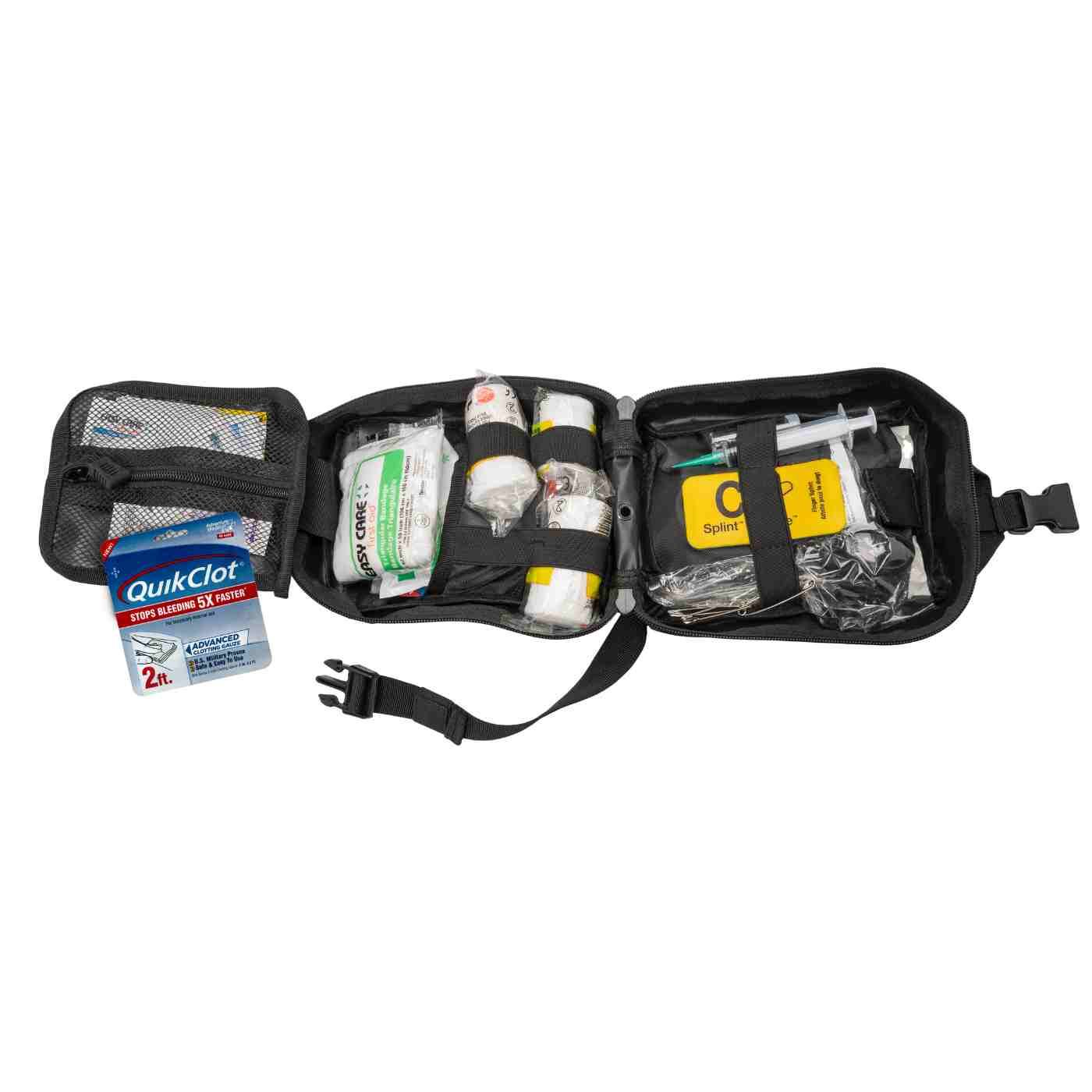
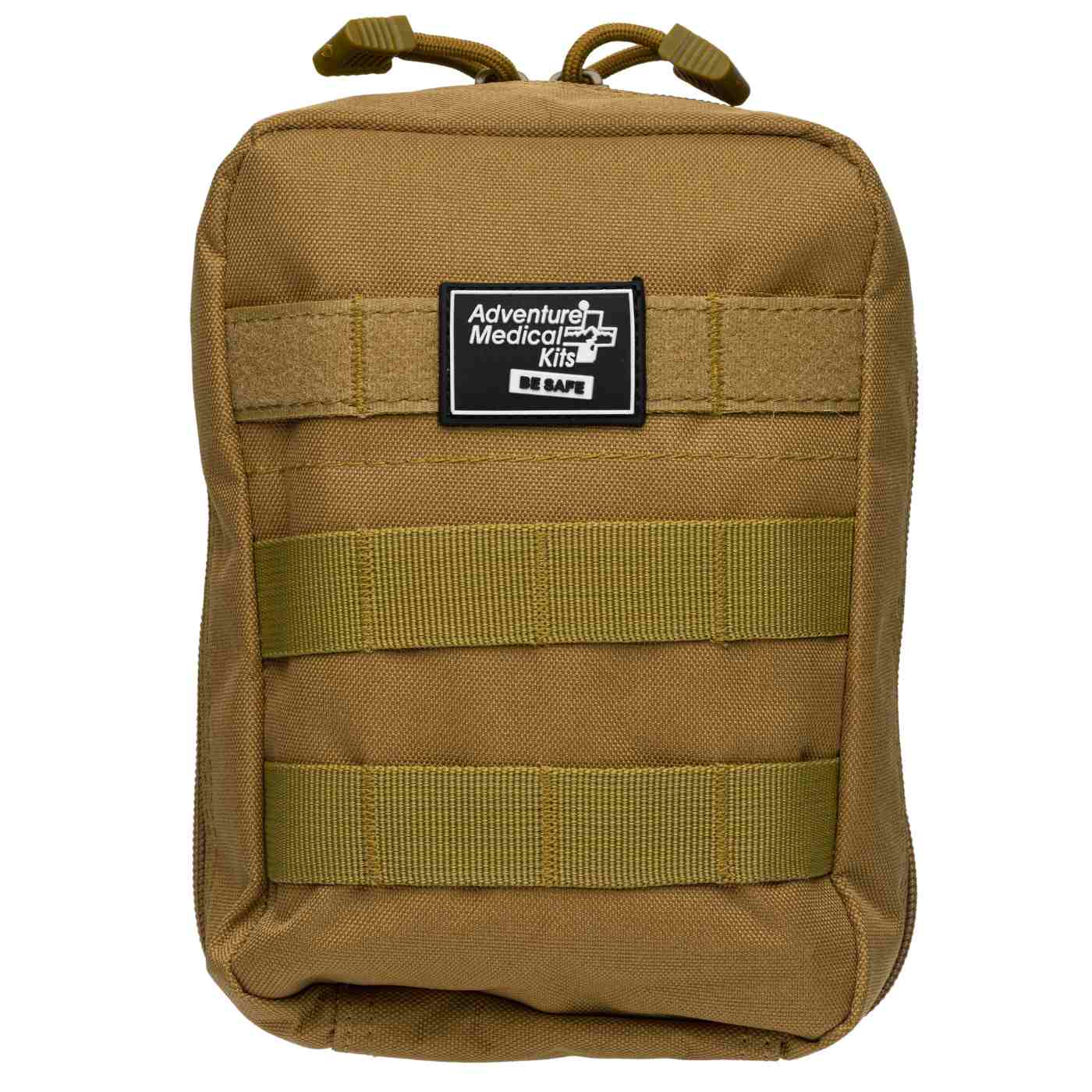
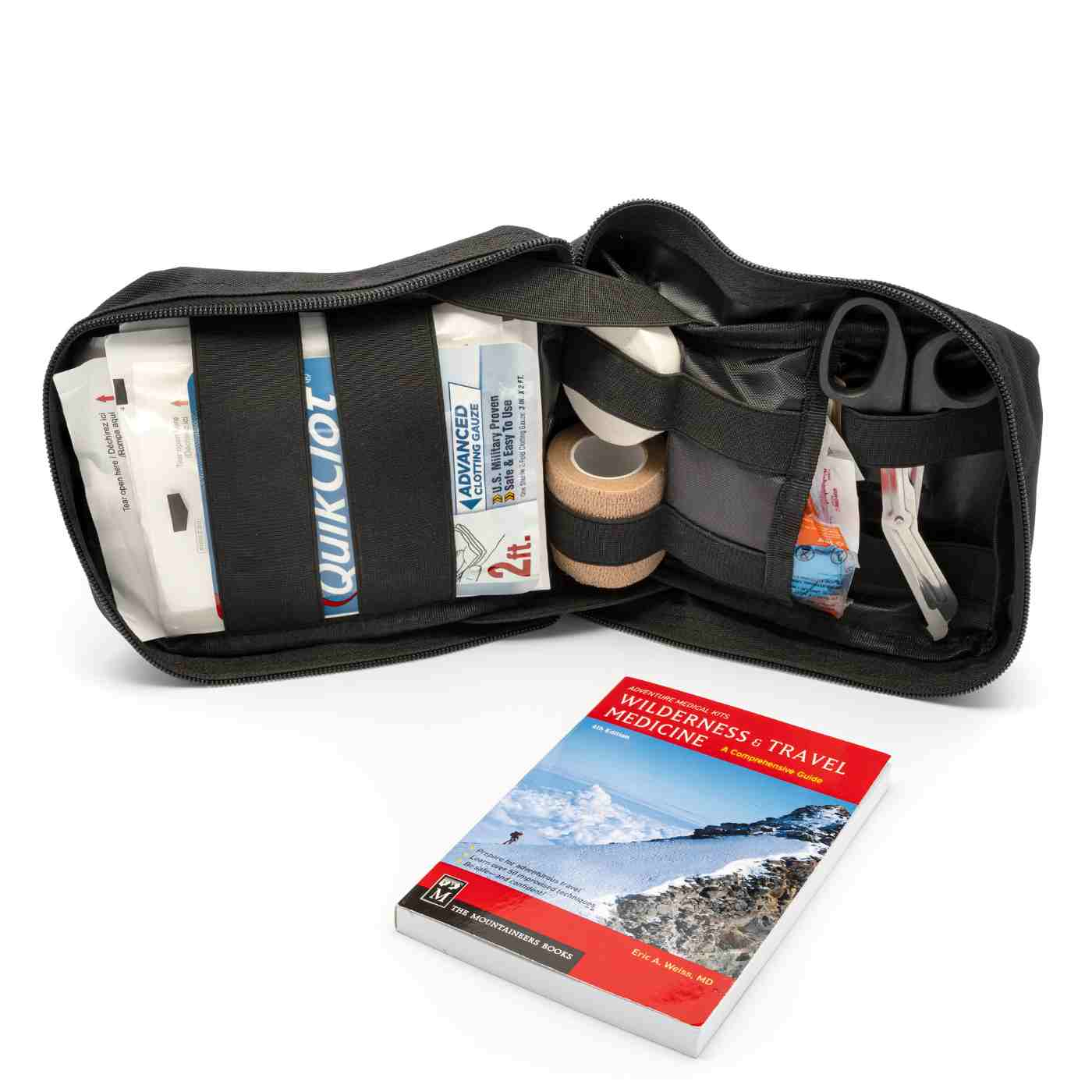
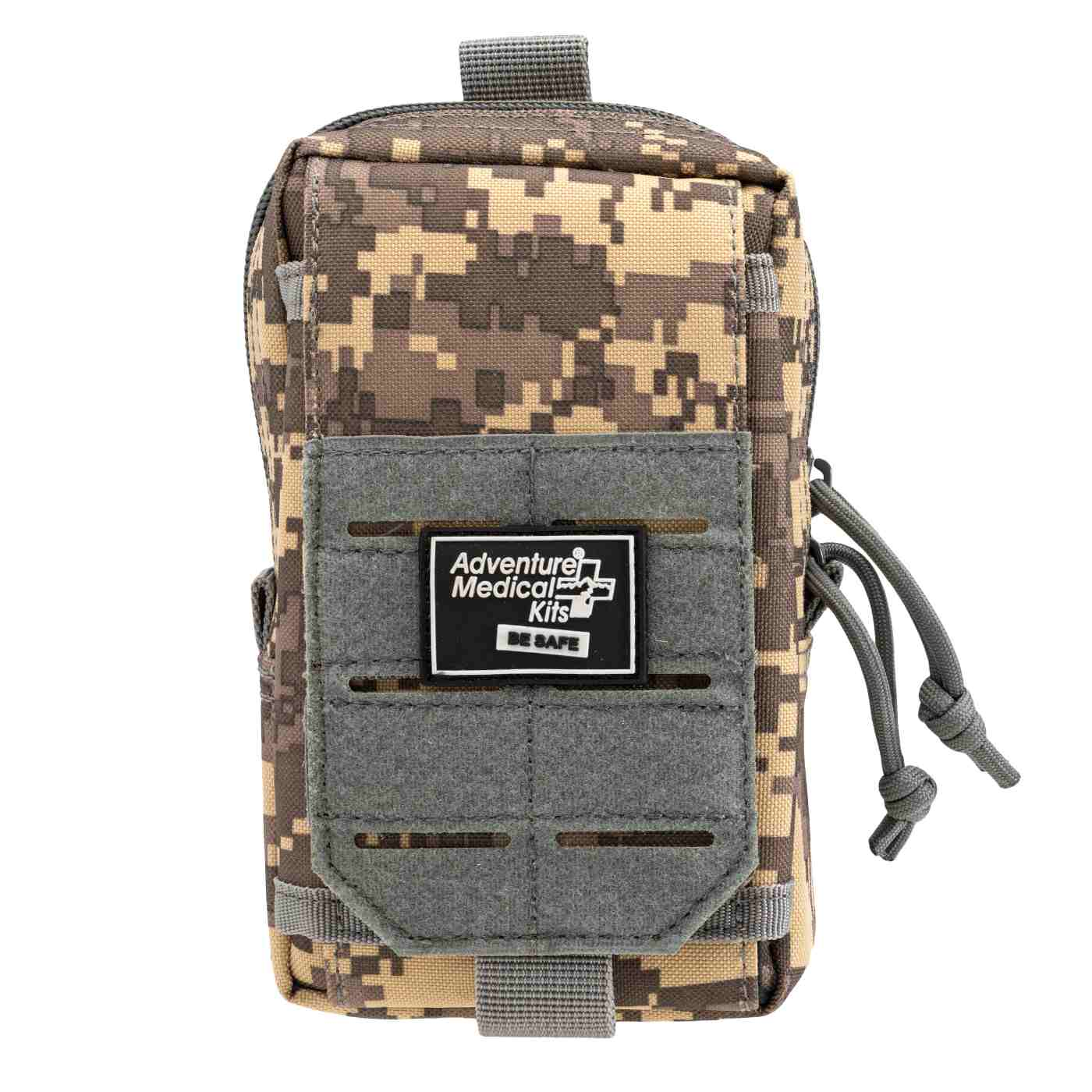
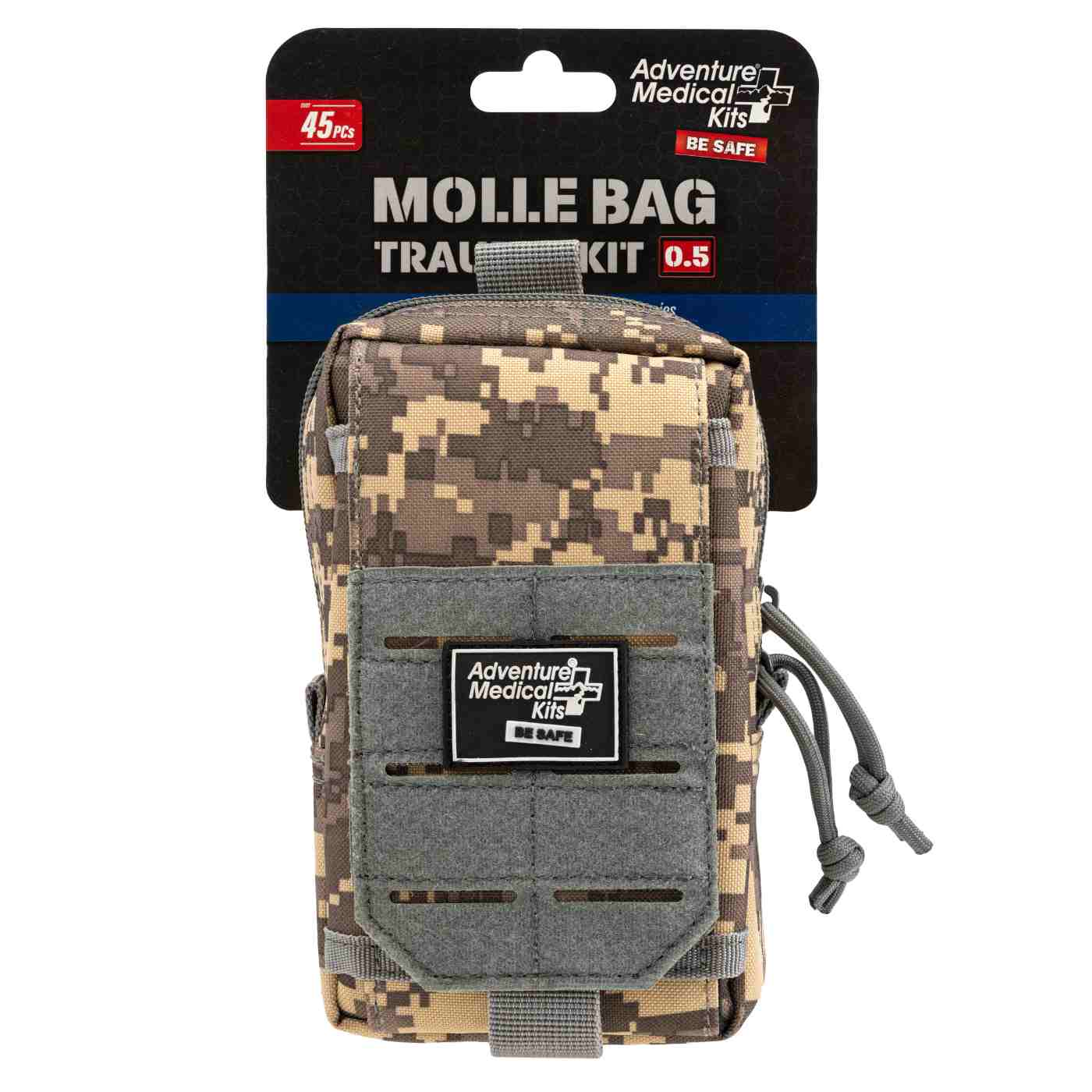
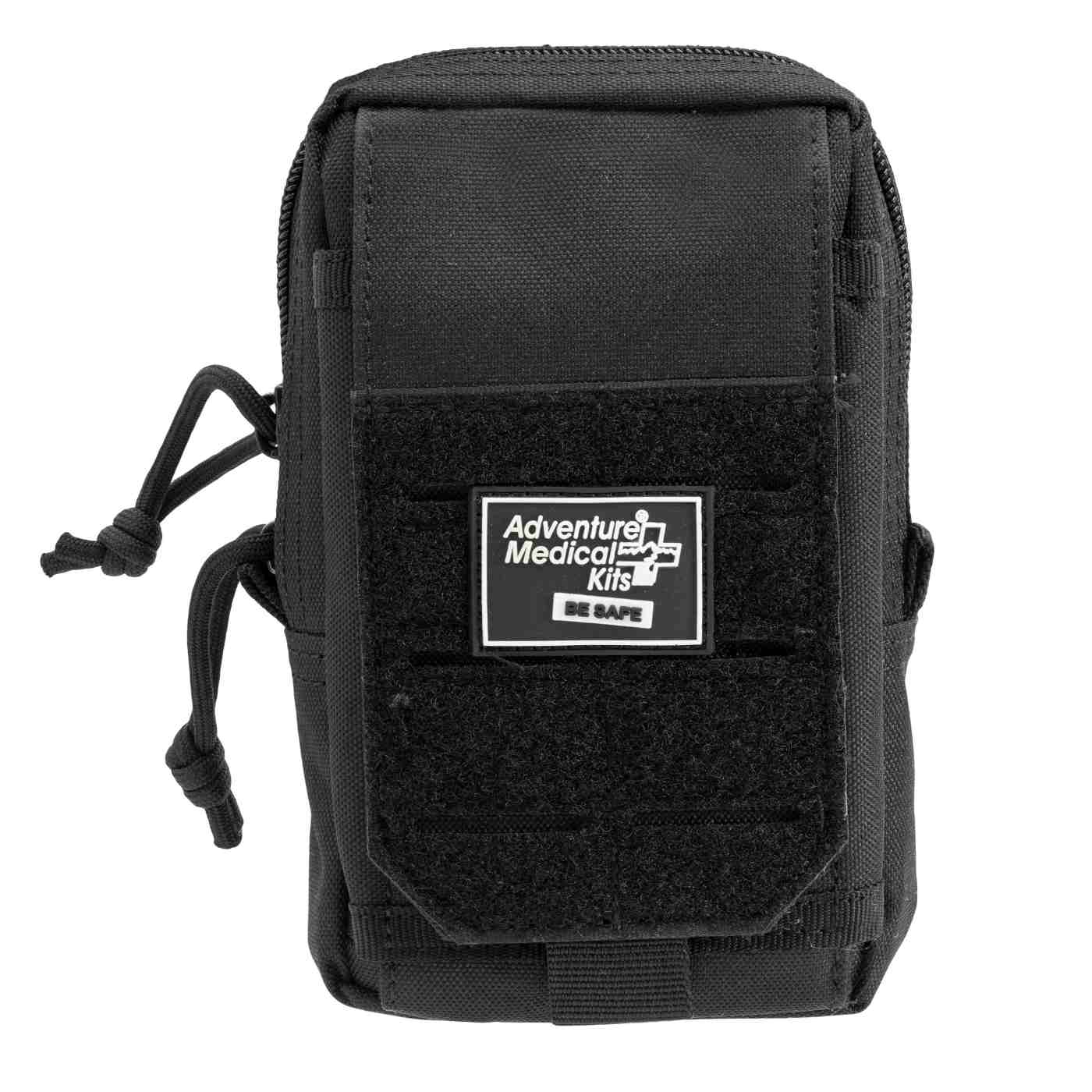
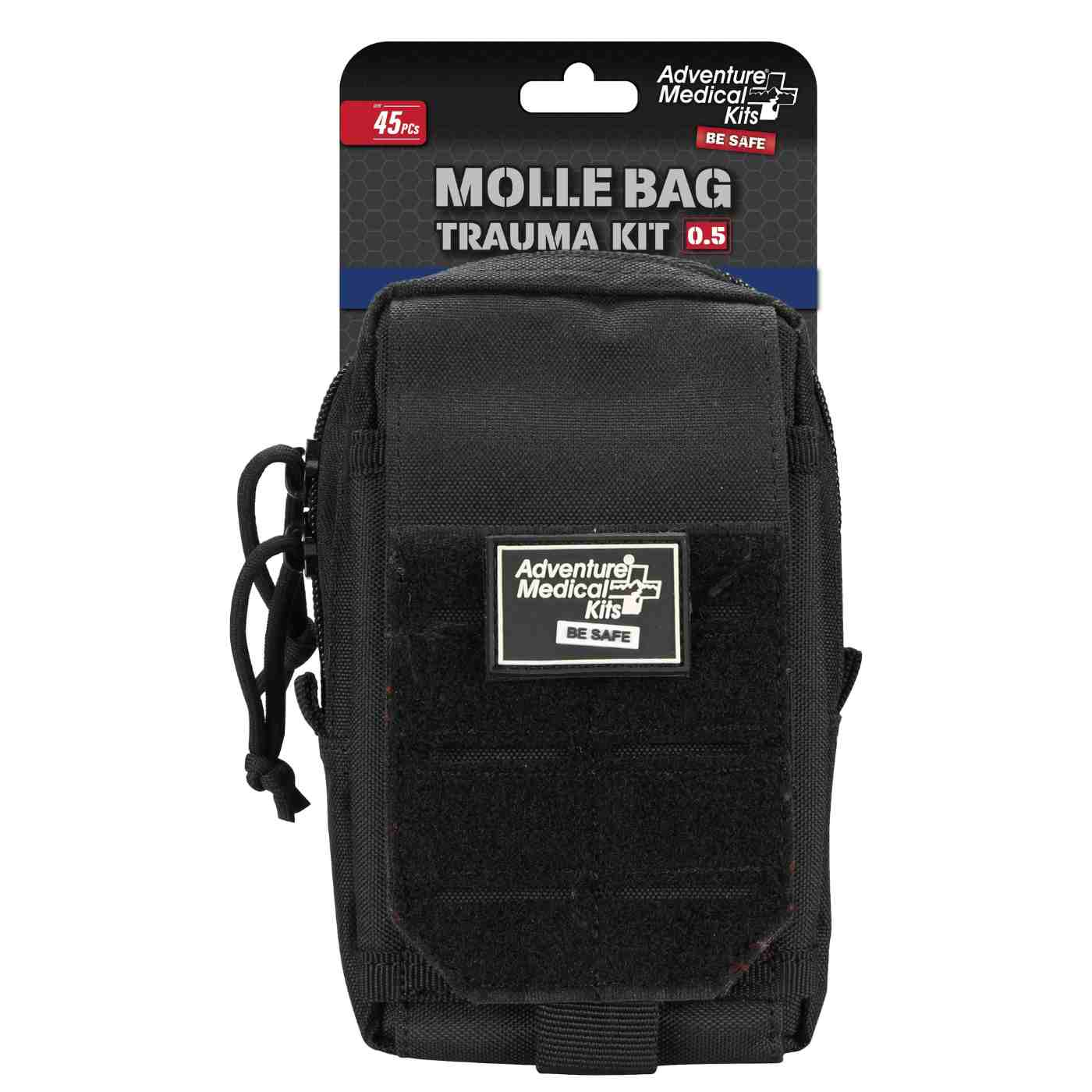
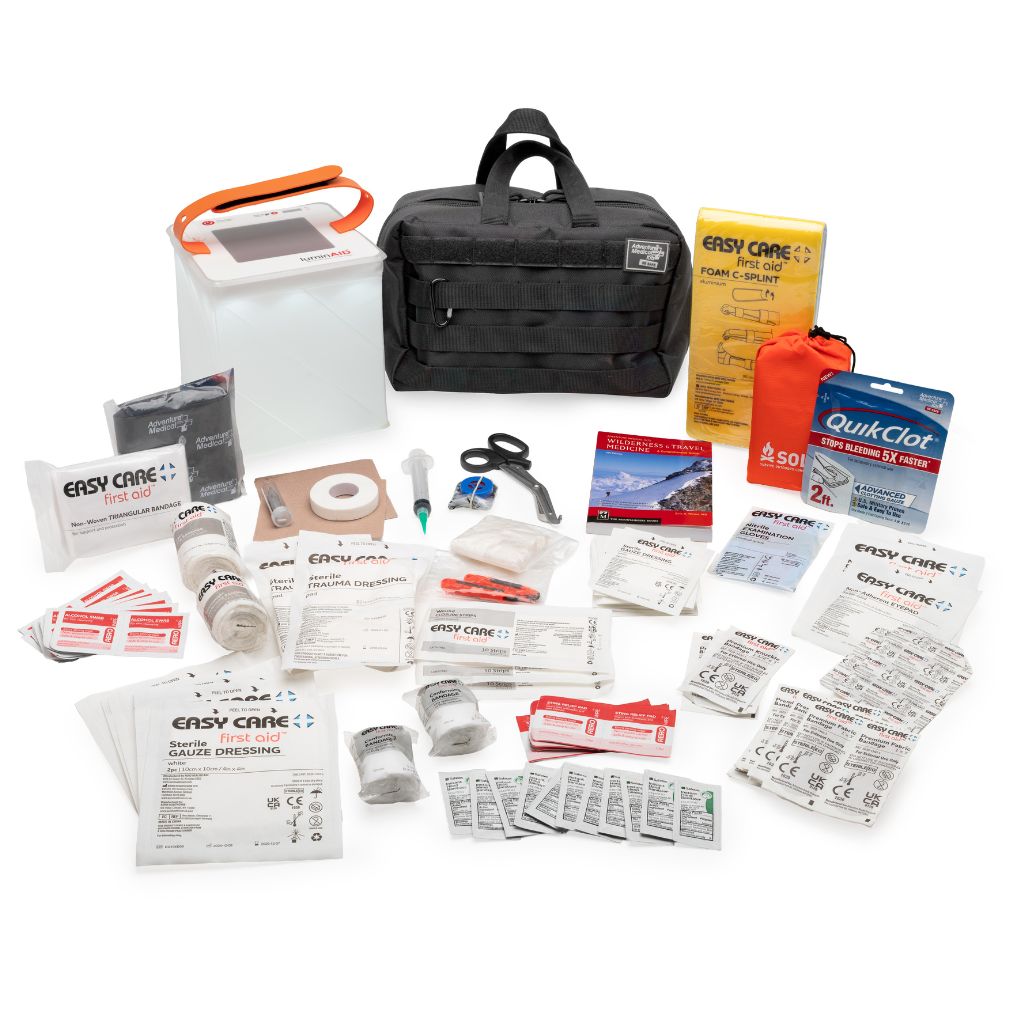
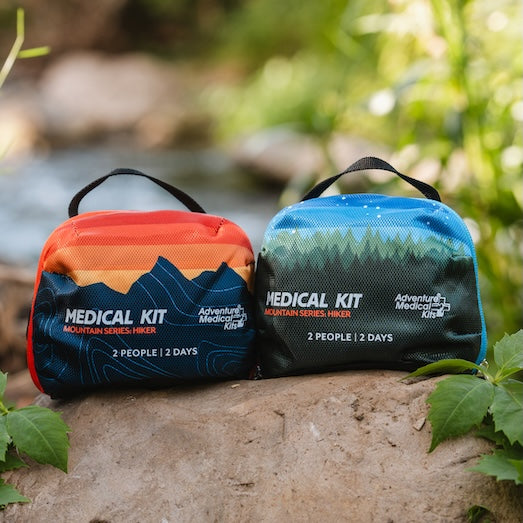
The Mountain Series and MOLLE series from Adventure Medical Kits are practical options for readers who want an activity-oriented system rather than loose supplies. The kits are designed to be lightweight and packable, with most kits using a resealable waterproof bag, labeled compartments, accessible supply lists, and medical instructions for common outdoor injuries and illnesses. Their activity-specific organization can make it easier to keep wound-care items together and reach them quickly.
A kit choice should still match the trip. Casual hikers may need a compact setup for cuts, scrapes, and blisters. Guides, hunters, boaters, and remote travelers may need a broader system that accounts for more serious trauma, longer evacuation times, or multiple people. Families building emergency supplies can also use the same decision rule, separating routine wound care from injuries that require emergency services.
A balanced packing position
A useful final rule is:
- Carry antibiotic ointment packets when sealed, portable doses suit the environment and the kit user understands their limited role.
- Carry plain petroleum jelly when the priority is moist wound protection for clean, minor injuries.
- Prioritize cleaning and dressings in every kit, because ointment cannot remove contamination or control serious bleeding.
- Escalate care for deep wounds, bites, punctures, severe burns, uncontrolled bleeding, or signs of infection.
The best hiking first-aid kit guidance can help match kit structure to trail conditions without treating one product configuration as universal.
The Mountain Series and MOLLE series also support a broader preparedness approach, with supplies arranged for quick access and instructions included in most kits. Adventure Medical Kits is a trusted partner of the National Outdoor Leadership School, and its first-aid kits and supplies are FSA/HSA eligible at checkout on its site.
The video below provides another visual reference for evaluating outdoor first-aid organization and use.
For a hiker deciding what to pack, the answer is neither “antibiotic packets for every scrape” nor “never carry them.” A small supply makes sense when portability, single-use hygiene, and trip conditions justify it. The wound still determines whether the packet belongs on the skin.
Adventure Medical Kits offers organized outdoor first-aid systems, including the Mountain Series and MOLLE series, with lightweight, packable designs and supplies arranged for quick access. Select a kit that matches the activity, add a practical mix of dressings and wound-cleaning supplies, and visit Adventure Medical Kits to prepare before the next trip.